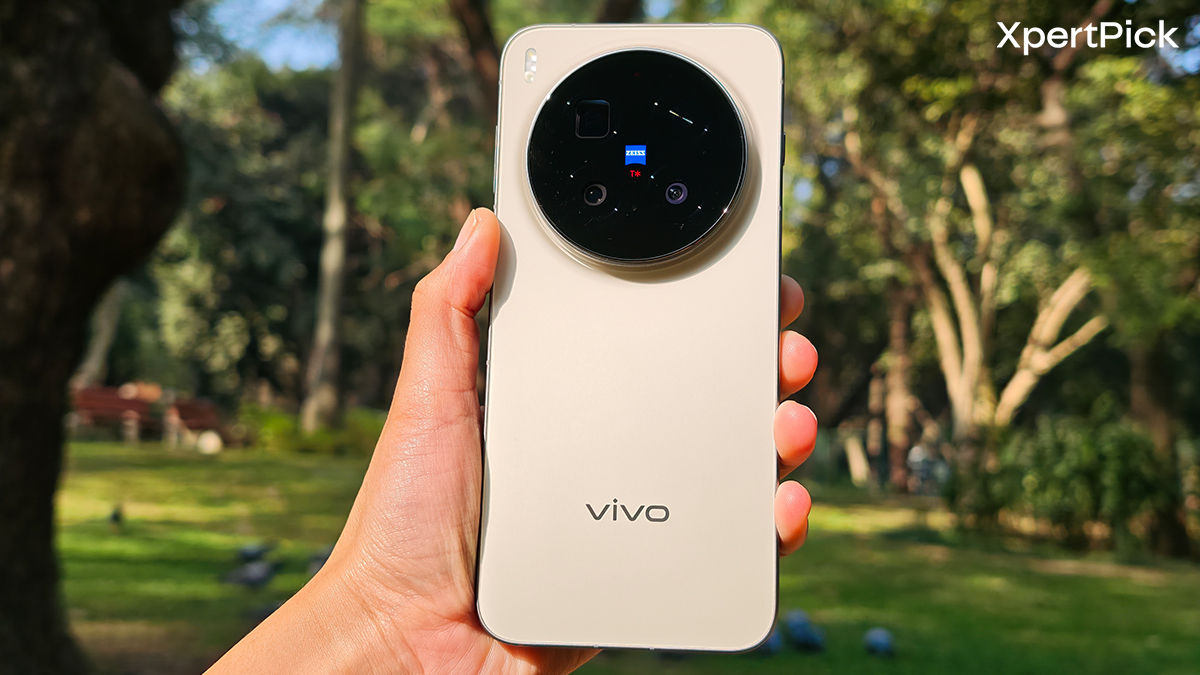
Vivo has been on a generational run, rolling out flagship after flagship with some of the best cameras in the business. With the Vivo X300 Pro, the brand is setting its highest bar yet. On paper, it ticks nearly every box that defines a modern flagship experience. But there’s still a very real question hanging over it: are you willing to spend over a lakh on a Vivo phone, even if it’s one of the most impressive camera smartphones around? After spending time with the phone, here’s how it stacks up.
Design: The X300 Pro Feels Built Around Its Cameras
Let’s start with the basics. The Vivo X300 Pro makes a bold first impression with its design; not because it introduces something radically new, but because of its sheer proportions. Vivo has largely stuck to the same design language as its predecessor, so everything here feels big: a wide display on the front, a massive camera module on the back, and a noticeable heft in the hand.
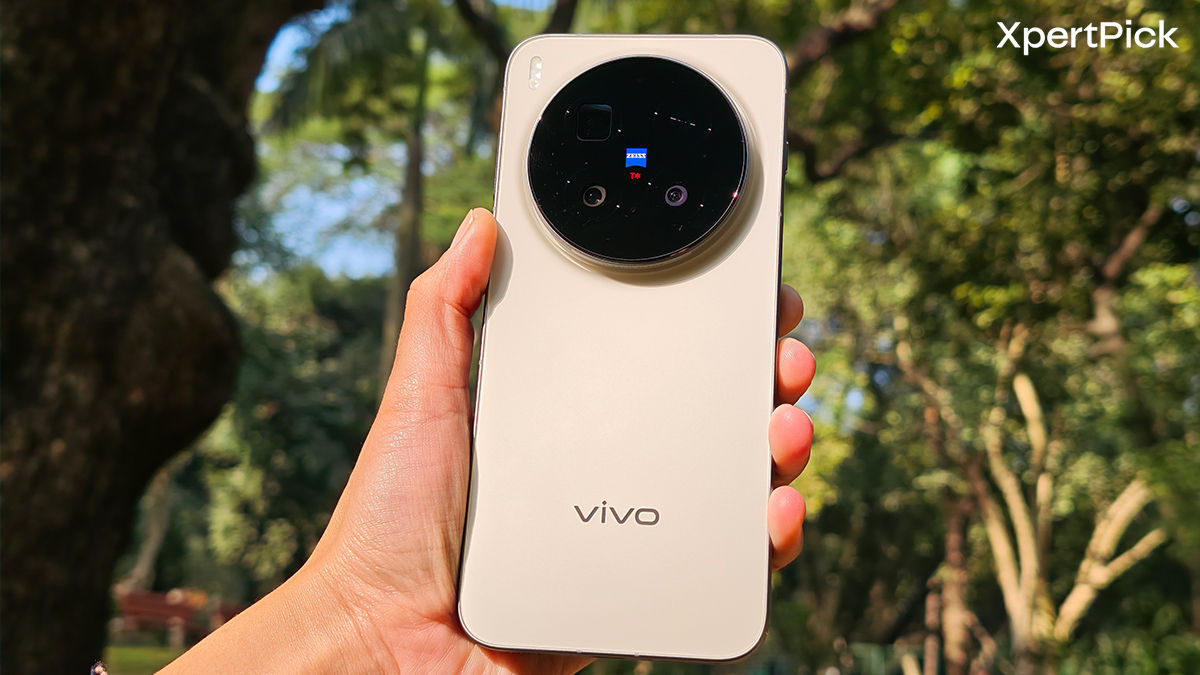
The circular camera island makes the X300 Pro look more like an actual camera than a smartphone. Add the ridged camera ring, and the inspiration feels obvious, if not deliberate. At 226 grams, this is a heavy phone. The weight feels reassuring at first, but longer usage sessions can get tiring. The new Dune Gold colourway adds a touch of elegance to an otherwise imposing device, though the overall design changes are more about refinement than reinvention.
Up front, you’re greeted by a tall 6.78-inch AMOLED display with a 20:9 aspect ratio, 1.5K resolution, and LTPO support with a variable 1–120Hz refresh rate. Peak brightness goes all the way up to 4,500 nits. Uniform bezels are slowly becoming the norm on Android flagships, and the ultra-slim 1.1mm bezels here genuinely help create a near all-screen experience.
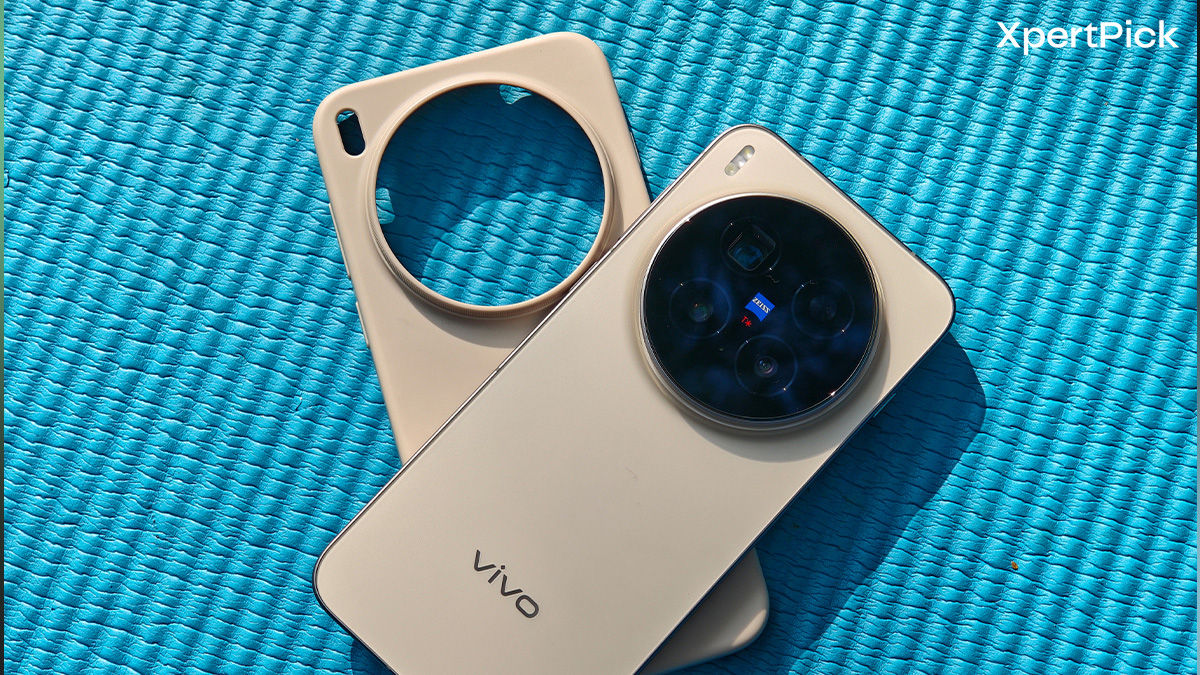
Vivo also includes its Armor Glass protection, a pre-applied screen protector, and a colour-matched case in the box. Haptics are another strong point, feeling tight and premium throughout.
Performance: Power and Endurance That Never Let You Down
The Vivo X300 Pro is powered by MediaTek’s latest Dimensity 9500 chipset, a 3nm flagship SoC paired with 16GB of LPDDR5X RAM and 512GB of UFS 4.1 storage. As one of the first phones to launch with this chip, it’s also one of the fastest devices you can buy right now. Day-to-day usage is effortless. Multitasking, rapid app switching, and gaming never caused even the slightest hiccup.
More demanding games like Genshin Impact hovered around the 60fps mark. Sustained gaming does cause temperatures to rise, but Vivo’s improved cooling system keeps things under control, never crossing into uncomfortable territory. For those interested in benchmarks, here’s a quick look:
- AnTuTu – 3,474,139
- AnTuTu (CPU) – 1,038,682
- AnTuTu (GPU) – 1,310,998
- Geekbench: 3,394 (single) / 9,946 (multi)
Battery Life: The X300 Pro Easily Lasts Longer Than Expected
Backing up all that power is a massive 6,500mAh battery. Even on days filled with gaming, photography, movie watching, and plenty of doom scrolling, I struggled to drain it in a single day. With mixed usage, getting close to two days of battery life was fairly routine.
Standby performance is excellent, and charging is handled by 90W wired and 40W wireless fast charging. The trade-off, unsurprisingly, is charging time. Despite the fast-charging support, topping up such a large battery still takes a little over an hour.
Cameras: The X300 Pro Makes Photography Feel Addictive
Vivo’s partnership with Zeiss dates back to 2020, but the results of that collaboration feel more refined in recent years. Despite having reviewed several premium smartphones with advanced camera systems, my experience with this phone felt genuinely different. Shooting on it was fun, almost addictive, and most photos looked ready to post straight to social media. But before diving in, here’s the camera hardware:
- 50MP 1/28″ Sony LYT828 main sensor (f/1.57 aperture, OIS, PDAF)
- 50MP 1/2.76” Samsung JN1 ultra wide angle lens (f/2.0, PDAF)
- 200MP 1/1.4” Samsung ISOCELL HPB periscope telephoto shooter (f/2.67, 3.7x optical zoom, OIS, ZEISS APO)
- 50MP 1/2.76” Samsung JN1 selfie camera (f/2.0, PDAF)
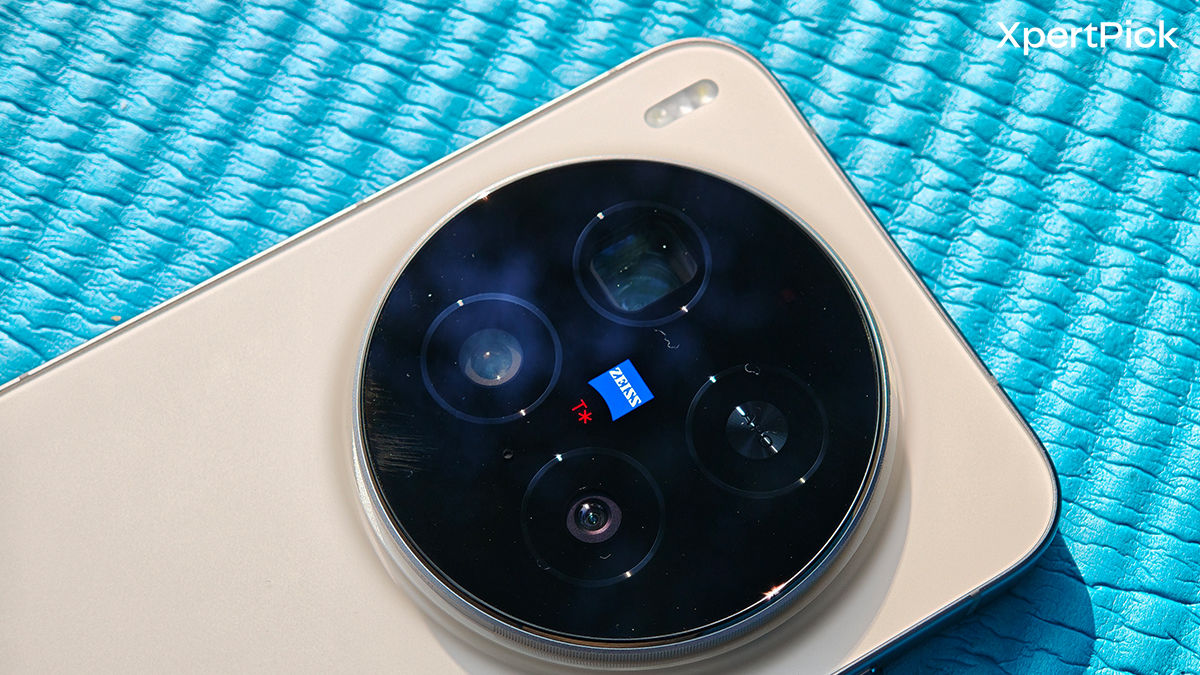
The main camera uses one of the largest sensors you’ll find on a smartphone today, sitting just below the 1-inch sensors reserved for Ultra models. The result is images packed with detail and strong performance across varied lighting conditions. While phones like the Pixel 10 Pro prioritise colour accuracy, Vivo and Zeiss take a different approach, tuning images with added vibrancy.
Colours can appear slightly brighter than real life, but that’s likely to appeal to most users. Dynamic range is excellent, shadows are handled well, and noise is minimal in good lighting. Even at night or under artificial lighting, the main sensor retains impressive detail.









That said, Vivo’s processing does lean on the aggressive side. Pixel peeping reveals noticeable sharpening, especially on finer textures. Most of the time, it isn’t distracting, but it becomes more apparent in low-light scenes. The same applies to 2x digital zoom, where the in-sensor crop holds up well, but sharpening remains heavy-handed.
Skin tones, thankfully, are handled well, with no beauty filters enabled by default. Video quality follows the same colour science, with support for up to 8K at 30fps. Stabilisation is strong, panning is smooth, and while low-light video is generally good, some noise and mild artefacting do creep in.






The telephoto camera is easily one of the highlights of this setup. It encouraged me to take far more photos than usual. Even a short walk in the park turned into a photography spree. Detail retention is excellent across lighting conditions, colours match the main sensor nicely, and the large sensor enables impressive hybrid zoom beyond the 3.7x optical range.
The characteristic compression and natural bokeh make portraits and zoom shots particularly satisfying. Sharpening becomes more noticeable at higher zoom levels, but I still found myself using 10x regularly because of how well daylight shots turned out. Macro mode also relies on the telephoto lens and delivers great subject separation with pleasing background blur.






The ultra-wide camera is the weakest link here. Its smaller sensor shows its limitations, with visible edge distortion and increased noise in low light. In good lighting, colours still pop and detail is acceptable, but night-time videos or pictures from this lens are best avoided.
The same sensor is used for the selfie camera, which is a clear upgrade over the previous generation. Autofocus is the biggest improvement, skin tones look natural, and dynamic range is solid. However, image quality does drop in dimmer conditions, with softer results and more noise.


The simple takeaway? With the Vivo X300 Pro, around 80–85% of my shots were spot on. Occasional oversharpening aside, the camera experience made me feel like a photographer who wanted to capture everything in sight. The co-developed Zeiss filters only add to that appeal. Want more muted colours? Zeiss Natural. Need a vibrant social media-ready picture? Zeiss Vivid has got you covered.
OriginOS is Still Getting There
Vivo’s shift from FunTouchOS to OriginOS globally is a significant one. On the surface, OriginOS 6 brings refreshed visuals and a more modern feel, but it still trails behind the best Android skins in terms of polish.
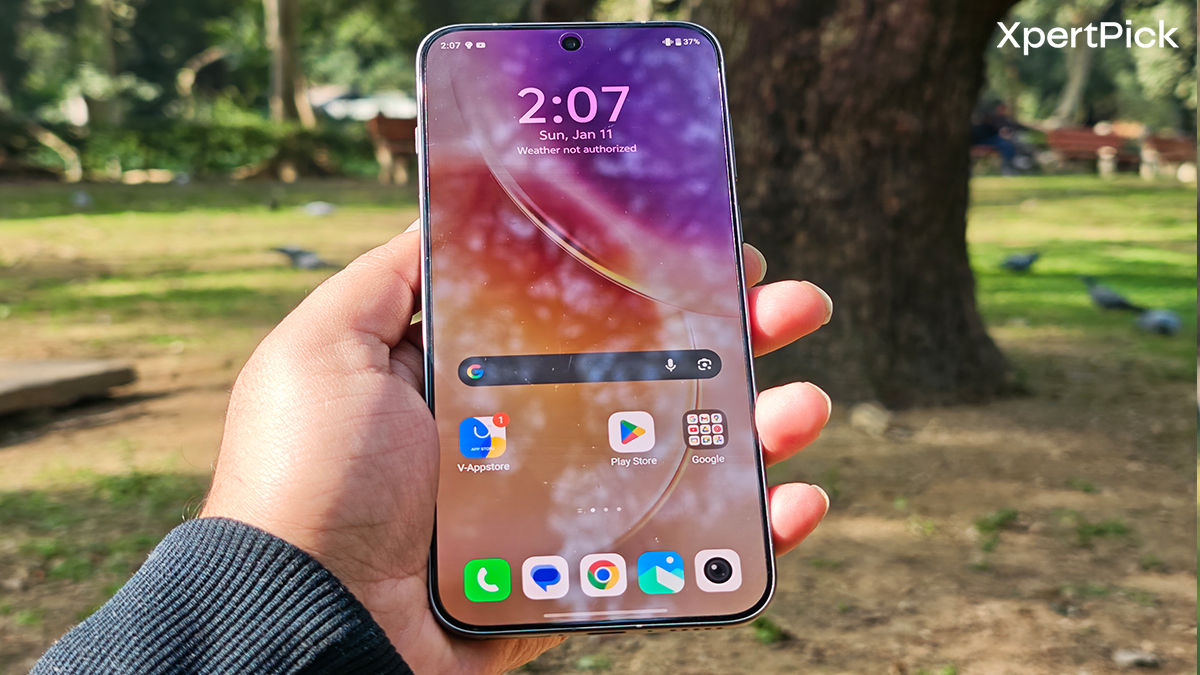
The iOS influence is immediately noticeable, from quick settings to UI translucency reminiscent of Apple’s Liquid Glass design. While it remains distinct from ColorOS or OxygenOS, the overall experience feels flatter. The presence of preloaded apps, from social media to a large number of Vivo services, also detracts from the premium feel. Frequent notifications from apps I never interacted with only added to the frustration.
But aside from these nitpicks, OriginOS remains quite capable and has its own strengths. Customisation options are deep, covering the lock screen, Always-On Display, and even fingerprint animations. The default animations can make the phone feel sluggish at times, but adjusting them quickly fixes that.
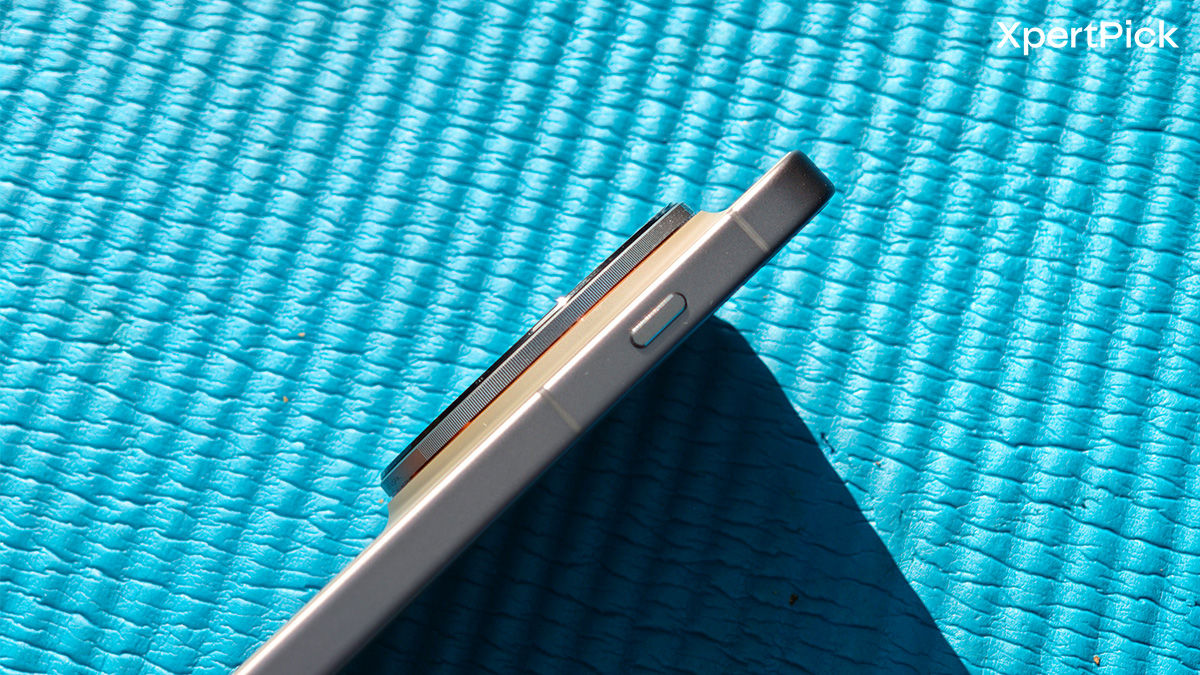
AI integration has improved as well, especially within the camera app, where features like background object removal or scene changes are available. These are more of a novelty than a necessity, and other AI tools, such as text rewriting, proofreading, transcription, and summarisation, are genuinely useful. The new shortcut button is another highlight, allowing both double-tap and long-press actions. So it’s a more flexible implementation than what some rivals offer.
Verdict: Should You Buy The Vivo X300 Pro?
At Rs 1,09,999, the Vivo X300 Pro sits firmly in ultra-premium territory. Spend a little more, and foldables enter the picture. Spend the same, and Samsung or Apple start to look like safer, default choices. That makes the X300 Pro a tough sell on brand value alone.
But what Vivo offers here goes beyond consistent performance. It delivers a distinct experience. The cameras are clearly aimed at enthusiasts, but they’re also tuned in a way that makes photography enjoyable for everyone. You don’t need to dive into settings or understand photography jargon. You simply see something you like and capture it.
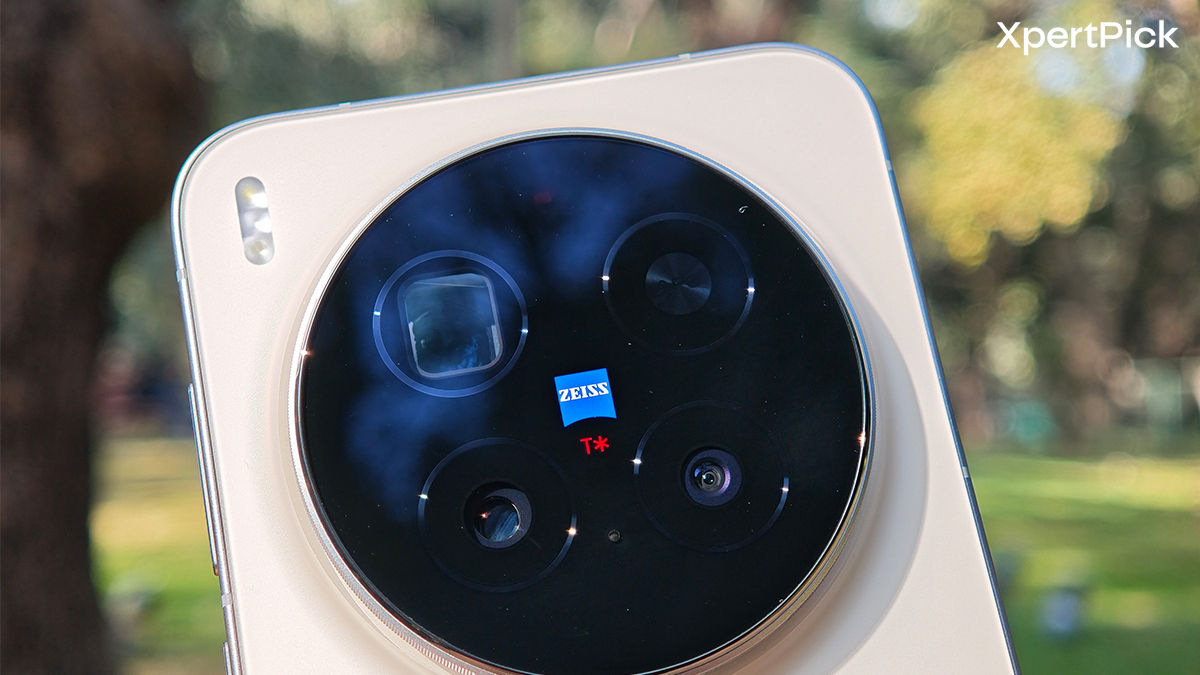
Wrapped around that camera experience is a solid flagship: cutting-edge performance, battery life that makes you forget about power banks, a polished and premium design, and a bright, immersive display. The biggest compromise remains the software, which still needs refinement to fully match the hardware.
The other caveat is upgrades. If you’re already using a recent flagship, especially the Vivo X200 Pro or its competitors, the improvements here aren’t significant enough to justify the jump. But if you’re tired of safe, predictable premium phones and want something that feels different, the Vivo X300 Pro has firmly earned its place as a top-tier contender for your next flagship.
Pros
- Outstanding camera system that’s fun, versatile, and easy to use
- Class-leading telephoto performance with impressive hybrid zoom
- Flagship performance from Dimensity 9500
- Excellent battery life and strong standby performance
- Reliable video stabilisation
- Bright, immersive AMOLED display with slim uniform bezels
Cons
- Extended use gets tiring due to its heavy and bulky build
- Noticeable bloatware and intrusive notifications
- Hard to justify as an upgrade over recent flagships
- OriginOS still feels less refined than rival Android skins