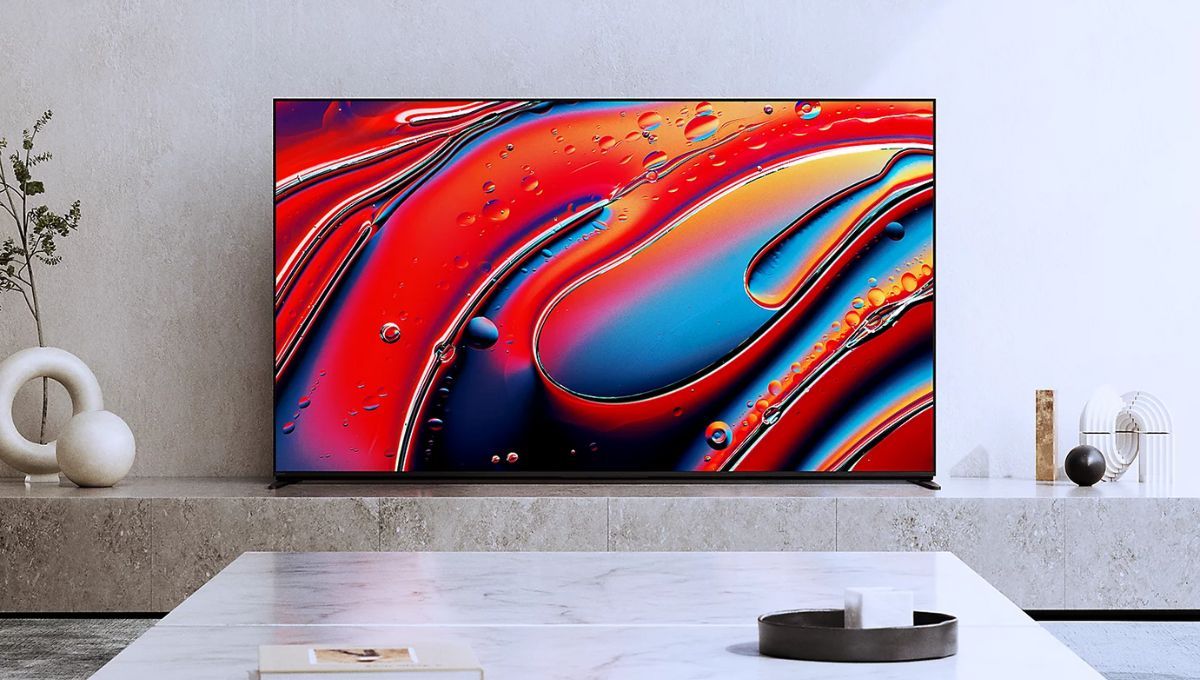
Sony has announced plans to spin off its TV hardware business into a new joint venture with Chinese electronics giant TCL, a move that marks one of the most significant structural changes in the company’s consumer electronics strategy in decades. Under the nonbinding agreement, TCL is set to hold a 51% stake in the new company, while Sony will retain 49% ownership. The partnership is expected to operate under the Sony and Bravia branding, subject to regulatory approvals and the finalisation of binding agreements by March 2026, with operations planned to begin in April 2027.
At first glance, the announcement has been widely framed as TCL “taking over” Sony’s TV business. In reality, the structure and intent of the deal are more nuanced. Rather than exiting televisions altogether, Sony appears to be repositioning itself within an increasingly competitive TV market. For legacy brands, it has become harder to navigate alone, raising several practical questions about control, branding, product quality, and what this partnership will ultimately mean for buyers and the future of Bravia.
Sony is not exiting TVs, but it is stepping back from full control
Sony is not selling its television business outright. Instead, it is moving the hardware side of that business into a jointly owned entity where TCL will hold the majority stake. This means Sony is giving up operational control of manufacturing and scale, but not its presence in the TV market itself.
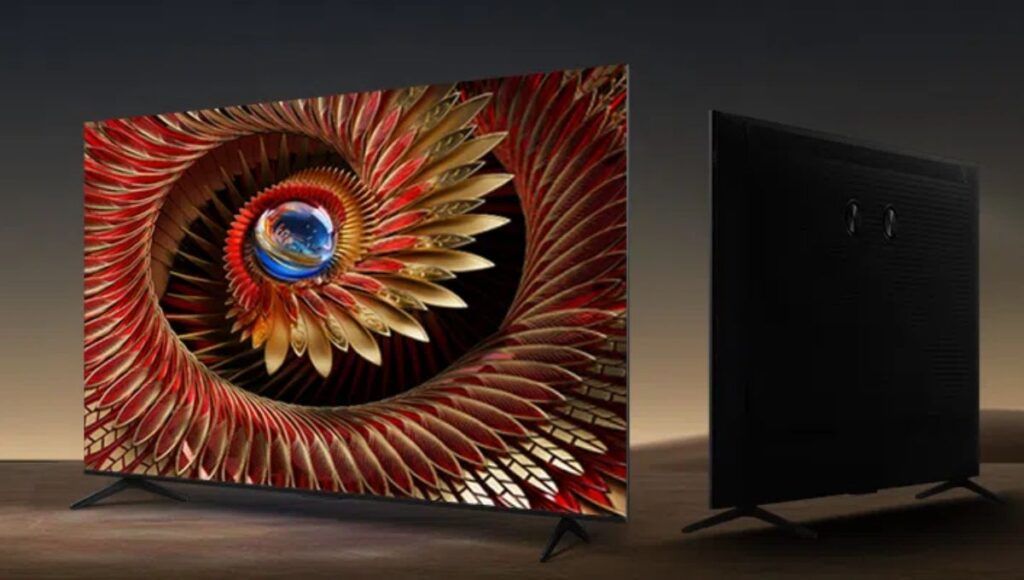
TCL is expected to handle everything from product development and design to manufacturing, sales, and logistics for televisions and home audio equipment. Importantly, Sony will continue to contribute its picture processing, audio technologies, brand value, and operational expertise to the JV.
In simple terms, Sony’s role is changing. Instead of making TVs entirely on its own, the company will now act more as a technology / brand partner, working within a larger manufacturing setup led by TCL.
The Bravia brand is staying, but its production model is changing
Sony has confirmed that the Sony and Bravia branding will be retained under the new venture. For consumers, this means Bravia televisions are not going away. However, how those TVs are built is likely to change.
TCL brings display technology, vertical supply chain strength, and cost efficiency to the table. Sony contributes image processing, audio tuning, and brand equity. Future Bravia models are therefore expected to be co-developed, combining Sony’s picture and sound expertise with TCL’s manufacturing and panel technologies.
This could result in Bravia TVs that look and feel familiar in terms of image quality and design philosophy, but are produced through TCL’s supply chain rather than Sony’s traditional manufacturing infrastructure.
This reflects the reality of today’s TV market economics
The global TV market has become one of the most margin-constrained segments in consumer electronics, with average profit margins on television hardware often running in the low double digits after costs, reflecting intense price competition and shrinking returns for manufacturers. According to a research report, typical TV profit margins tend to fall between 10 percent and 20 percent above cost.
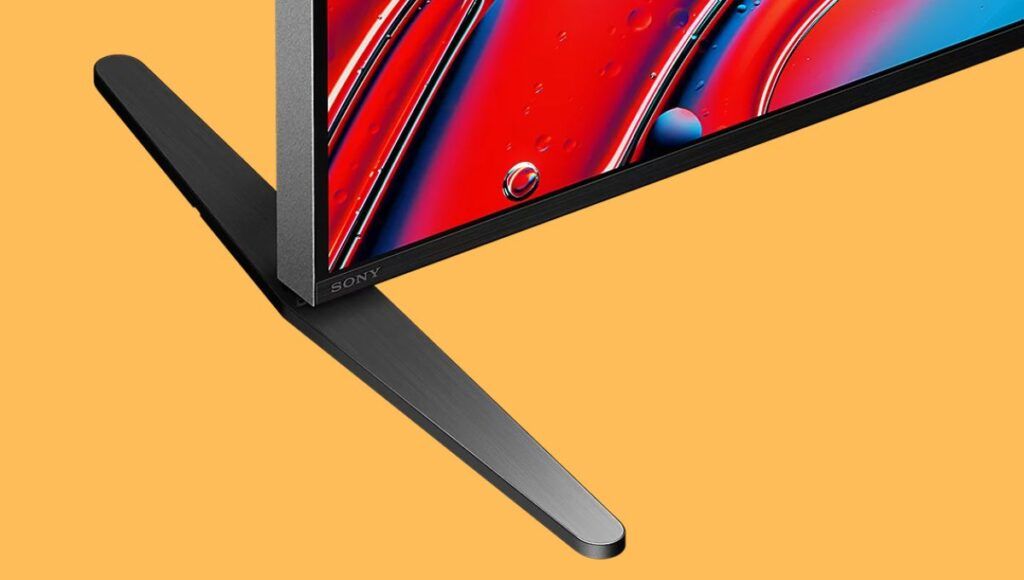
Companies such as TCL and Hisense now dominate large parts of the global TV supply chain, from panels to assembly. At the same time, Sony’s most profitable businesses today lie elsewhere, particularly in gaming, music, film, image sensors, and professional imaging.
From this perspective, the joint venture can be seen as Sony acknowledging that maintaining a fully independent TV manufacturing business is no longer strategically efficient. By partnering with TCL, Sony can remain present in the TV category while reducing its exposure to the capital-intensive and low-margin aspects of hardware production.
TCL is gaining more than just volume, it is gaining premium credibility
For TCL, the partnership is not just about expanding its TV shipments. It is also about brand positioning.
Over the past few years, TCL has made significant technical progress in Mini LED backlighting, quantum dot displays, and large-format panel production. What it has historically lacked, particularly in markets such as Japan, Europe, and parts of North America, is the premium brand perception that companies like Sony command.
By associating with Sony and Bravia, TCL gains access to decades of trust in image quality, professional calibration standards, and creator relationships. This could help TCL move further upmarket, positioning itself not only as a value-driven brand but also as a credible player in the premium TV segment.
The deal does not guarantee cheaper or better TVs, but it changes the equation
Some early reactions to the announcement have suggested that this partnership will automatically result in cheaper Bravia TVs with Sony-quality image processing. While that is a possible outcome, it is not guaranteed.

What the joint venture does change is the cost structure behind Bravia products. With TCL handling much of the manufacturing and supply chain, Sony-branded TVs may no longer need to carry the same overhead associated with Sony’s standalone operations. This creates room for more aggressive pricing or improved specifications at similar price points.
However, the final impact on pricing, quality, and product strategy will depend heavily on how the joint company is run, how responsibilities are divided internally, and how much influence Sony retains over key aspects such as processing pipelines and quality control.
What remains unclear
Several important details are still unknown at this stage.
Sony and TCL have not disclosed how decision-making power will be distributed within the joint venture beyond ownership percentages. It is also unclear whether Sony will continue developing its own TV system-on-chips and image processors for Bravia models or transition to more TCL-led hardware platforms.
Additionally, regulatory approvals, particularly in key markets such as the US, EU, and Japan, could influence the final structure and timing of the deal.
Until binding agreements are finalised and product roadmaps become public, many of the most consequential aspects of the partnership remain speculative.
A structural shift rather than a simple takeover
Sony appears to be choosing a model where it preserves what differentiates it, namely image science, audio engineering, and brand value, while outsourcing what has become commoditised and capital-intensive. TCL, in turn, gains access to a premium legacy brand and technical expertise that could accelerate its push into higher-end segments.
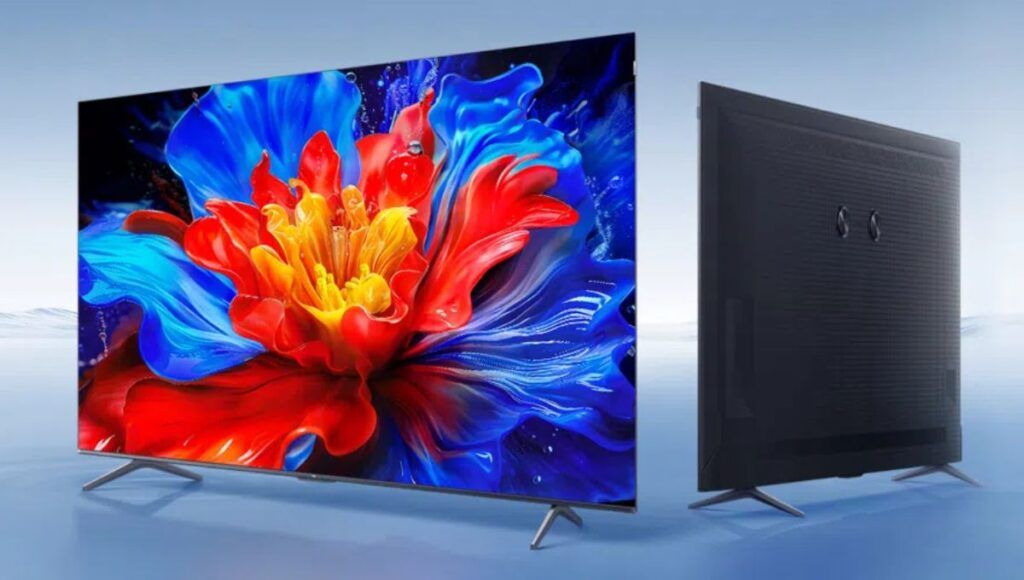
For consumers, the real story will not be visible until the first jointly developed Bravia models reach the market. Those products will ultimately determine whether this partnership strengthens Sony’s TV identity or gradually transforms it into something fundamentally different.
Until then, the Sony-TCL deal stands as a clear signal that even the most iconic consumer electronics brands are being forced to rethink what it means to “make” a television in 2026.