If you are also planning to buy a new air fryer, chances are that you have done your research and have compared different ones based on capacity, wattage, features, etc. But one thing most people overlook as a design choice, which ends up impacting the experience long term, is the control interface. Yes, I am talking about whether you should go for an analogue or digital control on an air fryer. And no, it’s not just a matter of pricing.
To make it easier to understand, whether an air fryer uses a mechanical or digital control panel determines how it responds to heat exposure, moisture, electrical instability, and repeated use over time. And from an engineering point of view, this interface is also the single most failure-prone subsystem in the appliance. So, before you decide which type of air fryer to go for, it is important to understand how each interface ages in different kitchen conditions.
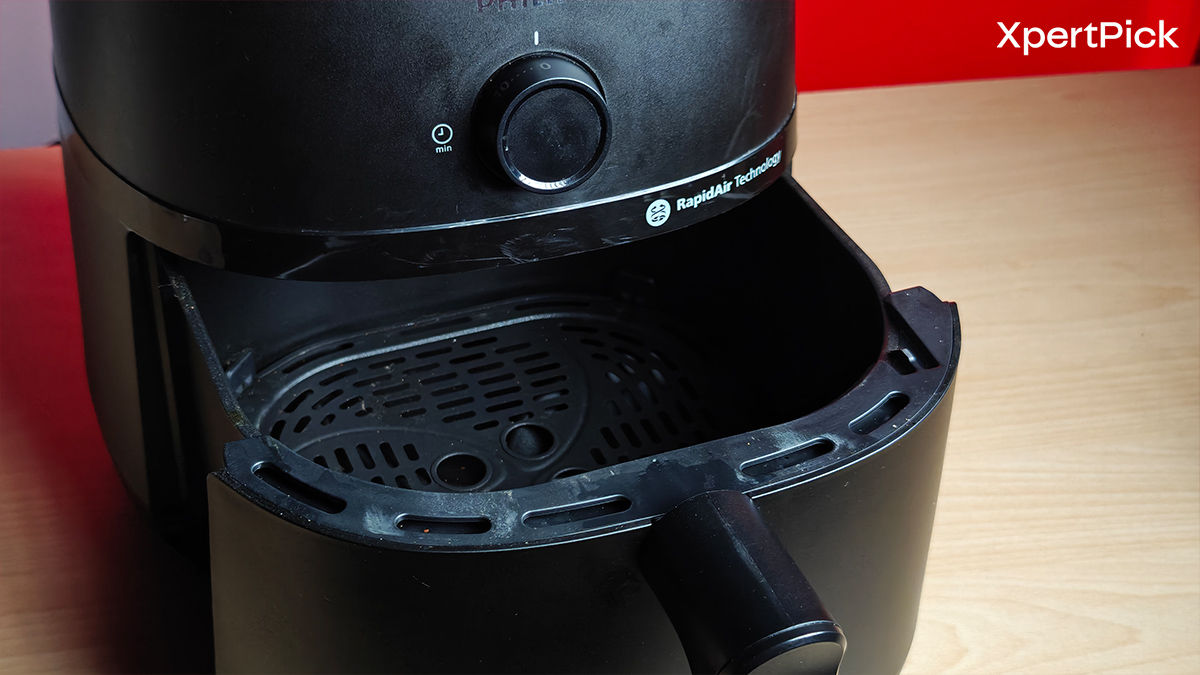
We regularly test different types of air fryers under different conditions, so this article, based on our observations over time, will give you a clear idea whether you should go for a digital air fryer or an analogue one.
Why the Control System Determines an Air Fryer’s Service Life
Most air fryers on the market offer pretty strong heating elements and fan assemblies. They are thermally insulated, designed for high-cycle operation, and are rarely the first part to fail.
But on the other hand, the control system has to face multiple stress factors:
- Exposure to internal heat
- Constant thermal expansion and contraction
- Humidity and cooking steam
- Grease particles and condensation
- Direct physical interaction through buttons or knobs
- Voltage fluctuations
Due to these reasons, the control panel can quickly deteriorate, reducing the lifespan of your air fryer.
Mechanical/Analogue Air Fryers
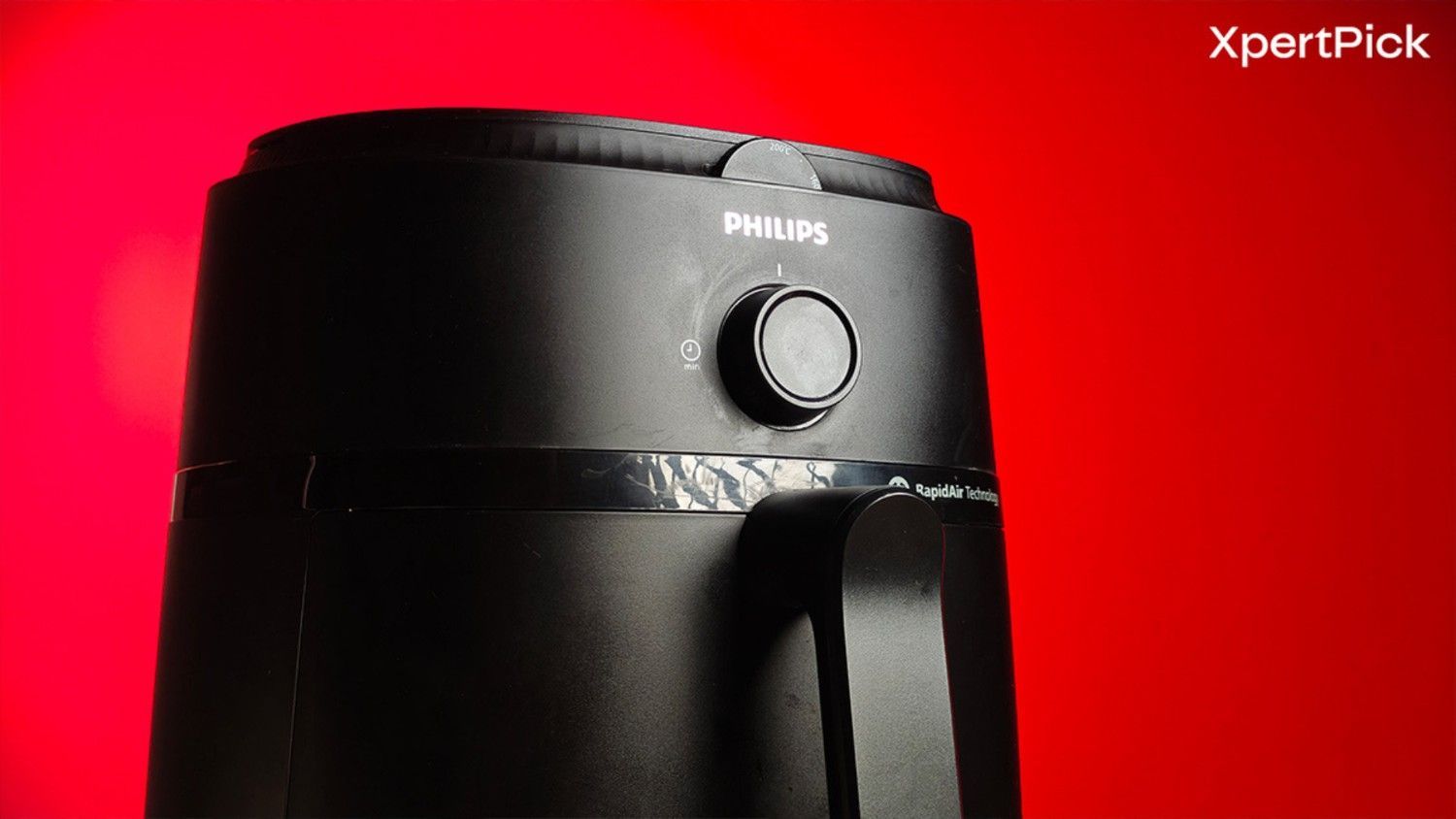
The analogue air fryers use components such as rotary timers, bimetal thermostats, and physical switches. Most initial air fryers came with manual air fryers, and it is only in the recent past that there are so many options available.
Let’s start with how they work. When you turn a knob, mechanical force directly closes a circuit or adjusts the temperature regulator. There isn’t any software layer between the user input and the electrical output. In our testing, we have found that this function has several advantages:
- Since they have no software layer, it is easy to use. Especially for the elderly, who don’t want to fiddle with many controls, this seems straightforward.
- It wears down gradually rather than abruptly.
- A partial deterioration of the control panel doesn’t completely lead to a non-functioning appliance.
- It is inexpensive to repair
- The components tolerate minor moisture exposure relatively well.
- The system is immune to firmware corruption or display failure.
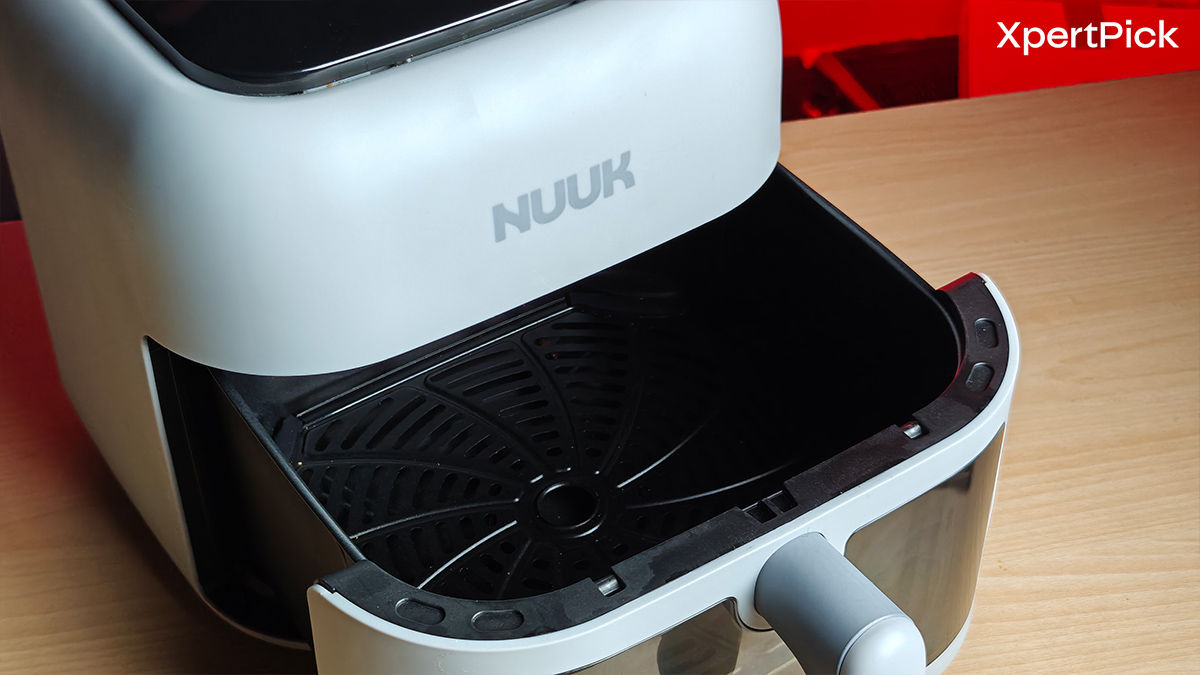
Time precision involves a bit of guesswork: Most air fryers that have manual knobs are marked only at 5-minute or 10-minute intervals. Setting a 12- or 13-minute cook time means estimating the position between two numbers, which can lead to minor inconsistencies unless you rely on experience and visual cues. Needless to add that apprixmating time for cooking might result in undercooked or overcooked food.
Digital/Electronic Air Fryers
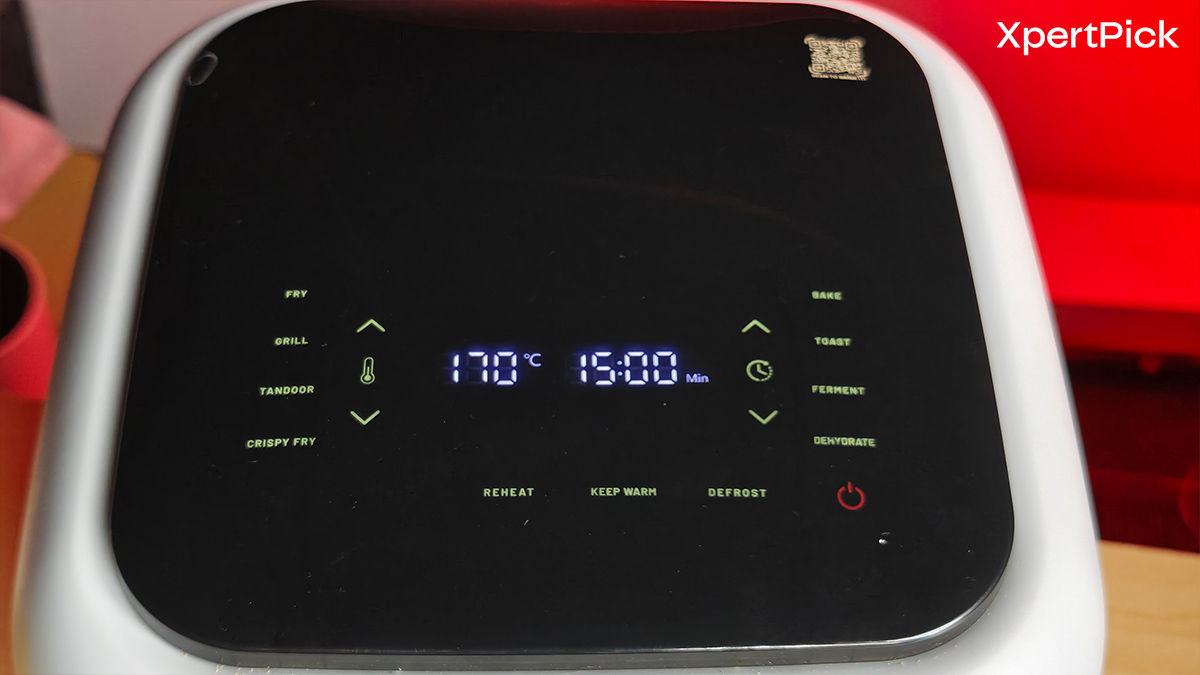
On the other hand, digital air fryers operate like mini computers, utilising microcontroller-driven circuit boards to interpret user inputs from buttons and/or touch panels. This is then converted into operating commands for the heating element and the fan. This architecture allows for advanced features like presets, precise temperature settings, countdown timers, smart integration, etc. But, at the same time, it also adds some delicate parts to the system.
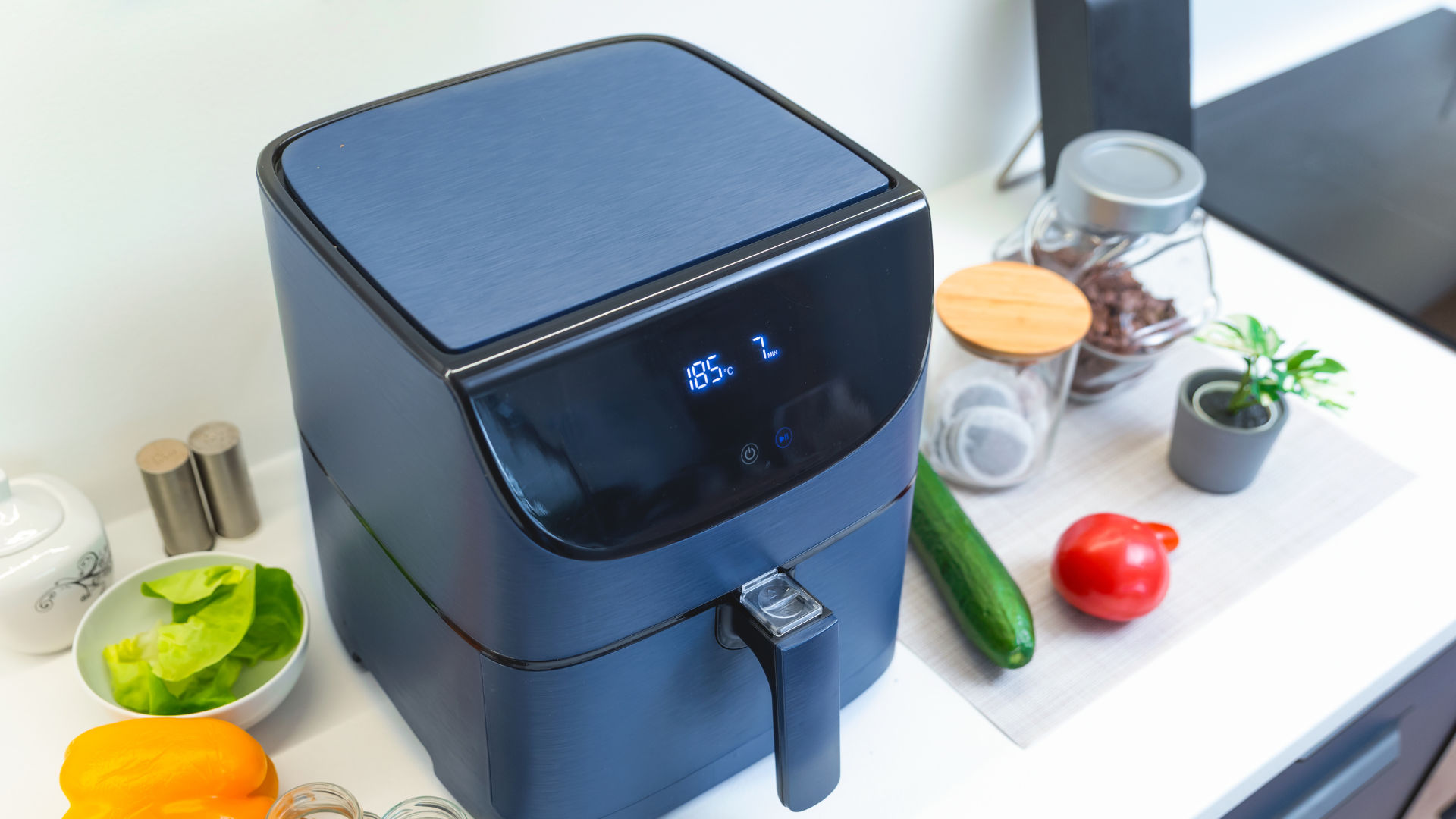
Over time, these parts can face several common problems, such as:
- The constant heating up and cooling down can weaken the tiny solder joints on the circuit board.
- Steam and moisture can get inside and lead to corrosion on internal wiring and connectors.
- Touchscreens and buttons can lose sensitivity over time.
- Displays may dim, flicker, or stop working because of backlight or connection issues.
- If even one key electronic part fails, the entire control panel can stop working.
The major issue here is that, unlike analogue air fryers, which wear down gradually, digital ones can fail suddenly. In some cases, we have seen that if a control board or touch panel goes bad, the air fryer typically becomes unusable right away, even if the heating element and fan are still perfectly fine.
Heat & Humidity: Primary Causes of Deterioration
The environment in which an air fryer operates is generally hostile to electric appliances. Every time an air fryer is used, it produces high internal temperatures, which are followed by rapid cooling, condensation from the moisture in the food, and airborne grease particles, which cause the seals around the buttons and screens to slowly wear out.
In any condition, these circumstances are ideal for long-term deterioration of electronics and over months and years, this combination can cause real damage to the air fryer. Even with models that are splash-resistant or have semi-sealed panels, the plastic and rubber seals harden with age, tiny gaps form around buttons and displays, and moisture slowly gets inside. Once water vapour reaches the internal electronic parts, it speeds up corrosion and reduces the lifespan of the control board.
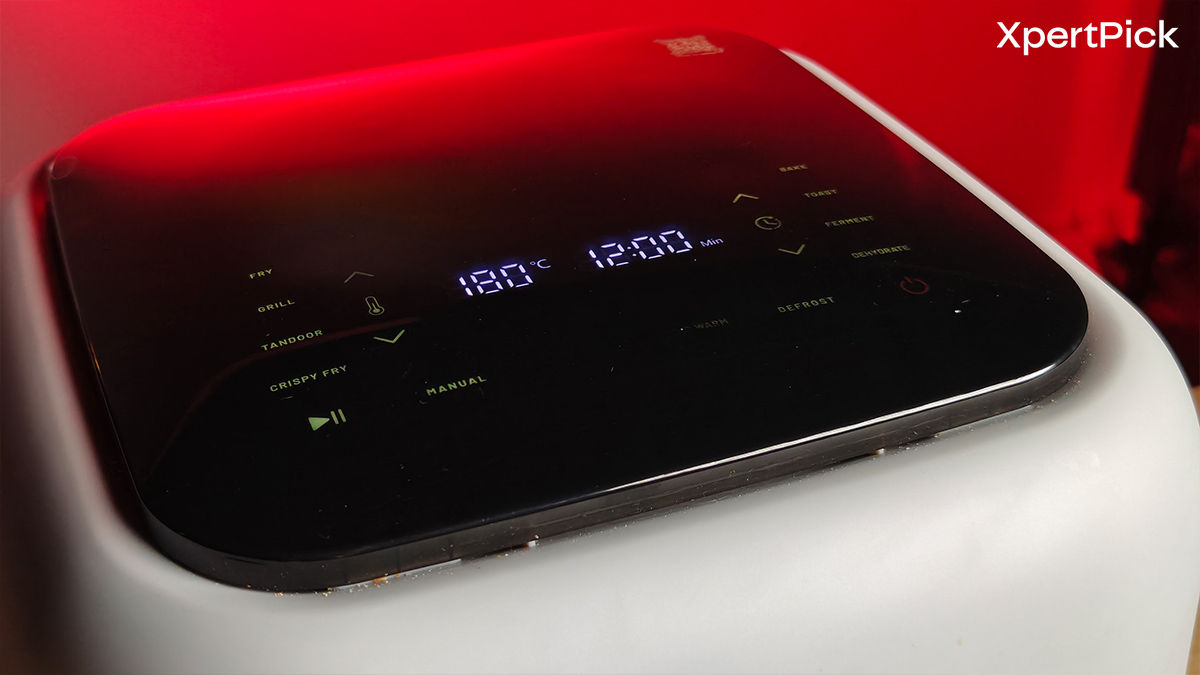
Even the analogue air fryers are affected by heat and water, but they age in a relatively less complex way. Their springs slowly lose tension, rotary timers become stiff, and switches stop feeling as smooth as they once did. The main difference, as mentioned earlier, is that with analogue air fryers, the changes happen gradually, and we have seen that it rarely causes sudden breakdowns. In most cases, the mechanical controls keep working long after it starts to feel that they are wearing down.
Repair Costs
With analogue air fryers, most control issues are mechanical- a stiff dial, a loose knob, or a worn timer spring. These are easy to replace, repair quickly, and don’t cost too much either. And even after you have had the appliance for a while, these small fixes usually make sense financially and don’t cut down on the appliance’s life.
With digital air fryers, the repair gets a little complicated. When a control board or touch panel fails, what we have seen in most cases is that you have to get a full module replacement. These parts can be expensive, are model-specific, and often cost 40–60% of the original product price. Hence, in such situations, most people end up replacing the entire air fryer, even if the heating element and fan are working perfectly, because that’s more financially practical.
So, Which One Should You Get?
Based on industry data and our long-term testing, most analogue air fryers continue to work reliably for around seven to nine years under typical household use. In fact, one of our colleagues has been using a Pigeon air fryer with manual controls for over eight years, without a single failure to date. Digital air fryers, on the other hand, tend to show signs of ageing much sooner, often within four to six years. Hybrid models that combine physical knobs with digital displays usually land somewhere in between. Since hybrids are still relatively new, we are tracking this category more closely to understand how these mixed-control systems hold up over time.
Analogue air fryers are also usually cheaper to buy initially. However, many budget brands such as Glen, Inalsa, Faber, Prestige, and Milton now offer digital controls even in entry-level models. In our experience reviewing these products, touch panels at the lower end of the price spectrum are often unintuitive and occasionally unresponsive. While they look more premium on paper, learning to use these controls can take longer than expected, sometimes requiring a full read-through of the manual, which runs counter to the idea of quick, everyday cooking.
Homes with daily air fryer use, humid kitchens, or unstable power supply tend to see digital failures even sooner, particularly in touchscreen-heavy models. So, the choice ultimately boils down to your budget and kitchen habits.
If you are getting into the budget air fryer segment and looking for long-term reliability, lower maintenance costs, and fewer service headaches, then an analogue air fryer is a safer choice for you. But if you want presets, precise temperature control, modern UI design, device integration, something more handy to use, and don’t want to compromise on the luxe experience, then a digital air fryer makes more sense for you. Just be careful with the maintenance.