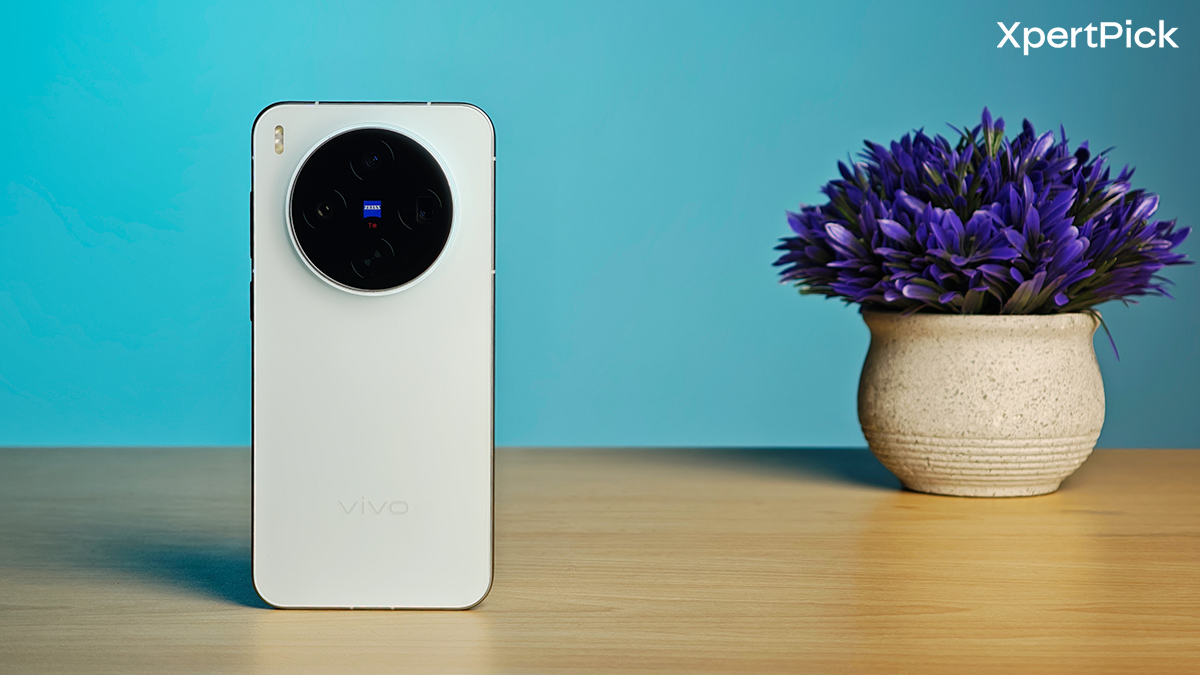
If you’re looking to buy a premium smartphone, be ready to spend in the ₹70,000 to ₹90,000 range. Last year’s sub-flagship phones were largely priced between ₹55,000 and ₹70,000, while this year’s smartphones have seen a price jump alongside upgrades in specs and features.
Today, we’re taking a closer look at the Vivo X300, which launched in India at ₹75,999 in December 2025. That’s a ₹10,000 price increase over the Vivo X200, which launched at ₹65,999 in December 2024. For context, I purchased the X200 Pro for around ₹95,000 last year, and its successor, the X300 Pro, launched at ₹1,09,999 for the same 16GB + 512GB variant.
Moreover, the iPhone 17’s upgrades, including a 120Hz display, 256GB storage, a 48MP ultra-wide camera, an improved SoC, and aggressive pricing, place it at around ₹82,900, roughly ₹10,000 more than comparable premium Android smartphones. Android prices have also risen, bringing them closer to iPhones, intensifying competition and expanding consumer choices. This raises the key question: is the new X300 still worth it?
Vivo X300 Design: Similar yet improved
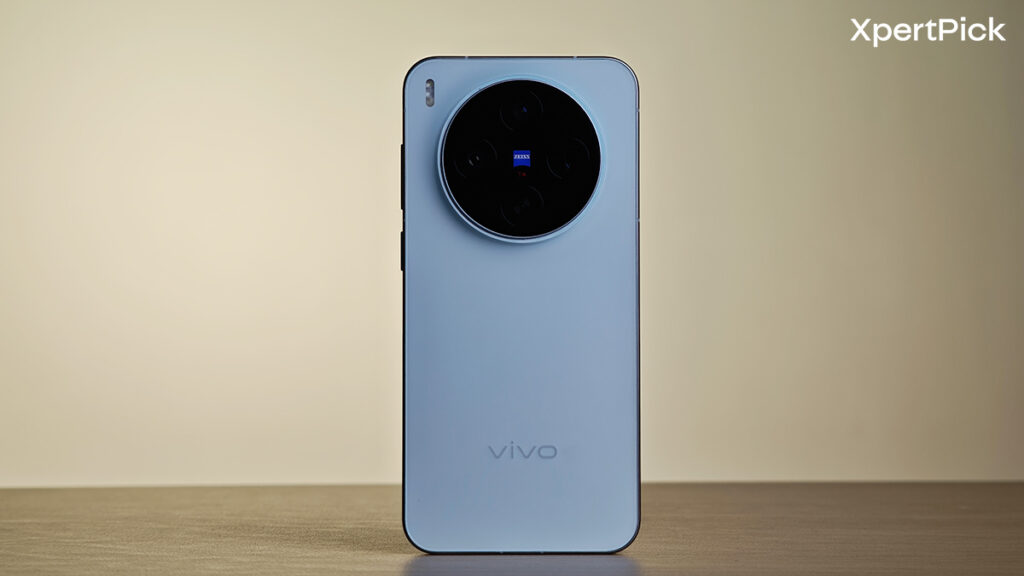
At first glance, the Vivo X300 doesn’t attempt to reinvent Vivo’s flagship design language, but it does refine it in meaningful ways. With a 6.31-inch display and a weight of 190 grams, the X300 is noticeably more compact than the X300 Pro and feels closer in spirit to last year’s X200 Pro Mini. In daily use, this smaller footprint makes the phone easier to handle one-handed, especially compared to the increasingly bulky flagships in this price segment.
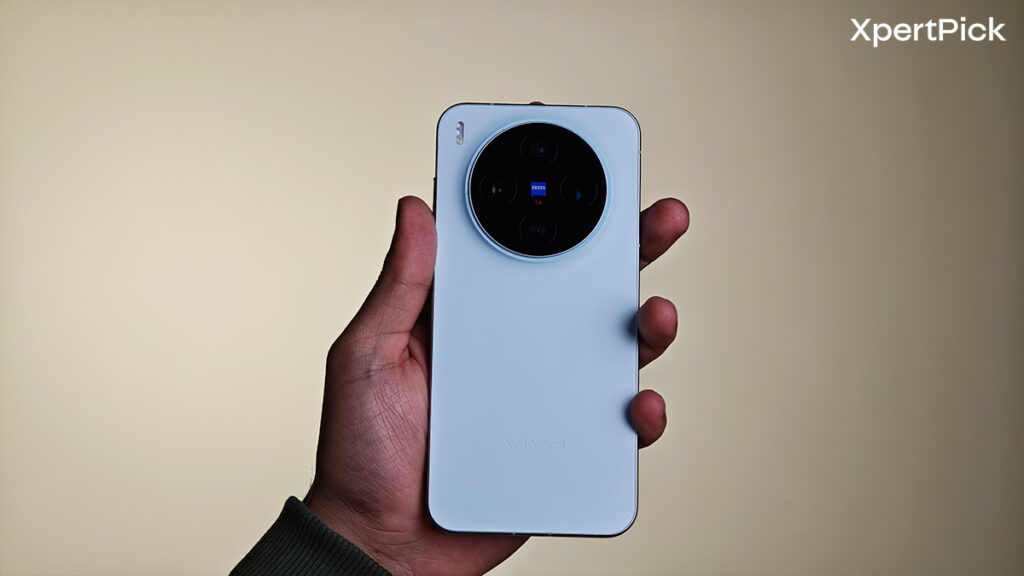
Build quality is solid throughout. The chassis feels well put together, and the IP68/IP69 certification adds both water and dust resistance, reinforcing its premium positioning. With a screen-to-body ratio of 90.5%, the OLED panel dominates the front, improving on the X200’s 89.6% and delivering a modern, uninterrupted look without making the phone feel oversized.
The Vivo X300 also supports the Zeiss tele-extender kit, which integrates cleanly with the chassis and adds extra photographic flexibility. Moreover, the X300 checks all the expected boxes for a premium smartphone in 2025, including USB OTG support, Bluetooth 6.0, NFC, and a USB 3.2 port with display output support. You can also find these features on similarly priced Android phones, such as the Oppo Find X9 and iQOO 15, while the iPhone 17 is still limited to a USB 2.0 port.
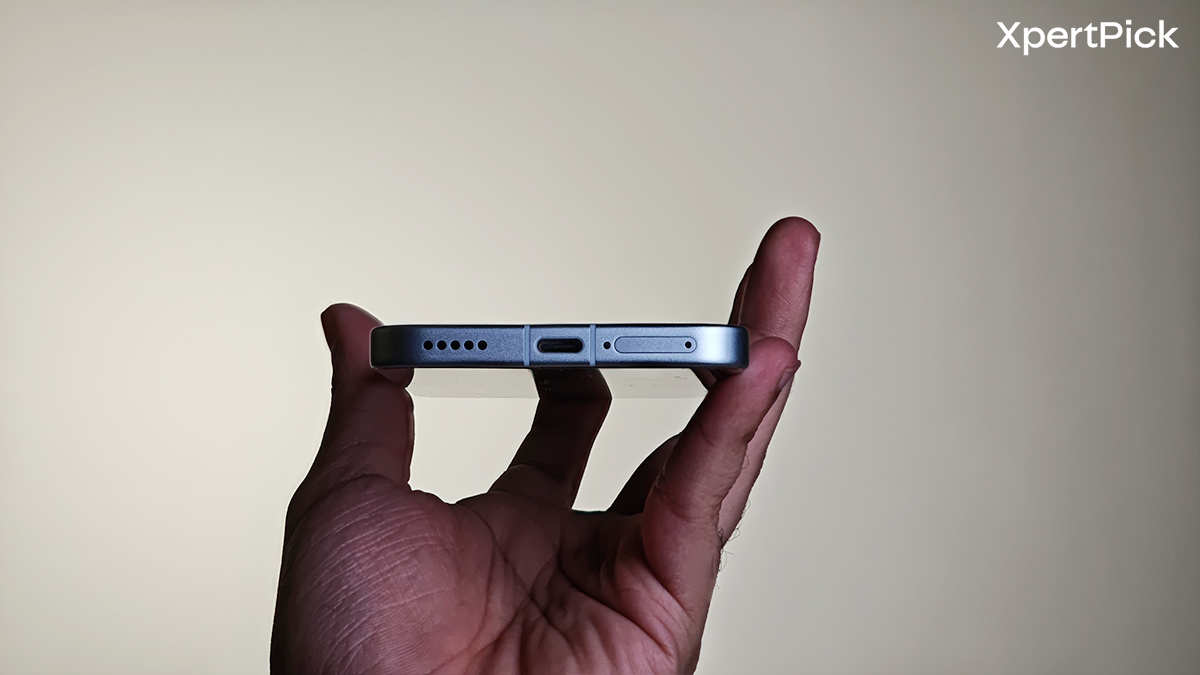
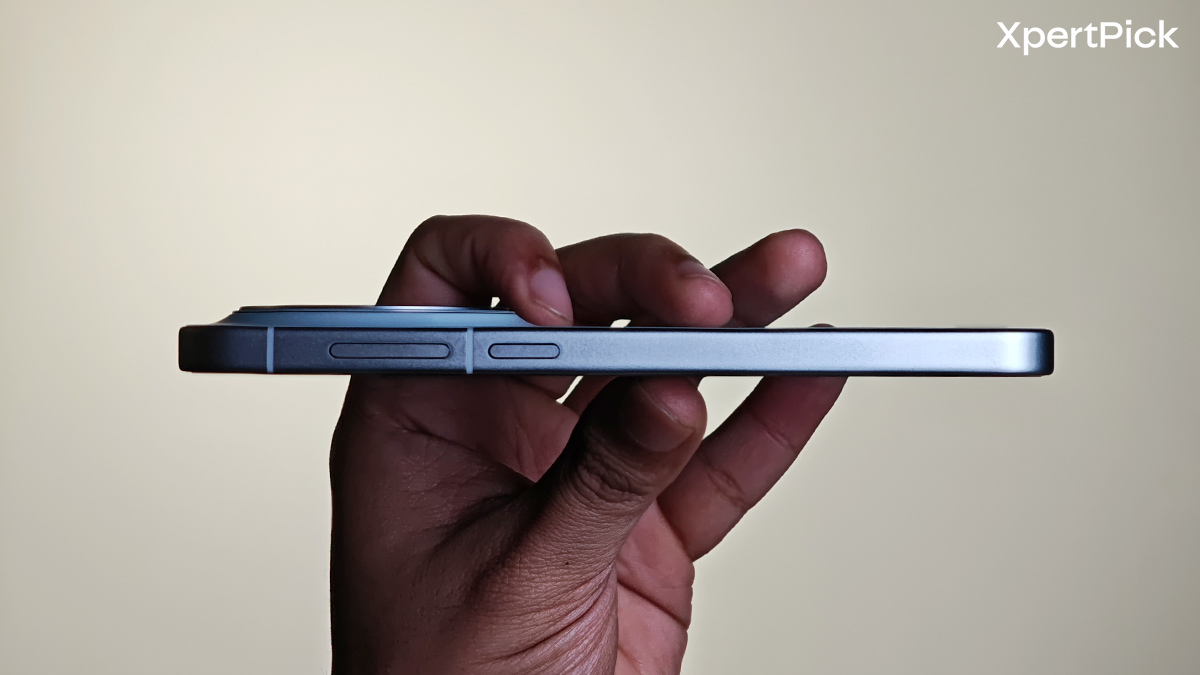
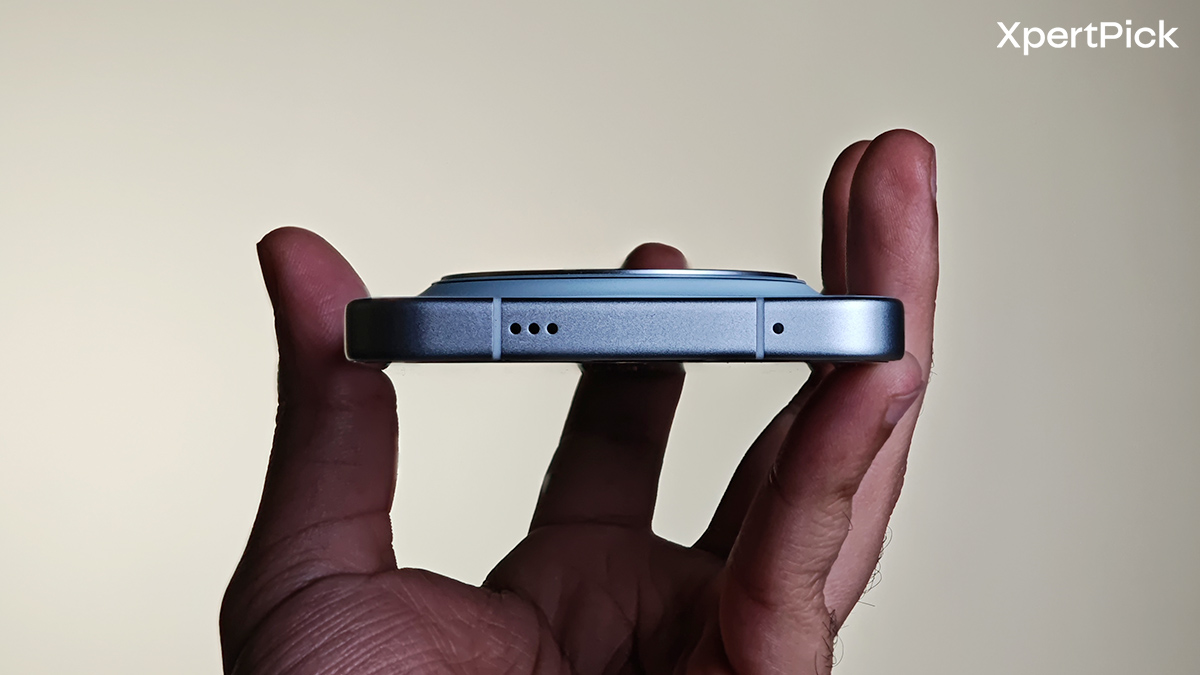
Compared to larger devices like the Oppo Find X9 or the IQOO 15, the Vivo X300 stands out primarily for its compact dimensions. Although it comes really close to my Apple iPhone 17 in terms of in-hand feel.
Display: A compact LTPO OLED done right
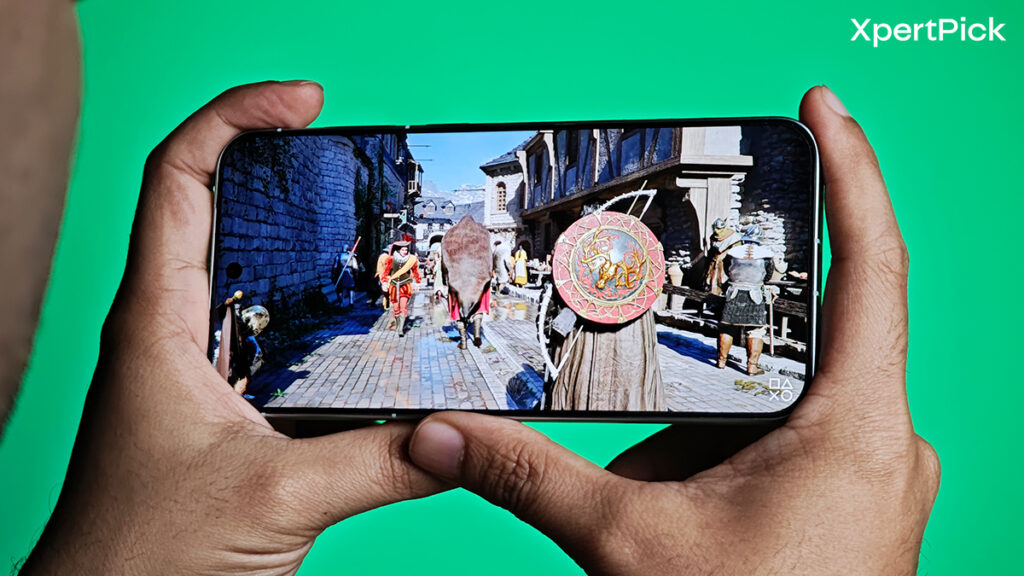
Vivo continues to rely on LTPO OLED technology for its upper-tier phones, and the X300 is no exception. The 6.31-inch LTPO AMOLED panel offers a resolution of 2640 × 1216 pixels, translating to a pixel density of around 446 ppi. It is lower than that of Oppo Find X9, which offers you a pixel density of 460 ppi. It supports a variable refresh rate from 1 Hz to 120 Hz, allowing the display to balance power efficiency and responsiveness based on usage.
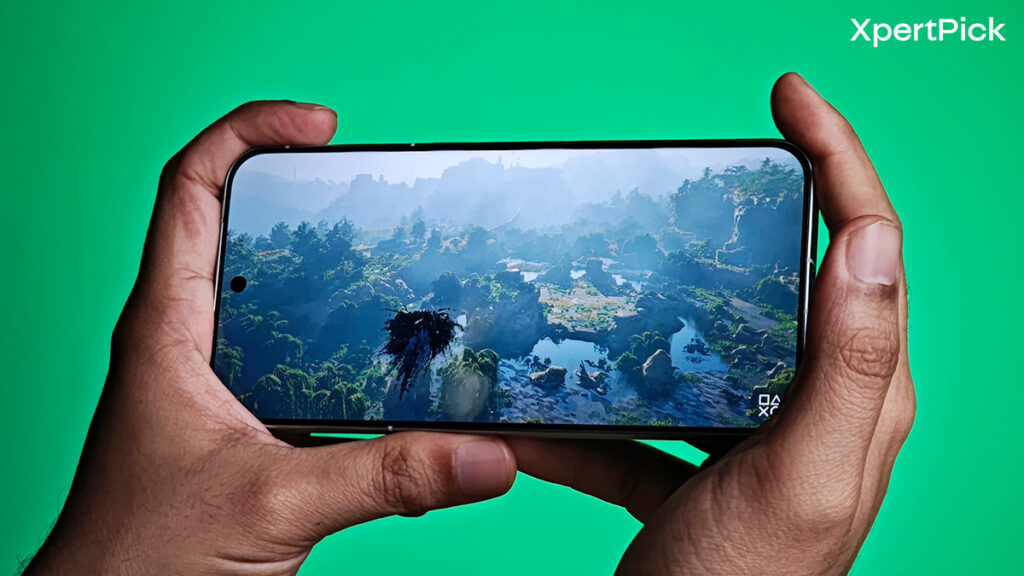
In terms of brightness, Vivo claims a peak HDR brightness of up to 4,500 nits. While I didn’t reach that figure in testing, the panel still delivered impressive results. I measured a peak HDR brightness of 4,065 nits and around 1,000 nits in manual sustained brightness. For comparison, the iPhone 17 reached around 1,010 nits in manual brightness tests and roughly 3,000 nits in peak auto brightness, meaning its peak brightness is notably lower.
The Vivo X300 also trumps larger-screen rivals like the Oppo Find X9 in terms of brightness. While the Find X9 comes close in manual brightness at around 1,100 nits, it falls short in peak brightness, topping out at roughly 3,000 nits.
So overall, the Vivo X300’s compact display not only beats similarly sized rivals like the iPhone 17, but also outperforms some larger-screen competitors such as the Oppo Find X9.
Gaming, Benchmarks, and Thermals: How Good is The Dimensity 9500
The Vivo X300 I tested comes with 16GB of LPDDR5X RAM and 512GB of storage. It is powered by the MediaTek Dimensity 9500 chipset, a flagship-class SoC featuring an octa-core CPU with one ultra-performance core, three performance cores, and four efficiency cores, paired with an Arm G1-Ultra GPU.
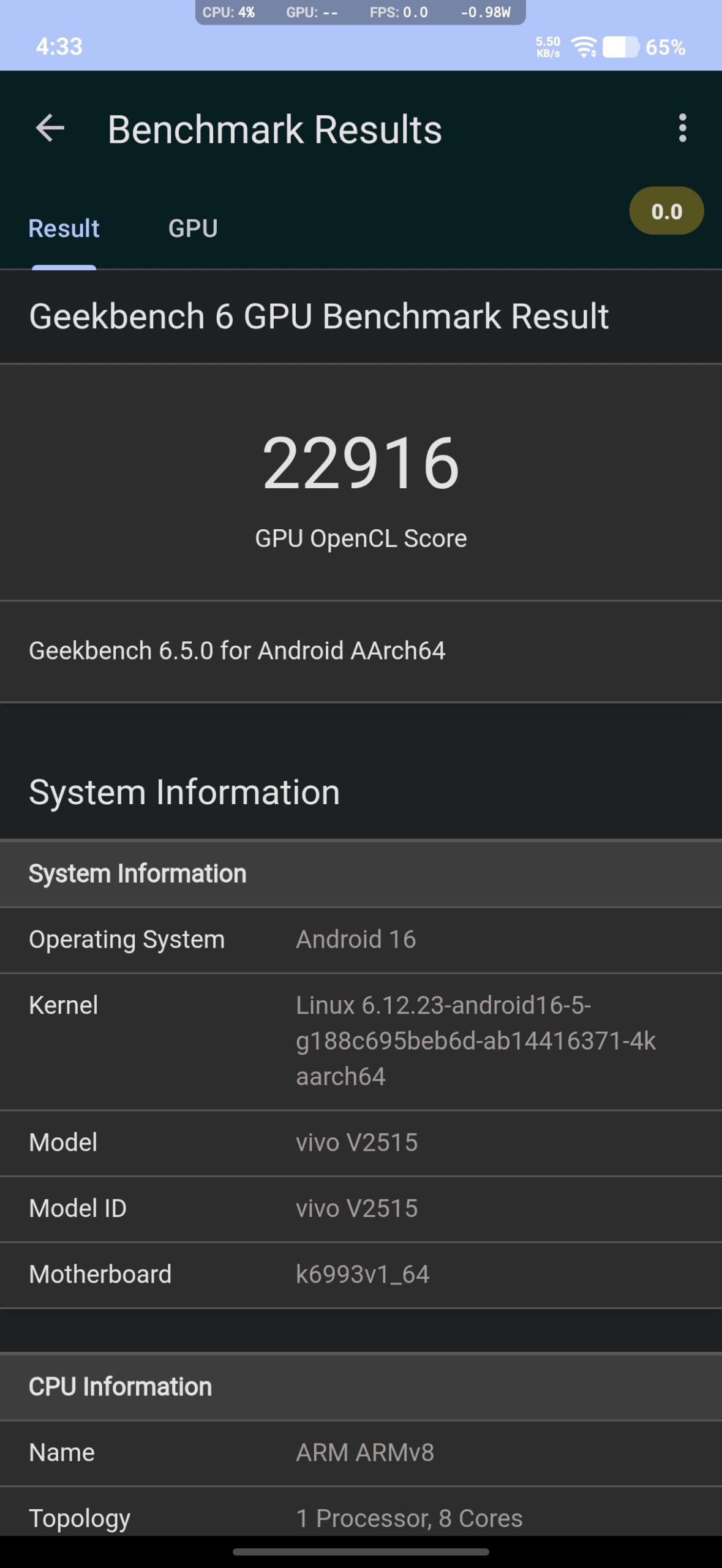
In terms of synthetic performance, the Dimensity 9500 scored around 3,188 in the single-core test and 9,361 in the multi-core test on Geekbench 6. This is lower than the Oppo Find X9, which recorded scores of 3,267 and 9,328 in the single- and multi-core tests, respectively, despite also being powered by the Dimensity 9500 chipset. The Vivo X300 also scores lower than the Apple iPhone 17, which is powered by the A19 Bionic and achieved 3,351 in the single-core test and 8,591 in the multi-core test. Lastly, the iQOO 15, powered by the Snapdragon 8 Elite, delivered the strongest results among the group, scoring around 3,521 in the single-core test and 10,223 in the multi-core test.
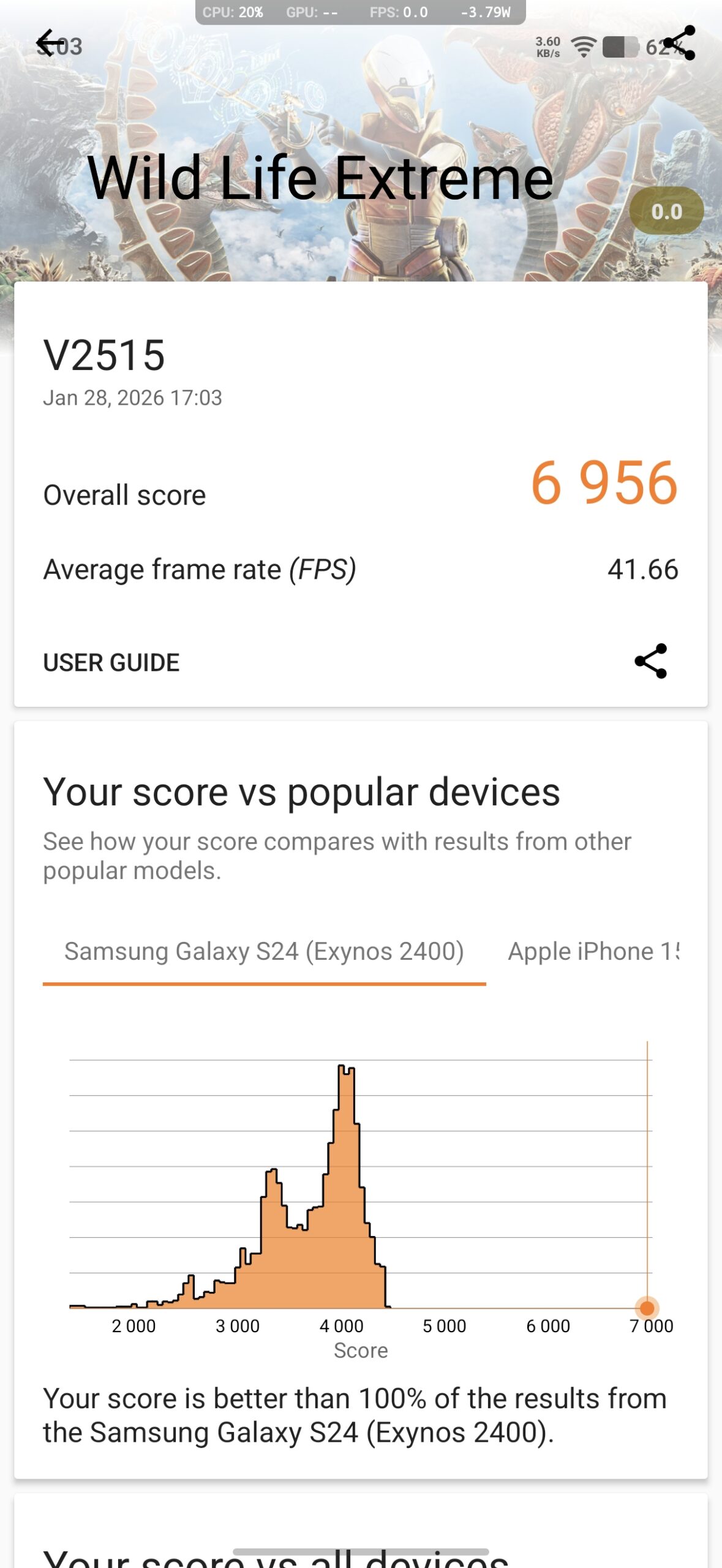
As far as raw GPU performance is concerned, the Vivo X300 scored 6,956 in the 3DMark Wild Life Extreme test. This is higher than the Oppo Find X9 and the iPhone 17, which scored 6,853 and 5,047, respectively, in the same test. Finally, the iQOO 15 once again outperforms the competition, scoring around 7,127 in the same benchmark.
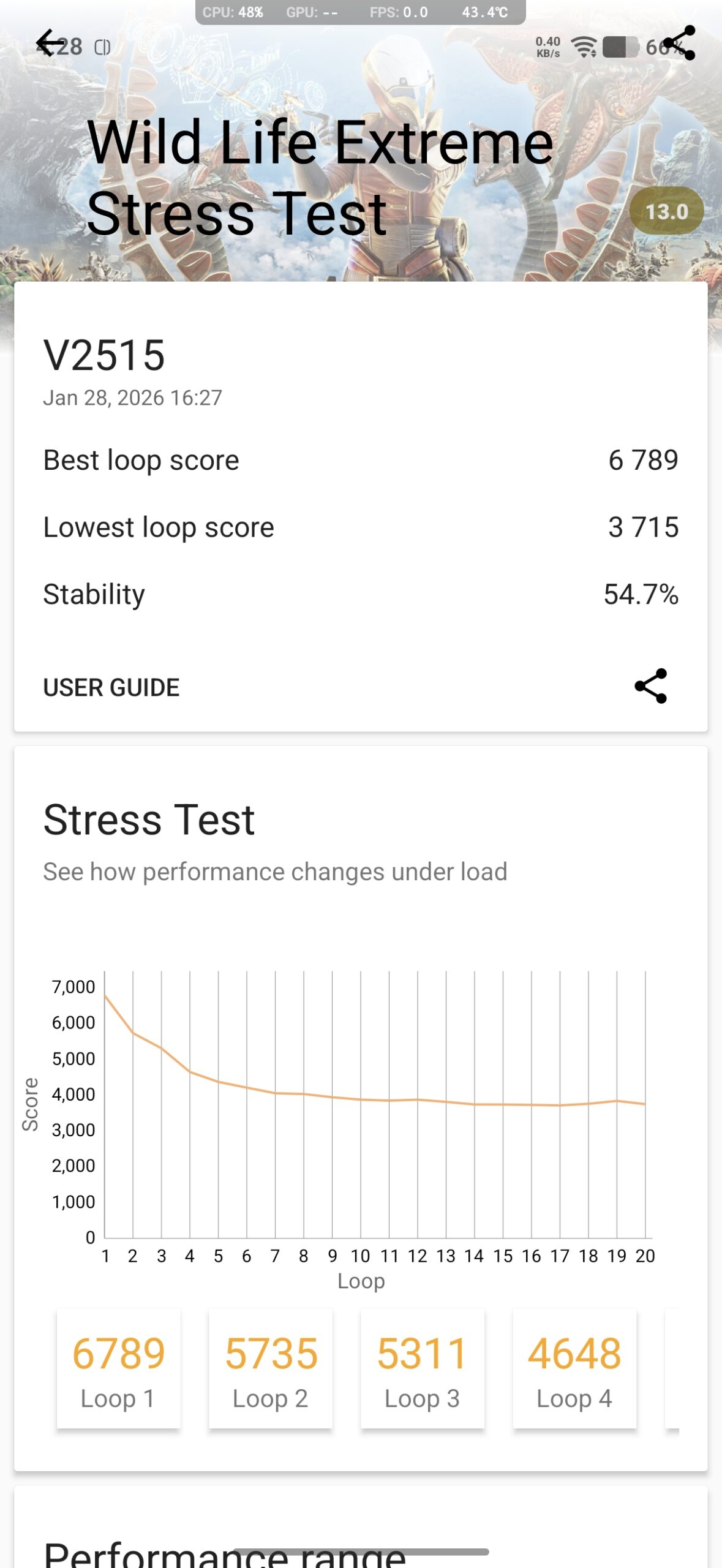
Moving on to thermal performance, we see some quite interesting results. During the 3DMark Wild Life Extreme Stress Test, only the iPhone 17 achieved 83% stability, while every other Android smartphone scored significantly lower. For instance, the Vivo X300 and Oppo Find X9 recorded stability scores of 54.7% and 54.9%, respectively. Meanwhile, the most powerful device of the bunch, the iQOO 15, managed 58.3% stability in the same stress test.
That thermal behaviour is reflected clearly in sustained gaming performance. Starting with BGMI at the lowest graphics preset over a 45-minute session, the iQOO 15 delivers the highest average frame rate at 119.6 FPS. The Vivo X300 follows closely with an average of 116.9 FPS, while the iPhone 17 averages 115 FPS. In terms of consistency, both the Vivo X300 and iPhone 17 maintain strong 5% low frame rates at 98.7 FPS and 98 FPS, respectively, indicating stable performance during extended gameplay.
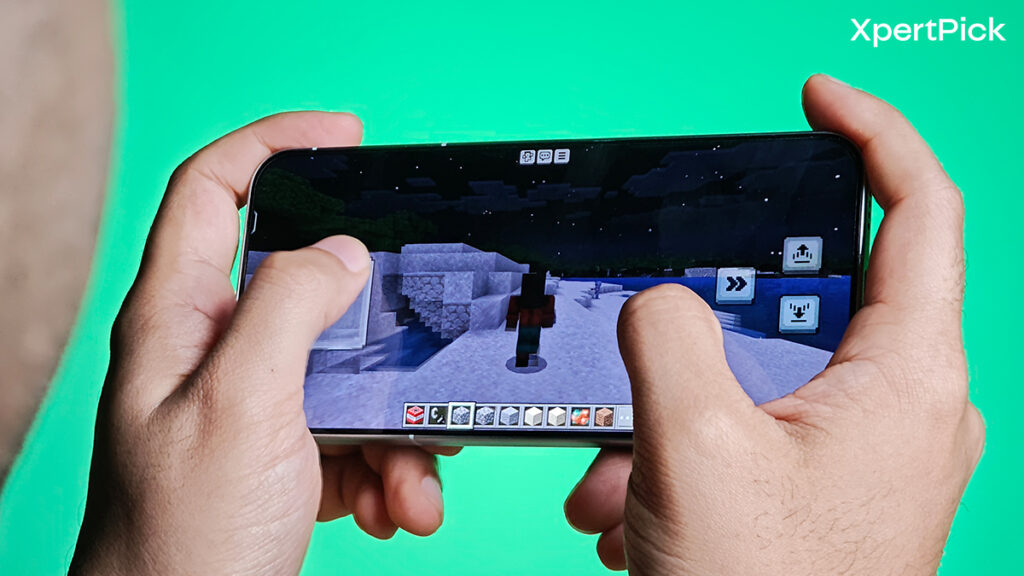
In heavier titles like Minecraft at the highest settings, the performance gap narrows considerably. The iPhone 17 maintains a locked 60 FPS average with 5% lows at 50 FPS, delivering the most consistent experience. The iQOO 15 averages 59.2 FPS with 5% lows of 51.4 FPS, indicating minor dips under sustained load. The Vivo X300, meanwhile, pushes a higher average of 96.5 FPS, but its 5% lows drop to 49 FPS, pointing to less consistent frame pacing compared to the iPhone 17’s tighter performance control.
Other synthetic benchmarks for the Vivo X300 are as follows:
AnTuTu overall: 3,409,278
AnTuTu CPU: 939,947
AnTuTu GPU: 1,372,696
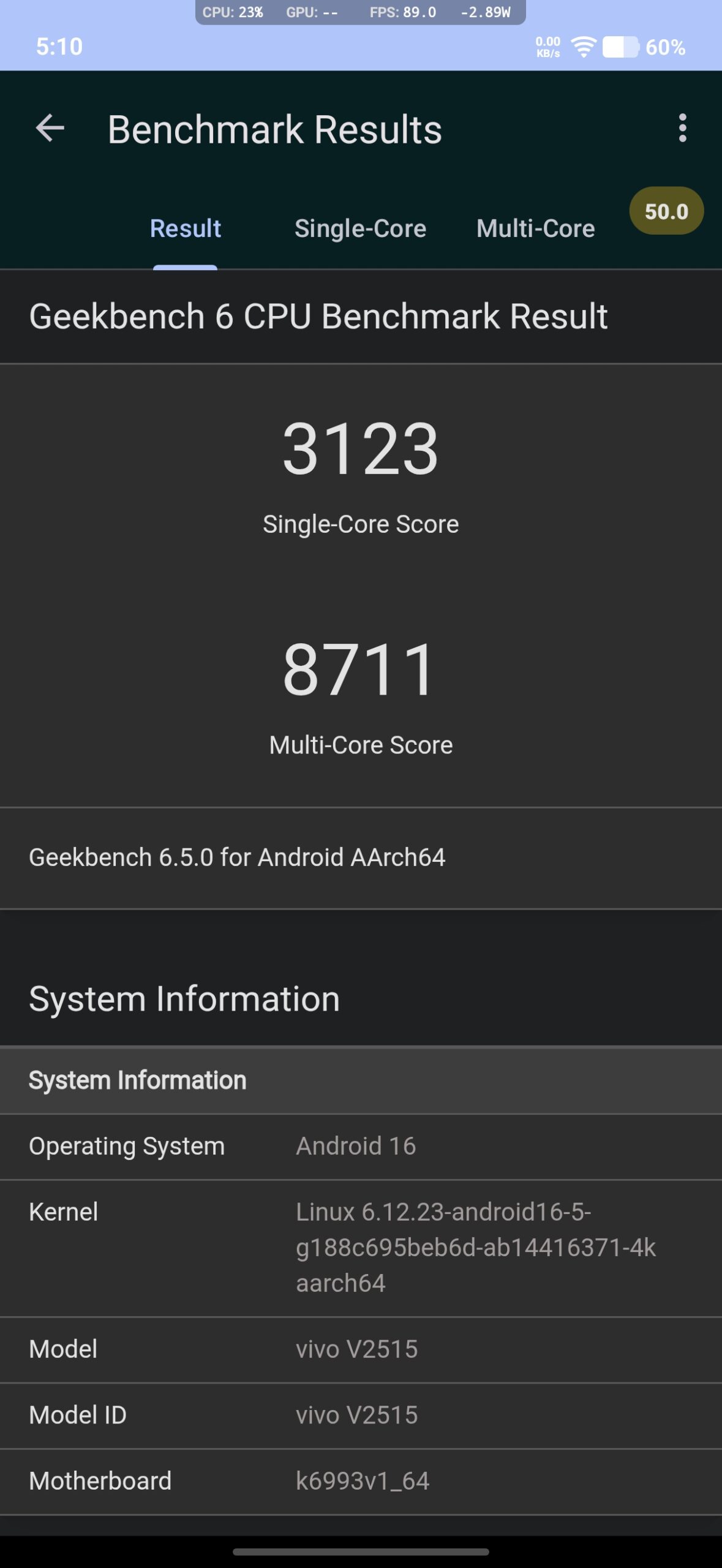
Geekbench single-core: 3,123
Geekbench multi-core: 8,711
Genshin Impact at high settings with a 60 FPS cap further highlights efficiency differences. Both the iPhone 17 and iQOO 15 maintain a steady 60 FPS average, with 5% low frame rates of 58 FPS and 60 FPS, respectively, resulting in near-locked gameplay. The Vivo X300 averages 59 FPS but sees its 5% lows dip to 48.8 FPS, indicating occasional frame drops during more demanding scenes.
Finally, in Asphalt 9 at the highest settings, the iPhone 17 delivers a locked 60 FPS experience, with both average frame rates and 5% lows holding steady at 60 FPS. The iQOO 15 averages 59.7 FPS but sees its 5% lows drop to 51.8 FPS during extended sessions, reflecting minor fluctuations under sustained load. The Vivo X300 averages 59.8 FPS with 5% lows of 57.2 FPS, offering a more stable experience than the iQOO 15 but still falling short of the iPhone 17’s consistency.
Overall, the Vivo X300 delivers strong burst performance and decent sustained performance, but like most Android counterparts, it loses some performance under prolonged stress, unlike the iPhone 17, which sustains its performance more consistently. That said, in terms of raw performance, the Vivo X300 still outperforms the iPhone 17 and is only meaningfully surpassed by the iQOO 15, which is powered by the Snapdragon 8 Elite.
Vivo X300 Camera Performance: A Pro-Mini Camera System
Last year, the Vivo X200 series introduced me to the base X200, but it was the X200 Pro Mini that truly stood out as a compact camera powerhouse. This year, there is no Pro Mini, but the Vivo X300 effectively fills that gap. In many ways, it feels like a spiritual successor, packing serious camera hardware into a genuinely compact form factor.
The X300 uses the same 200MP HPPP sensor found in the Pro model, repurposed here as the main camera. With its large 1/1.4-inch sensor size, 23mm equivalent focal length, and f/1.7 aperture, this sensor forms the backbone of the camera experience. Supporting it is a 50MP periscope camera with a 70mm equivalent focal length, which doubles as a strong portrait and macro shooter, and a 50MP ultra-wide camera for versatility. Video capabilities are equally impressive on paper, with support for up to 4K at 120fps, including 10-bit Log recording on the main camera, which is rare to see in a phone of this size.
In Night photography, in particular, the Vivo X300 stood out. While the X300 does not match the Pro model’s absolute output, it still delivers results that comfortably exceed expectations for a compact phone. Low-light images can appear slightly brighter than reality, and the ultra-wide camera shows some softness around the edges, but overall detail retention and colour consistency remain strong. Compared to Oppo Find X9, the Vivo X300 lacks in consistency. Often times, it is hard to tell apart the different shots from the two phones but the Find X9 simply delivers slightly more consistent output, especially when shooting in warmer tones.




























Vivo’s image processing gives users a clear choice. AI-based enhancements are optional and can be disabled right from the initial camera setup. With AI turned off, images look far more natural, which aligns with my personal preference. The algorithms themselves are competent if you prefer a more enhanced look, but the ability to opt out makes a big difference here.
The 3x periscope camera proves to be one of the X300’s biggest strengths. It works well for portraits in the 85–100mm equivalent range and also enables usable macro photography, something many compact phones struggle to offer. Portraits show good depth separation, though further long-term testing is needed to judge skin texture handling in more natural, everyday scenarios.




One notable omission compared to the Pro model is Vivo’s native lighting feature. While HDR is present, native lighting goes beyond simple dynamic range adjustments and plays a role in Vivo’s more refined image processing pipeline. Its absence is felt, especially given how effective it is on the Pro, though this could potentially change with future updates.
The humanistic mode deserves special mention. It offers less aggressive processing and film-style colour profiles, resulting in images that feel more authentic straight out of the camera. Positive Film and Classic Negative are particularly appealing, delivering photos with more character than standard auto mode. Black-and-white profiles still need some tuning, especially in contrast and highlight handling, but the direction is promising.
In terms of video performance, the iPhone 17 still takes the crown, although the Vivo X300 comes a close second. What stands out most on the iPhone 17 is the complete lack of stutters, especially when panning the camera aggressively or transitioning from brightly lit areas to low-light scenes. That said, in terms of sheer capabilities, the Vivo X300 still has an edge, as it supports up to 4K 120 FPS video recording. Additionally, the periscope lens allows the Vivo X300 to capture high-quality portrait videos, something the iPhone 17 cannot match. And like the iPhone 17, the Vivo X300 can record 4K 60 FPS video across all cameras, including the front-facing one.
Vivo X300 Battery Life: Strong Endurance in a Compact Body
With mixed usage including calls, navigation, video streaming, and gaming, the Vivo X300 delivered close to 18 hours of battery life, which is comparable to the iPhone 17. However, it still falls short of the Oppo Find X9 and the iQOO 15, whose battery backup typically reaches around 20 hours, largely due to their larger battery packs.
With mixed usage including calls, navigation, video streaming, and gaming, the Vivo X300 delivered close to 18 hours of battery life, which is comparable to the iPhone 17. However, it still falls short of the Oppo Find X9 and the iQOO 15, whose battery backup typically reaches around 20 hours, largely due to their larger battery packs. Still, the battery life on offer with the Vivo X300 is very impressive, considering its size.
Vivo X300 Verdict: The Compact Smartphone To Beat
The Vivo X300 delivers strongly in its core areas of functionality. Its display performance, battery life, and camera capabilities make it feel very much like a Pro-mini smartphone rather than a compromised base model. It captures excellent low-light photos and impressive portraits, and it can do so throughout the day thanks to its reliable battery life.
Performance in short bursts is also very strong, strong enough to even edge past Apple’s A19 Bionic chip, which is typically the benchmark in this segment. However, the X300’s sustained performance does take a hit, as the Dimensity 9500 throttles noticeably under prolonged, graphically intensive stress tests.
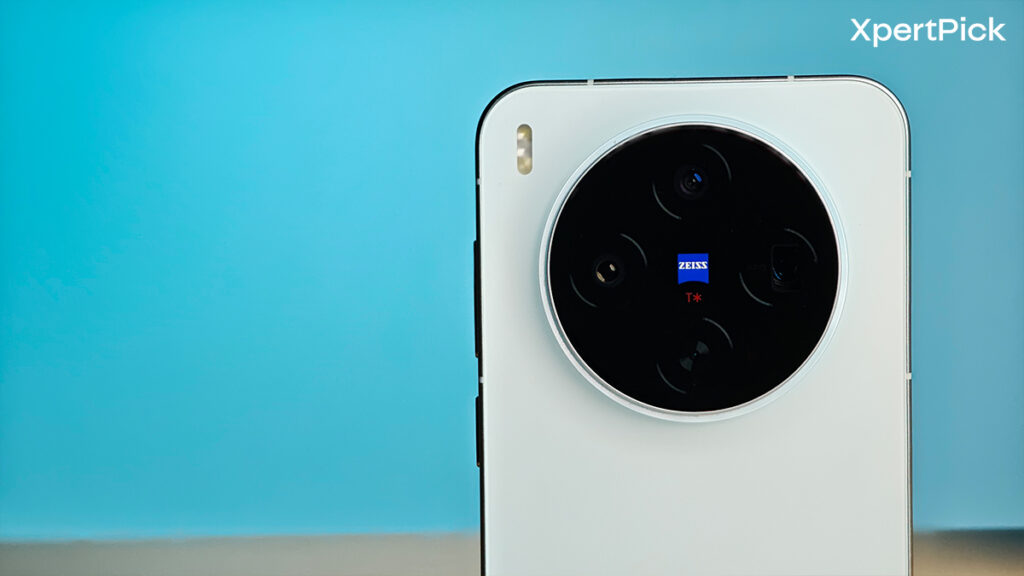
That said, when viewed as a complete package, the Vivo X300 offers one of the most compelling compact flagship experiences in the ₹70,000–₹90,000 price range, even outperforming the iPhone 17 in most areas, barring a few specific use cases.
If you’re not tempted by the Vivo X300’s compact size and can make do with a larger footprint instead, the Oppo Find X9 is also a strong alternative, delivering a solid photography experience in this price range. However, when it comes strictly to compact smartphones, the Vivo X300 is the one to beat.
Pros
- Compact, premium design with excellent in-hand feel
- Outstanding LTPO AMOLED display with class-leading brightness
- Strong main and periscope camera performance, especially in low light and portraits
- Advanced video features, including 4K 120 FPS and 4K 60 FPS across all cameras
- Reliable all-day battery life despite the compact form factor
- Strong burst performance that can edge past the iPhone 17 in short workloads
Cons
- Sustained performance drops under prolonged stress due to thermal throttling
- Camera output can be less consistent than rivals like the Oppo Find X9
- Ultra-wide camera struggles in low light