Vivo, like most Chinese OEMs, initially found breakout success with aggressive pricing. But the company always intended its phones to be more than just value-driven devices. Early on, the brand leaned heavily into selfie-focused innovations, which later evolved into a broader emphasis on high-end camera capabilities.
That ambition eventually had the brand foray into the flagship segment, with premium design, cutting-edge hardware, and a clear push toward the luxury space. Combine that shift with Vivo’s continued focus on imaging, and you get the Vivo X Fold 5, a foldable that feels like the culmination of everything that the brand has been building toward. Even more than half a year since its debut, here’s why it remains one of the most compelling foldables you can buy.
Design: The X Fold 5 Solves One of Foldables’ Biggest Problems
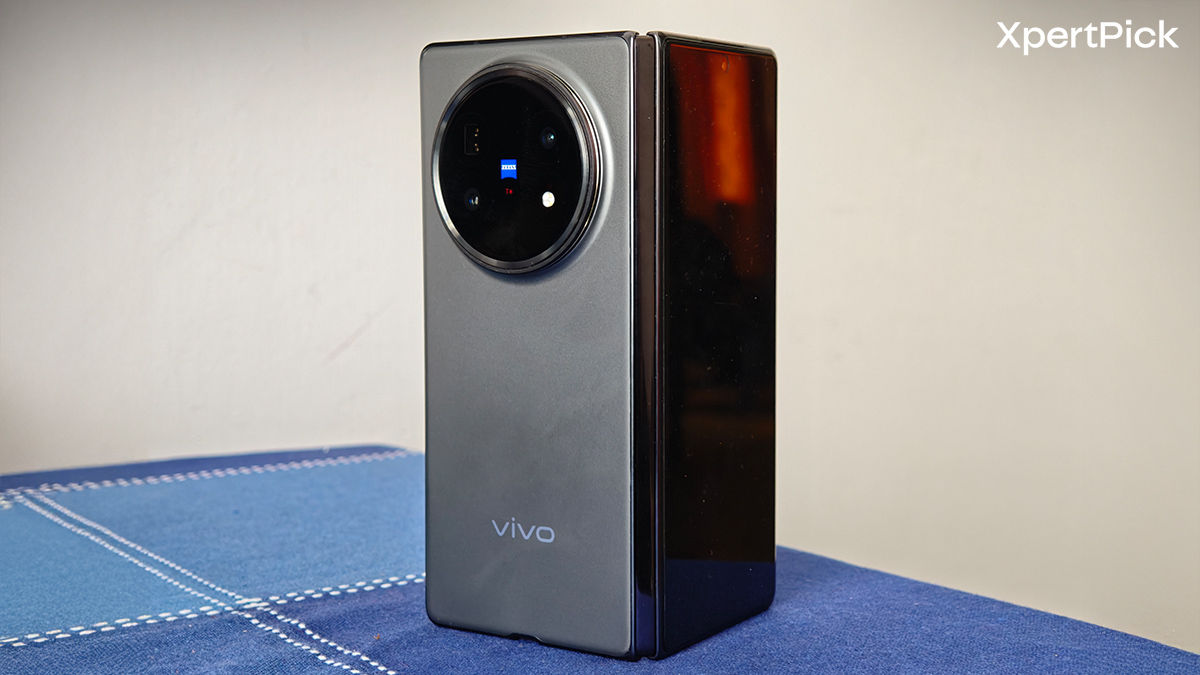
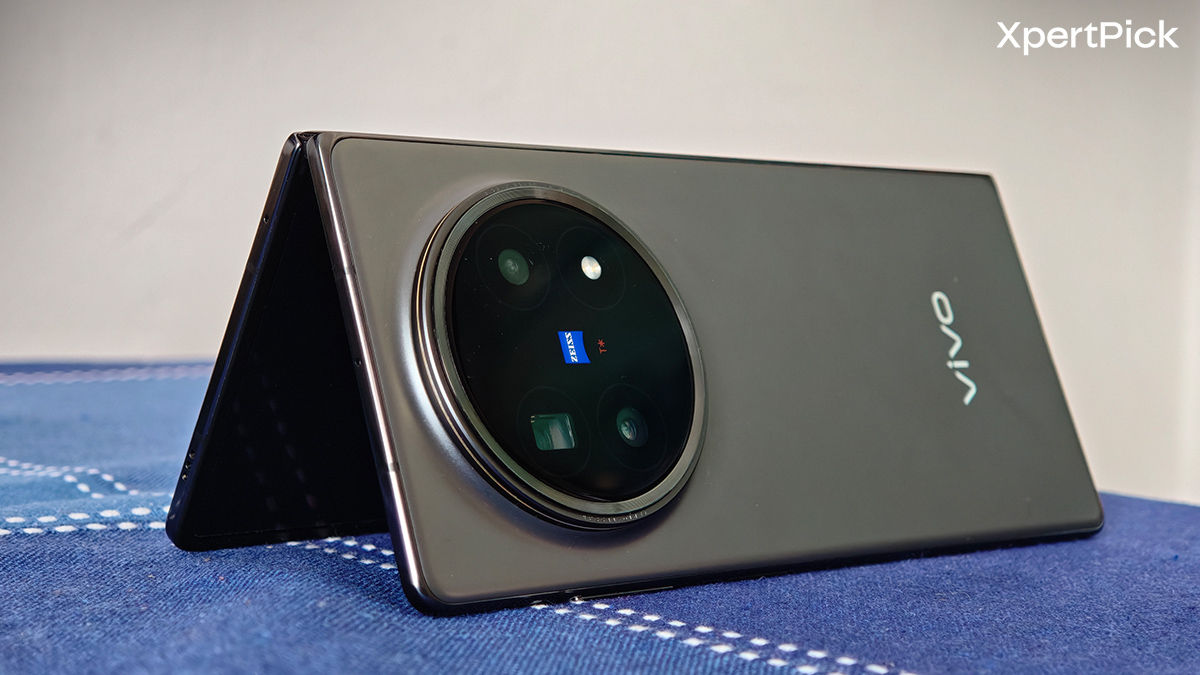
Vivo clearly put in the work when designing the X Fold 5. At just 217 grams and 9.2mm thick when folded, it’s impressively slim and light for a book-style foldable. When folded, it feels closer to a conventional flagship like the Galaxy S25 Ultra, which is heavier than Vivo’s latest foldable.
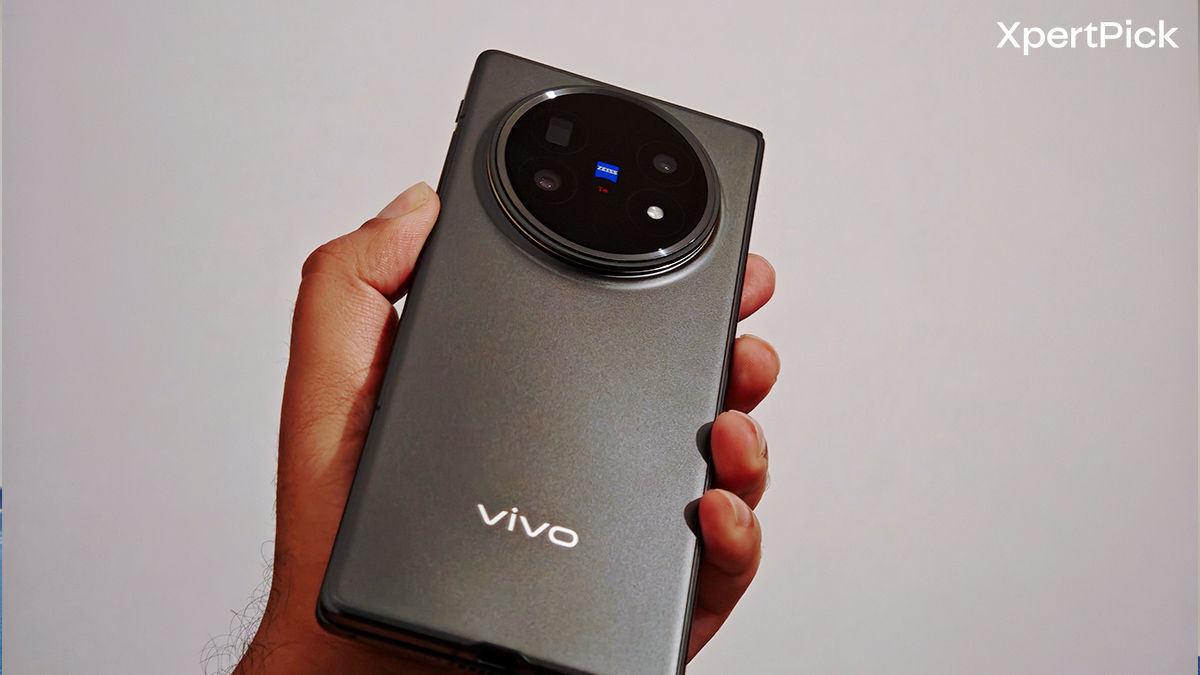
The overall design language is familiar to its predecessor but refined. You get an aluminium alloy for the side frame and hinge, with the rear panel still using fibreglass. This is essentially plastic, so it can get scratched if it comes into contact with keys or coins. Still, despite the material choice, the phone feels solid and premium in hand. The hinge mechanism, in particular, feels robust, and the notebook-style folding action remains satisfying every single time.
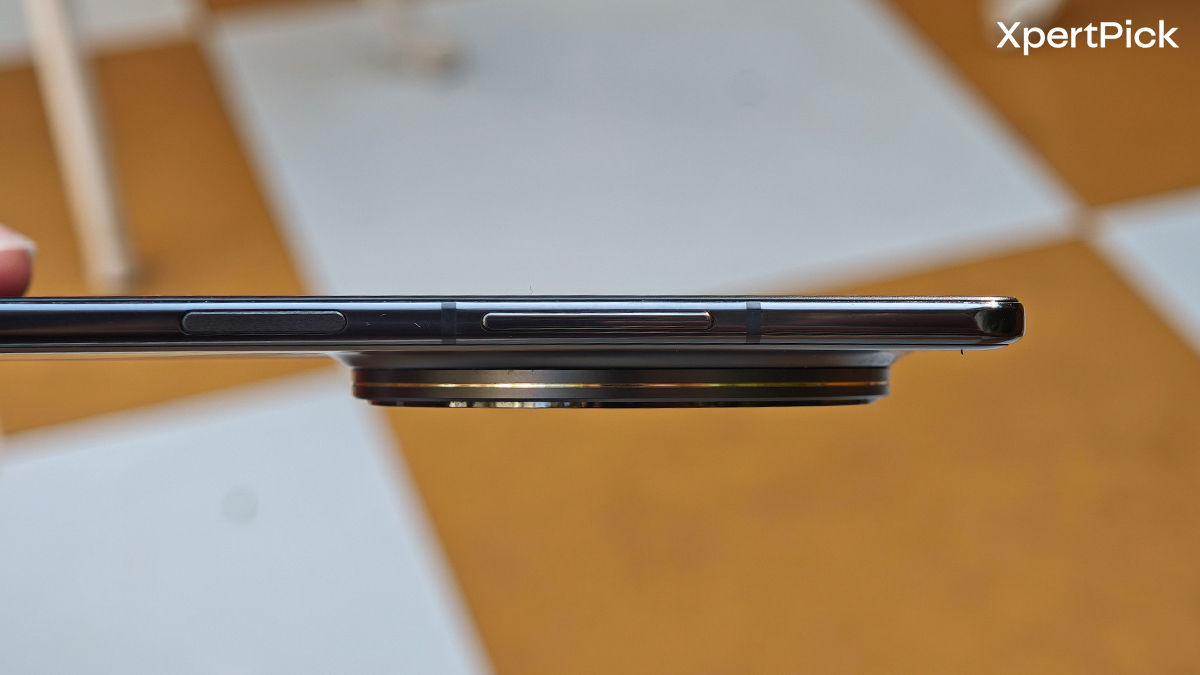
There’s even a surprisingly satisfying thud when you gently snap the phone shut. Vivo has also doubled down on durability with IP58 and IP59 ratings for water and dust resistance, second-gen Armor Glass on the cover display, SGS five-star drop protection, and a claimed durability of 600,000 folds. Realistically, that translates to years of reliable use without having to baby the device.
Display: Vivo Delivers Two Excellent Screens With Familiar Foldable Compromises
Displays are the biggest draw of any foldable, and the dual-screen setup here is genuinely addictive. The 6.53-inch cover screen lets you use the phone like a regular candybar-style device, while the massive 8.03-inch inner display is where the magic happens. The outer panel’s tall 21:9 aspect ratio makes it feel taller than it actually is due to its narrow form, while the inner display is closer to a square.
Both screens deliver vibrant colours, solid contrast, and feel super smooth thanks to the 120Hz refresh rate. But the main display is the real highlight. Viewing photos you’ve just taken or watching content on that expansive panel genuinely elevates the experience.
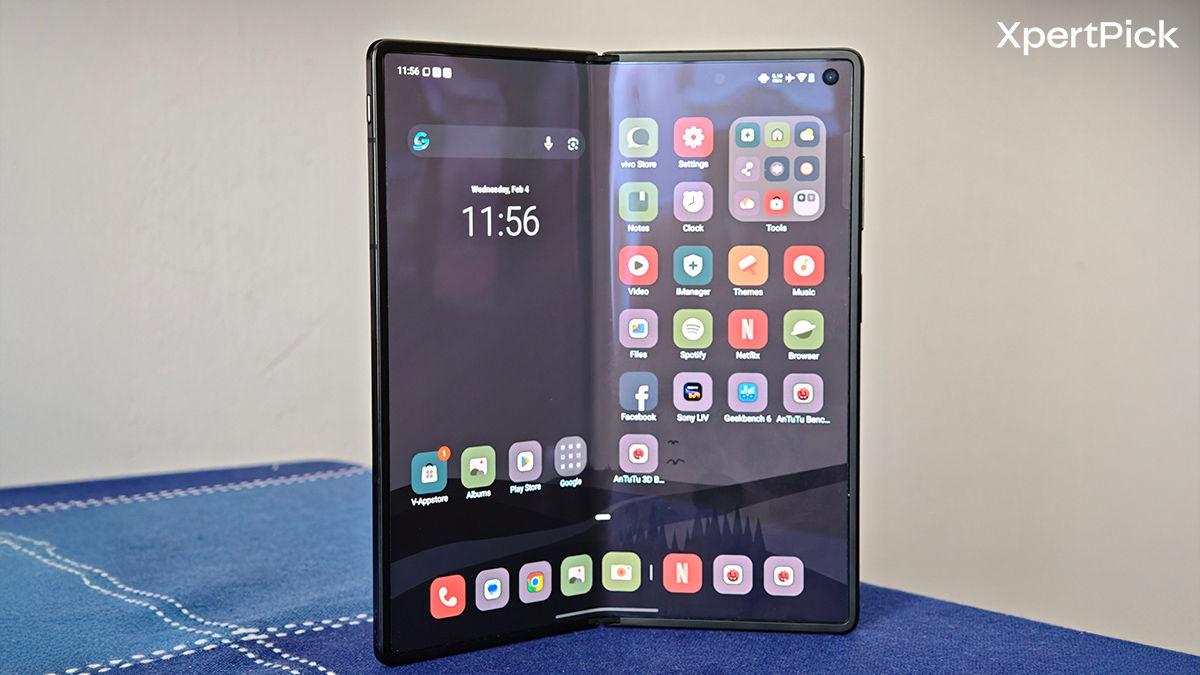
That said, the form factor isn’t without its quirks. The outer display feels a bit too narrow for comfortable one-handed use, while the inner screen can feel almost too wide. Since most content isn’t optimised for a near-square aspect ratio, movies and videos are often surrounded by thick black bars. You’re still getting a larger viewing area overall, but only 4:3 content, like when gaming or capturing and viewing photos, takes full advantage of the entire screen. But once you get into productivity, the design feels a lot more intuitive. A portion of this review was written using the X Fold 5 main display, showcasing its versatility.
The foldable crease is, unfortunately, an unavoidable compromise. Viewing the display from any angle other than directly makes it easily noticeable, with any kind of reflections or even sunlight making it even more evident. Apart from these limitations, both displays are nearly identical on paper, offering HDR10+, Dolby Vision, LTPO tech, and up to 4,500 nits of peak brightness.
Performance: Vivo Prioritises Real-World Reliability Over Chasing the Latest Silicon
The Vivo X Fold 5 sticks with familiar hardware, borrowed from the older X Fold 3 Pro. It’s powered by the Snapdragon 8 Gen 3, coupled with 16GB of LPDDR5X RAM and 512GB of UFS 4.0 storage. In 2026, this chipset is technically two generations old and lags behind newer foldables like the Galaxy Z Fold 7.
In real-world use, though, this rarely makes a difference. Day-to-day performance is smooth, apps load quickly, and multitasking feels effortless. Casual and competitive games like BGMI and Call of Duty Mobile run without issues, while heavier titles like Genshin Impact and Wuthering Waves are the only ones that really push the hardware.
Battery Life: Vivo Pushes Foldable Endurance Closer to Traditional Flagships
For a phone at this price, you might expect the absolute latest silicon. But the Snapdragon 8 Gen 3 remains more than capable for most users. Pair this with a massive 6,000mAh battery pack, and you get reliable all-day endurance, with around 6 to 8 hours of screen-on time depending on usage. This is also 300 mAh larger than its predecessor, despite its slimmer body.
Charging is equally well covered, with 80W wired fast charging topping the phone up in under an hour. You also get 40W wireless charging, along with reverse wired and wireless charging support.
Cameras: The X Fold 5 Feels Closer to a Camera Flagship Than a Foldable
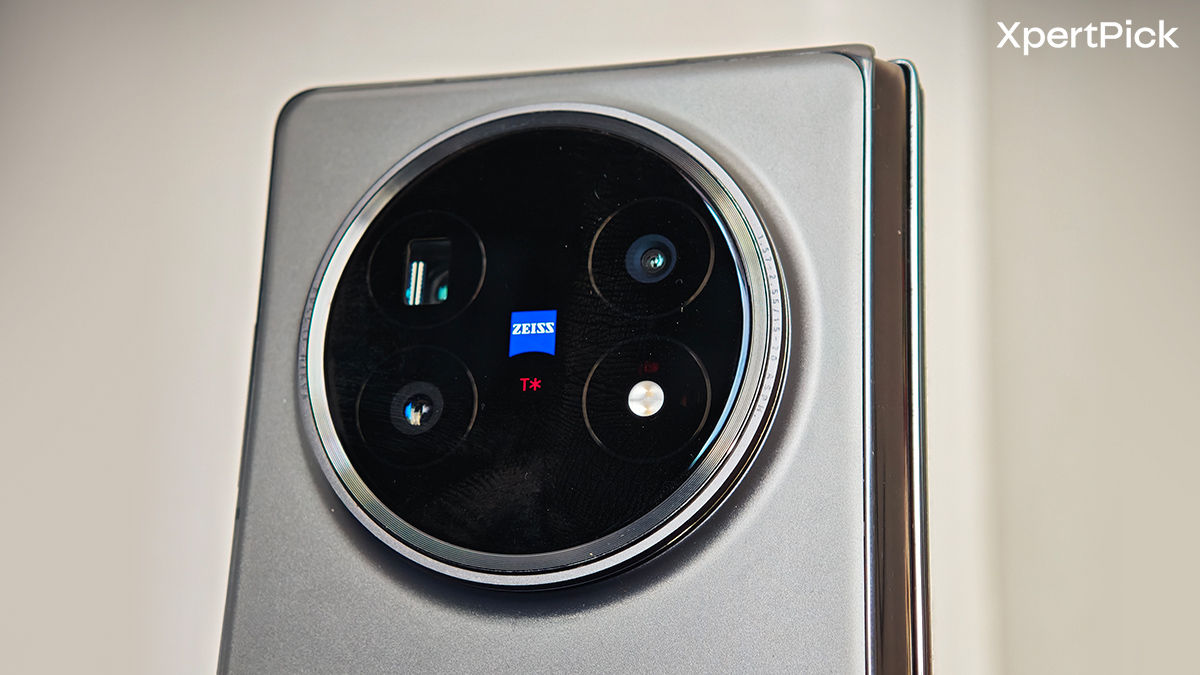
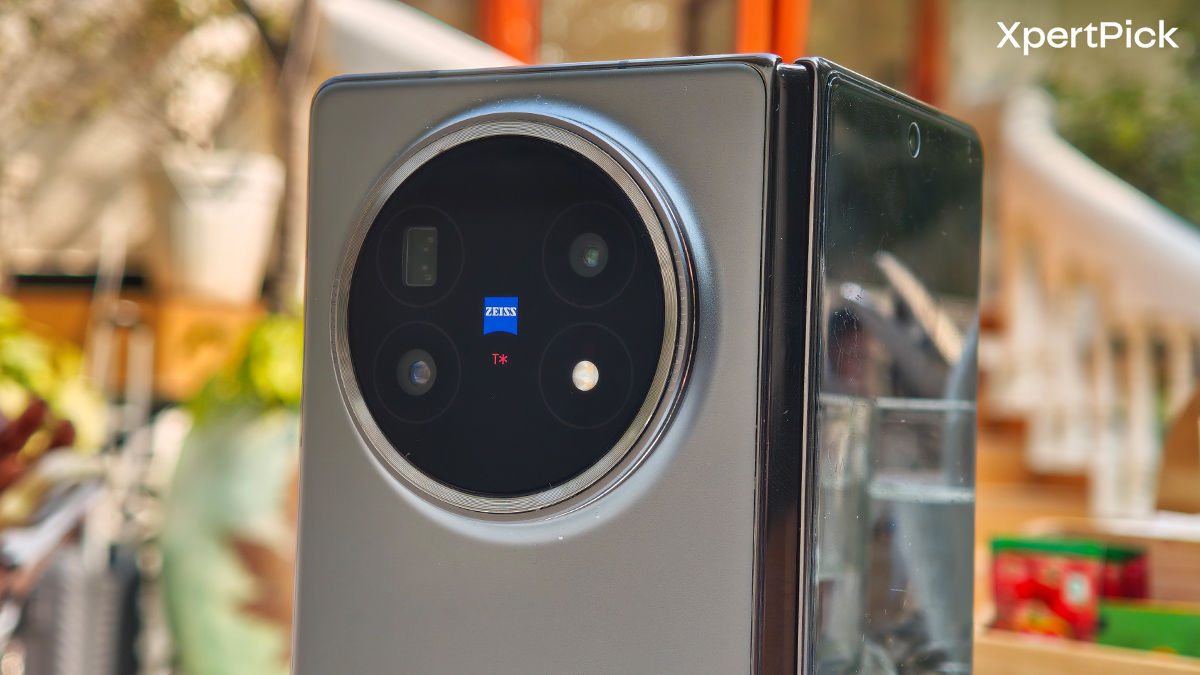
After praising the point-and-shoot consistency of phones like the Vivo X300 Pro, I had high expectations going into the X Fold 5’s camera experience. Thankfully, Vivo and Zeiss largely deliver. On paper, the main sensor is a downgrade from its predecessor, while the ultra-wide and telephoto cameras see modest upgrades. But before we get into the details, here’s the full setup:
- 50MP 1/1.56″ Sony IMX921 main sensor (f/1.57 aperture, OIS, PDAF)
- 50MP 1/2.76” Samsung JN1 ultra wide angle lens (f/2.32, PDAF)
- 50MP 1/1.95” Sony IMX882 periscope telephoto shooter (f/2.55, 3x optical zoom, OIS)
- 2x 20MP 1/2.76” OmniVision OV32D selfie camera (f/2.4)
In daylight, the X Fold 5 captures detailed shots with restrained sharpening and pleasing colour reproduction. Colours lean slightly vibrant, but switching to Zeiss Natural mode brings them closer to reality. By default, Vivo clearly prioritises social media-ready shots. Difficult scenes with high dynamic range reveal crushed shadows and loss of fine textures, but this is mostly noticeable when pixel-peeping.
Low-light performance from the main camera remains solid, retaining decent detail and colour without excessive noise. Truly dark scenes do push the smaller sensor to its limits, but as long as there’s some ambient light, results remain dependable. Vivo has done a commendable job in avoiding colours getting washed out in scenes with limited lighting.











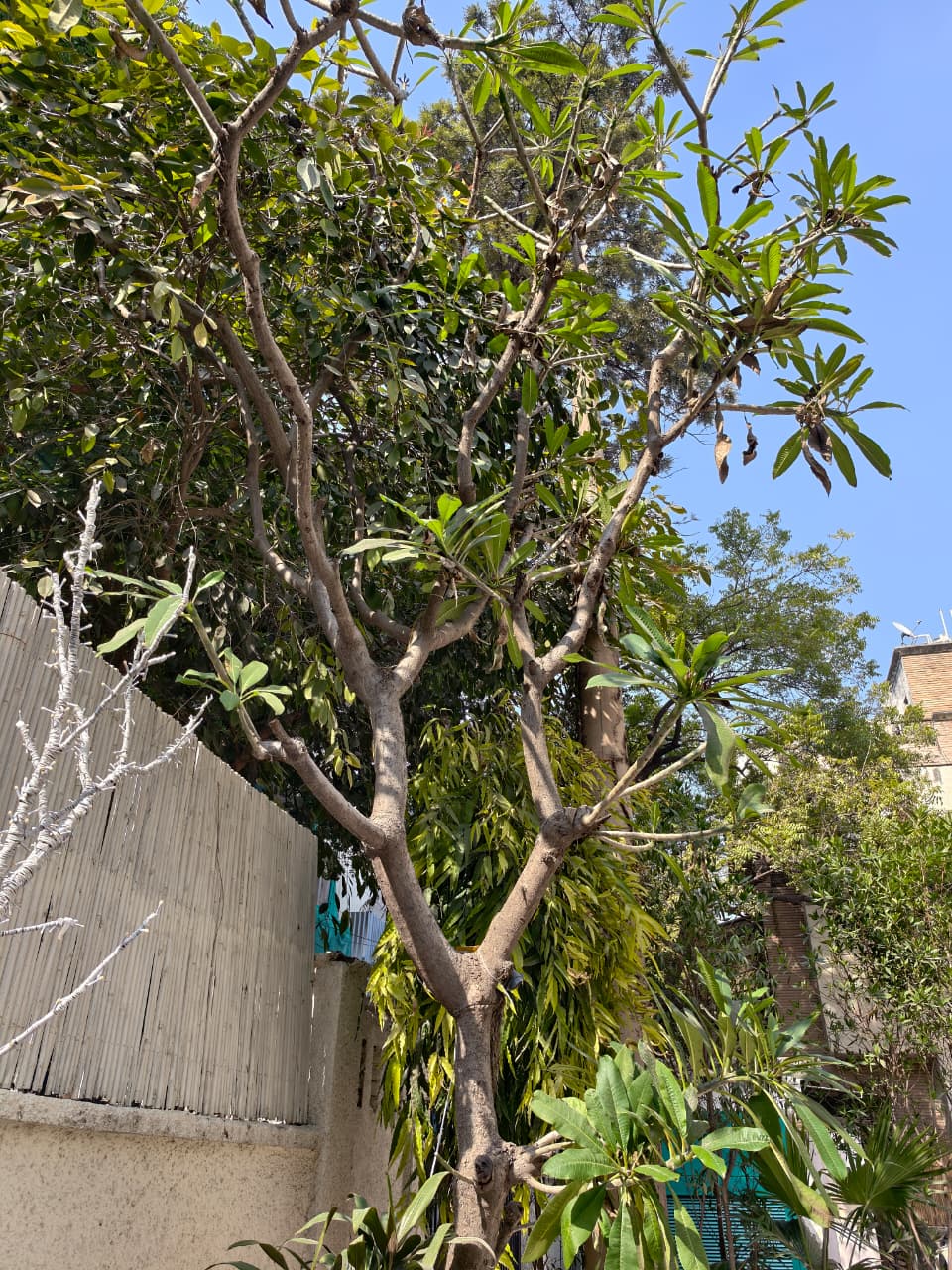


Even the ultra-wide-angle lens and periscope telephoto shooter are quite capable in good lighting conditions. Colour tones being consistent across the board is another great aspect of the camera system. The zoom lens at its native 85mm focal length doesn’t disappoint in details, but ramping it further than 6x introduces oversharpening and smoothening as the algorithm kicks in to fill in the details. This becomes even more apparent in low lighting, and going past the 3x magnification just adds more noise owing to the in-sensor digital crop.
Portraits are generally good, though not Vivo’s best. Edge detection is mostly reliable, with the telephoto lens adding pleasing background compression. You get the option to shoot in multiple focal lengths, and the telephoto camera brings great picture compression for a DSLR-like touch to the pictures.



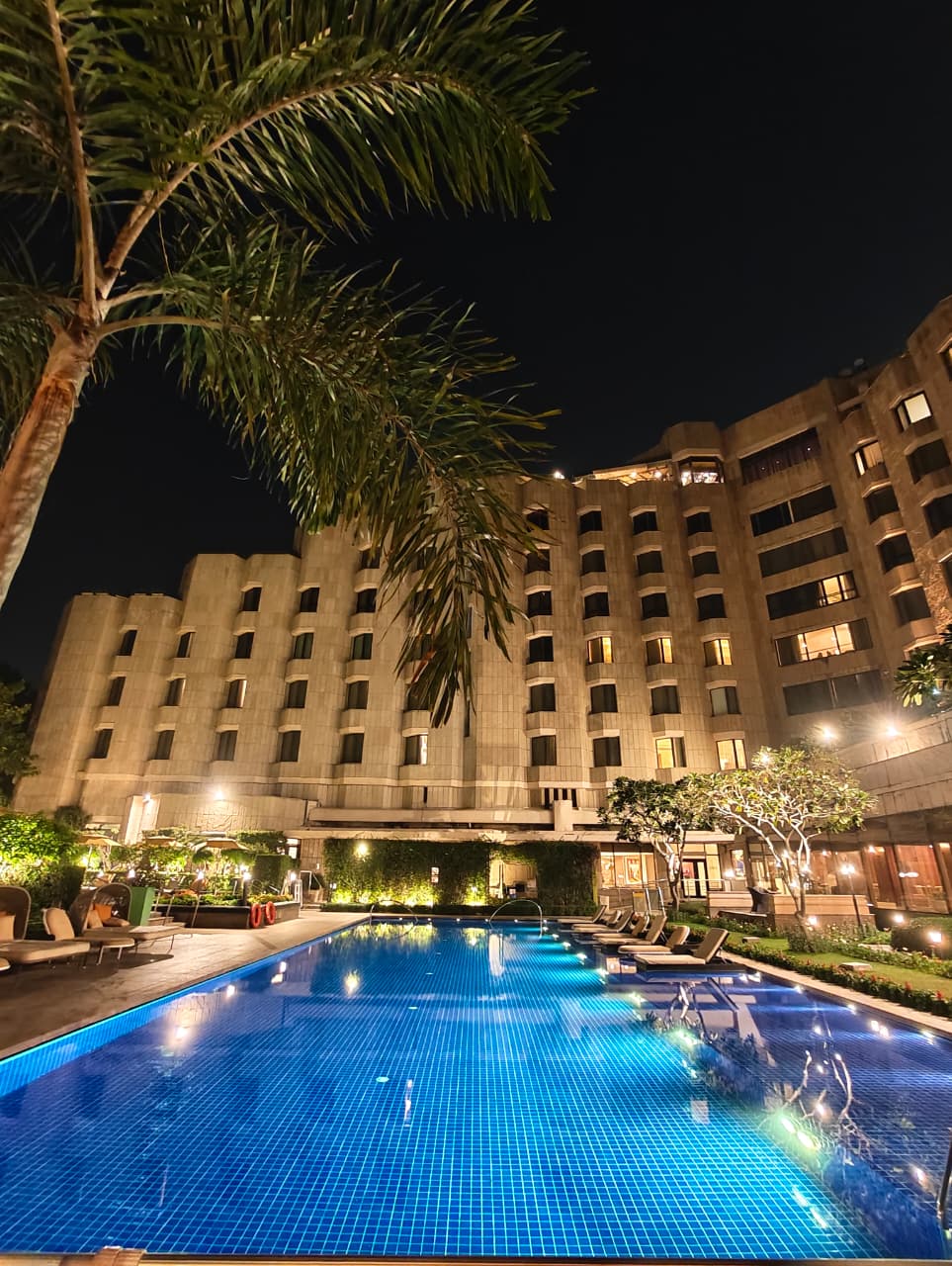




The ultra-wide also holds up well in both daylight and indoor lighting. There’s still that slight lens distortion and blurry corners, but colour tones and details are still competent. It lets you capture the “bigger picture” at the cost of being the softest out of the lot. Thankfully, the addition of autofocus helps you focus on the desired subject and also enables macro photography.
Both front cameras are serviceable in daylight, but struggle with dynamic range and low-light noise. Fortunately, the ability to use the rear cameras for selfies makes them easy to ignore. Video recording tops out at 8K30fps on the main camera, with 4K60fps on the others. Stabilisation is solid, but 8K doesn’t add much beyond larger file sizes, and low-light footage can show jitter.


Overall, the X Fold 5 stands out as one of the most capable foldables for photography, thanks to a well-rounded rear camera system and the flexibility of using it for selfies. Vivo and Zeiss also offer a bunch of filters that can genuinely enhance the shooting experience, making still photography fun and pictures featuring more character and texture.
Software: OriginOS Makes Better Use of the Foldable Form Factor
While foldables grab attention with their innovative designs, solid software is the backbone of the entire experience. Owing to its longer experience in the segment, Samsung was often looked at as the best of what foldables had to offer. But with the Android 16-based OriginOS 6 update, the X Fold 5 feels polished and thoughtfully optimised for its form factor.
When you’re just using the outer display, OriginOS is practically the same experience as any other Vivo phone, but unfolding the device reveals the magic. Switching between phone and tablet modes is seamless, and having multiple active windows genuinely boosts productivity.
With access to features like Origin Workbench, you get more intuitive functions with the larger screen. It brings multitasking tools like having up to 5 active windows that you can switch between, and a PC-like experience that borrows a desktop-style taskbar.

OriginOS, like other Chinese custom skins, is highly customisable. From always-on display, charging animation, and display lighting effects, Vivo lets you fine-tune everything to let you personalise the phone based on your preference. If you‘re not willing to spend a couple of minutes here, there are a bunch of free themes that can change the entire look of the OS.
Props to Vivo for including an extra dim feature for the display and the option to merge the notification and quick settings panel in one single swipe. There’s even a well-implemented Shortcut Key with customisable double-press and long-press actions. Unlike the Motorola Edge 70, these are not limited to just some AI tools. You can have either of the two actions launch the camera, switch between vibrate and ring, turn on the flash, and much more.
Verdict: Why This Can Be Your First Foldable Phone
At Rs 1,49,999, the Vivo X Fold 5 firmly sits in the ultra-premium segment. Stretch your budget, and you’re looking at the Galaxy Z Fold 7; spend a bit less, and you could opt for a traditional flagship like the iPhone 17 Pro Max. So naturally, this isn’t an easy purchase decision, and people might lean towards the safer bet.
But after spending time with the X Fold 5, it’s clear that Vivo has addressed many of the usual foldable pain points. Battery life is dependable, cameras are nearly flagship-grade, and the slim, lightweight design makes daily use far less intimidating than older foldables.
While it doesn’t offer the newest chipset or a perfectly optimised inner display for all content, the overall experience feels mature and well thought out. If you’ve been curious about foldables but hesitant to make the jump, the Vivo X Fold 5 makes a strong case for being your first.
Pros
- Impressively thin and lightweight for a book-style foldable
- One of the best camera systems on a foldable phone
- Strong battery life with fast wired and wireless charging
- Polished software experience with excellent multitasking tools
- Solid durability upgrades
Cons
- Expensive even for flagship standards
- Snapdragon 8 Gen 3 feels dated at this price
- Crease is still pronounced