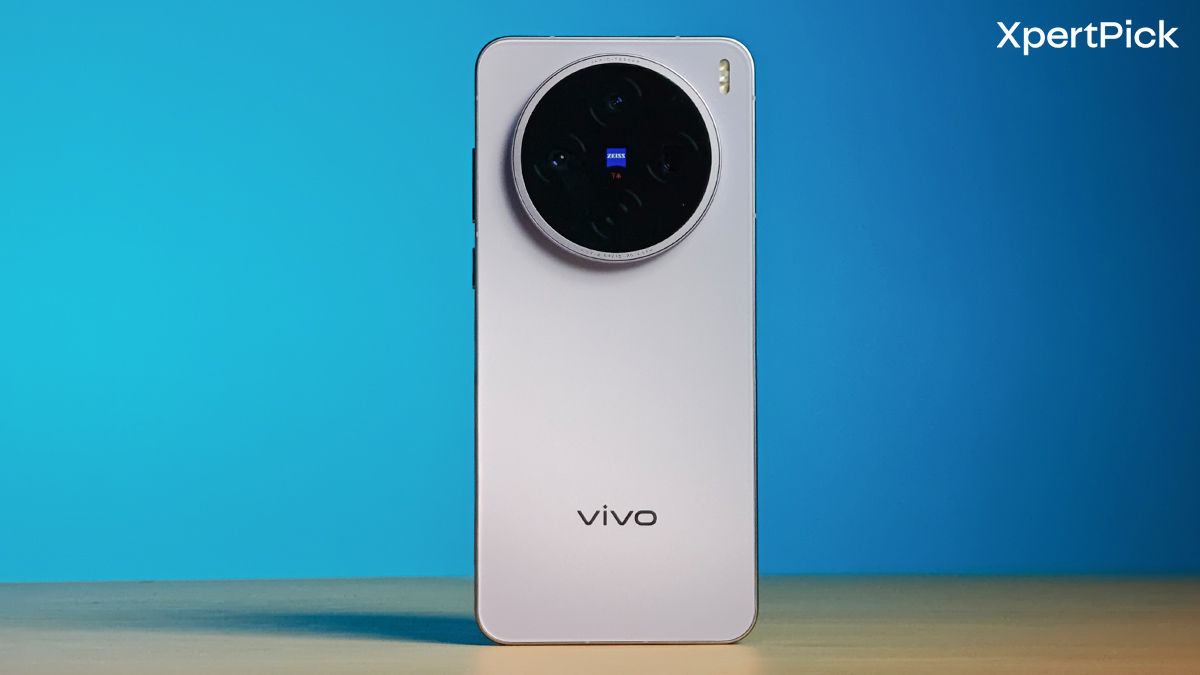
The Vivo X200T fits into Vivo’s lineup by sitting squarely in the middle of the X200 series, positioned between the X200 FE and the standard X200. It acts as a bridge model, bringing the more powerful Dimensity 9400+ chipset into this tier.
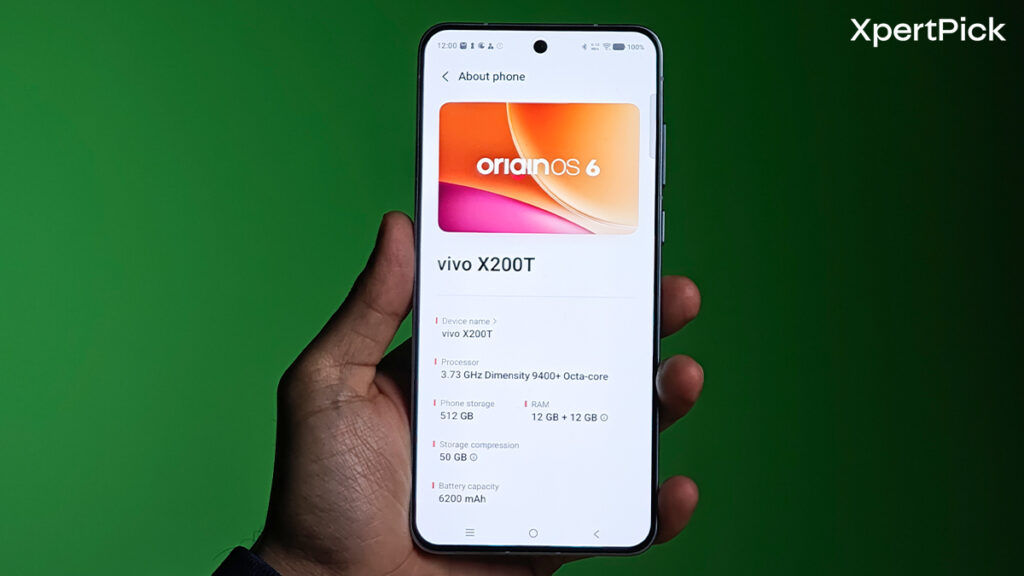
In terms of pricing, the Vivo X200T costs ₹59,999 for the 12GB + 256GB variant. For that price, you’re getting a Dimensity 9400+ chipset, a 6200mAh battery, a 6.67-inch Full HD+ AMOLED display, a 50MP wide, a 50MP periscope telephoto, and a 50MP ultrawide rear camera setup, along with a 32MP selfie camera.
I recently reviewed the Oppo Reno15 Pro Mini and compared it with the Vivo X200T. You can read it here in case you’re interested, and I highly suggest that you do. That is why this review is going to be from the perspective of the Vivo X200T, as in, if you choose this product, exactly what are you missing and what features are you going to get with this smartphone.
So, how does all of this come together as a smartphone, and does it justify the nearly ₹60,000 price tag? Here’s the answer.
Vivo X200T Design: Familiar Yet Refined
Vivo seems to have found its own design language, consisting of a large rear camera module and an almost flat-edged display panel, and that is a good thing. From a distance, the Vivo X200T, X300, and X300 Pro share a very similar design identity. In contrast, the similarly priced Oppo Reno15 Pro Mini, which resembles an iPhone 12, makes the Vivo X200T stand out in terms of design.
As mentioned, the Vivo X200T is a big phone, complete with a 6.67-inch display and weighing around 203g. But I have to say that the weight is very well balanced, and despite having used the Oppo Reno15 Pro Mini, which weighs just 187g and is, by all means, a compact phone, I barely noticed the difference.
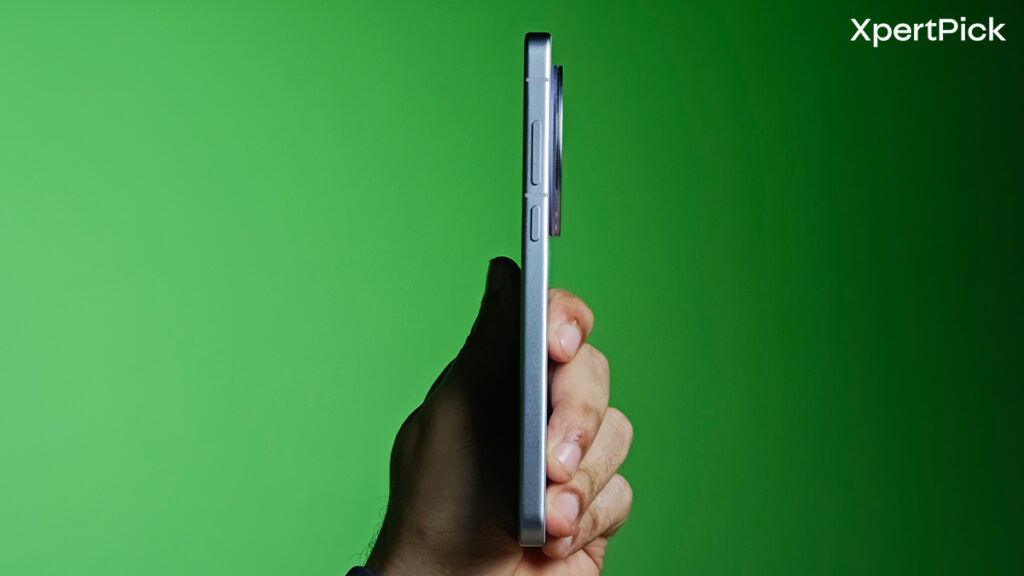
The phone comes with a silicone case in the box, and the grip of the smartphone, both with and without the case, is pretty solid. Recently, smartphones have almost completely moved away from the curved display trend that was very prevalent a few years ago.
Now, many smartphone OEMs use chamfered edges, which give you the best mix between a flat-edge design and a curved edge, as it offers maximum screen area along with better grip and ease of use.
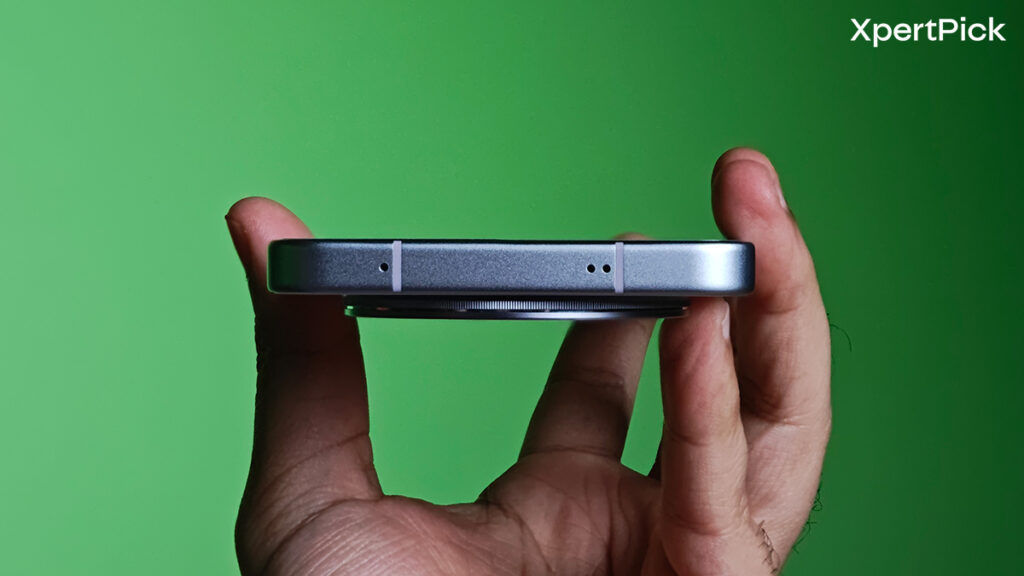
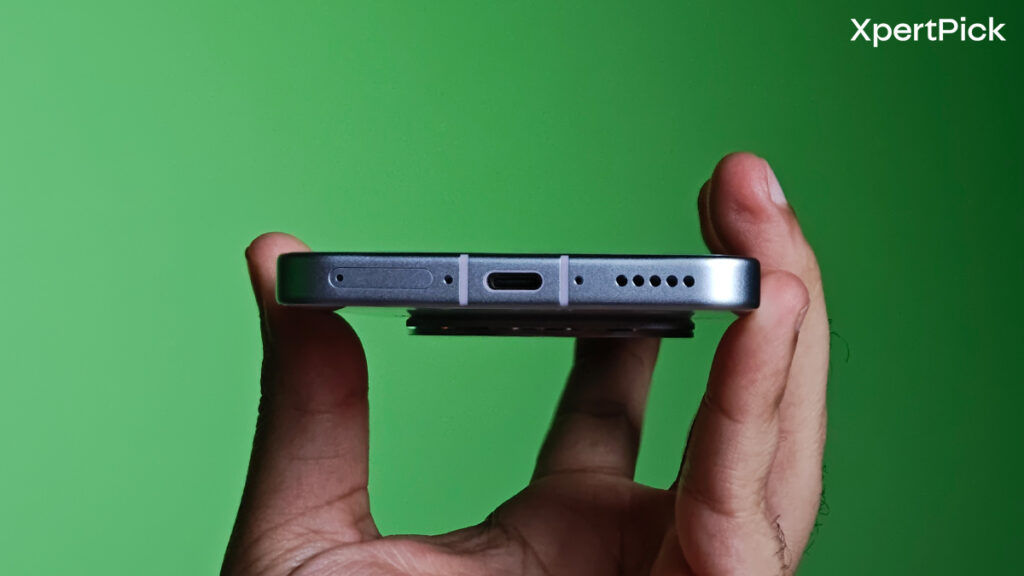
The Vivo X200T uses the same design approach, just like the Oppo Reno15 Pro Mini that I tested earlier. In terms of buttons and ports, the X200T features a power button and volume rockers on one side, with microphones on the top and bottom. It also includes a USB 2.0 port and a physical SIM slot on the bottom.
Vivo X200T Display: Bright, Spacious, and Outdoor-Ready
As mentioned earlier, the X200T comes with a 6.67-inch FHD+ display, which has a 90.4% screen-to-body ratio. It also supports a maximum resolution of 1260 x 2800 pixels. Compared to the Oppo Reno15 Pro Mini, the Vivo X200T has a bigger screen but maintains the same 460 pixels per inch.
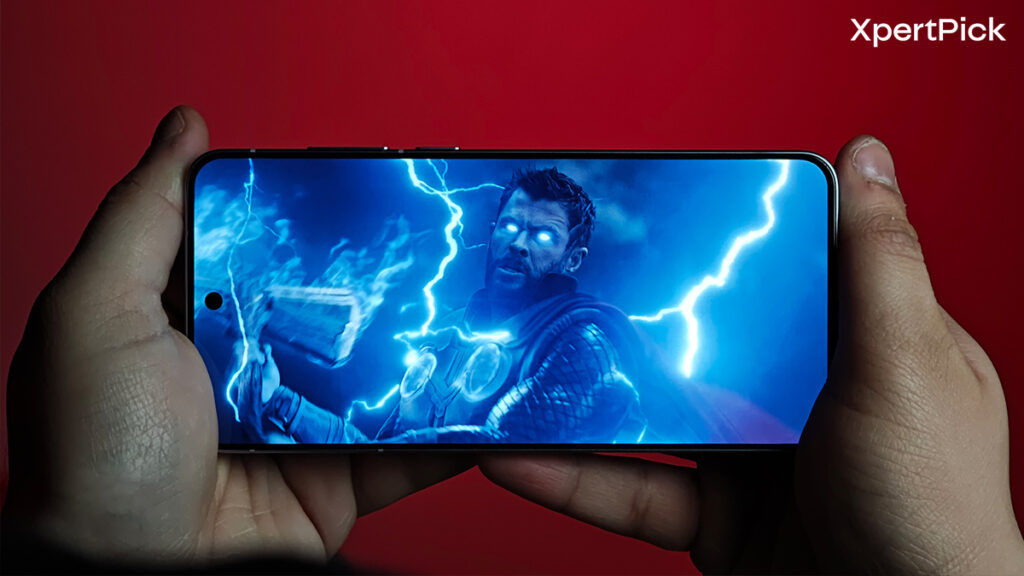
In our brightness testing, the Vivo X200T clearly prioritises outdoor visibility. The phone achieves an impressive 1,825 nits of auto brightness, which is the level you typically experience when stepping outdoors into harsh sunlight. In real-world use, this translates to excellent readability whether you are checking navigation, replying to messages, or watching content under direct sunlight. Compared to the Oppo Reno15 Pro Mini, which peaks at 1,135 nits in auto brightness, the X200T offers noticeably better outdoor visibility and screen clarity.
However, the trade-off appears when you manually control brightness indoors. The Vivo X200T reaches 686 nits of manual brightness, which is slightly lower than the Oppo Reno15 Pro Mini that can go up to 840 nits. This essentially means that if you prefer manually cranking up brightness while using your phone indoors, the Oppo does give you a slightly brighter panel.
That said, in day-to-day usage, the Vivo X200T rarely feels dim. The automatic brightness tuning works reliably, and the display remains comfortable to view across different lighting conditions. The phone feels particularly well-optimised for outdoor-heavy usage, which is where most users will actually notice the difference.
Vivo X200T Camera: Versatile Yet Inconsistent Colours
The Vivo X200T features a triple 50MP rear camera setup, consisting of a primary sensor, a periscope telephoto lens, and an ultrawide camera. In real-world use, the system delivers strong results overall, though colour consistency across lenses is not its strongest trait. When switching between cameras, slight colour shifts are visible, with the ultrawide camera showing the most variation. This is an area where the Oppo Reno15 Pro Mini, with its 200MP main sensor, feels more consistent, especially when shooting complex scenes with a lot of visual information.
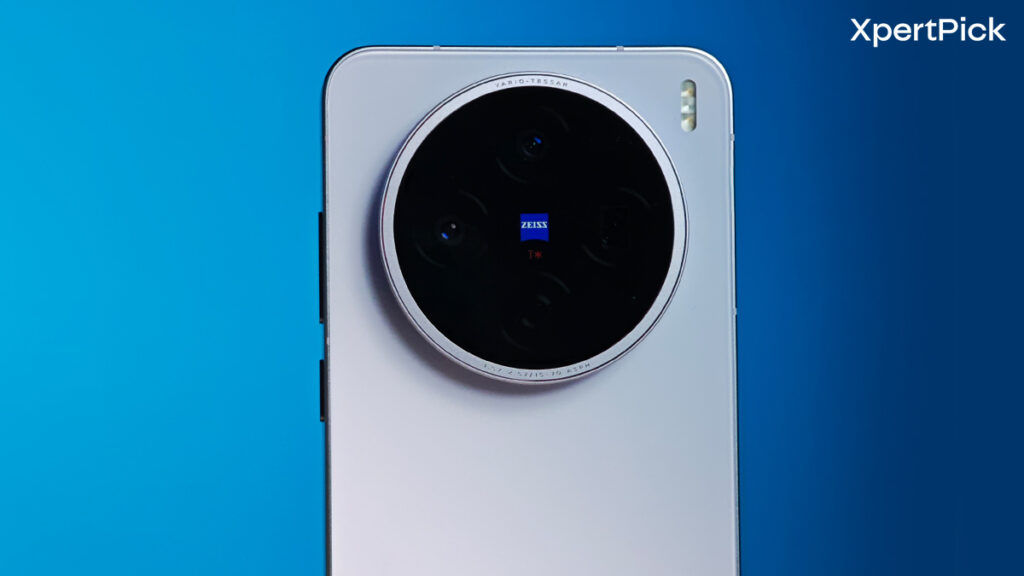
Where the Vivo X200T clearly pulls ahead is telephoto performance. The 3x and 10x zoom shots retain excellent detail, particularly on human subjects, where skin texture and fine details remain well preserved. This advantage becomes more apparent when shooting portraits or objects with depth, such as car side mirrors or layered subjects, where edge detection and sharpness are noticeably better than on the Reno15 Pro Mini. Even in low light, the telephoto camera on the X200T continues to deliver bright images with impressive detail retention. The phone also supports up to 100x digital zoom, which is best suited for reference shots, but text and distant objects remain surprisingly readable.


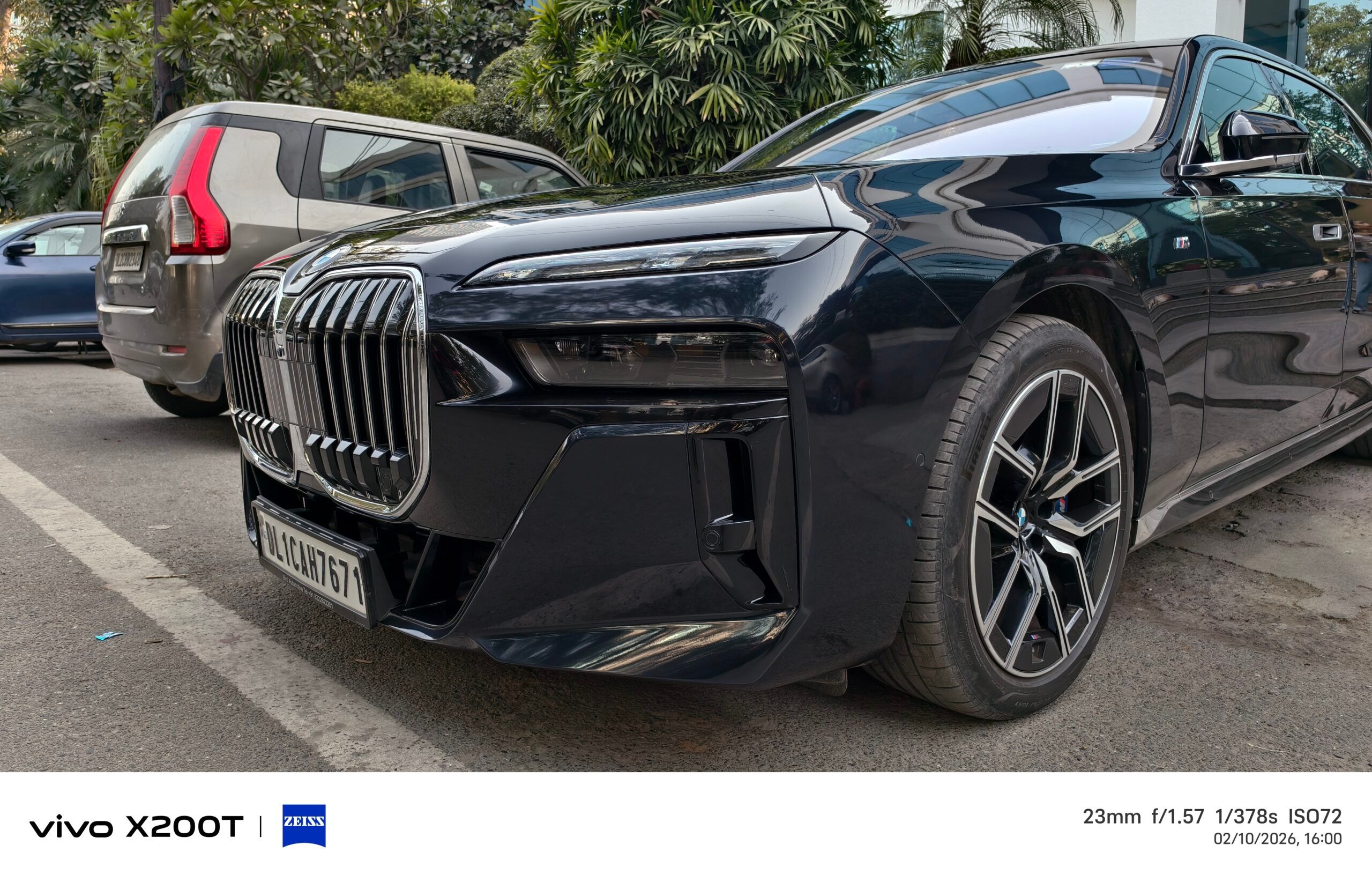


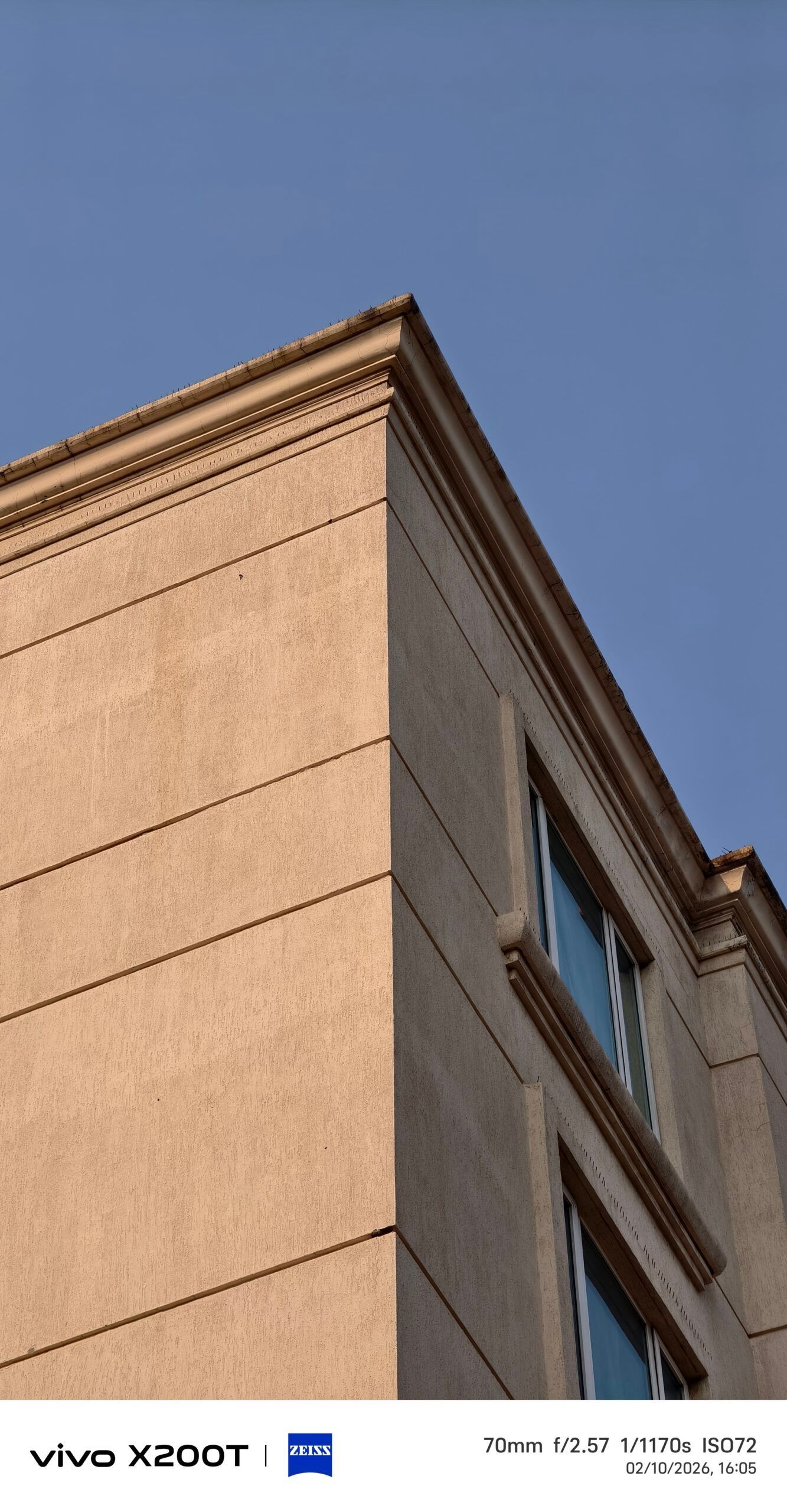


The primary and ultrawide cameras on the X200T deliver good detail in most lighting conditions, but they are not without flaws. The ultrawide camera struggles slightly with shadow control and can lose detail in darker areas of the frame. In some situations, this also leads to minor overexposure around subjects, something the Oppo Reno15 Pro Mini handles better thanks to its more consistent exposure processing. That said, the X200T generally produces usable and pleasing images, and most users will not struggle to get properly exposed shots in everyday scenarios.

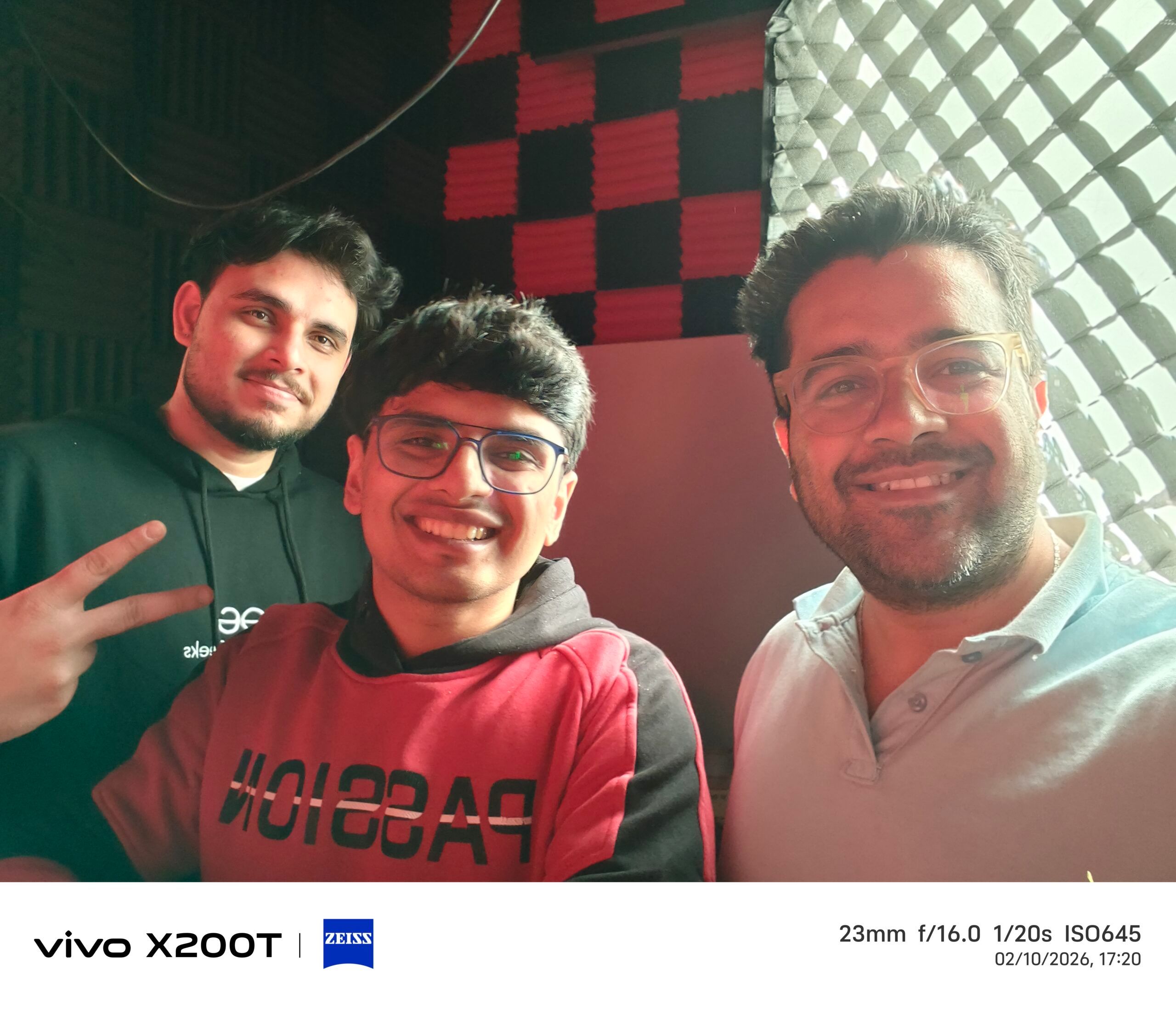




Portrait photography is where the Vivo X200T makes its strongest case. Thanks to the telephoto lens, portraits offer excellent edge detection, natural background separation, and strong detail retention, even on complex subjects. This is an area where it outperforms the Reno15 Pro Mini, especially when depth and subject separation matter more than sheer resolution. Vivo also includes multiple AI portrait effects that allow users to tweak background lighting, weather, and seasonal styles, adding a layer of creative flexibility.
Video performance on the X200T is solid, with support for stable 4K recording at 60fps across all rear cameras and the ability to switch lenses while recording. However, the Reno15 Pro Mini does have an edge here, capturing slightly more detailed footage from its 200MP main camera and offering smoother lens transitions. On the front, the X200T’s 32MP selfie camera delivers good HDR and exposure in daylight but falls behind the Reno15 Pro Mini’s 50MP ultrawide selfie camera in terms of detail and versatility, especially for group selfies. Overall, while the Oppo Reno15 Pro Mini is the more consistent all-round camera phone, the Vivo X200T stands out for its telephoto performance and portrait photography.
Vivo X200T Performance: Benchmarks, Gaming, and Thermals
In terms of performance, the Vivo X200T is powered by the MediaTek Dimensity 9400+ SoC, and compared to the Dimensity 8450 used in the Oppo Reno15 Pro Mini, it performs significantly better.
For instance, in the Geekbench 6 single- and multi-core tests, the Dimensity 9400+ scores 2,759 and 8,334, respectively. In comparison, the Dimensity 8450 scores 1,630 and 6,406 in the same tests.
The performance gap continues in GPU benchmarks as well. In the Geekbench GPU test, the Vivo X200T scores 20,823, whereas the Oppo Reno15 Pro Mini manages 11,824, highlighting a noticeable advantage in graphics performance for the X200T.
The Vivo X200T also maintains its lead in sustained performance tests. In the 3DMark Wildlife Extreme benchmark, the X200T scores 6,756, compared to 4,063 on the Oppo Reno15 Pro Mini, indicating stronger high-end graphics capability. Similarly, in the CPU throttling test, the X200T records a stability score of 73.8 percent, while the Reno15 Pro Mini manages 46.5 percent, suggesting that the X200T is significantly better at maintaining consistent performance under prolonged workloads.
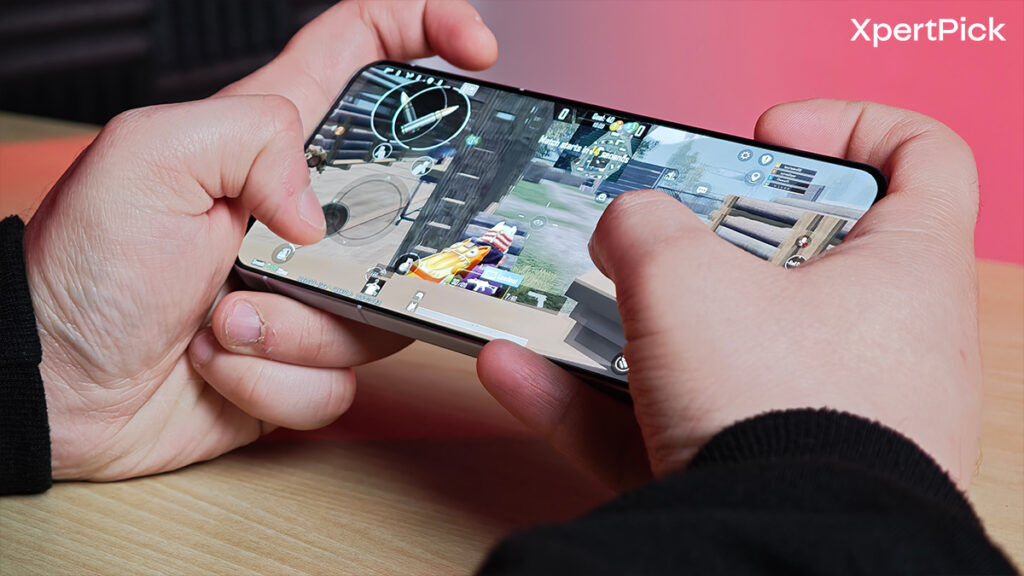
The Vivo X200T also demonstrates its performance advantage in real-world gaming scenarios. In BGMI, tested at the lowest graphics settings over a 45-minute session, the X200T delivers an average frame rate of 118.3 FPS, with a 5 percent low FPS of 103.7, resulting in noticeably smoother and more stable gameplay. In comparison, the Oppo Reno15 Pro Mini records an average of 89.1 FPS with a 5 percent low of 78.2 FPS, making the X200T clearly better suited for high-refresh-rate gaming.
A similar trend continues in more demanding titles like Minecraft, tested at the highest graphics settings. The Vivo X200T achieves an average of 59.3 FPS, with a strong 5 percent low of 51.5 FPS, ensuring more consistent frame pacing and fewer noticeable drops during gameplay. The Oppo Reno15 Pro Mini, on the other hand, averages 44.1 FPS with a 5 percent low of 21.5 FPS, highlighting a larger performance gap in heavier workloads.
Vivo X200T Battery Life: Endurance and Charging
The Vivo X200T packs a large 6200mAh battery with 90W fast charging. In real-world use, the phone charges from 0 to 100 percent in roughly 55 minutes, which is impressive given the battery size.
Battery performance is equally strong. During testing, the X200T delivered over five hours of screen-on time despite heavy usage, including an hour of 120fps gaming and continuous 5G connectivity, while still retaining around 50 percent battery. In practical terms, this translates to roughly 17 to 18 hours of mixed usage in a single day.
For heavy users, the phone comfortably lasts a full day, while moderate users can stretch it closer to a day and a half. The X200T also supports 40W wireless charging and reverse wireless charging, adding useful flexibility for accessories.
Overall, battery life is one of the Vivo X200T’s biggest strengths, combining strong endurance with fast and versatile charging.
Vivo X200T Verdict: A Well-Rounded Performance Powerhouse
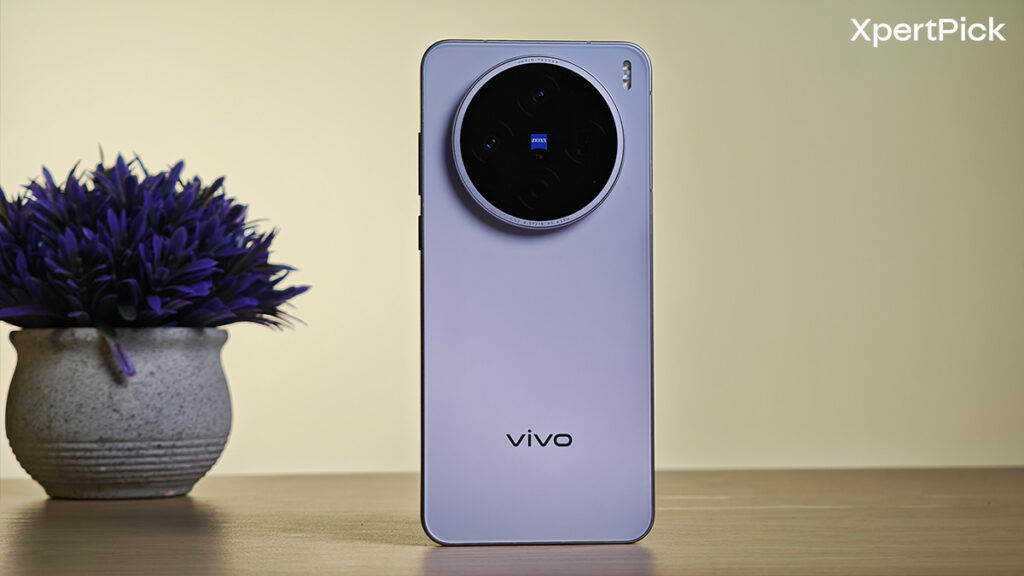
The Vivo X200T is a performance-first flagship that focuses on delivering power, endurance, and telephoto camera versatility rather than chasing headline-grabbing specifications in every department. At ₹59,999, the phone positions itself as a well-rounded device that excels in areas that matter most to power users, gamers, and photography enthusiasts who rely heavily on zoom and portrait photography.
Compared to the Oppo Reno15 Pro Mini, the X200T clearly establishes its dominance in performance, thermal stability, gaming smoothness, and battery life. The Dimensity 9400+ chipset delivers noticeably higher benchmark scores, better sustained performance, and smoother real-world gaming results, while the large 6200mAh battery ensures strong day-long endurance with fast and versatile charging support. The display also performs exceptionally well outdoors, making the device practical for real-world usage.
Where the X200T falls slightly behind is camera consistency. The Oppo Reno15 Pro Mini offers better exposure balance, stronger main camera detailing, smoother video transitions, and a more versatile selfie camera. However, Vivo counters this by delivering superior telephoto performance and some of the best portrait photography in this segment, which can be a deciding factor for many users.
Overall, the Vivo X200T is the better choice for users prioritising performance, gaming, battery life, and telephoto photography. The smartphone is a clear choice if you value a polished all-round experience, despite a few minor niggles.
Pros
-
Excellent performance with Dimensity 9400+ and strong sustained gaming stability
-
Outstanding telephoto camera performance with strong portrait photography
-
Large 6200mAh battery delivers reliable all-day endurance
-
Bright display with excellent outdoor visibility
Cons
-
Colour consistency across camera lenses could be better
-
Ultrawide camera struggles with shadow detail and exposure balance