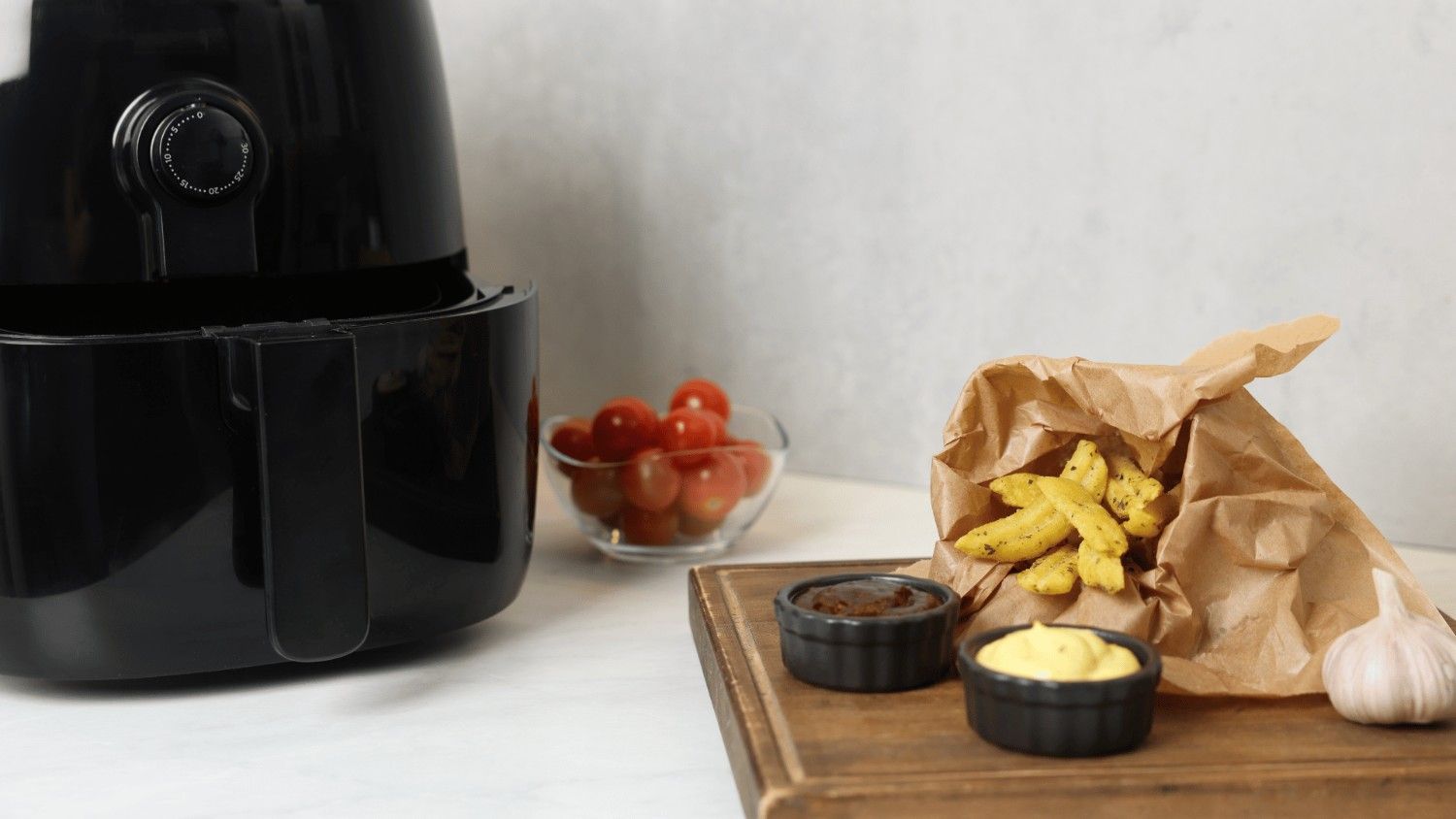
Air fryers have become one of the most popular kitchen appliances in Indian homes because they genuinely make cooking easier and healthier. Frozen snacks crisp up beautifully, leftover fried food becomes crisp again, and meat and vegetables roast pretty quickly. So naturally, people start asking: Can it cook everything?
I recently came across some weird reels on Instagram, people trying to make rice, Maggi, and even popcorn in an air fryer. The results of these reels looked questioniable, and then I did some digging and testing of my own. The reels, even though they look tempting, don’t really translate in real life.
Here’s why you shouldn’t cook things like rice, Maggi, or popcorn in an air fryer.
What Air Fryer Actually Does
As the name suggests, air fryers don’t actually fry in the conventional sense of the term. They circulate very hot, very dry air around food. And that dry heat is excellent for crisping surfaces, roasting vegetables, reheating snacks, and cooking food that already has some sort of structure. Frozen fries, paneer tikka, and even your leftover pizza cook beautifully in an air fryer because it removes moisture and browns the outside.
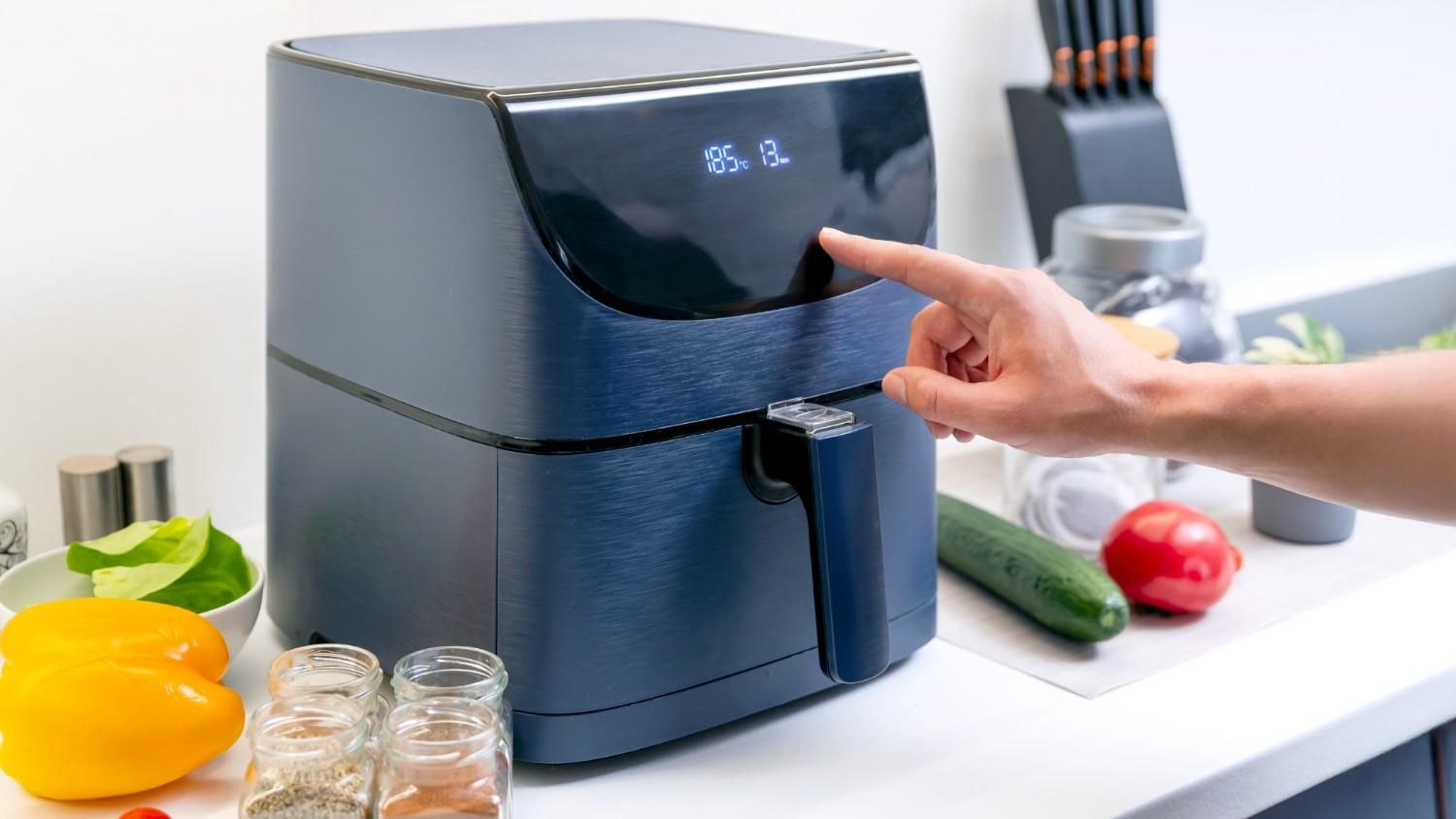
But not all foods cook by losing moisture. Some actually need that moisture to cook. Rice, Maggi, pasta, popcorn, and even your tea rely on boiling water or steam pressure. Without enough moisture, they don’t cook properly at all.
Why Maggi Stays Crunchy
Instant noodles like Maggi are pre-cooked and then dried. To become soft again, they need water to rehydrate evenly.
When you put dry noodles in an air fryer basket, the hot air does exactly the opposite of that. It removes moisture, browns the edges, and leaves the inside hard. Even if the noodles look cooked from the outside, the centre stays brittle.
Rice also behaves in a similar way. Each grain of rice needs boiling water to swell and soften. Without hydration, rice cooks unevenly, it stays chalky, or dries out completely.
And that’s why air fryer Maggi” or “air fryer rice” videos look fine on reels, but when you taste them, it tastes wrong.
But What If You Add Water?
This is the obvious question people ask next. Of course, you’re not dumb enough to just put dry noodles or rice in the air fryer basket and expect it to cook. So, what if you put rice or Maggi in a bowl full of water inside the air fryer? Won’t it cook then?
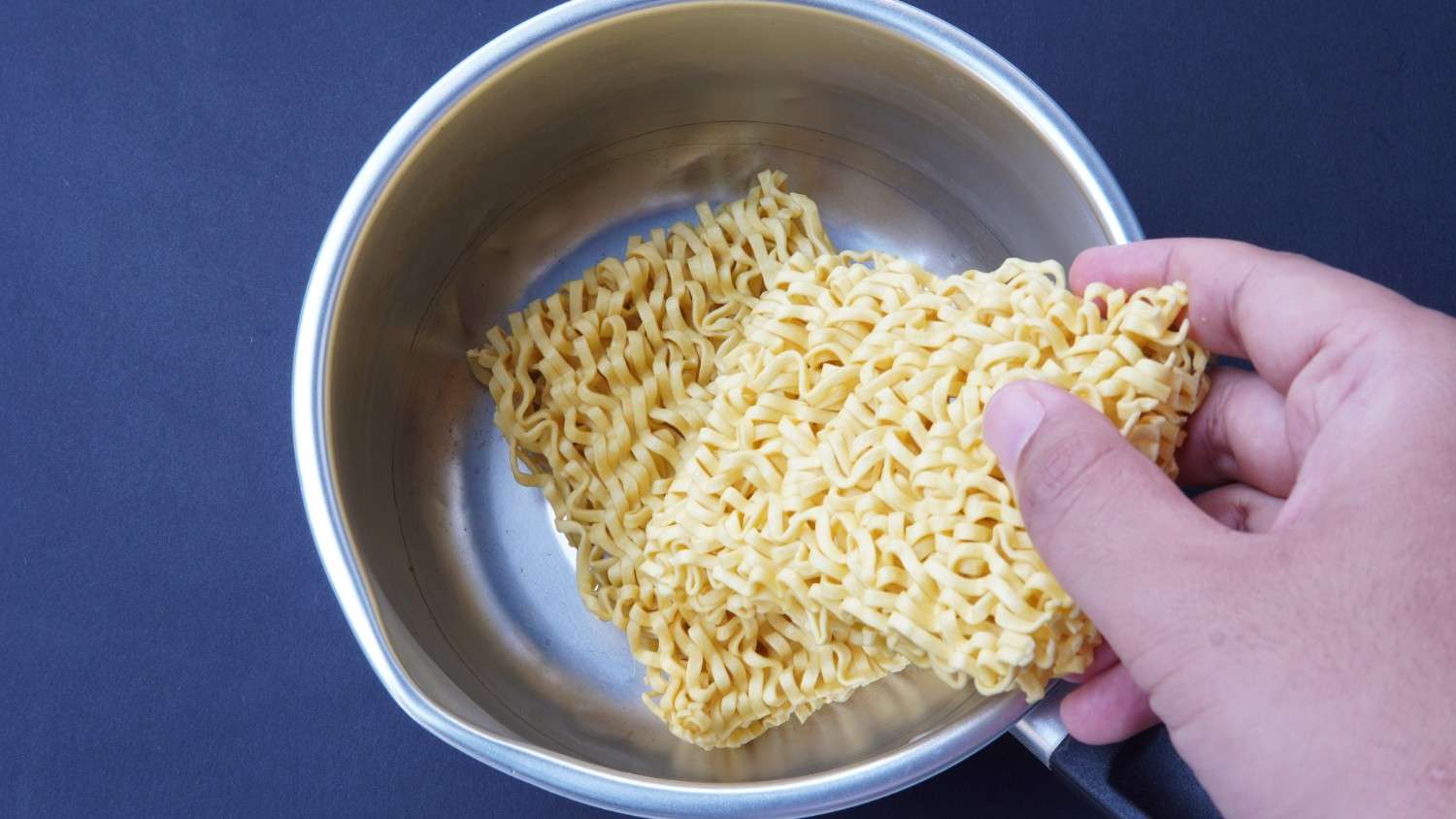
Yes, it will cook. But not because of the air fryer. It’s the water that’s doing the cooking. The air fryer is just heating the bowl like a tiny oven, but an inefficient one. If you really do try to cook rice in an air fryer, it takes longer than a stove, heats unevenly, and wastes electricity for no real benefit. You’re basically turning the air fryer into a very expensive kettle.
Also, just a heads up, the results still may not be what you expect.
Popcorn Doesn’t Work in an Air Fryer Either
You might say rice or Maggi is fine, but popcorn can cook just fine in an air fryer. Right? Wrong.
Popcorn kernels need rapid, even heating so that the tiny amount of moisture inside each of the kernels turns into steam and pops the corn.
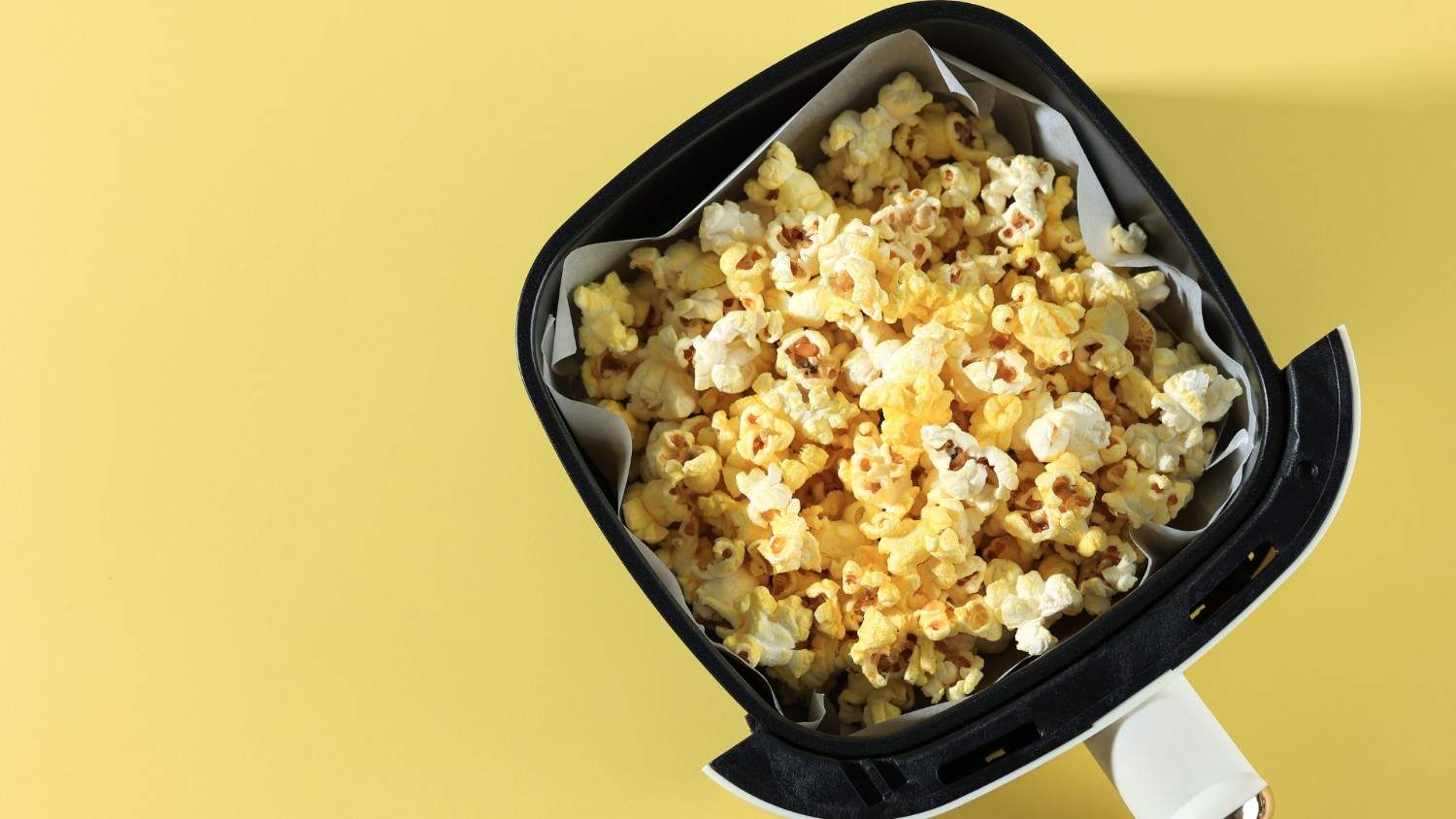
Microwaves and pans heat kernels quickly and evenly. Air fryers heat more slowly and circulate air that cools kernels as much as it heats them. Some kernels burn before popping, while many never pop at all. And if you put kernels directly in the basket without parchment paper, there is a chance that they fall into places that you don’t want them to.
If you do try cooking popcorn in an air fryer, you will get a few popped kernels, plenty of burnt ones, and lots that stay stubbornly hard.
This Experiment Can Also Turn Into a Safety Hazard
It was all fun and games until now, but let’s get a little serious now. Cooking food that needs boiling in an air fryer isn’t just impractical; it can also create real problems. When you heat bowls of water inside an air fryer, steam builds up, and your air fryer isn’t built to handle that.
Water can splash onto the heating element, drip into vents, or condense near wiring. And even the utensil that you’ve kept inside the air fryer can shift or tip when that powerful fan runs, especially in basket-style air fryers. Also, people use glass or plastic containers that aren’t usually rated for air fryers, and can crack or melt because of extreme heat.
Next, the popcorn also comes with its own set of issues. It is easy for the loose kernels to be blown around the fan and touch the heating element. That can damage the element and/or even create smoke. And burnt kernels leave a strong smell that stays in the appliance for a while. And no one likes that smell.
Some people try adding oil or butter to help with popping, which can splatter and smoke in a confined space. It is expected, right, popcorn kernels pop. And because popping is uneven, people tend to keep running the air fryer longer, increasing the risk of overheating or burning.
Air fryers are built for dry roasting, crisping, and frying. It is not built, designed, or tested for boiling water, food, or popping loose grains. And using the air fryer outside its range might give you a viral reel, but the results can turn out bad, inedible, shorten the appliance’s life and create unnecessary hazards.