Google’s Pixel A-series has always followed a familiar idea: bring the essentials of the flagship Pixel experience to a slightly more accessible price. The Pixel 10a arrives with that same promise, stepping into a segment that has become far more competitive than it was a few years ago.
However, this time there’s an added layer to the conversation. The Pixel 10a launches at a higher price, while the Pixel 9a is now available for around ₹10,000 less, creating an unusual overlap between the two generations.
On paper, the formula still looks recognisable. You get Google’s Tensor G4 chip, the clean Pixel software experience with years of updates, and a camera system that leans heavily on computational photography rather than brute hardware. At the same time, the phone enters a price bracket where rivals are pushing faster processors, bigger displays and bigger batteries every year.
So the real question with the Pixel 10a is not simply what it offers, but whether Google’s approach still feels compelling in 2026, especially when a near-identical Pixel experience is available for noticeably less. Does the familiar Pixel recipe continue to make sense, or is it starting to feel a little too familiar for its own good? After spending time with the device, here is how the Pixel 10a holds up.
Pixel 10a Design And Build Quality: Subtle Refinements, But Largely the Same as the 9a
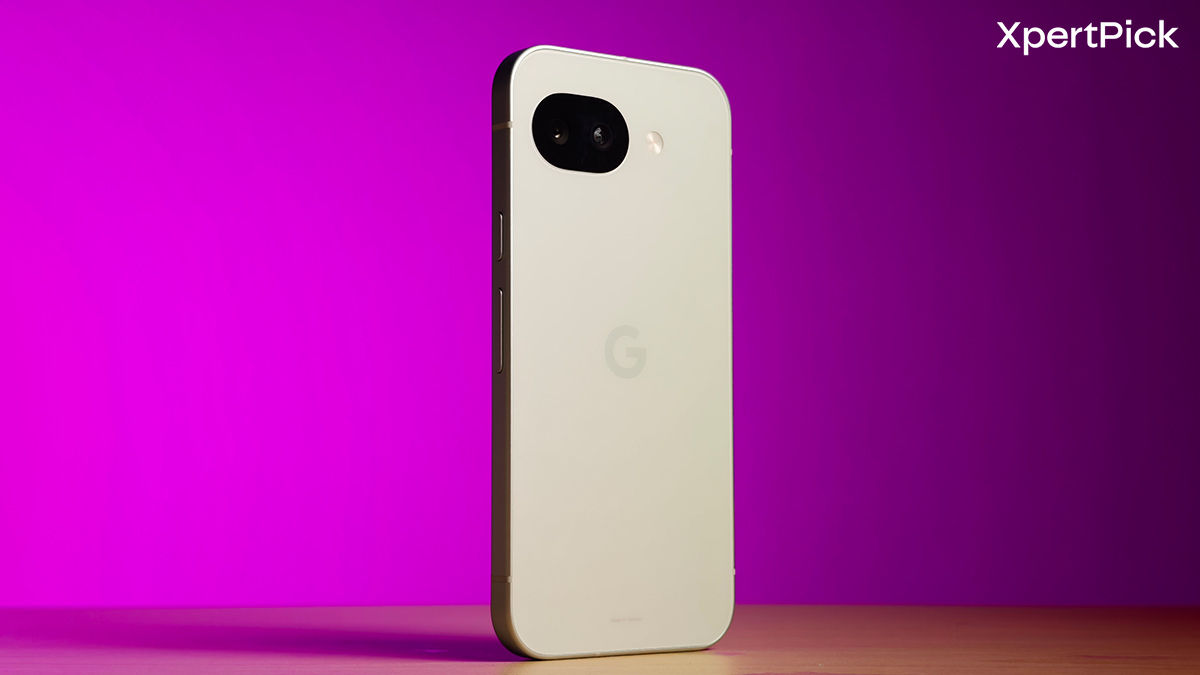
Google’s approach to the Pixel 10a design focuses on refinement rather than a complete redesign, building directly on the foundation of the Pixel 9a. At first glance, the two devices share the same compact footprint, minimal aesthetic, and familiar silhouette. The 10a feels instantly familiar in the hand, retaining the series’ signature soft colour palette, simple rear branding, and dependable IP68 rating for water and dust resistance.
Aesthetically, the 10a expands on the 9a’s colour options, introducing a subtle mint-like shade and a deeper berry finish alongside the returning standout lavender variant.
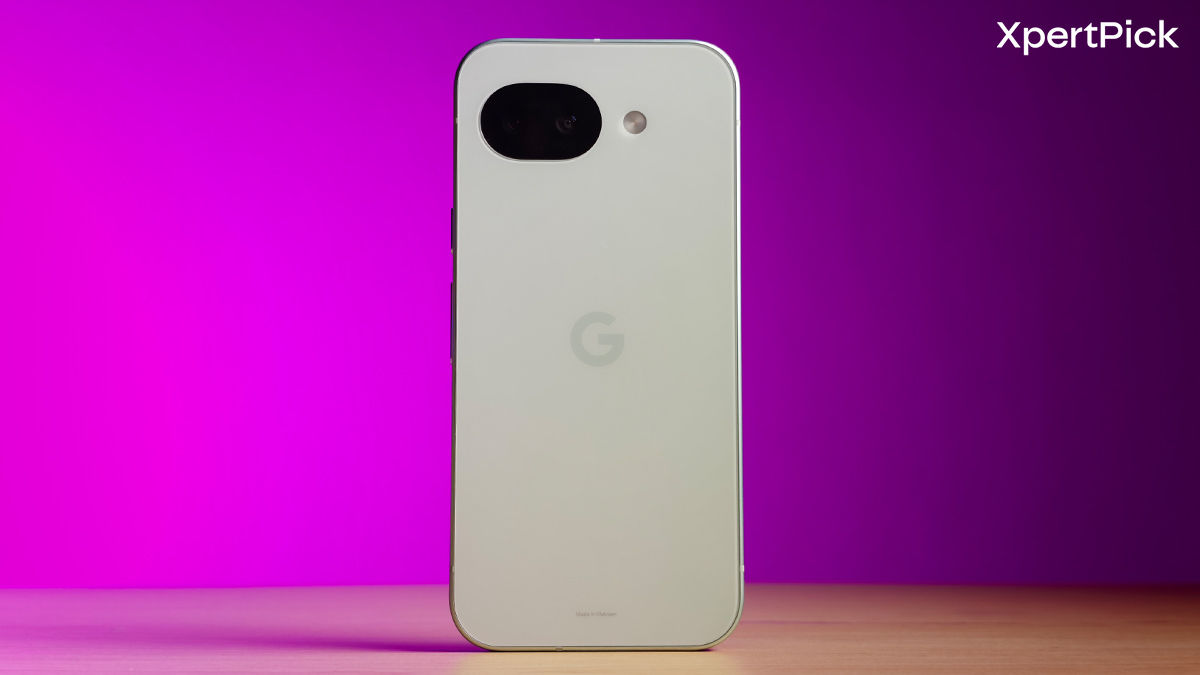
In hand, the two phones will feel almost identical. The Pixel 10a is technically a bit more compact and slightly lighter, but the change is so small that most people would not notice it without measuring tools. The only real dimensional change is the extra 0.1 mm thickness, which mainly comes from the flush camera design and internal layout adjustments.
Compared to the Pixel 9a, the Pixel 10a is marginally lighter as well at 183g.
Ultimately, the Pixel 10a retains the practical, understated design language of the 9a, polishing the existing framework with subtle functional and structural adjustments.
Pixel 10a Audio and Display: Same Speakers, Brighter and More Durable Screen
Moving to the audio hardware, the Pixel 10a maintains the same stereo speaker configuration found on the Pixel 9a. The system relies on a combination of a bottom-firing speaker and the top earpiece to deliver sound.
While the relocation of the SIM tray to the side frame has allowed Google to add a second grille to the bottom edge of the 10a, giving the device a more symmetrical appearance alongside the USB-C port, this new left-side cutout is purely cosmetic and does not house an additional speaker.
However, as the internal audio architecture is unchanged, the sound profile and overall volume capabilities remain consistent between the two devices. The Pixel 10a delivers the same clear stereo output for media and calls as its predecessor, without altering the established audio experience.
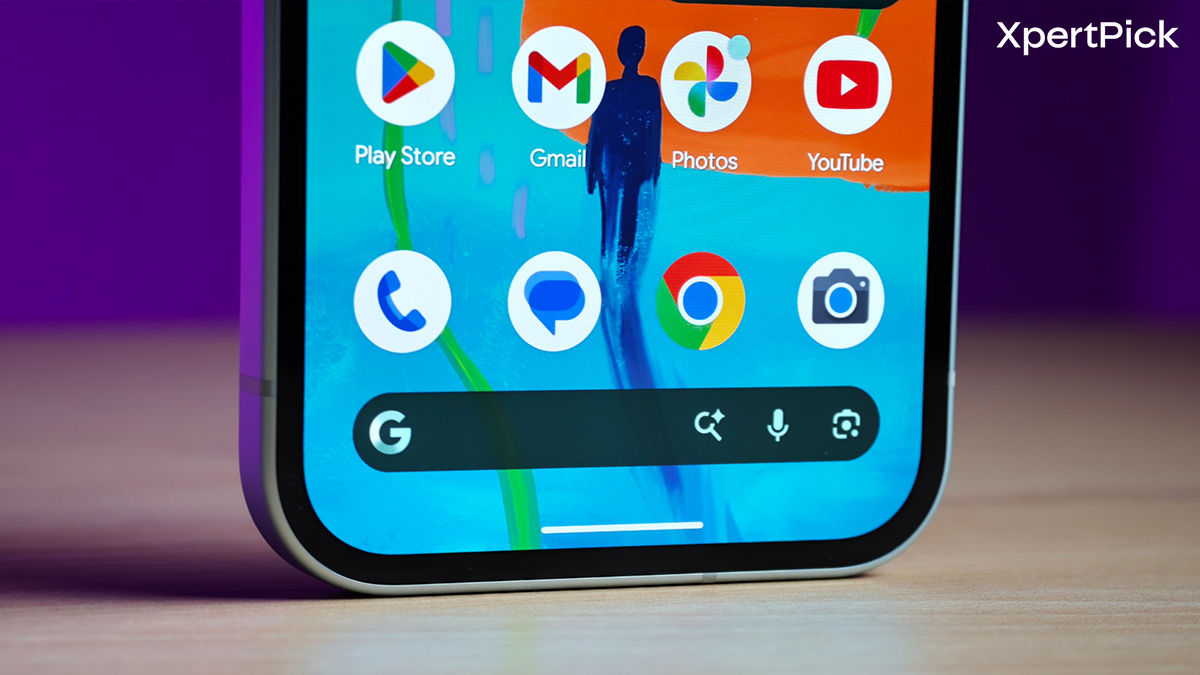
When it comes to the display, the Pixel 10a carries over the core hardware of the Pixel 9a while introducing specific upgrades in brightness and durability.
The key differences lie in peak brightness output and screen protection. Testing shows the Pixel 10a reaches a maximum brightness of 2540 nits in Auto HDR mode, while normal manual brightness maxes out at 2060 nits. This higher output translates to more comfortable visibility under harsh sunlight. For context, the Pixel 9a peaked at around 1930 nits in auto mode and roughly 1245 nits in manual brightness, so the jump here is not just incremental; it is clearly noticeable in day-to-day outdoor use.
Additionally, Google has updated the display glass. The Pixel 10a utilizes Corning Gorilla Glass 7i, stepping up from the older Corning Gorilla Glass 3 found on the 9a. This updated material offers a higher baseline resistance against scratches and impacts.
Overall, the Pixel 10a retains the visual characteristics of its predecessor while offering a brighter panel and more durable glass.
Pixel 10a Performance: Same Tensor G4 Power, Slightly Better Thermals and Longer Support
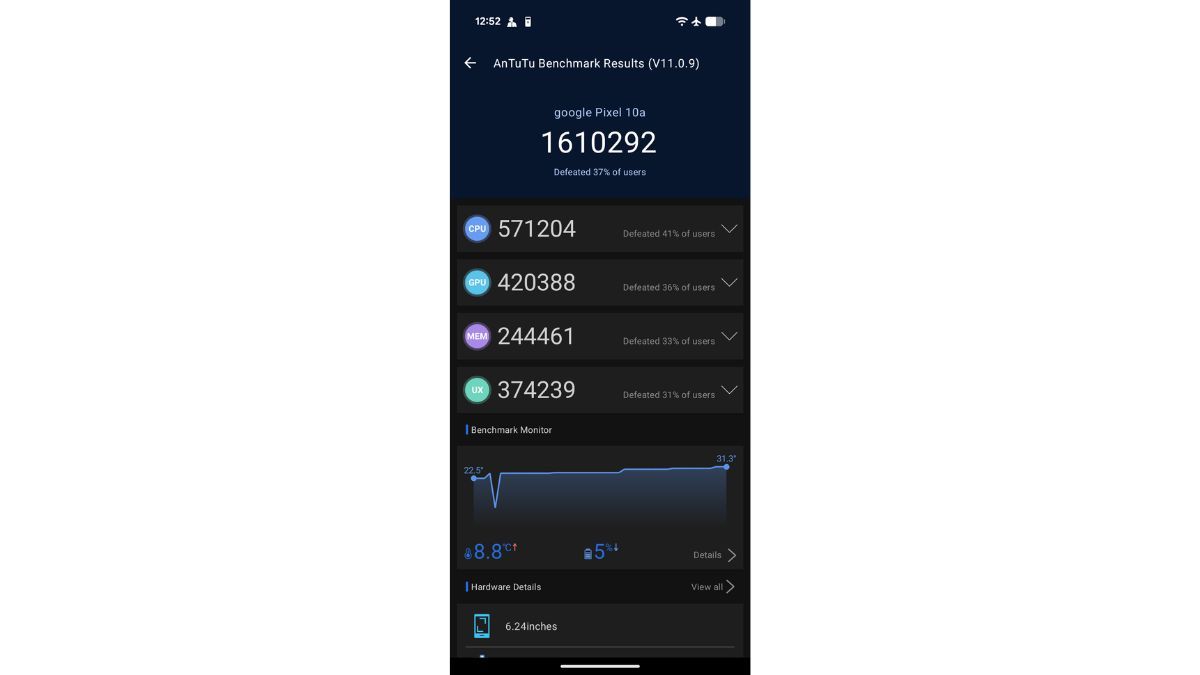
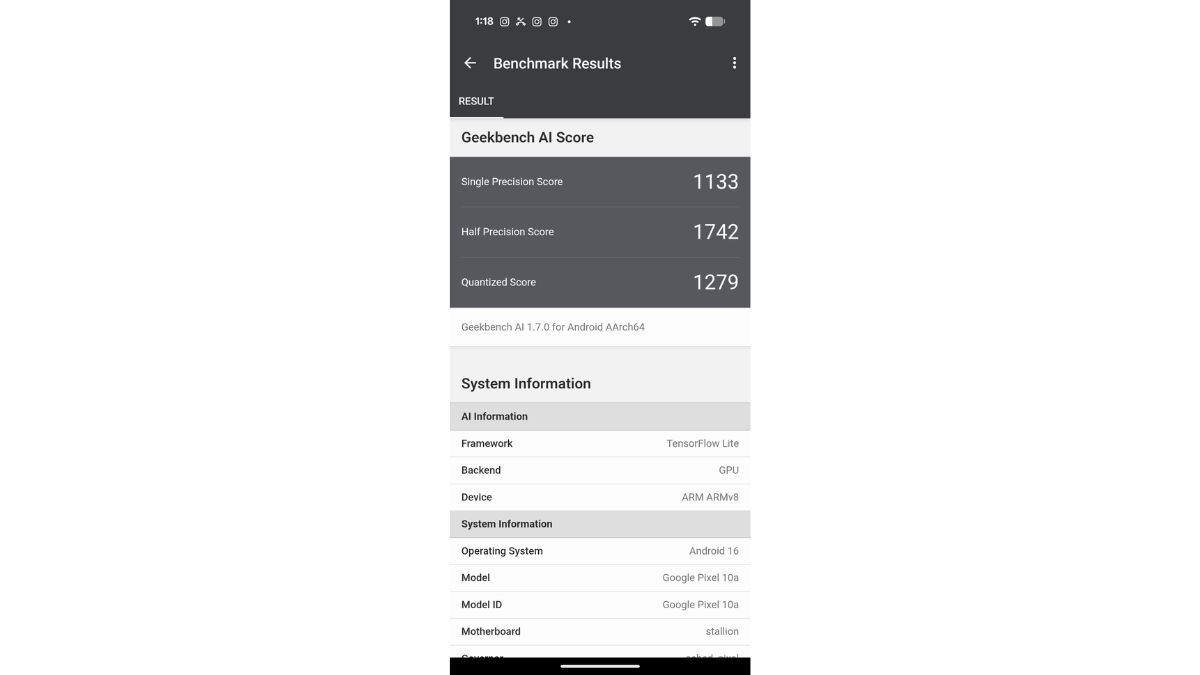
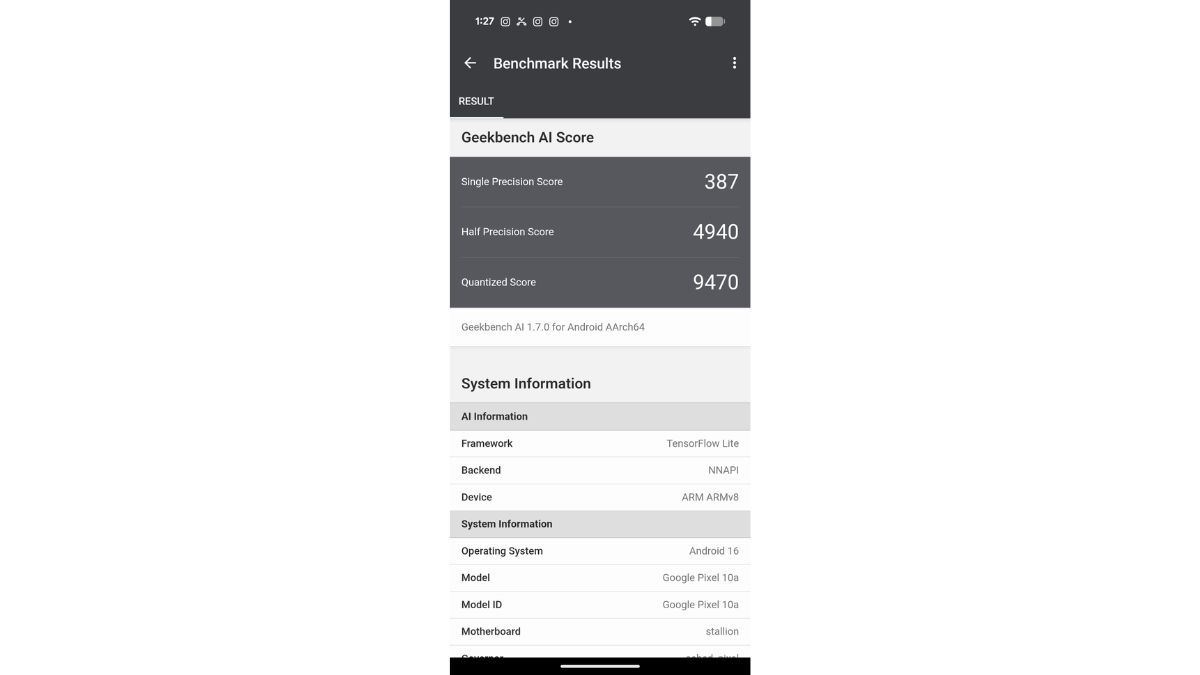
The Google Pixel 10a features the same Tensor G4 chip as the Pixel 9a. Both devices use the same 4nm Tensor G4 chipset, with an identical CPU configuration of 1× Cortex-X4, 3× Cortex-A720, and 4× Cortex-A520 cores, along with the Mali-G715 MP7 GPU.
Both the Pixel 10a and Pixel 9a run on the same Tensor G4 hardware, yet their update timelines don’t quite align. Since the 9a launched with Android 15 and has already moved to Android 16, one of its seven promised updates is effectively gone. The Pixel 10a, meanwhile, starts fresh with Android 16 and still gets the full seven updates ahead.
This creates an odd situation where two devices with identical hardware end up with different long-term support, simply because of when they were launched.
Since both share the same hardware, the Pixel 10a scores the same as the Pixel 9a in several benchmarks.
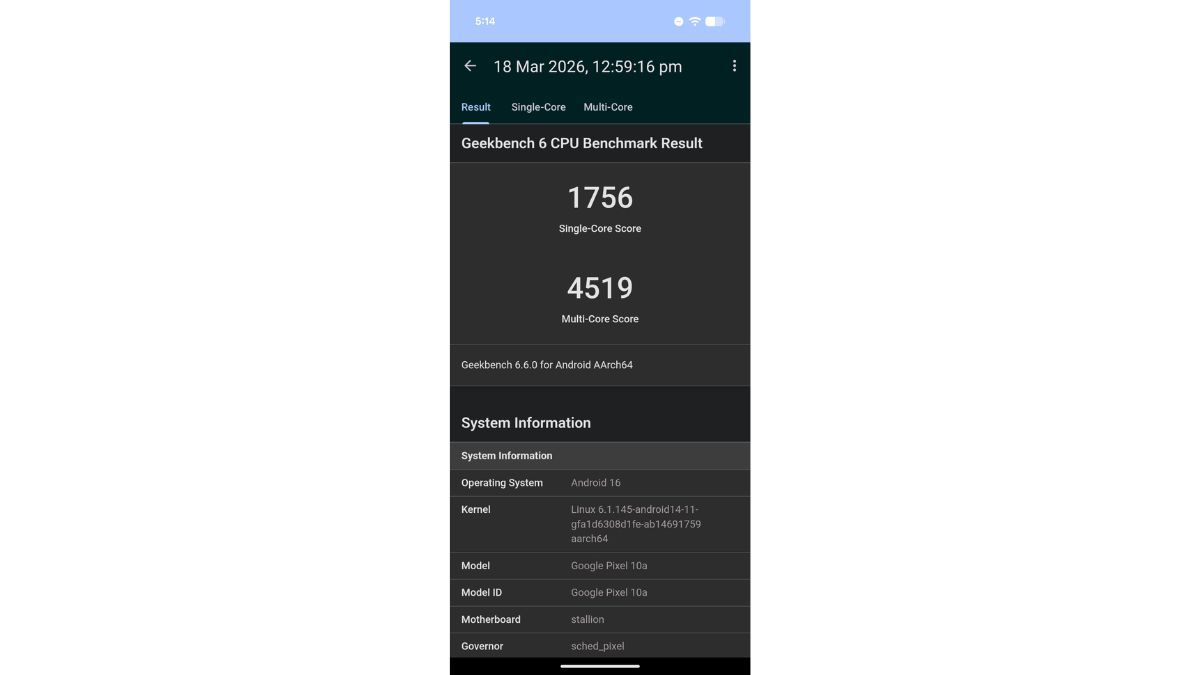
In Geekbench 6, the Pixel 10a scores around 1756 in single-core and 4519 in multi-core tests, while the Pixel 9a comes in at 1755 and 4506 respectively, making the difference effectively negligible in practical use.
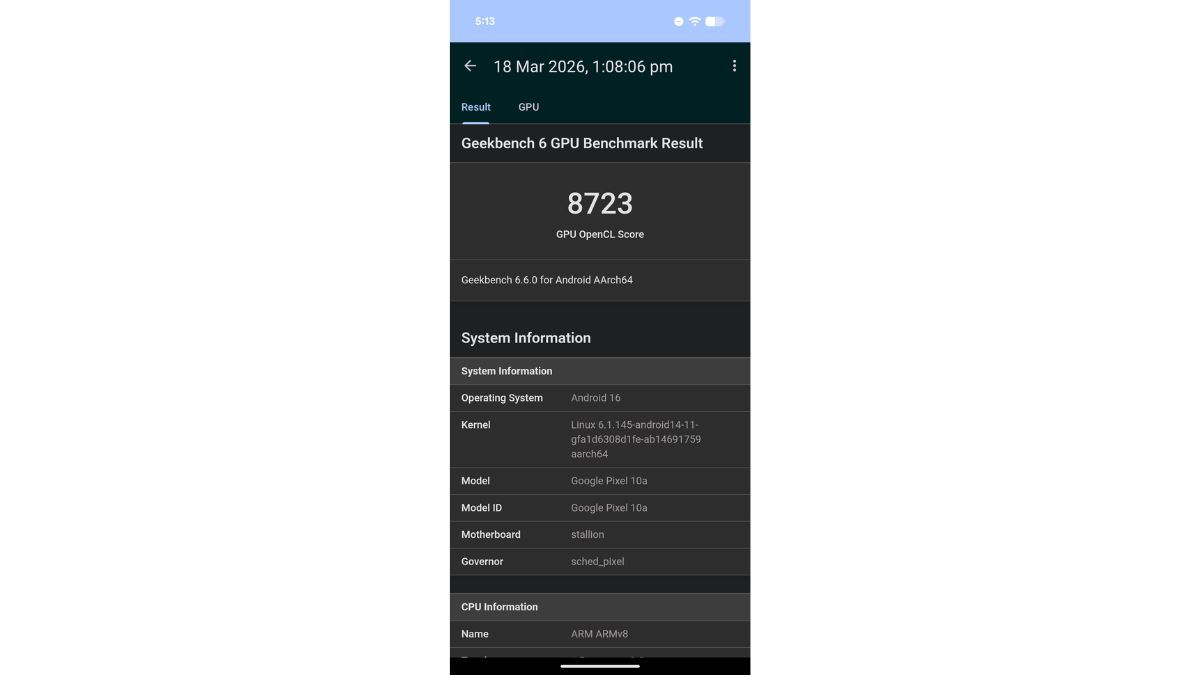
Similarly, in the Geekbench 6 GPU test, the Pixel 10a scores 8723, whereas the Pixel 9a scores 8459.
| Benchmark Test | Google Pixel 10a | Google Pixel 9a |
| Geekbench 6 (Single-Core) | 1755 | 1756 |
| Geekbench 6 (Multi-Core) | 4506 | 4519 |
| Geekbench 6 (GPU) | 8723 | 8459 |
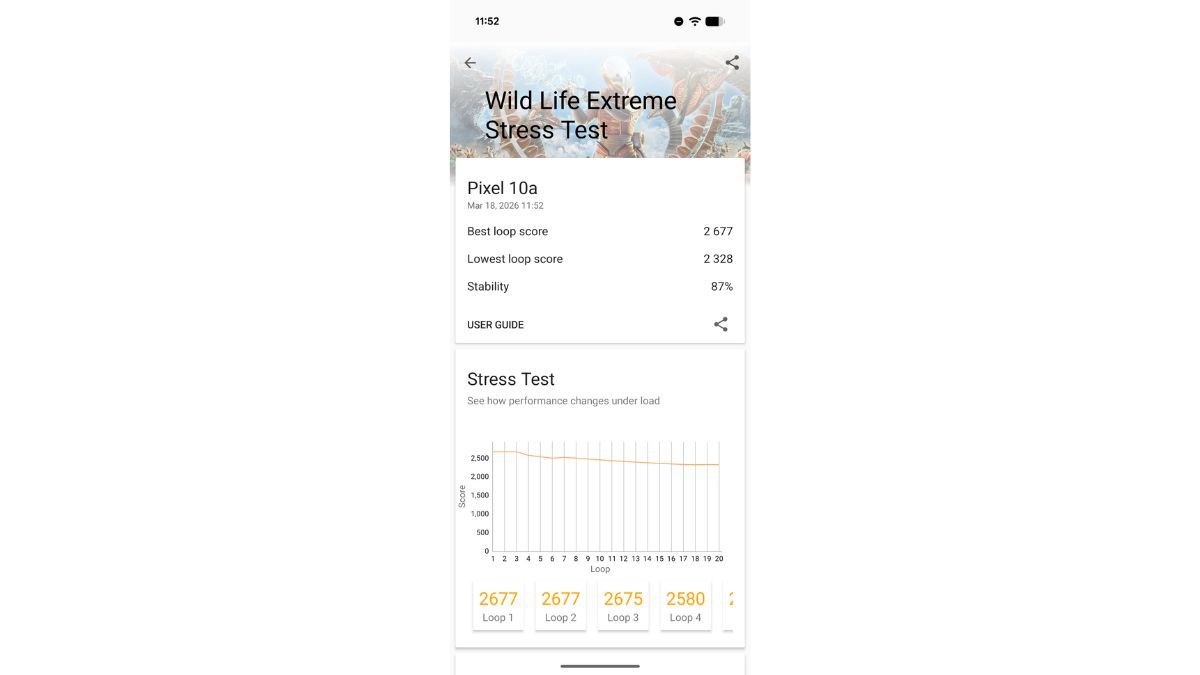
| 3DMark Wild Life Extreme (Stability) | 81.6% | 76.4% |
| 3DMark Wild Life Extreme (Lowest Loop) | 2206 | 2060 |
One area where the Pixel 10a is slightly better than the Pixel 9a is overall thermal performance. In the 3DMark Wild Life Extreme Stress Test, the Pixel 10a achieved 81.6% stability, while the Pixel 9a scored 76.4%.
Even in the lowest loop score, which reflects minimum performance under thermal throttling, the Pixel 10a scored 2206 compared to the Pixel 9a’s 2060.
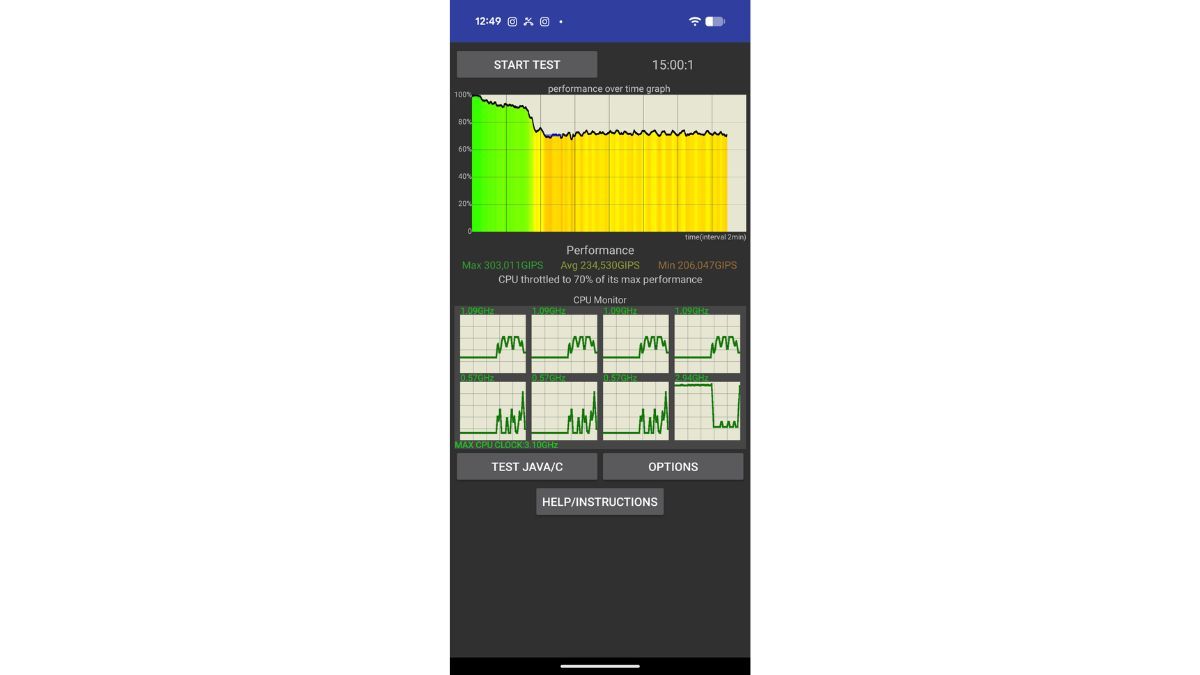
During real-world gaming scenarios with demanding titles like Genshin Impact, neither device delivers maximum graphical output, with both phones topping out at roughly 45 FPS on low to medium settings before thermal throttling becomes a factor.
For better-optimised games such as BGMI, both the 10a and 9a can sustain a stable 60 FPS on standard high presets.
Pixel 10a Battery Life: Same Capacity, Same Endurance as the Pixel 9a
When looking at battery capacity and mixed usage endurance, the Pixel 10a and Pixel 9a offer nearly identical hardware. Both devices are equipped with a 5,100 mAh battery and run on the same Google Tensor G4 processor. Because the core internal hardware and battery capacity remain unchanged, the everyday power efficiency is highly comparable between the two models.
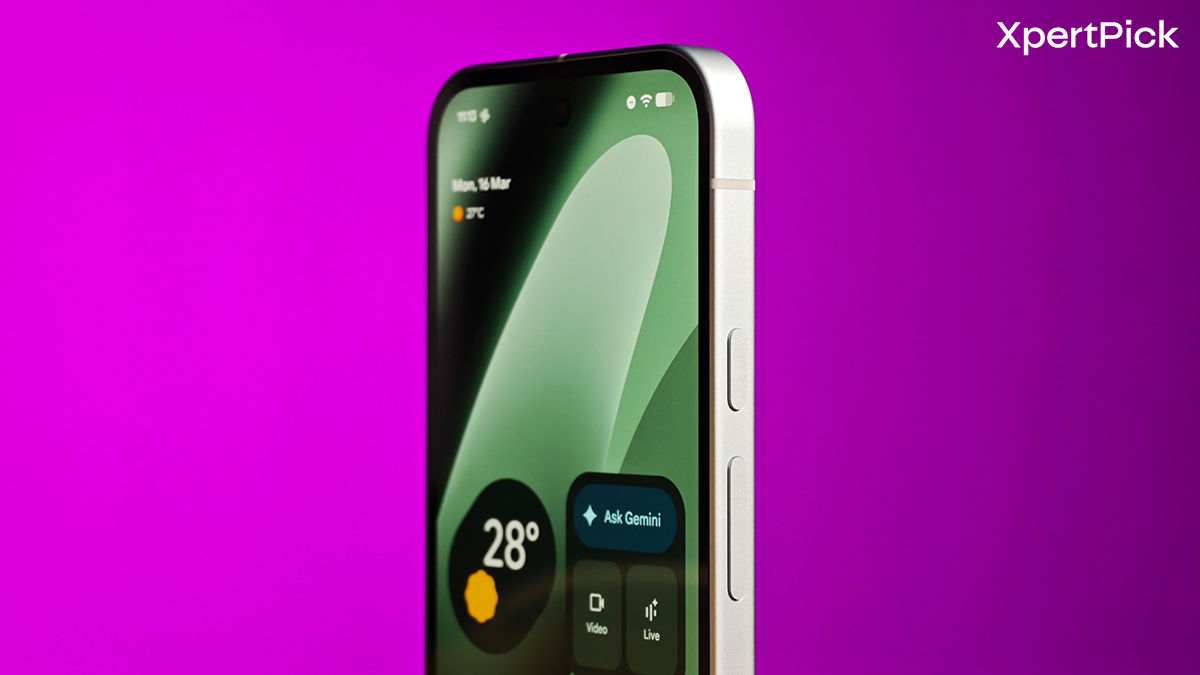
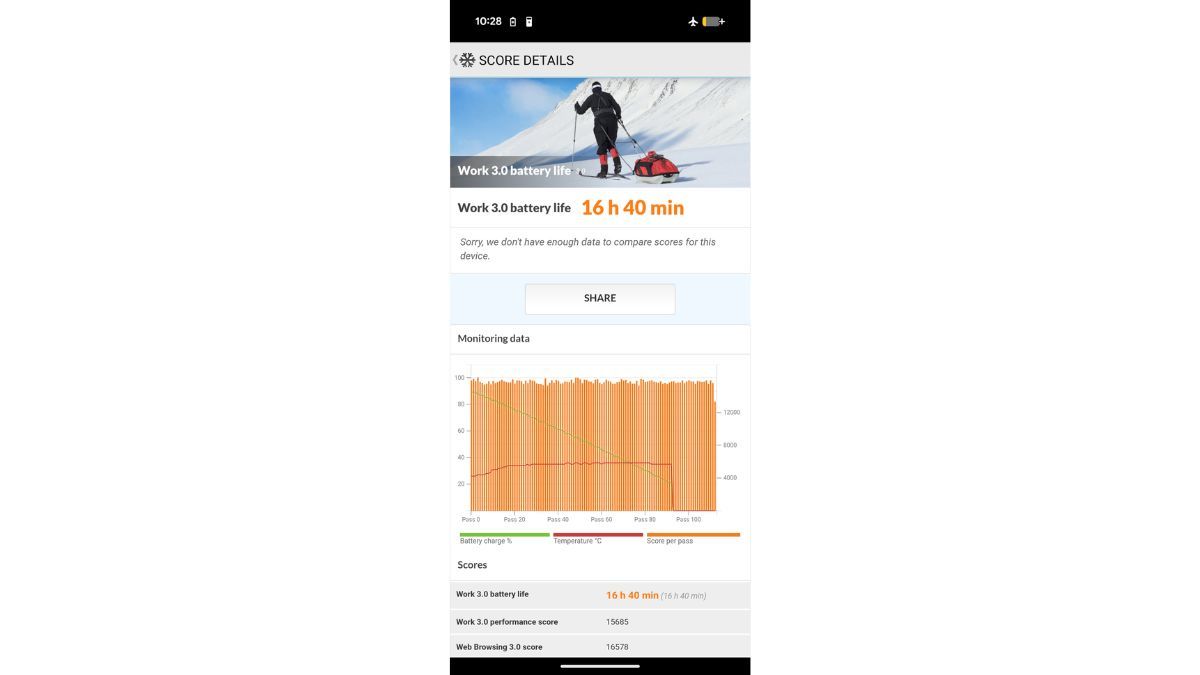
In our PCMark 10 battery life test, the Pixel 10a delivered a runtime of 16 hours and 40 minutes, which aligns with what you would expect from this setup. In real-world mixed usage, involving a combination of Wi-Fi and cellular data, media consumption, messaging, and camera use, both phones consistently provide a full day of power, often stretching to a day and a half before needing a recharge.
Pixel 10a Camera: Identical Output to the 9a, With Minor AI Additions
The Google Pixel 10a features a dual-camera system that retains the hardware specifications of its predecessor, the Pixel 9a, while introducing a redesigned, flat camera module and updated AI software features.
Google continues to utilise computational photography to enhance image output. The Pixel 10a includes standard features such as Magic Eraser, Night Sight, and Portrait Mode, alongside newer software additions powered by Gemini AI, such as

















- Camera Coach: An AI assistant that analyzes the scene and offers real-time suggestions for framing, angles, and lighting to help compose the shot.
- Auto Best Take: Automatically captures multiple frames during group photos and blends them to produce a single image where subjects are looking at the camera.
- Add Me: Allows the photographer to be included in group shots by taking a photo, handing the phone to someone else, and merging the two images.
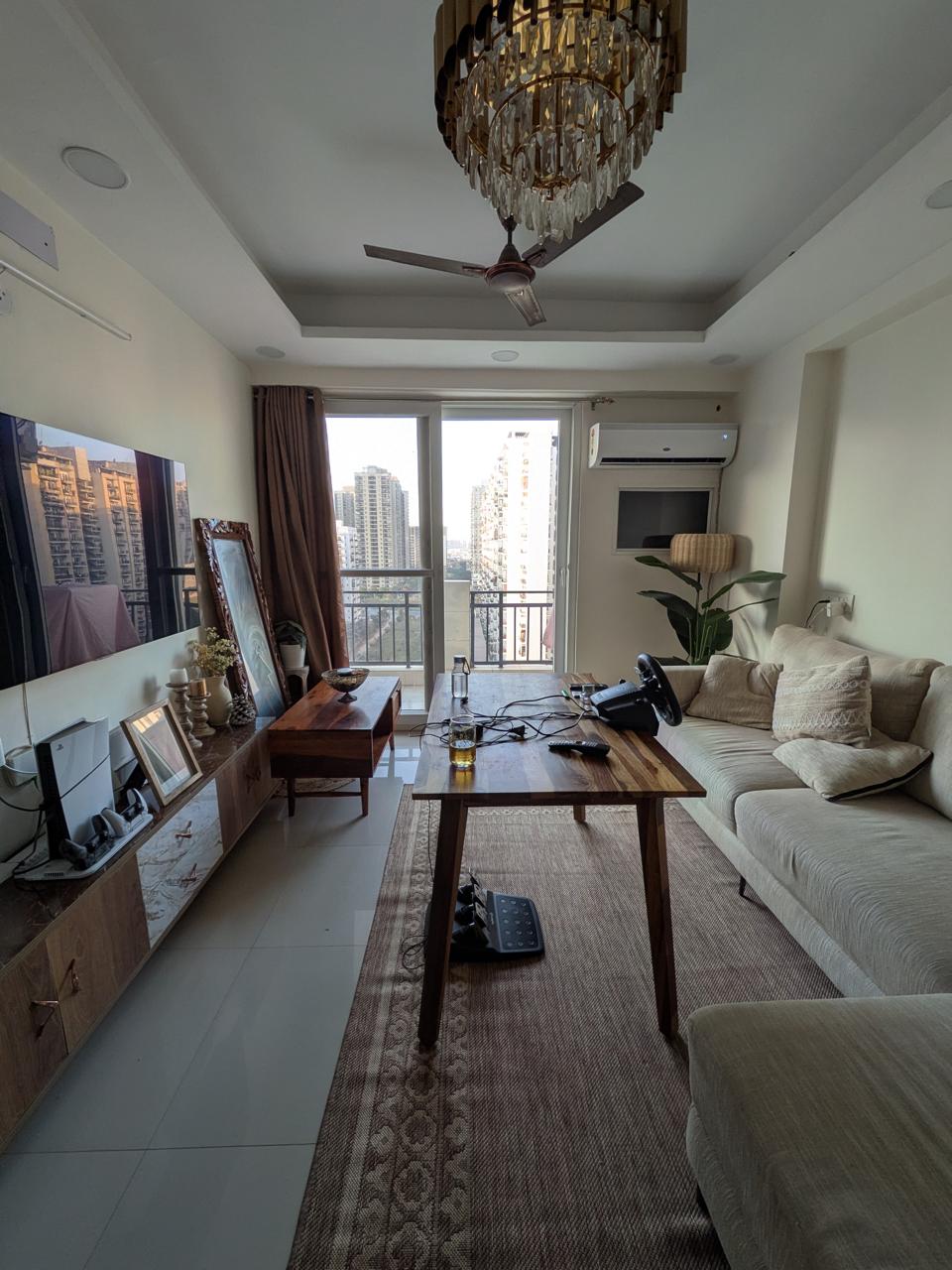
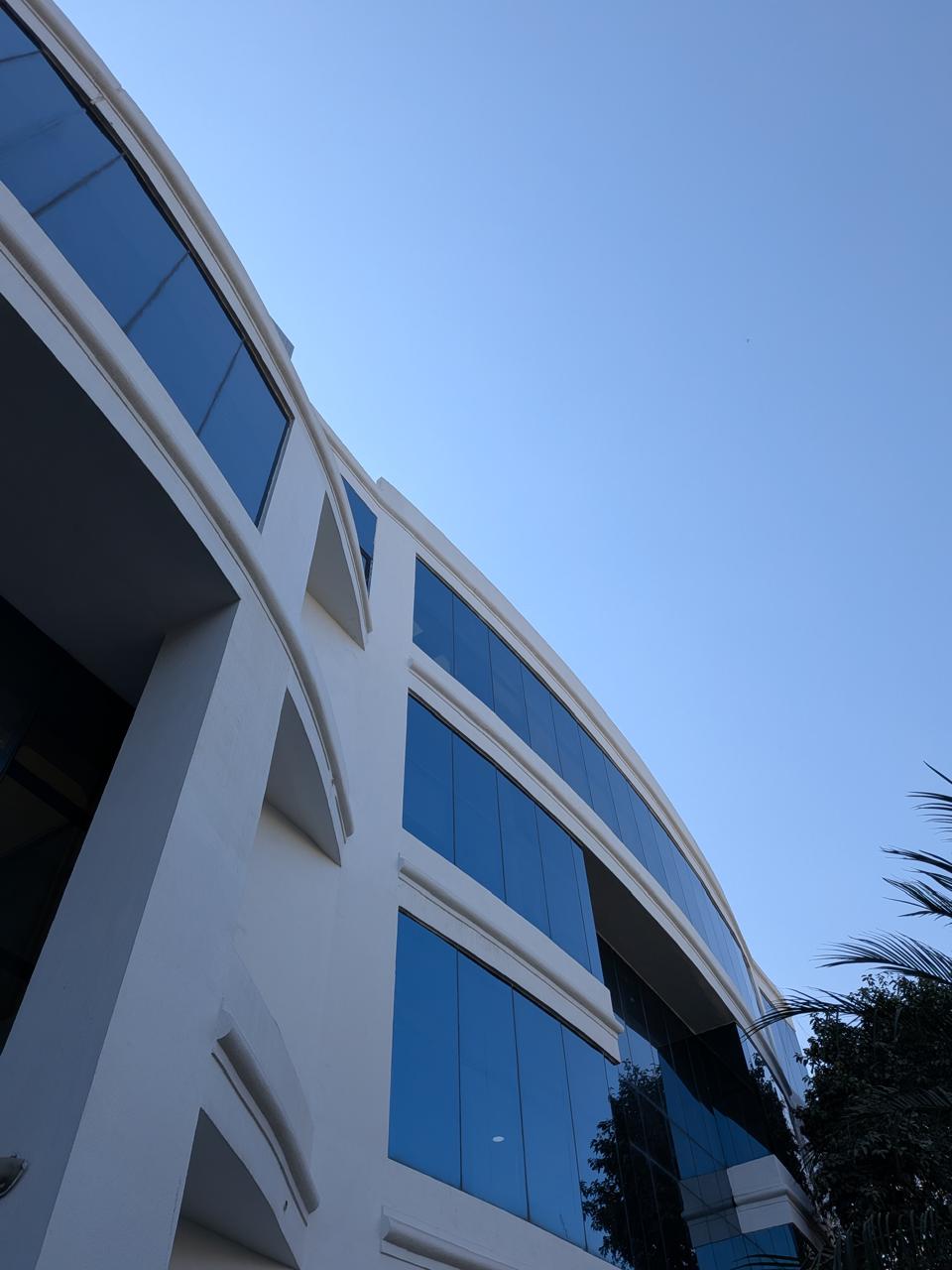
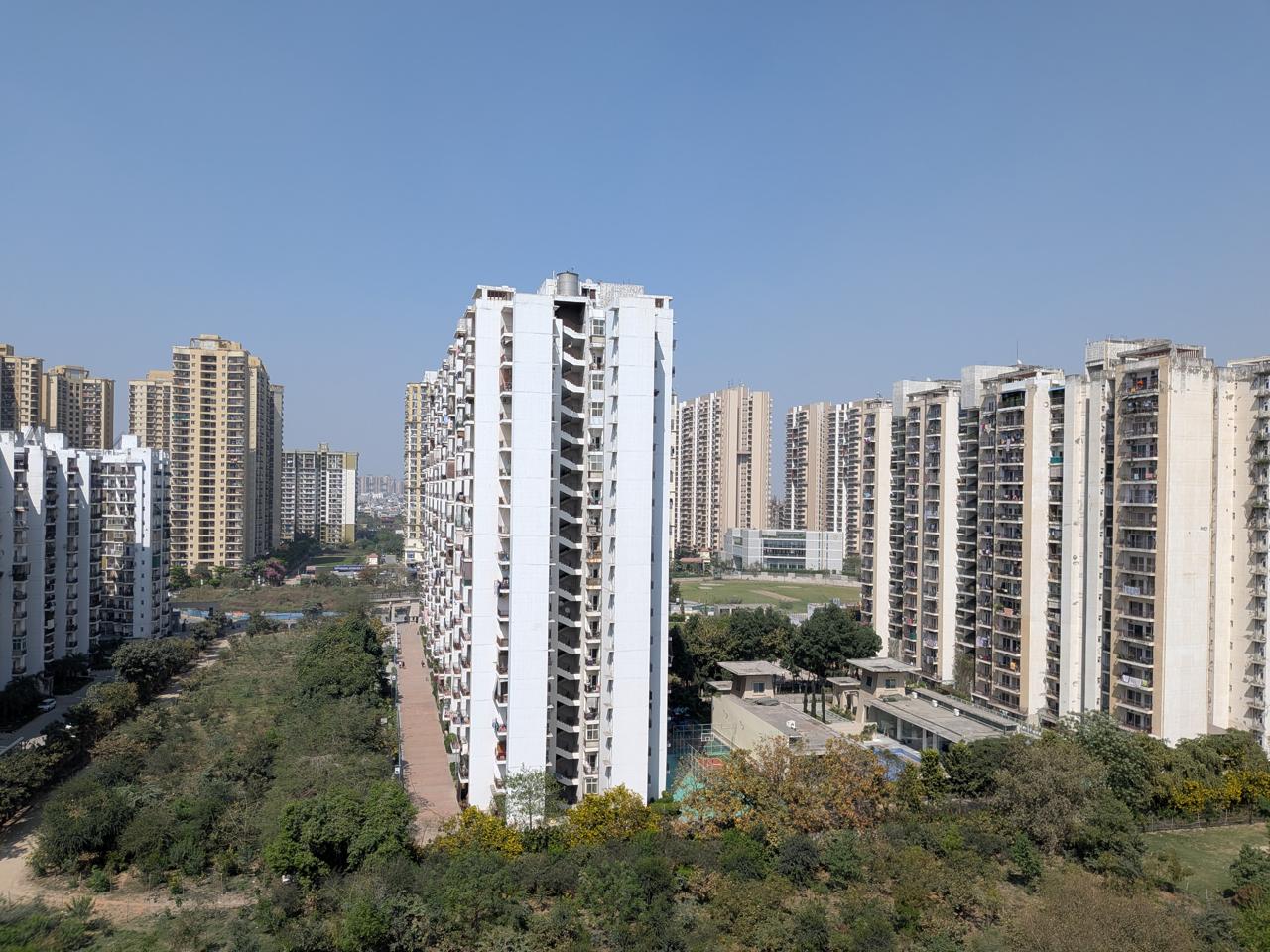
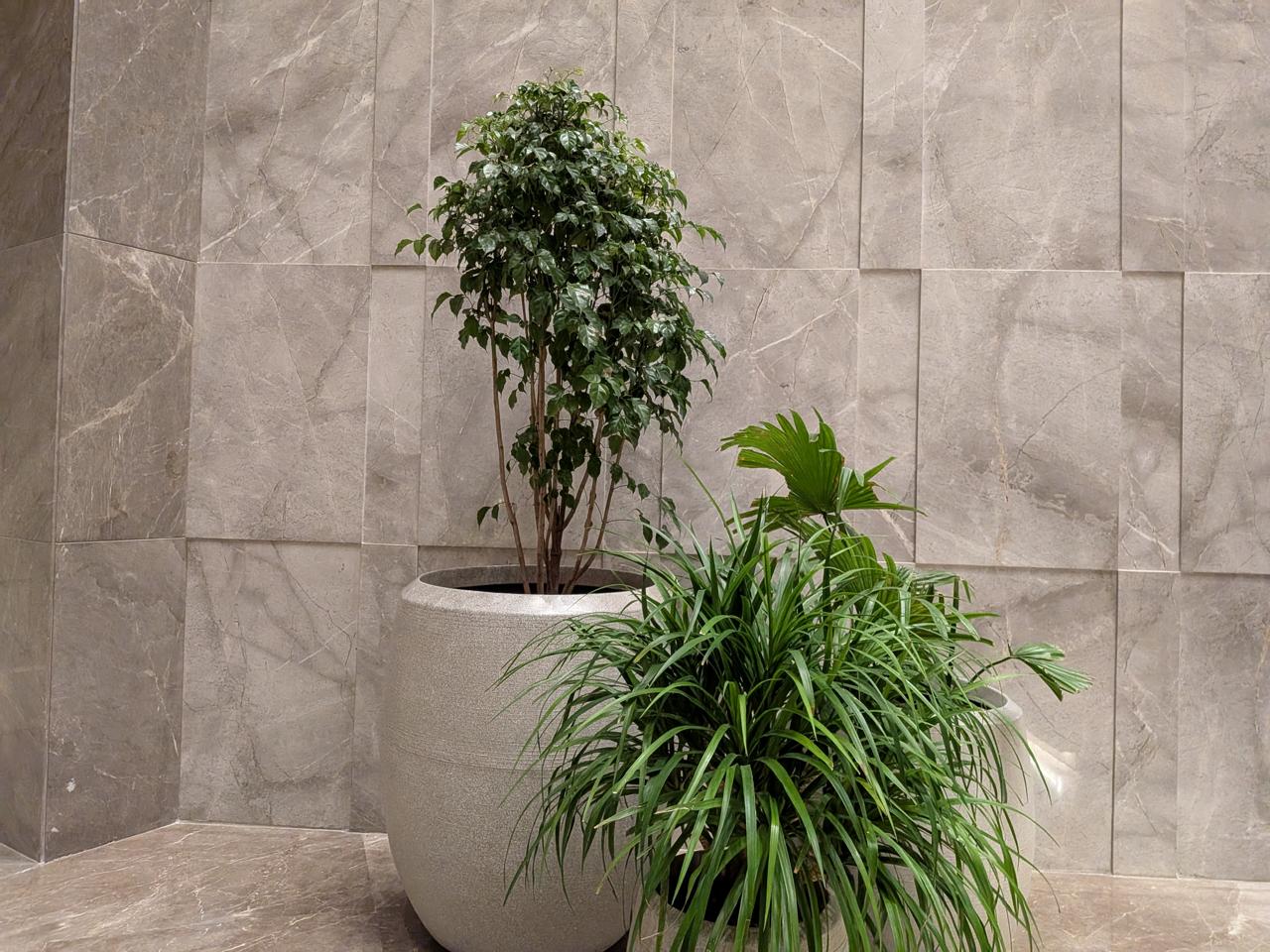
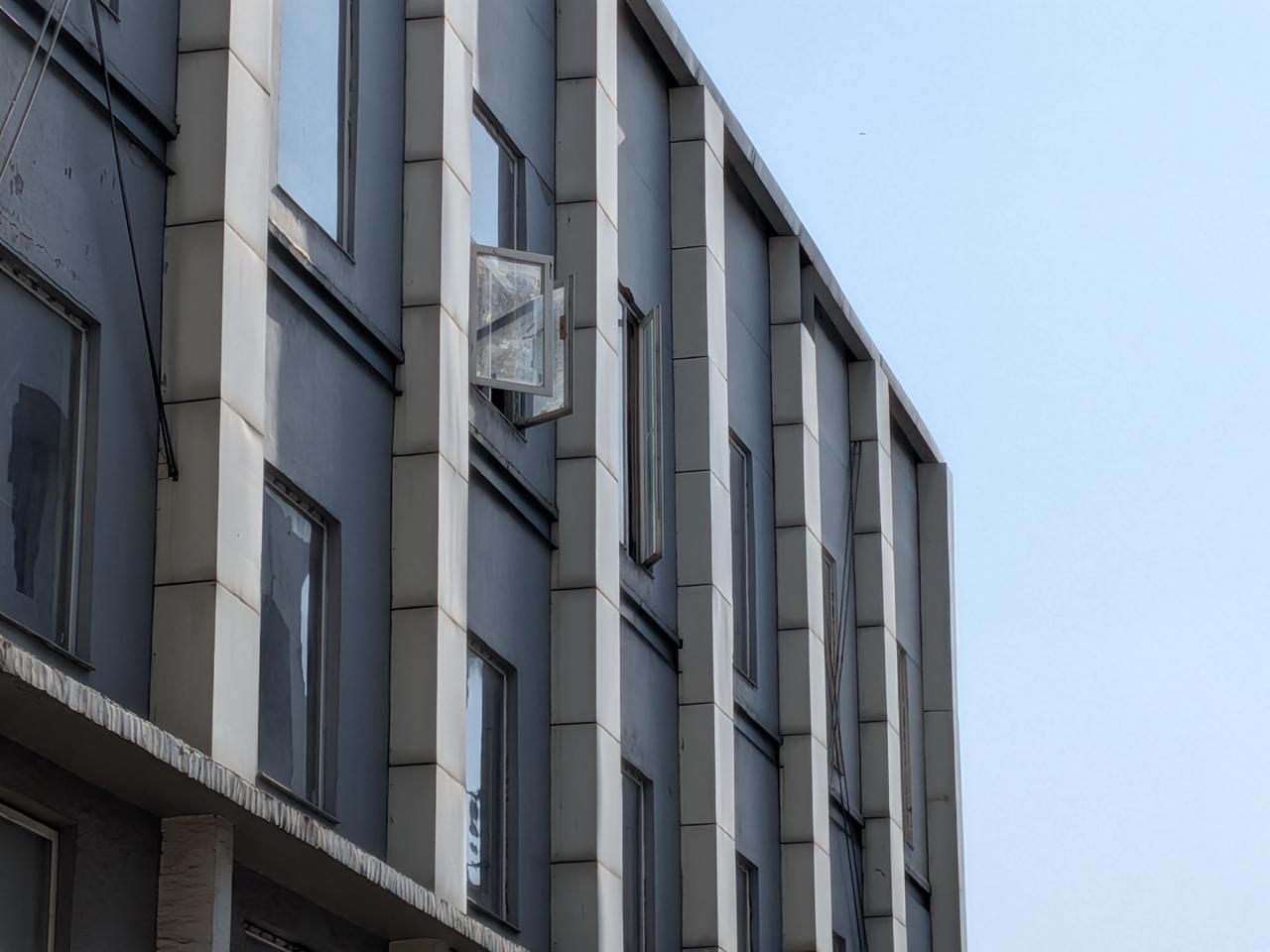
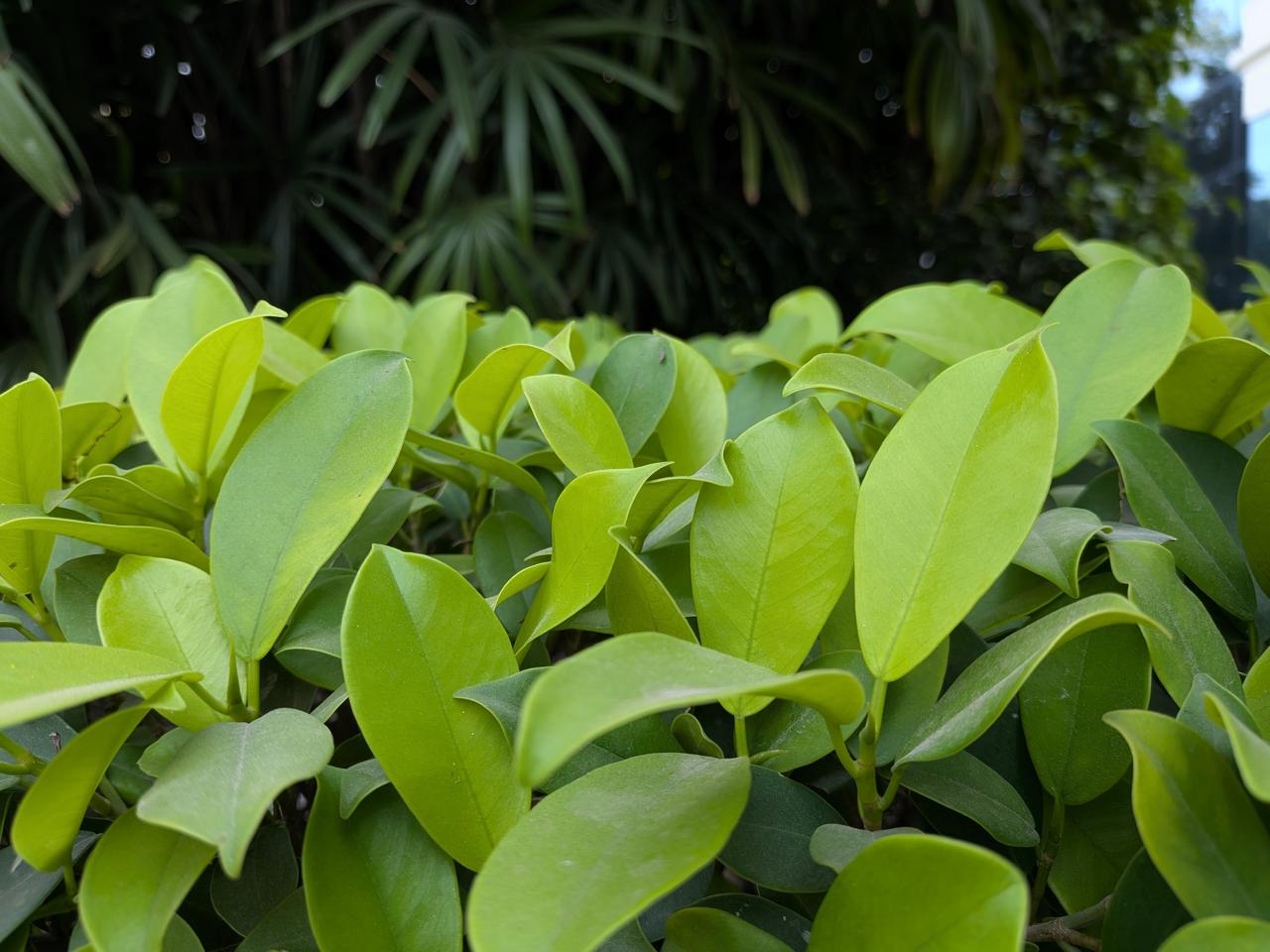
In terms of picture quality, the Pixel 10a produces images nearly identical to the Pixel 9a, reflecting the unchanged hardware.
In well-lit environments, the 48MP main camera captures detailed images with accurate color reproduction, consistent dynamic range, and balanced contrast. It retains the standard Google processing profile, preventing highlights from blowing out while retaining shadow detail.
In dimmer settings, the camera performs adequately but can introduce noise in darker areas of the frame. Night Sight processing mitigates some of this noise and balances exposure, though it does not represent a measurable upgrade over the previous generation.
The device lacks a dedicated telephoto lens. Digital zoom is available, but image clarity decreases noticeably beyond the 2x hybrid zoom mark. When comparing the Pixel 10a to devices in a similar or slightly higher price bracket, such as the Samsung Galaxy S25 FE, the reliance on software cropping for magnification is a distinct limitation for long-distance shots.
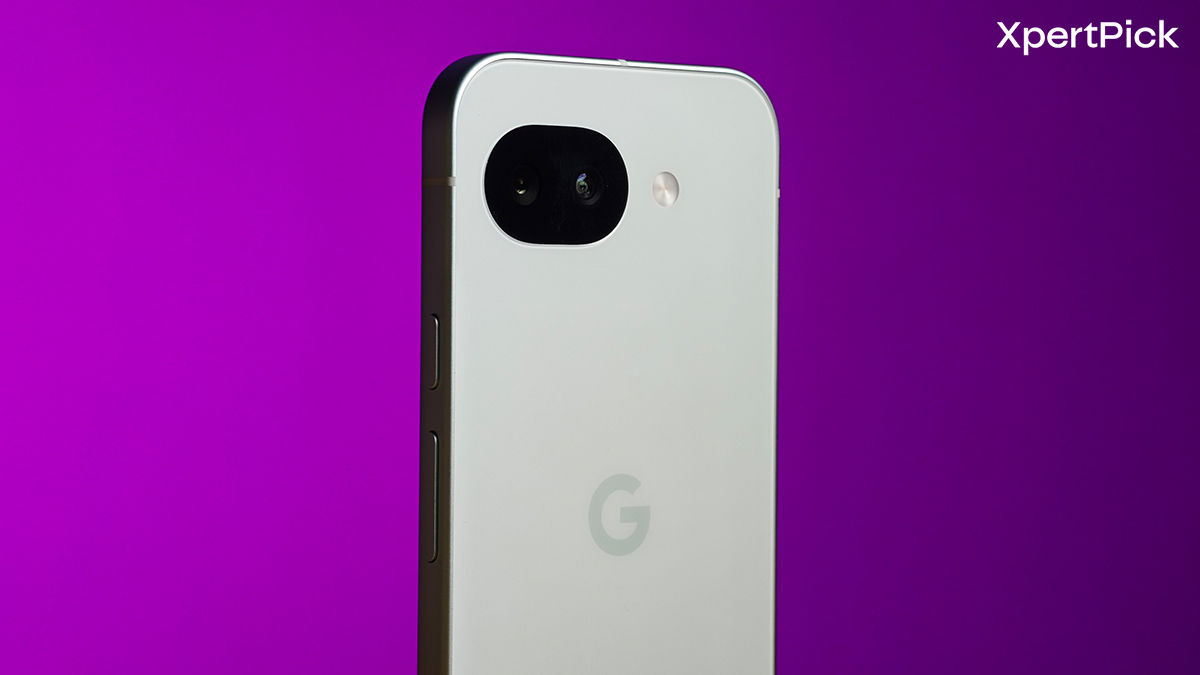
The 13MP ultrawide lens provides consistent color matching with the main sensor but offers standard, fixed-focus performance. Video recording maxes out at 4K at 60fps on both the front and rear cameras, with functional electronic and optical stabilisation suitable for everyday recording.
Add Me and Best Take are already available on the Pixel 9a. The Pixel 10a just adds a more automated “Auto Best Take.” Camera Coach is the only major new feature, and it’s not on the 9a yet.
A rollout seems likely, though, since both phones share the same Tensor G4 chip and camera hardware.
Pixel 10a Verdict: Incremental Upgrades, But the 9a Makes More Sense
The only real upside of the Pixel 10a is that it has pushed the Pixel 9a’s price down by around ₹10,000. Right now, the Pixel 9a is available on e-commerce platforms for ₹39,999 without any additional discounts, which immediately makes it a far more compelling buy.
Considering that the Pixel 10a only brings a handful of software additions, a marginal improvement in thermal performance, a very minor design tweak, and some small refinements, the overall experience remains largely unchanged. In day-to-day usage, both phones feel nearly identical, whether it’s performance, camera output, or battery life.
The only tangible advantages the Pixel 10a holds are slightly better sustained performance and a longer update window on paper. But even those gains feel incremental rather than transformative, especially when weighed against the price difference.
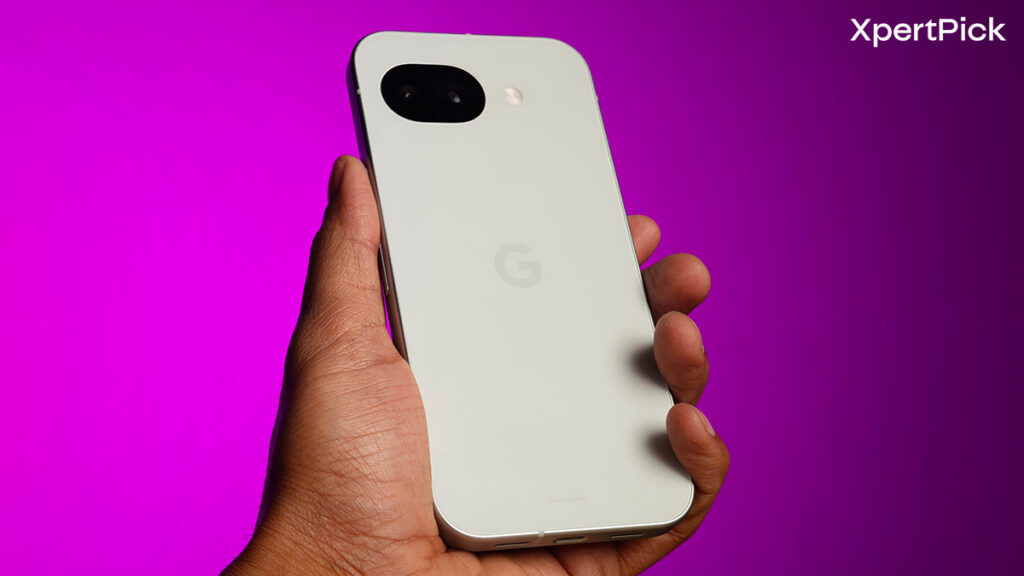
At its current pricing, the Pixel 10a struggles to justify its existence. The Pixel 9a delivers the same core Pixel experience, the same camera results, and nearly identical performance, just at a significantly lower cost.
Unless you specifically want the latest model for software longevity, the smarter choice is clear. The Pixel 9a offers far better value for money.
It’s essentially the same phone with the same capabilities, just noticeably cheaper.
Pros
- Clean Pixel software with a full 7-year update cycle
- Brighter display with better outdoor visibility and stronger glass protection
- Reliable camera performance with consistent results
- Compact, comfortable design with IP68 durability
- Slightly improved thermal stability over the Pixel 9a
Cons
- Performance and overall experience nearly identical to the cheaper Pixel 9a
- No meaningful camera hardware upgrade and no telephoto lens
- Battery life, charging, and audio remain unchanged