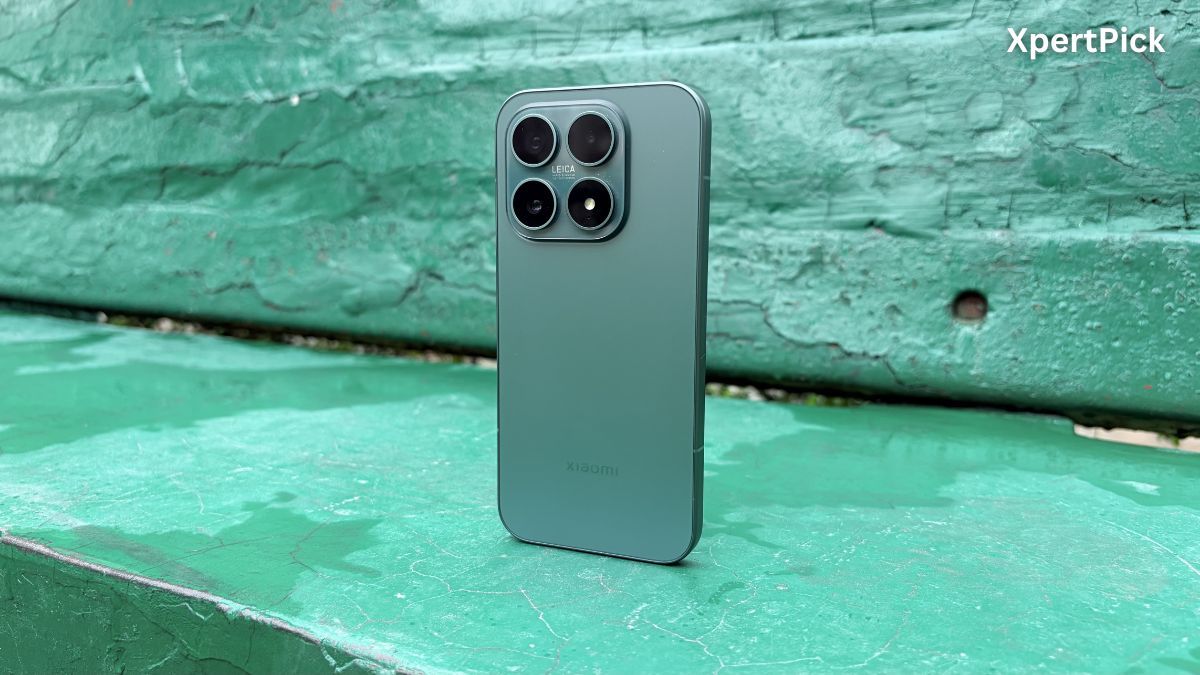
Xiaomi’s base flagship has quietly built a reputation for doing something most brands struggle with: delivering a near-flagship experience without forcing you into the biggest, most expensive model in the lineup. The Xiaomi 17 walks into 2026 carrying that same expectation, but the context around it has shifted. This is a market where performance gains are getting harder to notice, batteries are getting bigger, and prices are no longer as forgiving as they once were.
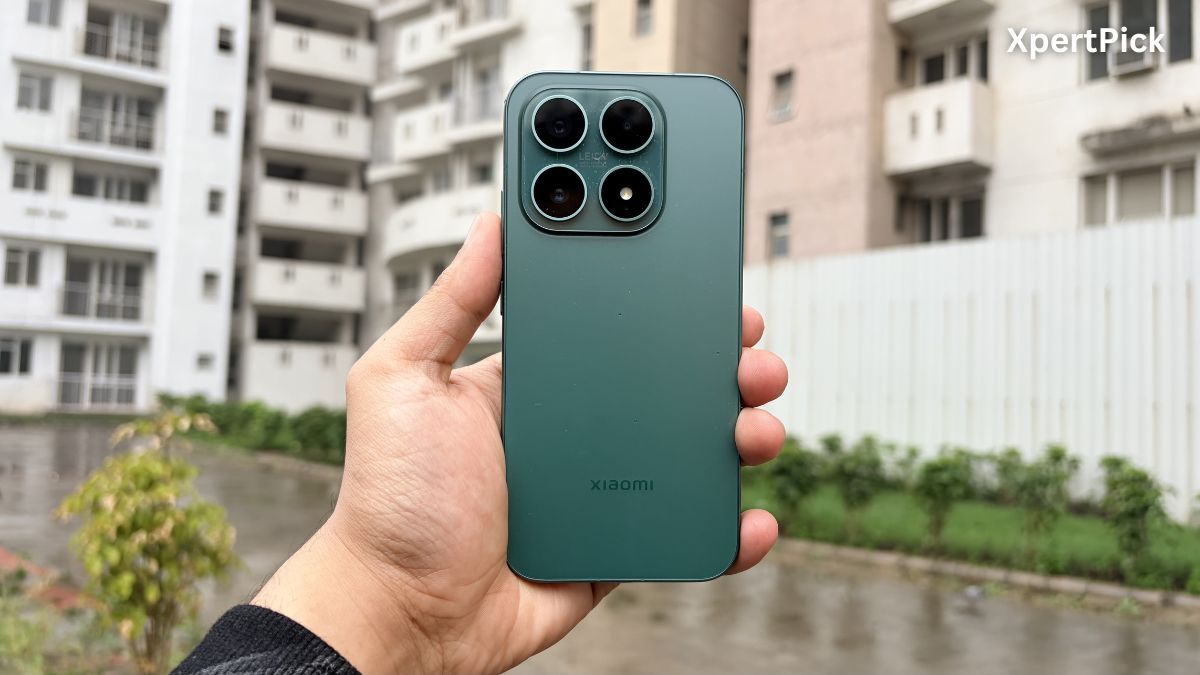
On paper, the Xiaomi 17 looks like a safe evolution. A faster Snapdragon chip, a refined design, a larger battery, and Leica-backed cameras that promise consistency more than surprise. But that’s exactly where the question begins to form. When the formula is this familiar, does refinement still feel like progress, or does it start to feel like repetition?
After spending time with the device, the Xiaomi 17 feels less like a dramatic upgrade and more like a test of how far a well-established formula can be pushed before it starts to show its limits.
Design: Same Weight, Slimmer Bezels, and a More Refined Camera and Frame
Place the Xiaomi 17 next to its predecessor, and you won’t need a closer to spot the differences. Both devices share an identical weight of 191 grams, but the Xiaomi 17 has a slightly shorter frame. It achieves this by using 1.18mm ultra-thin bezels, which are narrower than the 1.38mm bezels on the Xiaomi 15. This allows the newer model to maximise screen space while keeping a highly compact form factor.
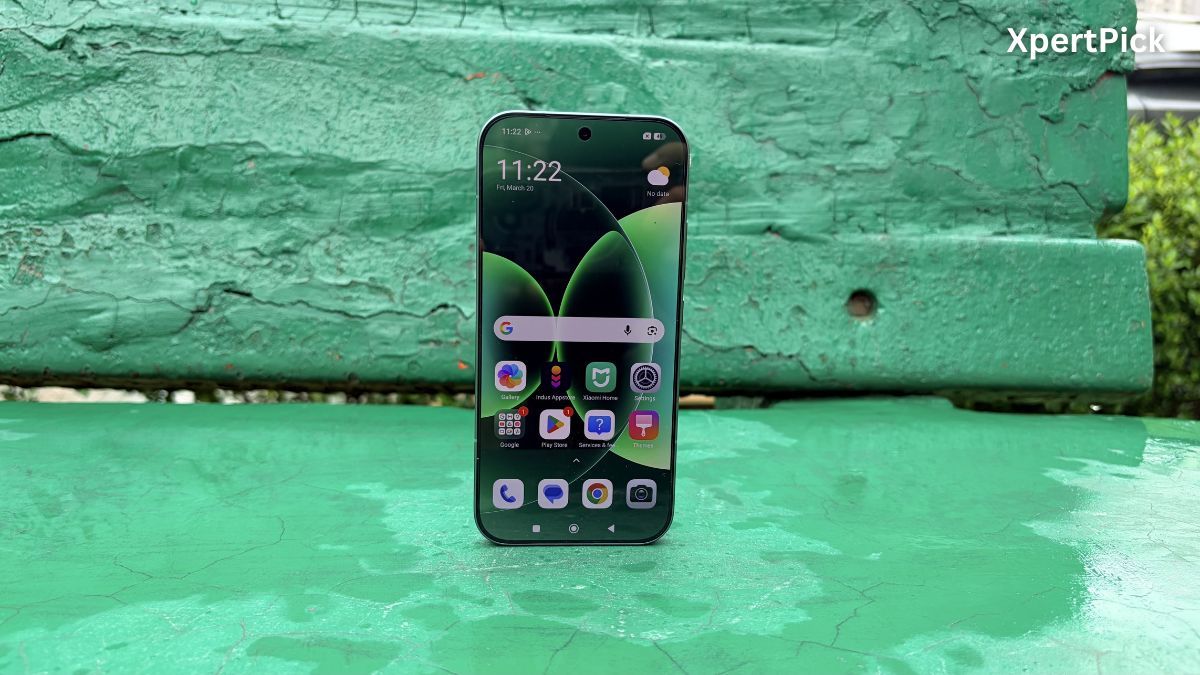
In terms of durability, the Xiaomi 17 features an upgraded Xiaomi Shield Glass 3.0 for better drop resistance and an IP69 rating, which means it can withstand higher water pressure compared to the standard IP68 rating on the Xiaomi 15.
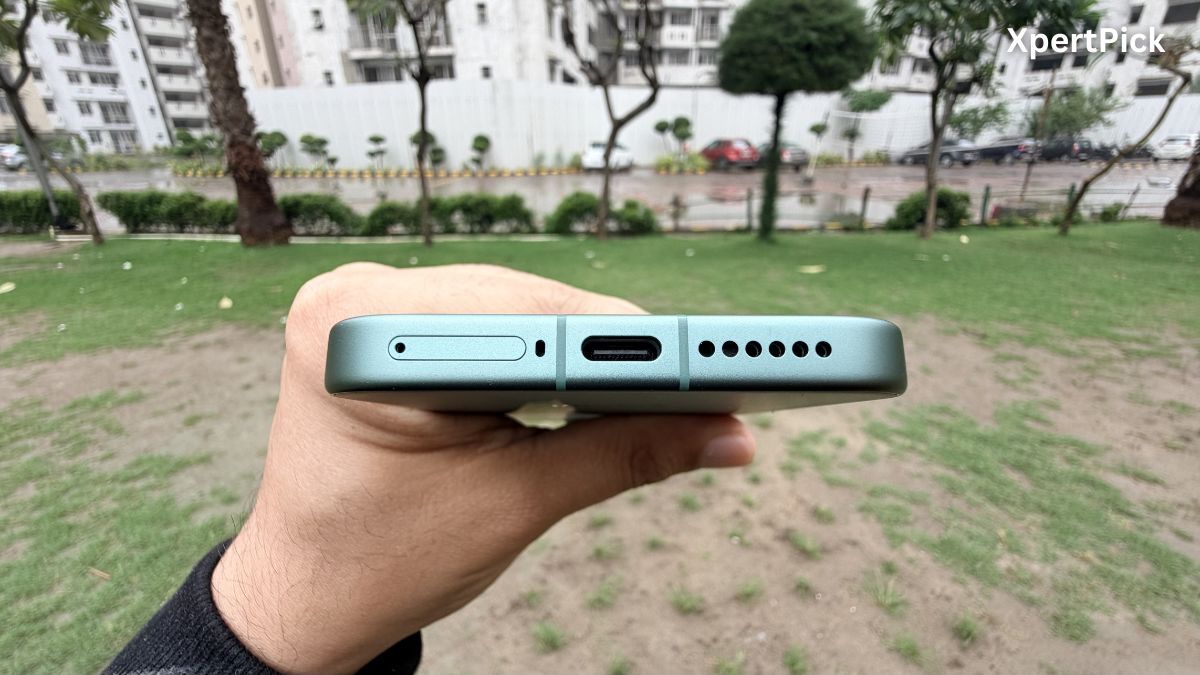
The dimensions and weight of both devices maintain a compact footprint. The Xiaomi 17 measures 151.1 x 71.8 x 8.06 mm and weighs 191 grams. Compared to the Xiaomi 15, which measures 152.3 x 71.2 x 8.08 mm and shares the exact same 191-gram weight, the physical changes between the two models are minimal.
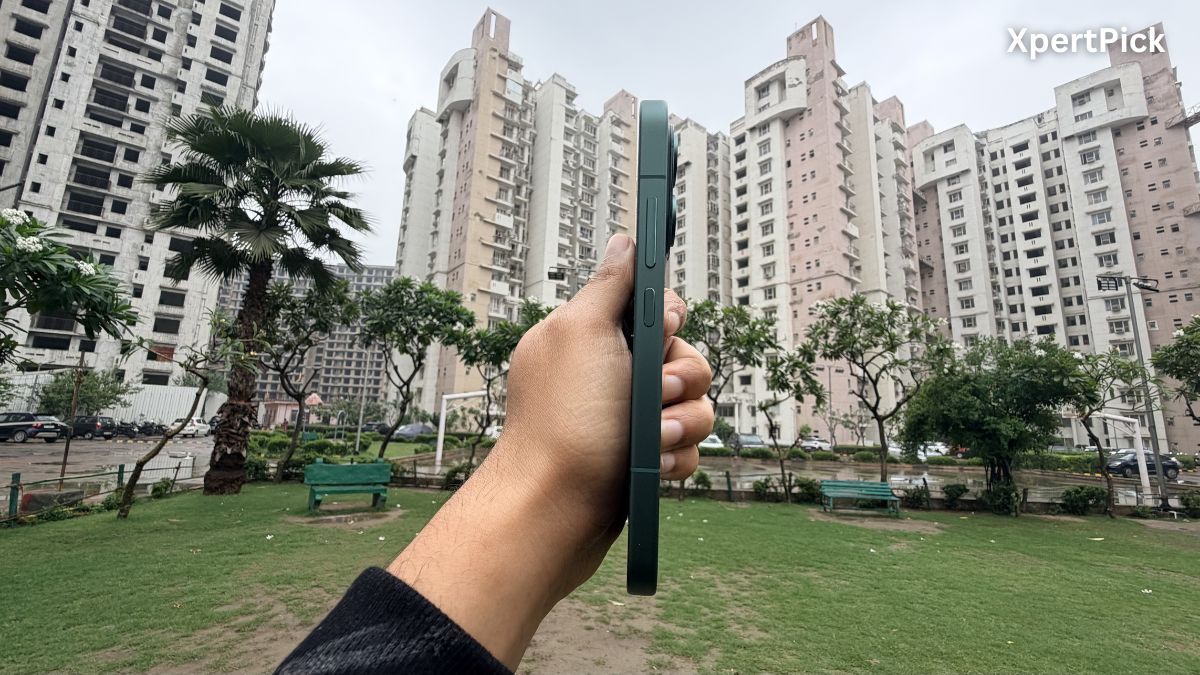
Beyond the dimensions and durability, the visual and tactile design has seen several refinements. The Xiaomi 15 features a raised, prominent square camera module and a flat, rigid aluminum frame. In contrast, the Xiaomi 17 introduces a transparent camera deco designed to integrate cleanly with its new matte glass back panel. Additionally, the newer model softens its edges with a micro-curved frame and super-elliptical, rounded corners, moving away from the boxier aesthetic of its predecessor. Finally, the Xiaomi 17 adopts a minimalist, hole-free top edge for a cleaner overall look.
Display and Audio: Much Brighter Screen, with Subtle but Meaningful Audio Refinements
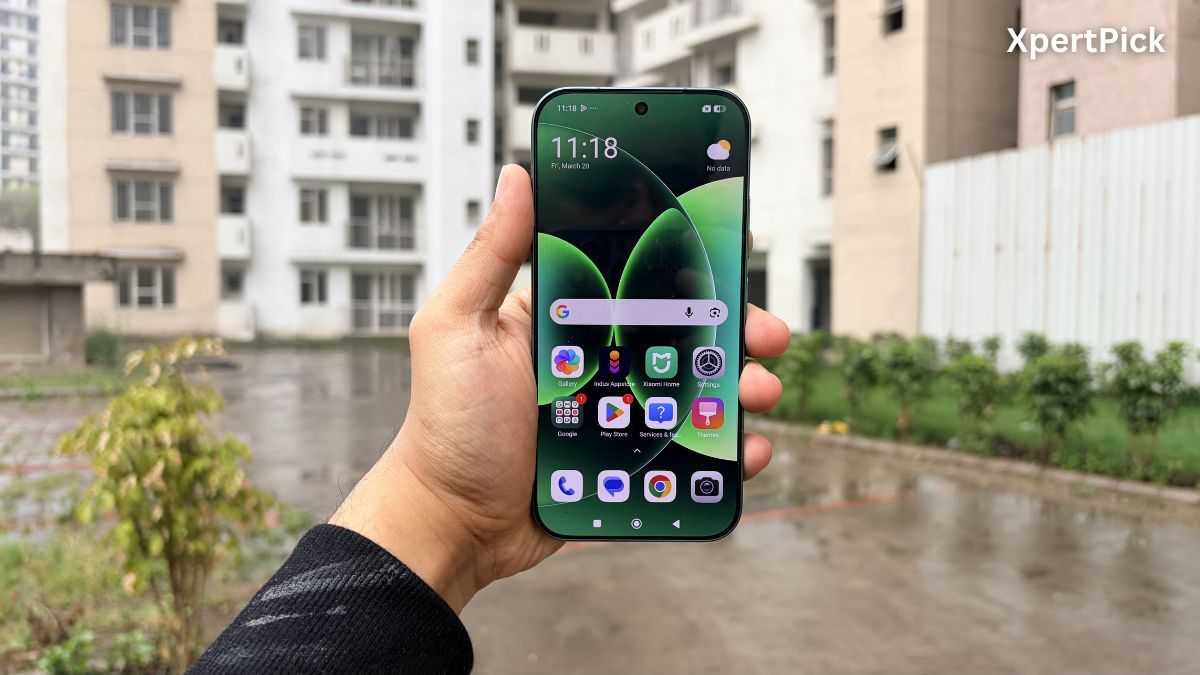
The Xiaomi 17 features a 6.3-inch CrystalRes OLED panel with a 1220 x 2656 resolution. While the previous generation used a slightly larger 6.36-inch display, the newer model maximises the active screen area by reducing the bezels from 1.38mm down to 1.18mm.
The most notable hardware improvement over its predecessor is the peak brightness. The Xiaomi 17 reaches up to 2,760 nits, offering excellent visibility even under direct sunlight.
The panel retains the 1–120Hz adaptive LTPO refresh rate for efficiency, while the touch sampling rate has been increased to 300Hz for quicker input response. It also supports 12-bit colour depth, Dolby Vision, and HDR10+, along with TÜV Rheinland certifications for flicker-free operation and reduced blue light emission.
Audio on the Xiaomi 17 is delivered through a dual stereo speaker setup tuned with Dolby Atmos. For those upgrading from the previous generation, the physical acoustic space remains limited due to the compact form factor, although there are improvements at the processing level.
The earlier model delivered clear mids and vocals but occasionally showed distortion at higher volumes and lacked depth in the lower frequencies. The Xiaomi 17 looks to refine this with the addition of Snapdragon Sound technology, while retaining support for 24-bit/192kHz Hi-Res and Hi-Res Wireless Audio.
For audio input and recording, the device now uses an upgraded four-microphone array, improving background noise reduction and spatial audio capture in video recording compared to its predecessor.
Performance: Strong Multi-Core and Gaming, but Falls Behind in Sustained Loads
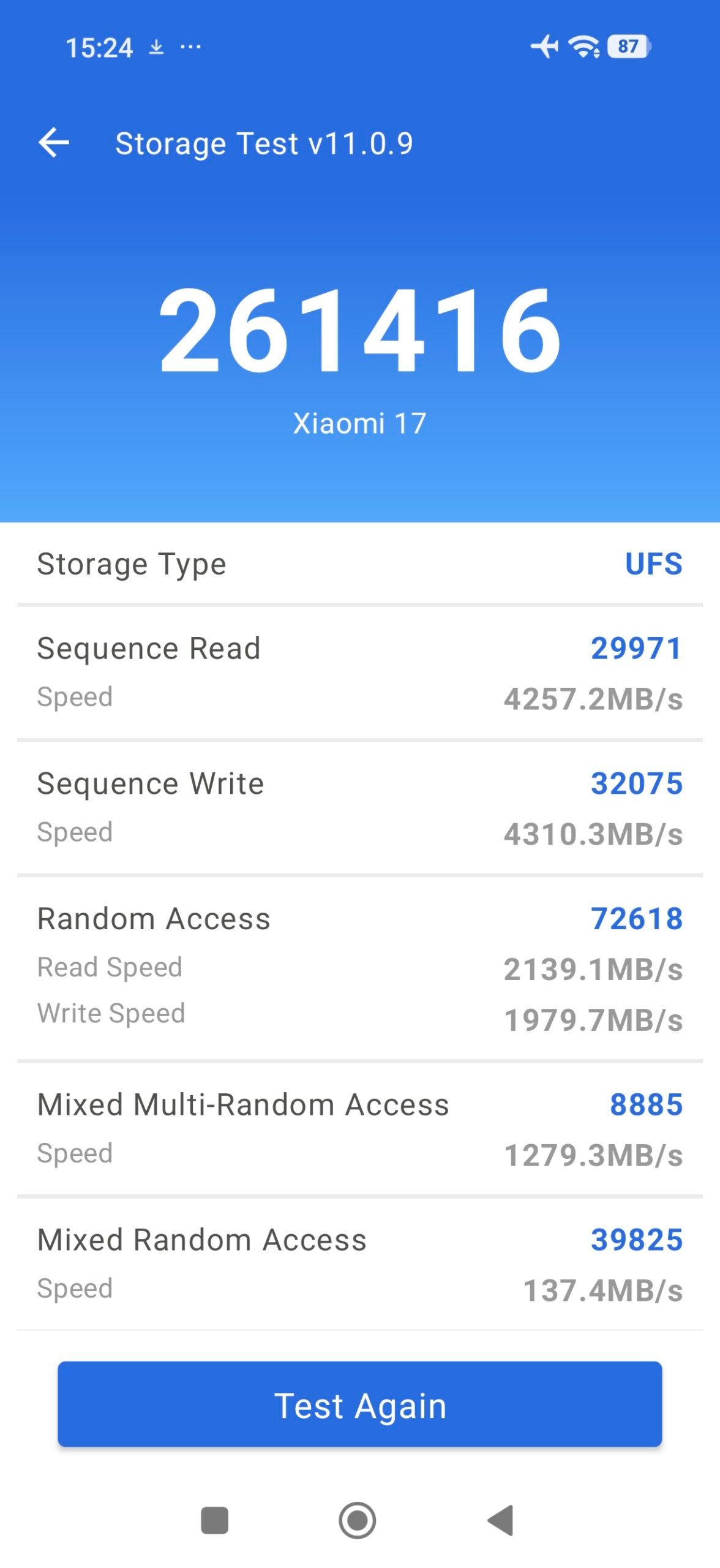
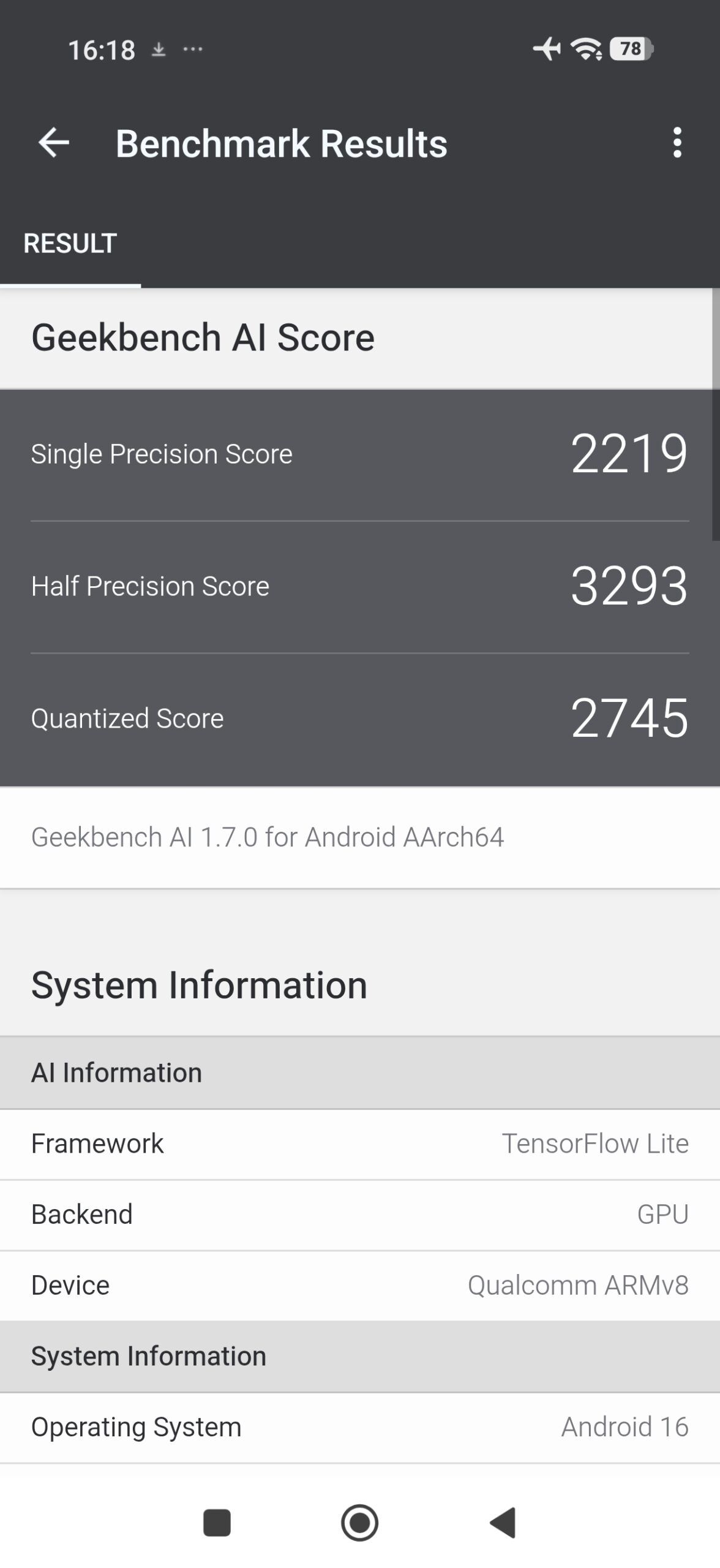
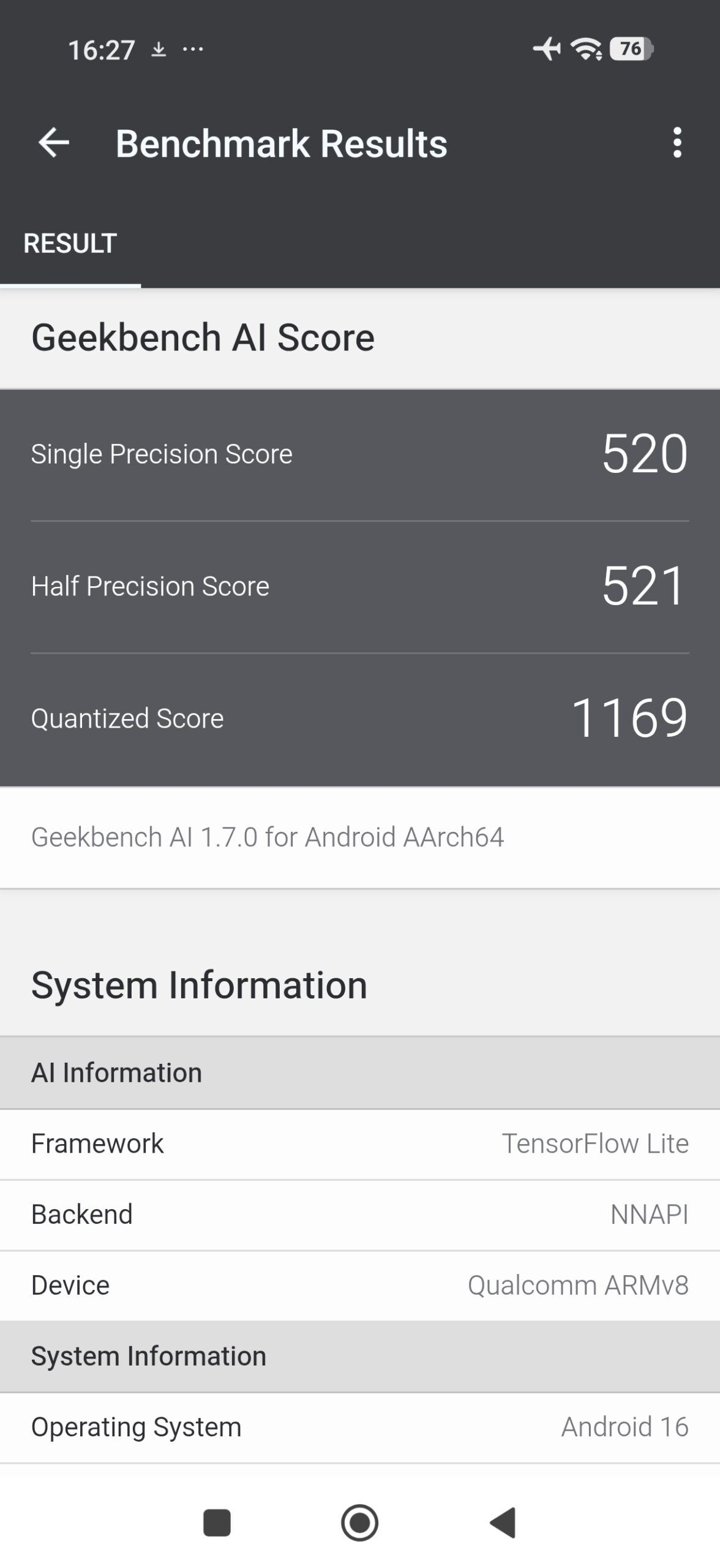
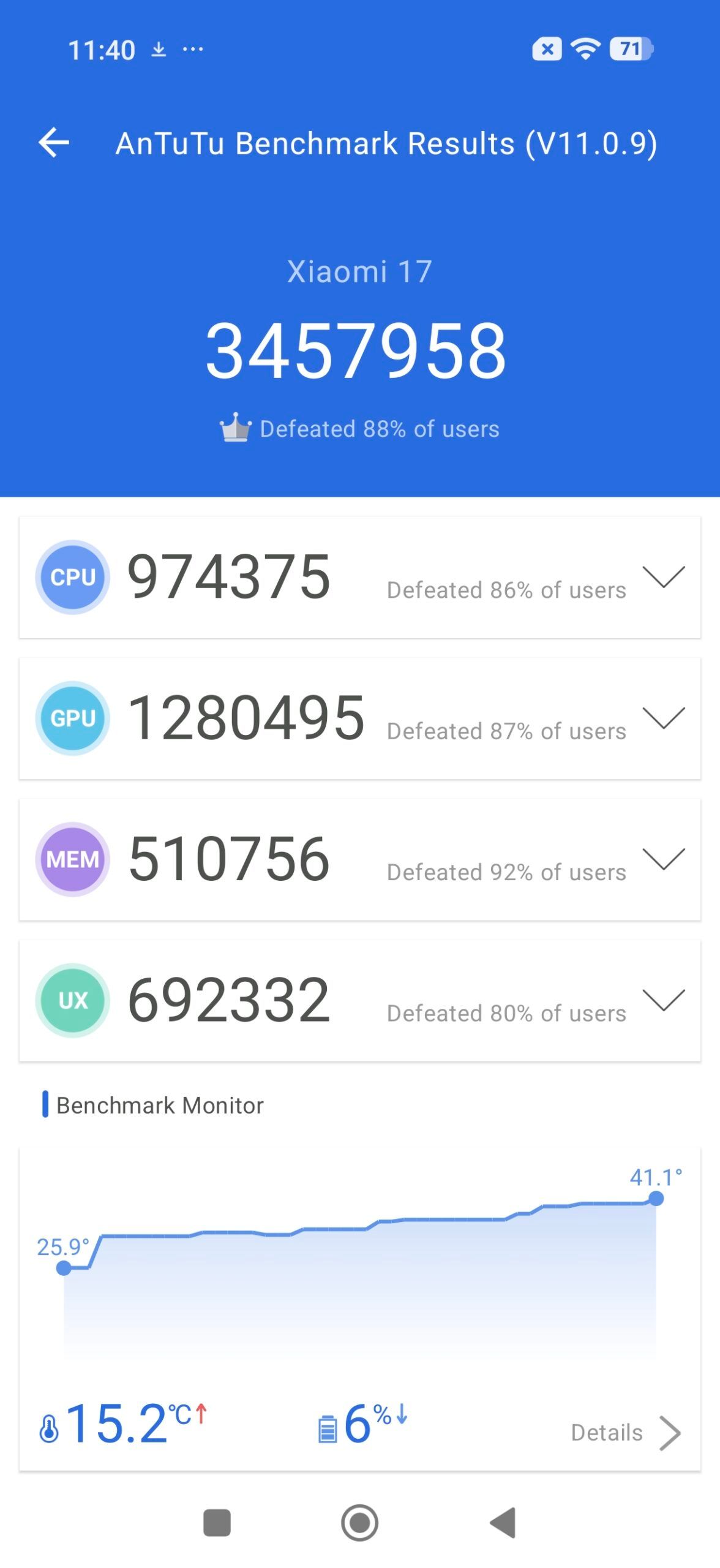
At Rs 89,999, the Xiaomi 17 moves away from other Snapdragon 8 Elite Gen 5-powered phones and positions itself much closer to premium devices like the iPhone 17. With recent price cuts, even the iPhone Air, now retailing at around Rs 93,000, comes into play, meaning the Snapdragon 8 Elite now has to contend directly with both the A19 and A19 Pro chips.
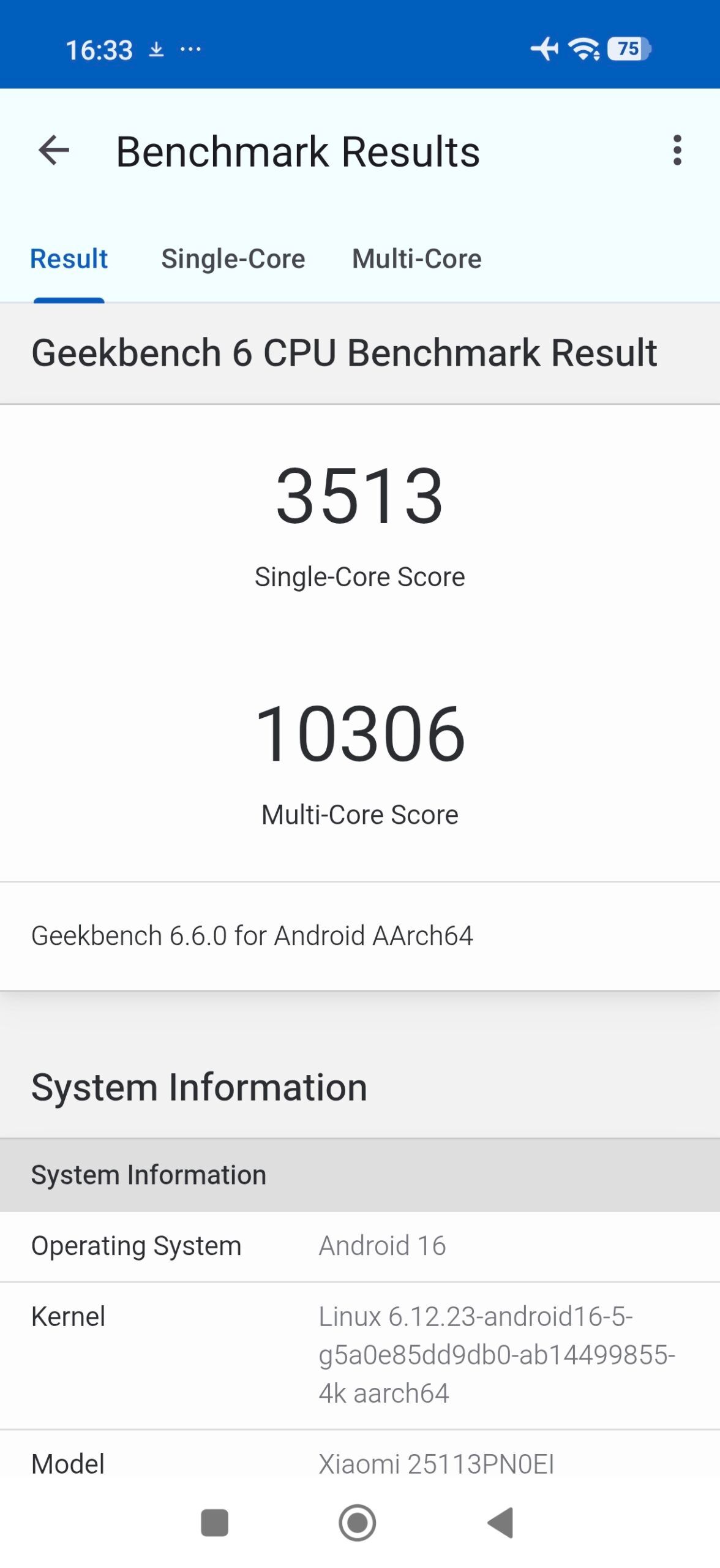
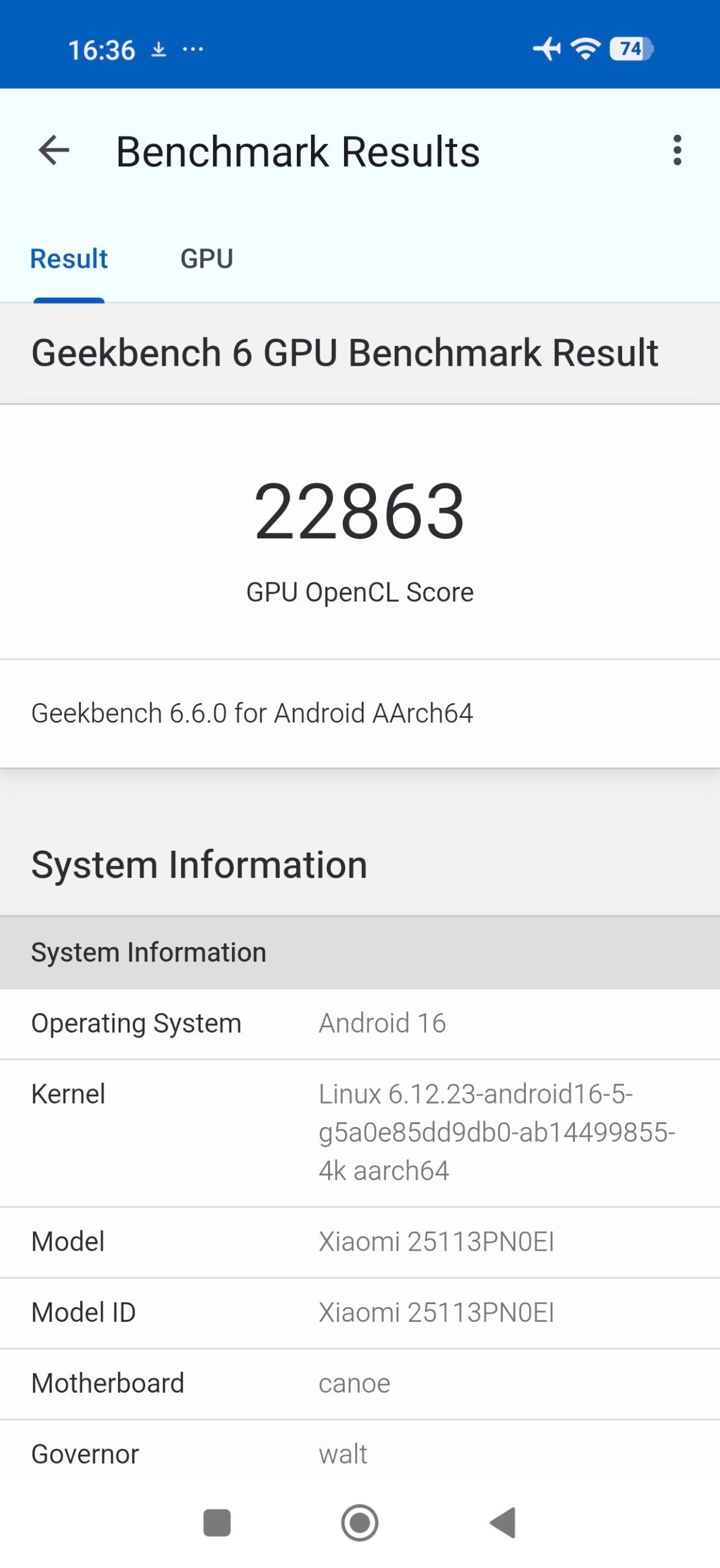
In terms of benchmarks, the Xiaomi 17 holds up surprisingly well against Apple’s latest chips. It scores around 3,635 in single-core and 10,992 in multi-core tests on Geekbench 6. By comparison, the iPhone Air, powered by the A19 Pro chip with a 6-core CPU and a slightly trimmed 5-core GPU, scores 3,750 in single-core and 9,565 in multi-core. The standard iPhone 17, running the A19 chip with a 6-core CPU and 5-core GPU, trails further behind at 3,351 and 8,591 respectively.
| Device | Geekbench 6 Single-Core | Geekbench 6 Multi-Core |
|---|---|---|
| Xiaomi 17 | 3,635 | 10,992 |
| iPhone Air | 3,750 | 9,565 |
| iPhone 17 | 3,351 | 8,591 |
While Apple still maintains a lead in single-core performance, the Xiaomi 17 pulls ahead in multi-core workloads.
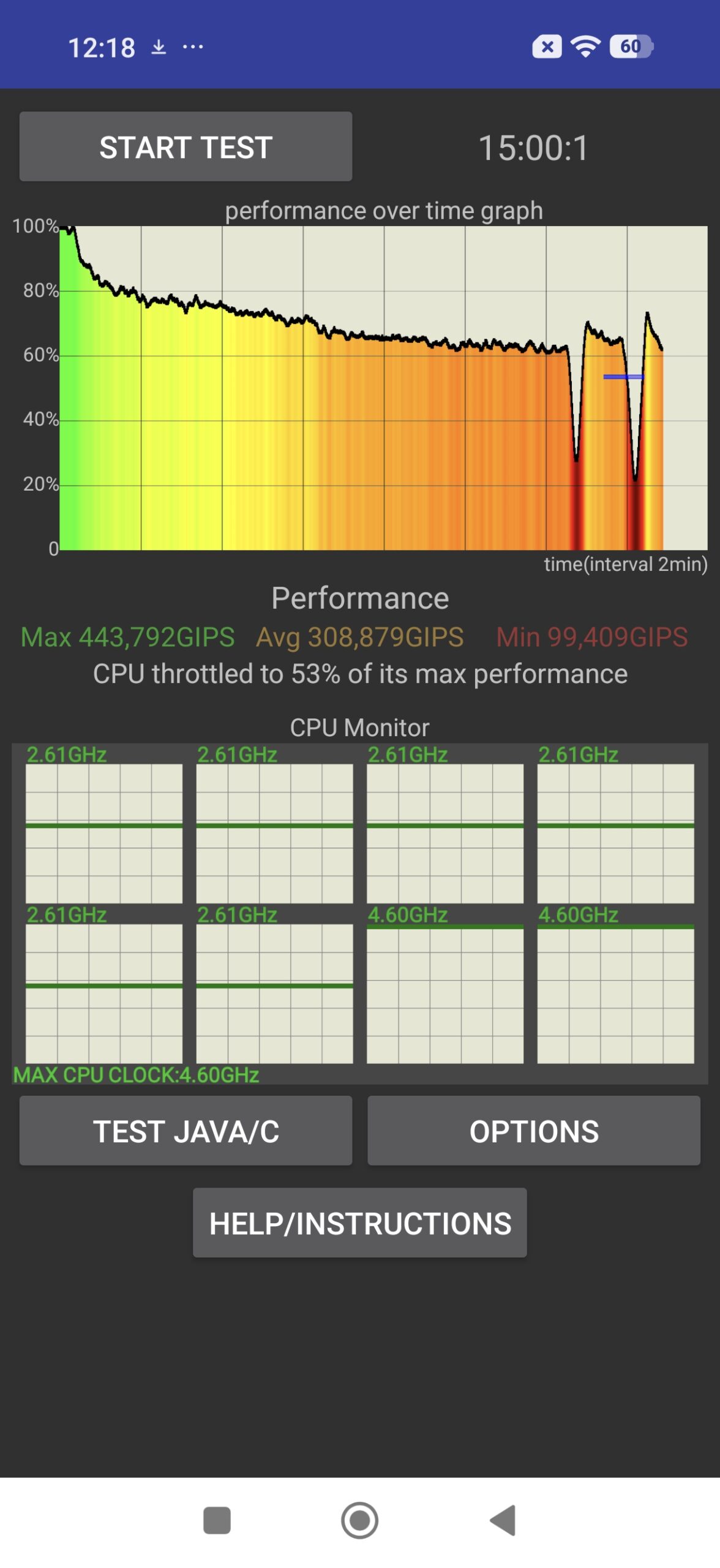
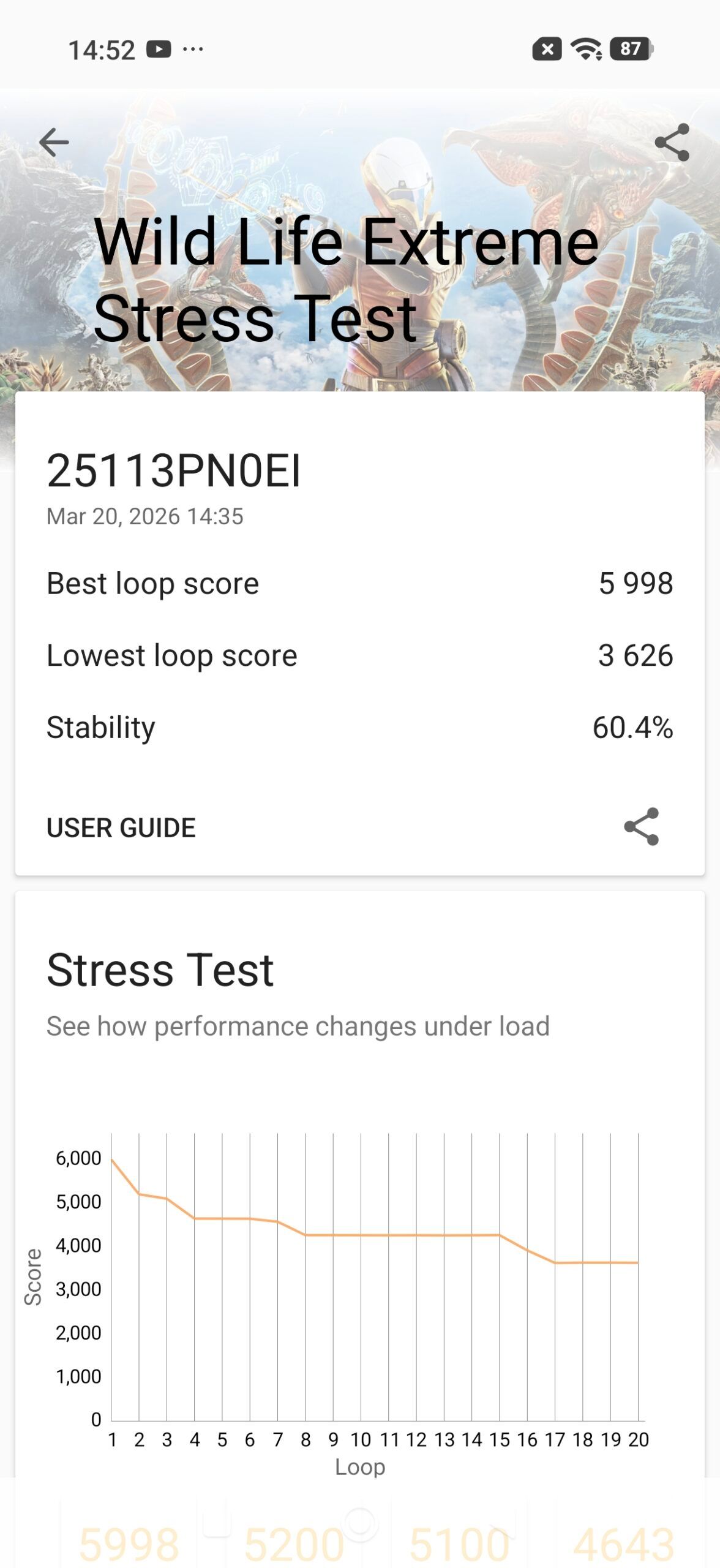
However, in terms of sustained performance, the Xiaomi 17 falls behind, scoring 60.4% in the 3DMark Wild Life Extreme Stress Test. Meanwhile, the iPhone 17 and iPhone Air score around 83.9% and 76.1%, respectively, in the same test.
| Game | Xiaomi 17 | iPhone Air | iPhone 17 |
|---|---|---|---|
| BGMI | 117 FPS | ~110 FPS | ~115 FPS |
| Genshin Impact | 60 FPS | 58 FPS | 60 FPS |
| Minecraft | 60 FPS | 60 FPS | 60 FPS |
In terms of real-world gaming performance, the Xiaomi 17 delivers strong and consistent frame rates across titles. In BGMI, it averages around 117 FPS, closely matching the iPhone 17 and slightly ahead of the iPhone Air, which operates around the 110 FPS mark under similar conditions. However, the gap narrows in more demanding games.
In Genshin Impact at high settings with a 60 FPS cap, the Xiaomi 17 maintains a stable 60 FPS on average, matching the iPhone 17 and slightly edging out the iPhone Air, which averages around 58 FPS. In lighter titles like Minecraft, the Xiaomi 17 remains capped at a consistent 60 FPS, similar to both iPhones.
Overall, while the Xiaomi 17 performs well in competitive gaming, its real-world performance aligns closely with Apple’s devices in graphically intensive scenarios where frame rate ceilings come into play.
Camera: Better Sensor and Selfie Camera, but Limited Zoom Holds It Back
The Xiaomi 17’s camera system brings a mix of meaningful improvements alongside a few familiar limitations. At the core, the new 1/1.31-inch Light Fusion 950 sensor delivers strong dynamic range, allowing the camera to retain shadow detail without blowing out highlights in high-contrast scenes.








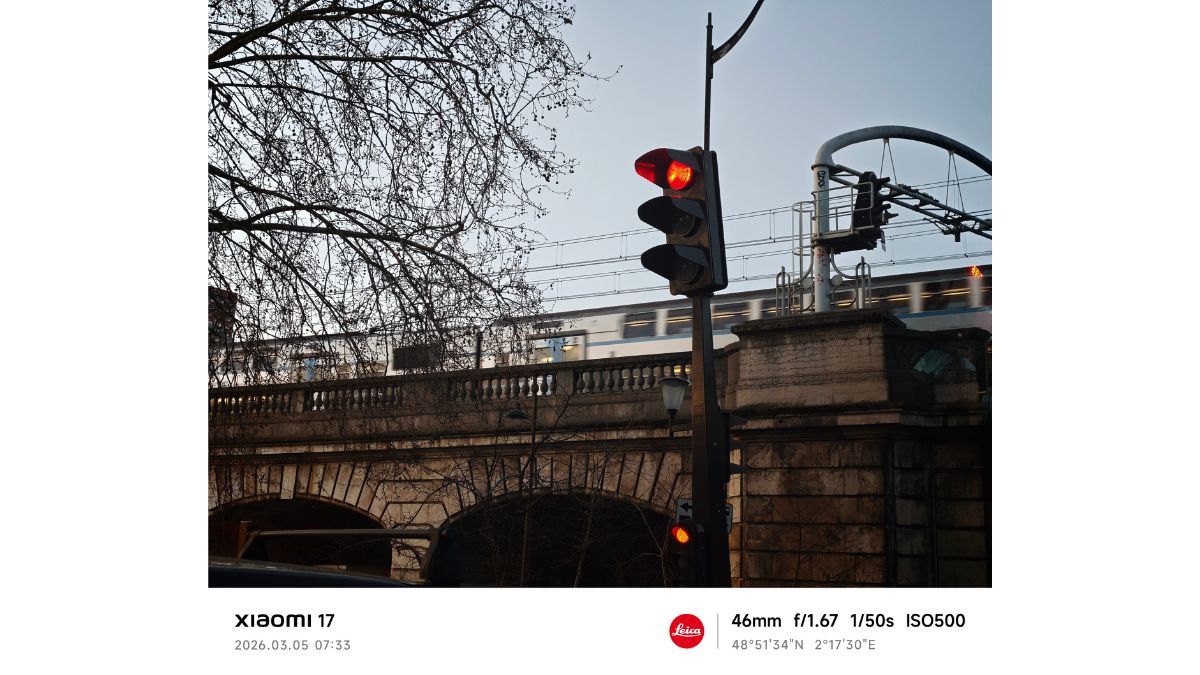


For selfies and vlogging, the move to a 50-megapixel autofocus front camera makes a noticeable difference, keeping subjects sharp at varying distances and making it far more reliable for video recording and group shots compared to the previous fixed-focus setup.
Xiaomi has also worked on reducing lens flare, with the upgraded Leica Summilux optics and improved coatings helping produce cleaner night shots, especially around harsh light sources like streetlights.
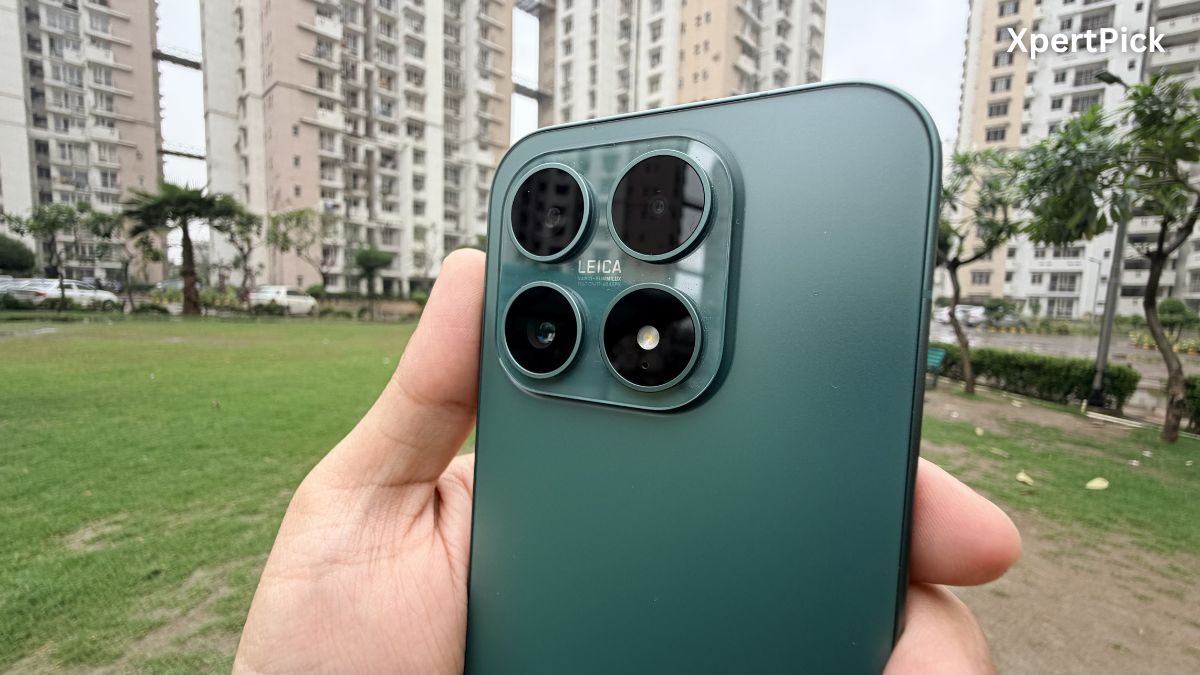
Video recording remains consistent across the board, with support for 4K at 60fps on all lenses, including the front camera, making transitions between lenses seamless without sacrificing quality.
That said, there are still areas where the camera system feels limited. The telephoto lens is capped at 2.6x optical zoom, which works well for portraits but falls behind competitors offering 3x or even 5x periscope setups.
Beyond 5x, digital zoom begins to lose detail, and softness becomes noticeable. The ultra-wide camera, now at a 17mm focal length, captures slightly less of the scene compared to the wider 14mm lens on the Xiaomi 15, which may matter if you frequently shoot landscapes or interiors.
On the processing side, Xiaomi’s Leica tuning leans heavily into a stylised look, often adding strong contrast and visible vignetting. While this gives photos a distinct character, it may not appeal to those who prefer more neutral, true-to-life images straight out of the camera.
Battery: Bigger Silicon-Carbon Cell, Much Better Endurance, Faster Charging
The battery capacity has been increased in the new generation. The Xiaomi 15 features a 5,240 mAh battery, while the Xiaomi 17 uses a 6,330 mAh silicon-carbon battery. By increasing the silicon content in the battery cells, the newer model holds roughly 20% more charge while maintaining the same physical thickness.
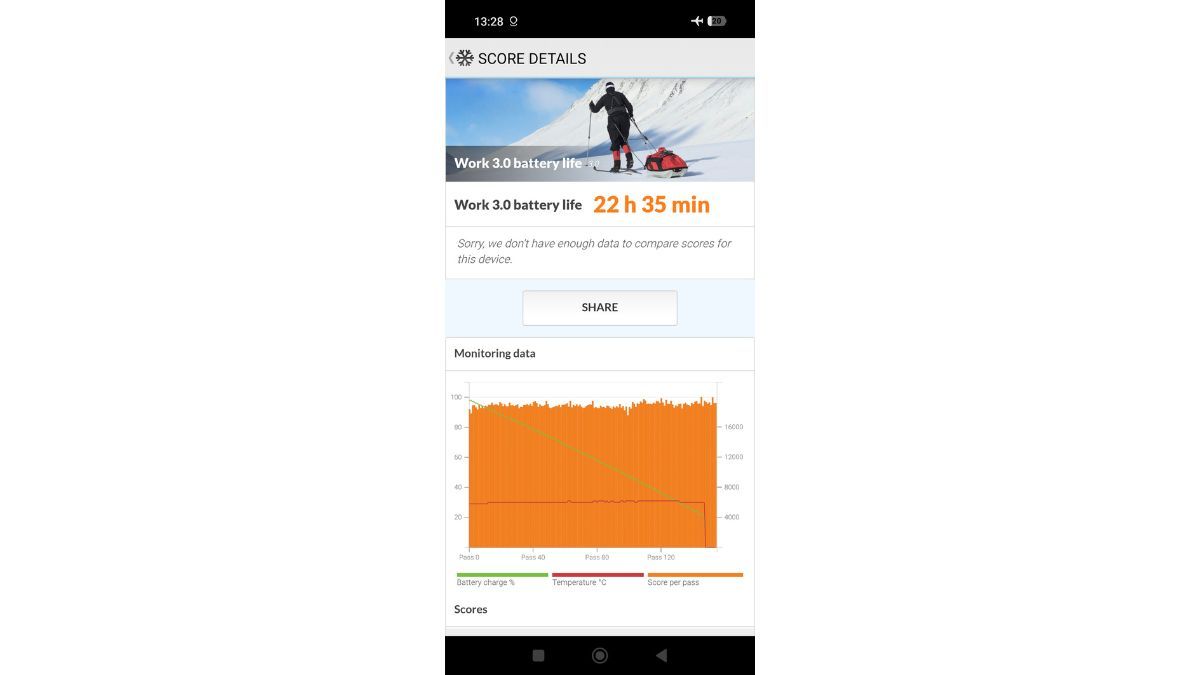
When subjected to the PCMark Work 3.0 battery rundown test, the Xiaomi 17 shows a clear improvement in overall endurance, recording a median runtime of 22 hours and 35 minutes compared to the Xiaomi 15’s 17 hours and 15 minutes.
Charging specifications have also seen an upgrade. The Xiaomi 17 supports 100W wired charging, up from the 90W standard on the Xiaomi 15. Both devices continue to support 50W wireless charging. Additionally, the Xiaomi 17 includes 22.5W wired reverse charging, allowing it to power compatible external accessories.
Verdict: Strong Upgrades, and a Familiar Overall Experience
The Xiaomi 17 is a well-rounded flagship that builds on a formula Xiaomi has been refining for a while now. It brings clear improvements where they matter, with stronger multi-core performance, a noticeably brighter display, and a larger silicon-carbon battery that delivers better endurance. These upgrades come together to make the phone feel reliable and easy to live with in day-to-day use.
At the same time, the overall experience remains quite close to the previous generation. The design feels familiar, the camera system improves in certain areas but doesn’t change dramatically, and most of the core strengths carry forward rather than being redefined.
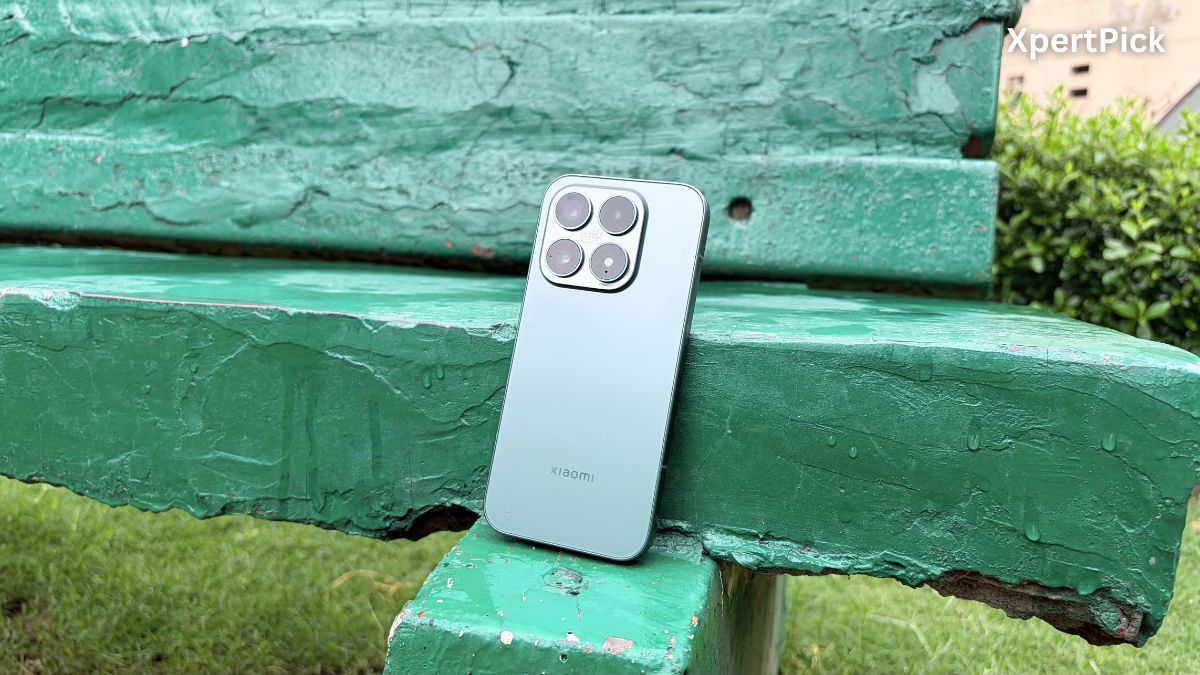
That’s not necessarily a drawback. In a market where big leaps are becoming less common, the Xiaomi 17 focuses on refining what already works. It holds up well even at its price, especially if you prioritise battery life, fast charging, and consistent performance.
If you’re upgrading from an older device, the Xiaomi 17 makes for a dependable and well-balanced choice. For those coming from the Xiaomi 15, the improvements are there, but they are more gradual than transformative.
Overall, the Xiaomi 17 feels like a confident continuation of an already strong approach, rather than a complete step in a new direction.