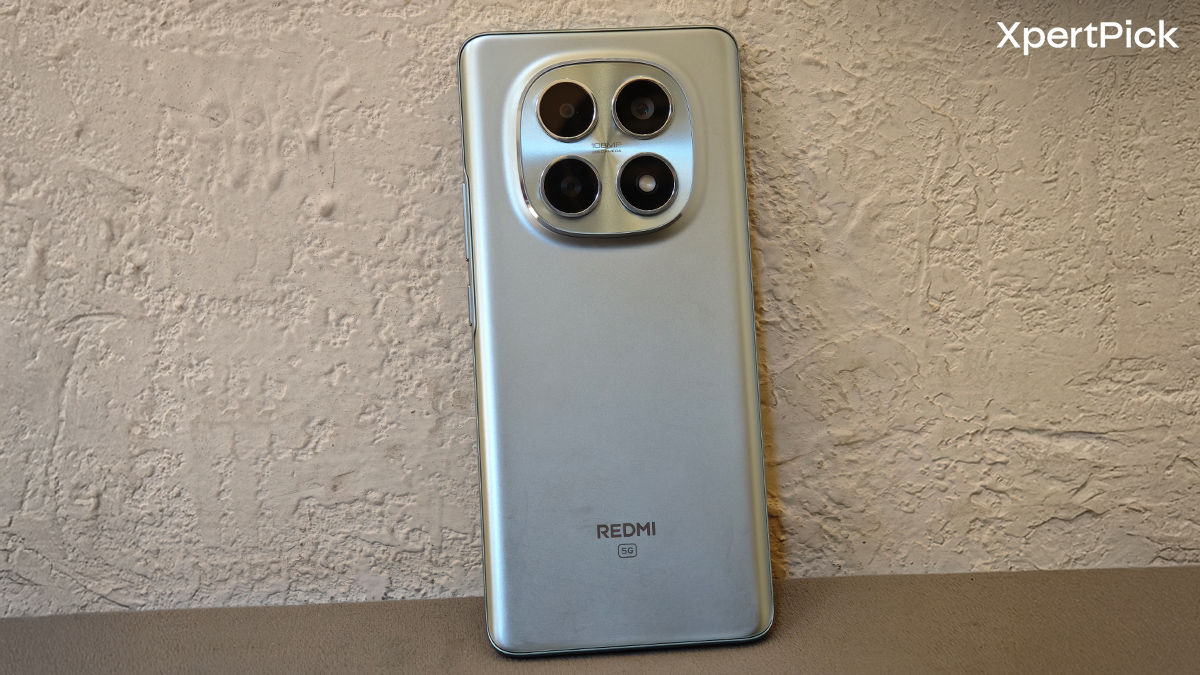
The Redmi Note series continues Xiaomi’s long-running formula in the mid-range segment, and the Redmi Note 15 Pro joins the lineup as the middle child. In many ways, this is a very similar phone to the higher-end Redmi Note 15 Pro+ model, but there are a few corners cut to hit a more accessible price.
And in spite of that, the standard Redmi Note 15 Pro still feels like a true successor to the Note badge. With a starting price just under Rs 30,000, it remains within reach for a lot more buyers, while still bringing enough to feel like a complete package. It’s not all good news, though, and after spending some time with it, there are a few things you should keep in mind.
Design: Sleek Build that’s Still Durable
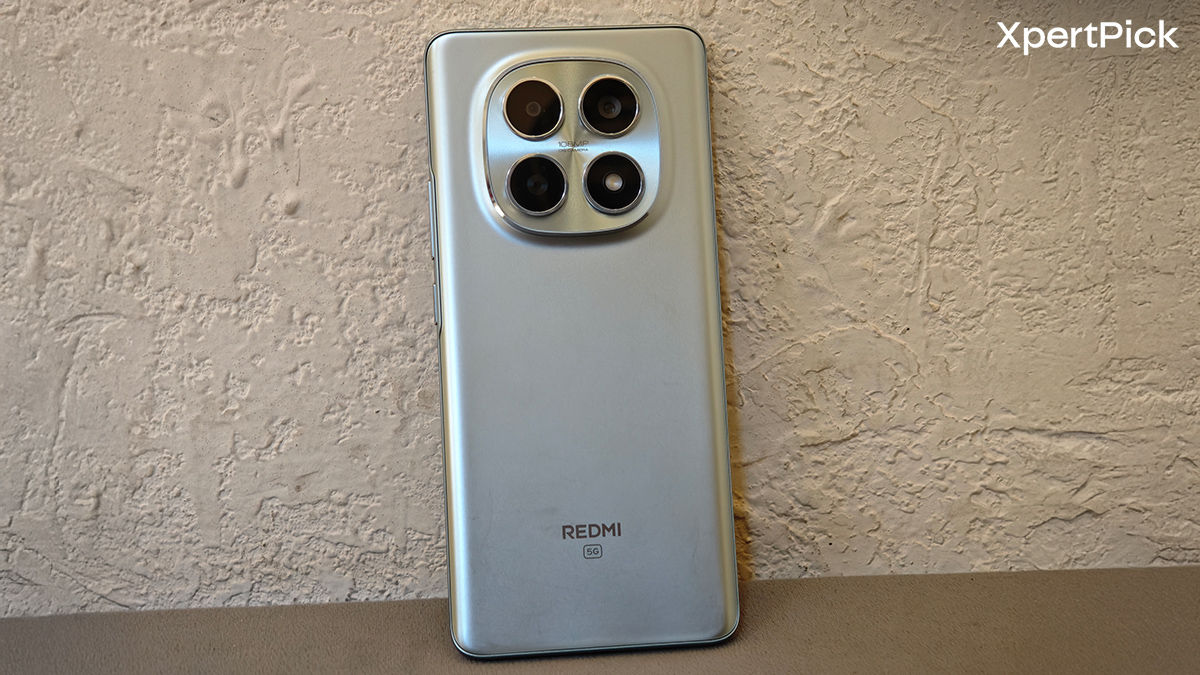
Xiaomi has more or less carried over the Redmi Note 14 Pro series design into the latest Note 15 Pro lineup, with only a handful of tweaks here and there. That means the sleek body returns, along with curved edges on both the front and back. It makes the phone feel more comfortable to hold and a little thinner than its actual 8mm thickness would suggest. The rear still gets that raised squircle camera module, and the Mirage Blue unit I reviewed has a metal-like shine that looks quite nice under light.
But despite appearances, there’s no aluminium here. The frame and back are both plastic, which is likely one of the ways Xiaomi kept the price in check. At 210 grams, this still isn’t a light phone and holding it for longer stretches gets noticeable. Where it falls a little short in outright premium feel, it makes up ground in durability. This isn’t one of those chunky rugged phones pretending to be indestructible, but it is a clear step above cheaper devices when it comes to surviving the elements.
The Redmi Note 15 Pro features an IP66 + IP68 + IP69 + IP69K rating, so you’re getting protection against dust, water immersion, and even high-pressure, high-temperature water jets. Xiaomi also includes a pre-applied screen protector out of the box, which is always appreciated.
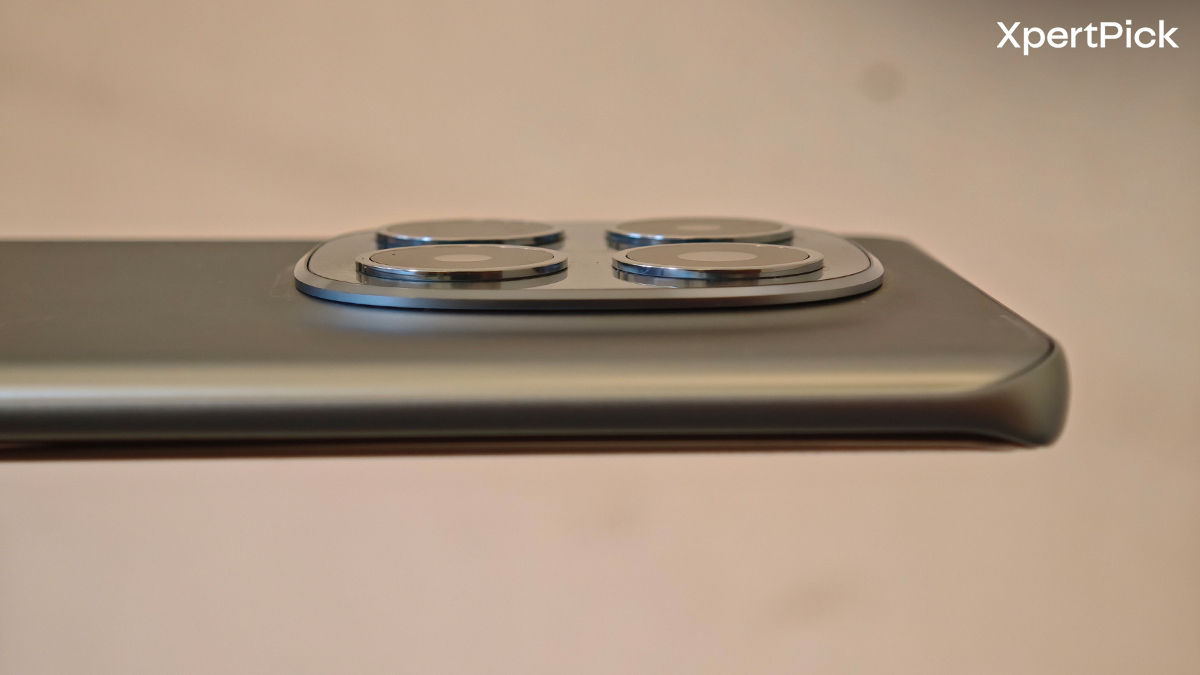
Still, for the same money, there are phones trying something more visually fresh. The Motorola Edge 70 and Infinix Note Edge are good examples. Both lean into the slim-phone trend much harder, and even if they aren’t necessarily better-built overall, they do feel more exciting in the hand. The Redmi Note 15 Pro, by comparison, feels safer and more familiar.
Display: Curved & Vibrant AMOLED Panel
The similarities with the Note 15 Pro+ don’t end at the body. The display here is essentially the same setup, which is honestly not a bad thing at all.
You get a 6.83-inch curved AMOLED panel, and curved screens still have a soft corner in my heart. The panel feels good to use, and those curved edges make the large size a little easier to live with. It’s still a tall phone, but the screen never feels clumsy.
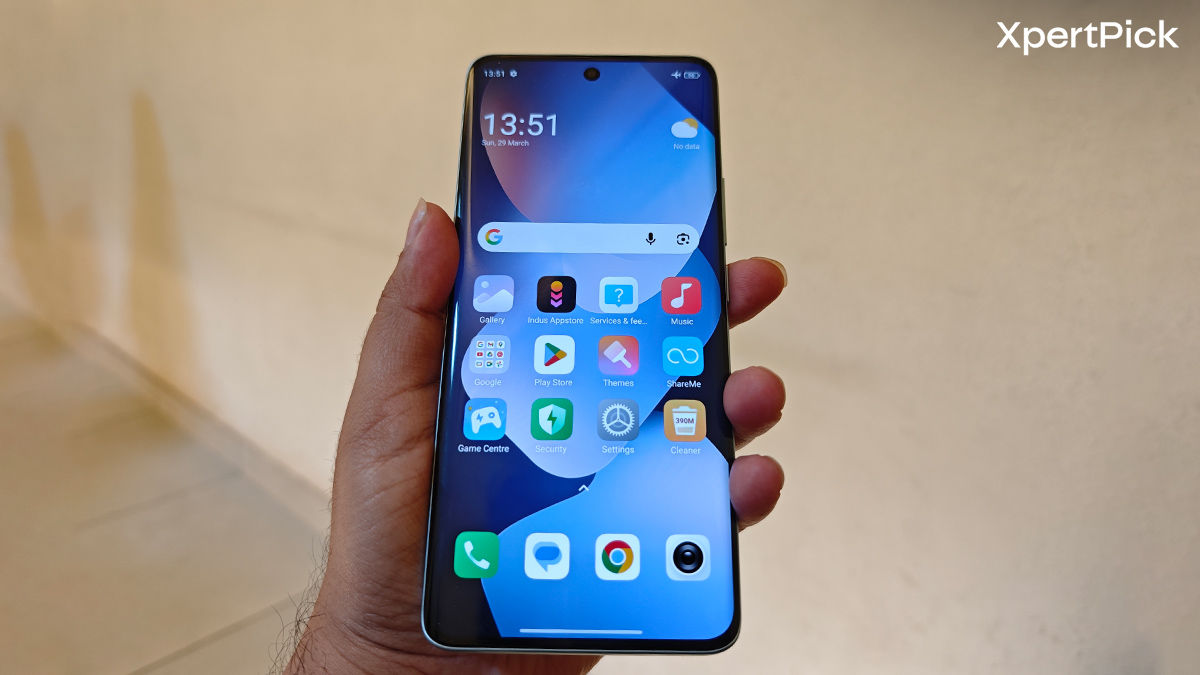
The rest of the spec sheet is exactly what you’d want at this price. There’s a 120Hz refresh rate, 1.5K resolution, 3200 nits peak brightness, Dolby Vision, HDR10+, and 3840Hz PWM dimming. So in practice, the experience is smooth, sharp, bright, and easy on the eyes.
Streaming content looks great here. Colours are punchy, contrast is strong, and sunlight legibility is not an issue. This is one of those displays that doesn’t really need defending. It just works well.
Performance: Budget Power for Mid-Range Pricing
Performance is one of the first places where Xiaomi clearly chose to save some money. Unlike the Snapdragon-powered Note 15 Pro+, the standard Redmi Note 15 Pro runs on the MediaTek Dimensity 7400 Ultra.
Now, to be fair, it’s not dramatically slower than the Snapdragon 7s Gen 4 inside the Pro+ model. But when you compare it to similarly priced rivals, the gap becomes clearer. Phones like the Moto Edge 70, which uses the more capable Snapdragon 7 Gen 4, simply feel a little more powerful.
Synthetic Benchmarks
- AnTuTu – 854,064
- AnTuTu (CPU) – 306,697
- AnTuTu (GPU) – 128,694
- Geekbench: 1,019 (single) / 2,969 (multi)
In everyday use, the Redmi Note 15 Pro generally feels smooth and responsive. It doesn’t stutter badly or fall apart in normal use. But it does show some slight delays if you’re jumping quickly between heavier apps, like games. Quick launching the camera and snapping a shot also comes with a tiny lag.
Gaming is where the chipset’s limits become more obvious. Casual gaming is mostly fine, and games like BGMI or COD Mobile can hit a stable 60fps. But once I tried something heavier like Genshin Impact, the cracks showed pretty quickly. Even at the lowest settings, the experience felt choppier than it should. Thermals also climbed, though to Xiaomi’s credit, the phone never became unbearable to hold and usually cooled back down soon after.
This is very much a “good enough” performer rather than a standout one. But if your usage is more day-to-day than benchmark chasing, the Redmi Note 15 Pro still gets through the job.
Battery Life: Lasts Long, but with Weak Charging Speeds
Xiaomi once again flexes its silicon-carbide battery tech on the Redmi Note 15 Pro, and that means a 6,580mAh battery inside a reasonably sleek body.
That’s a big cell, and thankfully, the endurance mostly lives up to the promise. If your use is limited to doomscrolling, messaging, video streaming, and some lighter app usage, you can get very close to two full days on a charge. Add in gaming, photography, or video recording, and the battery starts dropping more noticeably, but even then, my average screen-on time stayed around 7 to 8 hours.
Where the Note 15 Pro falls behind its pricier sibling is charging. The phone supports 45W wired charging and 22.5W reverse wired charging, which sounds fine on paper until you remember the battery size. Pairing a 6,580mAh cell with relatively modest top-up speeds means a full charge takes about 1.5 hours.
Camera: A One-Trick Pony
Just like the display, the rear camera system is essentially the same as the one found on the Redmi Note 15 Pro+. So once again, the main camera is doing almost all the heavy lifting here.
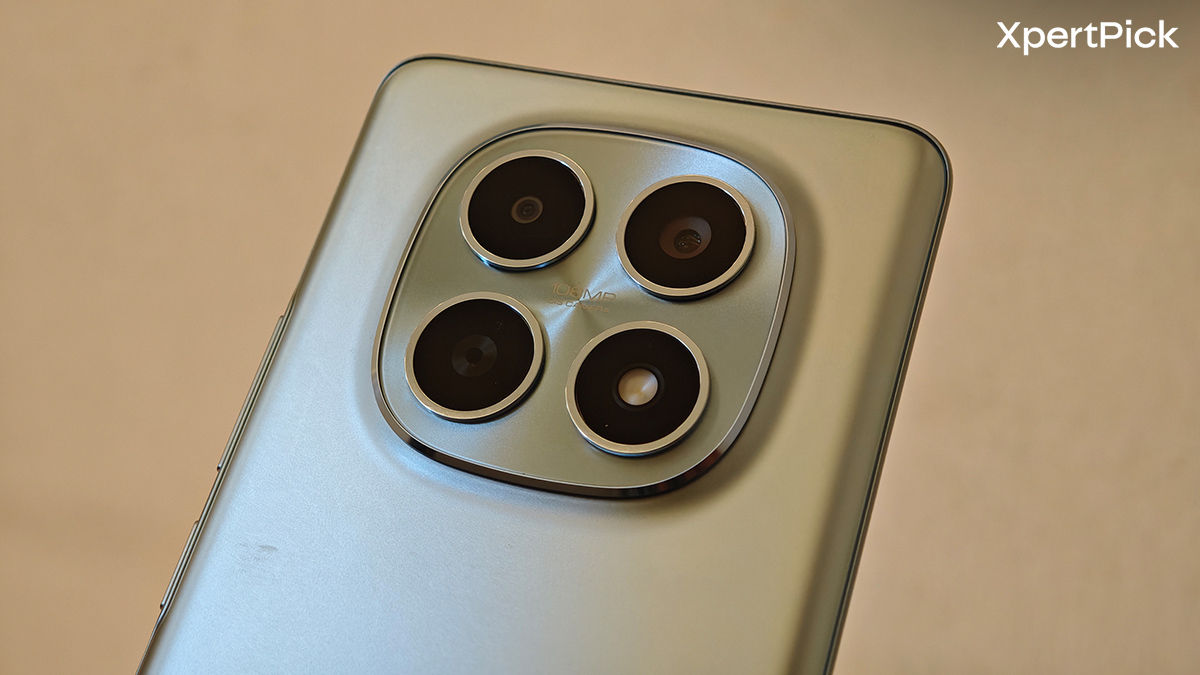
Camera hardware
- 200MP 1/1.4″ Samsung ISOCELL HPE main sensor (f/1.7 aperture, OIS)
- 8MP 1/4” OmniVision OV08F10 ultra wide angle lens (f/2.2)
- 20MP 1/4” OmniVision OV20B selfie camera (f/2.2)
In the day, the main camera delivers solid results. Images are well exposed, retain good detail, and often come out looking social-media-ready right away. High dynamic scenes can still cause a bit of hazing here and there, but HDR usually produces strong contrast and decent highlight recovery. Colours are slightly more vibrant than real life, though not to an obnoxious degree.
The 2x and 4x zoom options are digital crops, and in good lighting, they actually preserve more detail than you’d expect. Of course, you don’t get the flatter look or natural compression that a proper telephoto lens would bring, but the results are still usable enough.
The large main sensor really helps in low light. Under artificial lighting and indoor scenes, it can still produce sharp images with good colours and without excessive noise. The issue is that the Note 15 Pro tends to raise shutter speed in these conditions, so steady hands are important. Once I started pixel peeping, I realised plenty of the low-light shots had slight motion blur because of the slight hand movements.








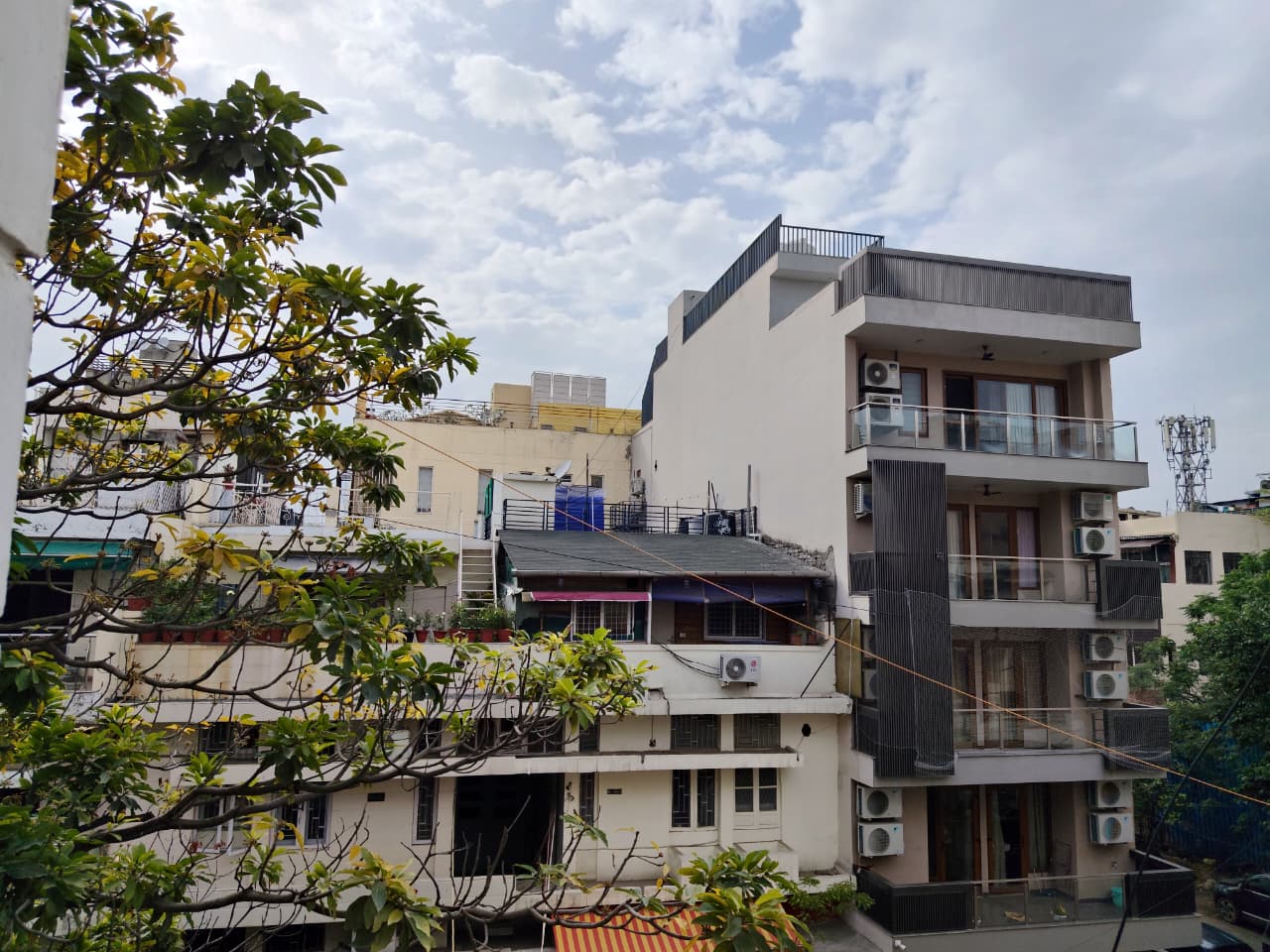





It’s worth repeating just how capable this main sensor is for the class. The hardware itself sits in the same general conversation as sensors used in more expensive Chinese phones like the Oppo Find X9 and Vivo X300 lineup. Of course, sensor size alone doesn’t make a flagship camera, but it explains why the Note 15 Pro’s main shooter can still punch above what the phone’s overall price suggests.
As for the ultra-wide, it’s the same story as the Pro+ all over again: it’s mediocre. In daylight, colours look nice enough, and the pictures seem fine at a glance, but even a small zoom-in reveals softer detail. Once indoor or dim lighting enters the picture, things get much worse. The softer edges become more obvious, and the entire image just has that oil-painting effect.
So unless you’re shooting in broad daylight and absolutely need a wider field of view, the main camera is where you’ll be staying most of the time. The selfie camera drops from 32MP on the Pro+ to a smaller 20MP camera here, and that downgrade does show up. In good lighting, selfies still look decent with slightly warmer but mostly natural skin tones. But sharpness and colour handling both take a hit once the lighting becomes less than ideal.
Video carries over the same boosted colour tone, but it isn’t overly aggressive. There’s enough detail when recording in 4K30fps, and stabilisation is mostly competent. Once evening arrives, though, noise starts showing up, jitter becomes visible, and the ultra-wide falls even further behind. Even in good lighting, ultra-wide video looks softer than it should.
Overall, the camera system remains a solid performer. The weak ultra-wide holds it back, but the main camera still competes surprisingly well with some more expensive devices, including the OnePlus 15R and Realme 16 Pro, at least for standard daylight photography. But the lack of a telephoto lens does hurt versatility. Phones like the Nothing Phone (4a) and Nothing Phone (4a) Pro bring a zoom camera to the table, making them the better pick if portraits and zoom photography are a bigger priority for you.
Software: No Android 16 Yet
The entire Redmi Note 15 series has skipped Android 16 entirely and still sticks with HyperOS 2. This was already disappointing on the Note 15 Pro+, and as of writing this, the standard Note 15 Pro still hasn’t received the HyperOS 3 upgrade either.
That means even though Xiaomi promises four years of Android updates, you’re effectively looking at something closer to three meaningful upgrades in practice. That’s a real letdown in a segment where software longevity is becoming a bigger talking point.
Putting that aside, HyperOS 2 is still a familiar experience. It’s fluid, packed with customisation options, and includes useful AI tools. In terms of everyday look and feel, it isn’t dramatically different from HyperOS 3, but newer features like HyperIsland are obviously missing here.
And then there are the usual Xiaomi annoyances. Too many pre-installed apps, ads baked into the software, and an iOS-inspired design language that’s starting to feel increasingly tired.
Verdict
The Redmi Note 15 Pro feels like a proper Note phone in the way Xiaomi used to nail this segment, not by being the flashiest or the fastest, but by putting together a package that gets most things right. The display is excellent, battery life is strong, and the main camera is capable. It also doesn’t feel cheap in day-to-day use, even if the plastic build and slower charging remind you where Xiaomi had to trim things down.
At the same time, this isn’t a phone without weak spots. Performance is only decent for the money, the ultra-wide is still a weak link, and the software situation is frustrating for a 2026 release. Rivals like the Moto Edge 70 feel fresher and better for speed and gaming, while the Nothing Phone (4a) and Realme P4 Power offer more camera versatility and better battery life, respectively.
But if your priorities are a great screen, dependable battery life, and a strong main camera in a phone that still feels like a complete package, the Redmi Note 15 Pro makes a very fair case for itself.
Pros
- Excellent AMOLED display
- Strong battery life
- Main camera punches above its weight
- Proper IP68 + IP69K durability
- Comfortable curved design
Cons
- Charging feels too slow for the battery size
- Ultra-wide camera is mediocre
- Performance is only average for the price
- No Android 16 yet