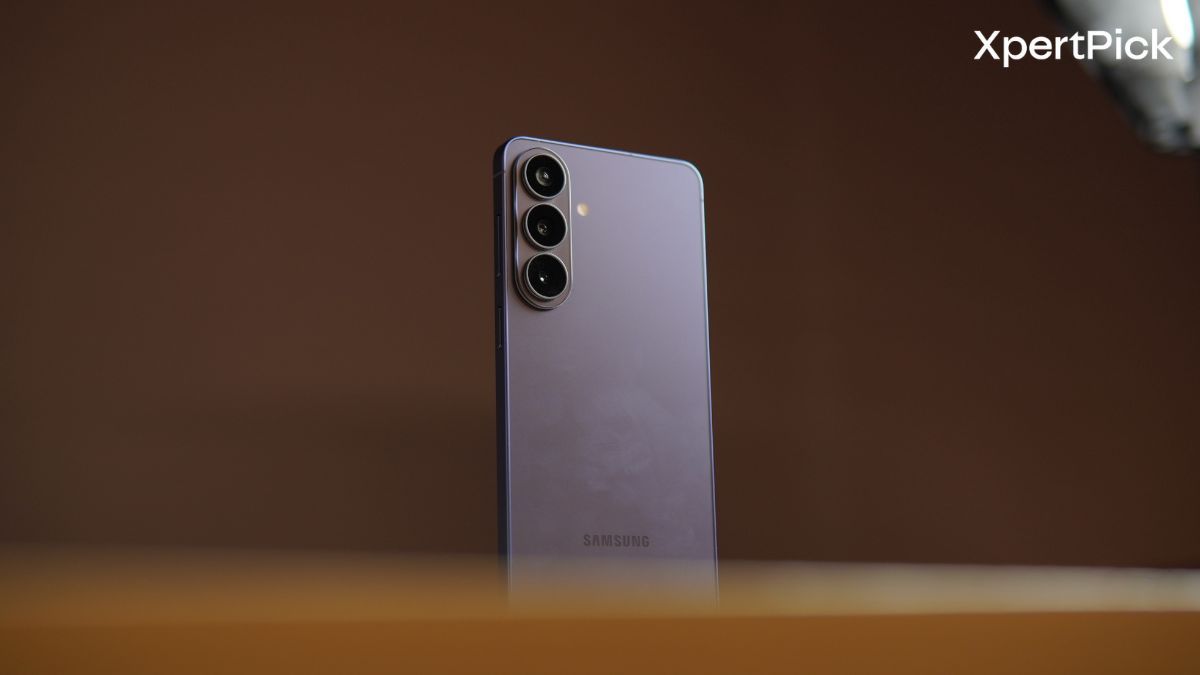
Priced from ₹1,09,999, the Samsung Galaxy S26 Plus steps into 2026 feeling more like a careful evolution than a bold reset. On paper, it checks the right boxes. There’s a stunning 6.7-inch display that immediately grabs your attention, a new Exynos 2600 chip pushing AI-driven features, and a camera experience that introduces something Samsung hasn’t quite done this way before.
But this is also a segment where small decisions start to matter a lot more.
Spend a little time with the device, and you begin to notice where Samsung has chosen to push forward and where it has held back. Some of those choices make complete sense. Others raise questions, especially when you look at what the competition is quietly doing in the background. That’s where things get interesting.
So the real question is simple: at this price, is the Galaxy S26 Plus actually worth it? Let’s find out.
Samsung Galaxy S26 Plus Specifications
- Processor (CPU): Exynos 2600 (built on an advanced 2 nm process)
- Graphics (GPU): Integrated Exynos GPU (24,103 in Geekbench 6 GPU, 5,106 in 3DMark Wild Life Extreme)
- RAM: 12 GB
- Storage: 256 GB (base variant)
- AI Processing (NPU): Dedicated Neural Processing Unit for on-device AI tasks (live translation, photo assist, scene detection)
- Display: 6.7-inch Dynamic AMOLED 2X LTPO, QHD+ (1440 x 3120), adaptive 1 Hz–120 Hz, 2,600 nits peak brightness, Gorilla Glass Victus 2
- Build & Design: 7.3 mm thickness, 190 grams, Armor Aluminum frame, frosted matte glass back, IP68 rating
- Colours: Silver Shadow, Cobalt Violet, Sky Blue, Black, White
- Cameras: 50 MP primary (f/1.8), 12 MP ultra-wide (f/2.2, no autofocus), 10 MP telephoto (f/2.4, 3x optical zoom), 12 MP front
- Video: Up to 8K at 30 fps, 4K at 60 fps with APV codec, Horizon Lock stabilisation
- Battery: 4,900 mAh
- Audio: Stereo speakers (bottom-firing + amplified earpiece)
- Connectivity: Bluetooth 6.0
- Ports: USB-C (no 3.5 mm headphone jack)
Design and Build: Clean, Comfortable, and Predictable
If you place the Galaxy S26 Plus next to its predecessor, you might have to squint to play spot-the-difference, but that is not necessarily a bad thing. Samsung has clearly adopted an “if it ain’t broke, don’t fix it” philosophy this year, leaning into subtle refinements rather than a dramatic overhaul.
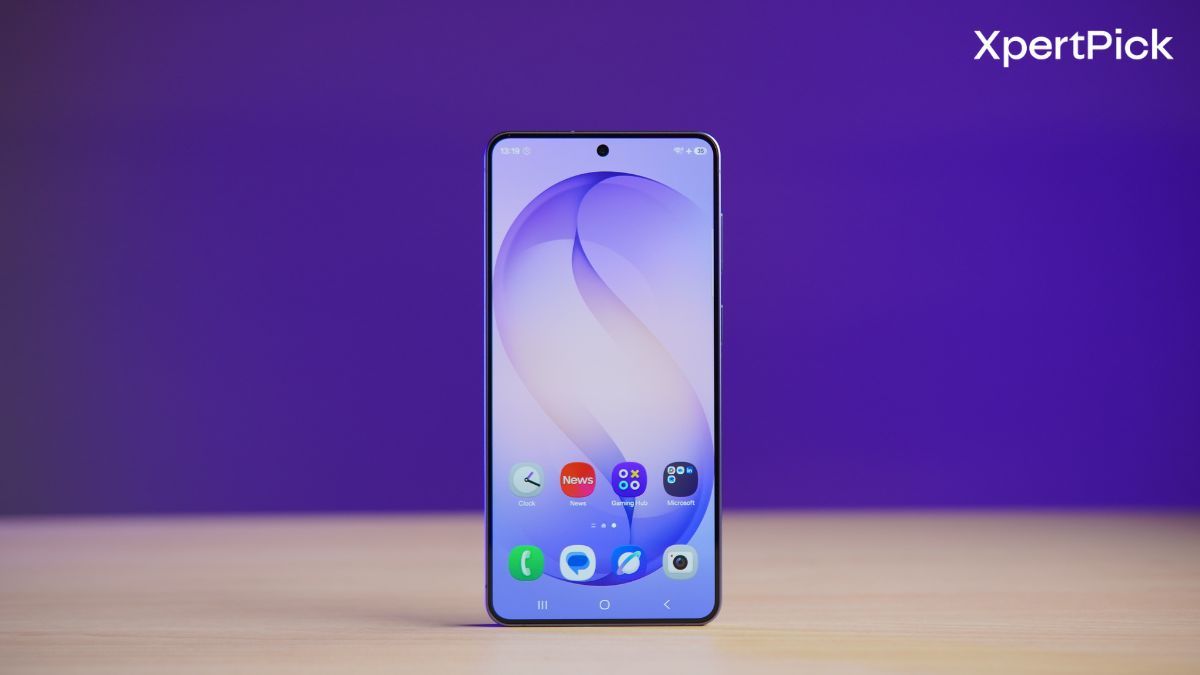
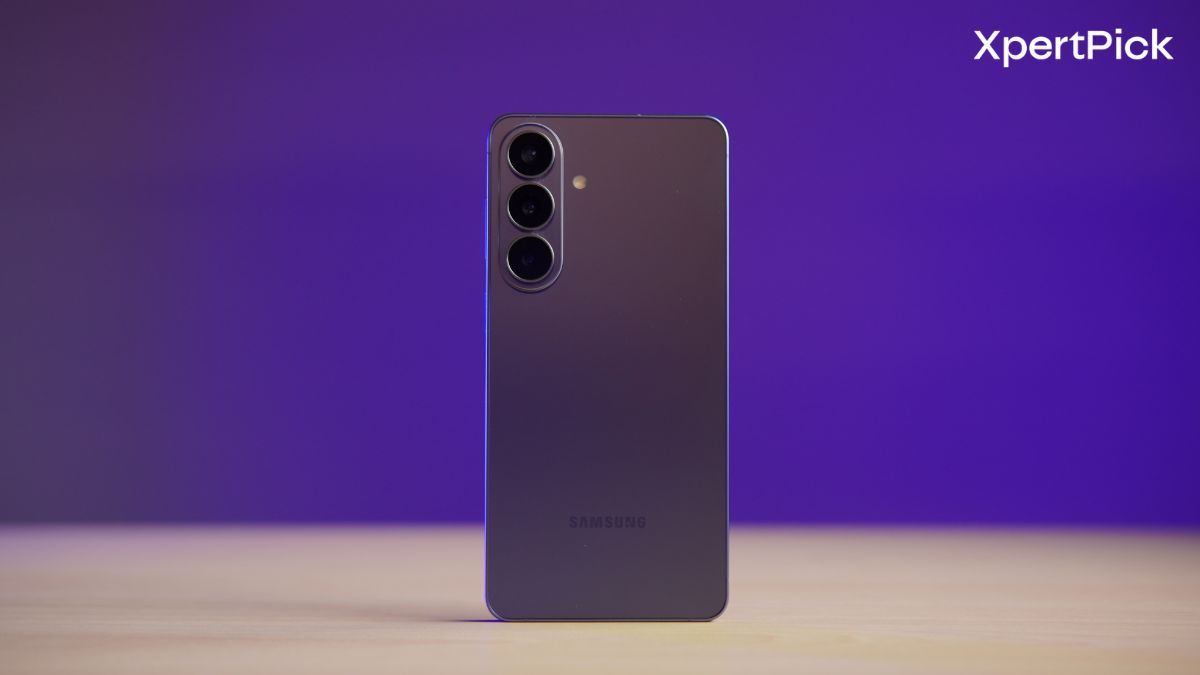
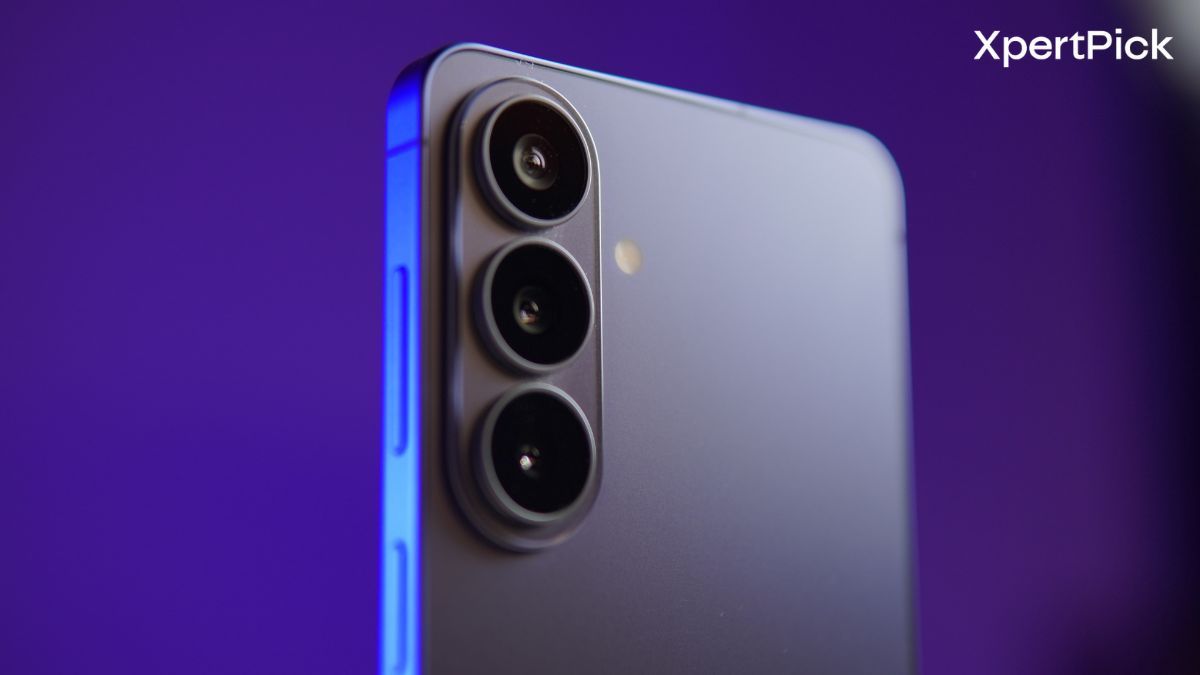
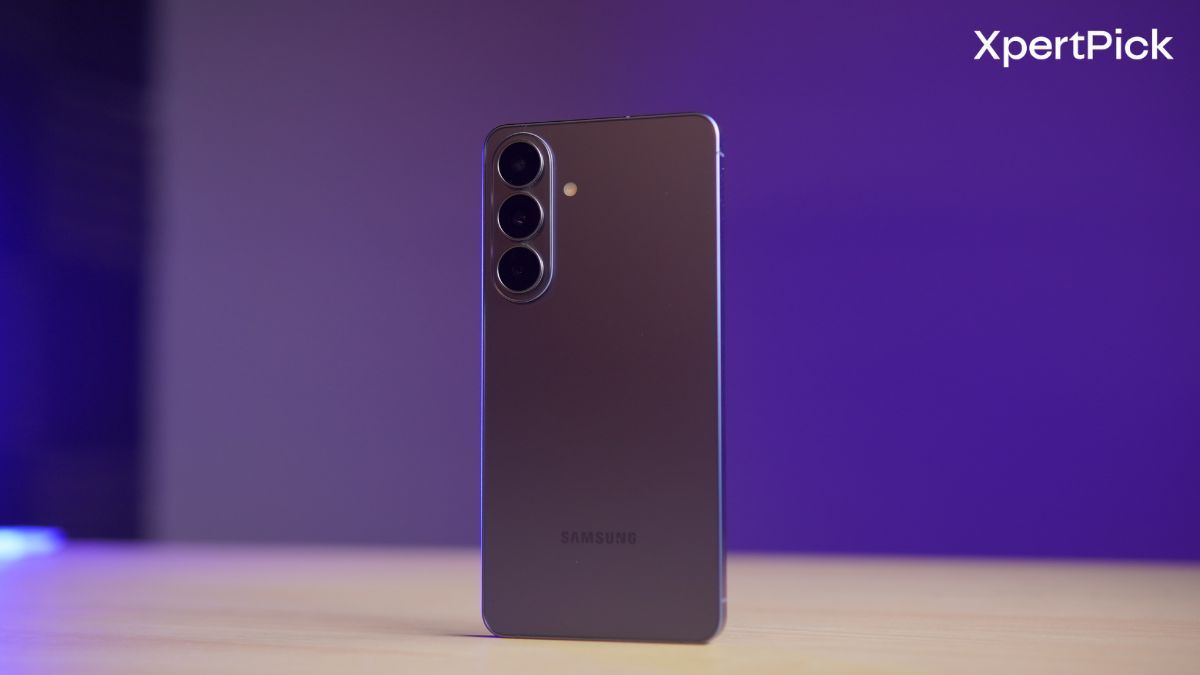
The core DNA of the S-series remains intact: a minimalist aesthetic, a perfectly flat screen with razor-thin bezels, and flat edges. However, the most distinct visual change for 2026 is on the back. Samsung has finally ditched the individual “floating” camera rings we’ve seen over the last few years, replacing them with a sleek, pill-shaped elevated plateau that houses all three lenses.
While the new module looks highly polished and cohesive, it does introduce a practical quirk: because it protrudes, the phone refuses to sit completely flat on a table. If you are someone who likes to type while your phone rests on your desk, expect a bit of rocking back and forth.
Build quality is exactly where you want a premium flagship to be. Samsung has constructed the S26 Plus using its sturdy Armor Aluminium frame, reserving the new Light Armor Aluminium / Titanium materials for the Ultra, sandwiched between Corning Gorilla Glass Victus 2 on both the front and the back.
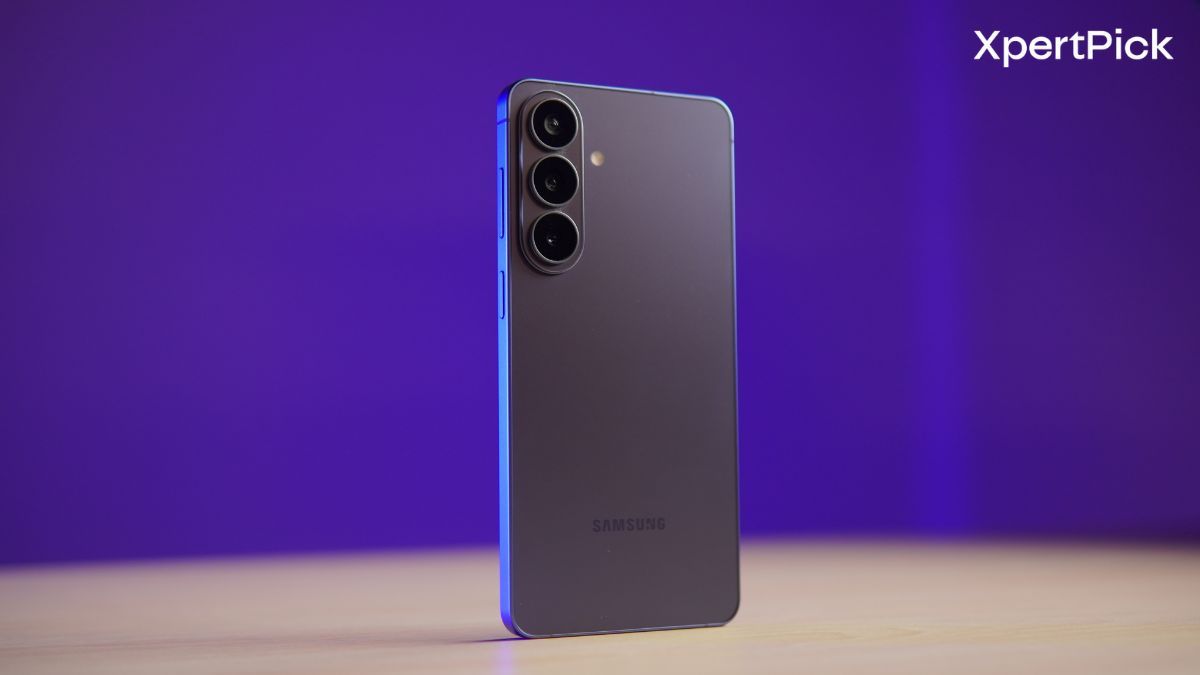
It retains a reliable IP68 rating for water and dust resistance, making it more than capable of surviving an accidental spill or a drop in the sink. The rear glass features a frosted, matte finish that feels incredibly smooth to the touch and does a fantastic job of repelling fingerprint smudges.
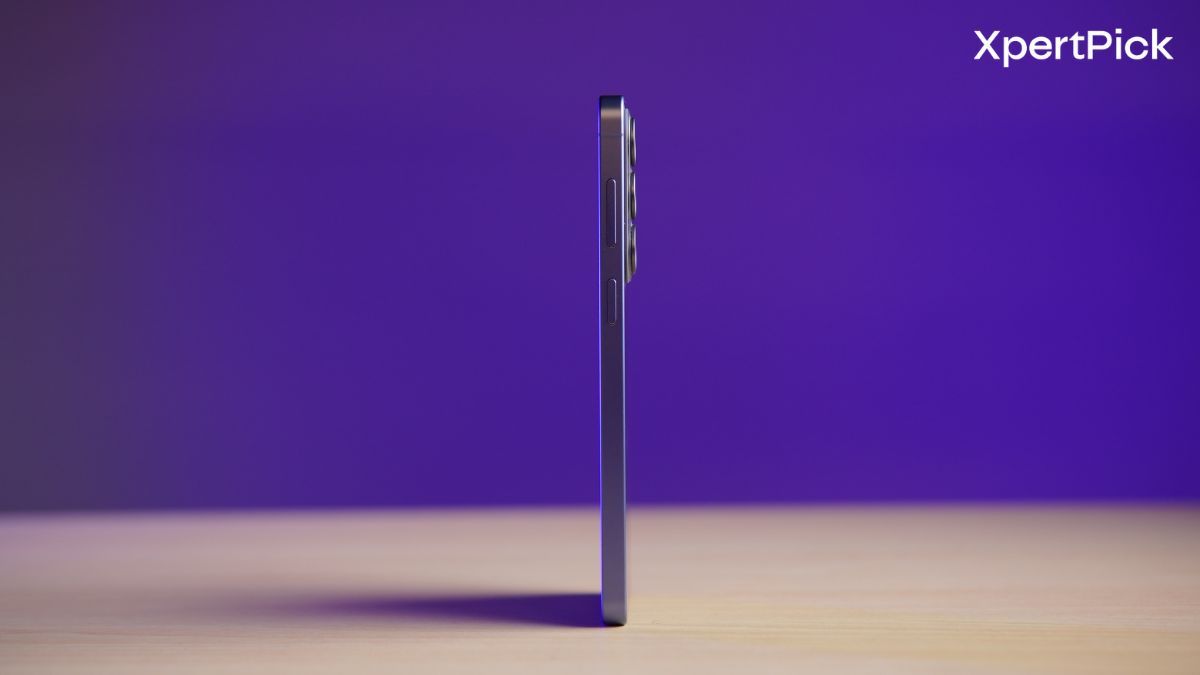
Where the Galaxy S26 Plus truly shines is in its everyday usability. The device measures just 7.3mm thick and tips the scales at an impressively light 190 grams. For a phone sporting a massive 6.7-inch display, it feels surprisingly svelte and perfectly balanced. It doesn’t dig into your palms or feel top-heavy, making it arguably the “Goldilocks” choice in the 2026 line-up for users who want a big screen without the sheer bulk of the S26 Ultra
This year’s colour palette is muted and sophisticated. You can pick it up in standard shades like Black and White, alongside softer pastels like Cobalt Violet and Sky Blue. The standout “hero” colour, however, is Silver Shadow, which strikes a perfect balance between professional and eye-catching.
Display and Audio: Bright, Smooth, and Still Among the Best
If there is one thing you can always count on Samsung to nail, it is the display, and the Galaxy S26 Plus continues that undisputed legacy. However, much like its design, the upgrades here are incremental rather than revolutionary.
The screen on the S26 Plus is bright, bold, and beautiful. The S26 Plus sports a 6.7-inch Dynamic AMOLED 2X LTPO display with a crisp QHD Plus resolution (1440 x 3120). Whether you are pixel-peeping high-resolution photos or watching HDR content on YouTube, the panel is a joy to look at. Samsung’s colour science remains punchy and vibrant, though you can tone it down to a “Natural” profile in the settings if you prefer accuracy over visual pop.
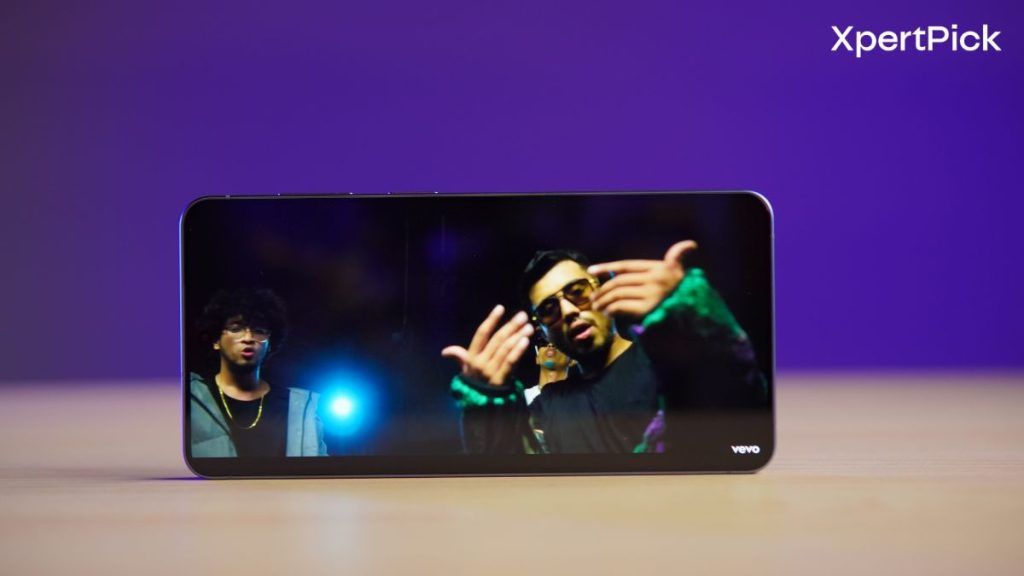 The adaptive refresh rate intelligently scales from 1 Hz up to 120 Hz, ensuring buttery-smooth scrolling through your social feeds while conserving battery when reading static text.
Brightness and the “Armor” Elephant in the Room Outdoor visibility is phenomenal. The display hits a peak brightness of 2,600 nits, meaning you will have zero issues reading text under the harsh midday sun.
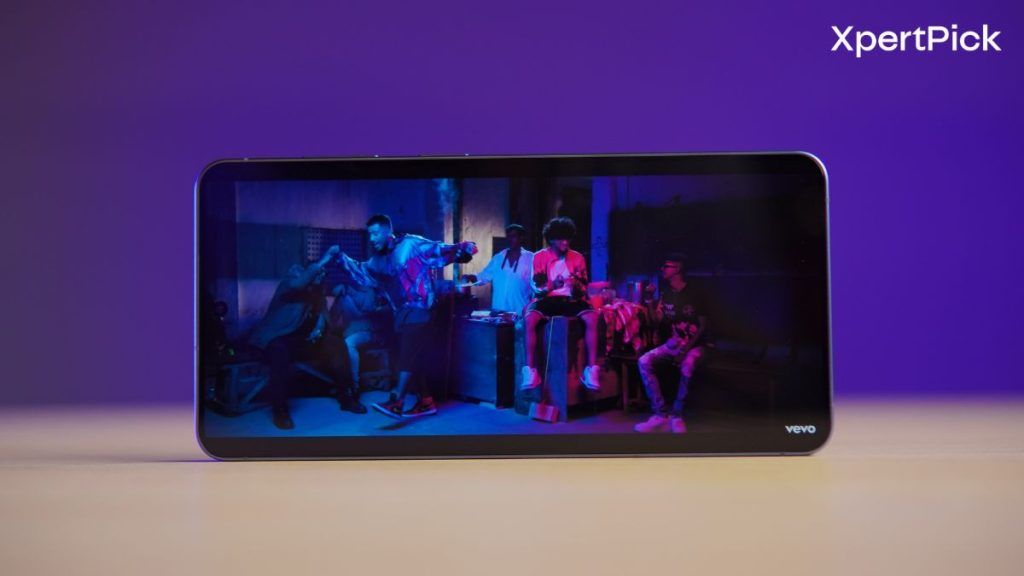
However, there is a catch. Unlike the Galaxy S26 Ultra, which gets Samsung’s incredible anti-reflective Gorilla Armor glass, the S26 Plus is still rocking Gorilla Glass Victus 2. This means that while the screen gets exceptionally bright to overpower glare, it is still highly reflective. When you are paying flagship prices in 2026, it is a bit disappointing to see Samsung continue to gatekeep the anti-reflective coating for the Ultra tier.
The phone has punchy and immersive audio. On the audio front, the stereo speaker setup (a bottom-firing speaker paired with an amplified earpiece) sounds fantastic. Samsung has managed to squeeze out an impressive amount of volume without distortion creeping in at higher levels.
The sound profile is well-balanced, offering clear vocals and a surprisingly punchy mid-bass response for a device this thin. It won’t replace a dedicated Bluetooth speaker, but for gaming, watching Netflix in bed, or listening to podcasts while making dinner, it is more than capable. Naturally, the 3.5 mm headphone jack remains a relic of the past, so you will be relying on Bluetooth 6.0 or a USB-C adapter for your audio gear.
Cameras: Familiar Hardware, Smarter Processing, Better Video



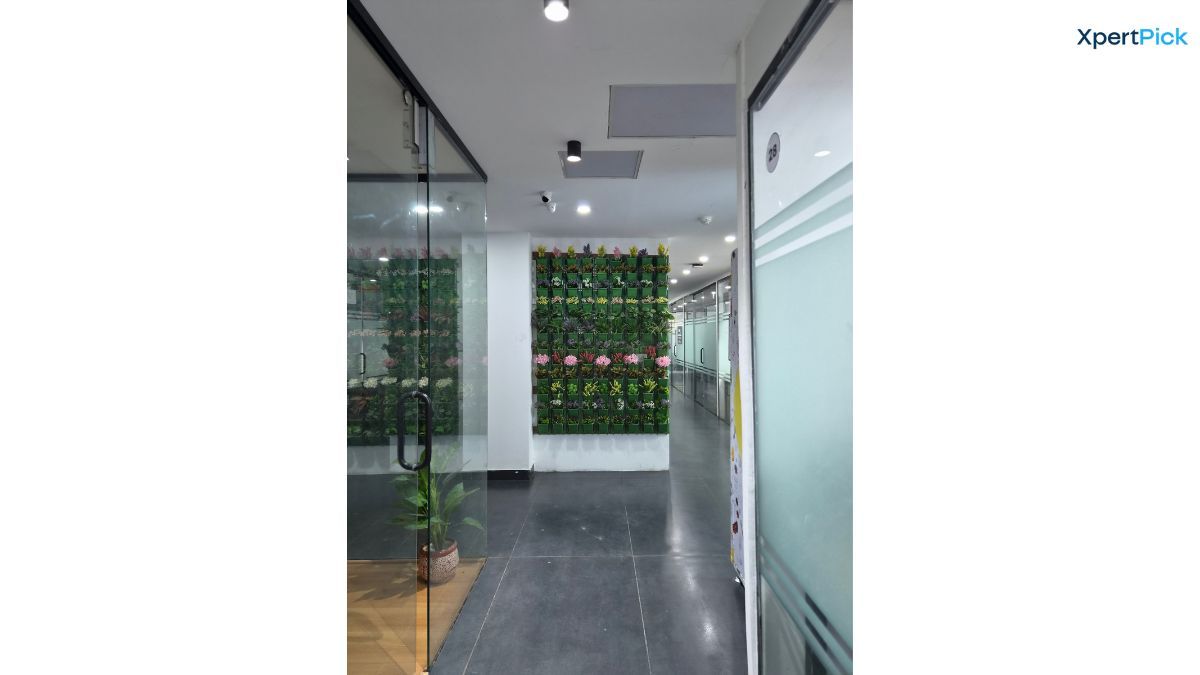
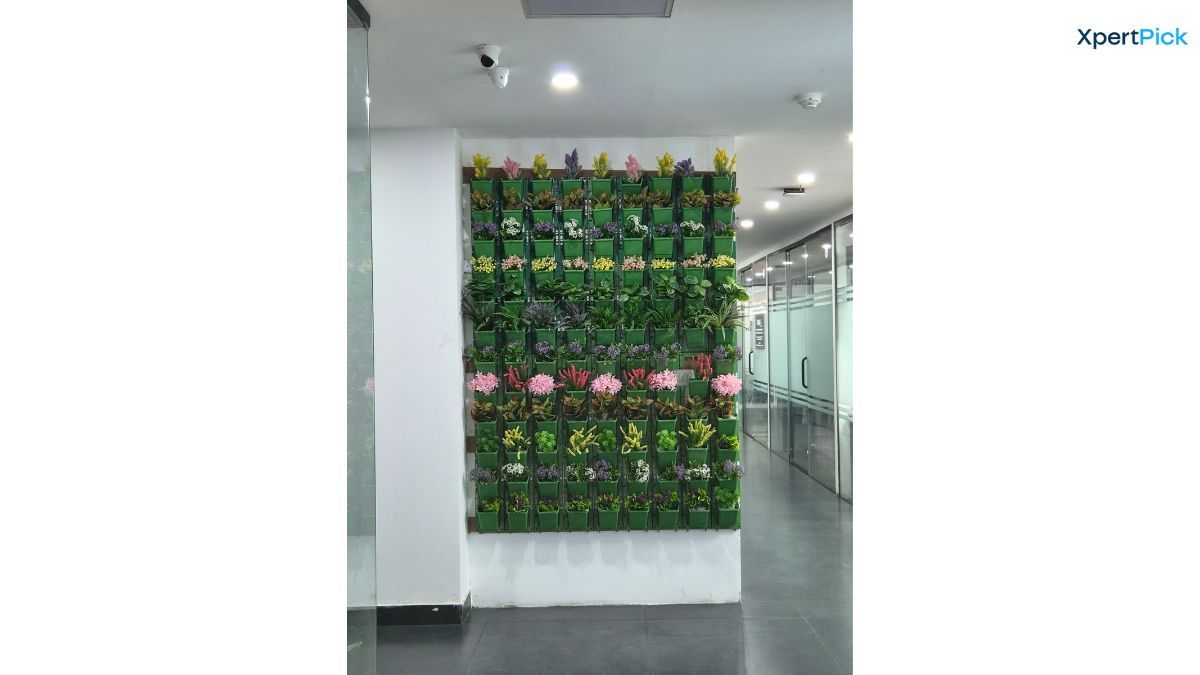

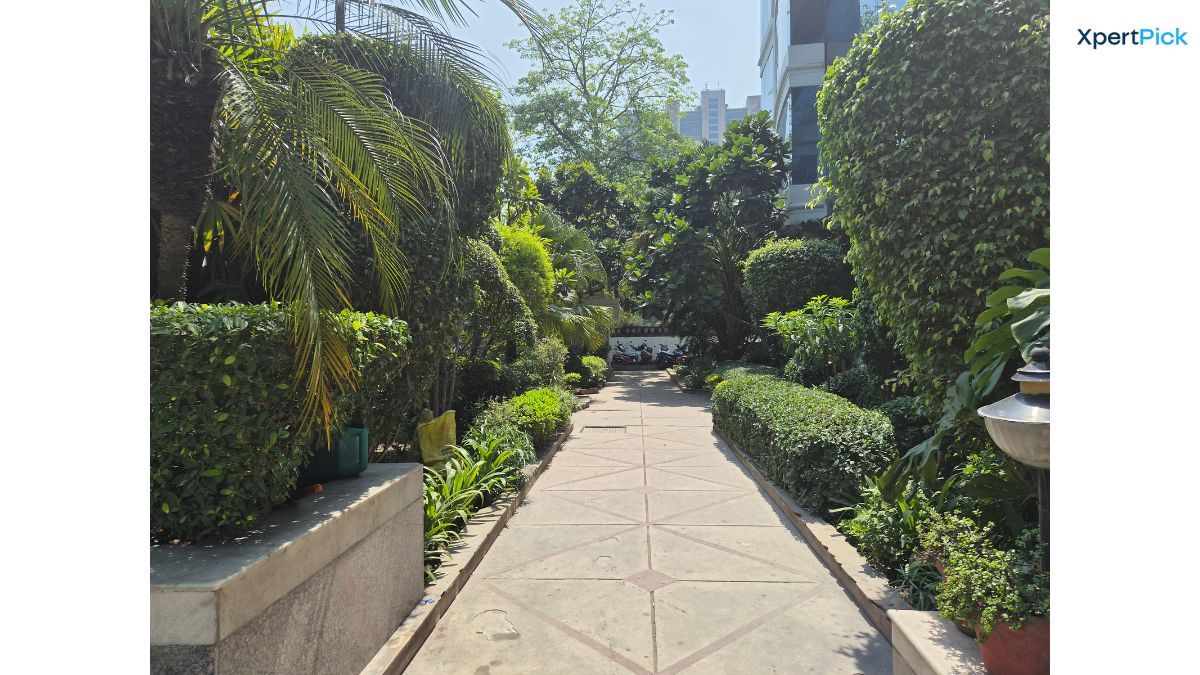
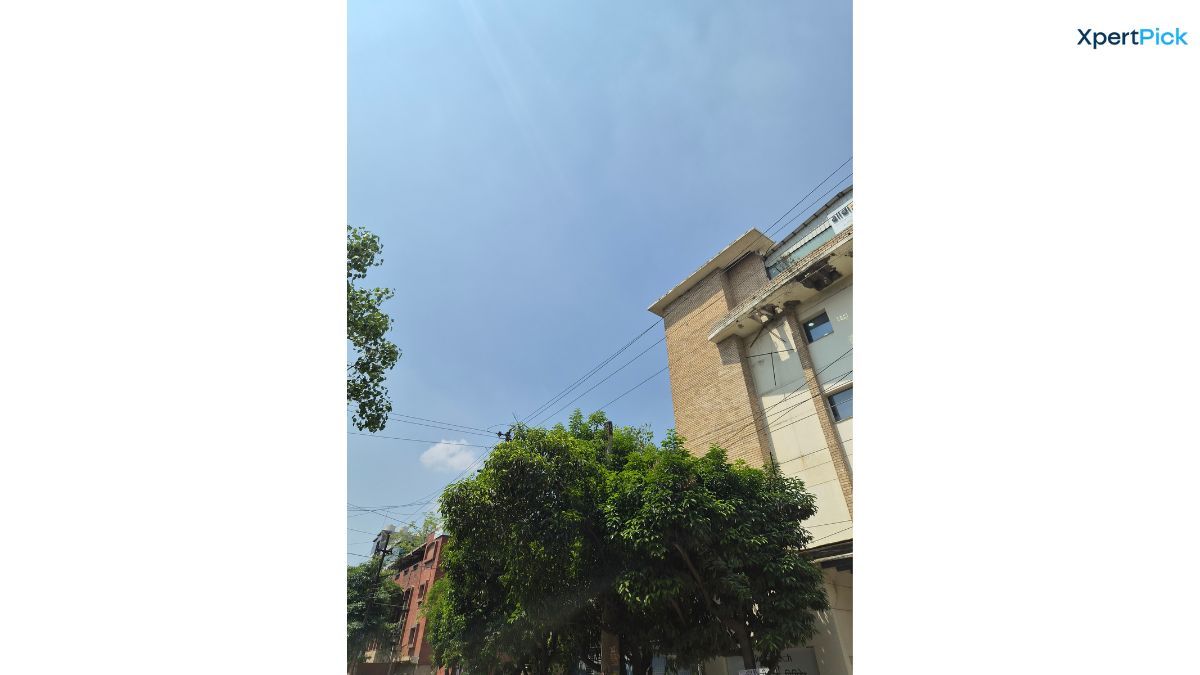
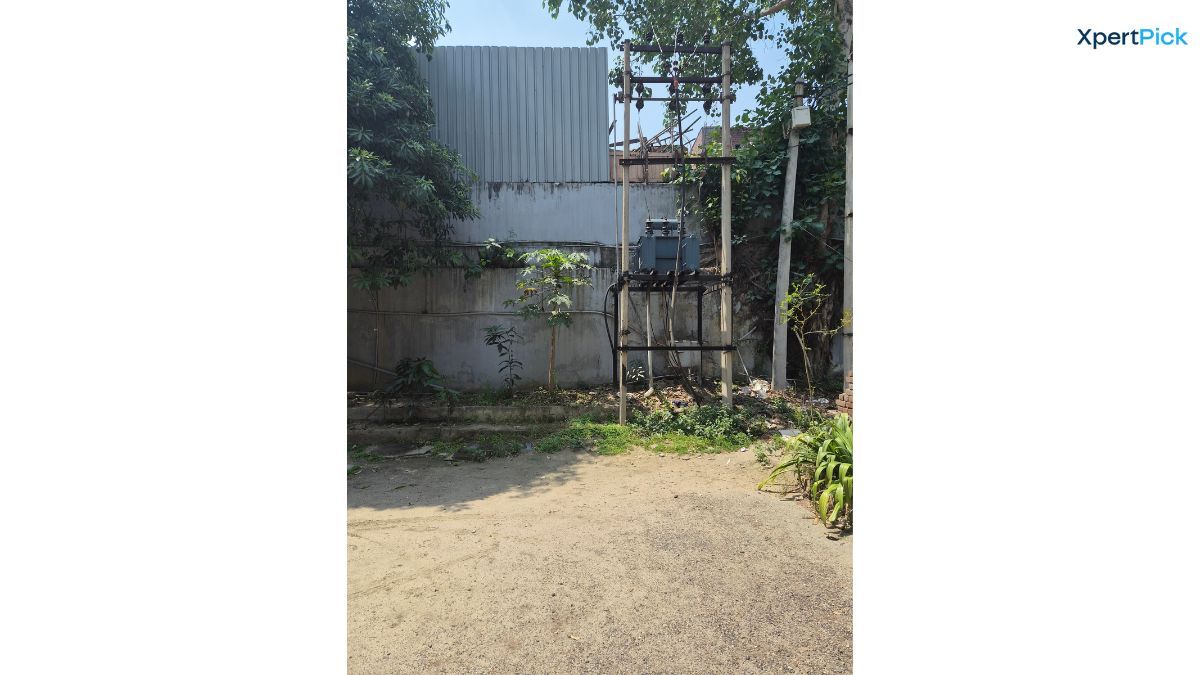
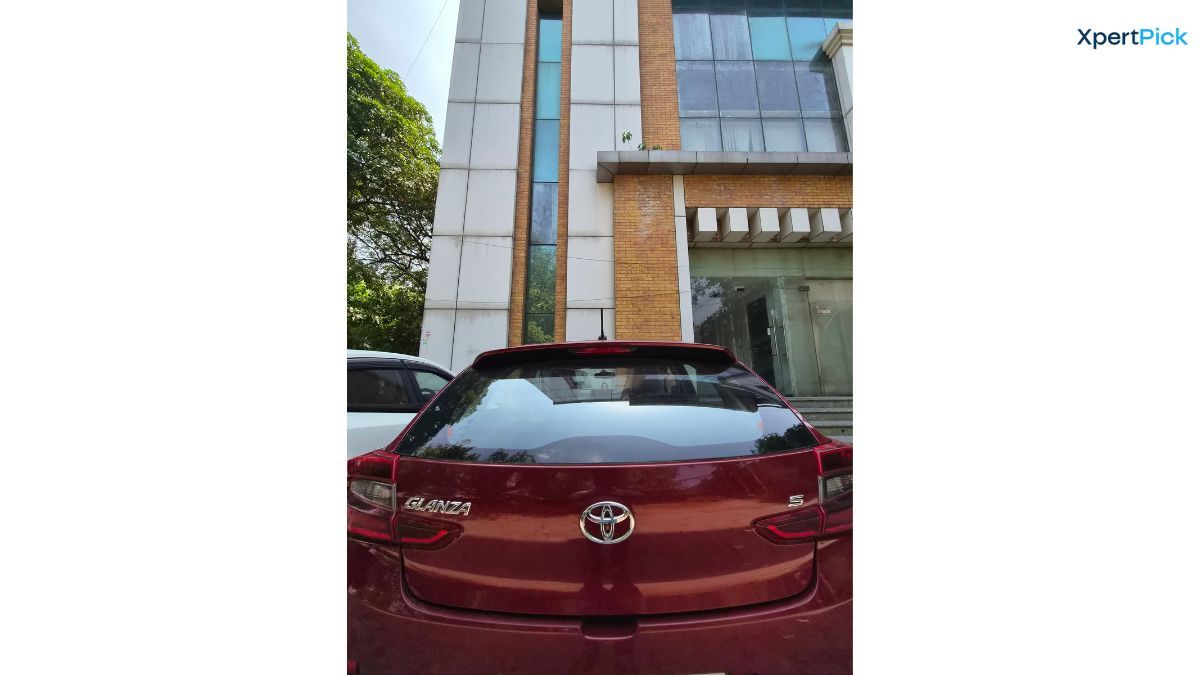

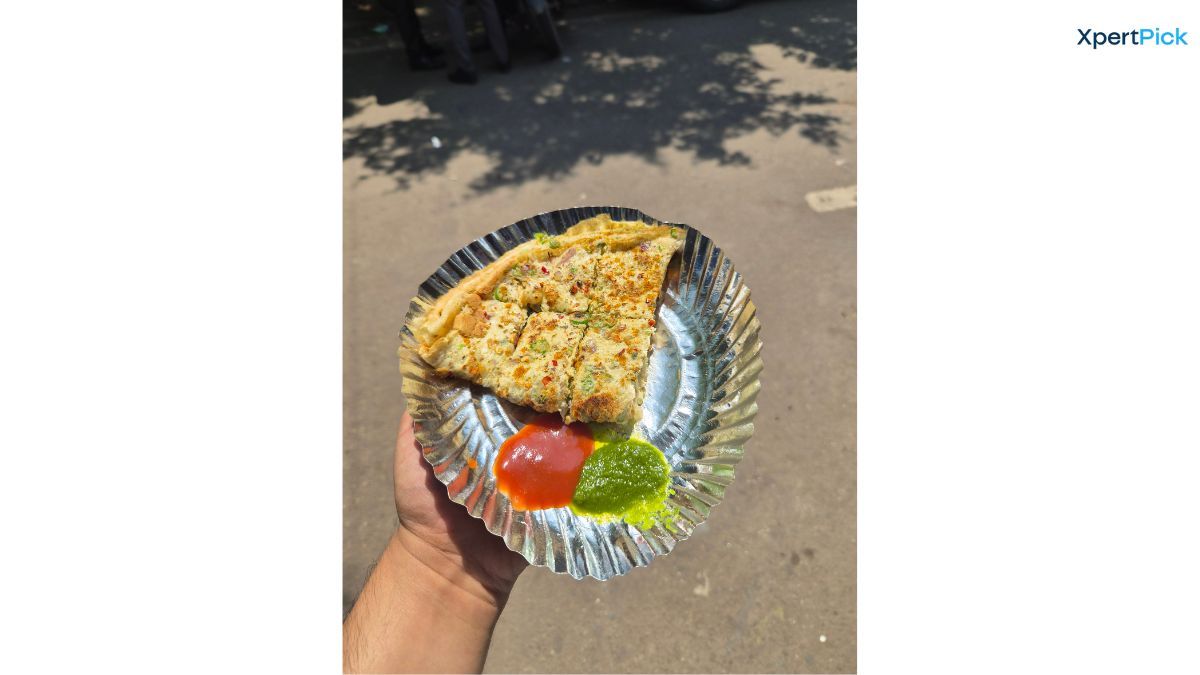

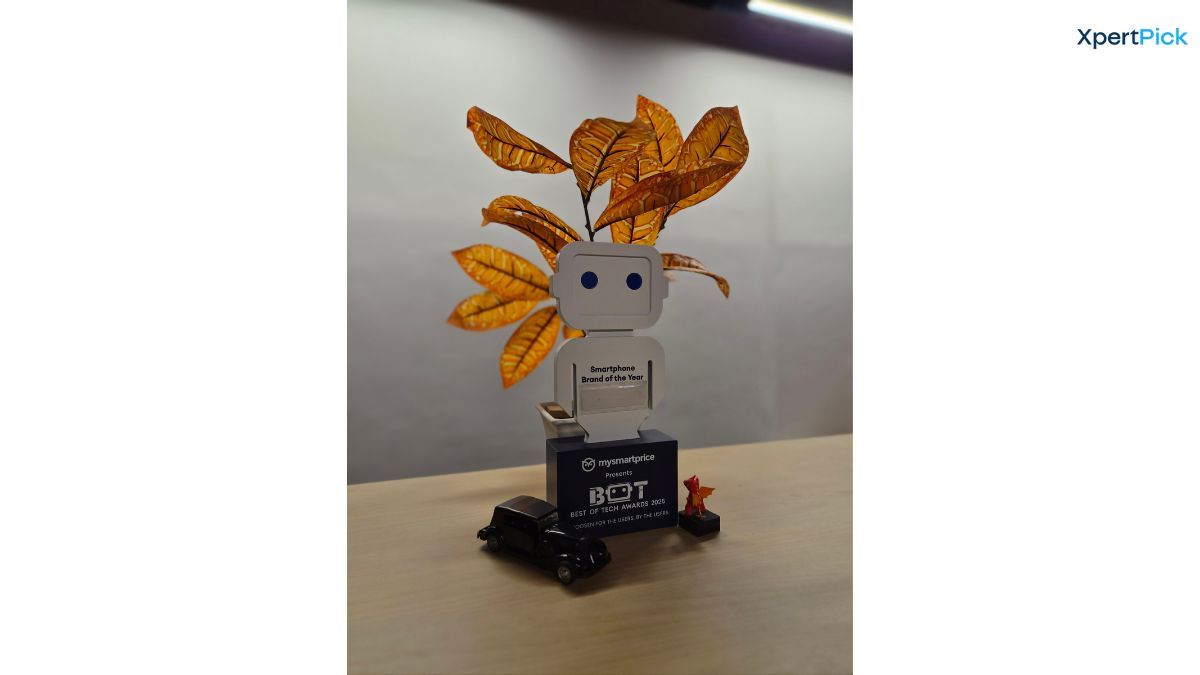
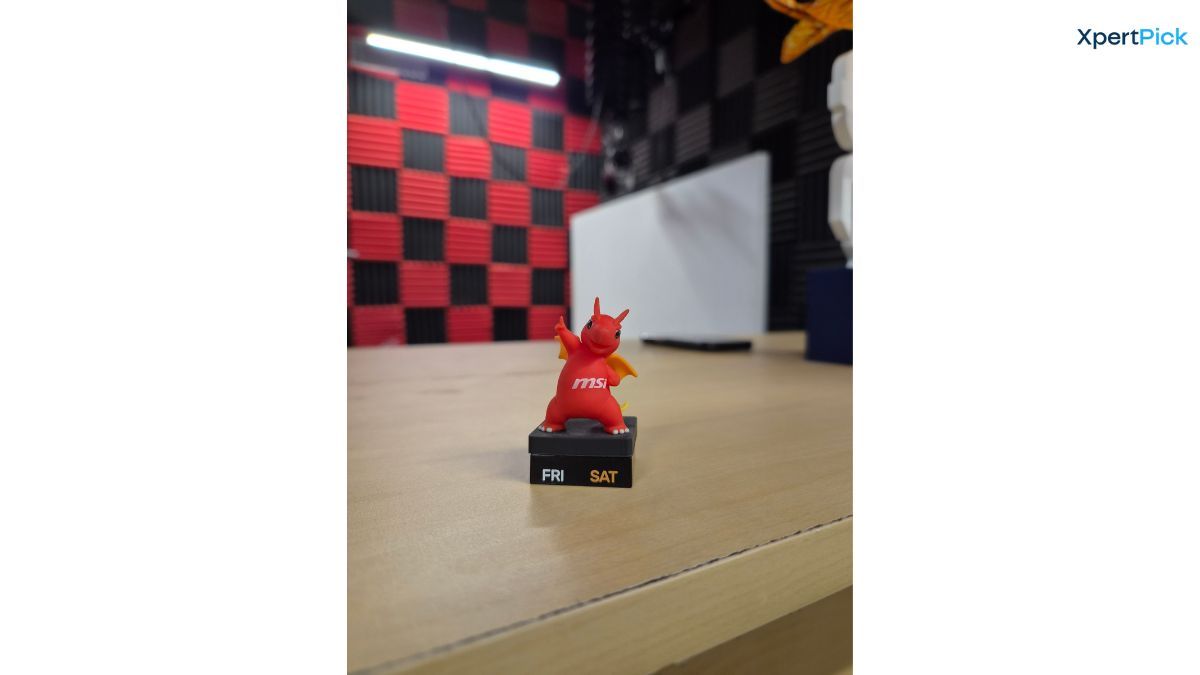
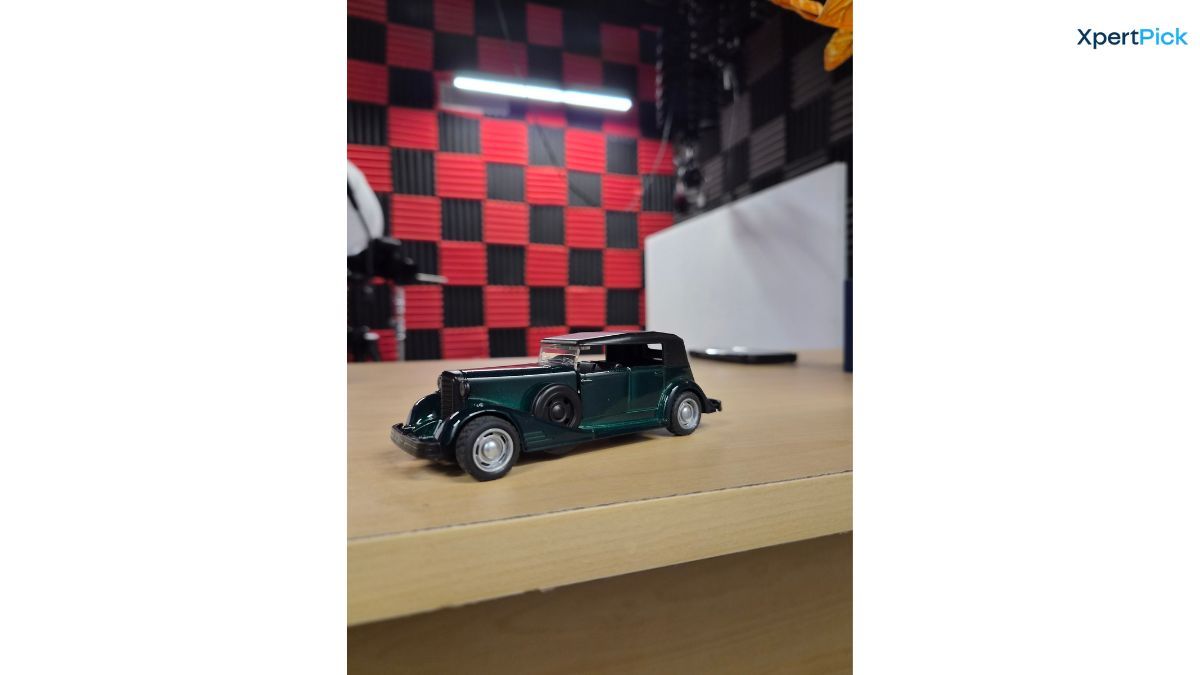
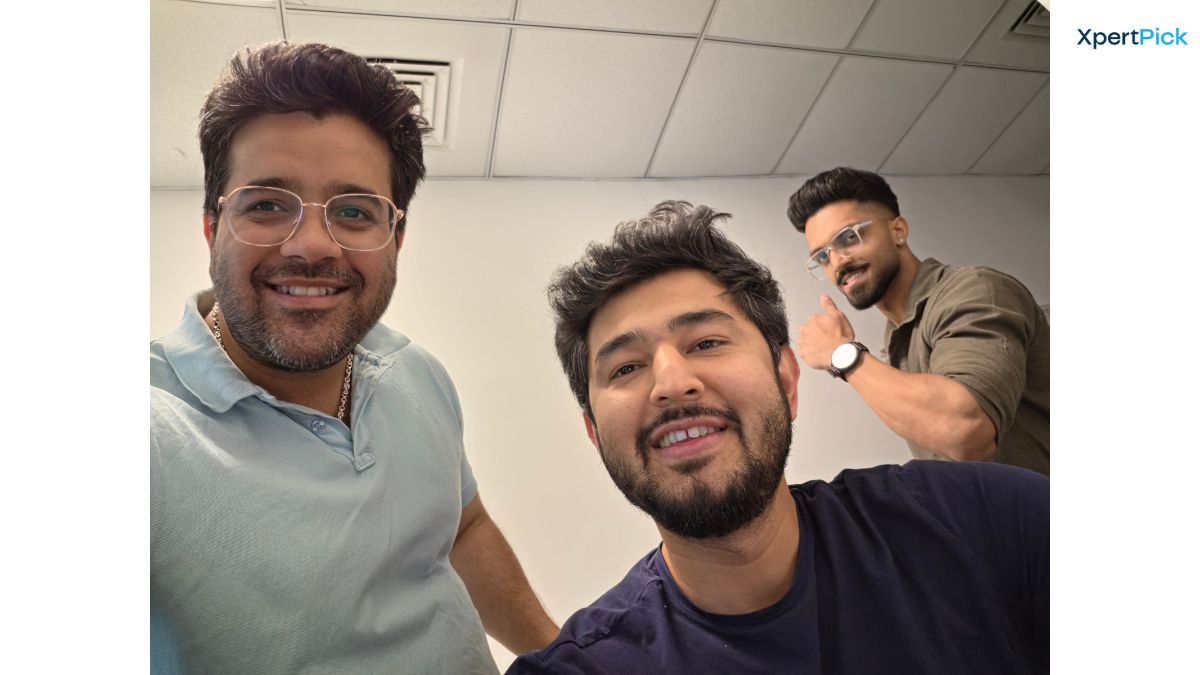


If you were hoping for a major optical overhaul this year, you might want to temper your expectations. Samsung has once again opted to reuse the same camera hardware seen in recent generations. The Galaxy S26 Plus features a familiar triple-lens setup: a 50MP primary sensor (f/1.8), a 12MP ultra-wide (f/2.2), and a 10MP telephoto (f/2.4) with 3x optical zoom. Selfie duties are handled by the same 12MP front-facing camera.
In good lighting, the S26 Plus captures excellent images with that signature Samsung punch. Colors lean slightly towards the vibrant side, the dynamic range is wide, and contrast is well-handled. The 3x optical zoom remains a fantastic focal length for portrait shots, offering natural-looking bokeh and great subject separation.
However, because this is an older hardware configuration, the phone relies heavily on the new image signal processor inside its 2026 chipset and software tuning to do the heavy lifting. While the new Galaxy AI “Photo Assist” features are genuinely impressive for cleaning up shadows or generating edits after the fact, the physical limitations of the hardware show when you push past 10x digital zoom. At higher magnifications, details start to take on a soft, somewhat “painted” look compared to phones packing higher-resolution telephoto lenses.
Night photography is generally crisp, with the processing doing a respectable job of brightening up dark scenes without introducing excessive noise. But the S26 Plus still wrestles with an age-old quirk: moving subjects. If you are trying to snap a picture of an active pet or a running child, the shutter speed sometimes fails to freeze the action, resulting in motion blur.
Furthermore, the 12MP ultra-wide lens still lacks autofocus. This means you cannot use it to take dedicated, close-up macro shots, a standard feature on many competing flagships that Samsung continues to reserve strictly for the Ultra model.
Where the Galaxy S26 Plus does see a notable step forward is in its video capabilities. The headliner this year is the introduction of Samsung’s Advanced Professional Video (APV) codec, which makes a real difference for content creators and videographers. You can now record up to 4K at 60fps using the APV codec on both the front and rear cameras, preserving excellent colour data and dynamic range for much easier post-production editing.
If you want to push the resolution, the phone can still shoot highly stabilized 8K video at 30fps. The Super Steady mode remains one of the best in the business for run-and-gun recording, keeping bouncy walking footage incredibly smooth. Overall, video capture is incredibly reliable, with smooth focus transitions and crisp audio capture, even in breezy environments.
Horizon Lock: A Digital Gimbal in Your Pocket
While the physical camera hardware remains largely unchanged this year, Samsung has introduced a major software upgrade for videographers: Horizon Lock. Building on the existing Super Steady mode, it effectively turns the Galaxy S26 Plus into a digital gimbal.
Instead of relying only on gyroscope data, the S26 series now uses real-time accelerometer input to calculate the direction of gravity. Combined with the upgraded 2026 Image Signal Processor (ISP), the phone dynamically crops and rotates the sensor output to keep the horizon level, even during aggressive movement. You can spin the phone 360 degrees or flip it upside down, and the footage still stays perfectly upright.
In practice, the effect is surprisingly smooth. Whether you are vlogging, tracking fast-moving subjects, or shooting handheld, Horizon Lock delivers a stable, almost “floating” look without needing a physical gimbal. It is also available on the Plus model, not just the Ultra.
There are trade-offs, though. Enabling Horizon Lock limits video resolution (typically to QHD/60fps or standard 4K) and caps zoom at 2x. Since the ISP is doing heavy real-time processing, you may also notice minor visual artefacts or slight lag during very sudden movements.
Performance: Efficient AI, but Gaming and Thermals Hold It Back
This year, the Samsung Galaxy S26 Plus is powered by the Exynos 2600, based on the 2 nm process. In raw benchmarks like Geekbench 6.6, the S26 Plus outperforms the S25 Plus, scoring 3,004 and 10,219 in single- and multi-core tests, compared to 2,842 and 9,821 on the S25 Plus. However, the Oppo Find X9 Pro, powered by the Dimensity 9500, scores 3,203 and 9,348, while the Snapdragon 8 Elite Gen 5-powered iQOO 15 scores 3,529 and 10,223.
| Device | Chipset | Geekbench 6 Single-Core | Geekbench 6 Multi-Core |
|---|---|---|---|
| Samsung Galaxy S26 Plus | Exynos 2600 (2 nm) | 3,004 | 10,219 |
| Samsung Galaxy S25 Plus | Exynos (previous gen) | 2,842 | 9,821 |
| Oppo Find X9 Pro | Dimensity 9500 | 3,203 | 9,348 |
| iQOO 15 | Snapdragon 8 Elite Gen 5 | 3,529 | 10,223 |
In the Geekbench 6 GPU test, the S26 Plus scores 24,103, while the S25 Plus scores 18,253. Meanwhile, the X9 Pro and iQOO 15 score 19,722 and 23,573, respectively. Similarly, the S26 Plus scores around 5,106 in 3DMark Wild Life Extreme, but its thermal stability of 49% is relatively low. For reference, in a similar price range, smartphones like the Oppo Find X9 Pro achieve around 66% thermal stability in the same test, along with a much higher score of 7,149.
| Device | Geekbench 6 GPU Score |
|---|---|
| Samsung Galaxy S26 Plus | 24,103 |
| Samsung Galaxy S25 Plus | 18,253 |
| Oppo Find X9 Pro | 19,722 |
| iQOO 15 | 23,573 |
Looking at a Snapdragon-powered device like the iQOO 15, its 3DMark Wild Life Extreme score is similar to the Dimensity 9500-powered X9 Pro, at around 7,127. However, it achieves a relatively lower thermal stability of around 58%.
| Device | 3DMark Wild Life Extreme Score | Thermal Stability |
|---|---|---|
| Samsung Galaxy S26 Plus | 5,106 | 49% |
| Oppo Find X9 Pro | 7,149 | 66% |
| iQOO 15 | 7,127 | 58% |
So far, what we are able to understand is that the Galaxy S26 Plus offers good single-core performance but great multicore performance. It lacks in the GPU department, both in terms of raw performance as well as thermal stability.
Looking at the Geekbench AI scores, the results are split depending on how each device handles AI workloads. The iQOO 15 clearly leads in GPU-based AI performance, scoring 2,861 in single precision, 4,394 in half precision, and 3,827 in quantised tests. In comparison, the Samsung Galaxy S26 Plus scores 2,213, 3,868, and 3,162, respectively, while the Oppo Find X9 Pro trails behind both. This means for heavy, graphics-intensive AI tasks such as image generation or real-time video effects, the iQOO 15 has the strongest raw performance.
However, the story shifts when looking at NPU performance. Here, the Galaxy S26 Plus takes a clear lead, scoring 681 in single precision, 662 in half precision, and 1,391 in quantised tests, comfortably ahead of both the iQOO 15 and the Oppo Find X9 Pro. Since the NPU is designed for efficient, on-device AI processing, this advantage suggests that the S26 Plus is better suited for sustained AI features such as live translation, voice processing, and camera-based scene detection, while also being more power efficient.
As for the Oppo Find X9 Pro, it falls behind in both GPU and NPU benchmarks, indicating that its AI performance is not as competitive as the other two devices. Overall, the comparison comes down to priorities. The iQOO 15 offers the highest peak GPU performance for demanding AI workloads, while the Galaxy S26 Plus stands out for its stronger and more efficient NPU-driven AI capabilities.
Simply put, the Samsung Galaxy S26 Plus is engineered for sustained, efficient, everyday AI tasks.
| Device | BGMI Avg FPS | BGMI 5% Low | Minecraft Avg FPS | Minecraft 5% Low |
|---|---|---|---|---|
| Samsung Galaxy S26 Plus | 114.5 FPS | 93.2 FPS | 49 FPS | 30 FPS |
| iQOO 15 | 119.6 FPS | 115.9 FPS | 59.2 FPS | 51.4 FPS |
| Oppo Find X9 Pro | 106.1 FPS | 100.6 FPS | 59 FPS | 44.5 FPS |
In terms of gaming, the Samsung Galaxy S26 Plus scored 114.5 FPS with a 5% low of 93.2 FPS. In Minecraft, the phone scored an average of 49 FPS with a 5% low of 30 FPS.
Meanwhile, the iQOO 15 scored an average of 119.6 FPS with a 5% low of 115.9 FPS in BGMI, while in Minecraft it scored 59.2 FPS on average and 51.4 FPS for the 5% low.
Lastly, the Oppo Find X9 Pro scored an average of 106.1 FPS with a 5% low of 100.6 FPS. In Minecraft, it scored 59 FPS on average and 44.5 FPS for the 5% low.
In BGMI, it’s actually performing well in terms of peak FPS. At 114.5 FPS, it’s not far behind the iQOO 15 (119.6 FPS), which tells you the chip has enough raw power. But the problem shows up in the 5% lows. Dropping to 93.2 FPS compared to 115.9 FPS on the iQOO 15 is a noticeable gap. That’s the difference between gameplay that feels consistently smooth and one that has occasional dips, especially in heavy scenes.
Minecraft exposes this even more. The S26 Plus averages just 49 FPS, while both the iQOO 15 and the Oppo Find X9 Pro are around the 59 FPS mark. More importantly, the 5% low of 30 FPS is quite low, which means you will feel stutters or frame drops during gameplay. The other two devices hold much better consistency here.
So the story is pretty straightforward. The S26 Plus has decent peak performance, but it struggles with consistency under load. That lines up with what I said earlier in thermal stability as well. It’s not a weak performer, but compared to the competition, it feels less stable when pushed, especially in sustained gaming scenarios.
Battery Life
In terms of battery life, it feels like Samsung still needs to do some work with the S26 Plus. Relying on a 4,900 mAh battery, it achieved a battery life of 12 hours 57 minutes in the PCMark 10 battery life test. However, if we compare it to other smartphones in its price range, like the Oppo Find X9 Pro, which packs a massive 7,500 mAh cell, that device achieved 25 hours 31 minutes.
| Device | Battery Capacity | PCMark 10 Battery Life |
|---|---|---|
| Samsung Galaxy S26 Plus | 4,900 mAh | 12 hours 57 minutes |
| Oppo Find X9 Pro | 7,500 mAh | 25 hours 31 minutes |
| iQOO 15 | 7,000 mAh | 23 hours 45 minutes |
| Motorola Signature | 5,000 mAh | 16 hours 51 minutes |
Moreover, if we consider similar Snapdragon 8 Elite Gen 5 flagships like the iQOO 15 and its hefty 7,000 mAh battery, it achieved a runtime of 23 hours 45 minutes, clearly highlighting the gap in both physical capacity and overall endurance.
If we look at devices with a similar battery capacity and form factor as the S26 Plus, the Motorola Signature, with its 5,000 mAh battery, scored 16 hours 51 minutes, while the S26 Plus, with a 4,900 mAh battery, achieved significantly less.
Verdict: A Safe Flagship in a Competitive Market
The Samsung Galaxy S26 Plus is a phone that feels refined rather than reinvented. It gets the fundamentals right: the design is polished and comfortable to use, the display remains one of the best in the segment, and day-to-day performance is fast, efficient, and reliable.
Features like Horizon Lock and improvements to on-device AI show that Samsung is leaning more into software-led innovation this year, and in those areas, the S26 Plus genuinely stands out.
But once you look beyond the surface, the trade-offs become clearer. The camera hardware is starting to show its age, gaming performance lacks consistency compared to rivals, and battery life is simply not competitive in a segment where others are pushing far larger capacities and significantly better endurance.
Even in performance, while CPU and AI efficiency are strong, GPU output and thermal stability fall behind competing flagship chipsets.
What this leaves you with is a very specific kind of flagship. The S26 Plus is best suited for users who value a clean, well-optimised experience, strong display quality, and reliable everyday performance over raw power or cutting-edge hardware.
As it stands, the Galaxy S26 Plus is a good phone paired with a reliable and predictable software experience. If that is the kind of thing you value in a smartphone, then the Samsung Galaxy S26 Plus will not disappoint you.
Pros:
-
Stunning Display: 6.7-inch QHD+ AMOLED hitting 2,600 nits of peak brightness.
-
Horizon Lock Video: “Digital gimbal” software delivers incredibly stable, rotatable footage.
-
Sleek & Ergonomic: At just 7.3mm thick and 190 grams, it perfectly balances big-screen real estate with daily comfort.
-
Efficient NPU AI: Exynos 2600 handles everyday AI tasks (live translation, scene detection) with exceptional power efficiency.
Cons:
-
Subpar Battery Life: The 4,900 mAh cell manages only ~13 hours in PCMark, vastly outperformed by rivals packing 7,000+ mAh batteries.
-
Inconsistent Gaming: Noticeable frame drops (low 5% lows) in titles like BGMI and Minecraft due to poor thermal stability.
-
Stagnant Camera Hardware: Reused sensors, struggles with motion blur in low light, and the ultra-wide still lacks autofocus.
-
Reflective Screen: Lacks the incredible anti-reflective Gorilla Armor found on the Ultra model.