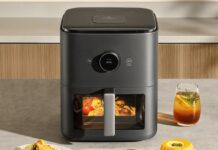
You bought an air fryer, kept it somewhere in the kitchen, and thought that you’re good to go. Right? Wrong! You can’t place the air fryer anywhere; you need to consciously place the air fryer to keep it maintained and cook food efficiently.
We have seen that people place their air fryers pushed against walls, under cabinets, on plastic side tables, and even plug them into cheap extension boards. This might seem harmless because an air fryer is a small and manageable device, unlike an oven or a gas stove. It doesn’t look as intimidating, so we assume it doesn’t need the same care.
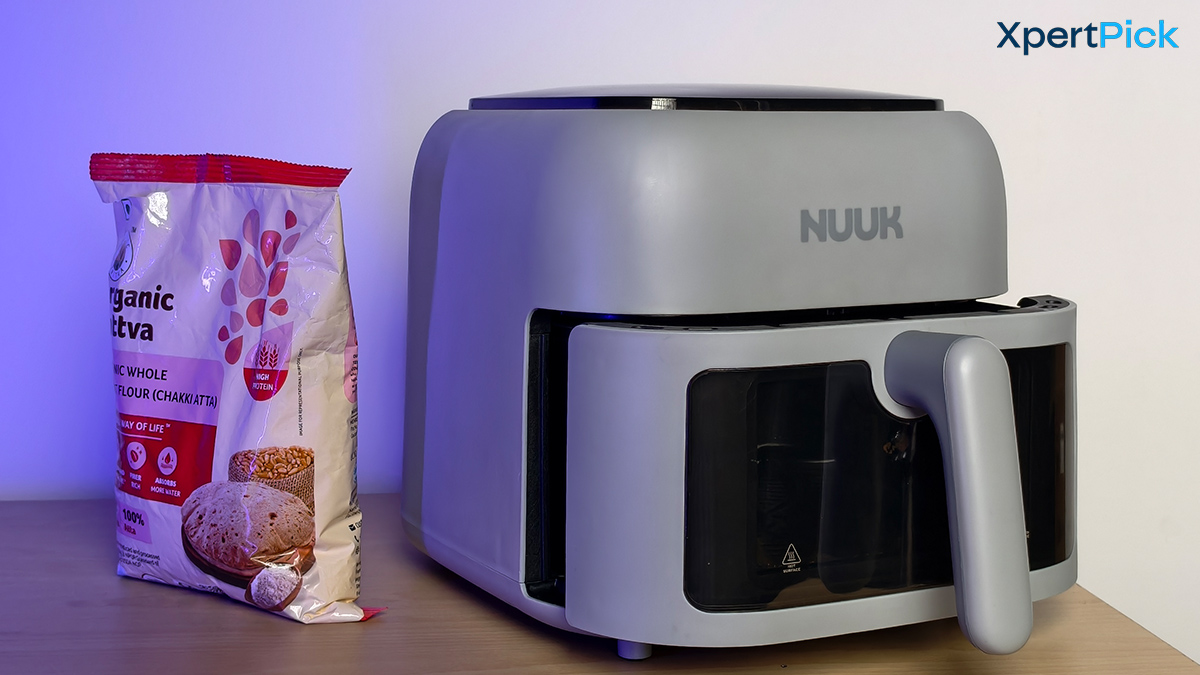
But see, an air fryer is still a high-heat appliance with a powerful heating element and a fan, which is packed into a tight space. And good placement is not only responsible for safety, but also for how well the air fryer cooks and how long it lasts.
Here’s everything you need to know about the placement of your air fryer.
Why Placement Matters
You know that an air fryer works by circulating extremely hot air inside a small chamber. To do this, it needs to pull in air and push hot air out through vents. These vents are usually located at the back or sides of the air fryer.
If these vents are blocked, even slightly, then heat builds up inside the air fryer. Now, this trapped heat not only affects cooking, but it also puts stress on internal wiring, weakens the plastic parts, and can even damage nearby surfaces.
If you have placed your air fryer under a cabinet, you might have noticed that over time, cabinets develop heat stains, the laminate might be peeling off, and in some cases, the sides of modular kitchens might also deform. It doesn’t happen in one day, which is why people don’t immediately connect it to the air fryer sitting underneath.
Apart from all this, when it comes to air fryers, they consume a lot of power, and it is important to consider the electrical load as well. If you plug an air fryer into thin extension cords or overloaded power strips, then it can cause the plug or wire to overheat.
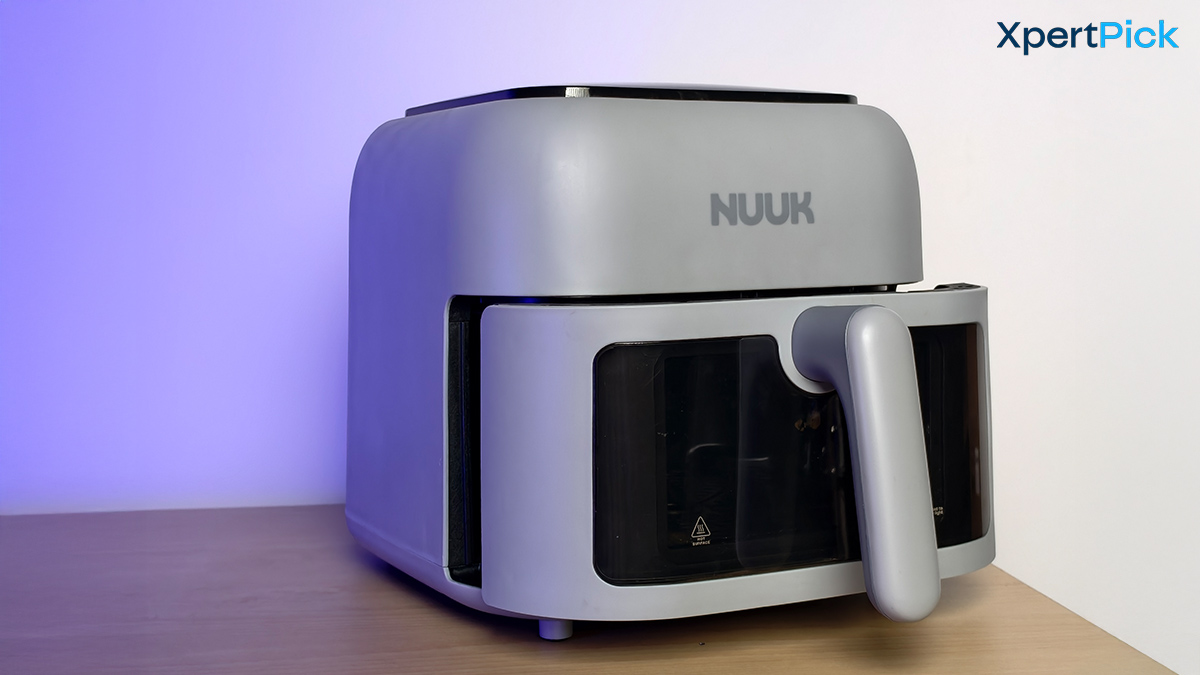
Plus, the surface that you place the air fryer on also matters. Cloth covers, plastic stools, or unstable side tables trap heat or become fire risks. Air fryers radiate heat downward and outward. Hence, a surface that seems okay for something like a mixer grinder may not be safe for an appliance that runs at 200°C for long periods.
And lastly, you also need to consider the moisture in the kitchen. If you place the air fryer close to the sink, then water splashes, steam, and damp counters can affect the sockets and wiring, which can lead to short circuits.
How to Place Your Air Fryer Safely
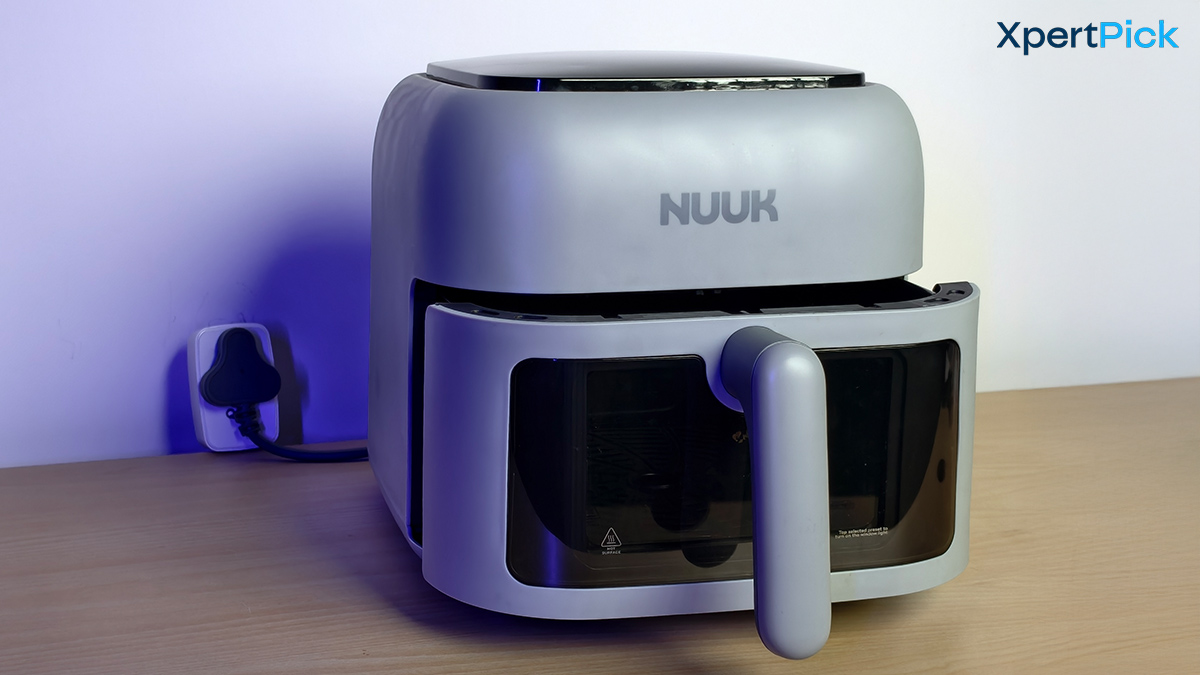
By now, you might have figured that the safest place to place an air fryer is a flat, heat-resistant countertop with space around it for air to flow properly.
Make sure that you leave a few inches of space at the back and sides of the air fryer so that the vents aren’t blocked. And also, don’t place the air fryer directly under overhead cabinets, especially if they are made out of laminate or MDF, because hot air from the air fryer rises and can weaken glue or misshape the surface over time.
The next step is to plug the air fryer directly into a wall socket whenever possible. Extension cords and low-quality power strips are one of the most common causes of melted plugs. If you absolutely need an extension, then use a heavy-duty one which is specifically rated for high-voltage appliances. Don’t use the thin boards that are meant for chargers.
Also, the surface that you place the air fryer on should be stable and heat-resistant. Granite or stone countertops work best. Plastic tables, cloth mats, and wooden stools can trap heat and can become fire hazards.
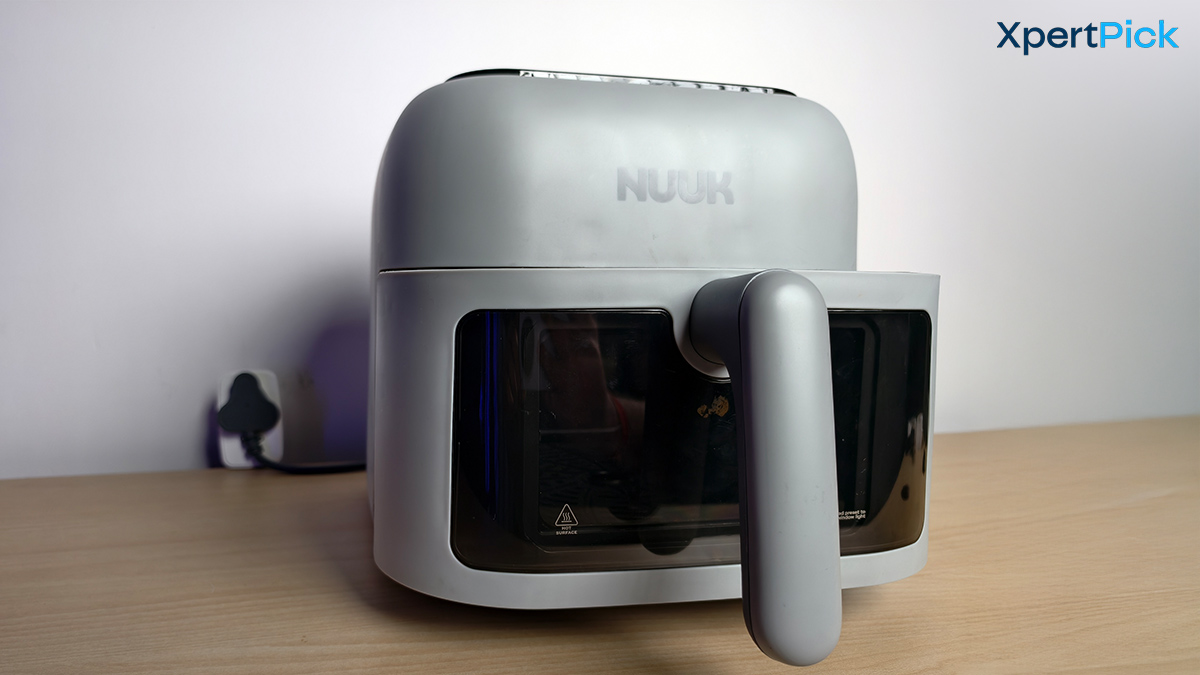
A few more things you need to remember. Make sure that you do not place the air fryer right next to the sink, where splashes are common. Moisture can damage the air fryer. Also, don’t store anything on top of the air fryer. See the heat that the air fryer emits rises, and things like spice jars and plastic containers can get damaged.
Why is all of this important? Good placement also improves cooking. The logic is simple. Proper positioning allows for proper airflow, which helps the fan circulate heat evenly, resulting in better browning of food, faster cooking, and reduced stress on the appliance.
Good Tech Needs the Right Setup
See, the air fryer looks compact, but it behaves more like a small convection oven. It generates intense heat, draws a lot of power, and needs proper ventilation to function safely. So the positioning is not just about saving counter space; it also affects airflow, wiring safety, and even how evenly your food cooks.
After testing a bunch of air fryers, we figured that air fryers pushed against walls, kept under cabinets, or plugged into cheap extension boards can’t handle the load properly. If you move the appliance a few inches and plug it into a proper wall socket, you will not face issues such as overheating.
Air fryers are great to keep in the kitchen, but they do need a thoughtful setup, and now you know how to place them properly.