Air fryers are marketed as oil-free cooking machines, and for most of us, that promise becomes the reason why we buy an air fryer in the first place. Deep-fried food without oil, snacks without grease. Basically, our favourite food without calories and guilt.
But the moment you start cooking in an air fryer, the reality of things hits. If you just toss plain potatoes or veggies like cauliflower in the air fryer basket without oil, the results are rarely as you expected them to be. The edges are dry, they look dull and not as appetising, and instead of becoming crispy, the vegetables often turn leathery.
But hey, wait. The issue isn’t with the device. It’s just that we didn’t spend some time understanding how this device actually works. There are some tricks to make the magic happen.
If you want crispy veggies and fries in your air fryer, this is your help guide!
Why Veggies Don’t Turn Out Crispy
There’s a little bit of science involved here. Unlike wheat, vegetables don’t contain any fat. Your chicken, fish, and paneer release some of their own oils when they are heated. Which helps them get that brown effect naturally. And vegetables don’t have that advantage.
As you know, air fryers cook food by circulating hot air rapidly around the chamber. That moving air quickly removes surface moisture. If you are not using any oil, then the vegetables will simply dry out before they even have a chance to brown properly.
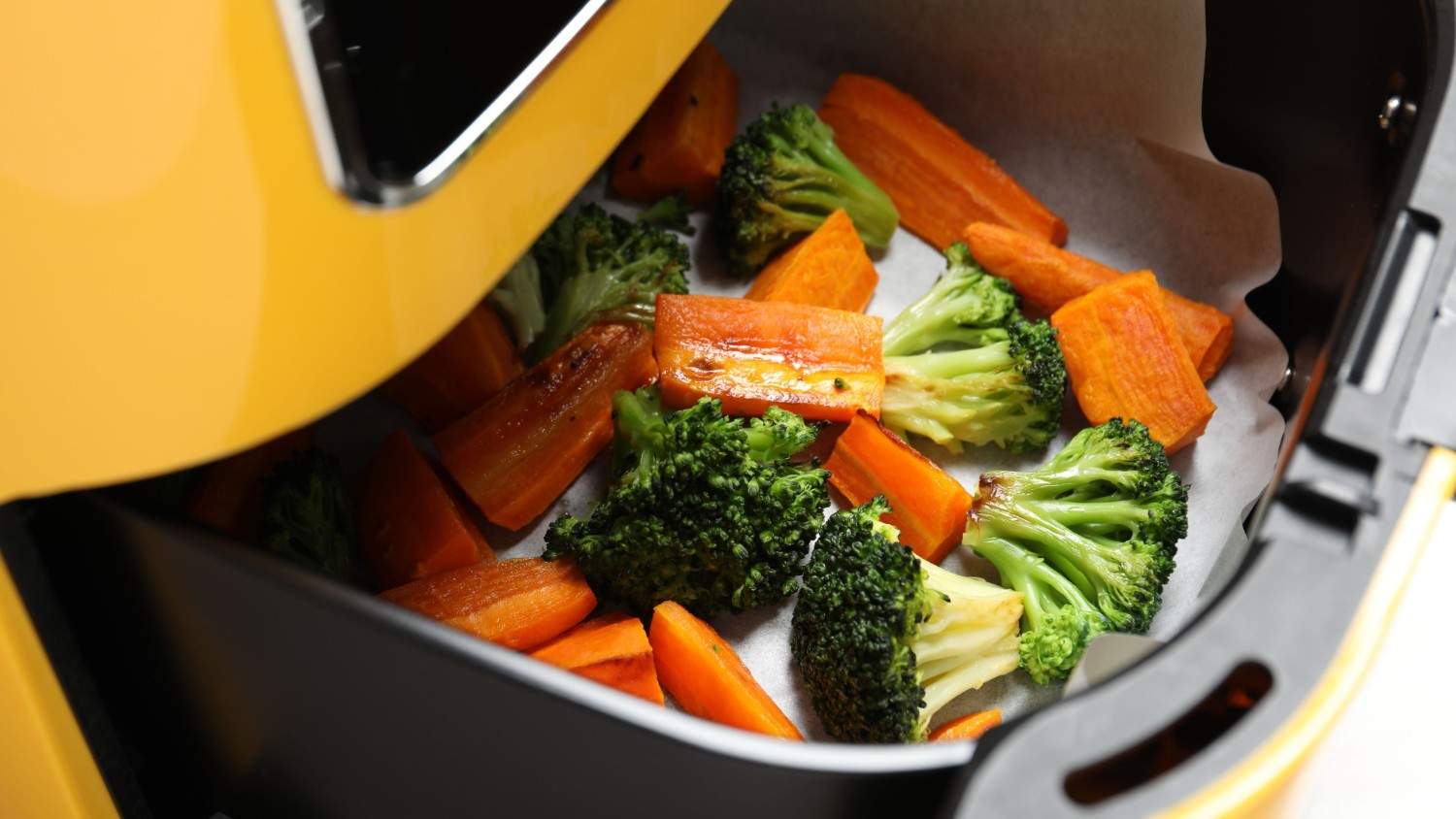
Oil has two important functions. Firstly, it helps transfer heat evenly to the surface of vegetables. And second, it promotes that browning. It’s called the Maillard reaction- the chemical process which is responsible for the golden crust and roasted flavour.
So, without a little spray of oil, your veggies will get cooked, no doubt. But they won’t get crispy or have the roasted texture that you might have been expecting.
So, How Much Oil Do You Use?
It’s an air fryer, so you don’t need a pool of oil. The simplest way to fix this issue is what a lot of people call the “oil toss rule”.
Before you put your veggies in the air fryer, toss them lightly with oil. You don’t have to drench them; just a very light coat is enough. Or an easier way is to get one of those oil sprays, or use a spray bottle to spray a very small quantity of oil on your veggies.
A teaspoon or two is usually enough for an entire basket of vegetables. See, the goal is to create a thin, even film that helps heat spread across the surface. If you use too much oil, it defeats the purpose of air frying, and too little oil will prevent good texture. It’s important to hit that sweet spot.
What Veggies Work Best in an Air Fryer
Some veggies work really well in an air fryer, especially when they are cut evenly and lightly tossed in oil.
Potatoes, any kind, wedges, fries, work really well. Fresh potatoes crisp well when they are cut evenly, dried properly, and lightly coated with oil before cooking. Sweet potatoes also work well because their natural sugars caramelise quickly under high heat.
Corn is another vegetable that works well in an air fryer. When brushed with a little oil and cooked at high heat, the kernels develop a slightly charred, roasted flavour. This is my personal favourite and turns out much like the street style crispy corn, minus the calories. Just remember to place a piece of parchment paper before putting your kernels in the basket. Safety purposes.
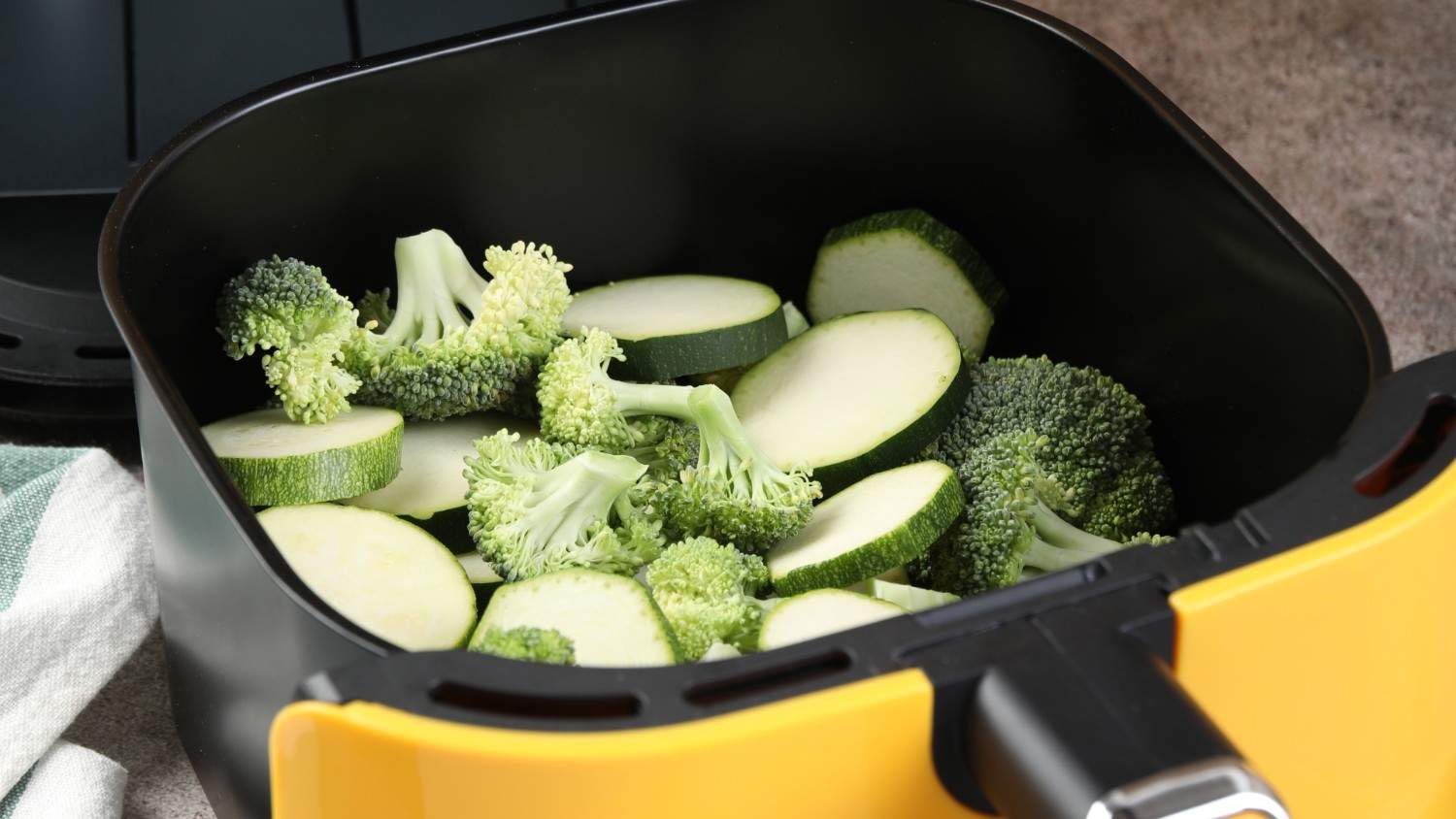
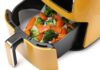
Even vegetables like okra (bhindi), cauliflower, and broccoli can turn crispy in an air fryer when lightly coated in oil and spaced properly in the basket. In fact, fried okra has become one of the most viral air fryer recipes online. You simply have to thinly slice okra and put it in the air fryer; it turns crunchy, almost wafer-like, and is a relatively healthy snacking obsession. If you don’t trust on this, you can check out the gram for this.
And vegetables like carrots, mushrooms, zucchini, bell peppers, and asparagus respond well to air frying when you cut them evenly and cook them in a single layer.
You just have to make sure that the pieces are not stacked on top of each other. Since air fryers rely on circulating heat, overcrowding the basket prevents that heat from reaching all sides of the food.
Fresh Fries vs Frozen Fries
Okay, so frozen French fries and fresh French fries behave differently in an air fryer, and you need to keep that in mind to make sure you get good results every time. Frozen fries are usually pre-fried during their processing stages. They already contain some amount of oil, so you don’t need to add any additional oil to make them crispy.
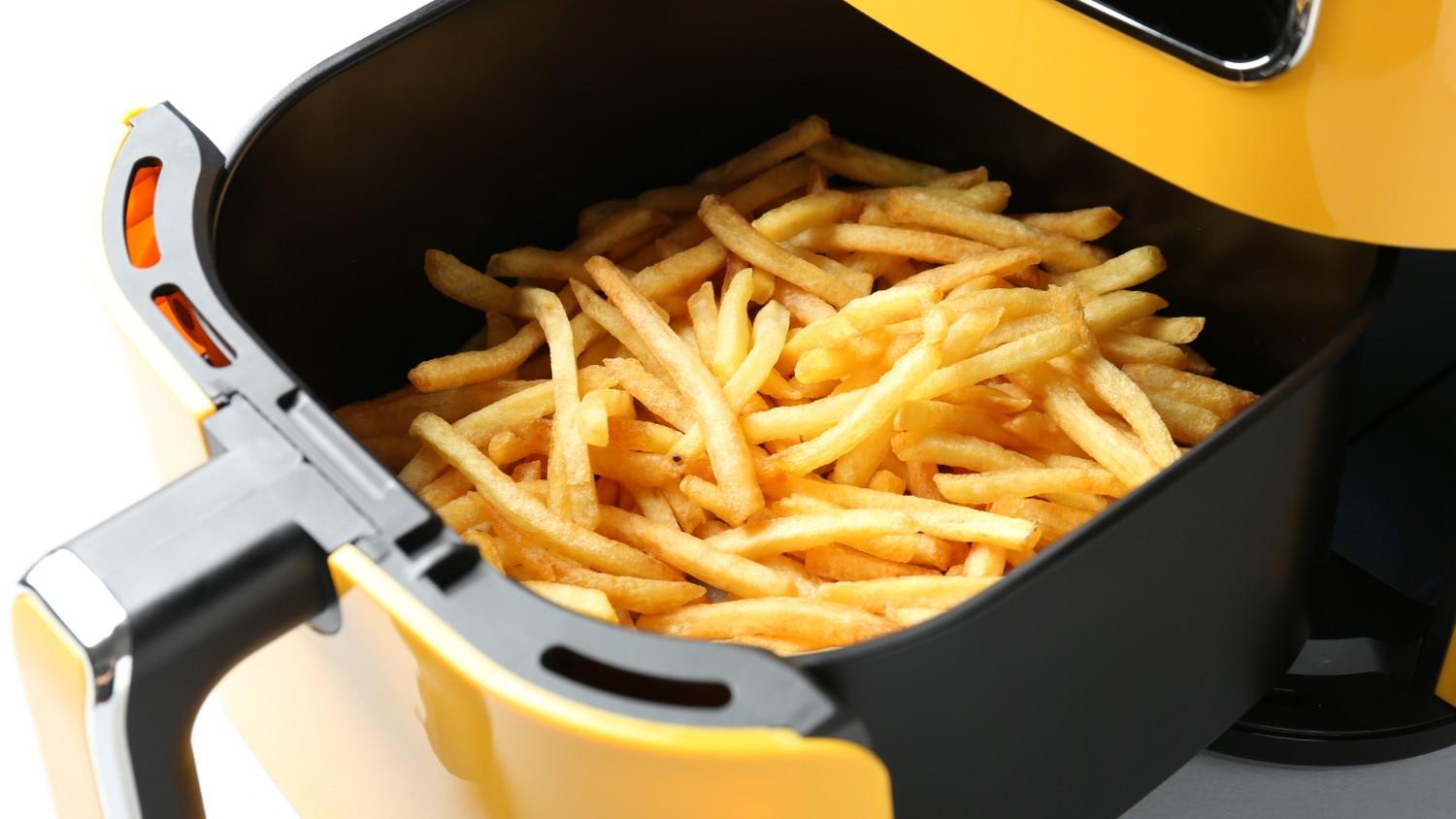
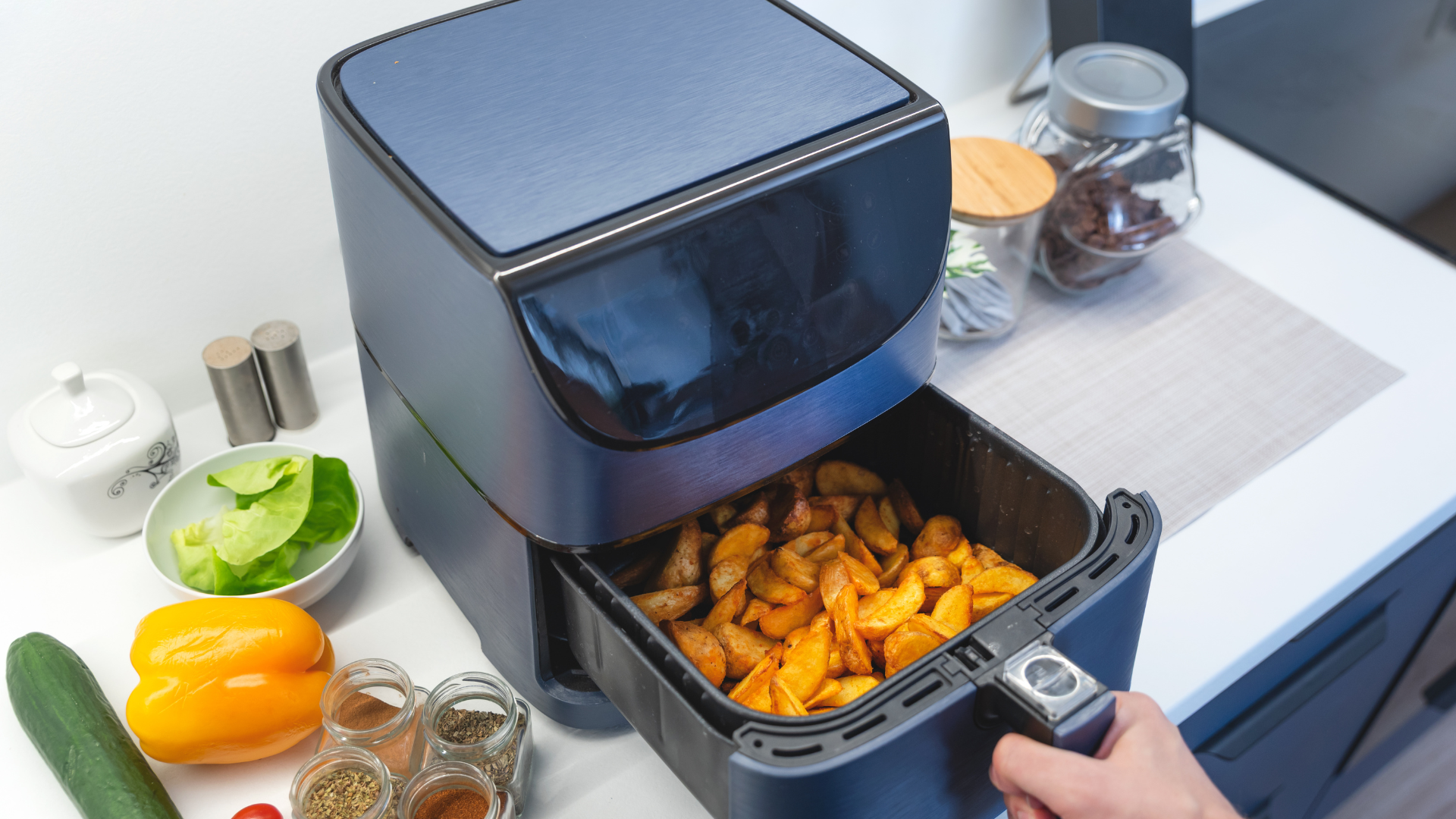
But fresh fries do need a little bit of attention. After cutting the potatoes, make sure that you wash off the excess starch and pat them dry thoroughly. Then toss them in oil, or spray some oil, whatever works for you. And then put them in the air fryer. If you skip the drying step, there might be too much moisture on the surface of the potatoes, which often leads to soggy fries instead of crispy ones.
You can air fry them for about 15-20 minutes at around 180–200°C.
It is the small things that you need to take care of that make all the difference between dull, leathery vegetables and crispy, roasted ones that you’ll actually enjoy eating. So keep these tips in mind. Happy cooking!