Our washing machines work hard almost every single day, scrubbing away sweat, dust, food stains, pet hair, and even hard water if you’re living in cities like Delhi. We just throw in the clothes, add detergent, and hit start, trusting that the machine would do its thing. But one thing that we don’t often think about is the maintenance of our washing machines.
There’s one component in most washing machines that many don’t even know of, and if you don’t clean it regularly, then it can lead to smelly clothes, slow drainage, and expensive repairs. Yes, I am talking about the washing machine lint trap. Many people don’t even know their washer has one. The problem? When it’s clogged, your clothes don’t get as clean as you think they do.
What Is a Washing Machine Lint Trap?
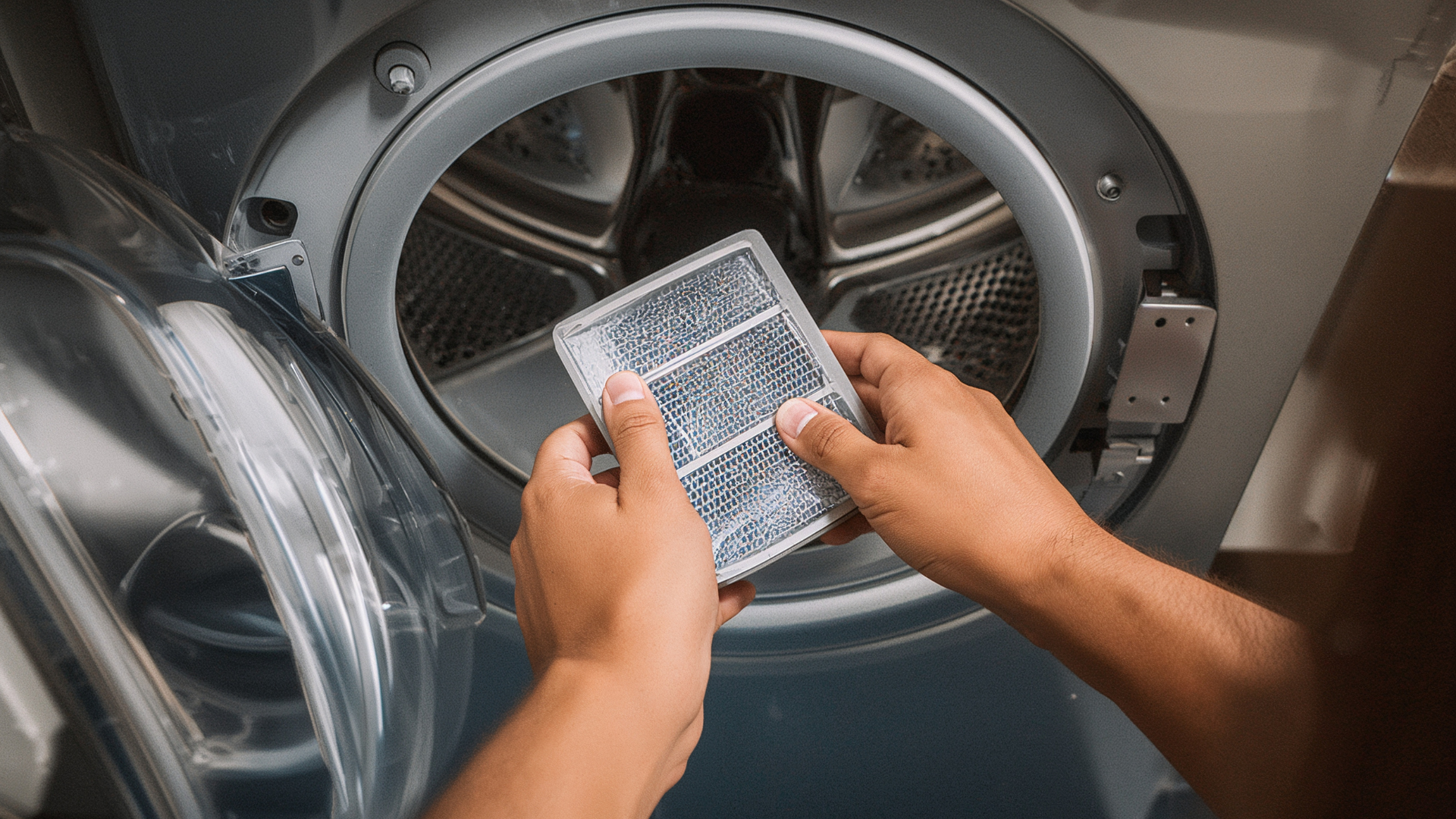
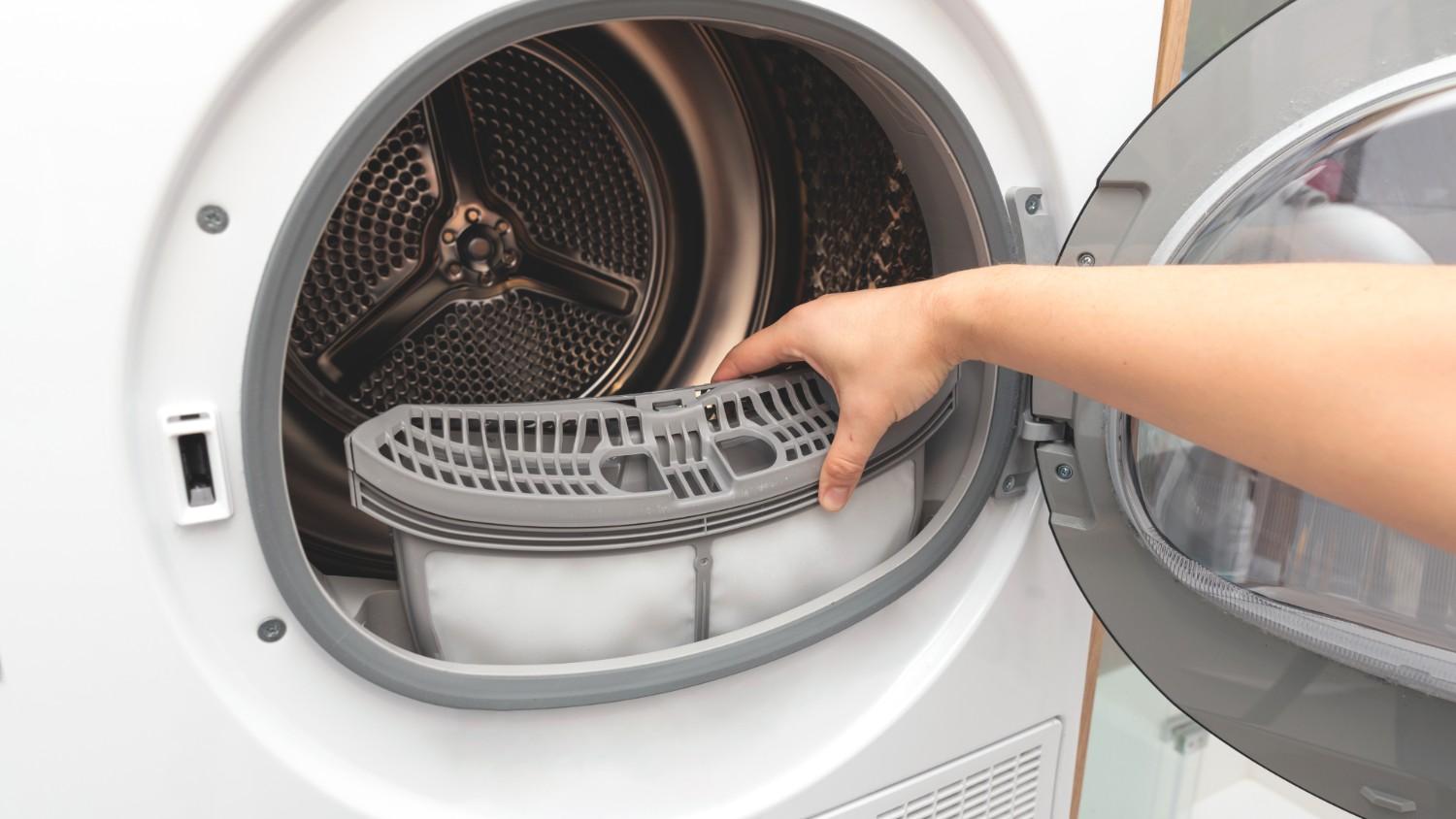
A washing machine lint trap, or in common language, its filter, collects lint, hair, threads, dust, and debris that come off the clothes during a wash cycle. It has a simple job to stop all the waste from clogging the drain pump or sticking to the clothes. Think of it as a dirt magnet.
In our indian homes, this filter mostly works overtime. In a dusty environment, with hard water, frequent wash cycles, and heavy fabrics like towels, denim, dupattas, and bedsheets, lint builds up pretty fast. And when the filter is not cleaned regularly, it can silently turn into a problem.
Why Is It Important to Clean the Lint Trap?
I am sure most of you would not have even thought that cleaning the filter is an important task. This is because ignoring it doesn’t usually cause instant damage; it shows up slowly.
Here are some things that start happening gradually if you don’t clean the lint trap on time:
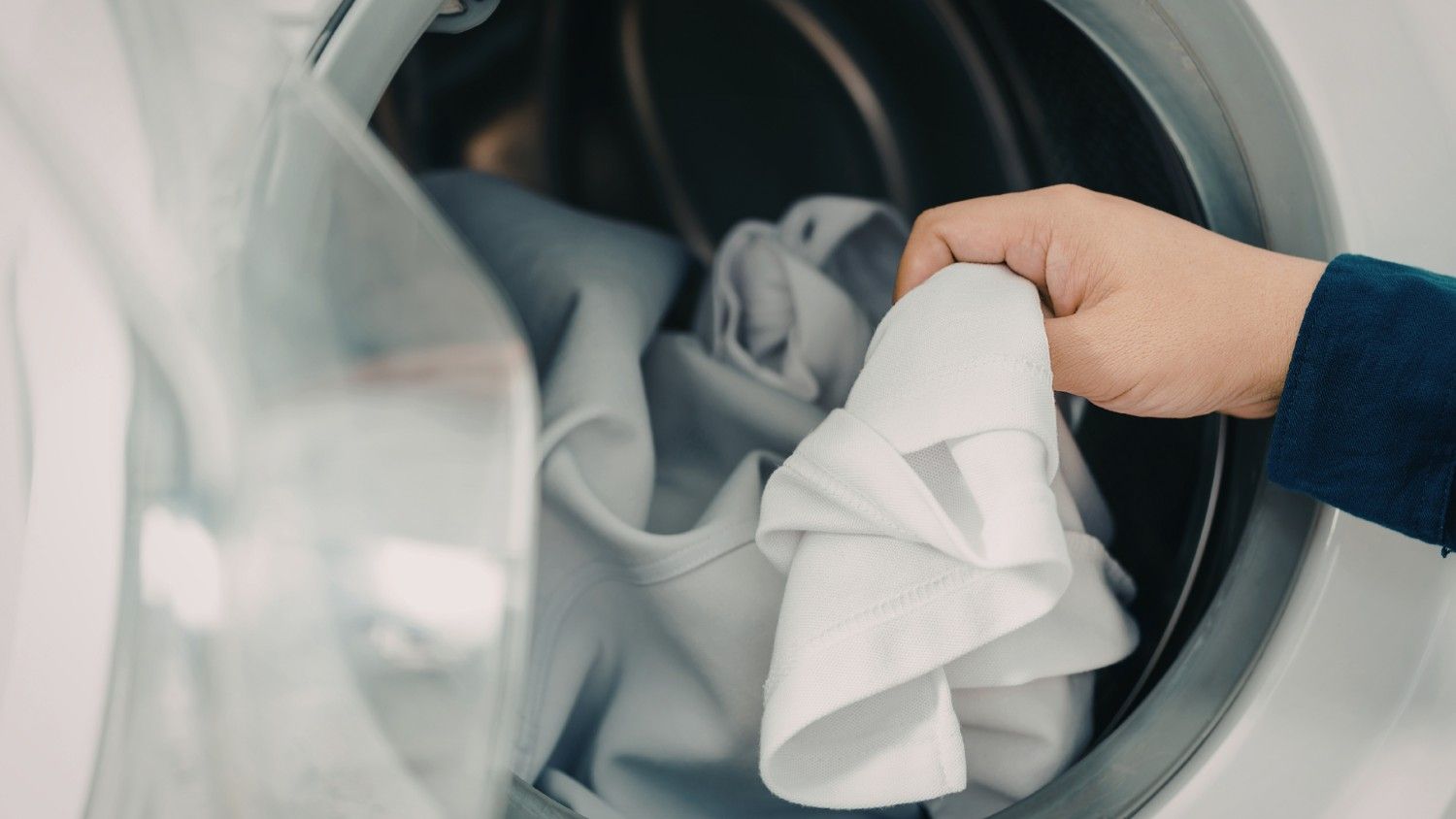
- Clothes smell: Has this happened with you, where you pulled out the clothes from the washing machine after the cycle, and they have a damp, unpleasant smell? This can happen because a dirty lint trap can trap moisture, detergent residue, and bacteria, which then get transferred back onto clothes during the rinse cycle.
- Lint on clothes: If your black clothes come out of the washing machine covered in fuzz or pet hair, chances are that the filter is already full and clogged and can’t catch new debris. So, the debris circulates back into the drum.
- Water drains slowly: If the lint filter is full, it becomes harder for water to drain efficiently, eventually causing longer wash cycles, weak spin performance, or clothes coming out dripping wet.
- Higher chances of breakdowns: Excess buildup of lint in the filter puts extra strain on the drain pump and motor. This is one of the most common reasons washing machines start leaking, making unusual noises, or refusing to drain. And repairing that costs a lot more than simply cleaning the lint trap.
How Often Should You Clean the Filter?
For most Indian households, it is recommended that you clean your lint filter once every 2-4 weeks. It also depends on the season; if you’re washing more winter clothes, then you should do it more often.
You should clean it more frequently (every 2 weeks) if:
- You wash clothes almost daily
- You have pets at home
- You regularly wash heavy items like blankets, curtains, or rugs
- Your home tends to collect a lot of dust
If your machine starts smelling, draining slowly, or leaving residue on clothes, consider that a sign that the lint trap needs attention.
Where to Find the Lint Filter
The placement of the lint filter will depend on whether you have a top-load or front-load washing machine, and also the brand that you’re using. The fastest and best way to find the filter is to look for it in the manual, if you still have it. If not, follow these steps:
Top-Load Washing Machine
Inside the Agitator (Common in Older Models)
- Switch off the power and unplug the machine.
- Remove the agitator cap; this may pull straight up or twist open.
- Lift out the inner tube inside the agitator to find the lint screen.
- Pull out the screen using the tab.
- Remove lint by hand, then scrub gently with an old toothbrush.
- Rinse under warm water and soak for a few minutes in warm water with dish soap or diluted vinegar.
- Clean the agitator cavity using a vacuum or a damp cloth.
- Reinstall everything safely and run a short empty rinse cycle.
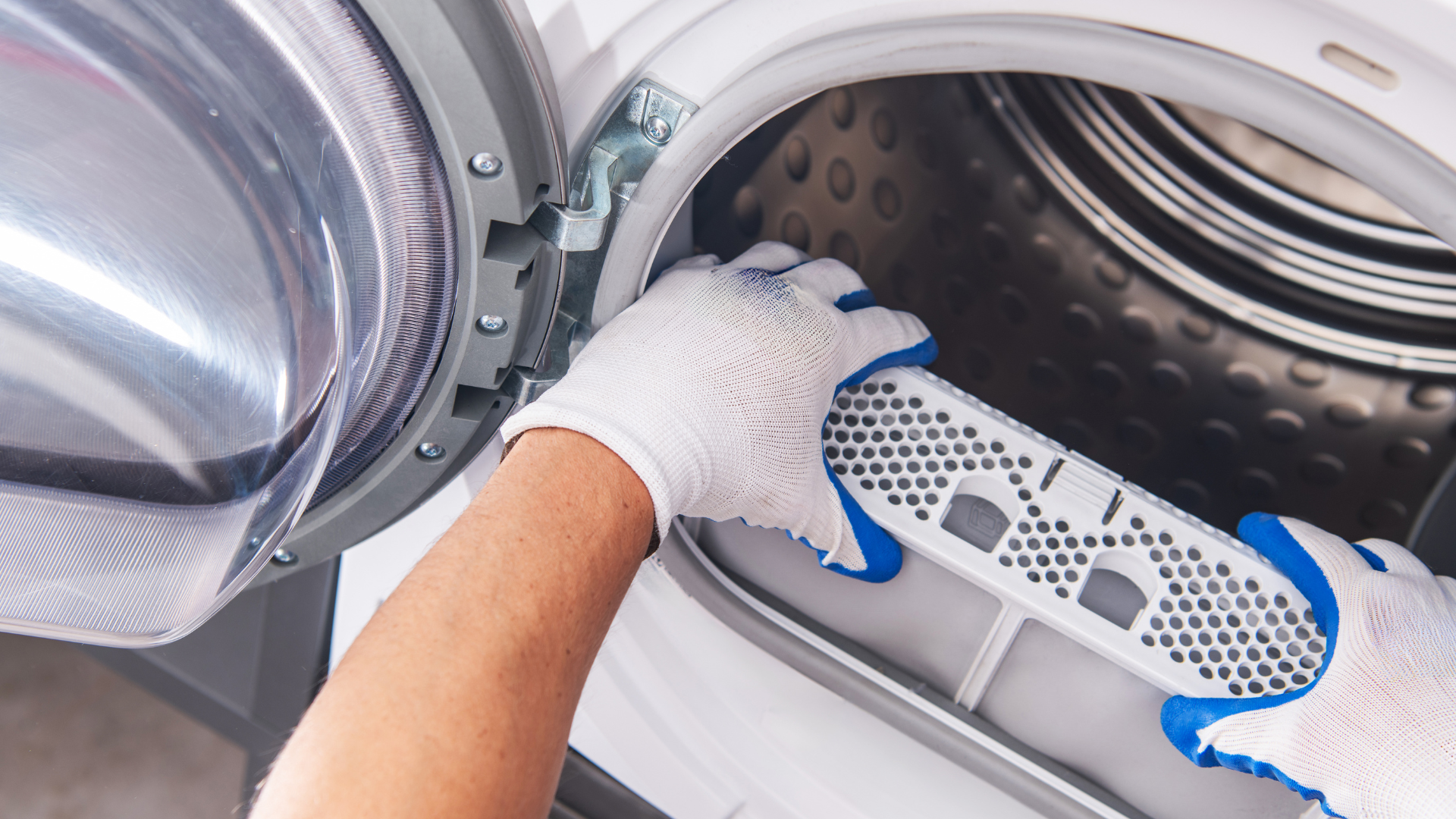
Option 2: Along the Drum Rim or Under the Lip
- Turn off and unplug the machine.
- Check the top inner rim of the drum for a narrow plastic screen or slot.
- Pull out the filter, remove lint, and rinse under warm water.
- Scrub gently with a toothbrush if needed.
- Vacuum and wipe the slot before reinserting the filter.
- Click it back into place and run a short rinse cycle.
Front-Load Washing Machine
Follow these steps:
1. Unplug the machine.
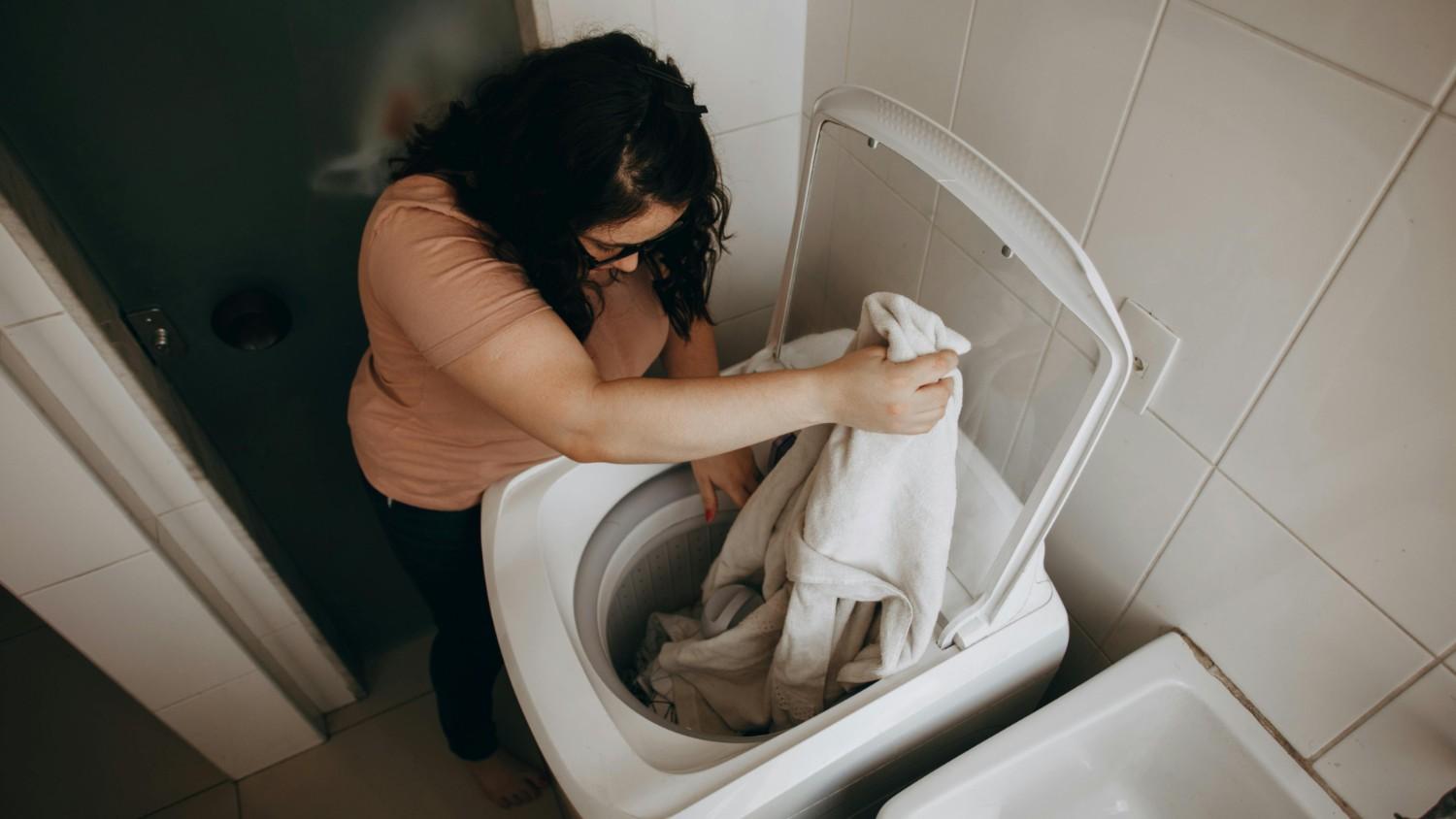
- Locate the access panel at the bottom front corner of the washer.
- Place a shallow tray or bowl under it and keep a towel handy.
- Open the emergency drain hose and let the leftover water drain out slowly.
- Unscrew or pull out the lint filter.
- Remove lint, coins, hair, and debris by hand or with tweezers.
- Soak the filter in warm soapy water for 10 minutes, then rinse.
- Vacuum and wipe the filter cavity.
- Reinsert the filter firmly and close the access panel.
- Wipe the rubber door gasket and clean the detergent drawer.
- Run an empty hot wash cycle or the machine’s cleaning cycle, if available.
Things to Keep in Mind
While it is important that you clean the lint filter regularly, you can build some small habits into your routine so that it gives more breathing room to the filter.
- Shake off excess dust and hair from clothes before washing
- Avoid overloading the machine
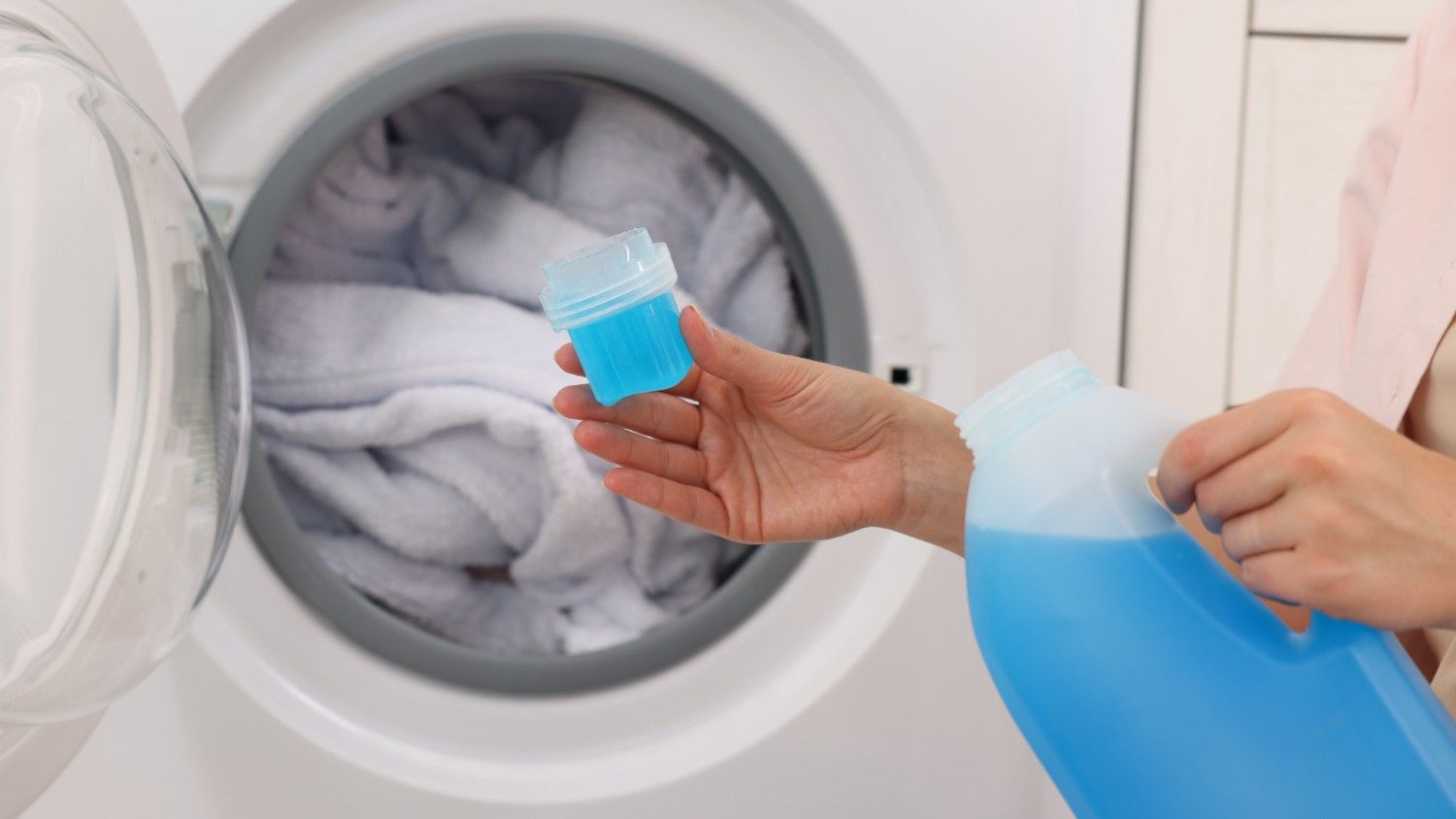
- Use the recommended amount of detergent (more is not better)
- Leave the door open after washing to prevent moisture buildup
- Wipe the door seal and detergent drawer weekly
Also, if you can’t find the lint trap, chances are that your washing machine does not have a user-accessible filter. In that case, calling a professional is the best.
So, to sum it all up, a few minutes of cleaning and extra care can save you from smelly clothes, stubborn lint, and costly repairs down the line. If you already invest time and money in good detergent and fabric care, this is one habit worth adding to your routine.