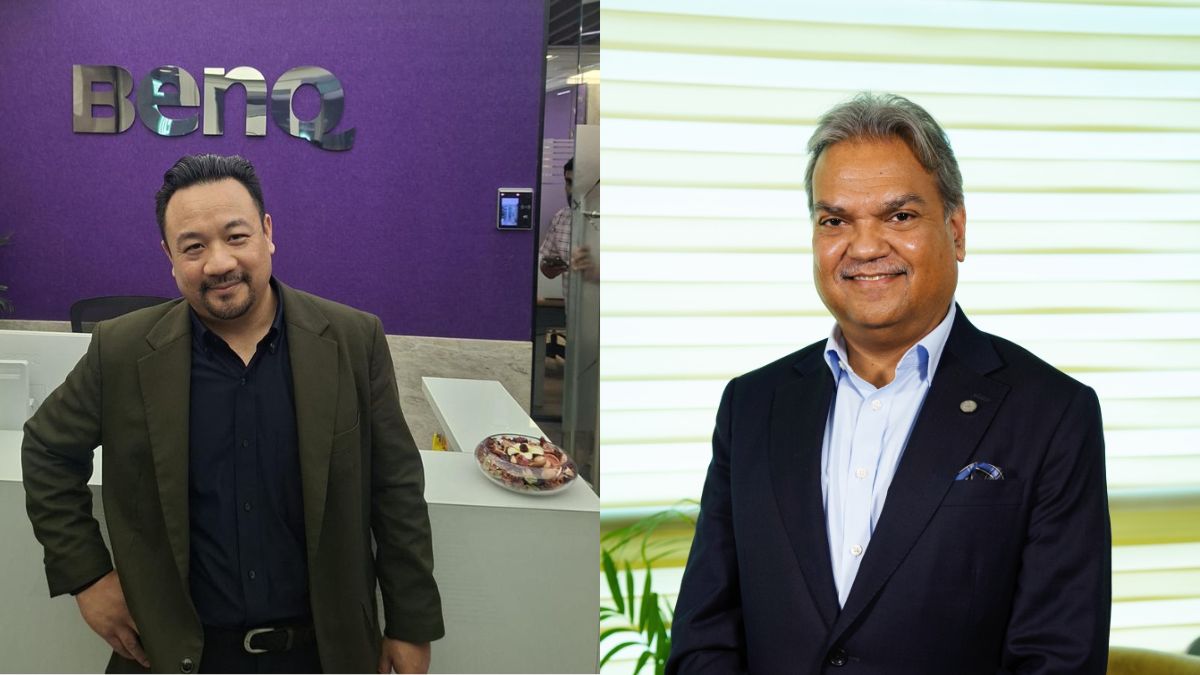
Recently, I had the opportunity to sit down with BenQ’s leadership following the launch of their latest enterprise display solution, the VS25. In this exclusive interview, we speak with Mr. Pablo T R Yang, Product Marketing Manager at BenQ Taiwan, and Mr. Rajeev Singh, Managing Director for BenQ India & South Asia.
They share their perspectives on the real-world utility of the VS25, BenQ’s roadmap for making OLED monitors more accessible, and how the company’s smart projectors are positioned to challenge the traditional living room TV setup.
Initial Impressions on the BenQ InstaShow VS25
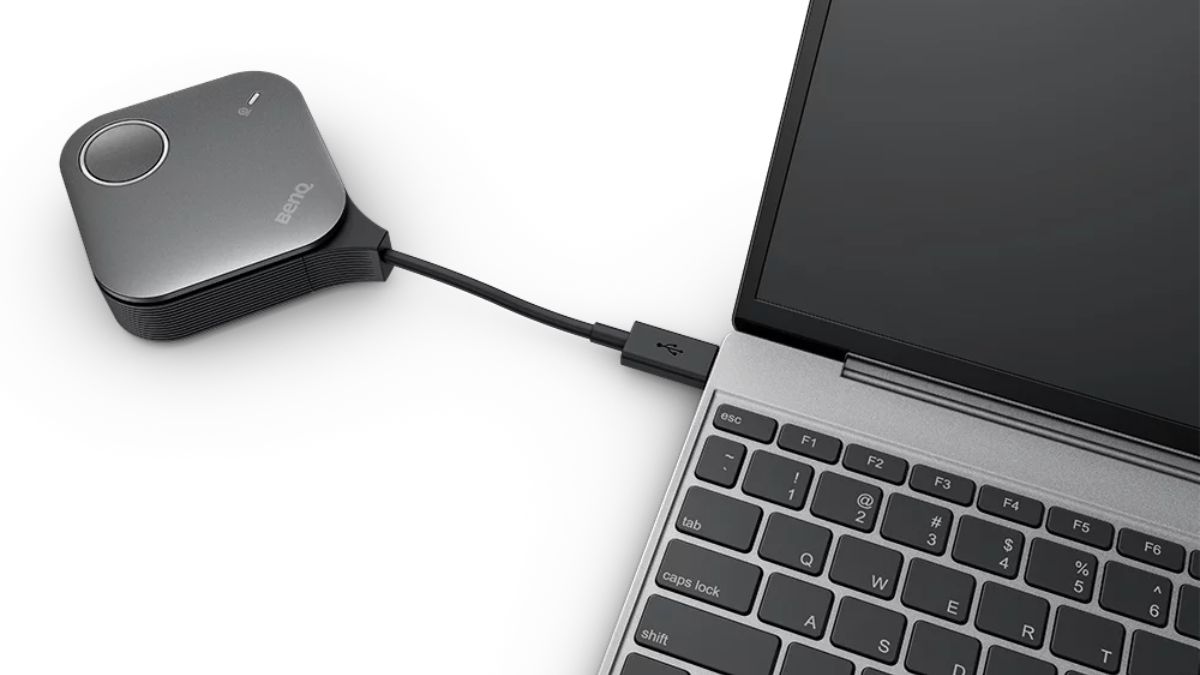
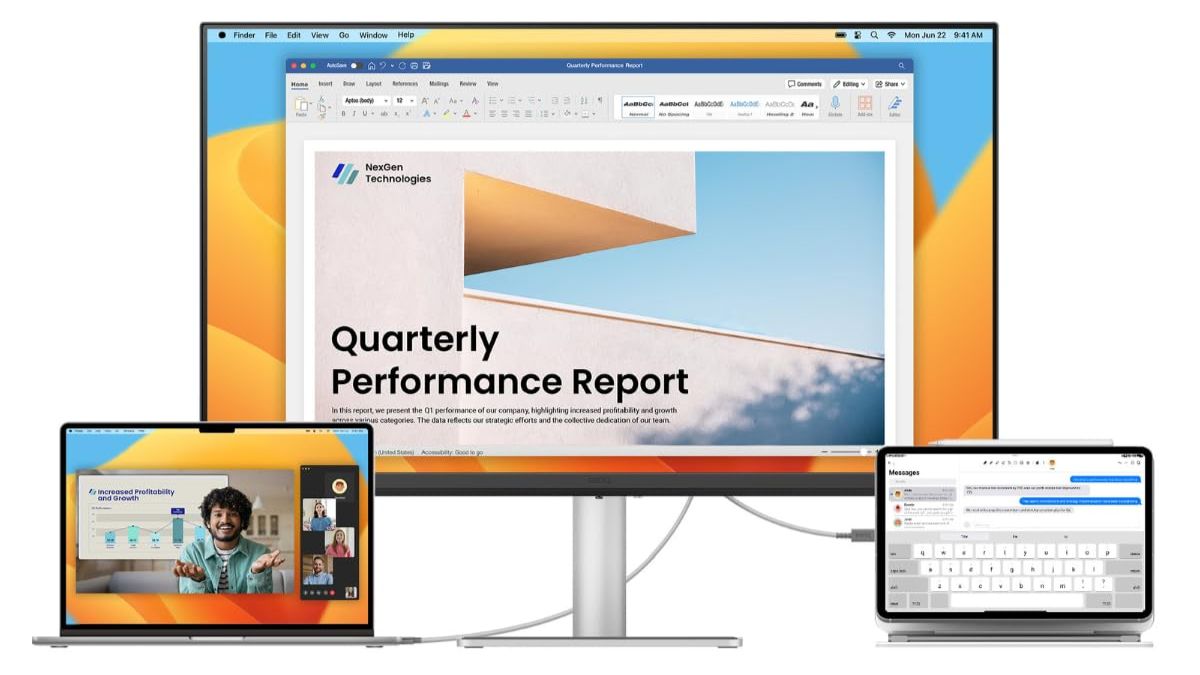
Think of the BenQ InstaShow VS25 as a hardware accessory for corporate meeting rooms. Instead of dealing with HDMI cables, additional software, or guest Wi-Fi logins just to share a presentation, it uses a transmitter button that plugs directly into a laptop’s USB-C or HDMI port. Pressing the button mirrors the screen and connects to the room’s camera, microphone, and speakers wirelessly, with support for up to 4K output.
Because it operates as a hardware-based system, it avoids many of the common software and network dependencies typically involved in meeting room setups. It also incorporates enterprise-grade encryption, which is relevant for organisations handling sensitive data. In practice, the idea is to reduce setup time and simplify how meetings are initiated.
The Roadmap for Affordable OLEDs
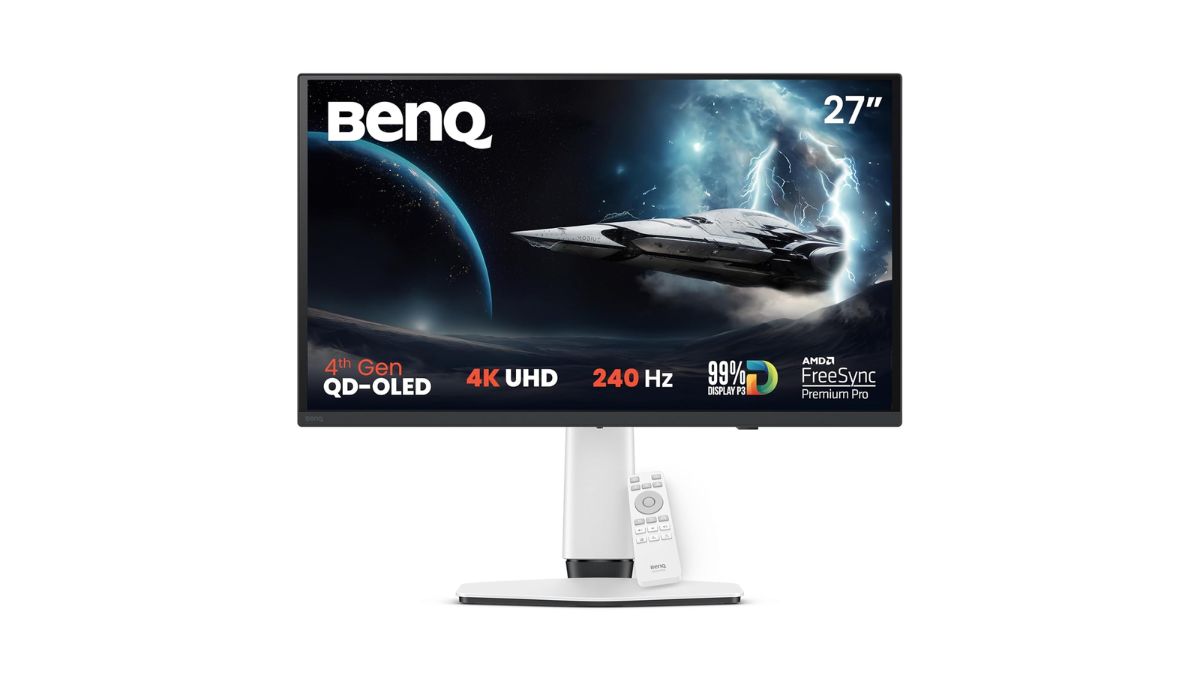
Let’s dive into the market at large. My first question is for Mr. Rajeev Singh regarding affordable OLEDs. OLED technology is becoming the gold standard for both creators and gamers, but price remains a significant barrier to mass adoption. What is BenQ’s roadmap for bringing more affordable OLED screens to the market?
Mr. Rajeev Singh: We all know that OLED is very exciting; everybody can see the difference in performance and how incredibly thin it can be. But there have been real problems when using this technology in the monitor space specifically. The first three generations of OLED have not actually been a success. They had a lot of inherent issues. Customers were very excited about the output, but the practical limitations gave them second thoughts.
First, we took our time and put in a massive engineering effort to develop Gen 4 OLED technology, which does away with those earlier problems. Before we even talk about affordability, the first priority was making OLED meet customer expectations.
Now, we have a portfolio of OLED monitors. We’ve launched two and are launching two more, catering to both the 4K and QHD (2K) segments, primarily for gaming. They are all Gen 4. For the first time, customers get an OLED that meets their expectations. That drives adoption, and as volumes increase, prices will naturally come down. Bringing OLED into the QHD 2K space is also a step toward making it more accessible right from the start.
Because until customer satisfaction is genuinely high, volumes won’t build up, and pricing doesn’t really matter. OLED is still a niche, expensive technology, so volumes need to grow for prices to become more affordable.
VS25 and BenQ’s Corporate Strategy
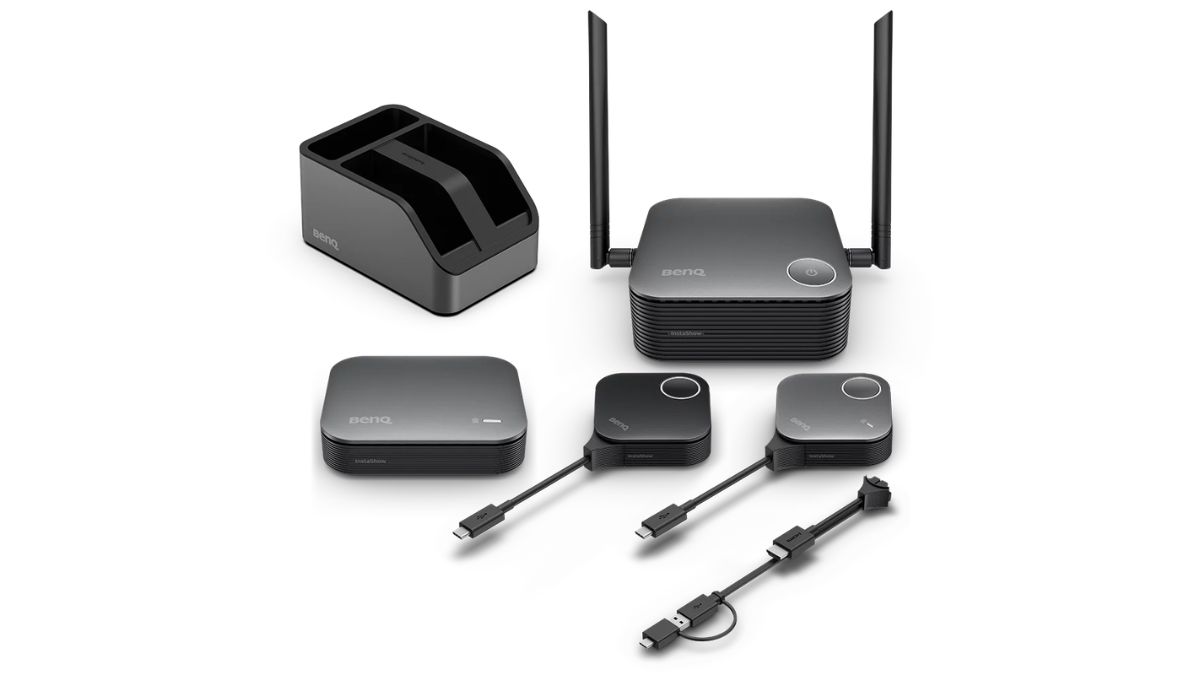
Looking at the launch of the VS25 today, how does this specific product fit into BenQ’s broader growth strategy for India and South Asia this year? And what specific gap in the market is this product trying to fill?
Mr. Pablo T R Yang: Our vision goes beyond just India and South Asia; it is a worldwide strategy. We listened to our top enterprise customers, who were explicitly asking for these kinds of designs. It is built for the corporate enterprise level, which is why it is so remarkably simple to use. The time consumed just trying to start a meeting is a major pain point. With the VS25, it takes less than 20 seconds to start casting (BYOM, BYOD). We have designed all those features into the hardware itself. When enterprise customers see this, it is exactly the solution they need.
To add to that, work is becoming more collaborative and distributed. You have people working from home, in different offices, or on other floors, along with external customers joining in. You need a solution that can seamlessly bring everyone together. The VS25 integrates presentation and video conferencing without any interference. It is modular, meaning you can keep expanding the system effortlessly.
This is incredibly important for the enterprise segment, as well as government and defence. When discussing highly confidential business strategies, R&D, or government decisions, security cannot be compromised. The VS25 brings that level of security to the table first and then delivers everything else. Furthermore, it is compatible with legacy devices. If you invested heavily in your conference room five years ago, this system fits right in without requiring a massive overhaul.
You might have a basic notebook with an entry-level chipset. If you install heavy conferencing software, it occupies your CPU, GPU, and NPU resources. Our hardware-based solution is completely independent. It connects without taking up your computer’s resources, so we are not forcing businesses to upgrade their fleets of devices just to hold a meeting. Our slogan is “Meet Your Way.” Whatever you have in your meeting room, you can simply integrate it.
Disrupting the Consumer Smart TV Segment
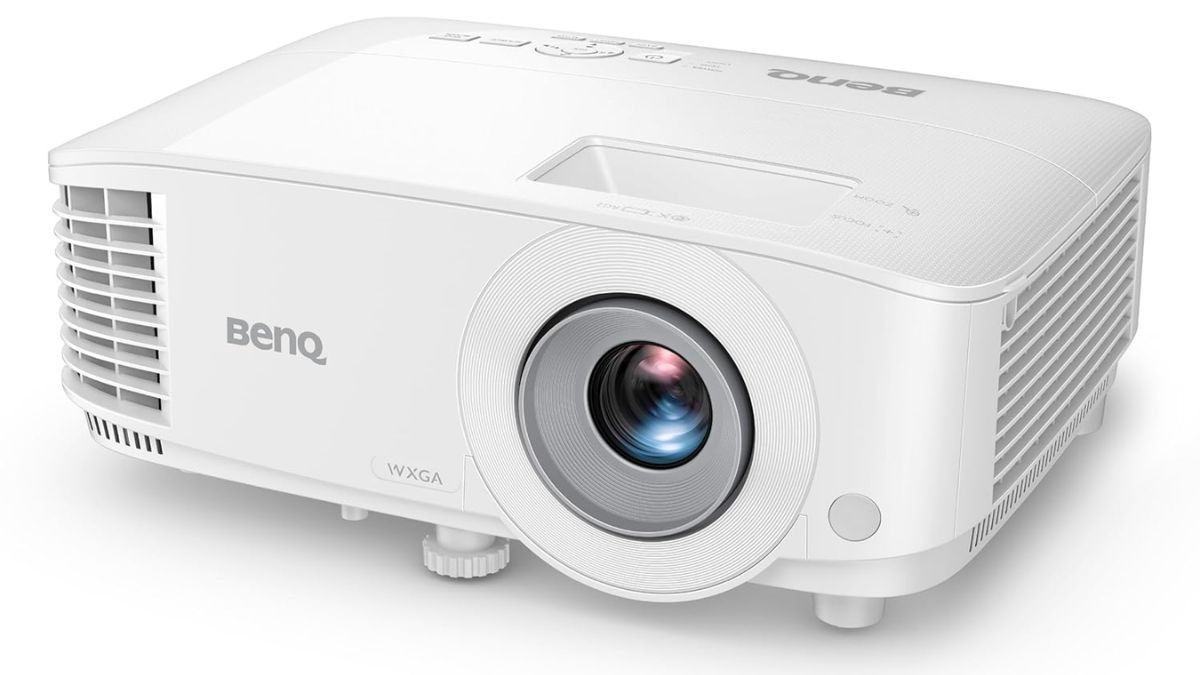
BenQ already has a massive footprint in large format displays, smart monitors, and home theater projectors. Given the increasing convergence between gaming monitors and living room entertainment, are there any serious plans for BenQ to officially disrupt the consumer smart TV segment?
Mr. Rajeev Singh: We definitely have serious plans, but they won’t happen the way you might expect. We aren’t going to just launch a different kind of Smart TV. Instead, we see the smart projector as the real game changer. Wherever you use a TV today, you can use a smart projector, and in many cases, the experience can be better.