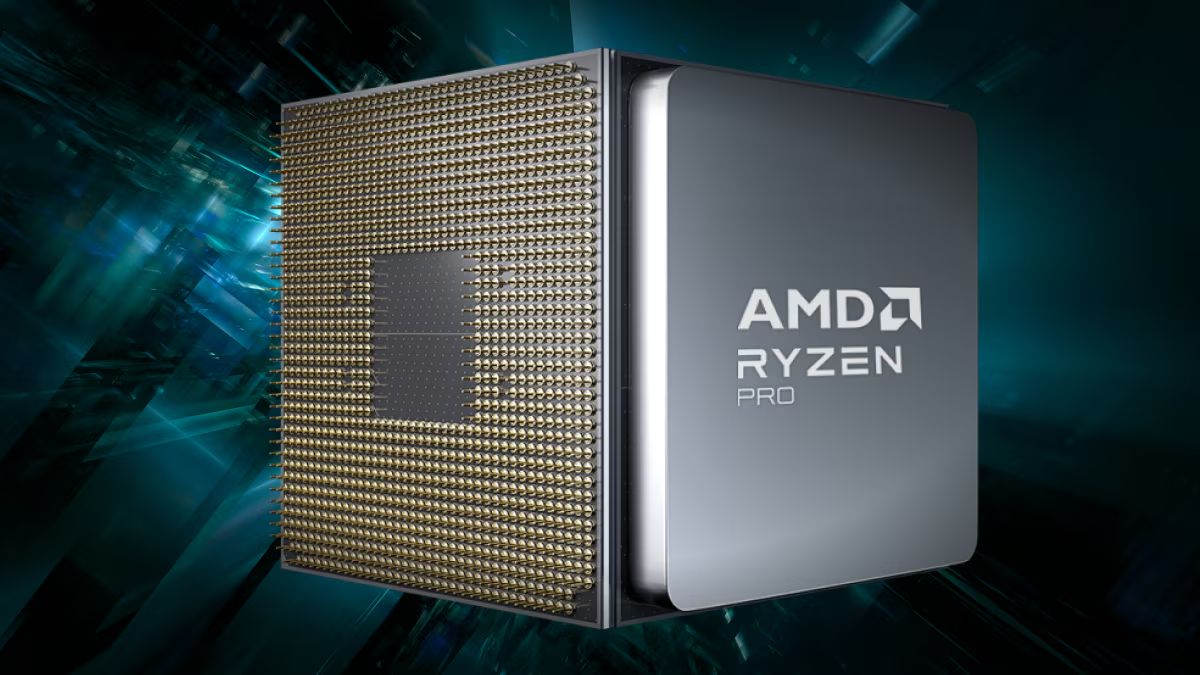
At Mobile World Congress 2026 in Barcelona, AMD announced an expansion of its Ryzen AI PC lineup with the introduction of the Ryzen AI 400 Series and Ryzen AI PRO 400 Series processors. The new chips target next-generation AI PCs, including systems designed to support Copilot+ PC experiences, while extending AMD’s AI-focused platform across desktops, notebooks, and mobile workstations.
According to AMD, the Ryzen AI 400 Series represents its first desktop processor family built specifically for next-generation AI PC workloads. The processors integrate Zen 5 CPU cores, RDNA 3.5 graphics, and an XDNA 2 neural processing unit capable of delivering up to 50 TOPS of AI performance. This allows AI-assisted features and productivity tools to run locally on the device, reducing reliance on cloud processing and keeping sensitive data on the PC.
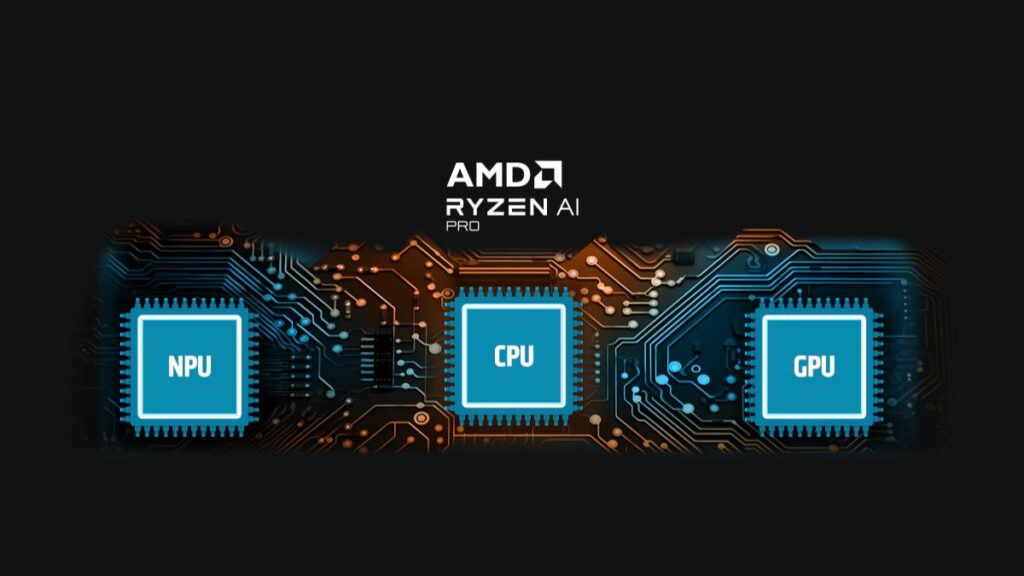
AMD says the expanded portfolio enables OEMs to introduce a broader range of AI PCs across multiple form factors, including high-performance desktops, laptops, and professional workstations. Desktop systems based on the Ryzen AI 400 Series are expected to use the AM5 platform and are scheduled to arrive from OEM partners such as HP and Lenovo starting in the second quarter of 2026.
| Model | Cores / Threads | Boost / Base | TDP | Total Cache | GPU | Graphics Cores | NPU (TOPS) |
|---|---|---|---|---|---|---|---|
| AMD Ryzen AI 7 450G | 8 / 16 | Up to 5.1 / 2.0 GHz | 65W | 24MB | Radeon 860M | 8 | Up to 50 |
| AMD Ryzen AI 5 440G | 6 / 12 | Up to 4.8 / 2.0 GHz | 65W | 22MB | Radeon 840M | 4 | Up to 50 |
| AMD Ryzen AI 5 435G | 6 / 12 | Up to 4.5 / 2.0 GHz | 65W | 14MB | Radeon 840M | 4 | Up to 50 |
| AMD Ryzen AI 7 450GE | 8 / 16 | Up to 5.1 / 2.0 GHz | 35W | 24MB | Radeon 860M | 8 | Up to 50 |
| AMD Ryzen AI 5 440GE | 6 / 12 | Up to 4.8 / 2.0 GHz | 35W | 22MB | Radeon 840M | 4 | Up to 50 |
| AMD Ryzen AI 5 435GE | 6 / 12 | Up to 4.5 / 2.0 GHz | 35W | 14MB | Radeon 840M | 4 | Up to 50 |
| AMD Ryzen AI 7 PRO 450G | 8 / 16 | Up to 5.1 / 2.0 GHz | 65W | 24MB | Radeon 860M | 8 | Up to 50 |
| AMD Ryzen AI 5 PRO 440G | 6 / 12 | Up to 4.8 / 2.0 GHz | 65W | 22MB | Radeon 840M | 4 | Up to 50 |
| AMD Ryzen AI 5 PRO 435G | 6 / 12 | Up to 4.5 / 2.0 GHz | 65W | 14MB | Radeon 840M | 4 | Up to 50 |
| AMD Ryzen AI 7 PRO 450GE | 8 / 16 | Up to 5.1 / 2.0 GHz | 35W | 24MB | Radeon 860M | 8 | Up to 50 |
| AMD Ryzen AI 5 PRO 440GE | 6 / 12 | Up to 4.8 / 2.0 GHz | 35W | 22MB | Radeon 840M | 4 | Up to 50 |
| AMD Ryzen AI 5 PRO 435GE | 6 / 12 | Up to 4.5 / 2.0 GHz | 35W | 14MB | Radeon 840M | 4 | Up to 50 |
For mobile platforms, AMD highlighted the Ryzen AI PRO 400 Series processors, which are aimed at commercial notebooks and mobile workstations. The company claims that its Ryzen AI 9 HX PRO 470 delivers up to 30% higher multithreaded performance than Intel’s Core Ultra X7 3581, while maintaining all-day battery life in typical productivity workloads. These processors feature a more powerful NPU rated at up to 60 TOPS, enabling expanded on-device AI acceleration for enterprise use cases.
AMD also stated that Ryzen AI PRO 400 Series processors will power next-generation mobile workstations with independent software vendor validation, targeting professional applications that can leverage CPU, GPU, and NPU resources for engineering, creation, and technical workflows. Commercial notebooks with Ryzen AI PRO 400 Series chips are expected to begin shipping later in March, while mobile workstations are scheduled to arrive in the second quarter of 2026 from OEMs including Dell Technologies, HP, and Lenovo.
Alongside the new processors, AMD emphasized updates to its AMD PRO platform, focusing on enterprise security, manageability, and long-term platform stability. The company says the updated PRO stack improves remote management, system recovery, and compatibility with existing enterprise security solutions, supporting large-scale deployments of AI-enabled PCs.