Buyers who want a great camera under ₹40,000 have come to the right place. If you are upgrading your phone and want a trusted, tested guide instead of marketing claims, this article cuts through the noise. It helps you find exactly what you need, whether that is clear night photos, great zoom, or smooth videos.
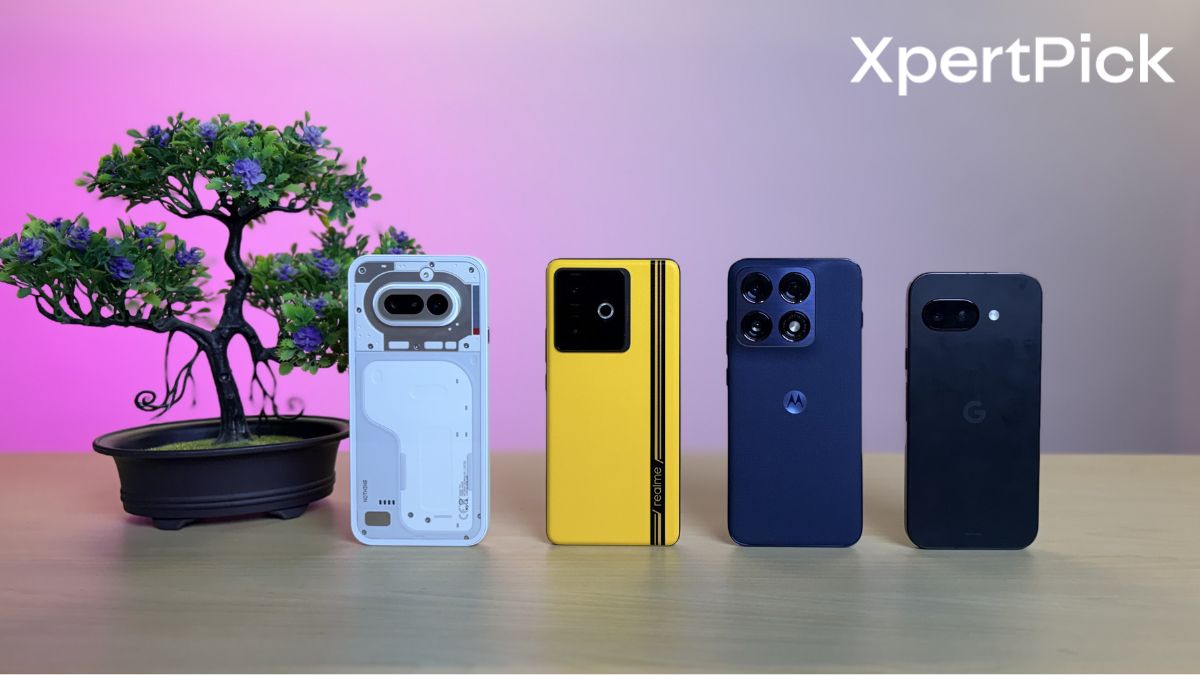
I tested four top smartphones in this budget: the Google Pixel 9a, Moto Edge 70 Pro, Nothing Phone 4(a), and Realme GT 7T. We checked their real-world performance across daylight photos, human portraits, telephoto zoom, video recording, and low-light conditions.
The Google Pixel 9a is our best overall camera phone because it takes the most natural and detailed pictures. The Moto Edge 70 Pro is our top pick for selfies and low-light photography. For users who like to zoom in, the Nothing Phone 4(a) offers the best telephoto performance. Finally, the Realme GT 7T is our top choice for wide scenery and the clear winner for high-quality video recording, all at a great price of ₹32,999.
Our Winners Across Different Categories
Google Pixel 9a – Rs 39,999 – Best Overall Camera
Realme GT 7T – Rs 32,999 – Best Budget Camera for Wide Scenery and Video Recording
Moto Edge 70 Pro – Rs 39,999 – Best for Selfies and Low Light Performance
Nothing Phone 4(a) – Rs 37,999 – Best Budget Telephoto Performance
Key Hardware and Specs Overview
| Specification | Google Pixel 9a | Realme GT 7T | Moto Edge 70 Pro | Nothing Phone 4(a) |
| Name | Google Pixel 9a | Realme GT 7T | Moto Edge 70 Pro | Nothing Phone 4(a) |
| Price | Rs 39,999 | Rs 32,999 | Rs 39,999 | Rs 37,999 |
| Best For | Best Overall Camera | Best Budget Camera for Wide Scenery and Video Recording | Best for Selfies and Low Light Performance | Best Budget Telephoto Performance |
| Display | 6.3″ OLED (120Hz) | 6.8″ AMOLED (120Hz) | 6.8″ AMOLED (144Hz) | 6.78″ AMOLED (120Hz) |
| Processor | Google Tensor G4 | MediaTek Dimensity 8400 Max | MediaTek Dimensity 8500 Extreme | Snapdragon 7s Gen 4 |
| Rear Cameras | 48MP Main + 13MP Ultra-wide | 50MP Main + 8MP Ultra-wide | 50MP Main + 50MP Ultra-wide | 50MP Main + 50MP Telephoto + 8MP Ultra-wide |
| Front Camera | 13MP | 32MP | 50MP | 32MP |
| Battery | 5100 mAh | 7000 mAh | 6500 mAh | 5400 mAh |
Daylight Landscape Camera Comparison: Pixel 9a Captures the Most Detail
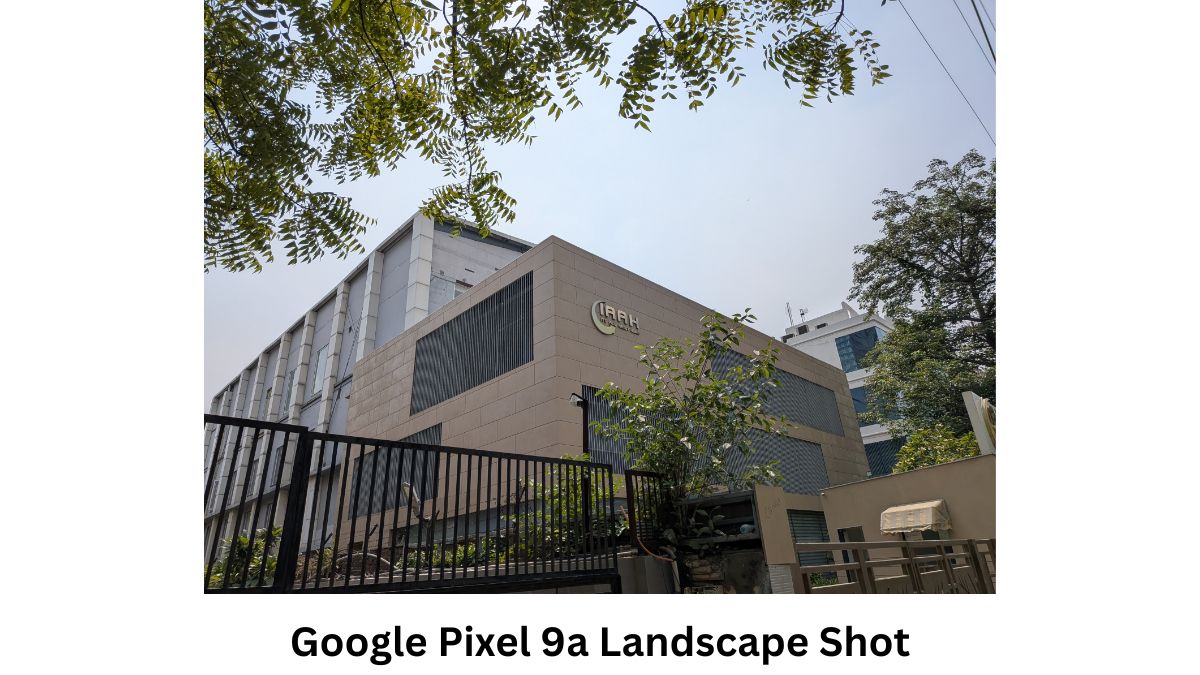
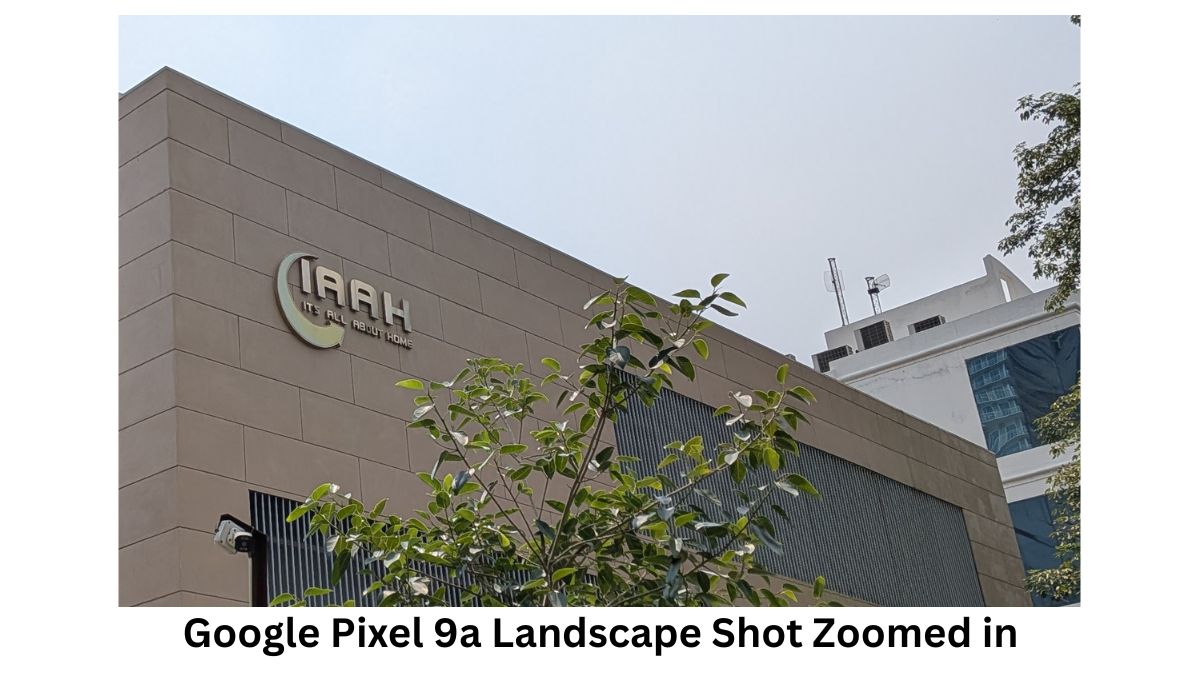
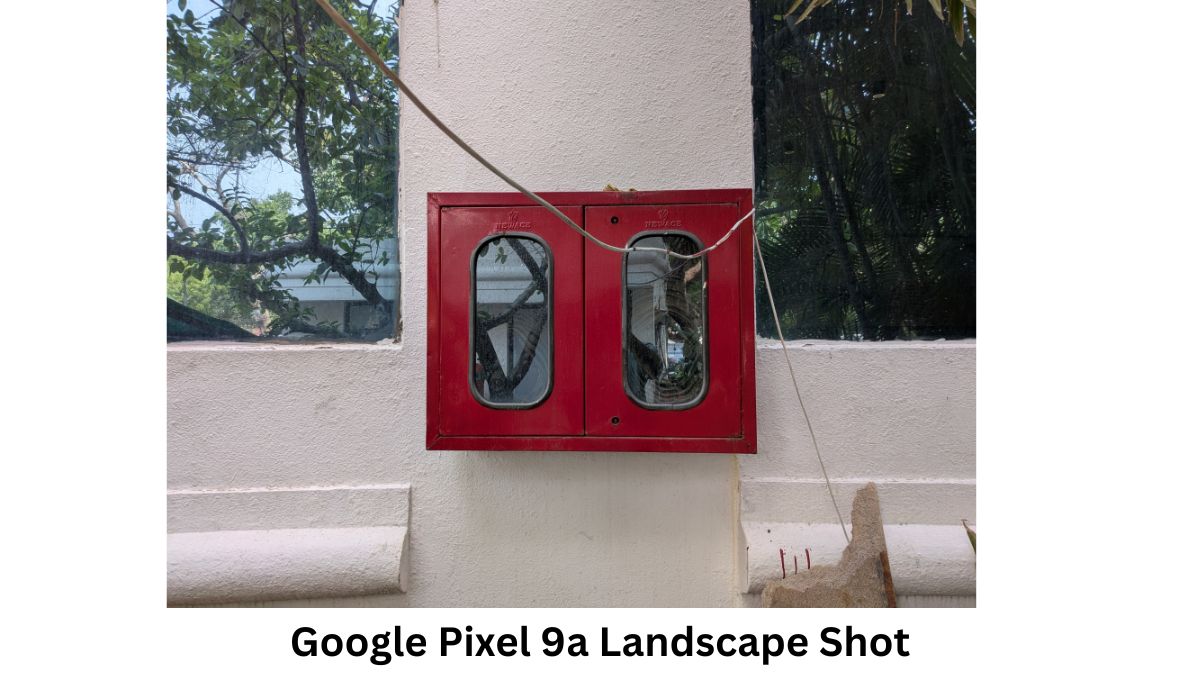
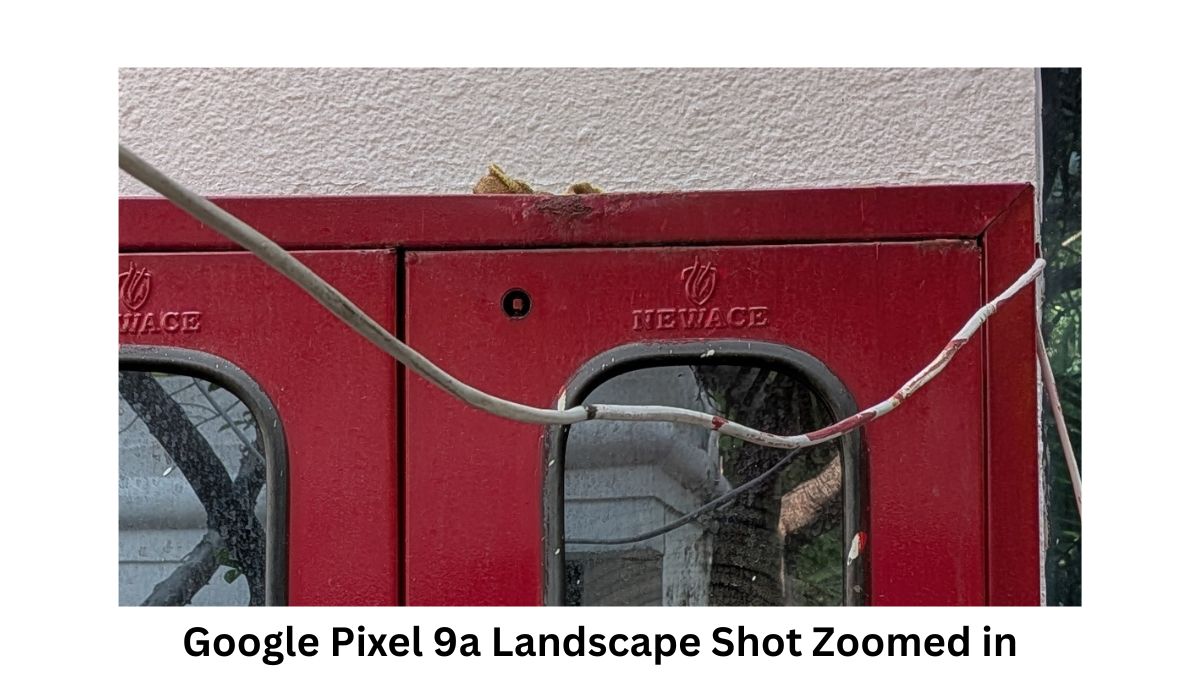
The Google Pixel 9a performs excellently in our daylight camera test. First of all, the 50MP sensor captures a level of detail that the competition simply cannot match. One of the Pixel 9a’s strengths is that it does not overprocess images. For example, in the zoomed-in shots, you can clearly make out the lettering on the front of the building.
Similarly, in the image of the fire hose box, you can clearly see details such as the long-dried white paint spots. Moreover, the texture of the wall and the rust on the red box are also clearly visible. The images produced by the Pixel 9a have a very balanced colour profile that leans slightly towards cooler tones. Overall, colours appear natural and lifelike rather than overly saturated or heavily processed.
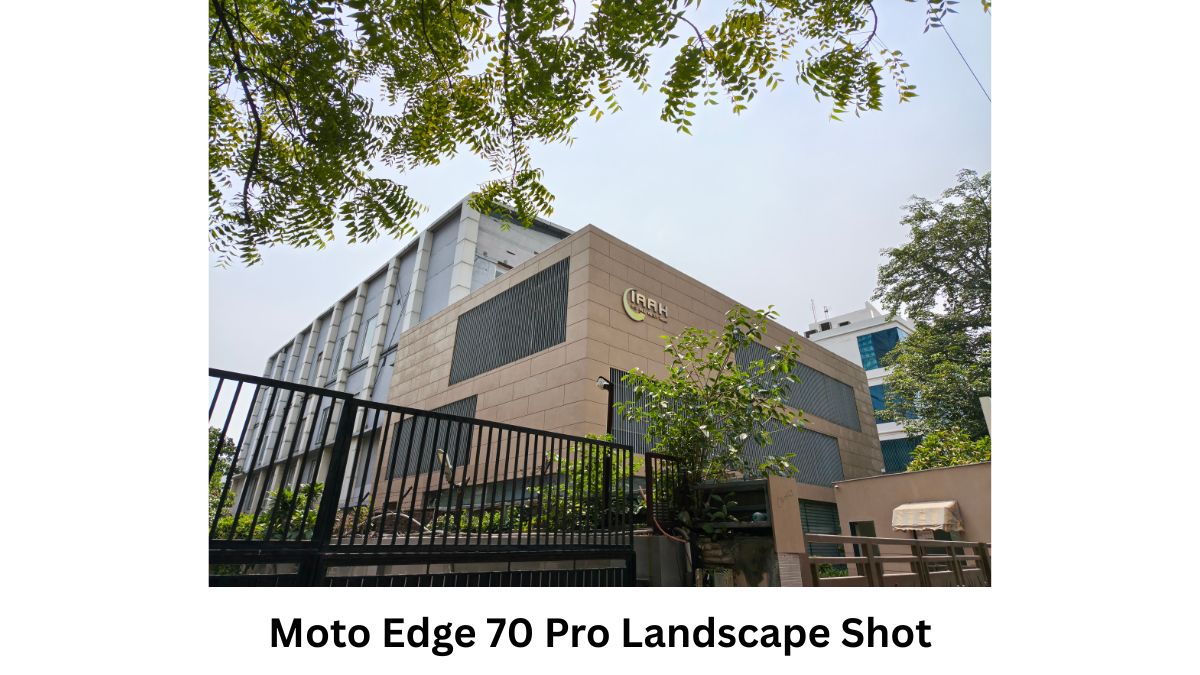
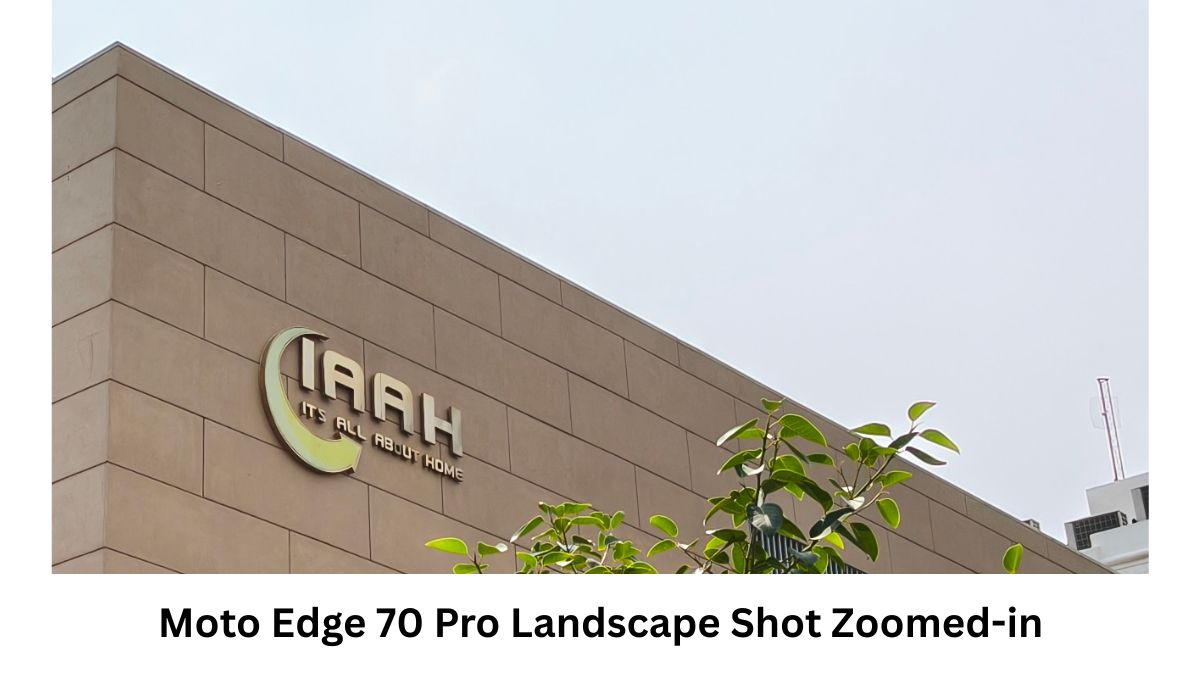
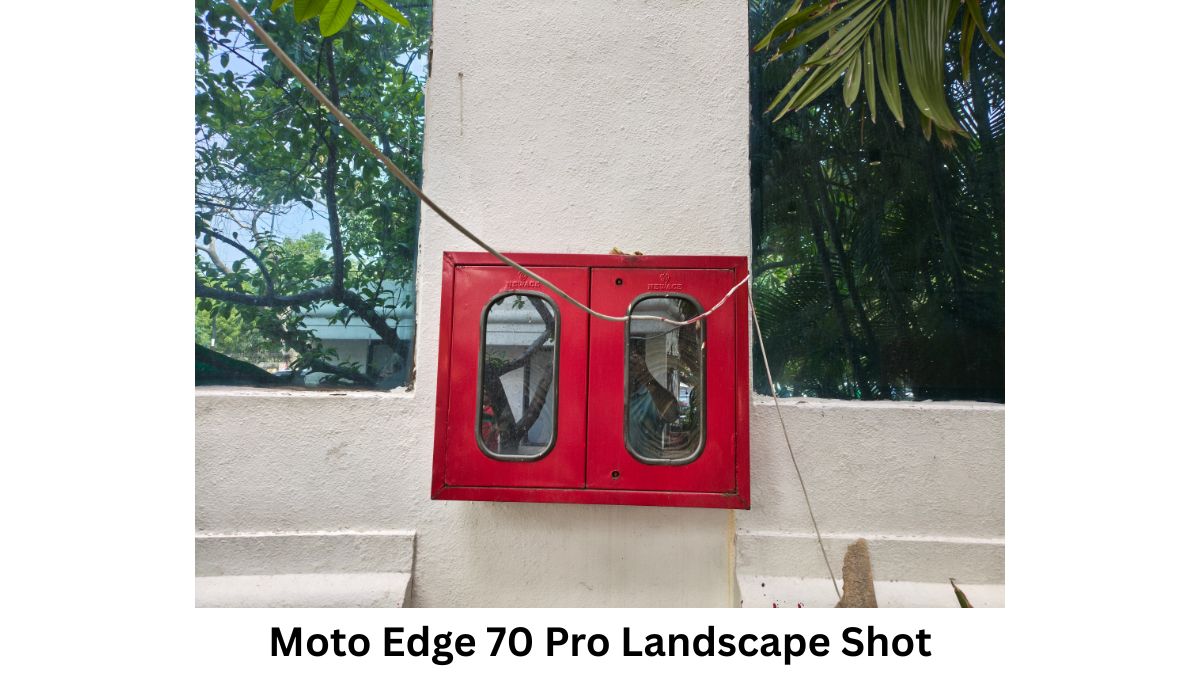
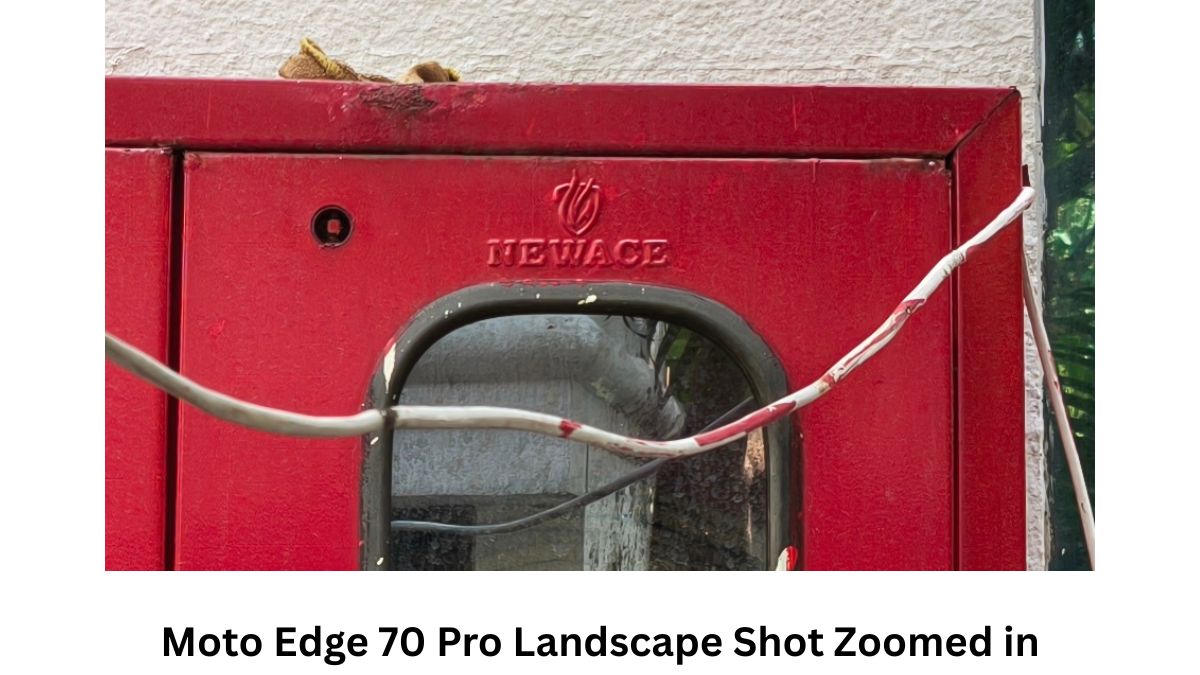
The Moto Edge 70 Pro also performs well with its 50MP primary camera. It captures plenty of light, and the resulting images have an overall warm tone. However, the Moto Edge 70 Pro has a tendency to smooth out fine details slightly. In the building shot, for example, it softens the company logo as well as the texture of the building façade.
Likewise, in the fire hose box shot, the Moto Edge 70 Pro smooths out details such as the white paint splatters. These details are much more prominently preserved in the Google Pixel 9a, giving it an advantage when it comes to fine texture reproduction.
Therefore, I’d say that in terms of capturing details, the Moto Edge 70 Pro is behind Google Pixel 9a.
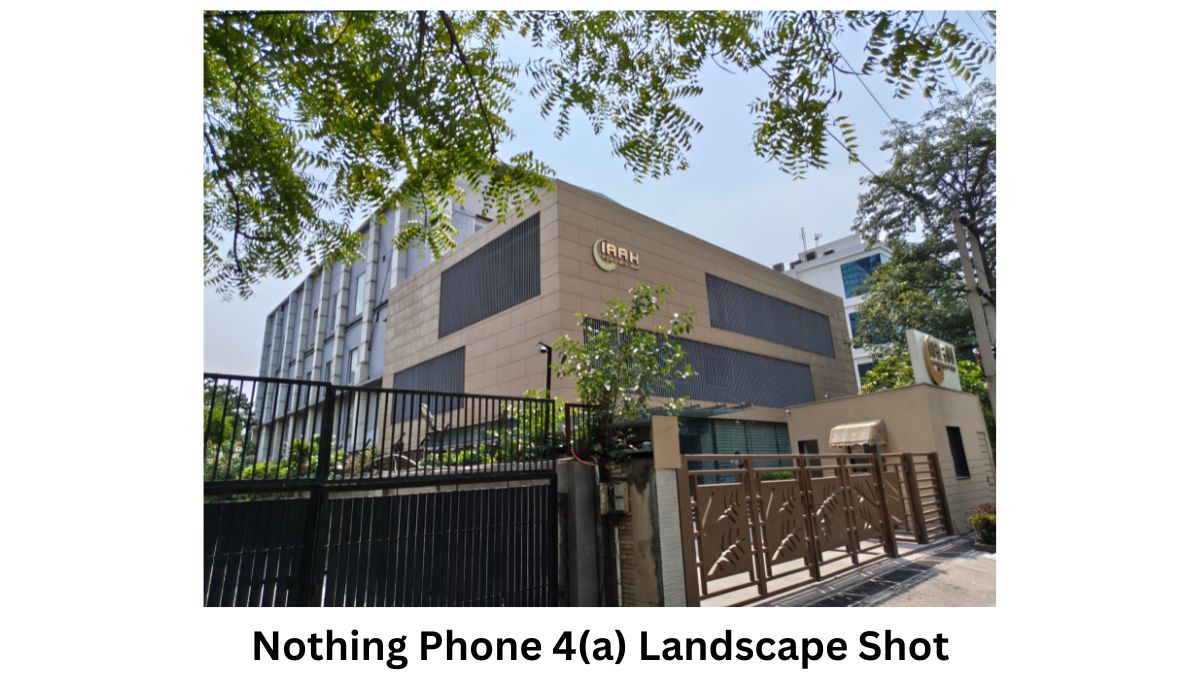
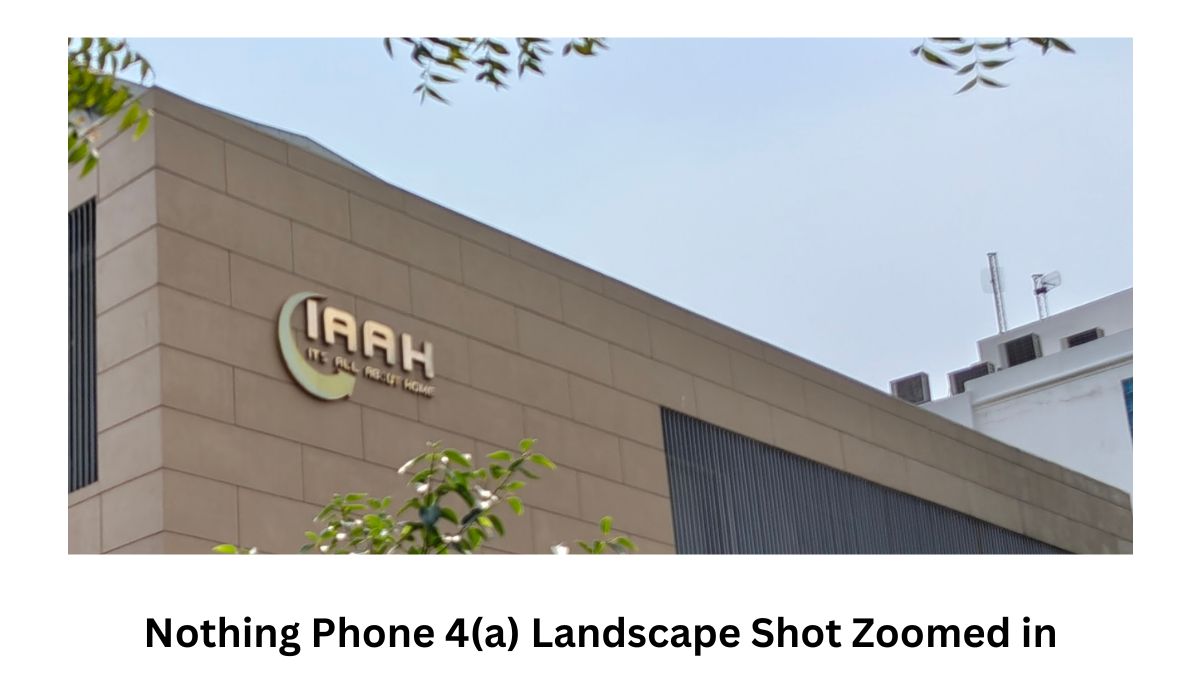
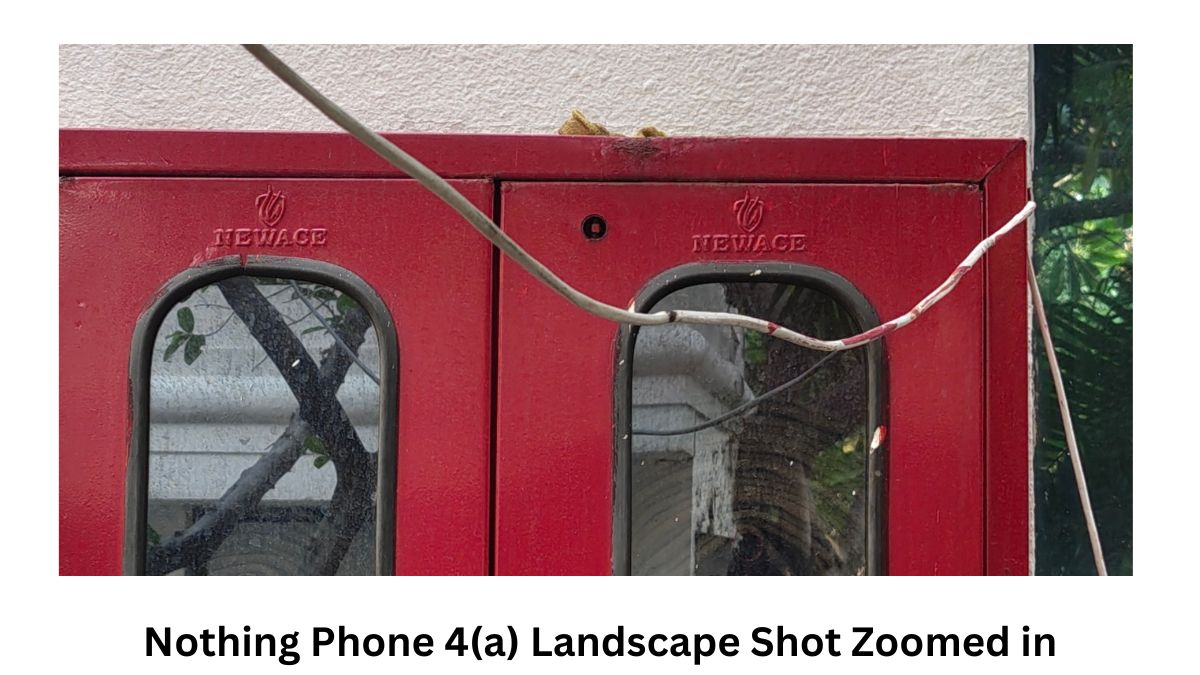
The Nothing Phone 4a surprised me, but not in a good way. Its 50MP camera struggles to capture fine details in the landscape shot. As you can clearly see in the zoomed-in crop, the lettering on the building does not appear particularly sharp or well-defined.
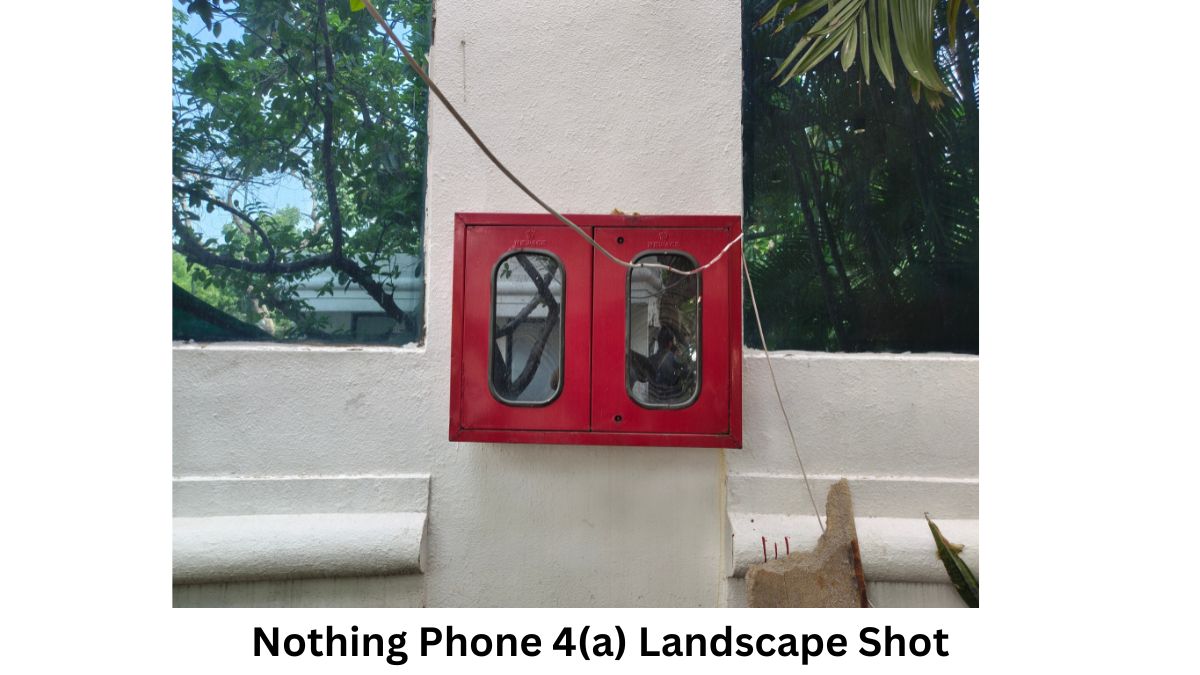
It does, however, manage to capture a decent amount of detail in the red fire hose box, particularly the old paint splatters. Even so, the overall level of detail falls short of what the Pixel 9a delivers, especially when it comes to preserving finer textures and small elements within the scene. Lastly, the colour profile of the Nothing Phone 4a’s photos remains strictly neutral.
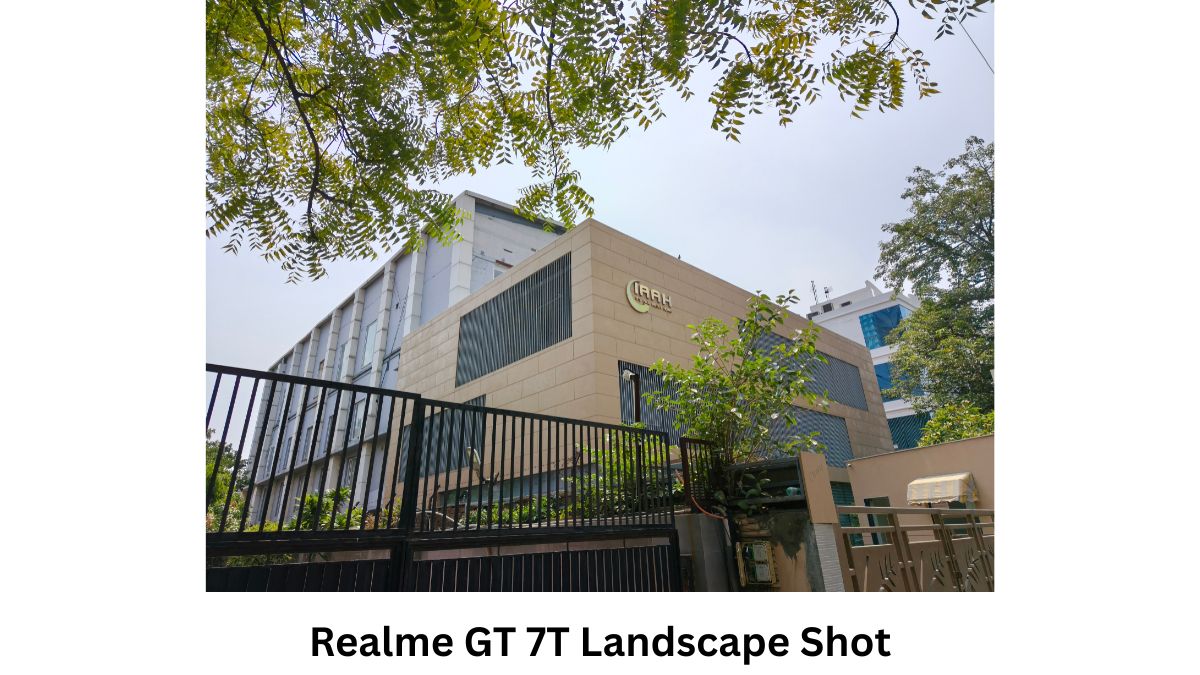
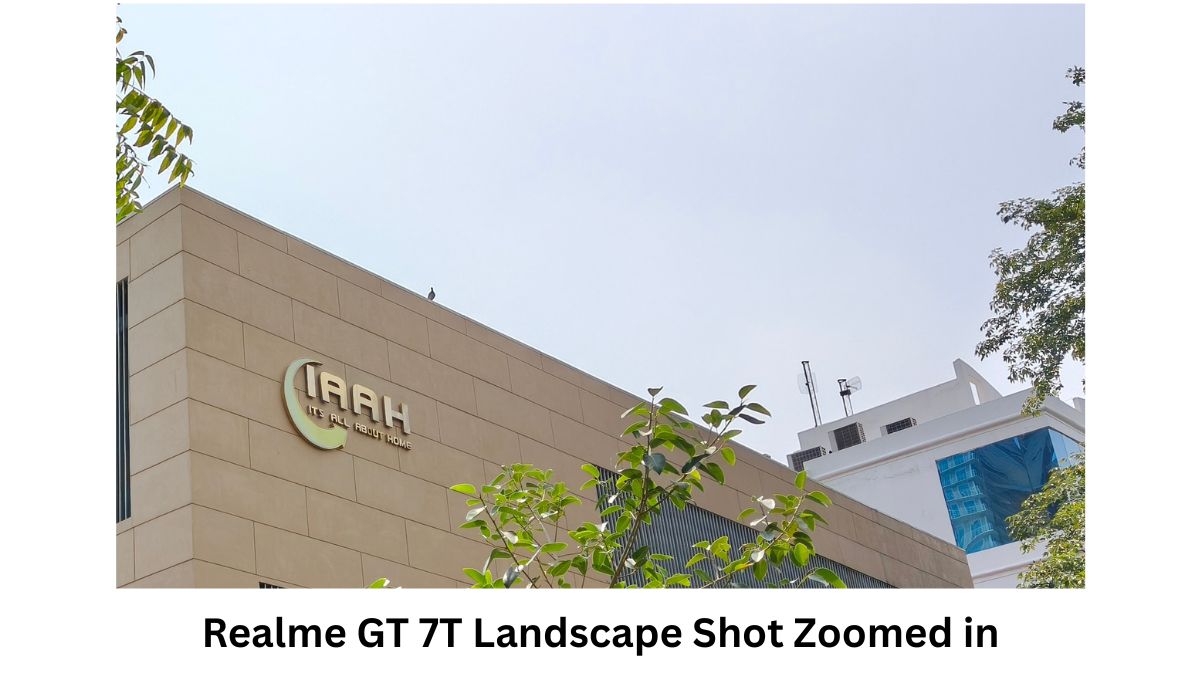
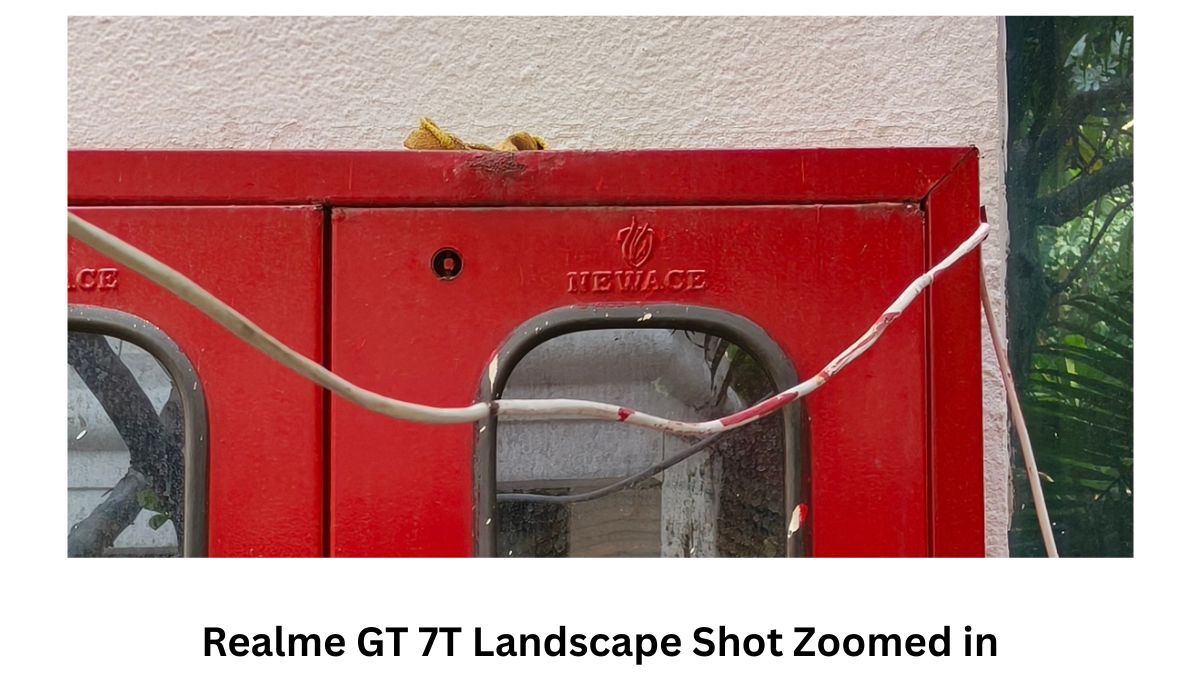
Surprisingly, the Realme GT 7T captures a good amount of detail when taking wide shots of subjects such as the building shown here. The zoomed-in crop clearly shows the lettering, which remains readable without any noticeable distortion.
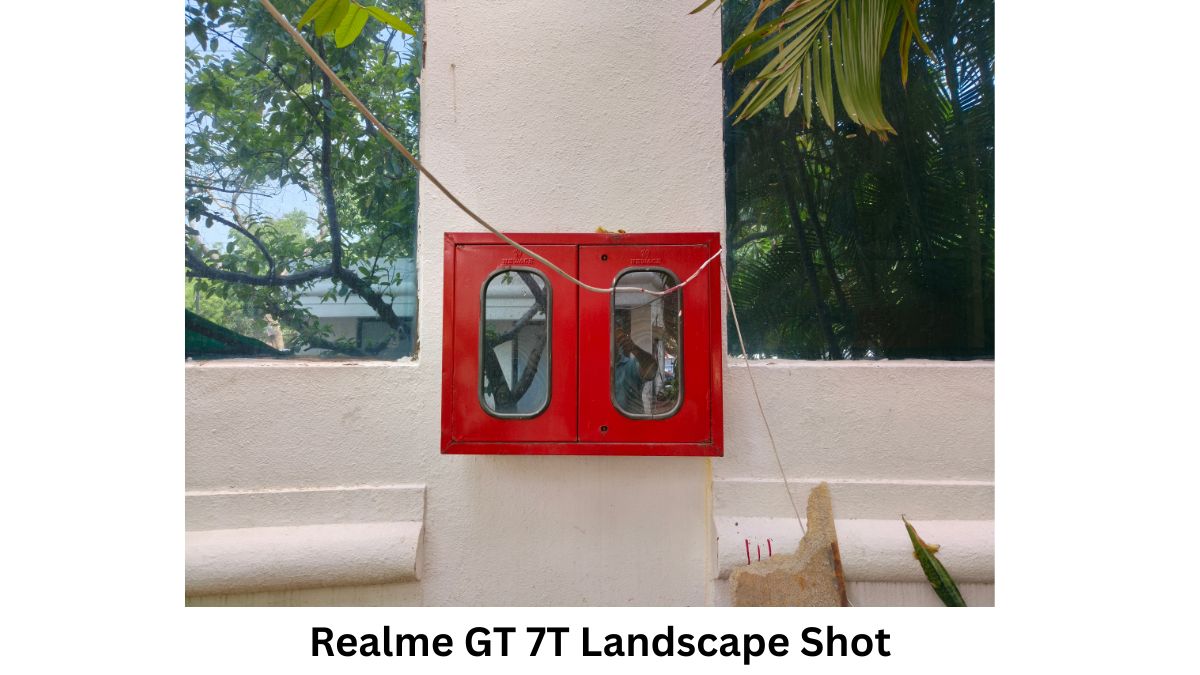
However, the story changes with the shot of the red fire hose box. The box itself does not appear as red as it does in real life, as the camera’s colour reproduction is slightly boosted and not entirely accurate. Additionally, the image lacks fine detail, particularly in areas such as the white paint splatters, dirt, and dust, which are captured more effectively by some of its competitors. And the overall colour tone is warm.
Human and Object Camera Test: Pixel 9a Delivers the Most Natural Detail
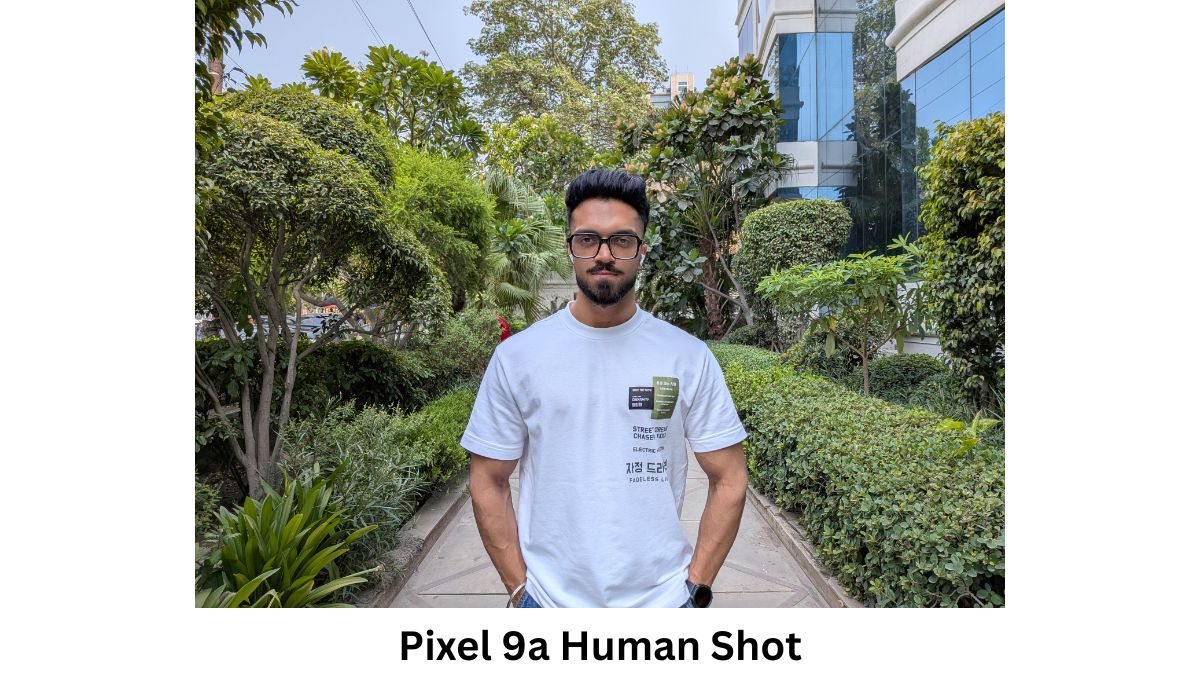
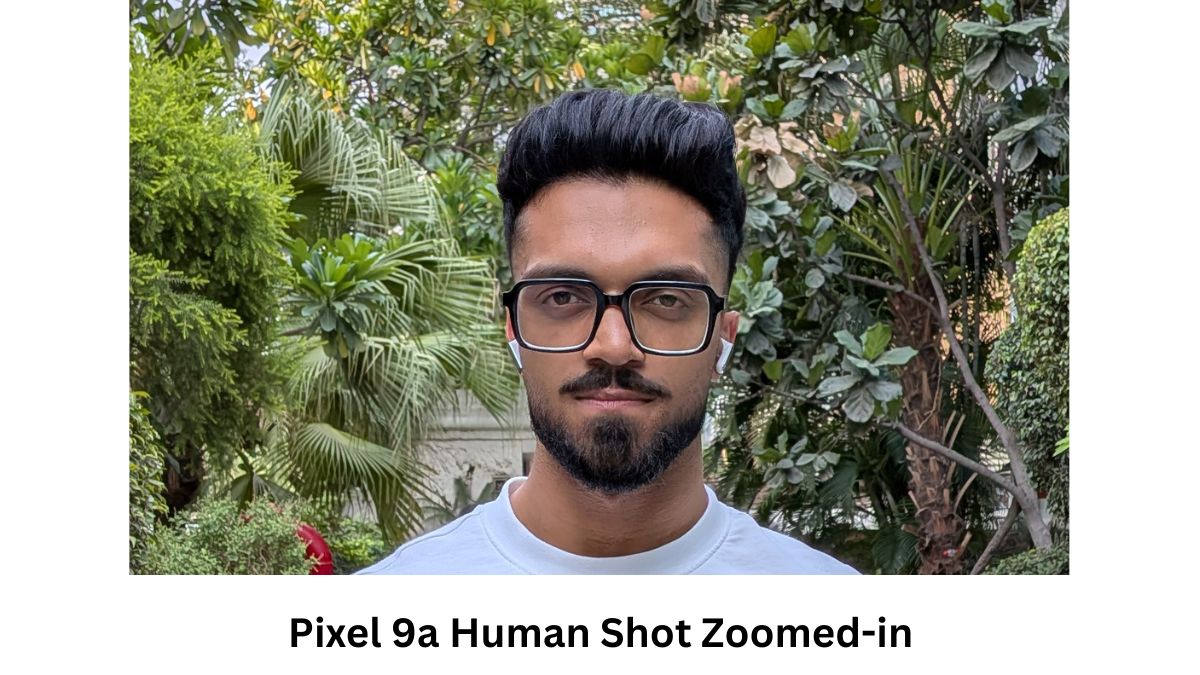
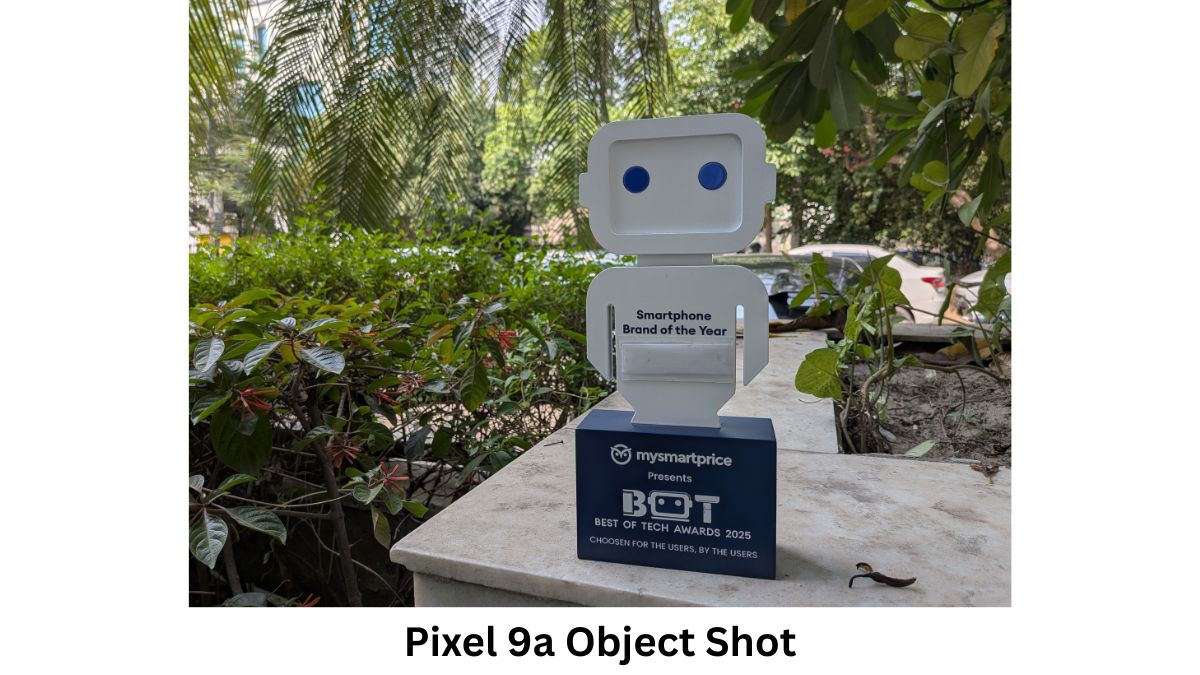
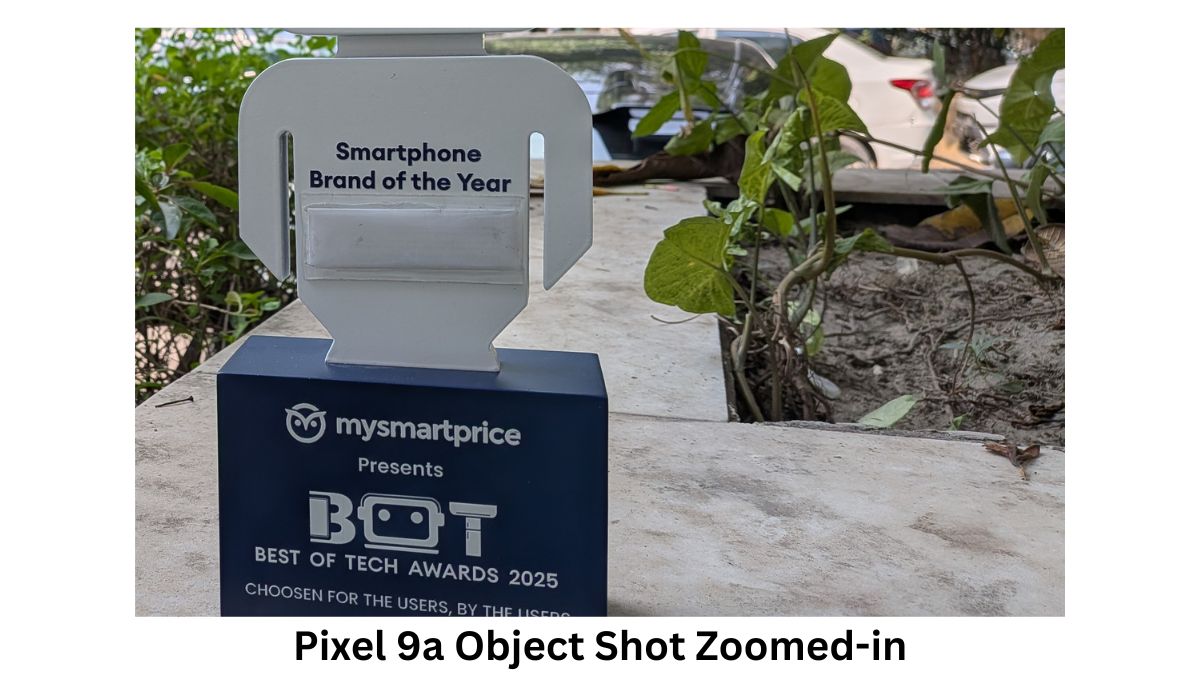
When it comes to human subjects, the Pixel 9a captures an impressive amount of detail. It manages to pick up sweat on Ujjawal’s forehead, along with subtle scars and skin blemishes. Although the camera produces images with a slightly cooler tone, I still feel that it represents the subject’s skin tone very accurately.
The Pixel 9a repeats this strong performance in object shots as well, easily capturing the highest level of detail in the scene. Details such as the dirt inside the trophy’s white pouch and the imperfections in the paint on the trophy’s right hand are clearly visible. In short, the Pixel 9a captures the most detailed images in this test while maintaining a slightly cooler, yet natural-looking, colour profile.
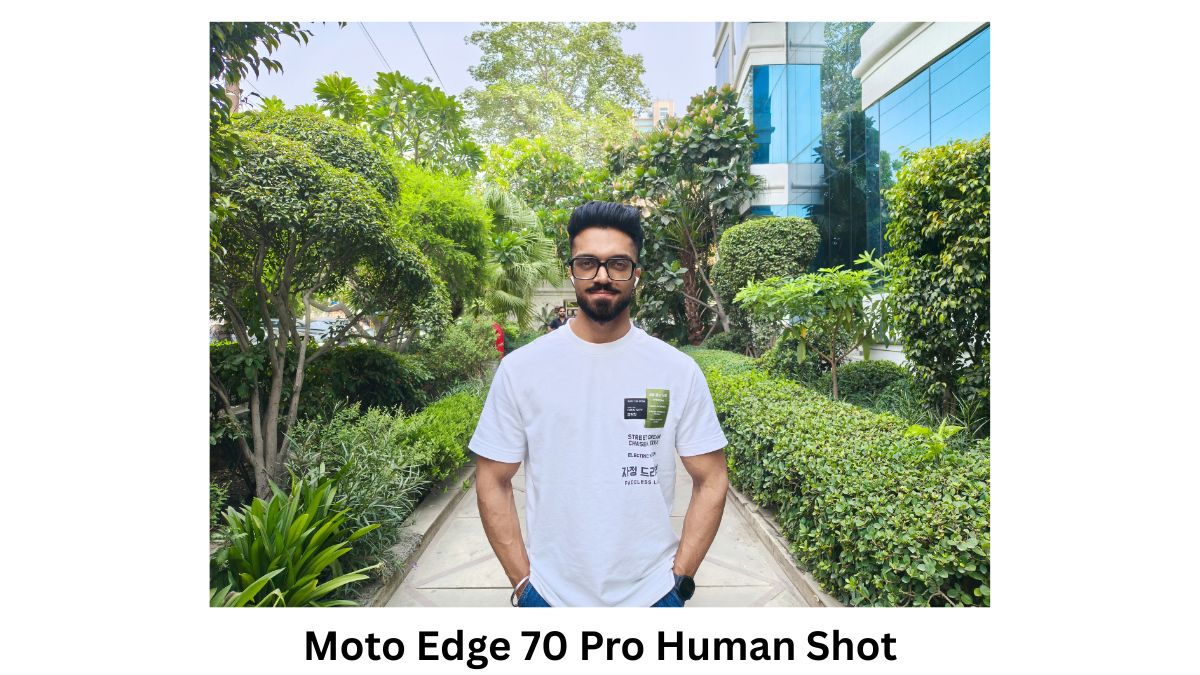
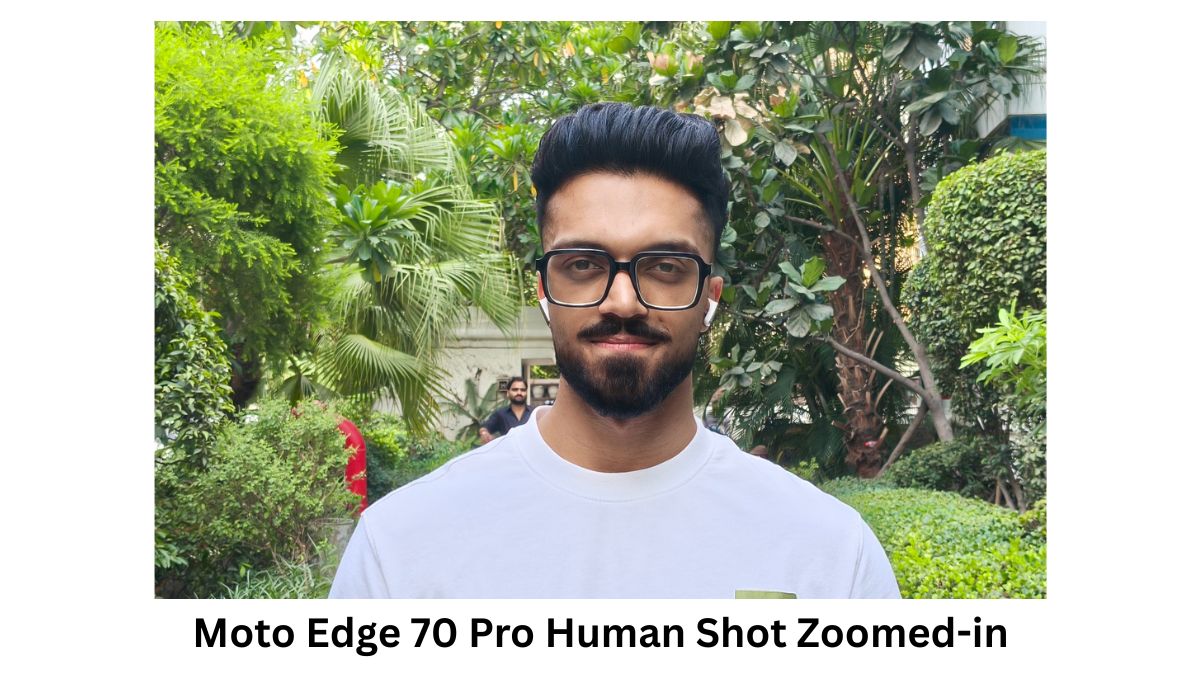
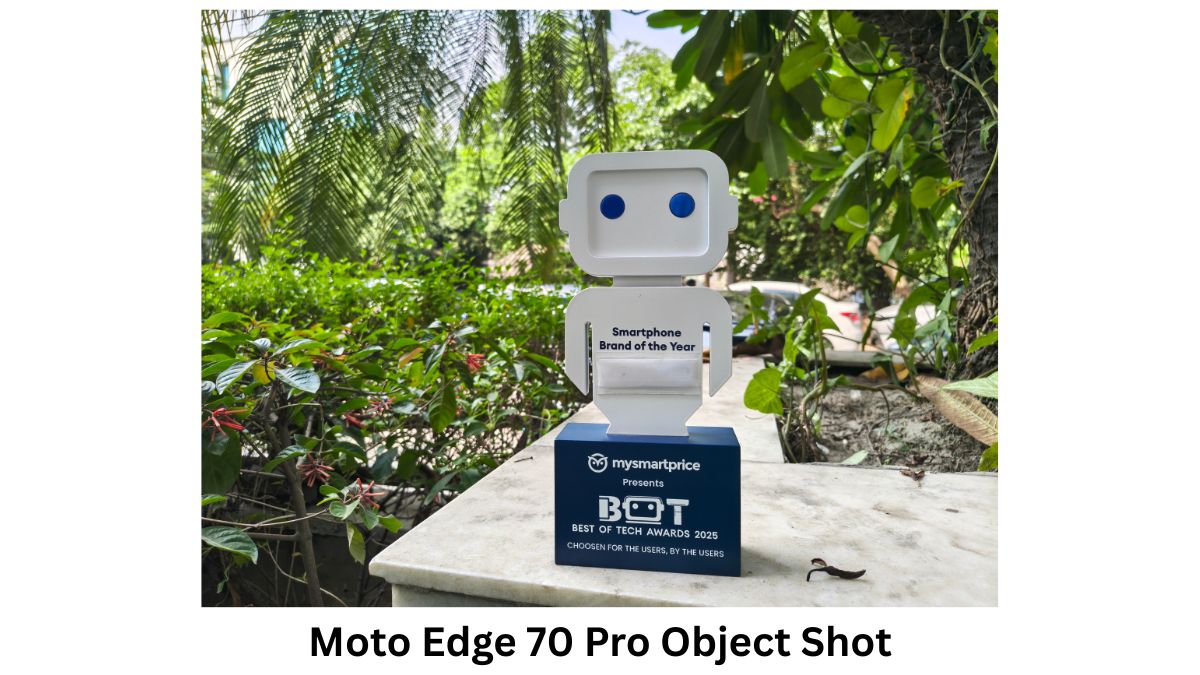
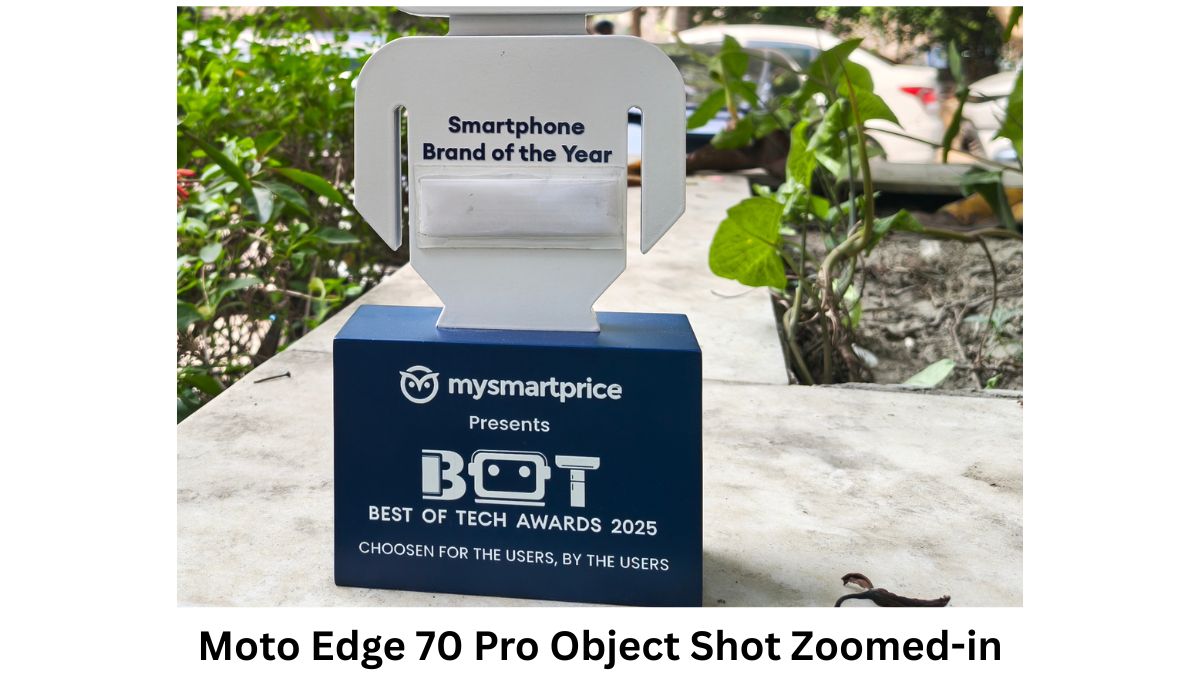
The Moto Edge 70 Pro excels in one area but performs rather decently in another. It manages to deliver a detailed image of the trophy, capturing many of its intricate details. However, it falls behind when photographing a human subject.
In this case, Ujjawal’s forehead appears relatively shiny. While the camera does preserve some details, such as small blemishes on his forehead, it misses many of the finer characteristics of his skin texture, beard, and fade haircut. As a result, the overall image looks less detailed than the Pixel 9a’s in this test. Lastly, the colour reproduction is noticeably punchier, and the overall tone of the image is warm.
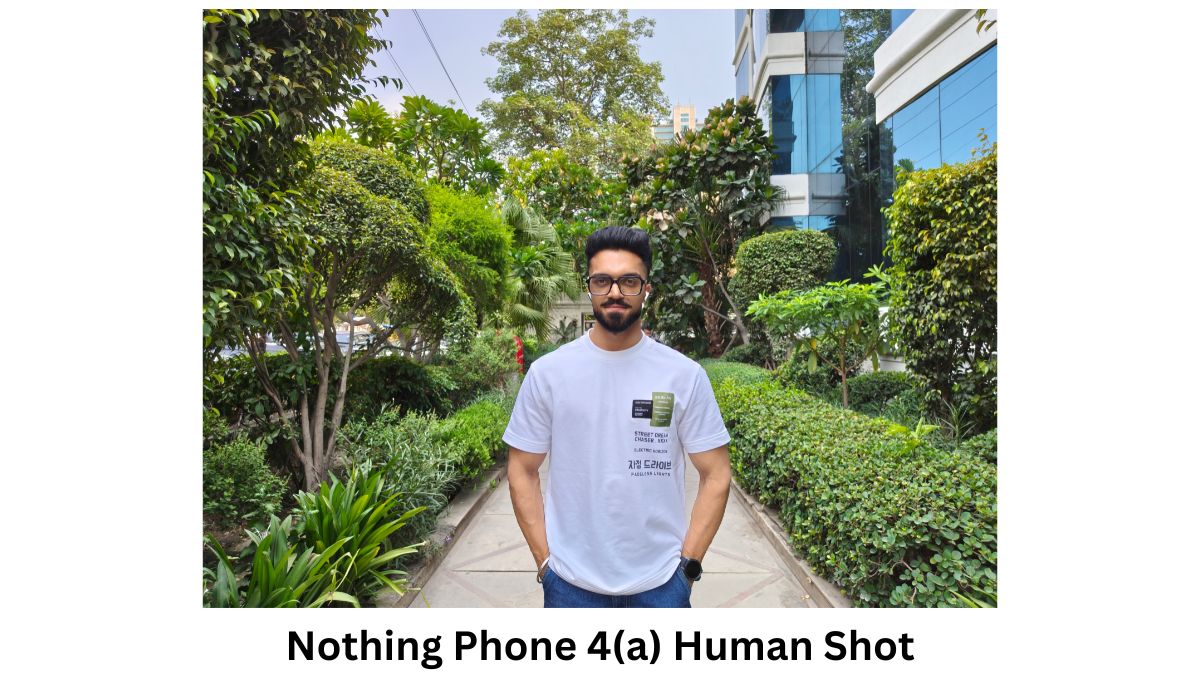
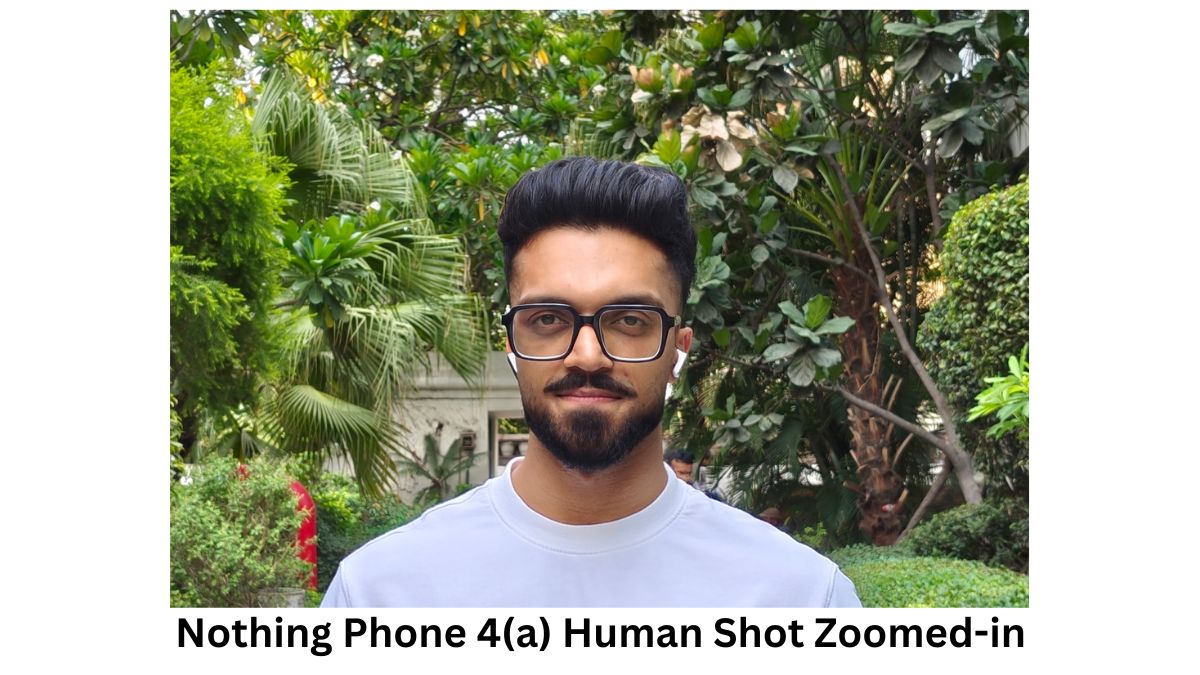
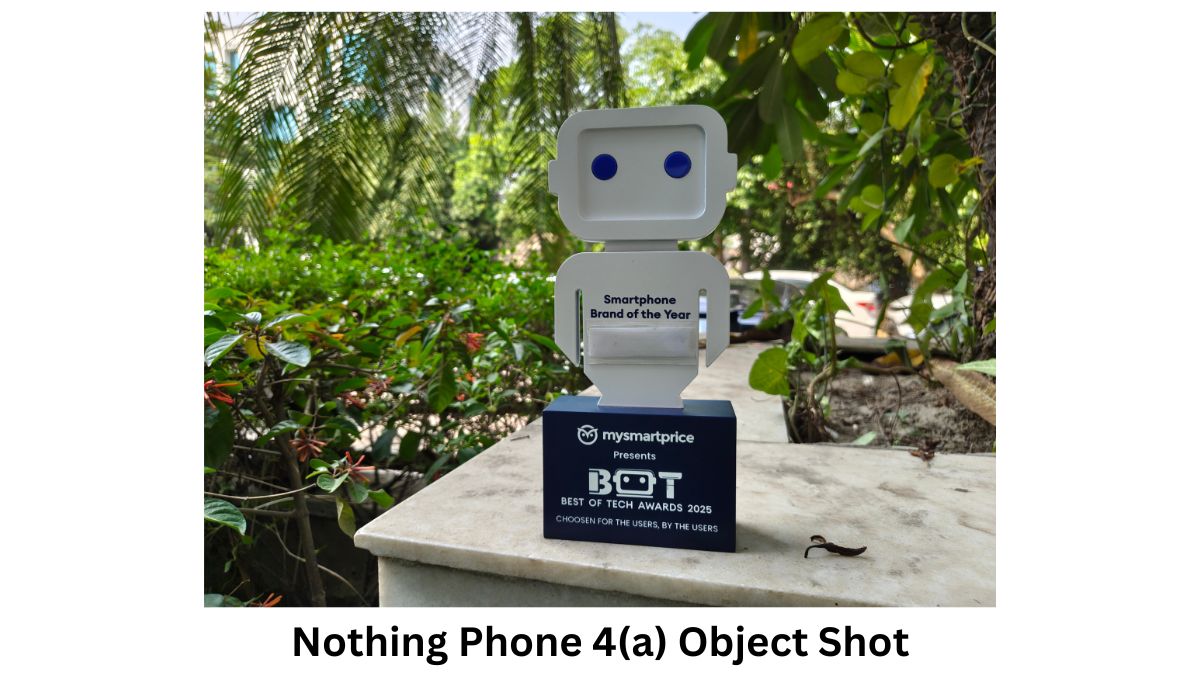
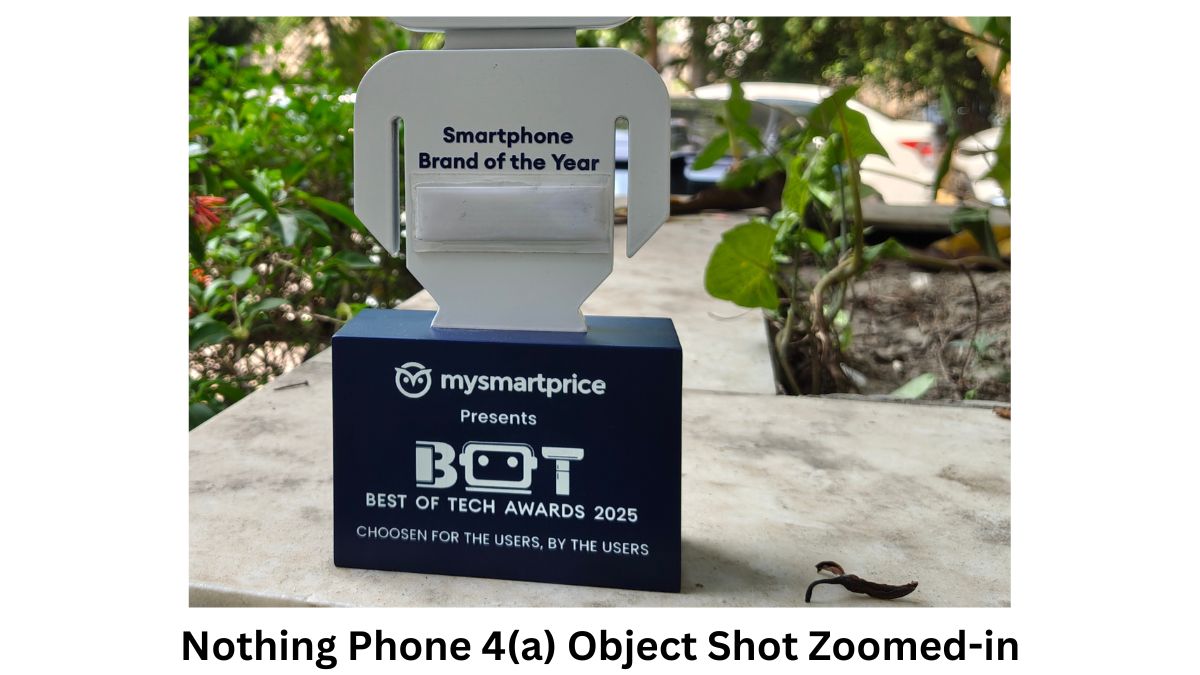
The Nothing Phone 4a ranks even lower than the Moto Edge 70 Pro when it comes to capturing human subjects. Its primary camera completely misses many of the finer facial details. The phone tends to smooth out a significant amount of texture, making Ujjawal’s skin appear artificially soft and overly processed.
The same is true for the trophy shot. The camera completely misses many of the finer surface details, making the trophy appear unnaturally smooth. The object looks soft overall, both around the edges and in its intricate design elements. Lastly, the blue colour appears more saturated than it does in real life, giving the image a slightly punchier look than intended.
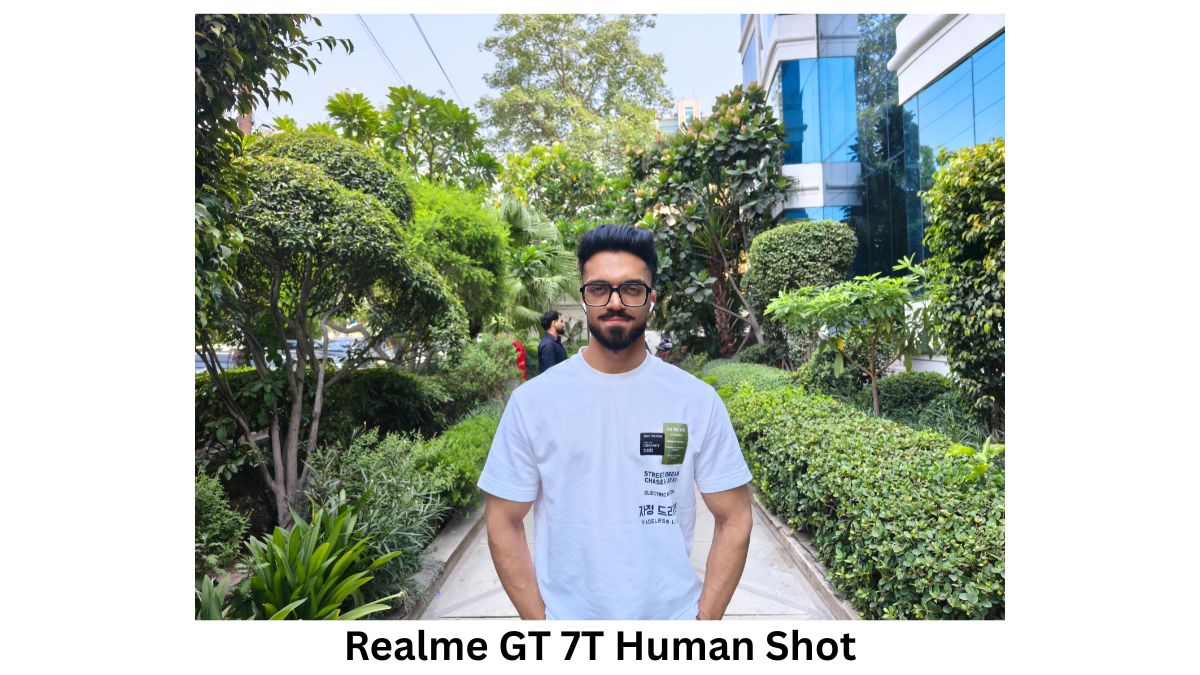
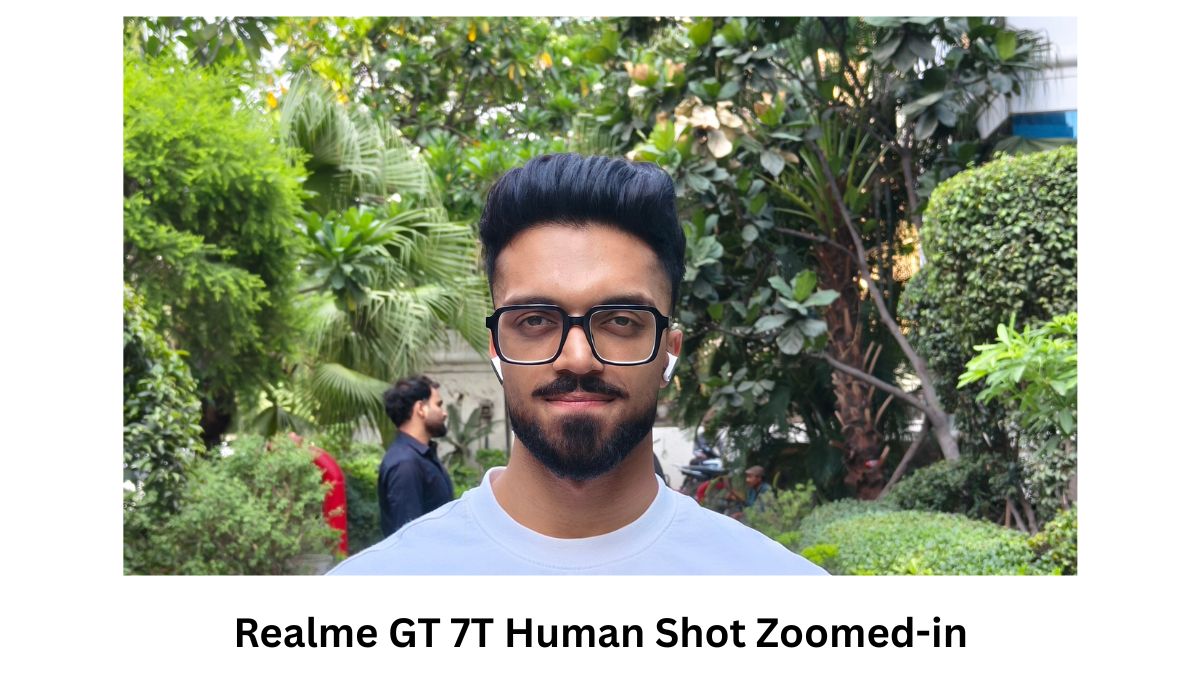
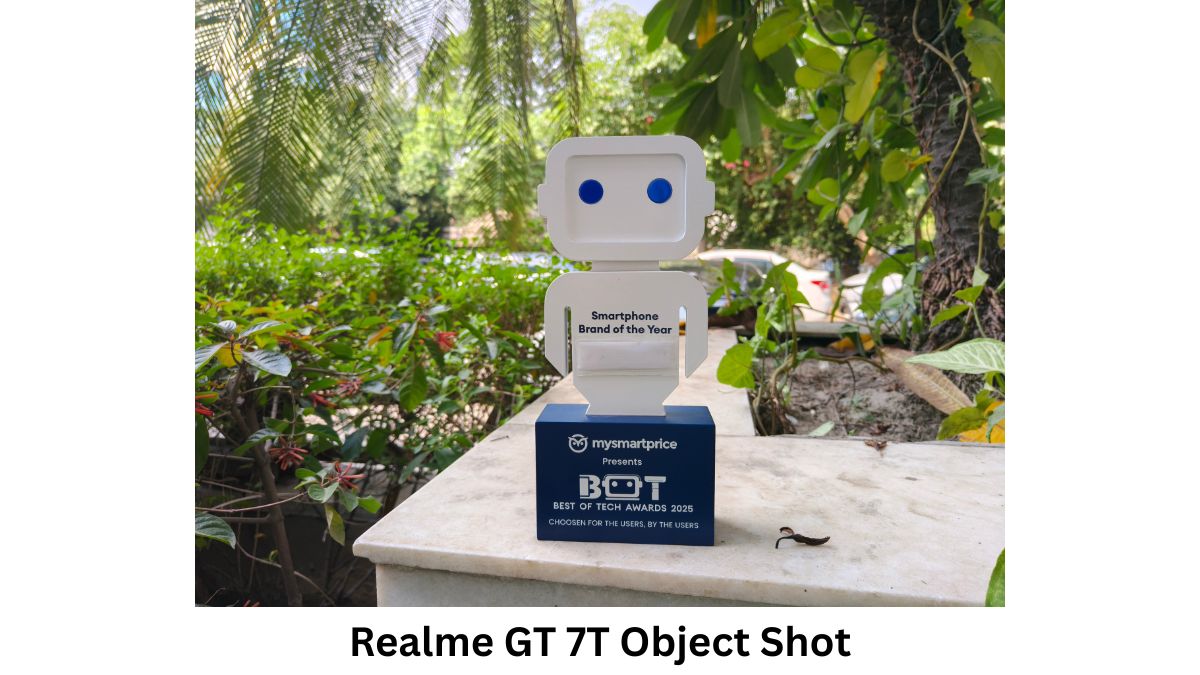
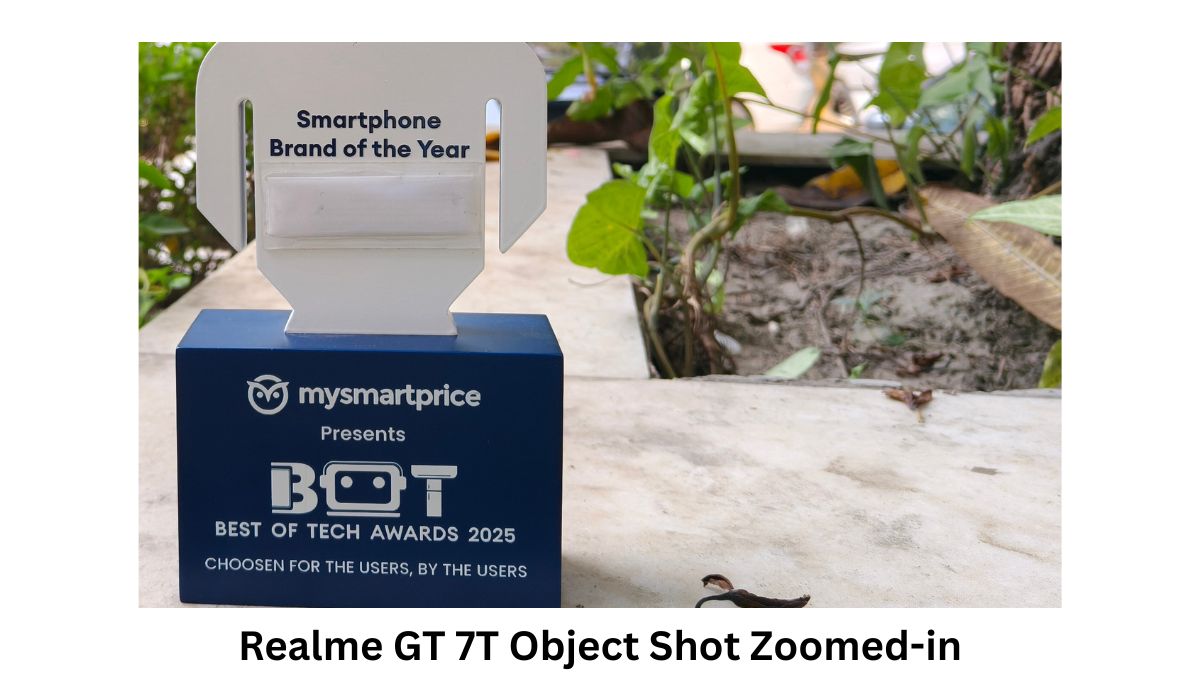
In terms of detail, the Realme GT 7T performs similarly to the Nothing Phone 4a. The main difference is that the Realme GT 7T tends to produce slightly brighter images. You can clearly see that Ujjawal’s forehead appears a touch too bright in this shot, along with the surrounding environment.
The trophy shot from the Realme GT 7T is slightly sharper than the one captured by the Nothing Phone 4a, revealing marginally more detail while also benefiting from the brighter exposure. However, the colours appear more boosted, making the image look less natural.
Front Camera Comparison: Moto Edge 70 Pro Delivers the Most Natural Selfies
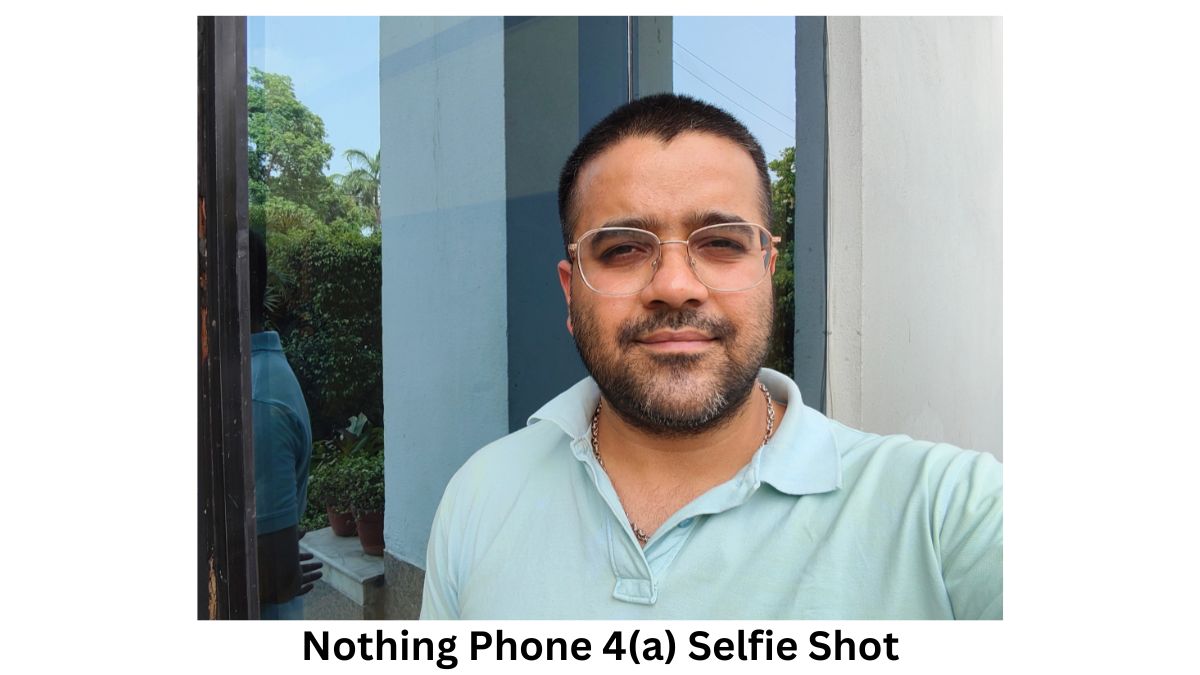
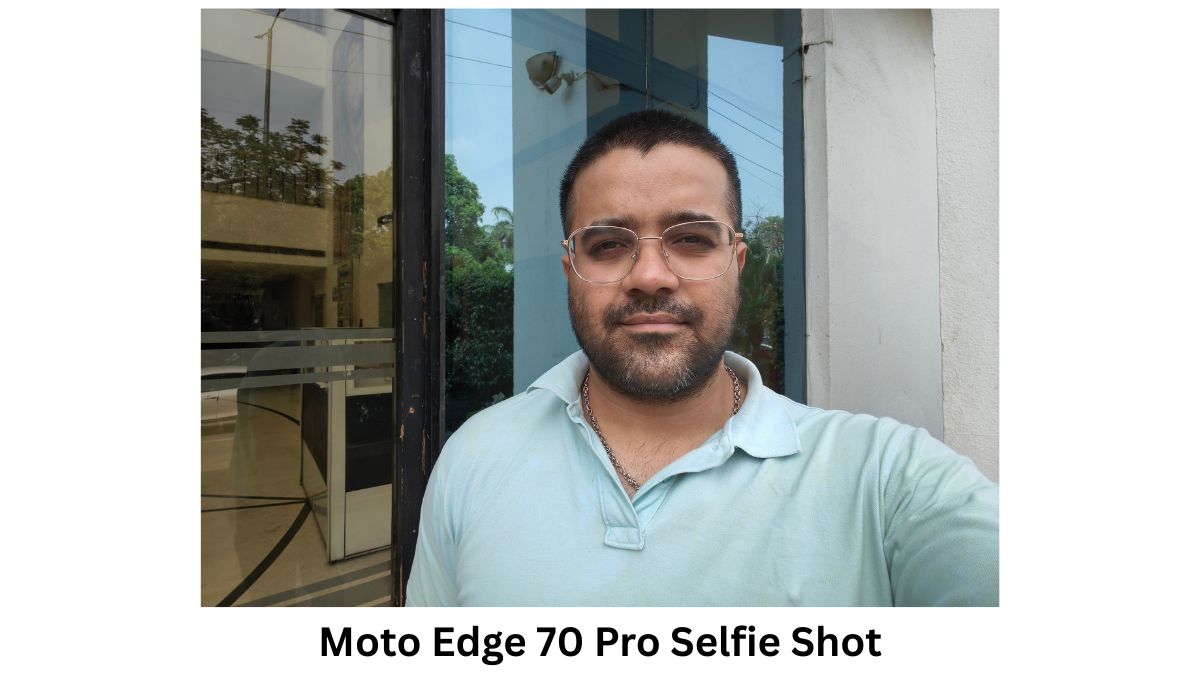
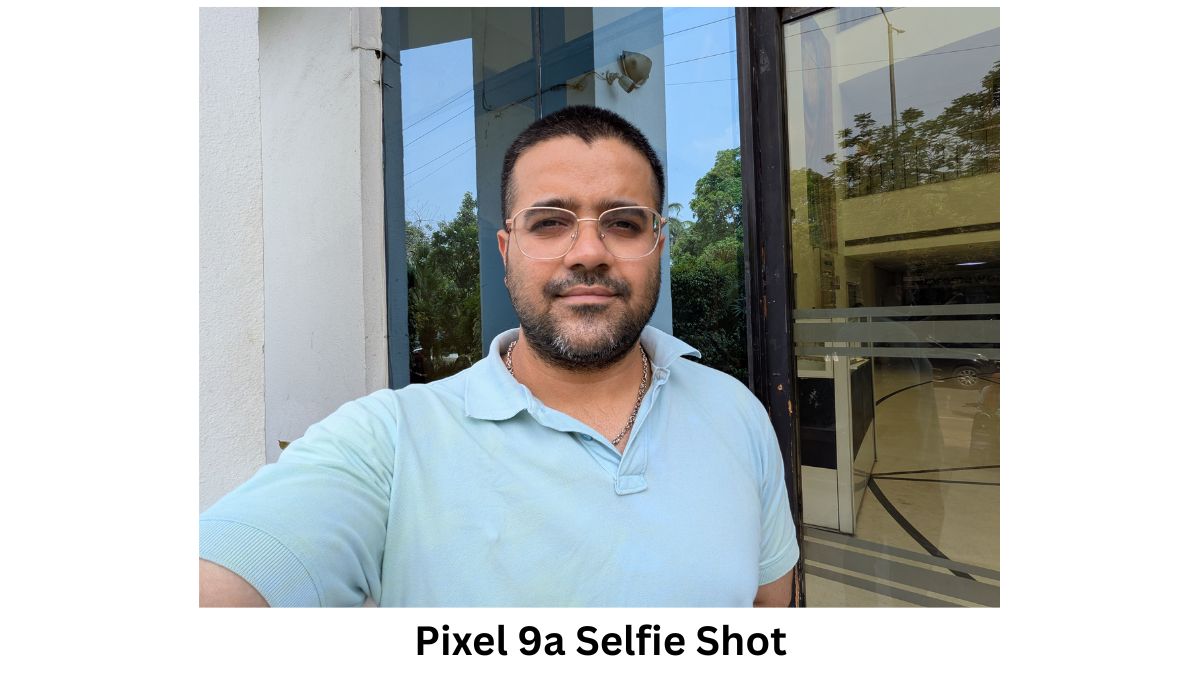
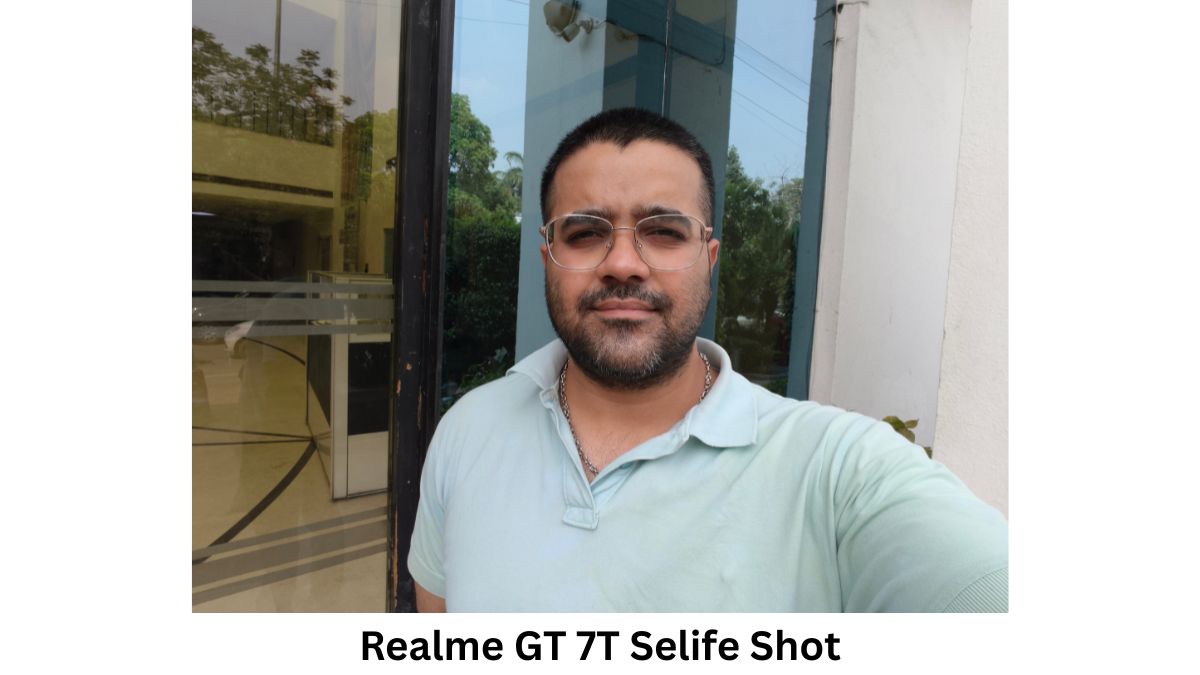
When it comes to selfies, the narrative changes significantly. The Moto Edge 70 Pro captures the most neutral-looking image of the bunch, while the Pixel 9a boosts the colours of my T-shirt noticeably. Similarly, the Nothing Phone 4a enhances the tones of my face while keeping the colour of my T-shirt relatively neutral. Lastly, the Realme GT 7T delivers a selfie that is quite similar to the Moto Edge 70 Pro’s in terms of colour reproduction.
In terms of detail retention, I’d call it a tie between the Nothing Phone 4a and the Moto Edge 70 Pro, as both manage to preserve a similar level of facial detail in this scenario. The Pixel 9a follows closely behind, while the Realme GT 7T finishes last, capturing the least amount of fine detail among the four devices.
Low-Light Camera Comparison: Moto Edge 70 Pro Leads the Pack


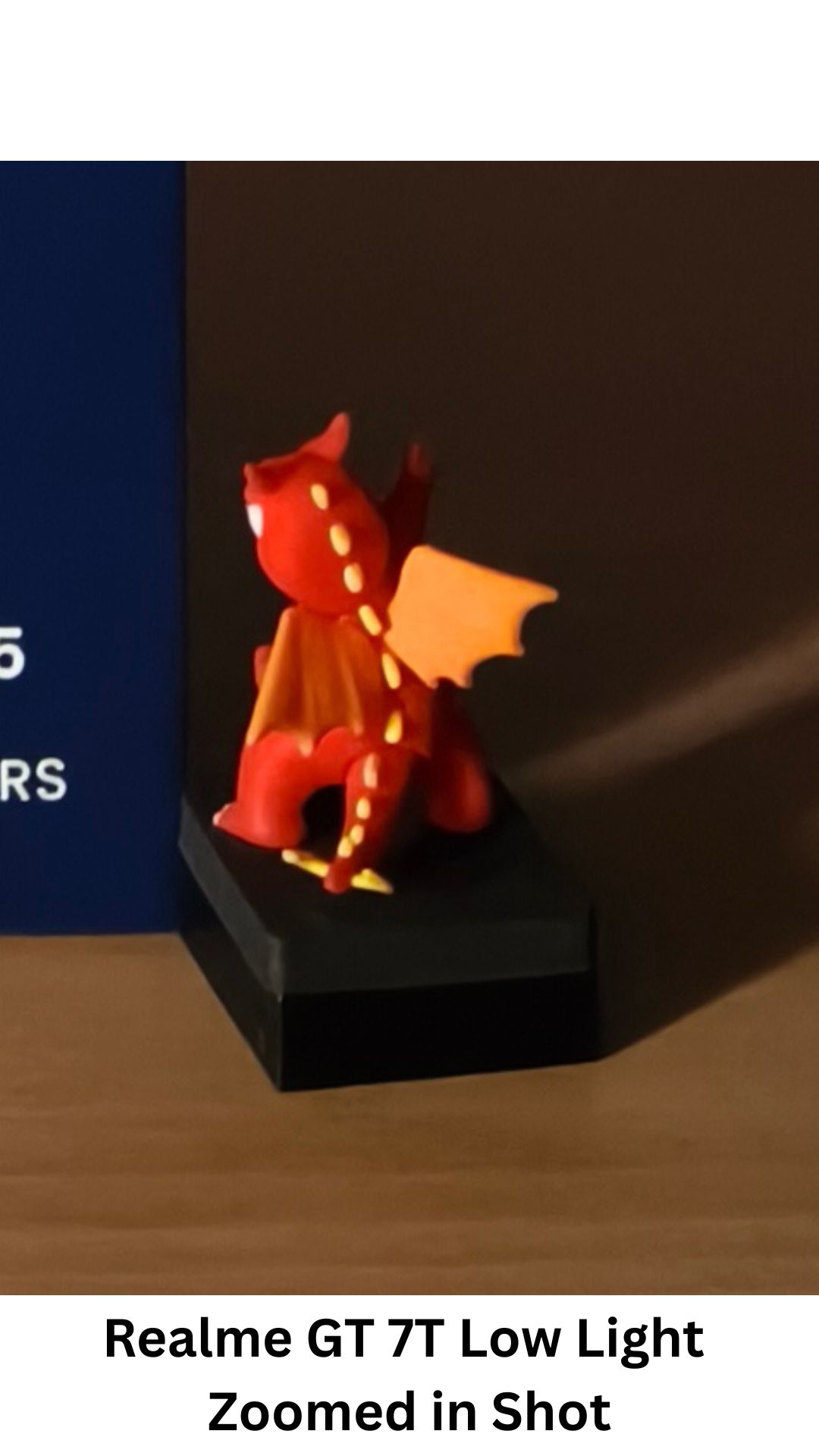
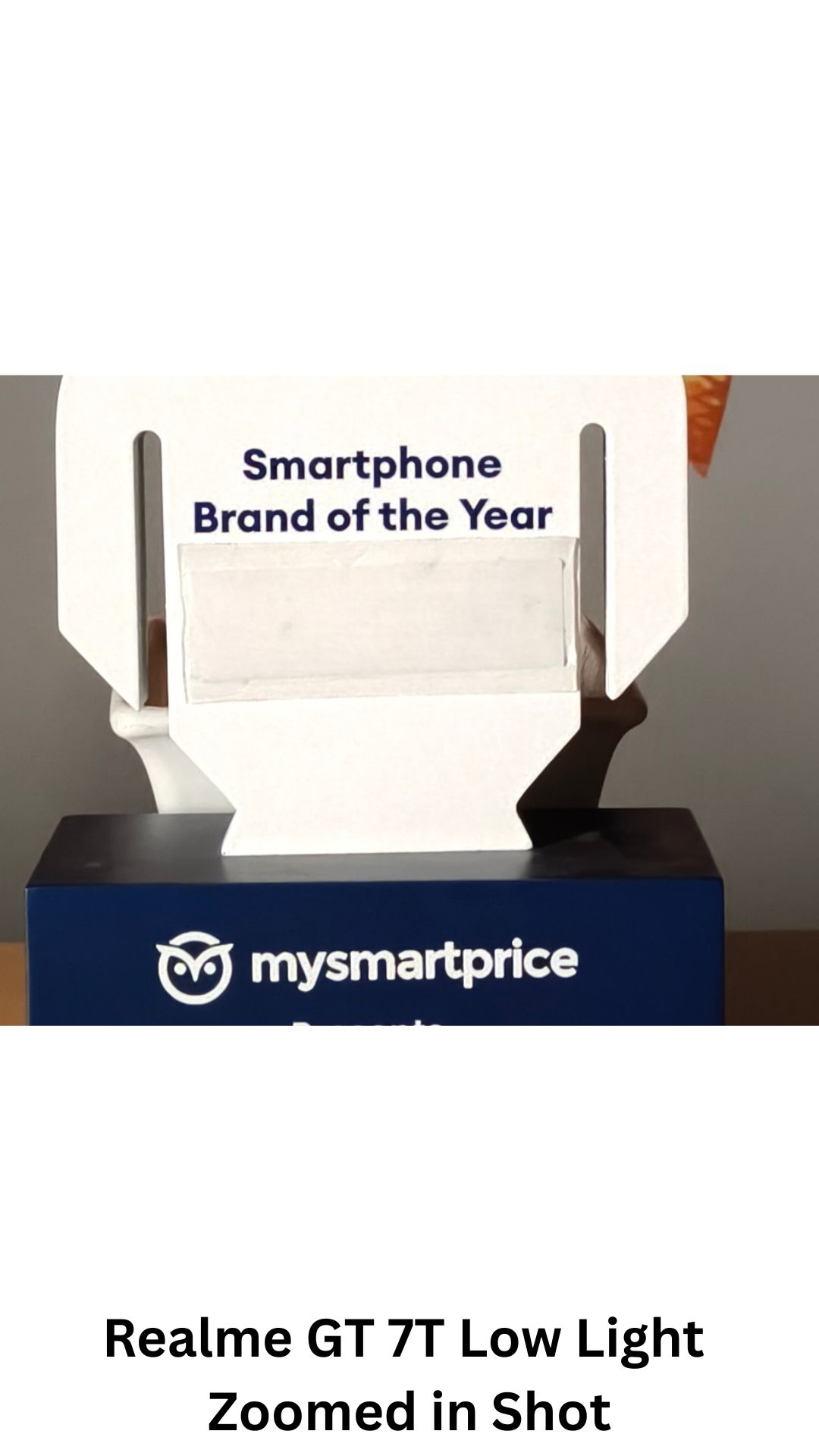
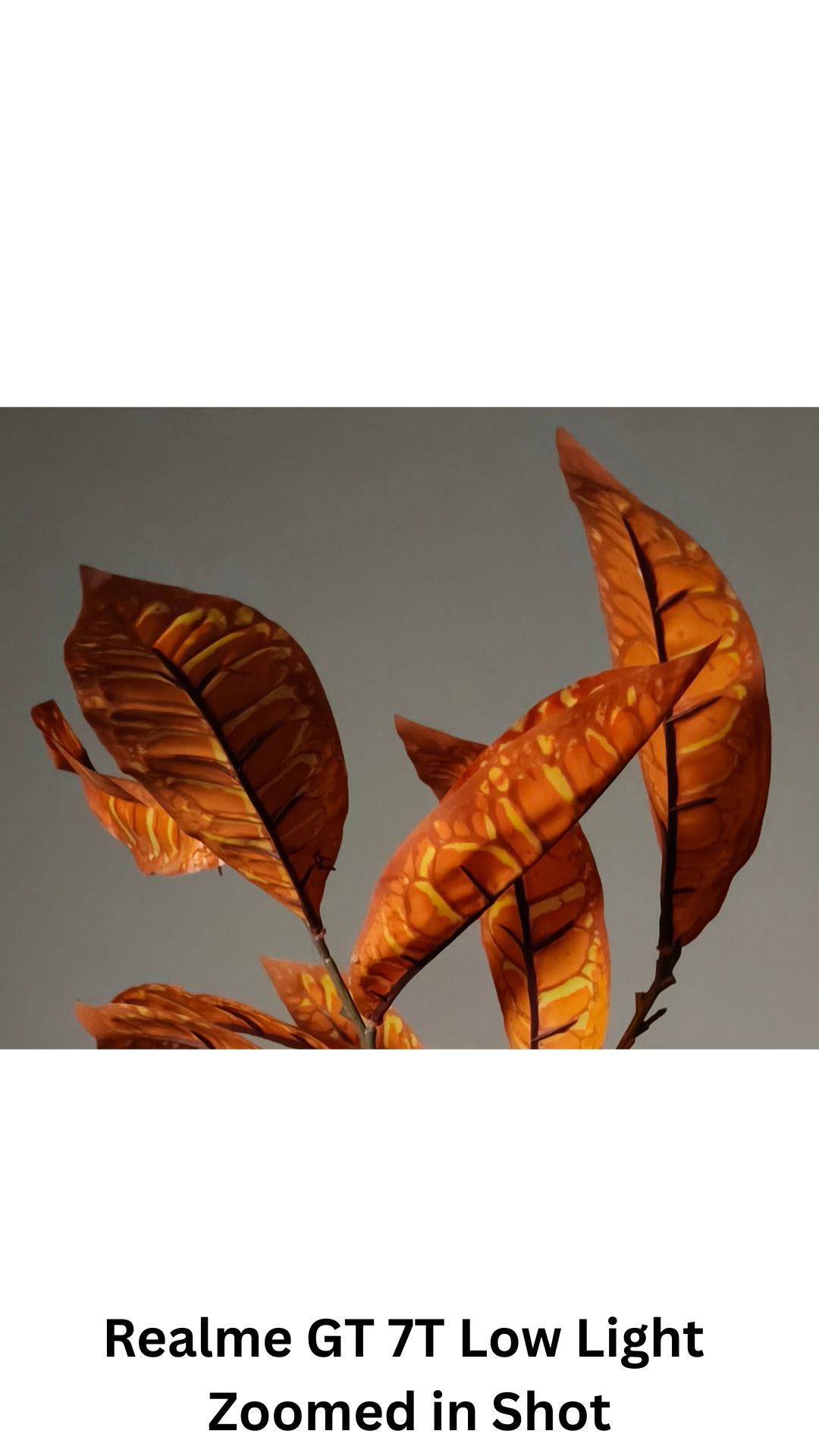
The Realme GT 7T performs decently in our low-light photography comparison. First things first, it brightens up the scene quite well. We have already seen how the camera captures a good level of detail in daylight, and its low-light performance is fairly respectable too.
The low-light image from the Realme GT 7T has an overall warm tone, and the camera appears to boost colours slightly, making them look more vibrant. However, it struggles to retain finer details, with the edges of objects such as the car and the small dragon appearing noticeably soft.
Similarly, the camera fails to capture the intricate details in the white taped-off section of the trophy, where elements like dirt and dust are largely lost.
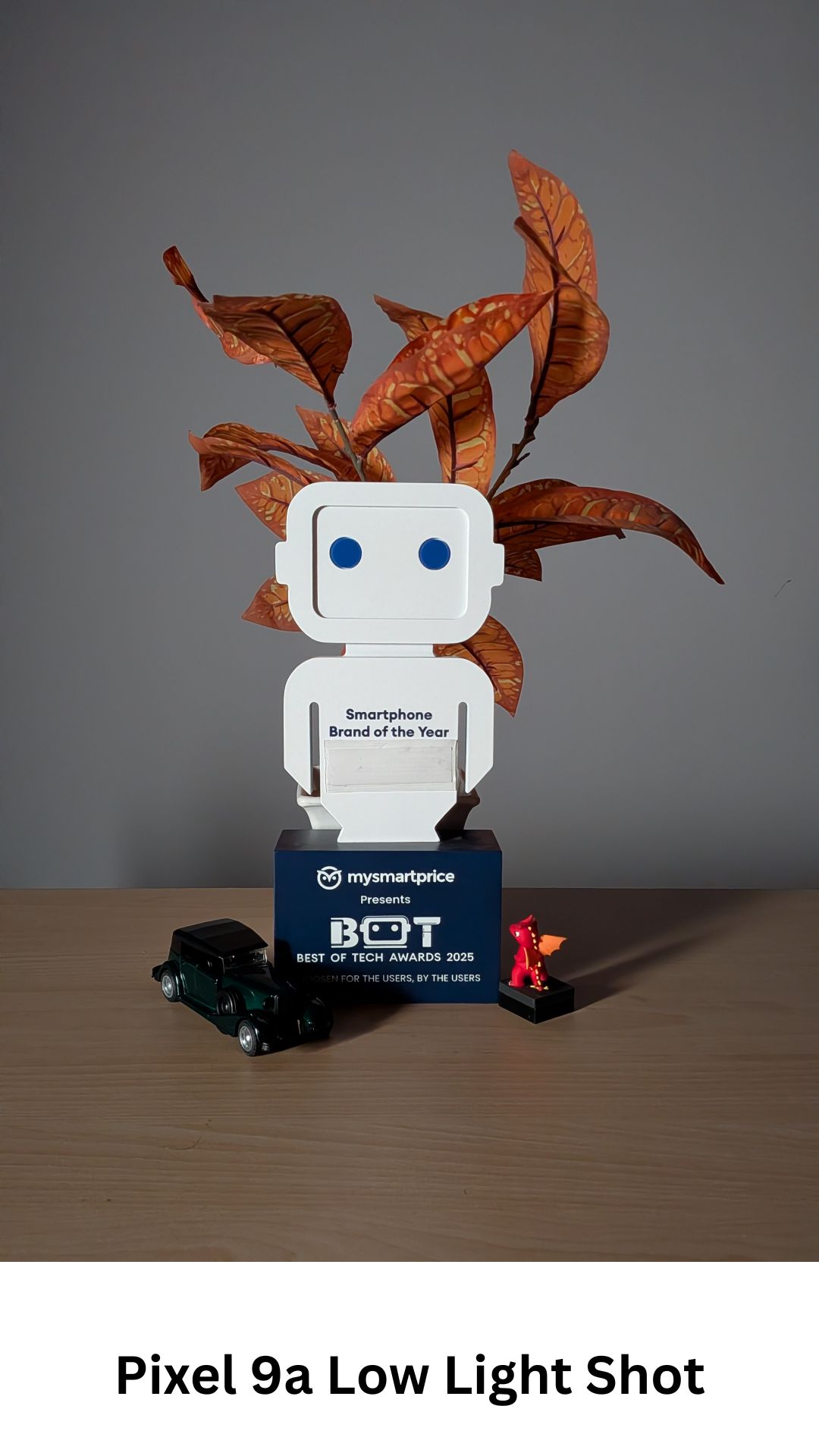
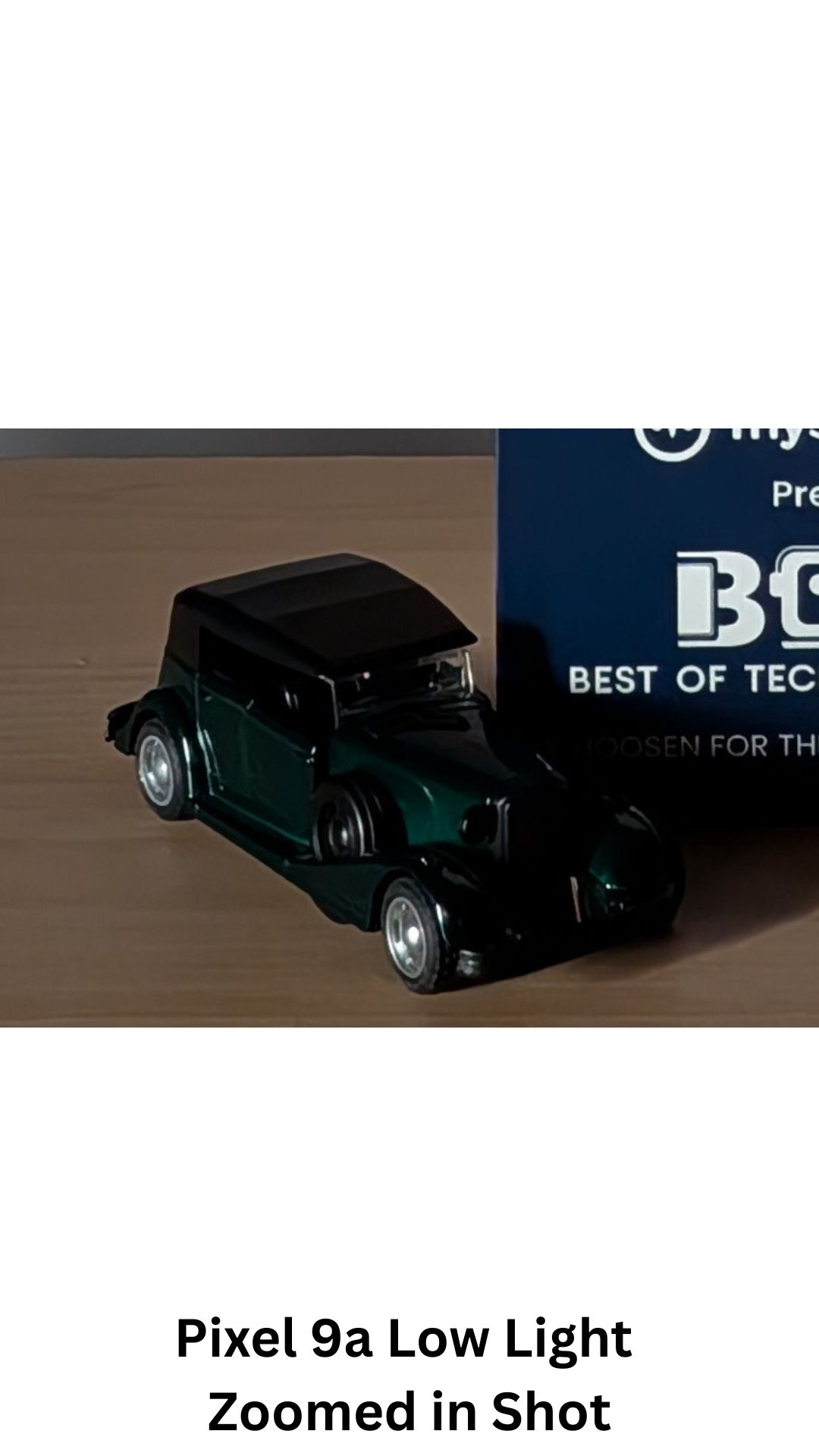
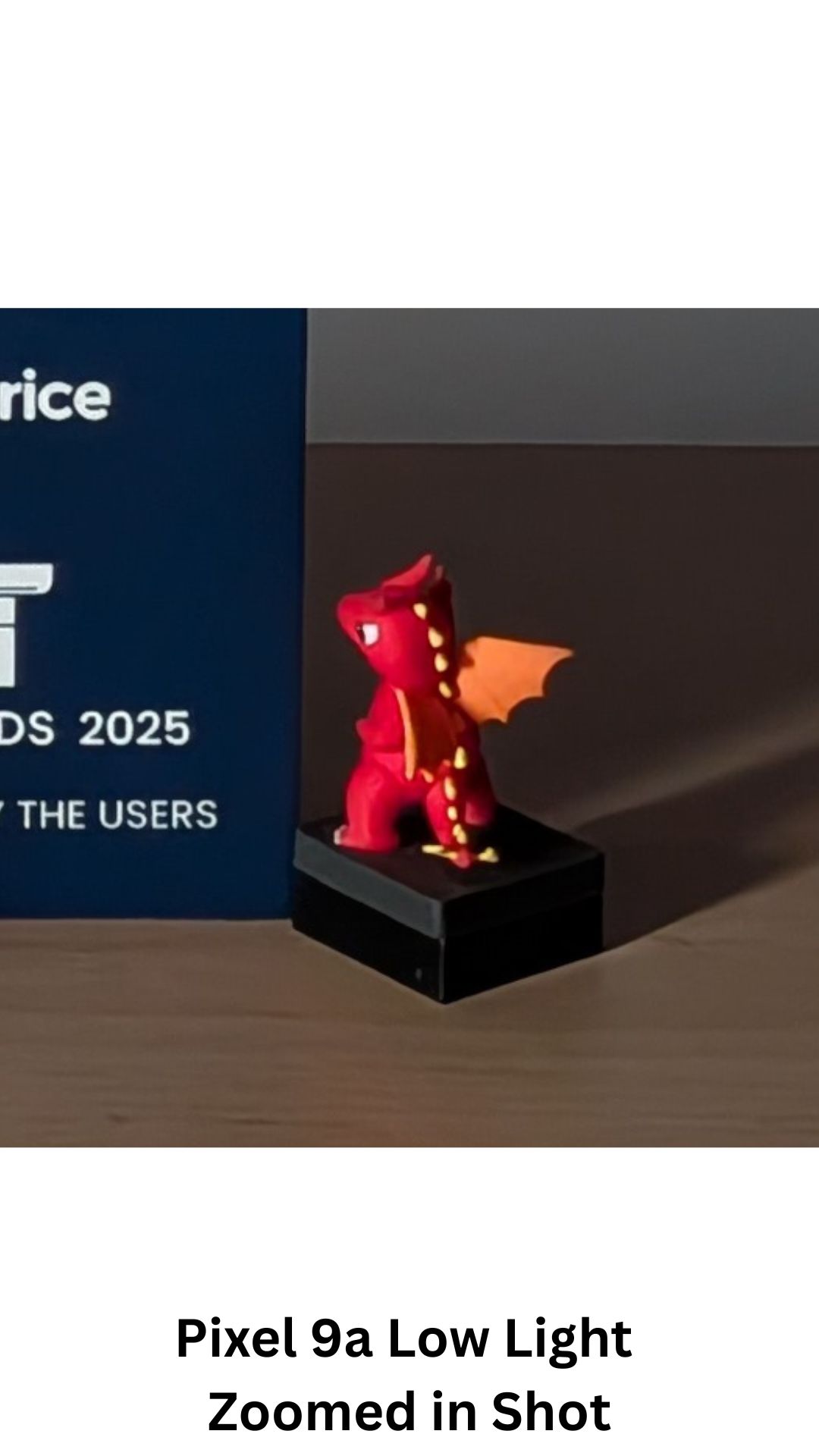
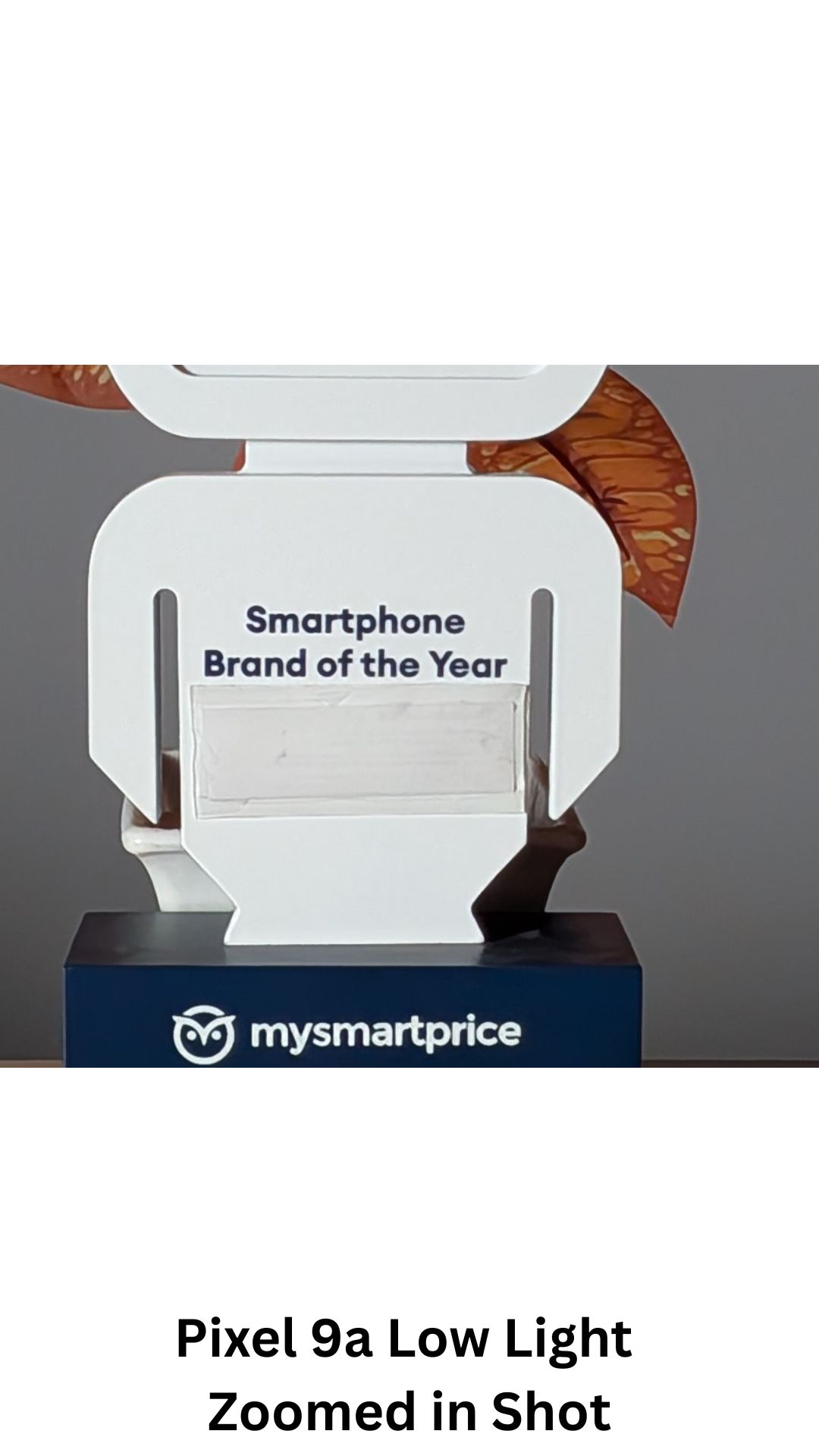
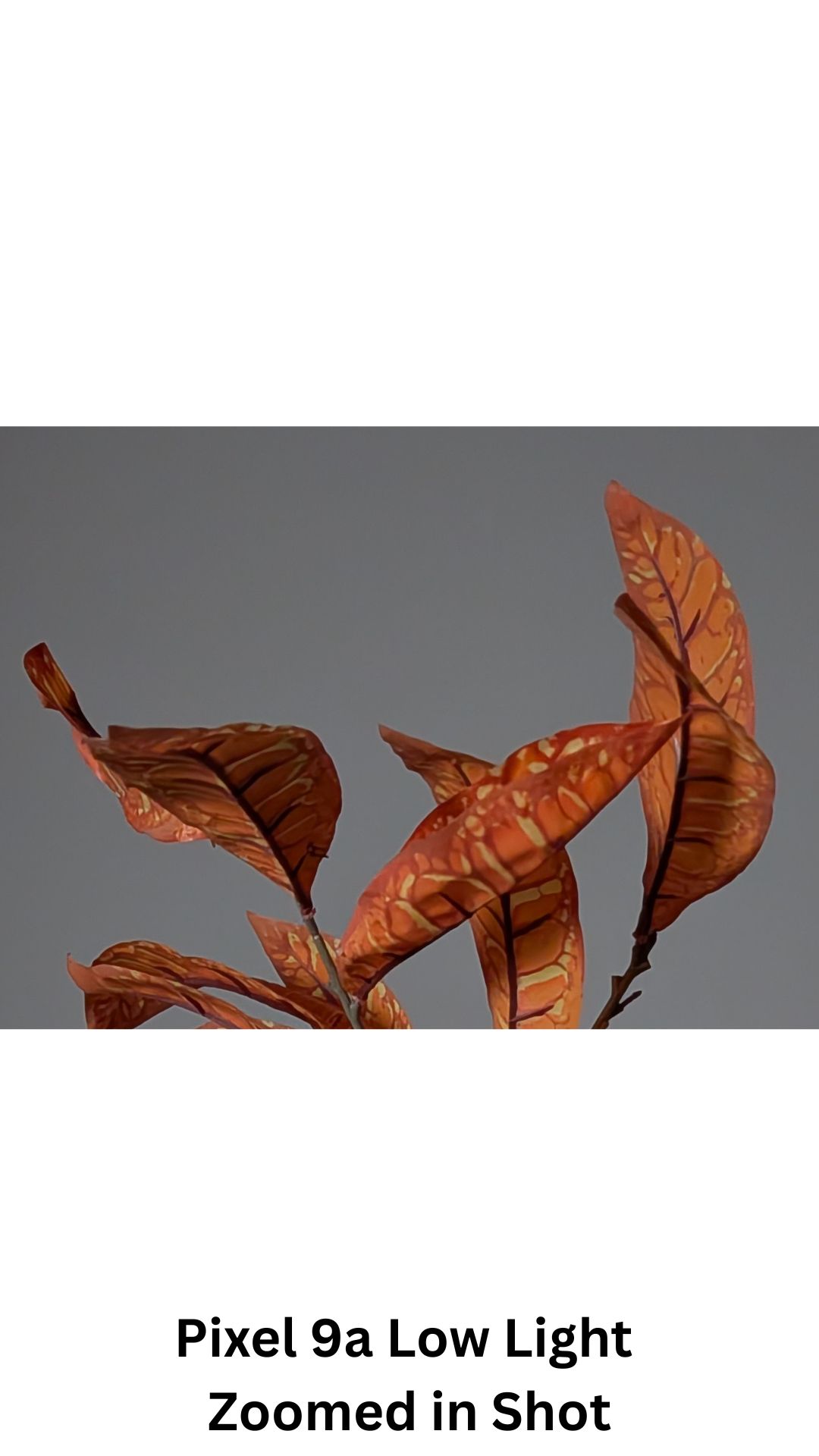
The Pixel 9a impresses us with its low-light performance. Although it doesn’t brighten up the scene as much as other smartphones on this list, it does a good job of preserving details, such as those on the small toy cars and the tiny dragon. However, it is not able to illuminate any additional areas in the photo, meaning that elements that are not visible, such as the car’s front radiator in photos from other phones, are still not visible here.
It’s just that whatever the Pixel 9a captures, it does so with more detail. It does this with the white taped-off section of the trophy, wherein we can clearly see that there are two sections of white tape and exactly where the creases are.
The night photo has an overall cool tone, and the colours border on neutral, which isn’t exactly helping the low-light image. One thing in the Pixel 9a’s favour, however, is that its output is consistent in almost every situation.
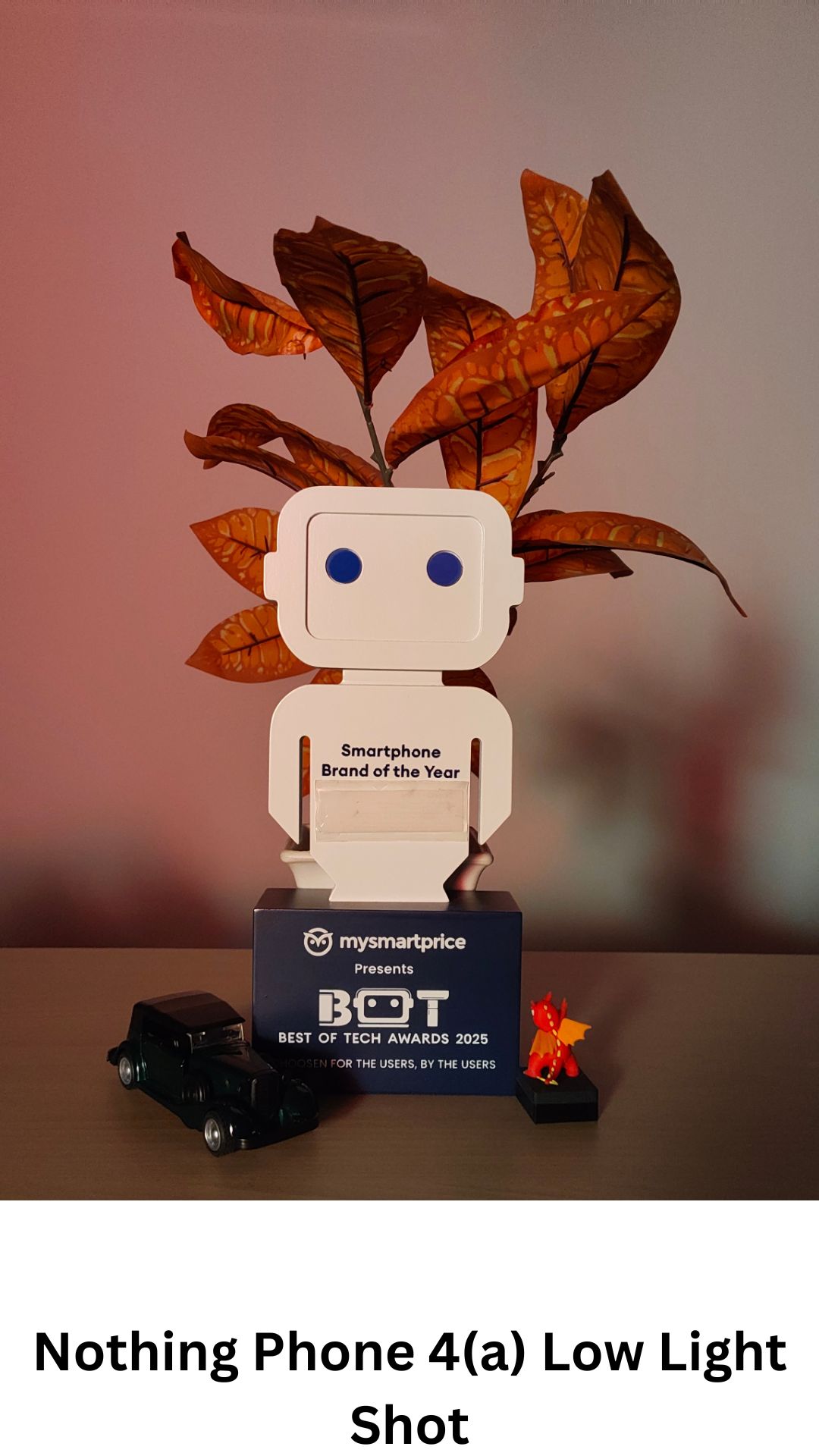
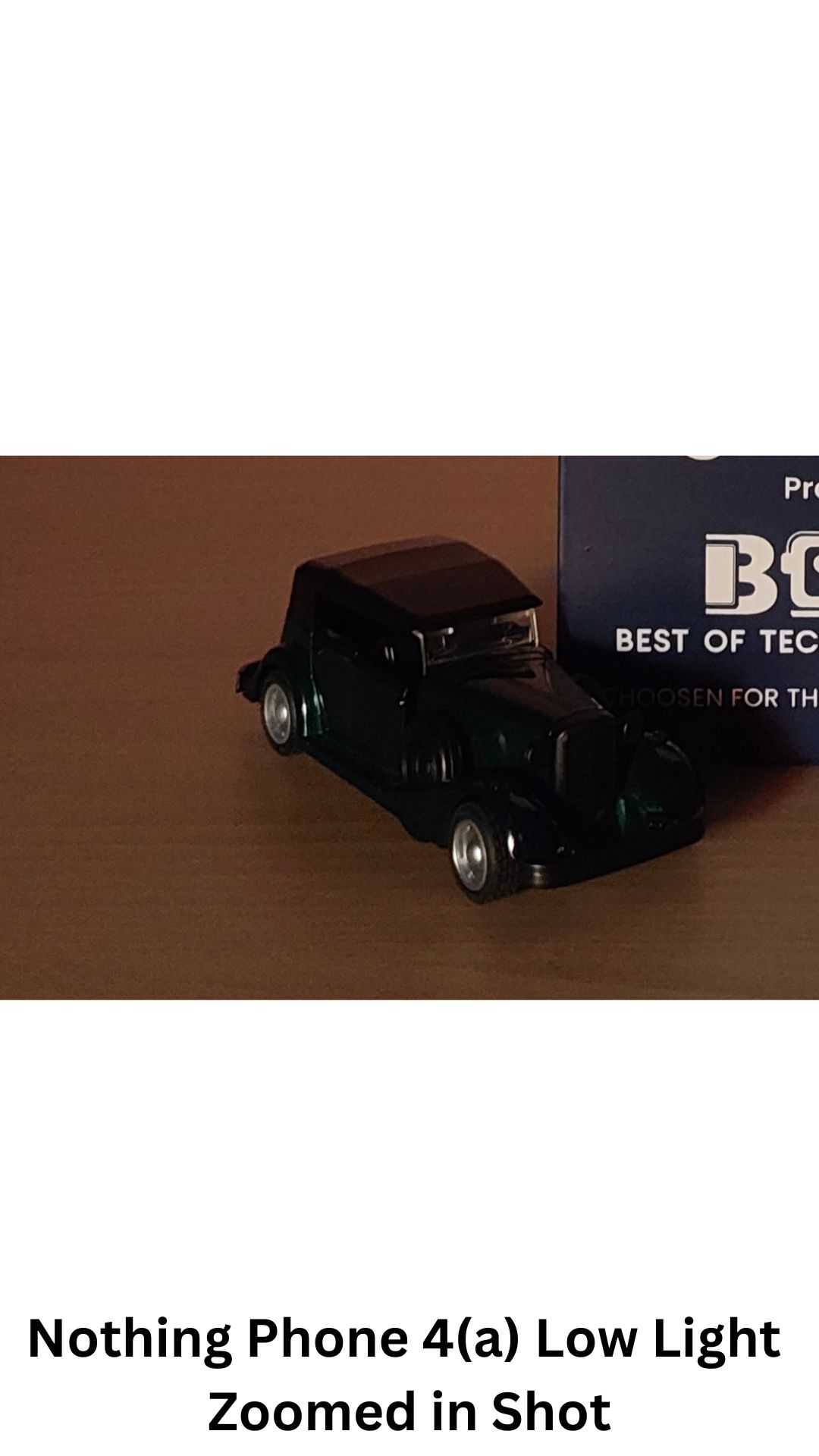
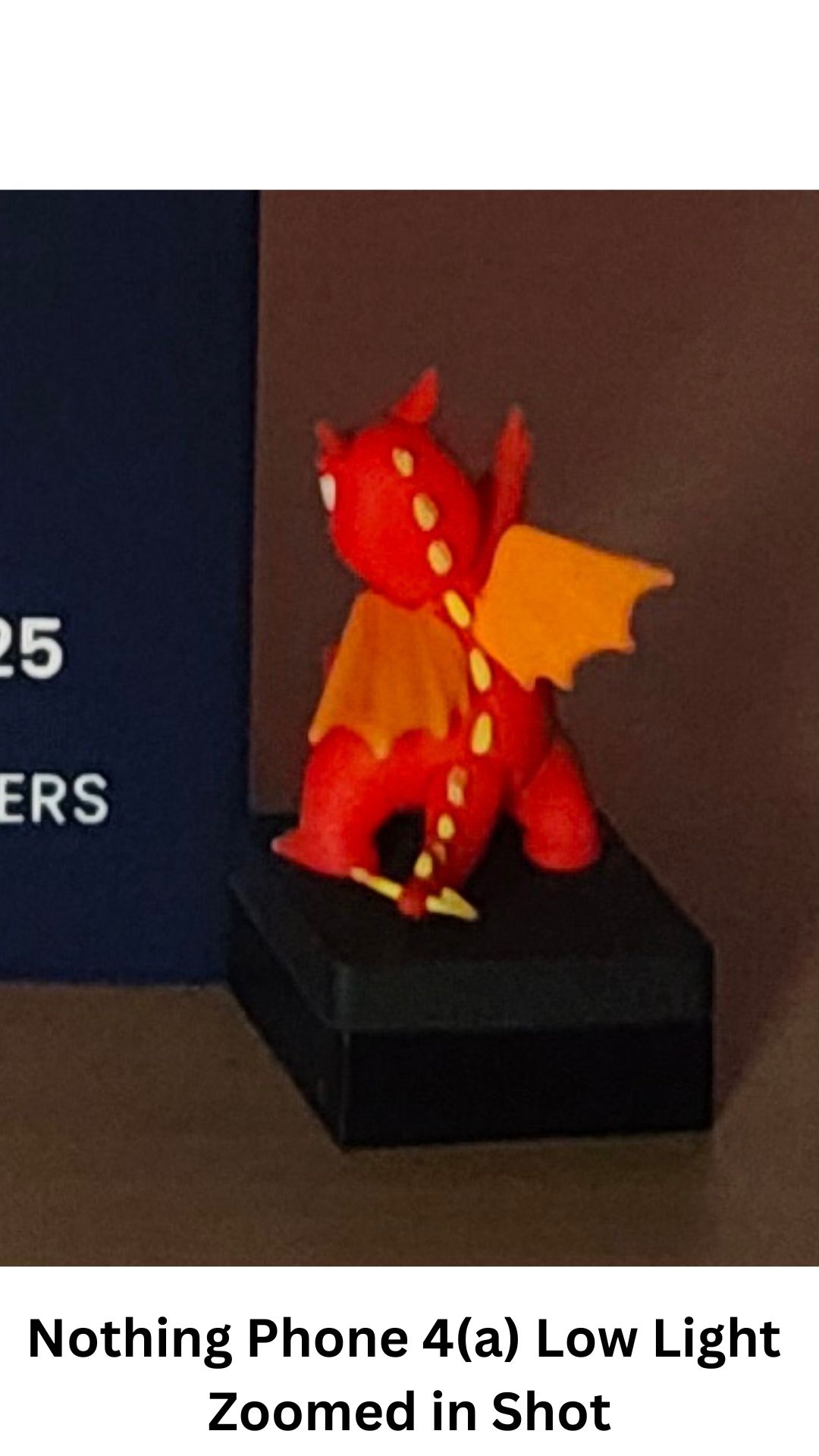
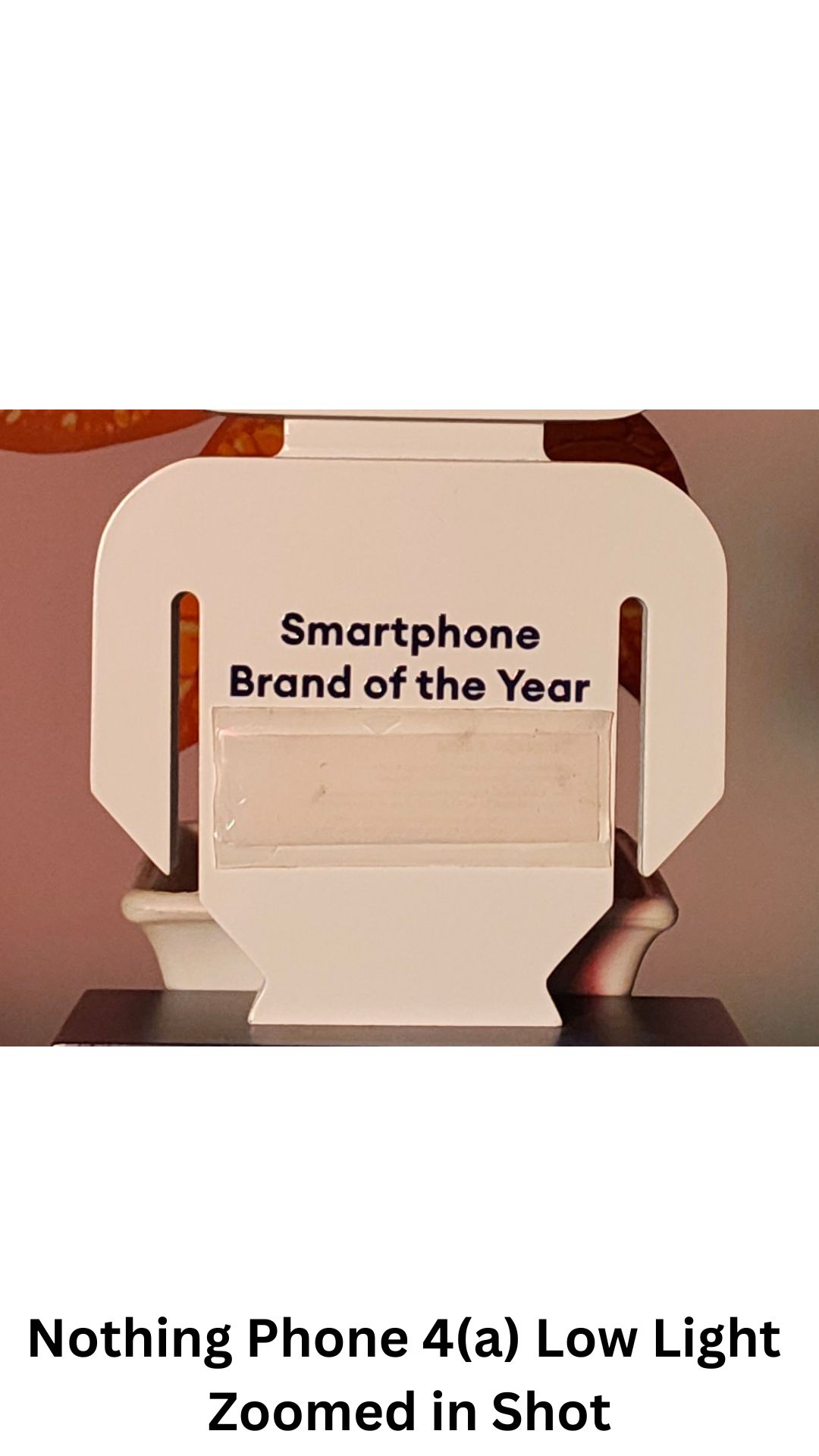
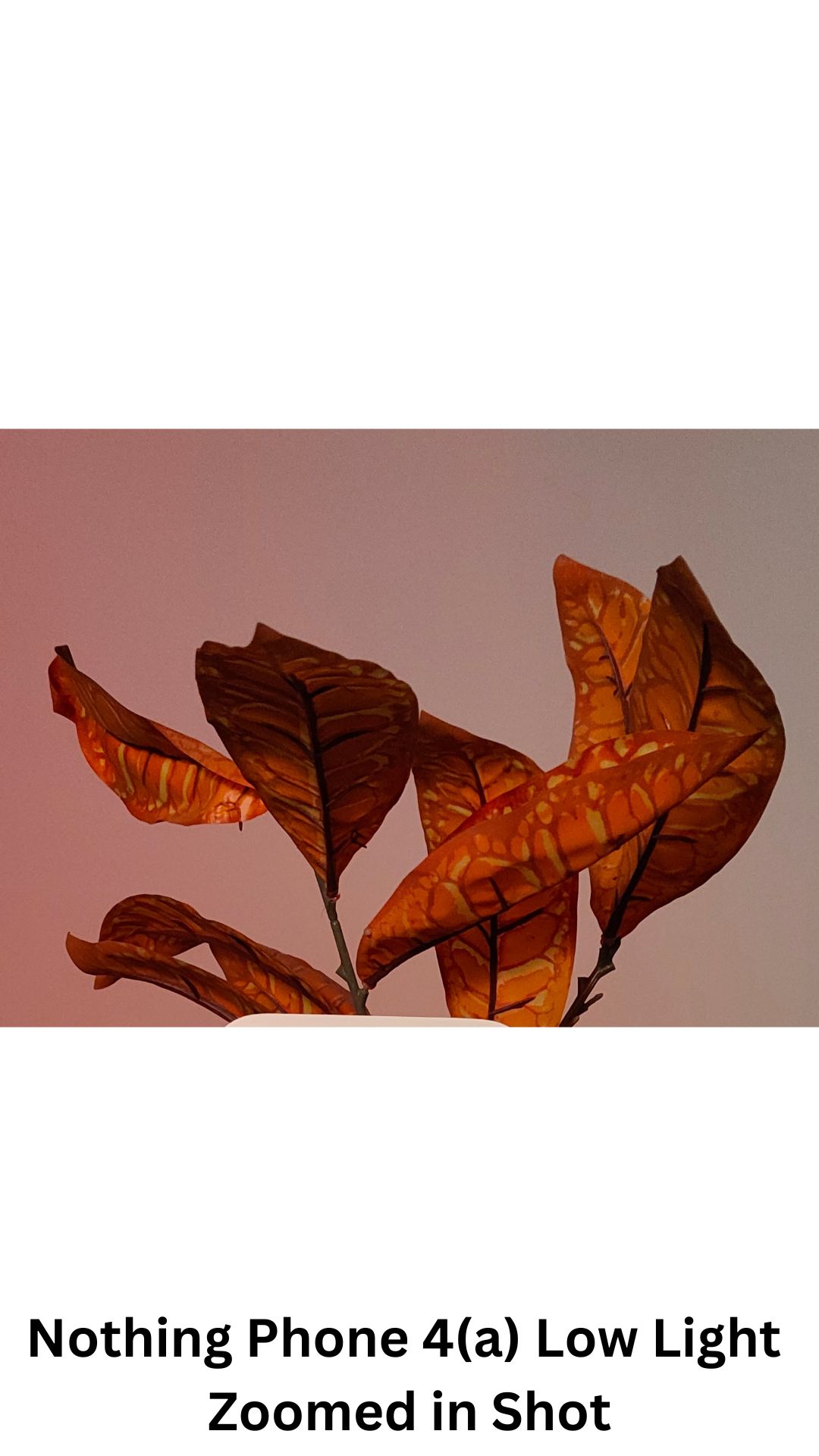
The Nothing Phone 4(a)’s low light performance does a mix of both, it brightnes up the scene and also captures a decent amount of detail. The first thing you’ll notice is that because of the extra brightness, you can not see details of the car’s radiator grille at the front. Moreover, it’s easy to see that the details of white taped off sticker on the trophy.
The overall colour tone of the photo’s is slightly on the punchier side but not as punchy as the Realme GT 7T. And the added brightness makes the Nothing Phone 4(a) a good camera to shoot low light scenes. However, the camera does add a lot of noise to the photo.





The Moto Edge 70 Pro strikes a good balance between brightening up the scene and preserving details. It also ensures that it does not add any noticeable noise to the image, preventing it from looking grainy. It still isn’t able to illuminate additional areas, such as the car’s radiator grille, but it captures details at a level similar to the Pixel 9a.
One small issue with the Moto Edge 70 Pro here is that it introduces some degree of smoothing in certain areas. For example, it makes the leaves in the background look smoother and softens their edges noticeably. Overall, however, the image retains most of its natural colours and details.
Portrait Camera Test: Pixel 9a Edges Out the Moto Edge 70 Pro
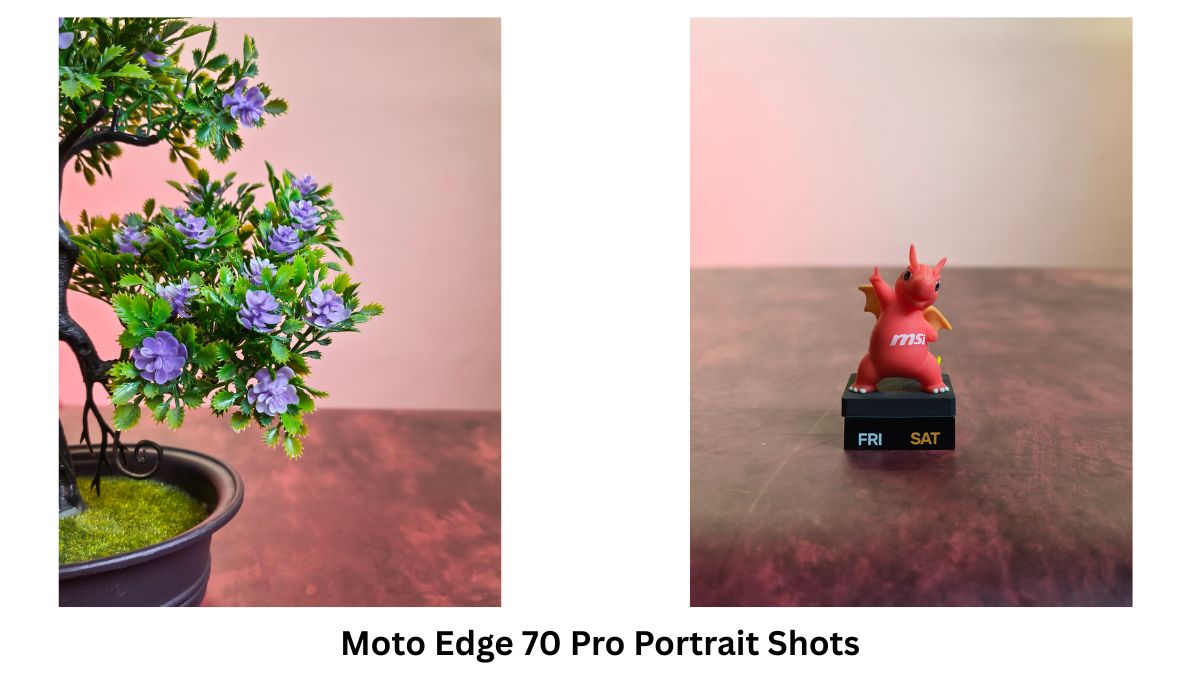
The Moto Edge 70 Pro delivered strong portrait performance. In challenging portrait scenarios, such as the small tree with multiple branches positioned at different depths, the Moto Edge 70 Pro did an excellent job of depth detection and produced a convincing portrait effect.
The same was true for the small mascot. The Moto Edge 70 Pro managed to accurately separate its tiny limbs and wings from the background, resulting in a clean and well-defined portrait shot.
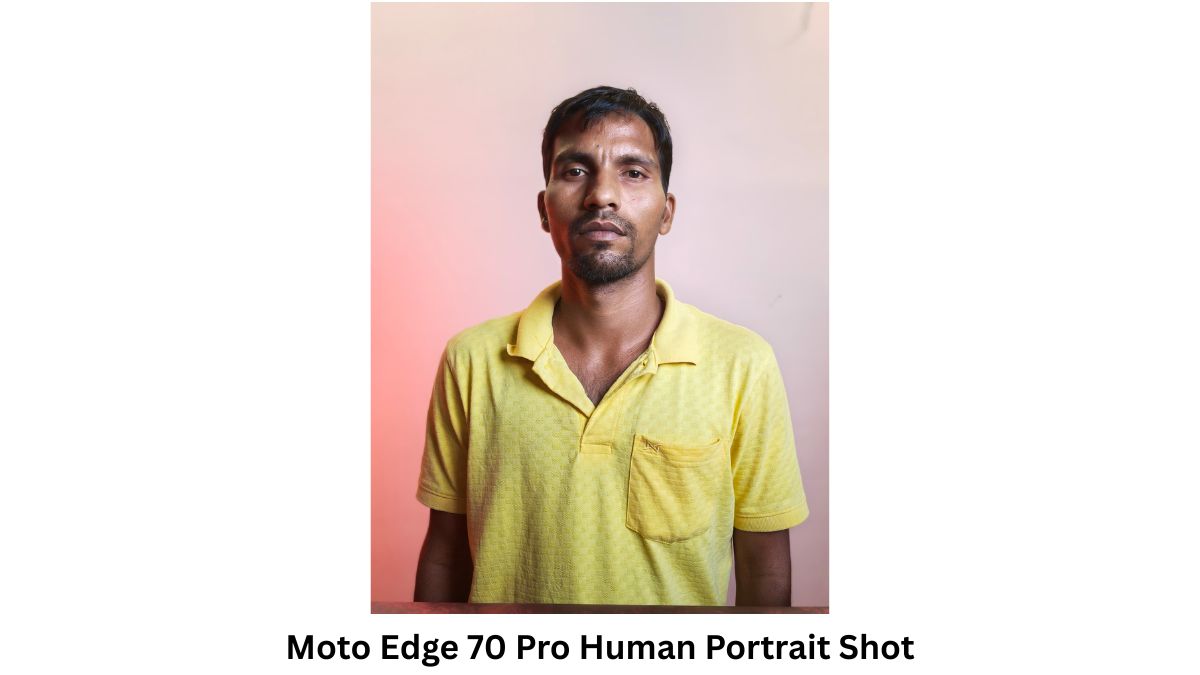
Similarly, when photographing a human subject, the Moto Edge 70 Pro performed very well. It managed to capture messy hair strands, skin texture, and the natural imperfections of the face with impressive clarity. The only caveat is that the exposure appears slightly brighter than it should be. Lastly, the overall colour profile leans towards a warm tone.
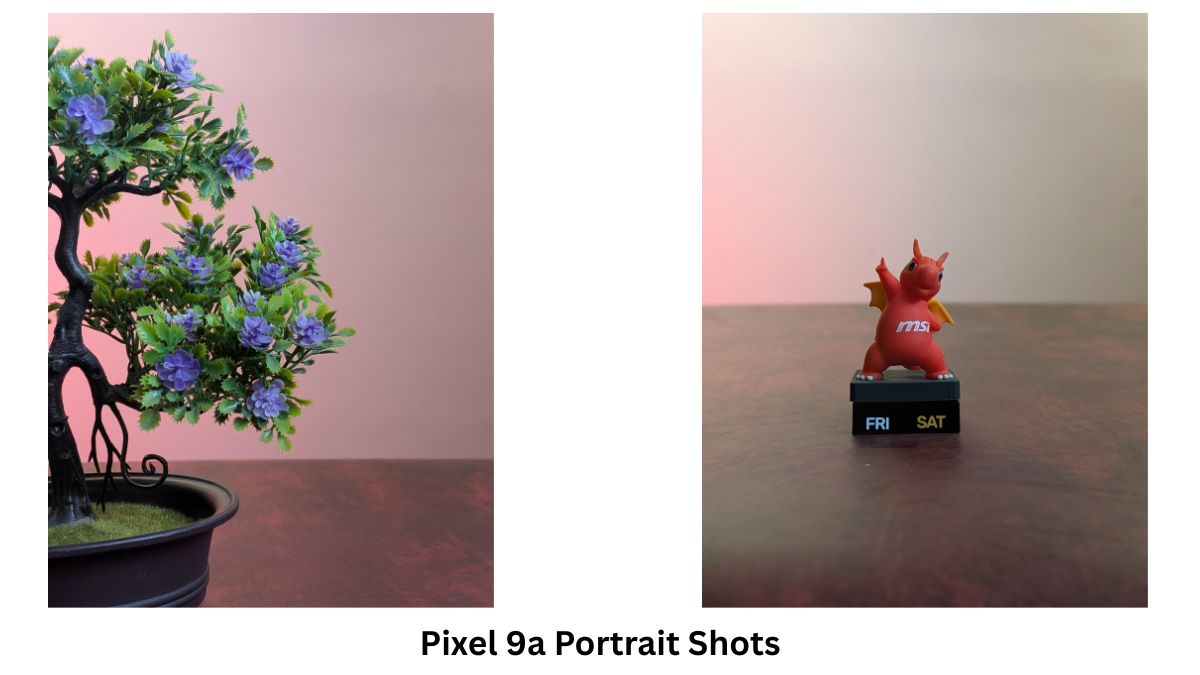
The Pixel 9a captures portrait shots just as well as the Moto Edge 70 Pro while maintaining a more muted and neutral colour profile. In a side-by-side comparison between the two phones, the most noticeable difference is that the Moto Edge 70 Pro’s images appear brighter.
The Pixel 9a, however, is the more consistent of the two, at least in this regard. Overall, it handles scenes with challenging depth separation just as effectively as the Moto Edge 70 Pro, producing clean and accurate portrait shots without overprocessing the image.
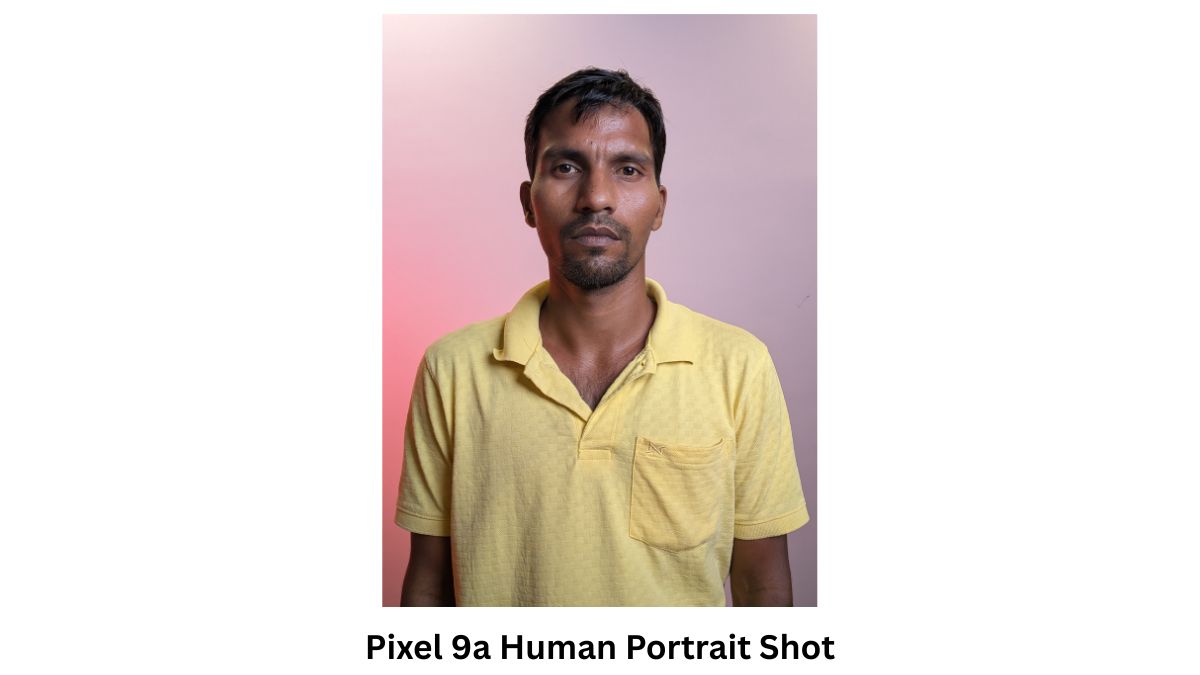
When it comes to human portrait shots, I personally prefer the output from the Pixel 9a over the Moto Edge 70 Pro. This is mainly because it avoids unnecessary brightening and preserves slightly more facial detail. The Pixel 9a captures skin texture more faithfully, retaining subtle facial features that can sometimes be softened by other cameras.
Additionally, the Pixel 9a avoids aggressive face smoothing and keeps the subject’s skin tone and overall complexion as natural as possible. Compared to the other smartphones in this comparison, it delivers the most authentic-looking portrait of the subject.
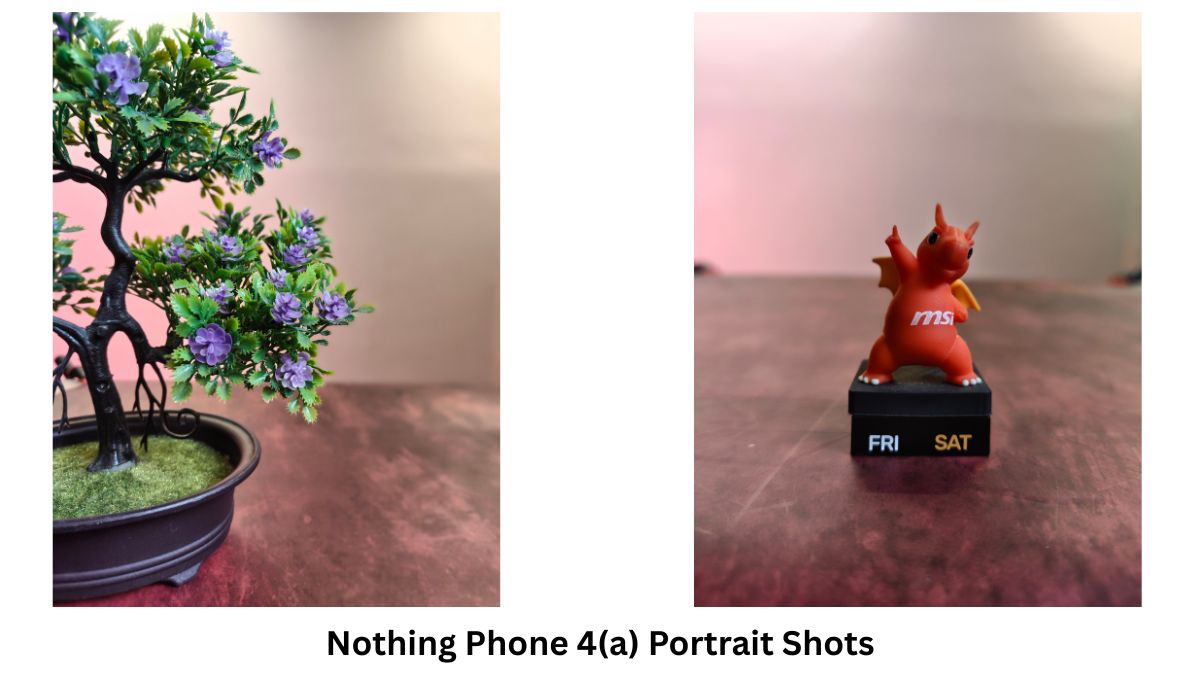
The Nothing Phone 4a struggles somewhat with portrait mode, particularly when it comes to depth detection. In the plant shot, it fails to accurately distinguish between branches positioned at different depths, resulting in a noticeable halo effect around the edges where the camera struggles to separate the subject from the background.
In the case of the small red dragon, the phone performs better but is still not flawless. While it manages to keep the front section, including the logo, in focus, it appears to miss the dragon’s right horn, which looks noticeably blurred in the final image. This suggests that the phone’s portrait processing can be inconsistent when dealing with small or intricate subjects.
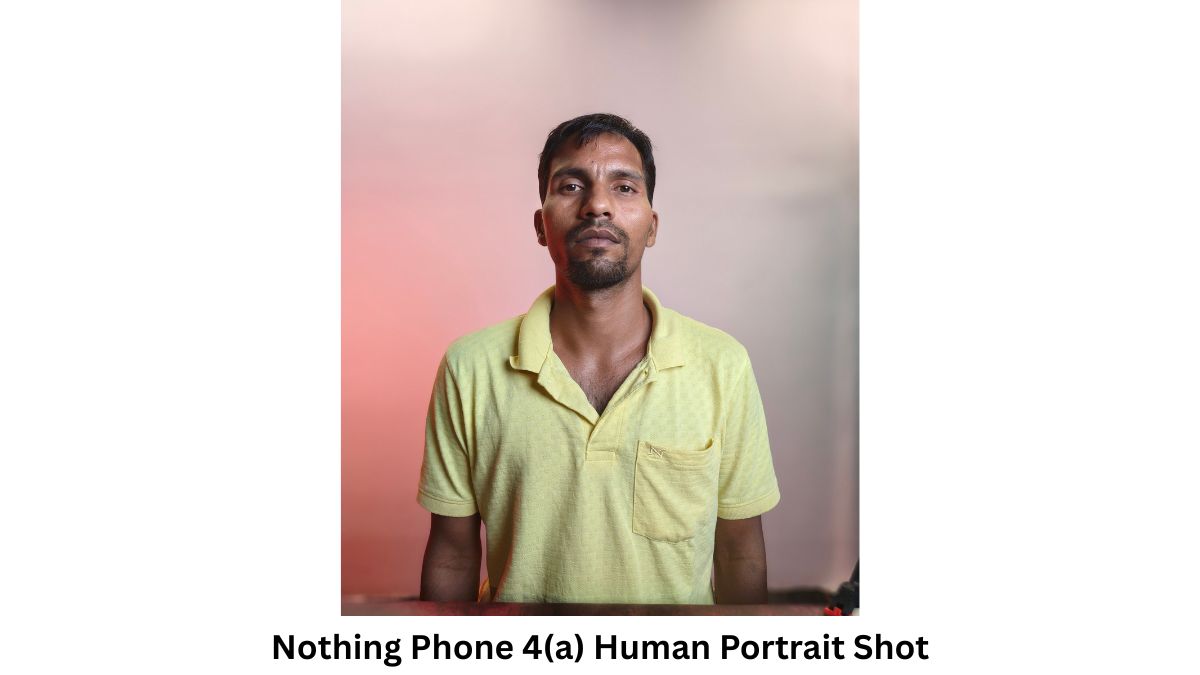
When it comes to human portrait shots, the Nothing Phone 4a delivers some genuinely impressive results. Although the camera still applies a small amount of skin smoothing and facial brightening compared to the Pixel 9a, it manages to retain a good amount of facial detail.
The overall colour profile leans slightly warm, but the results are visually appealing. Anyone who prefers social media-ready photos with a touch of enhancement will likely appreciate the Nothing Phone 4a’s portrait output, as it strikes a good balance between detail retention and an attractive final image.
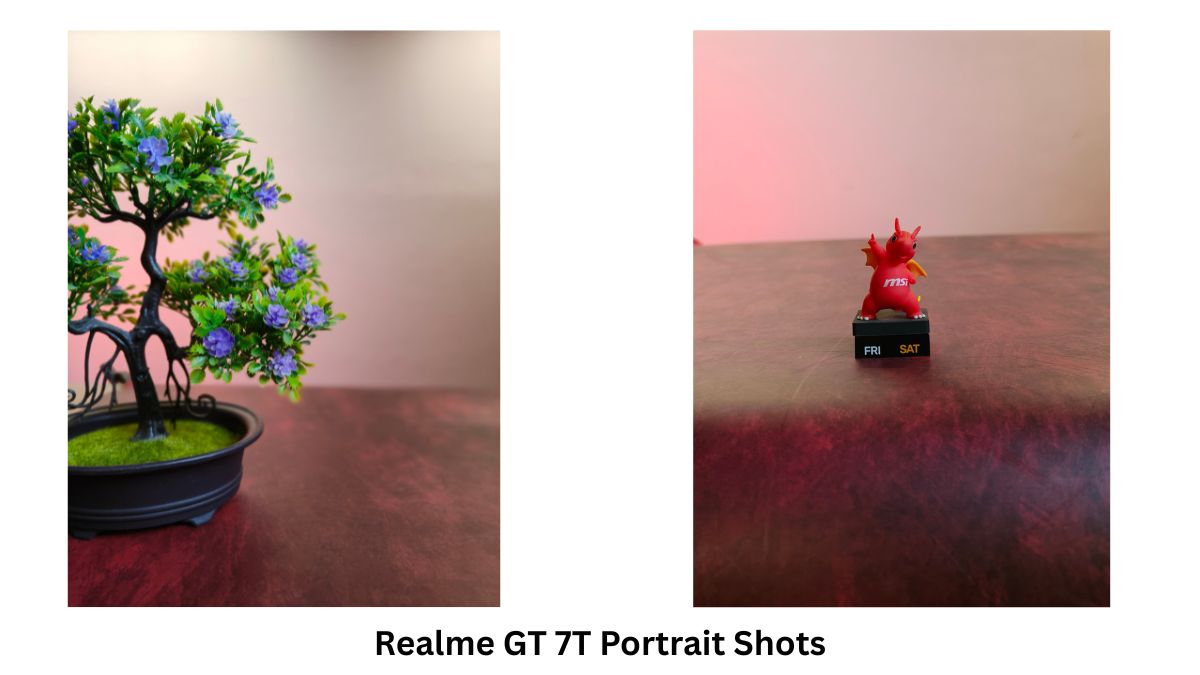
Lastly, the Realme GT 7T struggles the most when capturing the small tree. This suggests that the camera has difficulty with depth perception and is unable to produce accurate portrait shots in more challenging scenes.
Surprisingly, the Realme GT 7T performs much better with the small red dragon. It manages to separate the figure from the background quite effectively, capturing the edges and contours of the subject with good precision. However, in both cases, the camera noticeably boosts the colours, resulting in images that look more vibrant than they do in real life.
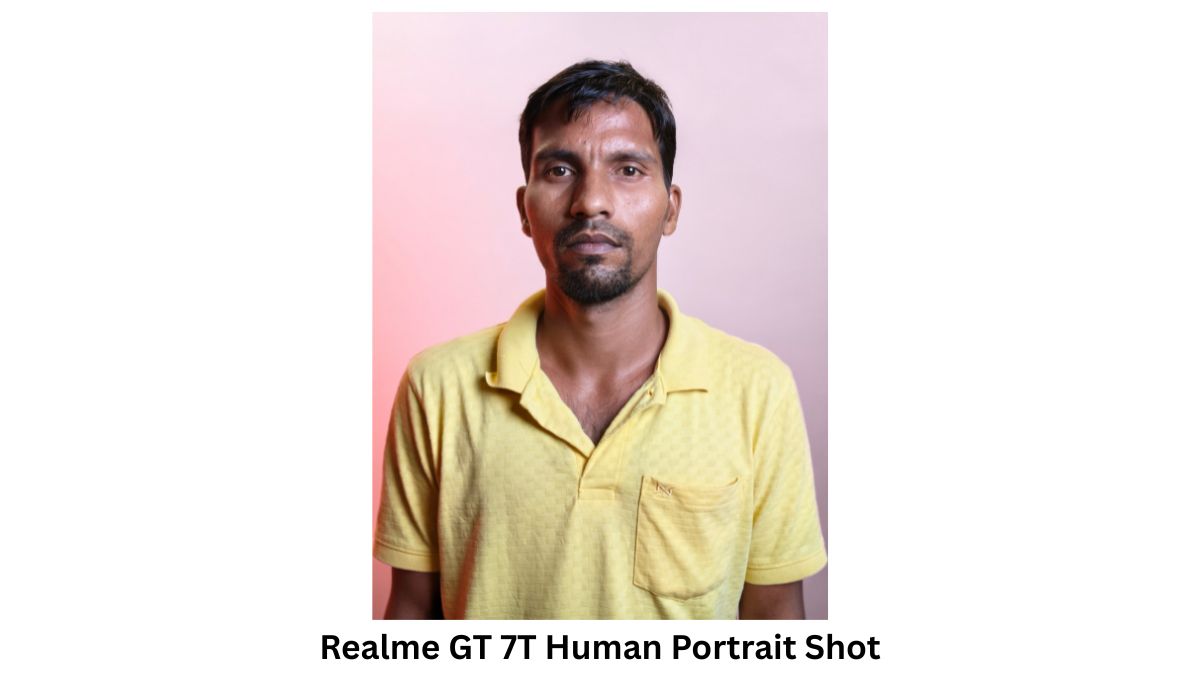
The Realme GT 7T does a serviceable job when it comes to portrait photography. It is certainly not the portrait king of this comparison, nor does it capture the most detailed or colour-accurate images. However, its performance is adequate overall.
At the very least, the camera manages to separate the human subject from the background cleanly, capturing the edges of the subject accurately without missing stray strands of hair. While the final images lack the refinement and natural rendering of the best performers in this comparison, they remain usable for everyday portrait photography.
Best Phone for Video Recording: Realme GT 7T Wins
The Realme GT 7T offers the strongest video specifications in this comparison. It supports 4K 60fps recording on both the rear and 32MP front cameras, making it particularly appealing for vloggers and content creators who want smooth, high-resolution footage from either side of the device.
The Moto Edge 70 Pro is a close contender, supporting 4K HDR10+ recording at 60fps. Its standout feature is 4K slow-motion recording at up to 120fps, giving creators more flexibility when shooting action-heavy scenes.
The Pixel 9a records 4K video at 60fps using its rear cameras and supports Full HD slow-motion recording at 240fps. However, its front camera is limited to 4K 30fps, making selfie videos less fluid than those from the Realme GT 7T.
The Nothing Phone 4a trails the competition on paper. Its rear camera is limited to 4K 30fps, while 60fps and 120fps recording require dropping down to 1080p. It is the only phone in this comparison without standard 4K 60fps recording.
The Realme GT 7T takes the win for video recording. While the Moto Edge 70 Pro offers impressive 4K 120fps slow motion, the Realme GT 7T remains the only device here to deliver 4K 60fps recording on both the front and rear cameras, making it the most versatile option for content creation.