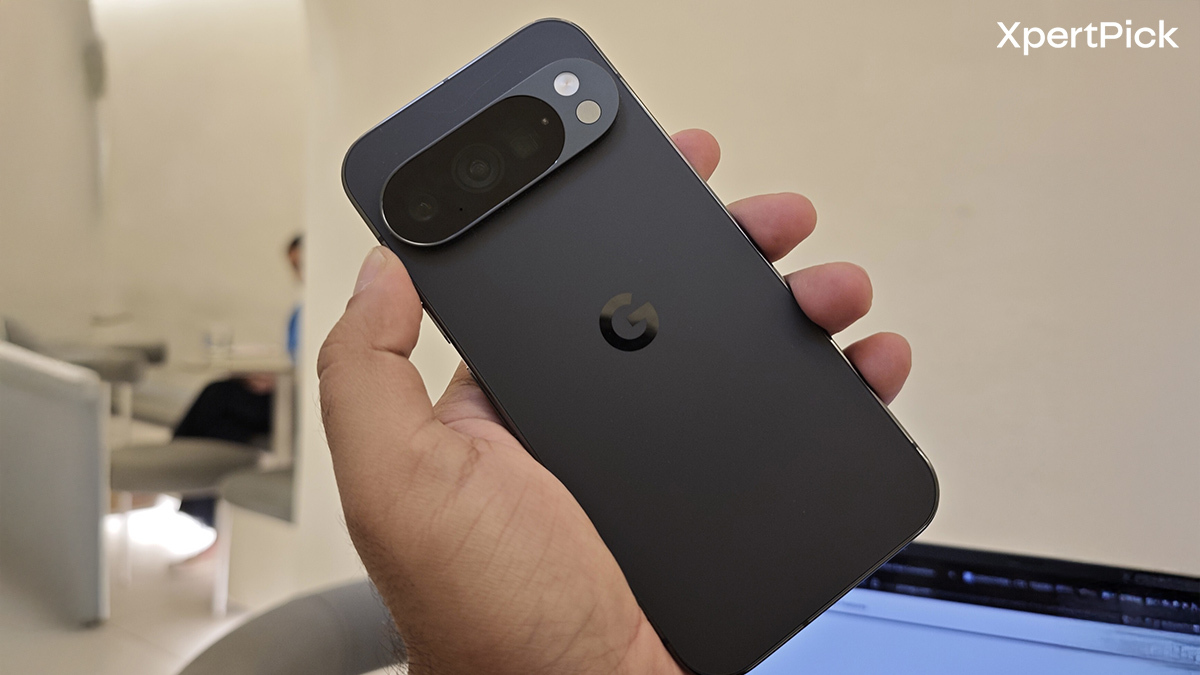
Google’s Pixel phones have never been the fastest or the most feature-packed, and the Pixel 10 Pro doesn’t break that tradition. What it does bring are thoughtful refinements; the kind that make the Pixel experience feel familiar yet more polished. After using the Pixel 10 Pro for a few weeks, I was curious whether the hype and charm that surrounds the Pixel lineup still hold up in 2025.
Google, much like Apple and Samsung, is clearly focusing on consistency and user experience in recent flagship generations. So, here’s my detailed look at what the Pixel 10 Pro gets right, where it still stumbles, and whether it has a place in India’s fiercely competitive flagship market.
Feels like an iPhone, but distinctly Google
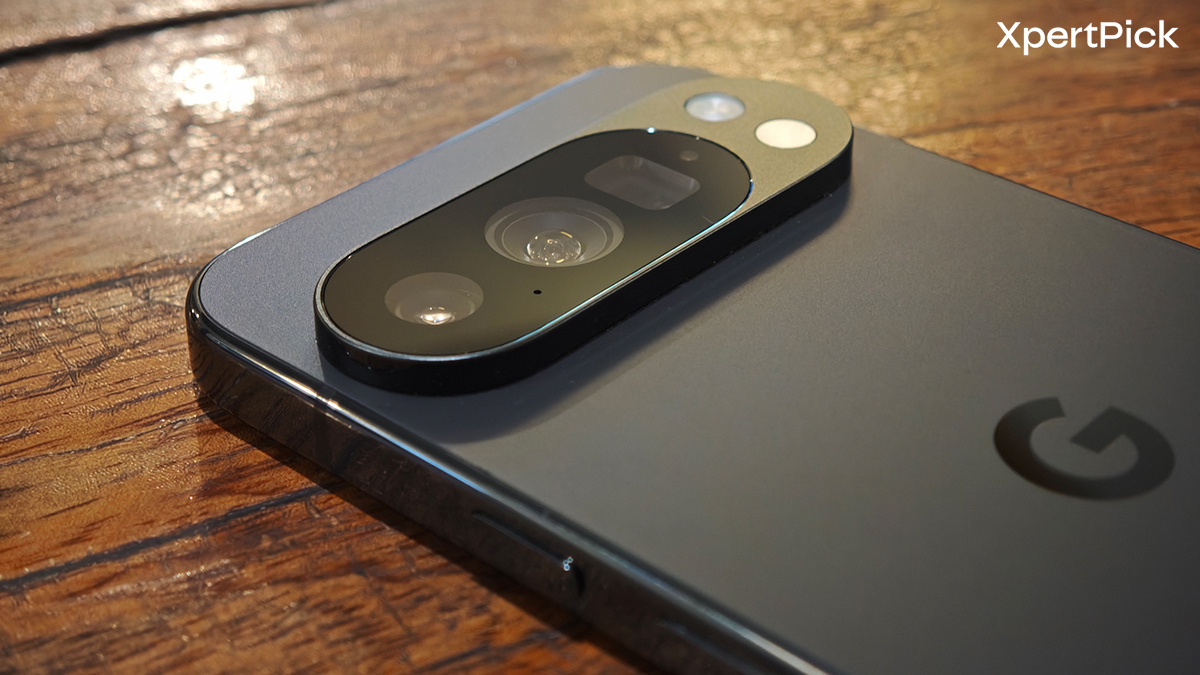
The Pixel 10 Pro leans into premium materials again, with its metal-and-glass build immediately feeling high-end. I wasn’t sold on the glossy aluminium frame at first, but it grew on me after a few days. The iconic visor camera bar returns unchanged; at this point, it’s unmistakably Pixel, even if the design language hasn’t evolved much since last year.
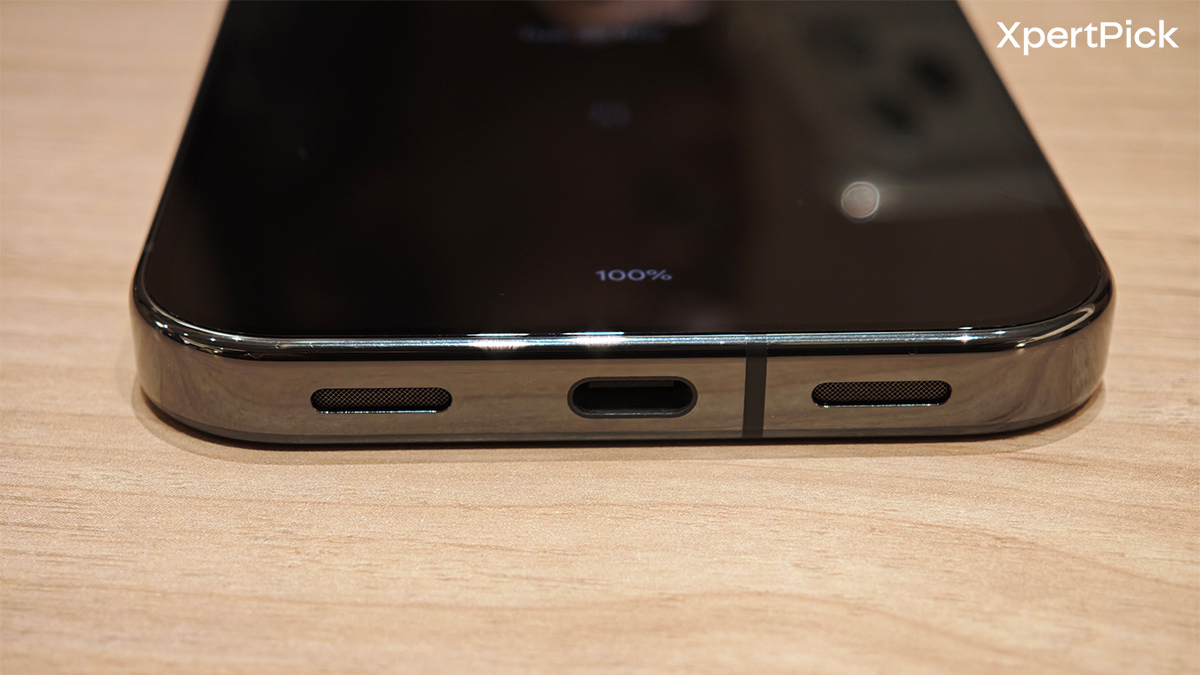
The flat display, flat back, and flat sides give it a slightly iPhone-like ergonomics. What I do like is how solid the Pixel 10 Pro feels. The 207g weight adds to the premium impression, though it does get tiring to hold after long sessions, especially when similarly sized phones are typically around 20 grams lighter. Even the much larger Galaxy Z Fold 7 is just 6 grams heavier. The slipperiness is the only thing that genuinely bothered me. This is one of those phones that will slide off a couch armrest, a car seat, or any smooth surface if you’re not careful.
Small Observations:
- You can hear the camera sensors shift if you shake the phone (because of OIS).
- There’s a “Made in China” engraving on the left frame.
- Haptics are tight, crisp, and surprisingly refined.
- It comes with an IP68 rating for protection against the elements.
Compact flagships are in now
Google avoids flashy numbers on paper, but the display performance is anything but understated. The Pixel 10 Pro packs a bright, punchy 120Hz LTPO panel that stays extremely legible outdoors.
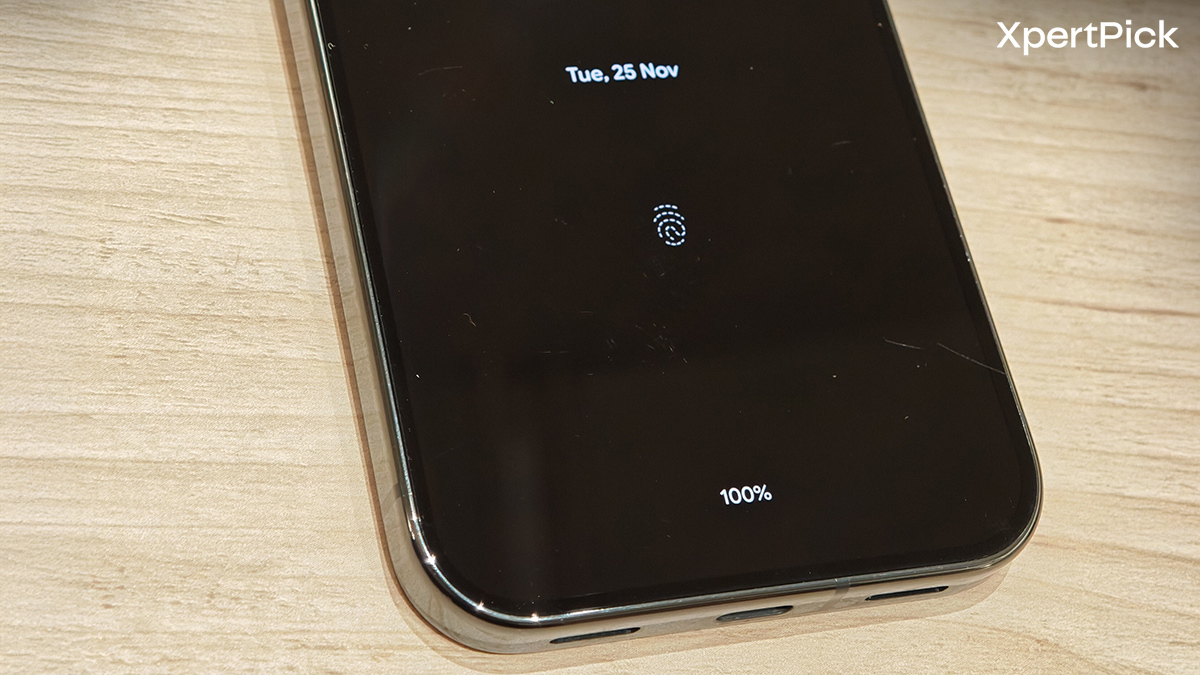
The 6.3-inch size is a sweet spot for me. As someone who prefers compact-ish flagships, the Pixel 10 Pro felt natural for one-handed use. The ultrasonic fingerprint reader is back and works reliably.
Colour profiles are well-tuned, with a choice between vibrant and natural modes. But durability is where the display worries me a bit. Despite Gorilla Glass Victus 2, my review unit picked up visible scratches far too quickly. No drops or rough usage, just daily handling. A thin plastic screen protector is basically mandatory here, especially since tempered glass doesn’t work with ultrasonic sensors. So if you’re looking for extra protection with tempered glass, stick with face unlock.
The 20:9 display is great for scrolling, but not as great for videos. Movies shot in 21:9 look fine, but most YouTube content in 16:9 leaves thick black bars that make the already-compact display feel even smaller.
Side Note:
- Google sets the standard resolution as 2410 x 1080p instead of 2856 x 1280p by default.
- The bezels are still chunkier than the rest of its competitors, but at least they are uniform.
Fastest Pixel Yet*
The shift to TSMC’s 3nm node for the Tensor G5 brought hope, and many Pixel fans were highly anticipating the next generation of Google’s custom chip. And yes, it is better than any Tensor chip before it. But compared to the Snapdragon 8 Elite/Elite Gen 5 or Apple’s A19 Pro, it’s still not competing in the same league.
Raw horsepower is clearly not its forte. But to be fair, Pixels were never about brute force. Day-to-day performance is smooth, animations are fluid, and gaming doesn’t feel choppy like the previous generation. You won’t be hitting max settings with 60fps on heavy titles, but medium settings in COD Mobile or BGMI run well enough for competitive play. Gaming isn’t an Achilles heel for the latest Pixels.
On paper, the thermal performance of the Pixel 10 Pro series has improved thanks to the new VC cooling. But you’ll still find the phone heating up during 4K recording, long gaming sessions, and other intense workloads.
Here are some benchmarks:
- AnTuTu – 1,320,675
- AnTuTu (CPU) – 635,493
- AnTuTu (GPU) – 101113
- GeekBench (Single Core) – 2,302
- GeekBench (Multi Core) – 5,951
- CPU Throttling Test – 62%
The cameras don’t disappoint, at least for the most part
If there’s one area where the Pixel 10 Pro still holds its ground, it’s photography. I kept reaching for it over my daily driver simply because Google’s processing continues to deliver reliably good results. Even though Oppo and Vivo have now surpassed Google in sensor size and other camera hardware, the Pixel experience remains reliably “point-and-shoot friendly.”
But first, here’s a quick look at the camera hardware:
- 50MP 1/3″ Samsung GNV main sensor, f/1.7 aperture, OIS, LDAF
- 48MP 1/2.55” Sony IMX858 ultra wide angle lens, f/2.8, macro support
- 48MP 1/2.55” Sony IMX858 telephoto shooter, f/2.8, 5x optical zoom, OIS
- 42MP 1/2.55” Sony IMX858 selfie camera, autofocus
Daytime shots are vibrant and contrast-rich with a warm tone. Colour consistency across the main, ultrawide, and telephoto cameras is excellent. The tones being uniform across the different lenses is often an overlooked aspect of smartphone photography. The ultrawide is competent for daytime use, with solid dynamic range, though you’ll notice softness at the edges and some detail loss when zooming in. Similarly, the 5x periscope telephoto shooter offers consistent tones and good details in good lighting conditions.
Low-light is where things get more uneven. The main sensor with Night Sight remains excellent, delivering well-exposed images that capture good amounts of detail and colours. But the ultrawide sensor introduces noise, softening, and edge smearing in dim scenes.
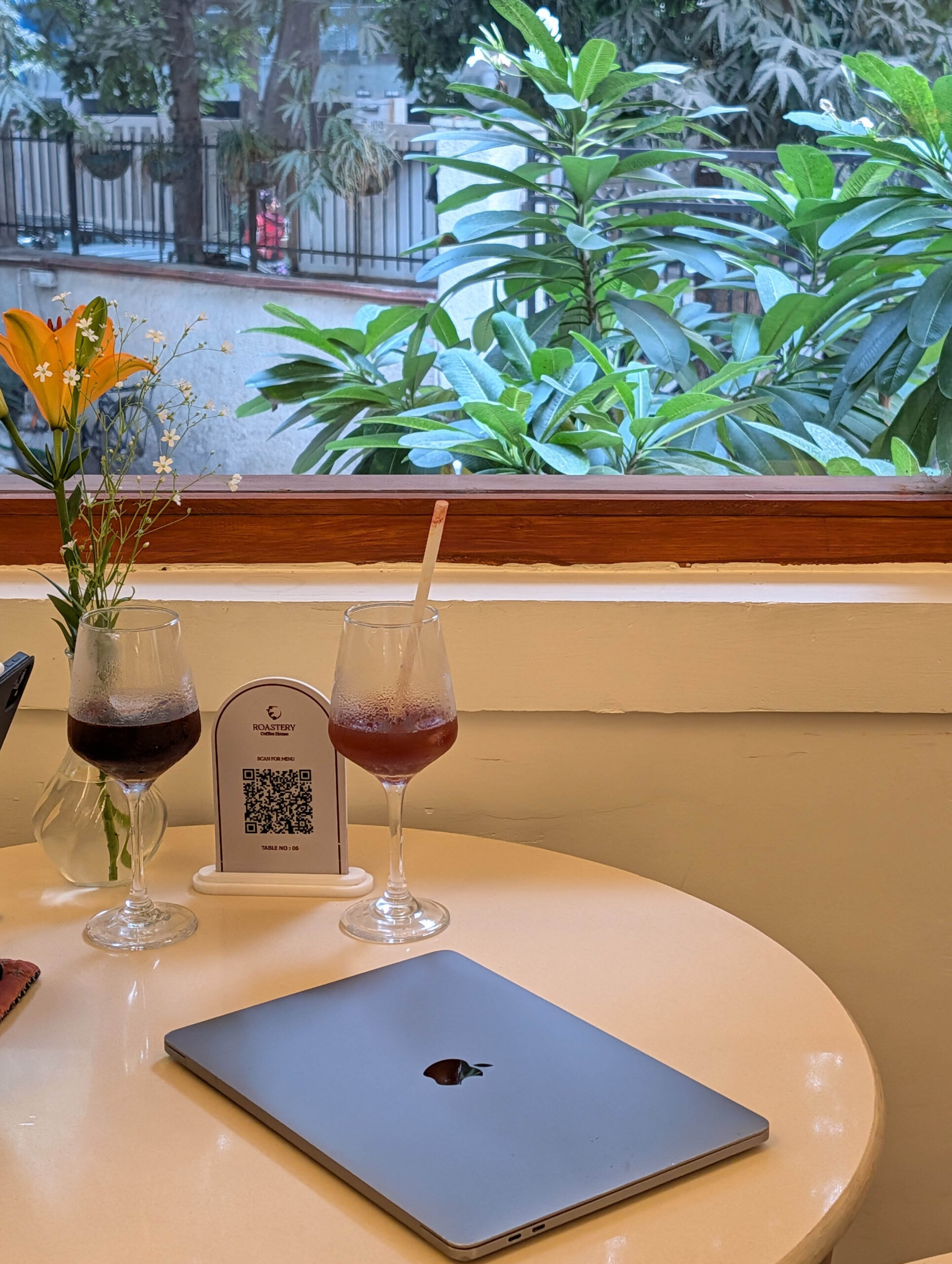










Meanwhile, the telephoto lens is serviceable, but often inconsistent. Shots look soft, and the phone sometimes crops digitally from the main sensor if it can’t focus properly on the subject. This causes a clunky switching experience that can be jarring, especially when recording videos. ProRes Zoom has its moments, but beyond 30x, it struggles with any scene that is remotely complex.
What’s more frustrating is that Google still doesn’t let you shoot portraits with the telephoto lens. You’re stuck with 1x and 2x (digital crop) for portrait mode, even though the telephoto’s natural compression of the scene would elevate the look dramatically.












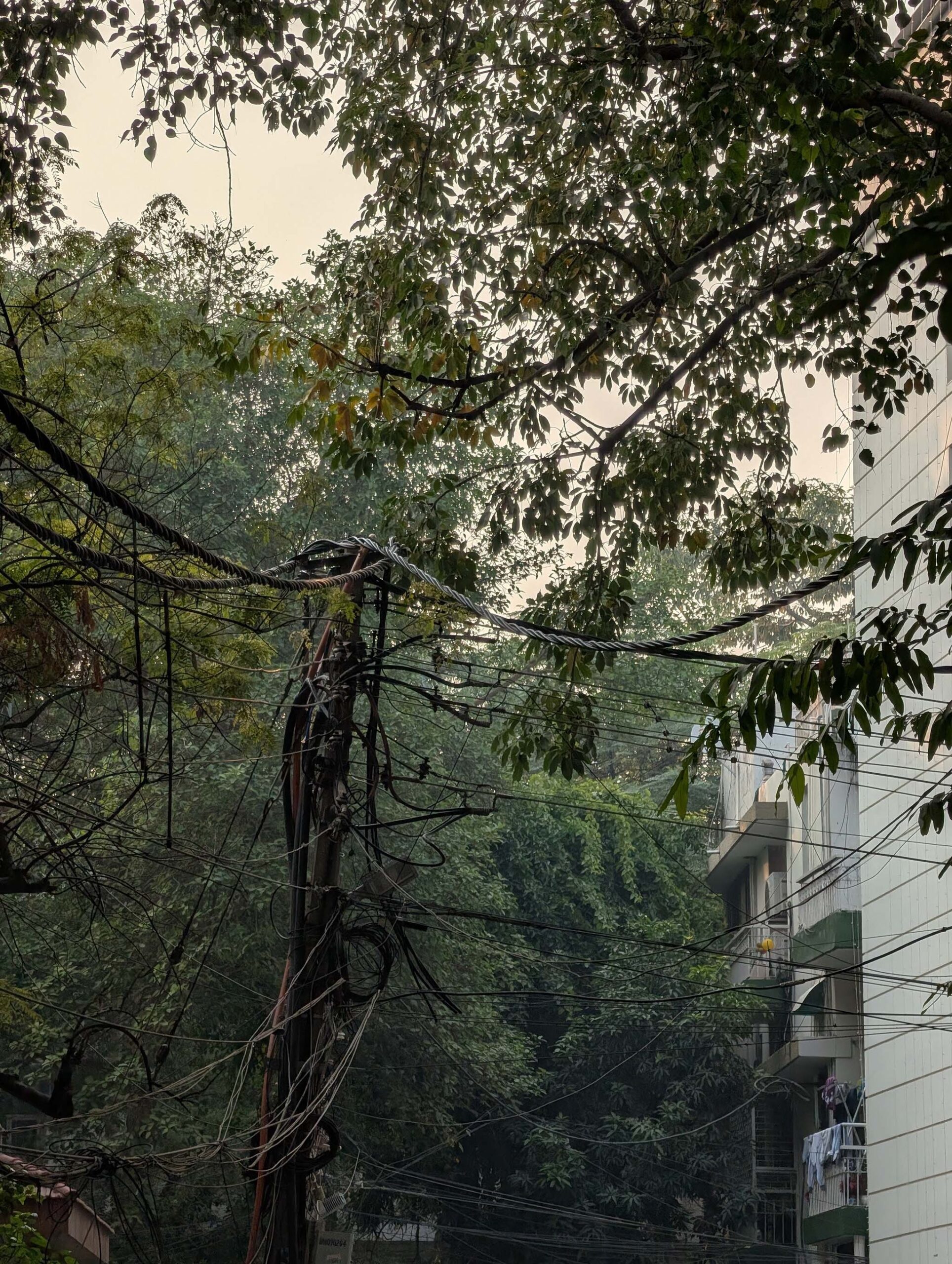


Selfies generally look great on the Pixel 10 Pro. You still get the wide field of view from the front camera that delivers good details, vibrant colours, and skin tones that pop due to warmer tones.
The general shooting experience remains enjoyable. Like Apple, Google wants this to be a camera for everyone. No fussing with exposure sliders or colour temperature, you can just pull out the phone, tap the shutter, and expect the result to be Instagram-ready.


Video quality also sees meaningful upgrades. Stabilization is noticeably better, colour tones match across lenses, and the selfie camera also supports 4K/60fps capture. If you’re taking videos in dim lighting, the main camera is still dependable, but the ultrawide suffers from noise, and the jelly effect can show up when the phone works overtime to keep the footage stable, which is more evident on the telephoto lens.
Things Google nailed:
- Reliable auto mode
- Great portraits at 1x and 2x
- Point-and-shoot simplicity
- Stabilization upgrades
Things that need fixing
- Replace the 5x periscope with a larger sensor and possibly consider 3x optical zoom
- Keep manual exposure controls enabled by default
- Ultrawide needs an upgrade, too.
Software & AI: Is the Pixel Magic Still Here?
My experience with stock Android has been disappointing in recent years. What used to be synonymous with a clean, bloat-free OS has slowly turned into something a bit too barebones, both in features and visual character. With the Pixel 10 Pro, Google’s Pixel UI on Android 16 feels fluid and visually delightful thanks to Material 3 Expressive. It brings near stock experience with a little extra sprinkling from Google on top.
In a landscape where many custom skins are becoming increasingly “iOS-inspired,” Google’s vision of Android sticks to its roots with a combined notification tray, Live Updates that don’t mimic the Dynamic Island, and UI that doesn’t need Liquid Glass effects. Add 7 years of major OS updates, and you’ve got one of the longest-lasting Android phones in India. Pixels are also always first in line for new Android versions and Pixel Drop features.
Pixel-exclusive features still matter, but many formerly unique tricks like Night Sight or Circle to Search are now mainstream. This year’s big new addition is Magic Cue, an AI-powered background system that uses the Tensor G5’s improved NPU and Gemini Nano to understand the context of your conversations, calls, and apps.
It pulls related information from your messages, calendar, Maps, and Gmail when relevant, like surfacing flight details when you’re talking to an airline, or showing a restaurant address during a call about dinner plans. The idea is great, and the contextual awareness works surprisingly well when it triggers. The catch? It’s still limited to Google apps, so the overall impact wasn’t huge in my day-to-day usage.
Interestingly, while I was writing this review, Google rolled out support for AirDrop-style transfers with Apple devices. Brands like Vivo have already pushed harder on Apple interoperability, but this update still helps bridge the iOS–Android gap in a meaningful way, especially in the Western markets. Google is working on bringing the feature to more Android models, so this is only exclusive for a limited time.
Pixelsnap: Silver lining to the lacklustre battery & charging
MagSafe has finally arrived on Android, and honestly, it might be the biggest quality-of-life upgrade on the Pixel 10 Pro. Despite the premium price, you still get a below-average 4,870mAh battery and 30W wired fast charging. The only other brands that are stuck with similar specs are Samsung and Apple.
But the Pixelsnap magnetic ring changes the experience completely. Not only does it open up support for a huge ecosystem of MagSafe-compatible accessories, but it also means there are already plenty of wireless chargers and power banks that work with the Pixel 10 Pro. Borrowing a MagSafe battery pack from a friend was super convenient.
Unlike the Pro XL, the regular Pixel 10 Pro only gets Qi2 magnetic charging at 15W (instead of Qi2.2). But the magnetic connection ensures a secure fit and optimal power transfer as well.
Unfortunately, battery life itself is average. I could stretch it through a full day with moderate use, but gaming, video recording, and lots of camera time drained the battery quickly. I barely managed around 6 hours of screen-on time, which is acceptable but nowhere near the competition. Charging speeds continue to be a pain point. The phone needs about half an hour to go from 2% to 50%, which isn’t terrible, but it doesn’t give you a substantial charge when you’re in a rush.
Should you get the Pixel 10 Pro?
The Pixel 10 Pro is one of those phones that doesn’t try to dazzle you with specs or benchmark dominance, and honestly, that’s its charm. Google’s refinements this year make it feel like the most Pixel yet. The TSMC-made Tensor G5 finally fixes most of the stability and efficiency issues that plagued older Tensor chips, the cameras are still consistent, the UI feels clean in a world where Android skins are racing toward iOS-ification, and seven years of major updates is just the cherry on top.
But this is also a flagship launching in India, a market where buyers rightfully ask for more. At its price, the Pixel 10 Pro doesn’t offer flagship-level performance, the longest battery life, or the quickest charging. OnePlus, iQOO, and Realme offer great performance for gaming enthusiasts, while Samsung’s Ultra models still offer some of the best zoom photography. Exclusive AI features like Magic Cue won’t compel customers to buy this phone either. And lastly, Chinese brands like Oppo and Vivo are pushing the limits of smartphone photography.
So who is the Pixel 10 Pro really for?
- Long-time Pixel users who’ve been waiting for Google to finally improve its chips
- iPhone switchers who want the cleanest, simplest Android experience without learning a heavy UI.
- Buyers who care about a solid, consistent camera experience and simplicity.
- Feature-first users who enjoy Pixel Drops and want guaranteed updates for years
This phone isn’t trying to win every spec war, and that’s okay. What it delivers is a polished, cohesive, easy-to-live-with flagship experience. If that’s what you value, the Pixel 10 Pro is one of Google’s most confident offerings yet.