Apple recently introduced the MacBook Neo at a starting price of ₹69,900, positioning it as the company’s most affordable MacBook yet. For many buyers, that price suddenly makes the macOS ecosystem feel far more accessible than before.
But the Neo is not the only laptop worth considering in this price range. Around ₹70,000, the market now includes several thin-and-light laptops that compete on performance, display quality, battery life, and portability. At the same time, older MacBook models, which are often available at discounted prices, also remain strong alternatives for buyers who prefer macOS.
So the question becomes slightly more interesting. If you are planning to spend around ₹70,000 on a laptop today, should you buy the new MacBook Neo or consider one of the competing laptops in the same segment?
Apple M2 MacBook Air
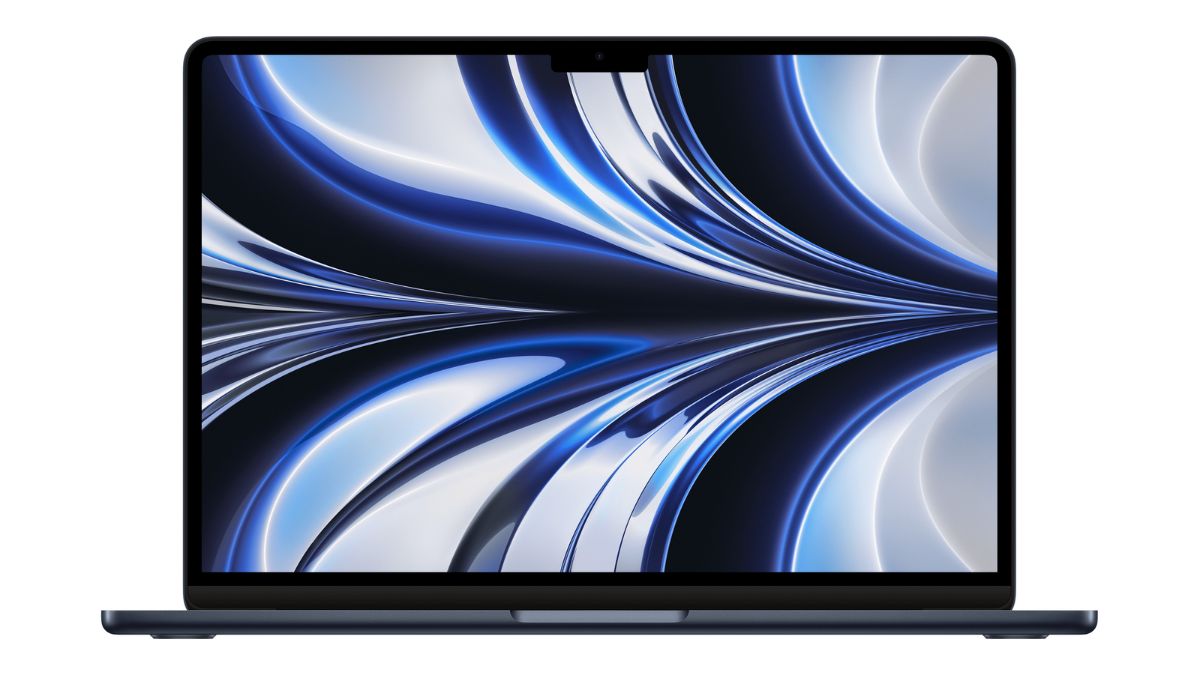
Apple’s older MacBooks are among the most compelling alternatives to the MacBook Neo. For instance, the 13-inch M2 MacBook Air is currently available on Flipkart for around ₹69,000. It carries the same design as the latest 13-inch M5 MacBook Air, and several features associated with the newer Air lineup are present here as well.
Compared to the MacBook Neo, the older M2 MacBook Air offers a haptic touchpad, Thunderbolt 4 ports, a backlit keyboard, and a four-speaker audio system. It also has a slightly larger display, which can be better suited for creative workloads.
While both laptops share the same 256 GB base storage, the M2 MacBook Air comes with 16 GB of RAM, whereas the MacBook Neo only offers 8 GB. One clear advantage for the MacBook Neo lies in performance. Its A18 Pro chip outperforms the M2 chip in the MacBook Air in single-core workloads, although it falls behind when it comes to multi-core performance.
The M2 MacBook Air also holds an advantage when it comes to battery capacity and endurance. It packs a larger 52.6-watt-hour battery compared to the 36.5-watt-hour unit in the MacBook Neo, which translates to longer official web browsing endurance of up to 15 hours, whereas the MacBook Neo is rated for up to 11 hours.
Still, the Apple M2 MacBook Air is the better alternative between the two because of the additional features it brings to the table compared to the MacBook Neo.
Samsung Galaxy Book 4 Edge
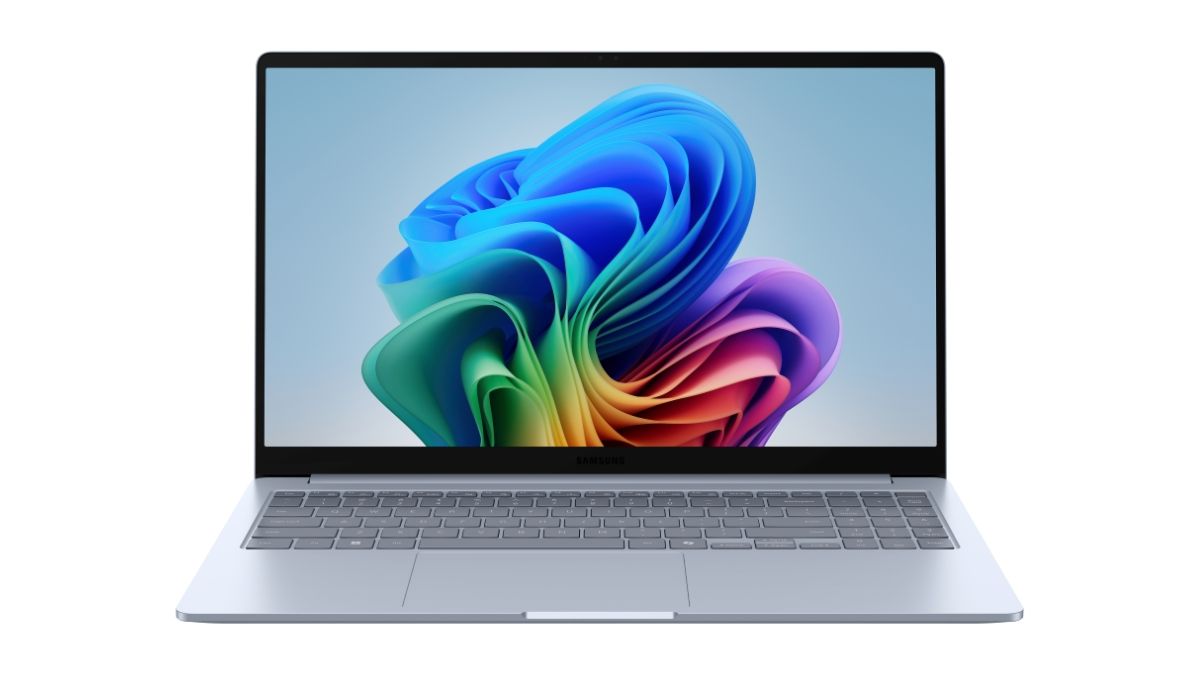
The high efficiency of the ARM platform is not limited to Apple. Thanks to Qualcomm’s recent Snapdragon chips, you can now find several highly efficient ARM-powered laptops on the Windows side as well, such as the Samsung Galaxy Book 4 Edge, which is on sale for Rs 69,990.
Compared to the 13-inch MacBook Neo, the Samsung Galaxy Book 4 Edge offers a much larger 16-inch display and a far richer port selection. It includes HDMI 2.1, two USB 4 Type-C ports, a USB 3.2 Type-A port, a MicroSD card reader, a headphone jack, and a Kensington lock, making it far more convenient for connecting external displays, storage drives, or accessories without relying on adapters.
In contrast, the MacBook Neo features just two USB-C ports and a 3.5 mm audio jack, with only one of those USB-C ports supporting faster data speeds and display output.
And with 16 GB RAM and 512 GB storage available under ₹70,000, the Galaxy Book 4 Edge again trumps the MacBook Neo, which only offers 8 GB RAM and 256 GB SSD storage in this price range.
However, one area where the A18 Pro-powered MacBook Neo takes the lead is single-core CPU performance. When it comes to multi-core workloads, though, it again falls behind the Snapdragon X-powered Samsung Galaxy Book 4 Edge.
The Galaxy Book 4 Edge also holds an advantage when it comes to battery capacity. Depending on the configuration, it features a battery ranging from around 55.9-watt-hours to 61.8-watt-hours, compared to the roughly 36.5-watt-hour battery in the MacBook Neo. As a result, Samsung claims up to 18 hours of battery life for the Gala
Butxy Book 4 Edge, whereas the MacBook Neo is rated for up to 16 hours.
However, it is worth noting that ARM on Windows has finally reached a point where it can go toe-to-toe with Macs, although the experience is still not quite as seamless. A major reason is the difference in their translation layers. Apple’s Rosetta 2 is remarkably polished, allowing older Intel-based Mac apps to run almost flawlessly on modern ARM-based Macs. Microsoft’s Prism emulator has improved significantly, but occasional hiccups can still appear with niche software or older hardware drivers, such as legacy printers or certain VPN tools.
HP OmniBook 7 Aero
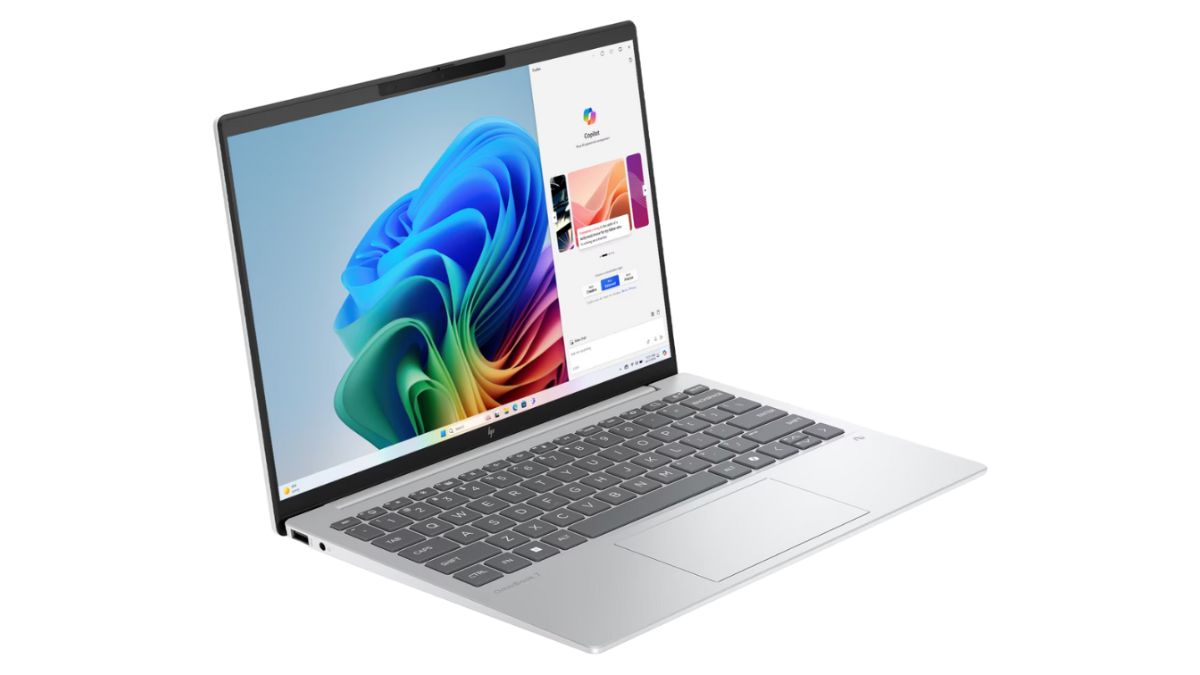
The HP OmniBook 7 Aero, like the MacBook Neo, is a 13-inch Windows 11 laptop that can serve as a legitimate alternative in this price segment for multiple reasons.
Firstly, just like the MacBook Neo, it is a 13-inch laptop, but it weighs only 1 kg, whereas the MacBook Neo weighs around 1.22 kg. The Aero also features a higher-resolution 2.5K display with an anti-glare coating instead of the Full HD screen on the MacBook Neo.
The HP OmniBook 7 Aero also has a clear advantage in connectivity. It offers two 10Gbps USB-C ports with charging and DisplayPort 2.1 support, an HDMI 2.1 port for external displays, and two USB-A ports for legacy accessories. In contrast, the MacBook Neo is limited to just two USB-C ports and a headphone jack, with only one port supporting faster speeds and display output, often making a USB hub necessary.
The OmniBook 7 Aero also has a backlit keyboard, which the MacBook Neo does not. It also features an aluminium-magnesium chassis, a 43 Wh battery, and a 5 MP front camera. However, the official battery life claim is slightly lower, with the HP OmniBook 7 Aero rated for around 15 hours and 45 minutes, whereas the MacBook Neo is rated for up to 16 hours.
And lastly, at its price of ₹68,990, it offers 16 GB of RAM and 512 GB of storage, which is twice the RAM and storage that the Apple MacBook Neo provides.
Overall, the HP OmniBook 7 Aero still comes out as the better laptop.
Final Verdict: Is the MacBook Neo the Best Laptop Under ₹70,000?
While the Apple MacBook Neo successfully lowers the barrier to entry for the macOS ecosystem, it demands a few too many compromises to be the undisputed champion in this price segment. At a starting price of ₹69,900, being limited to 8 GB of RAM, 256 GB of base storage, an unlit keyboard, and a restricted port selection makes it a tough sell when placed side-by-side with its direct competitors.
Ultimately, if you are searching for the best laptop under ₹70,000, the market has evolved significantly. The MacBook Neo might wear the newest badge, but highly capable Windows machines and slightly older, premium MacBooks can also offer better value for your money.