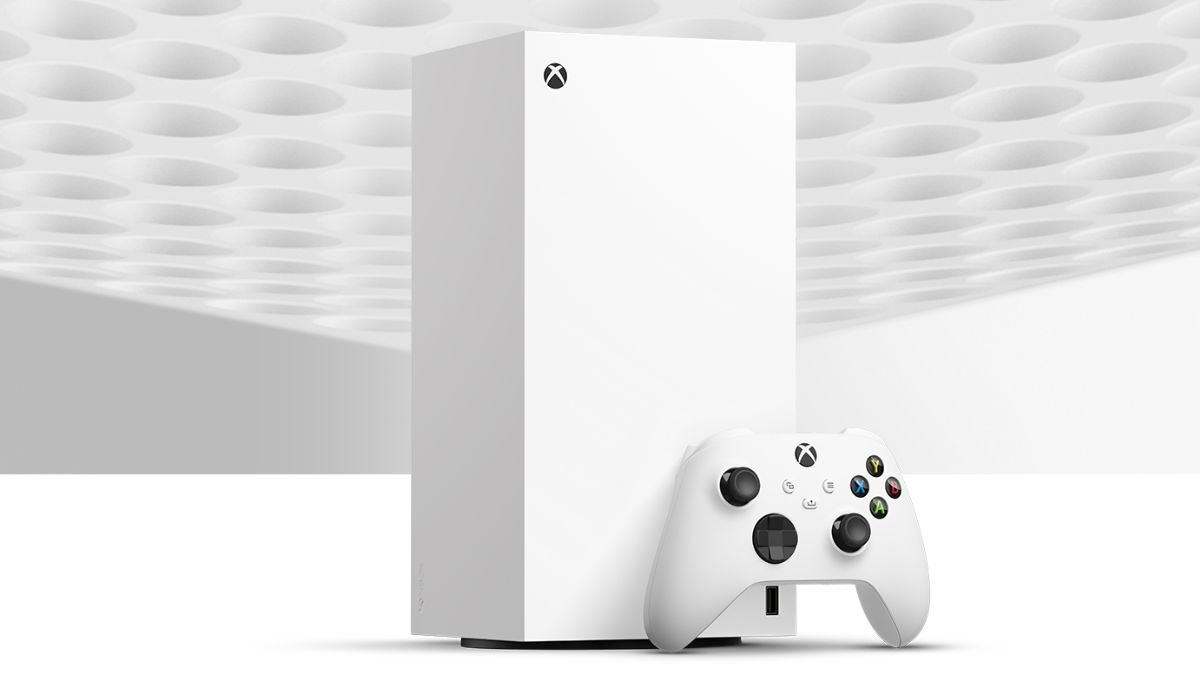
At this year’s Game Developers Conference, Microsoft quietly revealed the direction of its next Xbox platform. The company confirmed that a new console, internally called “Project Helix,” is currently in development. The hardware is being built in partnership with AMD and is expected to deliver major advances in graphics rendering, simulation and AI-assisted game performance.
But the keynote itself was not really about the console alone. It was about the future of the Xbox ecosystem. If Microsoft’s plans unfold the way they described them, the next Xbox generation may feel less like a new box under the TV and more like a broader gaming platform that spans consoles, PCs and cloud services.
Here is what all that developer-focused jargon could actually mean for players.
A much bigger jump in graphics realism
Microsoft claims that Project Helix will deliver an order of magnitude increase in ray tracing performance compared with current Xbox hardware. Ray tracing is the technology used to simulate how light behaves in real environments. In games, that means more accurate reflections, shadows and lighting.

Right now, most console games use limited ray tracing because the calculations are extremely demanding. The next Xbox generation could push games closer to path tracing, a more advanced technique that simulates entire lighting systems rather than individual reflections.
For players, the practical outcome would be environments that react more naturally to light. Reflections on water, metal or glass would behave more realistically, and indoor lighting could look much closer to real life.
AI-powered graphics could boost frame rates
Another piece of the puzzle is the next generation of AMD’s FidelityFX Super Resolution (FSR) technology. Microsoft confirmed that the upcoming console will use a new machine-learning version of FSR that also supports frame generation.

In simple terms, frame generation creates additional frames between the ones rendered by the GPU. Instead of rendering every frame traditionally, the system predicts and inserts new frames to make motion appear smoother.
For players, this could translate into higher frame rates without requiring dramatically more powerful hardware. A game that normally runs at 60 FPS might appear closer to 120 FPS thanks to these AI-generated frames.
Xbox and Windows are moving closer together
One of the more interesting announcements from the keynote was not about the console at all. Microsoft confirmed that it will begin rolling out Xbox Mode for Windows starting in select markets this year.
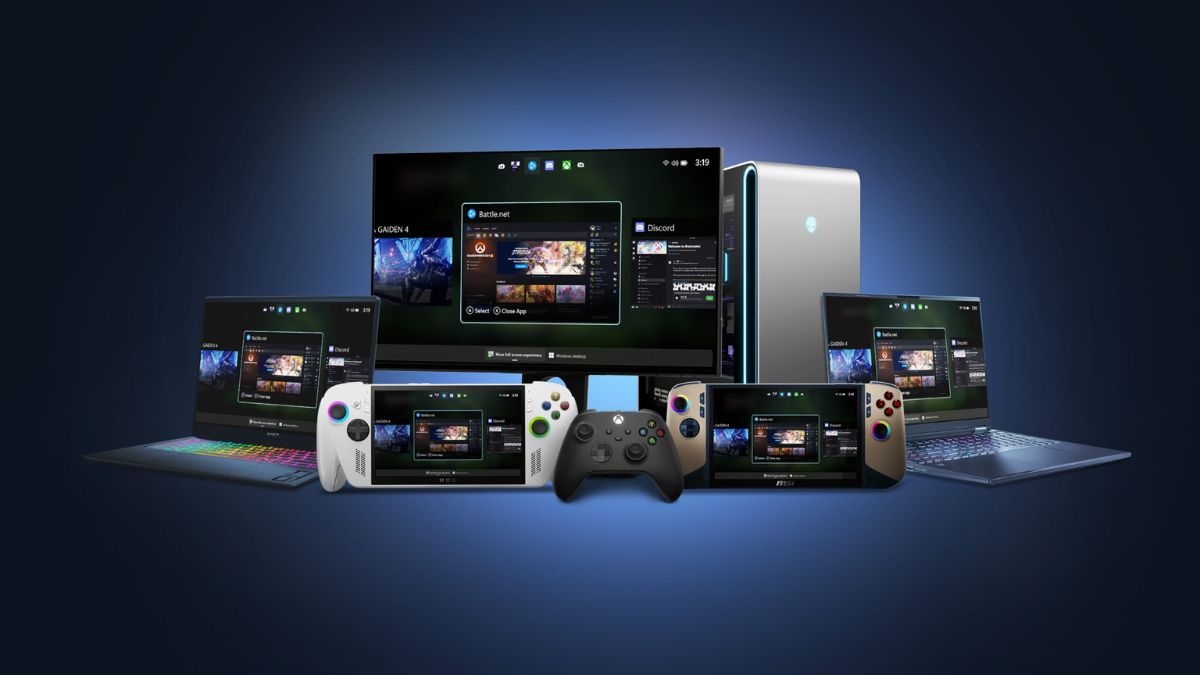
The feature essentially allows a Windows PC to switch into a full-screen Xbox-style interface designed for controllers and living-room gaming. It is the same concept Microsoft introduced earlier with handheld gaming devices like the ROG Xbox Ally.
For players, that means the Xbox experience may start appearing on more devices beyond traditional consoles. A gaming PC connected to a TV could behave much more like a console, while still retaining the flexibility of Windows when needed.
One game library across multiple devices
Microsoft has also been steadily expanding Xbox Play Anywhere, which now includes more than 1,500 games. The system allows players to purchase a game once and access it on both Xbox consoles and Windows PCs, with shared saves and progress.
That library is expected to keep growing. If the strategy works, it means players will increasingly be able to start a game on a console, continue it on a PC and potentially even play it on handheld devices or through cloud streaming.
The long-term vision appears to be an Xbox ecosystem where the game library travels with the player, rather than being tied to a single piece of hardware.
Backward compatibility remains a priority
Microsoft also reiterated its commitment to keeping games from four generations of Xbox consoles playable in the future. That includes titles from the original Xbox, Xbox 360, Xbox One and the current Xbox Series generation.
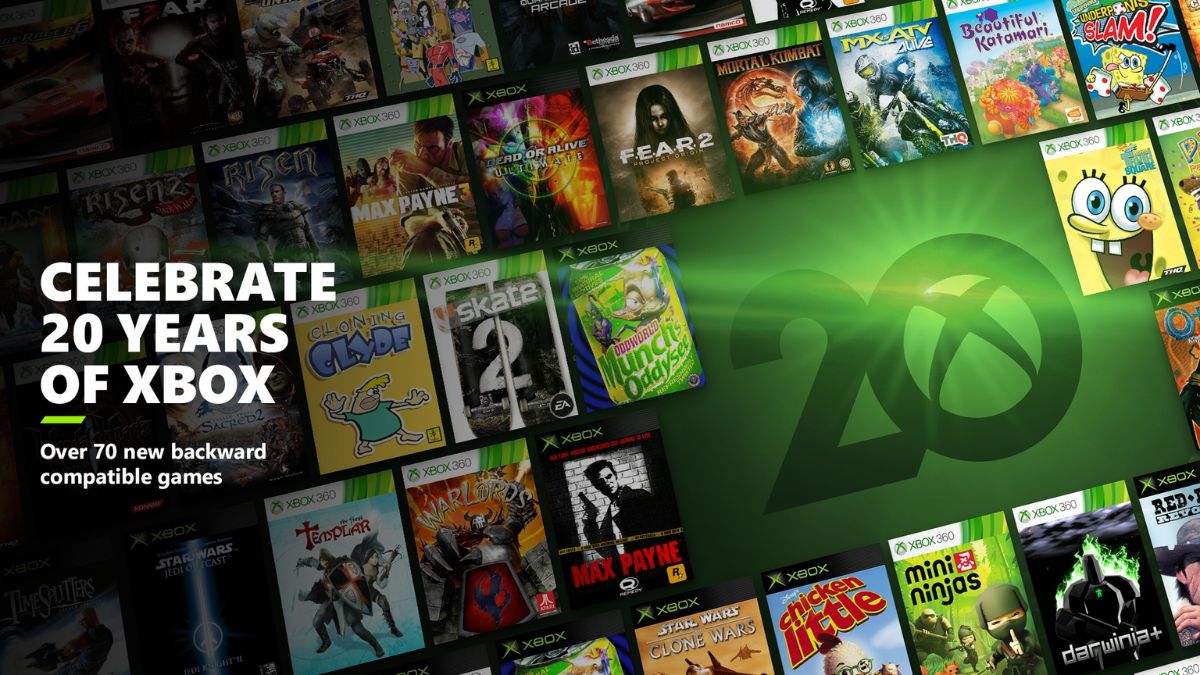
For players who have built large digital libraries over the years, that commitment reduces the risk of losing access to older purchases when new hardware arrives.
The timeline suggests patience will be required
Despite the ambitious plans, Project Helix is still years away. Microsoft said alpha hardware will begin shipping to developers in 2027, which typically means the final consumer console could arrive sometime after that.
In the meantime, many of the changes Microsoft is talking about will likely appear gradually through software updates, PC integration and improvements to the Xbox ecosystem.
A console that might be part of something bigger
If the keynote signals anything, it is that Microsoft is thinking about Xbox differently than it did in the past. Rather than focusing solely on a new console generation, the company appears to be building a platform that connects consoles, PCs and cloud gaming.
For players, the next Xbox generation can bring a more flexible way to access games across devices, allowing the Xbox experience to exist well beyond the traditional console in the living room.