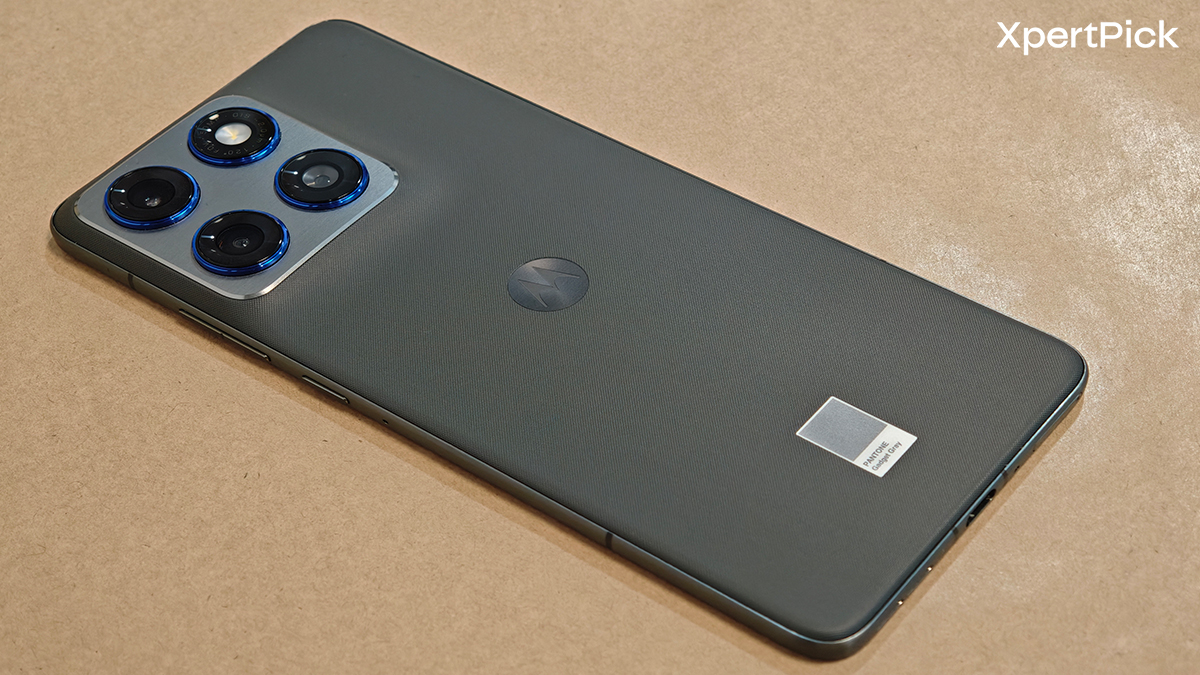
After Samsung, Apple, and Tecno, Motorola is the latest brand to jump on the super-slim phone trend. Instead of introducing an entirely new lineup, Motorola has given the Edge 70 a fresh identity. Slim phones sound great on paper, but their real-world practicality has always been questionable.
So, I had my reservations when the Edge 70 arrived for review. But what if I told you this phone punches well above its weight and is one of the most convincing executions of the slim-phone concept so far? Here’s why my time with the Motorola Edge 70 genuinely surprised me.
It Was Hard Going Back
The Edge lineup has always been a safe and reliable choice in the affordable mid-range segment. You typically get capable specs wrapped in a functional body, nothing too flashy or bold. At first glance, the Edge 70 looks almost identical to its predecessor. That impression fades quickly the moment you pick it up. Measuring just 5.99mm thick, it is one of the slimmest phones of the current generation.
Measuring just 5.99mm thick, the Edge 70 is among the slimmest phones of the current generation. For comparison, the Galaxy S25 Edge measures 5.8mm, while the iPhone Air comes in at 5.6mm. Despite being slightly thicker and packing a much larger battery, the Edge 70 is noticeably lighter. At just 159 grams, it feels feather-light compared to nearly every current-gen smartphone on the market.
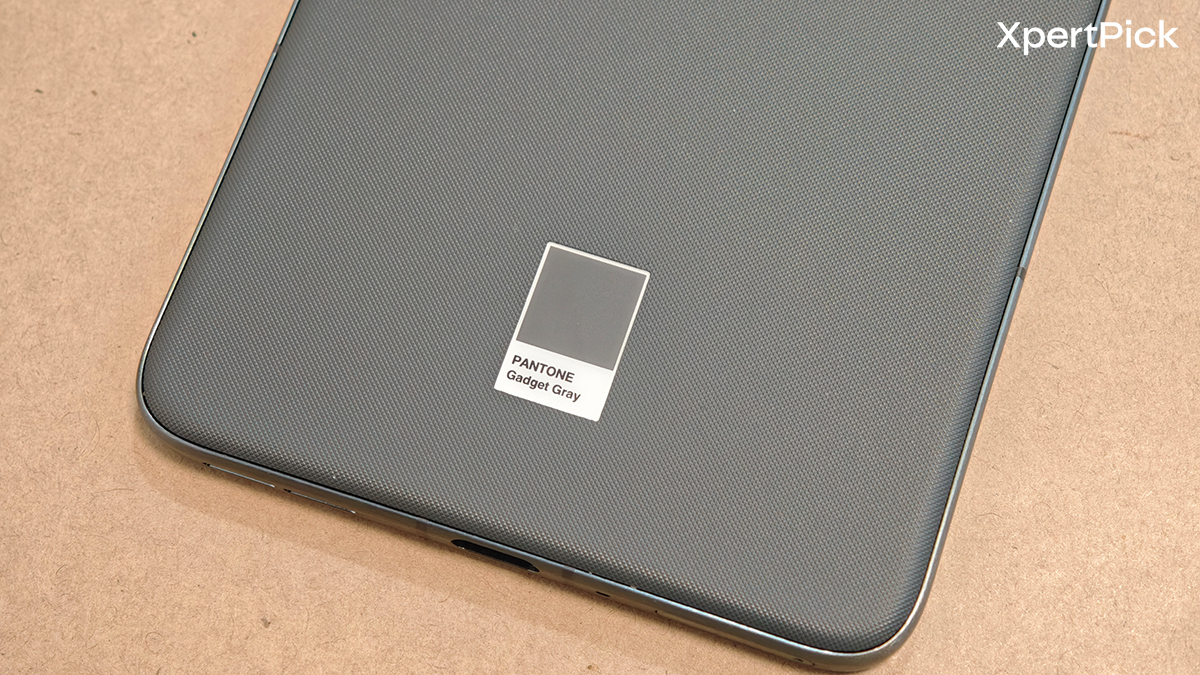
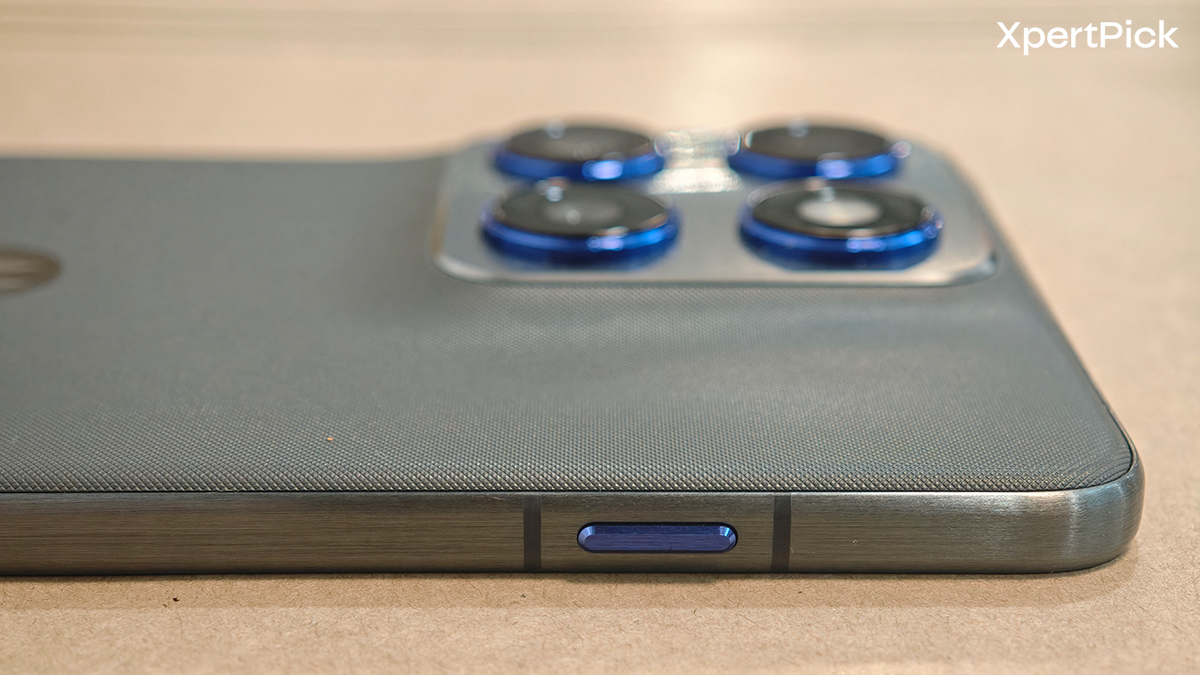
Its design had made me constantly double-check my pockets, since I kept feeling like I had left it behind somewhere. Build quality is solid too, with a metallic frame and a nylon-inspired, silicone-textured rear panel.
During my initial impressions, that nylon back felt like a clear reminder of the Edge 70’s affordable positioning. But over time, it proved to be one of the phone’s smartest design decisions. A glass back might have looked more premium, but this textured finish offers excellent grip. The Edge 70 feels secure in your hand and never gives you that uneasy, slippery feeling.
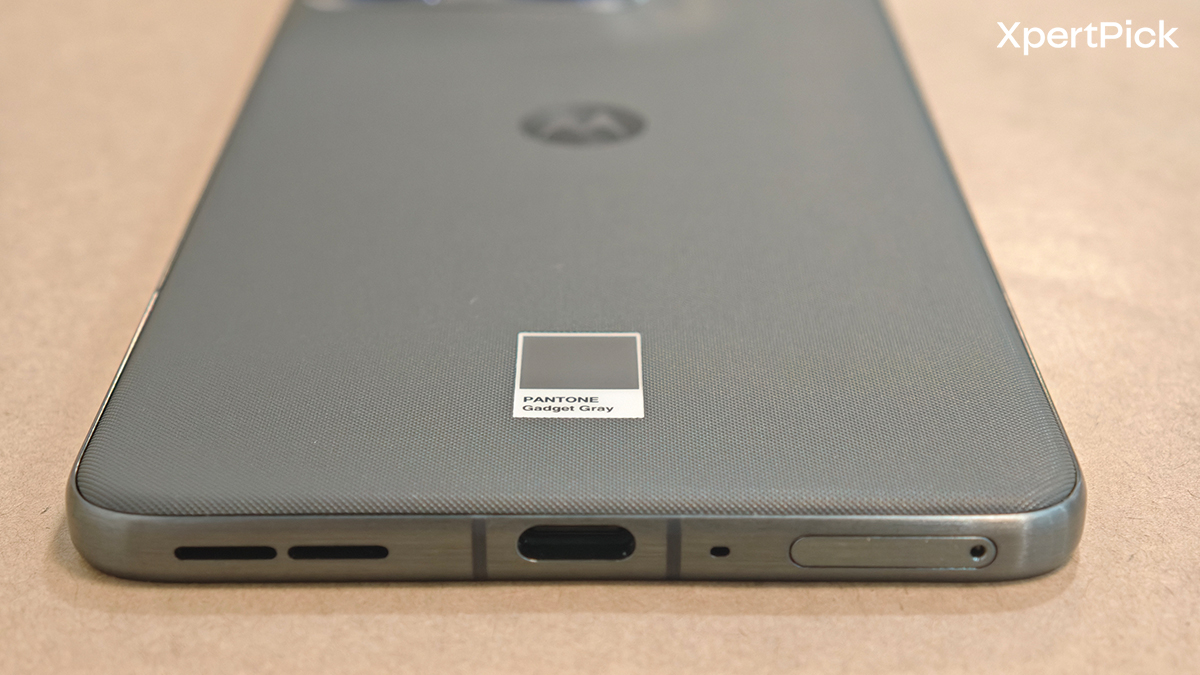
As a result, I used the phone without a case, and that’s saying something. Motorola didn’t compromise on durability either. You get IP68 and IP69 ratings for dust and water resistance, along with MIL-STD-810H military-grade certification for added protection against drops and shocks. After spending time with the Edge 70, my regular daily driver suddenly felt too heavy and unnecessarily thick.
I Can Hold on to This For Hours
Tall displays are great for media consumption, but they’re not always easy to manage with one hand. Larger screens usually mean larger, heavier phones, which can get tiring to hold over time. That’s where the Edge 70 stands out.
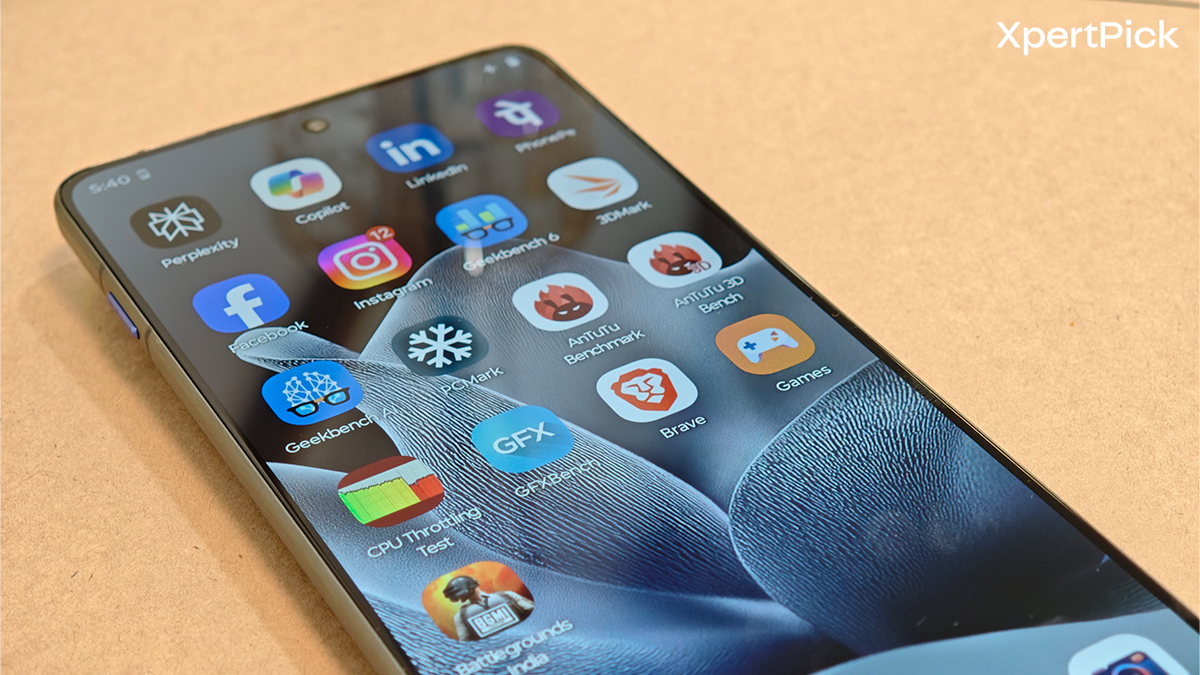
The 6.7-inch pOLED display is excellent for watching content. Colours are vibrant, and Motorola lets you switch between different colour profiles if you prefer more natural tones. The panel supports a 120Hz refresh rate for smooth scrolling, reaches up to 4,500 nits of peak brightness, and is protected by Corning Gorilla Glass 7i.
You don’t get perfectly uniform bezels, which is to be expected at this price point, but they’re slim enough not to be distracting. Other notable features include HDR+ support, a 360Hz touch sampling rate in gaming mode, and a flicker prevention feature for improved viewing comfort at night.
Enough Power For Most People
The Motorola Edge 70 isn’t trying to deliver flagship-level performance at a mid-range price. Instead, it focuses on being consistently reliable. It’s powered by the Qualcomm Snapdragon 7 Gen 4, a 4nm SoC paired with 8GB of LPDDR5X RAM and 256GB of UFS 3.1 storage.
In day-to-day use, the phone handles multitasking smoothly and can even run many competitive games without much trouble. You can expect relatively stable triple-digit frame rates in BGMI, while Call of Duty: Mobile tops out at 90fps. Heavier titles like Wuthering Waves do push the Edge 70 harder.
For longer gaming sessions, you’ll notice some thermal throttling after around 30 minutes of play. There’s no severe stuttering, but performance does dip enough to be noticeable. Casual gaming is clearly where this phone feels most at home.
Even with such a thin form factor, it also saw decent scores in synthetic benchmark scores:
- AnTuTu – 1,389,931
- AnTuTu (CPU) – 483,699
- AnTuTu (GPU) – 323,011
- Geekbench: 1,330 (single) / 4,174 (multi)
Battery Size Puts The $1000 Slim Phones to Shame
If you’ve followed recent slim phone launches, you already know their biggest weakness: battery life. Both the iPhone Air and Galaxy S25 Edge pack batteries under 4,000mAh, despite costing around $1,000 or close to a lakh in India. But for roughly a third of that price, the Motorola Edge 70 makes a strong statement with its 5,000mAh battery.
While that capacity isn’t extraordinary by 2026 standards, it sets a new benchmark for the super-slim category. The only real competitor here is the Tecno Pova Slim, which squeezes in a slightly larger 5,150mAh cell. Charging is equally competent, with a full charge taking just under an hour using the included 68W fast charging. You also get 15W wireless charging support, though you’ll need Motorola’s magnetic charger and the bundled case with built-in magnets for the best experience.
A Step Down, Yet A Capable Camera System
To achieve its ultra-thin profile, Motorola had to make some compromises in the camera department. The Edge 70 drops the triple-camera setup in favour of a dual-camera system, pairing the main sensor with an ultra-wide lens.
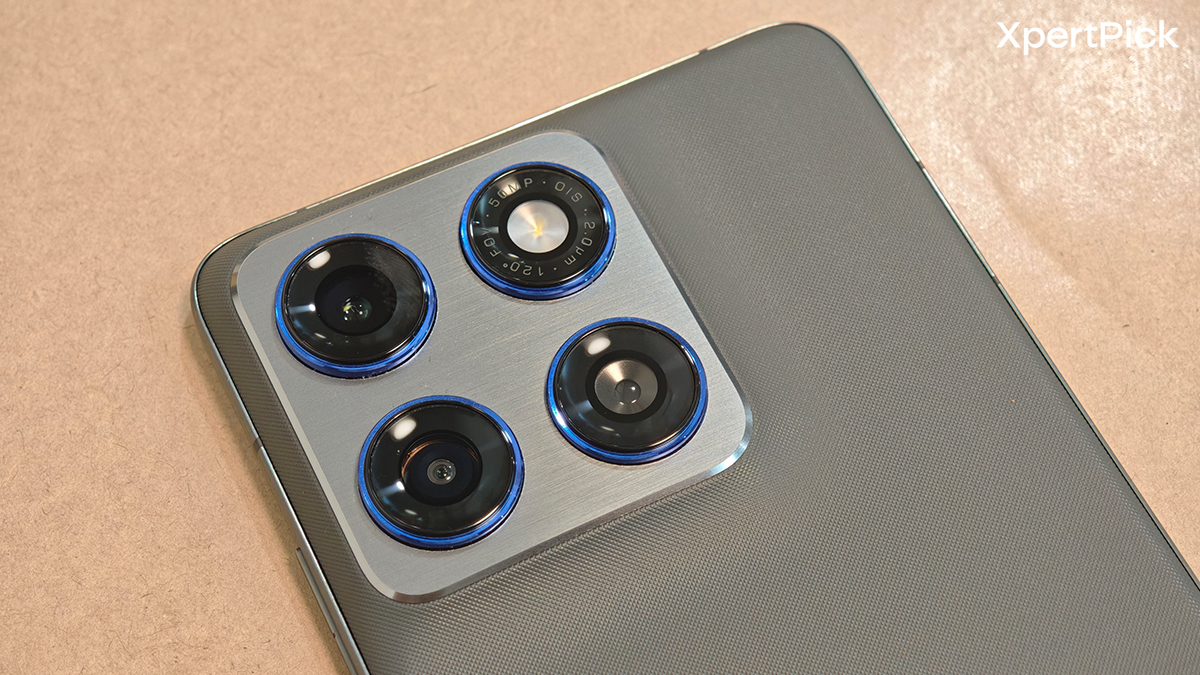
Here’s a quick list of the camera hardware:
- 50MP 1/1.57″ Samsung GNJ main sensor (f/1.8 aperture, OIS)
- 50MP 1/2.76” Samsung JN1 ultra wide angle lens (f/2.0, Autofocus)
- 50MP 1/2.76” Samsung JN1 selfie camera (f/2.0)
In daylight, the Edge 70 delivers a largely competent photography experience. Images retain good detail and handle dynamic range well. Colours are vibrant, sometimes slightly boosted, but that added saturation will appeal to most users. Skin tones are surprisingly natural, with only occasional overexposure.










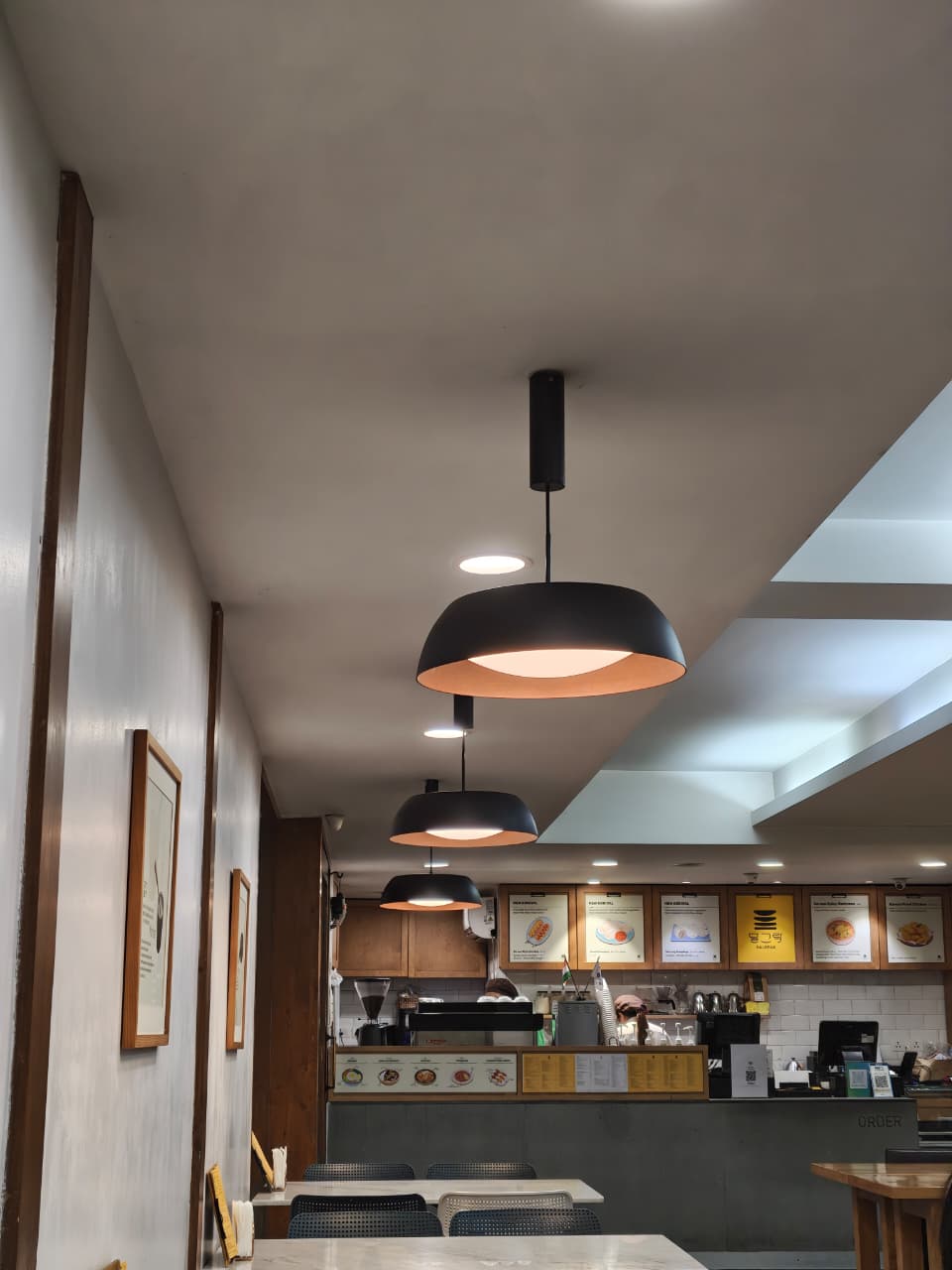
The 2x digital crop from the main camera holds up well in good lighting, with only a minor loss in detail. Portrait mode lets you shoot at both 1x and 2x, and edge detection is generally reliable, though hair can get smudged in busy scenes.
Low-light performance is decent for the price. Night mode pulls out more detail, but you’ll notice some oversharpening when zooming in. The ultra-wide camera maintains a similar colour profile to the main sensor and performs well in daylight, aside from minor edge distortion. At night, brightness tends to be pushed higher, which introduces noticeable noise.








The ultra-wide-angle lens has a smaller sensor than the primary camera, but still offers a similar colour profile. Apart from the slight distortion around the edges, the ultra-wide retains a fair amount of details and has punchy colours in good lighting conditions. Under artificial lighting and lit streets at night, the ultra wide holds up. However, the brightness does seem cranked up, which adds a fair bit of noise.
The selfie camera, using the same sensor as the ultra-wide, performs well in good lighting. Skin texture and facial details are clearly captured, and there’s even a wider option for group selfies. Low-light selfies lose some detail, but colours and skin tones remain pleasing and not washed out.


Video performance is a mixed bag. The Indian variant supports 4K at 60fps across all three cameras. Daylight footage from the main camera looks detailed, but stabilisation could be better, especially in low light. On the other hand, it could’ve been better, which is further evident in low-light recordings. Ultra-wide and selfie videos are acceptable during the day, but can appear more choppy when walking or panning in dim conditions.
Tasteful AI in Motorola UI
Stock Android has lost some of its charm over the years, but Motorola remains one of its strongest advocates. Hello UI, based on Android 16, offers a clean, lightweight experience that feels closer to Google’s Pixel UI than most heavily skinned Android versions. It’s a refreshing change from interfaces that lean too heavily into iOS-style design choices.
That clean approach does come with trade-offs. Customisation options are limited, offering only the basics. Compared to skins like ColorOS or One UI, you miss out on deeper theming options and extensive Always On Display controls. The lack of a default gallery app is also common across many stock-like Android builds.
Motorola’s approach to AI, however, is refreshingly restrained. Moto AI stays out of your way and focuses on practical features. You can use it for text generation and wallpaper creation, but the highlight feature is AI Notification Summaries. I usually avoid AI tools outside of testing, but quick-access summaries genuinely proved useful.
Another great aspect of the Edge 70 was its implementation of AI. The brand’s moto AI is minimal and doesn’t distract from your day-to-day interactions. You can simply interact with it and have it generate text prompts, having it generate wallpapers, but the best of all is the AI Notification Summaries. I generally steer clear of the odd AI tools except for testing, but the quick launch of the notification summaries was useful at times.
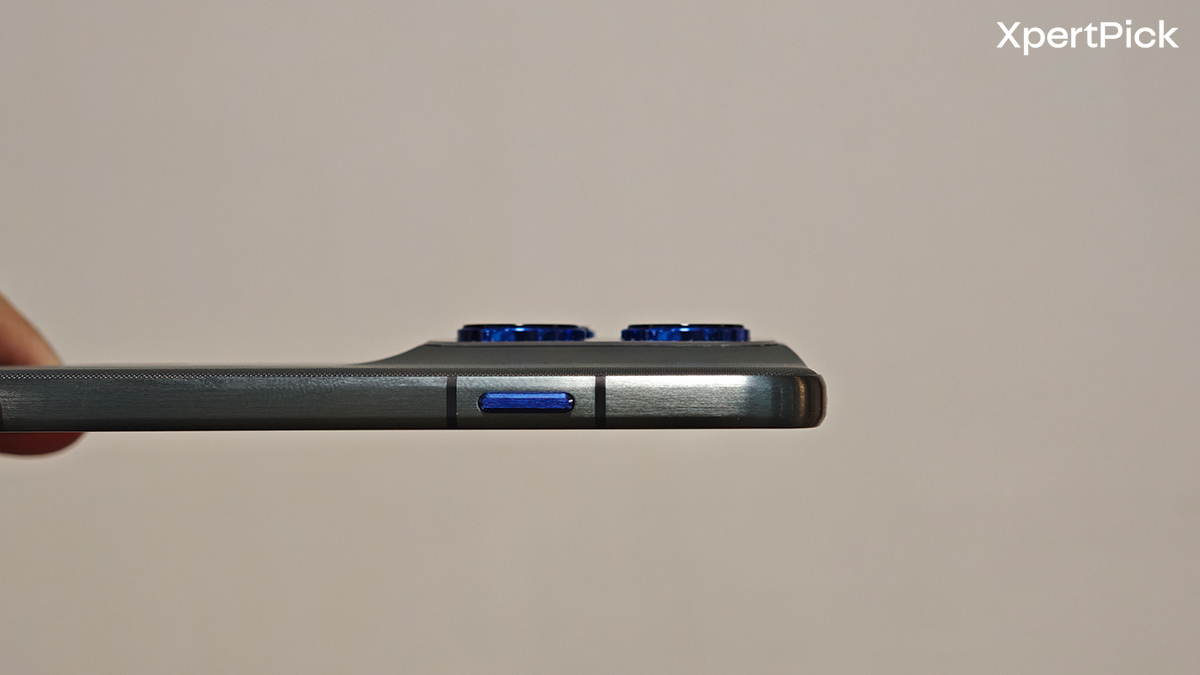
These features are accessed via a dedicated button on the left side, similar to Apple’s Action Button or OnePlus’ Plus Key. Unfortunately, its functionality is quite limited. A double press launches notification summaries, while a long press opens moto AI. With more flexibility, this button could be far more useful. As it stands, many users may choose to disable it to avoid accidental presses.
Verdict: Easily Recommendable For Most People On A Budget
Going into the Motorola Edge 70, I was sceptical. Ultra-thin phones often prioritise style over substance, compromising on battery life, durability, or everyday usability. Thankfully, the Edge 70 avoids most of those pitfalls.
It excels where it matters, which is its comfortable design, capable battery life, and overall usability. The display is excellent for the price, performance is dependable for daily use, and the battery easily outclasses far more expensive slim phones. While the cameras and gaming performance aren’t class-leading, they’re good enough for the audience this phone is clearly aimed at.
For Rs 29,999, the Motorola Edge 70 offers something genuinely different without feeling compromised. For those who value comfort, lightness, and real-world practicality over chasing raw specs, this is one of the most refreshing mid-range phones you can buy right now.
Pros
- Exceptionally slim and lightweight design that’s genuinely comfortable
- Durable build quality with IP68/69 rating & MIL-STD-810H certification
- Battery life outclasses other, more expensive slim phones
- Fast wired charging and rare wireless charging at this price
- Hello UI is clean and tasteful with its AI
Cons
- The camera system is competent, but the telephoto will be missed
- Video performance could be better
- AI button feels restrictive and underused