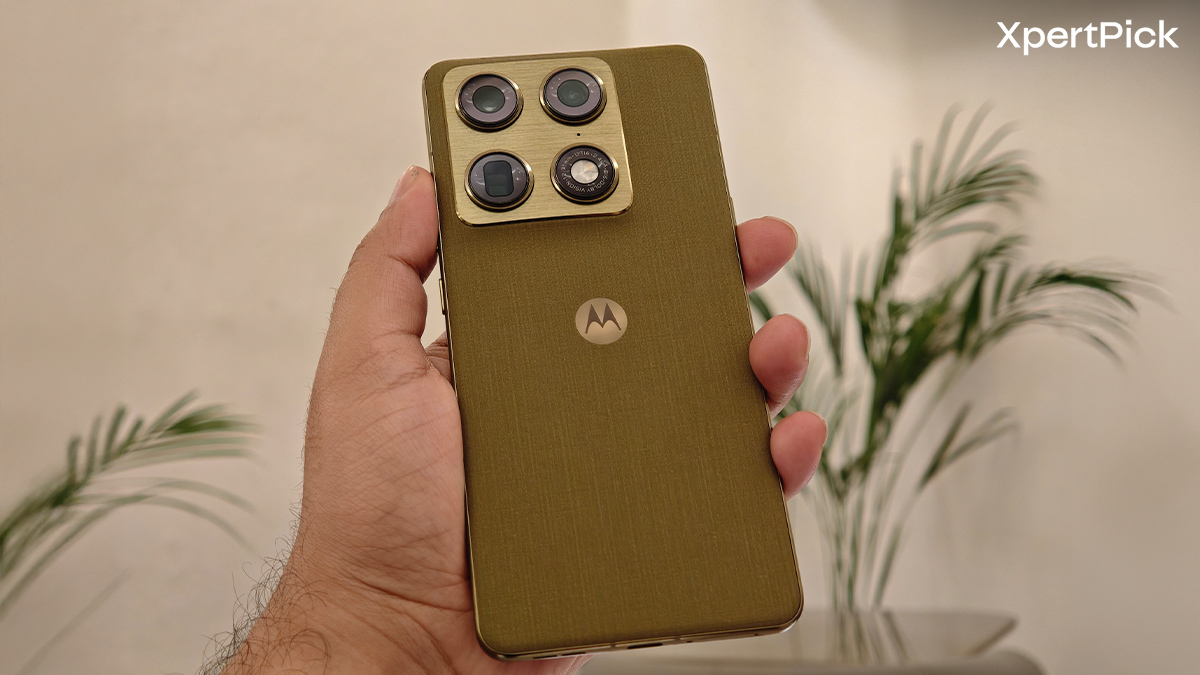
Motorola’s Razr series of foldables is typically seen as its flagship lineup. But with the Motorola Signature, the brand is making a much bolder statement. The brand isn’t just playing in the budget and mid-range segments anymore for its regular smartphones; it is putting its Signature forward as a proper flagship offering.
It looks premium, feels thoughtfully designed, and doesn’t scream for attention the way some flagships do today. And once the initial impressions wear off, Motorola’s intent of a balanced flagship is in clear view, even if it isn’t flawless.
Premium Yet Tasteful
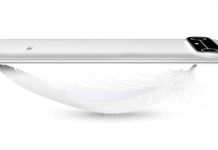
Right off the bat, the Motorola Signature looks familiar. It follows the same design language as Motorola’s Edge lineup, while continuing the brand’s recent shift into slim phones. At just 7.99mm thick and weighing around 187 grams, this is one of the slimmest and lightest premium smartphones you can buy right now.
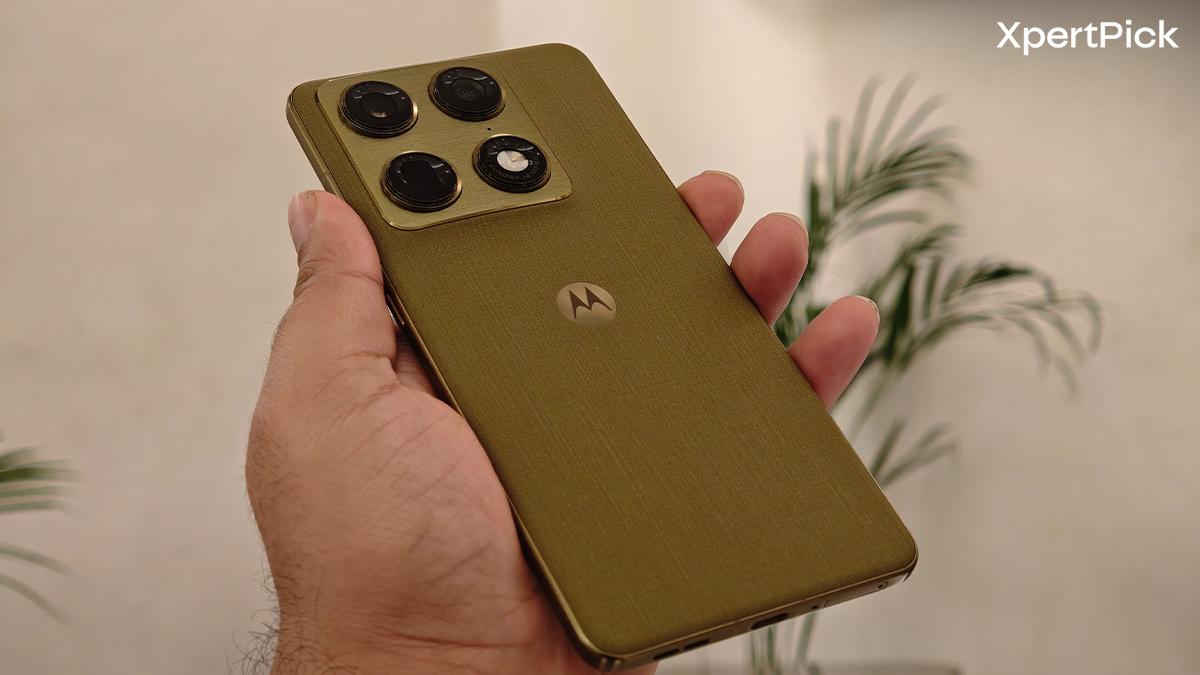
And unlike phones like the Galaxy S25 Edge or iPhone Air, Motorola hasn’t made any obvious or frustrating compromises to achieve this form factor. Instead of the usual glass-and-metal slabs, the Signature stands out with curved accents on the front, back, and edges, paired with a Linen finish on the Martini Olive variant I reviewed.
These subtle curves make the phone genuinely comfortable to hold, while the textured back improves grip and adds character. All of this translates to a strong visual identity that makes this model immediately recognisable as a Moto phone. You also get IP68 + IP69 water and dust resistance, along with MIL-STD-810H military-grade certification. This is a phone I would confidently use without a case.
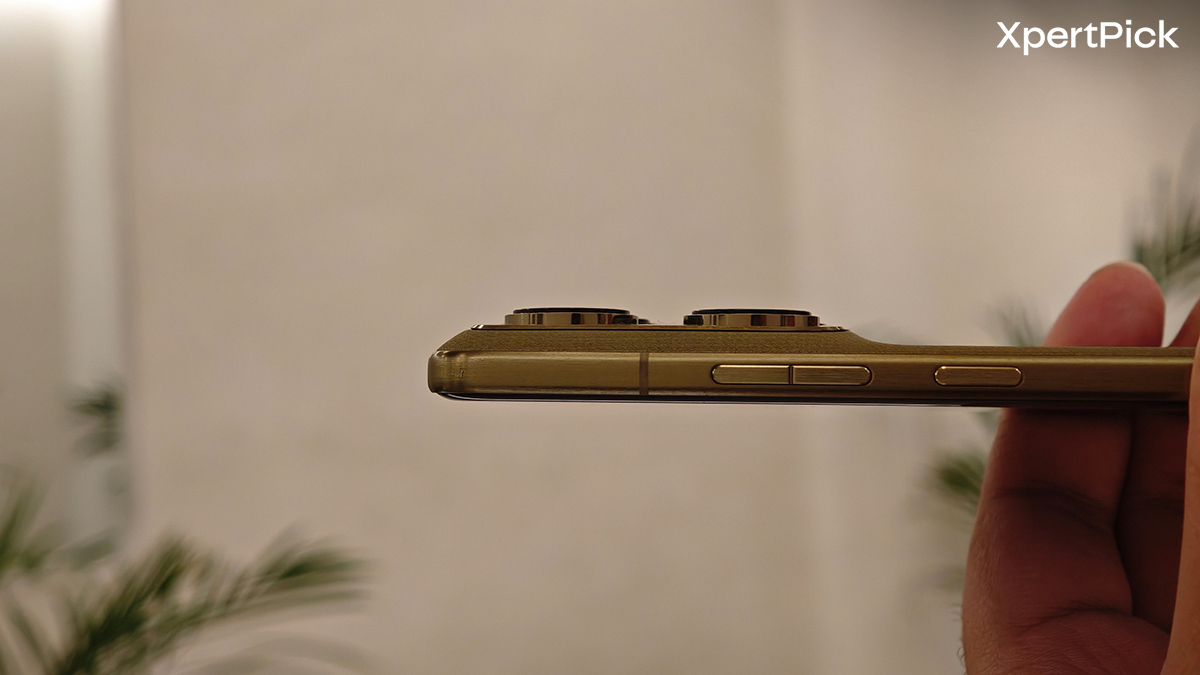
That said, the design won’t be for everyone. The resemblance to the Edge series slightly breaks the premium illusion, and the Martini Olive colour, while elegant, may push most buyers toward the safer Carbon Black option. The phone is also quite wide and tall, making one-handed use impractical unless you have large hands. Still, the overall execution feels deliberate. Motorola isn’t chasing trends; it is refining its own design identity, and that earns points.
Curved Screens are Back
The visual experience matches the premium build. Motorola equips the Signature with a 6.8-inch Extreme AMOLED quad-curved display, featuring a 1.5K resolution, 20:9 aspect ratio, and a peak brightness of 6,200 nits. Sunlight legibility is excellent, and colours are vibrant out of the box, but you also get the option to dial things down for better accuracy, tuned by Pantone.
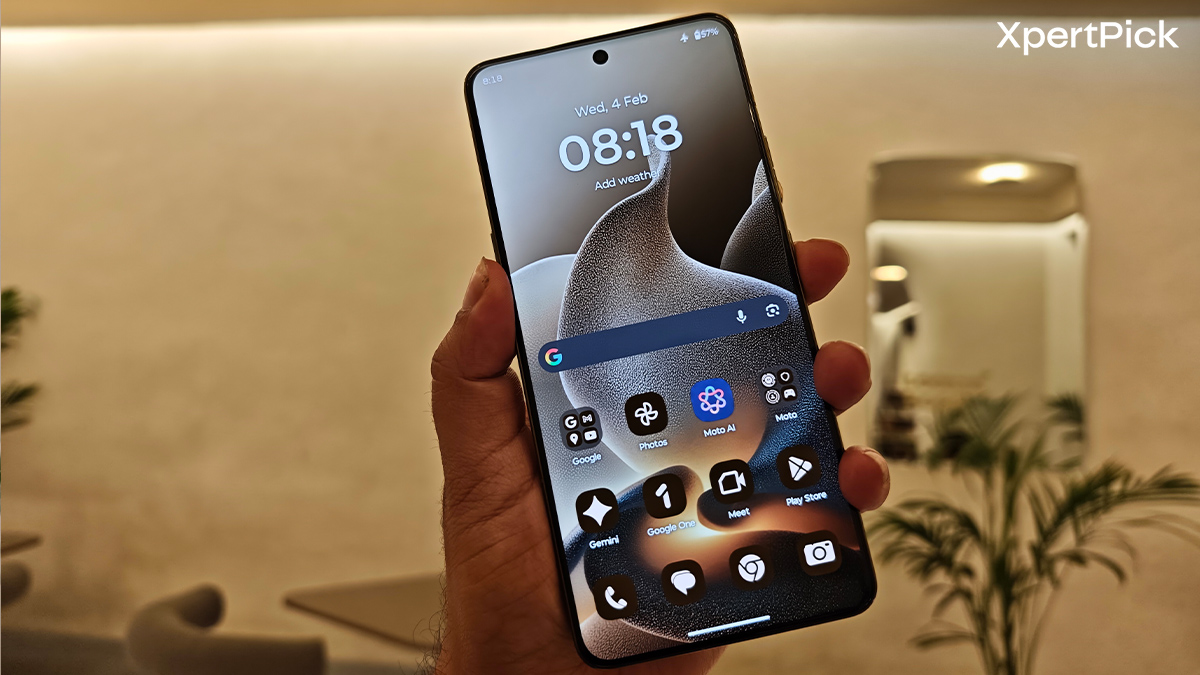
The panel supports a 165Hz refresh rate, though it’s limited to select games. In everyday use, the LTPO display dynamically switches between 1–120Hz, similar to what we’ve seen on phones like the OnePlus 15. The result is a smooth, responsive experience without unnecessary battery drain.
Bezels are thin and unobtrusive, and while Motorola doesn’t explicitly highlight uniformity, they don’t distract at all. I couldn’t find confirmation on PWM or DC dimming, but there’s a Flicker Prevention mode that helps with eye comfort in low-light conditions. Another premium touch is the ultrasonic in-display fingerprint scanner, positioned higher than typical optical sensors, making it easier to reach.
Who Even Needs the “Elite”?
Motorola never intended to make the Signature a top-performing smartphone. Despite what the display refresh rate might suggest, it wasn’t built with gaming as a focus. Except, it still holds up surprisingly well. The phone runs on the Snapdragon 8 Gen 5, sitting just below Qualcomm’s top-tier Snapdragon 8 Elite Gen 5. So here are the synthetic benchmarks:
- AnTuTu – 3,070,250
- AnTuTu (CPU) – 922,819
- AnTuTu (GPU) – 1,071,555
- Geekbench: 2,907 (single) / 9,459 (multi)
On paper, that might seem like a compromise. In practice, it isn’t. Performance is comparable to last year’s Snapdragon 8 Elite, meaning day-to-day usage is flawless. Multitasking is smooth, animations are snappy, and the phone never stutters. Gaming performance is better than expected for such a slim device. Competitive titles like COD Mobile run effortlessly, while heavier games like Wuthering Waves remain playable at high settings. Thermal management is impressive, with no noticeable throttling.
Battery life is another pleasant surprise. Motorola opts for a 5,200mAh Silicon-Carbon battery, which is smaller than the massive 7000mAh+ cells found in Chinese flagships, but perfectly balanced for the phone’s size. I consistently got a full day of use without anxiety. So you still get a respectable battery size that doesn’t add heft to keep the device slim and light.
Charging is equally solid, with a full charge taking about 45 minutes thanks to the 90W wired fast charging support. This is complemented by a 50W wireless charging, 10W reverse wireless charging, 5W reverse wired charging, and an included 90W adapter included in the box.
Powerful Camera Hardware That Needs More Polish
For around Rs 60,000, you can expect a triple camera setup with a dedicated zoom lens. But the Signature packs optics are typically reserved for pricier flagships, including a primary sensor seen on phones like the Vivo X300 Pro and Oppo Find X9 Pro. So before we get into the details, here’s what the cameras have to offer:
- 50MP 1/1.28″ Sony LYT828 main sensor (f/1.6 aperture, OIS, PDAF)
- 50MP 1/2.76” ultra wide angle lens (f/2.0, PDAF, Macro)
- 50MP 1/1.95” Sony LYT600 periscope telephoto shooter (f/2.55, 3x optical zoom, OIS)
- 50MP 1/2.93” Sony LYT500 selfie camera (f/2.0)
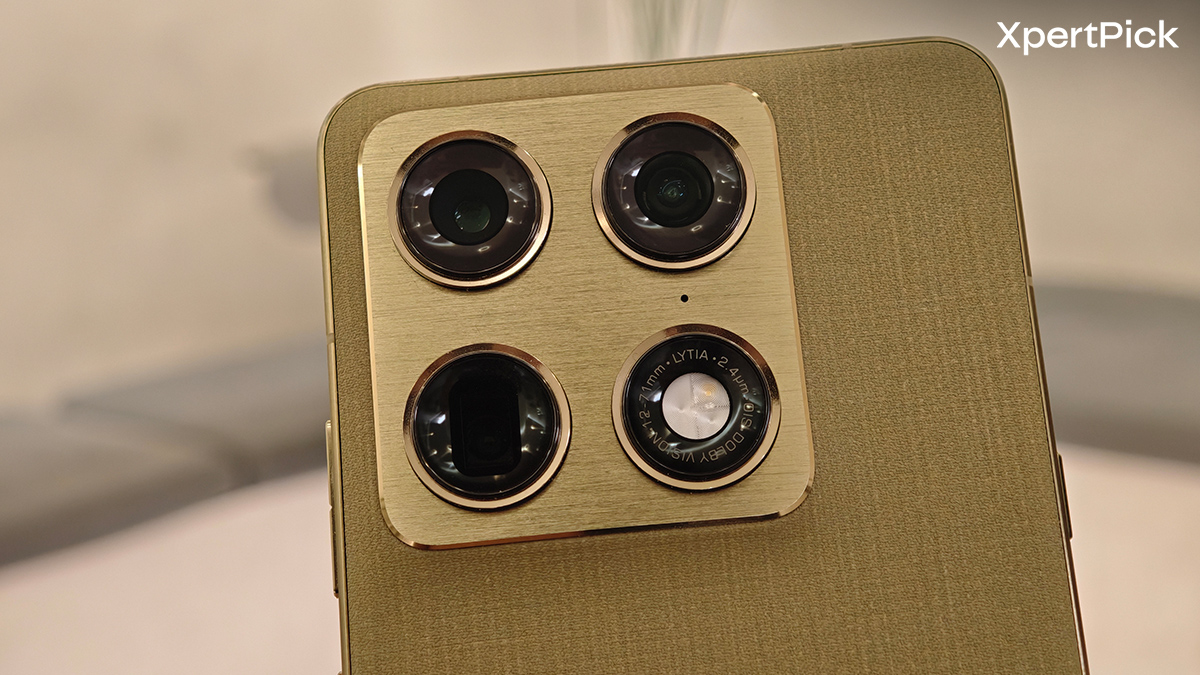
The main camera is the clear highlight. Daylight shots are sharp, detailed, and natural-looking, with excellent dynamic range and minimal software sharpening. Motorola’s collaboration with Pantone shows in accurate skin tones that avoid overexposure or unnatural saturation.
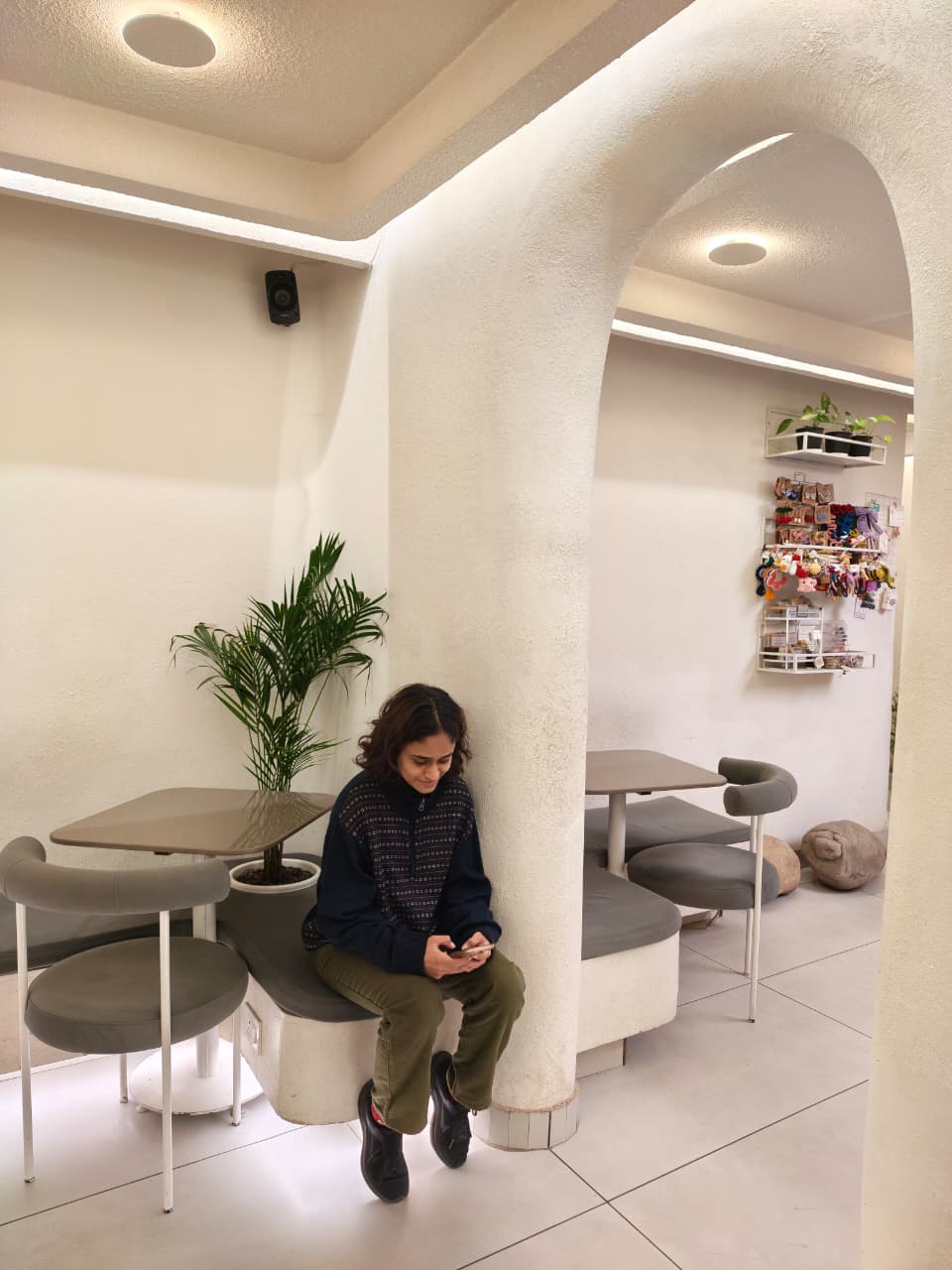
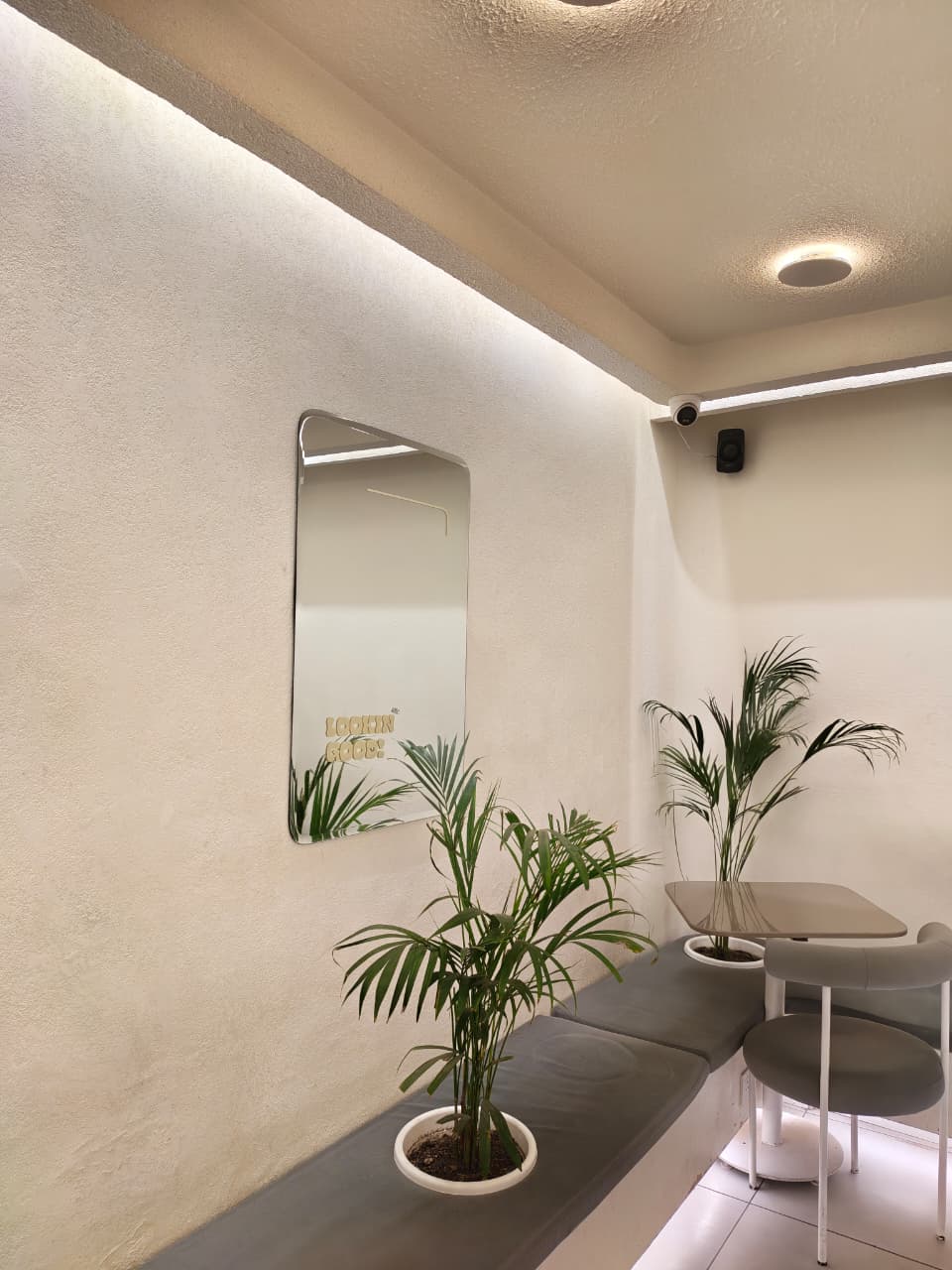

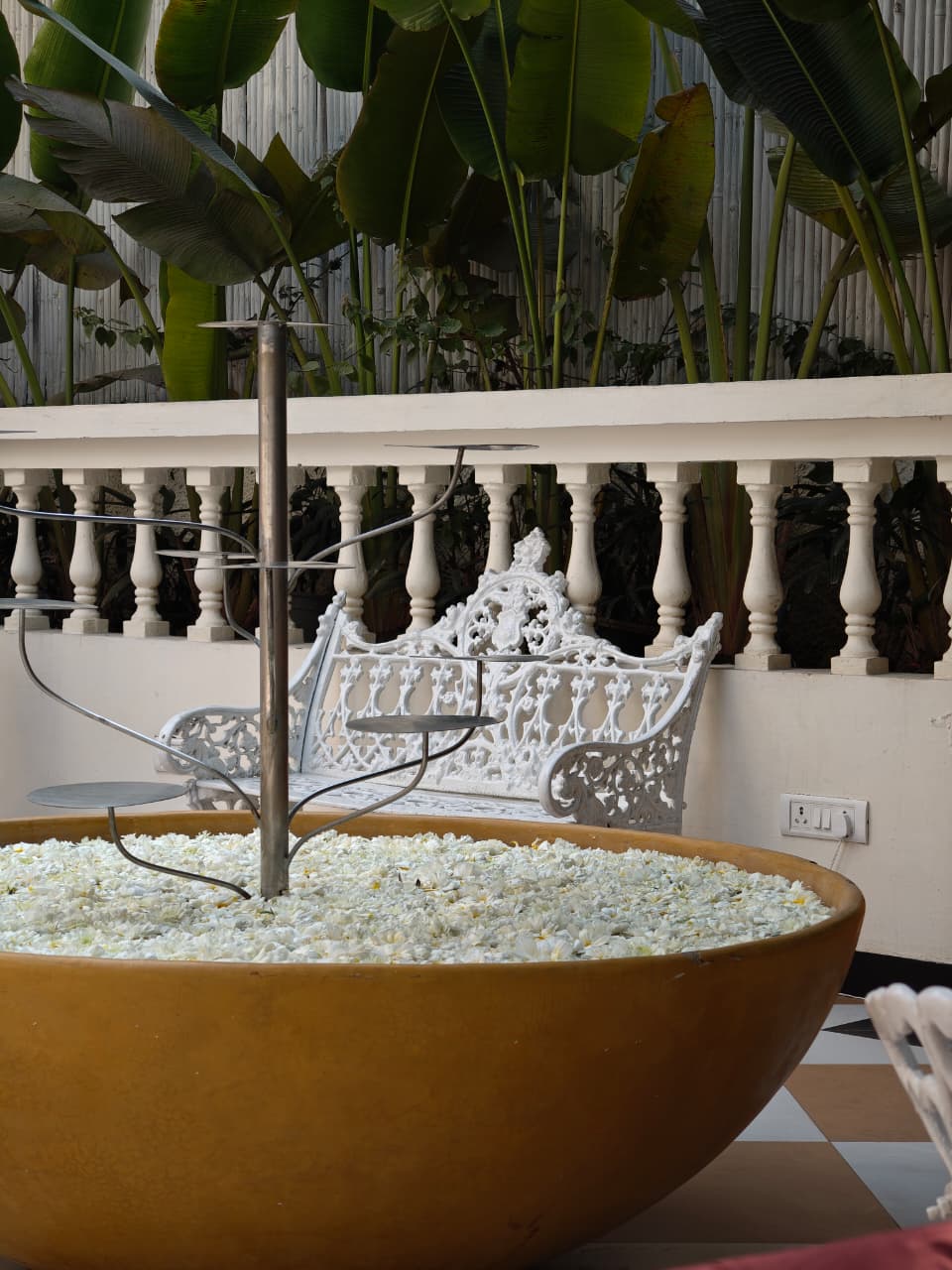













Low-light performance is strong too, with controlled noise and good texture retention. However, occasional inconsistencies creep in. HDR tuning can sometimes soften images, and a few night shots looked slightly washed out. These are software issues rather than hardware limitations.
The ultra-wide camera is the weakest of the trio. It produces softer images with noticeable lens distortion, and low-light shots introduce visible noise. The telephoto lens performs better, delivering sharp 3x zoom shots with realistic colours, though AI sharpening becomes noticeable past 10x.

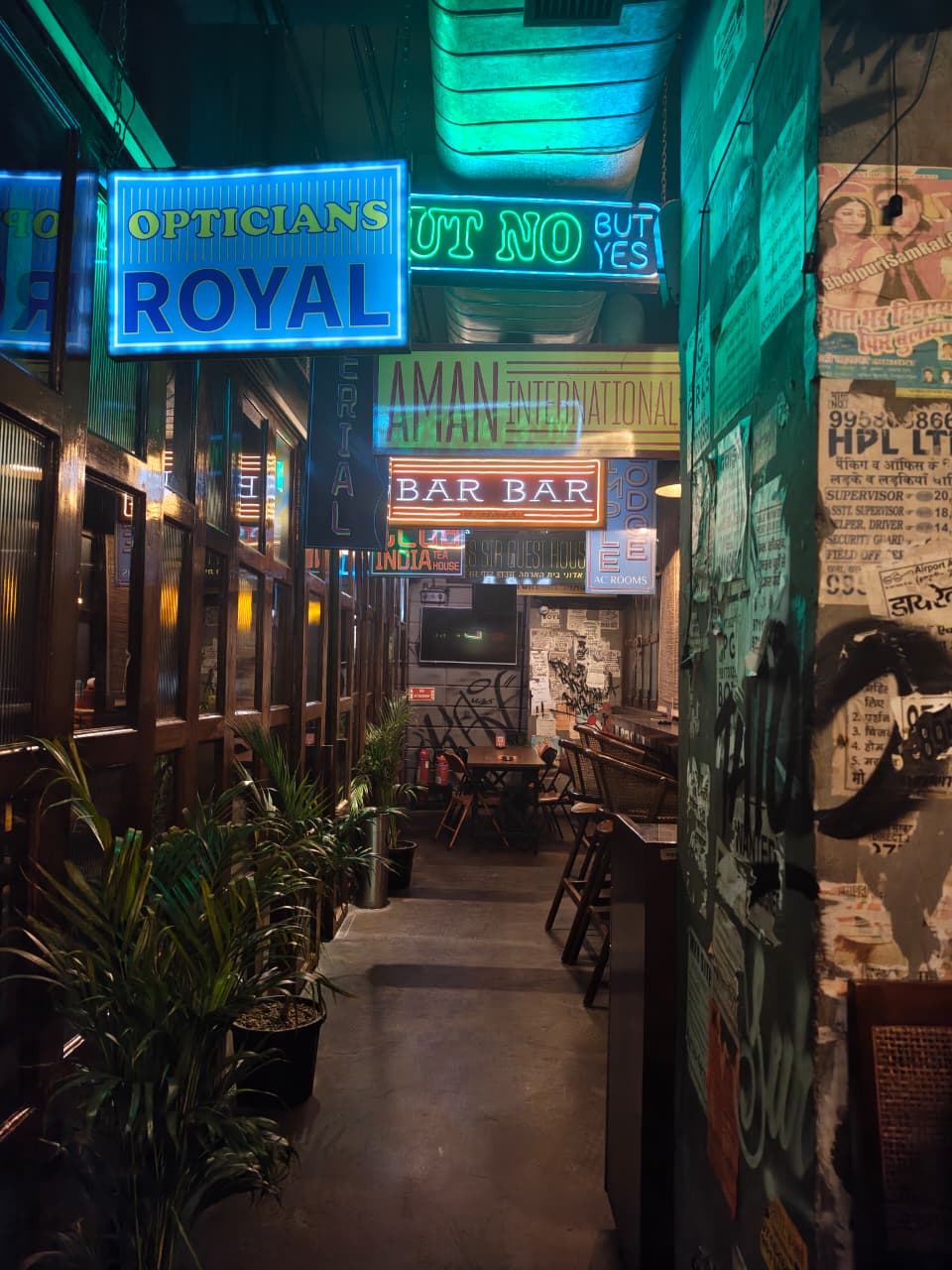


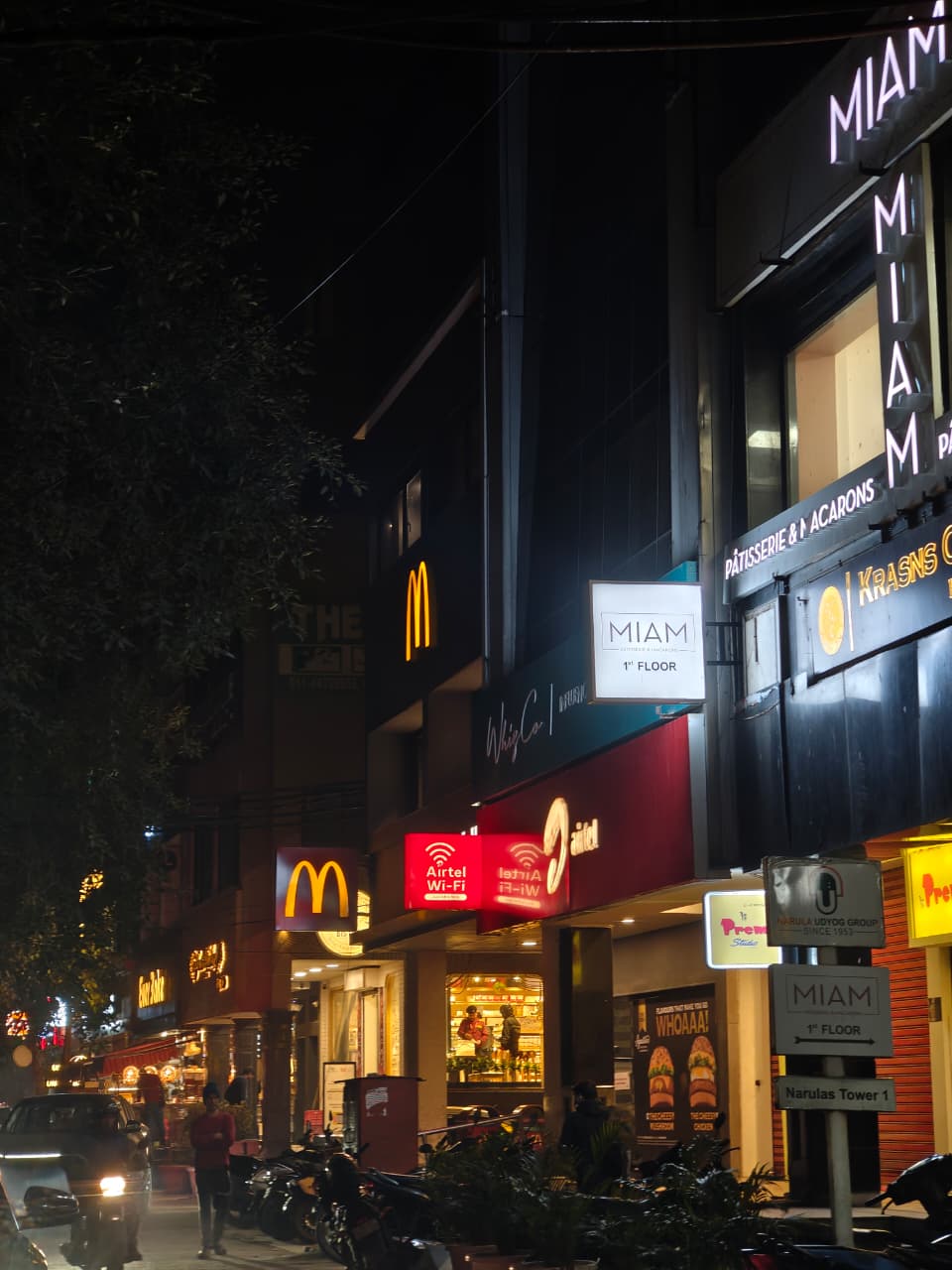


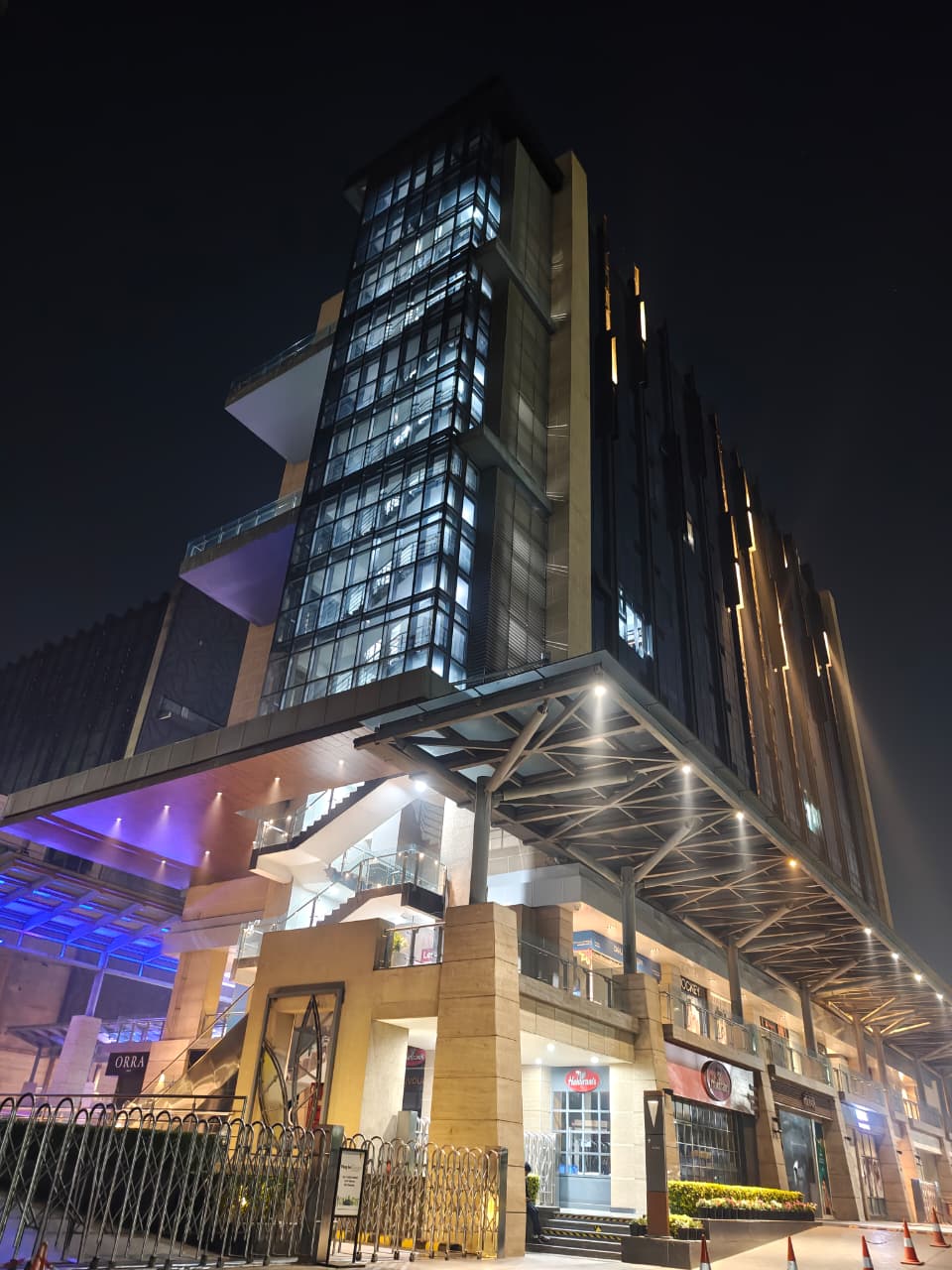
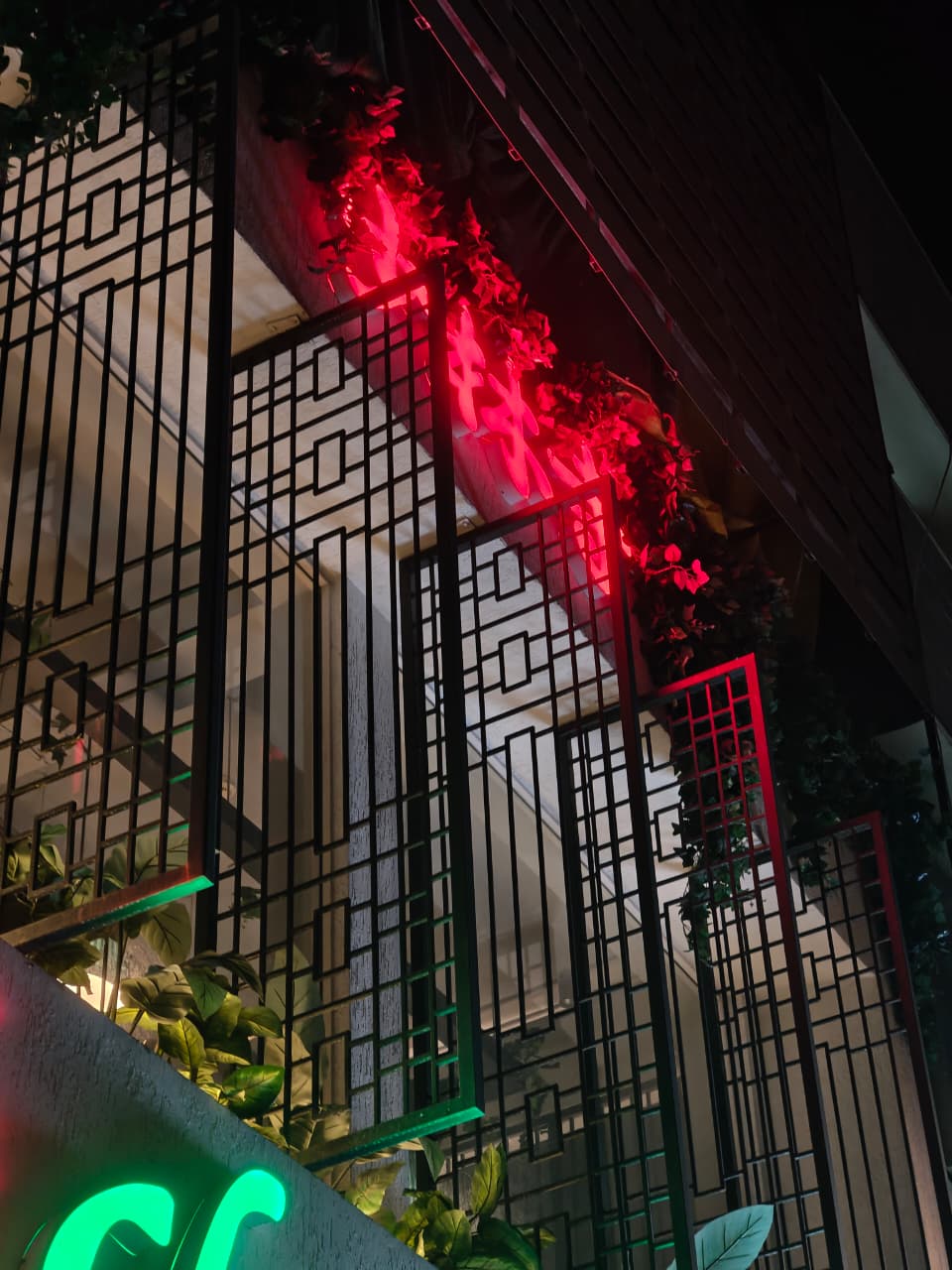
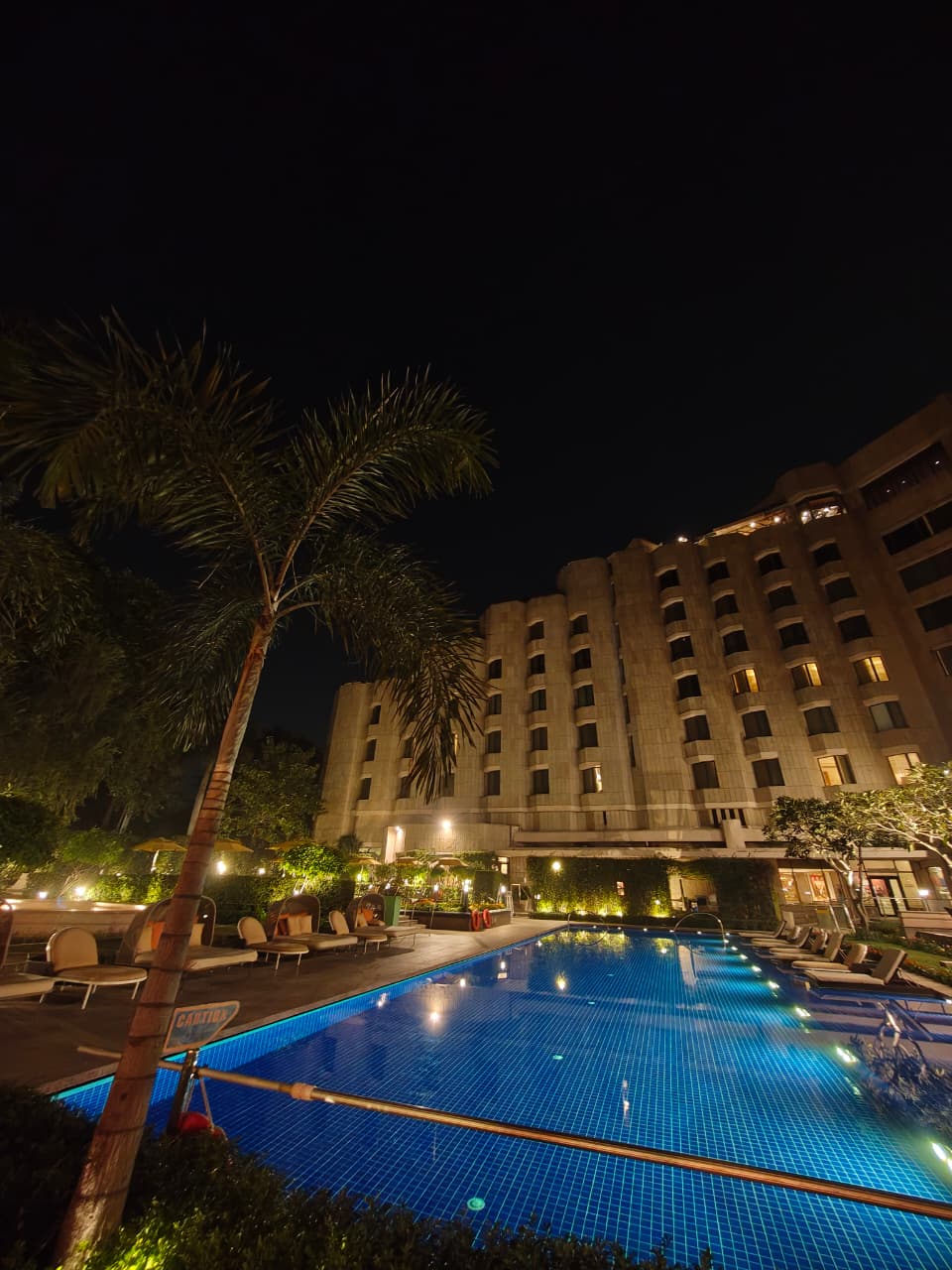
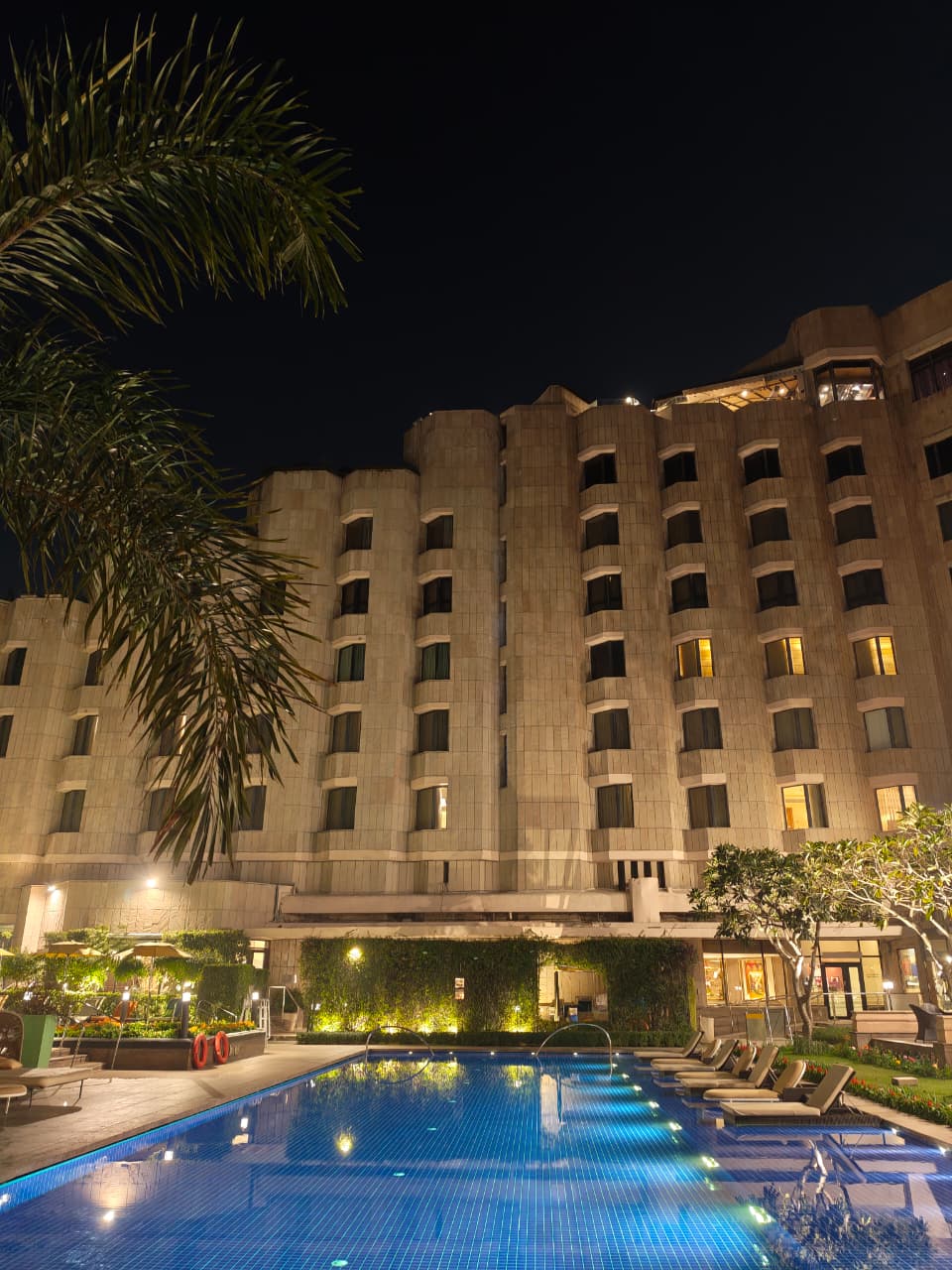
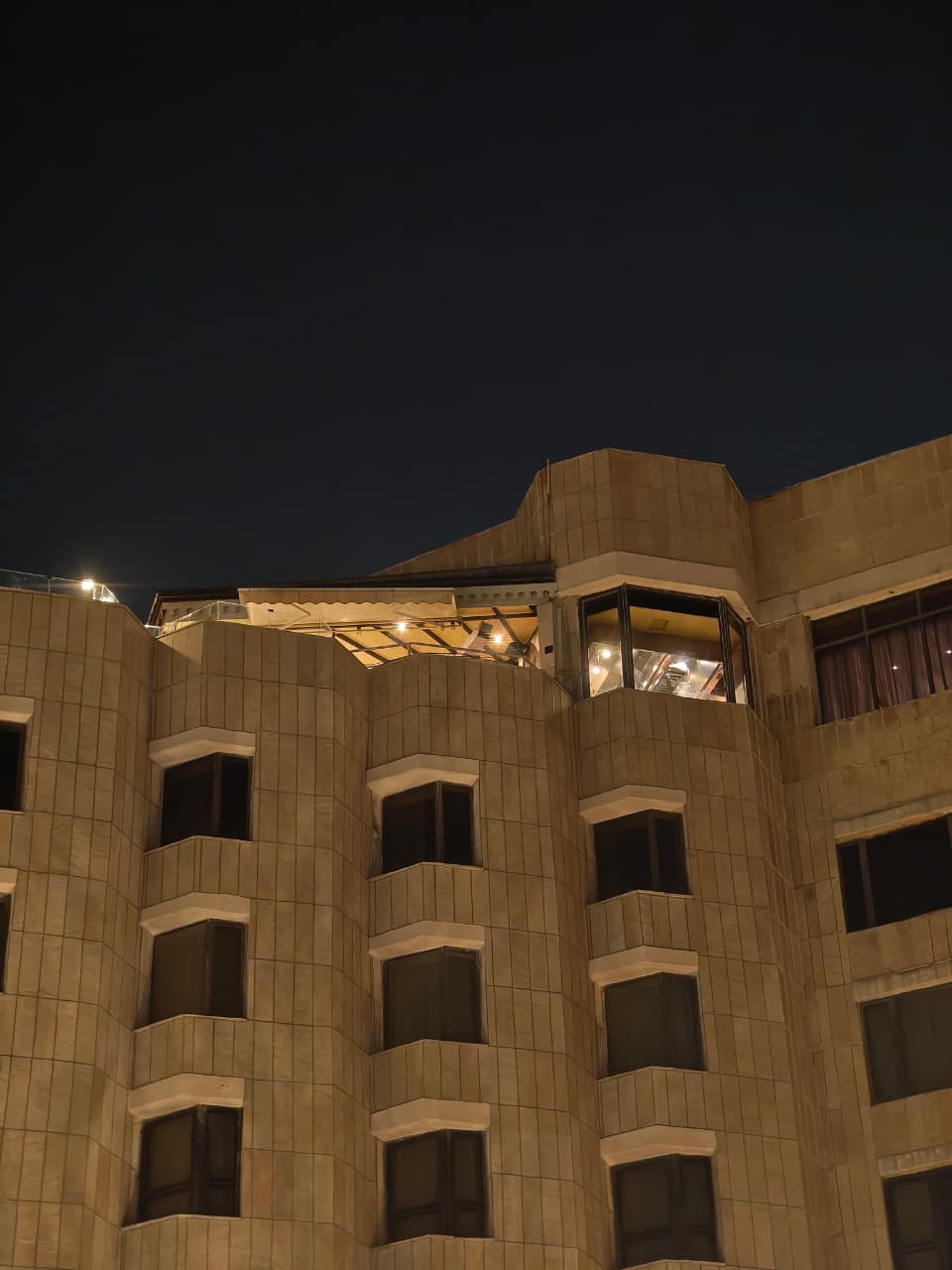
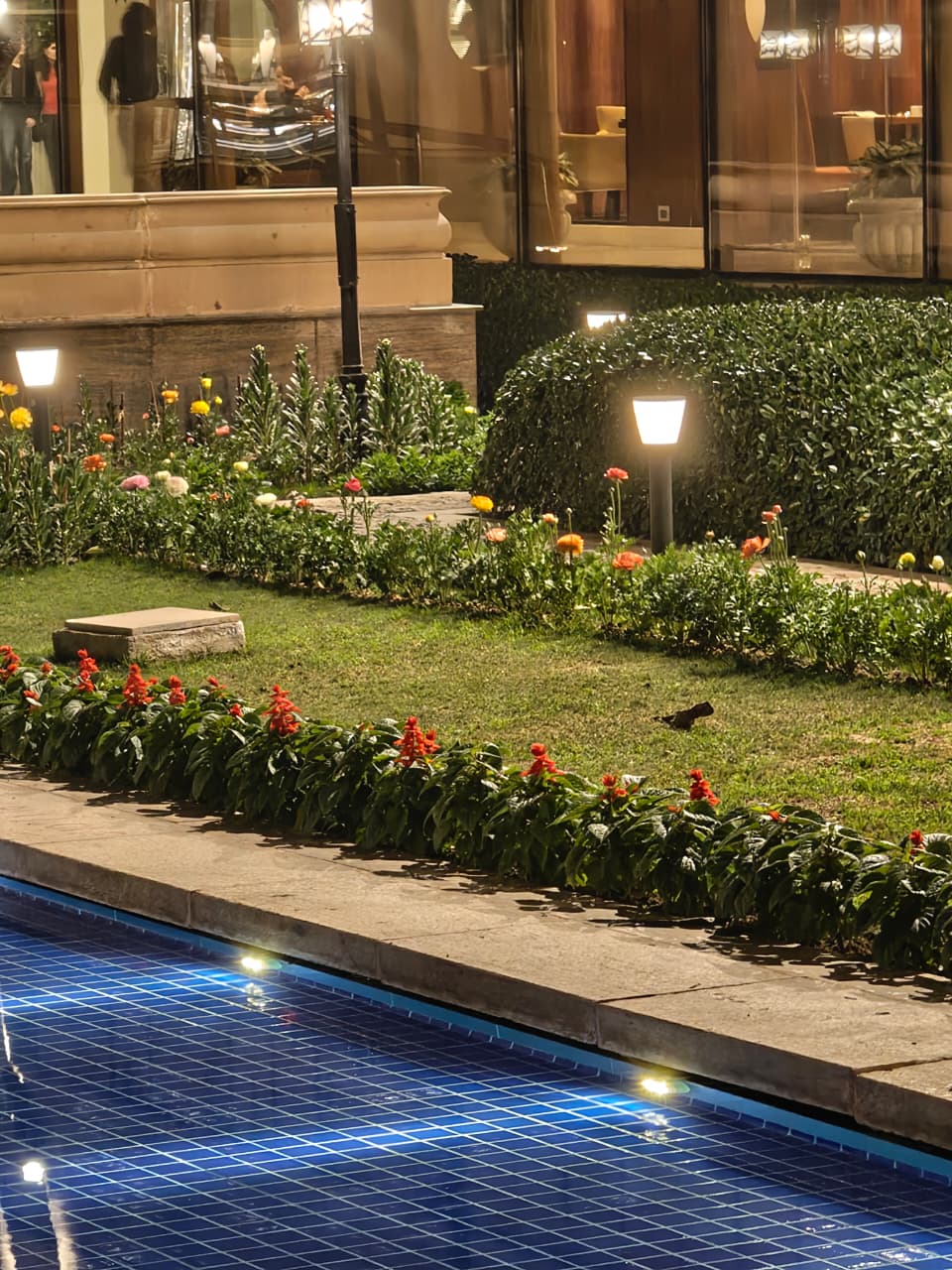


Portrait mode is generally reliable. Motorola has locked the focal length options on the portrait mode for some odd reason. By default, you get the 24mm, 35mm, 50mm, and 85mm options. This forces digital crops where optical zoom would’ve made more sense, which can produce softer images. You also miss out on the natural compression, since only the 85mm takes advantage of the telephoto shooter.
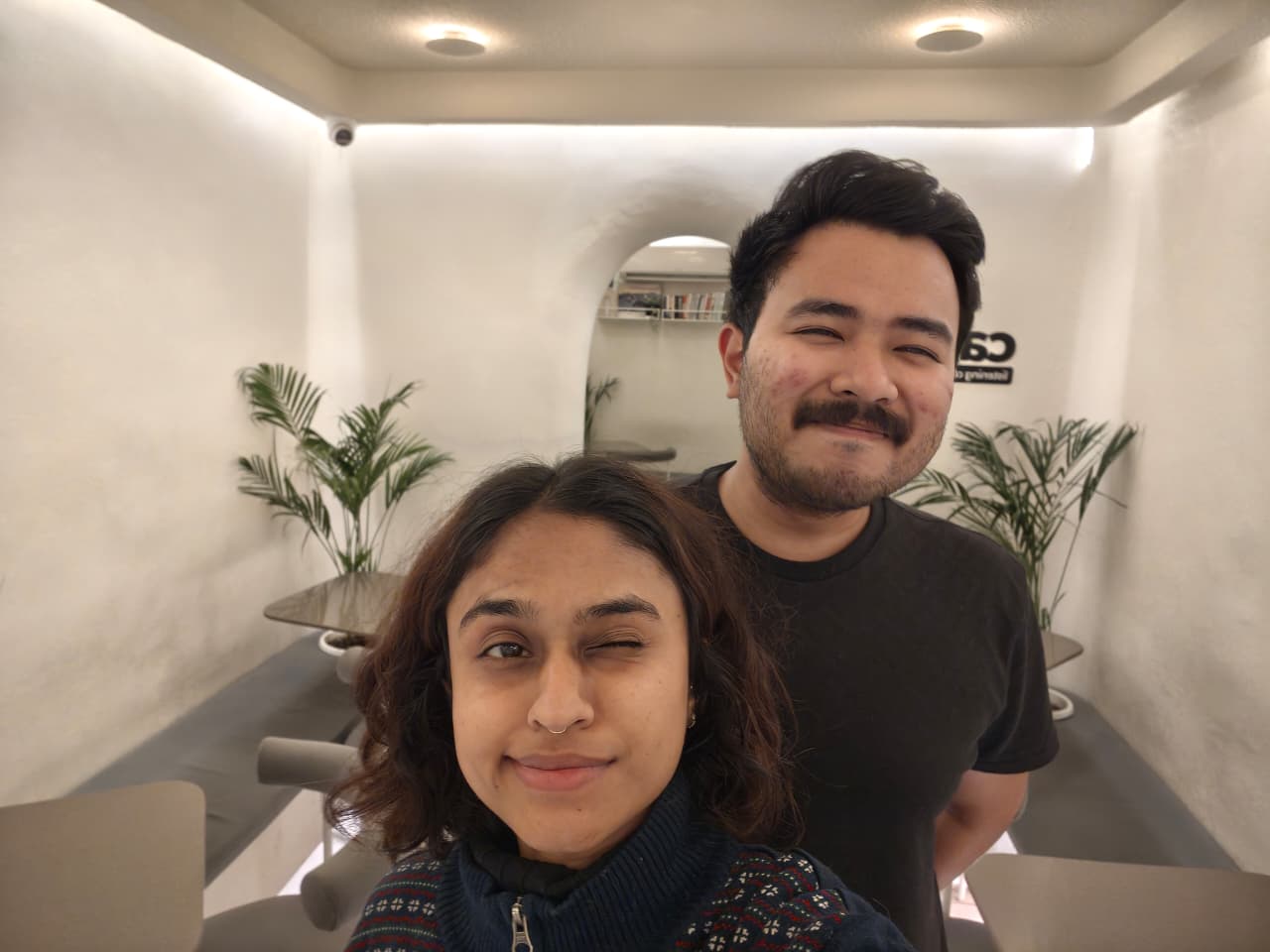
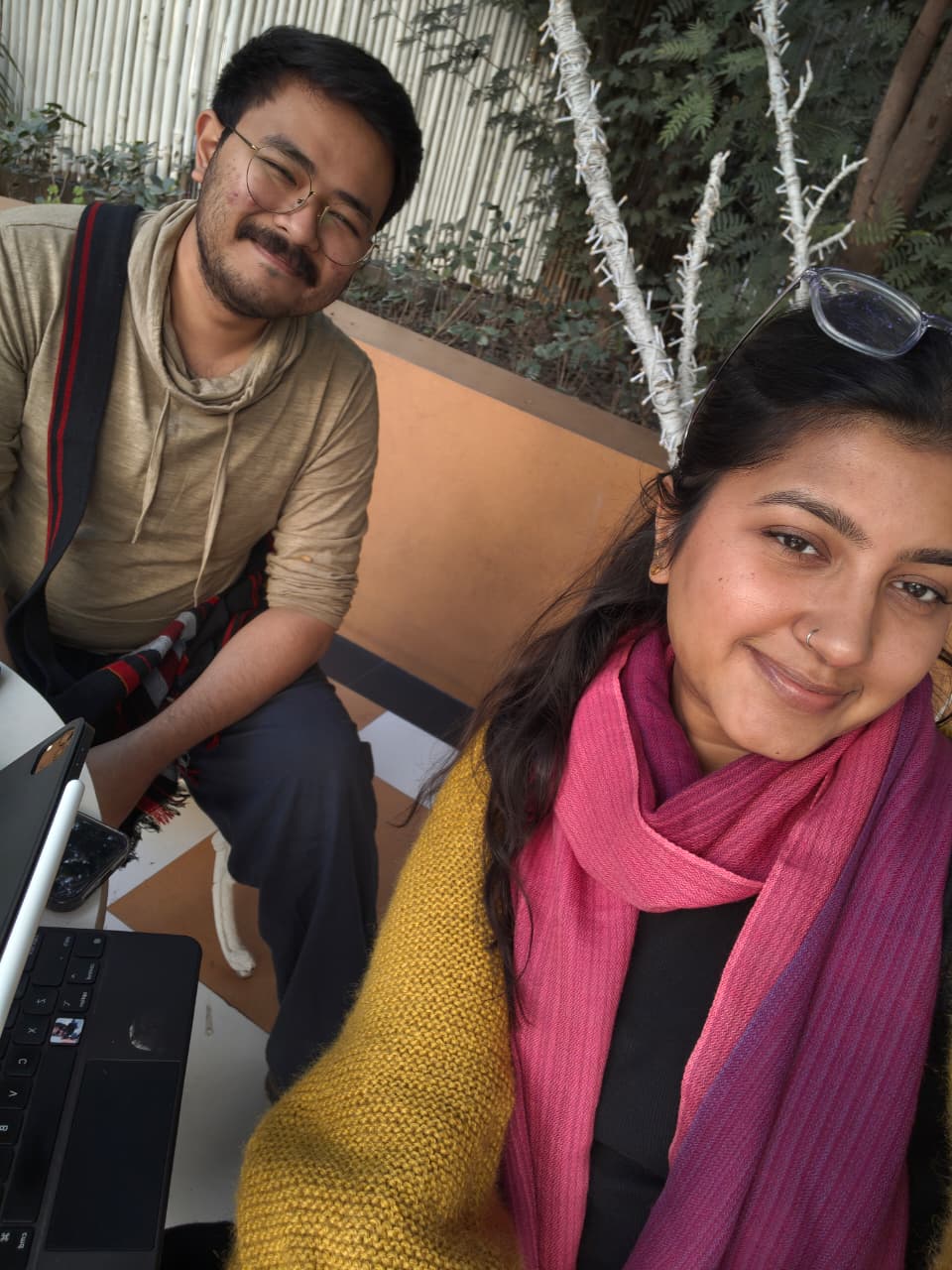
Selfies are handled by the third Sony LYT sensor, which unfortunately skips autofocus support. This doesn’t seem to be much of a problem in daylight with good exposure, fair amounts of detail, and excellent skin rendition. However, the quality takes a hit in the evenings, and you can see plenty of noise in some shots. Video performance tops out at 4K60fps with Dolby Vision across all cameras, with the main sensor even supporting 8K30fps. Stabilisation could be better, but overall quality remains good.
Hello UI Is Still Clean and Polished
Back when I reviewed the Moto Edge 70, I praised the slim mid-range phone for its relatively polished and near-stock Android experience. So the Motorola Signature felt familiar right off the bat. It maintains that native Android experience with tasteful additions rather than overwhelming customisation. With custom skins often being inspired by Apple’s iOS, the distinct Android look is always refreshing to see.
Moto AI remains useful without being intrusive, with features like AI Notification Summaries standing out. Unfortunately, the programmable AI Key remains restrictive, offering very limited actions. You can only set it to “No Action” apart from Moto AI, Update Me (Notification Summary), and Take Notes. This is for both the Press and Hold and Double-press input options. This could’ve been an all-purpose button. Motorola already offers its classic twist to launch camera and shake for flash, so in a perfect world, it should’ve offered a bunch of other options.
Another annoyance is the lack of a dedicated Gallery app, forcing reliance on Google Photos. For a premium phone, this feels like an oversight. A new addition is the Signature Club, a concierge-style service offering lounge access, luxury hotel deals, and more. The first year is free, and the first booking includes benefits worth up to Rs 6,000. This offers an interesting perk that genuinely enhances the premium experience. Motorola also promises up to 7 years of major OS updates, matching industry leaders, though long-term consistency remains to be seen.
Verdict: Adding Luxury to the Motorola Playbook
The Motorola Signature is a compelling option for those looking for a premium experience for a surprisingly reasonable price. It slim, well-built, and thoughtfully designed, while adding strong hardware choices and an advanced camera system.
It ticks all the right boxes for those looking for a flagship offering, and even adds some of its own premium flair. The brand is building its own formula for what a luxury smartphone should be, and the Signature feels like a confident step in that direction. It may not be the fastest phone or the absolute best camera flagship, but everything it does feels deliberate. The balance between design, performance, battery life, and camera capability is well judged.
For buyers tired of the predictable look and feel of modern flagships, the Motorola Signature is easy to recommend. It’s a confident step forward for the brand, and a reminder that luxury doesn’t always need to be loud.
Pros
- Slim, lightweight, and premium design
- Excellent main camera with natural colour science
- Clean, near-stock Android experience
- Long-term software update promise
- Decent all-day battery life
Cons
- Camera software inconsistencies
- AI Key is unnecessarily restrictive
- No dedicated Gallery app