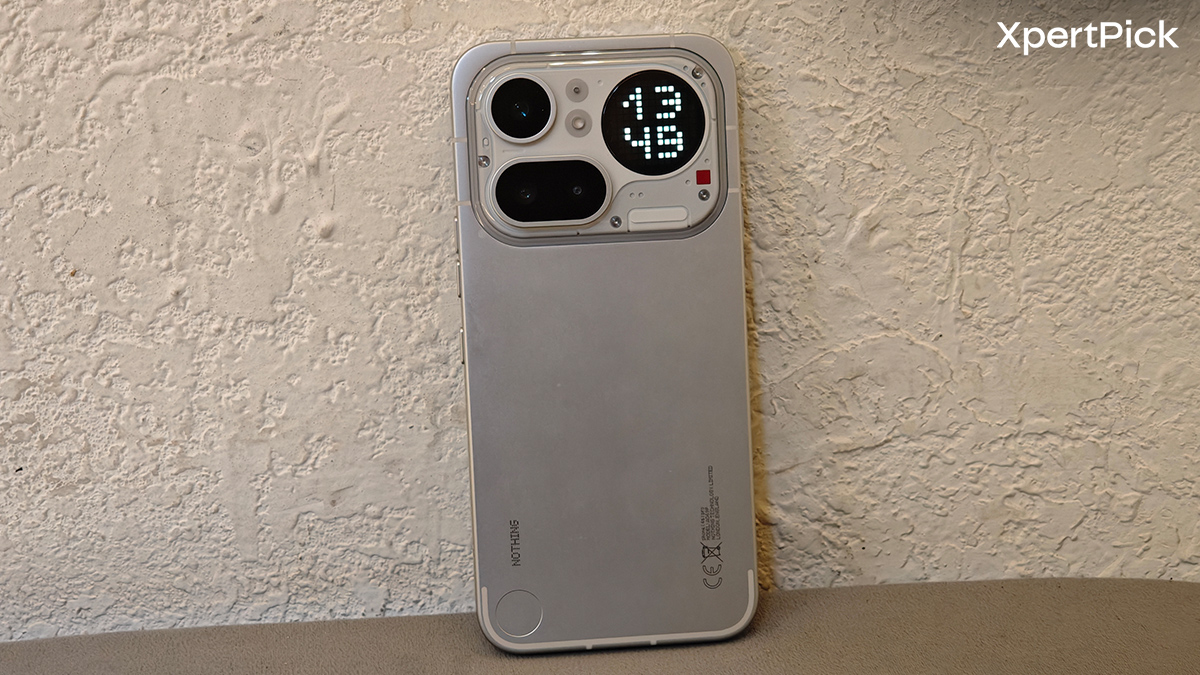
After a slightly rocky launch of the Phone (3) and Phone (3a) Lite, Nothing is back with the Phone (4a) series, and this time, the Phone (4a) Pro is doing all the heavy lifting. There’s no flagship this year. No Phone (4), no Pro Max, nothing sitting above this. So, for all intents and purposes, this is Nothing’s best phone in 2026. And like every Nothing phone before it, this one tries to stand out.
But there’s a catch. The Phone (3a) series nailed the whole “value with personality” formula. The Phone (4a) Pro, on the other hand, comes in with a Rs 10,000 price bump. That changes expectations immediately. So this isn’t just about whether it’s cool anymore. It’s about whether it still makes sense.
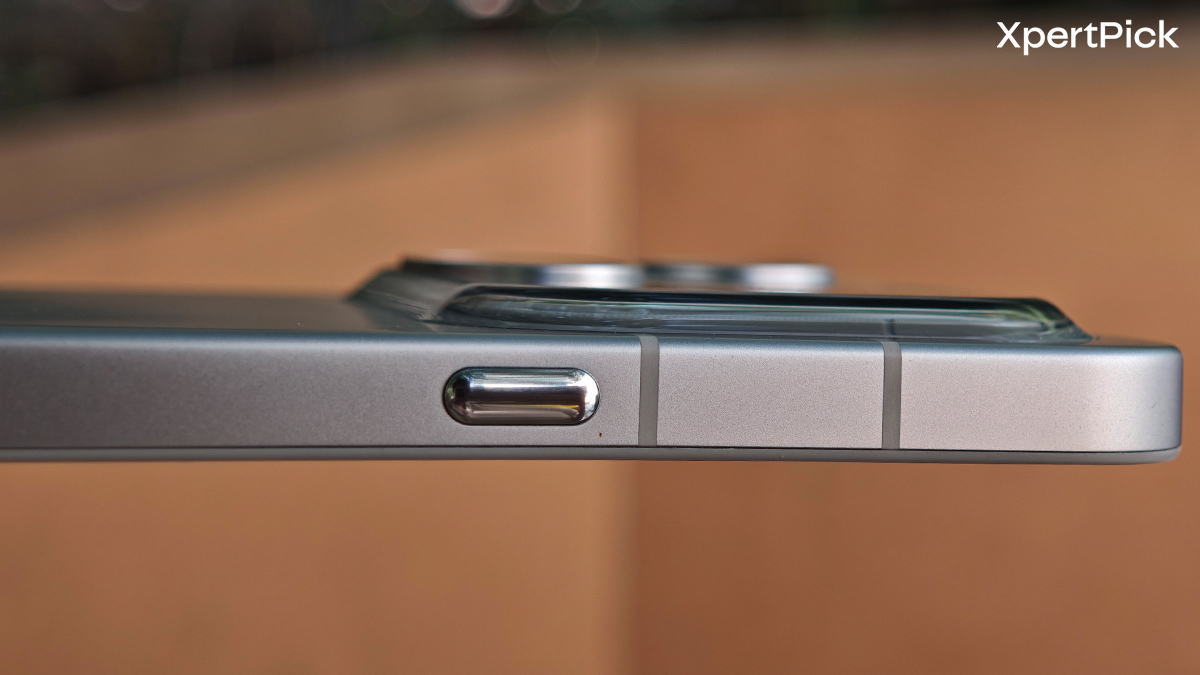
Nothing’s Experiment with Metal Isn’t for Everyone
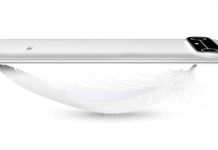
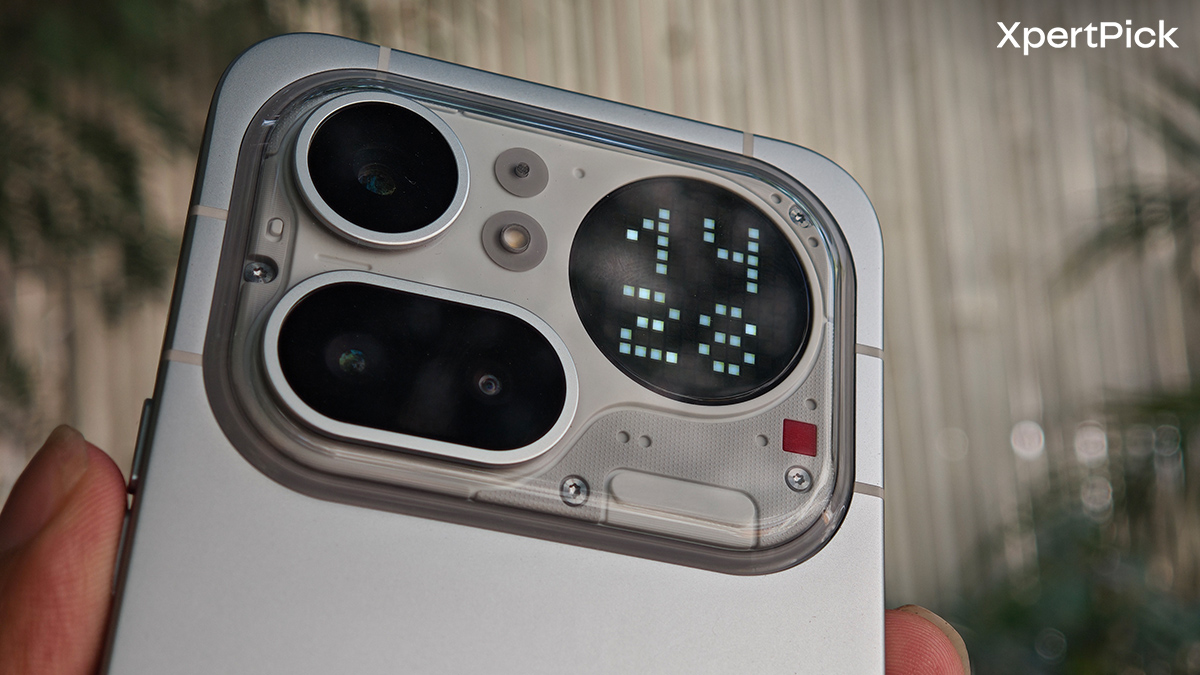
But the real highlight is the camera module. It looks like a retro sci-fi control panel slapped onto the back, and I mean that in a good way. This is the only transparent section left, and it houses the triple camera setup along with the Glyph Matrix display.
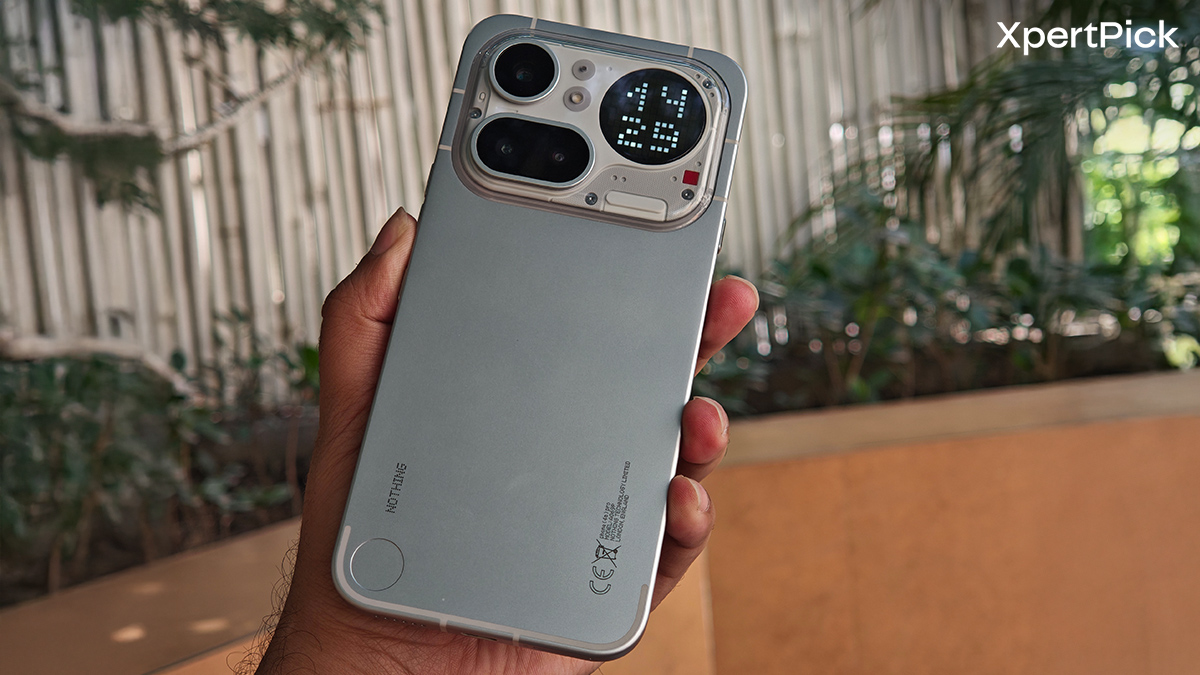
The new Glyph Matrix uses 137 mini-LEDs, which are brighter and larger than before, but fewer in number. So while it pops more, it also loses some of the finer detail of the Nothing Phone (3)’s Glyph implementations. It’s a bit of a trade-off between style and functionality.
Compared to the competition, Nothing is still playing a completely different game. The Vivo V70 plays it safe with a clean and premium design, the OnePlus 15R focuses on polish rather than personality, and the Redmi Note 15 Pro+ sticks to its own familiar territory. Meanwhile, the Phone (4a) Pro is instantly recognisable from across the room. That said, the design isn’t perfect.
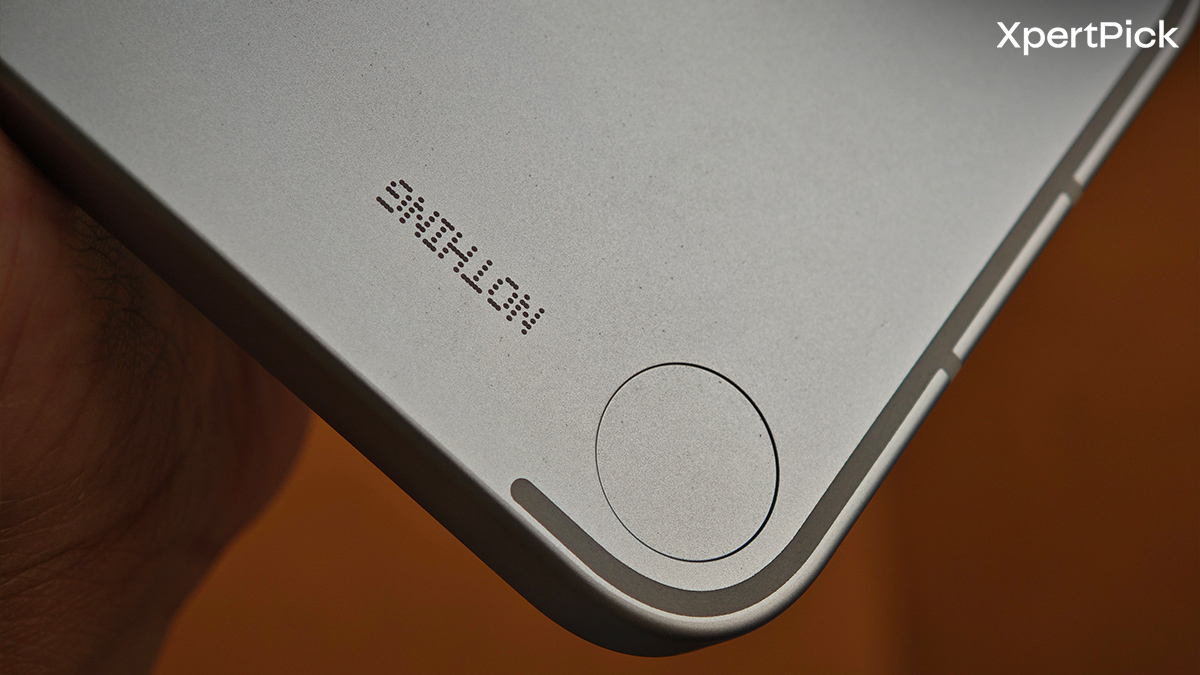
The haptics feel surprisingly weak for a phone at this price. Durability is another area where it falls behind. You only get an IP65 rating, while most alternatives in this segment offer IP68 or even IP69. The transparent module is still plastic, which will scratch over time, and there’s no case in the box either (though there is a pre-applied screen protector).
Near Flagship-level Display
Flip it over, and things settle into more familiar territory. The 6.83-inch AMOLED display is exactly what you’d expect at this price, and that’s a good thing. It’s sharp, vibrant, and bright enough to handle outdoor usage comfortably. HDR1- support makes streaming content look great, and the uniform bezels add that extra premium touch.
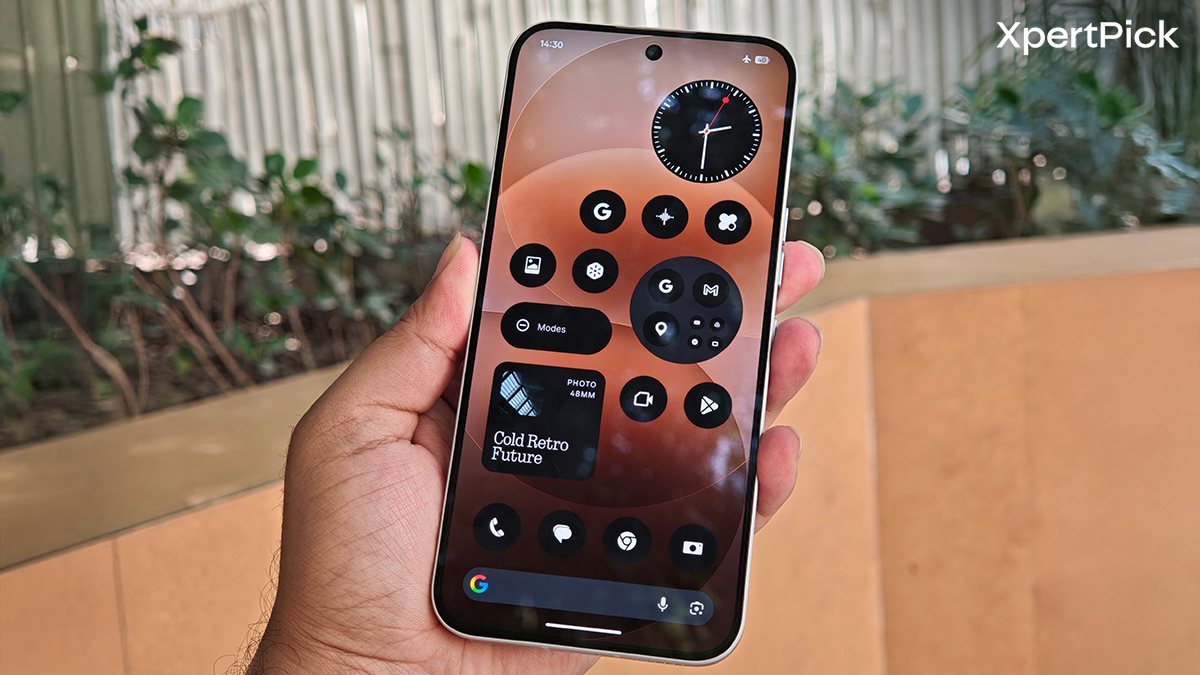
There’s a 144Hz refresh rate support on paper, but like most phones, you’ll only see it go beyond 120Hz in select apps. Still, the experience is smooth and responsive across the board. So no complaints here.
Consistent Performance Meets Decent Battery Life
The Nothing Phone (4a) Pro isn’t trying to win any performance benchmarks, and that’s immediately obvious. Powered by the Snapdragon 7 Gen 4, this is a phone built for consistency, not dominance. But that doesn’t mean it’s slow.
Synthetic benchmarks:
- AnTuTu – 1,453,766
- AnTuTu (CPU) – 490,991
- AnTuTu (GPU) – 321,029
- Geekbench: 1,378 (single) / 4,313 (multi)
Day-to-day use feels smooth. Apps open quickly, scrolling is fluid, and multitasking doesn’t cause any major hiccups. Even gaming is fairly solid. Competitive multiplayer titles like BGMI and COD Mobile run well, hitting triple-digit frame rates, though you’ll see some dips over longer sessions. But it pushes it harder, and the limits start to show. Games like Genshin Impact don’t quite hold a stable 60fps, often settling closer to the 40fps range in low settings.
Lowering the setting does make it smoother, but this clearly highlights how it’s meant to be a more rounded phone rather than a device focused on performance. So if you want something faster, the OnePlus 15R with the Snapdragon 8 Gen 5 is the kind of phone you’re looking for. It is built for speed, with a lot more stable gaming experience.
This is also when the OnePlus 15R comparison becomes important. With a Snapdragon 8 Gen 5, it delivers far better sustained performance and is easily the better pick for gamers or power users. The Nothing Phone (4a) Pro simply isn’t competing on that front.
For cooling, there is a large 5,300 mm² vapour chamber that does a solid job of keeping temperatures in check, and the phone cools down quickly after extended sessions.
Battery life is… fine.
Just like the other ‘Western’ brands, Nothing has yet to jump on the Silicon carbide bandwagon for the battery pack. The Indian variant does get the largest 5,400mAh capacity, which comfortably lasts a full day with moderate use. I was averaging around 6 hours of screen-on time, which is reliable but not particularly impressive in 2026.
This is another area where competitors are pulling ahead. Devices like the 15R are pushing significantly larger battery capacities, making endurance one of their key strengths. Fast charging at 50W is also decent, but again, nothing outstanding.
A balanced camera system that mostly works
Just like the Phone (3a) Pro, Nothing has stuck with a more versatile approach with cameras, and for the most part, it pays off. You get a triple camera setup with a dedicated telephoto lens, which is still not a given at this price point.
A quick TL;DR: This isn’t the best camera in this price range, but the experience on offer is quite fun.
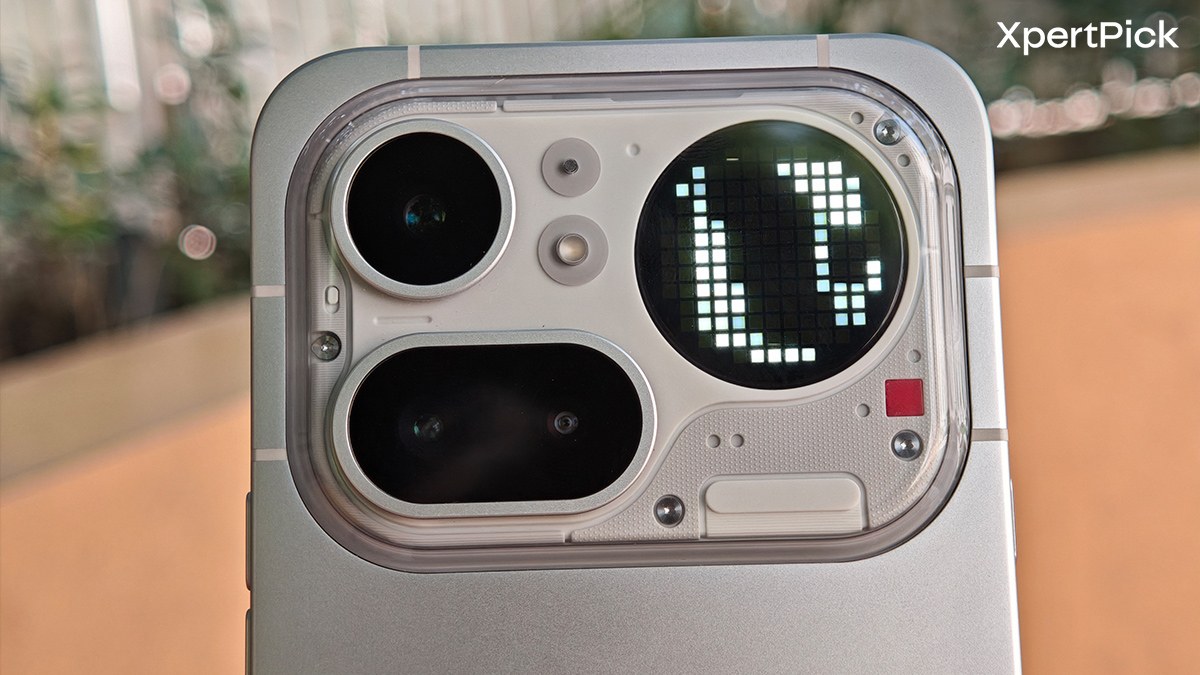
Camera hardware:
- 50MP 1/56″ Sony LYT700C main sensor (f/1.88 aperture, OIS)
- 8MP 1/1.4” Sony IMX355 (f/2.2)
- 50MP 1/2.75” Samsung JN5 periscope telephoto shooter (f/2.9, 3.5x optical zoom, OIS)
- 32MP 1/3.44” Samsung KD1 selfie camera (f/2.2)
The main camera is the most reliable shooter here. In daylight, it captures sharp images with good detail and strong colours. But Nothing’s image processing still leans towards the aggressive side. Some shots come out looking a bit too HDR-heavy, especially under harsh lighting. So pictures feel overly processed with booster colours at times. Shots also appear on the cooler side, with the blues being more emphasised.
Compared to a great premium mid-range phone like the Vivo V70, which offers more natural colour tuning, Nothing’s images can feel slightly overprocessed at times.
Low-light performance is actually quite good. The phone handles exposure well, avoids excessive brightening, and keeps colours fairly consistent. There is some noise, but nothing unexpected for this segment or such a sensor size. The improved ISP of the Snapdragon 7 Gen 4 does shine here.
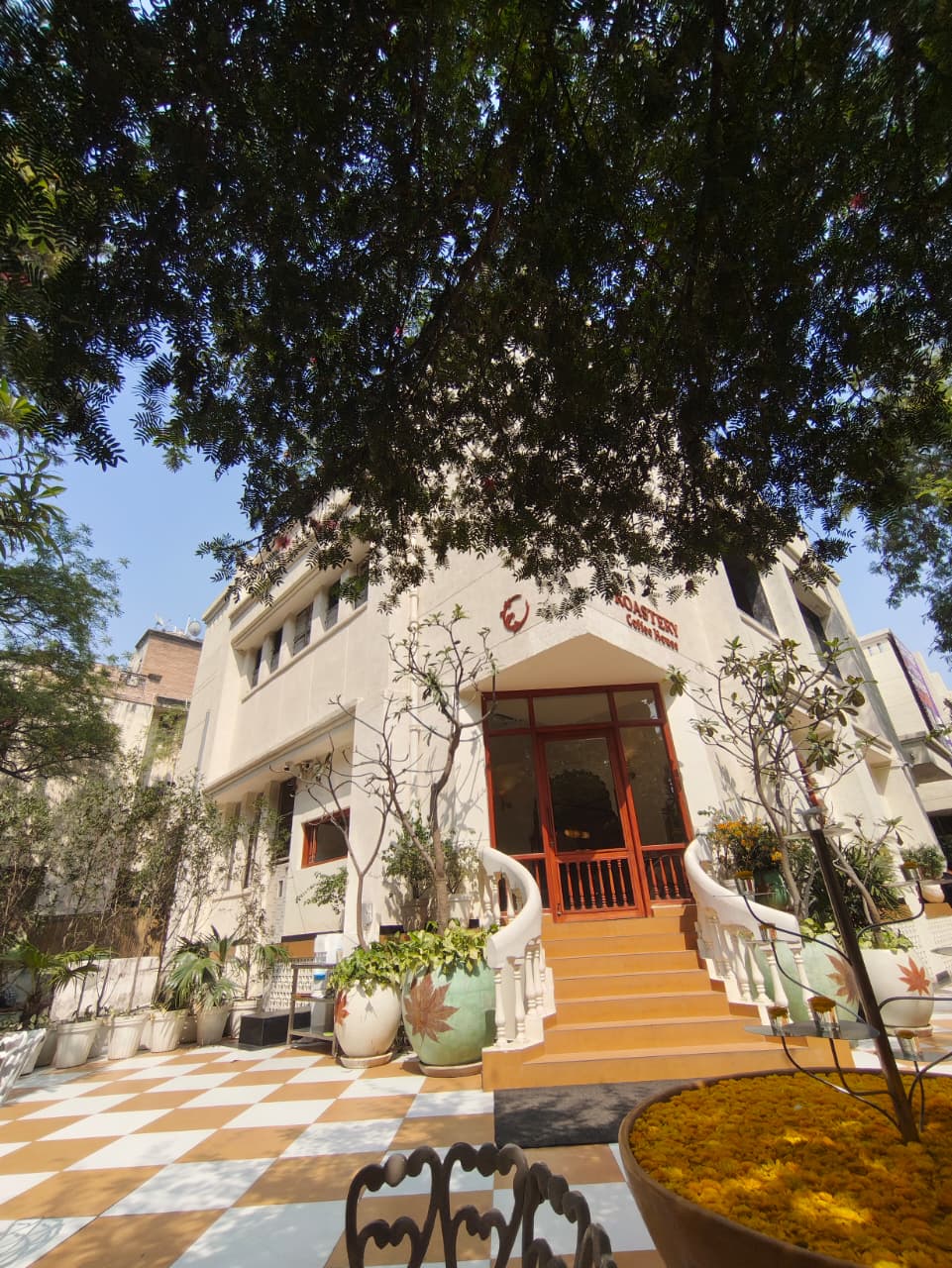
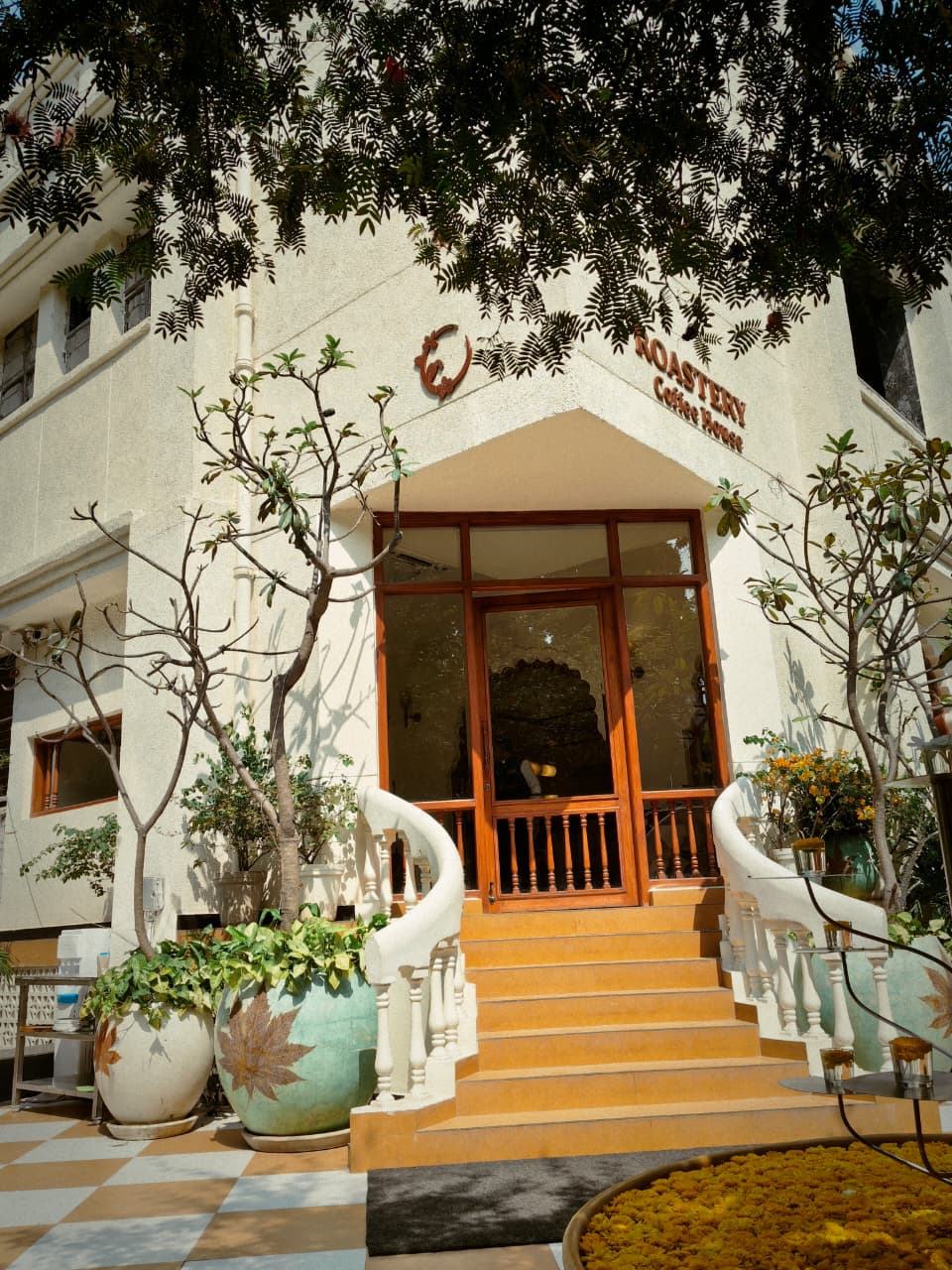

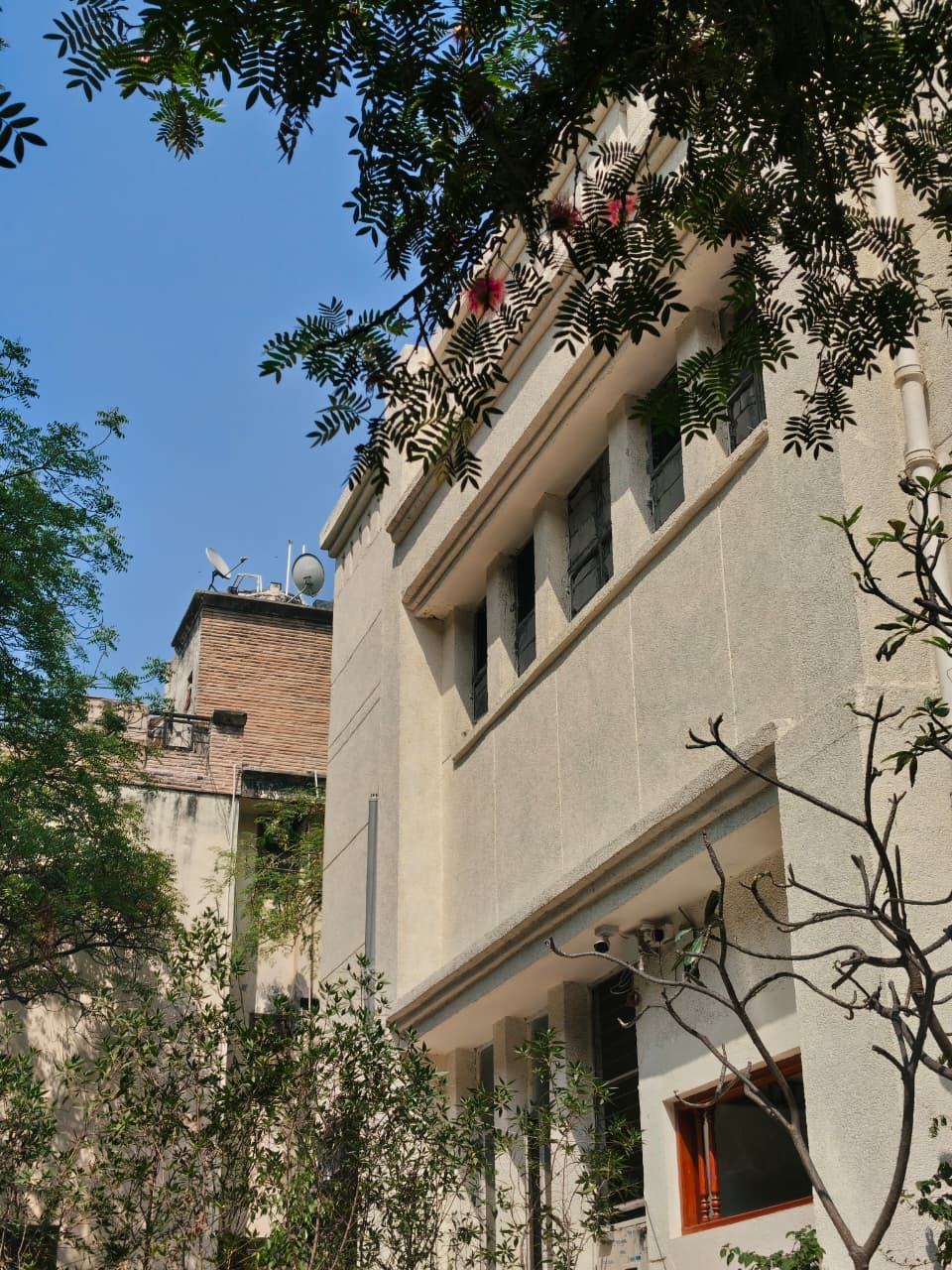
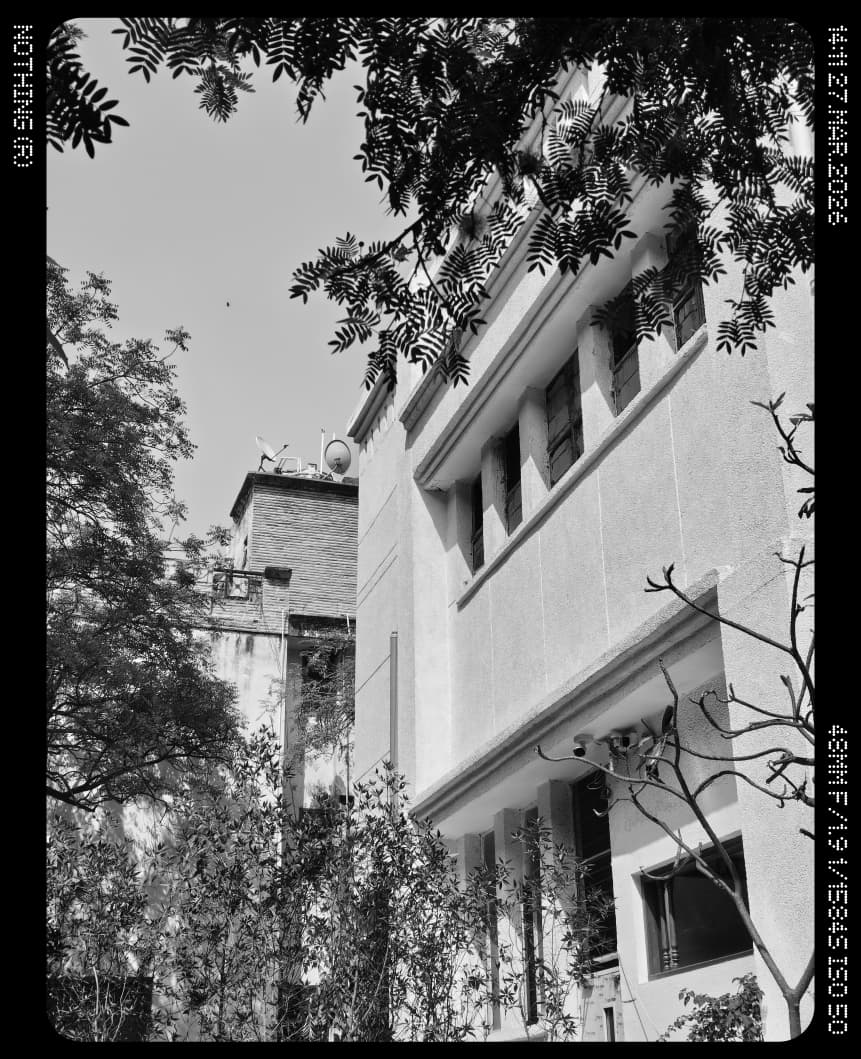








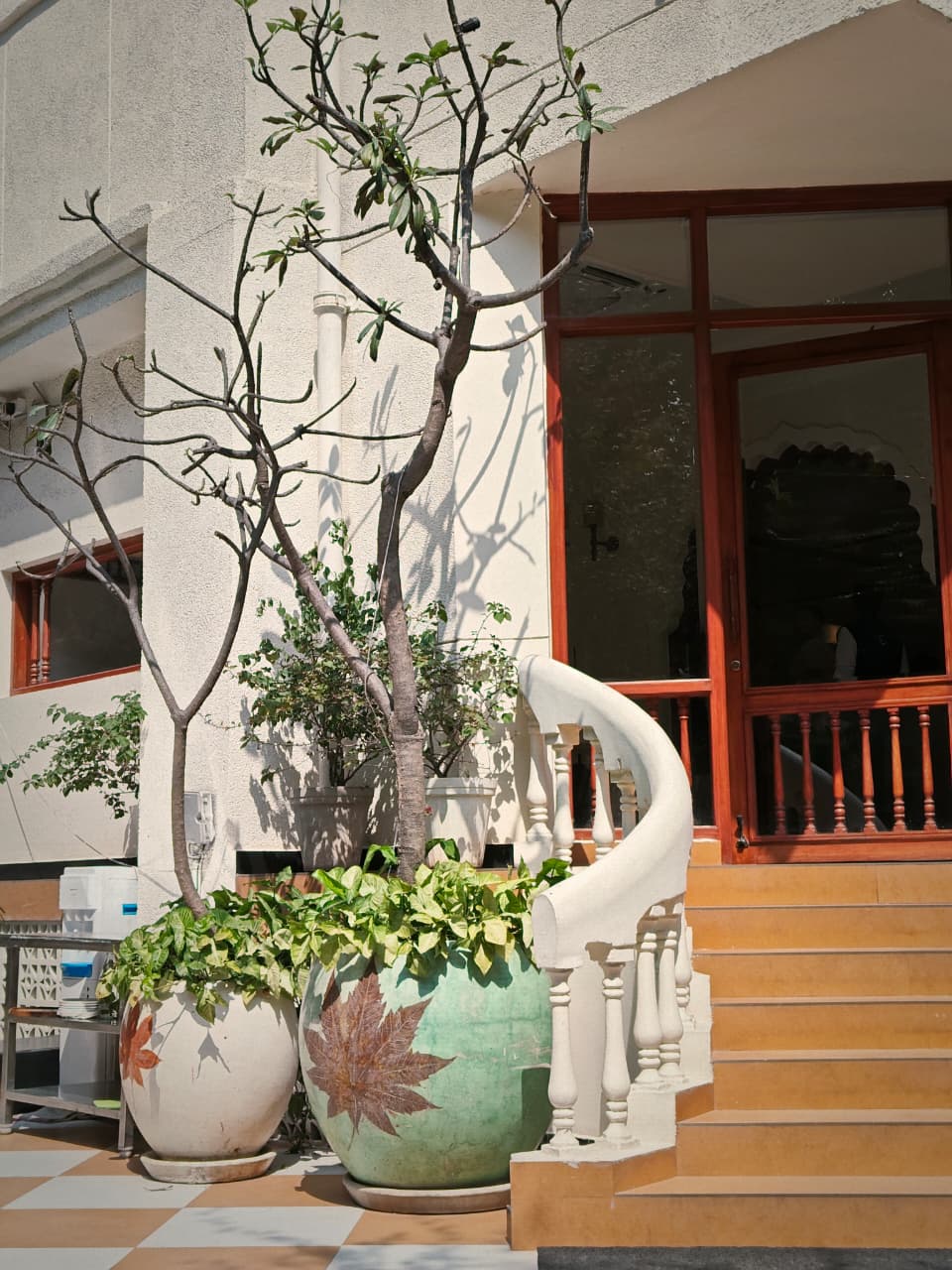
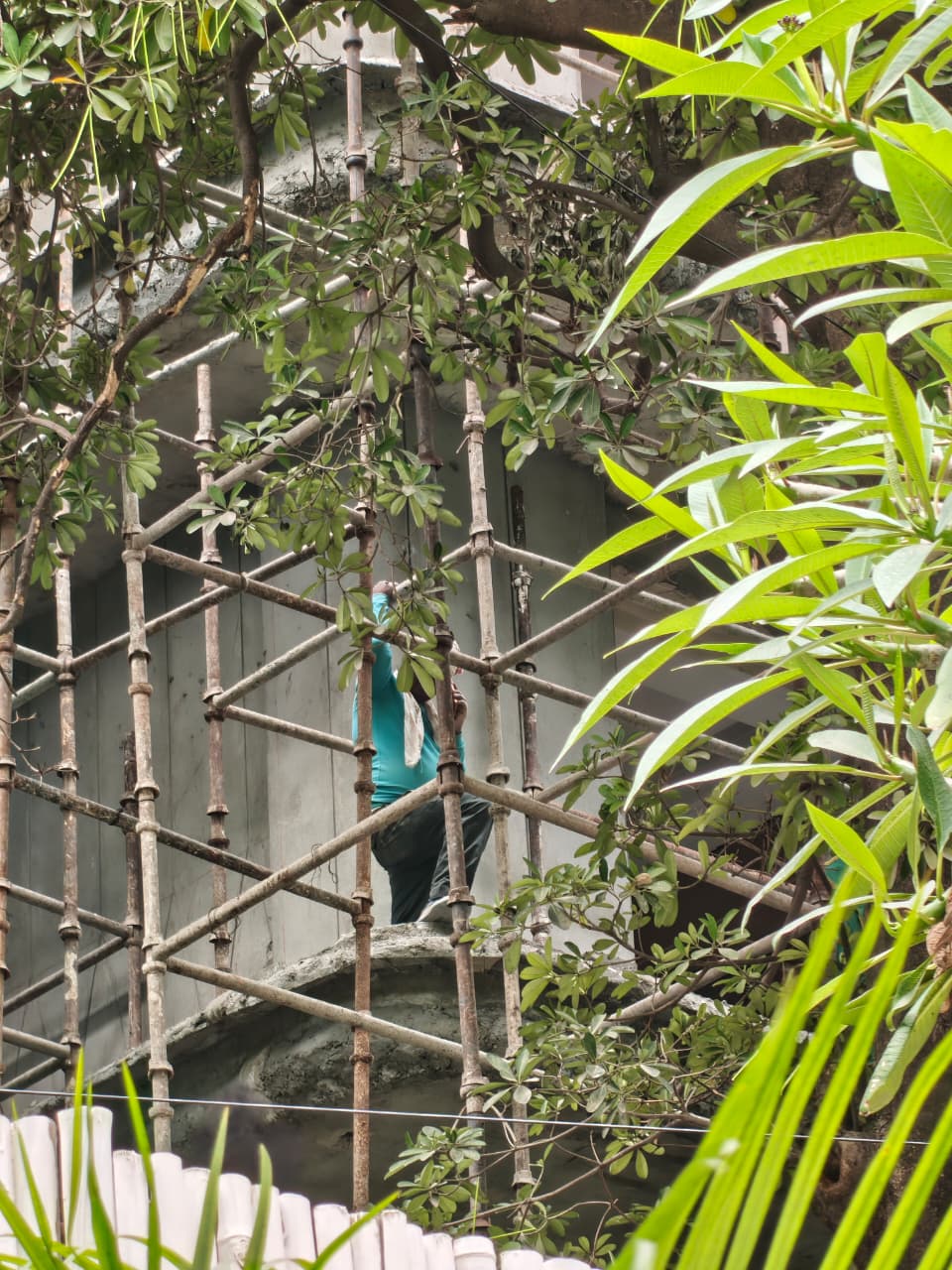

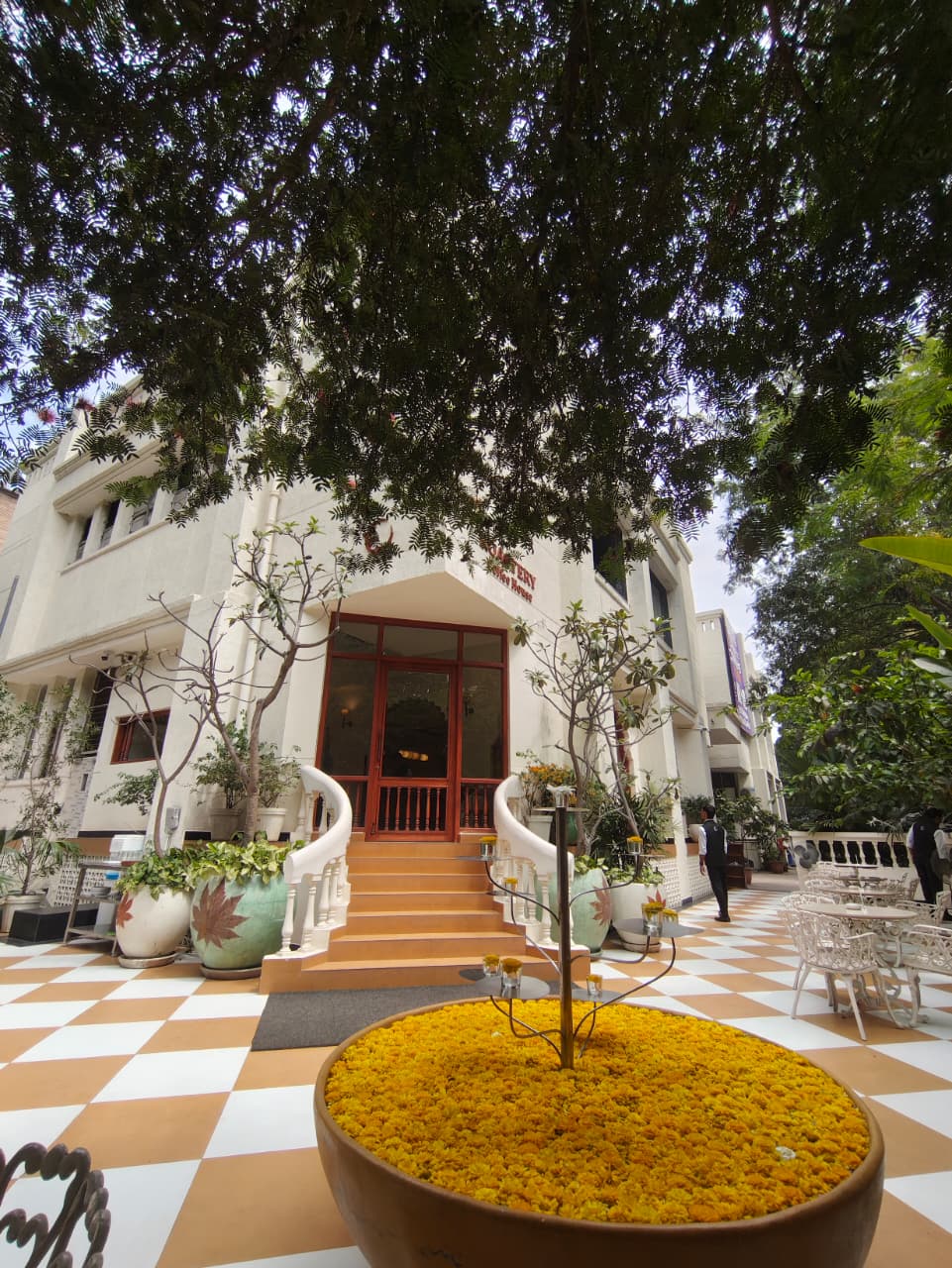

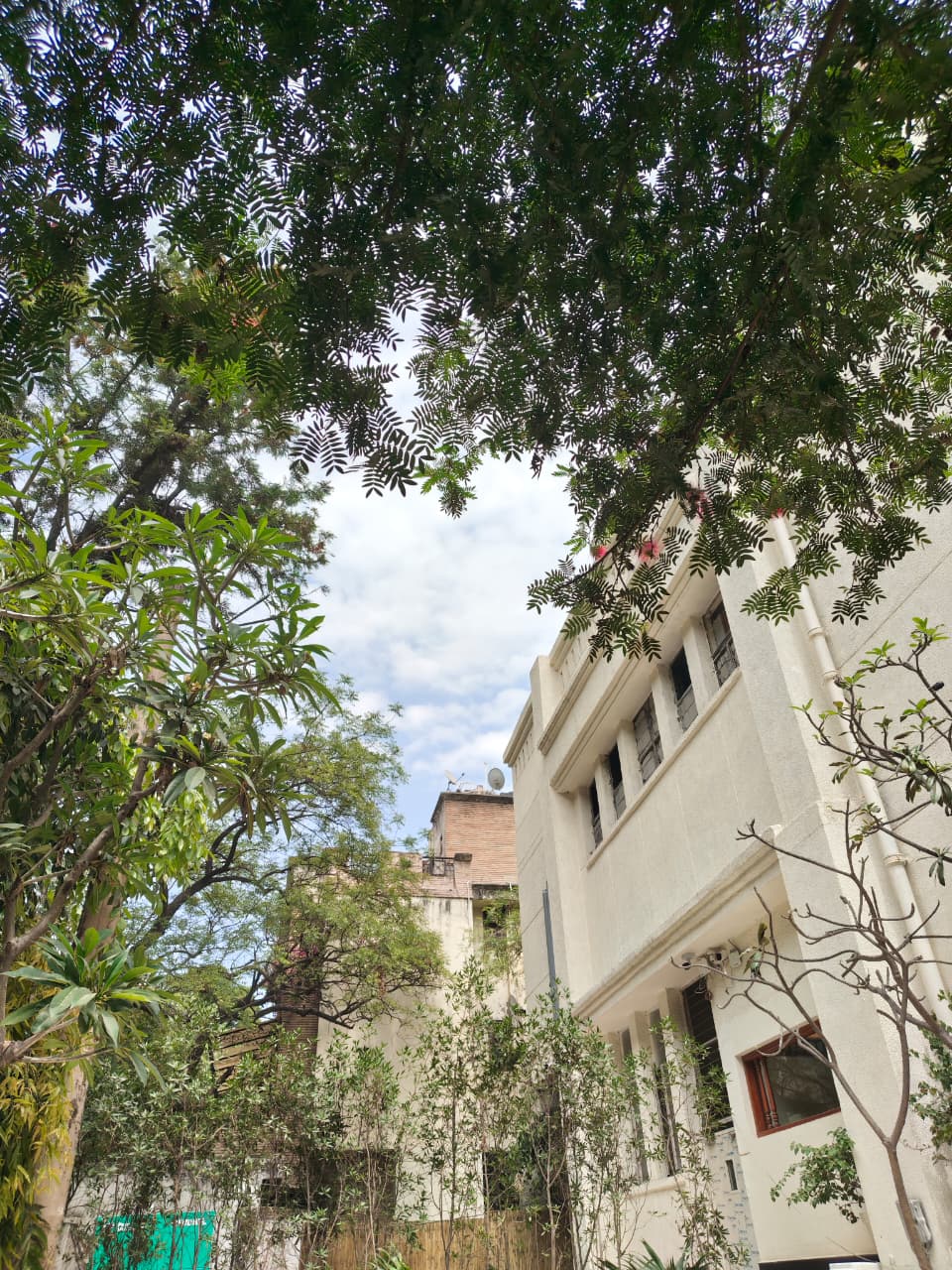
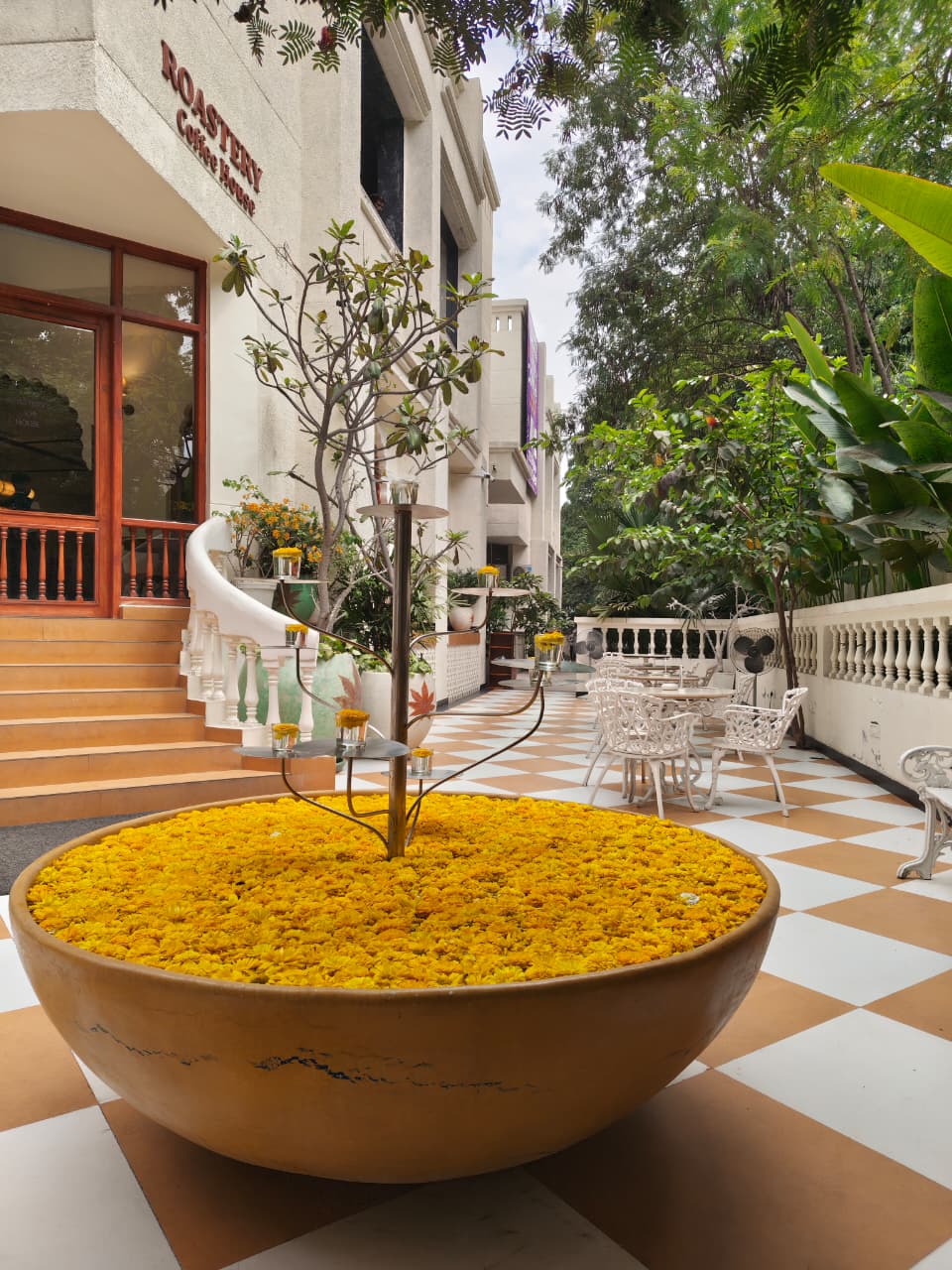


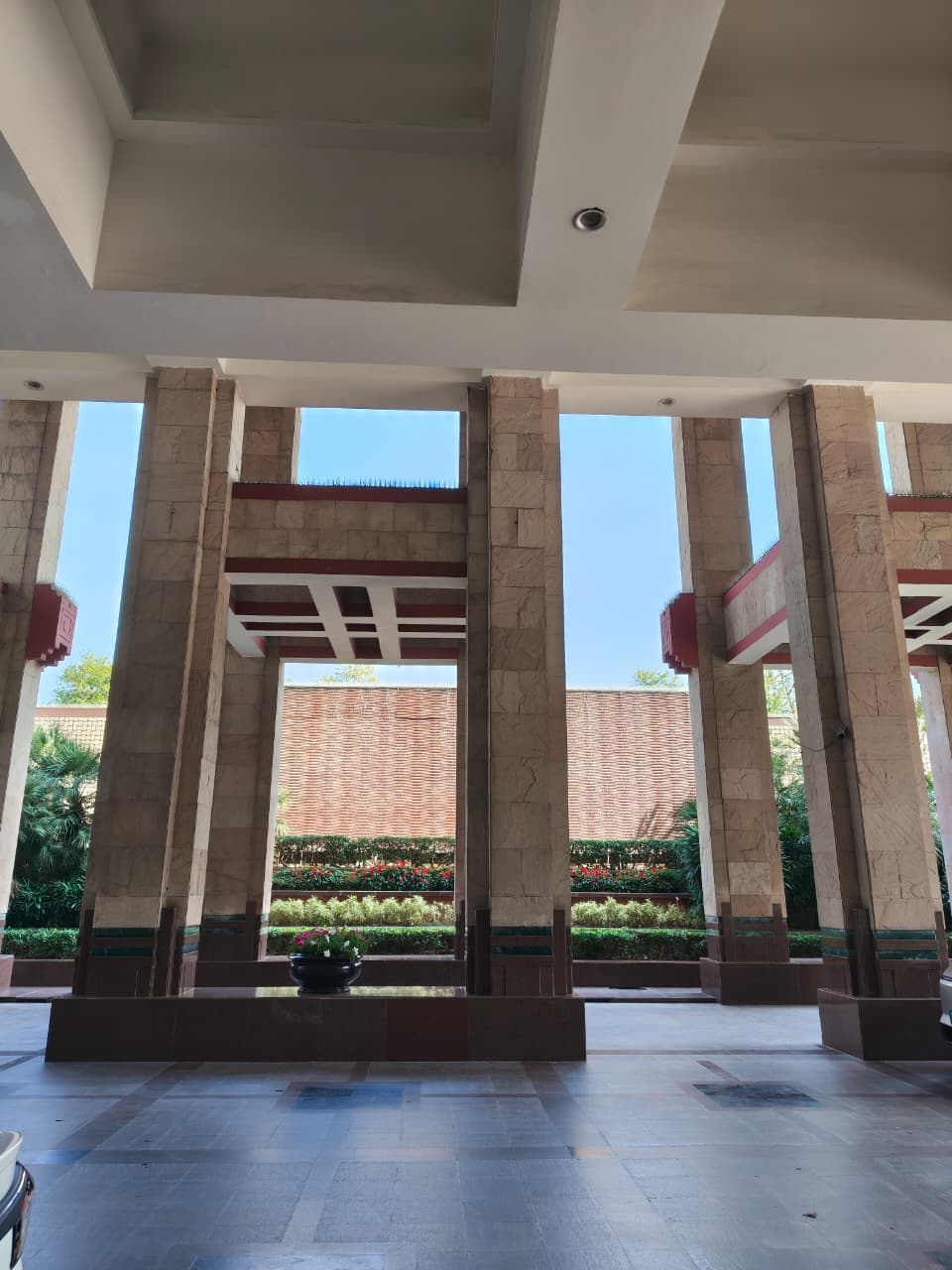
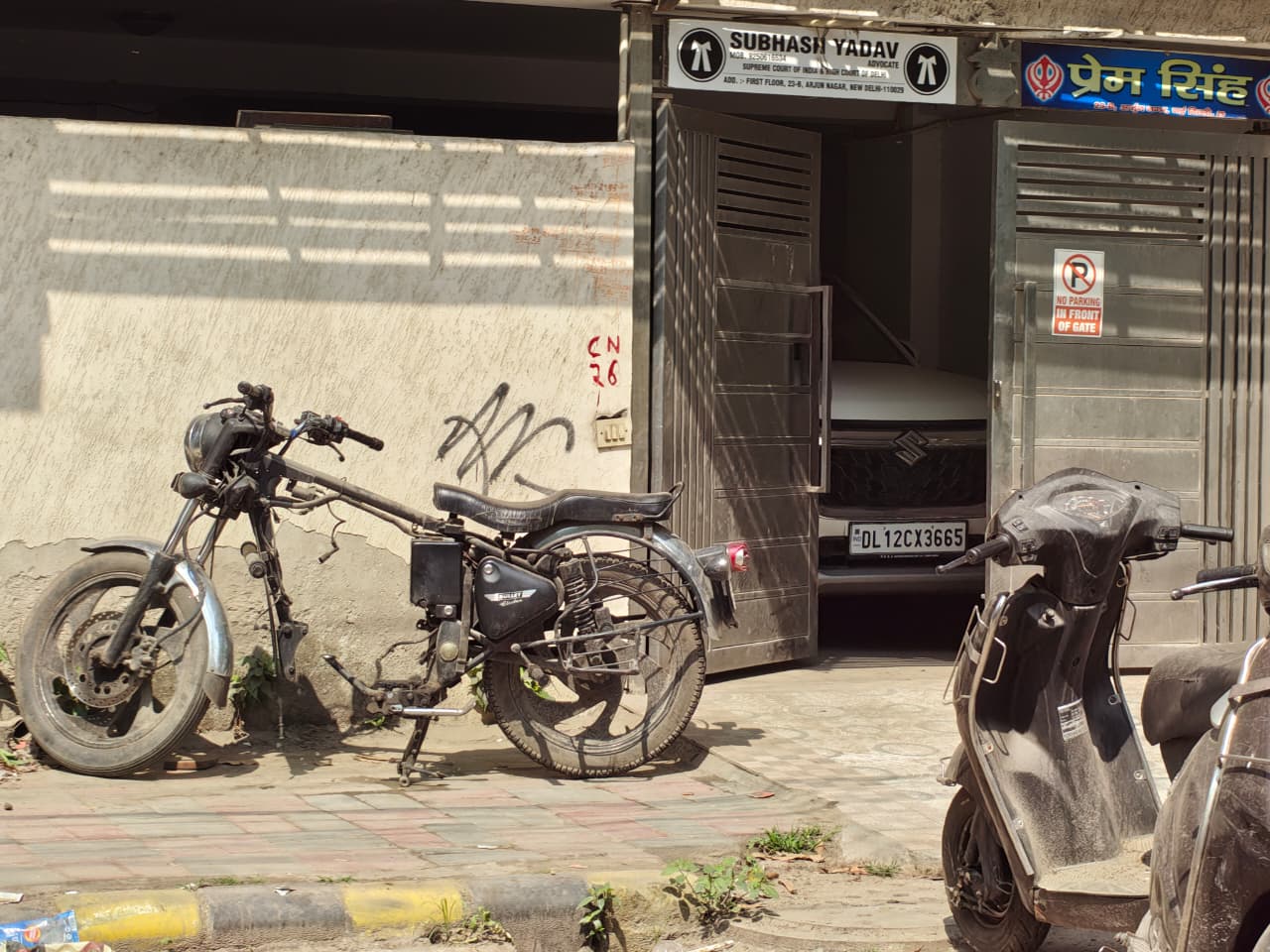
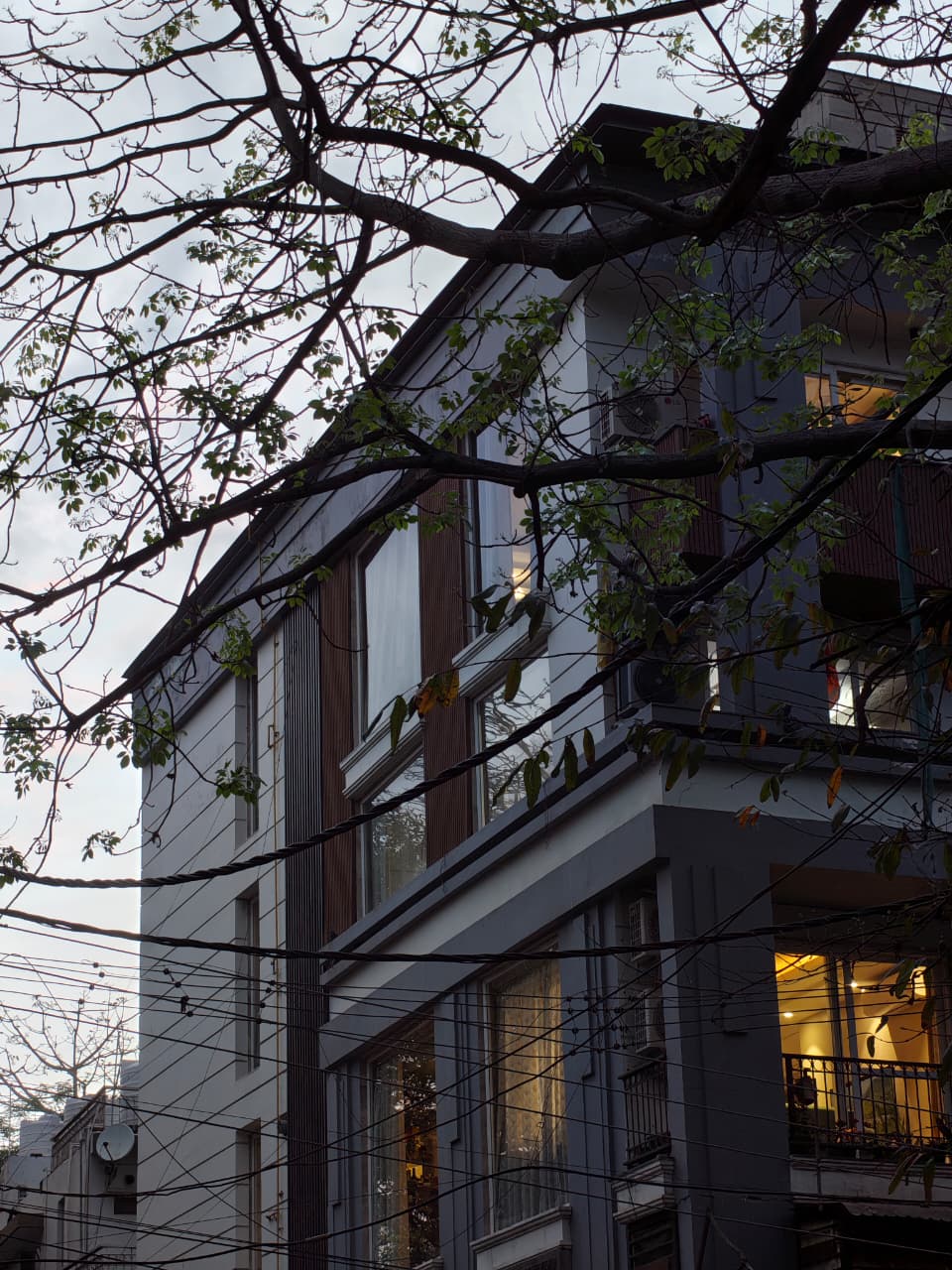

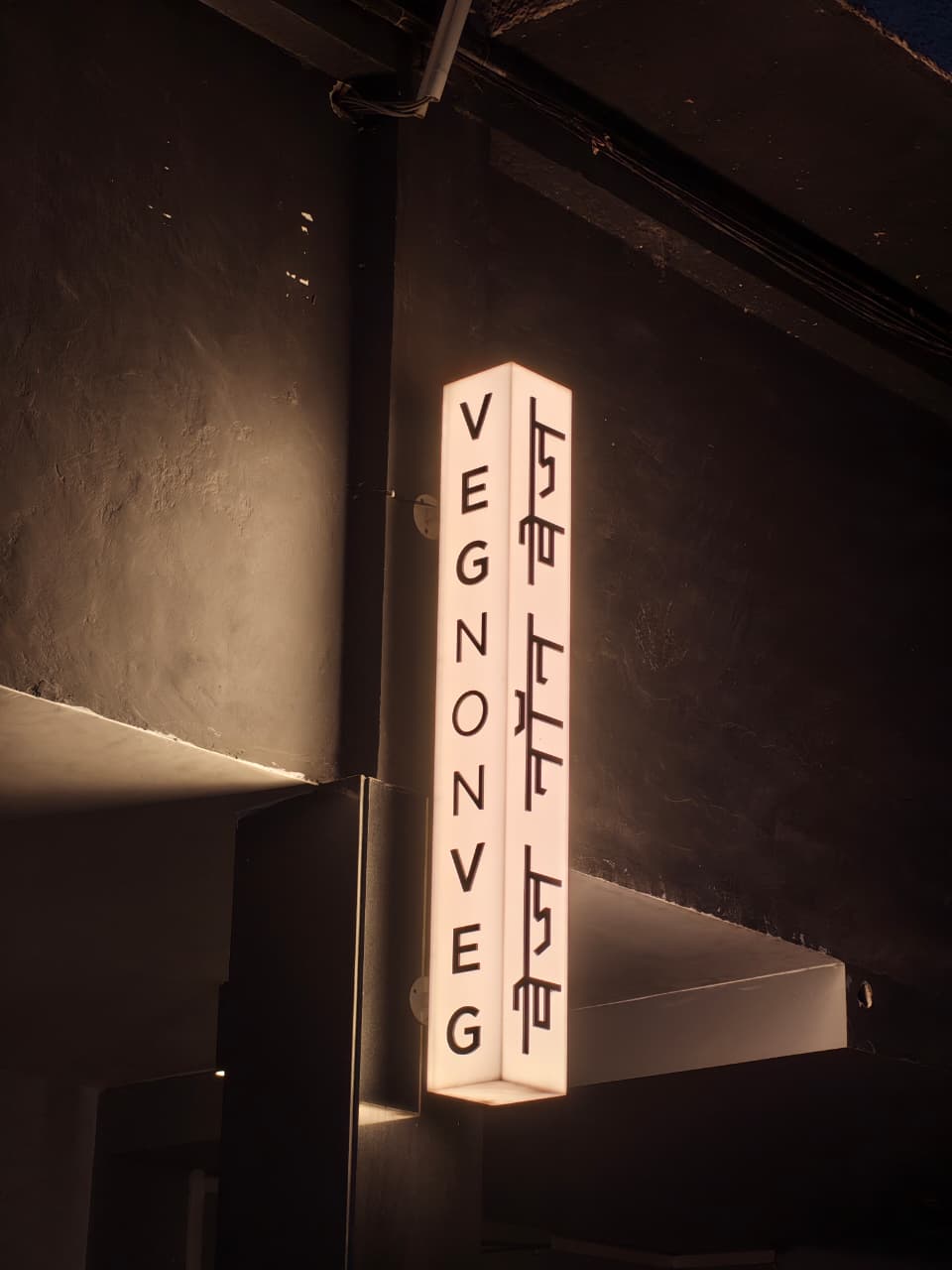


The telephoto lens is where the Phone (4a) Pro gains an advantage over models like the Redmi Note 15 Pro+ and OnePlus 15R. At 3.5x optical zoom, it delivers sharp and usable shots, even indoors. Portraits also benefit from this, offering good compression and solid edge detection.
This isn’t the best zoom lens in this price range, with the Vivo V70 having the upper hand when it comes to zoom photography. Its larger sensor and Zeiss tuning simply handle low-light scenarios better and produce more refined results.
Interestingly, Nothing offers up to 140x digital zoom, which you’ll probably never use. Going past just 7x magnification causes image quality to drop, with artificial details being added to the scene.
The ultra-wide camera is easily the weakest link. It’s usable in daylight, but soft details and noise become obvious pretty quickly. In low light, it’s best avoided. While the results are passable in the day, you’d rather use the more competent main camera.
Even the selfie camera does a better job with clarity and details. From skin tones to colours, shots from the front-facing sensor are a lot more realistic. However, since it lacks autofocus, image quality can take a slight hit, especially in video capture.
Video recording on the Nothing Phone (4a) Pro maxes out at 4K30fps for the telephoto and main cameras, while the ultra-wide is stuck with 1080p30fps. Videos have capable stabilisation and retain those similar boosted colours. Details were a bit lacking, and low-light videos have noticeable noise, with jitteriness getting even worse when moving around and walking.
Nothing’s image processing has matured with TrueLens Engine 4. You still have some quirks and a few misses, but the overall experience was still pretty fun. One of the best things about the camera was the various filters. These aren’t just presets that change the colour temperature or hue; each of these has a distinct focal length, and some are dedicated to videos alone.
And this is just scratching the surface, as users can even download more of these filters from the community. This changes the entire experience as you can get more options that might better suit your style.
Nothing OS has its own flair
Nothing isn’t just making phones that look different from the outside; their devices stand out from within. Nothing OS 4.1 continues to be one of the more refreshing Android skins around. While most brands are chasing an iOS-like aesthetic, Nothing sticks to its own identity. The UI feels clean, minimal, and slightly edgy, with unique fonts, icons, and widgets that actually stand out.
This unique visual identity also helps the widget look even more memorable. The latest iterations bring an improved Quick Settings panel, a refined camera app, more customisation options for Always-on Display, and more. You get more wallpaper options that can be enhanced using AI.
The Essential Key is still limited in what it can do, which feels like a missed opportunity. A single tap can capture and send content to Essential Space, while holding the key also records a video note.
Compared to Motorola’s Edge 70 or Signature, you can’t change what these buttons do. So you’re stuck with these inputs.
Aside from all of this, the main highlight is still the Glyph Matrix Display. While it did get brighter, the resolution is lower, and it lost a bunch of its functionality. An example of this is the Glyph Mirror that acts as a rear-facing camera viewfinder. It wasn’t particularly useful on the Nothing Phone (3), but it is practically useless on the Phone (4a) Pro. The rear does have a small circular indent that makes it look like a rear button, but that’s just a design element.
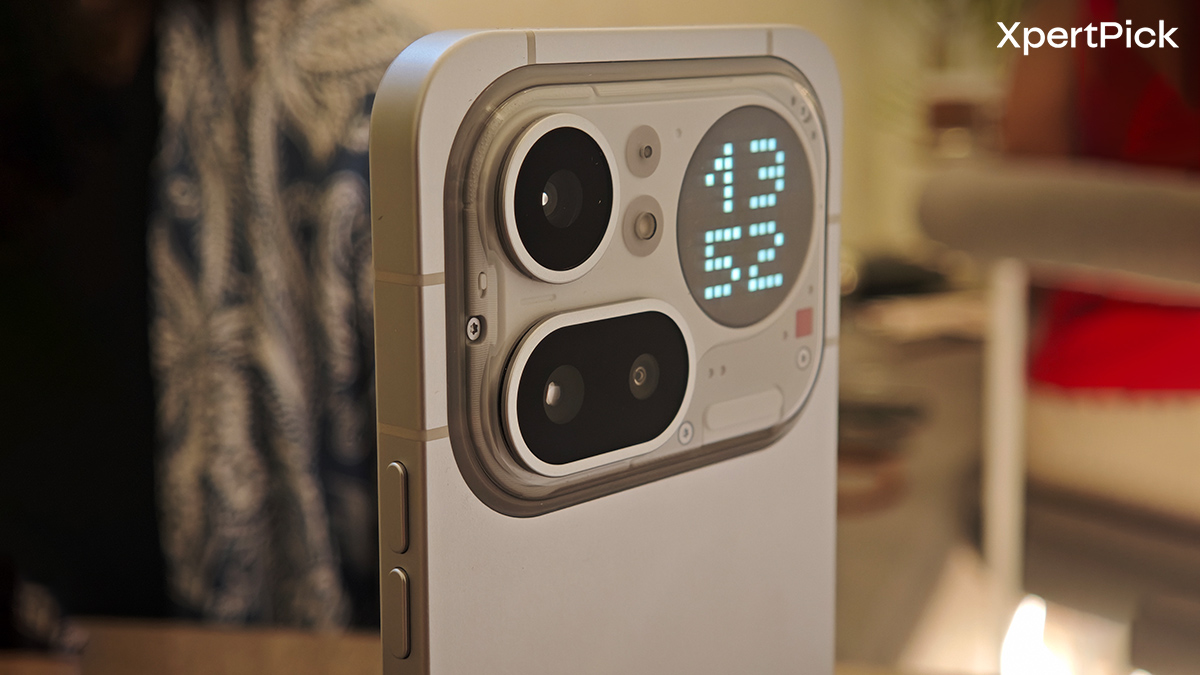
So you’re not getting easier access to Glyph functions. But it’s still pretty catchy here. You can have the Glyph Matrix set to always-on, displaying the time, moon phase, solar path, or battery levels. It also functions as a notification light, and you can even customise the actions to offer unique lighting effects to each app. One notable inclusion is third-party app integration (Calendar, Zomato, and Uber) that allows you to track your incoming cab or food order.
Verdict
Starting at Rs 39,999, the Nothing Phone (4a) Pro is no longer the obvious value pick that earlier Nothing phones used to be. Instead, it feels like a more mature, slightly more expensive take on the same idea. A phone that prioritises design, software, and identity over raw specifications. And that works to a point.
When you start comparing it to its rivals, each of them has a clearer advantage. The OnePlus 15R is the easy choice for performance and battery life. The Vivo V70 offers a more refined camera system. The Nothing Phone (4a) Pro ends up feeling more balanced. It might not beat any of these models in their focus areas, but it doesn’t really try to.
What it offers instead is a cohesive experience that feels different from everything else in this segment. If you care about design, enjoy a clean software experience, and want a phone that stands out, this is still a very compelling option. Just know that this time around, you’re paying a little extra for that uniqueness.
Pros
- Unique identity and design language
- Solid AMOLED display with uniform bezels
- Reliable main and telephoto cameras
- Clean, distinctive Nothing OS experience
- Good everyday performance
Cons
- Price hike hurts overall value
- Battery life is average for the segment
- Weak haptics
- IP65 rating falls behind rivals