At launch, chatter about the OnePlus 15 was quite polarising. On one hand, the brand introduced plenty of meaningful upgrades and tasteful refinements. On the other hand, it faced criticism over the price hike and a few surprising downgrades. But after playing around with OnePlus’ latest flagship, it’s clear that the brand has a new vision. So here’s where the OnePlus 15 won me over, and where it stumbled.
Return of the OnePlus 13s?
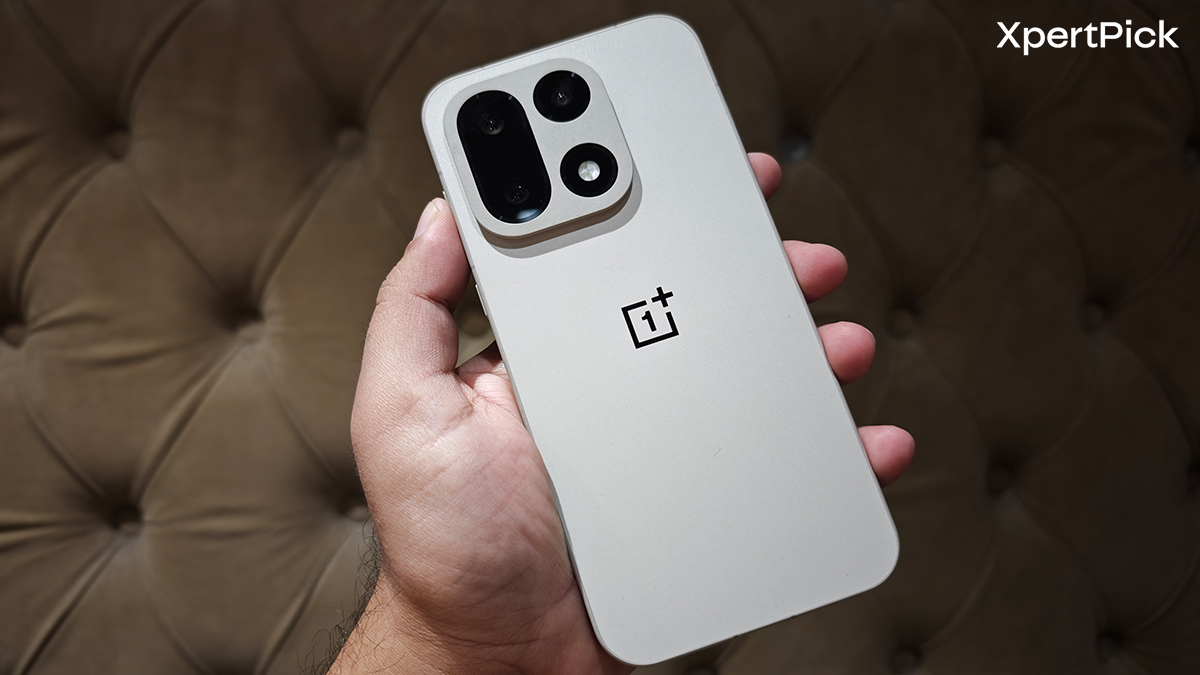
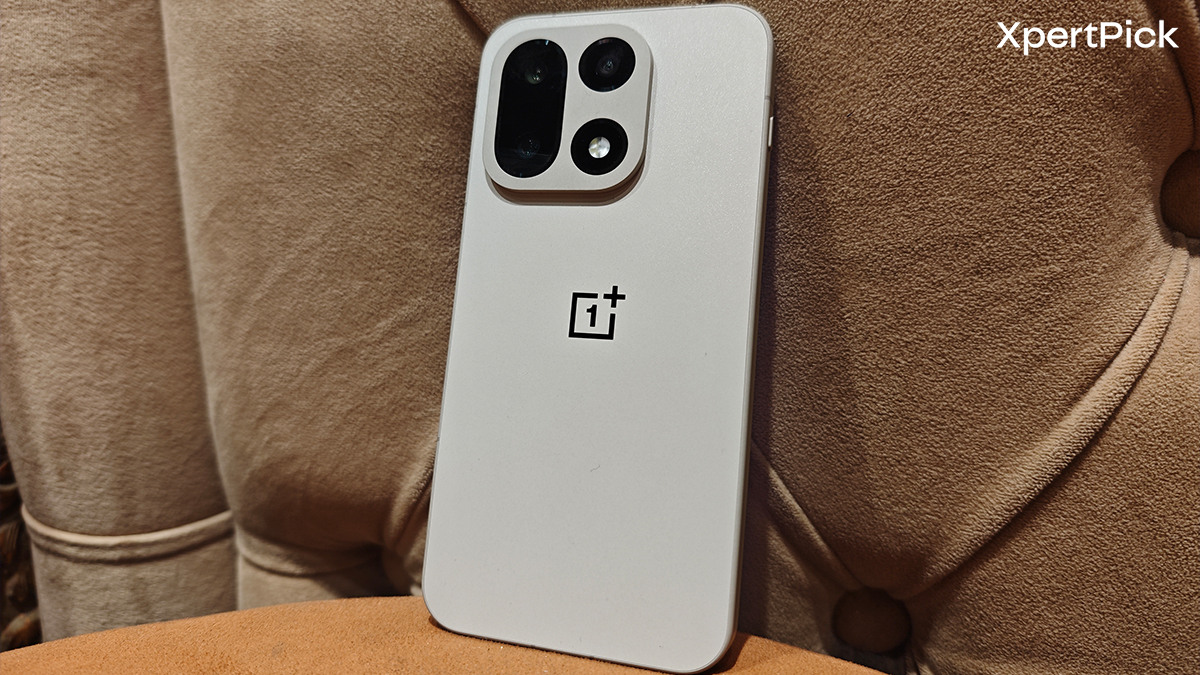
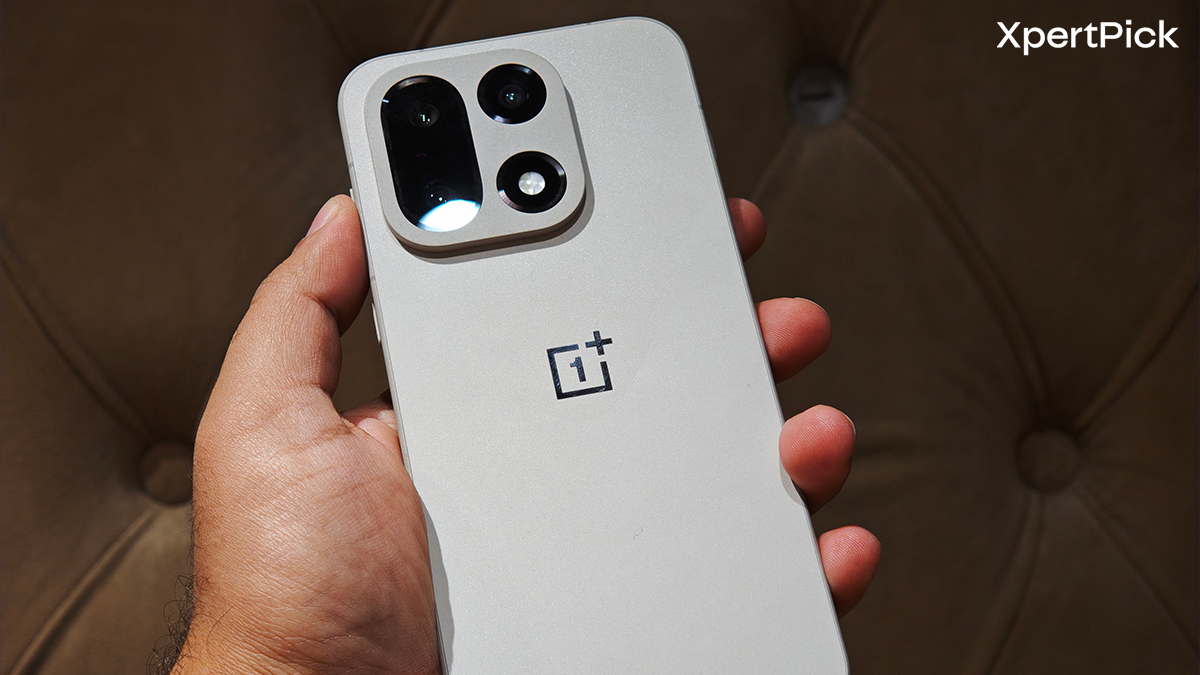
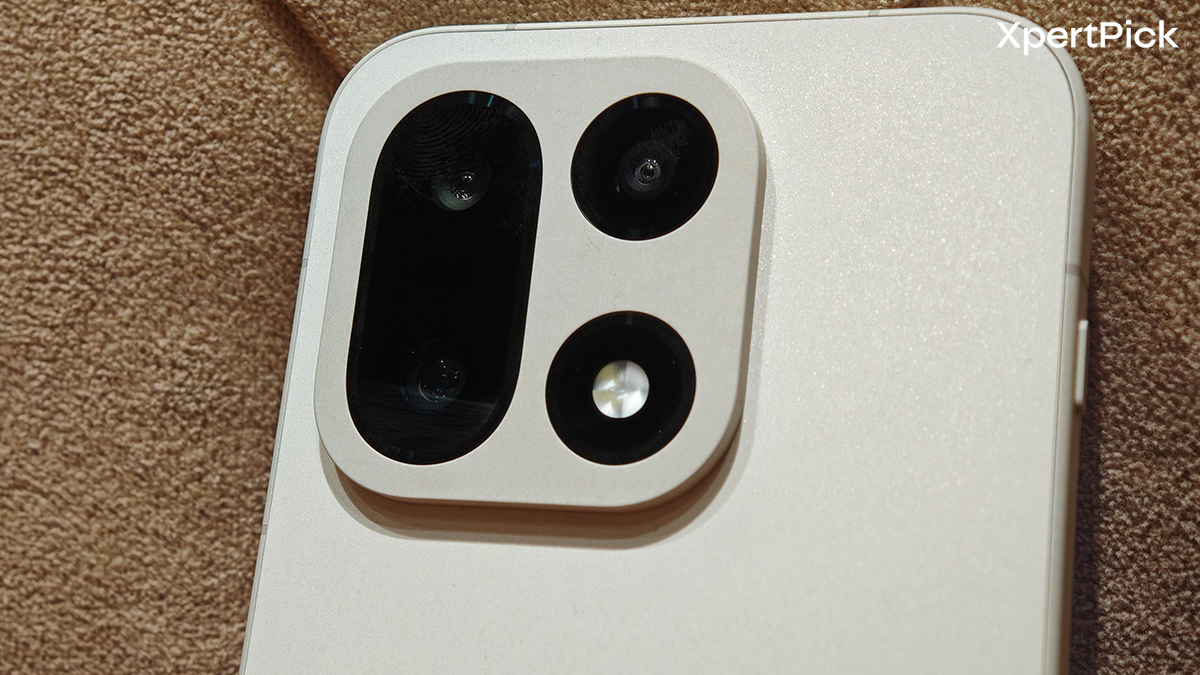
With the OnePlus 15, the company has overhauled the distinct look that its recent flagships had established. Gone is the large circular camera module, replaced by a design that clearly draws inspiration from the OnePlus 13s, but bigger! In its place is a rounded-square metallic camera island that feels more restrained and mature. Another noticeable omission is the vegan leather finish from the previous generation. Instead, what you get now feels decidedly more premium overall.
The OnePlus 15 offers an excellent in-hand feel, coming across as sturdy and reassuringly premium. That’s why it was surprising to learn that the Sand Storm variant I reviewed uses a fibre‑reinforced plastic rear panel (the Black and Purple variants opt for glass). Paired with a metallic mid-frame, the phone feels as solid as an iPhone. The trade-off, however, is durability over time. While plastic won’t shatter like glass, it is more prone to scratches. If you’re someone who skips a case, it’s best to keep keys and coins far away.
OnePlus has clearly doubled down on durability elsewhere. You get Corning Gorilla Glass Victus 2 on the front, an IP68 + IP69K rating for dust resistance, water immersion, and high‑pressure hot water jets, along with a Micro‑Arc Oxidation hardened metallic frame and camera deco that’s claimed to be tougher than titanium.
Overall, the design evolution feels natural and well thought out. The new camera module looks minimal and elegant, and nothing about the phone screams “performance-first” at a glance. One minor nitpick is the weight. At around 211 grams, the heft is noticeable during long doomscrolling sessions. Thankfully, OnePlus’ haptics continue to be excellent and remain among the best on any Android flagship, even if it is downgraded on paper.
Smoother and Snappier Than Ever Before
Whether you’re buying a phone for its cameras or raw performance, the display is what you interact with the most. Even the fastest chip can feel wasted if paired with a sluggish screen. OnePlus avoids that pitfall by offering a 165Hz refresh rate, backed by a triple‑chip setup that includes a dedicated Touch Response Chip that bumps the touch sampling rate to 3200Hz.
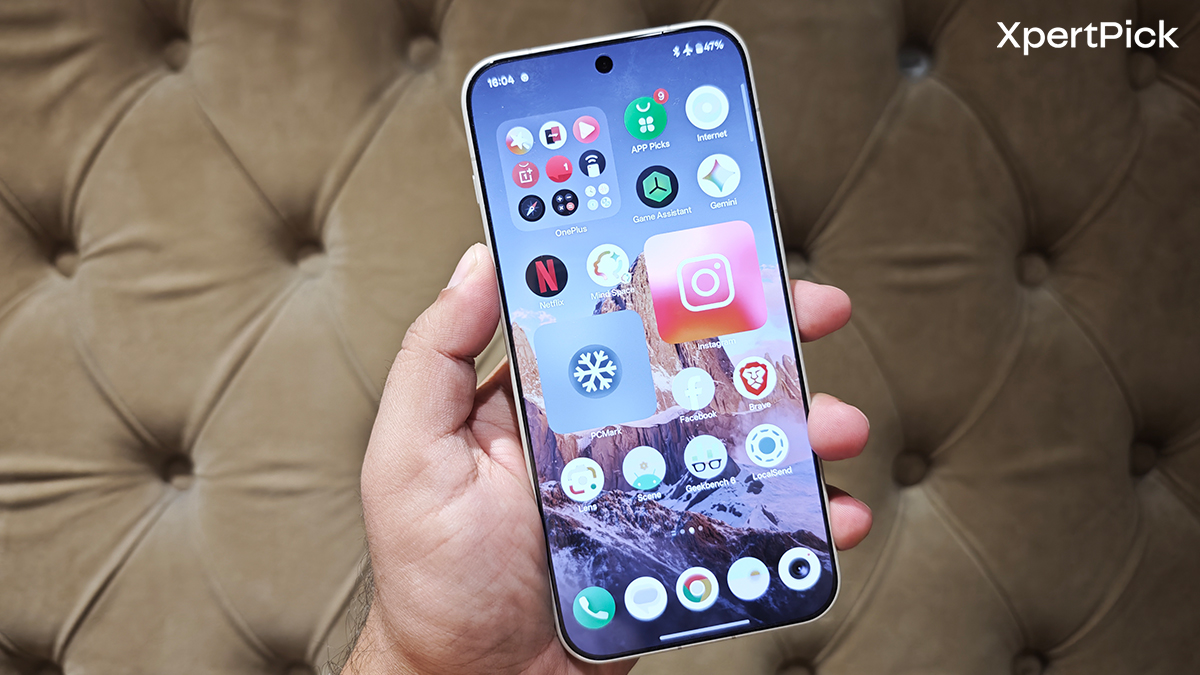
In real‑world use, the OnePlus 15 feels consistently smooth and responsive. There were no stutters or missed inputs during my time with it. It’s worth noting that the display defaults to 120Hz for everyday use, only ramping up to the full 165Hz in supported games. The 6.78‑inch LTPO AMOLED panel features a 1.5K resolution, peak brightness of around 3,500 nits (1,800 nits HBM), and ultra‑slim, uniform 1.15mm bezels. Colours are vibrant, viewing angles are excellent, great brightness levels, and the large screen works beautifully for both media consumption and gaming.
Game On, and On
The OnePlus 15 is easily one of the fastest smartphones on the market right now. Powered by the Snapdragon 8 Elite Gen 5, paired with 16GB of LPDDR5X Ultra+ RAM and 512GB of UFS 4.1 storage, it handles everything effortlessly, from casual daily use to extended gaming sessions. For those interested, here’s the synthetic benchmarks:
- AnTuTu – 2,777,513
- AnTuTu (CPU) – 926,001
- AnTuTu (GPU) – 716,782
- Geekbench: 3,625 (single) / 10,775 (multi)
App launches are instant, multitasking is seamless, and the overall experience is extremely snappy. Competitive titles like BGMI comfortably cross the 100fps mark, while games such as Delta Force, Call of Duty Mobile, Arena Breakout, Wild Rift, Naruto Mobile, and Dark Zone can take advantage of the full 165Hz refresh rate, provided you’re willing to tweak a few settings.
Unsurprisingly, sustained heavy gaming does cause the phone to warm up. Long sessions of demanding titles like Wuthering Waves or Genshin Impact push thermals, but never to an uncomfortable level. What stood out was the impressive frame‑rate stability and how effectively OnePlus’ 360‑degree Cryo‑Velocity Cooling System keeps thermal throttling in check. Power efficiency during gaming is equally impressive.
That massive 7,300mAh battery plays a huge role here. Even after an hour of gaming, the battery drop was surprisingly minimal. Even with these gaming tests, plenty of camera action, and a bunch of usual interactions, I never managed to kill the OnePlus 15 in a day. You might’ve come across the term “2-day phone”, thanks to Chinese smartphones with huge batteries, but the OnePlus 15 truly embodies this term.
On one occasion, I only managed to charge this phone for just 30 seconds before having to head out. And despite coming back 3 hours later with a few camera samples, the device didn’t lose a single charge percentage. Given I didn’t exactly push the OnePlus 15 in gaming or capture any videos, the battery standby and efficiency were amazing. The 120W wired fast charging just sweetens the deal, with a full charge taking just under 45 minutes. Other charging features include a 50W wireless charging support along with 10W reverse wireless, 5W wired reverse, and Bypass charging.
Cameras are Better and Worse, Somehow
The OnePlus 15 marks a clear shift in priorities. Unlike the OnePlus 13, which arrived as the whole package, offering top-tier performance, great battery life, and capable cameras, the OnePlus 15 isn’t a jack of all trades anymore as it leans towards performance. Cameras take a step back on paper, and the hardware reflects that:
- 50MP 1/1.56″ Sony IMX906 main sensor (f/1.8 aperture, OIS)
- 50MP 1/2.88” ultra wide (f/2.0, Autofocus)
- 50MP 1/2.76” OmniVision OV50D periscope telephoto (f/2.8, 3.5x optical zoom, OIS)
- 50MP 1/2.74” Sony IMX709 selfie camera (f/2.0, Autofocus)












Compared to the OnePlus 13, sensor sizes have shrunk across the board, with the selfie camera being the only real upgrade. The sensor size has dropped across the board. But the real-life results were quite surprising. In good lighting conditions, the main camera does a great job for the most part. In good lighting, the main camera performs reliably. Colours are slightly boosted, but dynamic range is solid, and skin tones look natural. Losing the Hasselblad tuning means you lack those nice textures in your shots and certain filters. But the new DetailMax Engine compensates well, and I rarely found myself missing the old tuning.
Low‑light performance from the main camera remains respectable. Although some scenes can look a bit soft, the main camera tends to use Night mode liberally. This is likely due to the smaller main camera. Still, the primary camera doesn’t feel like a downgrade in everyday use.










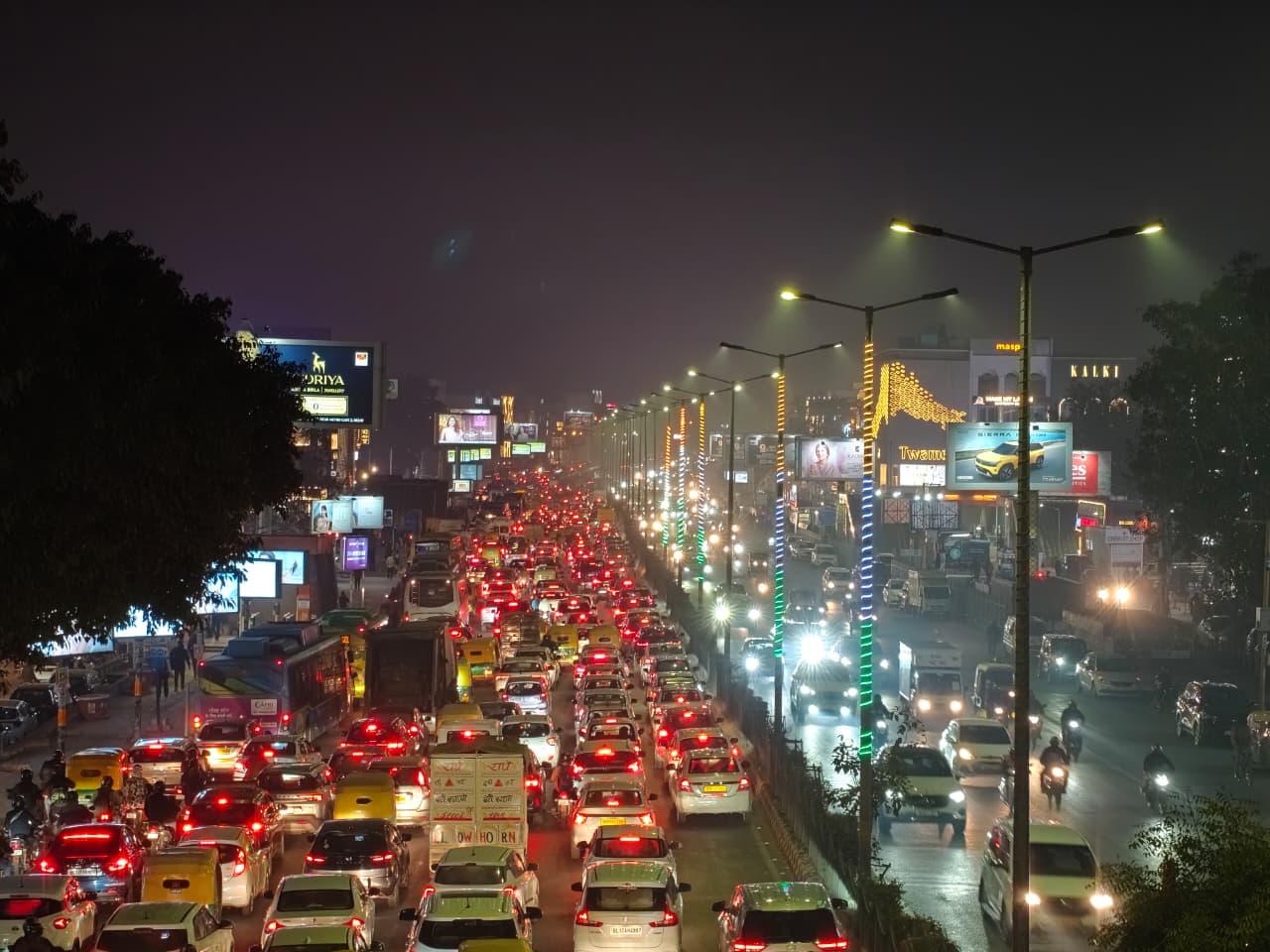

Unfortunately, the ultra-wide and periscope telephoto don’t fare as well. OnePlus 13’s ultra-wide sensor is now being used as the telephoto on the OnePlus 15, so it is noticeably smaller. This means zoomed shots aren’t as detailed in low light, appearing softer with visible noise. Even under the sun, images occasionally can lose some finer details or texture with their more aggressive sharpening. Similarly, the ultra‑wide is best reserved for well‑lit scenes, as night shots are far less consistent despite autofocus support.


On the front, the addition of autofocus makes a meaningful difference. Subject separation is more natural, details are sharper, and selfies look balanced overall, except for occasional overexposure in harsh daylight. Video performance is another mixed bag. While you do get better stabilisation, 4K recording at 120fps with Dolby Vision, and the ability to switch cameras mid‑recording adds real flexibility, video performance overall is inconsistent. Recordings can lack details and struggle with exposure. Once again, the main camera does the heavy lifting, with the other lenses best used in favourable lighting.
OxygenOS: Not a Lot Left to Say
OxygenOS remains one of the most feature‑rich Android skins available. It’s fluid, intuitive, and packed with customisation options ranging from lock screens and Always‑On Displays to icons and system animations. If you enjoy tweaking your phone, OxygenOS gives you plenty to play with.
That said, its identity feels less clear than before. OxygenOS 16 shares a lot of DNA with ColorOS and borrows heavily from iOS design cues. The quick settings panel, notification shade, and translucent UI elements feel overtly inspired. For iPhone users, this familiarity can be comforting. For longtime OnePlus fans, it may feel like a departure from what OxygenOS once stood for.
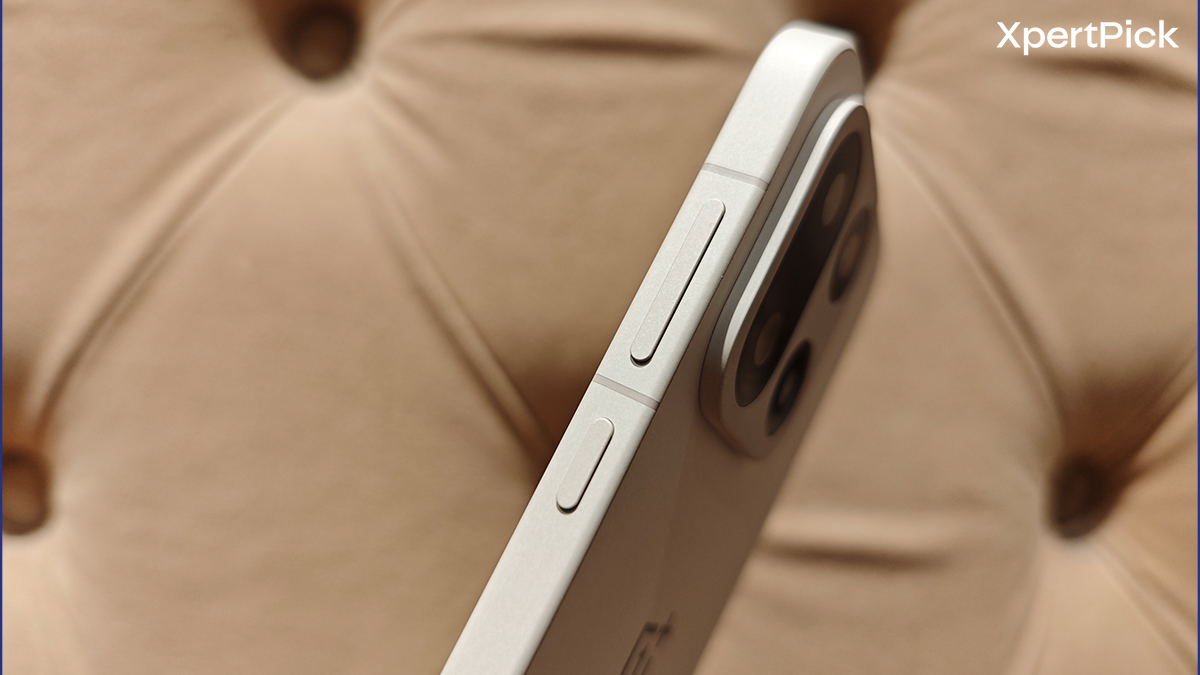
Thankfully, once you move past that initial “ick,” the experience is still fast, reliable, and loaded with genuinely useful features. The new Plus Key adds another interaction point, similar to Apple’s Action Button, but its limited customisation feels like a missed opportunity. You only get a long‑press action, with no double‑press options, unlike the Motorola Edge 70’s AI Key.
Verdict: OnePlus 15 is Overkill, If You Know What You Want
The OnePlus 15 isn’t trying to be everything for everyone, and that’s exactly why it works. It’s a performance‑first flagship with an incredible display, class‑leading battery life, great fast charging, and gaming performance that few phones can match. The compromises in the camera department are real, but they’re not deal‑breakers unless photography is your top priority.
If you’re coming from a recent OnePlus flagship like the 13, the upgrade makes less sense. But for power users, gamers, or anyone tired of safe, predictable flagships, the OnePlus 15 delivers a focused, high‑end experience with very few true weaknesses. Launching for a starting price tag of Rs 72,999, the OnePlus 15 sits in a highly competitive premium segment. At roughly the same price, the Oppo Find X9 is a strong alternative, particularly if a camera-centric experience is high on your list.
Pros
- Outstanding performance and sustained gaming stability
- Super smooth LTPO AMOLED display
- Massive battery with superb endurance
- Blazing‑fast 120W wired charging
- Premium build and top‑tier durability ratings
Cons
- Camera hardware is a step down from its predecessor
- OxygenOS identity feels less distinct
- Plus Key has limited customisation potential