Gone are the days when OnePlus offered its absolute best hardware at aggressively competitive prices. Having spent time with the OnePlus 15, it’s clear the brand is now comfortable playing in proper flagship territory like the Oppo Find X9.
And that’s exactly why the OnePlus 15R exists.
It may not have the most versatile camera system. But what it does bring is a focused set of strengths, namely performance, endurance, and polish. All of this is on offer at a price that feels far more aligned with what OnePlus originally stood for.
In fact, the R series is now the clearest continuation of the brand’s “flagship killer” philosophy. The OnePlus 15R embraces that identity, though it isn’t without a few compromises. But is this the OnePlus we remember?
OnePlus Founds its Look
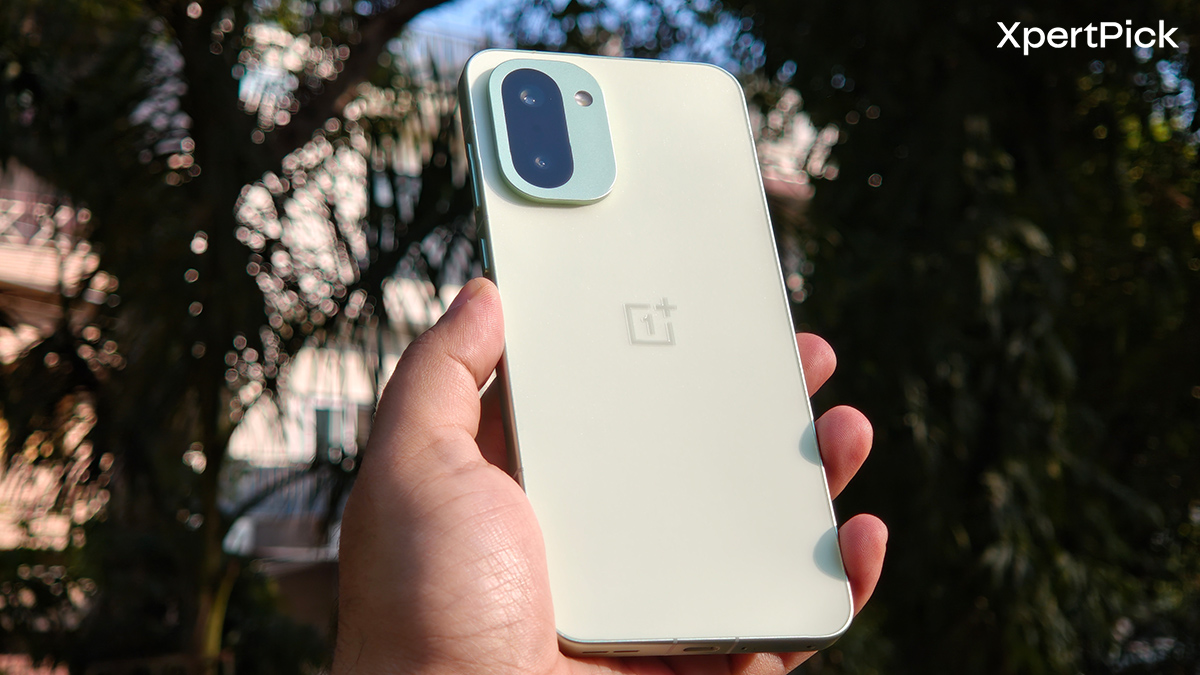
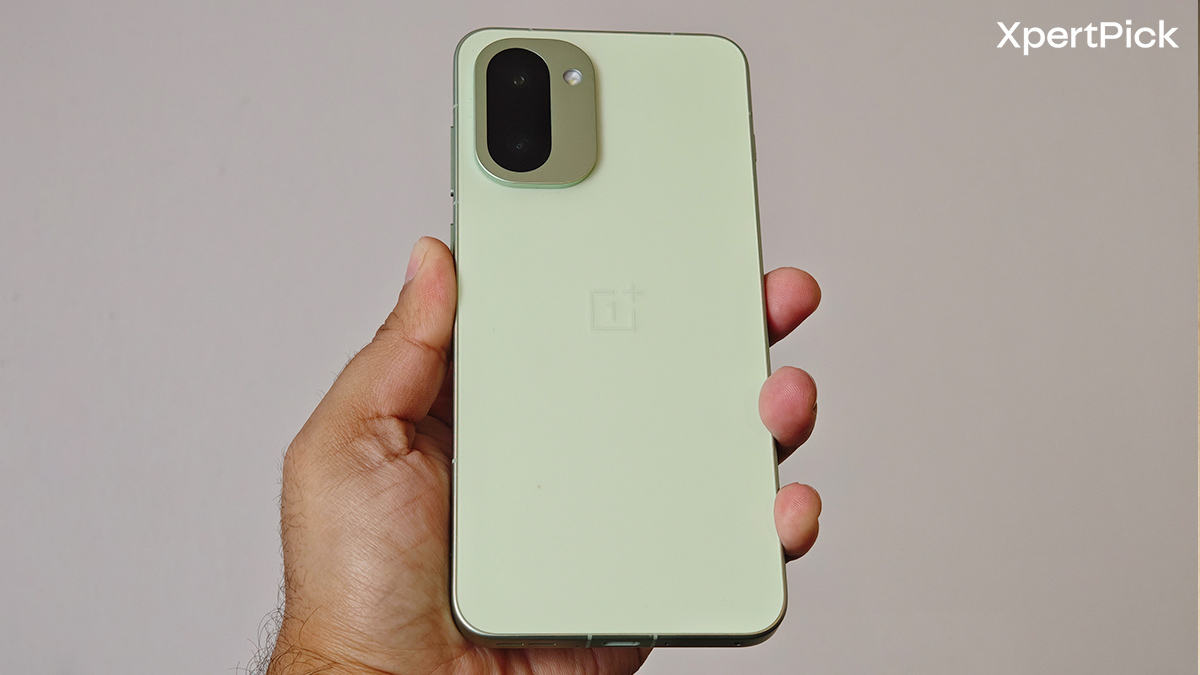
Recent OnePlus and OPPO devices share a recognisable design language. The raised metallic camera island, flat slab profile, brushed aluminium frame, and silk glass back panel all contribute to a look that feels cohesive and premium. Despite sitting below the true flagship, the 15R doesn’t feel like a cut-down device in hand.
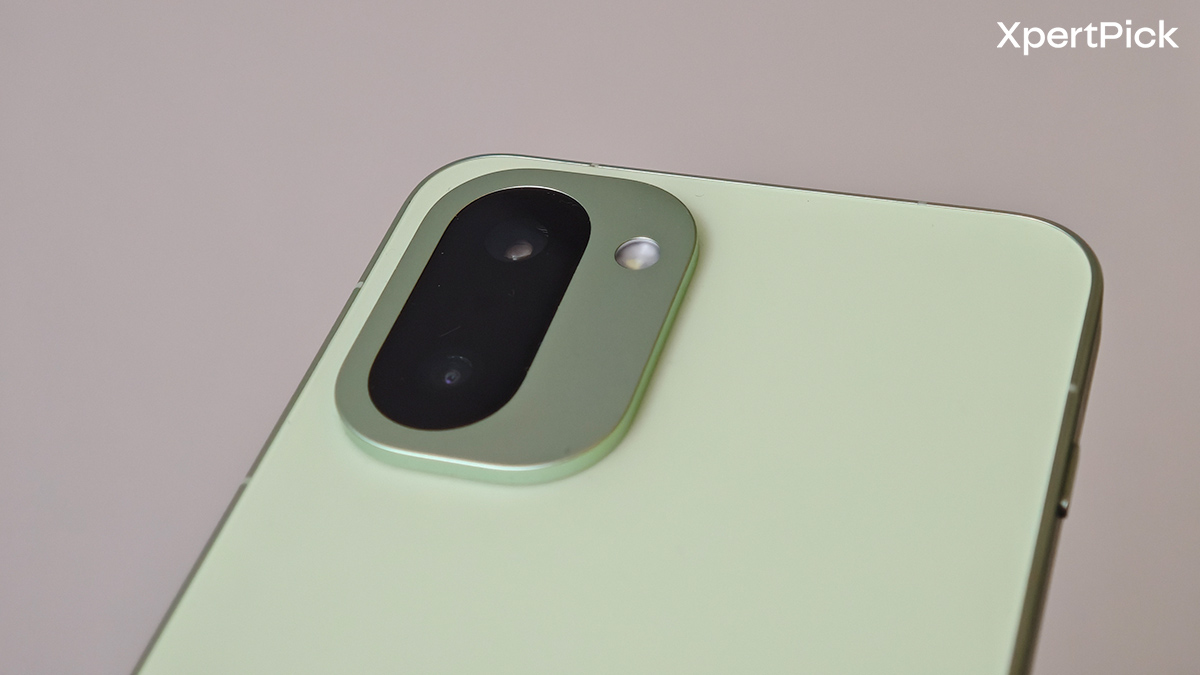
Rather, it clearly conveys that it’s a part of the brand’s high-end OnePlus 15 lineup. The Alert Slider is officially gone, replaced by the programmable Plus Key. Durability is impressive, with IP66, IP68, IP69, and IP69K ratings, which is a notable upgrade over the OnePlus 13R’s IP65 rating.
At around 220 grams, you definitely feel the heft during prolonged use. Thankfully, the weight distribution is balanced, preventing it from feeling top-heavy. If there’s one minor disappointment, it’s the haptics. While OnePlus’ O-Haptics system is present, it doesn’t feel as tight or precise as the implementation on the OnePlus 15.
Borrowing from the Nord 5?
The OnePlus 15 series feels like a careful balancing act of upgrades and calculated downgrades, with the display being an area where we see a bit of both. The 15R features a 6.83-inch 1.5K AMOLED display with 10-bit colour depth. However, OnePlus has swapped LTPO for an LTPS panel. That means the refresh rate only drops to 60Hz instead of dynamically scaling down further.
The headline feature is the new 165Hz refresh rate, but it’s limited to select supported games. So in every use, you are capped at 120Hz. Peak brightness has fallen from 4,500 nits to 3,600 nits, but High Brightness Mode has improved to 1,800 nits. Regardless, outdoor visibility remains strong in real-world usage.
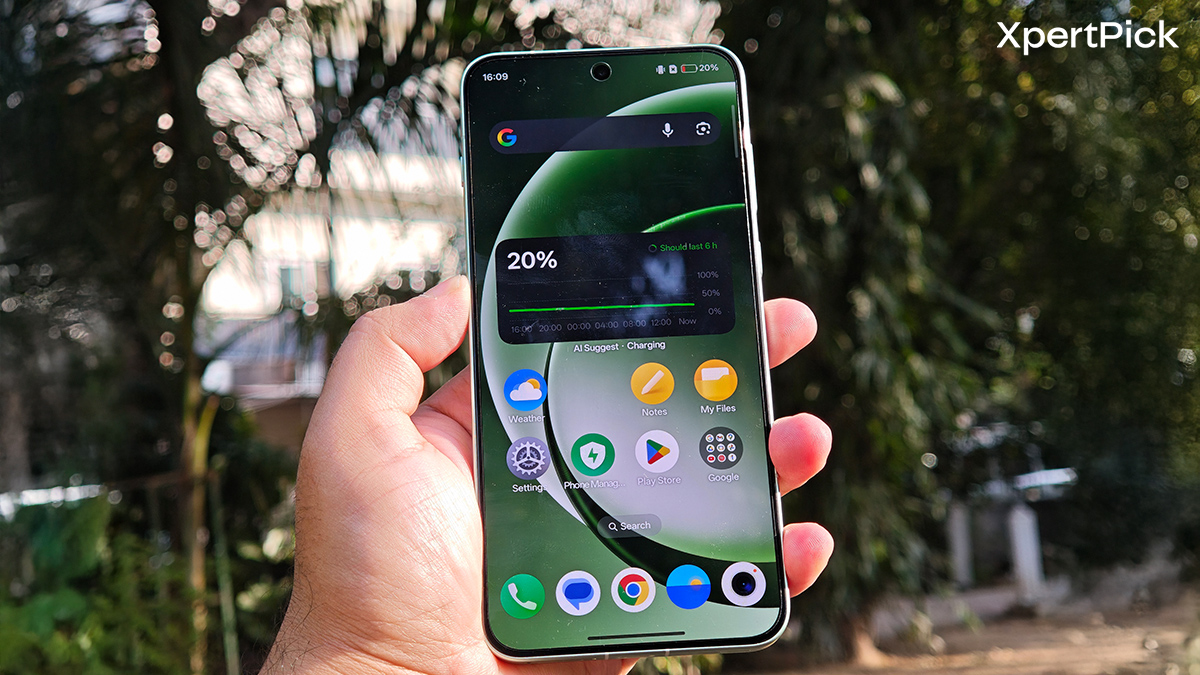
It retains the Corning Gorilla Glass 7i panel for protection on the front, but more importantly, OnePlus has upgraded to an in-display ultrasonic fingerprint sensor. This is a significant improvement over the optical scanner on the 13R. So users can avoid being flashbanged when unlocking the OnePlus 15R in the dark.
The display here offers vibrant colours, sharp visuals, and is surrounded by slim bezels. The large screen real estate is great for viewing content, and also brings more space for control customisations in games. While it might not have the uniform bezels of the latest flagships, the screen is solid with no major faults. For the most part, you won’t ever feel these tiny downgrades over the OnePlus 15. So the brand definitely did a good job on making the 15R’s display feel nearly identical to its top flagship.
What’s Behind the Trade-Off
Some of the downgrades, especially in the camera department, initially feel confusing, especially given the price bump. It can feel like you’re getting less. But the price hike becomes clear when you look at the chipset and storage configurations on offer. The OnePlus 15R moves to the Snapdragon 8 Gen 5, a significant jump over the Snapdragon 8 Gen 3 in the 13R.
Performance is comparable to the Snapdragon 8 Elite, making this one of the more powerful phones in its segment. Paired with 12GB LPDDR5X Ultra RAM and up to 512GB UFS 4.1 storage, the ongoing RAM and storage shortage does play into the increased cost over its predecessor. With these specs, the phone feels fast and responsive in everyday tasks and gaming alike.
Esports titles like BGMI and COD Mobile easily hit triple-digit frame rates with stable performance. Even heavier games like Wuthering Waves remain playable, averaging around 36fps. Genshin Impact holds 60fps initially but drops to around 45fps after extended sessions due to thermal throttling.
To manage heat, OnePlus includes a 5,704mm² Cryo Velocity Thermal System with aerogel, a large vapour chamber, and graphite layers. It does a solid job of cooling the phone down after intense sessions. Add the proprietary Tri-chip setup, including a touch-response chip and a G2 Wi-Fi chip, and you get a device clearly engineered for low-latency, high-performance use. When you compare it to the rest of smartphones in this segment, the 15R only has a handful of rivals, like last year’s Realme GT 7 Pro, which is currently on discount.
A Near Tablet-Sized Battery
Chinese smartphone makers are pushing the boundaries in battery technology, and OnePlus is among the pioneers. Packed within the 8.3mm body is a humongous 7,400mAh cell. This is achieved by using new Silicon-Carbon battery technology, which can pack higher energy density into smaller cells. In comparison, the OnePlus 13R had a respectable 6,000mAh battery pack. So we’re getting a 1,400mAh jump in capacity in just a single generation.
In real-world usage, this translates to reliable two-day endurance. I consistently saw over 8 hours of screen-on time. Even after gaming, photography, and social media use, ending the day with around 40–50% remaining wasn’t unusual. Charging remains solid with 80W SuperVOOC support, taking roughly an hour to refill the battery. You also get and Bypass charging and 5W wired reverse charging, effectively letting the phone double as a power bank in emergencies.
Hope You’re not a Photography Enthusiast
The most notable stepdown with OnePlus’ latest R series is the camera system. New OnePlus smartphones aren’t one-trick ponies, but their focus shift to performance has had some drawbacks. The OnePlus 15R skips a dedicated telephoto shooter, while the ultra-wide-angle lens sees a downgrade as well. Only the main camera avoids the downgrade. It was a mid-range shooter to begin with. But before we move ahead, here’s the camera hardware.
- 50MP 1/1.56″ Sony IMX906 main sensor (f/1.8 aperture, OIS)
- 50MP 1/.40” OmniVision OV08D ultra wide (f/2.0)
- 32MP 1/3.14” Sony IMX709 selfie camera (f/2.0, Autofocus)
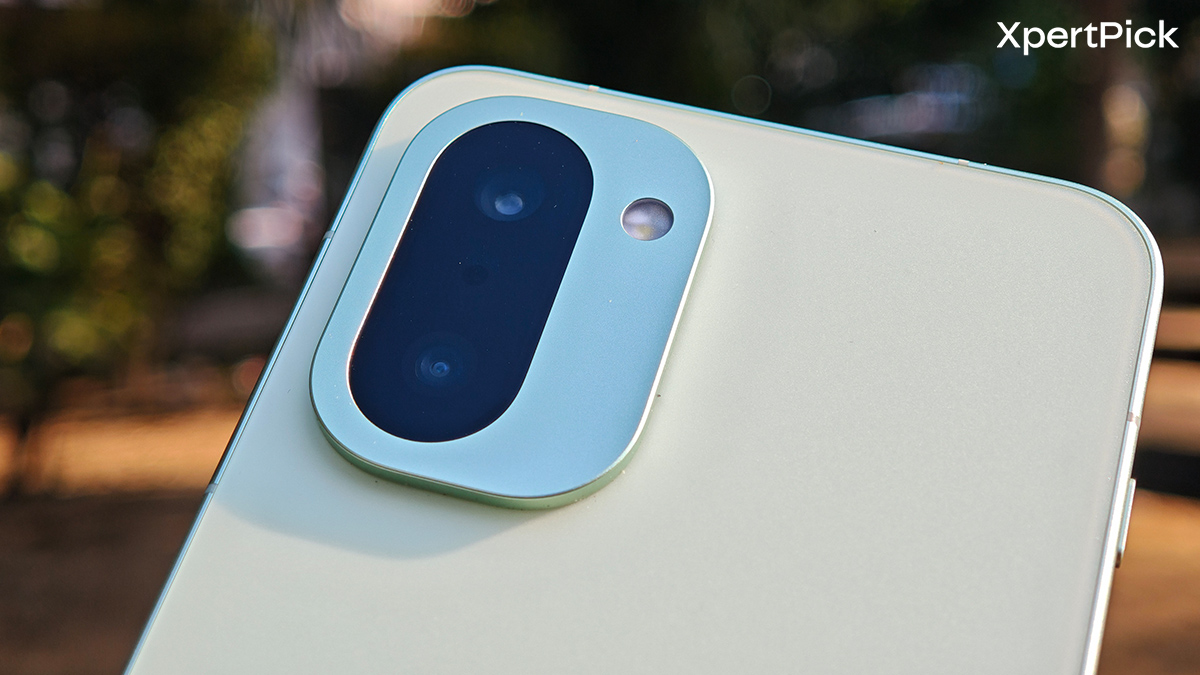
The main camera is easily the highlight. Also found on the OnePlus 15, it delivers sharp, detailed shots with good dynamic range in daylight thanks to the proprietary DetailMax Engine. Colours are vibrant and slightly warm. There’s no dedicated telephoto lens. Instead, you get a digital 2x crop that works well in good lighting but quickly loses detail beyond 3x.
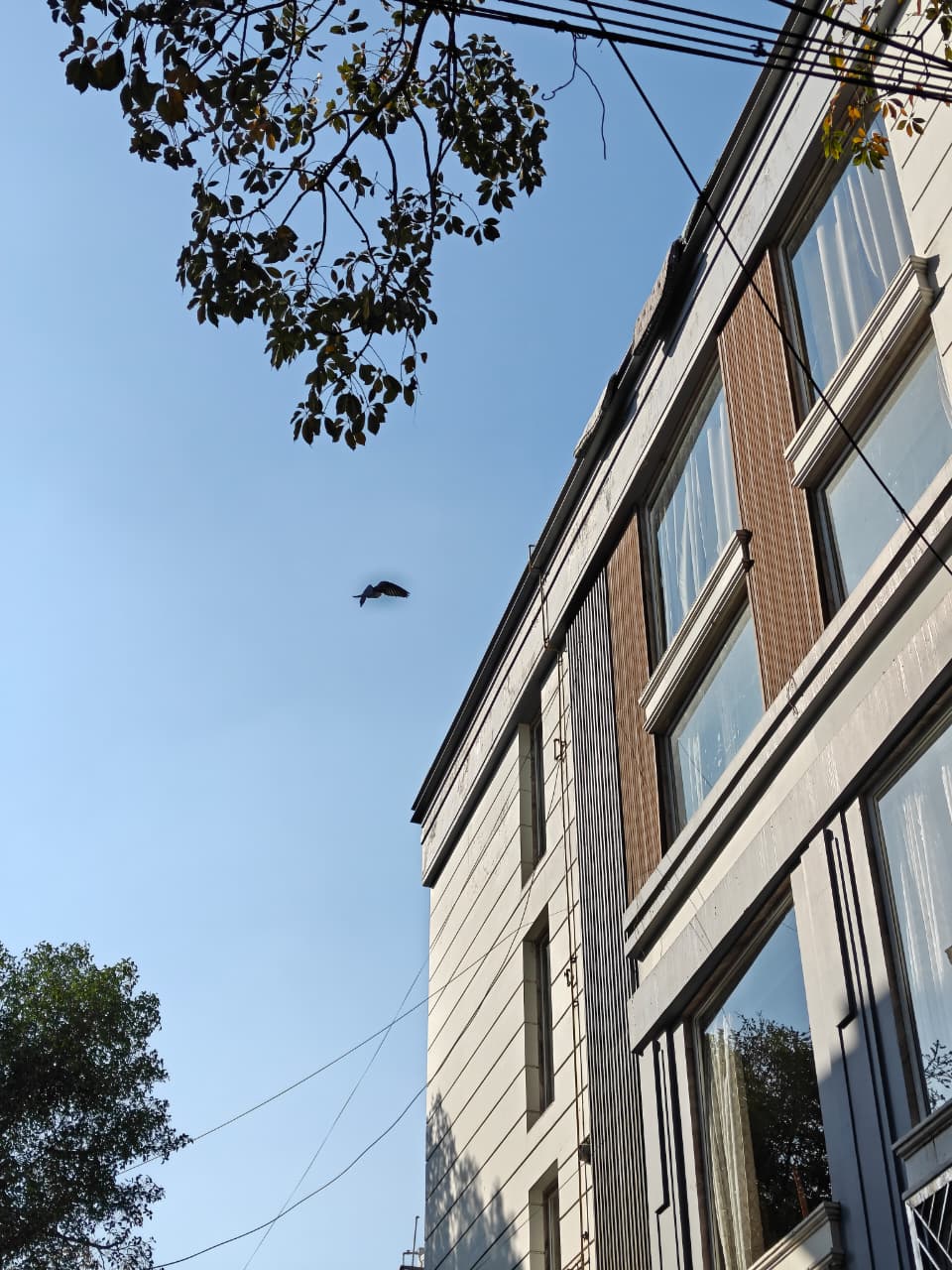

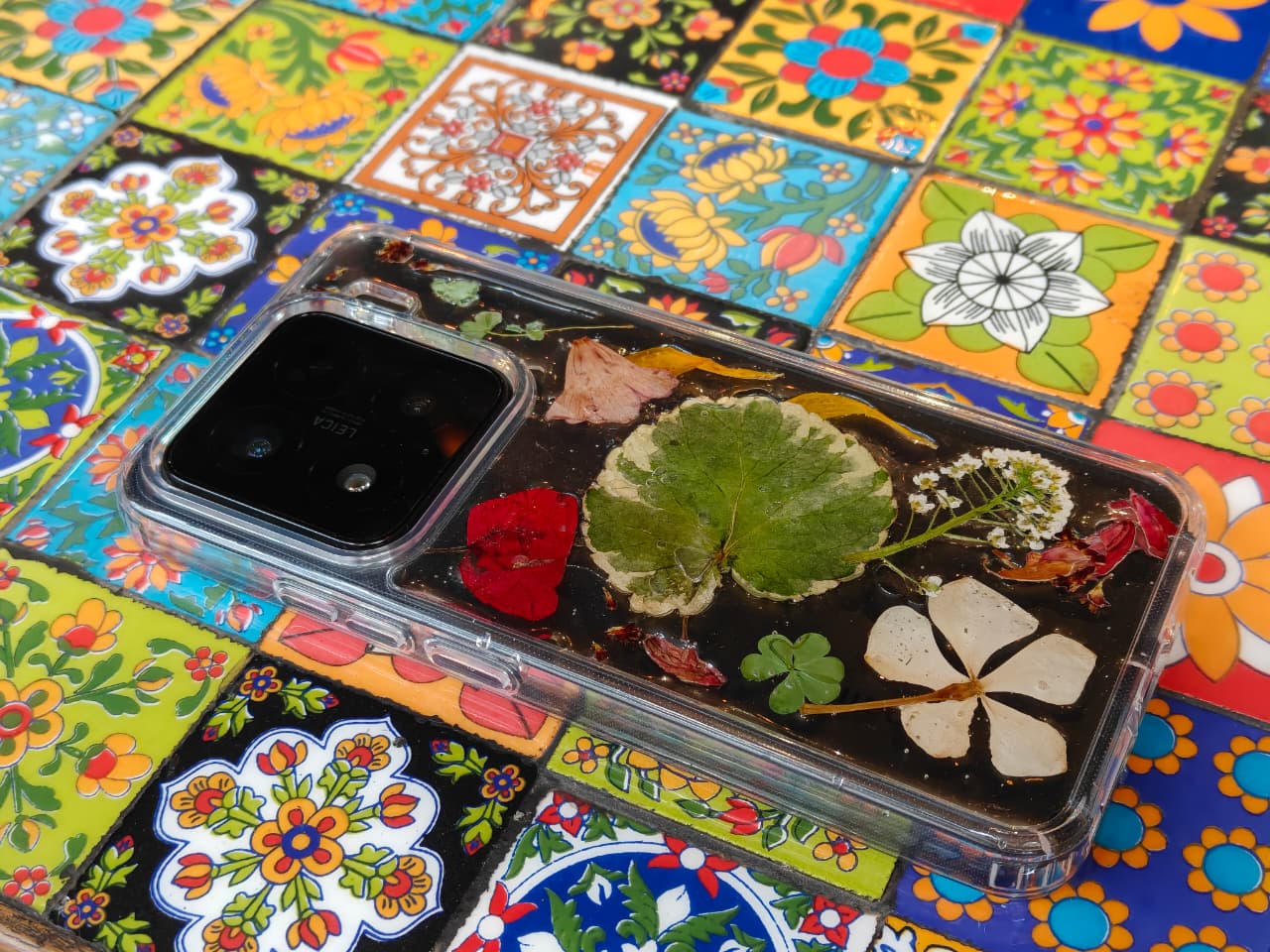




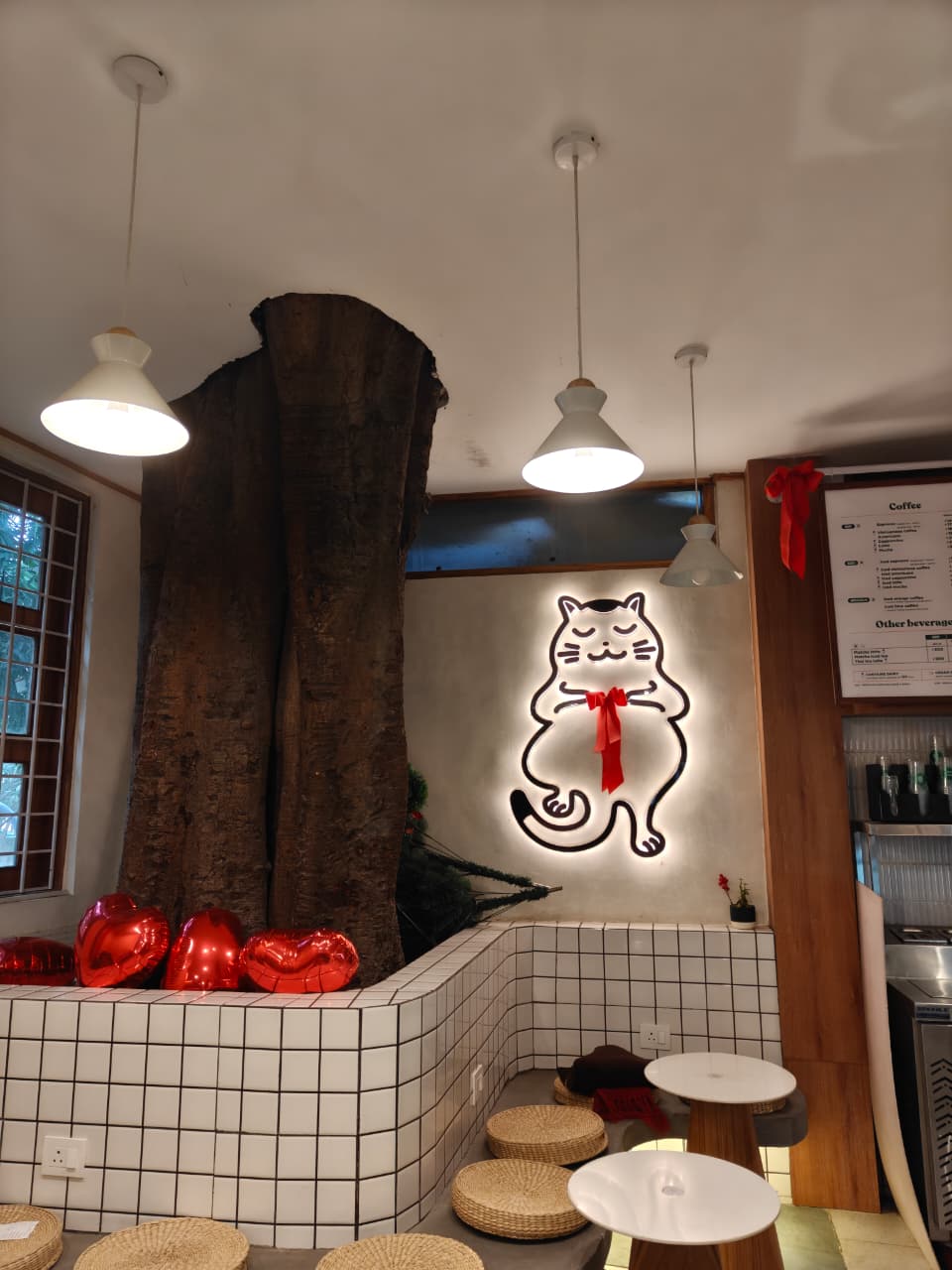

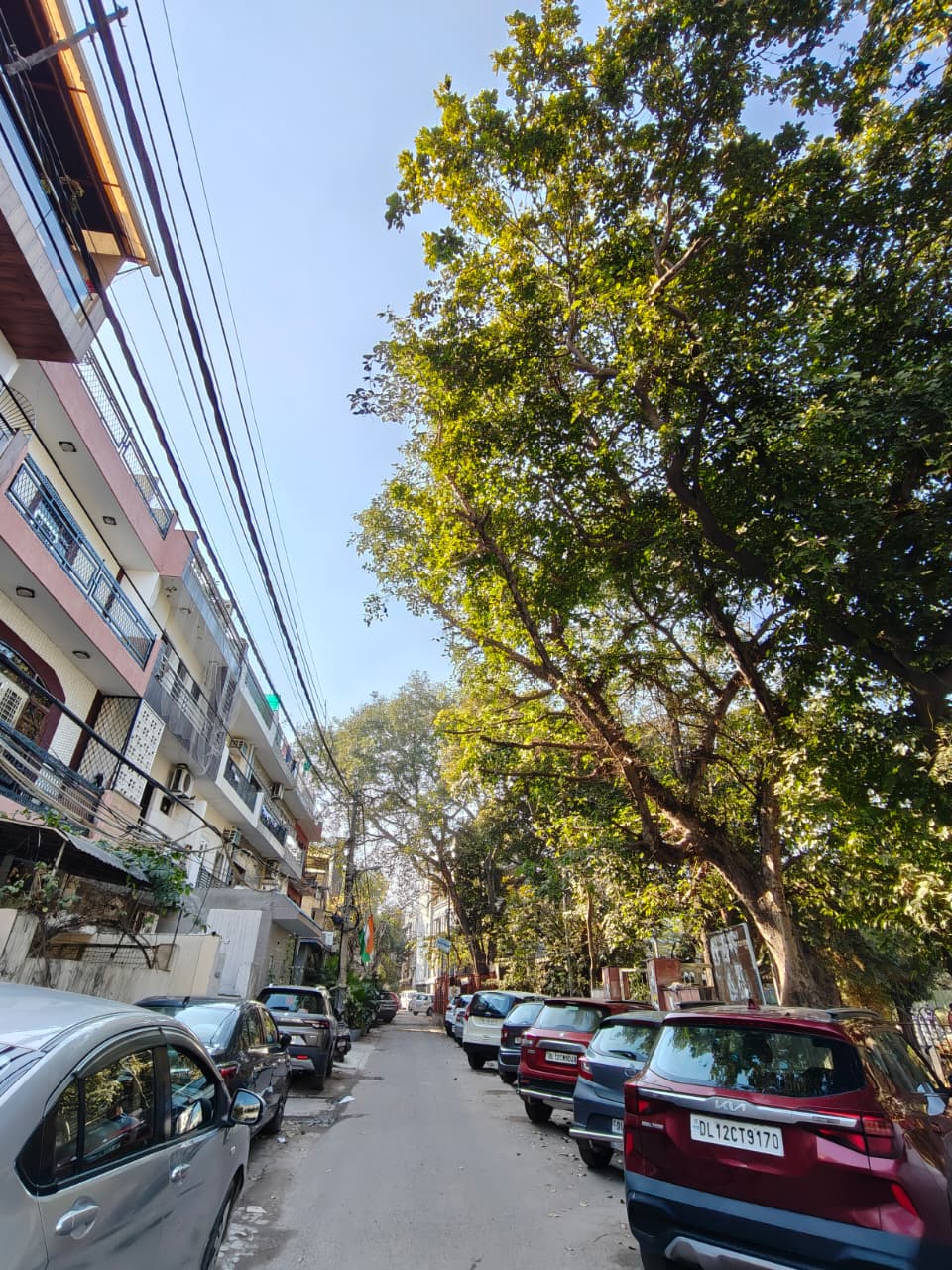
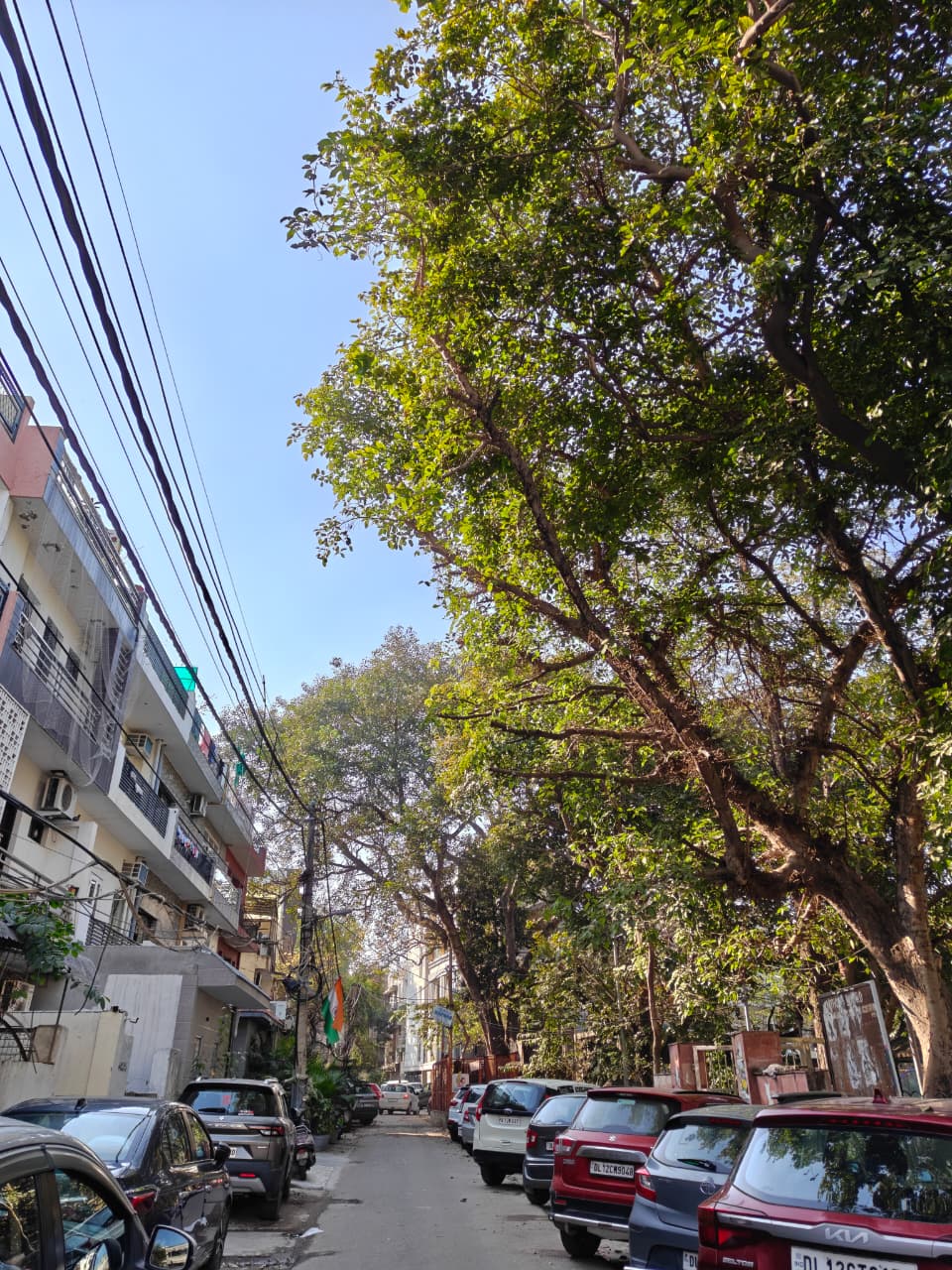

The OnePlus 15R aggressively uses Night mode as soon as the lighting is less than ideal. Most of the time, the results are competent, but there is often visible noise and colours look washed out. If you don’t have steady hands, this can lead to images being blurry. Noise is visible in more dim scenes, and colours can look washed out at times.





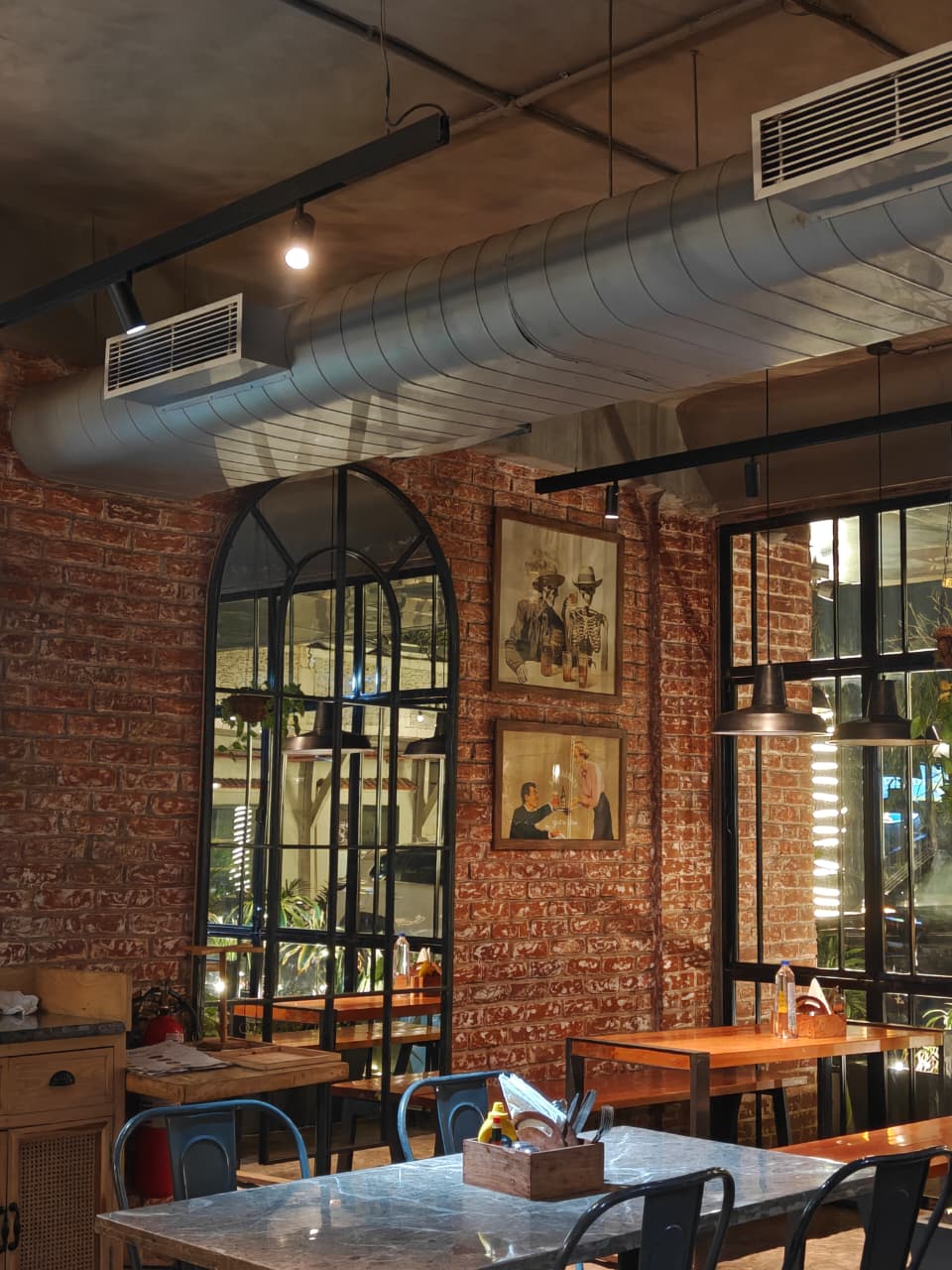


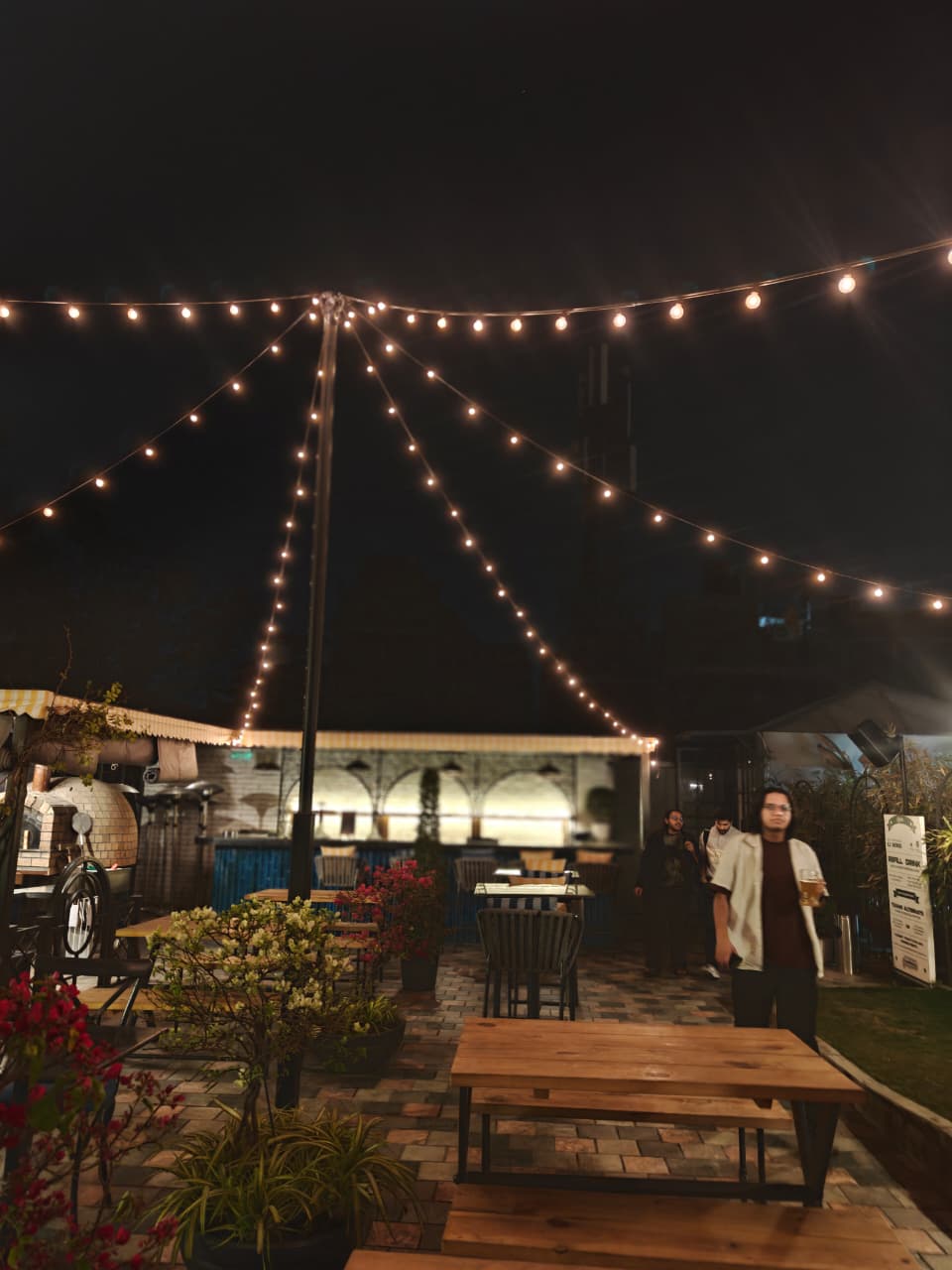
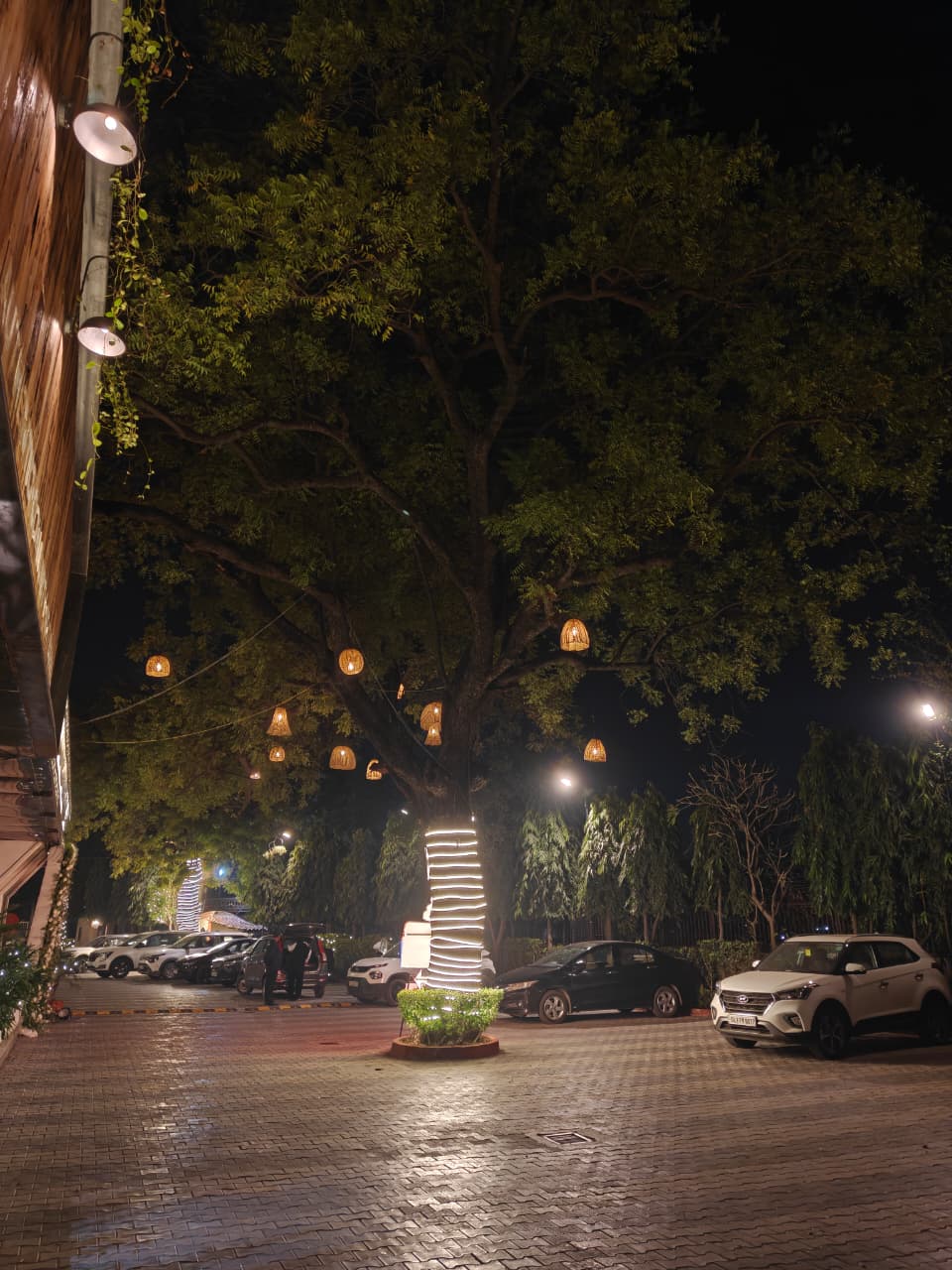
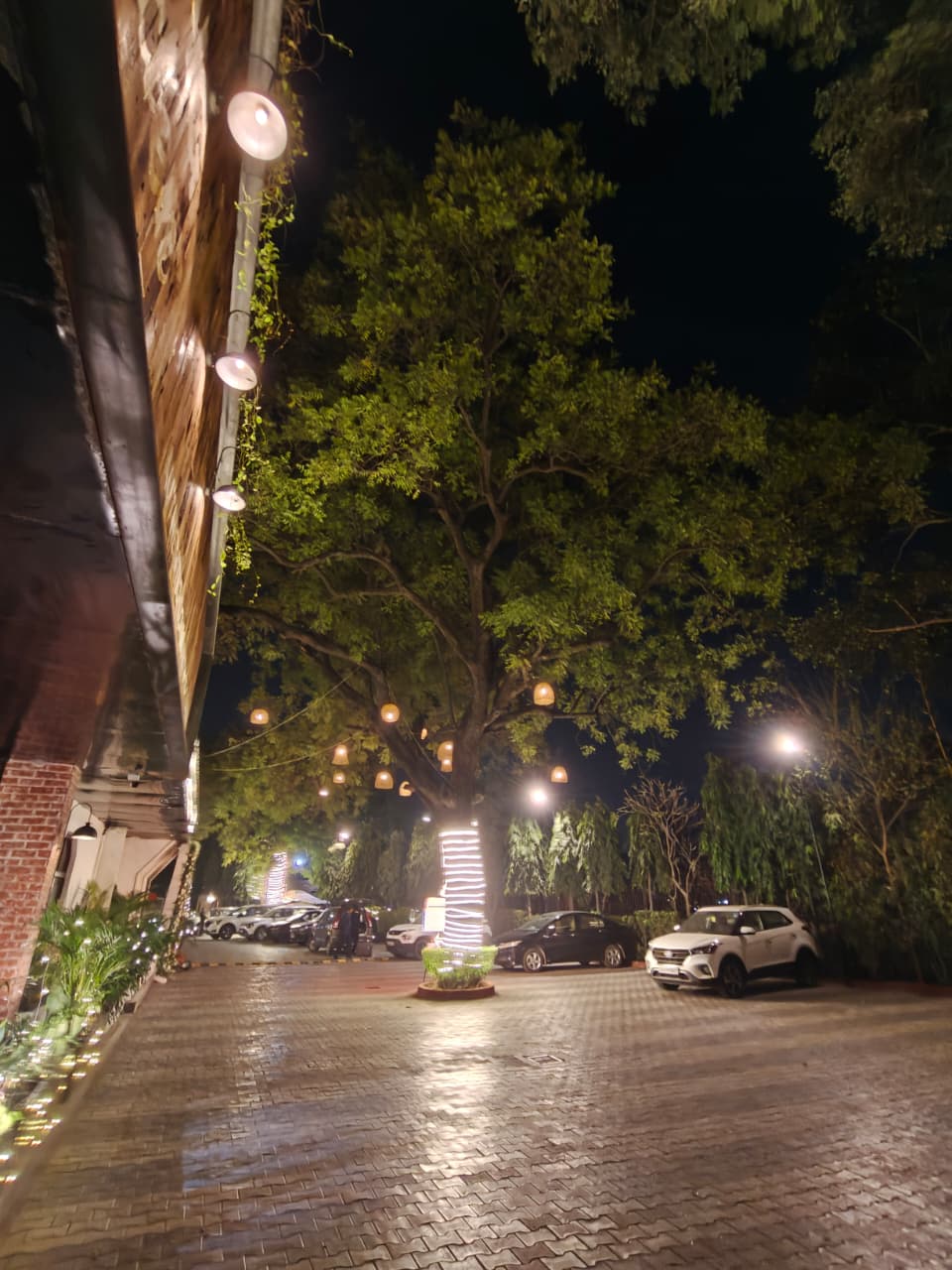
As for the ultra-wide-angle lens, it just feels tacked on. This is a tiny sensor that produces blurry images even in the day. At a glance, everything seems fine till you zoom in slightly. I’d recommend taking a step or two back for a wider FoV rather than shooting in low light with this camera. Surprisingly, the 32MP selfie camera performs well. Indoor shots are sharp, and autofocus helps maintain clarity.


For videos, the main camera is still the best with support for up to 4K120fps (for slo-mo) video recording. The ultra-wide is limited to 1080p30fps, and the selfie supports 4K30fps. Stabilisation is impressive, and exposure handling is consistent. While HDR video recording is absent, the overall output is surprisingly reliable.
OnePlus has a clear focus towards performance, and the 15R flexes its muscles in gaming. But similarly priced competitors have an edge over this device when it comes to camera versatility or polish. Great examples of this are the Oppo Reno 15, which offers a triple camera setup with a telephoto shooter, and the newly released Pixel 10a, which brings Google’s reliable shooting experience.
OxygenOS is Still One of The Best Android Skins
OxygenOS 16 continues to be one of the better Android skins available. Yes, it borrows heavily from iOS in visual styling, but it remains fluid, customisable, and feature-rich. Daily use feels smooth and intentional. Every UI element feels deliberate, and there are plenty of features that you don’t often find in other custom skins, such as Motion cues for people who suffer from motion sickness.
AI tools like AI VoiceScribe, AI Writer, Mind Space, AI Translate, and AI Search add value without feeling intrusive. Another aspect that deserves praise is the in-depth customisation options, from fingerprint animations and AOD tweaks to quick settings layout and colour schemes. In the software front, the 15R doesn’t appear to be behind its more expensive sibling.
With OnePlus and Oppo poaching Apple’s user base, giving the iPhone users a familiar software experience does come at the cost of their distinct identity. Another miss with OxygenOS is the implementation of the Plus Key. This programmable shortcut button only supports long-press input. So its potential functionality is severely limited. I hope OnePlus allows for more actions from this single button, or at least matches the implementation of other devices like the Vivo X Fold 5 and Motorola Signature.
Verdict
Unlike last year, when OnePlus’ true flagship and ‘diet’ flagship were more distinct, the OnePlus 15 series feels like two different tiers of the same experience. But the OnePlus 15R doesn’t try to be everything. Instead, it prioritises performance and endurance above all else. Yes, the cameras are weaker. Yes, LTPO is gone. But in exchange, you get flagship-level performance, a massive battery, strong thermals, and a polished software experience, all at Rs 47,999.
Unlike last year, where the gap between the main flagship and the R series was clearer, the OnePlus 15 and OnePlus 15R feel like two performance tiers of the same philosophy. Having used both, the differences aren’t dramatic in daily use. The 15 offers better cameras, tighter haptics, and a more premium display setup with LTPO. However, the core experience doesn’t feel worlds apart.
Where the 15R clearly falls short is with the cameras. And that’s where similarly priced rivals start to pull ahead with more balanced hardware. But the OnePlus 15R doesn’t try to be everything. At Rs 47,999, you’re getting near-flagship Snapdragon 8 Gen 5 performance, one of the largest batteries in the segment, reliable thermals, and an OxygenOS experience that doesn’t feel like a compromise.
If you own a OnePlus 13R, this isn’t a necessary upgrade. But if you’re choosing between similarly priced Oppo, Vivo, or Google devices, the decision becomes about priorities. If you care about camera versatility, there are stronger options. If you care about raw speed, long-term endurance, and a polished performance-focused experience, the OnePlus 15R makes a very strong case. I praised the OnePlus 15 for being a power user’s dream phone, and the OnePlus 15R is more of the same.
Pros
- Snapdragon 8 Gen 5 delivers near-flagship performance
- Massive 7,400mAh battery with excellent endurance
- Ultrasonic fingerprint scanner
- Smooth and customisable OxygenOS 16
- Capable main and selfie cameras
Cons
- No telephoto lens
- Ultra-wide camera is underwhelming
- 165Hz is limited to select games
- Haptics could’ve been tighter