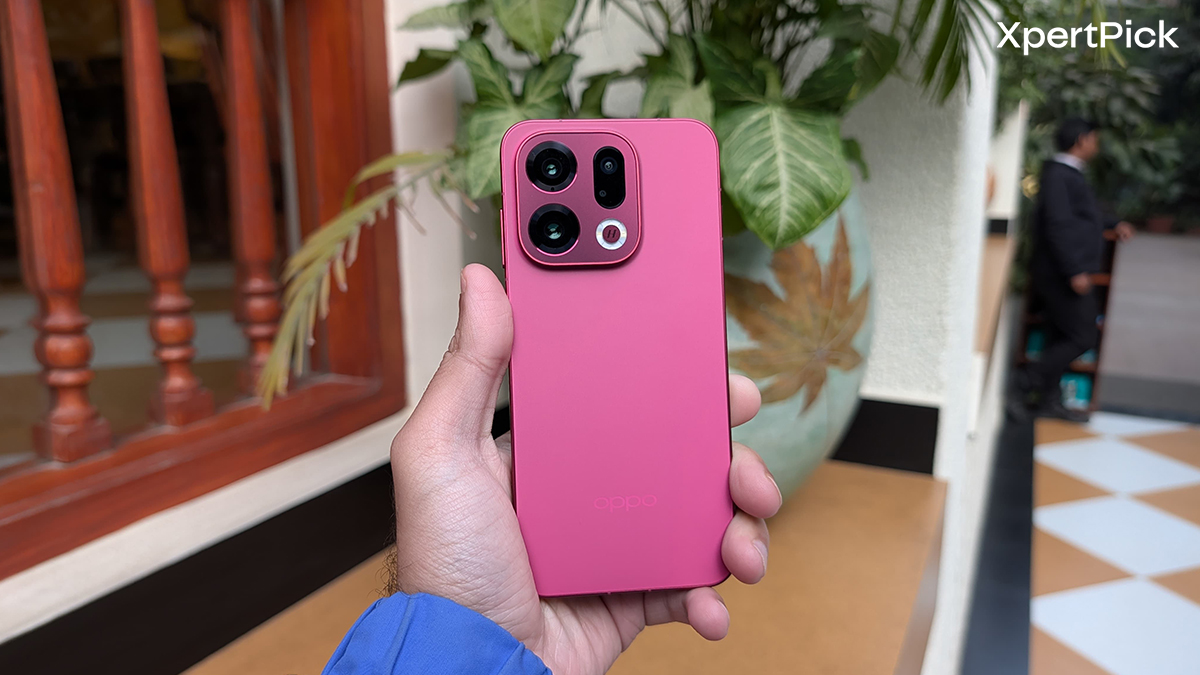
It’s that exciting time of the year when smartphone brands roll out their next generation of flagships, and Oppo’s Find X9 series was among the most anticipated. While most eyes are on the Find X9 Pro and the upcoming Find X9 Ultra (expected to launch in India in the first quarter of 2026), the standard Find X9 positions itself as a more “accessible” premium option that still carries Oppo’s Hasselblad-tuned cameras.
After spending a few weeks with the Find X9, my initial impression made me wonder why the Pro model even needed to exist. But as time went on, the trade-offs became clearer, along with the areas where Oppo chose to hold back. So is the base Find X9 the sensible flagship buy, or the one you should skip altogether? Let’s break it down.
Have I seen this phone before?
Oppo has stuck to a recognisable design language for its premium phones over the last few generations, with large circular camera modules defining models like last year’s Find X8. The Find X9 changes that feel familiar in a different way. 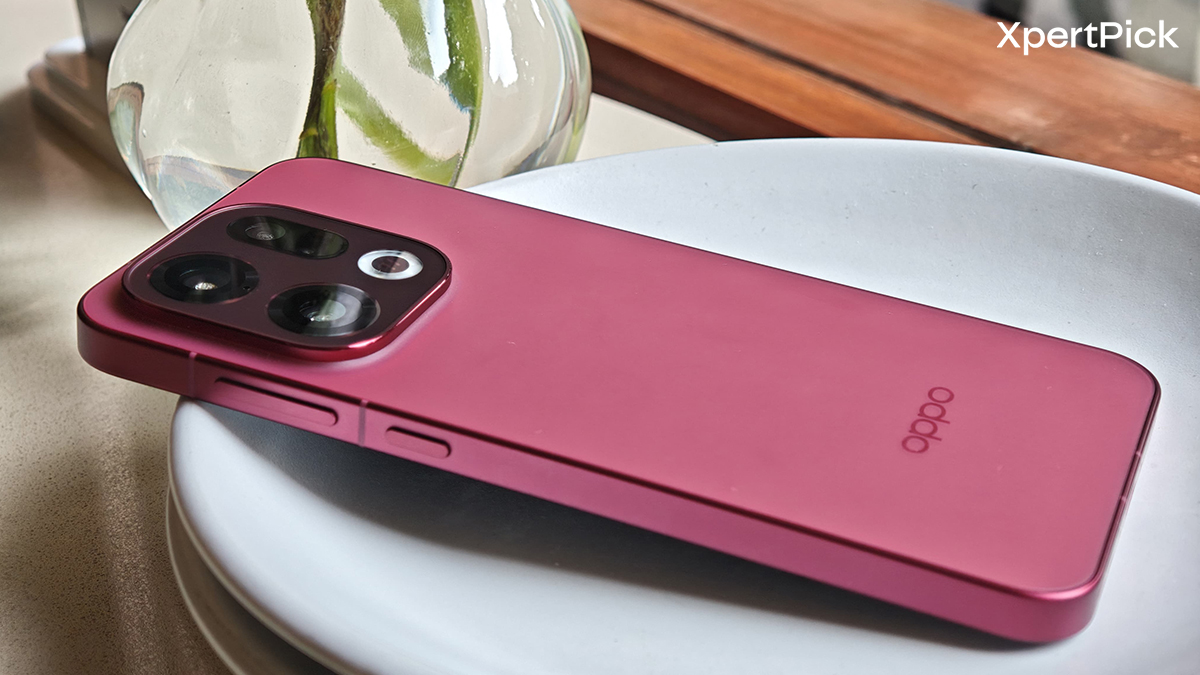
The new rounded-square camera module closely resembles what we’ve already seen on the OnePlus 15 series (with slight variations). This design first debuted with the OnePlus 13s earlier this year. Since Oppo and OnePlus share plenty of DNA, this overlap isn’t surprising. Personally, I’m glad to see the oversized circular island go, and the Find X9 looks cleaner and more understated as a result. That said, this subtle aesthetic only applies to the Black and Grey colourways. My review unit came in Velvet Red, which is anything but that. It strikes a nice balance between elegance and flair, and the fact that Oppo includes a matching silicone case in the box is a nice bonus. 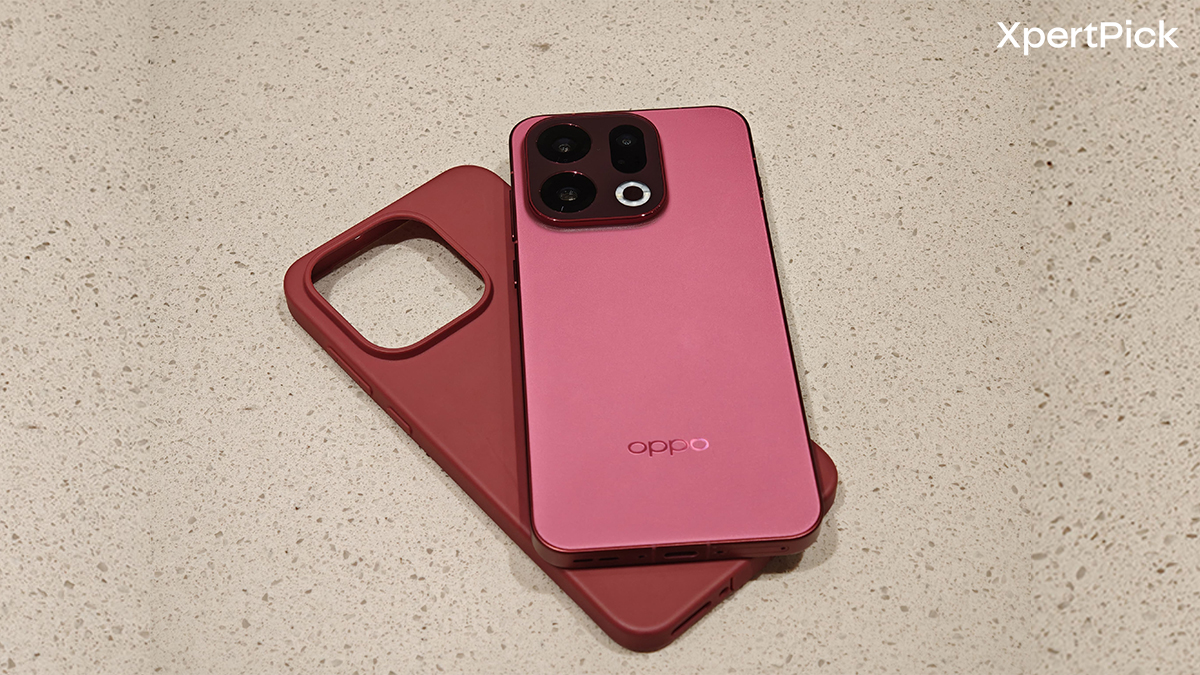
Build quality is top-notch with a glass black and an aluminium frame. The phone feels solid in your hand, and the reassuring 203-gram weight. For the display, Oppo surprisingly still stuck with the Gorilla Glass 7i for protection. You also get high-end protection against the elements with an IP66 + IP68 + IP69 rating for water and dust resistance.
A comfortable middle ground
Up front, the Find X9 features a 6.59-inch AMOLED display with a 1.5K resolution, 120Hz refresh rate, Dolby Vision support, 3840Hz PWM dimming, and a claimed peak brightness of 3600 nits.
It’s not a compact phone by any stretch, but it lands in a comfortable middle ground. After recently reviewing smaller flagships like the Pixel 10 Pro, the Find X9 felt roomier without crossing into unwieldy territory. One-handed use is still manageable, and media consumption benefits from the wider aspect ratio. 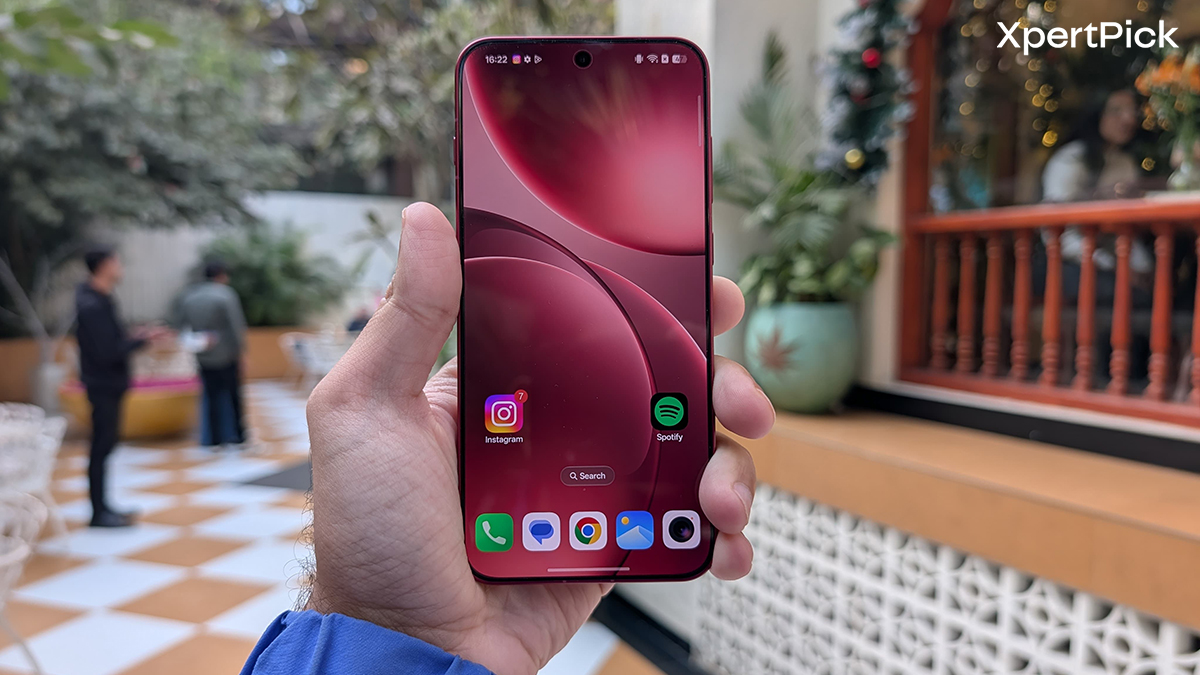
Visual quality is excellent. Colours are vibrant, motion is smooth, and outdoor visibility is never an issue. Oppo also deserves credit for the uniform 1.15mm bezels on all sides and the ultra-low 1-nit minimum brightness, which makes late-night use genuinely comfortable. However, the lack of LTPO tech at this price feels like a miss, especially when rivals are using it to improve efficiency and battery life. So, it’s strange that Oppo decided to upgrade the optical in-display fingerprint scanner to an ultrasonic sensor, but skipped these other basic updates.
Power that lasts
The Find X9 delivers flagship-grade performance across the board. Powered by MediaTek’s Dimensity 9500, it comfortably trades blows with the Qualcomm Snapdragon 8 Elite Gen 5. Day-to-day performance is flawless, with no stutters or slowdowns, even under heavy workloads.
Whether it was gaming, shooting 4K video, or jumping between apps, the phone never skipped a beat. Many popular titles support 120fps gameplay, and the Find X9 managed to keep things stable during extended sessions. If you’re interested in synthetic benchmarks, here’s a quick list:
- AnTuTu – 3,259,322
- AnTuTu (CPU) – 948,256
- AnTuTu (GPU) – 1,223,621
- Geekbench: 3,264 (single) / 9,551 (multi)
- CPU Throttling Test – 75%
Battery life is another strong point. Oppo has packed in a massive 7,025mAh silicon-carbon battery, marking a significant jump over last year’s Find X8 (5,630mAh). With mixed use, I was consistently averaging around seven hours of screen-on time. I was switching between two phones and was getting close to two days on a single full charge.
The trade-off for such a larger battery? Charging it. Despite 80W wired charging, a full charge still takes just under two hours. It’s not slow in short bursts, but topping up to 100% requires some patience. Wireless charging tops out at 50W, and you also get 10W reverse wireless charging, which came in handy more than once.
Nearly perfect cameras, but a little undercooked
Oppo’s partnership with Hasselblad continues to be a defining feature of the Find series, and the Find X9 benefits greatly from it. Combined with Oppo’s new LUMO Image Engine, this is one of the brand’s most refined camera systems yet. 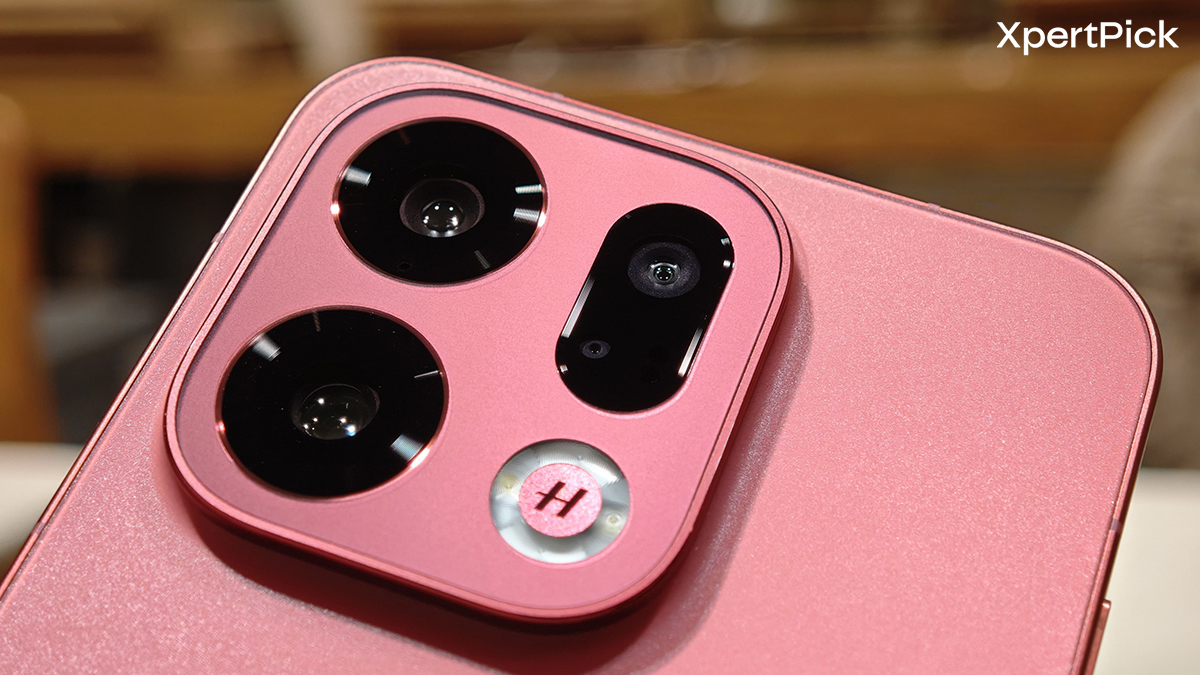
Camera Setup:
- 50MP 1/4″ Sony LYT808 main sensor (f/1.6 aperture, OIS, PDAF)
- 50MP 1/2.76” Samsung JN5 ultra wide angle lens (f/2.6, PDAF, macro)
- 50MP 1/1.95” Sony LYT600 periscope telephoto shooter (f/2.6, 3x optical zoom, OIS)
- 2MP multi-spectral lens
- 32MP 1/2.74” Sony IMX615 selfie camera (f/2.4)
In good lighting conditions, the premium Galaxy, Pixels, and iPhones are all known for their consistent photography experience and “point-and-shoot” friendliness for customers. Meanwhile, Oppo offers a great and reliable shooting experience, but with some extra sprinkles. The Find X9 brings Hasselblad’s colour science and Oppo’s new Lumo Image Engine.






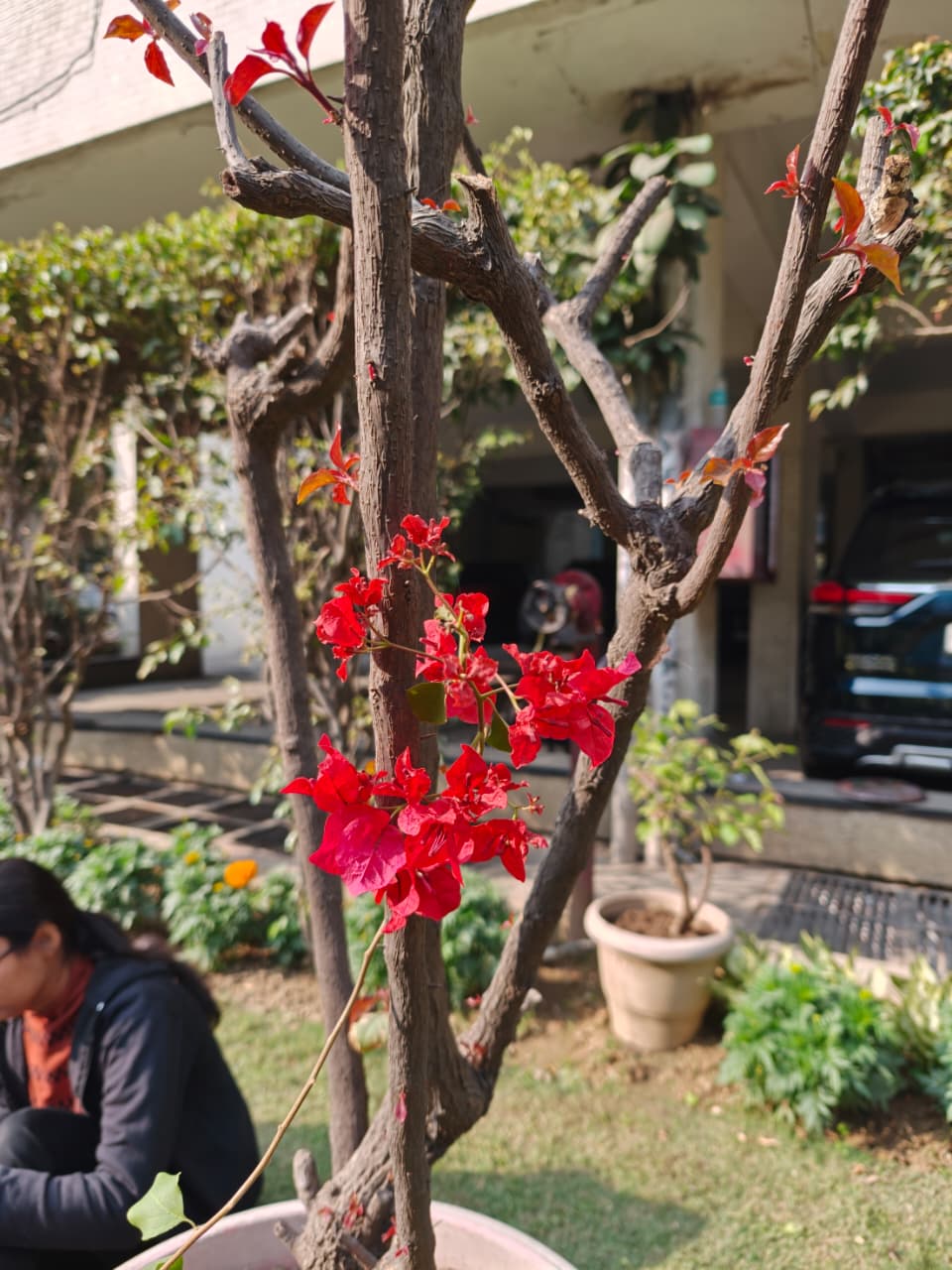



In daylight, all three rear cameras deliver consistent colours and strong detail. Hasselblad’s colour science shines here, producing natural saturation and excellent skin tones. The multi-spectral sensor plays a subtle but important role in maintaining accurate colour reproduction, especially in challenging lighting.
Portraits are a highlight. Thanks to the 3x optical zoom, you can shoot portraits using both the main and telephoto lenses, with the latter delivering that pleasing compression and subject separation.


The telephoto lens also holds up well beyond portraits, maintaining detail across varied lighting conditions. Even in low light, it keeps pace with the main sensor more often than not. Meanwhile, the ultra-wide camera is among the better ones in its class, offering good detail and dynamic range, though some edge softening is still present.



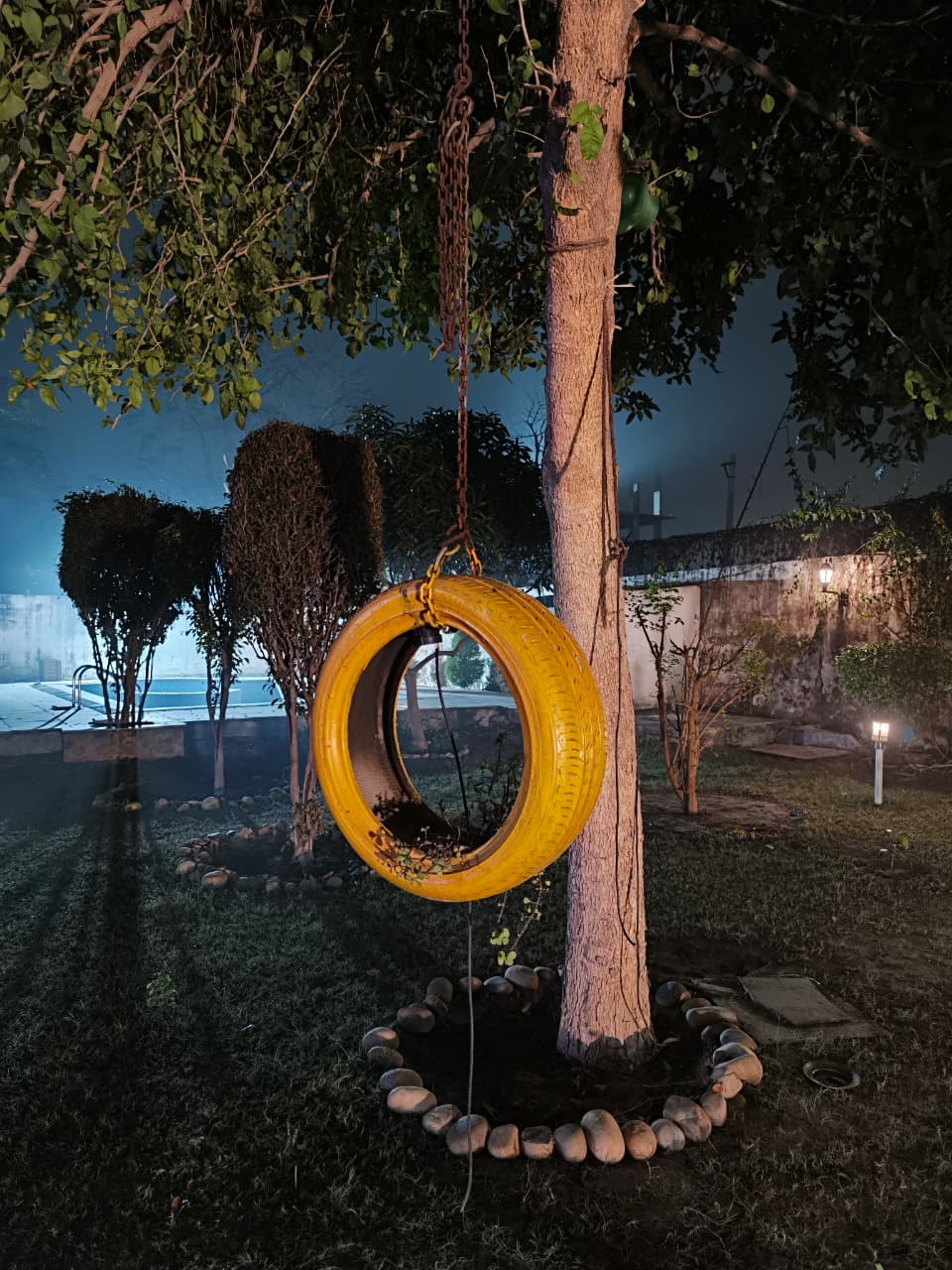
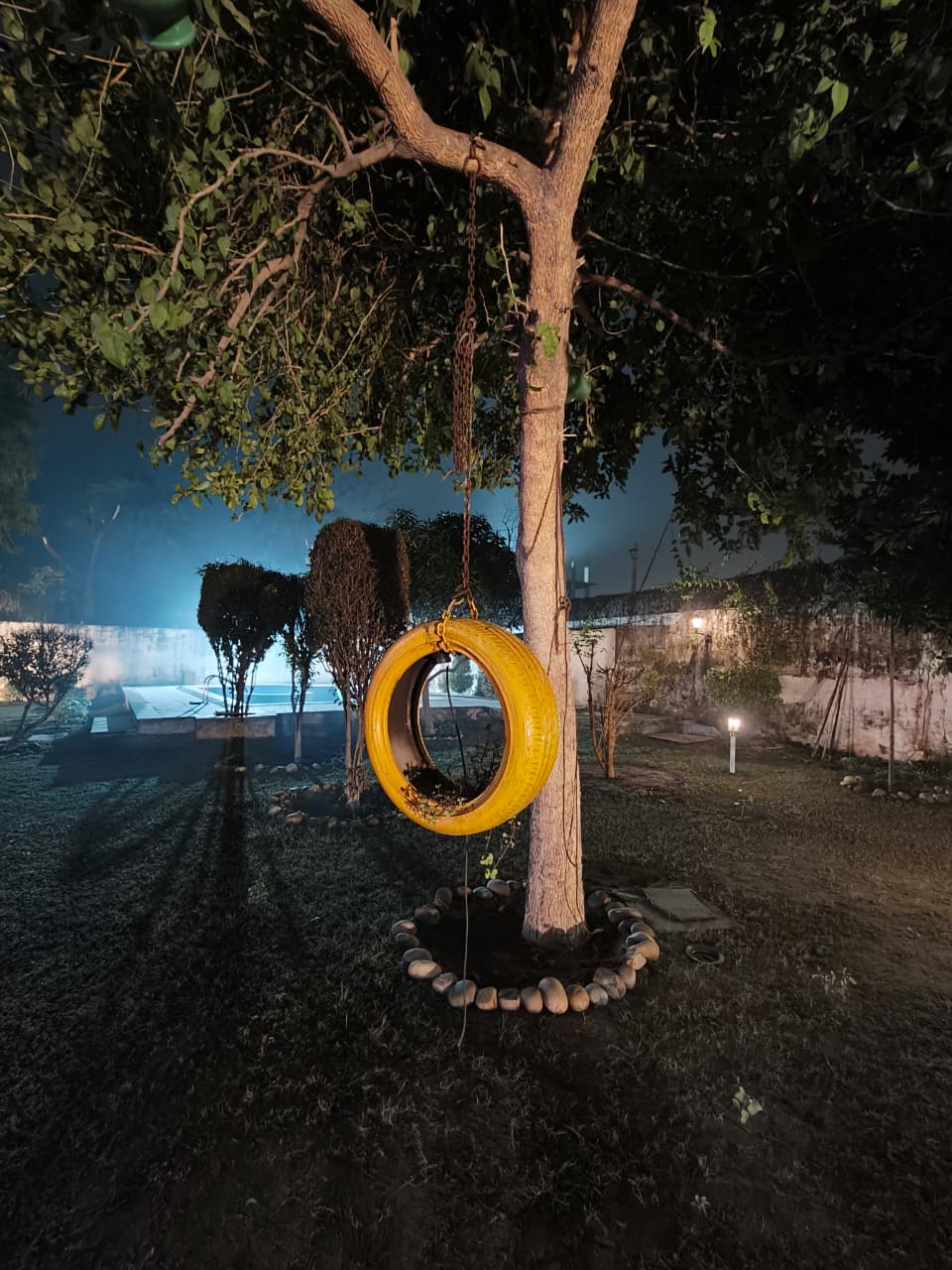






Where the Find X9 stumbles slightly is in post-processing. The Hasselblad + LUMO combination adds character and softness that looks great at a glance, but zoom in, and the cracks quickly become apparent. The Find X9 has a snappy shutter speed, and the tuning behind the scenes is what breathes life into the images. But this is a double-edged sword as the aggressive processing occasionally smooths over certain surfaces, burying those finer details.


On occasion, the Find X9 struggled with bright artificial lighting, and certain shots tend to be overexposed with washed-out colours. Another bad result is where subjects like people or objects have that unnatural halo glow around them. The softness returns on the selfie camera, which managed to do a great job in most situations otherwise. Video quality is another strength of the Find X9. From stability to colours and details, the phone was quite versatile, except for the occasional focusing issue.
The iOS-ification is real
ColorOS 16 remains one of the better Android 16-based skins available, sitting comfortably above HyperOS and OriginOS in my book. But the iOS influence is impossible to ignore. From liquid-glass-style UI elements to familiar quick settings layouts, the inspiration is clear. But unlike iOS, Oppo’s latest ColorOS hasn’t sacrificed customisation. You still get deep control over animations, AODs, lock screens, and transitions.
The focus with Android 16 was organic fluidity, and these new animations make the device seem a tad slower at times. Thankfully, you can speed up said animations and even pick between multiple kinds of them. AI features are present, but none stand out as must-haves. Tools like AI Writer are useful in specific situations, while AI-powered enhancements in the camera and gallery apps feel more meaningful in daily use. Keep in mind that none of these are exclusive to the Find X9. Lastly, bloatware is minimal and mostly removable.
Verdict: Can’t go wrong with this one
The Oppo Find X9 is a flagship with some oddities. On one hand, it nails the fundamentals: premium design, excellent performance, a massive battery, reliable cameras, and one of the more polished Android software experiences out there. On the other hand, some of its compromises feel oddly placed for an expensive phone: Gorilla Glass 7i instead of a higher-grade solution and no LTPO display tech.
Yet, when you step back and look at the complete package, the Find X9 is hard not to like. It feels premium in hand, performs like a true flagship, lasts long enough to forget about chargers, and delivers a camera experience that’s consistent, characterful, and easy to rely on.
This isn’t the phone for spec purists who want every cutting-edge feature ticked off. Instead, it’s for buyers who want a refined, dependable flagship that gets most things right without overcomplicating the experience. If you don’t feel the need to stretch for the Pro or the unreleased Ultra models, the Oppo Find X9 makes a strong case for being the most balanced phone in the series.
Pros:
- Excellent all-round camera system with Hasselblad colour science
- Flagship-grade performance from Dimensity 9500
- Massive silicon-carbon battery delivers outstanding endurance
- Clean, polished ColorOS experience with deep customisation
- Premium build with top-tier water and dust resistance (IP66/IP68/IP69)
Cons:
- No LTPO display tech despite flagship pricing
- Gorilla Glass 7i feels underwhelming for a premium phone
- iOS-inspired UI direction may not appeal to everyone