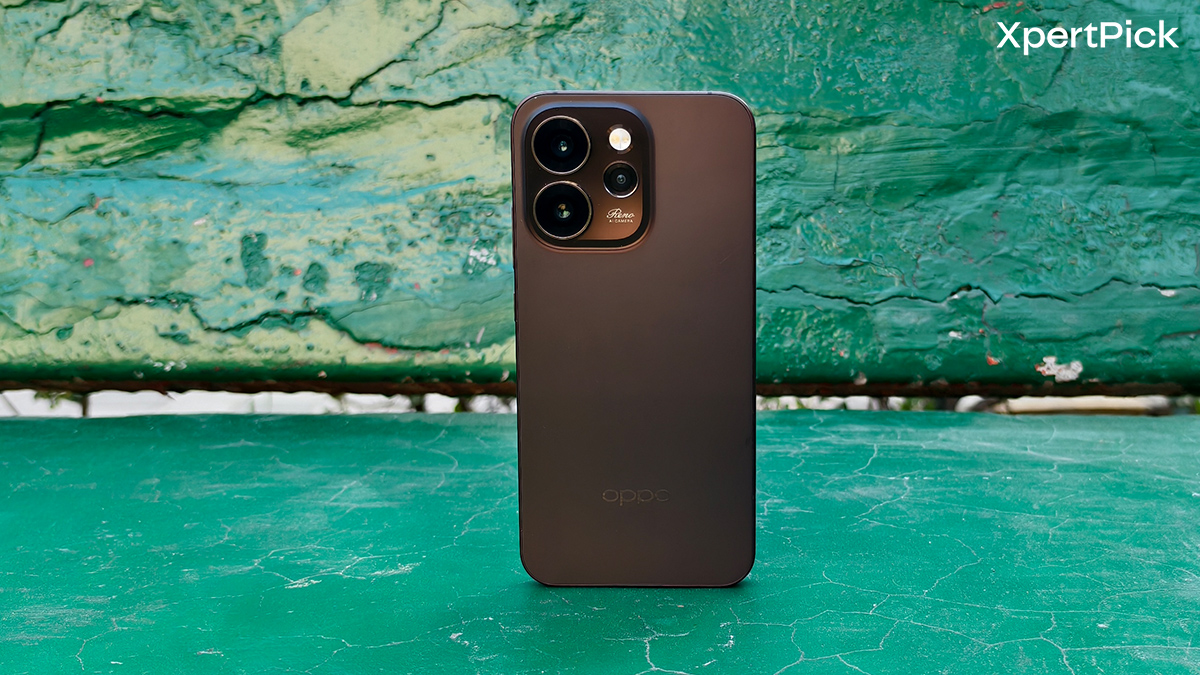
If you’re in the market looking for a smartphone for Rs 60,000, and looking specifically for a smartphone with a good camera. It is 2026, and you have two options: Oppo Reno15 Pro Mini and the Vivo X200T. While this is primarily an Oppo Reno15 Pro review, I will be comparing it regularly with the Vivo X200T as they both literally are each other’s rivals in this price segment.
For context, the Oppo Reno15 Pro, priced at ₹59,999 for the 12GB + 256GB variant, is powered by the MediaTek Dimensity 8450. It features a 200MP main camera, a 50MP telephoto lens, and a 50MP ultrawide lens. On the front, it also includes a 50MP ultrawide camera. The device sports a 6.32-inch AMOLED display with a maximum resolution of 1216 x 2640 pixels.
Meanwhile, the Vivo X200T is also available at ₹59,999 for the 12GB + 256GB variant. It is powered by the MediaTek Dimensity 9400+ SoC and features a 50MP main camera, a 50MP periscope lens, and a 50MP ultrawide lens, along with a 32MP front ultrawide camera. The X200T also features a slightly larger 6.67-inch AMOLED display with a maximum resolution of 1260 x 2800 pixels.
So can the Oppo Reno15 Pro Mini stand its own against the Vivo X200T? Here’s the answer.
Oppo Reno15 Pro Mini Design: Compact and Well Built, But Not Distinctive
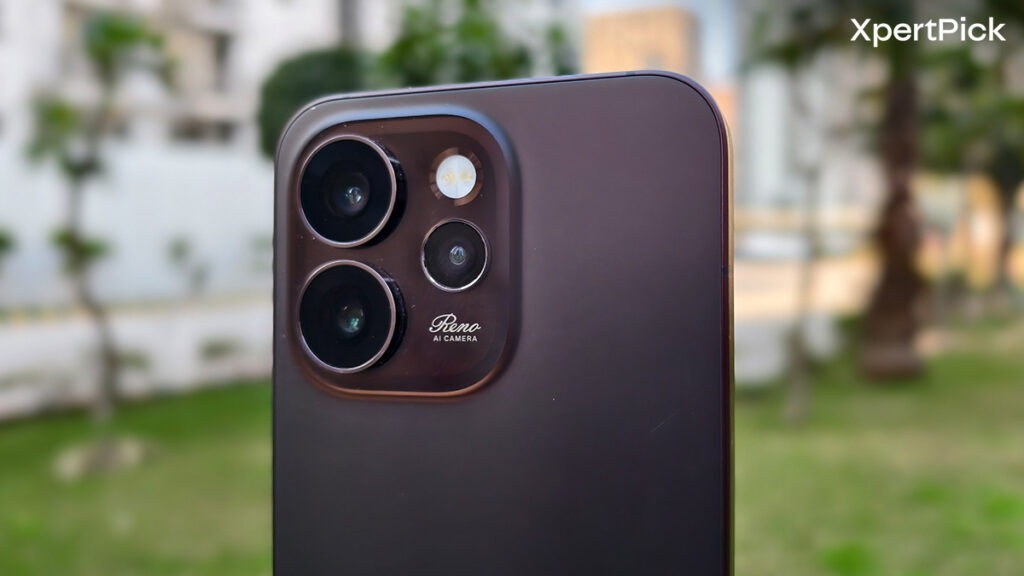
One complaint I have about Chinese phones is that while they often offer far better specs for the same price compared to Apple or Samsung, they still struggle to move away from design inspirations, particularly those drawn from Apple.
Take the Oppo Reno15 Pro Mini, for instance. It tries so hard to be something between an iPhone 16 and an iPhone 16 Pro, and it just makes me sad. Meanwhile, the Vivo X200T embraces its new design language. Sure, it looks similar to the Vivo X300 and the X300 Pro, but that’s the point; it looks consistent with other phones in its lineup. It isn’t copying any other brand and instead feels like its own thing.
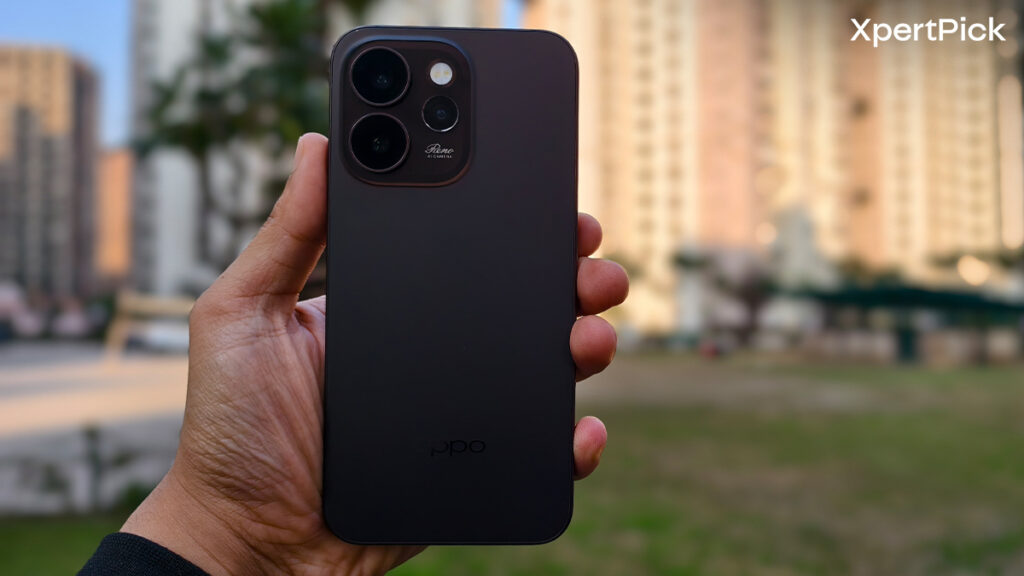
That’s why, in my view, the Vivo X200T offers a better design than the Oppo Reno15 Pro. That said, objectively, both phones are well designed, even if one of them leans heavily on ‘inspiration.’
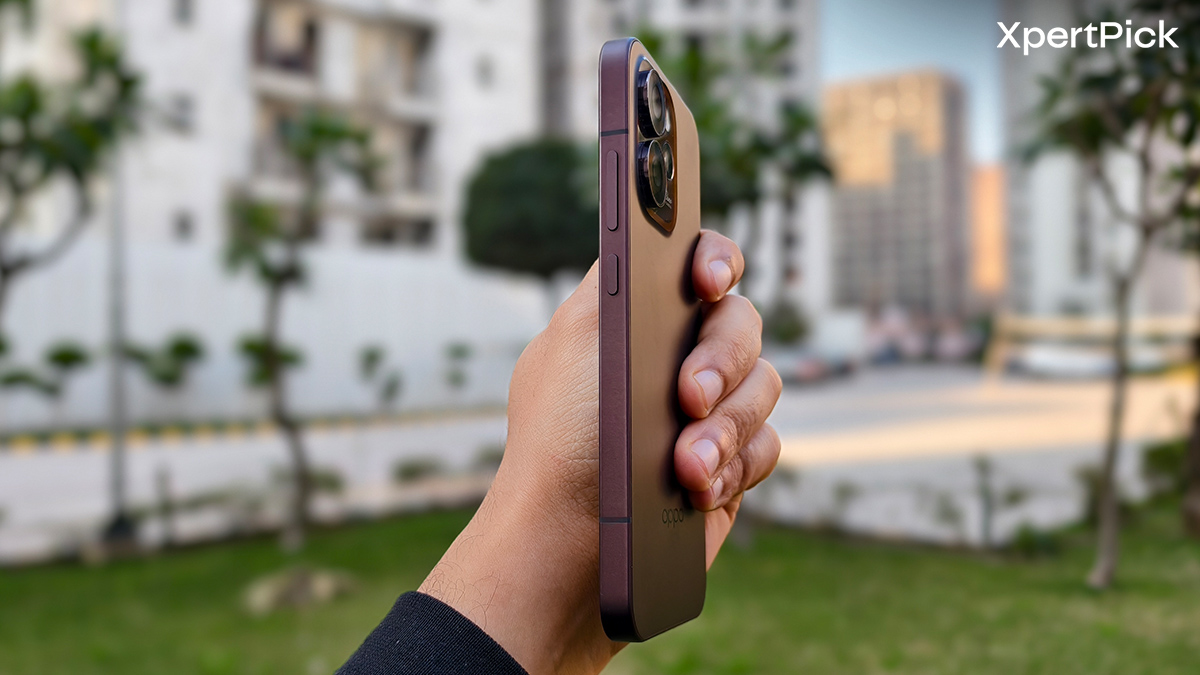
One aspect the Reno15 Pro Mini gets right is its clean button and port layout. There are no extra action or dedicated camera buttons, just the volume rocker and power button. The phone also includes stereo speakers, with one grille near the earpiece and the other positioned alongside the USB Type-C port.
Even the phone’s form factor is impressive. I recently used the Vivo X300, another compact smartphone that sits slightly higher in price, and the Oppo Reno15 Pro is marginally lighter in comparison, weighing 187g against the Vivo X300’s 190g.
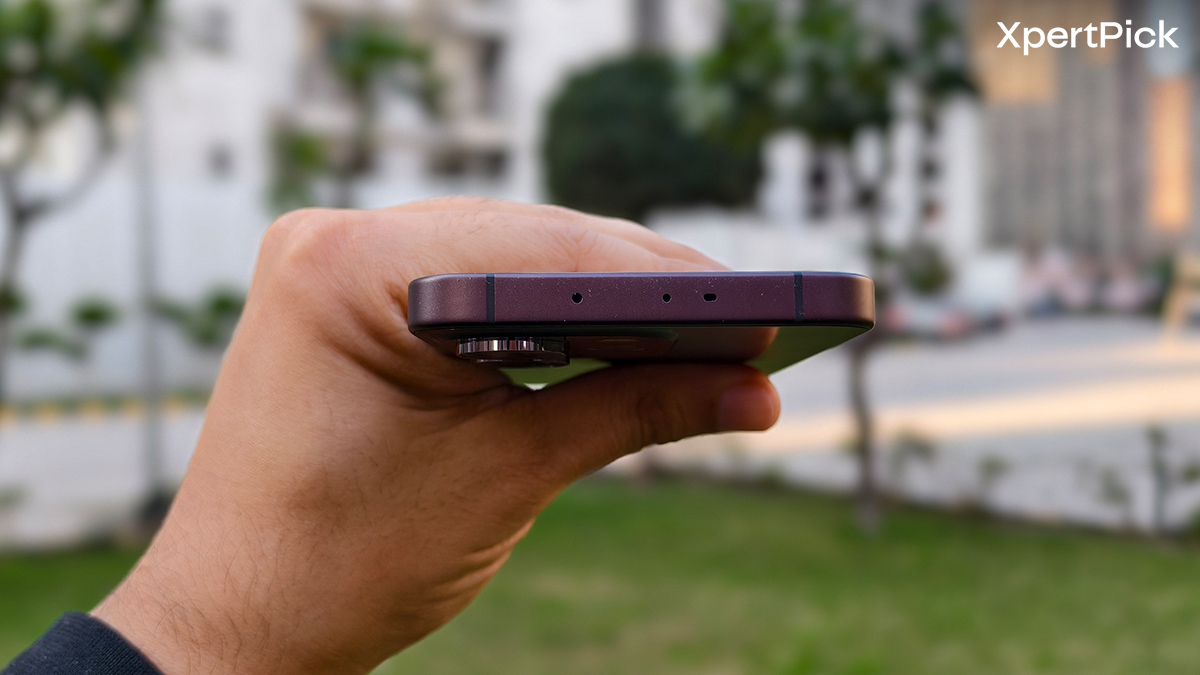
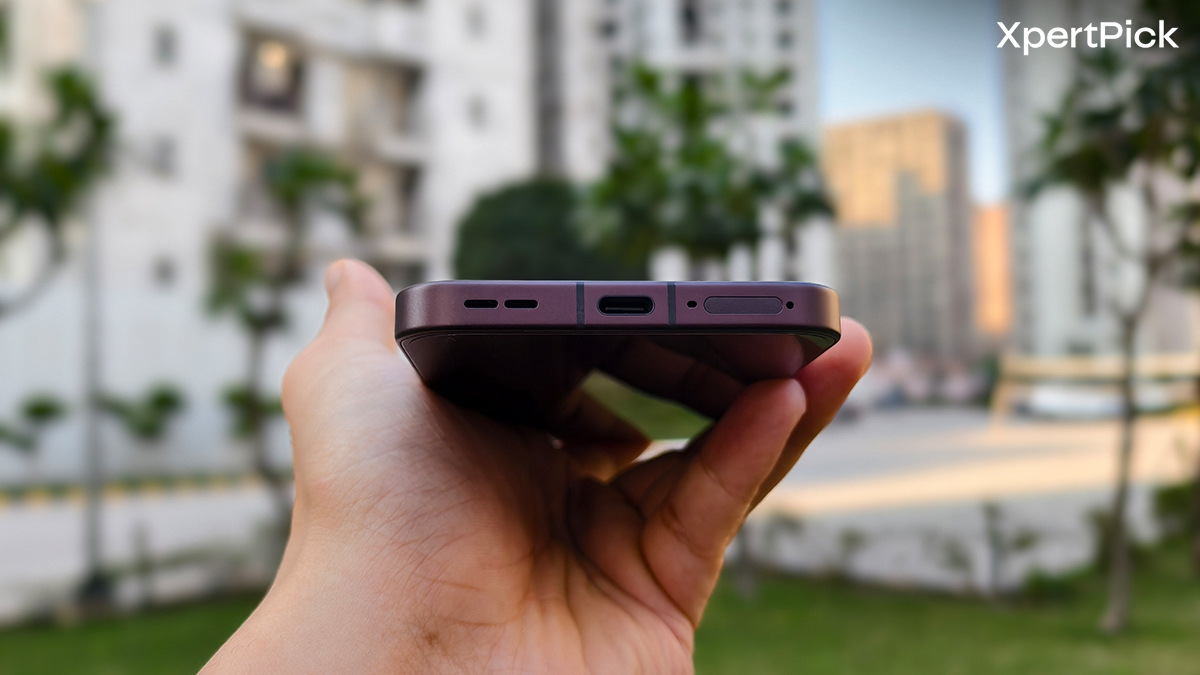
Lastly, I would also like to add that the Oppo Reno15 Pro Mini’s haptic motor handles micro vibrations very well, such as when the smartphone is ringing or receiving notifications, delivering refined vibration feedback. However, when it comes to typing, the Vivo X200T’s haptic motor offers a slightly better overall experience.
Overall, while I’m not a fan of how the Oppo Reno15 Pro Mini’s back panel looks, I do appreciate its build quality and how comfortable and compact it feels for everyday use.
Oppo Reno15 Pro Mini Display: Bright, Sharp and Easy to Use Outdoors
Oppo Reno15 Pro Mini comes with a 6.32 inches AMOLED display with 120Hz refresh rate, with as I mentioned earlier 1216 x 2640 pixels of max resolution. It also comes with a 89.5% screen-to-body ratio along with Corning Gorilla Glass 7i display protection.
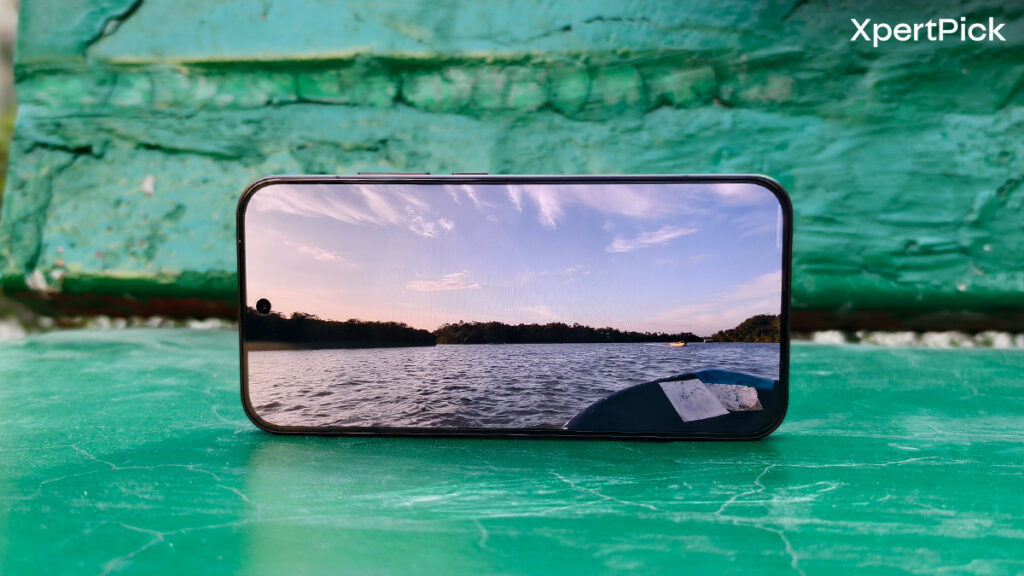
In our brightness tests, the results are mixed. The Oppo Reno15 Pro Mini lags behind the Vivo X200T in terms of auto brightness, scoring 1,135 nits compared to 1,825 nits, which is the brightness level you typically experience when stepping out into sunlight.
However, in terms of manual indoor brightness, it outperforms the X200T, reaching 840 nits compared to 686 nits. In simpler terms, the Oppo Reno15 Pro Mini can get brighter when you manually adjust brightness indoors.
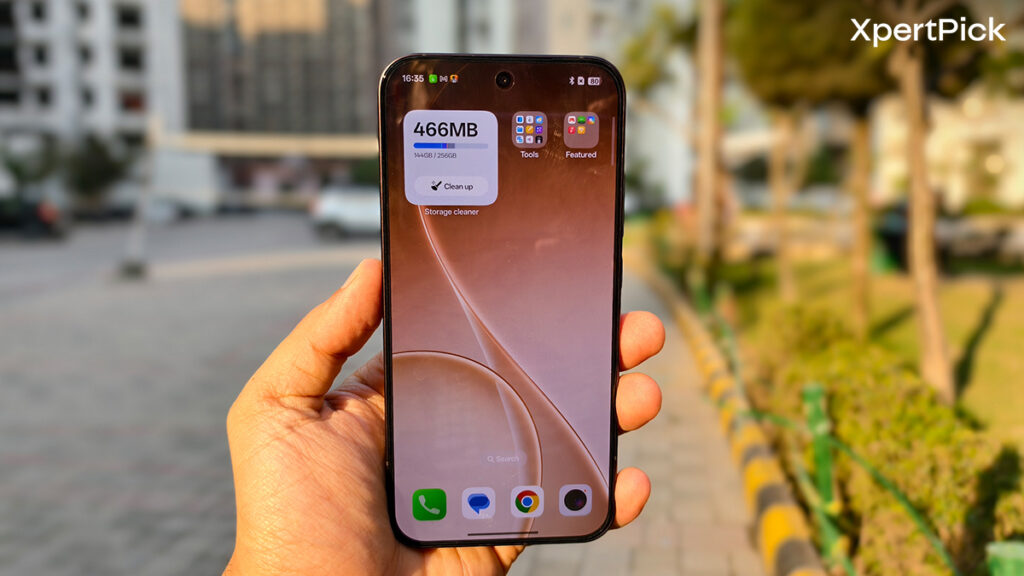
Now, you can choose the phone based on your usage. However, I can confirm that even on the Oppo Reno15 Pro Mini, everything on the screen remains easily readable, just like on the Vivo X200T, when stepping out into the sun.
Oppo Reno15 Pro Mini Camera: What the 200 MP Sensor Actually Delivers
As mentioned earlier, the Oppo Reno15 Pro comes with a triple-camera setup featuring a 200MP main sensor, a 50MP telephoto lens, and a 50MP ultrawide lens. Photos from the 200MP sensor are quite solid. In scenes with a lot of visual information, such as busy streets, the main camera captures details very accurately, including license plates of cars parked at a distance, text on posters placed high up, and small fine prints on hoardings on.
In this regard, the Oppo Reno15 Pro Mini is clearly better than the Vivo X200T. However, the latter excels in portrait shots. Especially when it comes to objects with depth, such as a car’s side mirrors, the Vivo X200T performs exceptionally well. Its edge detection and overall image sharpness are noticeably better compared to the Reno15 Pro Mini.



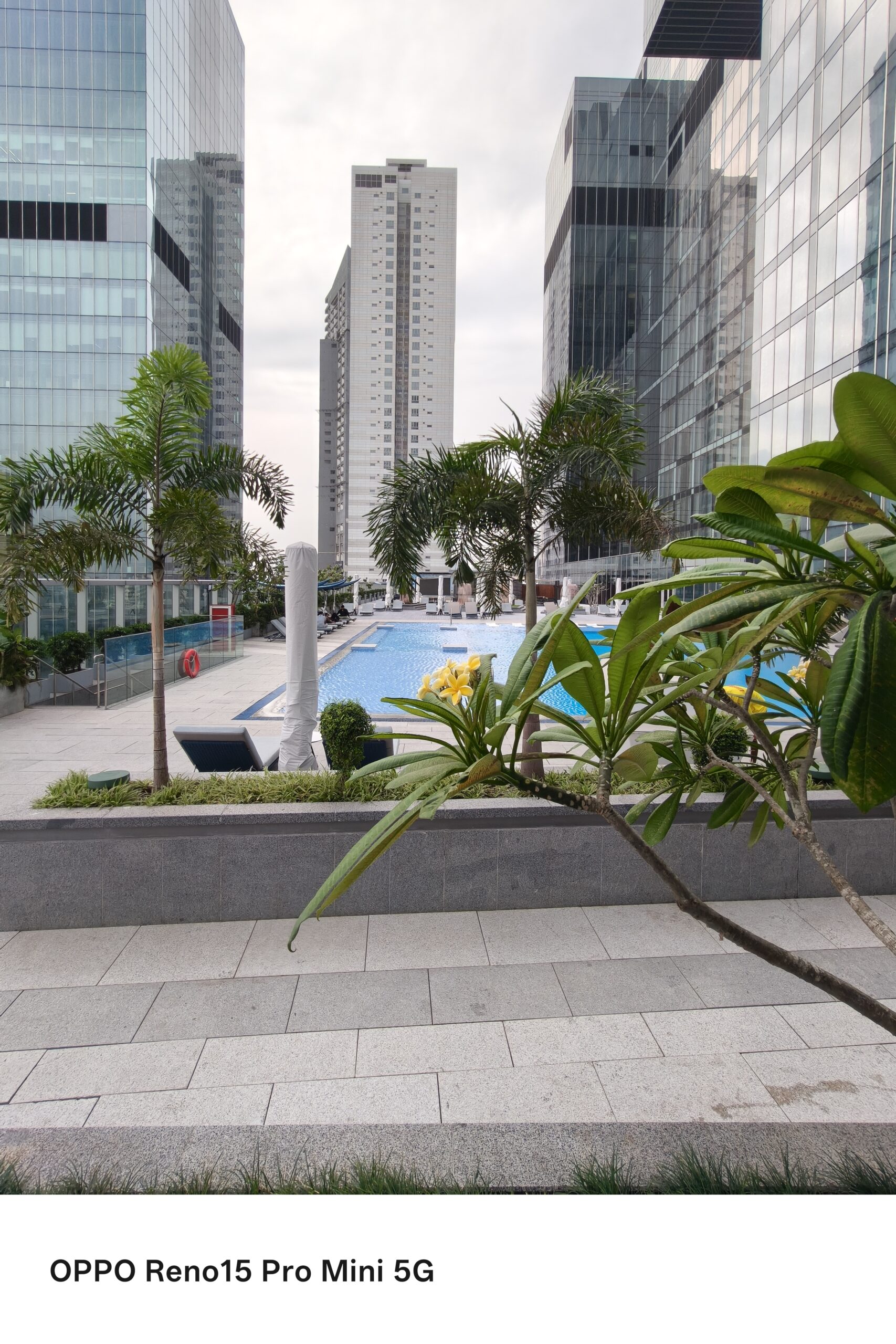
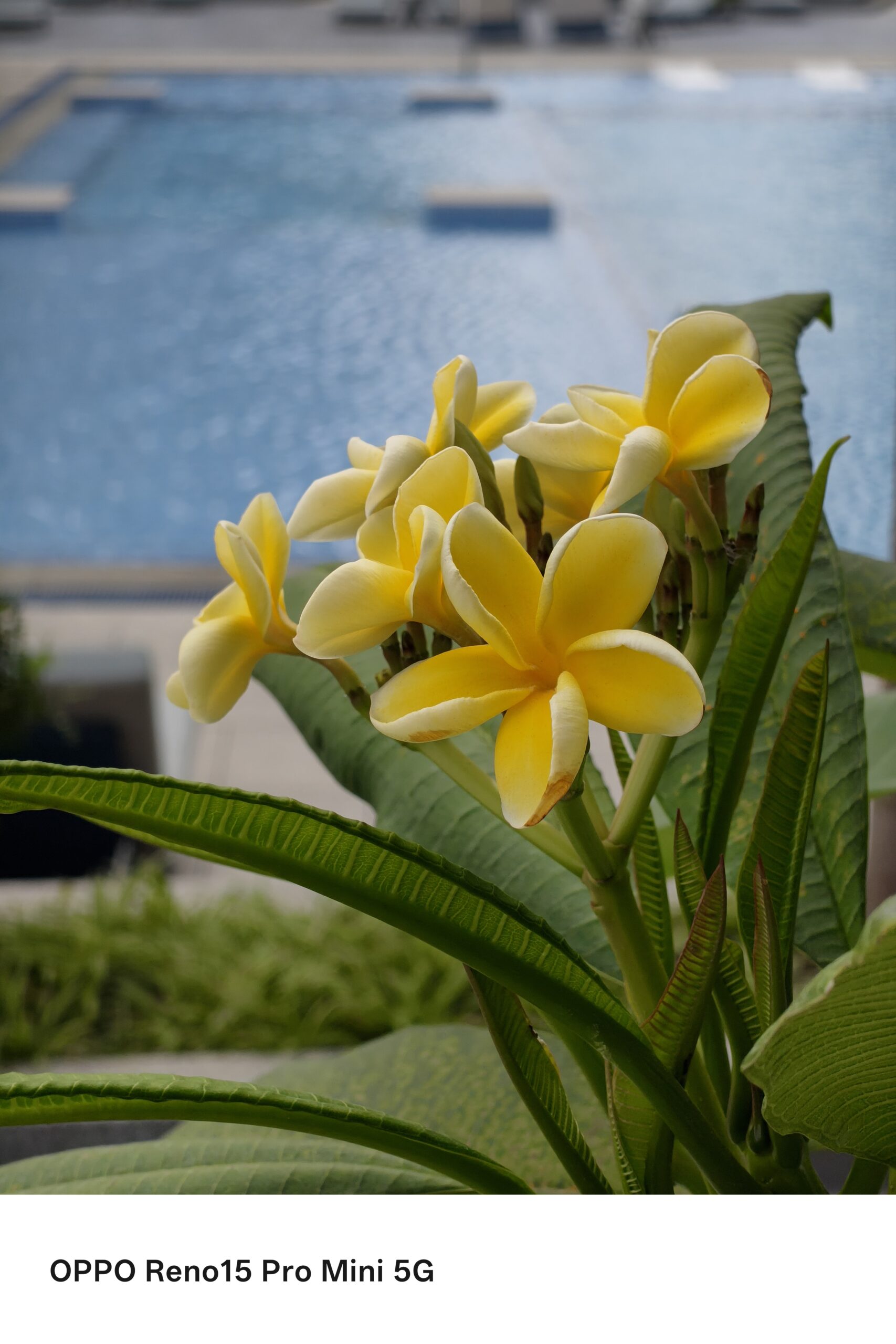
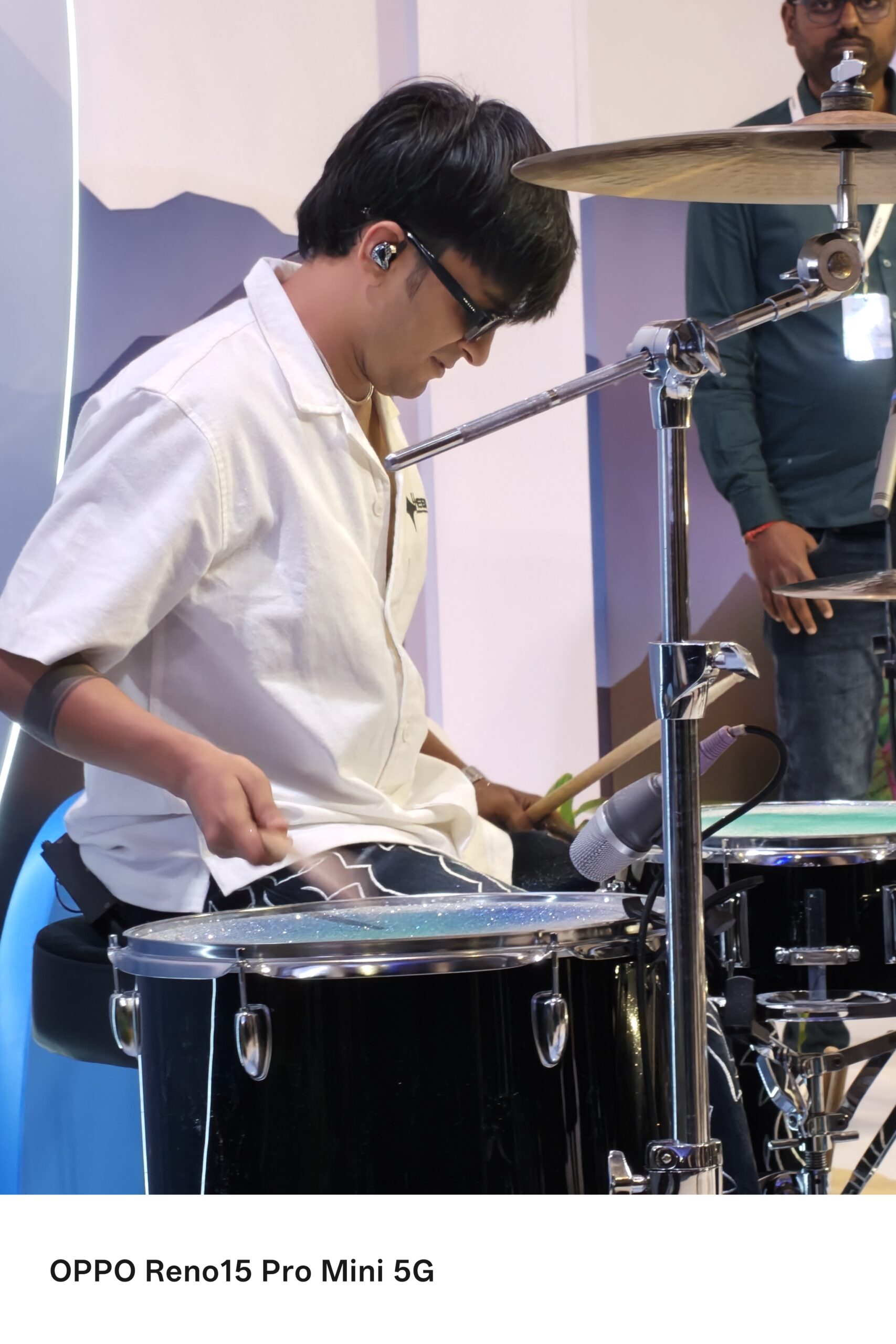
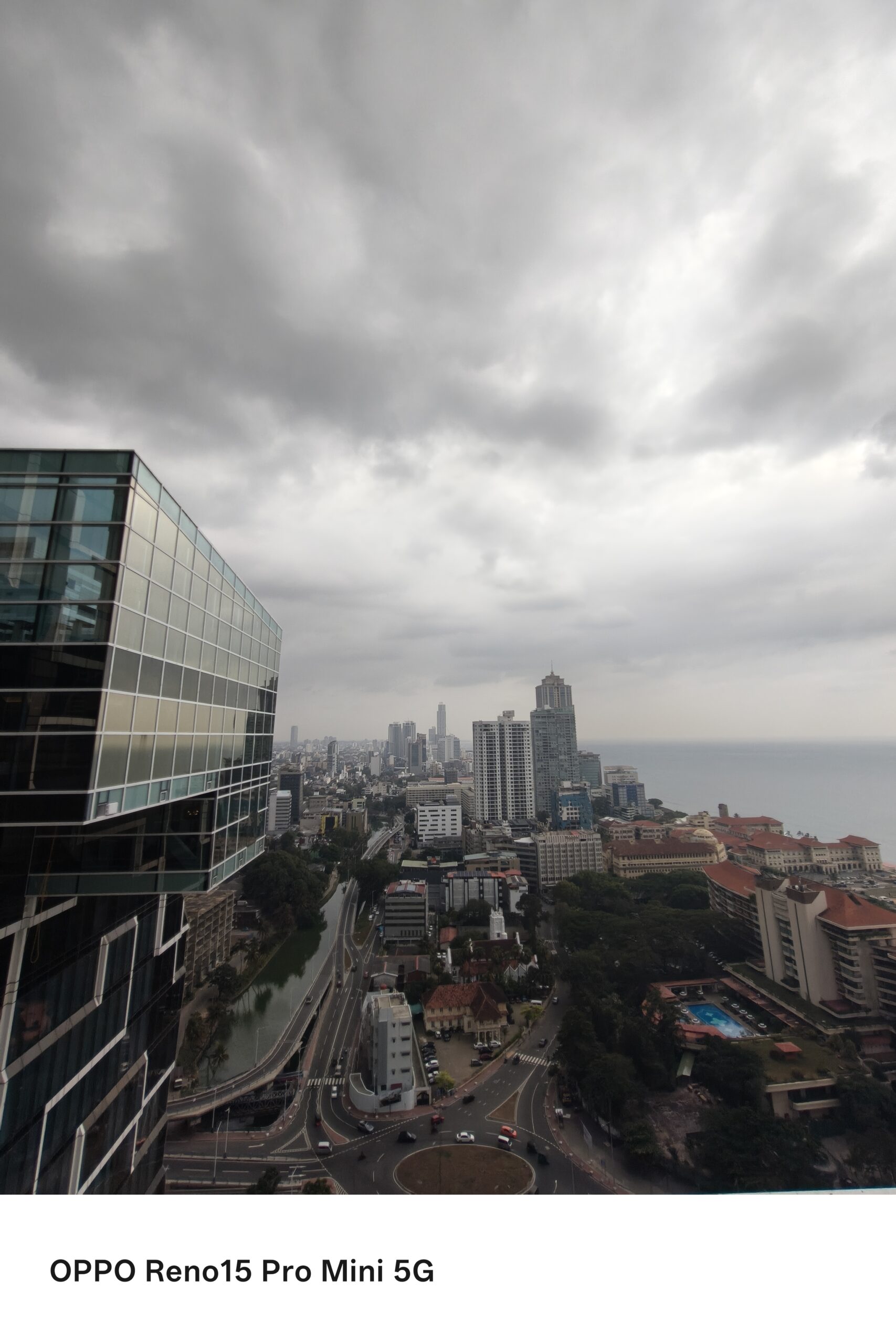


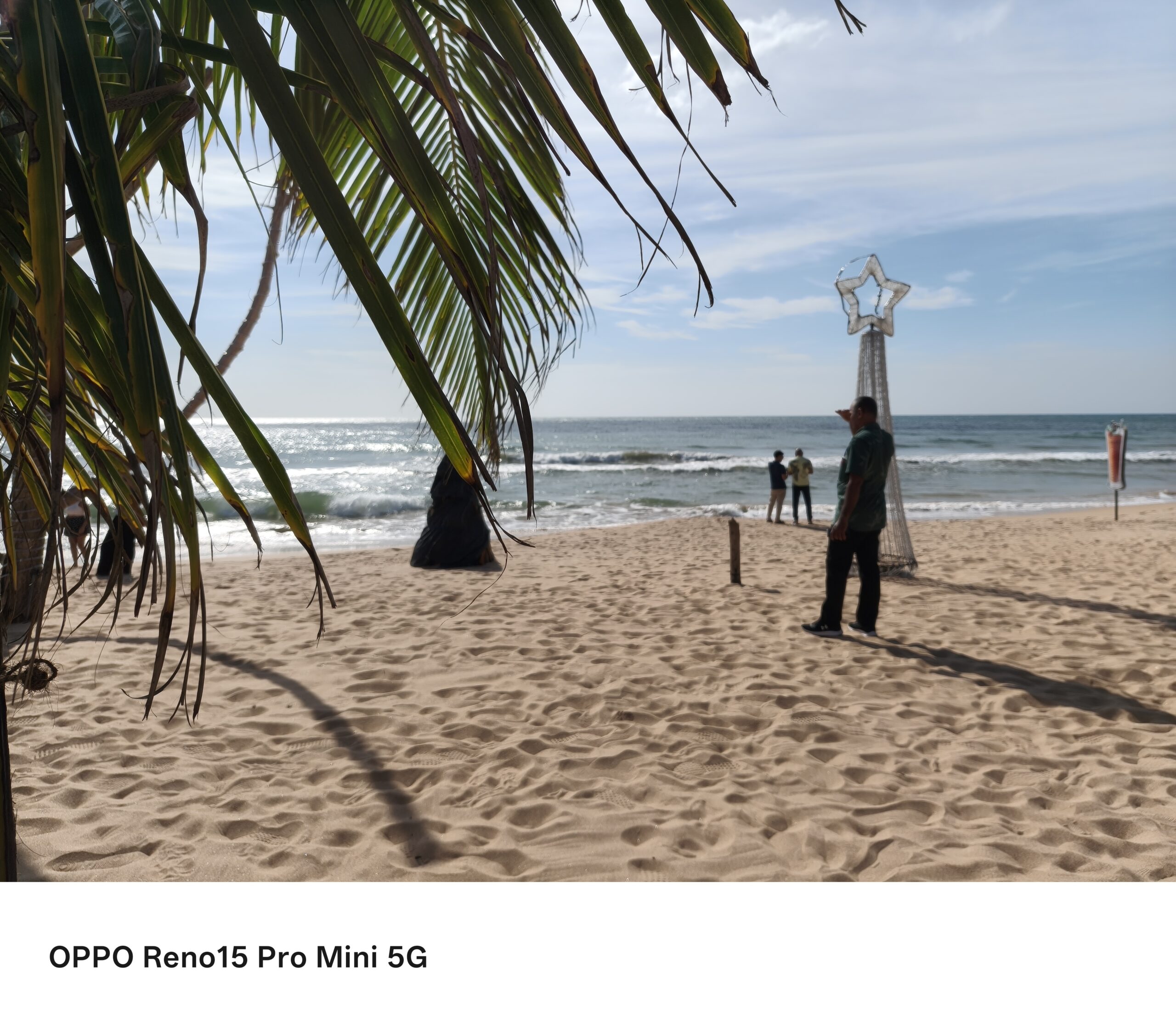

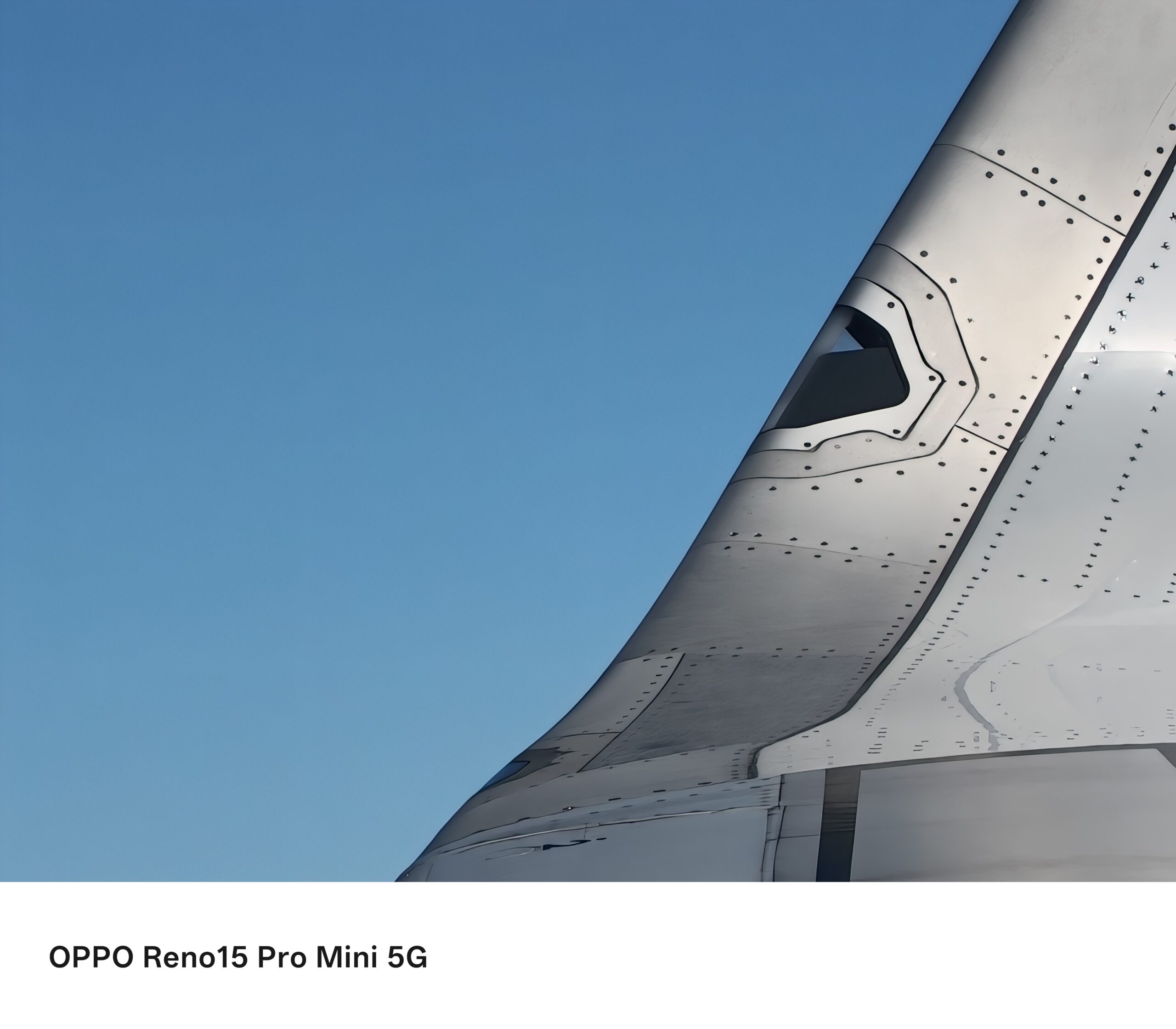
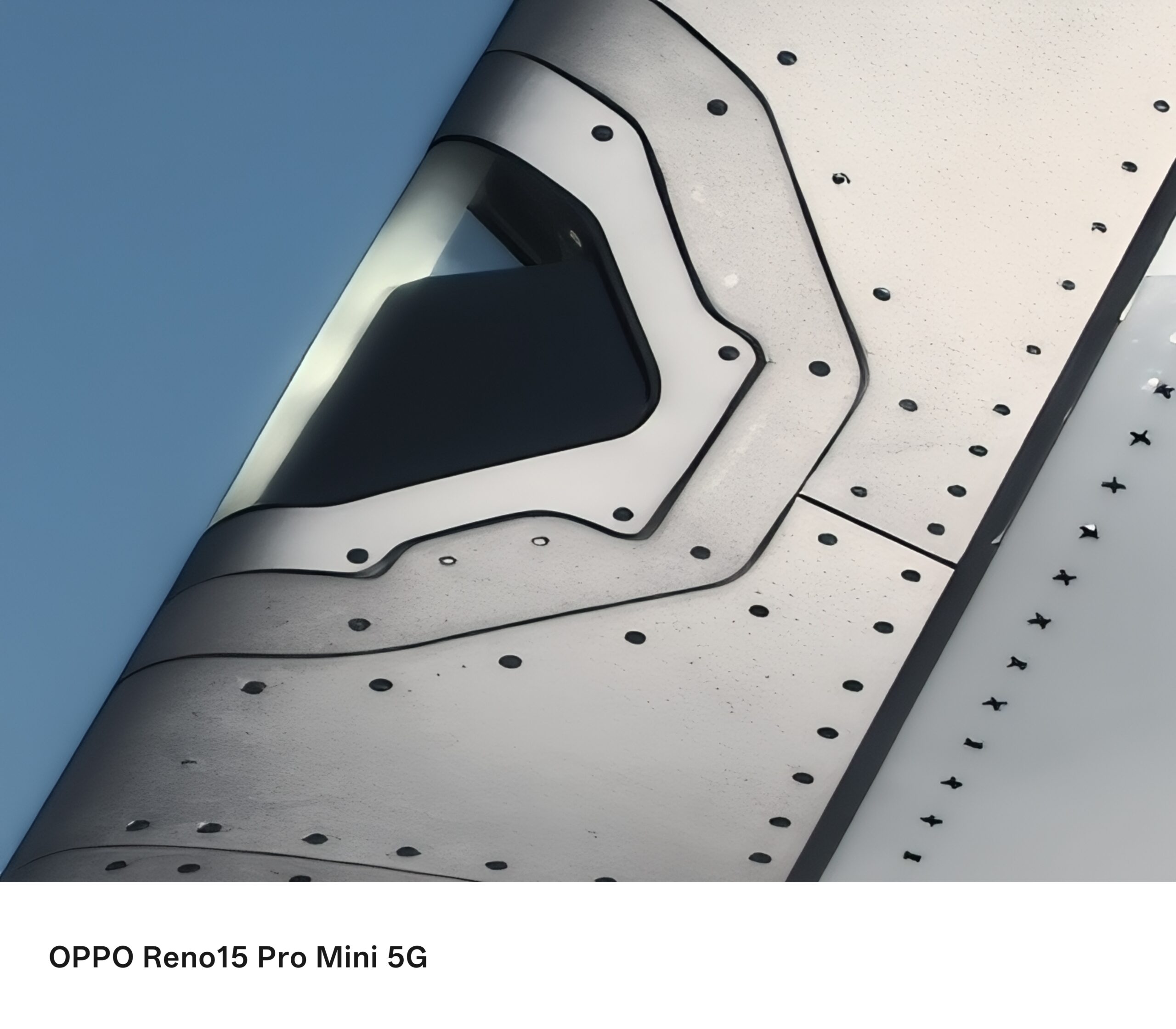

The X200T does tend to overexpose images at times, and that is where the Oppo Reno15 Pro stands out with its consistency. However, even if you are an amateur photographer or have experience with smartphone photography, you likely won’t face major issues getting properly exposed shots from the X200T.






Similarly, in videos, the Oppo Reno15 Pro Mini takes the lead thanks to its 200MP main lens, which captures footage with relatively more detail. Its lens switching between the main, telephoto, and ultrawide cameras is also much smoother compared to the lens switching on the X200T.
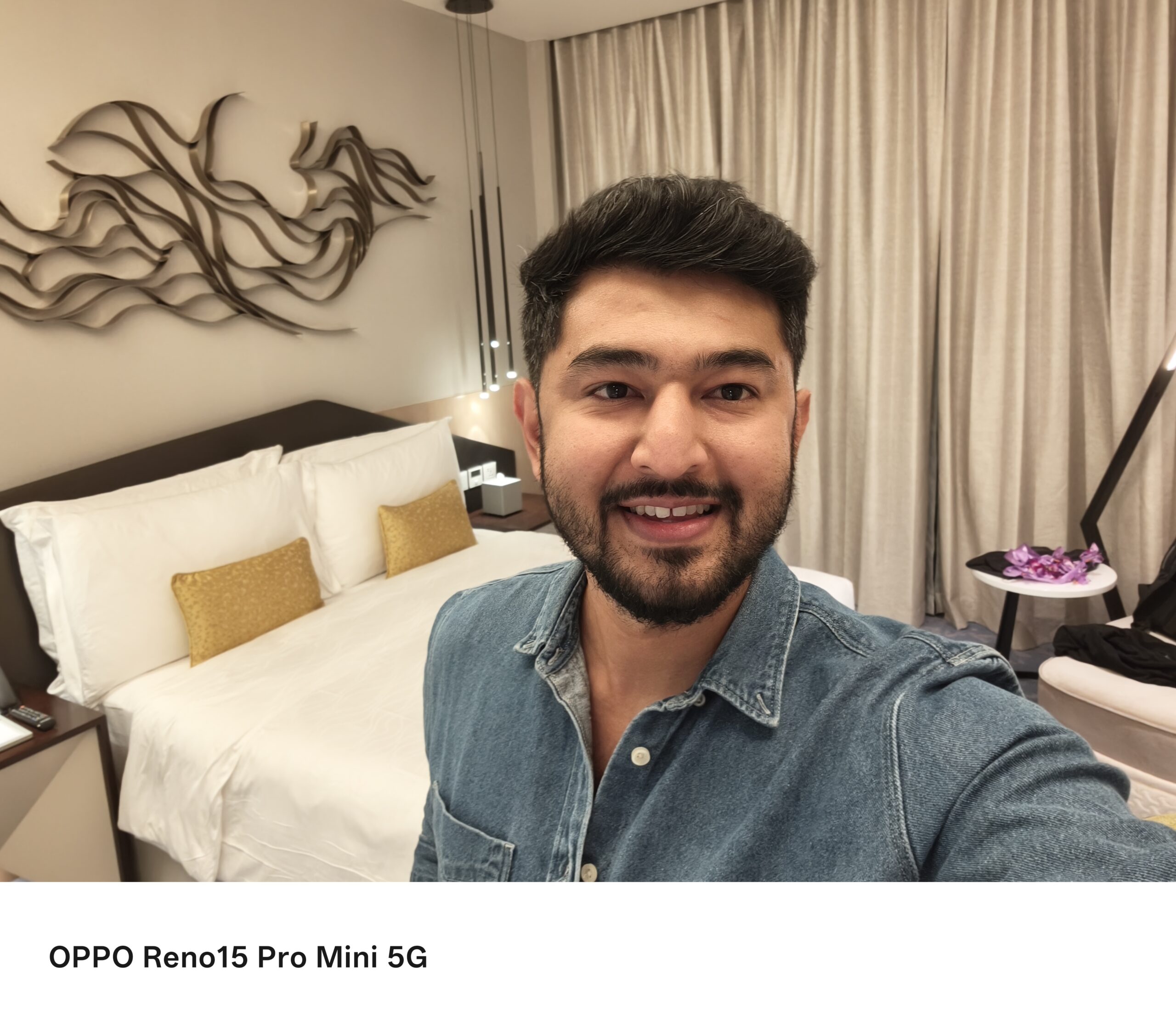
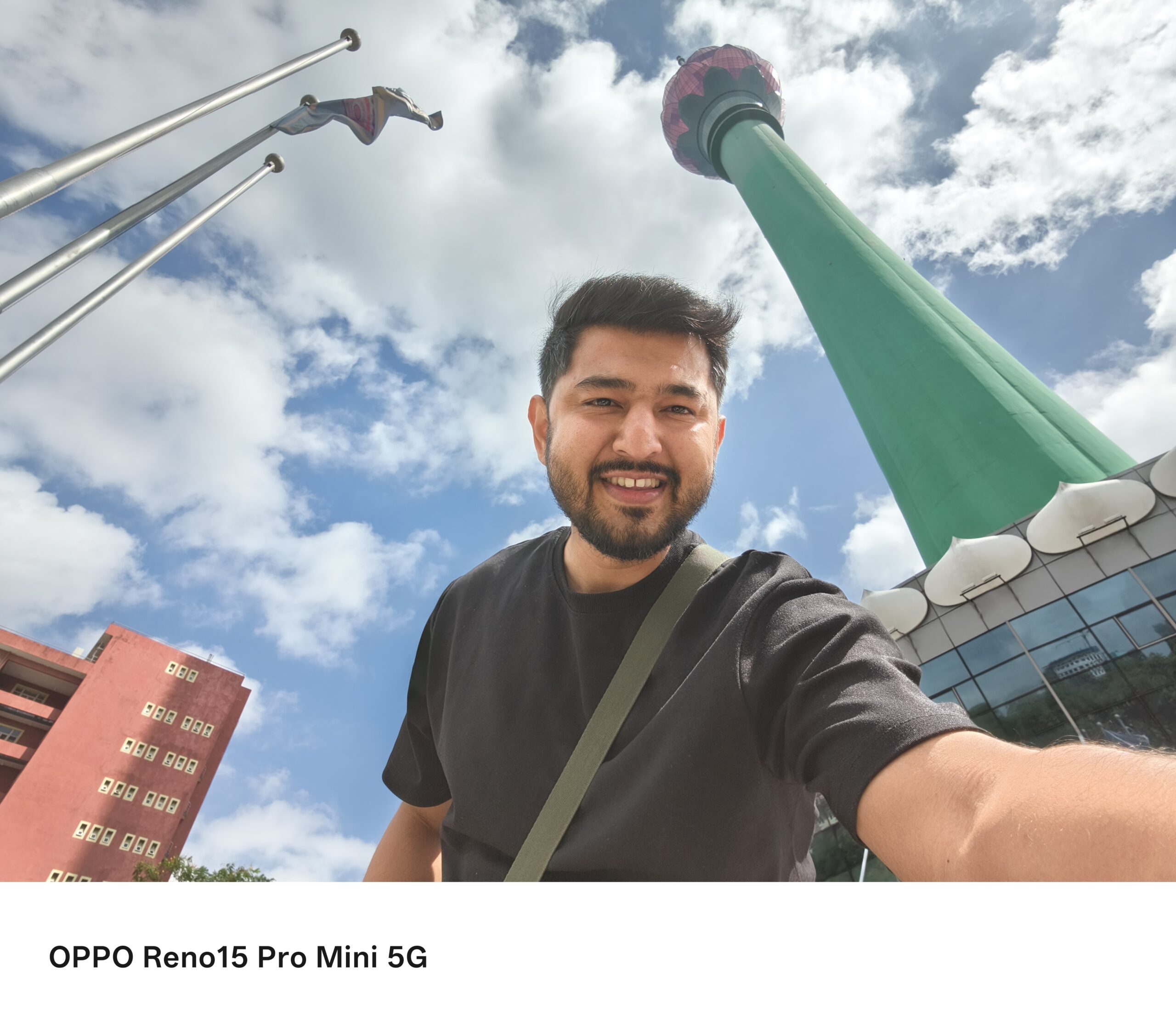
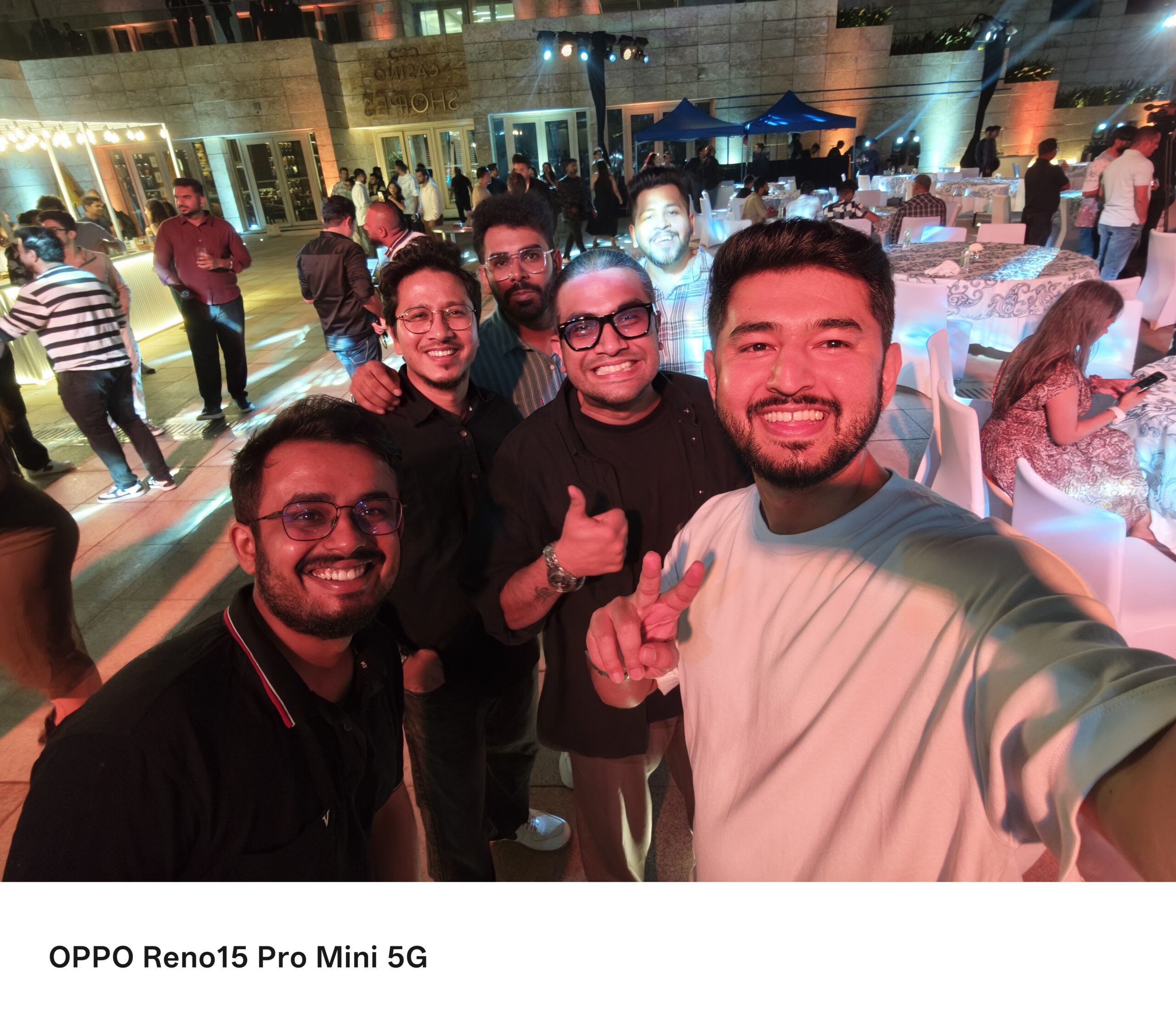
The Oppo Reno15 Pro Mini once again takes the lead in the selfie department, thanks to its 50MP ultrawide front camera that supports 1x and 2x zoom. Selfies from the Reno15 Pro Mini capture noticeably more detail and work particularly well in situations where you need to fit multiple people into the frame without much space.
In short, the Oppo Reno15 Pro Mini is the better camera phone, while the Vivo X200T only outperforms it in portrait photography.
Oppo Reno15 Pro Mini Benchmark, Gaming and Thermals: Smooth Daily Usage, Mixed Gaming Results
When it comes to raw performance, the Oppo Reno15 Pro Mini is what I’d call a fairly mid-range phone. It is powered by the MediaTek Dimensity 8450, an octa-core chipset announced on May 15, 2025, and manufactured using a 4 nm process. And you can see from the cores layout that the single Cortex-A725 core at 3.25 GHz acts as the prime core for heavy tasks, the three Cortex-A725 cores at 3.0 GHz handle sustained performance workloads, while the four Cortex-A725 cores at 2.1 GHz function as efficiency cores for background tasks and better battery optimisation.
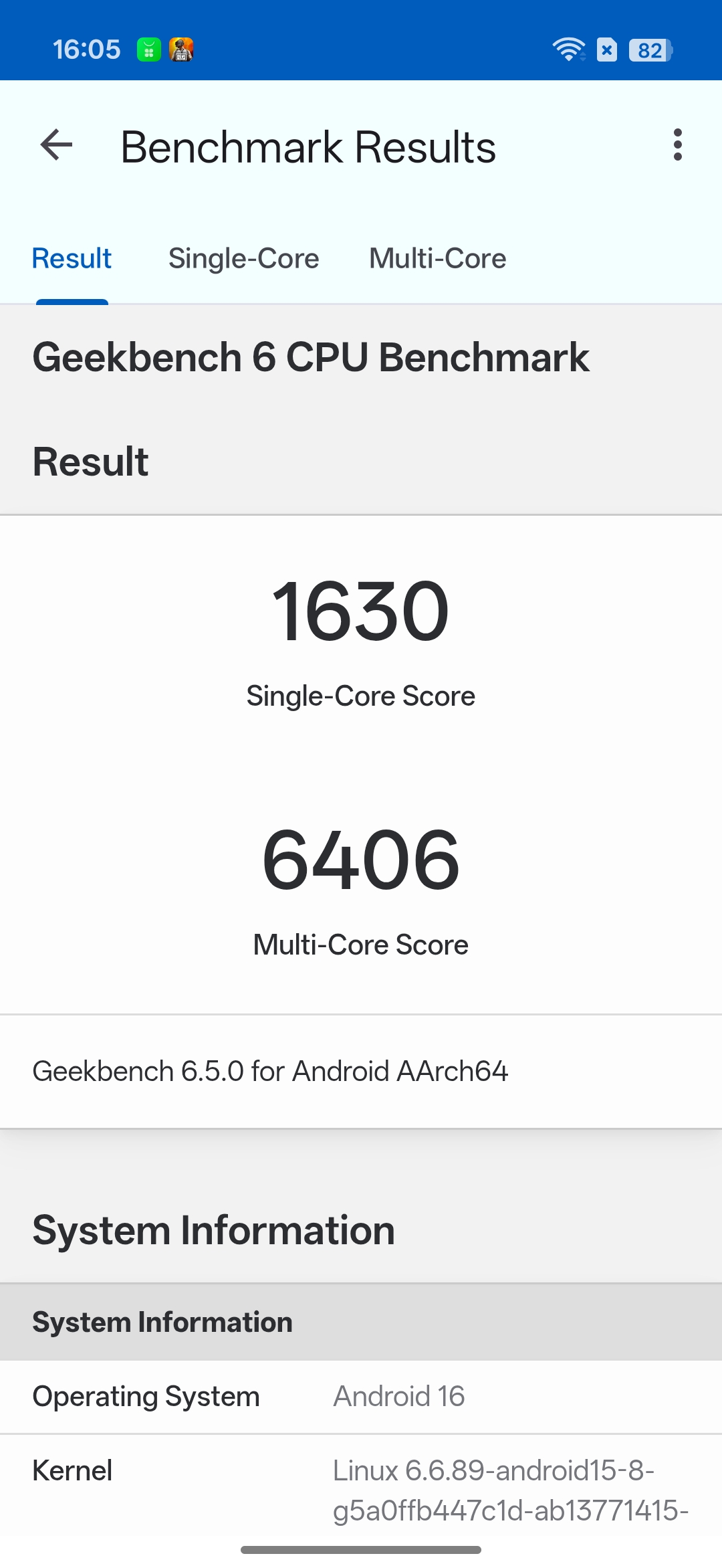
In Geekbench 6, the Oppo Reno15 Pro Mini scores 1,630 in single-core and 6,406 in multi-core performance. This is significantly lower than the Dimensity 9400+ in the Vivo X200T, which scores 2,759 in single-core and 8,334 in multi-core tests.
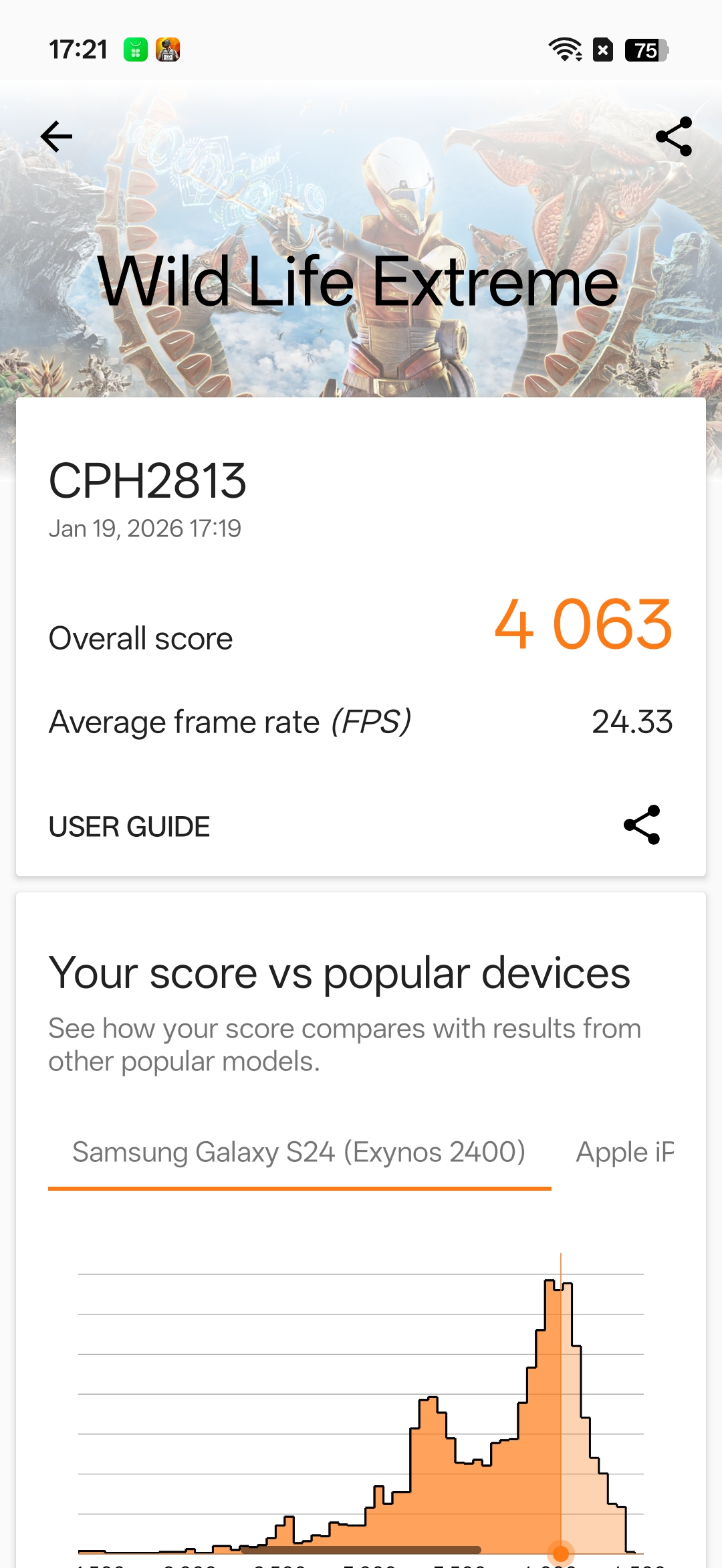
Similarly, when it comes to graphics performance, the Reno15 Pro Mini scored 4,063 in the 3DMark Wildlife Extreme test, which simulates gaming scenarios. However, the Dimensity 9400+ in the Vivo X200T still leads, scoring 6,756 in the same test.
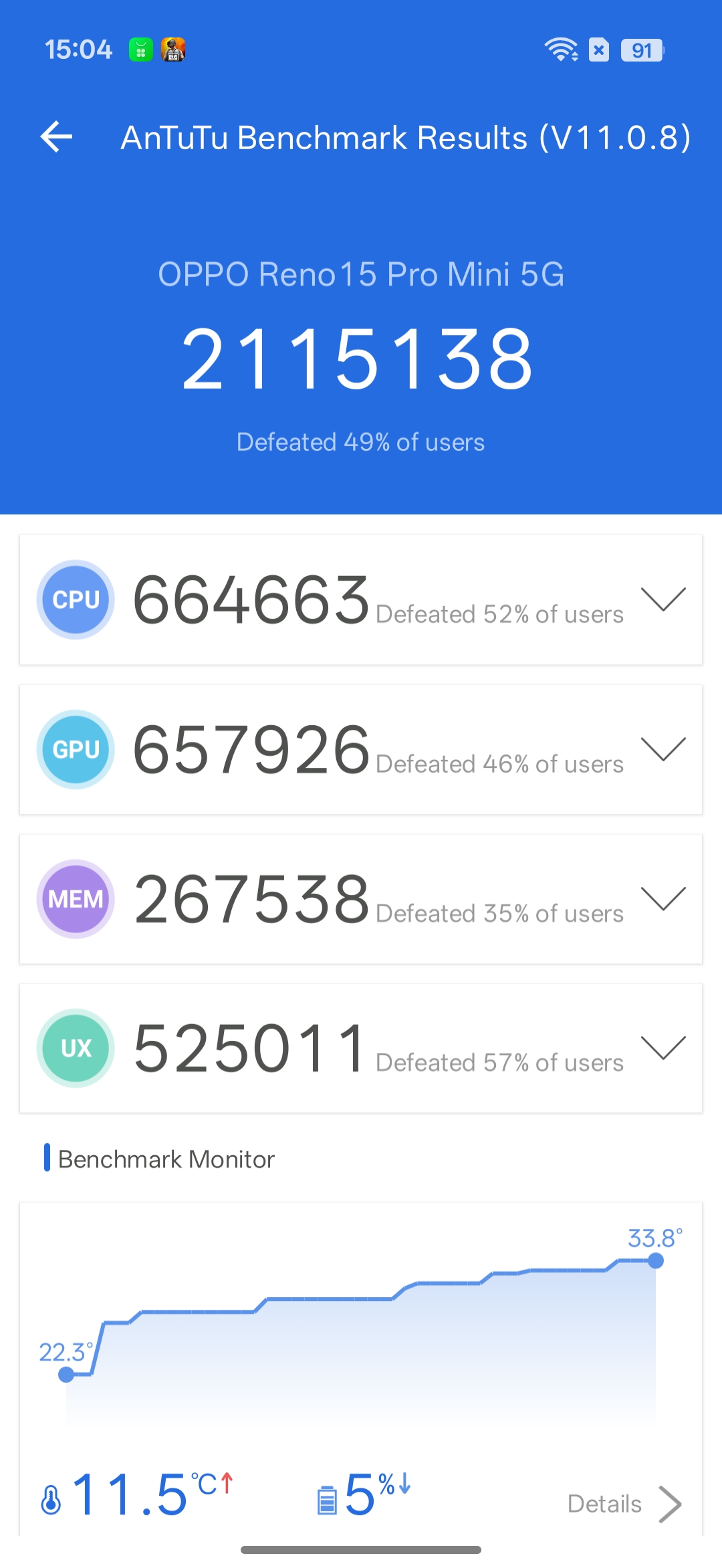
Here’s how it performs in Anutu and other AI benchmarks
AnTuTu overall: 2,115,138
AnTuTu CPU: 664,663
AnTuTu GPU: 657,926
Geekbench single-core: 1,630
Geekbench multi-core: 6,406
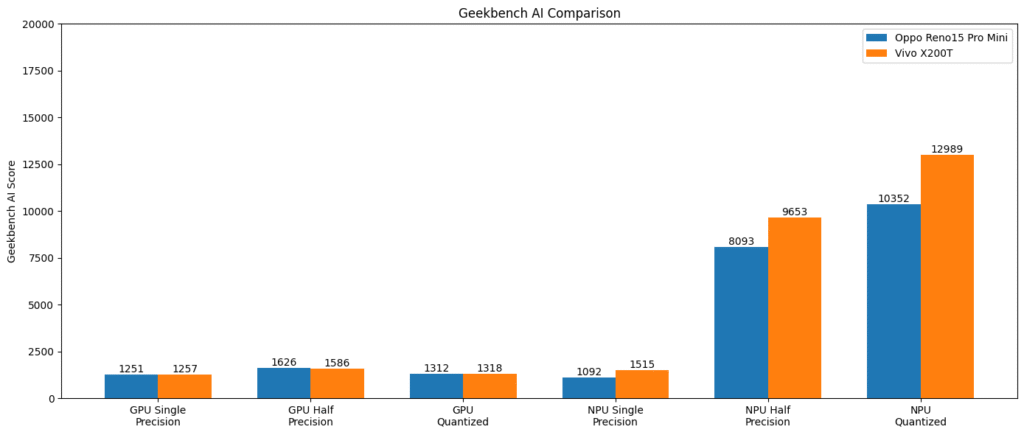
The Oppo Reno15 Pro Mini focuses on giving you AI features that work smoothly in daily life without trying to be overly powerful. This helps the phone stay balanced, meaning it performs reliably, manages battery well, and keeps things stable for regular tasks like camera processing, voice features, and smart software improvements.
The Vivo X200T, on the other hand, is built to handle heavier and more advanced AI tasks. It has a stronger dedicated AI engine inside, which helps it process things like camera enhancements, live translations, smart assistants, and future AI features faster and more efficiently. This also makes it slightly more future-ready as phones increasingly rely on AI for new features.
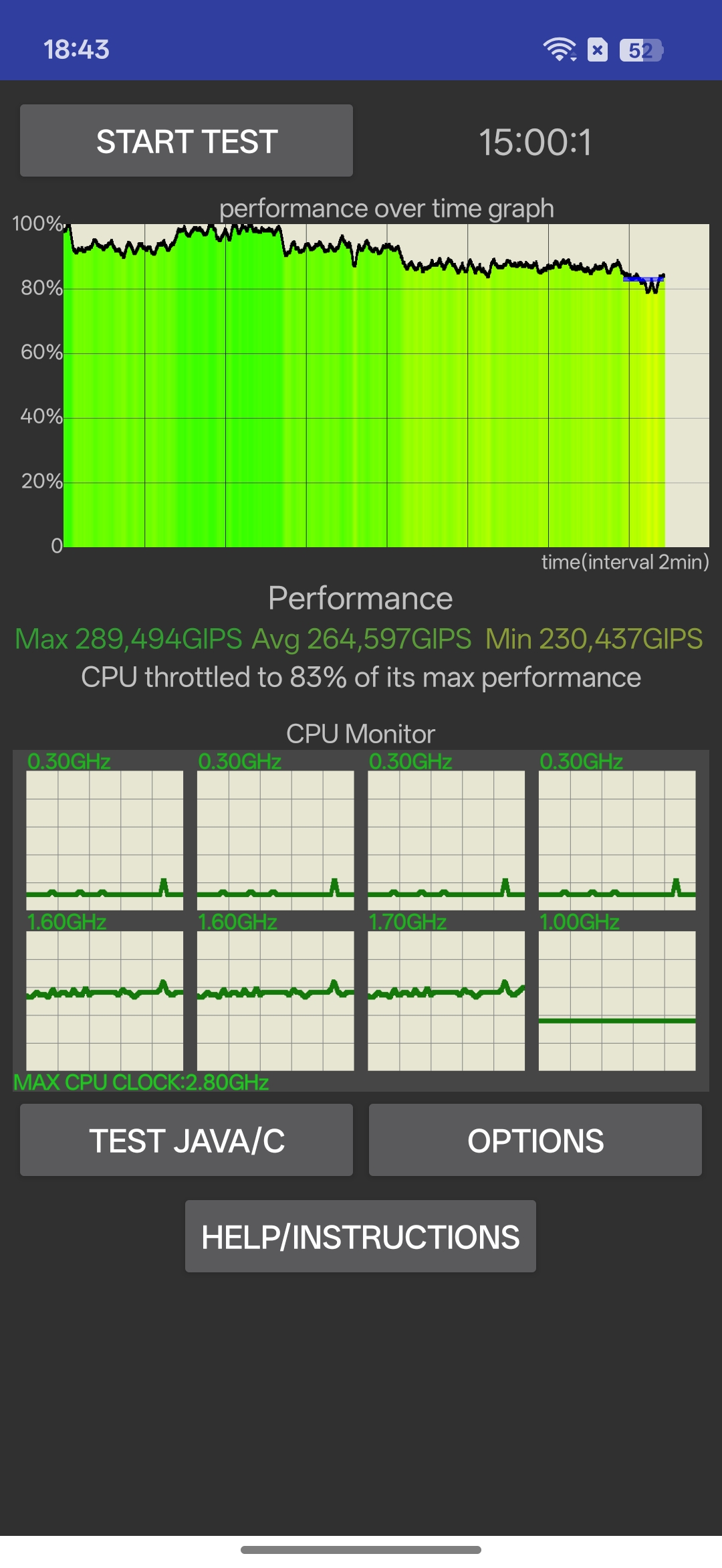
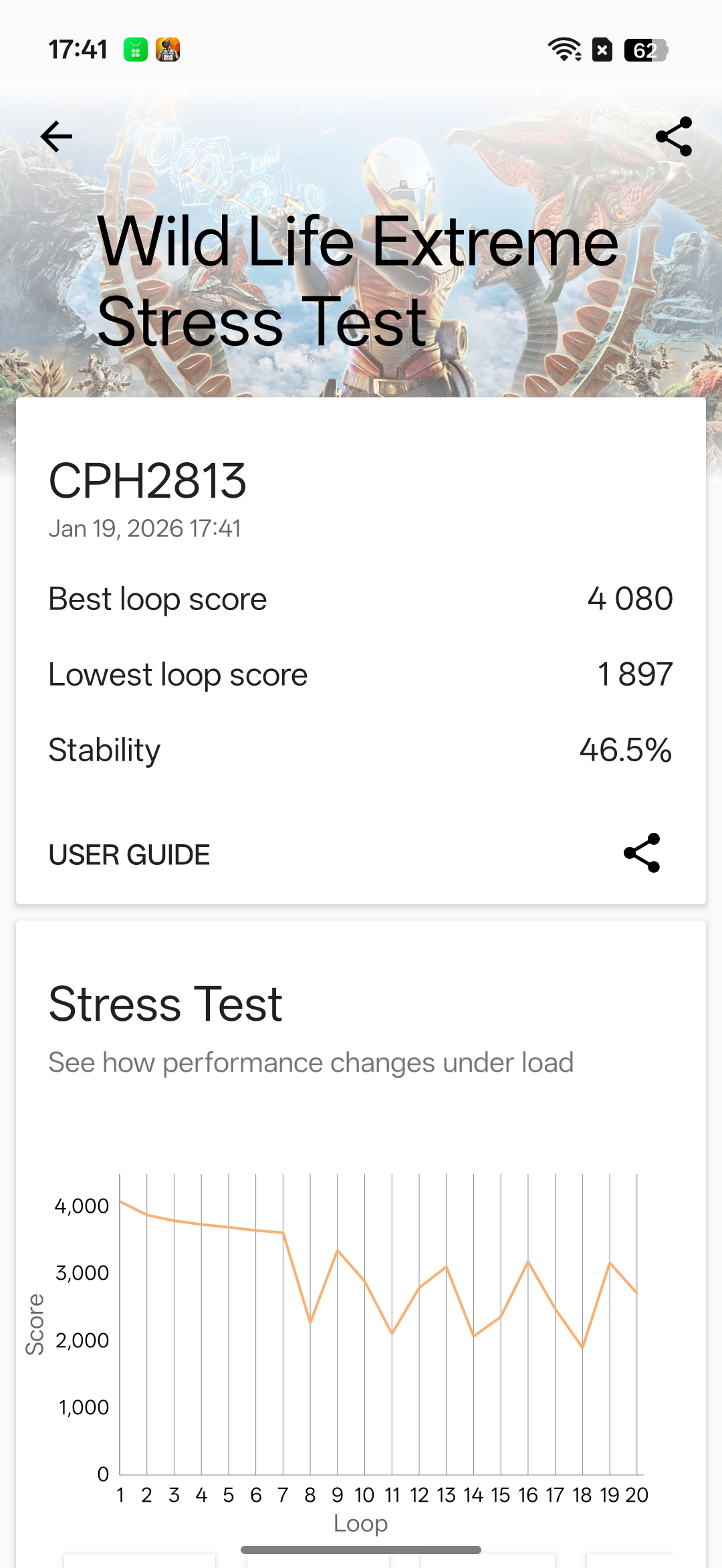
That’s not all, as the Vivo X200T also surpasses the Oppo Reno15 Pro Mini in thermal stability, scoring 73.8% in the 3DMark Wildlife Extreme Stress Test compared to 46.5%.
The same is reflected in gaming tests as well, in which the Oppo Reno15 Pro Mini scores an average of 89.1 FPS with 78.2 FPS 5% lows in BGMI on the lowest graphics settings during a 45-minute session, compared to the Vivo X200T’s 118.3 FPS average and 103.7 FPS 5% lows. In Minecraft on the highest settings, the Reno15 Pro Mini delivers 44.1 FPS average with 21.5 FPS 5% lows, while the Vivo X200T achieves 59.3 FPS average and 51.5 FPS 5% lows.
Lastly, the Reno15 Pro Mini further scored only 49 FPS on average with 13.7 FPS 5% lows in Genshin Impact at high graphics with 60 FPS settings. In Asphalt 9 on the highest graphics settings, it achieved an average of 57.3 FPS with 13.2 FPS 5% lows, indicating noticeable frame drops during demanding gameplay moments.
Oppo Reno15 Pro Mini Battery Life: Strong Endurance With Fast Charging
The Oppo Reno15 Pro Mini lasts around 17 hours thanks to its 6,200 mAh battery. This usage figure is based on mixed usage, including gaming, calling, texting, video calls, photography, navigation, and other everyday tasks.
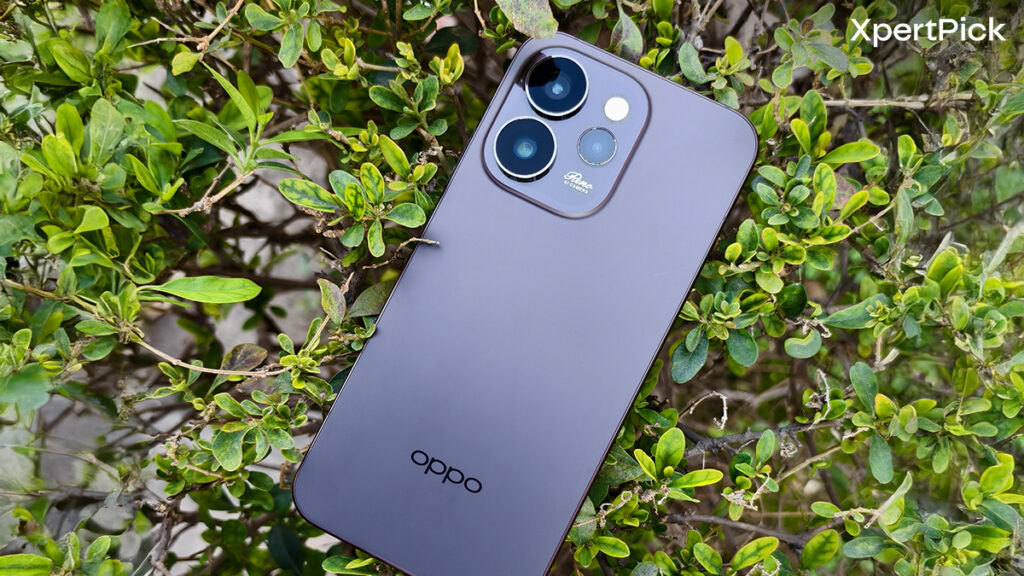
This level of battery life is quite good and is almost in line with premium phones like the iPhone 17 and the Vivo X200T. Recently, this has become a trend, with most premium and sub-premium smartphones comfortably delivering full-day battery life, especially due to advancements such as silicon-carbon battery technology.
Moreover, the smartphone supports 80W SuperVOOC fast charging, which took around 53 minutes to charge from 0 to 100% in our test.
Oppo Reno15 Pro Mini Verdict: A Camera-First Compact Phone
Summarising the Oppo Reno15 Pro Mini is fairly straightforward. It is a strong camera-focused smartphone under ₹60,000. The 200 MP primary camera captures a high level of detail, while the 50 MP selfie camera is a major advantage, especially for users who create content using the front camera. The ability to shoot 4K 60 FPS video is also valuable in this price range. Additionally, the phone’s bright display, compact size, and lightweight form factor help make it feel like good value for money.
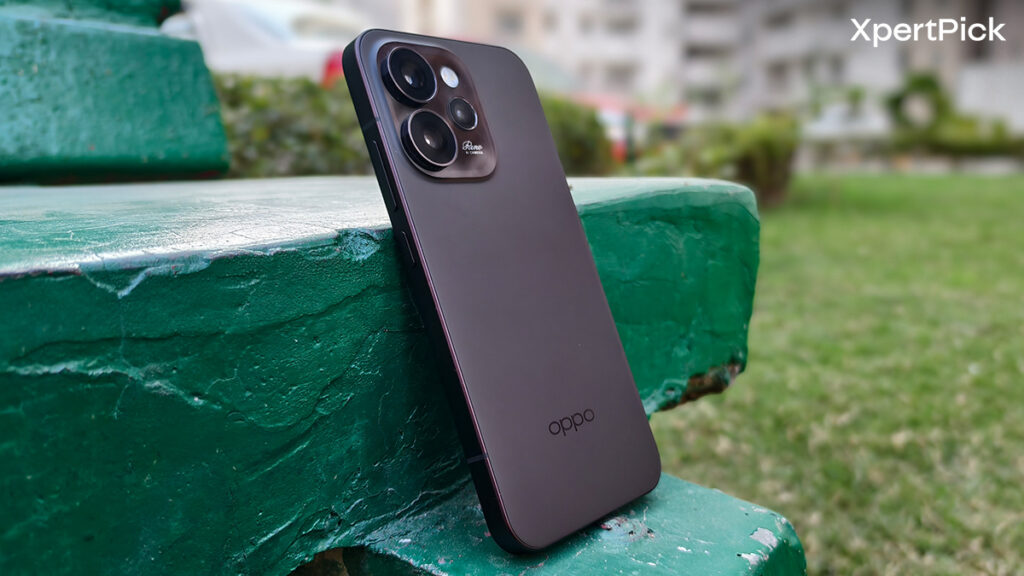
However, it is not the most well-rounded smartphone in this segment. It falls behind in raw performance, and gaming performance is not particularly strong. The phone is clearly tuned more towards photography and videography, and that is perfectly acceptable.
My advice would be to consider the Oppo Reno15 Pro Mini if you want a strong camera smartphone in a compact form factor. However, it should not be purchased with expectations of top-tier performance, as that is not what the device is designed to deliver.