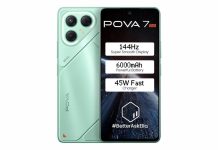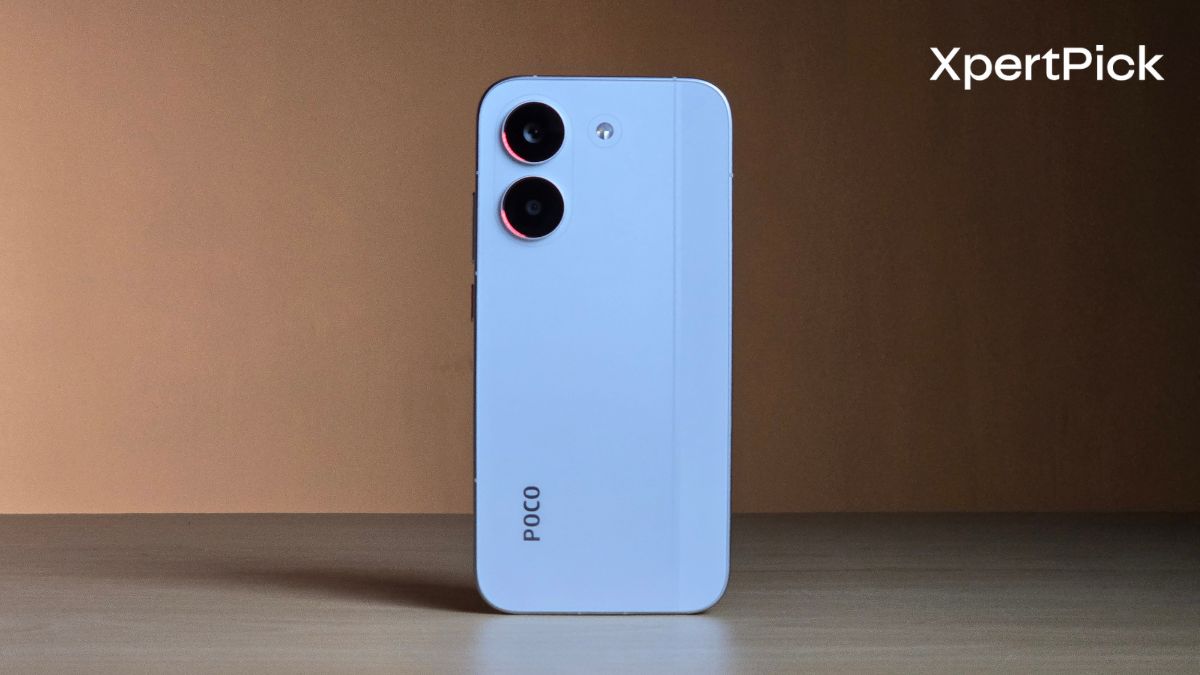
The POCO X-series has long been synonymous with aggressive styling and raw gaming power, but the new POCO X8 Pro marks a surprising shift. Shedding the flashy racing stripes of its predecessors, this latest device embraces a refined, significantly more mature design.
However, you should not let the clean, understated aesthetic fool you. Beneath its polished exterior and premium display lies a hardware upgrade so substantial that it does not just compete in the mid-range market, it actively crushes its closest rivals. Here is a closer look at why the POCO X8 Pro might just be the most deceptively powerful smartphone in its class.
POCO X8 Pro (12GB Version) Specifications
-
Processor (CPU): MediaTek Dimensity 8500 Ultra (built on a 4 nm process)
-
Graphics (GPU): Mali-G720 MC8
-
RAM: 12 GB LPDDR5X
-
Storage: 256 GB UFS 4.1
-
AI Processing (NPU): Dedicated MediaTek NPU for on-device AI tasks (Google Gemini, Circle to Search, AI Writing, AI Speech Recognition)
-
Display: 6.59-inch 1.5K LTPS AMOLED, 120 Hz refresh rate, 3,840Hz PWM dimming, Corning Gorilla Glass 7i
-
Build & Design: 8.38 mm thickness, 201.47 grams, pill-shaped camera module, IP69K rating
-
Colours: Mint Green, White, Black
-
Cameras: 50 MP primary (Sony IMX882, f/1.5, OIS), 8 MP ultra-wide (f/2.2), 20 MP front
-
Video: Up to 4K at 60 fps (Rear), 1080p at 60 fps (Front)
-
Battery: 6,500 mAh (with 100W HyperCharge fast charging)
-
Audio: Hybrid stereo speakers (bottom-firing + amplified earpiece) with Dolby Atmos
-
Connectivity: Wi-Fi 7, Bluetooth 6.0
-
Ports: USB-C (no 3.5 mm headphone jack)
Design and Build: A Cleaner, More Mature Approach with Practical Durability
When it comes to the POCO X8 Pro, the biggest surprise is not just what sits inside the phone, but how well-balanced the overall package appears on paper. POCO seems to be aiming for a more polished and mature approach this time, with a design that looks cleaner and less aggressive than some of its earlier X-series devices.
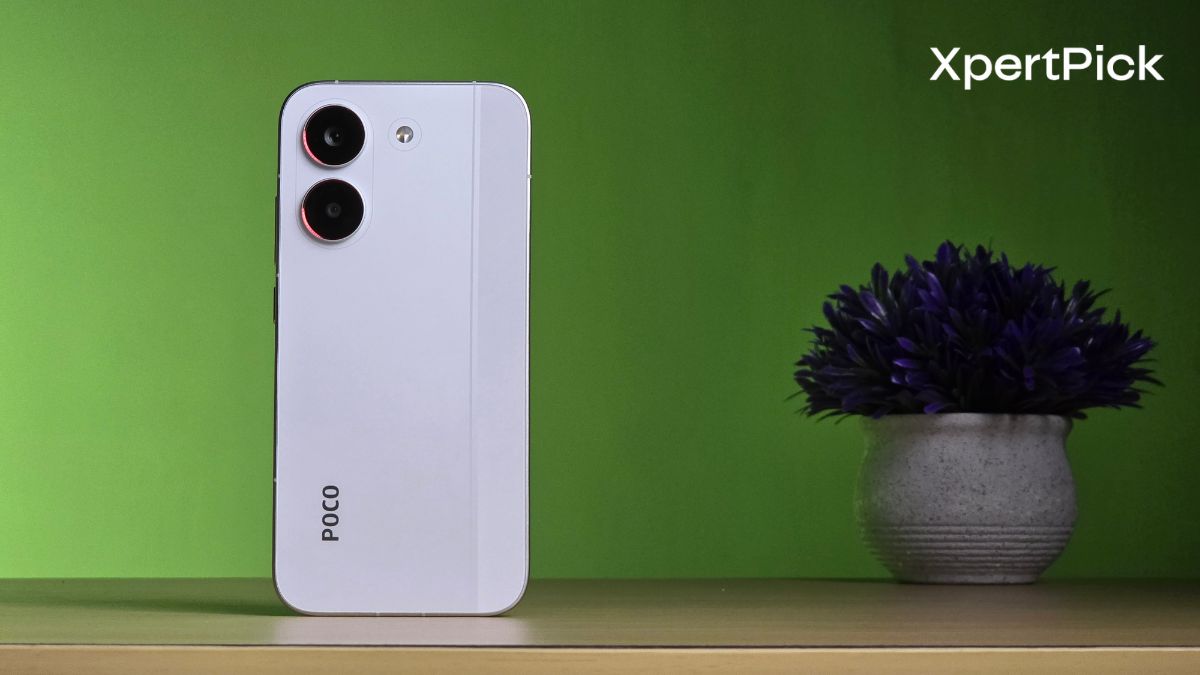
POCO has clearly toned things down this time. The loud, flashy racing-stripe aesthetic from older models is gone, replaced by a cleaner and more restrained look. The design feels more minimal overall, with a sleek pill-shaped camera module on the back. The phone is available in Mint Green, White, and Black, with the White option standing out as the sharpest and cleanest of the three.
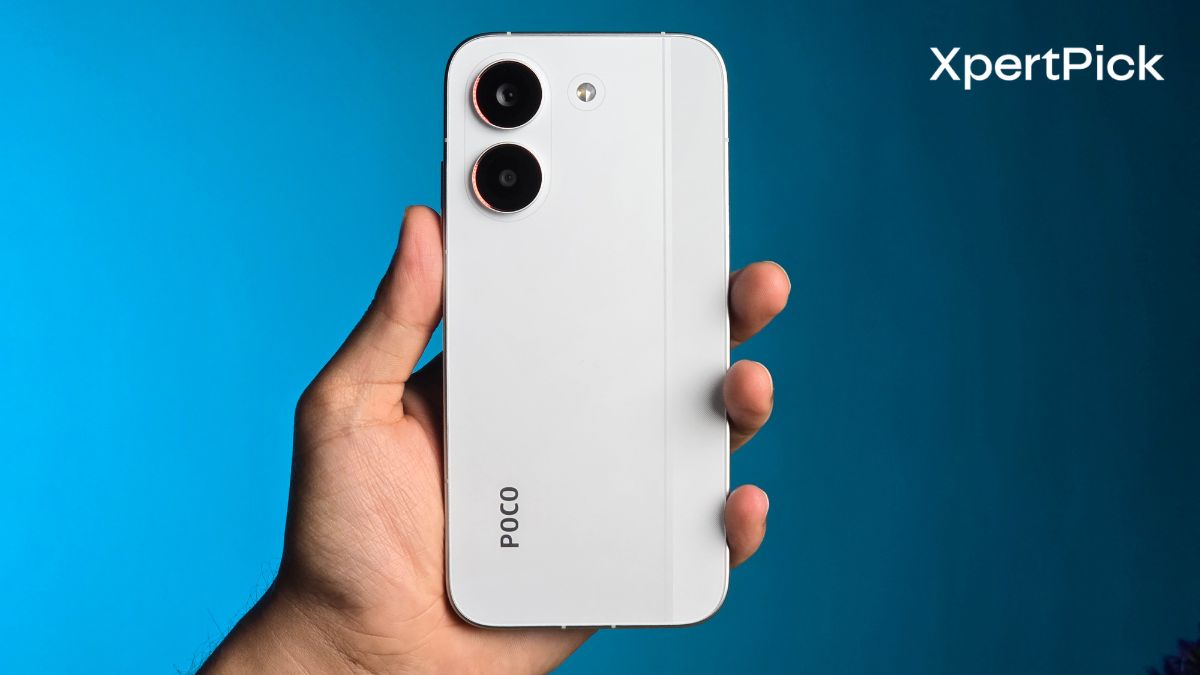
On the front, the POCO X8 Pro features Corning Gorilla Glass 7i protection, which should add a layer of reassurance against everyday scratches and minor knocks. It also packs a 6.59-inch 1.5K AMOLED display with slim bezels, which should help the phone feel relatively compact in the hand for its class while still offering plenty of screen space for gaming, streaming, and scrolling.
In terms of durability, the phone carries an IP68 dust and water resistance rating. That means it is certified for protection against dust and can survive limited freshwater submersion under controlled conditions, which is a useful level of protection for a mid-range device. That said, this is not the same as the broader ruggedness claims sometimes seen on more aggressively marketed phones, so it is best described as solid everyday protection rather than extreme durability.
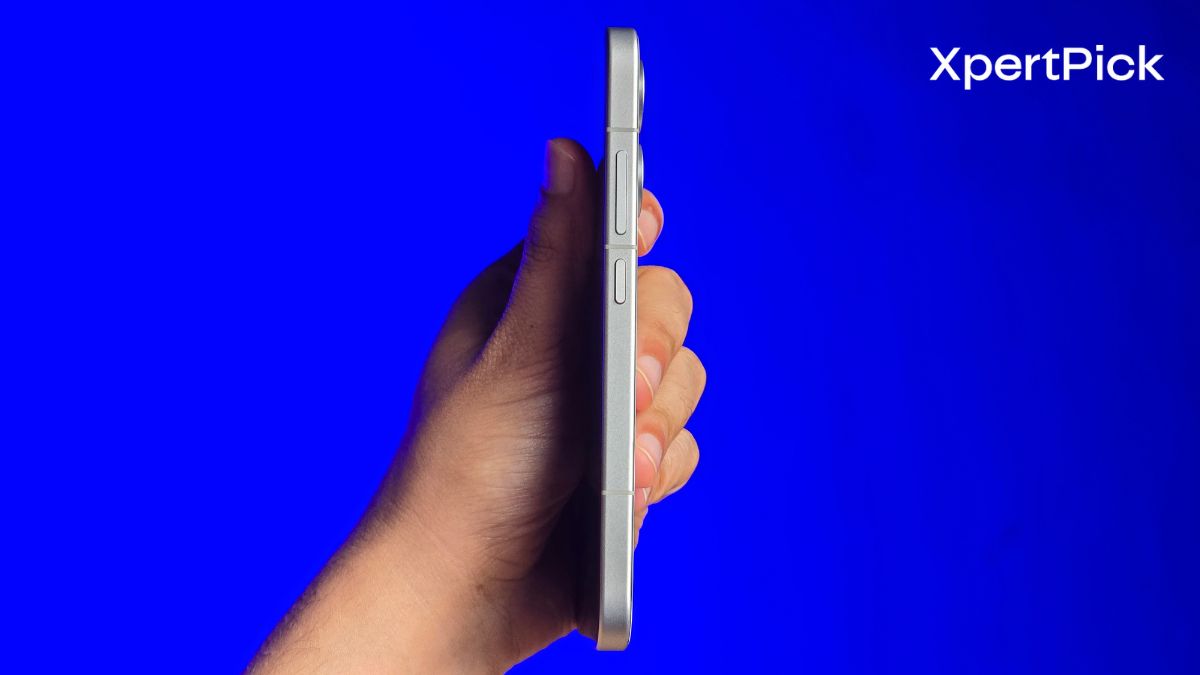 The POCO X8 Pro measures 8.38mm thick and weighs 201.47 grams, so it is not exactly a small or lightweight phone. Still, paired with the 6.59-inch panel, the proportions suggest a device that should feel substantial without becoming too cumbersome during long gaming sessions or daily use.
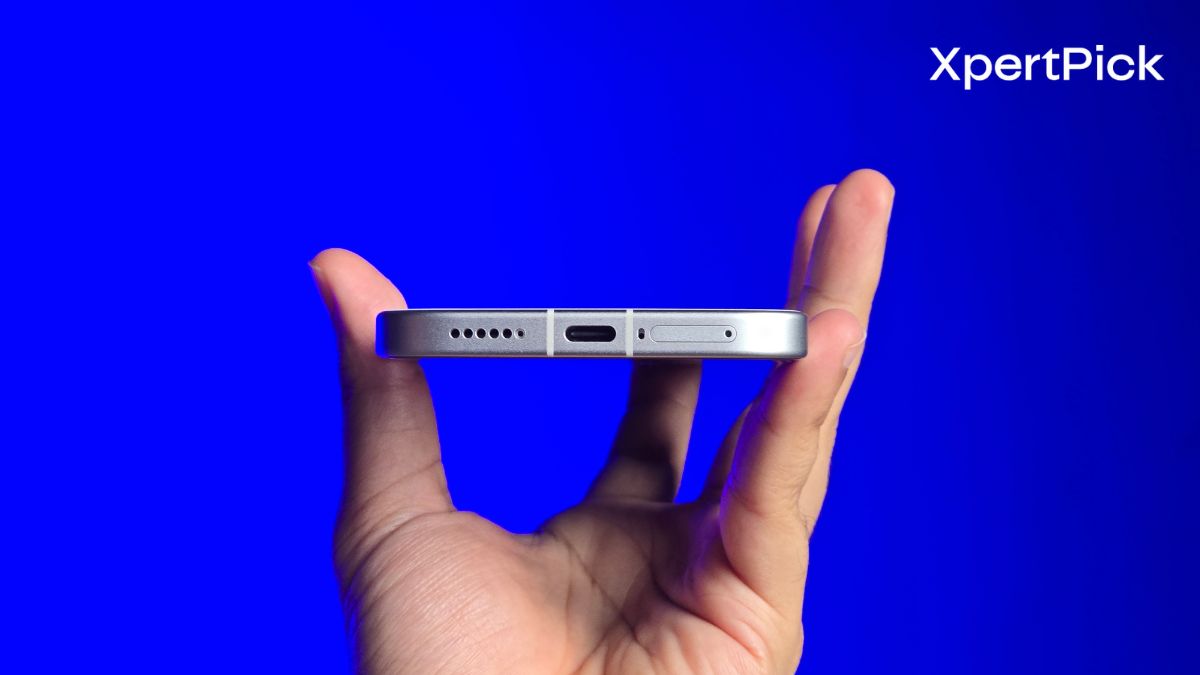
Overall, the POCO X8 Pro appears to take a more refined approach to design than older POCO phones. With a cleaner visual identity, Gorilla Glass 7i on the front, practical IP68 resistance, and a manageable in-hand form factor, it shapes up as a phone that tries to balance style, usability, and durability without overdoing the gaming aesthetic.
Display: Bright, Fluid, and Thoughtfully Tuned for Everyday Use
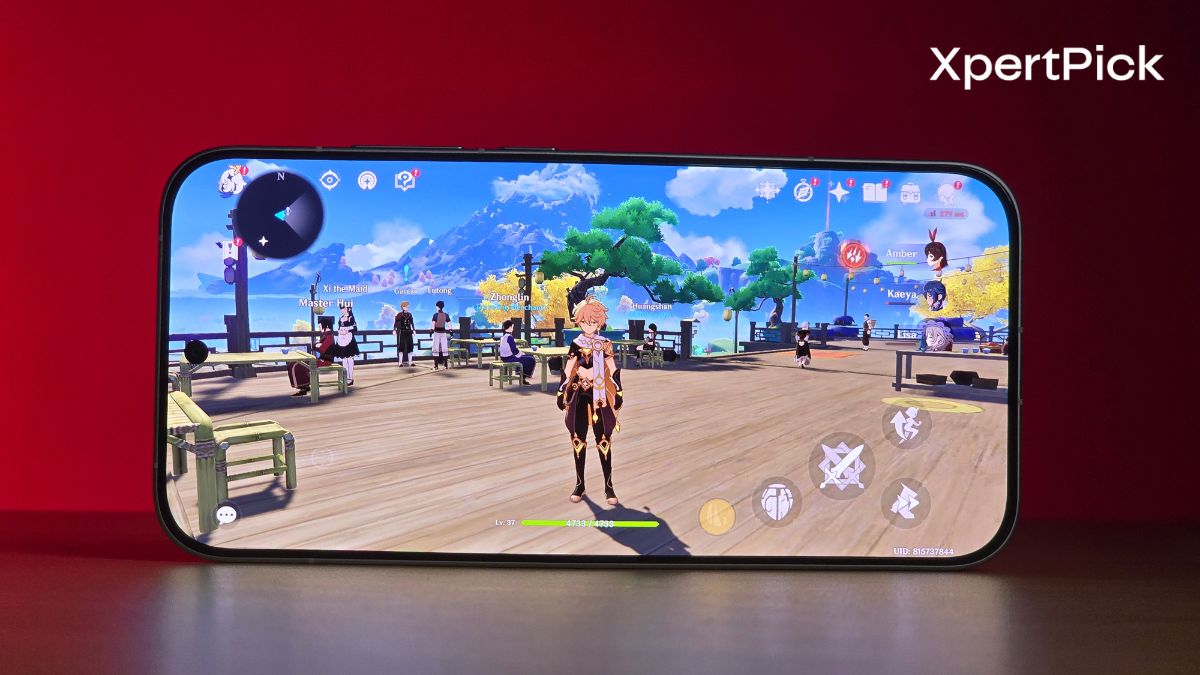
When it comes to the screen, the POCO X8 Pro delivers a highly refined visual experience that easily caters to heavy multimedia users. The display is surrounded by very even bezels, with only a slightly thicker chin that is barely noticeable, helping maintain an almost perfectly symmetrical look. This maximises visual real estate and gives the phone an immersive feel straight out of the box.
The 12-bit LTPS AMOLED panel produces punchy, vibrant colours with an excellent overall colour profile. It gets impressively bright, reaching a maximum manual brightness of 787 nits and peaking at 1,090 nits on auto brightness, which makes outdoor visibility in direct sunlight very good. Better still, POCO has paid real attention to low-light comfort by using an ultra-high 3,840Hz PWM dimming rate. Lowering the brightness indoors results in virtually no visible screen flicker, which helps reduce the eye strain often associated with lower-frequency OLED panels during late-night scrolling.
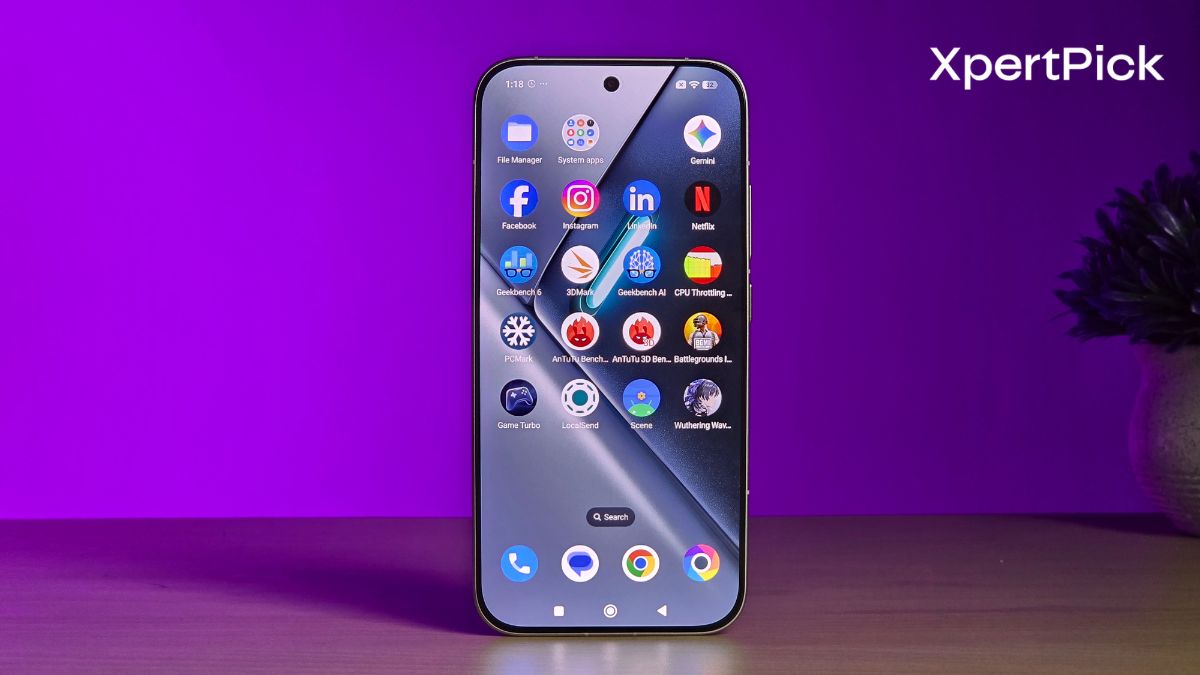
The phone is more than capable of handling 4K HDR content smoothly. While it supports standard HDR10+, the standout feature here is Dolby Vision support, which integrates natively with major OTT apps, a premium touch that many rivals in this segment still miss.
POCO has also made a major upgrade to biometrics by including an ultrasonic in-display fingerprint scanner. Unlike standard optical sensors, this ultrasonic module is extremely quick, and a simple tap is enough to unlock the device seamlessly. On top of that, the panel offers improved touch response over the previous generation, making it especially responsive for mobile gaming.
The display runs at a buttery-smooth 120Hz refresh rate, which remains consistent even while navigating third-party apps. HyperOS even lets you go into the settings and force individual apps to run at 120Hz, so there is no real compromise in smoothness. While the Always-On Display is unfortunately limited to a 10-second timeout, POCO balances that out with software polish. The transition animation from the AOD straight into the lock screen is especially smooth and visually pleasing.
Cameras: Surprisingly Competent Despite Its Performance Focus
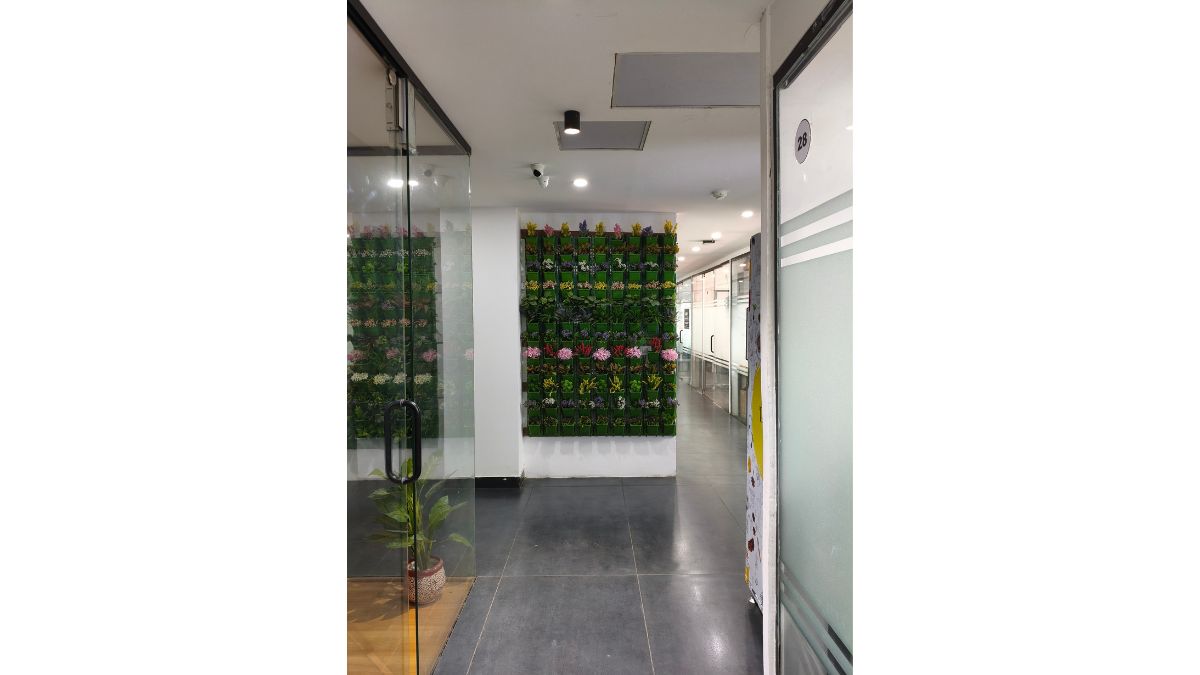





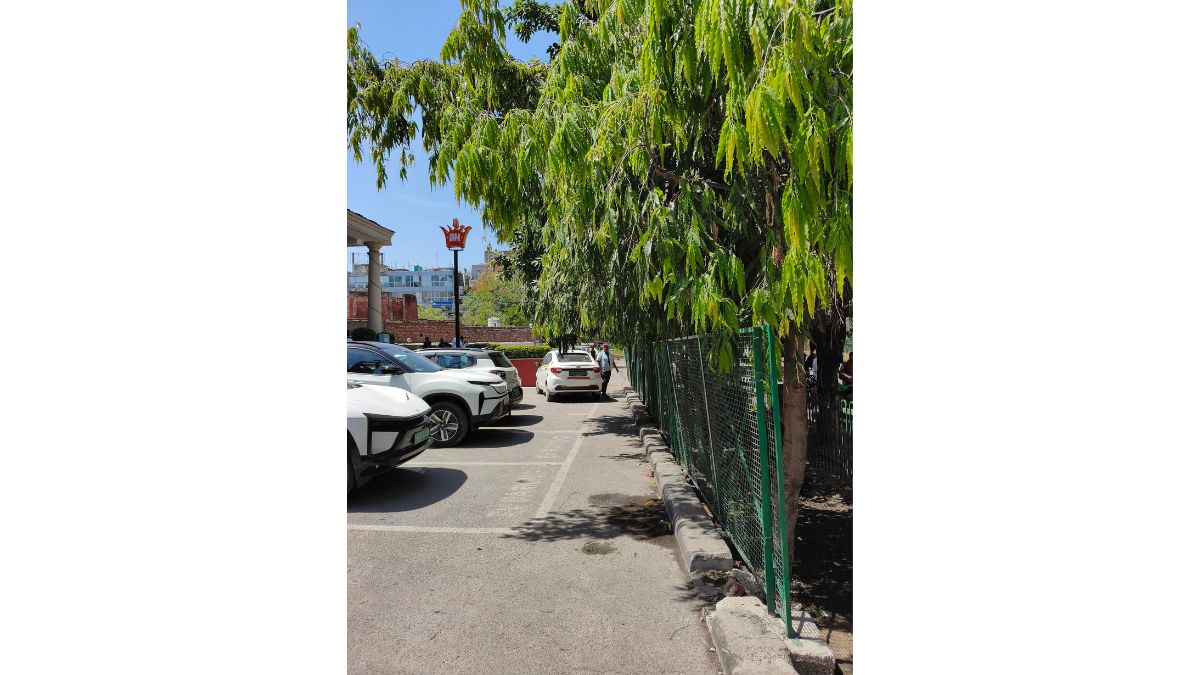










Typically, when a mid-range smartphone focuses heavily on raw horsepower and gaming performance, the camera system is the first area to suffer. However, the POCO X8 Pro manages to deliver a surprisingly capable shooting experience that exceeds expectations.
The rear setup is headlined by a 50MP main sensor (the Sony IMX882, featuring a wide f/1.5 aperture and OIS), paired with a modest 8MP ultra-wide lens. During daylight testing, the main camera captures well-balanced shots with excellent dynamic range and crisp details. The real surprise, however, is its low-light performance. Thanks to the large aperture and effective optical image stabilisation, it handles nightscapes commendably, retaining intact colours and minimising noise without aggressively overexposing the scene. Even the 8MP ultra-wide holds its own in darker conditions, though you might notice a slight blue-violet colour shift in the sky compared to the main sensor.
When zooming, the camera relies on a digital crop, but it maintains respectable quality up to 2x and 4x before getting noticeably soft. On the front, the 20MP selfie camera performs reliably for social media, offering accurate edge detection in portrait mode and a solid HDR implementation for backlit scenarios. Video recording maxes out at a smooth 4K at 60fps on the rear, though it is worth noting that front-facing video is unfortunately capped at 1080p. POCO also includes a robust suite of AI-powered editing tools in the gallery, like sky replacement and reflection removers, adding a versatile edge to post-processing.
Audio: Loud, Immersive, and Tuned for Everyday Media and Recording
A great display needs equally capable audio to match, and the POCO X8 Pro does not disappoint. It comes equipped with a hybrid stereo speaker setup, using the earpiece in conjunction with a full-fledged bottom-firing speaker.
The speakers comfortably reach a good level of loudness without introducing distortion at higher volumes. The output is highly pleasant, delivering clear vocals, a rich high-frequency range, and even a slight touch of bass. While the audio can sound a little shallow at times, the overall sound quality is undeniably good and perfectly suited to everyday media consumption.
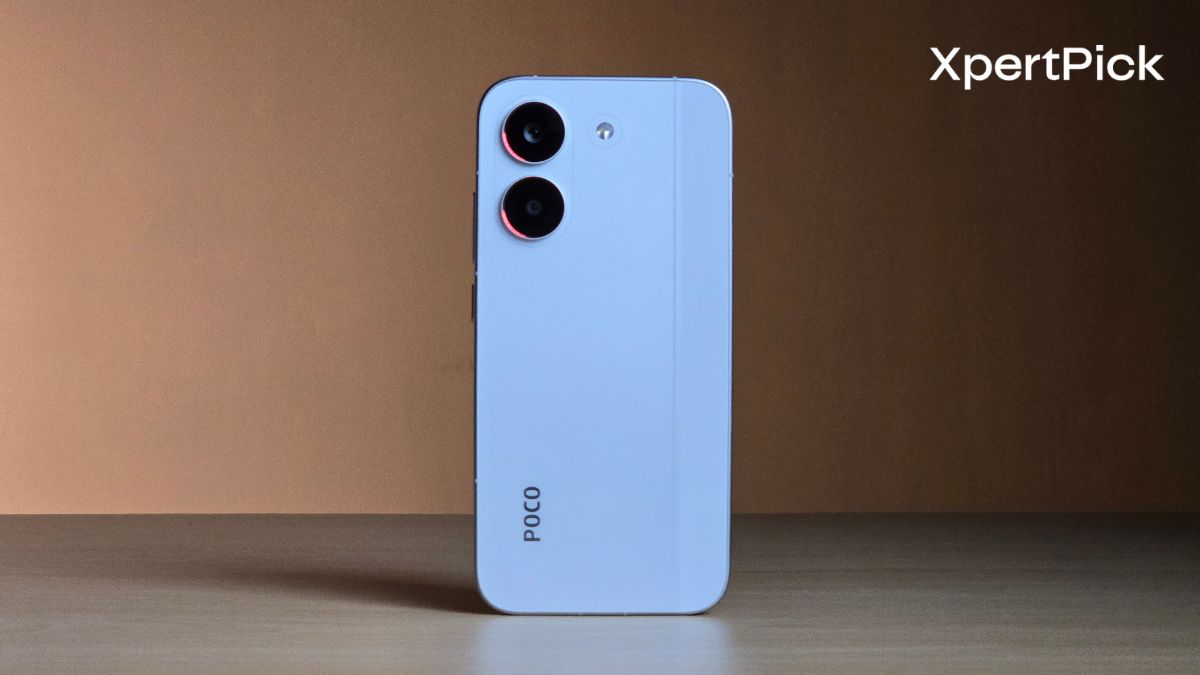
The real game-changer for the audio experience is the native Dolby Atmos support, which is sensibly enabled by default. It noticeably widens the soundstage, bringing richer detail and a far more immersive listening experience whether you are watching a film or playing games.
Beyond media consumption, the POCO X8 Pro also handles audio capture surprisingly well. The built-in microphones record clear, natural-sounding audio that is dependable enough not only for daily calls, but even for recording crisp voice-overs directly for video content.
Performance: Class-Leading Power with Strong Thermal Control
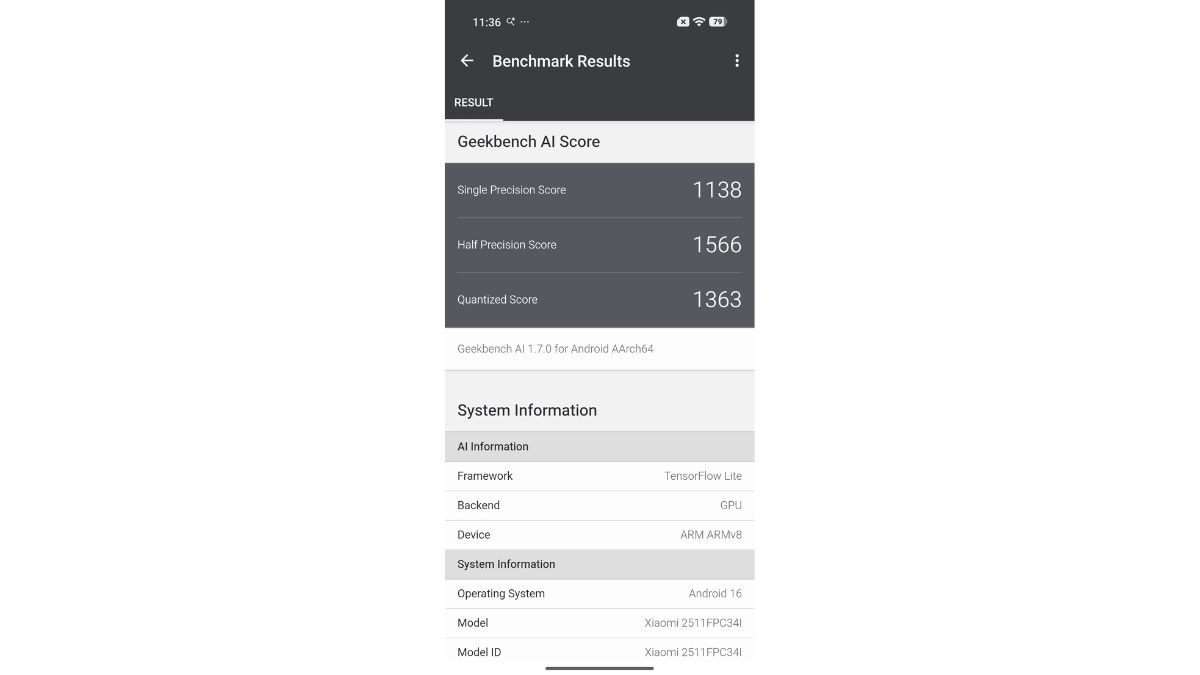
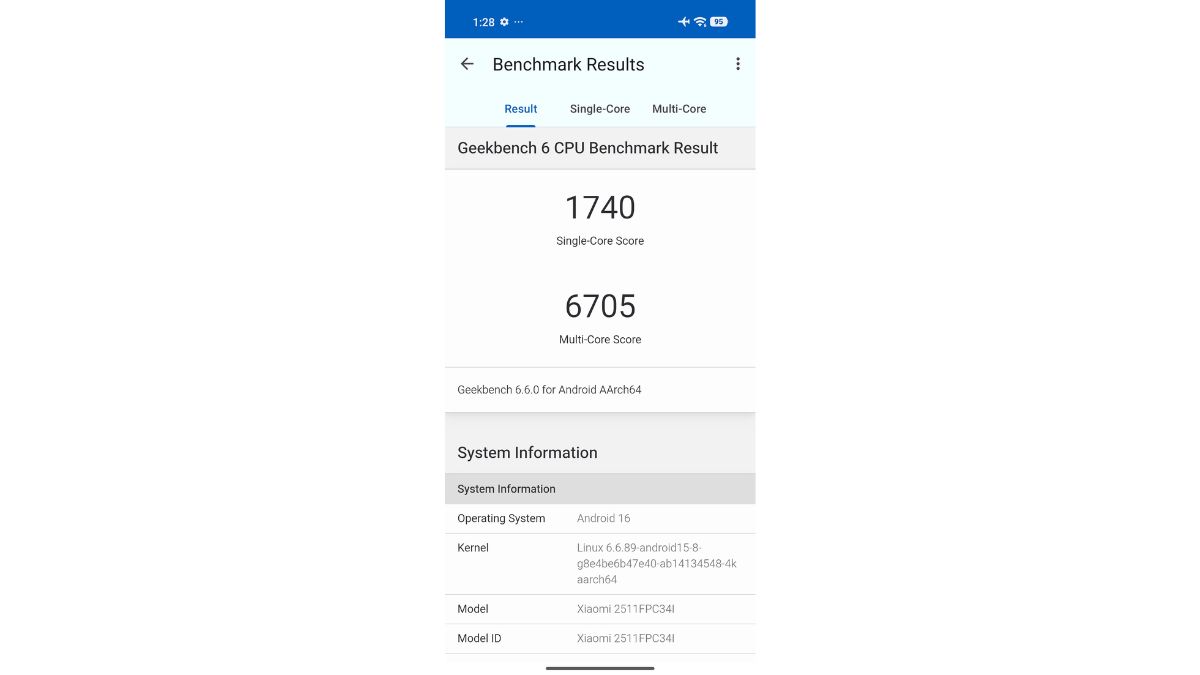

In Geekbench 6.6, the POCO X8 Pro, powered by the MediaTek Dimensity 8500 Ultra, scores 1,740 in the single-core test and 6,705 in the multi-core test. In comparison, the Nothing Phone 4a, featuring the Qualcomm Snapdragon 7s Gen 4, scores 1,378 and 4,313 in the single-core and multi-core tests respectively, while the Moto Edge 70, running on the Qualcomm Snapdragon 7 Gen 4, scores 1,330 and 4,155.
| Smartphone | Processor | Geekbench 6.6 Single-Core | Geekbench 6.6 Multi-Core |
| POCO X8 Pro | MediaTek Dimensity 8500 Ultra | 1,740 | 6,705 |
| Nothing Phone 4a | Qualcomm Snapdragon 7s Gen 4 | 1,378 | 4,313 |
| Moto Edge 70 | Qualcomm Snapdragon 7 Gen 4 | 1,330 | 4,155 |
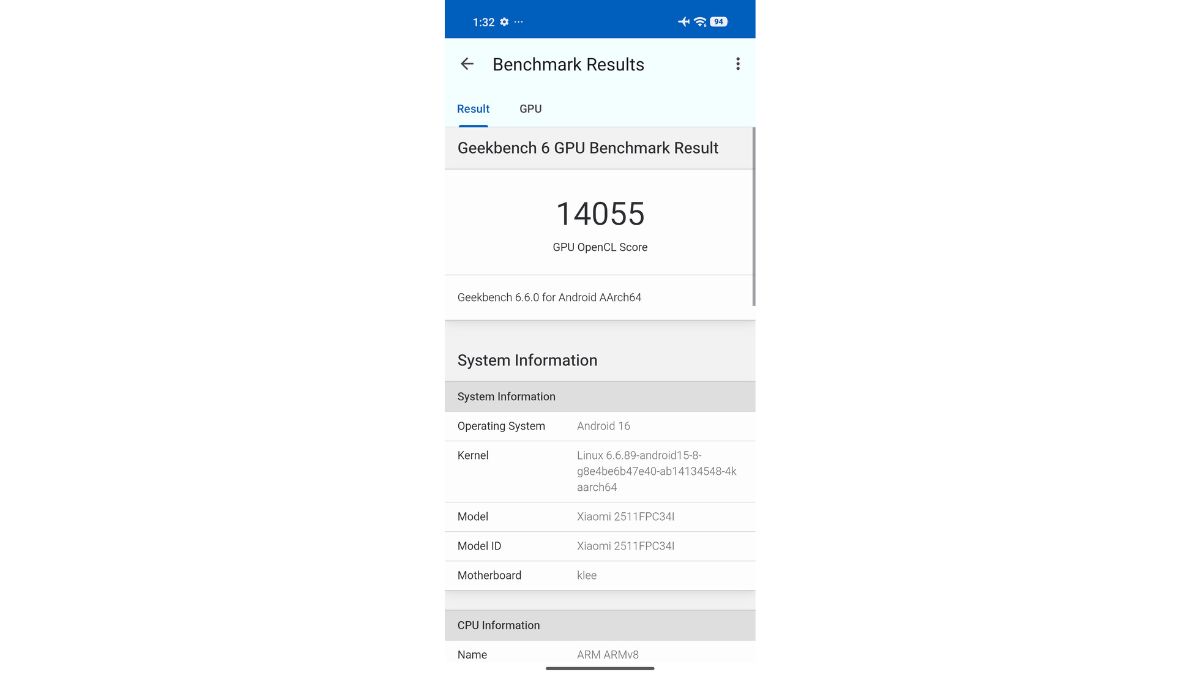
Likewise, in Geekbench 6 GPU performance, the Dimensity 8500 Ultra pushes the POCO X8 Pro to a massive score of 14,055. The Nothing Phone 4a scores 4,597, while the Moto Edge 70 reaches 4,779, highlighting the significant graphical advantage of POCO’s flagship-grade silicon over its direct mid-range competitors.
| Smartphone | Processor | Geekbench 6 GPU Score |
| POCO X8 Pro | MediaTek Dimensity 8500 Ultra | 14,055 |
| Moto Edge 70 | Qualcomm Snapdragon 7 Gen 4 | 4,779 |
| Nothing Phone 4a | Qualcomm Snapdragon 7s Gen 4 | 4,597 |
So in its price range, the Poco X8 Pro is looking like a pretty powerful option, both in terms of CPU and GPU performance.
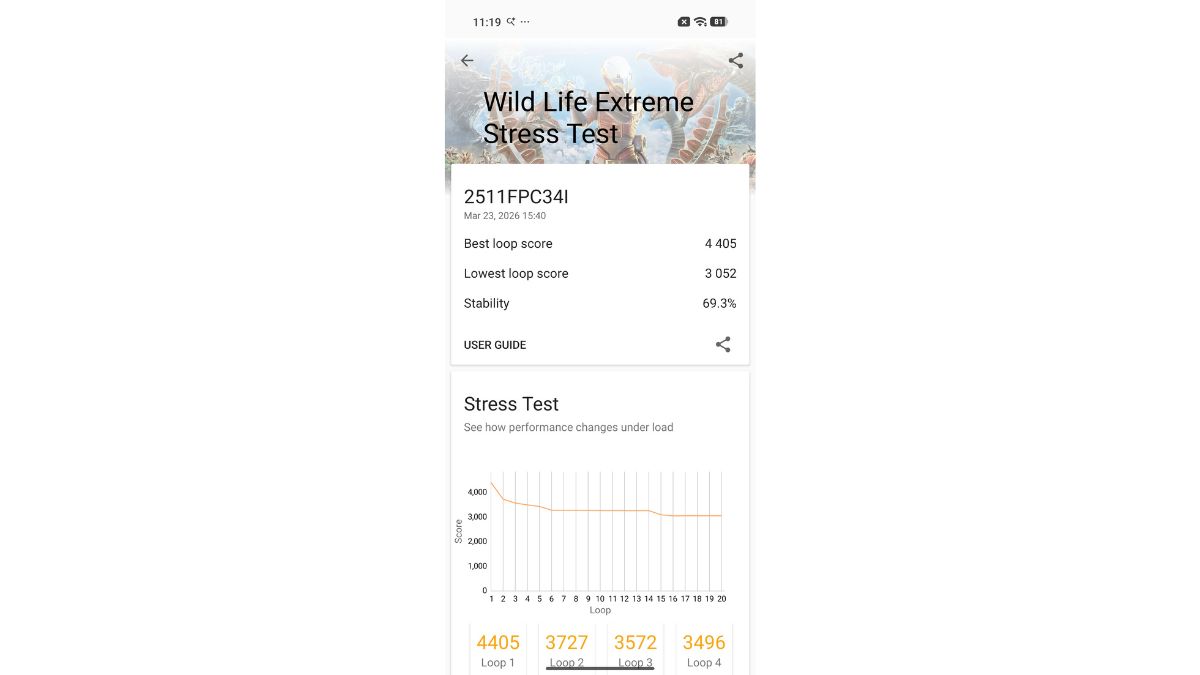
Next up are thermals, and here too the POCO X8 Pro performs really well, achieving 69.3% frame-rate stability in the 3DMark Wild Life Extreme stress test, while posting a best loop score of 4,232. Meanwhile, the Nothing Phone 4a scored an impressive 99.3% thermal stability. However, its performance is nearly half that of the X8 Pro, as it managed only 2,093.
| Smartphone | 3DMark Wild Life Extreme (Best Loop Score) | 3DMark Wild Life Extreme (Stability) |
| POCO X8 Pro | 4,232 | 69.3% |
| Nothing Phone 4a | 2,093 | 99.3% |
| Moto Edge 70 | 2,074 | 64.1% |
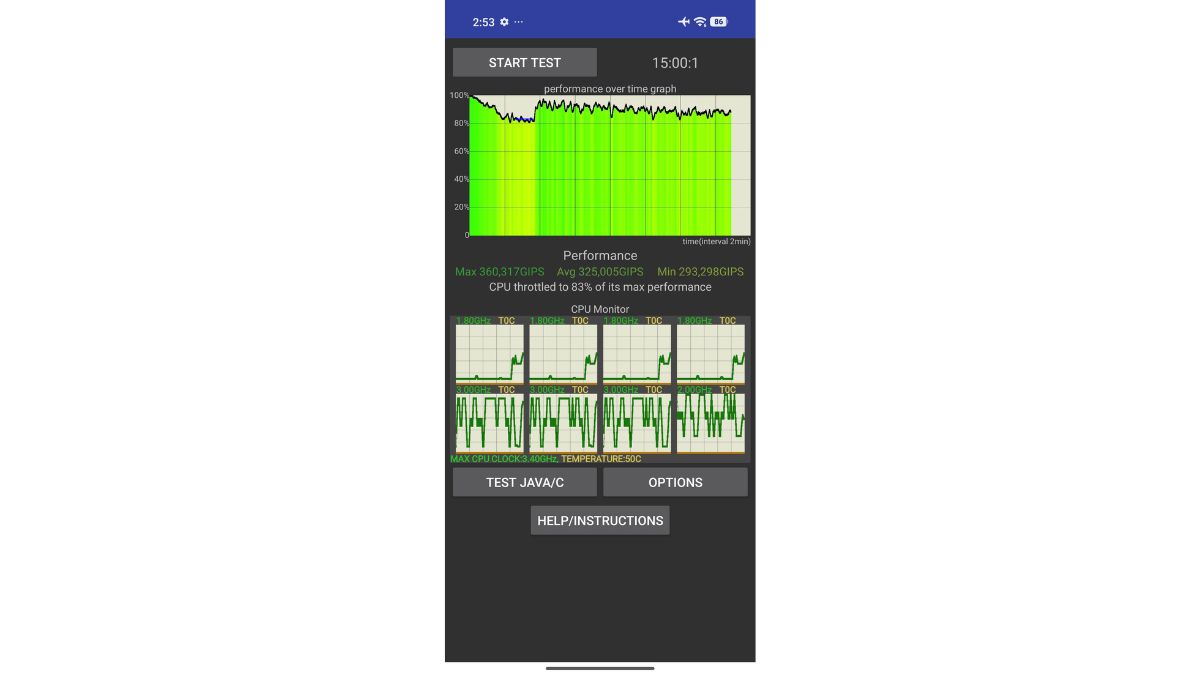
Lastly, the Moto Edge 70 performs worse on both fronts, achieving just 64.1% frame-rate stability and an overall score of 2,074. Similarly, in the CPU throttling test, the POCO X8 Pro achieved 83% stability, while the Moto Edge 70 scored 89% and the Nothing Phone 4a scored 84%.
| Smartphone | CPU Throttling Test (Stability) |
| POCO X8 Pro | 83% |
| Nothing Phone 4a | 84% |
| Moto Edge 70 | 89% |
What this means is that the POCO X8 Pro emerges as the most powerful of the three and the second-best when it comes to overall thermal stability. Considering that its raw performance figures are almost double those of its competition, its second-place finish in thermal stability becomes even more impressive.
Battery Life: Big Capacity Backed by Excellent Real-World Endurance
When it comes to endurance, the POCO X8 Pro continues its winning streak, backed by a massive 6,500mAh battery. Tested using the rigorous PCMark 10 battery life benchmark, the X8 Pro delivered an outstanding 16 hours and 46 minutes of runtime. In comparison, the Moto Edge 70, which packs a standard 5,000mAh cell, managed only 12 hours and 33 minutes in the same test before needing a recharge. Meanwhile, the Nothing Phone 4a, equipped with a moderately sized 5,400mAh battery, put up a highly impressive fight by clocking in at 16 hours and 10 minutes.
| Smartphone | Battery Capacity | PCMark 10 Battery Life |
| POCO X8 Pro | 6,500mAh | 16 hr 46 min |
| Nothing Phone 4a | 5,400mAh | 16 hr 10 min |
| Moto Edge 70 | 5,000mAh | 12 hr 33 min |
While the Nothing Phone 4a deserves praise for squeezing exceptional efficiency out of its smaller capacity, the POCO X8 Pro’s sheer physical battery size and optimised power management ultimately secure its position as the longest-lasting device of the trio. This ensures the phone can easily handle extended gaming and multimedia sessions without leaving you reaching for the charger mid-day.
Verdict: A Refined Powerhouse That Redefines Mid-Range Expectations
The POCO X8 Pro represents a mature evolution for the X-series, moving away from aggressive gamer aesthetics toward a refined, minimalist design. It features a durable build with Gorilla Glass 7i and IP68 dust and water resistance. For media, it boasts a flagship-tier 6.59-inch 1.5K 120Hz AMOLED display with premium Dolby Vision, eye-friendly 3,840Hz PWM dimming, and an ultra-fast ultrasonic fingerprint scanner. Paired with Dolby Atmos-tuned hybrid stereo speakers, it delivers a deeply immersive multimedia experience.
Under the hood, the X8 Pro absolutely dominates the mid-range competition. Powered by the MediaTek Dimensity 8500 Ultra, it delivers nearly double the raw CPU and GPU performance of direct rivals like the Nothing Phone 4a and Moto Edge 70, while maintaining excellent thermal stability. Despite being slightly heavy and having a limited Always-On Display, it remains a remarkably compelling, high-performance powerhouse that easily punches above its weight class.
Pros
-
Class-Leading Performance: Powered by the MediaTek Dimensity 8500 Ultra, it absolutely crushes direct mid-range rivals, delivering nearly double the CPU and GPU performance while maintaining strong thermal stability.
-
Flagship-Tier Display: The 6.59-inch 1.5K 120Hz AMOLED panel is bright and vibrant, featuring premium Dolby Vision support and eye-friendly 3,840Hz PWM dimming.
-
Premium Biometrics: Features an ultra-fast ultrasonic in-display fingerprint scanner, which is a massive, high-end quality-of-life upgrade for this price segment.
-
Refined & Durable Build: Ditches the aggressive “gamer” look for a mature, minimalist aesthetic backed by practical IP68 dust/water resistance and Gorilla Glass 7i.
-
Surprisingly Capable Main Camera: The 50MP primary sensor with OIS handles both daylight and low-light photography commendably, and supports smooth 4K at 60fps video recording.
Cons
-
Weak Zoom Capabilities: Lacking a dedicated telephoto lens, the camera relies on digital crop that gets noticeably soft past 2x and 4x magnification.
-
Ultra-Wide Color Shifts: The 8MP ultra-wide lens can sometimes introduce a slight blue-violet color shift in the sky during low-light conditions.