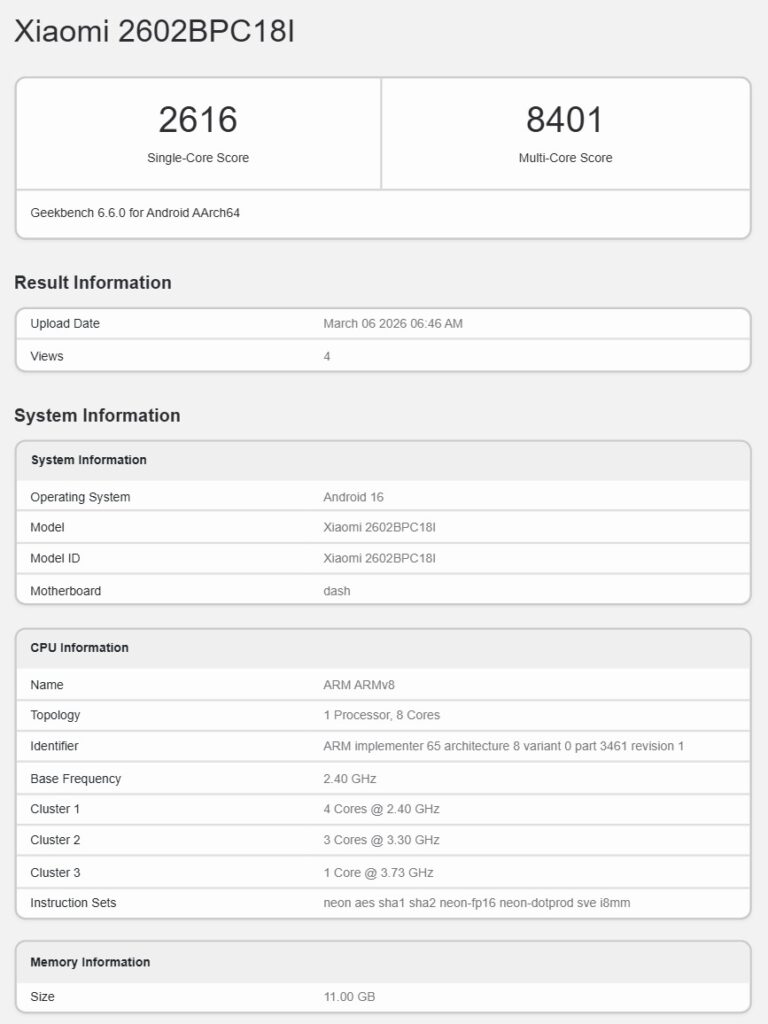
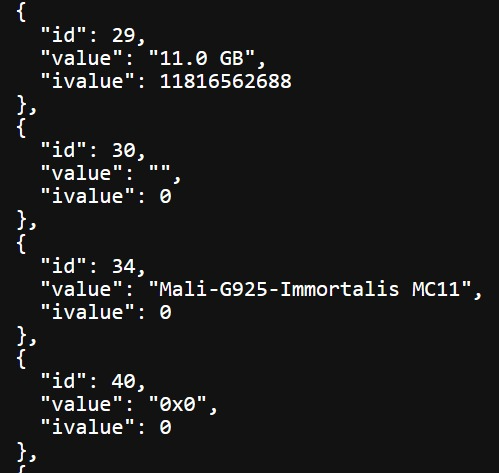
Update: The Poco X8 Pro Max Indian variant has also emerged on Geekbench as shown in the images below.
Original post continues…
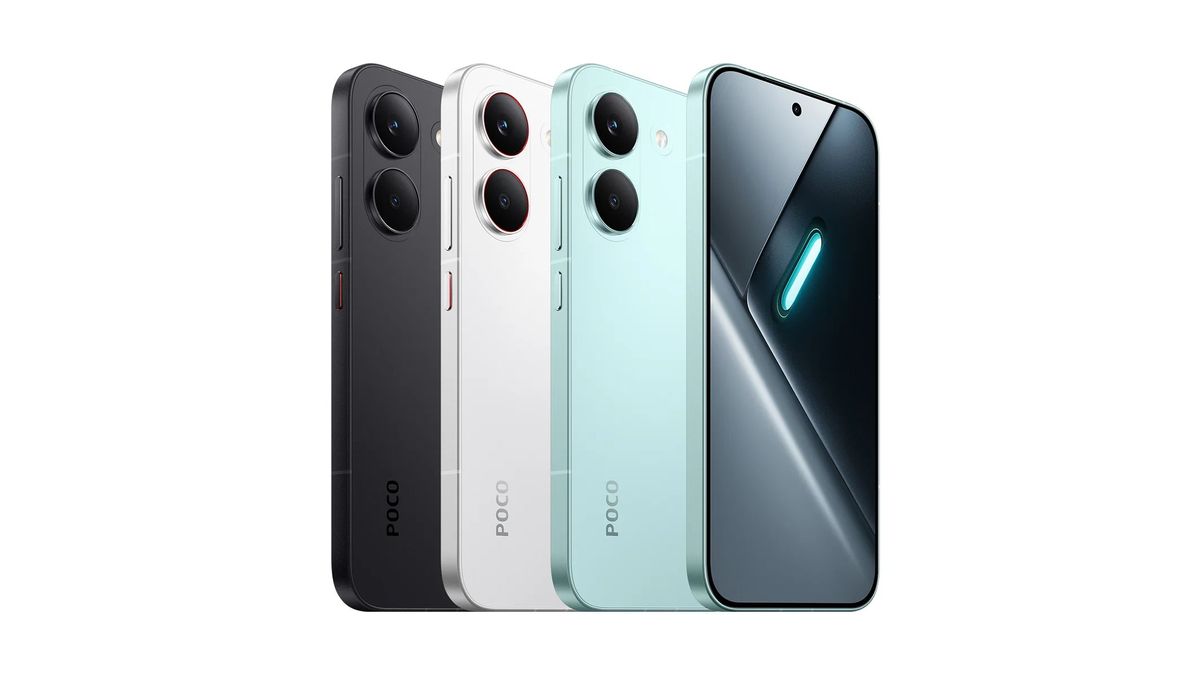
MediaTek recently unveiled the Dimensity 9500s chip, a toned-down version of the existing Dimensity 9500. This chip is already confirmed to power the Oppo Find X9s and an upcoming Poco phone. An official teaser released by Poco Global suggests that this chip will power the Poco X8 Pro Max.
Rumors are rife that the Poco X8 Pro series will debut this month in multiple markets, including India. Ahead of the expected launch, the X8 Pro Max has appeared on Geekbench, revealing the Dimensity 9500s’ performance for the first time.
Poco X8 Pro Max Geekbench listing
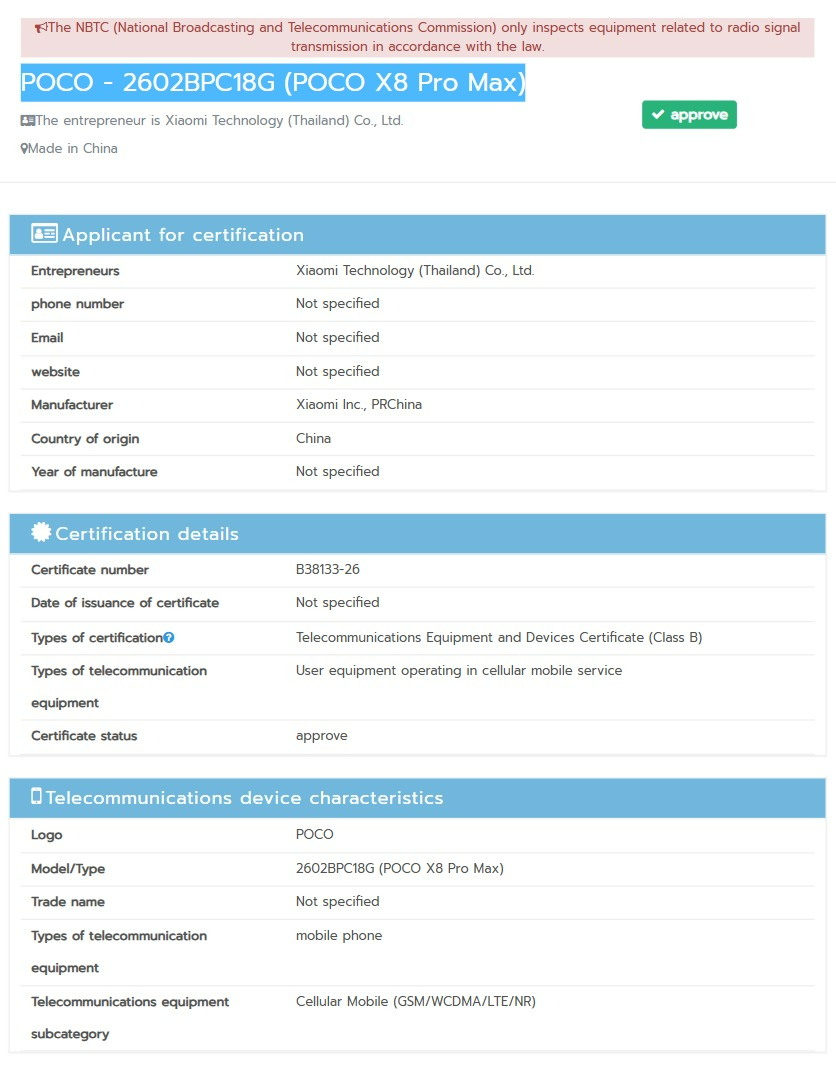
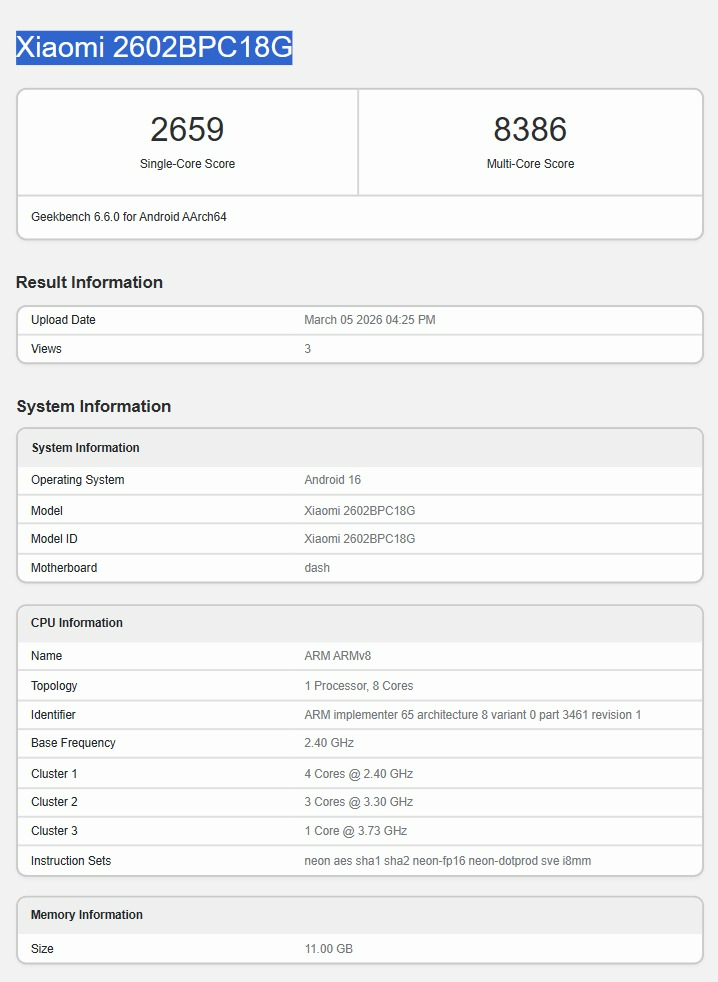
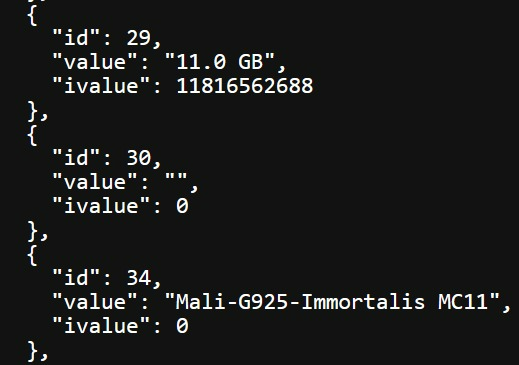
A forthcoming Poco phone with model number 2602BPC18G has appeared in the Geekbench benchmarking database. Multiple recent certifications, including Thailand’s NBTC, have revealed that this device will be called the Poco X8 Pro Max when it hits the market.
The Poco X8 Pro Max’s Geekbench listing reveals that it scored 2,659 and 8,386 points in the single-core and multi-core tests, respectively. The Dimensity 9500s is listed with a single prime core clocked at 3.73GHz, three cores running at 3.30GHz, and four cores operating at 2.40GHz. For graphics, the chip is equipped with the Mali-G925 Immortalis MC11 GPU.
In comparison, the more powerful Dimensity 9500 features a 4.21GHz prime core, three cores clocked at 3.5GHz, and four cores at 2.7GHz, along with the Arm G1-Ultra GPU. On Geekbench, the Dimensity 9500 is capable of scoring around 3,500 in the single-core test and even reaching 10,000 in the multi-core test.
The Poco X8 Pro Max Geekbench listing further reveals 12GB of RAM and Android 16, which is likely to run HyperOS 3 on top.
Poco X8 Pro Max specifications
Rumors suggest that the Poco X8 Pro Max will feature a 6.83-inch OLED 1.5K 120Hz display, up to 512GB of UFS 4.1 storage, and a 7,550mAh battery with 90W charging. Its Indian edition may pack a 9,000mAh battery. For photography, it may feature a 32-megapixel front camera and a 50-megapixel (OIS) + 8-megapixel (ultra-wide) dual-camera setup.