The Realme 16 Pro series was among the first smartphones to be announced in 2026. It aims to strike a balance between capable specs and aggressive pricing, all wrapped in a refreshed design. Sitting in the crowded upper mid-range segment, this phone doesn’t chase raw performance numbers like some of its rivals.
Starting at Rs 31,999 in India, the Realme 16 Pro makes it clear where its priorities lie. After spending time with the device as a daily driver, it becomes clear that this isn’t a phone trying to be everything for everyone. It’s a phone that knows its priorities, and whether it works for you depends entirely on what you value most in a mid-range smartphone. So here’s my experience with this phone.
Realme = Oppo = OnePlus?
Smartphone designs have become increasingly homogenous over the years. Many brands tend to play it safe, and except for a select few, distinct design identities are slowly fading. It’s no secret that Oppo sits at the top of the hierarchy for both OnePlus and Realme, which means R&D, software elements, and even certain design philosophies are often shared across the trio. Still, it’s slightly jarring to see the Realme 16 Pro look so similar to recent OnePlus and Oppo flagships.
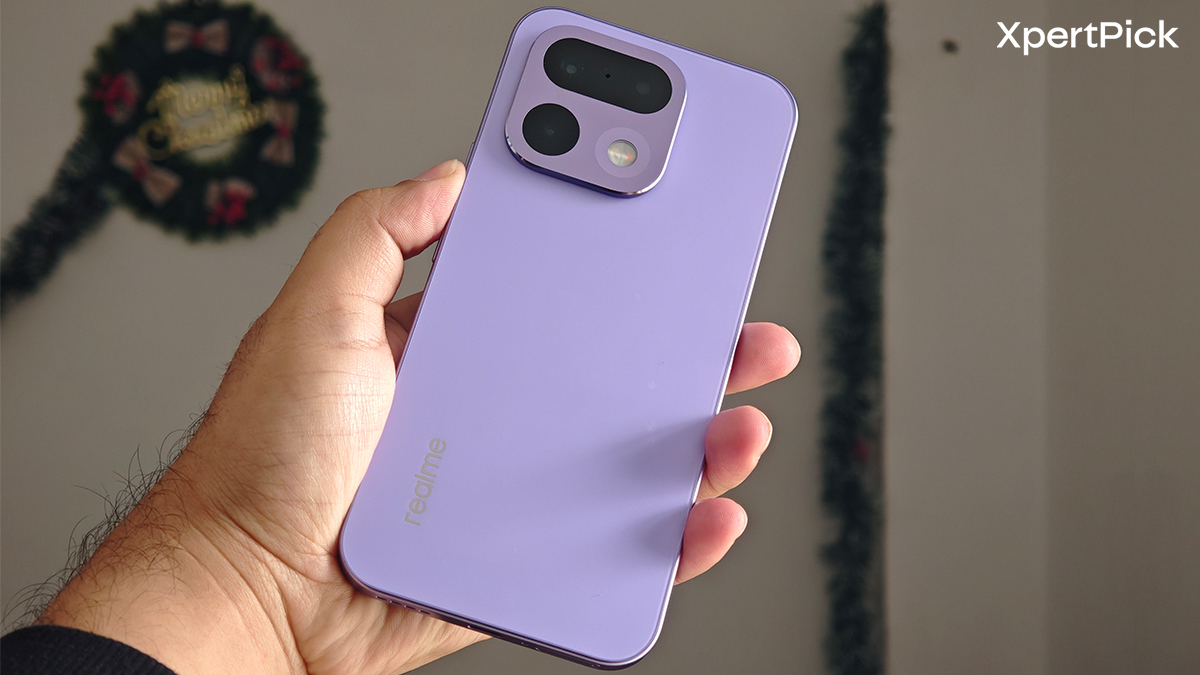
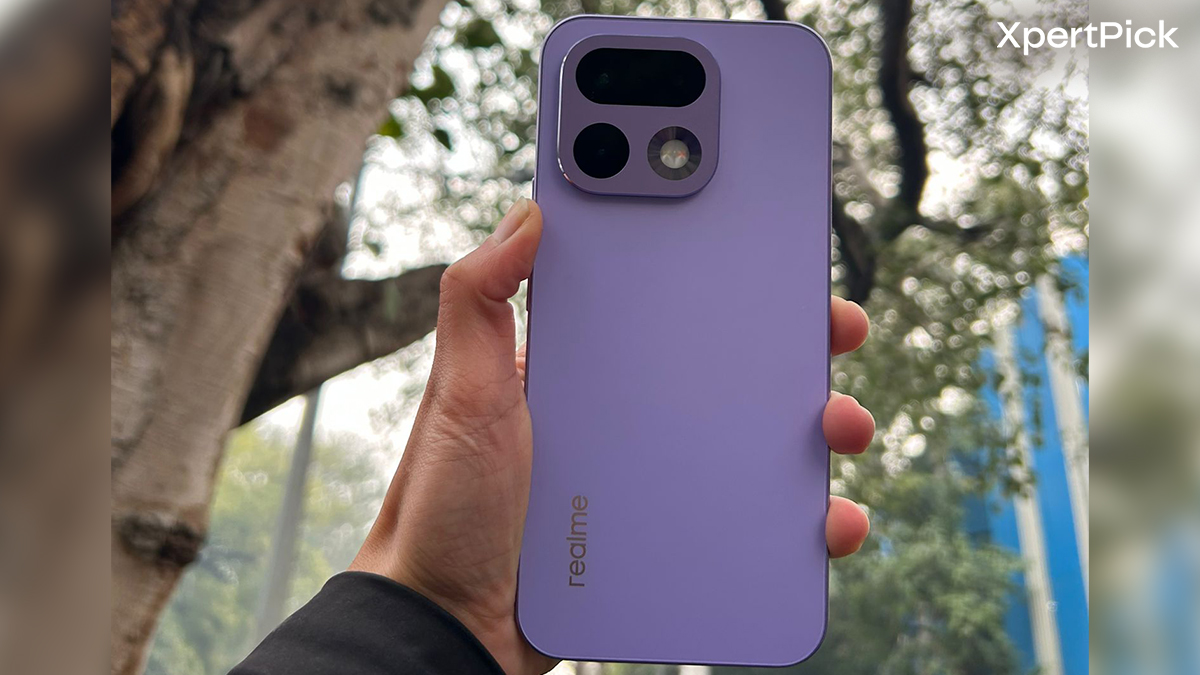
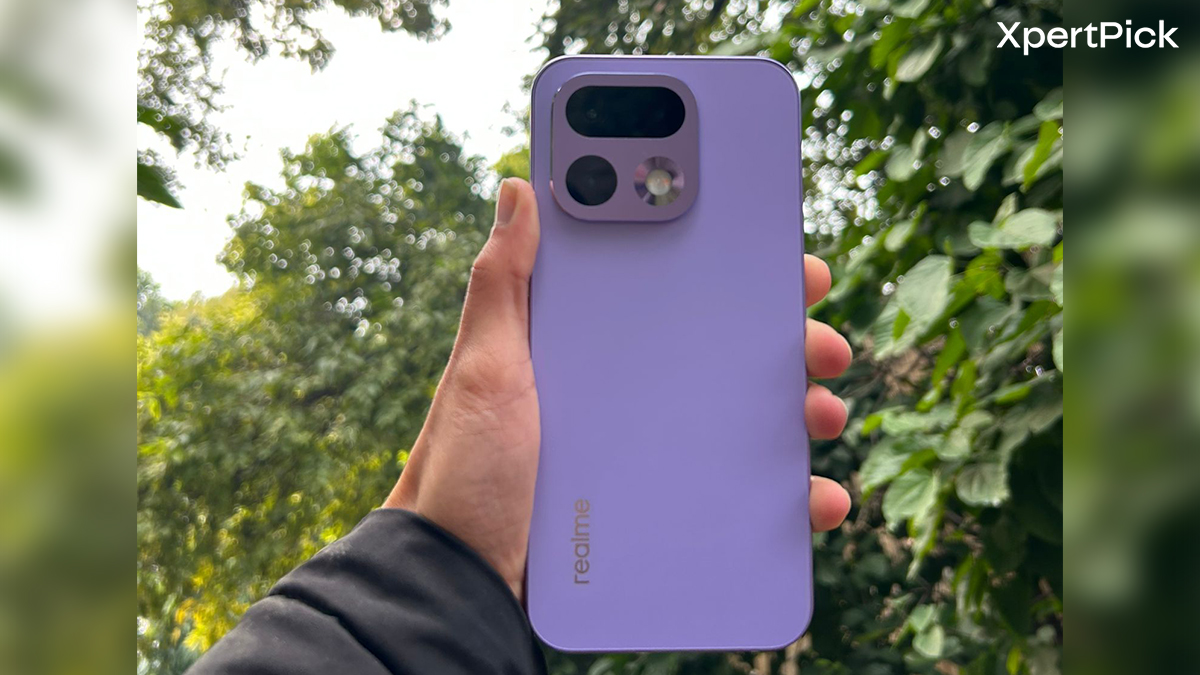
That said, this isn’t necessarily a bad thing. In fact, I prefer this rear design over the more conservative look of its predecessor. You get a clean dual-tone finish that combines a flat back with a raised metallic camera module. The module itself looks nearly identical to what we’ve seen on the OnePlus 15 and Oppo Find X9, except that it is rotated 90 degrees left. Regardless, it’s a noticeable upgrade over the rather forgettable design of the Realme 15 series.
Despite using plastic for both the rear panel and the frame, the Realme 16 Pro feels surprisingly solid in hand. At a glance, it doesn’t immediately give away its mid-range positioning. The new Orchid Purple colour is also a standout. It’s eye-catching without being overly flashy, striking a nice balance between elegance and youthfulness. Realme has traditionally targeted a younger demographic, and this colourway clearly reflects that.
The plastic back also has its advantages. It’s more resistant to shattering, though it can still pick up scratches from metallic objects like keys. Another plus is the relatively light 192g weight and slim 7.8mm profile. Realme doesn’t skip out on durability either, offering both IP68 and IP69K ratings for water and dust resistance.
Bright & Super Smooth Display
Moving to the front, the Realme 16 Pro features a tall 6.78-inch flat AMOLED display with a 1.5K resolution, 144Hz refresh rate, and 6500 nits of peak brightness (1400 nits HBM). In day-to-day use, the screen delivers excellent brightness levels in both automatic and manual modes. While the 144Hz figure looks great on paper, the display defaults to 120Hz and only switches to the full refresh rate in select system apps.
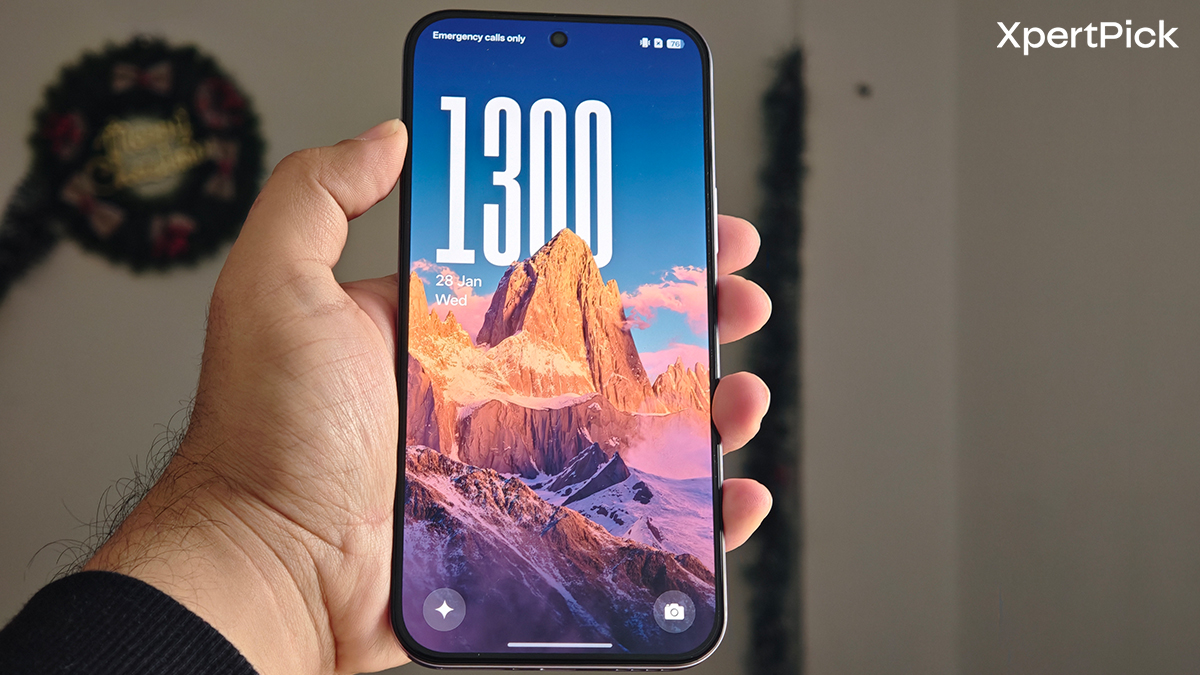
The large screen makes media consumption and gaming quite immersive. The bezels aren’t uniform on all four sides, but they are thin enough to stay out of the way. Realme also offers plenty of display customisation options, including multiple colour profiles like Vibrant, Cinematic, Natural, and Brilliant. You also get AI eye comfort features and finer dim brightness controls. My only real gripe is the phone’s width, as prolonged one-handed use can get tiring.
Gets the Job Done
Powering the Realme 16 Pro is MediaTek’s Dimensity 7300 Max chipset, paired with 12GB of LPDDR4X RAM and 256GB of UFS 3.1 storage. This setup delivers reliable performance for everyday tasks and light gaming. Here’s a quick look at the synthetic benchmarks:
- AnTuTu – 1,000,596
- AnTuTu (CPU) – 362,066
- AnTuTu (GPU) – 126,917
- Geekbench: 1,008 (single) / 2,913 (multi)
On a regular day, the phone feels smooth and responsive. Multitasking, app switching, and casual usage pose no issues. I could easily jump between YouTube, WhatsApp, and the camera app without running into stutters or slowdowns. However, its limitations become apparent once you push it harder.
Competitive titles like BGMI and COD Mobile run smoothly, but the phone tops out at 90fps, missing out on 120fps modes. More demanding games like Genshin Impact or Wuthering Waves require settings to be dropped to Low or Medium to maintain playable frame rates (around 30fps), and even then, frame drops are noticeable in busier scenes. At this price point, there are phones with more powerful chipsets like the Motorola Edge 70, which makes it clear that raw performance wasn’t the primary focus here.
Power for Days
Battery life is one of the Realme 16 Pro’s strongest highlights. Following the trend of recent Chinese launches, it packs a massive 7,000mAh battery. During my review, it comfortably lasted close to two days on a single charge, even with regular camera use, media streaming, light gaming, and social media scrolling.
Screen-on time usually hovered around the 8-hour mark, and standby efficiency was equally respectable. When it’s time to top up, the phone supports 80W wired fast charging, taking roughly an hour for a full charge. You also get reverse wired charging at speeds of up to 13.5W.
Main Camera Punches Above Its Weight
Looking at the specs sheet basically confirms that the Realme 16 Pro’s main camera is the star of the show. While my initial expectations weren’t high, the photography experience was surprisingly reliable. So here’s what the camera setup has to offer:
- 200MP 1/1.56″ Samsung HP5 main sensor (f/1.8 aperture, OIS)
- 8MP 1/4” OmniVision OV0D10 ultra wide angle lens (f/2.2)
- 50MP 1/2.88” OmniVision OV50D40 selfie camera (f/2.0)
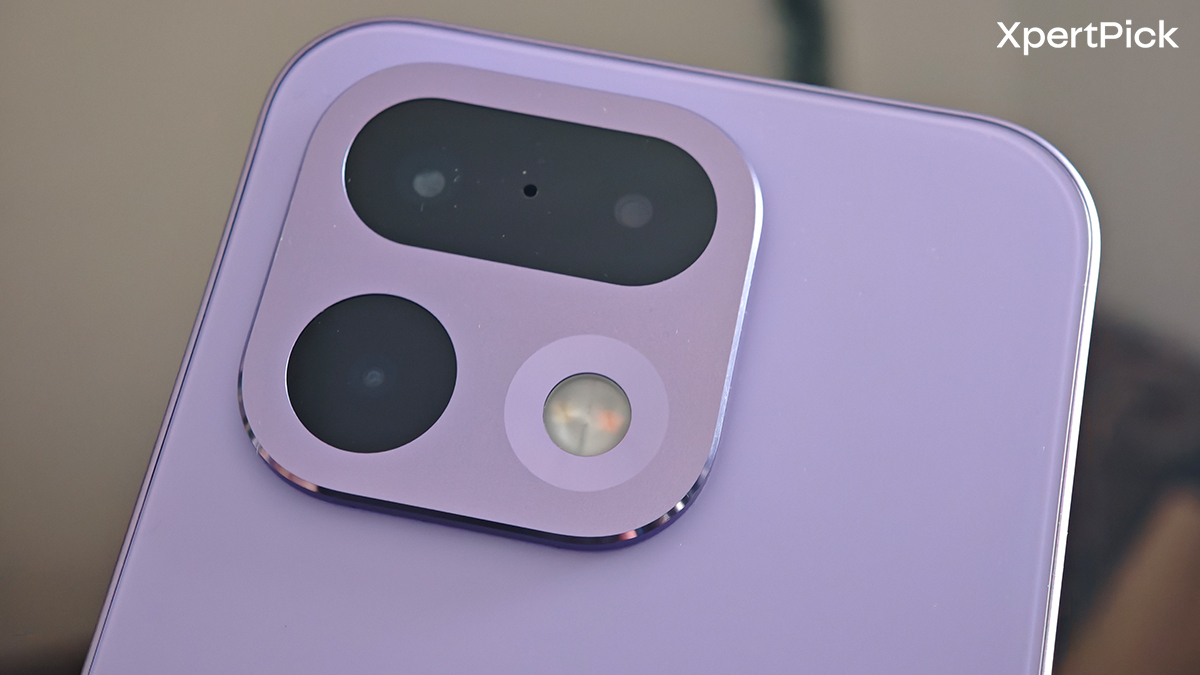
The 200MP primary shooter does most of the heavy lifting in photography. Where the Realme 16 Pro lacks in versatility, it makes up for it with this strong main camera. You get a capable performance in proper lighting conditions, capturing good details, solid dynamic range, and mostly accurate colours. Although it does tend to overexpose the picture under harsh sunlight and colours are slightly more vibrant than in real life.
While you don’t get a dedicated zoom lens, the 200MP resolution allows the Realme 16 Pro to digitally crop for 2x and 4x magnification. In daylight, 2x zoom is nearly as good as the native focal length. You start noticing a hint of noise at 4x, and going any higher has the phone kick in its aggressive sharpening.

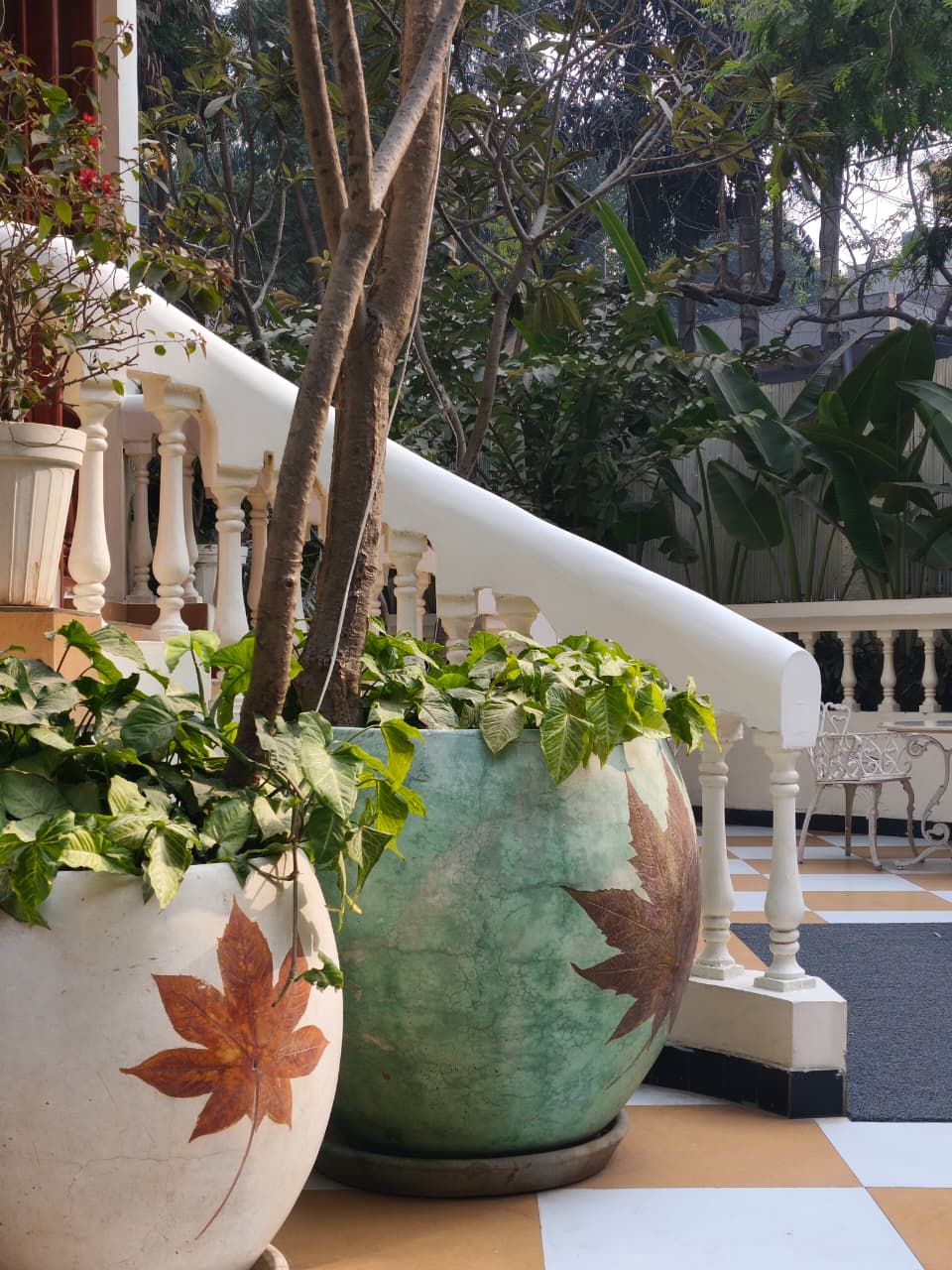





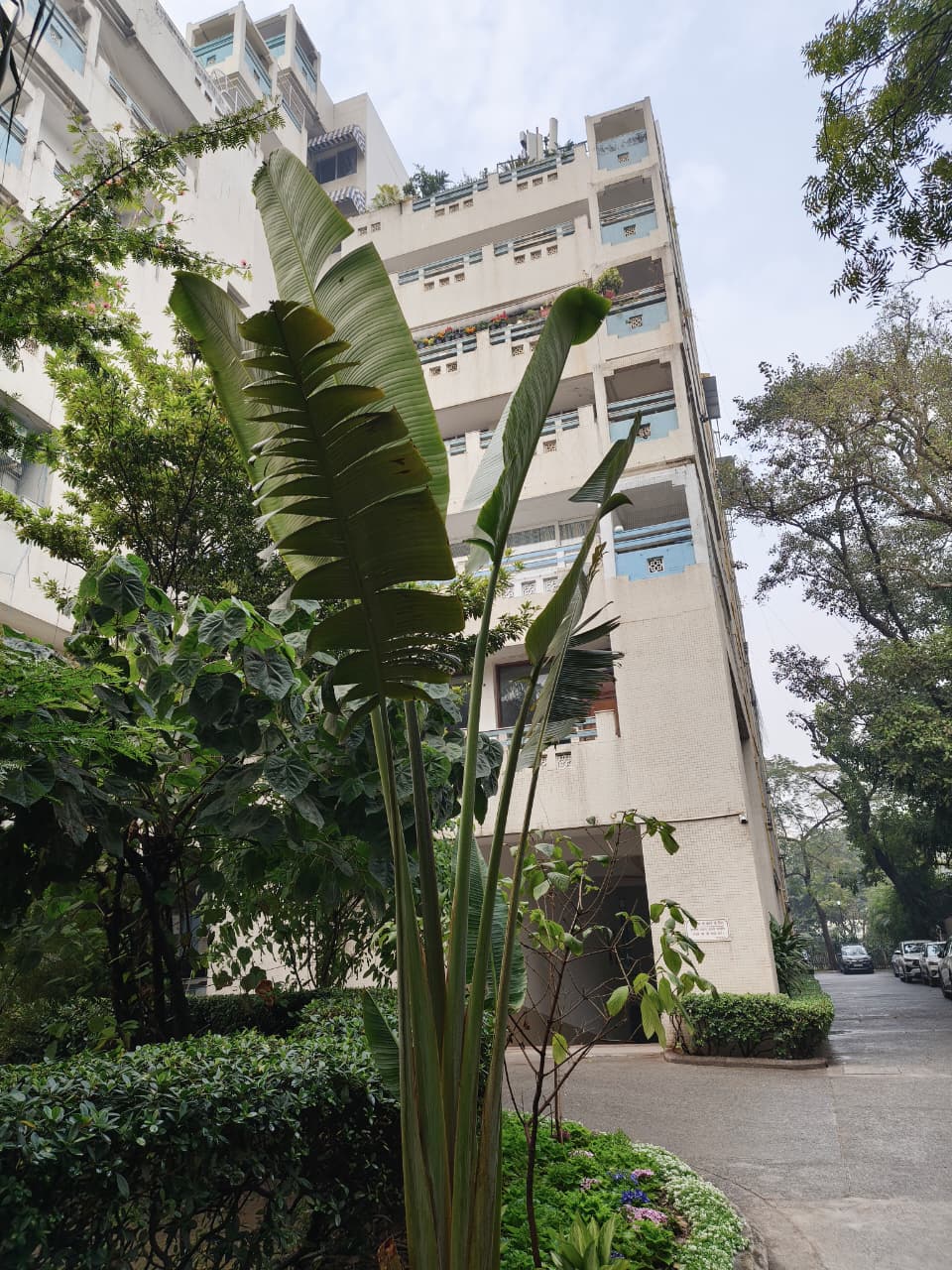
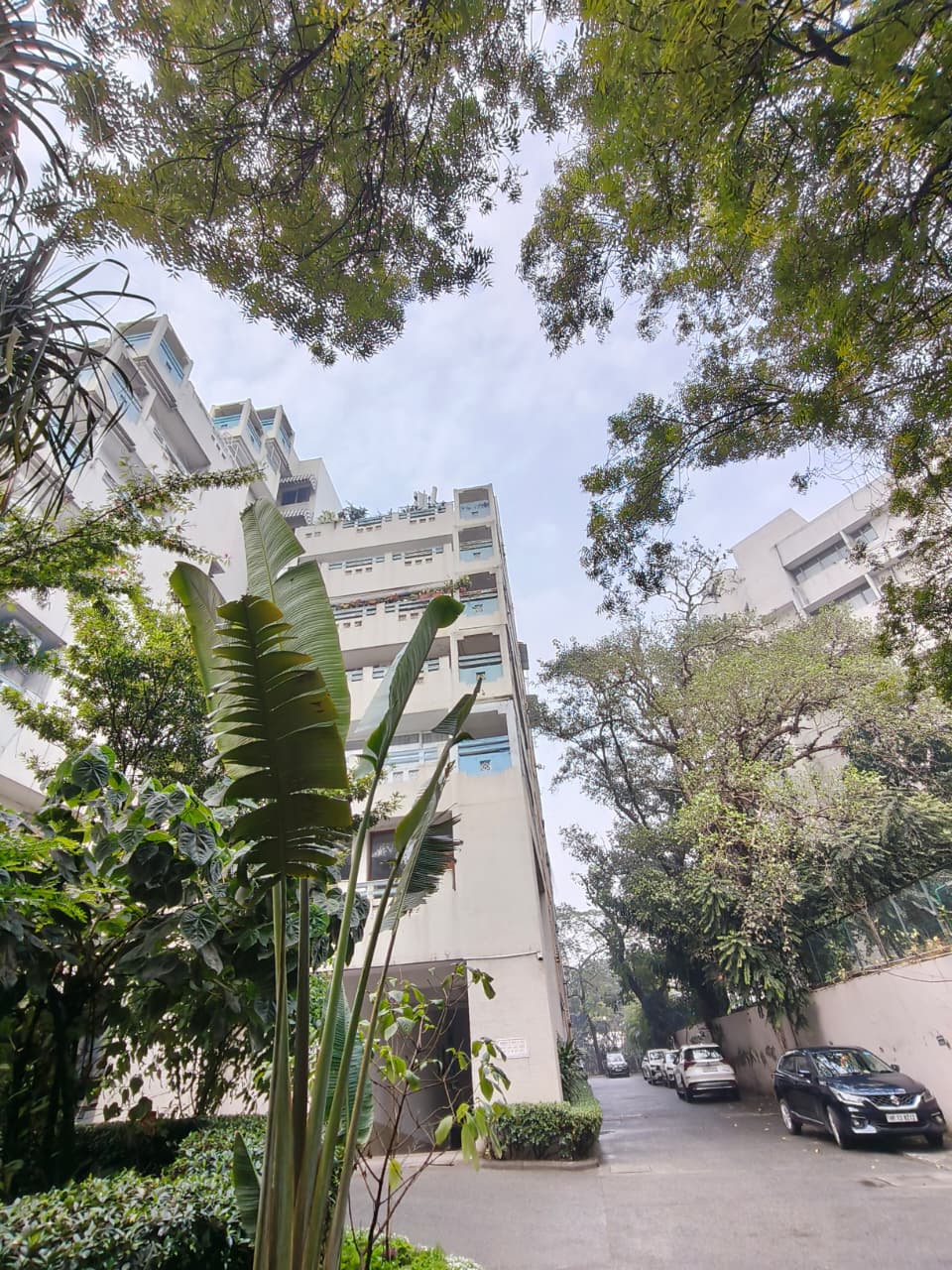
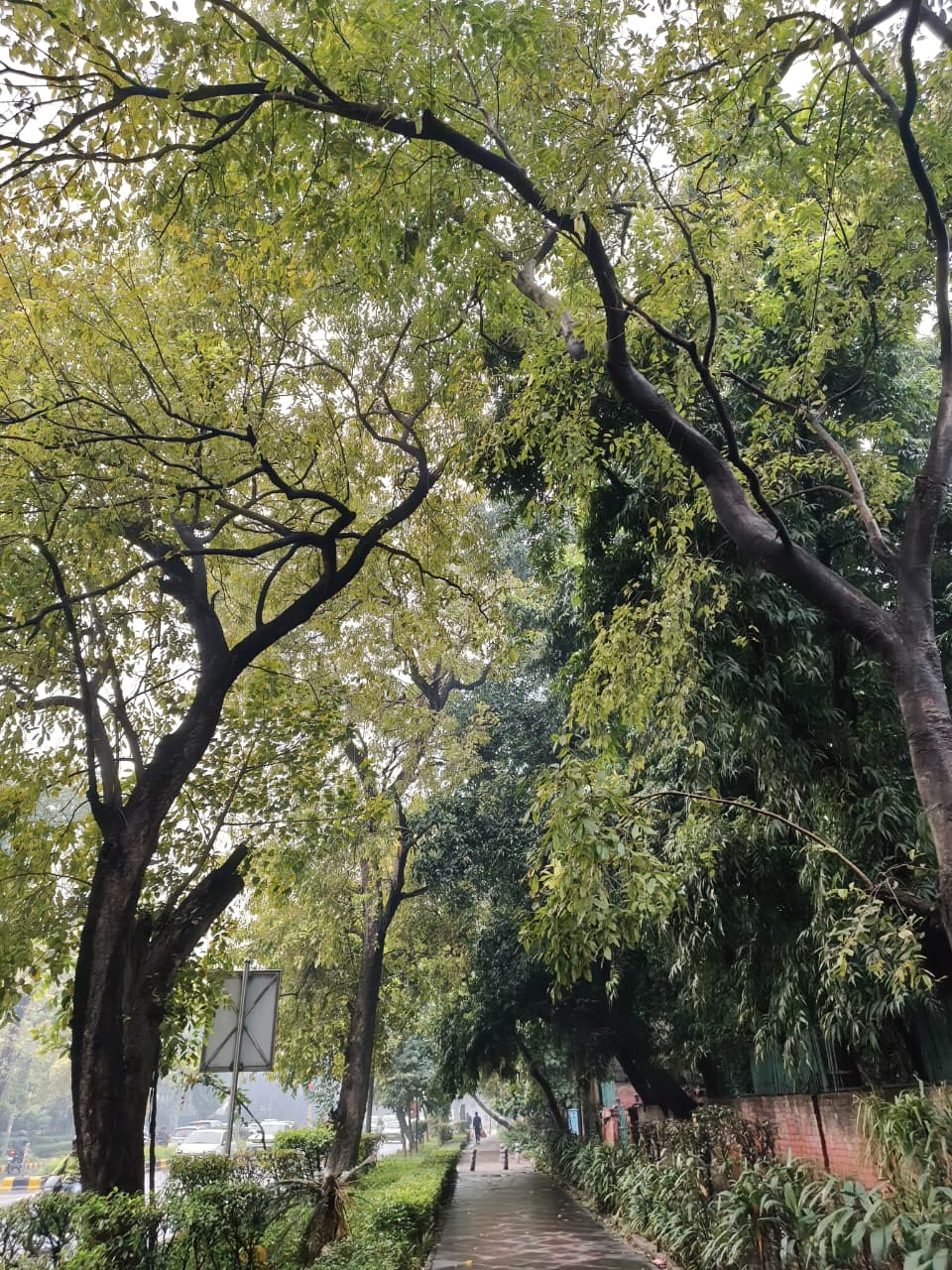
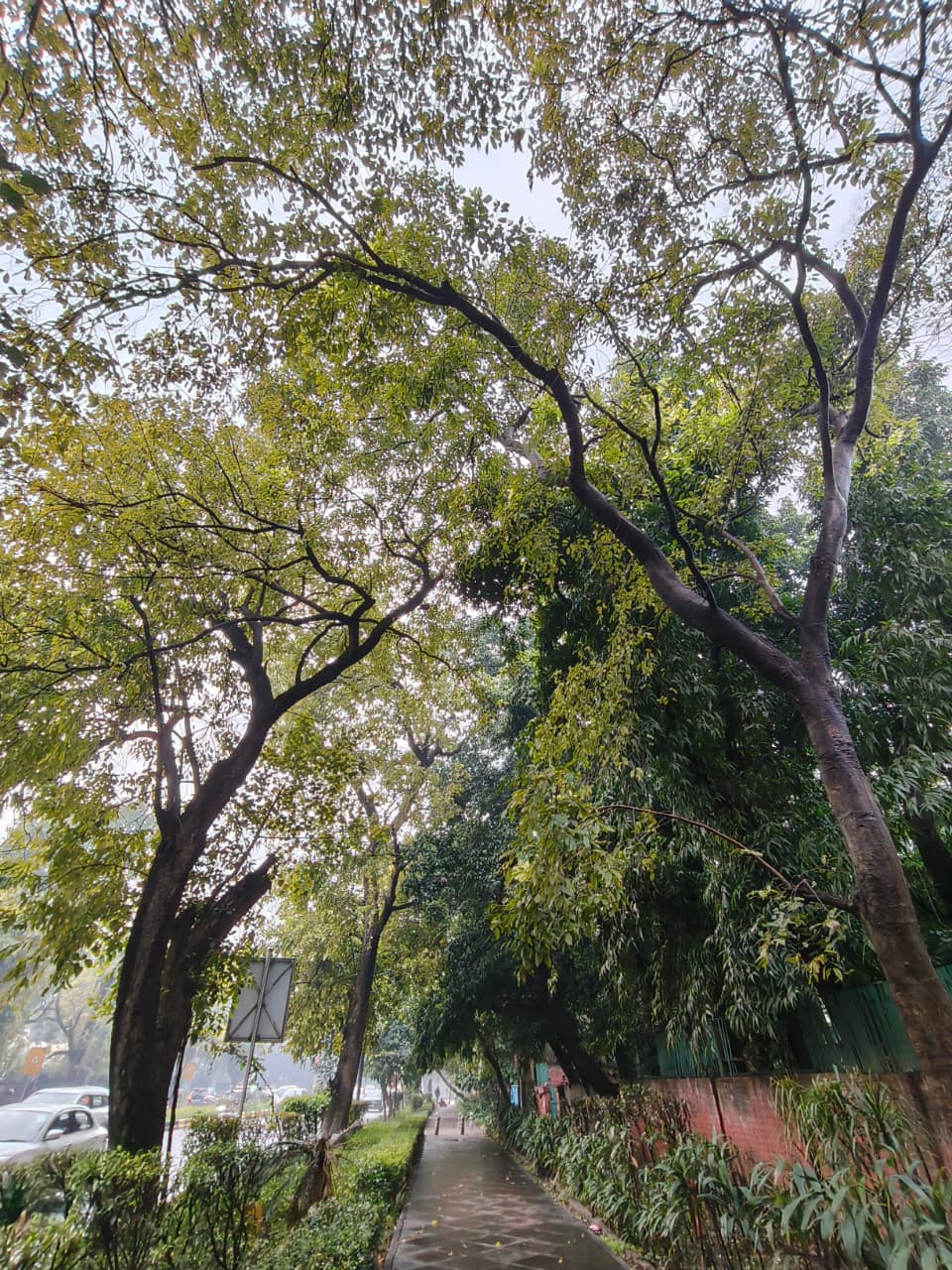
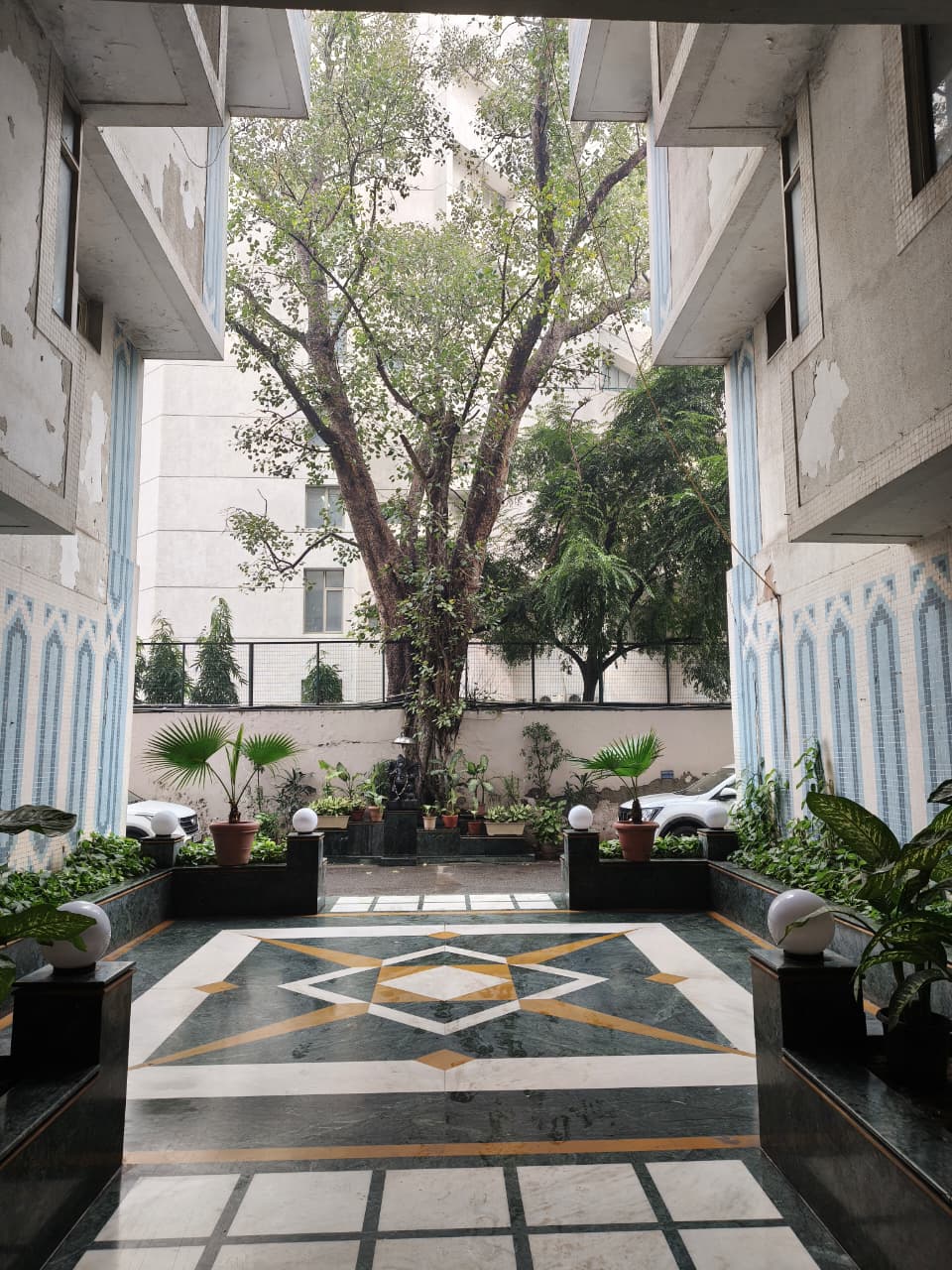
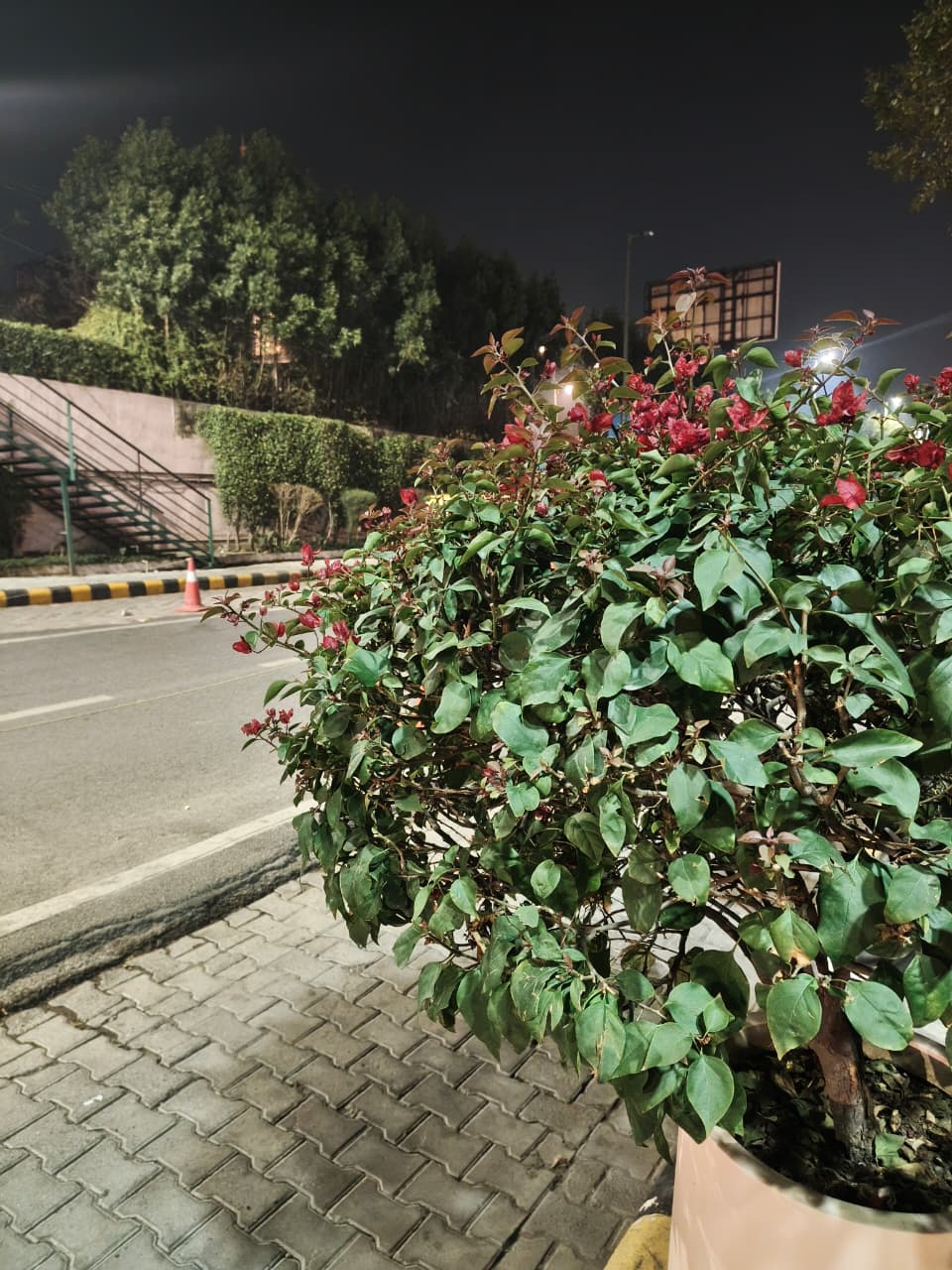
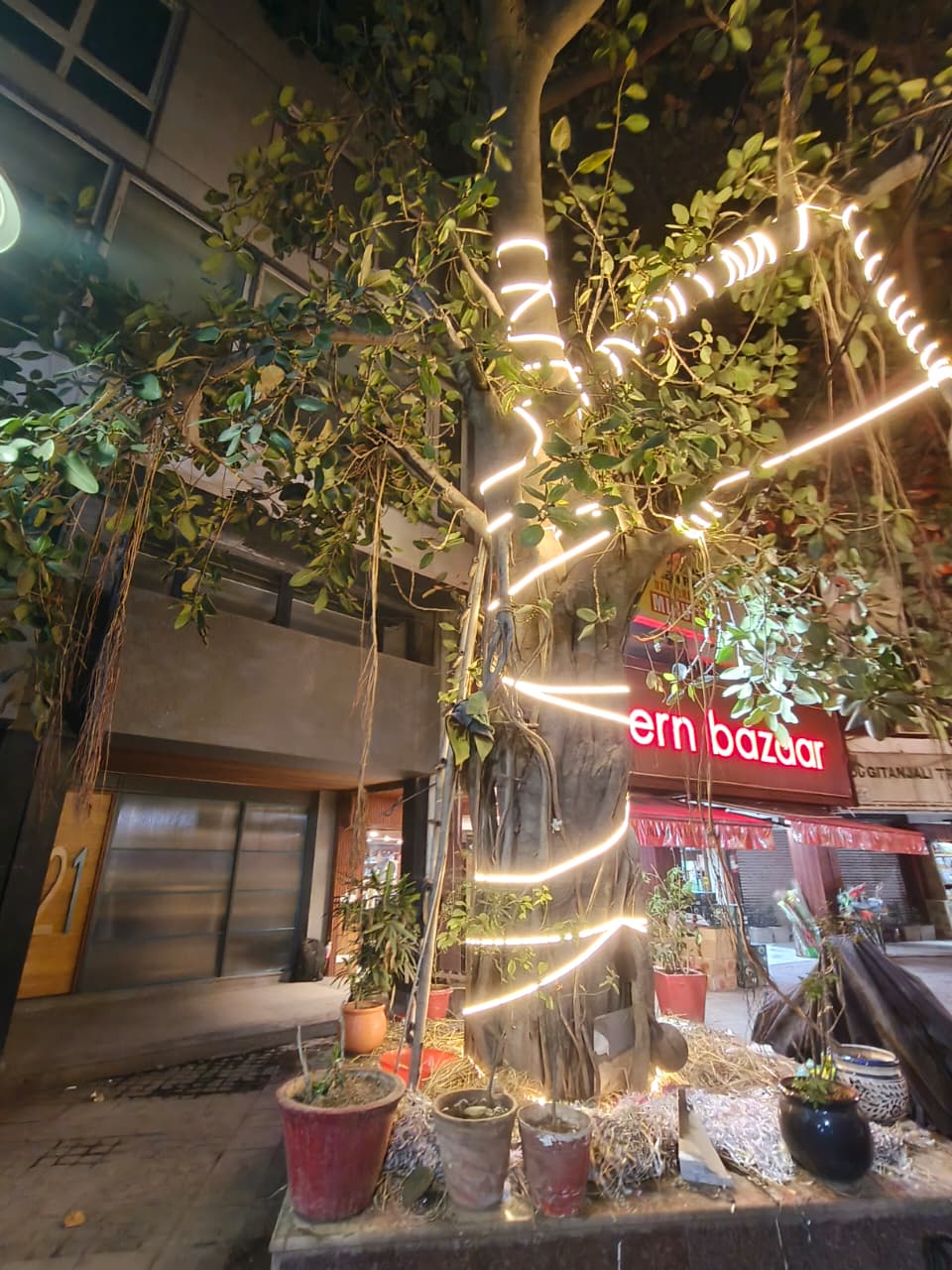
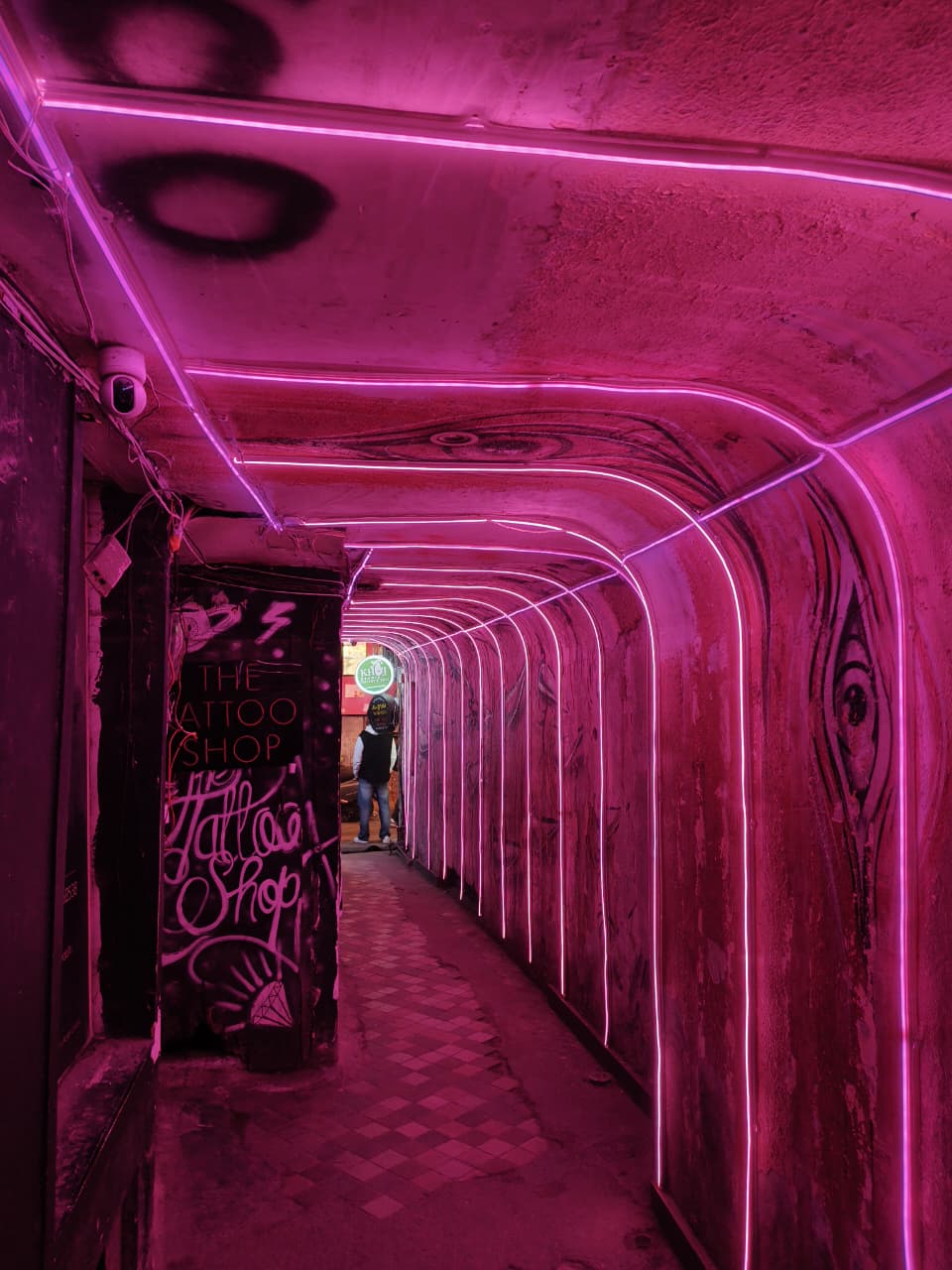
The phone often switches to Night mode automatically in low light, and the results are generally decent. The shots retain good detail under artificial lighting, though noise is visible in darker scenes. The OIS does help, but you’ll need steady hands for shots with slower shutter speeds.
The lack of a telephoto shooter does hold the camera system back, but the unremarkable ultra-wide-angle lens doesn’t help either. It is a tiny sensor with an 8MP resolution that lacks autofocus. This translates to softer pictures in the day and shots filled with noise at night. You can still get a decent image in good lighting, but in most cases, you’re better off sticking to the main camera.



Selfies and video calls are handled by a 50MP shooter that performs much better than the ultra-wide lens. It also lacks autofocus, but still captures a good amount of details with skin tones leaning towards the warmer side. The cameras also get access to a bunch of filters and a vibe mode with different colour tuning to add more life to your pictures. You won’t be interacting with it often for a quick shot, but experimenting with these can be fun.


Video performance is serviceable but not a highlight. Stabilisation is decent, though walking and panning shots can introduce jitters. Video detail and colour consistency also lag behind still photography, likely due to software optimisation.
Realme UI 7: ColorOS DNA with Some Extra Sprinkles
The Realme 16 Pro runs Android 16 out of the box with Realme UI 7 on top. As expected from an Oppo sub-brand, there are similarities to ColorOS, but it still has enough tweaks to keep things feeling more distinct from OxygenOS. Animations are fluid, and the new Light Glass design, clearly inspired by Apple’s Liquid Glass aesthetic, adds a modern touch.
There’s a fair amount of preinstalled software, apart from the usual Google suite, including Realme apps and third-party apps like Netflix, Snapchat, and PhonePe. Thankfully, most of these can be uninstalled. Virtual RAM expansion of up to 14GB is also available, though it doesn’t make a noticeable difference in performance.
Aside from the occasional odd input when using gestures, the software experience was largely bug-free. I also appreciated the option to use a combined notifications and quick settings panel, with the flexibility to revert to the traditional layout if you prefer. There’s also the usual AI features, from writing tools to image editing options, and a promise of 3 major Android updates and 4 years of security patches.
Verdict
The Realme 16 Pro is a typical case of focused priorities. It doesn’t try to be the fastest phone in its segment, nor does it aim to offer a fully versatile camera setup. Instead, it leans heavily into areas that matter most to its target audience, which is with a distinct design, display quality, solid battery life, and a strong primary camera.
Its massive 7,000mAh battery, durable build with IP68/IP69K ratings, and eye-catching design make it a compelling option for users who value longevity and aesthetics. The 200MP main camera also delivers dependable results, even if the supporting lenses leave a lot to be desired.
However, performance enthusiasts and mobile gamers may find better value elsewhere, especially given the competition offering more powerful chipsets at similar prices. The Realme 16 Pro makes sense if you’re looking for an all-day phone with a premium look, excellent battery life, and a reliable main camera.
Pros
- Massive 7,000mAh battery with solid endurance
- Bright and smooth AMOLED display
- Attractive design with durable IP68/IP69K protection
- Solid 200MP main camera
Cons
- Average performance for the price
- Weak ultra-wide camera and no telephoto lens
- 144Hz refresh rate is rarely used in practice