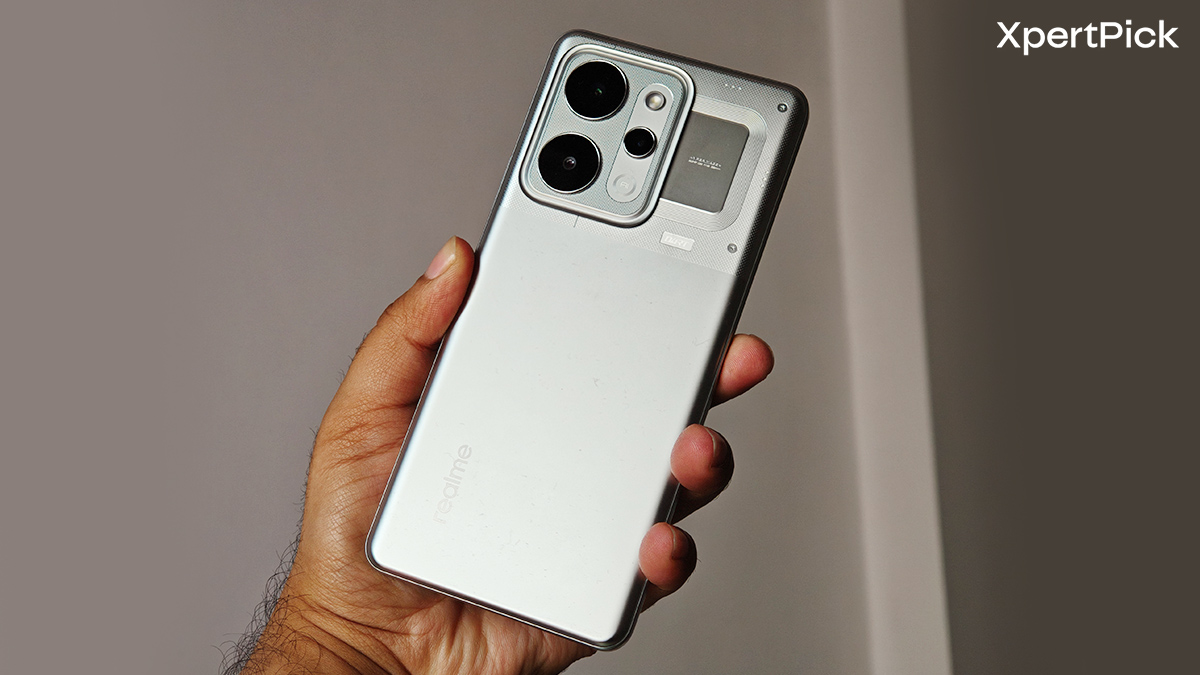
In a perfect world, our smartphones would be portable consoles, last a full week, and have DSLR-like camera quality. But reality is far less generous. While smartphone photography and performance have made impressive leaps, battery life has lagged behind in recent years. That’s finally starting to change, thanks to silicon-carbon battery technology, which enables larger cells without completely ballooning phone sizes.
The new generation of smartphones is already crossing the 6000mAh mark, but there’s a smartphone that even power banks would be embarrassed by. Just last month, the Realme P4 Power made its official debut in the Indian market, bringing the largest battery ever on a smartphone. And yes, the endurance on offer is genuinely impressive. But a phone is more than just a battery that powers it. So the real question is simple: does building a phone around a 10,001mAh cell actually make sense?
Surprisingly Portable with a Bright Display
A bigger battery capacity usually means a thick and heavy phone. At 9.08mm thick and weighing 219 grams, it is definitely not slim, even in this price range. Put it next to something like the Motorola Edge 70, which is nearly 3mm thinner with a 5,000mAh battery, and the difference is obvious. That said, doubling the battery capacity without completely losing ergonomics is no small feat.
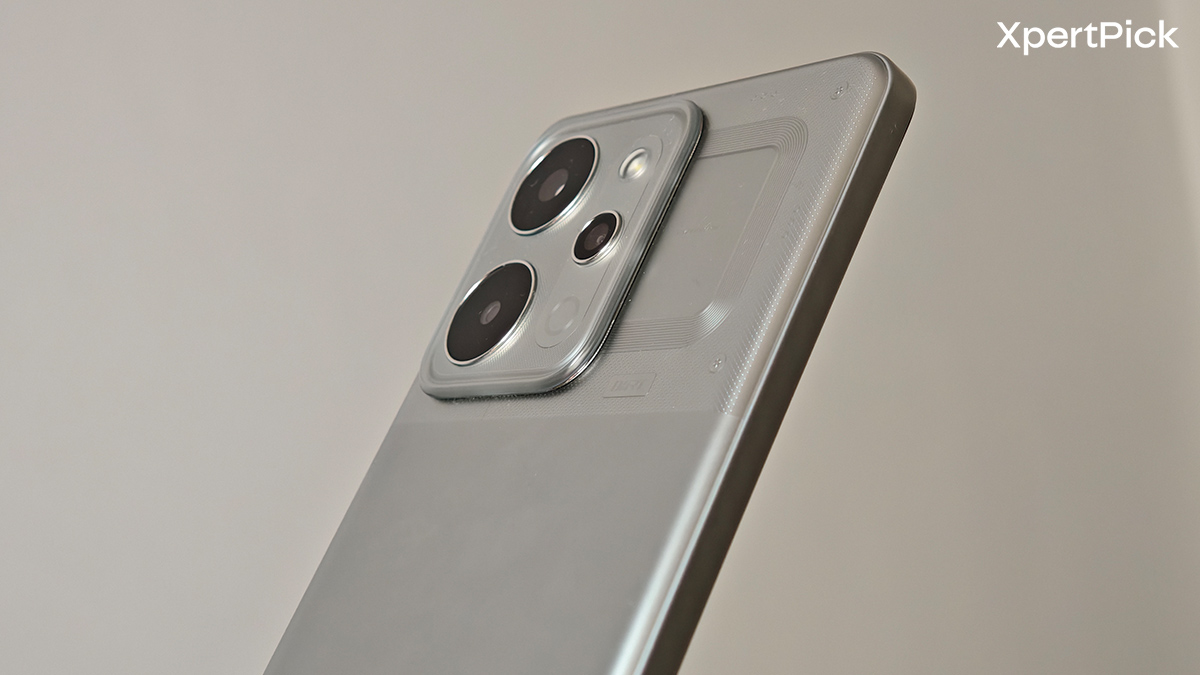
Thanks to the curved edges, the phone feels comfortable to hold. And the plastic construction for the rear panel and side frame is likely a deliberate choice to keep the weight in check. Still, at nearly the same weight as foldables like the Vivo X Fold 5, it can get tiring during long usage sessions. The design itself is clean, with semi-transparent accents and dual-tone finishes across colour options, but it doesn’t particularly stand out in a crowded mid-range market.
Durability, however, is a strong point. You get an IP66 + IP68 + IP69 rating for water and dust resistance, Corning Gorilla Glass 7i protection on the front, a pre-applied screen protector and an included transparent case in the box, making this a complete package.
Up front is a tall 6.8-inch AMOLED display with a 1.5K resolution and a 144Hz refresh rate. The panel is smooth, responsive, and great for content consumption. HDR10+ support ensures vibrant colours on streaming platforms, while brightness peaks at an impressive 6,500 nits. You can manually crank up the brightness to 1,800 nits, which means superb visibility outdoors.
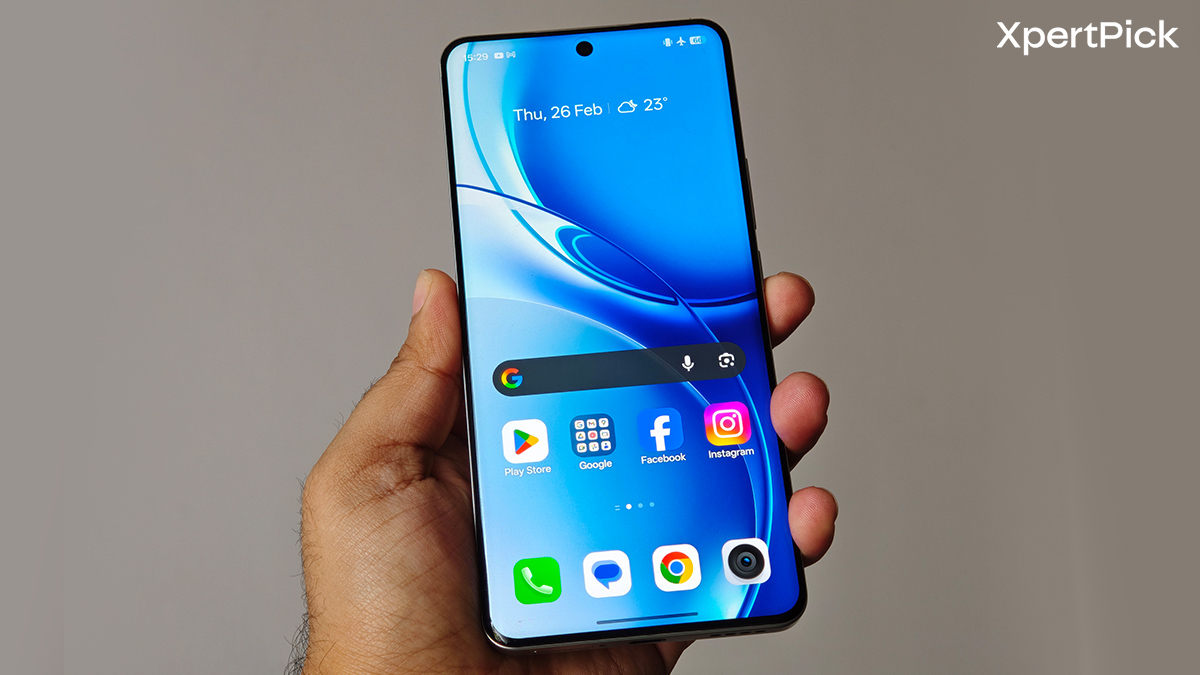
But there are a few quirks. The phone defaults to FHD resolution instead of 1.5K, which feels unnecessary given the battery size. The 144Hz refresh rate is also limited to a handful of system apps and doesn’t extend to gaming. Haptics are another weak point and feel quite soft.
Slow and Steady Wins the… Marathon?
The Realme P4 Power makes its priorities very clear. It isn’t built to sprint, but it will always cross the finish line. If you’re looking for something that’s balanced and gets you through the day, the Dimensity 7400 Ultra SoC with 12GB LPDDR4X RAM and 256GB of UFS 3.1 storage on offer has got you covered. You can find the synthetic benchmarks listed below:
- AnTuTu – 1,032,479
- AnTuTu (CPU) – 361,600
- AnTuTu (GPU) – 151,117
- Geekbench: 1,068 (single) / 2,987 (multi)
This is a capable mid-range setup focused on efficiency rather than raw speed. Everyday usage is smooth for the most part, with no issues when using the phone for social media, video streaming, and light multitasking. Push it harder with multiple demanding apps or extended gaming, and you’ll start noticing micro-stutters.
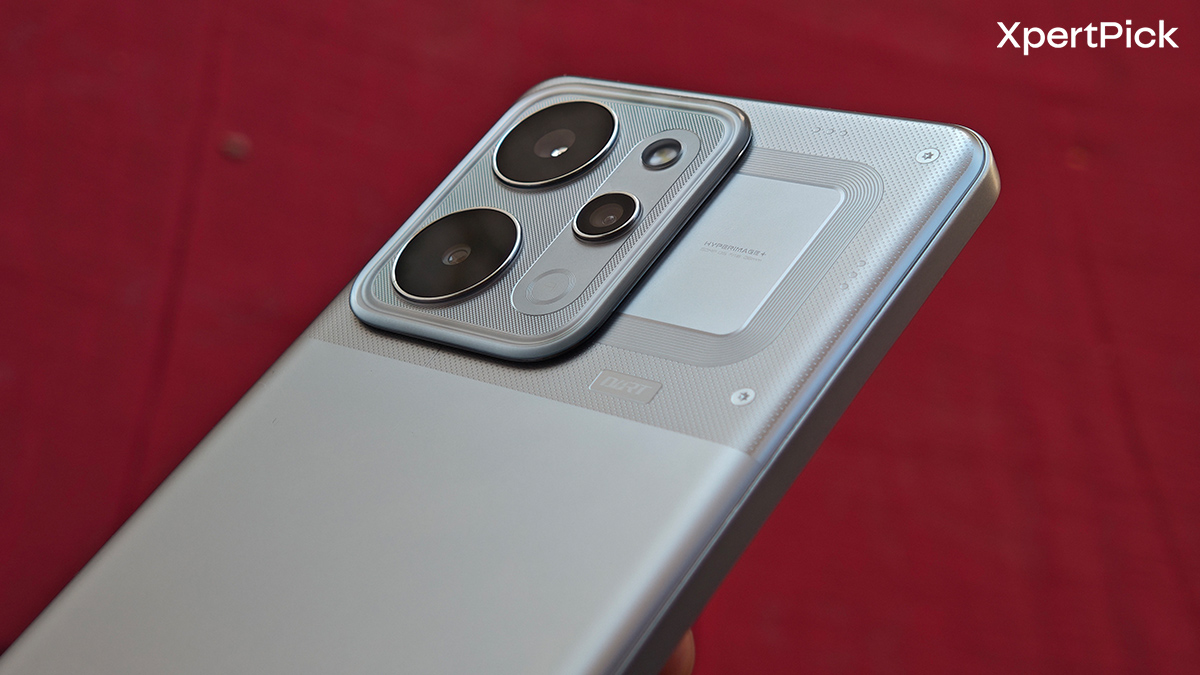
Despite the 144Hz display, certain competitive titles like BGMI max out at 90fps. Even then, the experience isn’t stable, and performance starts throttling over time. More graphically intense titles like Wuthering Waves are playable at around 30fps. So gaming performance is firmly in the “casual” category. However, thermals are well managed, and the large vapour chamber keeps the thermals in check, which is important for such a large battery.
Speaking of which, the battery is where the Realme P4 Power truly earns its name. main highlight here. The 10,001mAh battery is genuinely ridiculous in the best way possible. Even with a less efficient chipset, the sheer capacity means battery anxiety is practically nonexistent.
With moderate use (light gaming, media consumption, photography, and doomscrolling, the phone comfortably lasted for two full days. Even when actively trying to drain it, screen-on time crossed the 10-hour mark. Charging is handled via an 80W wired fast charger. Despite that, the massive cell still takes around 1 hour and 20 minutes to fully charge. That’s not slow, but it reminds you just how large this battery really is.
Photography as an Afterthought
It is immediately clear where the compromises were made. The camera system is functional, but far from competitive in this segment.
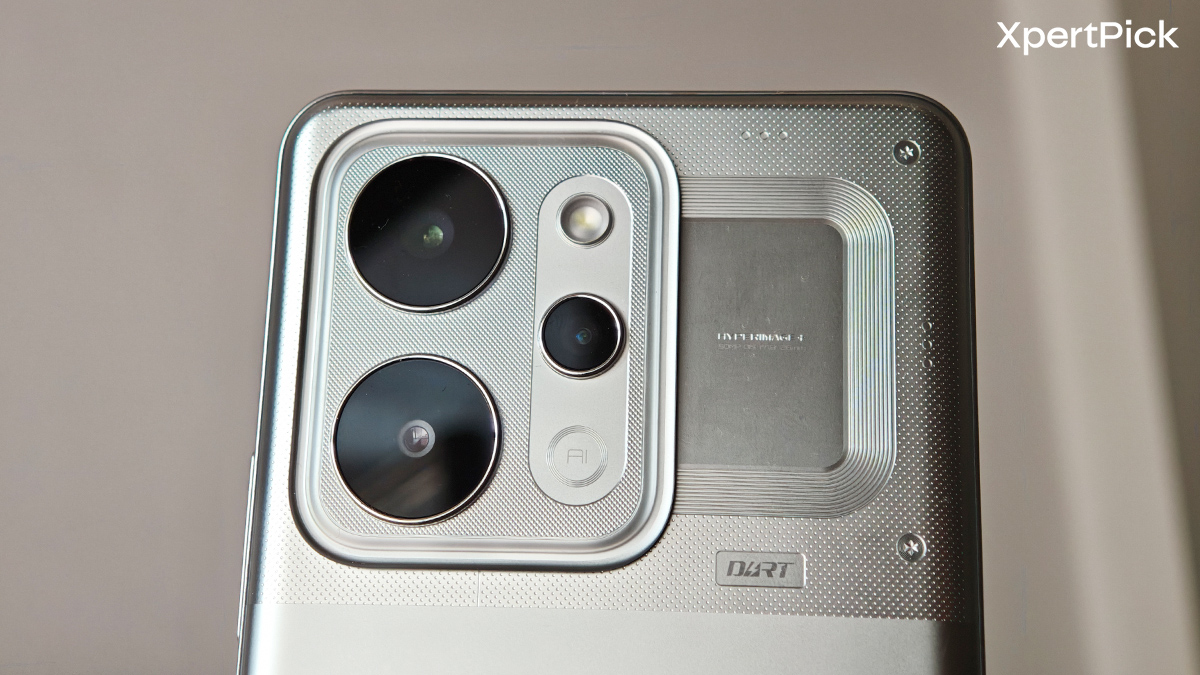
Camera hardware:
- 50MP 1/1.95″ Sony IMX882 main sensor (f/1.8 aperture, OIS)
- 8MP 1/4” ultra wide angle lens (f/2.2)
- 16MP 1/3” Sony IMX480 selfie camera (f/2.4)
If you think that the main sensor looks familiar, you’ve probably seen it in a bunch of other phones as the telephoto shooter (eg, Motorola Signature, Oppo Find X9, iQOO 15). So in most daylight shots, the P4 Power is quite competent. The main camera is competent in daylight, producing sharp images with saturated colours. Dynamic range can be surprising in favourable conditions, but harsh lighting often leads to crushed shadows.
There is no telephoto shooter here, but the 2x digital crop is usable. For the most part, the quality only takes a slight hit. Though oversharpening becomes visible when zooming into the image. Even in good lighting, you start seeing the oversharpening. Low-light performance takes a noticeable hit, with soft textures and noise creeping in. Competing phones, like the Motorola Edge 70, and even older options, like the Nothing Phone (3a), offer more consistent results.
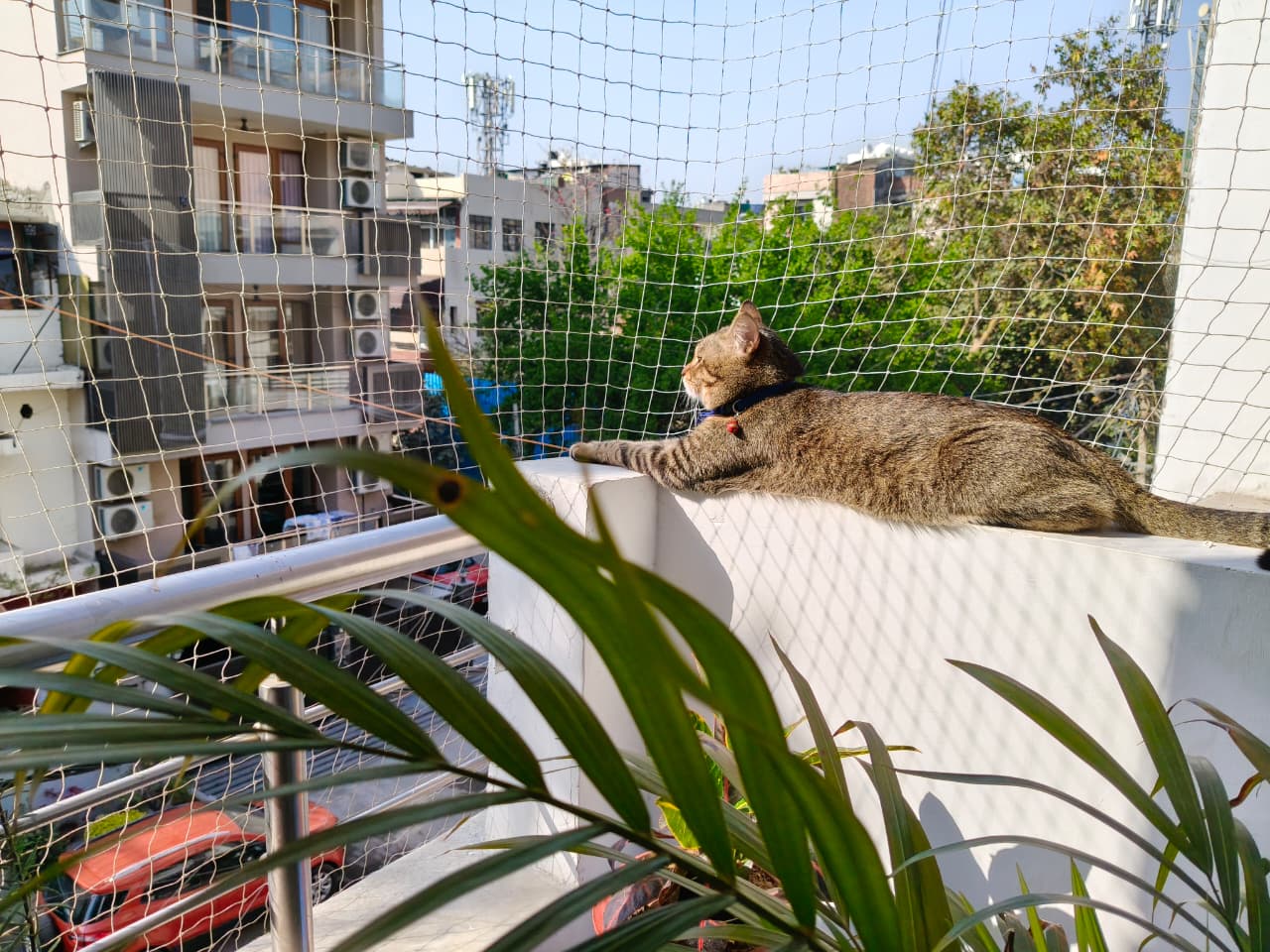




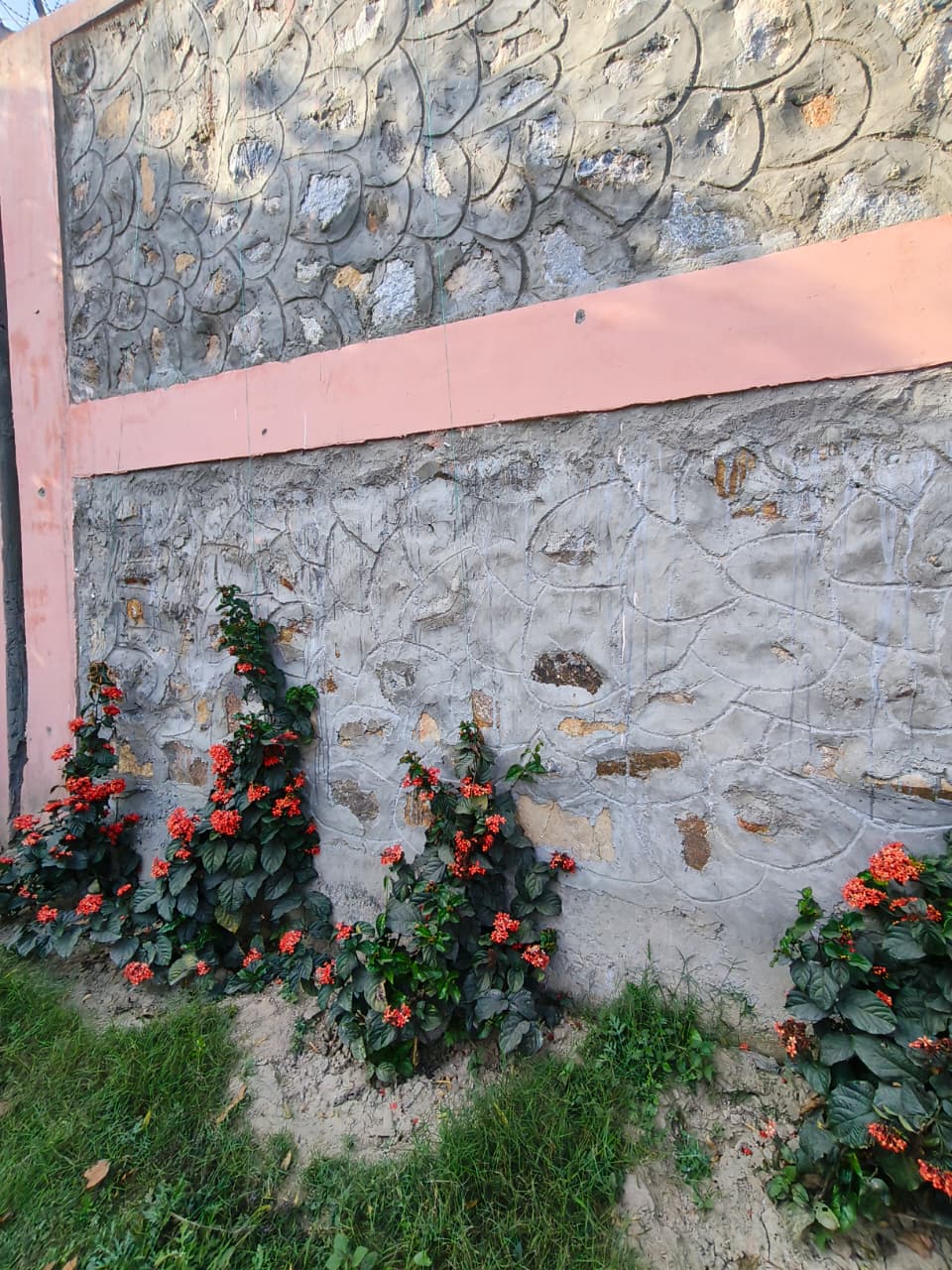










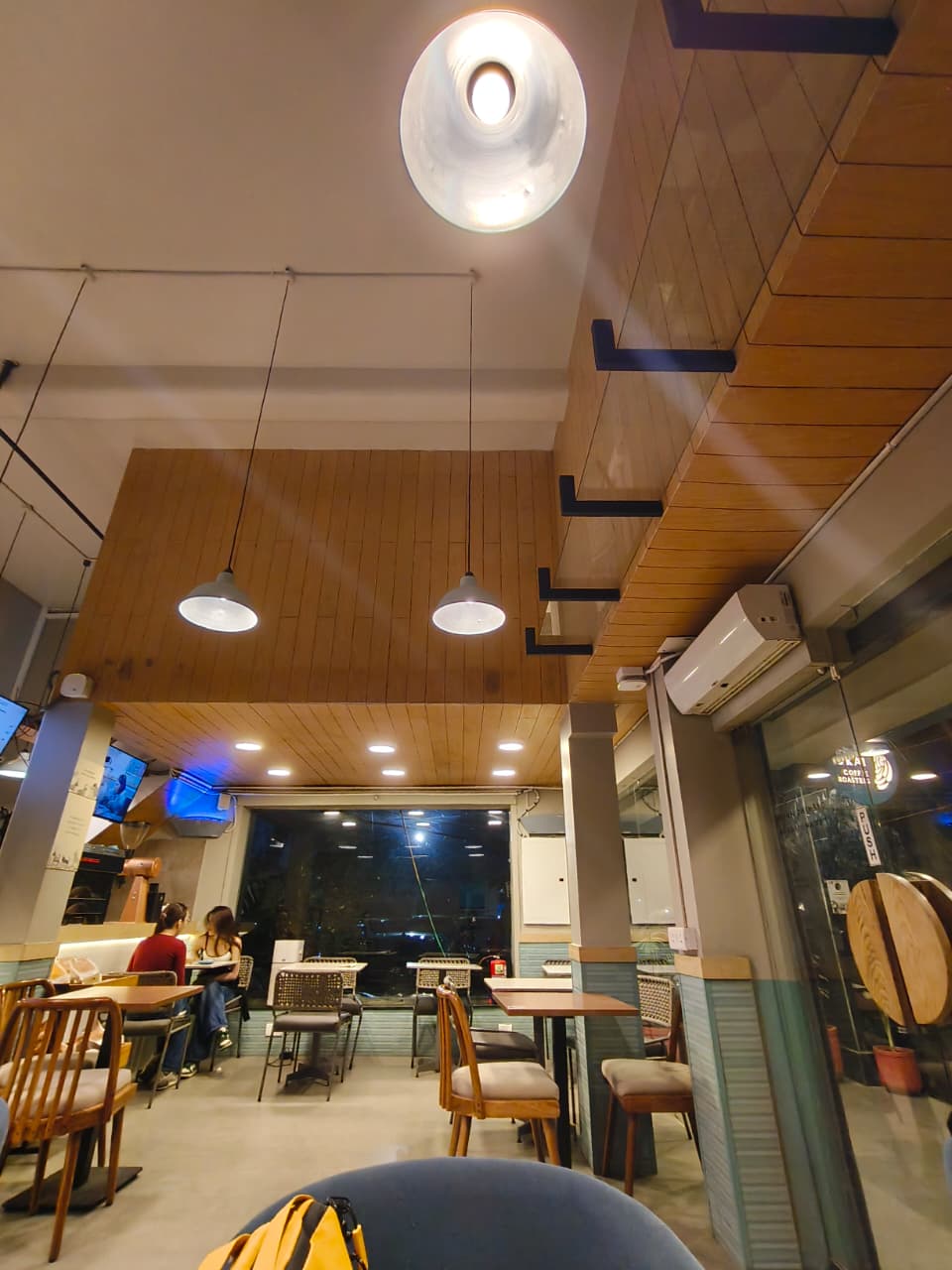



Even in terms of just hardware, older devices like the Nothing Phone (3a) have an edge. The ultra-wide camera is serviceable during the day but struggles at night with soft edges, distortion, and heavy noise. It’s best avoided in low-light scenarios altogether.
The selfie camera is surprisingly decent, delivering good detail and pleasing colours. For videos, the Realme P4 Power supports 4K30fps recording on both the rear cameras, while the front camera maxes out at 1080p30fps. Video tops out at 4K30fps on the rear cameras and 1080p30fps on the front. Dual-axis OIS helps stabilisation, but overall video quality is merely passable.
Realme UI: More of What Already Works
The Realme P4 Power runs on the Android 16 OS with the Realme UI 7 custom skin out of the box. Having recently reviewed the Realme 16 Pro, the experience was more of the same. But that’s not a bad thing. Being a spin-off of ColorOS, you can expect a fluid experience once again. Animations are smooth, the new Light Glass design makes a return, and there are robust customisation options, especially with the Always-on display.
There were no major bugs during testing. But the custom skin does come with some preinstalled bloatware. Apart from this, the typical set of AI features is present along with a promise of 3 Android OS updates and 4 years of security patches.
Verdict
The Realme P4 Power is not a balanced smartphone, and it doesn’t pretend to be one. For Rs 27,999, it makes a bold trade-off by sacrificing camera versatility and performance in exchange for unmatched battery life. And if endurance is your top priority, there’s simply nothing else like it in this price range.
This is a phone built for users who hate charging, travel frequently, or want a device that just refuses to die. The display is solid, the software is reliable, and everyday performance is good enough for most users. But if you care deeply about gaming performance or camera quality, there are plenty of more well-rounded options out there, such as the Edge 70 and Realme 16 Pro.
Pros
- Insane 10,001mAh battery with true two-day endurance
- Bright, smooth AMOLED display
- Strong durability ratings (IP66/IP68/IP69)
- Solid software experience
Cons
- Cameras lag behind competitors
- The heft can get tiring
- 144Hz refresh rate has limited use