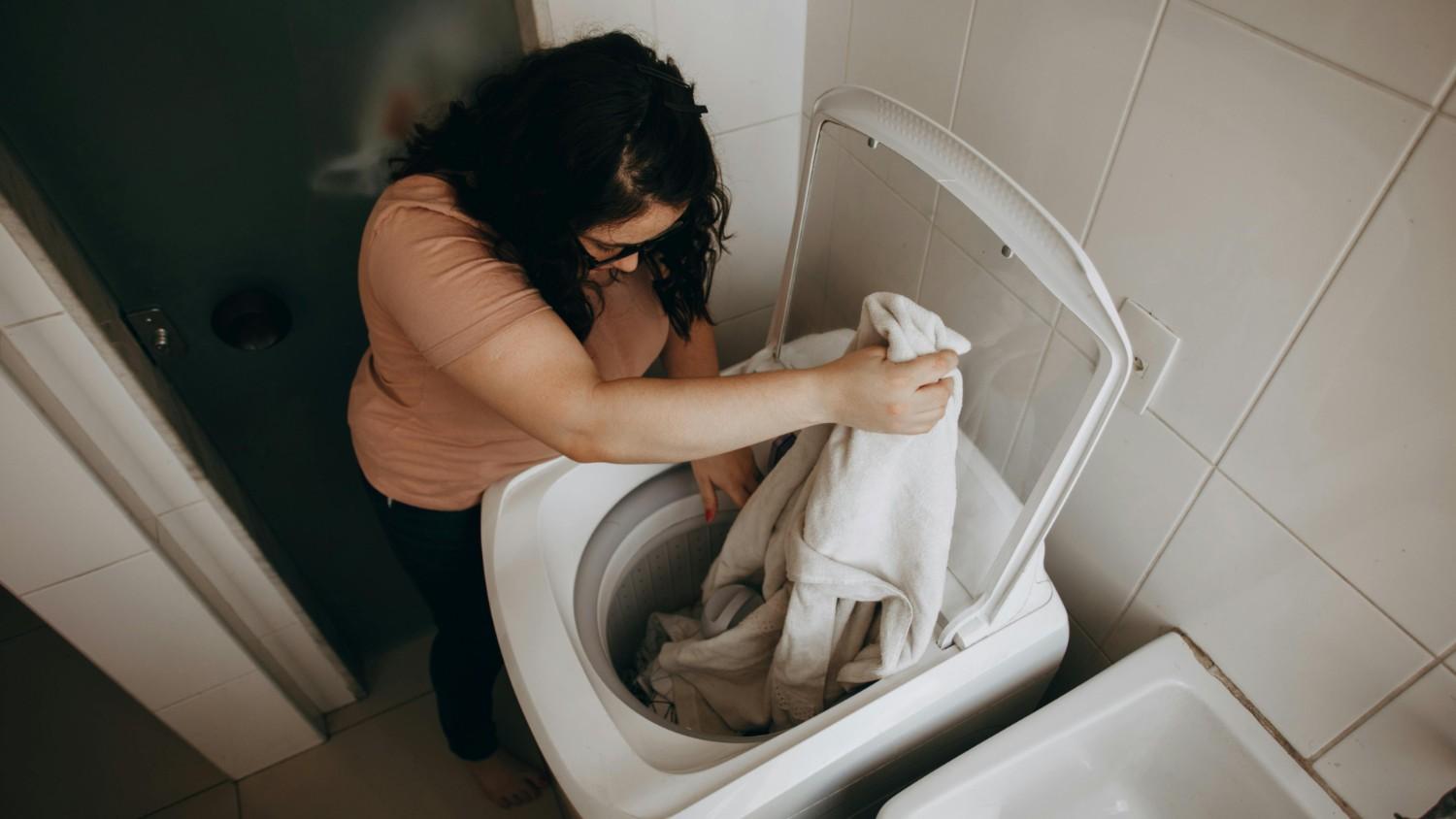
When you buy a washing machine in India, it is not really a straightforward decision. A lot of factors have to be considered. One major decision is to choose between a front-load machine and a top-load machine. You have to take a call based on things like limited space, inconsistent water supply, and varying electricity usage.
You might think that choosing between a front-load and a top-load washing machine is largely a cosmetic choice. It’s simple, no? One opens from the front, while the other opens from the top. But it isn’t just about that. There’s also a big difference in how these machines operate, how much water they use and even electricity, and also how they treat your clothes over time.
That’s why it is important to understand the difference between these two washing machine types to make the right decision.
How the Two Machines Actually Work
The most basic difference between the front-load and top-load washing machines lies in the way they wash clothes.
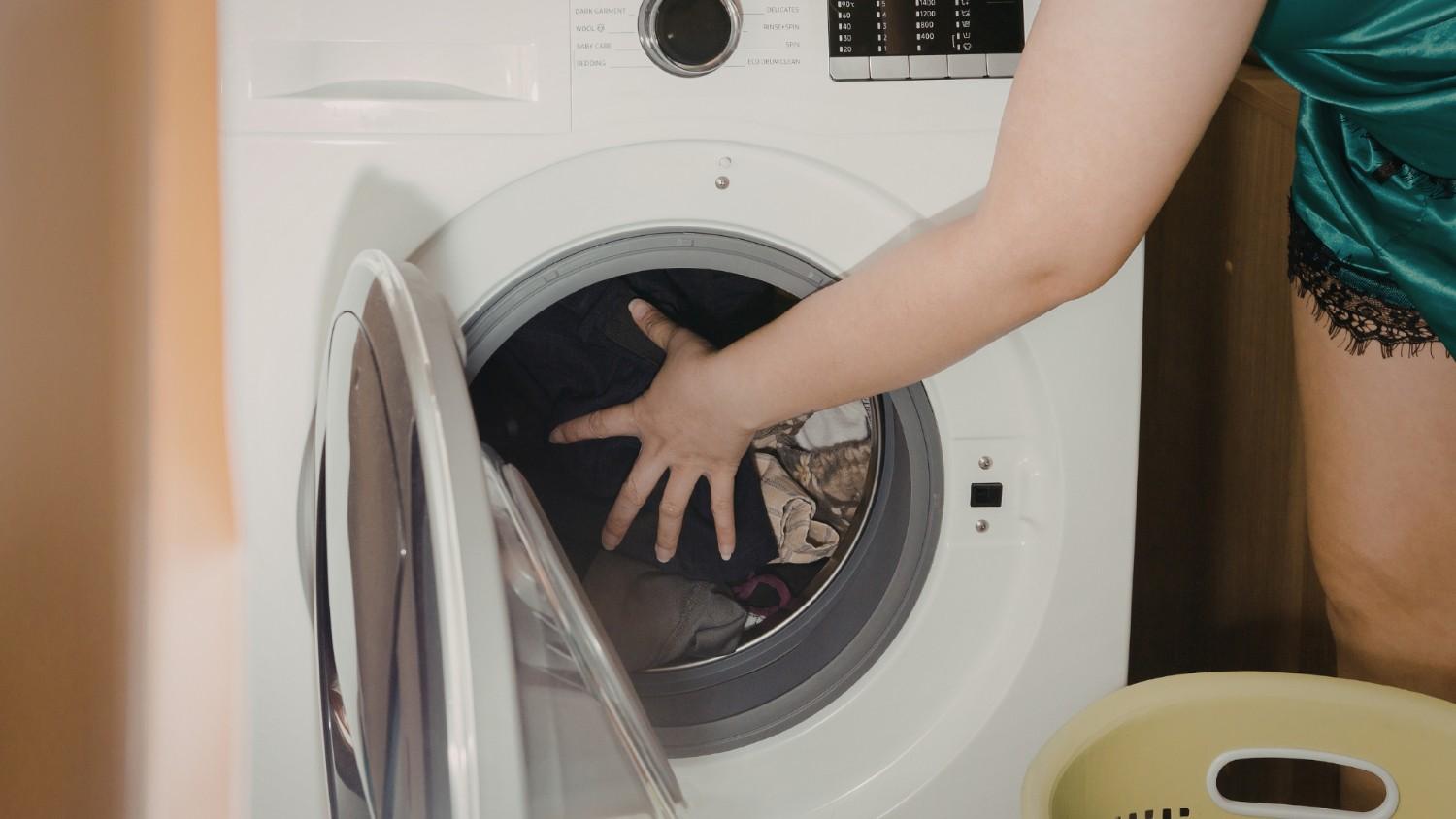
Front-load washing machines use a rotating drum that tumbles the clothes repeatedly. Instead of soaking clothes in a large volume of water, it relies on the tumbling motion to create friction. This helps in removing dirt while using relatively less water.
Top-load washing machines, on the other hand, use either an agitator or an impeller. An agitator is a central spindle that twists clothes back and forth. An impeller is a low-profile rotating plate that moves clothes around within the drum. But in both cases, clothes are submerged in more water than what a front-load machine uses.
And this difference in washing mechanism has a direct impact on everything from fabric care to water consumption.
Cleaning Performance and Fabric Wear
See, both types of washing machines are capable of cleaning clothes effectively, but they do it in different ways. You notice that difference over time.
With a front-load washing machine, they are a bit more gentle on the clothes because the tumbling motion reduces direct stress on the clothes. This makes them a better choice for delicate clothes like synthetic blends, activewear, and lighter fabrics that wear out easily, which is pretty common in our urban homes.
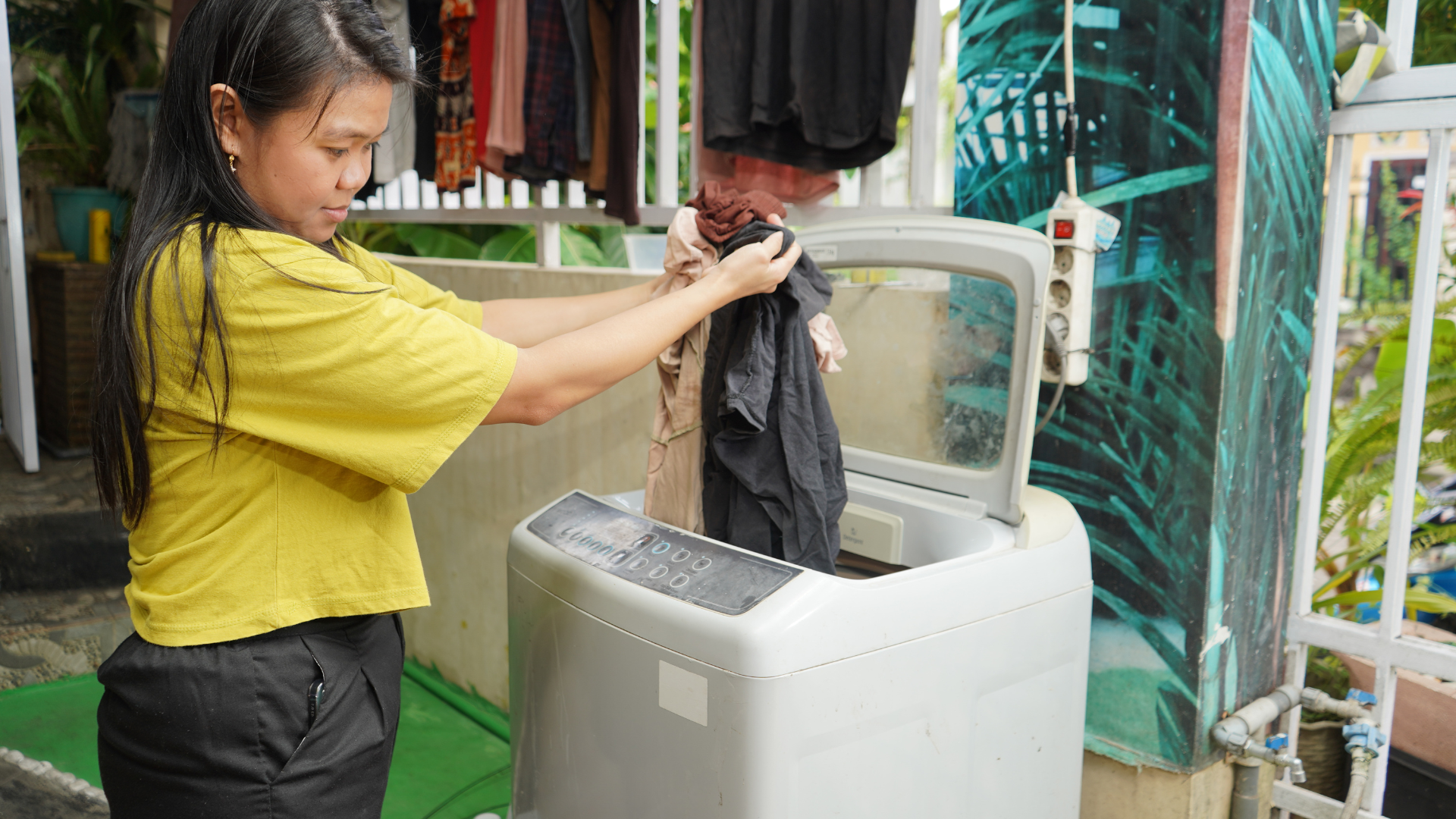
Top-load washing machines, especially those that have agitators, are comparatively more aggressive in their washing styles. This can be beneficial for heavily soiled clothes, something that applies to many Indian households, but it can also lead to faster wear and tear, particularly with regular use. If you have used a top-load washing machine before, you might have noticed how all the clothes are tangled into each other by the end of the wash cycle. This is why.
Water Usage & Indian Homes
The next big difference between these two washing machines is their water usage, and that is an important factor to consider when it comes to Indian homes.
Front-load washing machines are designed to use less water per cycle. Because they rely on tumbling rather than soaking to clean clothes, they require only a small amount of water to work properly. This can be an advantage for homes where the water supply is limited or is dependent on tankers.
Top-load washing machines, on the other hand, generally use a lot more water because they need to completely submerge the clothes during washing. But this can also make them more adaptable in areas where water pressure is inconsistent. Front-load machines often depend on steady water flow, and fluctuations in pressure can sometimes affect performance.
So, front-load washing machines are more efficient, but top-load machines are a bit more forgiving in unpredictable conditions.
Time and Convenience
You also have to consider the time and convenience associated with both of these washing machine types.
Top-load washing machines generally have shorter wash cycles and can be useful for homes where laundry is done more frequently and needs to be completed quickly. You can even add clothes mid-cycle more easily; this is a small but practical advantage.

Front-load machines usually take longer to complete a cycle. But they spin at higher speeds. This means that they remove more water from clothes and reduce the drying time. If you compare the entire wash-and-dry process, the time difference may not be as significant as it initially appears.
Convenience here will depend on your priority. Whether you need quicker wash cycles or overall efficiency.
Which One Should You Choose?
If you live in an apartment with limited space or want a machine that can be placed under a counter or even stacked, a front-load washing machine is more flexible in that regard. It is also a better choice if you are looking for lower water usage, gentler fabric care, and more efficient drying due to higher spin speeds. But it does require more maintenance, especially around the door seal. Plus, it works best when the water supply and pressure are consistent.
Top-load washing machines, on the other hand, are simpler to install and generally easier to maintain over time. They handle larger and heavier loads better, which is useful in homes where laundry piles up quickly. They also adapt easily to inconsistent water pressure, making them a more practical choice in many Indian homes. But then, they use more water and are comparatively rougher on clothes.
So, to sum it up, there is no single “better” option. Choose what fits your routine, space, and usage better.