Water coming into different Indian homes is not the same. And knowing the quality and type of water coming into your house is really important because, in most cases, the source of water, its quality, matters more than the brand of purifier in your kitchen.
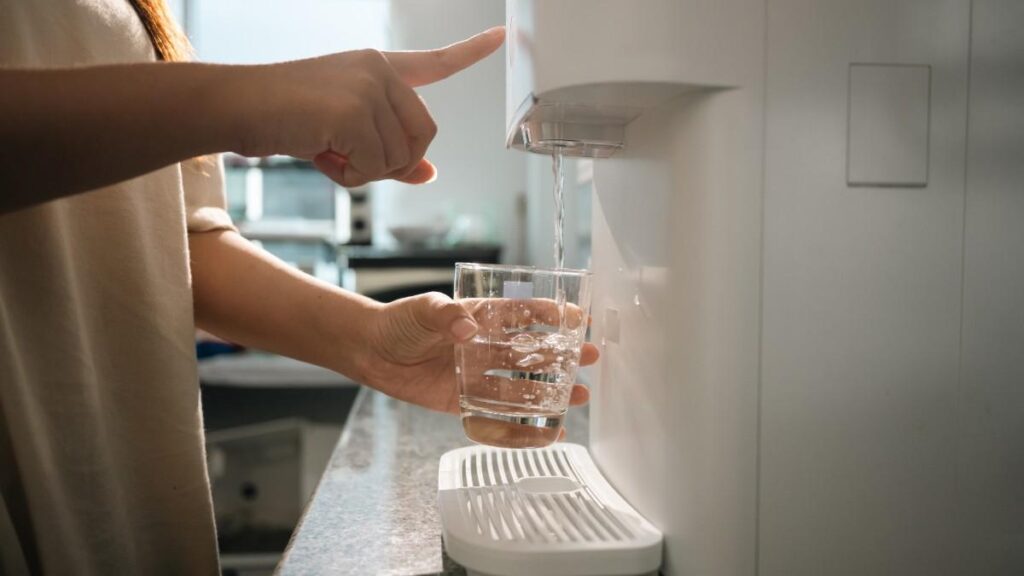
Borewell water, municipal supply, and tanker water each have a distinct mineral profile, contamination risk, and, most importantly, a different TDS level. It mostly corresponds with hard water, soft water, and mixed water, respectively. Before installing a purifier, it is important to understand the kind of water coming into your house so that the issue is treated properly.
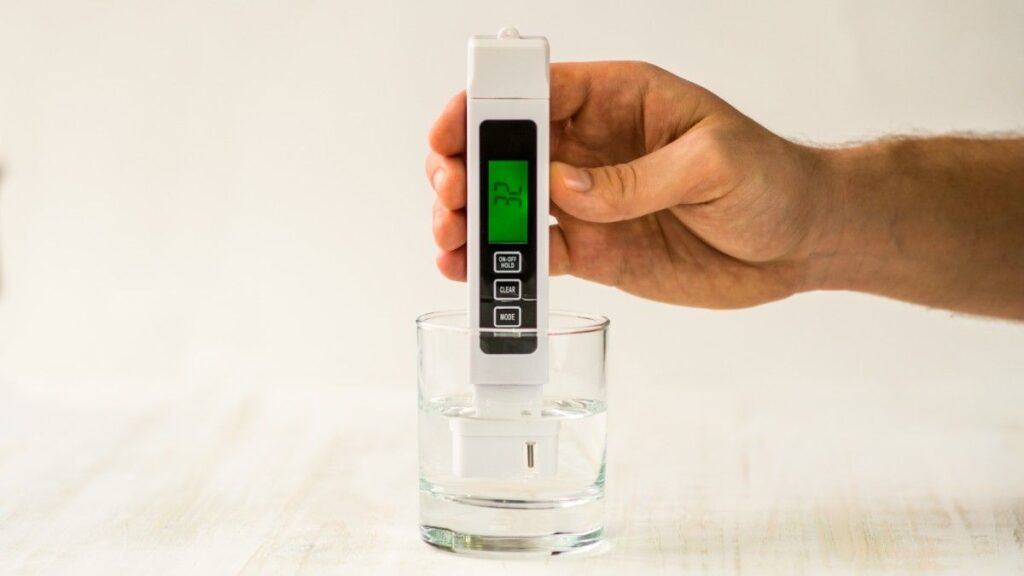
TDS is one of the easiest metrics to help you understand the kind of water coming into your house. But it only makes sense when you understand it in the context of the source. So let me break it down for you.
Borewell Water
In large parts of urban India, especially in independent houses and low-rise societies, borewell water forms the majority of the supply. Borewell water is basically groundwater pulled from deep aquifers, and it interacts continuously with rock, soil, and mineral deposits. And it is mostly high in TDS. This is also why borewell water is typically classified as hard water, because of the high calcium and magnesium content.
Borewell water often falls between 600 ppm and 2000 ppm, depending on geography. Solids dissolved in borewell water largely include calcium, magnesium, sodium, and other salts. In certain areas, you may also find fluoride, iron, or trace heavy metals.
And because of this mineral-heavy composition, borewell water tastes different. Sometimes it’s slightly salty, sometimes even metallic (don’t ask how I know what that tastes like). If you’ve noticed scale on taps and kettles, it is because of that.
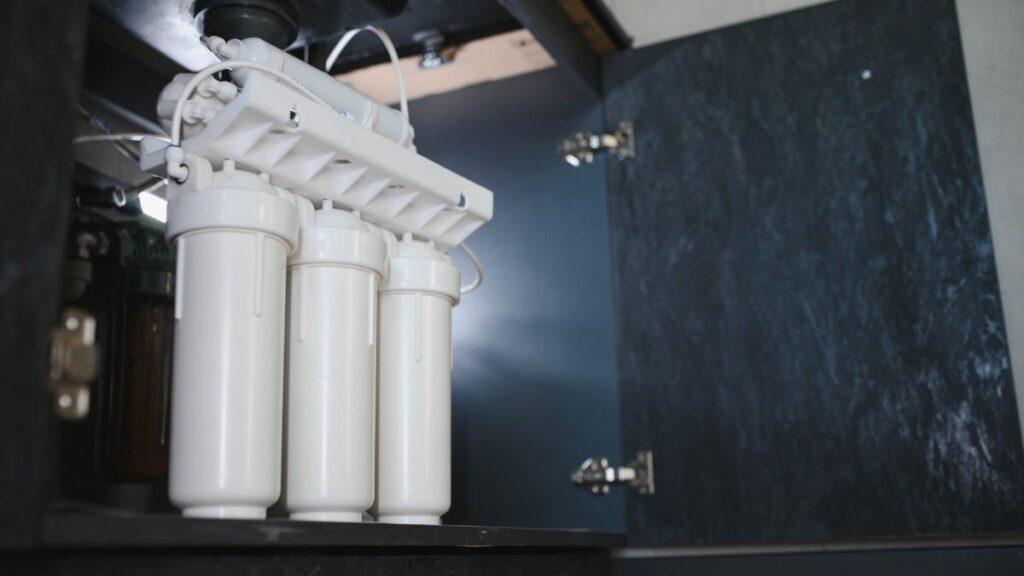
If your primary source of water is a borewell, then an RO is not optional. It is one of the few technologies capable of reducing dissolved salts and heavy metals, which UV or basic filtration cannot deal with.
Municipal Supply
Municipal supply water is centrally treated, disinfected, and distributed through city pipelines. Because of that, its TDS is typically much lower than borewell water, and the TDS falls between 150 and 400 ppm. And hence it is usually considered soft water because the mineral content is lower and more controlled after treatment.
The solids dissolved in municipal supply water are usually controlled minerals and residual disinfectants like chlorine. In most cases, municipal water falls well within acceptable TDS limits.
But some impurities get added before the water reaches our homes because of old pipelines, intermittent supply, contamination from storage tanks, or leaks. So the concern here is microbial, and not mineral.
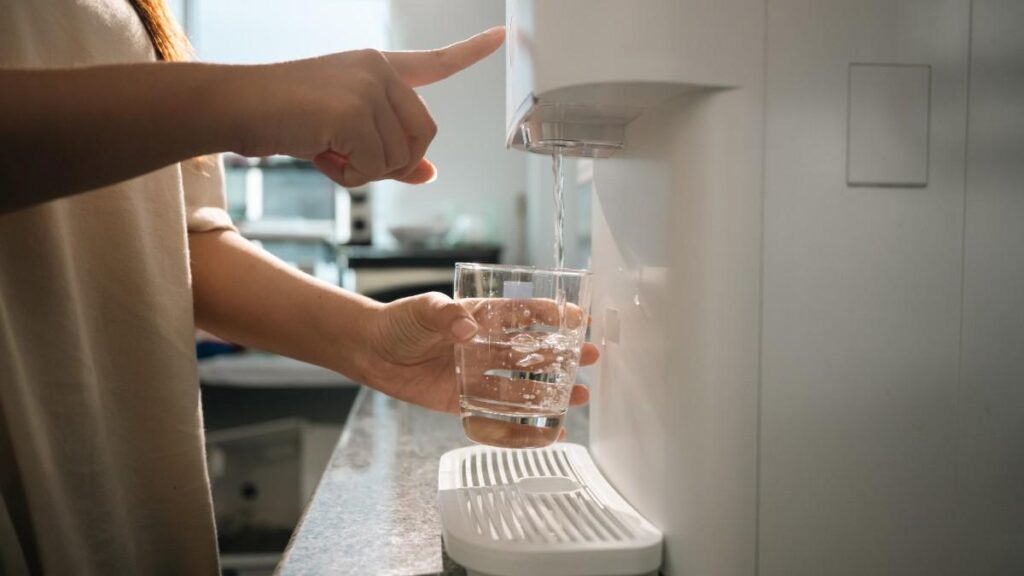
If your municipal supply consistently measures under 400–500 ppm, installing a heavy-duty RO system may be unnecessary. In fact, overuse of RO in low-TDS water can reduce mineral content further and also increase water wastage. A UV-UF filter is more than enough. Or you could also go for a gravity-based filter.
TDS under 300 ppm does not need aggressive treatment and can work only with disinfection and fine filtration. But most people also treat it at the household level because RO has become synonymous with “safe,” even though it is not required and is kind of counterproductive.
Tanker Water
In many metropolitan areas where groundwater levels are depleting, residential complexes rely on private tankers. If you use tanker water at home, then it is the most unpredictable kind of water. Its source mostly varies; it could be borewell water from another locality, partially treated water, or a blended supply. And this variability directly reflects in TDS. Since tanker supply can come from multiple sources, it is usually called mixed water, sometimes hard like borewell, sometimes soft like municipal.
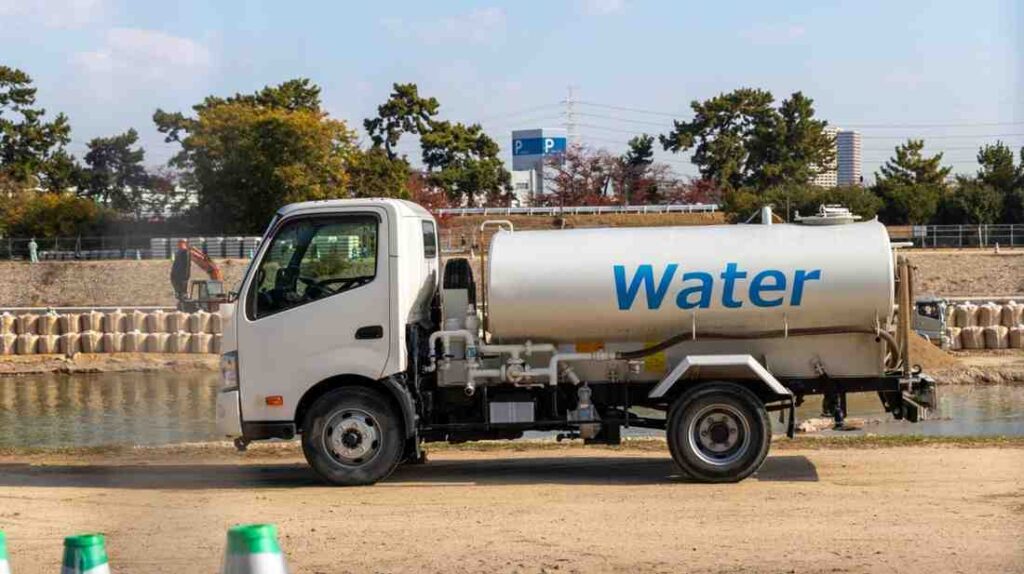
Sometimes the water might measure under 350ppm, and the next time it can cross 900ppm. And when the TDS fluctuates, it is important to have a purifier that is flexible. A purifier with a TDS controller (often marketed as MTDS) is required if you use tanker water. It allows for adjustment of mineral retention based on input levels. If TDS spikes, the system can reduce it more aggressively. If it drops, then it doesn’t strip the water out of essential minerals.
Your Tanks and Pipes Affect Water Quality
Understanding the TDS and water source is only half the job. The other half, which most people ignore, is what happens after water enters your building. Even though municipal water is treated safely with chlorine in a plant, it can pick up bacteria in cracked and dirty pipelines. Even chemically stable borewell water can turn unpleasant in an overhead tank that hasn’t been cleaned in years. Tanker water, already inconsistent, can deteriorate further in storage tanks layered with sediment.
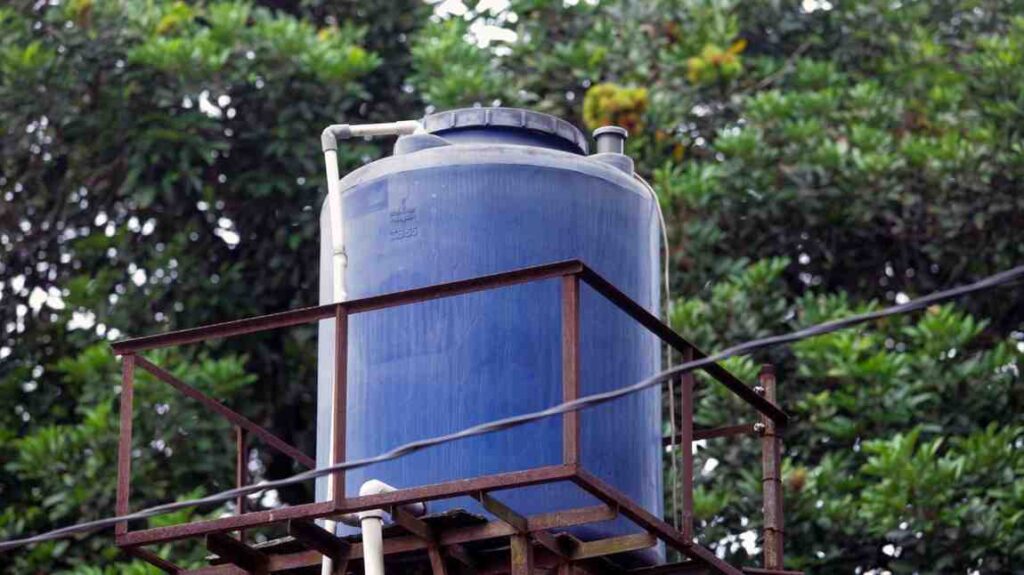
For most of us Indians, we find an issue, install a gadget to deal with it, and then forget about it. But maintenance is as important, because if you don’t do that, then your investment in gadgets won’t be as successful. The filters clog, RO membranes degrade, and storage tanks get dirty and collect everything you thought your purifier removed.
Here’s What To Do
So to sum it all up for you, the first step before deciding which purifier to buy you need to understand the kind of water that actually reaches your tap. Firstly, check whether your home relies on a borewell, municipal, tanker, or a mix of all three. Test the TDS periodically, especially if your supply changes with the seasons.
Also, you need to understand that not every home needs aggressive purification. Municipal water with low, stable TDS typically doesn’t require an RO system. A UV + UF purifier or even a good gravity-based filter, in some cases, is enough to deal with microbial contamination and suspended particles without stripping away essential minerals.
Borewell water, on the other hand, typically has consistently high TDS. That’s where an RO purifier becomes necessary, ideally with a TDS controller or mineraliser so the water isn’t over-treated.
And if your building relies on tanker water, where TDS can fluctuate dramatically, a purifier that combines RO + UV with an adjustable TDS controller makes the most sense.
So in simple terms: hard water (borewell) usually needs RO, soft water (municipal) usually needs UV + UF, and mixed water (tanker) needs a flexible RO system with a TDS controller.