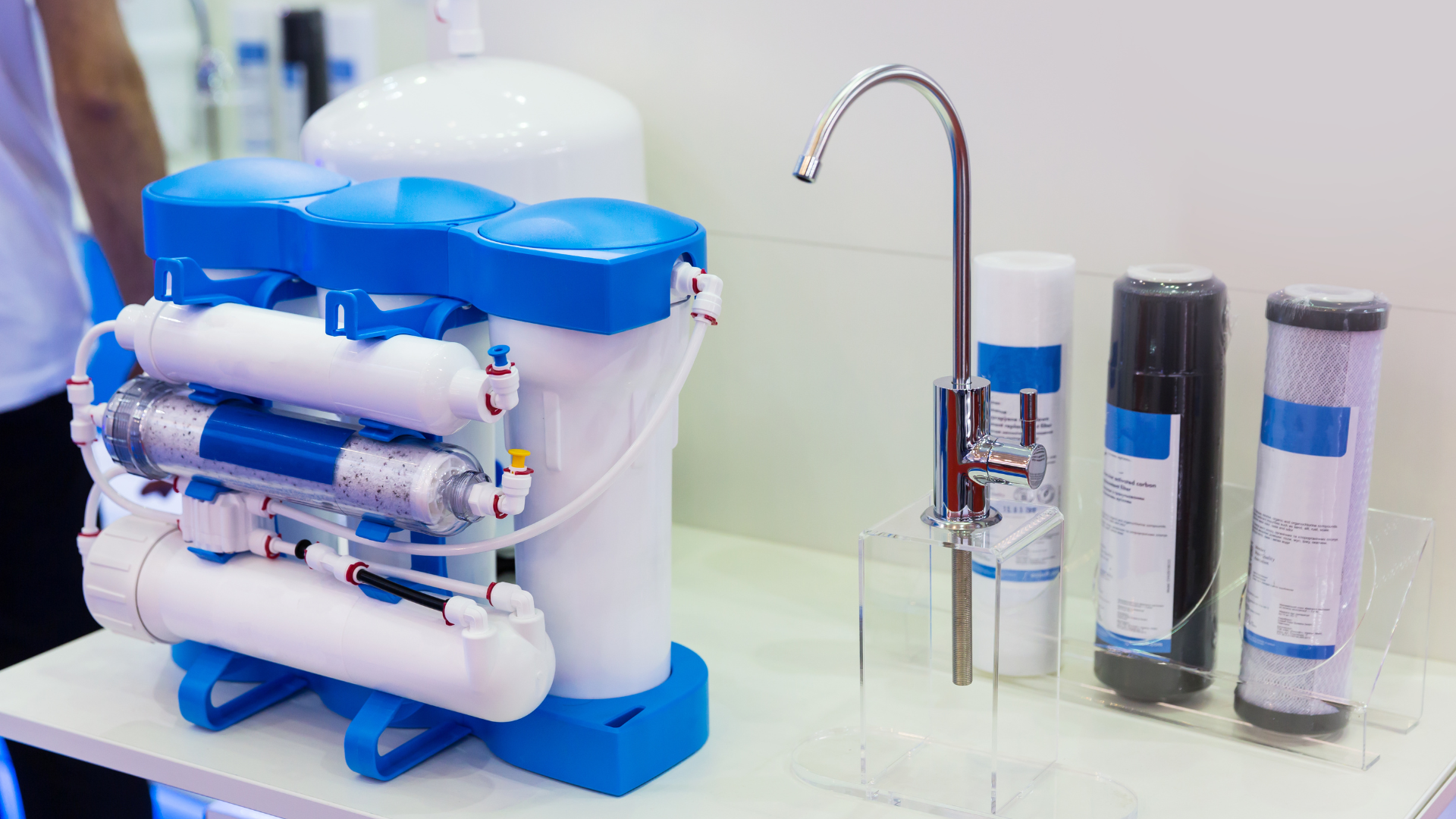
Over the years, RO (reverse osmosis) water purifiers have become a default in our Indian homes. No matter what the water source is, municipal supply, borewell water, or tanker delivery, most Indian families install an RO system to ensure that the water that they are drinking is safe. And in a country where water quality is not constant and can vary, this seems like a practical and reassuring choice for most. Better safe than sorry, right?
But now, along with RO systems becoming common in the Indian kitchens, another concern is also slowly entering the chat. If RO purifiers are designed to remove dissolved solids from water, do they also remove essential minerals in the process? And if they do, does that have any impact on health?
I am sure you’re expecting a yes or no answer to that question from me, but trust me, it isn’t that easy. Allow me to explain.
What RO Filtration Actually Does to Water
Let’s start from the beginning and first understand how RO filtration works. In a reverse osmosis system, water goes through a semi-permeable membrane that is designed to block a large number of substances dissolved in the water. This includes not only contaminants such as heavy metals, salts, and impurities, but also naturally occurring minerals like calcium and magnesium.
Because of this, the water that comes out of an RO purifier has lower TDS (Total Dissolved Solids) levels compared to the water that goes in. Now look, areas which get water with very high TDS, such as borewell or tanker supply, this process is very important and beneficial. Things change when the water that’s entering the purifier is already within a moderate range. Then over-purification can happen. And that’s when the discussion around mineral loss starts.
The Mineral Loss Debate
The debate is mainly based on one simple concern: if minerals are removed from water, does that reduce its nutritional value?
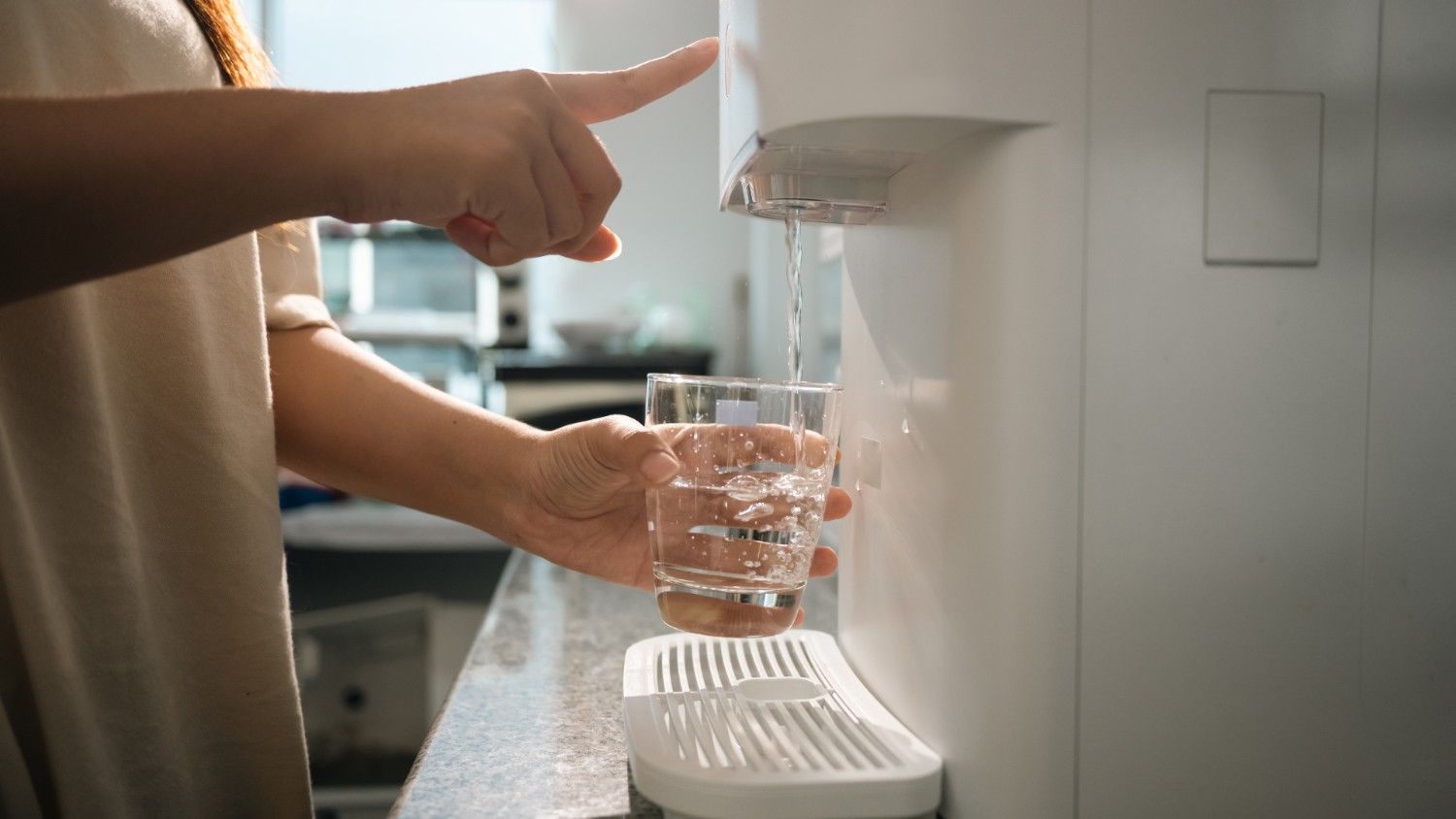
Technically, the answer to that question is yes. RO systems do reduce the mineral content of water. But then the more important question is whether drinking water is a significant source of these minerals in the first place.
Most essential minerals, like calcium, magnesium, and potassium, are primarily obtained through food rather than water. If you have a balanced diet, that will contribute more to your daily mineral intake than drinking water ever will. So, this means that, for most people, the loss of minerals through RO filtration does not lead to a meaningful nutritional deficiency.
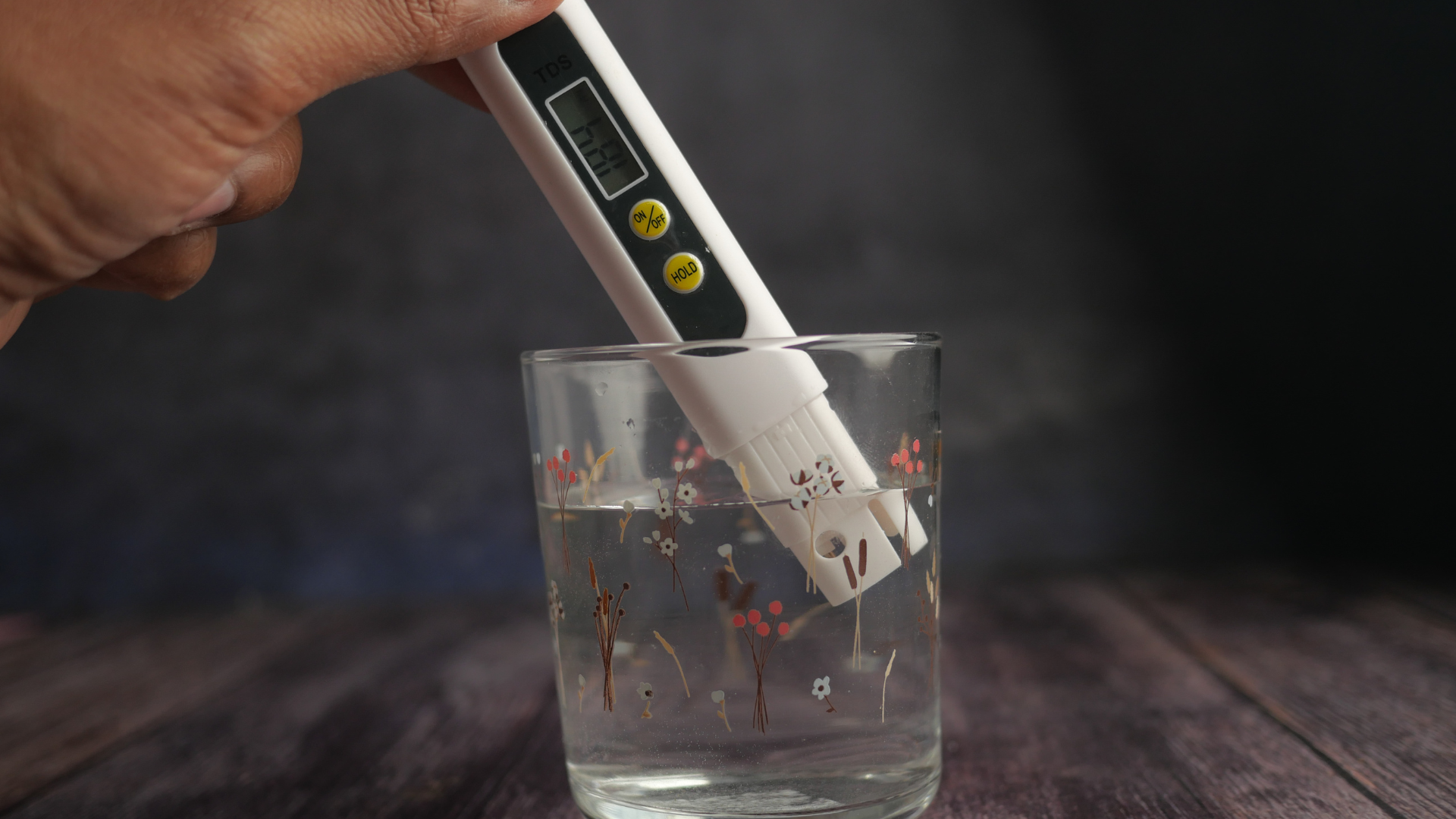
That said, extremely low TDS water can sometimes taste different. And in that case, the debate becomes less about safety and more about a balance between purification and retaining some degree of natural composition.
When RO Might Be Unnecessary
The most important, and often overlooked, part of this conversation is the use and misuse of RO purifiers even in situations where they may not be needed.
In many Indian cities, the municipal water that we get already falls within a relatively safe TDS range. Using an RO system in such cases strips away minerals unnecessarily while also leading to water wastage, since ROs discard a portion of water during the process.
This is why, before you install an RO purifier, it is important to understand your input water quality. You can find more information about that on our website. Because without that context, it becomes difficult to understand whether RO is solving a problem or creating a new one.
Are There Any Real Health Risks?
From a scientific POV, there is no strong evidence that suggests that drinking RO water, by itself, causes direct health issues in individuals who otherwise have a balanced diet.
However, some discussions around long-term consumption of very low mineral water do exist, particularly in populations where overall nutritional intake is already inadequate. In cases like these, the combined effect of low mineral intake, both from food and water, can become a concern.
In most urban Indian homes, though, where diets are varied, water becomes a secondary source of mineral intake.
How Are Modern Purifiers Addressing This
Since these concerns have been circulating for a while now, manufacturers have upgraded their products to address them. Many modern RO purifiers now have features like mineral cartridges or TDS controllers. These add back small amounts of minerals into the filtered water.
The idea that RO water causes health issues mainly comes from a misunderstanding of how mineral intake actually works. While it is true that ROs remove dissolved minerals, water is not the primary source of these nutrients for most people. The more important question, therefore, is not whether RO is harmful, but whether it is being used in situations where it is actually required.
That’s why our main focus should be on using the right kind of purification for the quality of water that we are getting, instead of using the most aggressive one. Once you understand your water source and its TDS levels, the decision becomes far more practical.