Water purifiers almost top the list of kitchen appliances in most Indian households, yet we don’t really know what to look for and consider while buying a water purifier for our homes. We mostly buy them based on brand reputation, recommendations from friends, or advice from a salesperson in the store. And once the machine is installed, we use it daily, assuming that the water coming out of it is perfectly safe to drink. But most of us don’t actually attempt to check the quality of that water.
And this is where a TDS meter becomes useful. It is a small, inexpensive device, usually under Rs 200. This pocket-sized tool can quickly measure the level of dissolved solids present in water. While it cannot provide a complete analysis of water safety, it offers a useful first indication of whether your water source, or your purifier, is functioning the way it should.
What TDS Means
TDS stands for Total Dissolved Solids, which is a term that is used to describe the combined concentration of minerals, salts, and dissolved substances present in water. This can include minerals like calcium and magnesium, which are naturally occurring, along with other dissolved compounds such as bicarbonates and chlorides.
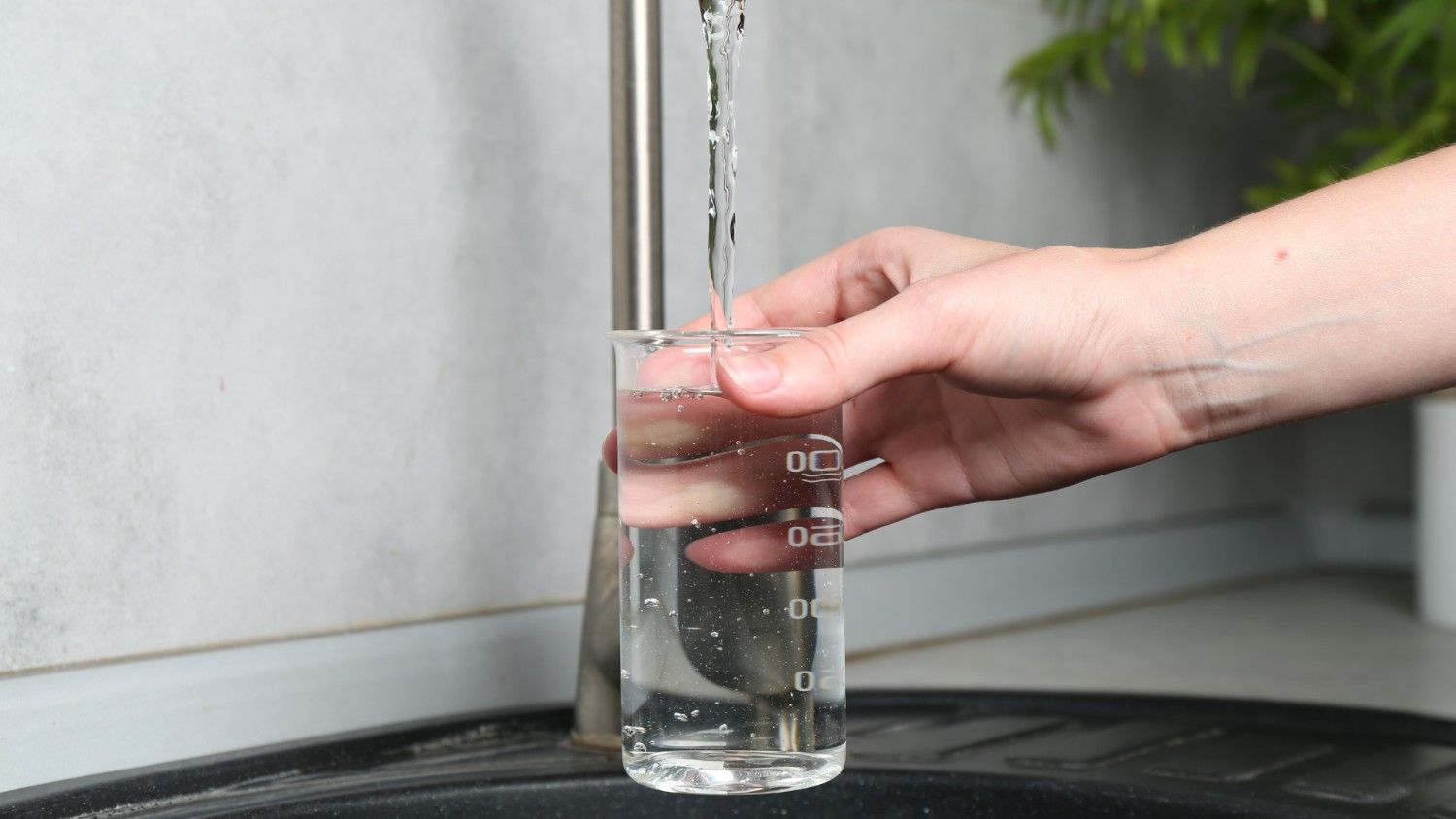
TDS is measured in parts per million (ppm). If I have to simplify it, the number on the TDS meter shows how many parts per million (ppm). So naturally, a higher TDS reading means a greater concentration of dissolved materials.
But hold that thought for a minute. A higher TDS reading doesn’t always mean that the water is unsafe to drink. Some dissolved minerals are actually desirable and contribute to both taste and nutritional value. At the same time, extremely high TDS levels can mean excessive salinity or contamination, while extremely low levels might mean that the water has been stripped of most of its natural mineral content.
Why a TDS Meter Is Useful
In most of our homes, we have RO purifiers, right? But what we don’t know is that these purifier systems provide the most extreme level of purification, usually needed for water with high TDS levels, somewhere above 500ppm. They work by removing a large portion of dissolved solids.
You might thing then this is the best device for your home. Well, not always. The problems arise when RO systems are used on water that is already relatively low in TDS. In such cases, the filtration process can remove too many minerals. The resulting water is excessively purified, and we don’t want that either.
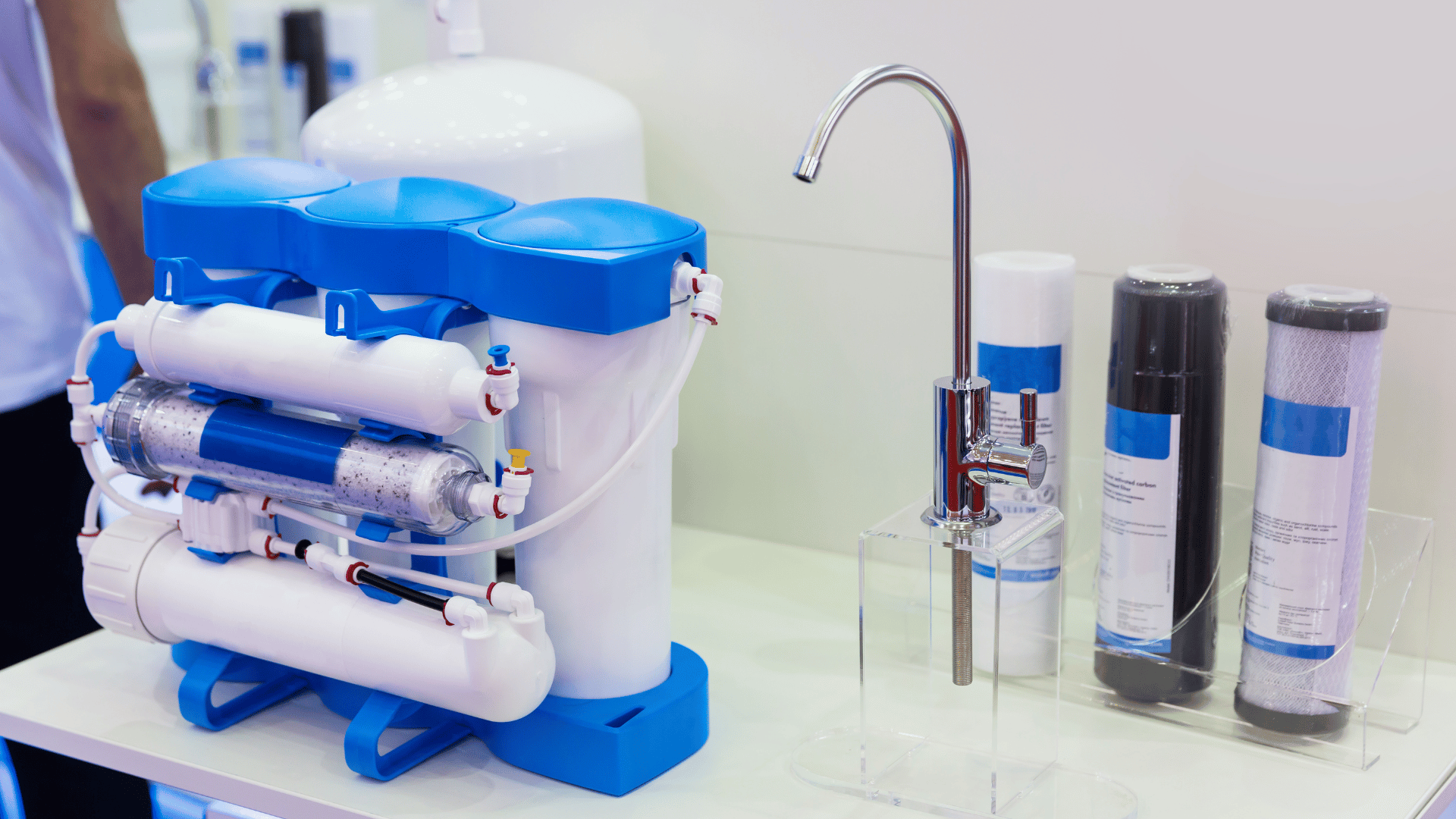
And that’s when the TDS meter enters the chat. With it, you can quickly compare two readings. The input water entering the purifier and the output water after filtration. This comparison will help you figure out whether your purifier is functioning correctly or whether it may be over-purifying or underperforming.
Where to Buy a TDS Meter
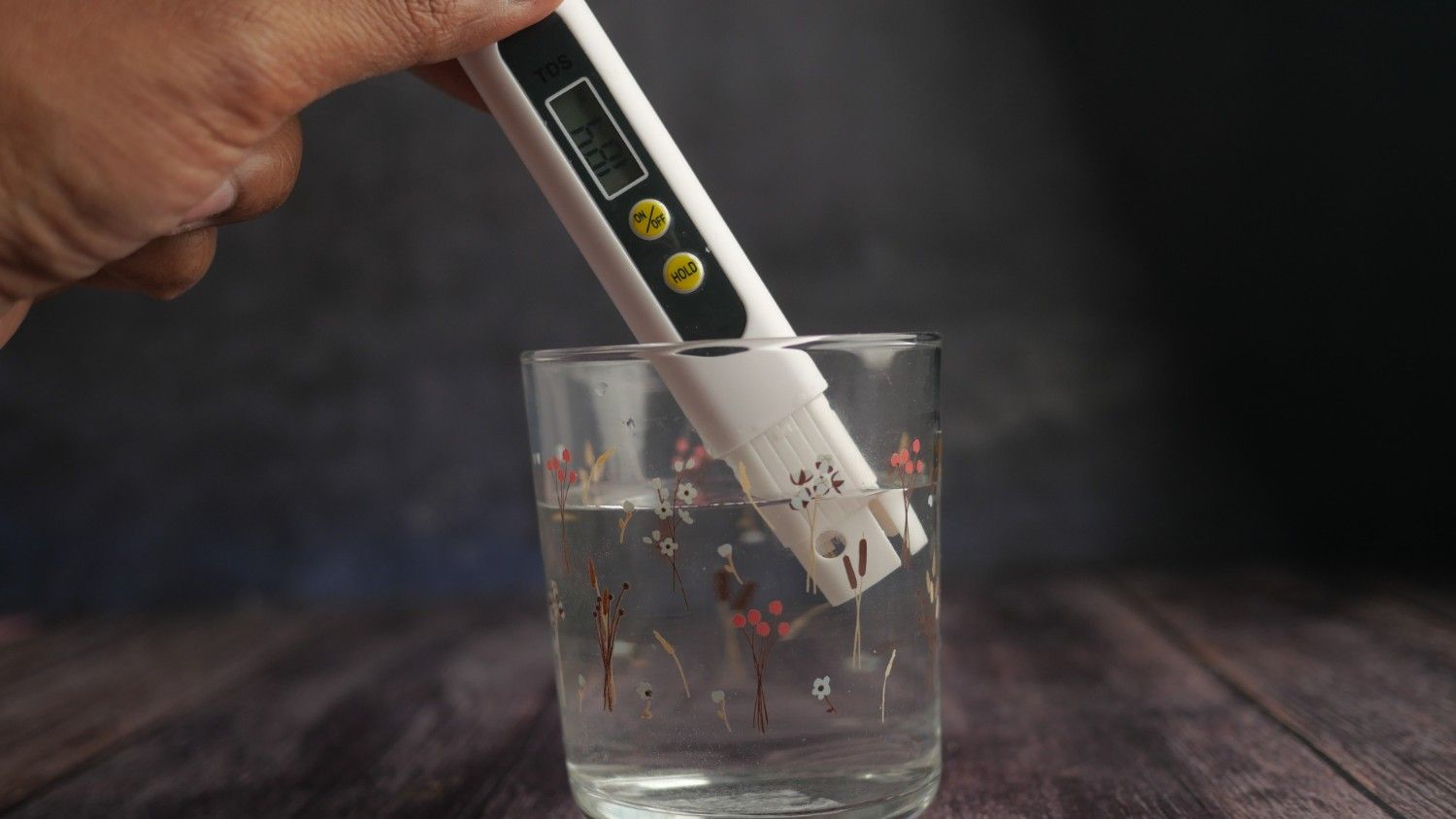
One of the most practical aspects of a TDS meter is how affordable and accessible it is. Basic digital models are widely available online, usually priced between Rs 200 and Rs 300. It’s also available on quick-commerce platforms like Zepto and Blinkit. Or just go to your local hardware store. So super easy to find. These are compact, pen-like devices with a small display and a probe that measures dissolved solids in water. I like to think of them like thermometers for water.
You can choose a TDS meter with a digital display that is easy to read and a model that offers basic features such as automatic calibration or temperature compensation. Most of the TDS meters measure TDS up to 999 ppm, which is more than enough for household usage.
How to Test the Input vs the Output Water
It is pretty easy to use a TDS meter. Just pour water into a clean glass. Switch on the meter and dip its probe into the water, ensuring the sensor is fully submerged. Within a few seconds, the reading will stabilise, and you will get the TDS level in ppm. Do this with both tap water (input) and the purified water (output). It is important to understand your water system better.
For example, if your tap water measures around 600–700 ppm and the purified water falls to approximately 100–150 ppm, then your purifier is working properly. But if the output reading is unusually high, then it can mean that the filters or RO membrane need replacement.
On the other hand, if the input water already has a low TDS, say around 100–150 ppm, and the output drops to extremely low levels, this can mean that the purifier is removing even the essential minerals.
What the Numbers Mean
While exact standards may vary, here’s a broad range that will help you decode your TDS readings:
- 50–150 ppm: Considered ideal for drinking water, with a good balance of minerals
- 150–300 ppm: Acceptable in most regions, though slightly higher in dissolved solids
- 300–500 ppm: On the higher side; may still be usable depending on the source
- Above 500 ppm: Stronger filtration, such as RO, becomes necessary
Remember, a TDS meter only measures dissolved solids. It won’t detect bacteria, viruses, heavy metals, or chemical contaminants. So don’t consider it a complete water safety assessment. It’s more like the first level.