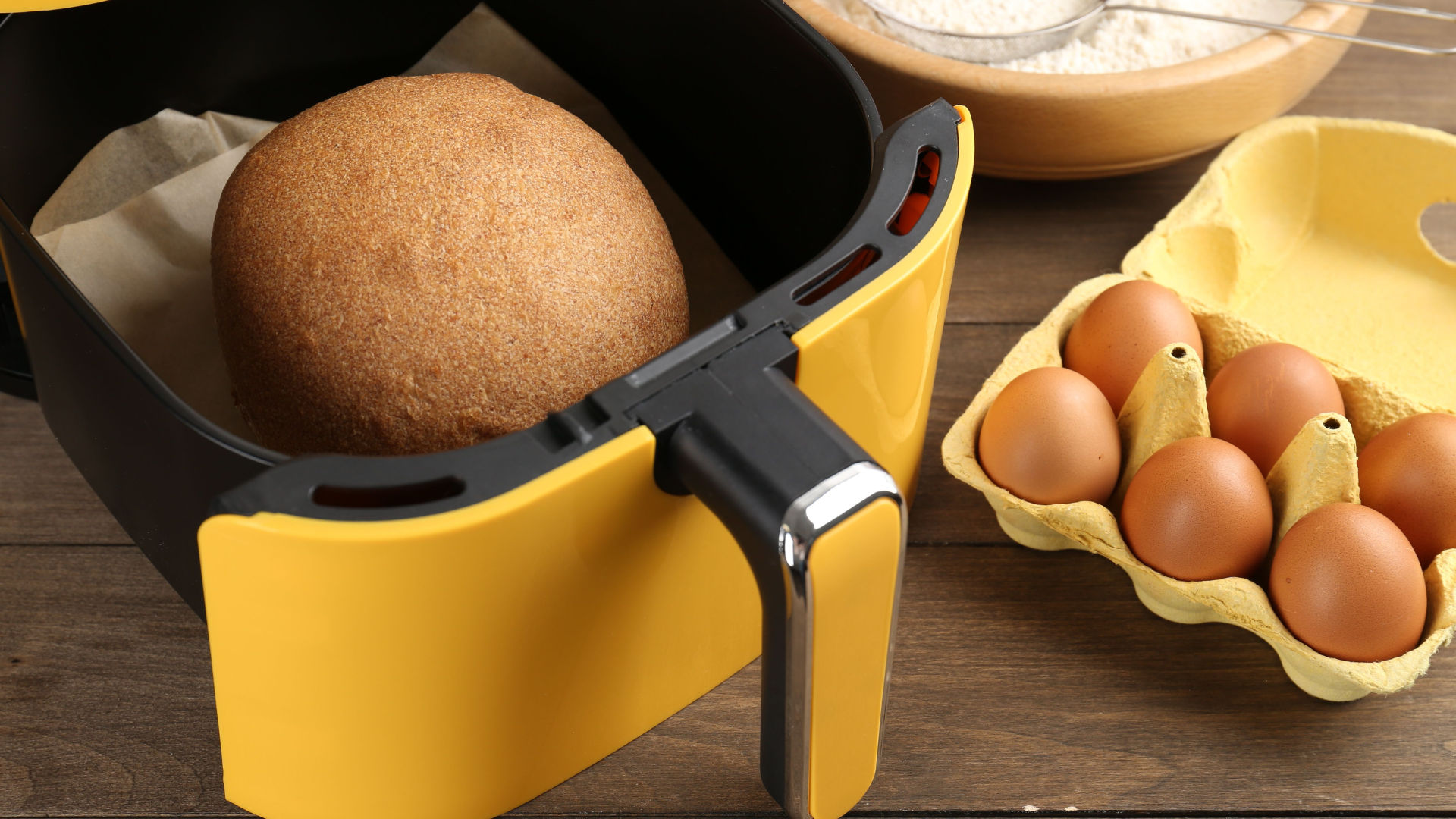
We Indians love our fried food, and when air fryers entered the chat, we thought that they would magically take away the calorie guilt associated with our favourite fried food. Many of us imagine making puris, bhaturas, and whatnot in our air fryers. But the reality is that many things don’t turn out as we imagined them in our heads.
And after a couple of fails, we think if this can crisp up a samosa without a ton of oil, why not our Indian breads? Rotis turn stiff. Puris don’t puff properly. Bhaturas come out dense or dry. And then you end up trying Instagram hacks which suggest you to first boil the puris in water, then put them in the air fryer. And that is also another fail.
So, why don’t puris and bhaturas turn out well in the air fryer? Let’s find out.
Why Don’t Puris Turn Out Good in Air Fryers?
Air fryers are hugely marketed as replacements for deep frying, and honestly, in many cases, they do eliminate the need for oil. But that statement is also generalised; it comes with its own terms and conditions.
Frozen snacks, reheating leftovers, and roasting vegetables all work well in an air fryer.
So it’s natural to assume the same logic applies to Indian breads. But rotis, puris, and bhaturas aren’t just fried dough. There is some cooking physics involved here.
See, a puri puffs up because deep oil instantly seals the outer layer while steam expands inside. On the other hand, bhaturas rely on fermentation, oil temperature, and dough elasticity; all of this working together in seconds gives it its shape.
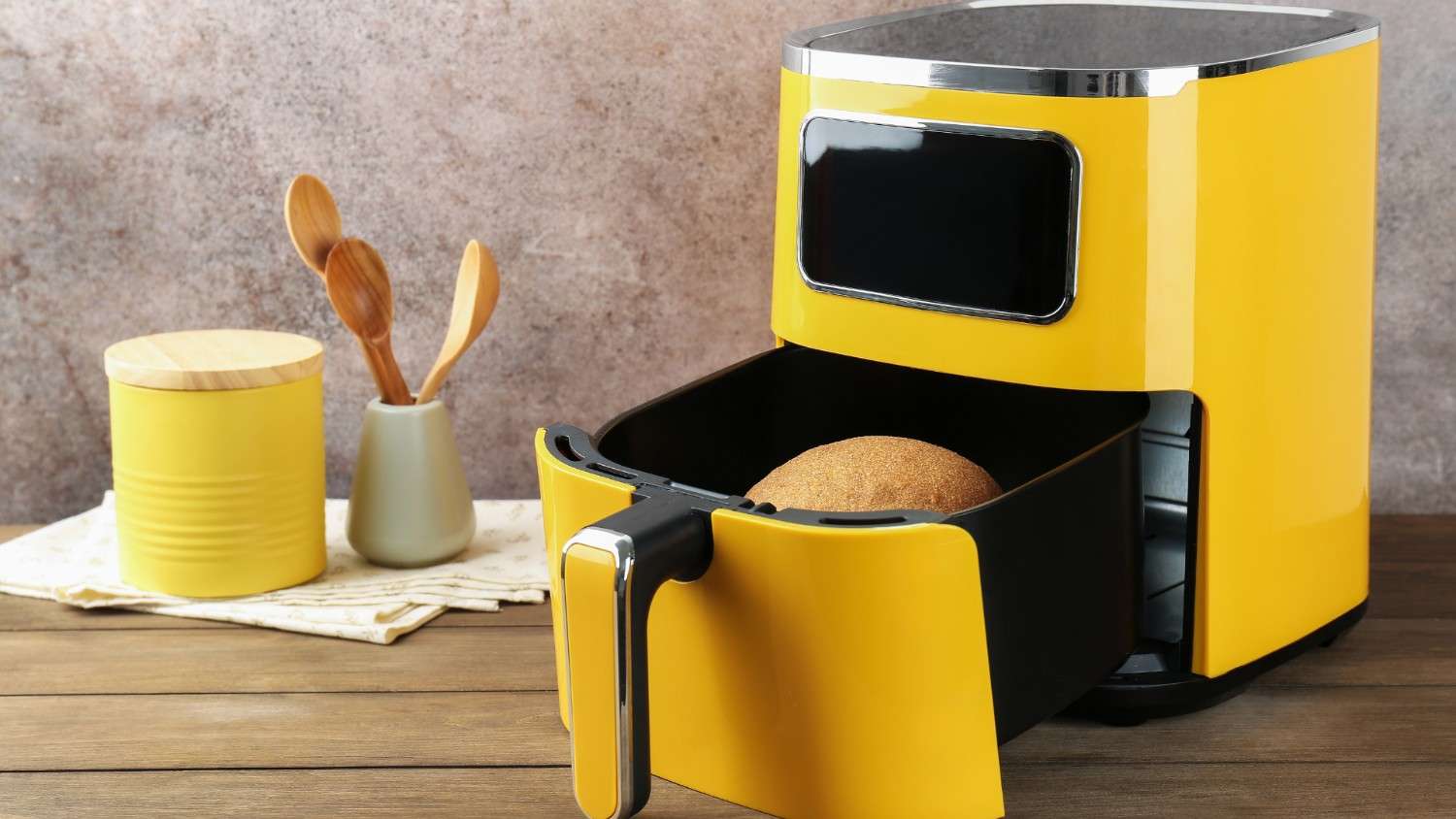
These breads are made for direct heat and immersion in oil, and air fryers work differently. They cook with circulating hot air and don’t have a blazing hot surface or an oil tub. What that airflow does is contrary to what’s needed. It dries the dough before steam can build pressure. And that’s why you get stiff and flat puris.
So, it’s the physics and chemistry that’s stopping you from getting fluffy puris in the air fryer.
The Internet Hacks Don’t Fix the Physics
Since we really want to eat the puris and bhaturas without the guilt, we end up trusting the internet hacks. I am sure you must have come across that hack where people first blanch/boil their puris in hot water and then transfer them to the air fryer.
On camera, it looks good. The puri inflates slightly. It browns. But what you end up with is closer to reheated bread than an actual puri. The texture is often dry, it is chewy on the inside, and the outer layer also lacks that crispness that comes from deep frying.
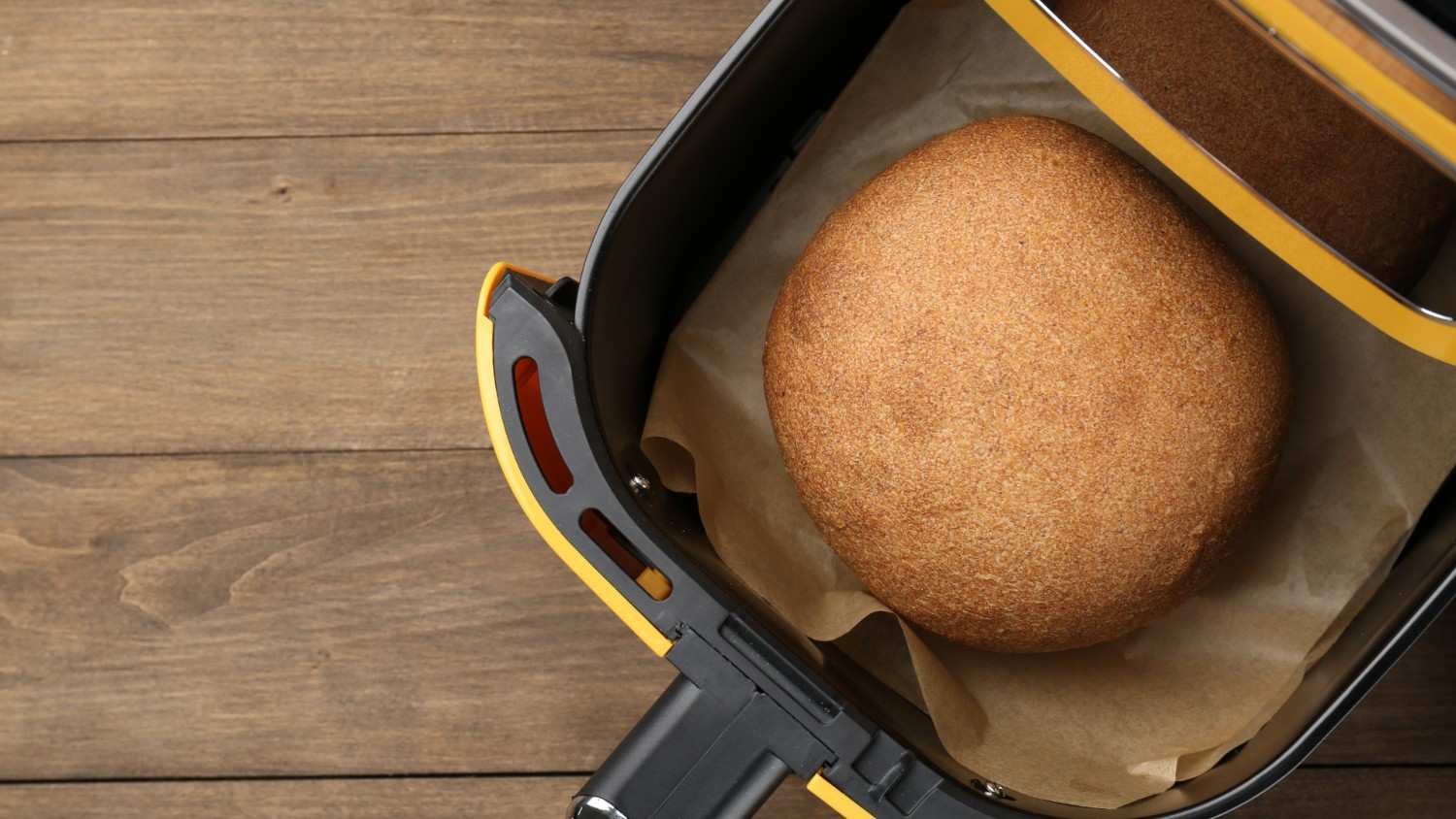
Other videos recommend spraying lots of oil, freezing dough first, or using parchment layers. This can help with the shape and browning, but they don’t recreate the rapid heat transfer that makes these breads work.
So the result that you get might be edible, but not a puri in the exact sense of the term. And if that’s okay with you, go ahead and enjoy your air-fried puri!
What Air Fryers Can Actually Do With Bread
Don’t get me wrong, air fryers are still very useful in Indian kitchens. They reheat naans beautifully, frozen parathas crisp up well in the air fryer, leftover puris can also regain some crunch, and papad roasts evenly.
But for fresh rotis, puris, or bhaturas that are being made from raw dough, a tawa or kadhai still does a better job. Every method has its own strengths and weaknesses.
Knowing When to Use the Right Tool
Look, air fryers have rightfully earned their place in the Indian kitchen. It has helped us, foodie Indians, to enjoy our food without the health compromises. It saves time on snacks, makes frozen food taste good, and cuts down on oil, the major concerns that we mostly have. But somewhere along the way, we started expecting them to replace every cooking method we grew up with. That’s where we get disappointed.
You can always experiment with things in an air fryer, but the reality is that rutis, puris, and bhaturas aren’t just recipes; they’re techniques built around direct heat, instant oil contact, and steam pressure. And that’s why generations of cooking evolved around a tawa and a kadhai. An air fryer can still somehow get the job done if you use the hacks, but it won’t be perfect.