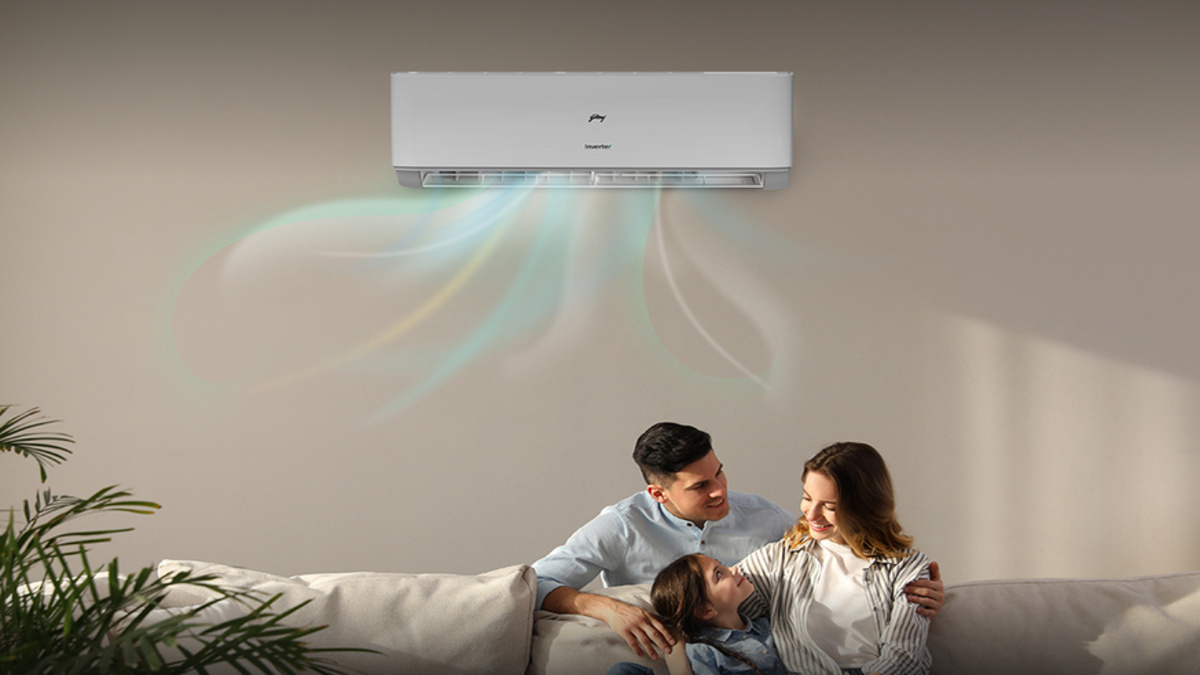
Godrej Enterprises Group has unveiled its 2026 range of air conditioners in India, continuing its annual refresh cycle with a focus on connected features and updated efficiency standards. The lineup spans split, window, cassette, and tower air conditioners, with capacities ranging from 1 ton to 4 ton. This year’s portfolio is aligned with revised ISEER rating norms, which have effectively redefined how energy efficiency is classified across the category.
At a product level, this is less about new launches and more about alignment.
Air conditioner portfolios are refreshed every year, but the shift this time is largely regulatory. Updated ISEER standards have forced brands to recalibrate their offerings, impacting both performance benchmarks and how star ratings are positioned. The move to revised 3-star and 5-star classifications reflects this change, making the update more about compliance than reinvention.
Smart Features Continue to Expand
The headline addition is Smart Sync Technology, which allows Wi-Fi-enabled air conditioners to connect with and control a room fan.
The idea is straightforward, extending airflow management beyond the AC unit itself. It is a practical addition, though its real impact will depend on how consistently it works in everyday use. Alongside this, the lineup includes familiar connected features such as energy monitoring, filter alerts, scheduling, and diagnostics. These are now standard across most brands and no longer serve as key differentiators.
Design and Pricing Moves in Line With Industry Trends
Godrej continues to push its Eon series with finishes like gloss black, matte silver, champagne gold, and mirror, while other variants adopt a more minimal design approach. However, this is an area where the industry has largely caught up. Brands like Haier and LG have also focused heavily on design over the past few cycles, making aesthetics a common expectation rather than a unique advantage.
There is little direct conversation around pricing, but the broader context is clear.
Rising raw material costs, ongoing geopolitical pressures, and supply chain constraints continue to impact manufacturing. The shift to updated efficiency norms has also required internal changes, which typically add to overall costs. As a result, the market is likely to see gradual price increases, even if the visible feature set remains largely similar.
A Category Defined by Execution
At this stage, the air conditioning market has reached a point where most products offer a similar baseline: inverter efficiency, connected features, and design-led variants.
The difference now lies in execution. Service network, long-term reliability, and consistency of performance are becoming more important than feature lists. Legacy brands like Godrej still carry weight here, although competition has narrowed the gap significantly. Smart Sync is one of the few additions that attempts to extend functionality beyond the core unit. Whether it becomes meaningful in daily use or remains a secondary feature will depend on how well it integrates into real-world scenarios.
Incremental Change, Familiar Direction
The 2026 lineup reflects a category that is evolving in small, measured steps. There are no major shifts here, and that is expected. Innovation in this space is increasingly shaped by regulation and cost pressures rather than breakthrough features. For most buyers, the decision will continue to come down to consistent cooling performance, service experience, and long-term ownership cost, factors that matter far more than what is announced on stage.