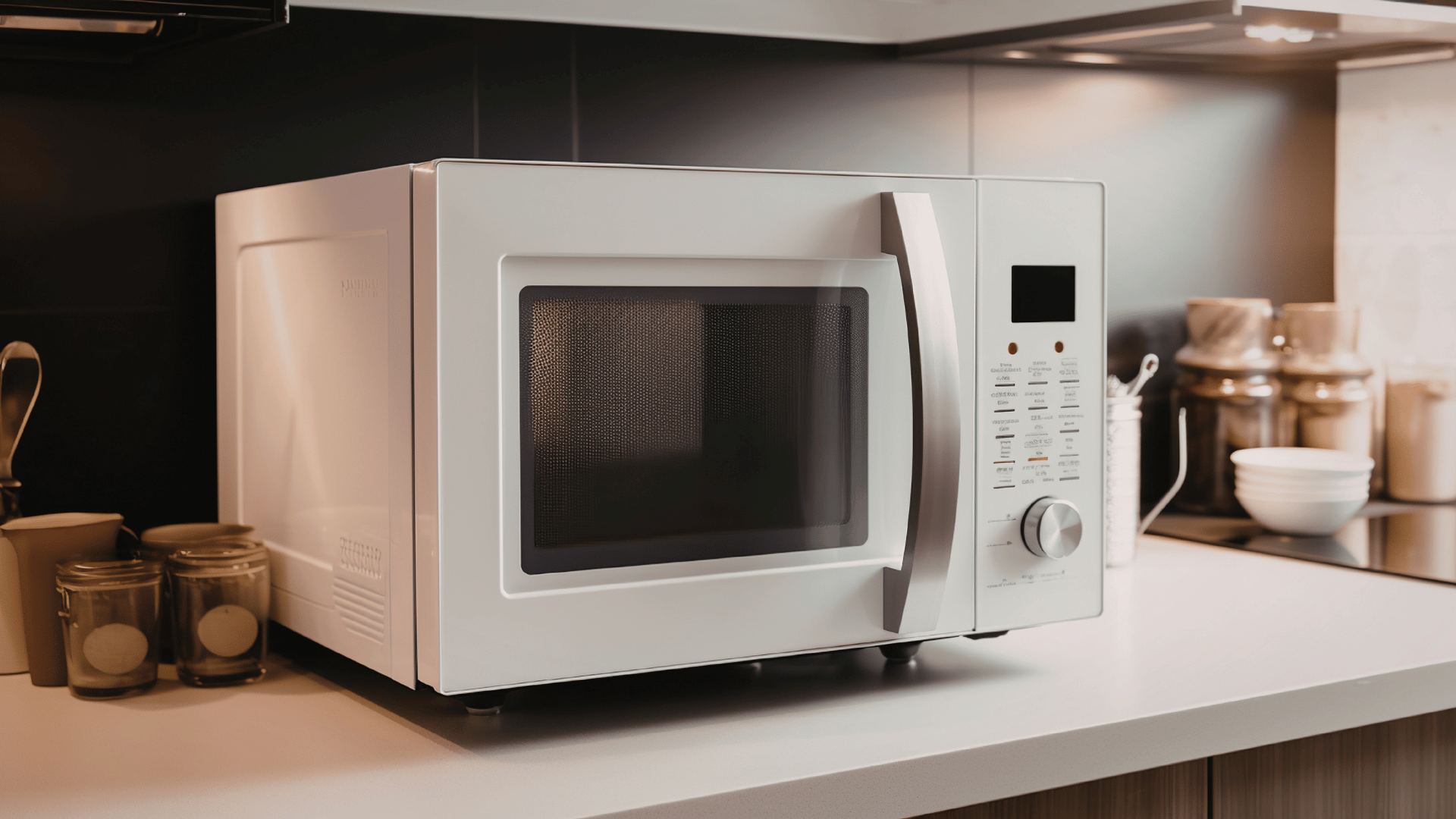
For the longest time, microwaves in our Indian kitchens had a very predictable role. They were used to reheat leftovers, warm up that forgotten cup of chai, or defrost frozen food. And that’s about it. But in recent years, that identity of a microwave has sort of started to change.
Between LPG shortage and its rising costs, smaller kitchens, and a growing preference for convenience, microwaves are no longer just a reheating tool. Now, many people are using them actively as a proper cooking tool- something that can take on baking, grilling, and even parts of everyday cooking.
But here’s where the problem actually begins: not all microwaves can do it all; some can only reheat food, while others can be the best sous chef that you need. And the category hasn’t become easier to understand as it has evolved. If anything, it has become more confusing. Almost every model today promises multiple cooking modes, healthier results, and “all-in-one” functionality. On paper, they start to look identical, but in reality, that’s not the case.
That’s why, my friends, you must choose your microwave wisely, because the choice has less to do with features and more to do with understanding how you are actually going to use it.
Start With the Type of Microwave
Before getting into features or capacity, it is important to understand that not all microwaves are the same. The category is itself divided into three main types: solo, convection, and grill.
A solo microwave is the most basic of the lot. It is designed for reheating, defrosting, and simple cooking tasks. If you want to reheat food, then this is all you need.
A grill microwave also adds a heating element that lets you slightly grill and crisp up the food. It works well for things like sandwiches, cutlets, or kebabs, but it isn’t a replacement for an oven.
A convection microwave combines microwave, grill, and convection heating, which means you can bake, roast, and cook more complex meals. If you are actually planning to use your microwave for cooking beyond reheating, this is the only type that makes sense.
The Gap Between What Microwaves Promise and What We Use Them For
While buying a new microwave for our kitchen, we become overly ambitious and overestimate how much we will use it for cooking. We cook up a whole story about how we will bake regularly, grill vegetables, or try out full meals using convection modes. But in reality, one week later, when the enthusiasm dies, the microwave is again just used for reheating, quick fixes, and occasional experiments.
Because let’s be honest, we are conditioned, and our Indian cooking is built around the gas stove. Rotis, sabzis, tadka, these are not things a microwave replaces easily.
Which means the first question to ask is not what the microwave can do, but what you will realistically use it for after the first few weeks. That’s your first step.
Why Capacity More Than What We Think
The next thing that you need to consider while buying a new microwave is its capacity. Most people treat a microwave’s capacity just like a specification that they need to compare, but it is one of the most important aspects to consider, as it affects usability more than most people expect.
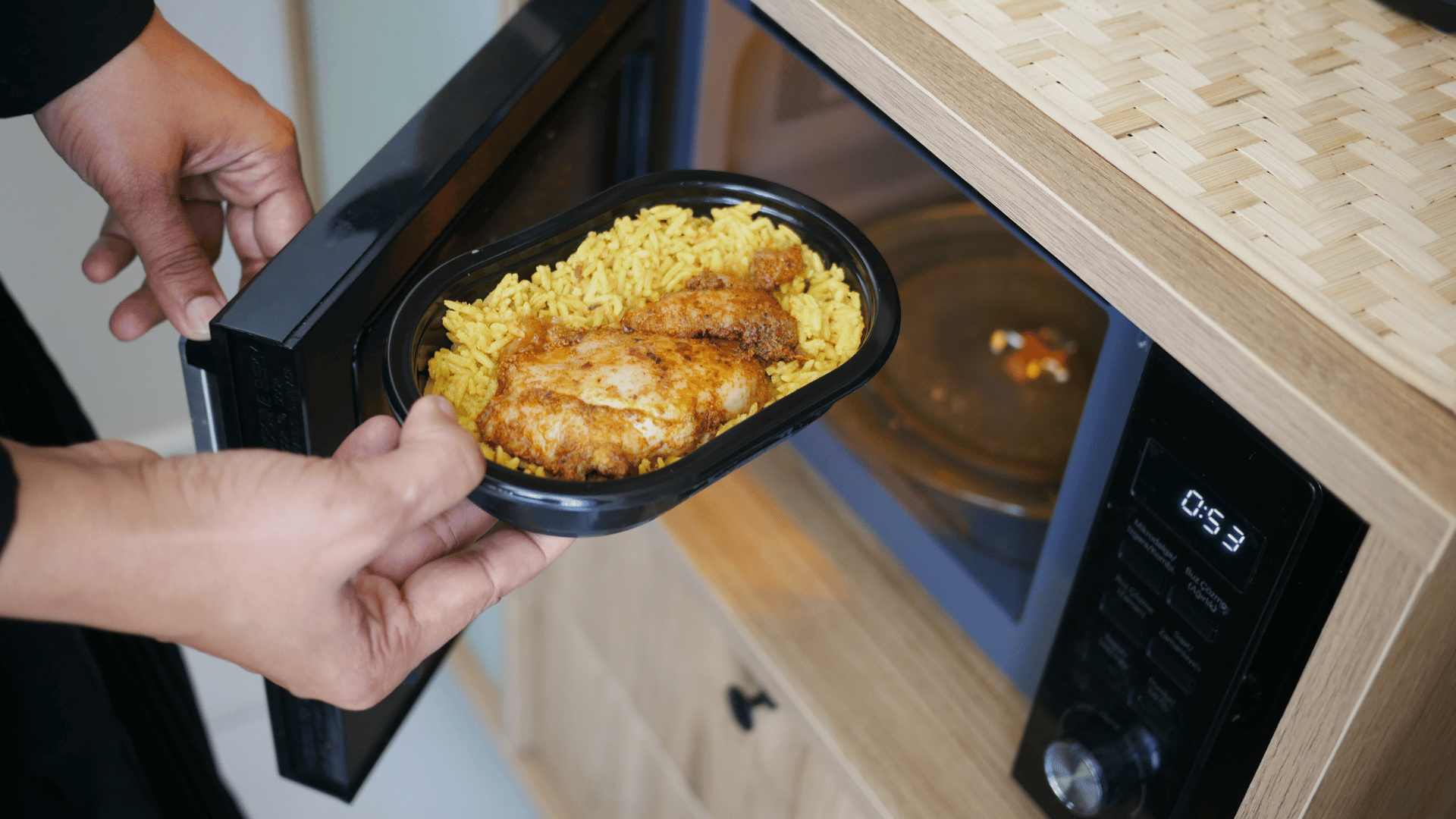
Initially, smaller microwaves might seem sufficient, especially if you live alone or as a couple. But they quickly start to feel restrictive when you try to use larger utensils or cook anything beyond basic meals. On the other hand, bigger models take up more counter space, which can be an issue for people with smaller kitchens.
In Indian kitchens, cooking mostly involves bigger vessels and portion sizes, and undersizing is a more common problem than oversizing. A slightly larger cavity usually ends up being more practical over time, even if it feels unnecessary initially.
The Most Features (And The Ones That Make No Sense) In Indian Households
Open a microwave product page, any brand for that matter, and you will be met with an overwhelmingly long list of features. Auto-cook menus, preset recipes, multiple cooking modes, and increasingly, app-based controls.
But trust me, you will rarely use most of the features except for a couple of features that you will keep coming back to. And that’s why you need to differentiate between features that add convenience and those that exist only for marketing.
We need to get a microwave that is easy to use consistently. That will be far more valuable than one that tries to do everything but ends up being complicated to use.
Power, Wattage, and Why It Matters
One thing that a lot of people overlook while buying a microwave is its wattage. Most models range between 700W to 1500W, and while it may seem like just another specification, it has a direct impact on performance.
Microwaves with higher wattage heat food faster and more evenly, which makes a noticeable difference in everyday use, especially when you’re reheating or cooking frequently. Lower wattage models, on the other hand, may take longer and sometimes heat unevenly, which isn’t convenient as you have to run another round.
That said, higher wattage also means more power consumption. But in practical terms, since microwaves are used for shorter durations, the difference in electricity usage is not as significant as people assume.
What Actually Makes a Microwave Good
First and foremost is consistency in heating. A good microwave should heat food evenly without leaving any cold spots. This is what will actually impact your daily usage, instead of the multiple cooking modes.
Speaking of that, the next thing that matters is how easy it is to use. The controls need to be intuitive, conveniently placed, and responsive. Then check for durability, interiors should be easy to clean, the door should feel sturdy, buttons and dials should not feel flimsy or too delicate, and the overall design should look more practical than just aesthetic.
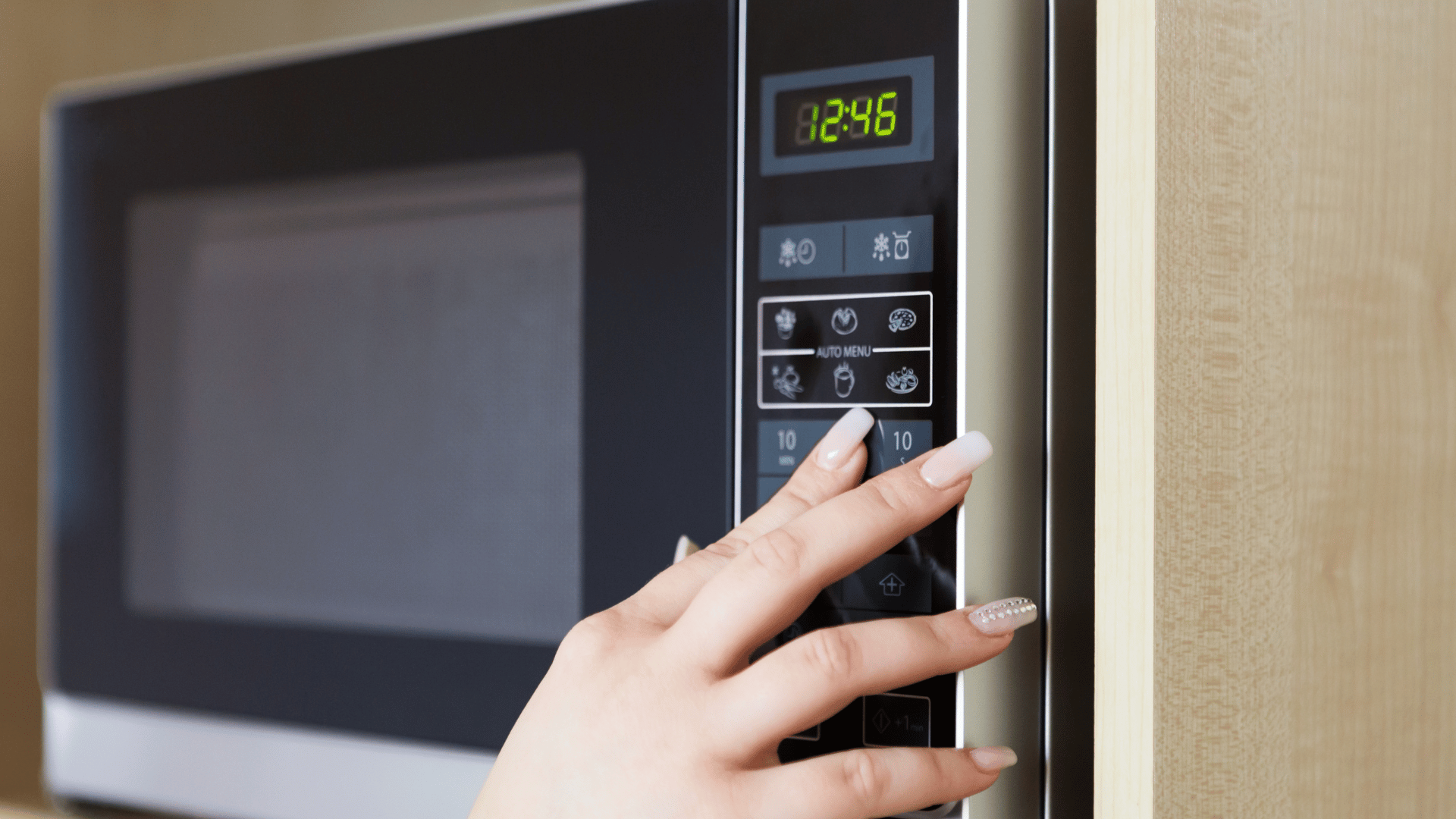
I know these aren’t the most exciting things to compare, but after having tested multiple microwaves here at XpertPick, trust us, this will define your long-term satisfaction.
So, What Should You Actually Look For?
By now, you must have figured out that, instead of looking for the most feature-loaded option, it is better to check the basics first.
If your usage will remain basic, a smaller, simpler microwave will do the job without making it unnecessarily complex to use. But if you genuinely see yourself using it for baking or cooking more regularly, then a larger convection model makes sense.
You don’t have to get influenced by everything a microwave claims it can do. Rather, understand what role it will realistically play in your kitchen. Because in the end, the best microwave for you might not be the most feature-heavy one, but the one that fits into your routine better.