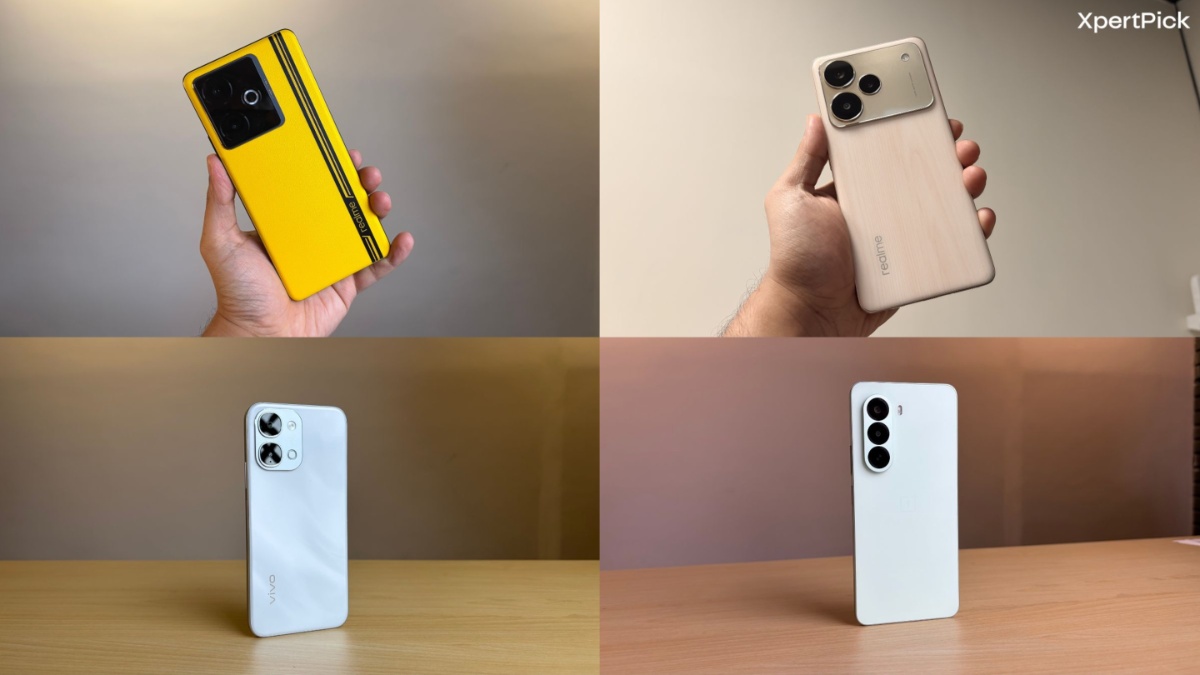
Under ₹30,000, gaming performance and battery life used to sit on opposite ends of the shelf: phones that played well drained quickly, and phones that lasted long played poorly. Silicon-carbon batteries and more efficient mid-range chipsets have narrowed that gap considerably. We put eight phones in this segment through the same set of gaming, benchmark, thermal, charging and battery tests to establish which ones handle both jobs, and where each one falls short.
Phones Considered
I tested eight phones priced around the ₹30,000 mark that are likely to be on a buyer’s shortlist for gaming and battery life: the Realme GT 7T, Realme P4 Power, Vivo T5x, Realme P4 Pro, Motorola Edge 70, OnePlus Nord CE6 Lite, Redmi Note 15 and Infinix GT 30.
Top Picks at a Glance
The following recommendations are based on lab testing. Refer to the comparative results table for a side-by-side view of the six recommended models.
| Category | My Pick | Price | Why We Picked It |
|---|---|---|---|
| Best Overall Gaming + Battery | Realme GT 7T | ₹30,499* | The highest gaming results of the eight (96.5 avg / 81.2 5% Low FPS in BGMI) alongside an 18h 22min battery and 120W charging |
| Best Chipset Paired with Large Battery | Vivo T5x | ₹27,999 | The Dimensity 7400 Turbo and a 7,200 mAh cell produce 29h 37min of runtime, the best efficiency per mAh in this comparison |
| Best for Marathon Gaming (Battery + Cooling) | Realme P4 Power | ₹29,999 | A 10,001 mAh battery, a 33h 15min runtime, 84 FPS in BGMI, 99.5% stress stability and a 35.7°C stress-test temperature |
| Best High-Refresh Display + Endurance | Realme P4 Pro | ₹28,999 | A 144Hz 1.5K AMOLED panel over a 7,000 mAh cell with a 19h 14min runtime and 99.3% stress stability |
| Best Fast Charging for Gamers | Motorola Edge 70 | ₹27,999 | 68W wired plus 15W wireless charging, the only wireless option here, behind the highest BGMI average of the comparison (114.7 FPS) |
| Best Value Pick | OnePlus Nord CE6 Lite | ₹25,505 | The lowest price among our picks, with a 24h 0min runtime from a 7,000 mAh cell and steady 60 FPS-class gaming |
*The Realme GT 7T sits ₹499 above the ₹30,000 mark. It is included as the strongest gaming-and-battery combination in the segment, and the price is flagged wherever it comes up.
Gaming and Battery Benchmark Comparison: Test Results and Performance Analysis
The table below compares the six recommended phones side by side. A 🏆 marks the category leader.
| Test / Metric | Realme GT 7T | Vivo T5x | Realme P4 Power | Realme P4 Pro | Motorola Edge 70 | OnePlus Nord CE6 Lite |
|---|---|---|---|---|---|---|
| Recommendation | Best overall gaming + battery under ₹30k | Best chipset paired with large battery under ₹30k | Best for marathon gaming (battery + cooling) under ₹30k | Best high-refresh display + endurance under ₹30k | Best fast charging for gamers under ₹30k | Best value pick under ₹30k |
| Price | ₹30,499* | ₹27,999 | ₹29,999 | ₹28,999 | ₹27,999 | ₹25,505 |
| Battery Capacity | 7,000 mAh | 7,200 mAh (Si/C) | 10,001 mAh (Si/C) 🏆 | 7,000 mAh | 5,000 mAh (Si/C) | 7,000 mAh |
| Charging Speed | 120W 🏆 | 44W | 80W | 80W | 68W + 15W wireless | 45W |
| Battery Life (PCMark) | 18h 22min | 29h 37min | 33h 15min 🏆 | 19h 14min | 12h 33min | 24h 0min |
| Runtime per 1,000 mAh | 2h 37min | 4h 07min 🏆 | 3h 20min | 2h 45min | 2h 31min | 3h 26min |
| AnTuTu Overall | 2,127,058 🏆 | 954,883 | 1,023,651 | 1,009,232 | 1,409,815 | 1,001,250 |
| Geekbench (Single / Multi) | 1,595 / 6,248 🏆 | 1,060 / 2,715 | 1,062 / 2,989 | 1,193 / 3,506 | 1,330 / 4,155 | 1,009 / 2,974 |
| Geekbench GPU Score | 10,895 🏆 | 3,053 | 3,010 | 4,536 | 4,779 | 2,869 |
| 3DMark Wild Life Extreme | 4,094 🏆 | 1,015 | 1,022 | 1,813 | 2,074 | 1,017 |
| 3DMark Stress Stability | 73.3% | 99.5% 🏆 | 99.5% 🏆 | 99.3% | 64.1% | 99.4% |
| CPU Throttling Stability | 68% | 93% 🏆 | 91% | 87% | 89% | 86% |
| Temp After Stress Test | 42.8°C | 39.6°C | 35.7°C 🏆 | 40.8°C | 39.0°C | 39.6°C |
| BGMI (Avg / 5% Low FPS) | 96.5 / 81.2 🏆** | 59.2 / 51.0 | 84.1 / 63.2 | 73.0 / 61.2 | 114.7 / 60.7 | 59.5 / 55.0 |
| Minecraft (Avg / 5% Low FPS) | 58.1 / 39.7 🏆 | 28.7 / 16.9 | 50.8 / 31.7 | 43.5 / 23.9 | 35.7 / 24.7 | 34.7 / 16.7 |
**The Motorola Edge 70 recorded the higher BGMI average (114.7 FPS); the trophy reflects the GT 7T’s 5% Low of 81.2 FPS, which was the most consistent frame delivery of the group. Both figures are discussed in the relevant sections.
This table compares only the six recommended phones. I tested eight in total, but kept the table to the picks for easier reading. Full benchmark data for the Redmi Note 15 and Infinix GT 30 can be found in their individual sections further below.
How I Tested These Gaming and Battery Smartphones
Two numbers decide whether a phone in this segment is worth buying for gaming: the frame rate it holds after the first twenty minutes, and the battery percentage left when the session ends. Neither appears on a spec sheet. A chipset’s model name says nothing about how it behaves at 42°C, and a battery’s capacity says nothing about how quickly an inefficient processor drains it, in this very comparison, a 5,500 mAh phone and a 10,001 mAh phone are separated by almost 21 hours of measured runtime.
Each phone therefore goes through the same sequence of tests, covering four areas: peak performance, sustained performance under heat, logged real-world gaming, and a full battery rundown with an efficiency calculation attached. The results below are what those tests produced; where a phone’s marketing claim and its measured behaviour differ, the measurement is what appears in this article.
Test Conditions: All devices are retail units running publicly available software, tested at a controlled 28°C ambient temperature. The highest-specification variant is used where one exists. No manufacturer-supplied performance or battery figures are used in the analysis.
Performance Benchmarks: AnTuTu v10 and Geekbench 6 record each phone’s peak processing and graphics output. These establish the ceiling; the tests that follow establish how much of that ceiling survives actual use.
Sustained Performance Testing: The 3DMark Wild Life Extreme Stress Test runs for 20 consecutive loops, followed by a 15-minute CPU throttling test, with chassis temperature recorded after the stress run. These tests show how much performance each phone retains once heat builds, and how much charge it wastes producing that heat.
Gaming Tests: BGMI at the lowest graphics preset and Minecraft at the highest preset, each run in extended sessions with frame-time logging. Average FPS is reported alongside 5% Low FPS; the average describes the session as a whole, and the 5% Low describes its most demanding moments.
Battery Testing: PCMark Work 3.0 runs at a fixed 50% screen brightness until the phone shuts down, simulating a mixed workload of browsing, editing and media playback. Dividing the result by battery capacity gives a runtime-per-1,000-mAh figure, which separates endurance earned through efficiency from endurance bought through capacity.
Updated for July 2026 with the latest launches, testing data and price changes. Prices reflect Indian market rates at the time of publication and are subject to change.
The Phones in Detail
Realme GT 7T – Best Overall Gaming + Battery Under ₹30k
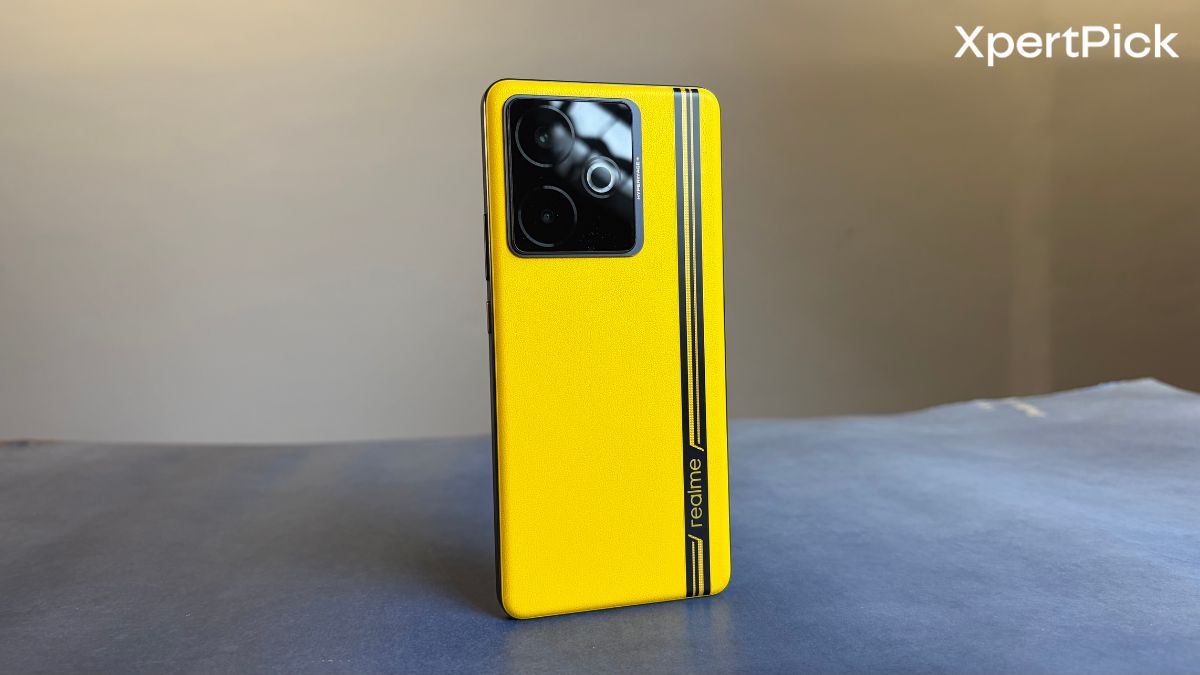
The Realme GT 7T is my overall pick in this comparison: it recorded the strongest gaming results of the eight phones, 96.5 FPS average with an 81.2 FPS 5% Low in BGMI, alongside an 18h 22min battery runtime from its 7,000 mAh cell, with 120W charging. At ₹30,499, it sits ₹499 above the segment ceiling, which is flagged here and throughout.
Why We Picked It
The Realme GT 7T delivers the strongest gaming performance in this comparison. Its MediaTek Dimensity 8400 Max scored 2,127,058 in AnTuTu and produced 96.5 FPS average with an 81.2 FPS 5% Low in BGMI, giving it the most consistent frame delivery among the phones tested. It also led the Minecraft test at 58.1 FPS average and 39.7 FPS 5% Low.
Battery life is equally competitive. The 7,000 mAh dual-cell battery lasted 18 hours and 22 minutes in the PCMark benchmark, while 120W SuperVOOC charging is the fastest in this comparison and supports bypass charging for gaming. The trade-off is sustained performance under heavy load. It recorded the lowest 3DMark stress stability (73.3%) and CPU throttling stability (68%) among the recommended picks, with the highest post-stress temperature at 42.8°C. At ₹30,499, it also sits ₹499 above the intended ₹30,000 budget.
Key Specifications
XP Lab Test Data
Pros
The highest benchmark and gaming results of the comparison, consistent frame delivery in BGMI (81.2 FPS 5% Low), an 18h 22min battery and the fastest charging here at 120W.
Cons
The lowest sustained stability among our picks (73.3% stress stability, 68% CPU throttling), the warmest stress-test temperature (42.8°C), a price ₹499 above the ₹30,000 limit, and a 202g weight.
Who Should Buy It
Buyers whose main use is gaming and who also want a full day or more of battery with quick recovery. It is the only phone here that plays in the 90-plus FPS class while keeping a large battery and very fast charging.
Who Shouldn’t Buy It
Buyers with a strict ₹30,000 limit, and those who prioritise sustained thermal behaviour over peak output, the P4 Power and T5x hold their performance more evenly.
Expert Verdict: The most capable gaming-and-battery combination in this comparison, with two clear caveats: it runs warmer under sustained load than the efficiency-focused picks, and it costs ₹499 more than the segment allows. If neither concerns you, it is the phone to buy.
Vivo T5x – Best Chipset Paired with Large Battery Under ₹30k
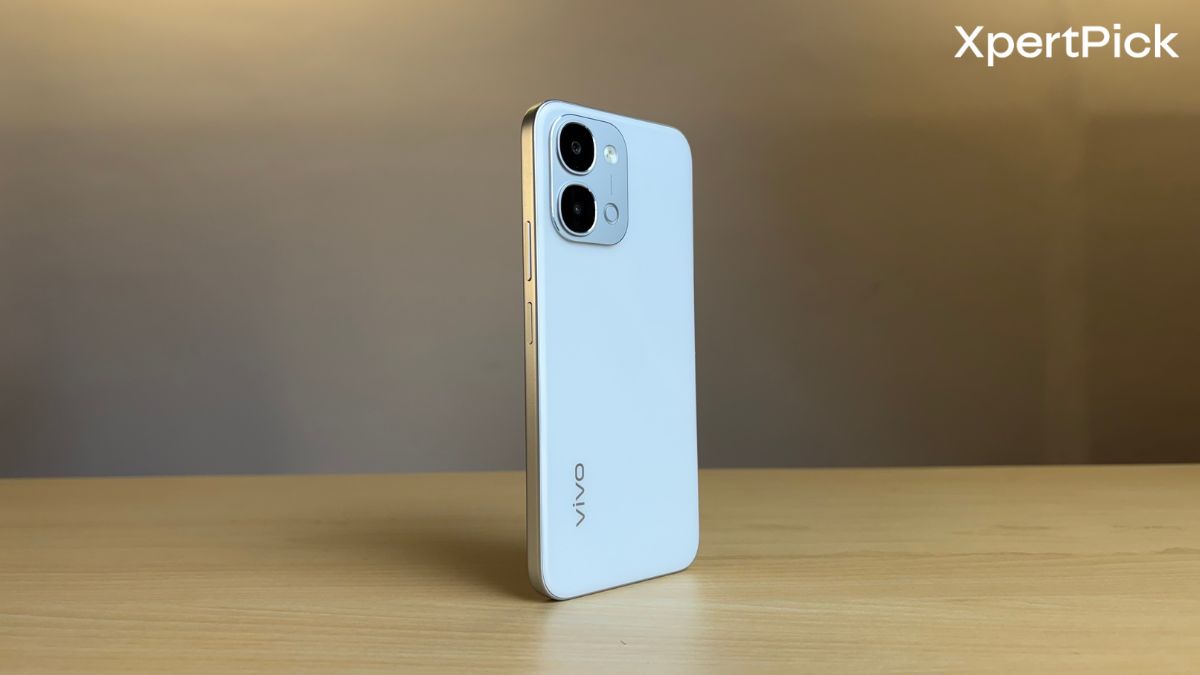
The Vivo T5x is my pick for the best chipset-and-battery pairing in this comparison: its MediaTek Dimensity 7400 Turbo and 7,200 mAh silicon-carbon cell produced a 29h 37min PCMark runtime, equivalent to 4h 07min per 1,000 mAh, the best efficiency figure of the eight phones tested.
Why We Picked It
The Vivo T5x stands out for battery efficiency rather than outright performance. Its 7,200 mAh battery lasted 29 hours and 37 minutes in the PCMark benchmark, while its runtime of 4h 07min per 1,000 mAh was the highest in this comparison. It also posted excellent sustained performance, with 99.5% 3DMark stress stability and the best CPU throttling result among the recommended phones at 93%. Bypass charging, reverse wired charging, and an IP68/IP69 rating add to its value.
Gaming performance is more modest. It averaged 59.2 FPS in BGMI with a 51.0 FPS 5% Low, making it better suited to casual gaming than high-refresh titles. The 120Hz LCD display also trails the AMOLED panels found on most rivals, while 44W charging is among the slowest in this comparison. If battery life and efficiency are your priorities, however, the T5x remains one of the strongest options in its price segment.
Key Specifications
- Price: ₹27,999
- Processor: MediaTek Dimensity 7400 Turbo
- Display: 6.76-inch FHD+ LCD (120Hz) | 1,300 nits
- RAM: 6GB / 8GB
- Storage: 128GB / 256GB UFS 3.1
- Battery: 7,200 mAh silicon-carbon
- Charging: 44W FlashCharge with bypass and reverse wired charging
- Rear Camera: 50MP Sony Main + 2MP
- Front Camera: 32MP Selfie
XP Lab Test Data
Pros
The best runtime efficiency of the comparison (4h 07min per 1,000 mAh), a 29h 37min measured runtime, the best CPU throttling stability among our picks (93%), IP68/IP69 durability and bypass charging.
Cons
Gaming sits in the 60 FPS class in BGMI and below 30 FPS in Minecraft at maximum settings, the panel is LCD rather than AMOLED, and 44W is the slowest charging among the picks.
Who Should Buy It
Buyers who rank time-between-charges above frame rates, commuters, travellers and heavy standby users, and anyone who wants the most efficient chipset-battery pairing in the segment.
Who Shouldn’t Buy It
Gamers targeting high frame rates or display quality; the GT 7T, Edge 70 and P4 Power all game at a higher level.
Expert Verdict: The efficiency result speaks for itself: no phone here extracts more from each unit of battery. Its gaming is serviceable rather than strong, which is the trade this category accepts.
3. Realme P4 Power – Best for Marathon Gaming (Battery + Cooling) Under ₹30k
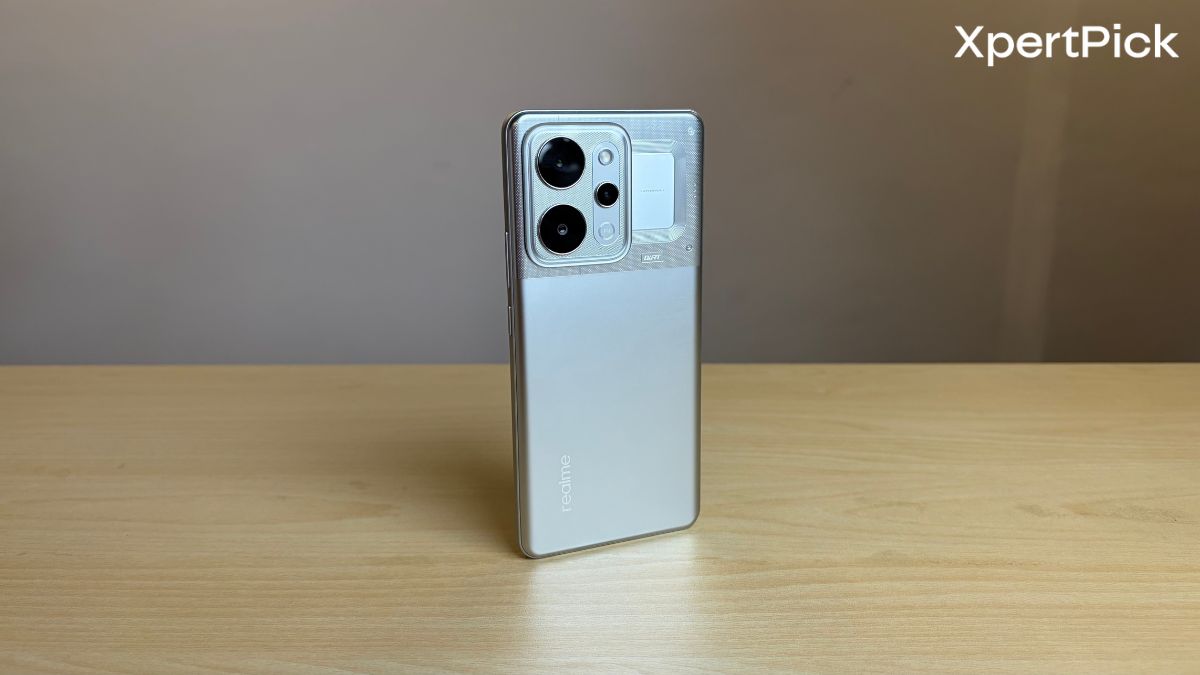 The Realme P4 Power is my marathon pick in this comparison: its 10,001 mAh battery, the largest here, ran 33h 15min in PCMark, while its Dimensity 7400 Ultra held 84.1 FPS in BGMI with 99.5% stress stability and a 35.7°C post-stress temperature, the lowest we recorded among the picks.
Why We Picked It
The Realme P4 Power is built for long gaming sessions. It averaged 84.1 FPS in BGMI with a 63.2 FPS 5% Low, backed by 99.5% 3DMark stress stability and 91% CPU throttling stability. It also recorded the lowest post-stress temperature among the recommended phones at 35.7°C. Realme’s bypass charging further helps reduce heat during extended gameplay.
Its 10,001 mAh battery is the largest in this comparison and delivered the longest PCMark runtime at 33 hours and 15 minutes. Charging is handled by an 80W adapter, with Realme claiming 50% in 36 minutes. The trade-offs include a relatively heavy 219 g chassis, LPDDR4X RAM, UFS 3.1 storage, and occasional frame-time drops in Genshin Impact despite otherwise consistent gaming performance.
Key Specifications
XP Lab Test Data
Pros
The longest battery life of the comparison (33h 15min) from the largest cell (10,001 mAh), 84 FPS BGMI gameplay held with 99.5% stress stability, the lowest post-stress temperature among the picks (35.7°C), and bypass charging for long sessions.
Cons
At 219g it is heavier than most rivals, LPDDR4X RAM and UFS 3.1 storage limit headroom, and Genshin Impact showed occasional severe frame dips (5.2 FPS 5% Low) despite steady results in BGMI and Minecraft.
Who Should Buy It
Players whose sessions run for hours, and days between charges. It is the only phone here that combines 80-plus FPS gameplay with a battery that barely registers a long session, while staying cool.
Who Shouldn’t Buy It
Buyers sensitive to weight, and those playing demanding open-world titles at high settings, where its frame-time dips were recorded.
Expert Verdict: The measurements match the category unusually well: long runtime, low temperature, stable frame delivery. Its weight and Genshin dips are the identifiable costs.
4. Realme P4 Pro – Best High-Refresh Display + Endurance Under ₹30k
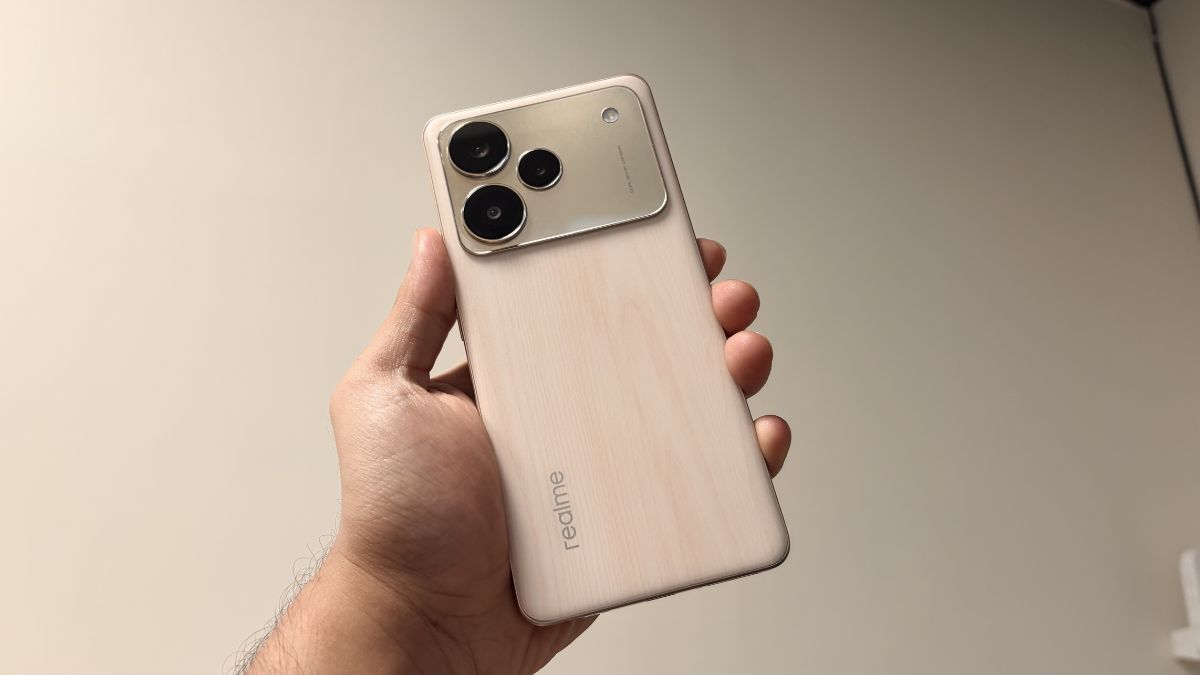
The Realme P4 Pro is my display-and-endurance pick in this comparison: a 144Hz 1.5K AMOLED panel, rated to 6,500 nits peak, over a 7,000 mAh cell that ran 19h 14min in PCMark, with 99.3% stress stability.
Why We Picked It
Among the phones tested, the P4 Pro offers the strongest combination of display specification and measured endurance. Its 6.8-inch quad-curved AMOLED runs at 144Hz, matched only by the Nord CE6 Lite’s LCD in this group, at 1.5K resolution with a claimed 6,500-nit peak, and it sits in a 7.68mm, 189g body, the slimmest of the 7,000 mAh phones here.
The endurance beneath it is consistent rather than exceptional: 19 hours and 14 minutes in PCMark, fourth-longest of the eight, supported by 99.3% stress stability, 87% CPU throttling stability and 80W charging with bypass support. Gaming sits in the middle of the group, 73.0 FPS in BGMI with a 61.2 FPS 5% Low, enough to make use of the panel’s refresh rate in supported titles without reaching the GT 7T’s level. LPDDR4X RAM and UFS 3.1 storage are the specification compromises at this price.
Key Specifications
XP Lab Test Data
Pros
A 144Hz 1.5K AMOLED panel in the slimmest 7,000 mAh body of the group, a 19h 14min runtime with 99.3% stress stability, 80W charging and a 50MP selfie camera.
Cons
Gaming sits in the 70 FPS class rather than the 90-plus tier, LPDDR4X RAM and UFS 3.1 storage trail same-price rivals, and its 40.8°C post-stress temperature is warmer than the other Realme picks.
Who Should Buy It
Buyers who spend more time watching and scrolling than competing, the panel is the best specified among our picks, but still want a full-day-plus battery and mid-tier gaming capability.
Who Shouldn’t Buy It
Frame-rate-focused gamers; the GT 7T and Edge 70 deliver substantially higher FPS at similar money.
Expert Verdict: A display-led package with dependable endurance. Nothing about it leads the comparison outright except the panel specification, which is what this category asks for.
5. Motorola Edge 70 – Best Fast Charging for Gamers Under ₹30k
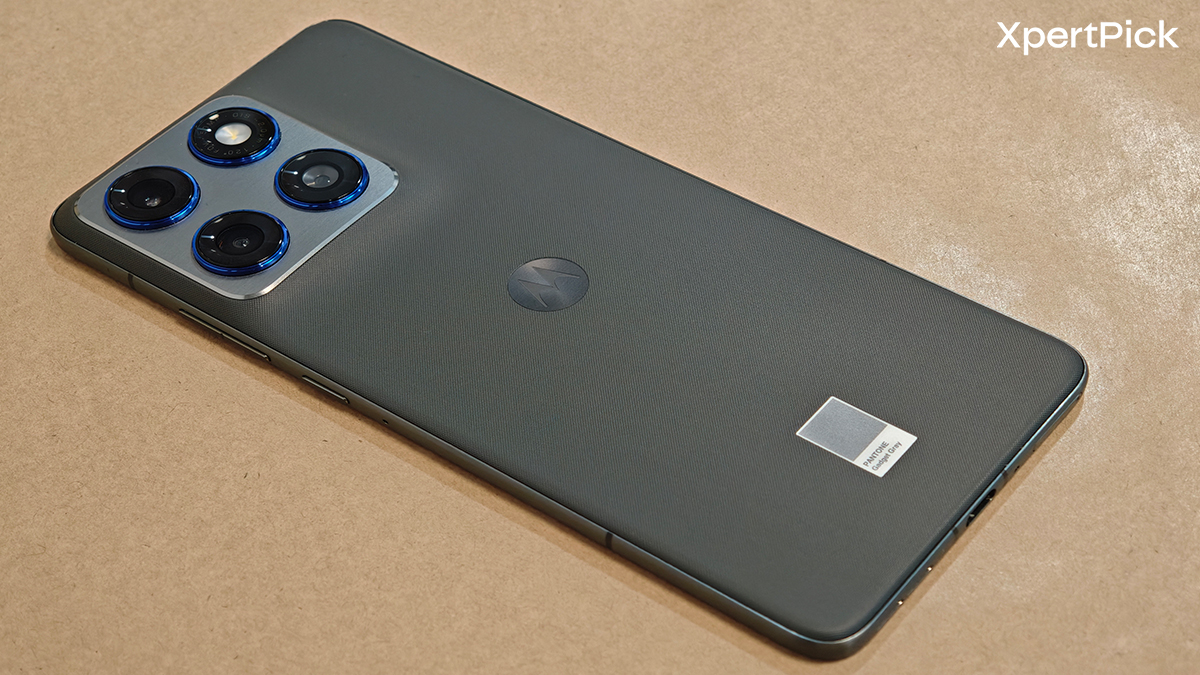
The Motorola Edge 70 is my fast-charging pick in this comparison: 68W wired charging plus 15W wireless, the only wireless charging among the eight phones, behind the highest BGMI average we recorded (114.7 FPS). Its 12h 33min battery runtime is the shortest of our picks, and that trade-off is set out plainly below.
Why We Picked It
Key Specifications
- Price: ₹27,999
- Processor: Qualcomm Snapdragon 7 Gen 4
- Display: 6.7-inch 1.5K AMOLED (120Hz) | 4,500 nits peak
- RAM: 8GB LPDDR5X
- Storage: 256GB UFS 3.1
- Battery: 5,000 mAh silicon-carbon
- Charging: 68W TurboPower + 15W wireless
- Rear Camera: 50MP Main (OIS) + 50MP Ultra-Wide
- Front Camera: 50MP Selfie
XP Lab Test Data
- Battery Life (PCMark): 12h 33min
- Runtime per 1,000 mAh: 2h 31min
- AnTuTu Overall Score: 1,409,815
- Geekbench 6: 1,330 (Single-Core) | 4,155 (Multi-Core)
- Geekbench GPU Score: 4,779
- 3DMark Wild Life Extreme: 2,074
- 3DMark Stress Test Stability: 64.1%
- CPU Throttling Test Stability: 89%
- Temperature After Stress Test: 39.0°C
- BGMI Performance (Lowest Graphics): 114.7 Average FPS | 60.7 5% Low FPS
- Minecraft Performance (Highest Graphics): 35.7 Average FPS | 24.7 5% Low FPS
Pros
The highest BGMI average of the comparison (114.7 FPS), the quickest practical recovery here (68W wired plus the only 15W wireless charging), strong CPU consistency (89%), and the slimmest, lightest build tested (5.99mm, 159g) with IP69 durability.
Cons
The shortest battery runtime of our picks (12h 33min) with the weakest efficiency per mAh, the lowest GPU stress stability of the eight (64.1%), and a wide BGMI average-to-low gap (114.7 against 60.7).
Who Should Buy It
Players who game in defined sessions near a charger, want the highest average frame rates in the segment, and value a slim design and wireless charging.
Who Shouldn’t Buy It
Anyone whose priority is time away from a socket. On single-charge endurance, this is the weakest of the six picks, and the P4 Power and T5x last roughly two and a half times longer.
Expert Verdict: A recovery-first phone in an endurance-focused segment. The charging package and frame rates justify the category; the runtime is the clearly stated cost.
6. OnePlus Nord CE6 Lite – Best Value Pick Under ₹30k
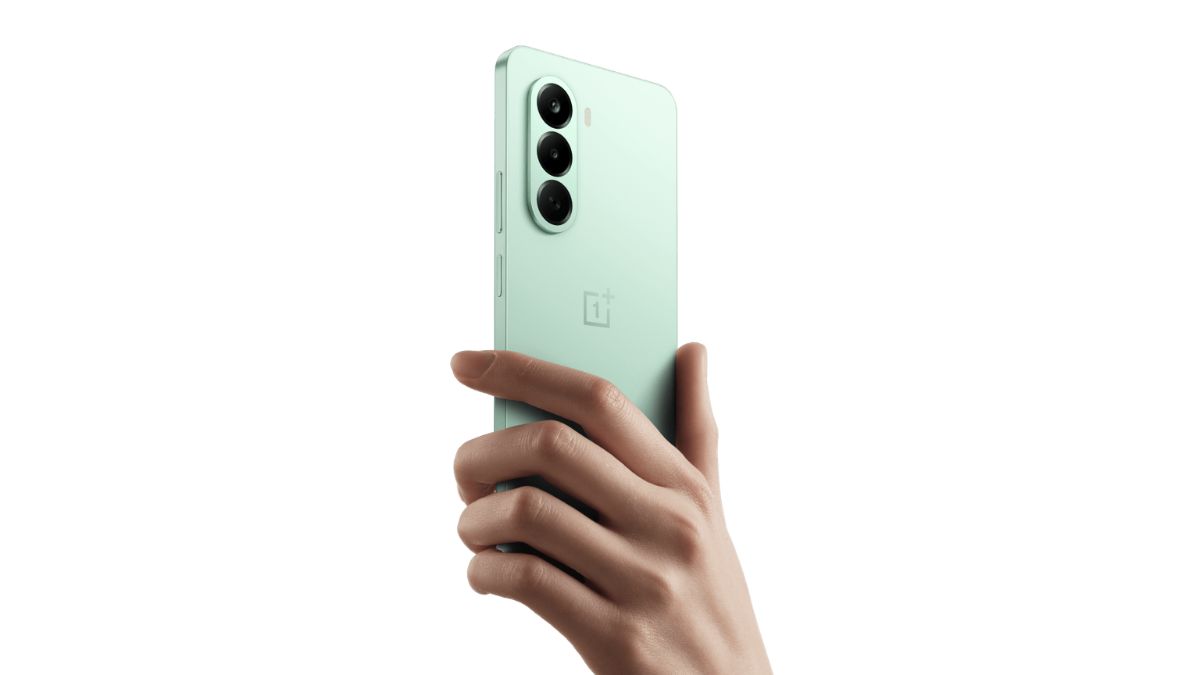
The OnePlus Nord CE6 Lite is my value pick in this comparison: at ₹25,505, the lowest price among our picks, it delivered a 24h 0min PCMark runtime from a 7,000 mAh cell, with steady 60 FPS-class gaming and 99.4% stress stability.
Why We Picked It
Value here means the most usable gaming-and-battery capability per rupee, and the Nord CE6 Lite’s ledger is simple. On the battery side: 24 hours of measured runtime, the third-longest of the eight phones, from a 7,000 mAh cell at 3h 26min per 1,000 mAh, with a 45W charger in the box, 10W reverse charging, and a six-year battery health commitment from OnePlus. On the gaming side: a steady 59.5 FPS average in BGMI with a 55.0 FPS 5% Low, a gap of under 5 FPS, which in practice reads as consistent 60 FPS-class play, supported by 86% throttling stability and 99.4% stress stability.
The compromises match the price. The 6.72-inch panel is a 144Hz LCD rather than AMOLED, the secondary 2MP rear camera adds little, and the chipset does not reach the higher frame-rate tiers available on the GT 7T or Edge 70. As a package, though, no phone here offers a comparable battery result and dependable gameplay for less money.
Key Specifications
XP Lab Test Data
Pros
A 24-hour measured runtime and 7,000 mAh cell at the lowest price among the picks, consistent 60 FPS-class BGMI gameplay with a small average-to-low gap, an in-box charger and a six-year battery health commitment.
Cons
The LCD panel trails the AMOLED rivals on contrast and outdoor visibility, the 2MP secondary camera is of limited use, and gaming is capped in practice at the 60 FPS class.
Who Should Buy It
Budget-focused buyers who want two-day battery life and reliable, if modest, gaming, and who would rather put the savings elsewhere.
Who Shouldn’t Buy It
Buyers wanting AMOLED display quality or frame rates above 60 FPS; several picks above serve both needs at higher prices.
Expert Verdict: The most sensible spend in this comparison. It concedes the frame-rate and display contests and wins the endurance-per-rupee calculation comfortably.
7. Redmi Note 15
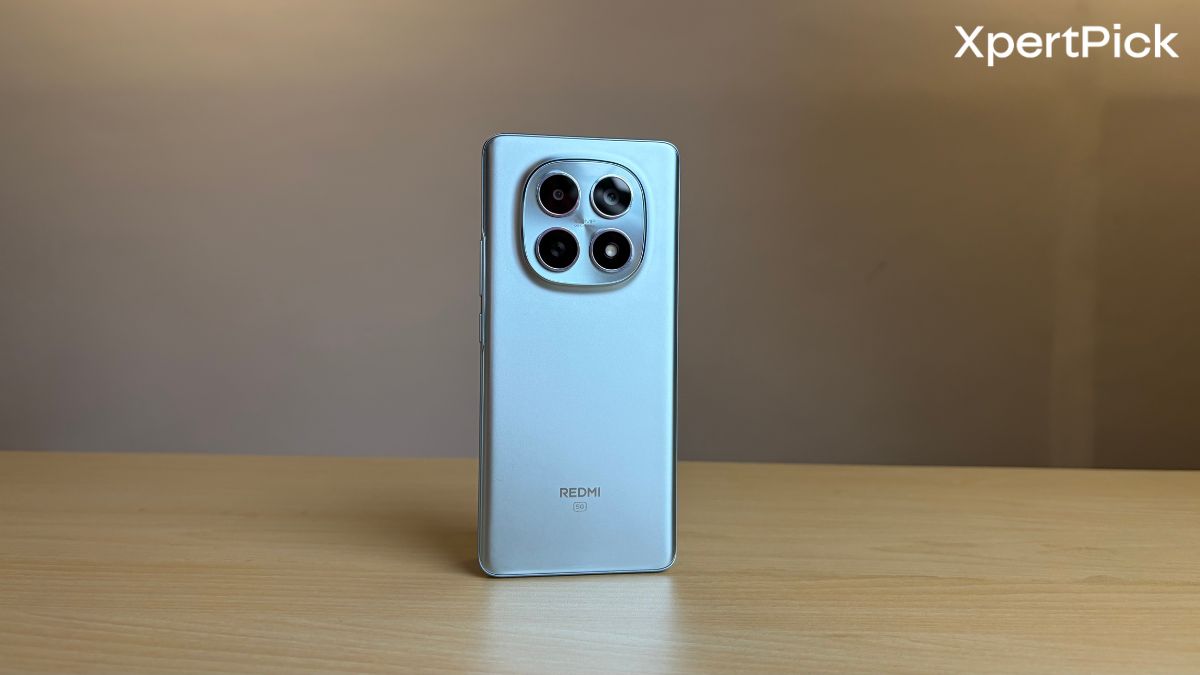
The Redmi Note 15 did not make the recommendation list for this comparison: its BGMI result of 58.2 FPS average was the lowest of the eight phones, and its 17h 53min battery runtime, while respectable, is exceeded by three picks that also game at a higher level.
Why We Didn’t Pick It
The Redmi Note 15 performs well in sustained workloads, recording the best CPU throttling stability in this comparison at 94%, alongside 99.5% 3DMark stress stability and a relatively cool 36.6°C after testing. Its 5,520 mAh silicon-carbon battery also lasted 17 hours and 53 minutes in the PCMark benchmark, making it a dependable everyday smartphone.
It misses out on a recommendation because both gaming performance and battery life trail the leading options. The phone posted the lowest AnTuTu score (834,308) and averaged 58.2 FPS in BGMI, while the similarly priced OnePlus Nord CE6 Lite lasts more than six hours longer in the PCMark battery test. Its 120Hz AMOLED display and 108MP main camera make it a solid all-rounder, but not the strongest choice for gaming and battery life.
Key Specifications
XP Lab Test Data
Pros
The best CPU throttling stability of the eight phones (94%), cool and stable running, a long-life-rated battery, a 120Hz AMOLED display and a 108MP camera at a low price.
Cons
The lowest gaming results and AnTuTu score of the comparison, UFS 2.2 storage, and a runtime bettered by the cheaper-per-capability Nord CE6 Lite.
Who Should Buy It
General users who value display and camera quality with dependable everyday behaviour, and who game only lightly.
Who Shouldn’t Buy It
Anyone selecting a phone on the basis of this article, both the gaming and battery halves are served better by the picks above.
Expert Verdict: A steady general-purpose phone whose measurements place it below the recommendation threshold on both of this article’s criteria.
8. Infinix GT 30
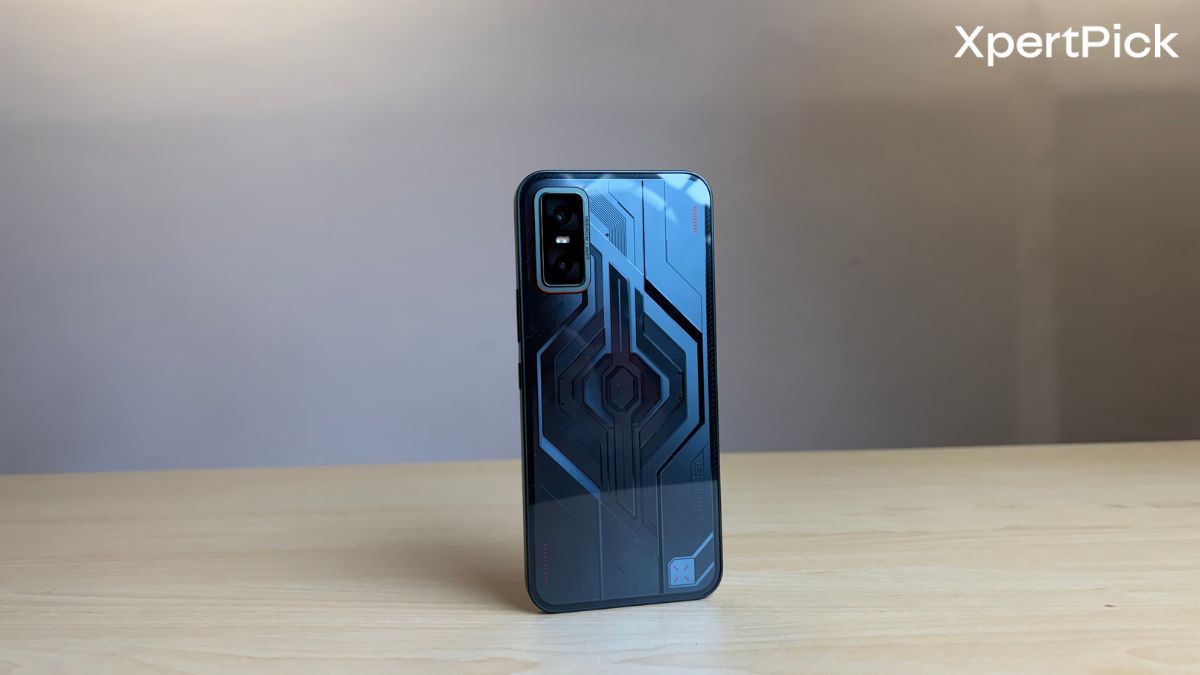
The Infinix GT 30 did not make the recommendation list for this comparison: its 12h 23min PCMark runtime was the shortest of the eight phones, and unlike the similarly short-running Motorola Edge 70, it does not offer a charging package or frame-rate result that offsets it.
Why We Didn’t Pick It
The Infinix GT 30 is aimed squarely at gamers. It offers shoulder triggers, customisable RGB lighting, a 144Hz 1.5K AMOLED display, and six-layer vapour chamber cooling, all for ₹23,999. Its cooling system performs well, recording the highest 3DMark stress stability in this comparison at 99.6% and the lowest post-stress temperature at 34.0°C. It also averaged 82.4 FPS in BGMI, making it a capable gaming phone for the price.
Its battery performance is what keeps it off the recommendation list. The 5,500 mAh battery lasted just 12 hours and 23 minutes in the PCMark benchmark, the shortest runtime in this comparison, while its efficiency of 2h 15min per 1,000 mAh was also the lowest. With 45W charging and no standout charging features, it is outclassed by the Motorola Edge 70 for gaming performance and charging, while the similarly priced OnePlus Nord CE6 Lite offers substantially longer battery life.
Key Specifications
XP Lab Test Data
Pros
The best stress stability (99.6%) and lowest temperature (34.0°C) of the eight phones, gaming-specific hardware including shoulder triggers, a 144Hz AMOLED panel, 10W wireless charging and the lowest price here.
Cons
The shortest runtime (12h 23min) and weakest efficiency of the comparison, UFS 2.2 storage, and the lowest Minecraft results of the group.
Who Should Buy It
Budget buyers who want gaming-focused hardware and features at the lowest possible price, and who are near a charger through the day.
Who Shouldn’t Buy It
Anyone weighting battery life meaningfully in their decision, every phone in this comparison outlasts it.
Expert Verdict: A well-cooled, well-equipped budget gaming phone whose battery result rules it out of a comparison built half on endurance.
Frequently Asked Questions (FAQs)
What Is the Best Gaming and Battery Phone Under ₹30,000?
The Realme GT 7T is the strongest combination in this comparison, recording the best gaming results of the eight phones (96.5 FPS average and an 81.2 FPS 5% Low in BGMI) alongside an 18h 22min battery and 120W charging. Note that its ₹30,499 price sits ₹499 above the ₹30,000 mark.
Which Phone Under ₹30,000 Has the Biggest Battery?
The Realme P4 Power, at 10,001 mAh, has the largest battery in this comparison by 2,800 mAh. It delivered 33 hours and 15 minutes in the PCMark test, the longest runtime of the eight phones.
Which Phone Is Best for Long Gaming Sessions Under ₹30,000?
The Realme P4 Power. It held 84.1 FPS in BGMI with 99.5% stress stability and the lowest post-stress temperature among the picks (35.7°C), backed by the longest battery life in the comparison and bypass charging for extended gaming sessions.
Which Gaming Phone Charges the Fastest Under ₹30,000?
By wattage, the Realme GT 7T’s 120W charging is the fastest, refilling its 7,000 mAh battery in under an hour. The Motorola Edge 70 offers the most versatile charging setup with 68W wired and 15W wireless charging, the only phone here to support wireless charging.
Does a Bigger Battery Mean Longer Battery Life?
Not necessarily. In this comparison, the 7,200 mAh Vivo T5x lasted 29h 37min, coming within four hours of the 10,001 mAh Realme P4 Power’s 33h 15min despite having 2,800 mAh less capacity. Likewise, the 5,500 mAh Infinix GT 30 delivered a shorter runtime than the 5,520 mAh Redmi Note 15. Chip efficiency and software optimisation matter just as much as battery size.
Which Is the Best Value Gaming and Battery Phone Under ₹26,000?
The OnePlus Nord CE6 Lite at ₹25,505, thanks to its 24-hour measured battery life, 7,000 mAh battery, and consistent 60 FPS-class BGMI performance. The Redmi Note 15 is a better all-rounder with a stronger display and camera, while the Infinix GT 30 offers good gaming performance but the shortest battery life in the group.
Is the Motorola Edge 70 Good for Battery Life?
Not if battery life is your priority. Its 12h 33min runtime is the shortest among the phones tested. Its strengths are 68W wired and 15W wireless charging, along with the highest BGMI average in the comparison at 114.7 FPS. If you need longer endurance, the Realme P4 Power, Vivo T5x, or OnePlus Nord CE6 Lite are better choices.
Is the Infinix GT 30 Worth Buying for Gaming?
If gaming is your only priority, yes. At ₹23,999, it delivers 82.4 FPS in BGMI, the best stress stability of the group, and dedicated gaming features. However, its 12h 23min battery runtime is the shortest in this comparison, making it a weaker choice for a battery-focused recommendation.
Why Trust XpertPick
Every recommendation on this page comes from hands-on lab testing rather than manufacturer spec sheets or marketing claims. This comparison was built entirely on retail units running shipping software.
- Independent testing: all eight phones were tested in-house on retail units; no manufacturer-supplied performance or battery data has been used in the analysis.
- Standardised conditions: every device was tested at 28°C ambient, on the highest-specification variant available, using the same benchmark, stress, gaming and battery suites run to completion.
- Two-axis methodology: peak output, sustained load, logged real-world gaming and full battery rundowns with per-mAh efficiency are measured for every phone, because gaming and battery claims frequently diverge within the same device.
- Transparent about limits: where a recommendation carries a measured weakness, such as the Motorola Edge 70’s runtime or the Realme GT 7T’s price and thermals, it is stated in the phone’s own section rather than omitted.
- Continuously updated: at XpertPick, we keep updating the test process and this article as new devices launch and prices change, so the picks reflect the current market.