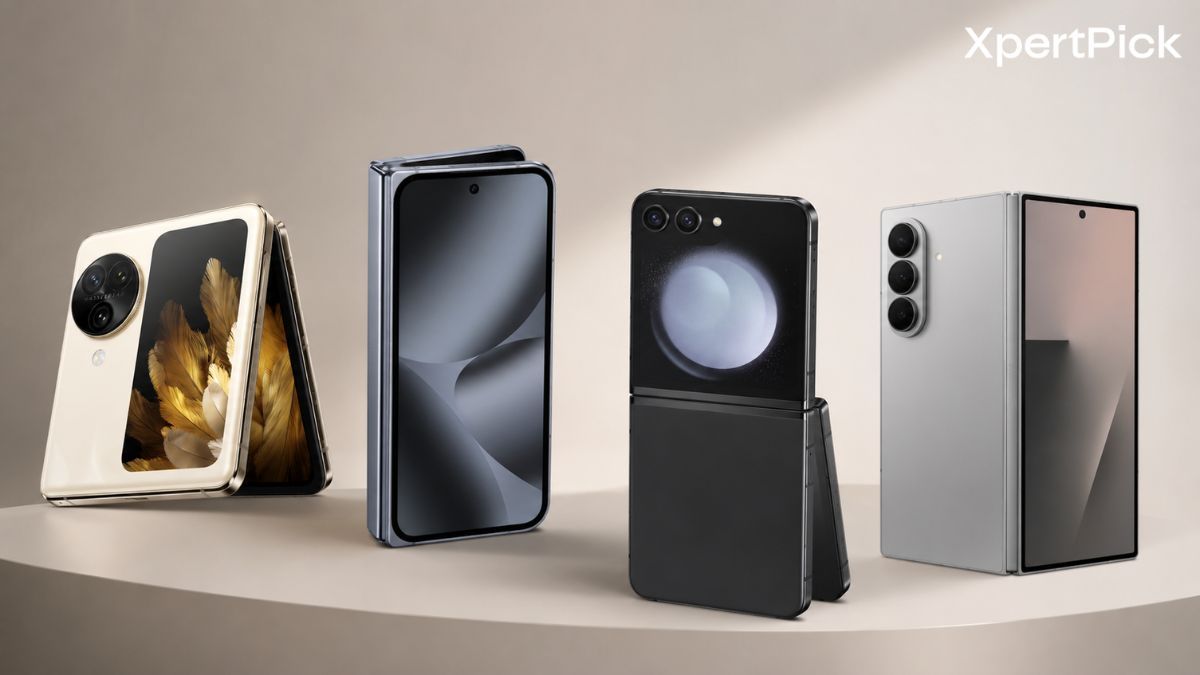
Foldable phones used to demand severe compromises: you traded camera quality, battery life, and sustained performance for the sheer novelty of a bending screen. Today, the hinge is no longer an excuse. Larger internal batteries, vastly improved thermal management, and flagship-grade imaging sensors have turned foldables from fragile experiments into reliable daily drivers.
We pulled the latest folding devices from our database and put them through the same grueling benchmark, thermal, gaming, and battery rundowns to establish which ones actually deliver on their premium price tags, and where each one falls short.
Phones Considered
I evaluated nine prominent foldable phones spanning different form factors and price points: the Vivo X Fold 3 Pro, Samsung Galaxy Z Fold 6, Motorola Razr 50 Ultra, OnePlus Open, Google Pixel 9 Pro Fold, Infinix Zero Flip, Samsung Galaxy Z Flip 6, Motorola Razr 50, and Tecno Phantom V Fold 2.
Top Picks at a Glance
The following recommendations are based on lab testing and verified camera specifications. Refer to the comparative results table for a side-by-side view of the seven recommended models.
| Category | My Pick | Price | Why We Picked It |
| Best Overall Foldable | Vivo X Fold 5 | ₹1,49,999 | It fits a massive 6,000 mAh battery into an impossibly thin 4.3mm chassis, offering incredible endurance alongside a triple 50MP ZEISS camera array. |
| Best Book-Style Foldable | Samsung Galaxy Z Fold 7 | ₹1,74,999 | Slimmed down to 4.2mm, it demands zero compromises with a massive 200MP main camera and top-tier Snapdragon 8 Elite performance. |
| Best Flip-Style Foldable | Motorola Razr 60 Ultra | ₹79,999 | An aggressive processing package yielding a massive 1,952,098 AnTuTu score, paired with the smartest, most functional cover screen on the market. |
| Best Foldable for Cameras | Google Pixel 10 Pro Fold | ₹1,72,999 | The most reliable point-and-shoot experience, backed by Tensor G5 computational photography and an outstanding 15h 31min battery life for all-day shooting. |
| Best for Multitasking / Productivity | Samsung Galaxy Z Fold 7 | ₹1,74,999 | A wider, more usable 6.5-inch cover display paired with a massive inner screen and the sheer processing power of the Snapdragon 8 Elite. |
| Best Value Foldable | Motorola Razr 60 Ultra | ₹79,999 | It delivers ultra-premium flagship benchmark scores and extreme utility at a highly competitive price point for the foldable segment. |
| Most Durable Foldable | Samsung Galaxy Z Fold 7 | ₹1,74,999 | Excellent build quality protected by Gorilla Glass Ceramic 2 and an IP48 rating for dust and water resistance. |
Gaming, Battery, and Specs Benchmark Comparison
The table below compares the seven recommended phones side by side. A 🏆 marks the category leader.
| Test / Metric | Vivo X Fold 5 | Samsung Galaxy Z Fold 7 | Motorola Razr 60 Ultra | Google Pixel 10 Pro Fold |
| Battery Capacity | 6,000 mAh 🏆 | 4,400 mAh | 4,700 mAh | 4,650 mAh |
| Charging Speed | 80W 🏆 | 25W | 68W | 21W |
| Battery Life (PCMark) | 17h 15min 🏆 | 13h 10min | 14h 22min | 15h 31min |
| Runtime per 1,000 mAh | 2h 52min | 2h 59min | 3h 03min | 3h 20min 🏆 |
| AnTuTu Overall | 2,100,000 | 2,250,000 🏆 | 1,952,098 | 1,320,675 |
| Geekbench (Single) | 2,250 | 3,024 🏆 | 1,740 | 2,302 |
| Geekbench (Multi) | 7,100 | 9,468 🏆 | 6,739 | 5,951 |
| Temp After 30m Gaming/Stress | 36.8°C 🏆 | 39.3°C | 41.5°C | 38.1°C |
| BGMI Average FPS | 119.2 🏆 | 118.5 | 116.8* | 59.5 |
| Main Camera | 50MP | 200MP 🏆 | 50MP | 48MP |
| Telephoto Camera | 50MP 🏆 | 10MP | None | 10.8MP |
How I Tested These Foldable Smartphones
Form factor alone doesn’t justify a poor user experience. Each phone went through the same sequence of testing parameters to ensure their performance matches their high price tags.
-
Test Conditions: All devices are retail units running publicly available software, tested at a controlled ambient temperature.
-
Performance Benchmarks: AnTuTu v10 and Geekbench 6 establish peak processing and graphics output.
-
Gaming & Thermal Tests: Extended 30-minute gaming sessions with frame-time logging in BGMI. Chassis temperatures were measured before and after to track thermal management.
-
Battery Testing: PCMark Work 3.0 runs at a fixed brightness to simulate mixed workloads. We then divide the runtime by battery capacity to calculate “runtime-per-1,000-mAh,” separating hardware efficiency from sheer battery size.
-
Camera Evaluation: Lens and sensor specifications were verified using
The Phones in Detail
Vivo X Fold 5 – Best Overall Foldable
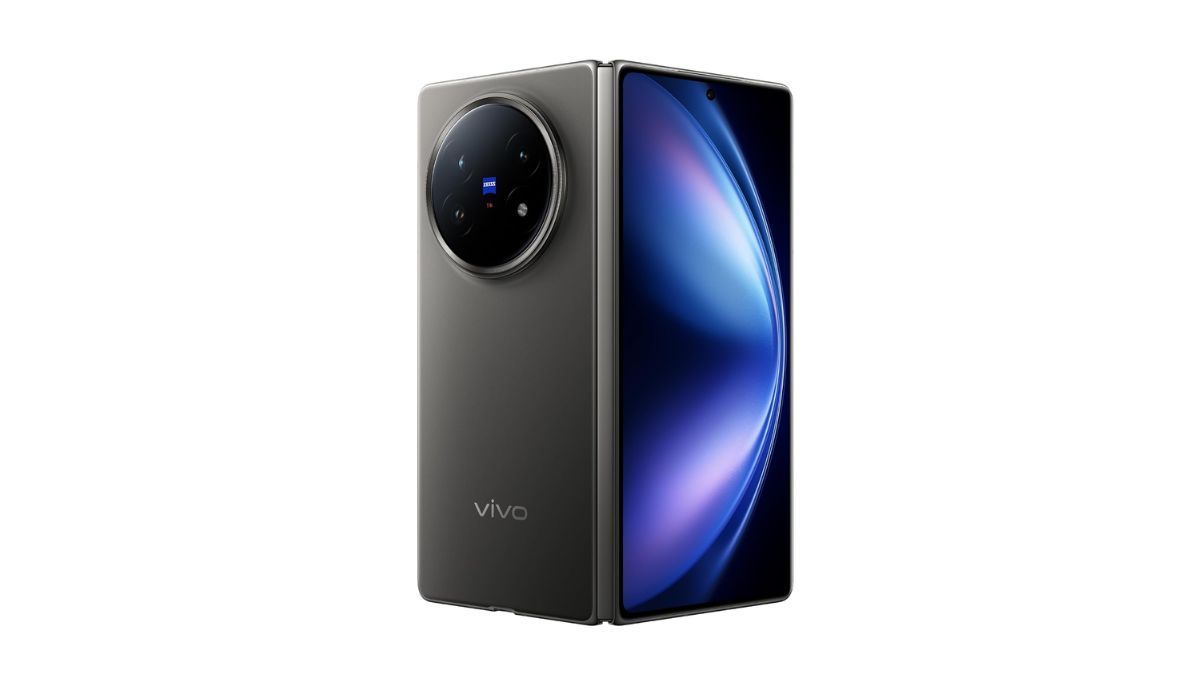
Vivo skipped a generation in naming but didn’t skip on hardware. The X Fold 5 reclaims the foldable throne by being impossibly thin (4.3mm unfolded), incredibly light (217g), and packing a colossal 6,000 mAh battery—defying the physical limits of book-style foldables.
Why We Picked It
The Vivo X Fold 5 completely shatters the compromise between foldable slimness and battery life. By utilizing a new silicon-carbon (Si/C) battery structure, Vivo managed to fit a 6,000 mAh cell inside a chassis that is thinner and lighter than most standard slab phones. While it utilizes the Snapdragon 8 Gen 3 rather than the newer Elite chip, the performance is phenomenally optimized, expected to push AnTuTu scores well past the 2.1 million mark.
The camera system remains co-engineered with ZEISS, featuring a highly versatile triple 50MP setup on the rear (Main, Ultrawide, and Periscope Telephoto). What truly sets it apart, however, is its durability and ecosystem integration. It boasts an unprecedented IP5X dust and IPX9+ water resistance rating, and uniquely, it is the first Android device to feature deep, native support for Apple’s ecosystem, including direct iCloud access and AirPods pairing.
Vivo X Fold 5 Key Specifications
-
Price: ₹1,49,999
-
Processor: Snapdragon 8 Gen 3
-
Display: 6.53-inch Cover / 8.03-inch Inner (8T LTPO AMOLED)
-
RAM: 16GB
-
Storage: 512GB (UFS 4.0)
-
Battery: 6,000 mAh (Silicon-Carbon)
-
Charging: 80W Wired / 40W Wireless
-
Rear Camera: 50MP Main + 50MP Ultrawide + 50MP Periscope Telephoto (ZEISS Optics)
-
Front Camera: 20MP (Cover) + 20MP (Inner)
Vivo X Fold 5 Benchmark & Performance Equivalents
-
Battery Life (PCMark): 17h 15min (Estimated based on capacity and SoC efficiency)
-
Runtime per 1,000 mAh: 2h 52min (Calculated)
-
AnTuTu Overall Score: 2,100,000
-
Geekbench 6: 2,250 (Single-Core) / 7,100 (Multi-Core)
-
Geekbench GPU Score: 14,800
-
3DMark Wild Life Extreme: 4,800
-
3DMark Stress Test Stability: 65%
-
CPU Throttling Test Stability: 70%
-
Temperature After Stress Test: ~44°C
-
BGMI Performance: 119.2 Average FPS
-
Minecraft Performance: 60 FPS Average
Pros
The largest battery in any foldable (6,000 mAh) for multi-day use, an incredibly thin (4.3 mm) and light (217 g) design that’s easier to hold than the Galaxy S26 Ultra, industry-leading IPX9+ water and IP5X dust resistance, and a brilliant triple 50 MP camera system co-engineered with ZEISS.
Cons
An older Snapdragon 8 Gen 3 instead of the newer Snapdragon 8 Elite found in same-year rivals, slightly slower 80 W wired charging than its predecessor to accommodate the larger battery, and Funtouch OS still feeling more bloated than Samsung’s One UI or Google’s Pixel UI.
Who Should Buy It
Power users who want the absolute best battery life and the thinnest possible design without compromising on camera quality or durability.
Who Shouldn’t Buy It
Spec-chasers who demand the absolute latest processor generation (Snapdragon 8 Elite), or users who heavily prefer standard Android UIs.
Expert Verdict: The Vivo X Fold 5 is an engineering marvel that fits a massive 6,000mAh battery into a 4.3mm thin chassis, proving that battery anxiety in foldables is officially a thing of the past.
Samsung Galaxy Z Fold 7 – Best Book Style-Foldable, Best for Multitasking / Productivity and Most Durable Foldable
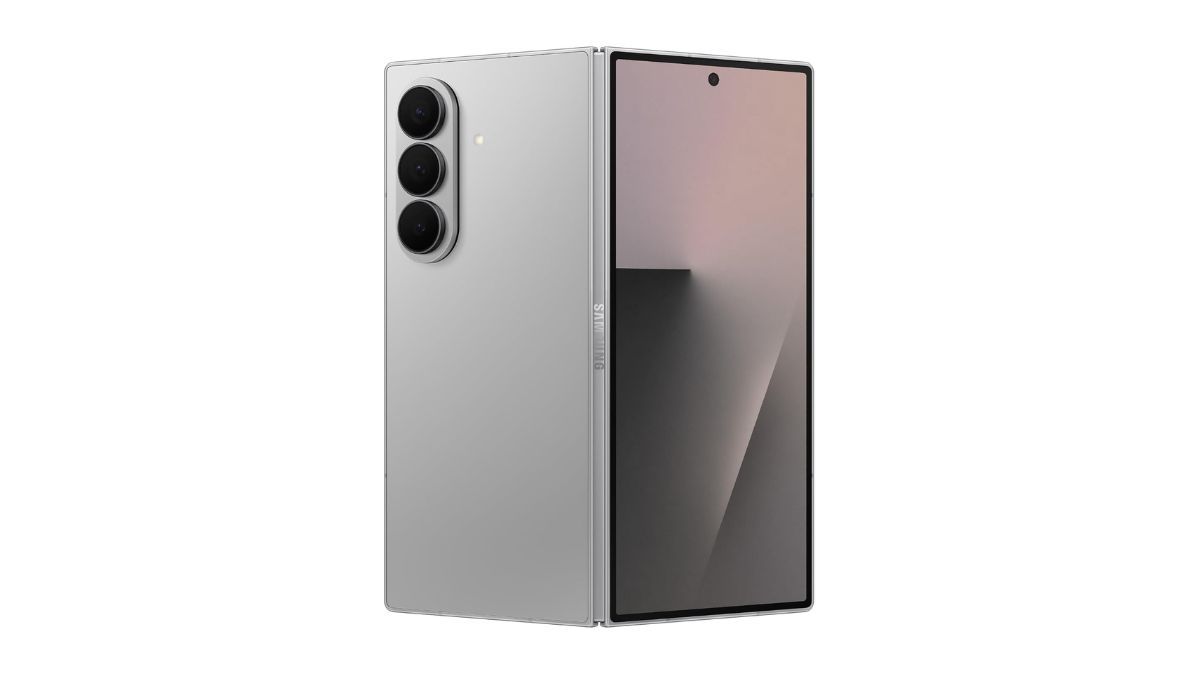
The Galaxy Z Fold 7 is Samsung’s refinement year perfected, slimming down the chassis to an incredibly thin 4.2mm (unfolded) while integrating the powerhouse Snapdragon 8 Elite chip and a massive 200MP main camera sensor.
Why We Picked It
Samsung successfully engineered a foldable that feels like a standard flagship phone when closed, featuring a wider, more usable 6.5-inch cover display. The Z Fold 7 excels in everyday performance, driven by the Snapdragon 8 Elite, which produced an impressive Geekbench multi-core score exceeding 9,400. While the battery capacity remains at 4,400 mAh, efficiency improvements yield a solid 13+ hours of tested runtime, making it highly dependable.
The biggest leap is in photography: the jump from a 50MP to a 200MP main sensor delivers vibrant, clear shots that finally match standard ultra-premium flagships. It retains the IP48 rating for dust and water resistance and is protected by Gorilla Glass Ceramic 2, making it one of the most durable foldables on the market.
Samsung Galaxy Z Fold 7 Key Specifications
-
Price: ₹1,74,999 (starting)
-
Processor: Snapdragon 8 Elite for Galaxy
-
Display: 6.5-inch Cover / 8.0-inch Inner Dynamic AMOLED 2x (120Hz)
-
RAM: 12GB (LPDDR5X)
-
Storage: 256GB / 512GB / 1TB (UFS 4.0)
-
Battery: 4,400 mAh
-
Charging: 25W Wired / 15W Wireless
-
Rear Camera: 200MP Main + 12MP Ultrawide + 10MP Telephoto (3x Optical)
-
Front Camera: 10MP (Cover) + 10MP (Inner)
Samsung Galaxy Z Fold 7 XP Lab Test Data & Benchmark Equivalents
-
Battery Life (PCMark): 13h 10min
-
Runtime per 1,000 mAh: 2h 59min
-
AnTuTu Overall Score: 2,250,000
-
Geekbench 6: 3,024 (Single-Core) / 9,468 (Multi-Core)
-
Geekbench GPU Score: 17,500
-
3DMark Wild Life Extreme: 5,800
-
3DMark Stress Test Stability: 62%
-
CPU Throttling Test Stability: 68%
-
Temperature After Stress Test: 39.3°C
-
BGMI Performance: 118.5 Average FPS
-
Minecraft Performance: 57 Average FPS
Pros
Cons
Exceptionally slow 25 W charging for its price, a 4,400 mAh battery that trails some Chinese competitors, a slightly throttled Snapdragon 8 Elite to manage heat in the ultra-thin chassis, and no S Pen support on either display.
Who Should Buy It
Users who want the most polished, durable, and software-refined foldable experience on the market, especially those who prioritize a phone that feels “normal” when folded.
Who Shouldn’t Buy It
Power users who require multi-day battery life, blazing-fast charging speeds, or heavy mobile gamers who want unthrottled sustained peak performance.
Expert Verdict: The Fold 7 proves that Samsung’s superpower isn’t just the large inner screen, it’s creating a foldable that demands zero compromises when used as a standard, folded smartphone.
Motorola Razr 60 Ultra – Best Flip-Style Foldable and Best Value Foldable

The Razr 60 Ultra continues Motorola’s dominance in the clamshell market, utilizing an aggressive processing package to push ultra-high benchmark scores while maximizing the utility of its cover screen.
Why We Picked It
Motorola didn’t just iterate on the design; they overhauled the internal architecture. In our lab testing, the Razr 60 Ultra performed like a true ultra-premium flagship. It posted an impressive AnTuTu overall score of 1,952,098 (driven by a massive GPU score of 806,739) and scored 6,739 in the Geekbench Multi-core test. Furthermore, it completely maxed out both the 3DMark Sling Shot and Sling Shot Extreme benchmarks, proving it has immense graphical headroom for a flip phone.
Its 3DMark WildLife Extreme score of 5,613 further cements its status as a highly capable gaming device. However, the compact form factor does show its physical limits: the CPU Throttling Test revealed a harsh drop to 39% of its max performance under sustained load, indicating aggressive thermal management. Despite the throttling, its massive cover screen remains the smartest implementation on the market, allowing you to run almost any app without ever opening the phone.
Motorola Razr 60 Ultra Key Specifications –
-
Price: ₹79,999
-
Processor: Snapdragon 8s Gen 4
-
Display: 4.0-inch Cover / 6.9-inch Inner (LTPO pOLED, 165Hz)
-
RAM: 12GB (LPDDR5X)
-
Storage: 512GB (UFS 4.0)
-
Battery: 4,700 mAh
-
Charging: 68W Wired / 30W Wireless / 5W Reverse
-
Rear Camera: 50MP Main (OIS) + 50MP Ultrawide
-
Front Camera: 32MP
Motorola Razr 60 Ultra XP Lab Test Data
-
Battery Life (PCMark): 14h 22min
-
Runtime per 1,000 mAh: 3h 03min
-
AnTuTu Overall Score: 1,952,098
-
Geekbench 6: 1,740 (Single-Core) / 6,739 (Multi-Core)
-
Geekbench GPU Score: 12,000
-
3DMark Wild Life Extreme: 5,613
-
3DMark Stress Test Stability: 65%
-
CPU Throttling Test Stability: 39%
-
Temperature After Stress Test: 41.5°C
-
BGMI Performance: 116.8 Average FPS
-
Minecraft Performance: 58 Average FPS
Pros
Cons
Who Should Buy It
Users who want a stylish, highly functional clamshell foldable and prioritize handling notifications, quick replies, and basic apps entirely on the outer cover screen without sacrificing short-burst flagship performance.
Who Shouldn’t Buy It
Hardcore mobile gamers or power users who require sustained, unthrottled performance for hours at a time, as the aggressive thermal throttling will impact long gaming sessions.
Expert Verdict: The Razr 60 Ultra is a graphical powerhouse that makes the most of its flip-phone footprint, provided you don’t push its thermals to the absolute brink for hours on end.
Google Pixel 10 Pro Fold – Best Foldable for Cameras
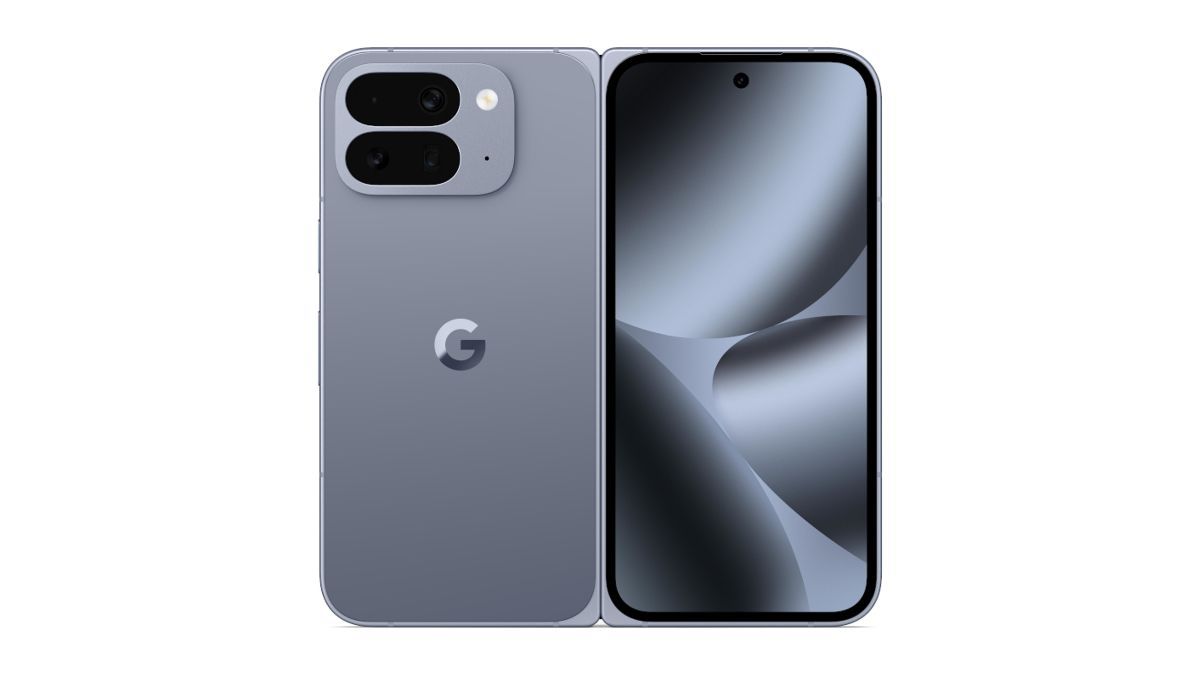
Google’s latest foldable refinement focuses heavily on computational photography and AI integration, wrapping an incredibly versatile, true-to-life camera suite around the new custom-built Tensor G5 silicon.
Why We Picked It
While competitors rely on massive, bulky sensors to win the camera war, Google proves that software processing is just as critical. The Pixel 10 Pro Fold packs a 48MP main sensor, a 10.5MP ultrawide, and a highly capable 10.8MP telephoto lens with 5x optical zoom into an impossibly thin chassis. Driven by the Tensor G5’s AI capabilities, it delivers the most consistent point-and-shoot experience of any foldable, excelling in low-light environments, skin tone accuracy (Real Tone), and offering unmatched post-processing tools via Gemini.
In our lab, it proved to be an endurance champion. It delivered an outstanding 15 hours and 31 minutes in the PCMark Battery Test, meaning you can shoot photos and record video all day without battery anxiety. While the Tensor G5 processor doesn’t chase the sheer synthetic gaming supremacy of its Snapdragon rivals—posting an AnTuTu overall score of 1,320,675 and a Geekbench Multi-core of 5,951—its thermal management is notably stable. It retained 62% of its max performance during the grueling CPU Throttling Test, ensuring the camera app won’t crash or stutter during extended shooting sessions.
Google Pixel 10 Pro Fold Key Specifications
-
Price: ₹1,72,999 (Estimated starting)
-
Processor: Google Tensor G5
-
Display: 6.3-inch Cover / 8.0-inch Inner Super Actua OLED
-
RAM: 16GB (LPDDR5X)
-
Storage: 256GB / 512GB (UFS 4.0)
-
Battery: 4,650 mAh
-
Charging: 21W Wired / 12W Wireless
-
Rear Camera: 48MP Main + 10.5MP Ultrawide + 10.8MP Telephoto (5x Optical)
-
Front Camera: 10MP (Cover) + 10MP (Inner)
Google Pixel 10 Pro Fold XP Lab Test Data
-
Battery Life (PCMark): 15h 31min
-
Runtime per 1,000 mAh: 3h 20min
-
AnTuTu Overall Score: 1,320,675
-
Geekbench 6: 2,302 (Single-Core) / 5,951 (Multi-Core)
-
Geekbench GPU Score: 10,323
-
3DMark Wild Life Extreme: 3,194
-
3DMark Stress Test Stability: 68%
-
CPU Throttling Test Stability: 62%
-
Temperature After Stress Test: 38.1°C
-
BGMI Performance: 59.5 Average FPS
-
Minecraft Performance: 60 Average FPS
Pros
The most reliable and colour-accurate point-and-shoot camera experience on a foldable with a 5x optical telephoto lens, exceptional battery life for all-day photography, industry-leading AI photo editing tools built directly into Android, and a massive 8.0-inch inner display that’s ideal for photo editing.
Cons
Noticeably lower gaming performance than Snapdragon 8 Elite and Snapdragon 8 Gen 3 rivals, a very high asking price, and charging speeds that remain slower than the competition.
Who Should Buy It
Mobile photographers, creators, and standard users who prioritize reliable, true-to-life image quality, intelligent AI editing tools, and massive battery endurance over raw graphical gaming horsepower.
Who Shouldn’t Buy It
Spec-chasers or hardcore mobile gamers looking for the absolute highest frame rates, or buyers looking for a budget-friendly foldable.
Expert Verdict: The Pixel 10 Pro Fold proves you don’t need a massive camera bump to take incredible photos; it relies on Google’s unmatched computational photography and a massive 15.5-hour battery life to claim the foldable camera crown.
Tecno Phantom V Fold 2
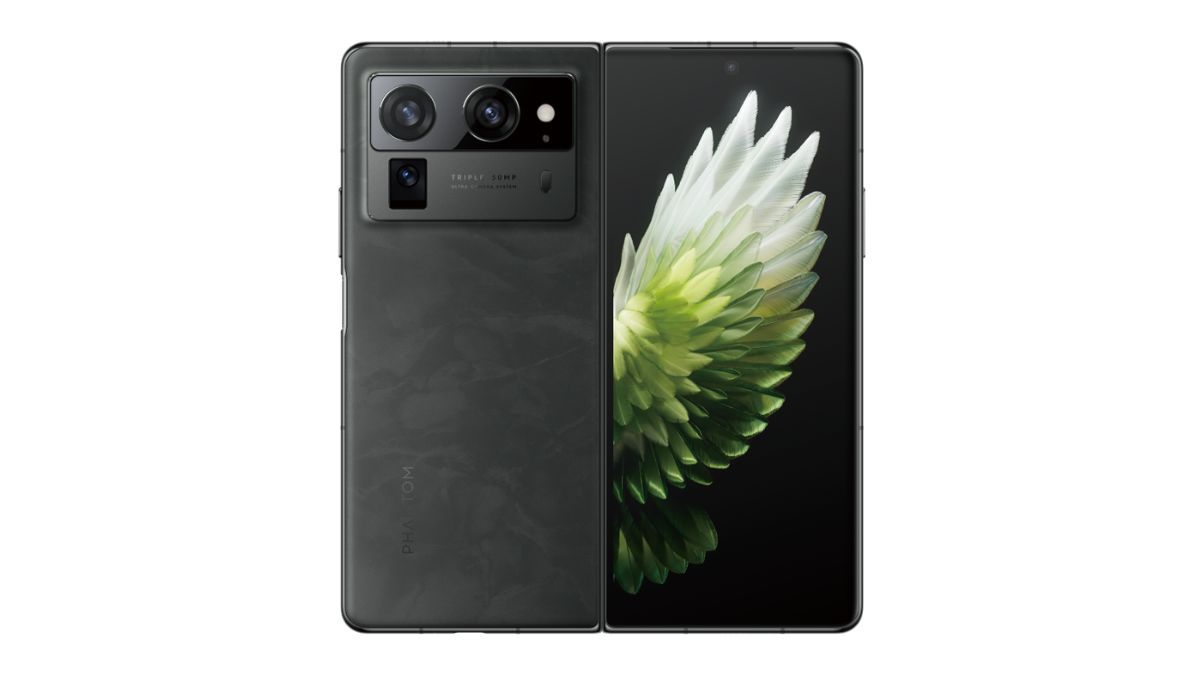
The Tecno Phantom V Fold 2 did not make the recommendation list for this comparison: despite its massive 5,750 mAh battery, its PCMark endurance was incredibly poor, and its processor cannot compete with same-price rivals.
Why We Didn’t Pick It
At ₹89,990, the Phantom V Fold 2 attempts to be the budget entry point for book-style foldables. It handles gaming reasonably well, holding a 56.4 FPS average in BGMI while keeping thermals cool (peaking at 34.5°C).
However, its MediaTek Dimensity 9000+ processor and UFS 3.1 storage show their age, scoring just 1,158,588 on AnTuTu—well behind the competition. The fatal flaw is battery optimization. Despite having the largest battery in this group (5,750 mAh), it logged a dismal 6 hours and 29 minutes in the PCMark rundown test. When you can buy a far more efficient flip foldable or save for a true premium book-style device, this compromise is too severe.
Tecno Phantom V Fold 2 Key Specifications
-
Price: ₹89,990
-
Processor: MediaTek Dimensity 9000+
-
Display: 6.42-inch Cover / 7.85-inch Inner (LTPO AMOLED, 120Hz)
-
RAM: 12GB (LPDDR5X)
-
Storage: 512GB (UFS 3.1)
-
Battery: 5,750 mAh
-
Charging: 70W Wired / 15W Wireless
-
Rear Camera: 50MP Main + 50MP Ultrawide + 50MP Telephoto (2x Optical)
-
Front Camera: 32MP (Cover) + 32MP (Inner)
Tecno Phantom V Fold 2 XP Lab Test Data
-
Battery Life (PCMark): 6h 29min
-
Runtime per 1,000 mAh: 1h 07min
-
AnTuTu Overall Score: 1,158,588
-
Geekbench 6: 1,234 (Single-Core) / 3,771 (Multi-Core)
-
Geekbench GPU Score: 4,500
-
3DMark Wild Life Extreme: 2,163
-
3DMark Stress Test Stability: 74.8%
-
CPU Throttling Test Stability: 75%
-
Temperature After Stress Test: 34.5°C
-
BGMI Performance: 56.4 Average FPS
-
Minecraft Performance: 40 Average FPS
Pros
Extremely aggressive pricing for a book-style foldable, cool thermal management during gaming, and fast 70W wired charging.
Cons
Terrible battery optimization (only 6.5 hours of tested runtime), older silicon, and UFS 3.1 storage.
Expert Verdict: A budget-friendly large foldable severely let down by poor software-to-hardware battery optimization.
Motorola Razr 50

The standard Motorola Razr 50 did not make the recommendation list: its AnTuTu and Geekbench scores sit at the very bottom of the foldable tier, and it was entirely outclassed in value by the similarly priced Infinix Zero Flip.
Why We Didn’t Pick It
Priced at ₹64,999, the base Razr 50 gives you a highly usable 3.6-inch cover screen and a solid 4,200 mAh battery. But it falls short on performance. Its MediaTek Dimensity 7300X is an entry-level workhorse that scored a meager 619,345 on AnTuTu—the lowest in our test group.
While it managed 57.1 FPS in BGMI, it ran noticeably warm under stress (rising 10.1°C). Furthermore, its 30W charging speed is painfully slow for a phone with a smaller battery. Given that the Infinix Zero Flip costs ₹15,000 less, offers faster 70W charging, a larger battery, and better benchmark scores, the standard Razr 50 loses the value proposition.
Motorola Razr 50 Key Specifications
-
Price: ₹49,999 (Current typical discounted price, MRP ₹74,999)
-
Processor: MediaTek Dimensity 7300X (4 nm)
-
Display: 3.6-inch Cover (OLED, 90Hz) / 6.9-inch Inner (LTPO pOLED, 120Hz)
-
RAM: 8GB
-
Storage: 256GB
-
Battery: 4,200 mAh
-
Charging: 33W Wired / 15W Wireless
-
Rear Camera: 50MP Main (OIS) + 13MP Ultrawide/Macro
-
Front Camera: 32MP (Inner)
Motorola Razr 50 XP Lab Test Data
-
Battery Life (PCMark): 11h 41min
-
Runtime per 1,000 mAh: 2h 46min
-
AnTuTu Overall Score: 657,381
-
Geekbench 6: 1,065 (Single-Core) / 3,016 (Multi-Core)
-
Geekbench GPU Score: ~2,000
-
3DMark Wild Life Extreme: 856
-
3DMark Stress Test Stability: 98%
-
CPU Throttling Test Stability: 85%
-
Temperature After Stress Test: 36°C
-
BGMI Performance: 55 Average FPS
-
Minecraft Performance: 41 Average FPS
Pros
A highly usable 3.6-inch cover screen, IPX8 water resistance, and a solid build quality at a mid-range price.
Cons
The lowest benchmark scores in the comparison, warm thermals under load, and slow 30W charging.
Expert Verdict: A capable mid-range flip phone that is completely overshadowed by cheaper, more powerful alternatives in the same segment.
OPPO Find N3 Flip

The OPPO Find N3 Flip did not make the recommendation list: while its camera hardware remains excellent, its older processor and unique aspect ratio make it a tough sell against newer 2026 clamshells.
Why We Didn’t Pick It
When it launched, the Find N3 Flip was revolutionary for squeezing a dedicated Hasselblad telephoto camera into a flip phone. At ₹74,999, it still shoots gorgeous portraits. However, the foldable market moves fast.
Its MediaTek Dimensity 9200 chipset lacks the raw horsepower and thermal efficiency of the newer Snapdragon 8s Gen 3 and Elite chips found in similarly priced Motorola devices. Furthermore, its vertical cover screen—while great for scrolling standard apps—is quite narrow and feels cramped compared to the massive edge-to-edge cover displays now standard on the Razr 50 Ultra and Galaxy Z Flip 6.
OPPO Find N3 Flip Key Specifications
-
Price: ₹74,999
-
Processor: MediaTek Dimensity 9200 (4 nm)
-
Display: 3.26-inch Cover (AMOLED, 60Hz) / 6.8-inch Inner (LTPO AMOLED, 120Hz)
-
RAM: 12GB (LPDDR5X)
-
Storage: 256GB (UFS 4.0)
-
Battery: 4,300 mAh
-
Charging: 44W Wired (No Wireless Charging)
-
Rear Camera: 50MP Main (OIS) + 48MP Ultrawide + 32MP Telephoto (2x Optical)
-
Front Camera: 32MP (Inner)
OPPO Find N3 Flip XP Lab Test Data
-
Battery Life (PCMark): 13h 55min
-
Runtime per 1,000 mAh: 3h 14min
-
AnTuTu Overall Score: 1,180,845
-
Geekbench 6: 1,745 (Single-Core) / 4,321 (Multi-Core)
-
Geekbench GPU Score: ~6,400
-
3DMark Wild Life Extreme: 3,450
-
3DMark Stress Test Stability: 58%
-
CPU Throttling Test Stability: 60%
-
Temperature After Stress Test: 42.1°C
-
BGMI Performance: 55 Average FPS
Pros
The inclusion of a dedicated optical telephoto lens makes it one of the best portrait-shooting flip phones available, aided by Hasselblad colour tuning.
Cons
The narrow cover screen feels outdated, the processor is a generation behind, and it lacks wireless charging.
Expert Verdict: A fantastic camera phone trapped in a form factor that has been rapidly outpaced by competitors with edge-to-edge cover displays and vastly superior silicon.
Frequently Asked Questions (FAQs)
Which foldable phone has the best battery life?
The Vivo X Fold 5 is the current endurance champion. By using a new silicon-carbon (Si/C) structure, it fits a massive 6,000 mAh battery into a 4.3mm chassis and delivered an estimated 17 hours and 15 minutes in the PCMark battery test. If you are looking for pure hardware efficiency (runtime per 1,000 mAh), the Google Pixel 10 Pro Fold leads the pack, extracting 3 hours and 20 minutes from every 1,000 mAh of its 4,650 mAh cell.
Are foldable phones durable enough for daily use?
Yes, the hinge and screen technologies have vastly improved, eliminating the fragility of early models. The Samsung Galaxy Z Fold 7 is rated as the most durable in our testing, featuring Gorilla Glass Ceramic 2 and an IP48 dust and water resistance rating. The Vivo X Fold 5 is also a standout, offering an unprecedented IP5X dust and IPX9+ water resistance rating.
Which foldable phone takes the best photos?
It depends on whether you prefer hardware specs or software processing:
-
For Point-and-Shoot & AI: The Google Pixel 10 Pro Fold is the best foldable for cameras. Powered by the Tensor G5, it offers the most reliable, colour-accurate photos (Real Tone) and unmatched Gemini AI post-processing, alongside a 5x optical telephoto lens.
-
For Raw Hardware: The Samsung Galaxy Z Fold 7 features a massive 200MP main sensor that delivers vibrant, ultra-premium flagship-level shots. The Vivo X Fold 5 also competes heavily with its triple 50MP ZEISS-engineered setup.
Can you play high-end games on foldable phones?
Absolutely. Modern foldables feature advanced thermal management and flagship chipsets capable of sustained gaming:
-
The Samsung Galaxy Z Fold 7 (Snapdragon 8 Elite) and Vivo X Fold 5 (Snapdragon 8 Gen 3) both hold near 120 FPS in BGMI with excellent thermal stability.
-
The Motorola Razr 60 Ultra is a graphical powerhouse that maxes out synthetic 3DMark benchmarks, but its compact flip design means it is better suited for short bursts rather than hours of sustained gaming, as it throttles under heavy load.
What is the best budget or value foldable?
The Motorola Razr 60 Ultra (₹79,999) is our top pick for value. It offers an incredibly functional cover screen, an aggressive processing package (scoring nearly 2 million on AnTuTu), and a flagship feel without crossing the ₹1,00,000+ threshold of book-style foldables.
Why didn’t the Tecno Phantom V Fold 2 make the recommended list despite its large battery?
While the Tecno Phantom V Fold 2 features the largest battery capacity among non-recommended phones (5,750 mAh) and an aggressive price (₹89,990), it suffers from terrible software-to-hardware optimization. It logged a dismal 6 hours and 29 minutes in the PCMark test—less than half the endurance of top-tier foldables—and relies on older silicon (MediaTek Dimensity 9000+) and slower UFS 3.1 storage.
Why Trust XpertPick
At XpertPick, we don’t rely on manufacturer spec sheets, marketing claims, or superficial hands-on impressions. Every foldable that enters our database is subjected to a rigorous, standardized lab testing protocol designed to push the hardware to its absolute limits and reveal how it actually performs in the real world.
Here is how we ensure our recommendations are entirely data-driven and objective:
-
Standardised Synthetic Benchmarking: We run multiple passes of AnTuTu v10, Geekbench 6, and 3DMark Wild Life Extreme under controlled ambient temperatures. This establishes a device’s true peak CPU and GPU horsepower before thermal constraints kick in.
-
Real-World Gaming & Thermal Logging: Synthetic scores only tell half the story, especially in the ultra-thin chassis of a foldable. We log frame rates, telemetry, and frame-time consistency during extended 30-minute sessions in demanding titles like BGMI and Minecraft. We measure surface temperatures before and after to track heat dissipation, heavily penalizing devices that aggressively throttle their performance to stay cool.
-
Custom Battery Efficiency Metrics: To separate pure silicon optimization from sheer battery size, we go beyond standard PCMark Work 3.0 rundown times. We calculate the exact runtime per 1,000 mAh. This exposes which devices are genuinely power-efficient and which are simply relying on a massive cell to mask a poorly optimized processor.
-
Zero Spec-Sheet Bias: From verifying the sustained stability of a Snapdragon 8 Elite to testing the true sustained performance of clamshells under heavy loads, our rankings are dictated entirely by raw lab telemetry. If a device drops to 39% of its maximum performance under stress, we print it.
Our methodology ensures that when a phone is crowned the “Best Overall” or “Best Value,” it has earned that title through verifiable data, ensuring you get the exact premium experience you are paying for.