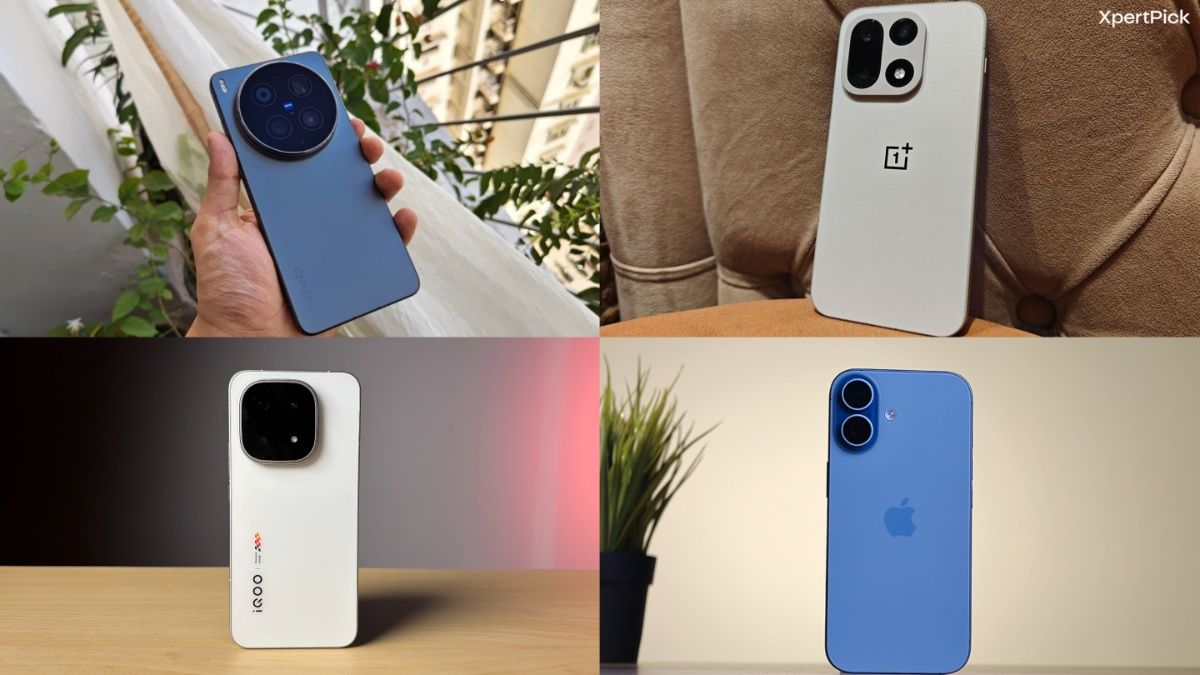
Ask what the best phone is and the honest answer is that there isn’t one. There is a phone that runs longest, a phone that shoots best, a phone that holds the highest frame rate, and a phone small enough to use one-handed, and in our testing, no device won more than two of those. The gap between them is not marginal, either. The longest-lasting phone in this guide ran for 33 hours 15 minutes. The best camera phone managed 23 hours. The fastest gaming phone gave up 42% of its graphics output under sustained load, while the most compact device surrendered 17%.
So this guide does not crown a single winner and leave it there. It names eight, one for each way a phone can be the right choice, and shows the measurements behind each. Every device here was benched in-house: synthetic suites, twenty-loop stress runs with a thermal probe on the chassis, frame-time capture across four games, and battery rundowns to shutdown.
The Winners At A Glance
| Category | My Pick | Price | Why We Picked It |
|---|---|---|---|
| Best Overall Phone (Editor’s Pick) | OnePlus 15 | ₹85,999 | The highest AnTuTu score of any phone tested, paired with 27h 13min of battery life and 120W charging, nothing else leads on both speed and endurance. |
| Best Flagship / Premium Phone | Samsung Galaxy S26 Ultra | ₹1,24,999 | The highest 3DMark score here at 7,500, a 200MP quad-camera system with two zoom lenses, and the best PCMark Work result of any device tested. |
| Best Mid-Range Phone | Poco X8 Pro Max | ₹48,999 | Flagship-tier gaming at half the flagship price, a 9,000mAh battery, and the second-fastest NPU in this guide. |
| Best Budget Phone | Motorola Edge 70 | ₹27,999 | 85.2% stress stability, better than every flagship here, with three 50MP cameras and wireless charging in a 5.99mm body. |
| Best Camera Phone | Vivo X300 Ultra | ₹1,59,999 | Dual 200MP Zeiss sensors on main and periscope, OIS on all three rear lenses, 8K and 4K 120fps Log video. |
| Best Gaming / Performance Phone | iQOO 15 | ₹76,999 | 107.9fps average in Genshin Impact with an 82.1fps floor, a frame floor higher than every other phone’s average. |
| Best Battery Life Phone | Realme P4 Power | ₹27,999 | 33h 15min on PCMark, the longest runtime we have recorded from any smartphone, on a 10,001mAh cell. |
| Best Compact Phone | Apple iPhone 17 | ₹82,900 | The smallest body here at 149.6 × 71.5mm, the flattest frame-time profile tested, and the fastest AI silicon in the guide. |
Specs And Benchmark Comparison
A 🏆 marks the leader in each row.
| Test / Metric | OnePlus 15 | S26 Ultra | iQOO 15 | X300 Ultra | X8 Pro Max | iPhone 17 | P4 Power | Edge 70 |
|---|---|---|---|---|---|---|---|---|
| AnTuTu Overall | 3,932,097 🏆 | 3,638,273 | 3,891,344 | 3,850,404 | 2,801,896 | 2,118,014 | 1,023,651 | 1,389,931 |
| Geekbench (Single) | 3,662 🏆 | 3,529 | 3,529 | 3,634 | 2,650 | 3,351 | 1,062 | 1,330 |
| Geekbench (Multi) | 10,450 | 10,826 🏆 | 10,223 | 10,510 | 8,458 | 8,591 | 2,989 | 4,174 |
| Geekbench GPU | 23,923 | 24,103 | 23,573 | 23,270 | 19,544 | 37,088 🏆 | 3,010 | 4,797 |
| Geekbench AI — GPU (Half Precision) | 4,667 | 4,919 | 4,394 | 4,332 | 1,677 | 14,585 🏆 | 905 | 1,689 |
| Geekbench AI — NPU (Quantised) | 922 | 1,615 | 1,125 | 569 | 9,894 | 40,991 🏆 | 2,784 | 520 |
| 3DMark Wild Life Extreme | 6,858 | 7,500 🏆 | 7,127 | 6,824 | 6,168 | 5,047 | 1,022 | 2,077 |
| 3DMark Stress Stability | 65.6% | 75.0% | 58.3% | 60.9% | 60.0% | 83.0% | 99.5% 🏆 | 85.2% |
| CPU Throttling Stability | 61% | 56% | 58% | 59% | 77% | 83.9% | 91% 🏆 | 87% |
| Peak Temperature | 43.8°C | 38.7°C | 44.2°C | 39.5°C | 37.8°C | 36.0°C | 35.7°C 🏆 | Not recorded |
| PCMark Battery | 27h 13min | 17h 11min | 23h 45min | 23h 02min | 22h 40min | N/A | 33h 15min 🏆 | 12h 33min |
| Runtime per 1,000 mAh | 3h 44min 🏆 | 3h 26min | 3h 24min | 3h 29min | 2h 31min | N/A | 3h 19min | 2h 31min |
| PCMark Work 3.0 | 14,455 | 21,877 🏆 | 16,464 | 16,637 | 16,575 | N/A | 13,208 | 15,674 |
| AnTuTu Storage Benchmark | 152,004 | 165,508 | 143,694 | 225,258 🏆 | 195,116 | 122,941 | 106,737 | 129,942 |
| Peak Brightness (measured) | 2,480 nits | 1,701 nits | 3,710 nits 🏆 | 2,240 nits | 1,480 nits | 3,000 nits | 1,722 nits | 2,220 nits |
| Genshin (Avg / 5% Low) | 77.5 / 34.3 | 52.9 / 50.2 | 107.9 / 82.1 🏆 | 59.3 / 43.2 | 60.1 / 58.7 | 60.0 / 58.0 | 44.8 / 5.2 | N/A |
| BGMI (Avg / 5% Low) | 119.4 / 110.5 | 99.6 / 95.6 | 119.6 / 115.9 🏆 | 107.6 / 21.7 | 118.6 / 112.9 | 115.0 / 98.0 | 84.1 / 63.2 | 113.8 / —96.1 |
How I Tested These Smartphones
Every device in this guide went through the same procedure, which is what makes cross-category comparison possible at all.
Test Conditions: Retail units on publicly released firmware, benched at a controlled 28°C ambient, on the highest-specification variant available.
Performance: AnTuTu v10 and Geekbench 6 for CPU, GPU and on-device AI throughput, three passes each with a fifteen-minute cooldown, median reported.
Sustained Load: Twenty consecutive 3DMark Wild Life Extreme loops with chassis temperature logged by external probe. The stability percentage is the figure to watch, it describes how much of the opening score survives to the end.
Gaming: BGMI, Minecraft, Genshin Impact and Asphalt 9 across extended sessions with frame times captured. The average describes the session; the 5% low describes its worst stretches.
Battery: PCMark Work 3.0 looped at fixed brightness until shutdown, with runtime per 1,000 mAh derived from the result and the rated capacity. PCMark does not run on iOS, so the iPhone 17 carries no comparable figure.
On the camera award: the camera scoring columns were unpopulated for every device in this test cycle. The camera pick below is therefore made on verified sensor hardware, optical configuration and measured AI-processing throughput, not on scored image comparisons.
The Winners In Detail
OnePlus 15 — Best Overall Phone (Editor’s Pick)
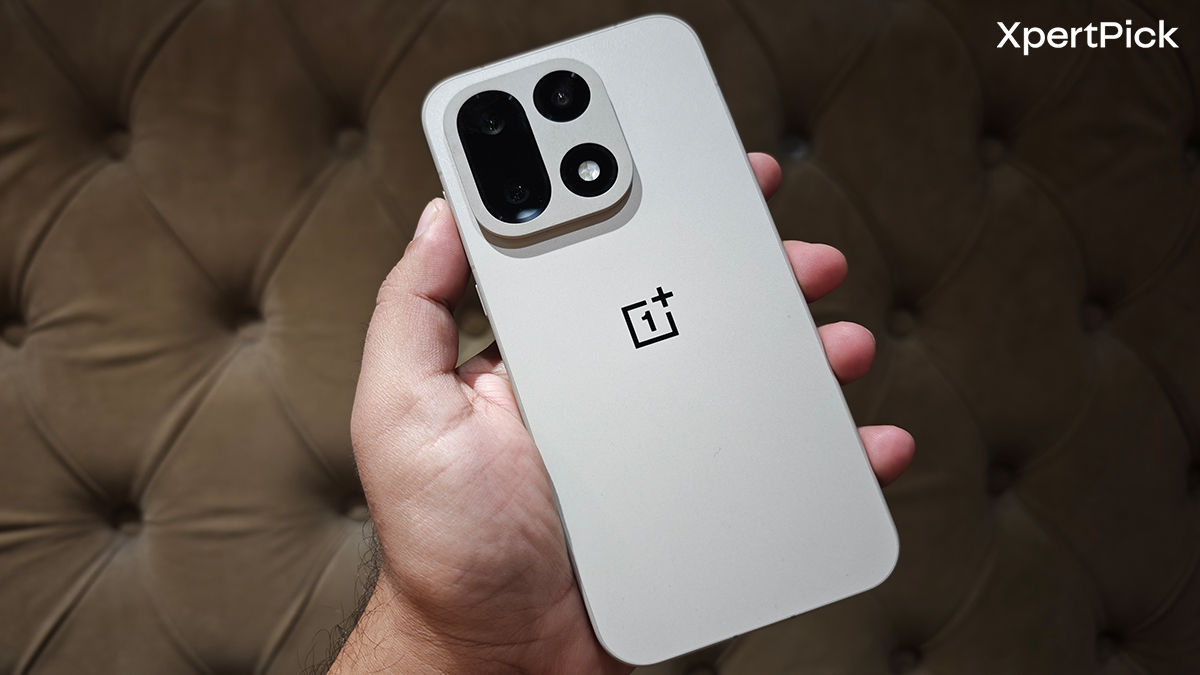
The editor’s pick goes to the phone with no weak side, which is rarer than a phone with one exceptional strength.
Why We Picked It
Its AnTuTu score of 3,932,097 is the highest in this guide, and its Geekbench single-core result of 3,662 also leads, with a multi-core score of 10,450 second only to the Galaxy S26 Ultra. Its 3DMark score of 6,858 is mid-pack among flagships, but games are where it delivers: 119.4fps average in BGMI with a 110.5fps floor, within margin of the class-leading iQOO 15, and 67.4fps in Minecraft, second-best in this guide.
It gives up ground under sustained load, though. It held 65.6% stress stability, meaning roughly a third of its graphics power dropped off over our test, and peaked at 43.8°C. Its Genshin Impact result dropped from a 77.5fps average to a 34.3fps low, a bigger swing than either the iQOO 15 or iPhone 17 saw under the same test.
AI performance is this phone’s real soft spot. These scores measure how well a phone’s chip handles on-device tasks like photo processing or voice assistants without needing the cloud, and higher numbers mean smoother results. Its GPU-based AI scores are competitive, at 4,667 and 3,929, but its NPU scored just 922 and 423, the lowest of any flagship in this guide. The Galaxy S26 Ultra is 75% faster on this measure, the Poco X8 Pro Max ten times faster, and the iPhone 17 roughly 44 times faster. Even the far cheaper Realme P4 Power scores three times higher. For photo processing, on-device editing and assistant features, this is the least equipped flagship in this guide.
The camera is a triple 50MP setup: a main sensor with optical stabilisation, a 3.5x telephoto that’s also stabilised, and a wide ultrawide, plus a 32MP front camera with autofocus. There’s no weak focal length, which puts it ahead of the Poco X8 Pro Max and iPhone 17 for versatility, and processing runs through OnePlus’s own imaging software rather than a co-branded partnership. It’s complete, capable hardware, but paired with the weakest NPU here, and without the 200MP sensor or dual zoom lenses the two Ultra phones offer.
The screen is 6.78 inches, running at 165Hz, the highest refresh rate of any flagship in this guide. It reached 2,480 nits of brightness in testing, comfortably usable outdoors, though behind the iQOO 15’s 3,710 nits and the iPhone 17’s 3,000. HDR10+ and HDR Vivid are both supported.
It lasted 27 hours 13 minutes in our battery test, second in this guide only to a phone built specifically around endurance, and it posted the best efficiency of any phone we tested, from a 7,300mAh battery. Charging runs at 120W wired plus 50W wireless, the fastest of both types here, ahead of the iQOO 15’s 100W and the Galaxy S26 Ultra’s 60W.
Its software, OxygenOS, remains one of the cleanest versions of Android available, with little pre-installed clutter and a reliable update record. It carries the most complete dust and water resistance of any phone in this guide, and weighs 215g.
OnePlus 15 Key Specifications
- Price: ₹85,999
- Processor: Snapdragon 8 Elite Gen 5 (3nm)
- Display: 6.78-inch (2772 × 1272) LTPO AMOLED, 165Hz, 450ppi, 3,600 nits claimed peak
- Dimensions & Weight: 161.4 × 76.7 × 8.1 mm, 215g
- RAM: 12GB / 16GB LPDDR5X Ultra
- Storage: 256GB / 512GB UFS 4.1
- Battery: 7,300 mAh
- Charging: 120W SuperVOOC wired, 50W AirVOOC wireless
- Rear Camera: 50MP main (Sony IMX906, OIS) + 50MP 3.5x telephoto (OIS) + 50MP ultra-wide (116°)
- Front Camera: 32MP (Sony IMX709, autofocus)
- IP Rating: IP66 / IP68 / IP69 / IP69K
- HDR: HDR10+, HDR Vivid
OnePlus 15 XP Lab Test Data
- Battery Life (PCMark): 27h 13min
- Runtime per 1,000 mAh: 3h 44min
- AnTuTu Overall Score: 3,932,097
- Geekbench 6: 3,662 (Single-Core) | 10,450 (Multi-Core)
- Geekbench GPU Score: 23,923
- Geekbench AI Single Precision (GPU): 2,951
- Geekbench AI Half Precision (GPU): 4,667
- Geekbench AI Quantised (GPU): 3,929
- Geekbench AI Half Precision (NPU): 423
- Geekbench AI Quantised (NPU): 922
- PCMark Work 3.0 Score: 14,455
- PCMark Storage Score: 162,042
- AnTuTu Storage Score: 152,004
- 3DMark Wild Life Extreme: 6,858
- 3DMark Stress Test Stability: 65.6%
- CPU Throttling Test Stability: 61%
- Temperature After Stress Test: 43.8°C
- Peak Brightness (measured, auto): 2,480 nits
- BGMI (Lowest Graphics): 119.4 Average FPS | 110.5 5% Low FPS
- Minecraft (Highest Graphics): 67.4 Average FPS | 53.7 5% Low FPS
- Genshin Impact (High + 60fps): 77.5 Average FPS | 34.3 5% Low FPS
- Asphalt 9 (Highest Graphics): 59.3 Average FPS | 49.4 5% Low FPS
Pros
The highest AnTuTu and single-core scores here, the best battery efficiency of any device tested, the fastest wired and wireless charging, a 165Hz LTPO panel, a complete triple-50MP camera with no weak focal length, the most thorough IP ratings available, and clean software.
Cons
The lowest NPU scores of any flagship in this guide, a 43.8°C peak with 65.6% stress stability, uneven Genshin frame pacing, and a dimmer panel than the iQOO 15 or iPhone 17.
Who Should Buy It
Anyone who wants one phone that is near the top on everything rather than exceptional at one thing and mediocre elsewhere.
Who Shouldn’t Buy It
Buyers who lean heavily on AI photo processing and assistant features, or who prize thermal composure over peak output.
Expert Verdict: The editor’s pick because it is the least compromised phone we tested, not because it wins the most rows. Its AI silicon is the one place it is genuinely behind the field, and that gap is likely to matter more over the phone’s life than it does today.
Samsung Galaxy S26 Ultra — Best Flagship / Premium Phone
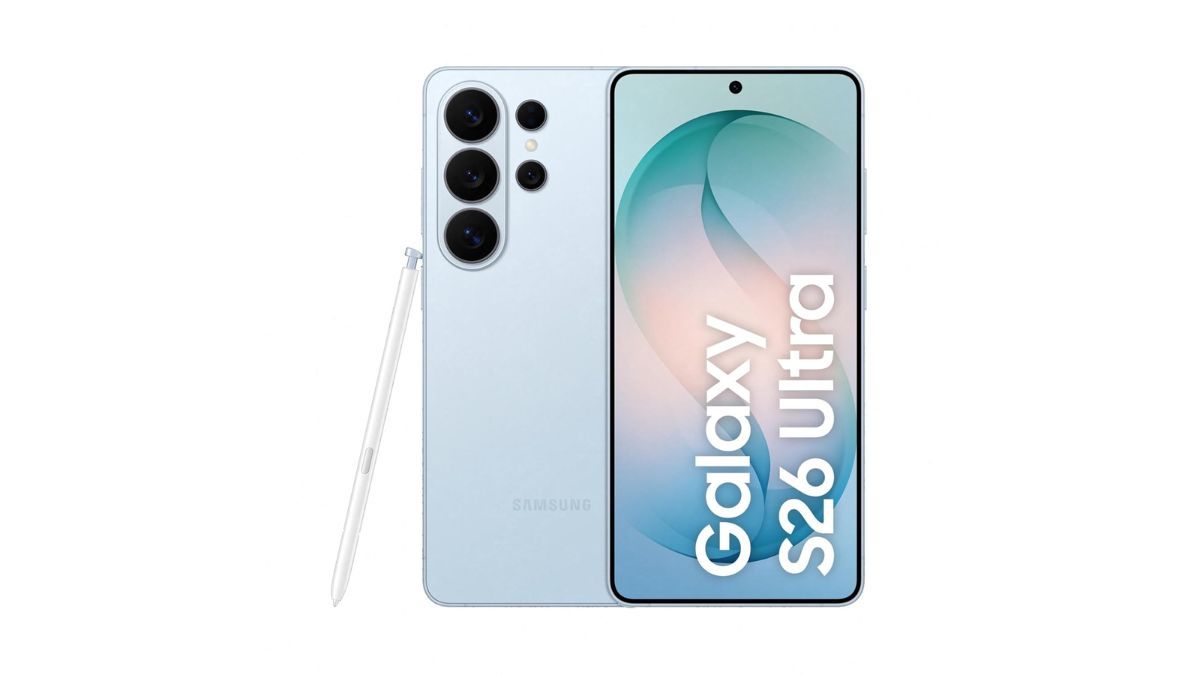
The most expensive Android phone here earns the premium award on breadth, then loses the overall award on two measurements it has no business losing.
Why We Picked It
Its 3DMark score of 7,500 is the highest in this guide, ahead of the iQOO 15’s 7,127, and its Geekbench multi-core result of 10,826 is also the best here. More importantly, it holds onto more of that power under load: 75% stress stability, against 58.3% for the iQOO 15 and 65.6% for the OnePlus 15, and it peaks at a much cooler 38.7°C rather than 44°C. Its PCMark work score of 21,877 is the highest of any phone here too, and this figure tracks how snappy a phone feels in daily use better than the gaming benchmarks do. It averaged 115.2fps in Asphalt 9, with a 69.6fps floor, and 71.7fps in Minecraft, both the best results in this guide.
The one exception is throttling stability, at just 56%, the lowest of any flagship here, which sits oddly against its otherwise strong stress-test results.
Its AI performance is comfortably the best among the Android flagships that use Qualcomm chips. These scores measure how well a phone’s chip handles on-device tasks like photo processing or voice assistants without needing the cloud, and higher numbers mean smoother, faster results. This phone scored 1,615 and 732 on its NPU tests, 75% ahead of the OnePlus 15 and 44% ahead of the iQOO 15, with GPU-based AI scores that are also the highest among the Android phones here. It’s still roughly 25 times behind the iPhone 17 and six times behind the Poco X8 Pro Max on raw AI throughput, but among similar Android rivals, it has the hardware to properly back up Samsung’s AI features.
The camera setup covers the widest range of any phone in this guide: a 200MP main sensor, a 10MP telephoto, a 50MP periscope telephoto and a 50MP ultrawide, the only four-camera setup here, and the only one with two separate zoom lenses, reaching up to 100x digital zoom. It shoots in 8K, with a 12MP front camera. It gives up some sensor size and telephoto resolution compared to the Vivo X300 Ultra, but no other phone in this guide covers as many focal lengths with dedicated lenses.
The screen is a 6.9-inch display, running at 1440 x 3120 resolution and 120Hz, protected by tough Gorilla Glass Armor 2, and it includes Samsung’s privacy screen feature. On paper, this should be one of the best screens in the guide. In testing, though, it reached just 1,701 nits of brightness under auto mode, the dimmest of any phone we tested, dimmer even than the far cheaper Realme P4 Power, against a claimed 2,600 nits. That’s the single most surprising result in this whole comparison.
It lasted 17 hours 11 minutes, the shortest runtime of any flagship here, nearly ten hours behind the OnePlus 15, from a 5,000mAh battery, the smallest in this guide. Its efficiency of 3h 26min per 1,000mAh is respectable, so this comes down to battery size rather than poor tuning, but 60W charging at this price, against 120W on a phone costing ₹39,000 less, makes the gap harder to justify.
It runs Samsung’s One UI on Android 16, with seven years of both OS and security updates, the longest support commitment in this guide, unmatched by any other phone here. It’s IP68 rated, weighs 214g, is 7.9mm thick, has an aluminium frame with Gorilla Glass Armor 2, and supports a stylus.
Samsung Galaxy S26 Ultra Key Specifications
- Price: ₹1,24,999
- Processor: Snapdragon 8 Elite Gen 5 (3nm)
- Display: 6.9-inch QHD+ (1440 × 3120) Dynamic LTPO AMOLED 2X, 120Hz, 2,600 nits claimed peak, Gorilla Glass Armor 2
- Dimensions & Weight: 163.6 × 78.1 × 7.9 mm, 214g
- RAM: 12GB / 16GB
- Storage: 256GB / 512GB / 1TB
- Battery: 5,000 mAh
- Charging: 60W wired
- Rear Camera: 200MP main + 10MP telephoto + 50MP periscope telephoto + 50MP ultra-wide
- Front Camera: 12MP
- Video: 8K
- IP Rating: IP68
- Software: One UI (Android 16), seven years of OS and security updates
Samsung Galaxy S26 Ultra XP Lab Test Data
- Battery Life (PCMark): 17h 11min
- Runtime per 1,000 mAh: 3h 26min
- AnTuTu Overall Score: 3,638,273
- Geekbench 6: 3,529 (Single-Core) | 10,826 (Multi-Core)
- Geekbench GPU Score: 24,103
- Geekbench AI Single Precision (GPU): 3,148
- Geekbench AI Half Precision (GPU): 4,919
- Geekbench AI Quantised (GPU): 4,169
- Geekbench AI Half Precision (NPU): 732
- Geekbench AI Quantised (NPU): 1,615
- PCMark Work 3.0 Score: 21,877
- AnTuTu Storage Score: 165,508
- 3DMark Wild Life Extreme: 7,500
- 3DMark Stress Test Stability: 75.0%
- CPU Throttling Test Stability: 56%
- Temperature After Stress Test: 38.7°C
- Peak Brightness (measured, auto): 1,701 nits
- BGMI (Lowest Graphics): 99.6 Average FPS | Not recorded
- Minecraft (Highest Graphics): 71.7 Average FPS | 45.6 5% Low FPS
- Genshin Impact (High + 60fps): 52.9 Average FPS | 50.2 5% Low FPS
- Asphalt 9 (Highest Graphics): 115.2 Average FPS | 69.6 5% Low FPS
Pros
The highest 3DMark and multi-core scores in this guide, the best PCMark Work result of any device tested, the best Asphalt 9 and Minecraft figures here, the widest camera range with two zoom lenses, the strongest AI silicon among Android flagships, and seven years of updates.
Cons
The dimmest measured panel of every phone tested, the shortest flagship battery life, 60W charging at ₹1,24,999, and the lowest CPU throttling stability of the flagships.
Who Should Buy It
Buyers who want the widest camera range available, the longest software support and the most complete flagship feature set, and who are near a charger.
Who Shouldn’t Buy It
Anyone who needs all-day endurance, or who spends real time outdoors where 1,701 nits will be felt.
Expert Verdict: The premium pick on breadth, camera range, sustained performance, everyday speed and support life. The battery and the measured brightness are hard to defend at this price, and they are why it is not the editor’s choice.
iQOO 15 — Best Gaming / Performance Phone
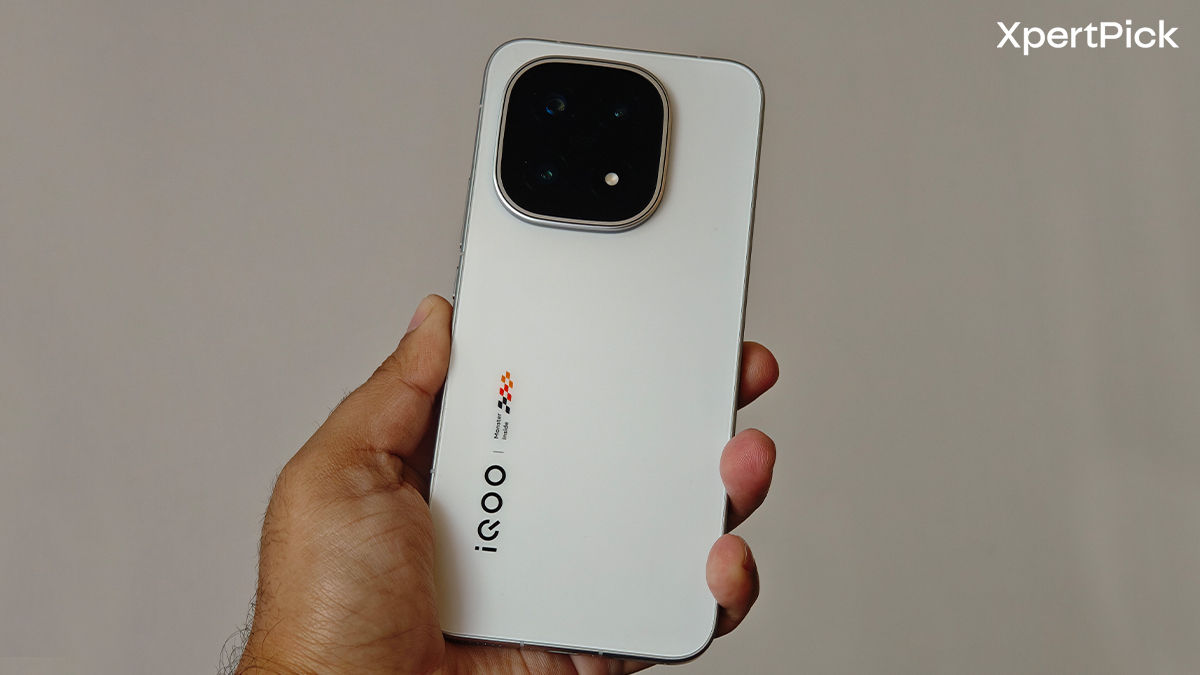
One result decides the gaming award, and it is not close. What is more interesting is how little the rest of the phone gives up to get there.
Why We Picked It
In Genshin Impact, the iQOO 15 averaged 107.9fps with a 5% low of 82.1fps. That low point still beats every other phone’s average in this guide, the closest average is the OnePlus 15’s 77.5fps, and the closest floor is the Poco X8 Pro Max’s 58.7fps. In BGMI, it hit 119.6fps average with a 115.9fps floor, again the best result we recorded. Its 3DMark score of 7,127 is second only to the Galaxy S26 Ultra, and its AnTuTu score of 3,891,344 is within 1% of the best phone in this guide.
The trade-off is heat. Its stress stability of 58.3% is the lowest of any phone here, meaning 42% of its graphics power dropped off over a twenty-loop test, and it peaked at 44.2°C, the hottest reading in this guide. That said, the Genshin result came from a 45-minute session and held steady throughout, so this isn’t a phone that falls apart with use, it just spends its performance headroom rather than saving it. One result, an Asphalt 9 low of 22.8fps, looks out of step with everything else it does, but it’s the figure we measured.
Its AI performance sits in the middle of the flagship pack. These scores measure how well a phone’s chip handles on-device tasks like photo processing or voice assistants without needing the cloud, and higher numbers mean smoother, faster results. This phone scored 1,125 and 499 on its NPU tests, ahead of the OnePlus 15 and Vivo X300 Ultra, but behind the Galaxy S26 Ultra, and well behind the Poco X8 Pro Max and iPhone 17. Its GPU-based AI scores are more competitive with other similar phones. It’s fine for current AI features, but not a particular strength.
The camera setup has three 50MP sensors: a main sensor with optical stabilisation, an unusually wide ultrawide, and a 3x periscope telephoto that’s also stabilised, plus a 32MP front camera. That’s the same level of completeness as the OnePlus 15, but with a wider ultrawide and a true periscope zoom, for ₹9,000 less. It doesn’t match the two Ultra phones’ 200MP sensors or their extra processing power, but for a phone built around gaming, the camera is far from an afterthought.
The screen is the best in this guide, and by a clear margin. It reached 3,710 nits of brightness in testing, 710 nits ahead of the next best phone and more than double the Galaxy S26 Ultra. It’s also the only true 1440p-resolution screen here, running at 144Hz with support for Dolby Vision, HDR10+ and HDR Vivid. Brightest, sharpest, and among the smoothest.
It lasted 23 hours 45 minutes on a 7,000mAh battery, the third-longest runtime in this guide. Charging runs at 100W wired and 40W wireless, second only to the OnePlus 15.
It comes with five years of OS updates and seven years of security patches, a strong commitment, second only to Samsung here. It’s IP68 and IP69 rated, weighs 216.2g, and includes a dedicated chip that handles frame interpolation in supported games.
iQOO 15 Key Specifications
- Price: ₹76,999
- Processor: Snapdragon 8 Elite Gen 5 (3nm) with Q3 supercomputing chip
- Display: 6.85-inch 2K (3168 × 1440) LTPO AMOLED, 144Hz, 508ppi, 6,000 nits claimed peak
- Dimensions & Weight: 163.65 × 76.8 × 8.17 mm, 216.2g
- RAM: 12GB / 16GB LPDDR5X Ultra
- Storage: 256GB / 512GB / 1TB UFS 4.1
- Battery: 7,000 mAh silicon-anode
- Charging: 100W FlashCharge wired, 40W wireless
- Rear Camera: 50MP main (Sony IMX921, OIS) + 50MP ultra-wide (150°) + 50MP 3x periscope telephoto (Sony IMX882, OIS)
- Front Camera: 32MP
- IP Rating: IP68 / IP69
- HDR: Dolby Vision, HDR10+, HDR Vivid
- Software: Five OS upgrades, seven years of security patches
iQOO 15 XP Lab Test Data
- Battery Life (PCMark): 23h 45min
- Runtime per 1,000 mAh: 3h 24min
- AnTuTu Overall Score: 3,891,344
- Geekbench 6: 3,529 (Single-Core) | 10,223 (Multi-Core)
- Geekbench GPU Score: 23,573
- Geekbench AI Single Precision (GPU): 2,861
- Geekbench AI Half Precision (GPU): 4,394
- Geekbench AI Quantised (GPU): 3,827
- Geekbench AI Half Precision (NPU): 499
- Geekbench AI Quantised (NPU): 1,125
- PCMark Work 3.0 Score: 16,464
- PCMark Storage Score: 164,196
- AnTuTu Storage Score: 143,694
- 3DMark Wild Life Extreme: 7,127
- 3DMark Stress Test Stability: 58.3%
- CPU Throttling Test Stability: 58%
- Temperature After Stress Test: 44.2°C
- Peak Brightness (measured, auto): 3,710 nits
- BGMI (Lowest Graphics): 119.6 Average FPS | 115.9 5% Low FPS
- Minecraft (Highest Graphics): 59.2 Average FPS | 51.4 5% Low FPS
- Genshin Impact (High + 60fps): 107.9 Average FPS | 82.1 5% Low FPS
- Asphalt 9 (Highest Graphics): 57.2 Average FPS | 22.8 5% Low FPS
Pros
A Genshin frame floor higher than every rival’s average, the best BGMI figures tested, the brightest and sharpest display in this guide, a complete triple-50MP camera with a true periscope, 100W charging, and seven years of security support, at ₹76,999.
Cons
The lowest stress stability of any phone here, the hottest peak temperature at 44.2°C, an Asphalt 9 frame floor out of step with its other results, and mid-table AI throughput.
Who Should Buy It
Gamers, and anyone who wants the best screen available without paying flagship-premium prices. It is arguably the strongest all-round value in this guide.
Who Shouldn’t Buy It
Buyers who value thermal composure over peak output, or who need class-leading AI processing.
Expert Verdict: The gaming pick by the widest margin of any award here, on a phone far more rounded than gaming phones usually are. Its stress stability is the worst in the guide, which is the honest cost of how hard it runs.
Vivo X300 Ultra — Best Camera Phone
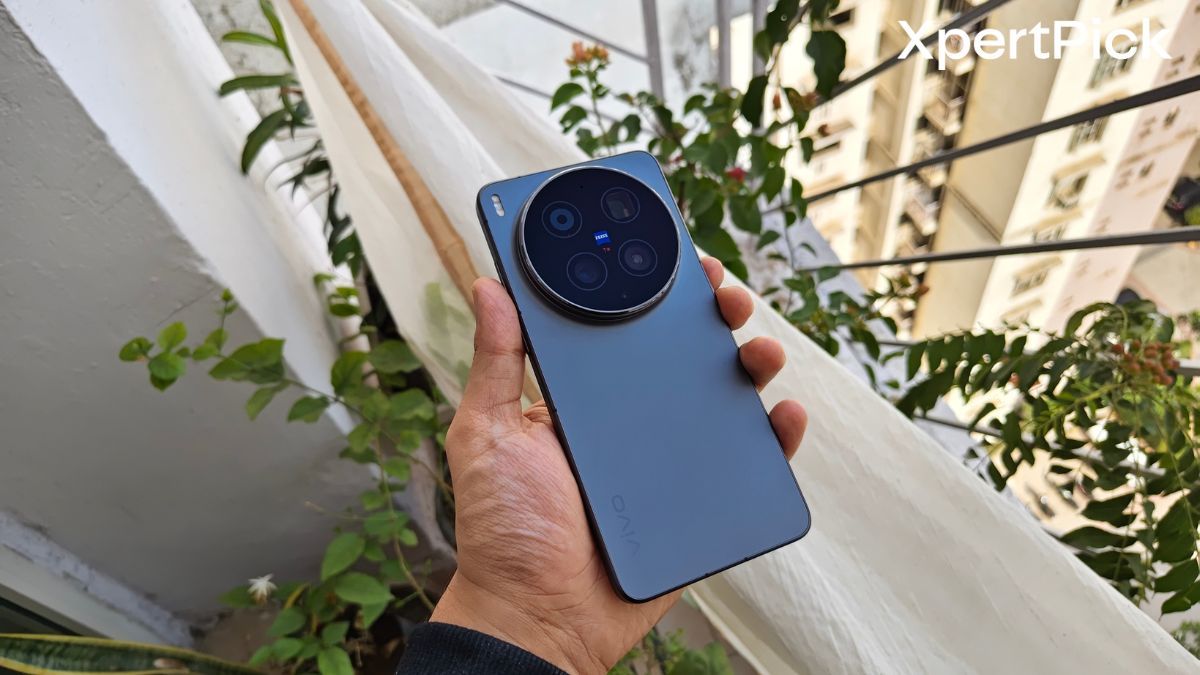
No other phone in this guide comes close on imaging hardware, and the price reflects exactly that.
Why We Picked It
Two 200MP sensors headline the camera setup. The main sensor is a 35mm Sony LYTIA 901, a 1/1.12-inch sensor with an f/1.85 aperture and strong image stabilisation. The telephoto is an 85mm Samsung sensor at 1/1.4 inches, with 3.7x optical zoom and gimbal-style stabilisation for extra steadiness. The ultrawide is a 14mm, 50MP Sony sensor at 1/1.28 inches, and unusually, it also gets optical stabilisation, something most ultrawide cameras skip entirely, whatever the price. All three lenses use Zeiss optics with a protective coating, backed by a dedicated imaging chip. The front camera is 50MP with autofocus, the highest-resolution selfie camera in this guide. Video goes up to 8K, plus 4K at 120fps in a professional colour format, and Dolby Vision is supported too. An optional Zeiss lens accessory extends the zoom range to 400mm. There’s no weak lens and no weak sensor here, which isn’t true of any other phone in this guide.
There’s one number that works against the camera story, though. These AI scores measure how well a phone’s chip handles on-device tasks like photo processing or voice assistants without needing the cloud, and higher numbers mean smoother, faster results. This phone scored just 569 and 578 on its NPU tests, the lowest of any flagship in this guide, behind even the OnePlus 15, and roughly a fifth of the score from the far cheaper Realme P4 Power. Its GPU-based AI scores are much stronger, at 4,332 and 3,729. Vivo’s own imaging chip isn’t captured by this particular test, so the real-world hit to photography is likely smaller than the raw NPU number suggests. But for general AI tasks, like assistant features or live translation, this isn’t fast hardware.
Everywhere else, this is a proper flagship rather than a good camera bolted onto a compromise. Its AnTuTu score of 3,850,404 is the third-highest in this guide, and its Geekbench scores are the second-best here. Its 3DMark score of 6,824 is competitive with the OnePlus 15. Its storage is the fastest of any phone we tested, with read speeds well ahead of every other device in this guide.
Sustained performance is where it loses ground: it held stability for only 60.9% of our stress test, peaking at 39.5°C. Its BGMI result was also unusual, an average of 107.6fps that dropped sharply to a 21.7fps low, a drop that doesn’t match how the phone performs elsewhere, so we’re flagging it rather than treating it as representative. Genshin Impact was more consistent, at 59.3fps average with a 43.2fps low.
The screen is a 6.82-inch AMOLED, running at 144Hz with fast touch response, and it reached 2,240 nits of brightness in testing, the fourth-brightest in this guide. It’s comfortably usable, if a step behind the iQOO 15, iPhone 17 and OnePlus 15.
It lasted 23 hours 2 minutes on a 6,600mAh battery, working out to the second-best efficiency in this guide. Charging runs at 100W wired and 40W wireless, with reverse wireless charging also supported.
It comes with five years of OS updates and seven years of security patches. It’s IP68 and IP69 rated, just 8.19mm thick, and includes an in-display fingerprint sensor, Wi-Fi 7 and an infrared sensor.
Vivo X300 Ultra Key Specifications
- Price: ₹1,59,999
- Processor: Snapdragon 8 Elite Gen 5, with Vivo VS1+ imaging chip
- Display: 6.82-inch 2K LTPO AMOLED, 144Hz, 300Hz touch sampling
- Dimensions & Weight: 162.98 × 76.81 × 8.19 mm
- RAM: 16GB
- Storage: 512GB
- Battery: 6,600 mAh
- Charging: 100W FlashCharge wired, 40W wireless, reverse wireless supported
- Rear Camera: 200MP 35mm main (Sony LYTIA 901, 1/1.12″, f/1.85, CIPA 6.5) + 200MP 85mm periscope telephoto (Samsung HP0, 1/1.4″, 3.7x optical, CIPA 7.0) + 50MP 14mm ultra-wide (Sony LYT-818, 1/1.28″, OIS), Zeiss optics with T* coating
- Front Camera: 50MP autofocus (f/2.0)
- Video: 8K, 4K 120fps 10-bit Log, Dolby Vision
- IP Rating: IP68 / IP69
- Software: Five years of OS updates, seven years of security patches
Vivo X300 Ultra XP Lab Test Data
- Battery Life (PCMark): 23h 02min
- Runtime per 1,000 mAh: 3h 29min
- AnTuTu Overall Score: 3,850,404
- Geekbench 6: 3,634 (Single-Core) | 10,510 (Multi-Core)
- Geekbench GPU Score: 23,270
- Geekbench AI Single Precision (GPU): 2,850
- Geekbench AI Half Precision (GPU): 4,332
- Geekbench AI Quantised (GPU): 3,729
- Geekbench AI Half Precision (NPU): 578
- Geekbench AI Quantised (NPU): 569
- PCMark Work 3.0 Score: 16,637
- AnTuTu Storage Score: 225,258
- 3DMark Wild Life Extreme: 6,824
- 3DMark Stress Test Stability: 60.9%
- CPU Throttling Test Stability: 59%
- Temperature After Stress Test: 39.5°C
- Peak Brightness (measured, auto): 2,240 nits
- BGMI (Lowest Graphics): 107.6 Average FPS | 21.7 5% Low FPS
- Minecraft (Highest Graphics): 59.8 Average FPS | 54.1 5% Low FPS
- Genshin Impact (High + 60fps): 59.3 Average FPS | 43.2 5% Low FPS
- Asphalt 9 (Highest Graphics): 58.1 Average FPS | 36.5 5% Low FPS
Pros
Dual 200MP Zeiss sensors on main and periscope, OIS on all three rear lenses, a 50MP autofocus front camera, 8K and 4K 120fps Log video, the fastest storage of any phone tested, second-best battery efficiency here, and seven years of security support.
Cons
By far the highest price in this guide, the lowest NPU scores of any flagship, 60.9% stress stability, an anomalous BGMI frame floor, and a failed storage test.
Who Should Buy It
Photographers and videographers who will genuinely use 200MP periscope reach and Log video, and for whom the camera is the reason to buy a phone at all.
Who Shouldn’t Buy It
Everyone else. At ₹1,59,999 it costs nearly twice the OnePlus 15 and is not twice the phone outside the camera.
Expert Verdict: The best camera hardware you can buy on a phone in India, attached to a flagship that holds up almost everywhere else. Its weak NPU is the surprise, and the price makes it a specialist’s purchase rather than a general recommendation.
Poco X8 Pro Max — Best Mid-Range Phone
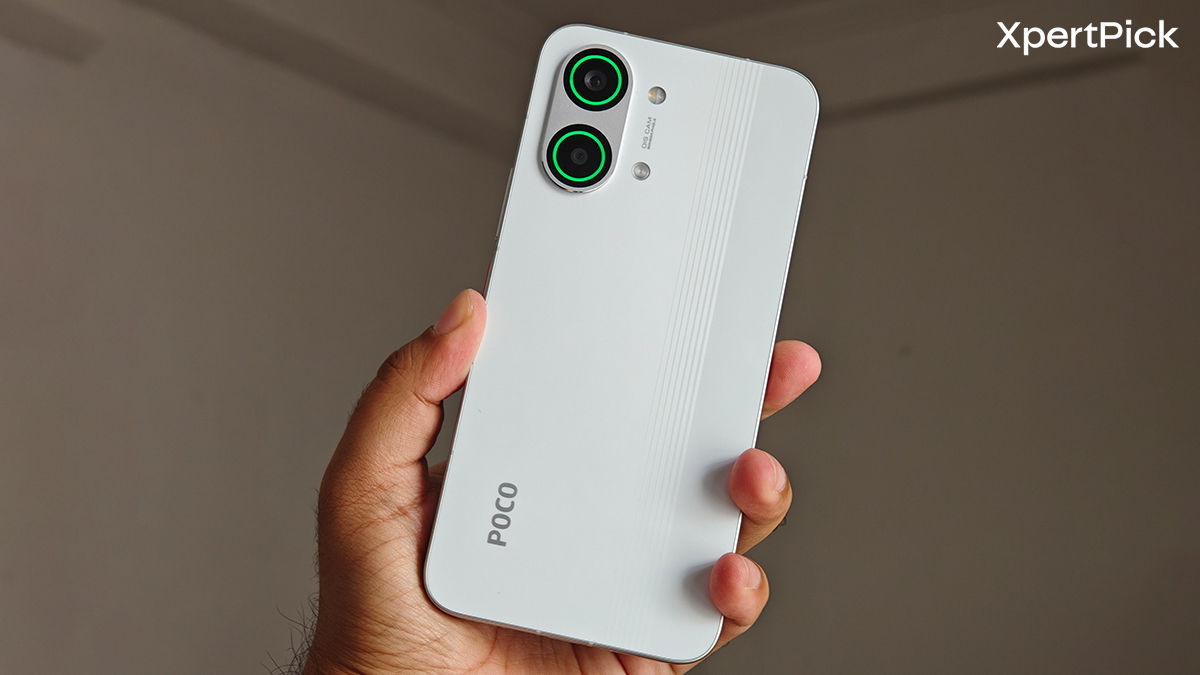
At ₹48,999 it posts gaming and AI results that belong to phones costing twice as much.
Why We Picked It
Its BGMI result of 118.6fps average with a 112.9fps low is within 1fps of the class-leading iQOO 15, and ahead of the ₹1,24,999 Galaxy S26 Ultra. Genshin Impact averaged 60.1fps with a 58.7fps floor, the second-flattest result in this guide behind only the iPhone 17. Its 3DMark score of 6,168 is within 11% of the OnePlus 15, and its AnTuTu score of 2,801,896 beats the iPhone 17. For roughly half the price of a flagship, none of that should really be possible.
It also runs cooler than most of the flagships it’s beating: 37.8°C, with 77% throttling stability, better than every flagship here except the iPhone 17. Its stress stability of 60% looks low, but it starts from a lower peak to begin with, so the real-world drop-off is smaller than the number suggests.
Its AI performance is the biggest surprise in this guide. These scores measure how well a phone’s chip handles on-device AI tasks like photo processing or voice assistants without needing the cloud, and higher numbers mean smoother, faster results. This phone scored 9,894 (Quantised) and 7,312 (Half Precision) on the NPU tests, second only to the iPhone 17 out of every phone we tested, around ten times the OnePlus 15 and six times the Galaxy S26 Ultra. Its GPU-based AI score is more modest at 1,677, suggesting its Dimensity 9500s chip is clearly built to push AI work through its dedicated processor. Whatever HyperOS does with that power, the hardware underneath is well ahead of its price class.
The camera is the clearest place corners were cut. A 50MP main with OIS and a 50MP ultrawide are both solid, but the third, 8MP sensor adds little, and the 20MP front camera has the lowest resolution of any Android phone here. Video tops out at 4K 30fps. Compared to triple-50MP setups at ₹76,999 or dual-200MP setups at ₹1,59,999, this is a mid-range camera bolted onto flagship-level performance, which is exactly the trade-off Poco has chosen to make.
The screen is a 6.83-inch AMOLED, running at 2772 × 1280 resolution and 120Hz, with Dolby Vision, HDR10+, 3,840Hz PWM dimming and Gorilla Glass 7i protection. It reached just 1,480 nits of brightness in testing, the dimmest of any phone in this guide, against a claimed 3,500 nits. On paper it’s large and well-specified; in practice, it’s noticeably dim.
It lasted 22 hours 40 minutes on a 9,000mAh battery, the largest in this guide. That works out to 2h 31min per 1,000mAh, the worst efficiency of any phone we tested, and a good reminder that battery size and battery life aren’t the same thing. Charging runs at 100W wired, with 27W reverse charging also supported.
It runs HyperOS 3 on Android 16, with four years of OS updates and six years of security patches, the shortest software commitment of any Android phone here. It carries IP66, IP68, IP69 and IP69K ratings, weighs 218g, and includes an in-display fingerprint sensor, Wi-Fi 7 and a large vapour chamber for cooling.
Poco X8 Pro Max Key Specifications
- Price: ₹48,999
- Processor: MediaTek Dimensity 9500s (3nm)
- Display: 6.83-inch 1.5K (2772 × 1280) AMOLED, 120Hz adaptive, 3,500 nits claimed peak, Gorilla Glass 7i
- Dimensions & Weight: 162.9 × 77.9 × 8.2 mm, 218g
- RAM: 12GB / 16GB LPDDR5X Ultra
- Storage: 256GB / 512GB UFS 4.1
- Battery: 9,000 mAh
- Charging: 100W wired, 27W reverse wired, bypass charging supported
- Rear Camera: 50MP main (OIS) + 50MP ultra-wide + 8MP
- Front Camera: 20MP
- IP Rating: IP66 / IP68 / IP69 / IP69K
- HDR: Dolby Vision, HDR10+
- Software: HyperOS 3 (Android 16), four OS updates and six years of security patches
Poco X8 Pro Max XP Lab Test Data
- Battery Life (PCMark): 22h 40min
- Runtime per 1,000 mAh: 2h 31min
- AnTuTu Overall Score: 2,801,896
- Geekbench 6: 2,650 (Single-Core) | 8,458 (Multi-Core)
- Geekbench GPU Score: 19,544
- Geekbench AI Single Precision (GPU): 1,300
- Geekbench AI Half Precision (GPU): 1,677
- Geekbench AI Quantised (GPU): 1,387
- Geekbench AI Half Precision (NPU): 7,312
- Geekbench AI Quantised (NPU): 9,894
- PCMark Work 3.0 Score: 16,575
- PCMark Storage Score: 102,676
- AnTuTu Storage Score: 195,116
- 3DMark Wild Life Extreme: 6,168
- 3DMark Stress Test Stability: 60.0%
- CPU Throttling Test Stability: 77%
- Temperature After Stress Test: 37.8°C
- Peak Brightness (measured, auto): 1,480 nits
- BGMI (Lowest Graphics): 118.6 Average FPS | 112.9 5% Low FPS
- Minecraft (Highest Graphics): 59.8 Average FPS | 52.5 5% Low FPS
- Genshin Impact (High + 60fps): 60.1 Average FPS | 58.7 5% Low FPS
- Asphalt 9 (Highest Graphics): 84.2 Average FPS | 40.8 5% Low FPS
Pros
Gaming results within touching distance of ₹1,00,000 flagships, the second-fastest NPU of any phone tested, cooler and more throttle-stable than most flagships here, a 9,000mAh battery with 100W charging, and full IP69K sealing.
Cons
The dimmest measured panel in this guide, the worst battery efficiency despite the largest cell, an 8MP third camera with a 4K 30fps video ceiling, and only four OS updates.
Who Should Buy It
Gamers and heavy users who want flagship frame rates and genuinely fast AI silicon without flagship prices, and who do not need a serious camera.
Who Shouldn’t Buy It
Photographers, and anyone who uses their phone outdoors regularly.
Expert Verdict: The mid-range pick and the strongest price-to-performance case in this guide, with an NPU that embarrasses phones costing three times as much. The screen and the camera are where the money was saved, and both are visible.
Realme P4 Power — Best Battery Life Phone
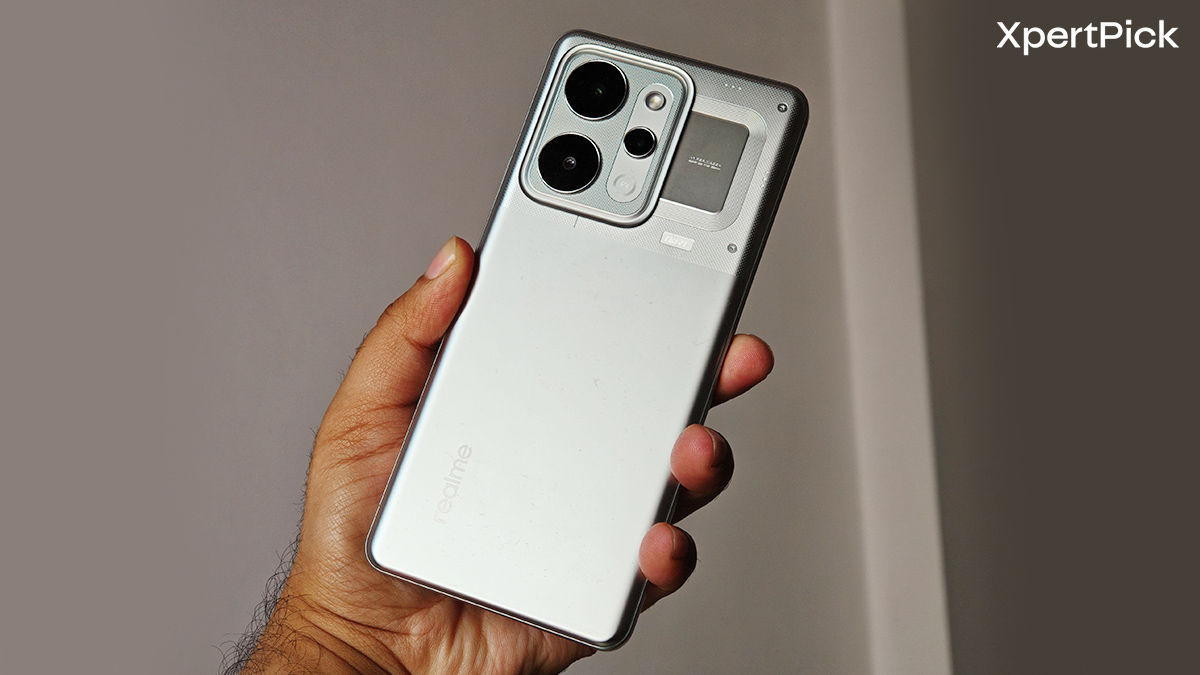
33 hours 15 minutes. No phone we have tested has come close.
Why We Picked It
The nearest result in our records is 29h 51min from the iQOO Z11x; the best flagship figure is the OnePlus 15’s 27h 13min. The P4 Power beat both, by three and six hours respectively, thanks to a 10,001mAh silicon-carbon battery, the largest fitted to a normal-sized phone sold in India. Its efficiency of 3h 19min per 1,000 mAh is only mid-table, though, which is worth being upfront about: this is a win from sheer battery size, not clever power management. Charging runs at 80W, with 27W reverse charging too, so it can double as a power bank for other devices.
What makes this more than a novelty is that it doesn’t overheat or slow down to get there. It peaked at just 35.7°C after our twenty-loop stress test, the coolest of any phone in this guide, flagships included, while holding 99.5% stress stability and 91% throttling stability, both the best scores we recorded. The phone barely breaks a sweat under sustained load, mostly because it isn’t being asked to do very much.
That’s the trade-off, and it’s a big one. Its AnTuTu score of 1,023,651 is roughly a quarter of the OnePlus 15’s, and its 3DMark score of 1,022 is about a seventh of the Galaxy S26 Ultra’s. Genshin Impact averaged 44.8fps but dropped to a 5.2fps low, a full stall rather than a dip, so heavy 3D gaming isn’t something this phone is built for. BGMI averaged 84.1fps with a 63.2fps floor, playable, but well behind everything else in this guide. Its storage score of 31,668 is the lowest of any phone here, running on UFS 3.1.
Its AI performance, though, is far better than you’d expect at this price. These scores measure how well a phone’s chip handles on-device AI tasks like photo processing or voice assistants without needing the cloud, and higher numbers mean smoother, faster results. This phone scored 2,784 (Quantised) and 1,395 (Half Precision) on the NPU tests, ahead of the Galaxy S26 Ultra, iQOO 15, OnePlus 15 and Vivo X300 Ultra, phones that cost two to six times as much. Its GPU-based AI score of 905 is more ordinary. The dedicated AI chip paired with its Dimensity 7400 Ultra processor genuinely seems to be doing real work, and it’s the single most surprising result in this guide.
The cameras are adequate and no more: a 50MP main with OIS, an 8MP ultrawide and a 16MP front camera. It’ll handle daylight shots and social media use just fine. It isn’t a reason to buy this phone, and along with the Edge 70 Fusion, it has the weakest camera setup in this guide.
The screen is a 6.8-inch curved AMOLED, running at 1280 × 2800 resolution, 453ppi and 144Hz, with HDR10+ support. It reached 1,722 nits of brightness in testing, a mid-table result here, though it’s still brighter than the ₹1,24,999 Galaxy S26 Ultra, which says more about that phone than this one.
It runs Realme UI 7.0 on Android 16, and carries IP66, IP68 and IP69 ratings, unusually thorough dust and water protection for a phone at ₹27,999. The trade-off is size: at 219g and 9.08mm thick, it’s the thickest phone in this guide and among the heaviest.
Realme P4 Power Key Specifications
- Price: ₹27,999
- Processor: MediaTek Dimensity 7400 Ultra, with HyperVision+ AI chip
- Display: 6.8-inch 1.5K (1280 × 2800) quad-curved AMOLED, 144Hz, 453ppi, 6,500 nits claimed peak
- Dimensions & Weight: 162.26 × 76.15 × 9.08 mm, 219g
- RAM: 8GB / 12GB LPDDR4X
- Storage: 128GB / 256GB UFS 3.1
- Battery: 10,001 mAh silicon-carbon Titan Battery
- Charging: 80W Ultra Charge wired, 27W reverse wired, bypass charging supported
- Rear Camera: 50MP main (OIS) + 8MP ultra-wide
- Front Camera: 16MP
- IP Rating: IP66 / IP68 / IP69
- HDR: HDR10+
- Software: Realme UI 7.0 (Android 16)
Realme P4 Power XP Lab Test Data
- Battery Life (PCMark): 33h 15min
- Runtime per 1,000 mAh: 3h 19min
- AnTuTu Overall Score: 1,023,651
- Geekbench 6: 1,062 (Single-Core) | 2,989 (Multi-Core)
- Geekbench GPU Score: 3,010
- Geekbench AI Single Precision (GPU): 576
- Geekbench AI Half Precision (GPU): 905
- Geekbench AI Quantised (GPU): 705
- Geekbench AI Half Precision (NPU): 1,395
- Geekbench AI Quantised (NPU): 2,784
- PCMark Work 3.0 Score: 13,208
- PCMark Storage Score: 31,668
- AnTuTu Storage Score: 106,737
- 3DMark Wild Life Extreme: 1,022
- 3DMark Stress Test Stability: 99.5%
- CPU Throttling Test Stability: 91%
- Temperature After Stress Test: 35.7°C
- Peak Brightness (measured, auto): 1,722 nits
- BGMI (Lowest Graphics): 84.1 Average FPS | 63.2 5% Low FPS
- Minecraft (Highest Graphics): 50.8 Average FPS | 31.7 5% Low FPS
- Genshin Impact (High + 60fps): 44.8 Average FPS | 5.2 5% Low FPS
- Asphalt 9 (Highest Graphics): 58.3 Average FPS | 36.1 5% Low FPS
Pros
The longest battery runtime we have recorded from any phone, the coolest thermals and best stress stability of every device tested, an NPU ahead of four flagships costing far more, a 144Hz AMOLED, IP69 sealing, and reverse charging at ₹27,999.
Cons
Roughly a quarter of the flagship performance here, a 5.2fps Genshin frame floor, the slowest storage in this guide, a basic camera, and 219g in a 9.08mm body.
Who Should Buy It
Anyone who genuinely cannot charge daily, field work, long travel, heavy on-the-move use, and who does not game seriously.
Who Shouldn’t Buy It
Gamers, photographers, and anyone who would find the weight and thickness tiring.
Expert Verdict: The endurance record-holder of everything we have tested, staying cool and stable while doing it, with a genuinely capable AI block as a bonus. Buy it for the battery, because performance and camera are what pay for it.
Motorola Edge 70 — Best Budget Phone
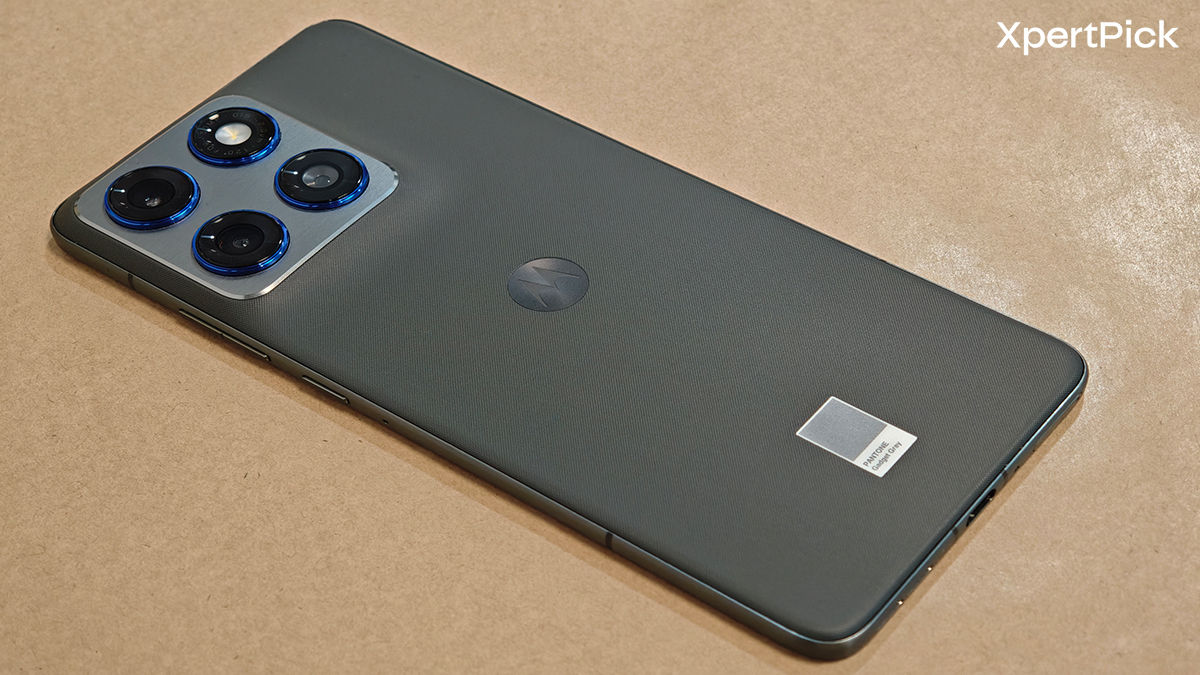
A 5.99mm phone that outruns its thicker sibling on every performance measure, then hands almost all of it back at the battery test.
Why We Picked It
Its AnTuTu score of 1,389,931 is 21% ahead of the Edge 70 Fusion, and its 3DMark score of 2,077 is 75% ahead, a bigger gap than the price difference suggests. Geekbench came in at 1,330 single-core and 4,174 multi-core, with a graphics score of 4,797, again well clear of the Fusion’s 3,576. In BGMI, it averaged 113.8fps, within 5fps of the pricier Poco X8 Pro Max.
Its PCMark work score of 15,674 is the more telling number for daily use, beating the OnePlus 15, Realme P4 Power and Edge 70 Fusion, and landing within 6% of the far pricier iQOO 15. This doesn’t feel like a budget phone day to day.
The slim 5.99mm body was an obvious worry, but it doesn’t struggle the way the iPhone Air did in our testing. It held 85.2% stress stability and 87% throttling stability, both better than every flagship here, including the iPhone 17, and beaten only by two phones built specifically for battery life over speed. Motorola’s cooling is clearly doing real work. We couldn’t log a surface temperature for this unit.
The slim design costs battery life, though. It lasted just 12 hours 33 minutes, the shortest in this guide, nearly five hours behind the Galaxy S26 Ultra and less than half the OnePlus 15. From its 5,000mAh battery, that’s 2h 31min per 1,000mAh, tying the Poco X8 Pro Max for worst efficiency here. Motorola claims up to 38 hours of mixed use, but that’s a lighter-use manufacturer figure, not comparable to our test above. Charging is 68W wired plus 15W wireless, rare at this price, no other phone under ₹48,999 here offers wireless charging.
Camera hardware is unusually complete for the price. The 50MP main has a wide aperture and stabilisation, the 50MP ultrawide adds autofocus and macro, both rare at this price, and the front camera is a solid 50MP. All three shoot 4K at 60fps, a clear upgrade over the Edge 70 Fusion on two of three lenses. The gap is zoom: no telephoto, so it’s all digital, the same limitation as the three-times-pricier iPhone 17, but felt more here given how good the ultrawide is.
The screen is 6.7 inches, running at 2712 x 1220 with HDR10+, and reached 2,220 nits in testing, the fourth-brightest here. Motorola claims 4,500 nits peak; we measured less than half that, a gap we’ve seen repeatedly across this guide. It refreshes at 120Hz, a step down from the 144Hz on the Fusion and Realme P4 Power, though at higher resolution than either.
AI performance is the weak point, and the one area barely improved from the Fusion. These scores measure how well a phone’s chip handles on-device tasks like photo processing or voice assistants, and higher numbers mean smoother results. GPU-based AI scores of 1,689 and 1,269 are reasonable for the class, ahead of the Realme P4 Power’s 905. But NPU scores of just 520 and 226 sit near the bottom of this guide, the Realme P4 Power scores five times higher on the same test. For on-device photo processing and assistant features, that’s a difference you’d notice.
At 159.9 x 74.3 x 5.99mm and 159g, it’s the slimmest phone here by over a millimetre, and the lightest, beating even the iPhone 17 and Edge 70 Fusion. It has proper dust and water resistance, military-grade durability certification, a metal frame and tough glass, so the thinness hasn’t cost durability.
It runs near-stock Android 16 with little clutter, but only three years of OS upgrades and four of security updates, the shortest support here, against seven years from Samsung and five from iQOO and Vivo.
Motorola Edge 70 Key Specifications
- Price: ₹27,999
- Processor: Qualcomm Snapdragon 7 Gen 4 (4nm), Adreno 722
- Display: 6.7-inch 1.5K (2712 × 1220) pOLED, 120Hz, 10-bit, HDR10+, 4,500 nits claimed peak, Gorilla Glass 7i
- Dimensions & Weight: 159.9 × 74.3 × 5.99 mm, 159g
- RAM: 8GB LPDDR5X (up to 16GB virtual)
- Storage: 256GB UFS 3.1
- Battery: 5,000 mAh silicon-carbon
- Charging: 68W TurboPower wired, 15W wireless
- Rear Camera: 50MP main (f/1.8, OIS) + 50MP ultra-wide (120°, autofocus, macro), 4K 60fps
- Front Camera: 50MP Quad Pixel, 4K 60fps
- IP Rating: IP68 / IP69 (MIL-STD-810H certified)
- Software: Hello UI (Android 16), three OS upgrades and four years of security updates
- Other: Wi-Fi 6E, Bluetooth 5.4, NFC, in-display fingerprint sensor, stereo speakers with Dolby Atmos, vapour chamber cooling, Moto AI 2.0
Motorola Edge 70 XP Lab Test Data
- Battery Life (PCMark): 12h 33min
- Runtime per 1,000 mAh: 2h 31min
- AnTuTu Overall Score: 1,389,931
- AnTuTu CPU Score: 483,699
- AnTuTu GPU Score: 323,011
- Geekbench 6: 1,330 (Single-Core) | 4,174 (Multi-Core)
- Geekbench GPU (OpenCL): 4,797
- Geekbench AI Single Precision (GPU): 1,017
- Geekbench AI Half Precision (GPU): 1,689
- Geekbench AI Quantised (GPU): 1,269
- Geekbench AI Half Precision (NNAPI): 226
- Geekbench AI Quantised (NNAPI): 520
- PCMark Work 3.0 Score: 15,674
- PCMark Storage Score: 109,878
- AnTuTu Storage Score: 129,942
- Sequential Read / Write: 2,051.7 MB/s | 2,144.7 MB/s
- Random Read / Write: 947.9 MB/s | 1,031.8 MB/s
- 3DMark Wild Life Extreme: 2,077
- 3DMark Stress Test Stability: 85.2%
- CPU Throttling Test Stability: 87%
- Temperature After Stress Test: Not recorded
- Peak Brightness (measured, auto): 2,220 nits
- BGMI (Smooth Graphics): 113.8 Average FPS
- Minecraft / Genshin Impact / Asphalt 9: Not recorded
Pros
The slimmest and lightest phone in this guide at 5.99mm and 159g, 21% more AnTuTu and 75% more 3DMark than the Edge 70 Fusion, better stress stability than every flagship here, three 50MP cameras all shooting 4K 60fps, a measured 2,220-nit panel, 15W wireless charging at this price, and IP68/IP69 with MIL-STD-810H.
Cons
The shortest battery life of any phone in this guide at 12h 33min, joint-worst efficiency, near-bottom NNAPI scores, no telephoto lens, a 120Hz panel where rivals at this price run 144Hz, and the shortest software commitment here.
Who Should Buy It
Buyers who want a genuinely pocketable, light phone with strong camera hardware and wireless charging, and who charge nightly without thinking about it.
Who Shouldn’t Buy It
Anyone who needs the phone to last a long day, anyone who leans on AI photo features, and anyone who wants optical zoom.
Expert Verdict: The most capable budget phone in this guide on everything except the measurement most people at this price care about most. It is faster, brighter, better built and better sustained than its own sibling, and it runs out of battery five hours before the weakest flagship here. At ₹27,999 that is a trade worth making only if you are near a charger.
iPhone 17 — Best Compact Phone
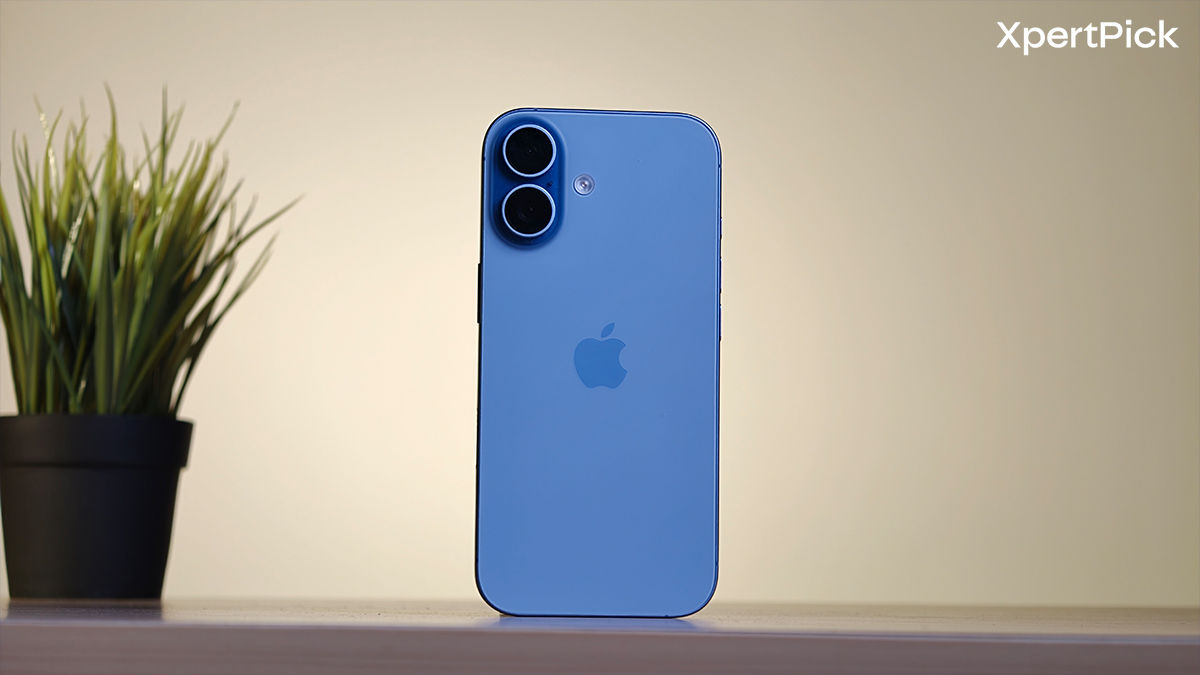
The smallest phone in this guide is also the steadiest and the fastest at AI, which is not the usual set of trade-offs.
Why We Picked It
At 149.6 × 71.5 × 7.95mm and 177g, this is the only phone here you can genuinely use with one hand. It ties the Motorola Edge 70 Fusion for the lightest phone in the guide, but in a smaller body. It’s IP68 rated, so it can handle dust and water.
Small phones usually run hotter, but this one doesn’t. It stayed stable for 83% of a twenty-loop stress test, against 58.3% to 75% for the Android flagships. It peaked at just 36.0°C, the coolest of any flagship tested, and throttled the least too, at 83.9%. This shows up in games, not just on paper. Genshin Impact ran at 60.0fps on average, dropping to a 58.0fps low, a gap of just 2fps. The OnePlus 15 dropped to 43fps by comparison. Asphalt 9 ran a flat 60.0fps throughout. Minecraft averaged 60.0fps, dropping to 50.0fps.
This phone’s AI chip is far ahead of anything else here. These scores come from tests that measure how fast a phone’s chip can run on-device AI tasks, things like recognising objects in photos, translating text in real time, or powering AI photo edits, without sending anything to the cloud. A higher number means the phone can handle these tasks faster and take on more demanding AI features without slowing down. On the NPU tests, it scored 40,991 (Quantised) and 30,299 (Half Precision), compared to just 569 to 1,615 for the Android flagships, roughly 25 times the Galaxy S26 Ultra and 44 times the OnePlus 15. Its GPU scores of 14,585 and 14,475 are three times higher than any rival. In short, whatever AI features phones get in future, this one has far more headroom to run them smoothly.
General performance is consistent rather than class-leading. Its Geekbench GPU score of 37,088 is the best in the guide, about 54% higher than the fastest Snapdragon phone. But its AnTuTu score of 2,118,014 is the lowest among the flagships, and its 3DMark score of 5,047 trails every Android flagship compared here. Its storage is also the weakest of the flagships: an AnTuTu storage score of 122,941 and a random write speed of just 82.9 MB/s, the slowest in the guide.
The camera is this phone’s biggest weakness. Both the 48MP main and 48MP ultrawide are solid sensors, and its video quality is still the best in the industry. But there’s no telephoto lens, something every rival Android flagship offers. The 18MP front camera is genuinely good. For anyone who cares about zoom, though, this is the weakest flagship on test.
The screen is a 6.27-inch AMOLED display, running at 2622 × 1206 resolution, 460ppi and 120Hz, with support for Dolby Vision, HDR10+ and HLG. It reached 3,000 nits of brightness in testing, second only to the iQOO 15.
There’s no battery figure to share here. The testing software, PCMark, doesn’t work on iOS, so there’s no runtime, efficiency or work score for this phone. That’s a real gap, since battery life is what separates the best and worst phones in this guide by up to sixteen hours. We haven’t used the manufacturer’s own claims to fill that gap.
On software, there’s no unnecessary pre-installed apps to remove. Support lasts longer than any Android phone in this guide too, though the company doesn’t publish a fixed number of years the way Samsung and Vivo do.
iPhone 17 Key Specifications
- Price: ₹82,900
- Processor: Apple A19
- Display: 6.27-inch (2622 × 1206) AMOLED, 120Hz, 460ppi, 3,000 nits claimed peak
- Dimensions & Weight: 149.6 × 71.5 × 7.95 mm, 177g
- RAM: 8GB LPDDR5X
- Storage: 256GB / 512GB custom NVMe
- Battery: 3692 mAh
- Rear Camera: 48MP Fusion main + 48MP ultra-wide
- Front Camera: 18MP Center Stage
- IP Rating: IP68
- HDR: Dolby Vision, HDR10+, HDR10, HLG
iPhone 17 XP Lab Test Data
- AnTuTu Overall Score: 2,118,014
- Geekbench 6: 3,351 (Single-Core) | 8,591 (Multi-Core)
- Geekbench GPU Score: 37,088
- Geekbench AI Single Precision (GPU): 7,679
- Geekbench AI Half Precision (GPU): 14,585
- Geekbench AI Quantised (GPU): 14,475
- Geekbench AI Half Precision (NPU): 30,299
- Geekbench AI Quantised (NPU): 40,991
- PCMark Work 3.0 Score: Not applicable
- AnTuTu Storage Score: 122,941
- 3DMark Wild Life Extreme: 5,047
- 3DMark Stress Test Stability: 83.0%
- CPU Throttling Test Stability: 83.9%
- Temperature After Stress Test: 36.0°C
- Peak Brightness (measured, auto): 3,000 nits
- BGMI (Lowest Graphics): 115.0 Average FPS | 98.0 5% Low FPS
- Minecraft (Highest Graphics): 60.0 Average FPS | 50.0 5% Low FPS
- Genshin Impact (High + 60fps): 60.0 Average FPS | 58.0 5% Low FPS
- Asphalt 9 (Highest Graphics): 60.0 Average FPS | 60.0 5% Low FPS
Pros
The smallest body in this guide, the fastest AI silicon tested by roughly 25 times, the best stress stability and throttling figures of any flagship, the coolest flagship thermals, the flattest frame-time profile here, the highest GPU score in the guide, and the second-brightest panel.
Cons
No telephoto lens, the lowest flagship AnTuTu and 3DMark scores, the slowest storage of any flagship tested, and no comparable battery data at all.
Who Should Buy It
Buyers who want a phone that fits one hand, performs identically in minute forty as in minute one, and will run whatever AI features arrive over the next five years.
Who Shouldn’t Buy It
Anyone who needs a zoom lens, or who wants a measured endurance figure before spending ₹82,900.
Expert Verdict: The compact pick, the most thermally composed phone in this guide, and the one with the most AI headroom by a distance. The missing telephoto and the absent battery data are the two things to weigh against it.
Oppo Find X9 Ultra
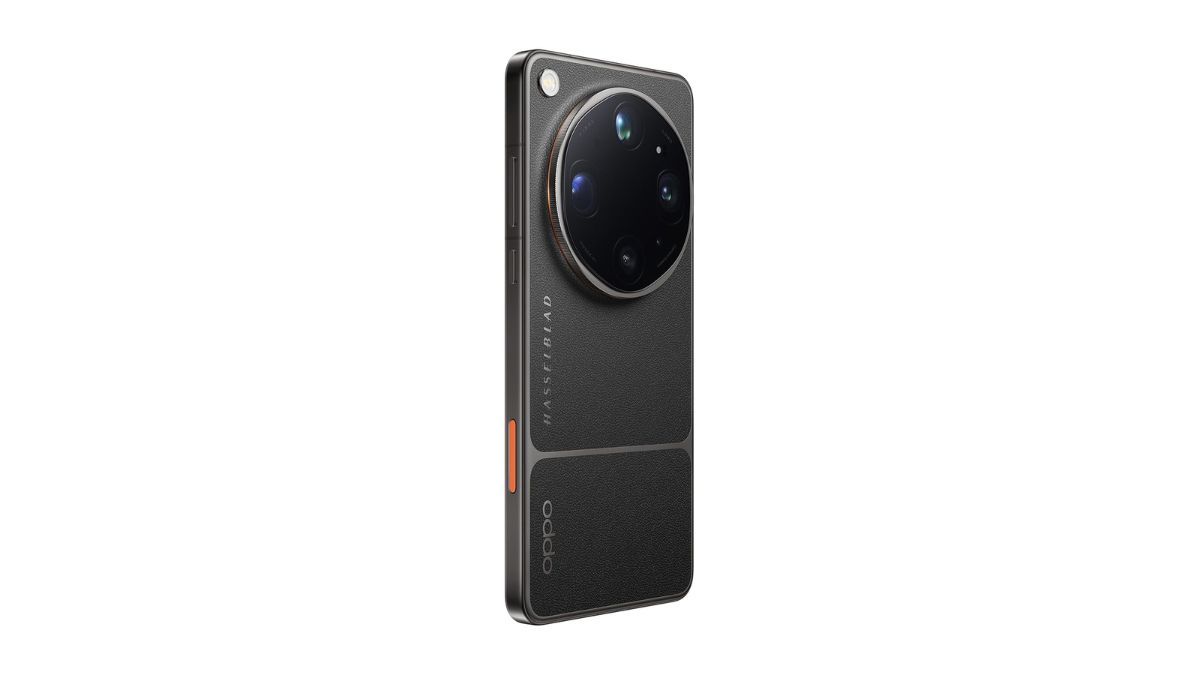
The widest camera hardware in this guide, and the fastest peak score we have ever recorded, on the phone that holds least of it.
Why We Didn’t Pick It
The Oppo Find X9 Ultra lost the camera award to the Vivo X300 Ultra on two measurements rather than hardware count. Its 39.1% stress stability is the lowest in our testing, with performance dropping more than 60% over 20 consecutive loops, compared to the Vivo’s 60.9%. That matters for a camera phone because 8K video and computational photography are exactly the workloads that trigger thermal decline. Its measured brightness of 1,651 nits is also the dimmest in this comparison, making outdoor shot framing harder than on the Vivo’s much brighter display.
At ₹1,69,999, it costs ₹10,000 more than the phone that beat it. Here’s what that money buys.
Its Hasselblad-tuned quad camera is the most comprehensive setup here: a stabilised 200MP main camera, 200MP telephoto, 50MP ultrawide, 50MP ultra-telephoto with 10x optical and 120x digital zoom, plus a dedicated colour sensor. That’s one more rear lens than the Vivo X300 Ultra, nearly three times its zoom reach, and the only setup here with two separate telephoto lenses alongside two 200MP sensors. It shoots 8K video, includes Hasselblad shooting modes and colour profiles, and pairs with a 50MP selfie camera. The Vivo still wins on optics, with better stabilisation, a properly stabilised periscope zoom and stronger video capabilities across its lenses.
Performance is exceptional. Its 4,026,656 AnTuTu score is the highest we’ve recorded, ahead of the OnePlus 15, while Geekbench and 3DMark results are equally strong. It averaged 119.7fps in BGMI with a 116.5fps floor, the best gaming result we’ve measured, while Asphalt 9 averaged 116.9fps with a 72.3fps floor, matching the Galaxy S26 Ultra. Storage speeds are second only to the Vivo X300 Ultra.
Thermals are the catch. Its 39.1% stability score is the worst here, despite peaking at only 39.0°C, showing it throttles early rather than running hotter. That keeps temperatures down but means peak performance reflects the first minute more than sustained use, and it affected our *Minecraft* test.
AI performance is disappointing for both the price and its camera-first positioning. These scores reflect how well on-device tasks like photo processing and voice assistants run without the cloud. Its NPU scored just 565 and 247, among the weakest flagship results here and behind the much cheaper Realme P4 Power. GPU-based AI performance is far stronger, second only to the Galaxy S26 Ultra among Android phones, so the raw AI power exists, but the dedicated hardware isn’t making the most of it.
The 6.82-inch 144Hz display is rated for 3,600 nits but reached only 1,651 nits in our testing, the dimmest result in this comparison and less than half the iQOO 15’s brightness, making it the biggest claimed-versus-measured gap in this guide.
Battery life is excellent, with the 7,050mAh battery lasting 22 hours 15 minutes, while charging supports 100W wired and 50W wireless.
It runs ColorOS 16 on Android 16, with a Hasselblad-inspired leather-style back, tough protective glass, and strong drop, dust and water resistance.
Oppo Find X9 Ultra Key Specifications
- Price: ₹1,69,999
- Processor: Snapdragon 8 Elite Gen 5 (3nm)
- Display: 6.82-inch 2K ProXDR LTPO AMOLED, 144Hz, 3,600 nits claimed peak
- RAM: 12GB LPDDR5X
- Storage: 512GB
- Battery: 7,050 mAh silicon-carbon Glacier Battery
- Charging: 100W SUPERVOOC wired, 50W wireless
- Rear Camera: 200MP main (OIS) + 200MP telephoto + 50MP ultra-wide + 50MP ultra-telephoto (10x optical, 120x digital), Hasselblad-tuned, plus colour reproduction sensor
- Front Camera: 50MP
- Video: 8K, O-Log2, custom 3D LUT support
- IP Rating: IP66 / IP68 / IP69 (Swiss SGS five-star drop certified)
- Software: ColorOS 16 (Android 16)
Oppo Find X9 Ultra XP Lab Test Data
- Battery Life (PCMark): 22h 15min
- Runtime per 1,000 mAh: 3h 09min
- AnTuTu Overall Score: 4,026,656
- Geekbench 6: 3,587 (Single-Core) | 10,581 (Multi-Core)
- Geekbench GPU Score: 23,890
- Geekbench AI Single Precision (GPU): 3,001
- Geekbench AI Half Precision (GPU): 4,625
- Geekbench AI Quantised (GPU): 3,934
- Geekbench AI Half Precision (NPU): 247
- Geekbench AI Quantised (NPU): 565
- PCMark Work 3.0 Score: 15,787
- PCMark Storage Score: 205,005
- AnTuTu Storage Score: 235,108
- Sequential Read / Write: 4,297.4 MB/s | 4,102.7 MB/s
- 3DMark Wild Life Extreme: 7,070
- 3DMark Stress Test Stability: 39.1%
- CPU Throttling Test Stability: 59%
- Temperature After Stress Test: 39.0°C
- Peak Brightness (measured, auto): 1,651 nits
- BGMI (Lowest Graphics): 119.7 Average FPS | 116.5 5% Low FPS
- Genshin Impact (High + 60fps): 59.3 Average FPS | 43.4 5% Low FPS
- Asphalt 9 (Highest Graphics): 116.9 Average FPS | 72.3 5% Low FPS
Pros
The highest AnTuTu score we have ever recorded, the best BGMI figures of any device tested, a Hasselblad quad camera with two 200MP sensors and 10x optical zoom, the second-fastest storage here, and Swiss SGS drop certification with IP69.
Cons
The lowest stress stability in this guide at 39.1%, the dimmest measured panel of any device here, a weak NPU for the price, a thermally limited Minecraft run, and the highest price in this comparison.
Who Should Buy It
Photographers who specifically need 10x optical reach and two telephoto focal lengths, and who will accept a dim viewfinder to get them.
Who Shouldn’t Buy It
Almost everyone else at this price. The Vivo X300 Ultra costs ₹10,000 less, holds far more of its performance under load, and has a brighter screen.
Expert Verdict: The most camera hardware in this guide by lens count, undone by the two measurements a camera phone can least afford, the worst sustained-load result in our testing and the dimmest screen here.
Frequently Asked Questions (FAQs)
What is the best phone you can buy in India right now?
The OnePlus 15, on balance. It posted the highest AnTuTu score of any phone we tested alongside 27h 13min of battery life and 120W charging, which no other device combines. If your priority is narrower, gaming, camera, battery, size, one of the other seven picks will serve you better.
Which phone has the best camera?
The Vivo X300 Ultra. It carries two 200MP Zeiss sensors covering the main and periscope focal lengths, with OIS on all three rear lenses including the ultrawide, and shoots 8K plus 4K 120fps Log. At ₹1,59,999 it is a specialist’s purchase, not a general recommendation.
Which phone has the longest battery life?
The Realme P4 Power at 33h 15min, the longest result we have recorded from any smartphone, from a 10,001mAh cell. The best flagship figure is the OnePlus 15’s 27h 13min, six hours behind.
Is a bigger battery always the answer?
No. The Poco X8 Pro Max’s 9,000mAh cell returned 22h 40min, while the OnePlus 15’s smaller 7,300mAh cell ran 4h 33min longer. Measured per 1,000 mAh, the OnePlus is 48% more efficient. Chipset efficiency and software tuning decide runtime as much as capacity does.
Do more expensive phones perform better under load?
Not reliably. The ₹27,999 Realme P4 Power held 99.5% of its graphics output across twenty stress loops and the ₹27,999 Motorola Edge 70 Fusion held 99.3%, while every flagship in this guide fell between 58.3% and 83%. Peak performance and sustained performance are different products, and price buys the first more than the second.
Which phone has the brightest display?
The iQOO 15 at 3,710 measured nits, the brightest reading we recorded, and more than double the Galaxy S26 Ultra’s 1,701 nits despite costing ₹48,000 less. It is also the only 1440p panel in this guide, at 508ppi.
Is it worth spending over ₹1,00,000 on a phone?
Only for a specific reason. The Galaxy S26 Ultra buys camera range and everyday responsiveness; the Vivo X300 Ultra buys the best imaging hardware available. On raw speed, the ₹76,999 iQOO 15 beats both in gaming and display, and the ₹85,999 OnePlus 15 outscores both in AnTuTu.
Why Trust XpertPick
Nothing on this page comes from a press release or a manufacturer’s claimed figure. Every number was measured on a device in our hands.
Independent testing: Every phone in this guide was benched in-house on a retail unit running shipping software. No manufacturer-supplied performance data was used in the analysis.
Standardised conditions: Identical benchmark, stress, gaming and battery suites at 28°C ambient on the top variant of each device, which is what allows a ₹27,999 phone and a ₹1,59,999 phone to appear in the same table honestly.
Layered methodology: Peak scores, twenty-loop sustained load, logged frame times across four titles and full battery rundowns. The peak is the least informative figure we collect, which is why every device is also measured under heat and over time.
Transparent about data: Every failed test, missing figure and anomalous reading in this guide is listed above under its own heading. Gaps are reported as gaps, never estimated.