This page is designed for buyers in India looking for a reliable camera phone under ₹30,000 who may be overwhelmed by marketing claims. Whether you are a content creator seeking detailed and vibrant images or someone who frequently shoots in low-light conditions, this guide aims to cut through the noise. It is particularly useful for readers who prioritise specific strengths, such as natural skin tones, consistent ultrawide performance, or strong detail retention.
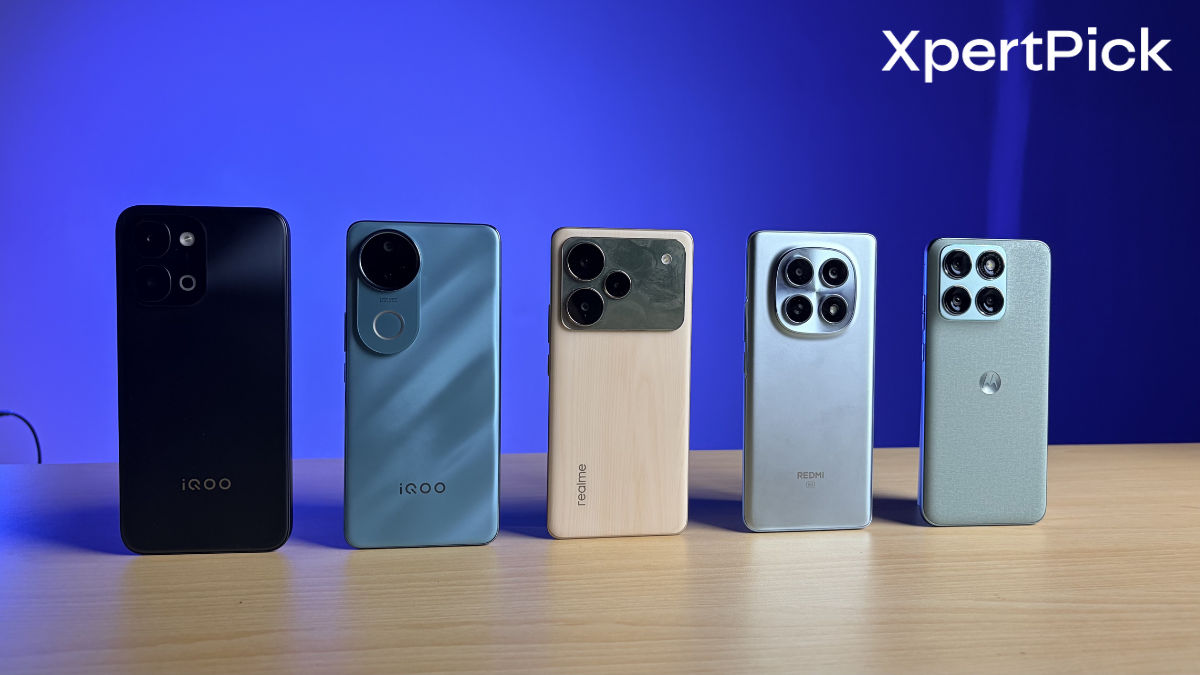
We evaluated every camera phone in this segment in our lab, including the OnePlus Nord CE 6, Poco X7 Pro, Nothing Phone (3a) Pro and Samsung Galaxy M56 5G, before narrowing our final shootout to five devices: the Realme P4 Pro, Realme P4 Power, Redmi Note 15, Motorola Edge 70 Fusion and iQOO Z11x.
We selected these five because they showcase some of the most distinctive computational photography tuning in this price segment. While many rivals opt for safer, more balanced image processing, these devices push their camera hardware much harder. This ranges from the Redmi Note 15’s 108MP sensor to the advanced 50MP primary cameras found on the Motorola, Realme and iQOO models, all paired with aggressive image-processing algorithms.
Our rankings are based on extensive real-world testing across landscape photography, portrait photography, ultrawide performance, low-light imaging and video, with every camera rated out of 10 in our own lab.
The Realme P4 Pro is our best overall camera phone, leading the segment on daylight detail and standing alone as the only device here that records 4K at 60fps. The Realme P4 Power takes the low-light crown by cleanly recovering shadows where every rival falls short. The Redmi Note 15 is the pick for daylight detail and the cheapest phone here, the Motorola Edge 70 Fusion wins portraits on balanced colour science and a superior 13MP ultrawide sensor, and the iQOO Z11x delivers the strongest camera per rupee in the guide.
We have also named two phones to avoid. The Realme 16T and the Tecno Pova 8 both cost ₹29,999, the very top of this budget, and both post the weakest camera scores in our entire under-₹30,000 dataset.
Winners At A Glace
| Category | Winner | Price | Why it wins |
|---|---|---|---|
| Best overall camera | Realme P4 Pro | ₹24,999 | Highest combined score in the group, led by an 8.5 daylight rating |
| Best low-light / night | Realme P4 Power | ₹25,999 | The only 8.0 low-light score in the segment |
| Best daylight / detail | Redmi Note 15 | ₹22,999 | Holds sharpness where rivals smooth textures away |
| Best portrait & selfie | Moto Edge 70 Fusion | ₹26,999 | 8.0 portrait with natural skin tones and accurate edge detection |
| Best video / vlogging | Realme P4 Pro | ₹24,999 | The only device here that records 4K at 60fps |
| Best zoom / telephoto | OnePlus Nord CE6 | ₹29,999 | The only phone in the segment with a rated telephoto camera |
| Best value camera pick | iQOO Z11x | ₹18,999 | An 8.0 daylight score for well under ₹20,000 |
Key Specs and Hardware
| Specification | Realme P4 Pro | Realme P4 Power | Moto Edge 70 Fusion | Redmi Note 15 | iQOO Z11x |
|---|---|---|---|---|---|
| Price | ₹24,999 | ₹25,999 | ₹26,999 | ₹22,999 | ₹18,999 |
| Best for | Camera and video | Battery life | Portraits and selfies | Daylight photography | Value and endurance |
| Display | 6.8″ AMOLED (144Hz) | 6.8″ AMOLED (144Hz) | 6.78″ AMOLED (144Hz) | 6.77″ AMOLED (120Hz) | 6.76″ LCD (120Hz) |
| Measured peak brightness | 1,838 nits | 1,722 nits | 1,850 nits | 1,335 nits | 921 nits |
| Processor | Snapdragon 7 Gen 4 | Dimensity 7400 Ultra 5G | Snapdragon 7s Gen 4 | Snapdragon 6 Gen 3 | Dimensity 7400 Turbo |
| Main camera | 50MP Sony IMX896, f/1.8, OIS | 50MP Sony IMX882, f/1.8, OIS | 50MP Sony LYT-710, f/1.9, OIS | 108MP, f/1.7 | 50MP Sony IMX852, f/1.8 |
| Second rear camera | 8MP ultrawide (112°) + depth | 8MP ultrawide (112°) | 13MP ultrawide (120°), AF | 8MP ultrawide | 2MP depth |
| Front camera | 50MP OmniVision OV50D | 16MP | 32MP | 20MP | 32MP |
| Max video | 4K 60fps (front and rear) | 4K 30fps | 4K 30fps | 4K 30fps | 4K 30fps |
| Storage | 128/256/512GB, UFS 3.1 | 128/256GB, UFS 3.1 | 128/256/512GB, UFS 3.1 | 128/256GB, UFS 2.2 | 128/256GB, UFS 3.1 |
| Battery | 7,000mAh, 80W | 10,001mAh, 80W | 7,000mAh, 68W | 5,520mAh | 7,200mAh, 44W |
| Battery life (PCMark) | 19h 14min | 33h 15min | 22h | 17h 53min | 29h 51min |
Camera hardware, storage and battery figures are manufacturer specifications, cross-checked against Indian retail listings. Everything scored, the camera ratings, measured brightness and PCMark results, is our own lab data.
How I Tested These Camera Phones
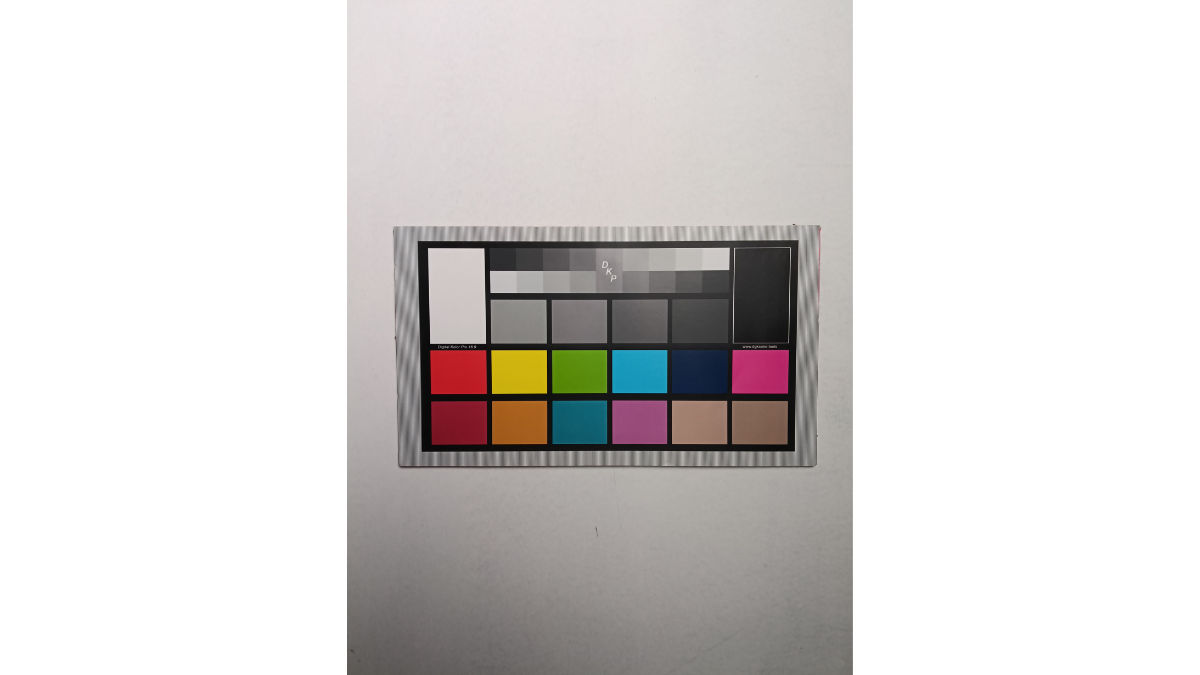
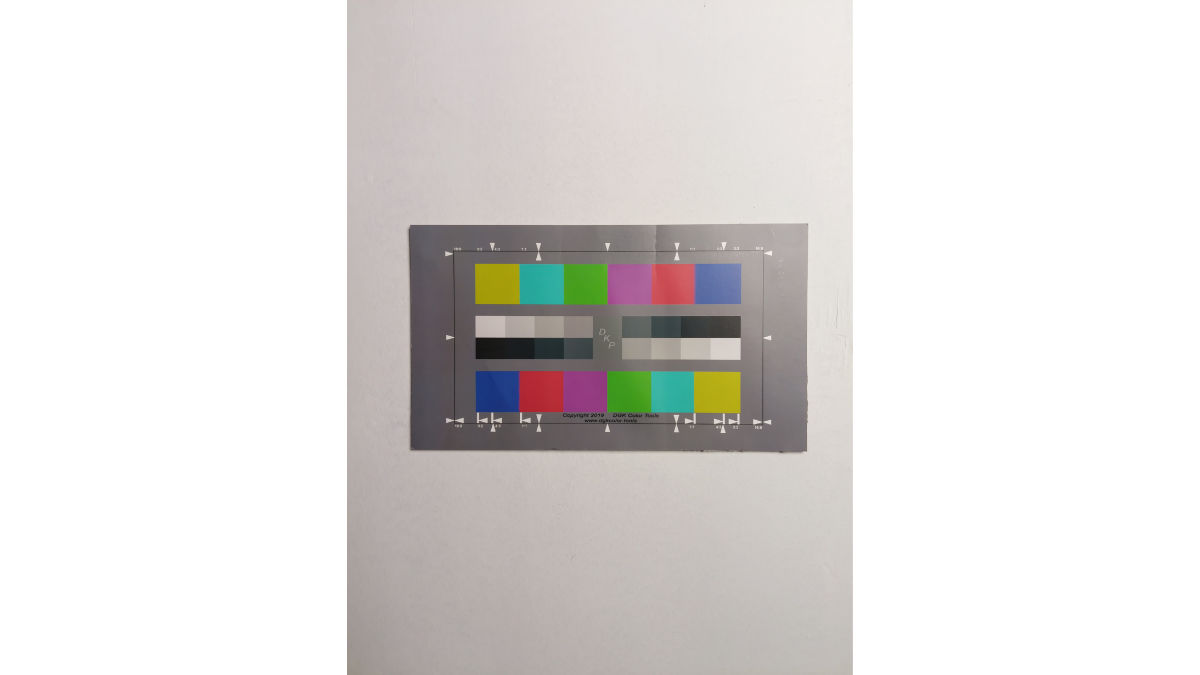
When I test camera phones, I don’t rely on megapixel counts or sensor names. A 108MP camera can lose to a 50MP one, while phones with the same sensor can produce very different results due to image processing. I shoot every phone against identical scenes, back to back, in the same light, then compare results at full frame and 100% crop.
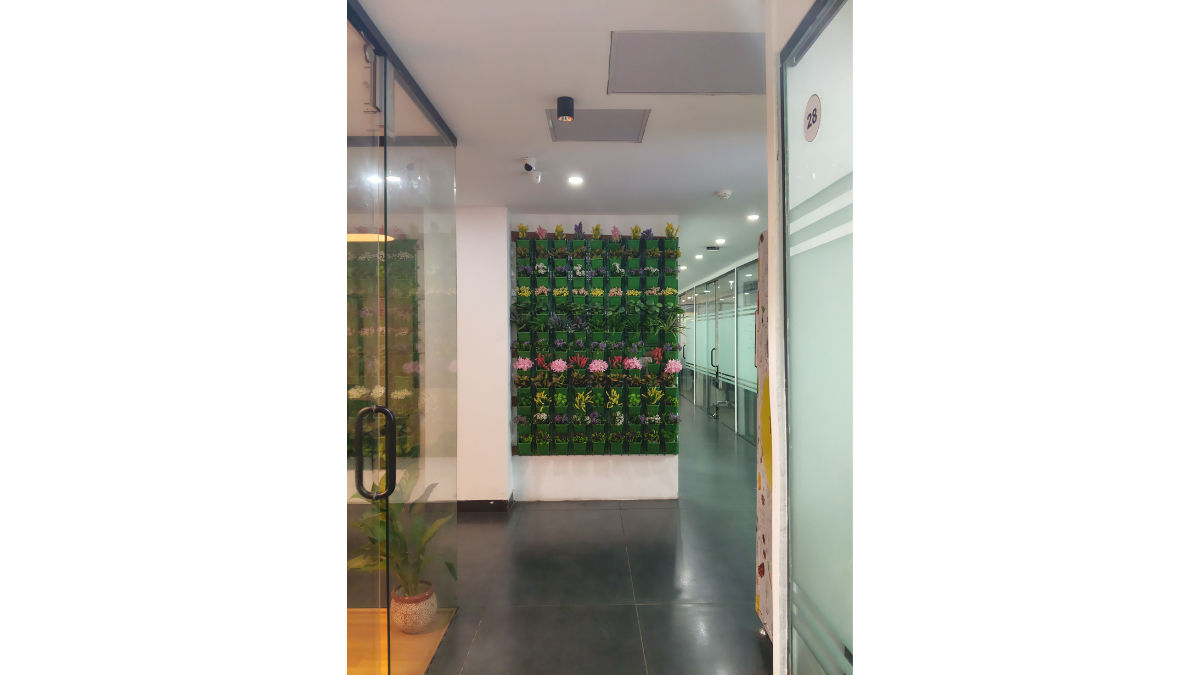
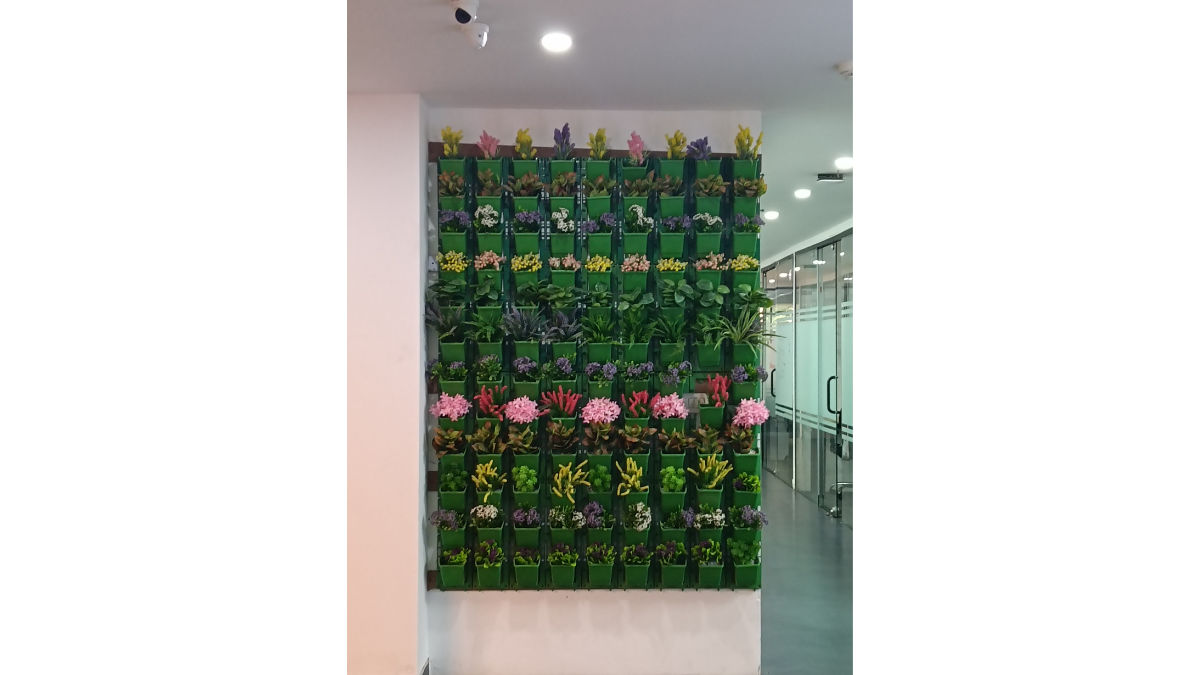
Test Conditions: All devices are retail units running consumer-ready software. Shots are taken in the stock camera app with default settings, auto HDR and scene detection. No pro mode, manual exposure or third-party apps. Phones are tested in the same session to keep lighting consistent, and sample files are verified via EXIF extraction. Marketing samples are never used.
Daylight and Detail: The daylight set measures detail retention, colour accuracy and highlight control using fine textures, saturated subjects and bright scenes with subtle tonal variation.
Portrait and Skin Tones: Portrait testing covers skin tones, blemish smoothing, shadow detail and edge detection around hair and eyewear. Cluttered organic subjects test separation in busy scenes, while a clean, coloured object tests outline separation and colour handling.
Low-Light Analysis: The night scene tests shadow recovery, highlight control, noise reduction and sharpening using a mix of bright, pale and deliberately shadowed subjects.
Ultrawide Consistency: The same frame is captured with the main and ultrawide cameras to measure differences in detail, dynamic range, colour consistency and edge distortion.
Video: Each device is tested at its maximum supported resolution and frame rate, with processor limitations noted. Front-camera video is tested separately.
Scoring: Cameras are rated out of 10 in 0.5-point steps across daylight, low light, portrait, telephoto, front camera, ultrawide and video. Scores of 1–5 are poor, 5.5–6.5 average, 7–8 good, and 8.5–9.5 excellent. Scores above 8.5 or below 6 require written justification.
Updated for September 2026 with the latest devices, testing results and pricing available at the time of publication.
Realme P4 Pro – Best Overall Camera and Best for Video
The Realme P4 Pro is my best overall camera pick at this price, with an 8.5 daylight score, 8.0 for both portrait and video, and 4K 60fps recording on the front and rear cameras, the strongest combined scorecard in this comparison and the only device here that breaks the 30fps video ceiling.

Why We Picked It
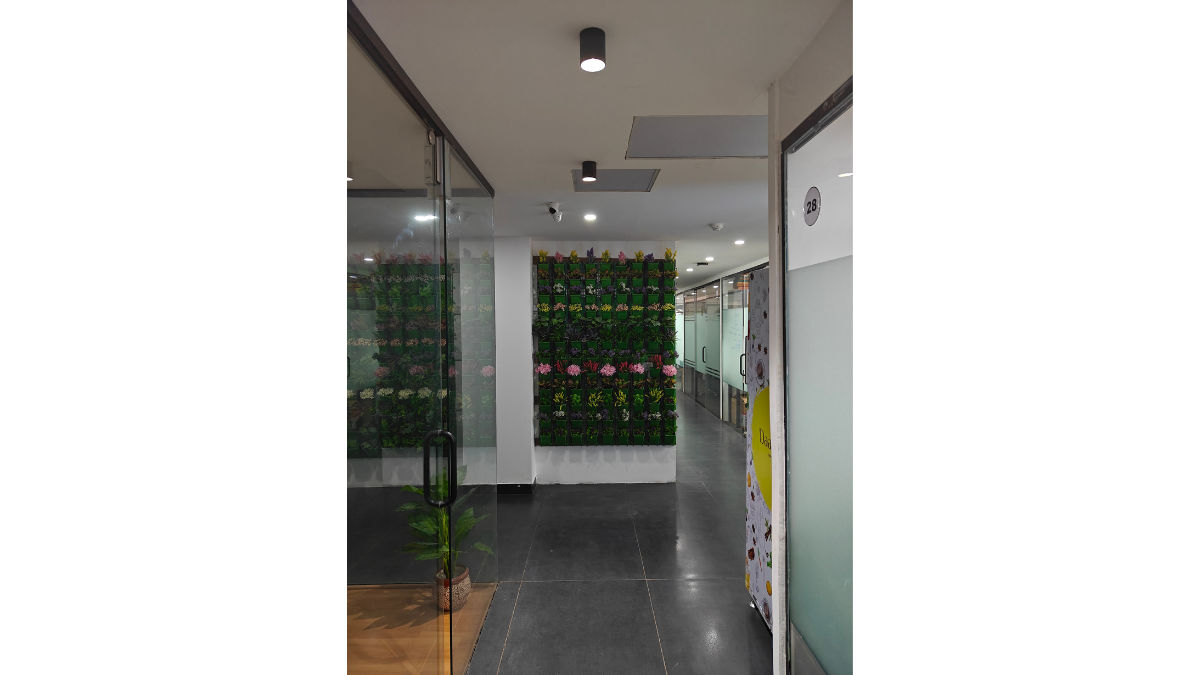
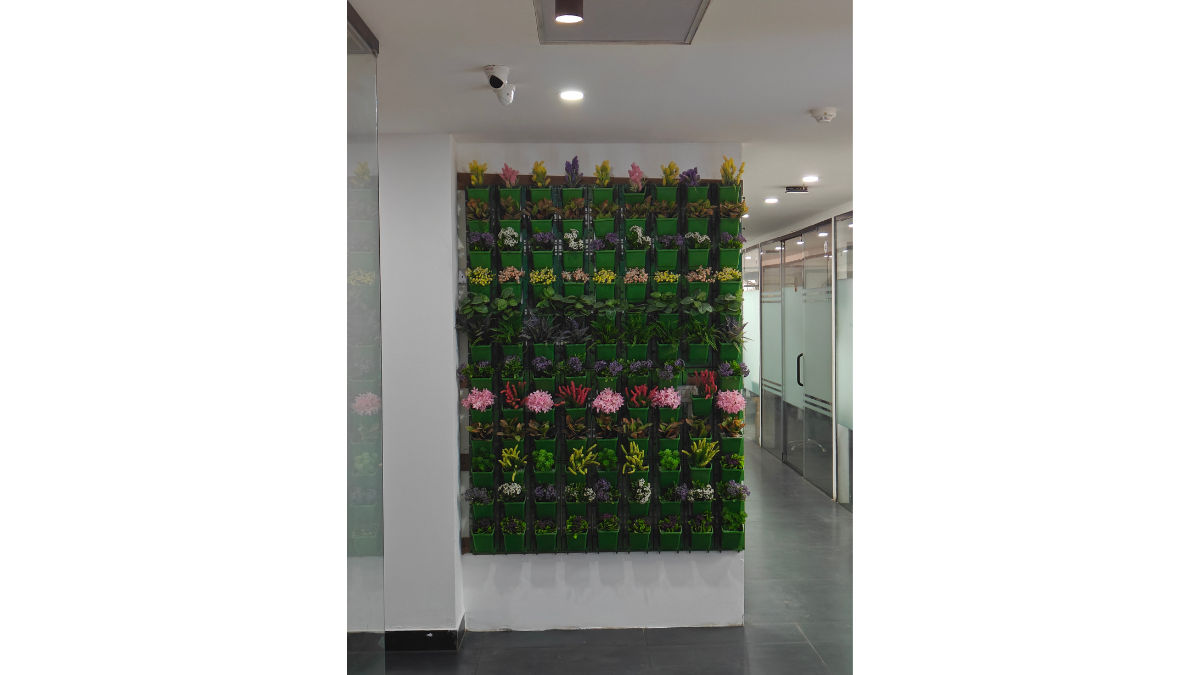
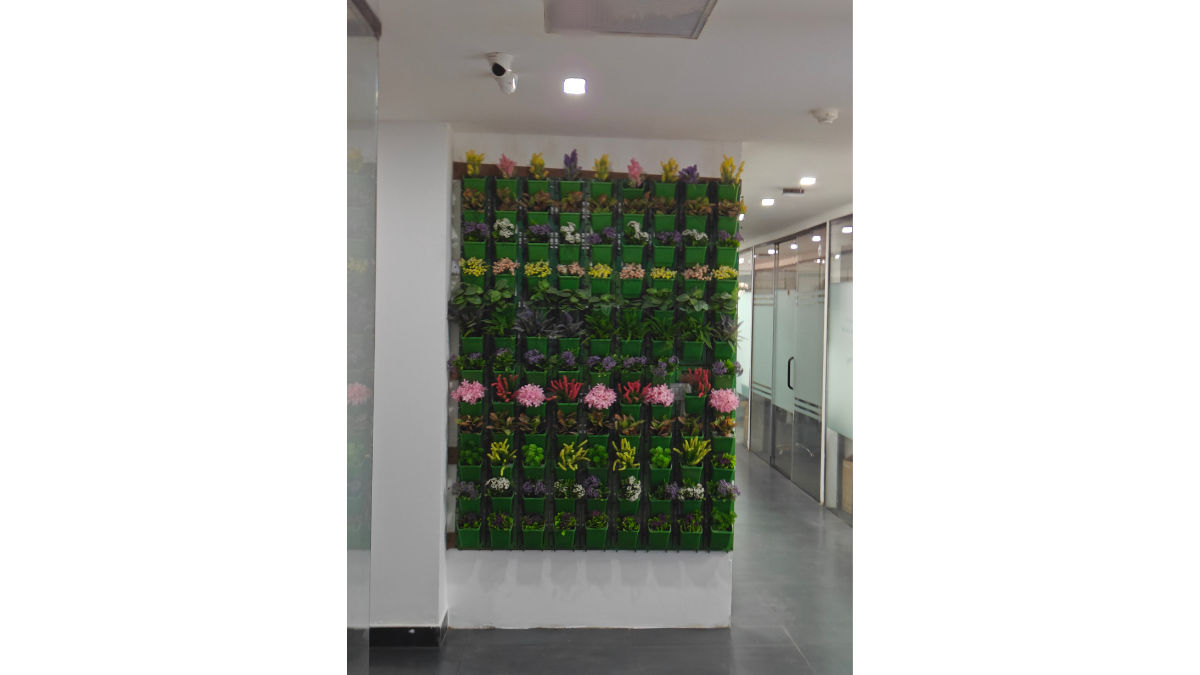
The Realme P4 Pro leads this group on the strength of its main camera. Its 8.5 daylight rating is the joint-highest in the segment, and in testing it earned that on the hard subjects rather than the easy ones. On fine detail it was not always consistent, it captured signage lettering very clearly while losing some surrounding texture and the sharpness of thin high-contrast lines, but where rivals smoothed or oversaturated, it held. It captured a difficult saturated red at a high level of detail without introducing any noticeable smoothing, and without artificially boosting the colour. On subtle white-on-white texture it did a phenomenal job where others simply captured less.
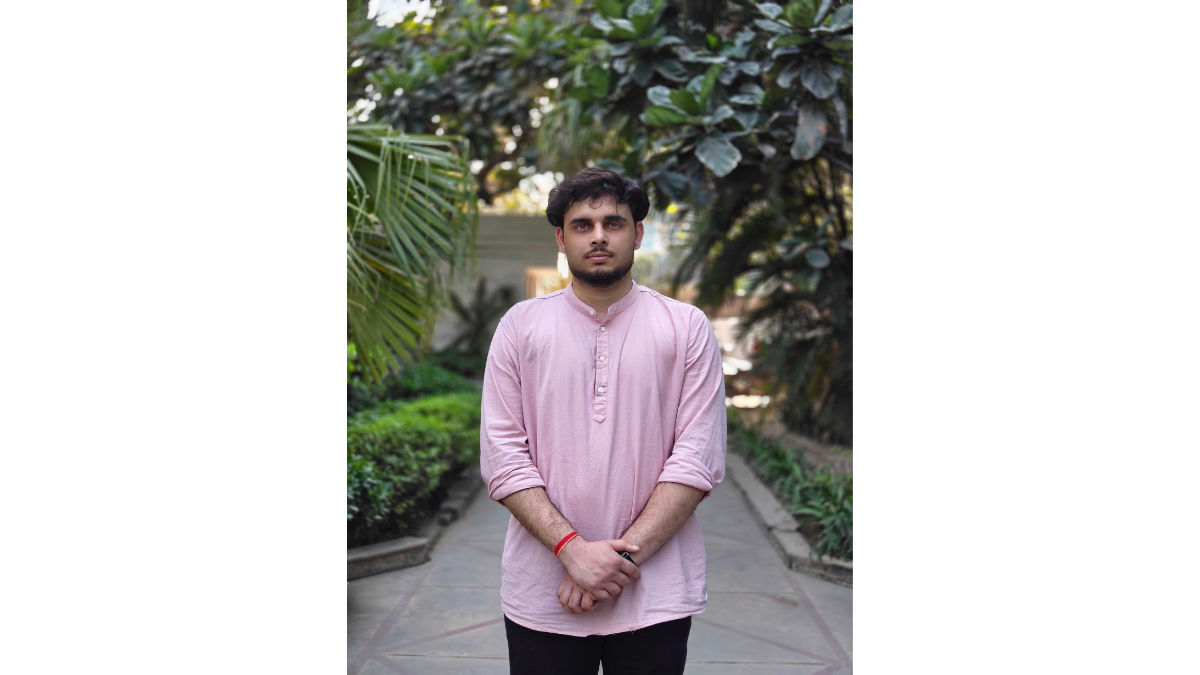
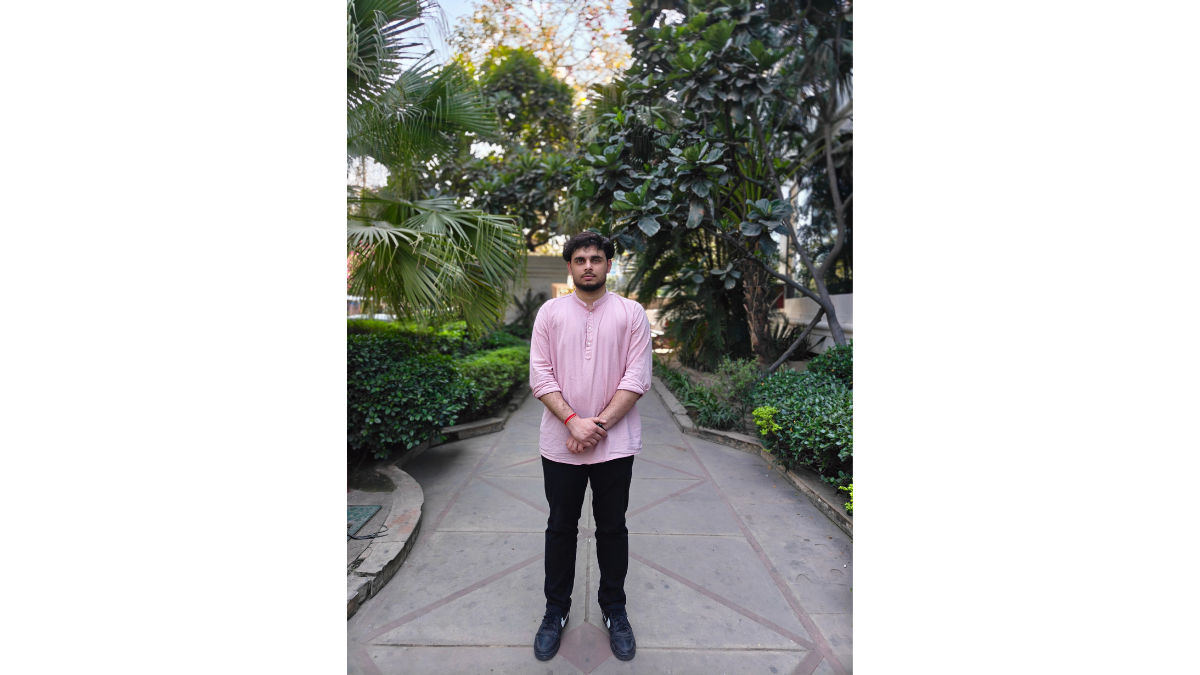
Its portrait approach is deliberately different from the rest of the field, which is why it rates 8.0 rather than higher. The camera underexposes, producing deeper shadows across the face and less detail in dark clothing. The trade-off is that skin tones stay natural and facial textures survive without excessive smoothing, and edge detection is a genuine strength, separating hair and eyewear from the background accurately. That darker processing carries into other portrait subjects, which lose some vibrancy, and subject separation struggles more in cluttered frames than on clean outlines.
Video is where it wins outright rather than on points. The Snapdragon 7 Gen 4 and its Spectra ISP support 4K recording at 60fps, and every other phone in this comparison is capped at 30fps by its processor. It is also the only device here that shoots 4K 60fps on the front camera, which matters if you talk to camera rather than only film what is in front of you. Its 50MP front sensor is the highest-resolution selfie camera in the group and rates 7.5, the best here.
Low light is the one place it gives ground. It takes a very aggressive approach, prioritising drama over accuracy, highlights are well preserved, but shadows are heavily darkened and objects buried in them become hard to make out. There is a noticeable warm yellow-amber tint and darker corners around the frame. The result is moody and cinematic, and it is also the least technically accurate night image in this comparison. Its 7.0 low-light score reflects that.
Key Specifications
| Specification | Detail |
|---|---|
| Price | ₹24,999 |
| Processor | Snapdragon 7 Gen 4 |
| Display | 6.8″ AMOLED, 144Hz (1,838 nits measured) |
| Main camera | 50MP Sony IMX896, f/1.8, OIS |
| Ultrawide | 8MP, f/2.2, 112° |
| Front camera | 50MP OmniVision OV50D, f/2.4 |
| Max video | 4K 60fps, front and rear |
| Battery / Charging | 7,000mAh / 80W |
| RAM / Storage | 8GB or 12GB / 128GB, 256GB or 512GB, UFS 3.1 |
XP Lab Test Data
| Test / Metric | Result |
|---|---|
| Daylight | 8.5 |
| Low light | 7.0 |
| Portrait | 8.0 |
| Front camera | 7.5 |
| Ultrawide | 7.5 |
| Telephoto | No telephoto camera |
| Video | 8.0 |
| Measured peak brightness | 1,838 nits |
| Battery Life (PCMark) | 19h 14min |
Pros
Highest daylight detail in the segment at 8.5, with accurate colour on difficult saturated subjects rather than the usual oversaturation. The only phone here that records 4K 60fps, and the only one that does it on the front camera too. Best selfie camera in the group at 7.5.
Cons
The most aggressive low-light processing in this comparison, crushing shadow detail in pursuit of a moodier image, with a warm colour cast and visible corner vignetting. Portraits are noticeably underexposed, which will not suit everyone.
Who Should Buy It
Anyone who shoots mostly in daylight and wants the most detail available under ₹30,000, and content creators who need 4K 60fps, front or rear. If you want one phone that does the most things well and you are willing to edit your night shots, this is the one I’d point you to first.
Who Shouldn’t Buy It
Buyers who shoot after dark regularly. The Realme P4 Power recovers shadow detail far more cleanly at a similar price. Also skip it if you dislike underexposed portraits, since that is a tuning decision you cannot switch off.
Expert Verdict: For me, this is the most complete camera package under ₹30,000. It leads on daylight detail, matches the best here on portraits and video, has the strongest selfie camera, and its 4K 60fps recording is genuinely unmatched in the segment. Its weakness is specific and predictable rather than broad, night shots look dramatic instead of accurate, and if that is not how you shoot, it is my top recommendation.
Realme P4 Power – Best Low-Light / Night Camera
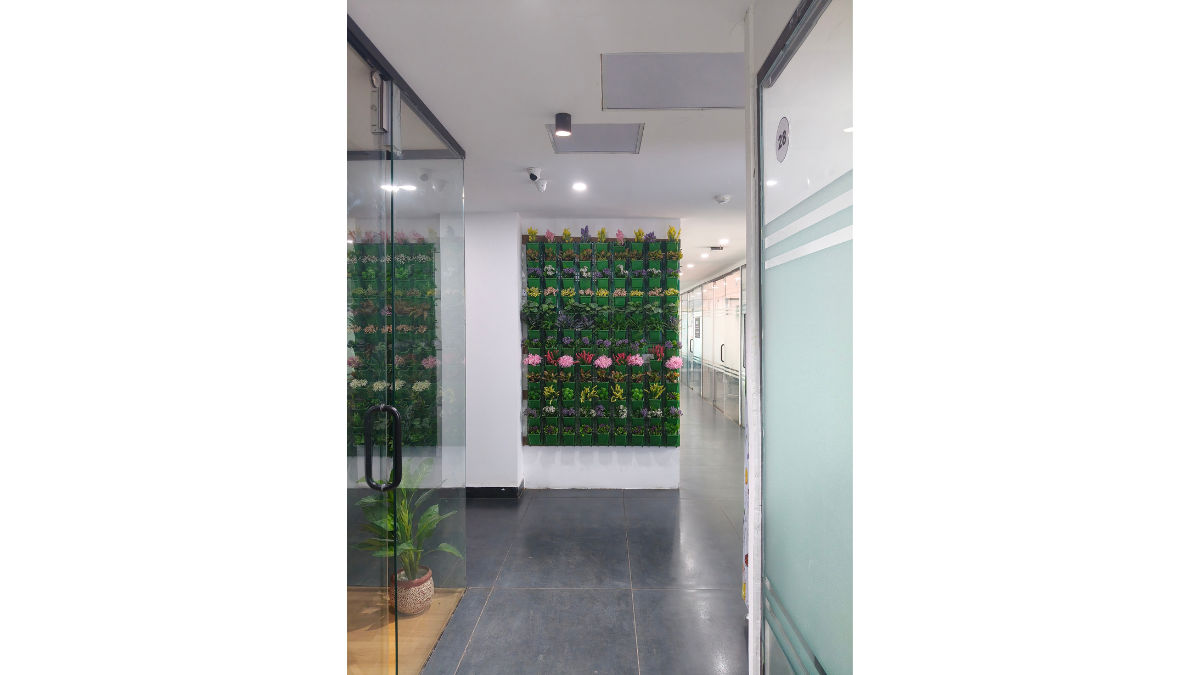
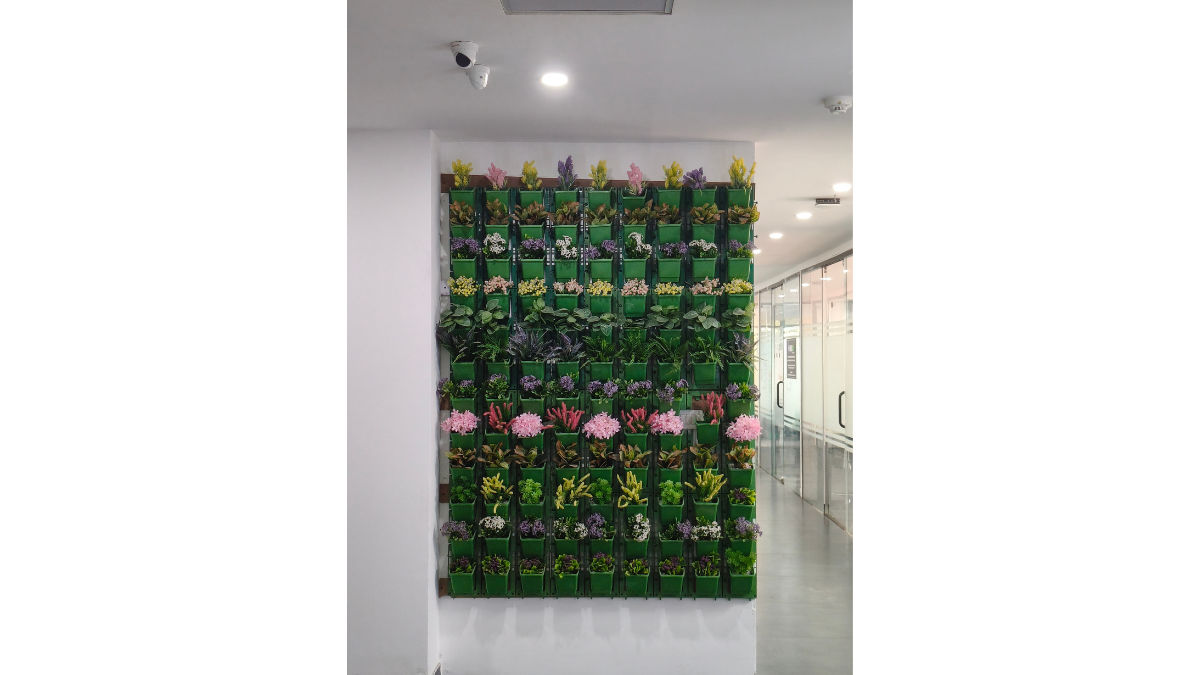
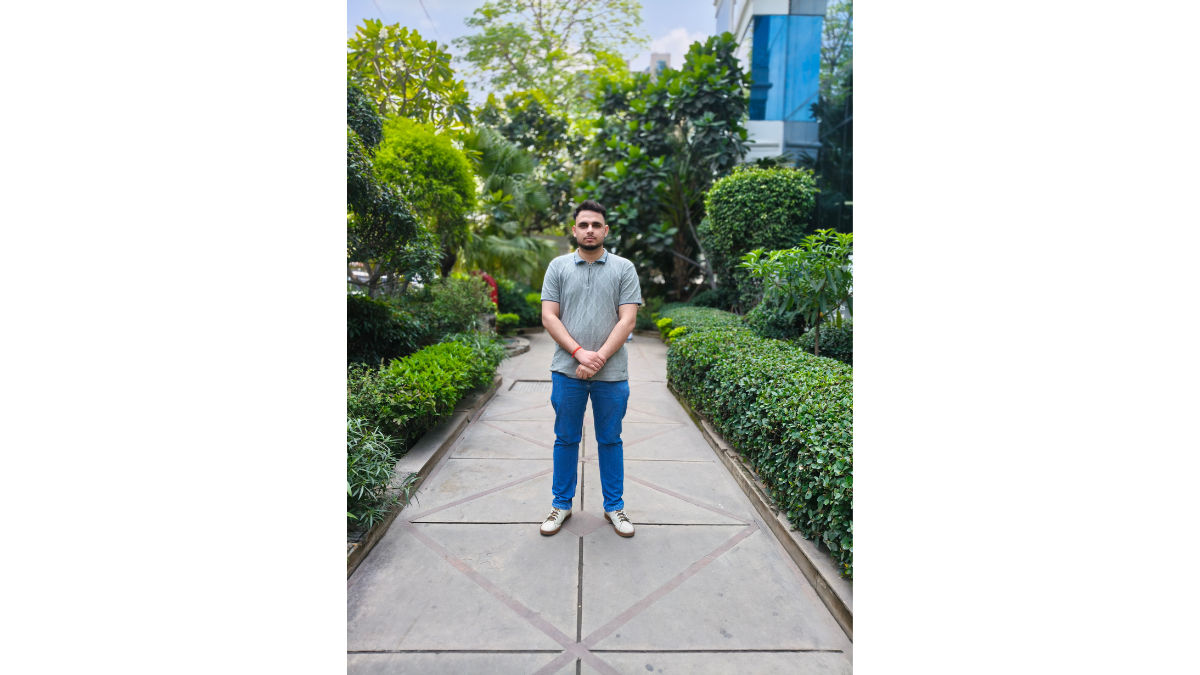
The Realme P4 Power is my low-light pick, with an 8.0 night rating, the only score above 7.5 in the entire under-₹30,000 bracket, backed by 8.5 for daylight, 8.0 for both portrait and ultrawide, and a 33-hour battery result.

Why We Picked It
Low light is where this phone separates itself, and it does so by a clear margin rather than a fractional one. Its 8.0 rating is the only score above 7.5 in that column across our entire under-₹30,000 dataset. Every other phone in this guide sits at 7.0 or below, and the gap between 7.0 and 8.0 in our scoring is the difference between “good” and the bottom of “excellent”. A 50MP main sensor with optical image stabilisation is doing a lot of the work here, and OIS is the single most useful piece of camera hardware a phone can have after dark.
It is not a one-category device. An 8.5 daylight rating puts it level with the Realme P4 Pro at the top of the segment, and 8.0 for portrait, ultrawide and video means it has no weak leg other than the front camera. Its 8MP ultrawide rates 8.0, matching the Moto Edge 70 Fusion’s larger 13MP unit, unusual for a sensor of that size, and a sign that the processing is doing more than the specification suggests.
The 16MP front camera is the one clear compromise, and it is why the selfie score sits at 7.0 rather than higher. It is the lowest-resolution and least capable selfie unit in this guide, with a fixed-focus lens and 1080p video only.
Battery life is the supporting argument for a night camera. Its 10,001mAh cell returned 33 hours and 15 minutes in our PCMark battery loop, comfortably the longest result in this comparison and roughly 50% more than the next phone. If night photography is what you actually do with the device, not running out of charge during a long evening is not a trivial benefit.
Key Specifications
| Specification | Detail |
|---|---|
| Price | ₹25,999 |
| Processor | MediaTek Dimensity 7400 Ultra 5G |
| Display | 6.8″ AMOLED, 144Hz (1,722 nits measured) |
| Main camera | 50MP Sony IMX882, f/1.8, OIS |
| Ultrawide | 8MP, f/2.2, 112°, fixed focus |
| Front camera | 16MP, f/2.4, fixed focus |
| Max video | 4K 30fps |
| Battery / Charging | 10,001mAh / 80W |
| RAM / Storage | 8GB or 12GB / 128GB or 256GB, UFS 3.1 |
XP Lab Test Data
| Test / Metric | Result |
|---|---|
| Daylight | 8.5 |
| Low light | 8.0 |
| Portrait | 8.0 |
| Front camera | 7.0 |
| Ultrawide | 8.0 |
| Telephoto | No telephoto camera |
| Video | 8.0 |
| Measured peak brightness | 1,722 nits |
| Battery Life (PCMark) | 33h 15min |
Pros
The only 8.0 low-light score in the segment, with OIS on the main sensor doing real work after dark. Joint-best daylight rating at 8.5, and an 8MP ultrawide that punches above its specification at 8.0. Battery life of 33h 15min is roughly 50% longer than anything else here.
Cons
The 16MP fixed-focus front camera is the weakest selfie unit in this guide and caps at 1080p video. Video recording tops out at 4K 30fps. At 219g with a 9.1mm frame, it is the heaviest and thickest phone in this comparison.
Who Should Buy It
Anyone whose photography happens mainly after sunset, at events, in restaurants, or indoors under mixed lighting. It is also the pick if you want one device that shoots well in every scenario and lasts two days between charges.
Who Shouldn’t Buy It
Buyers who take a lot of selfies, where the 16MP fixed-focus camera is a real step down from the 50MP unit on the P4 Pro or the 32MP one on the Moto. Also skip it if you want a light phone or need 4K 60fps video.
Expert Verdict: This is the phone I’d recommend to someone who takes most of their photos in the evening. It wins low light by the widest margin of any category in this guide, and unlike most night-camera specialists it does not give anything up in daylight to get there. The front camera is the price you pay, and the enormous battery is a genuine bonus rather than a consolation.
Redmi Note 15 – Best Daylight and Detail
The Redmi Note 15 is my daylight detail pick and the cheapest phone in this comparison at ₹22,999, with an 8.0 daylight rating from a 108MP main sensor that holds fine texture where rivals smooth it away.

Why We Picked It
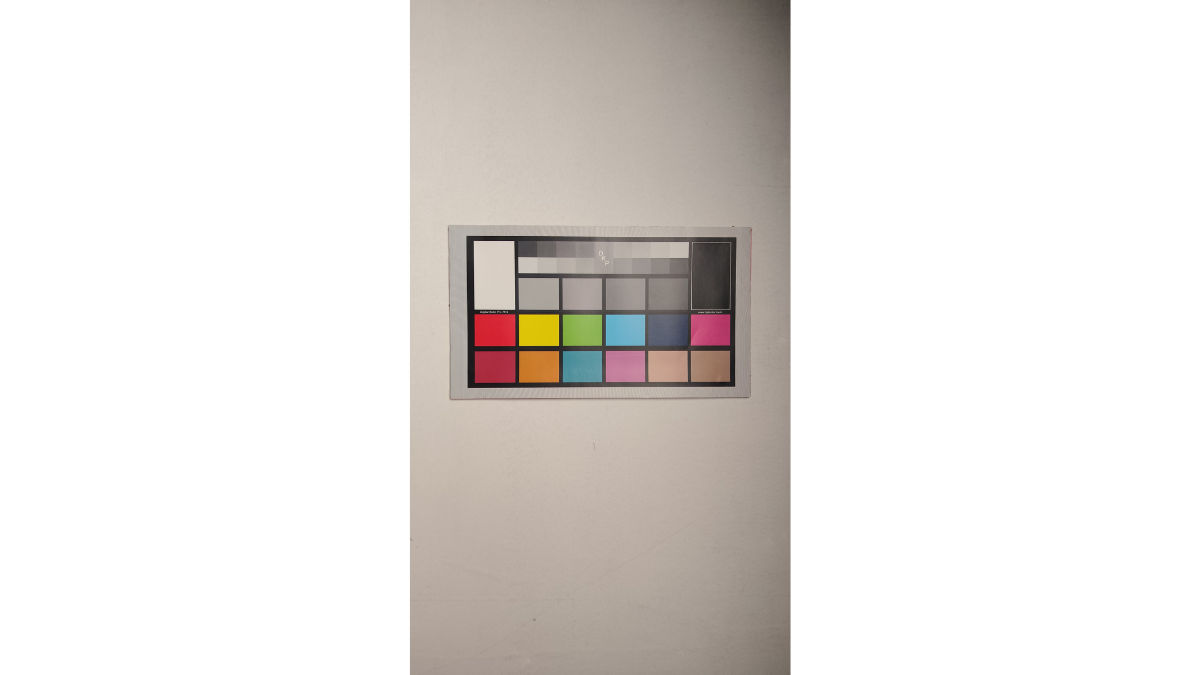
The 108MP main sensor is the highest-resolution camera in this comparison, and in good light it uses that resolution rather than wasting it. Its output resembles the Moto Edge 70 Fusion’s in several ways, with one important difference: where the Moto applies noticeable texture smoothing and softens fine detail, the Redmi Note 15 retains a good level of sharpness in the same scene. On saturated subjects the two are closer, with both applying some colour enhancement, but on close inspection the Redmi produces noticeably punchier colours and holds slightly more detail.
That resolution advantage also matters for zoom. Since no phone in this bracket has a telephoto camera, every zoom shot is a digital crop from the main sensor, and 108MP gives you far more room to crop before the image falls apart, roughly 27 megapixels left at 2x, against about 12.5 on the 50MP cameras here. Its Samsung ISOCELL HM9 sensor also has optical image stabilisation, which matters more at zoom than anywhere else because cropping magnifies handshake along with the subject. If you frequently punch in on distant subjects in daylight, this is the most practical option in the guide.
Its night approach is worth knowing about even though it did not win that category. The Redmi Note 15 keeps the scene close to how it actually looked, controlling bright light sources well and preventing pale subjects from blowing out, while leaving dark areas dark rather than lifting them. Objects in shadow stay less visible than on rivals, but noise control is good and colours are accurate. If you want realistic night photos rather than bright ones, it is a strong alternative to the Realme P4 Power.
Portraits are the weakest part of the package at 7.0. The camera applies a slightly cooler tone and brightens the scene, so subjects look more illuminated than in reality. Facial detail and skin texture survive reasonably well, but edge detection is less precise than rivals, with visible softening at the shoulders and finer elements incorrectly blurred in cluttered frames. Its 8MP ultrawide is also a clear step down, suffering highlight clipping and a noticeable drop in colour quality against the primary sensor.
Key Specifications
| Specification | Detail |
|---|---|
| Price | ₹22,999 |
| Processor | Snapdragon 6 Gen 3 |
| Display | 6.77″ AMOLED, 120Hz (1,335 nits measured) |
| Main camera | 108MP, f/1.7 |
| Ultrawide | 8MP |
| Front camera | 20MP |
| Max video | 4K 30fps |
| Battery | 5,520mAh |
| RAM / Storage | 8GB / 128GB or 256GB, UFS 2.2 |
XP Lab Test Data
| Test / Metric | Result |
|---|---|
| Daylight | 8.0 |
| Low light | 7.0 |
| Portrait | 7.0 |
| Front camera | 7.0 |
| Ultrawide | 7.0 |
| Telephoto | No telephoto camera |
| Video | 7.0 |
| Measured peak brightness | 1,335 nits |
| Battery Life (PCMark) | 17h 53min |
Pros
Holds fine detail and sharpness in daylight where rivals smooth it away, with punchier colour on saturated subjects. The 108MP sensor with OIS gives by far the most usable digital zoom in a segment with no telephoto cameras. The most natural and least processed night images here. Cheapest phone in this comparison.
Cons
Portraits rate lowest in this group at 7.0, with imprecise edge detection and visible softening at subject boundaries. The 8MP ultrawide clips highlights and shifts colour against the main sensor. Slowest storage here at UFS 2.2, the dimmest AMOLED at 1,335 nits, and the shortest battery life at 17h 53min.
Who Should Buy It
Buyers who mostly shoot landscapes, architecture, streets and objects in daylight, and who want the most detail per rupee in this guide. It is also the right pick if you prefer night photos that look like night rather than brightened, and if you crop or digitally zoom often.
Who Shouldn’t Buy It
Anyone who mainly photographs people. Portrait cutouts are the least accurate here, and the Moto Edge 70 Fusion is a full point ahead for around ₹4,000 more. Also skip it if you use the ultrawide regularly.
Expert Verdict: This is the value-detail play. At ₹22,999 it holds texture that phones costing more give up, and its restrained night processing is the most honest in this comparison. It is also the narrowest recommendation here, 7.0 across portrait, ultrawide, front camera and video means it does one thing better than its price and everything else merely adequately. Buy it for what it is good at, not as an all-rounder.
Moto Edge 70 Fusion – Best Portrait and Selfie
The Moto Edge 70 Fusion is my portrait pick, rating 8.0 for portraits alongside the best ultrawide camera in the segment at 8.0, delivering bright, natural-looking images that need no editing before you post them.



Why We Picked It
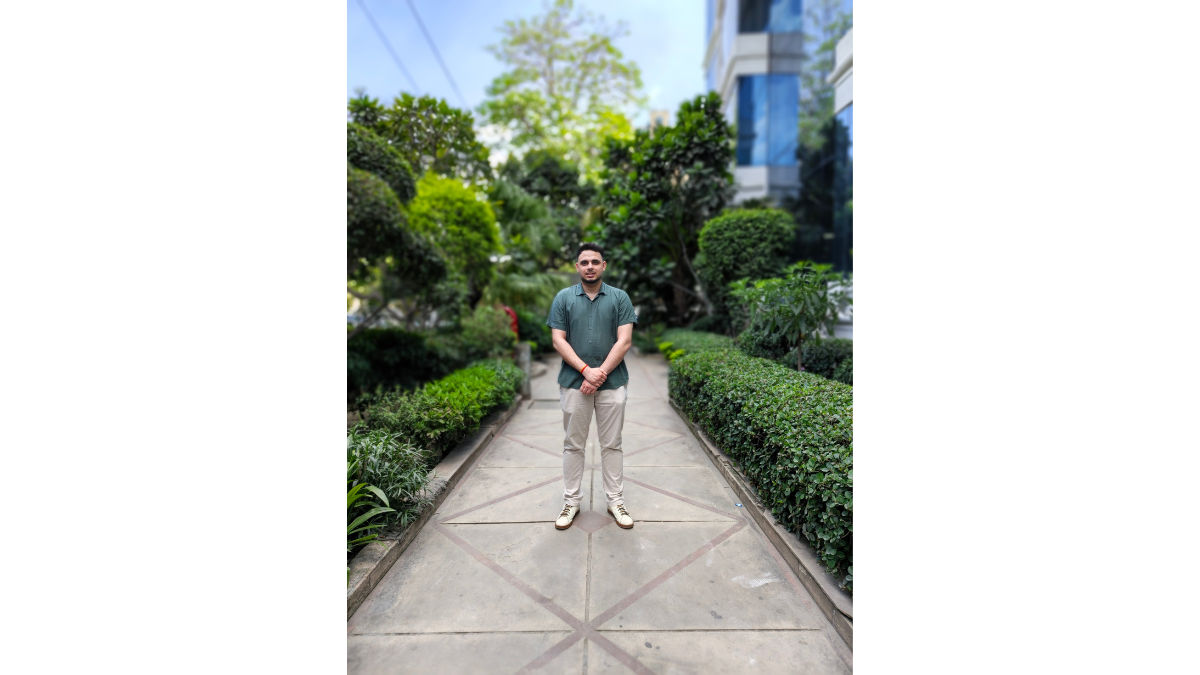
The Moto rates 8.0 for portraits, level with the two Realme devices, and it earns the category on how it gets there. In the human portrait it lifts darker areas without making the image look unnatural, skin tones stay natural, facial detail is retained, and dark clothing keeps a good amount of texture, which is exactly where the Realme P4 Pro underexposes and the Redmi Note 15 overbrightens. Edge detection is fairly accurate, with only slight softening around hair and shoulders. Other portrait subjects follow the same approach: bright and vibrant, with rich colour and pleasing background blur, though the camera occasionally struggles to separate finer elements in cluttered frames. That is the one thing keeping it from a higher rating.
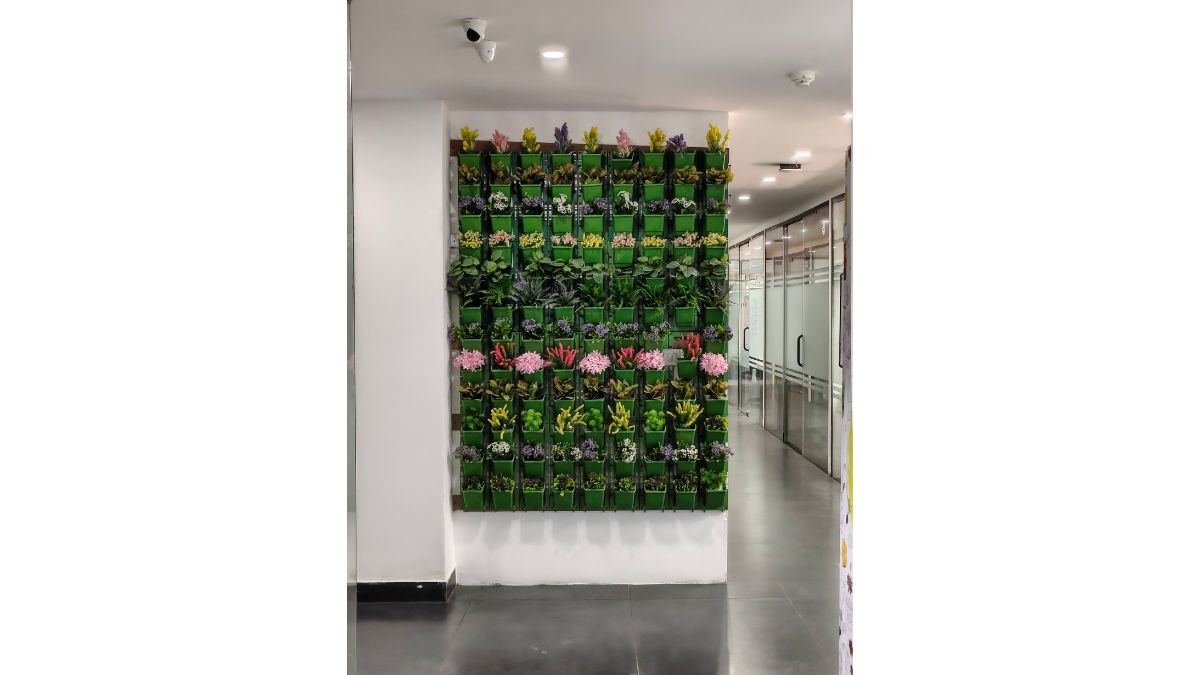
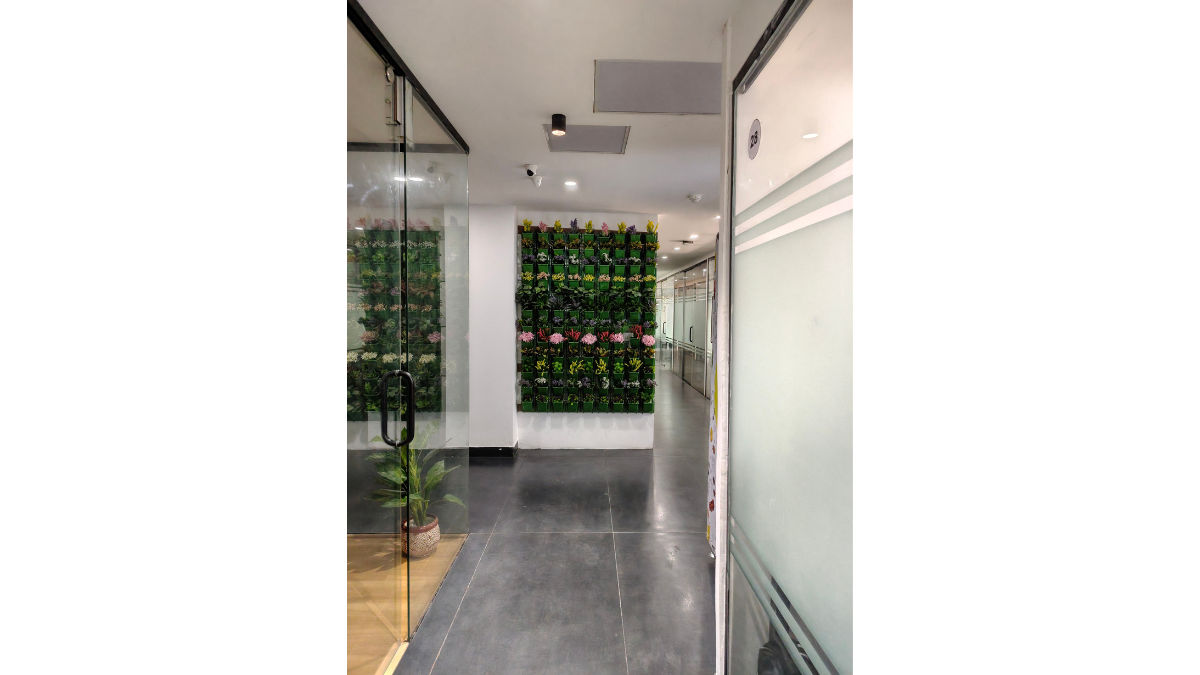
Its 13MP ultrawide is the best in the segment at 8.0 and the only unit here larger than 8MP. It retains more detail, delivers better colour consistency and handles edge distortion more effectively than the competing sensors, and it has autofocus, which the 8MP units do not. The main camera pairs with it well, capturing natural-looking images with good detail and strong shadow retention without leaning hard on software processing. If you shoot wide regularly, this is the most complete two-camera system in the comparison.
Where it gives ground is fine detail in daylight, rating 8.0 against the P4 Pro’s 8.5. It behaves like a typical Motorola and applies noticeable texture smoothing, signage looks overly smooth, and sharp edges on logos and thin lines get softened. On saturated subjects it brightens the image slightly, washing out strong colour. In bright scenes it brightens again, leaving coloured lettering looking slightly washed out on close inspection. Detail capture ranges from average to decent rather than standing out.
At night it aims to brighten the whole scene rather than preserve a darker, moodier look. That reveals detail in shadowed areas but introduces visible noise and grain in the background. Colours stay neutral with a slightly cool tone, natural, but less striking than rivals, and it rates 7.0 as a result.
Key Specifications
| Specification | Detail |
|---|---|
| Price | ₹26,999 |
| Processor | Snapdragon 7s Gen 4 |
| Display | 6.78″ AMOLED, 144Hz (1,850 nits measured) |
| Main camera | 50MP Sony LYT-710, f/1.9, OIS |
| Ultrawide | 13MP, f/2.2, 120°, autofocus |
| Front camera | 32MP |
| Max video | 4K 30fps |
| Battery / Charging | 7,000mAh / 68W |
| RAM / Storage | 8GB or 12GB / 128GB, 256GB or 512GB, UFS 3.1 |
XP Lab Test Data
| Test / Metric | Result |
|---|---|
| Daylight | 8.0 |
| Low light | 7.0 |
| Portrait | 8.0 |
| Front camera | 7.0 |
| Ultrawide | 8.0 |
| Telephoto | No telephoto camera |
| Video | 8.0 |
| Measured peak brightness | 1,850 nits |
| Battery Life (PCMark) | 22h |
Pros
The most natural portrait processing here, it lifts shadows without flattening the image, keeps skin tones accurate and retains detail in dark clothing. The only ultrawide above 8MP in this comparison, rating 8.0 with autofocus and the best edge-distortion control. Brightest display here at 1,850 nits measured.
Cons
Applies visible texture smoothing in daylight, softening fine detail and thin lines where the Redmi Note 15 holds them. Brightens saturated subjects enough to wash out strong colour. Subject separation gets unreliable in cluttered portrait frames.
Who Should Buy It
People who mostly photograph other people, and anyone who uses the ultrawide camera regularly, it is the only one in this guide that does not fall apart next to its own main sensor. It is also the pick if you want images that look good straight out of the phone with no editing.
Who Shouldn’t Buy It
Buyers chasing maximum fine detail in landscapes and architecture, where the Motorola’s smoothing is a real and visible cost, the Redmi Note 15 and Realme P4 Pro both hold texture better. Also skip it if you need 4K 60fps video.
Expert Verdict: This is the phone I’d hand to someone who photographs their friends and family and wants to post the results without touching an editor. Its portrait tuning is the most sensible balance in this group, and its 13MP ultrawide is a genuine hardware advantage rather than a processing trick. The smoothing in daylight is the trade-off, and it is the reason it is not my overall pick.
iQOO Z11x – Best Value Camera Pick
The iQOO Z11x is my value pick, launching at ₹18,999 with an 8.0 daylight rating, 7.5 for portraits and 7.5 for video, matching or beating phones costing ₹4,000 to ₹8,000 more, from the cheapest device in this comparison.



Why We Picked It
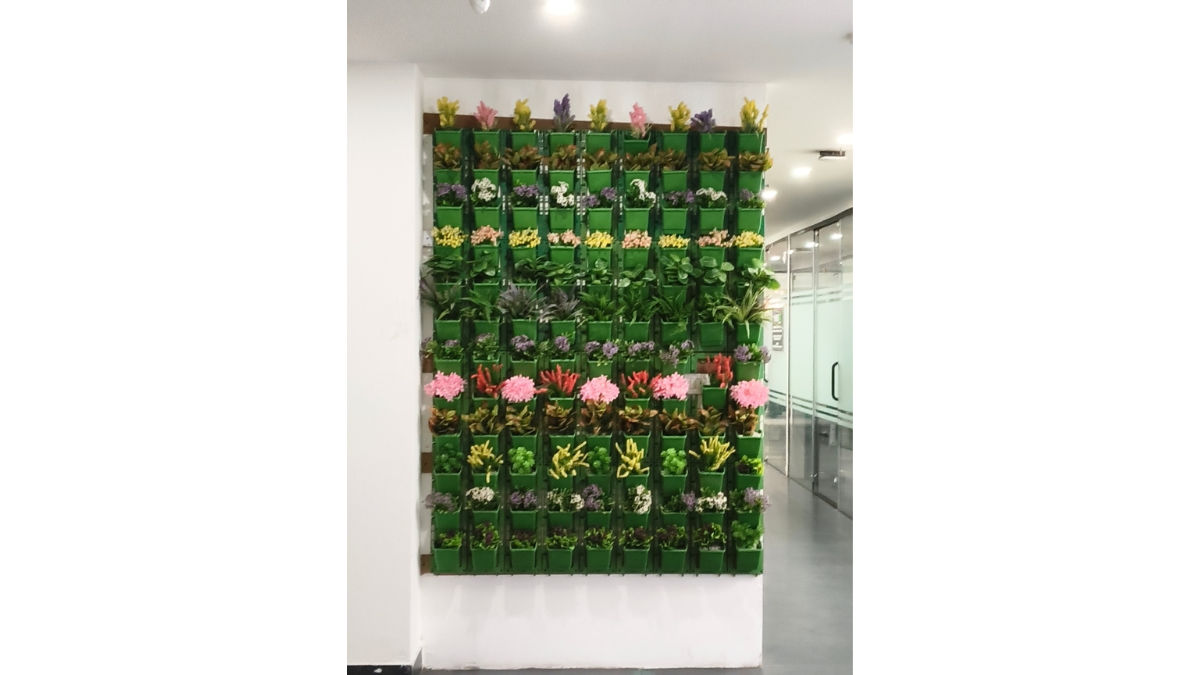
The argument here is entirely about what you get for the money. An 8.0 daylight score puts the Z11x level with the Moto Edge 70 Fusion and the Redmi Note 15, both of which cost more, and its 7.5 portrait rating beats the Redmi outright. For a phone that launched under ₹20,000, that is the best camera-per-rupee ratio in this guide.
Its daylight work is warm and mostly detailed. On dense texture it captures fine structural detail and preserves grain well. That consistency does not hold everywhere: on some subjects it misses detail that rivals capture easily, and colour processing wanders, some scenes come out warm with little enhancement while strongly coloured objects show a clear boost. On bright subjects it falls slightly behind on detail and adds a touch of extra brightness to the overall scene.
Portraits are better than the price suggests. The camera brightens the image, making skin tones look slightly fairer than in life, and it smooths over some blemishes and under-eye detail. But it handles the hard part well: there is no noticeable softening around stray hair strands or the subject’s edges, which means the edge detection is working properly, the failure that most cheap phones cannot avoid.
Low light is where the compromise shows, and its 6.5 rating is the lowest in this guide. The Z11x brightens almost every part of the scene, which makes objects far easier to see but strips out the natural atmosphere of a night shot. It boosts colours, applies strong sharpening and leans on heavy noise reduction, producing an image that is bright and clean but somewhat artificial and over-processed. It also has no ultrawide camera at all, the second rear lens is a 2MP depth sensor.
One caveat that is not about the camera but affects how you shoot: the Z11x is the only LCD phone in this guide, and its measured peak brightness of 921 nits is roughly half what the AMOLED rivals manage. Framing shots in bright sunlight is noticeably harder.
Key Specifications
| Specification | Detail |
|---|---|
| Price | ₹18,999 (launch, 6GB/128GB) |
| Processor | MediaTek Dimensity 7400 Turbo |
| Display | 6.76″ LCD, 120Hz (921 nits measured) |
| Main camera | 50MP Sony IMX852, f/1.8 |
| Second rear camera | 2MP depth, f/2.4 (no ultrawide) |
| Front camera | 32MP, f/2.45 |
| Max video | 4K 30fps |
| Battery / Charging | 7,200mAh / 44W |
| RAM / Storage | 6GB or 8GB / 128GB or 256GB, UFS 3.1 |
XP Lab Test Data
| Test / Metric | Result |
|---|---|
| Daylight | 8.0 |
| Low light | 6.5 |
| Portrait | 7.5 |
| Front camera | 7.0 |
| Ultrawide | No ultrawide camera |
| Telephoto | No telephoto camera |
| Video | 7.5 |
| Measured peak brightness | 921 nits |
| Battery Life (PCMark) | 29h 51min |
Pros
An 8.0 daylight score at a launch price under ₹20,000, matching phones costing ₹4,000 to ₹8,000 more. Portrait edge detection is genuinely good, holding stray hair strands and subject boundaries cleanly. Second-longest battery life here at 29h 51min.
Cons
Lowest low-light score in this guide at 6.5, with heavy noise reduction and sharpening producing bright but artificial night images. No ultrawide camera at all. The only LCD panel here, at 921 nits measured, roughly half the brightness of its AMOLED rivals, which makes composing in sunlight harder.
Who Should Buy It
Budget-conscious buyers who shoot mostly in good light and want the most camera for the least money. It is a particularly good fit if you photograph people, since its portrait rating beats phones costing considerably more.
Who Shouldn’t Buy It
Anyone who shoots at night, 6.5 is a real gap, not a rounding difference. Also skip it if you use ultrawide shots at all, since there is no ultrawide camera to use, or if you often shoot outdoors in harsh sunlight where the dim LCD becomes a practical problem.
Expert Verdict: This is the phone I’d recommend to someone who wants a capable daylight camera and does not want to spend ₹25,000 to get one. Its 8.0 daylight and 7.5 portrait scores are legitimately competitive with the mid-pack here, and the money saved is substantial. The missing ultrawide and the weak night performance are exactly the corners you would expect to be cut at this price, and they are cut honestly rather than hidden behind processing.
Realme 16T
The Realme 16T has the weakest camera scorecard of any phone in this segment, averaging 6.2 across our tested categories, 6.5 for daylight, 6.0 for low light, 6.0 for video, and it asks ₹29,999 for them. The iQOO Z11x, at ₹18,999, beats it in every single column.

Why We Didn’t Pick It
Nothing here clears the 7.0 mark we treat as the entry point for a good camera. Daylight rates 6.5 and portraits 6.5, both sitting in the middle of our “average” band, while low light and video are joint-lowest in the bracket at 6.0. Its 16MP front camera rates 6.0, the weakest selfie result in the segment by a full point and a half. For context, the cheapest phone in our recommended list scores 8.0 for daylight at ₹4,000 less.
The hardware explains most of it. The second rear camera is a 2MP auxiliary unit rather than a usable ultrawide, so there is no wide-angle option at all, you are buying a one-camera phone with a decorative second lens. The main sensor has no optical stabilisation, which limits both handheld night shots and any attempt to crop into the frame.
Most limiting of all, video recording caps at 1080p. Every other phone in this guide manages at least 4K 30fps, and the Realme P4 Pro shoots 4K 60fps for ₹5,000 less. In 2026, at ₹29,999, a 1080p ceiling is not a compromise so much as a disqualification for anyone who records video at all.
What the money did buy is elsewhere. The 8,000mAh battery returned 21 hours 26 minutes in our PCMark loop, and its LCD measured 1,820 nits, brighter than the AMOLED panels on the Redmi Note 15 and the Realme P4 Power. This is a phone built around endurance and screen, with the camera treated as a line item to fill.
Key Specifications
| Specification | Detail |
|---|---|
| Price | ₹29,999 |
| Processor | MediaTek Dimensity 6300 |
| Display | 6.8″ LCD, 144Hz (1,820 nits measured) |
| Main camera | 50MP, no OIS |
| Second rear camera | 2MP auxiliary (no ultrawide) |
| Front camera | 16MP |
| Max video | 1080p 60fps |
| Battery / Charging | 8,000mAh / 45W |
| RAM / Storage | 6GB or 8GB / 128GB or 256GB |
XP Lab Test Data
| Test / Metric | Result |
|---|---|
| Daylight | 6.5 |
| Low light | 6.0 |
| Portrait | 6.5 |
| Front camera | 6.0 |
| Ultrawide | No ultrawide camera |
| Telephoto | No telephoto camera |
| Video | 6.0 |
| Camera score average | 6.2 (lowest in segment) |
| Measured peak brightness | 1,820 nits |
| Battery Life (PCMark) | 21h 26min |
Pros
An 8,000mAh battery delivering 21h 26min in our PCMark loop, and an unusually bright LCD at 1,820 nits measured, brighter than several AMOLED rivals here, which makes it easy to use outdoors. The 144Hz refresh rate is fast for the price.
Cons
The lowest camera scores in the segment across every category we tested, at the joint-highest price in this guide. No ultrawide camera, the second lens is a 2MP auxiliary unit. No optical stabilisation on the main sensor. Video caps at 1080p when every recommended phone here reaches 4K.
Who Should Buy It
Buyers who want maximum battery life and a bright, fast screen, and who genuinely treat the camera as incidental, occasional snapshots for messaging rather than photos they intend to keep or edit. If your phone spends its life on navigation, video streaming and calls, the imaging weakness will not reach you.
Who Shouldn’t Buy It
Anyone reading a camera buying guide. That is not a glib answer: if photography is any part of why you are spending ₹29,999, this is the wrong phone, and several devices in this guide are both cheaper and better at it. Anyone who records video should rule it out outright over the 1080p limit.
Expert Verdict: I would not recommend this phone primarily for its camera performance, and I think that is worth being clear about. It is a competent battery-and-display device, but its camera system scores below the recommended phones in this guide while costing more than most of them. The 1080p video limit is also difficult to overlook at this price. If battery life is your priority, it remains a reasonable choice.
Tecno Pova 8 5G
The Tecno Pova 8 averages 6.3 across our camera tests at ₹29,999, making it the second-weakest camera in this segment and, alongside the Realme 16T, the joint most expensive phone in this comparison.

Why We Didn’t Pick It
The pattern matches its price-mate almost exactly: 6.5 for daylight, 6.5 for portraits, 6.0 for low light and 6.0 for video, with the 13MP front camera at 6.5. Nothing is disastrous, and nothing reaches 7.0. Every phone in our recommended list clears that mark comfortably, and the cheapest of them does it for ₹11,000 less.
The hardware is more interesting than the Realme’s but ends up in the same place. Its 50MP Sony LYT-600 main sensor is a genuinely respectable unit on paper, and Tecno advertises 2x lossless zoom from it. But there is no optical stabilisation, and OIS is precisely what makes a crop-zoom feature usable handheld — the Redmi Note 15 pairs its crop headroom with a stabilised sensor at ₹22,999, which is why that phone can be recommended for zoom and this one cannot. The second rear camera is an auxiliary light sensor rather than a real ultrawide, so as with the Realme 16T there is no wide-angle shot available at all. Video does not reach 4K.
The display compounds the camera problem in a way the specification sheet does not convey. Our measured peak brightness of 710 nits is by a wide margin the dimmest panel in this entire comparison — less than half the iQOO Z11x’s already-modest LCD, and roughly a third of the Moto Edge 70 Fusion’s 1,850 nits. Composing a shot outdoors, checking whether you got it, and reviewing it in daylight are all genuinely difficult, which affects your photography regardless of what the sensor is capable of.
Where the money went is clear enough. The Dimensity 7100 is meaningfully quicker than the Realme 16T’s Dimensity 6300, there is an 8,000mAh battery, and the customisable Alive Matrix panel on the rear is a real design flourish. None of it is camera.
Key Specifications
| Specification | Detail |
|---|---|
| Price | ₹29,999 |
| Processor | MediaTek Dimensity 7100 |
| Display | 6.76″ IPS LCD, 144Hz (710 nits measured) |
| Main camera | 50MP Sony LYT-600, no OIS |
| Second rear camera | Auxiliary light sensor (no ultrawide) |
| Front camera | 13MP |
| Max video | Below 4K |
| Battery / Charging | 8,000mAh / 45W |
| RAM / Storage | 6GB or 8GB / 128GB, LPDDR5X |
XP Lab Test Data
| Test / Metric | Result |
|---|---|
| Daylight | 6.5 |
| Low light | 6.0 |
| Portrait | 6.5 |
| Front camera | 6.5 |
| Ultrawide | No ultrawide camera |
| Telephoto | No telephoto camera |
| Video | 6.0 |
| Camera score average | 6.3 (second-lowest in segment) |
| Measured peak brightness | 710 nits |
| Battery Life (PCMark) | Withheld — see note 13 |
Pros
A genuinely decent main sensor in the 50MP Sony LYT-600, which handles daylight adequately and supports 2x lossless zoom. The Dimensity 7100 is the faster of the two chips in this not-recommended pair. An 8,000mAh battery and a distinctive Alive Matrix rear lighting panel give it a personality the Realme 16T lacks.
Cons
No optical stabilisation, which undercuts both its low-light performance and the lossless zoom feature it advertises. No ultrawide camera — the second lens is an auxiliary light sensor. Video does not reach 4K. At 710 nits measured, the dimmest display in this comparison by a wide margin, making outdoor shooting and reviewing genuinely awkward. At 225g it is also heavy.
Who Should Buy It
Buyers drawn to the design and the battery who shoot little and mostly indoors, where the dim panel matters less. The LYT-600 is capable enough for casual daylight photos, so this is not a phone that will actively embarrass you — it simply will not reward anyone who takes photography seriously.
Who Shouldn’t Buy It
Anyone who shoots outdoors regularly, where 710 nits becomes a practical obstacle before the sensor is even a factor. Anyone who wants ultrawide shots, any 4K video, or reliable handheld low-light photos. And anyone tempted by the 2x lossless zoom claim, since without OIS it delivers far less than the stabilised 108MP Redmi Note 15 does for ₹7,000 less.
Expert Verdict: The Pova 8 prioritises battery life, its lighting panel and refresh rate, with the camera clearly taking a back seat. That makes it a poor choice for a camera-focused guide at ₹29,999. The LYT-600 lacks OIS, while the 710-nit display also limits the shooting experience. The Moto Edge 70 Fusion is ₹3,000 cheaper and performs better across the camera tests, while the iQOO Z11x costs ₹11,000 less and is stronger in daylight and portraits.
FAQ
Is a higher megapixel count better for photos?
No. The Redmi Note 15’s 108MP sensor wins our daylight detail category, but the 50MP cameras on the Realme P4 Pro and the Moto Edge 70 Fusion beat it on portraits, ultrawide and video. Sensor size, lens quality and image processing matter more than the number on the box.
Which phone here is best for night photography?
The Realme P4 Power, on an 8.0 low-light rating, the only score above 7.5 in the segment. If you want a realistic rather than a brightened night image, the Redmi Note 15 is the alternative.
Do any phones under ₹30,000 have a proper telephoto camera?
None of the phones in this guide do. Every one of them zooms by cropping digitally into the main sensor, which loses detail the further you go. Optical zoom is still largely a feature of phones above this price bracket.
Which one should I buy for Instagram and Reels?
The Realme P4 Pro for video, since it is the only phone here that shoots 4K at 60fps. If you post mostly stills of people, the Moto Edge 70 Fusion needs less editing before you post.
Is the ultrawide camera worth caring about at this price?
Only on some of them. The Moto Edge 70 Fusion’s 13MP ultrawide rates 8.0 and holds up next to its main camera. The 8MP units on the Realme P4 Pro and Redmi Note 15 drop noticeably in detail and dynamic range, and the iQOO Z11x has no ultrawide at all.
Why Trust XpertPick
Nothing on this page comes from a press release or a manufacturer’s claimed figure. Every number was measured on a device in our hands.
Independent testing: Every phone in this guide was benched in-house on a retail unit running shipping software. No manufacturer-supplied performance data was used in the analysis.
Standardised conditions: Identical benchmark, stress, gaming and battery suites at 28°C ambient on the top variant of each device, which is what allows a ₹27,999 phone and a ₹1,59,999 phone to appear in the same table honestly.
Layered methodology: Peak scores, twenty-loop sustained load, logged frame times across four titles and full battery rundowns. The peak is the least informative figure we collect, which is why every device is also measured under heat and over time.
Transparent about data: Every failed test, missing figure and anomalous reading in this guide is listed above under its own heading. Gaps are reported as gaps, never estimated.