
Phones Considered
I evaluated prominent AI-centric smartphones spanning different ecosystems and price points: the Google Pixel 10 Pro, Samsung Galaxy S26 Ultra, Apple iPhone 17 Pro Max, Vivo X300 Pro, OnePlus 15R, Google Pixel 10a and Samsung Galaxy A57.
Top Picks at a Glance
The recommendations below are based on our in-house XP Lab testing and verified hardware specifications. You can also refer to the comparison table below for a side-by-side look at the top-performing AI smartphones.
| Category | My Pick | Why We Picked It |
| Best Overall AI Phone | Samsung Galaxy S26 Ultra | Combines raw processing power with practical, deeply integrated Galaxy AI features and an unmatched flagship feature set. |
| Best AI Productivity | Samsung Galaxy S26 Ultra | Pairs S Pen functionality and top-tier processing power with Galaxy AI tools to create the ultimate mobile productivity workhorse. |
| Best AI Photo Editing | Google Pixel 10 Pro | Offers class-leading AI tools like Magic Editor and Pro Res Zoom for intuitive, powerful post-processing directly on the device. |
| Best AI Camera Features | Google Pixel 10 Pro | Blends Google’s computational photography with Gemini AI tools for reliable, camera-first mobile imaging across all lighting conditions. |
| Best On-Device AI / Privacy | Apple iPhone 17 Pro Max | Dominates raw local processing with a comically powerful Neural Engine, ensuring AI workloads run on-device for maximum privacy. |
| Best Flagship AI Experience | Vivo X300 Pro | Balances top-tier Dimensity performance with a stellar Zeiss telephoto system and dependable hardware endurance. |
| Best Budget AI Phone | OnePlus 15R | Delivers flagship-tier speed, smooth OxygenOS execution, and a staggering 28+ hour battery runtime at a far lower price point. |
AI Specs Benchmark Comparison
The table below compares our top AI smartphone recommendations side by side. A 🏆 highlights the best-performing device in each category based on our XP Lab testing.
| Test / Metric | Google Pixel 10 Pro | Samsung Galaxy S26 Ultra | Apple iPhone 17 Pro Max | Vivo X300 Pro | OnePlus 15R |
| AnTuTu Overall | 1,528,663 | 3,738,057 🏆 | 2,319,044 | 3,246,690 | 2,960,721 |
| AnTuTu CPU | 761,664 | 1,126,710 🏆 | 636,399 | 950,006 | 903,698 |
| AnTuTu GPU | 180,285 | 1,460,539 🏆 | 860,468 | 1,282,428 | 981,922 |
| Geekbench (Single) | 2,294 | 3,751 | 3,784 🏆 | 3,308 | 2,843 |
| Geekbench (Multi) | 5,637 | 11,341 🏆 | 9,956 | 9,873 | 9,526 |
| Geekbench AI (NPU Quantized) | 3,622 | 1,553 | 48,992 🏆 | 1,371 | 662 |
| Geekbench AI (GPU Half Precision) | 4,108 | 24,984 | 46,467 🏆 | 20,037 | 18,019 |
| PCMark Battery | 15h 34min | 17h 11min | N/A | N/A | 28h 28min 🏆 |
| AnTuTu Storage Score | 110,639 | 161,450 🏆 | 146,397 | 152,027 | 157,379 |
| Random Read Speed | 1,098.9 MB/s | 1,585.4 MB/s | 396.7 MB/s | 1,728.1 MB/s 🏆 | 1,577.1 MB/s |
| 3DMark Wild Life Score | 3,195 | 7,983 🏆 | 5,630 | 6,698 | 4,829 |
| 3DMark Stress Test Stability | 76.8% | 50.7% | 82.6% 🏆 | 48.2% | 74.8% |
| CPU Throttling Test Stability | 62% | 67% | N/A | 59% | 87% 🏆 |
How I Tested These Smartphones
Every smartphone was tested using the same methodology to ensure its performance justifies its price, regardless of branding or marketing claims.
- Test Conditions: All devices were retail units running publicly available software and tested under controlled ambient temperatures.
- Performance: AnTuTu v10 and Geekbench 6 measured CPU and GPU performance.
- AI Performance: Geekbench AI evaluated Single Precision, Half Precision, Quantized, NPU, and NNAPI performance to assess on-device AI capabilities.
- Battery Life: PCMark Work 3.0 was run at a fixed display brightness to measure real-world endurance.
- Storage: AnTuTu storage benchmarks measured sequential and random read/write speeds, which influence AI model loading and overall responsiveness.
The Phones in Detail
Samsung Galaxy S26 Ultra – Best Overall AI Phone & Best AI Productivity
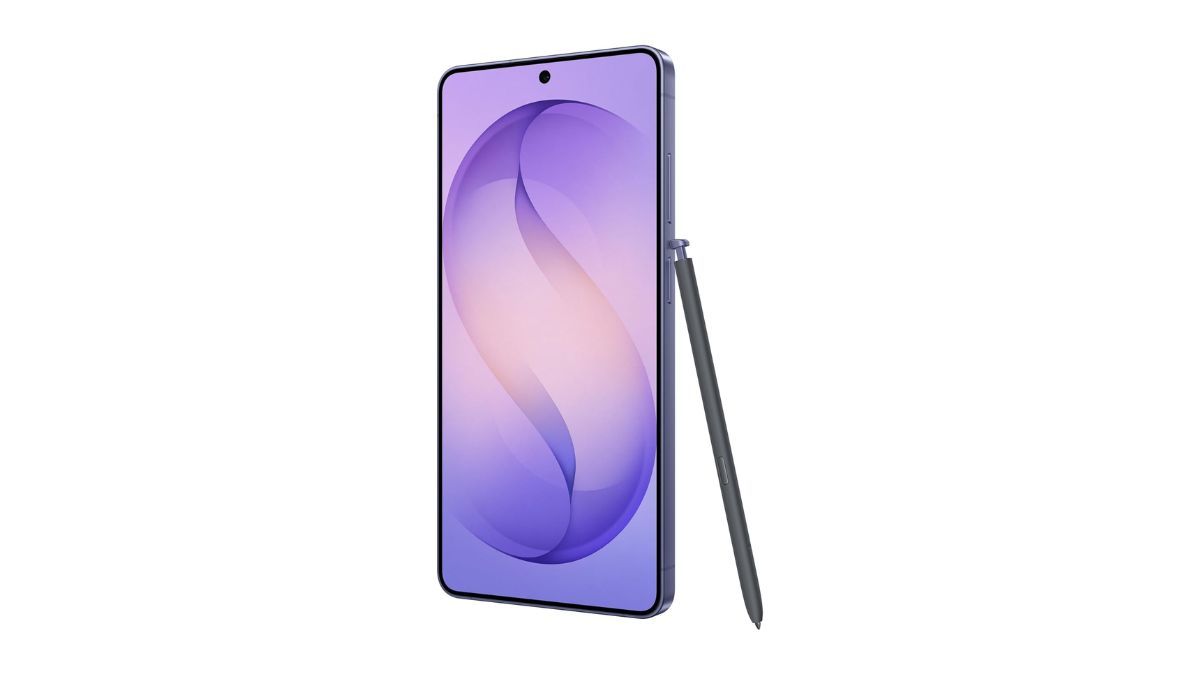
Samsung combines flagship performance with deeply integrated AI features, making the Galaxy S26 Ultra one of the strongest productivity-focused AI smartphones available.
Why We Picked It
Samsung Galaxy S26 Ultra Key Specifications
-
Price: ₹1,14,999 (Expected starting price in India for 256GB)
-
Processor: Qualcomm Snapdragon 8 Elite Gen 5 for Galaxy (3 nm)
-
Display: 6.9-inch Dynamic LTPO AMOLED 2X (1440 x 3120 resolution, 1-120Hz refresh rate, 2600 nits peak brightness) with Privacy Display
-
RAM: 12GB / 16GB
-
Storage: 256GB / 512GB / 1TB (UFS 4.0, Non-expandable)
-
Battery: 5,000 mAh
-
Charging: 60W Super Fast Wired / 25W Wireless / 4.5W Reverse Wireless
-
Rear Camera: 200 MP Main (ƒ/1.4, OIS) + 50 MP Ultrawide (ƒ/1.9, 120° FOV) + 50 MP Periscope Telephoto (5x Optical Zoom, ƒ/2.9, OIS) + 10 MP Telephoto (3x Optical Zoom, ƒ/2.4, OIS)
-
Front Camera: 12 MP Selfie (ƒ/2.2, Dual Pixel PDAF)
Samsung Galaxy S26 Ultra XP Lab Test Data & Benchmark Equivalents
-
Geekbench AI (NPU Quantized): 1,553
-
AnTuTu Overall Score: 3,738,057
-
Geekbench 6: 3,751 (Single-Core) / 11,341 (Multi-Core)
-
AnTuTu Storage Score: 161,450
-
Battery Life (PCMark): 17h 11min
Pros
Refined ergonomics, an excellent display with a built-in Privacy Display mode, reliable cameras across all focal lengths, improved low-light photography, and one of the most comprehensive on-device AI experiences available on a flagship smartphone.
Cons
Charging time still trails some rivals.
Who Should Buy It
Ideal for professionals, heavy multitaskers, and mobile photographers who want flagship Android performance with the added productivity benefits of the S Pen.
Who Shouldn’t Buy It
Not recommended for users who prefer compact smartphones or those looking for a more affordable option.
Expert Verdict: The Galaxy S26 Ultra impresses with its excellent display, dependable cameras, and well-integrated AI features, although its charging speeds remain behind some competing flagships.
Google Pixel 10 Pro – Best AI Photo Editing & Best AI Camera Features
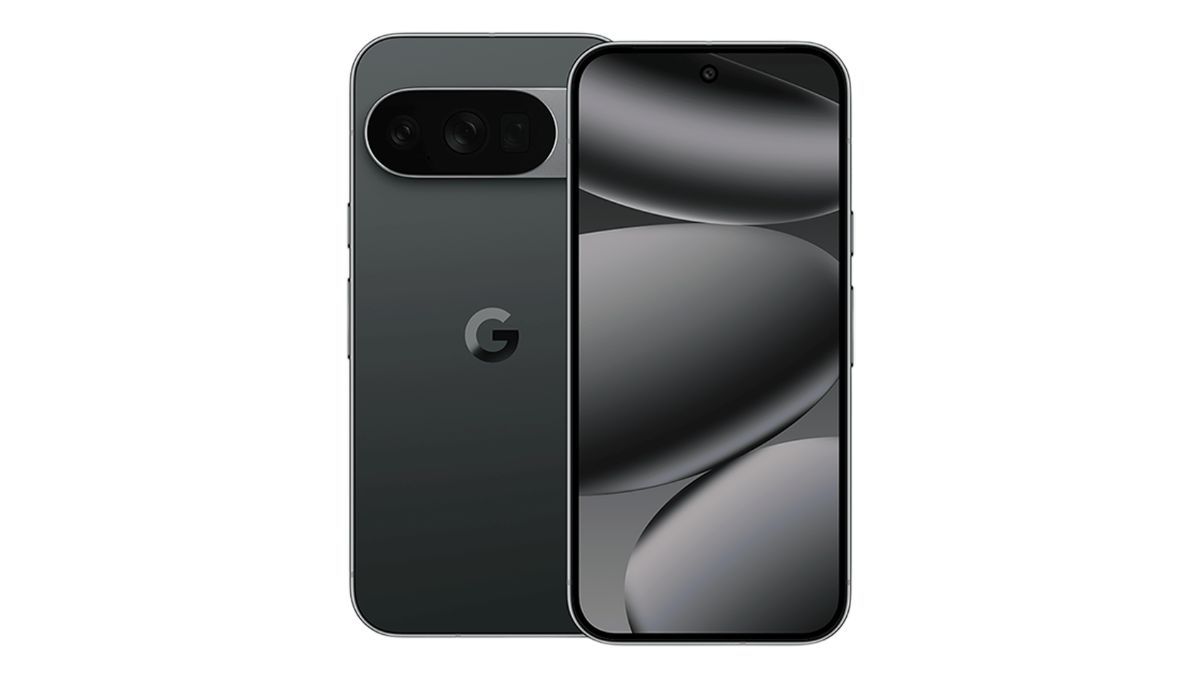
The Pixel 10 Pro demonstrates that intelligent software integration matters just as much as raw performance. Its deep Gemini integration delivers one of the most cohesive and intuitive AI experiences available on any smartphone.
Why We Picked It
The Google Pixel 10 Pro earns our Best AI Photo Editing and Best AI Camera Features awards thanks to its class-leading computational photography and deeply integrated AI tools. Combined with a clean software experience, vibrant display, excellent haptics, and dependable cameras, it offers one of the best everyday smartphone experiences. While sustained gaming performance is held back by higher thermals and the camera app has a few minor quirks, it remains an excellent choice for users who value AI-powered photography and a polished Android experience over peak gaming performance.
Google Pixel 10 Pro Specifications
-
Price: ₹1,09,999 (Expected starting price in India for 256GB)
-
Processor: Google Tensor G5 (3 nm) + Titan M2 security coprocessor
-
Display: 6.3-inch Super Actua LTPO OLED (1280 x 2856 resolution, 120Hz refresh rate, 3300 nits peak brightness)
-
RAM: 16GB LPDDR5X
-
Storage: 256GB UFS 4.0 (Non-expandable)
-
Battery: 4,870 mAh
-
Charging: 30W Fast Wired / 15W Wireless / Reverse Wireless Charging
-
Rear Camera: 50 MP Main (ƒ/1.68, OIS) + 48 MP Ultrawide (ƒ/1.7, 125° FOV) + 48 MP Telephoto (5x Optical Zoom, ƒ/2.8, OIS)
-
Front Camera: 42 MP Dual PD Ultrawide Selfie (ƒ/2.2, 103° FOV)
Google Pixel 10 Pro XP Lab Test Data & Benchmark Equivalents
-
Geekbench AI (NPU Quantized): 3,622
-
AnTuTu Overall Score: 1,528,663
-
Geekbench 6: 2,294 (Single-Core) / 5,637 (Multi-Core)
-
AnTuTu Storage Score: 110,639
-
Battery Life (PCMark): 15h 34min
Pros
Premium build quality with IP68 protection, an excellent LTPO AMOLED display with a 1Hz Always-On mode, reliable cameras with accurate colours and AI-powered photo editing, immersive stereo speakers, precise haptics, and a clean Android experience with exclusive Pixel features.
Cons
Limited gaming performance under sustained workloads, slower AI image processing that requires extra steps in the camera app, and a noticeable difference between the viewfinder preview and the final processed image.
Who Should Buy It
Ideal for users who value a clean, intuitive Android experience, powerful AI features that work seamlessly in the background, and excellent point-and-shoot photography with advanced on-device editing tools.
Who Shouldn’t Buy It
Not recommended for heavy mobile gamers who prioritise sustained graphics performance and maximum frame rates.
Expert Verdict: The Google Pixel 10 Pro is an excellent camera-focused flagship with seamless Gemini integration, a superb display, and one of the cleanest Android experiences available. Although sustained gaming performance and thermal management lag behind some rivals, it remains an outstanding choice for users who prioritise AI features, photography, and everyday usability.
Apple iPhone 17 Pro Max – Best On-Device AI / Privacy
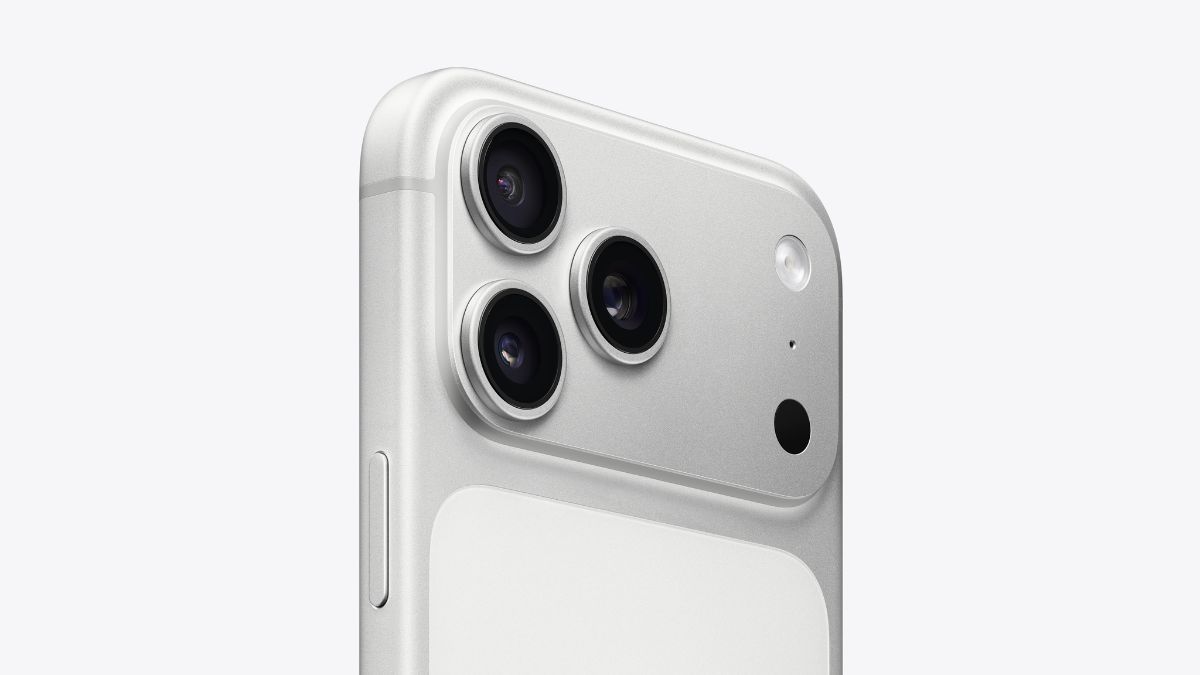
The iPhone 17 Pro Max takes a privacy-first approach to AI, combining a powerful Neural Engine with extensive on-device processing to deliver fast, secure AI features without relying heavily on the cloud.
Why We Picked It
The iPhone 17 Pro Max delivers excellent battery life, flagship performance, and a superb display, making it one of the strongest premium smartphones available. While its redesigned chassis, modest camera upgrades, and inconsistent AI features may not justify an upgrade for recent iPhone owners, it remains an excellent choice for users seeking a fast, long-lasting, and privacy-focused flagship.
Apple iPhone 17 Pro Max Specifications
-
Price: ₹1,49,900 (Starting price in India for 256GB)
-
Processor: Apple A19 Pro (3 nm) + 16-core Neural Engine
-
Display: 6.9-inch Super Retina XDR OLED (2868 x 1320 resolution, 120Hz ProMotion, 3000 nits peak brightness)
-
RAM: 12GB
-
Storage: 256GB / 512GB / 1TB / 2TB (Custom NVMe, Non-expandable)
-
Battery: 5,088 mAh
-
Charging: 40W Fast Wired / 25W MagSafe & Qi2 Wireless / 4.5W Reverse Wireless Charging
-
Rear Camera: 48 MP Main (ƒ/1.78, OIS) + 48 MP Ultrawide (ƒ/2.2, 120° FOV) + 48 MP Telephoto (4x/8x Optical Zoom, ƒ/2.8, OIS)
-
Front Camera: 18 MP Center Stage Selfie (ƒ/1.9, Autofocus)
Apple iPhone 17 Pro Max XP Lab Test Data & Benchmark Equivalents
-
Geekbench AI (NPU Quantized): 48,992
-
AnTuTu Overall Score: 2,319,044
-
Geekbench 6: 3,784 (Single-Core) / 9,956 (Multi-Core)
-
AnTuTu Storage Score: 146,397
-
Storage Sequential Read Speed: 7,201.1 MB/s
Pros
Cons
Who Should Buy It
Ideal for iPhone users, mobile videographers, and privacy-conscious buyers who want fast, secure on-device AI processing.
Who Shouldn’t Buy It
Not recommended for users who prefer lightweight smartphones or want the flexibility of an open Android ecosystem.
Expert Verdict:The Apple iPhone 17 Pro Max combines excellent performance, industry-leading on-device AI processing, outstanding battery life, and a superb display. Although its heavier design, less intuitive AI features, and minor low-light camera inconsistencies are worth noting, it remains one of the best flagship smartphones for users who value privacy, performance, and video recording.
Vivo X300 Pro – Best Flagship AI Experience
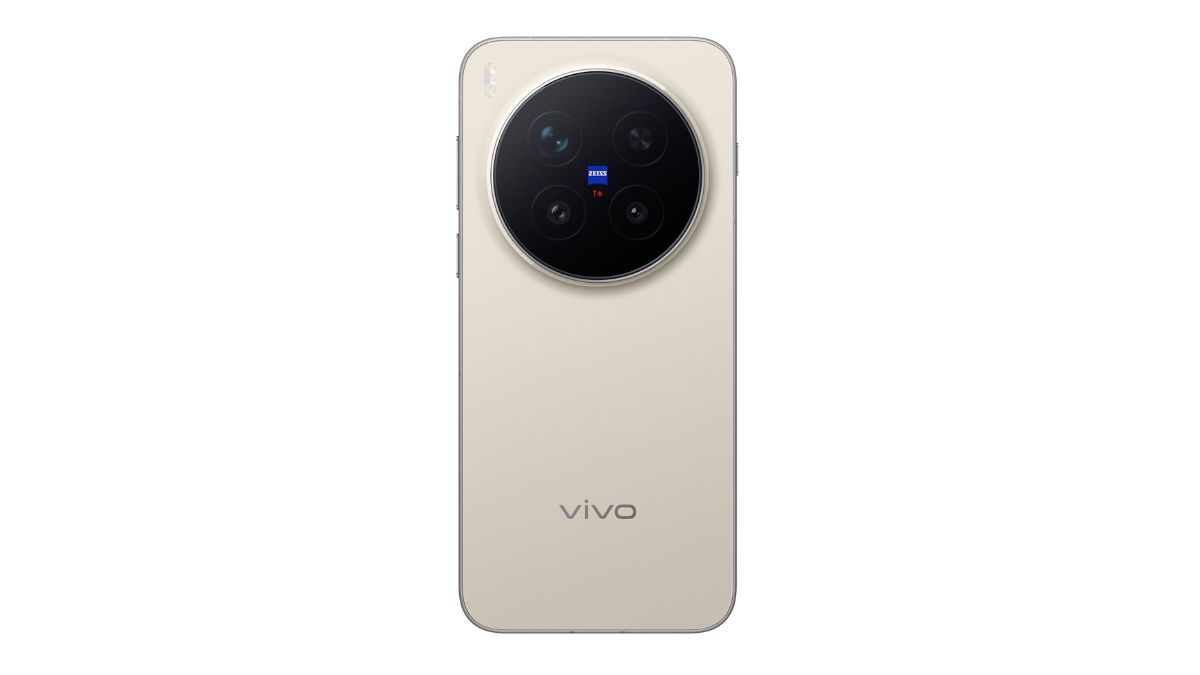
The Vivo X300 Pro strikes an impressive balance between flagship performance and camera quality, delivering consistently fast performance alongside a versatile and capable imaging system.
Why We Picked It
The Vivo X300 Pro combines excellent flagship performance with a capable camera system, highlighted by one of the best telephoto cameras in its class. It also offers a sharp display, dependable battery life, and a refined overall experience. However, its large camera module affects handling, and Vivo’s software and image processing style may not appeal to everyone.
Vivo X300 Pro Specifications
-
Price: ₹1,09,999 (Starting price in India for 256GB)
-
Processor: MediaTek Dimensity 9500 (3 nm)
-
Display: 6.78-inch LTPO AMOLED (1260 x 2800 resolution, 120Hz refresh rate, 4500 nits peak brightness)
-
RAM: 12GB / 16GB (LPDDR5X)
-
Storage: 256GB / 512GB / 1TB (UFS 4.1, Non-expandable)
-
Battery: 6,510 mAh
-
Charging: 90W Fast Wired / 40W Wireless / Reverse Wired & Wireless Charging
-
Rear Camera: 50 MP Main (ƒ/1.6, OIS) + 50 MP Ultrawide (ƒ/2.0, 119° FOV) + 200 MP Periscope Telephoto (3.7x Optical Zoom, ƒ/2.7, OIS) with Zeiss Optics
-
Front Camera: 50 MP Selfie (ƒ/2.
Vivo X300 Pro XP Lab Test Data & Benchmark Equivalents
-
Geekbench AI (NPU Quantized): 1,371
-
AnTuTu Overall Score: 3,246,690
-
Geekbench 6: 3,308 (Single-Core) / 9,873 (Multi-Core)
-
AnTuTu Storage Score: 152,027
-
Random Read Speed: 1,728.1 MB/s
Pros
An excellent telephoto camera, a bright and vibrant display, reliable day-to-day performance, and strong battery life.
Cons
Who Should Buy It
Users who want top-tier processing power and an exceptional telephoto lens wrapped in a highly polished chassis.
Who Shouldn’t Buy It
Not recommended for users who prefer a clean, stock Android experience or a more compact camera design.
Expert Verdict:The Vivo X300 Pro combines flagship performance with one of the best telephoto cameras in its class, backed by excellent battery life and a premium hardware package. While its large camera module, aggressive image processing, and Funtouch OS may not appeal to everyone, it remains an excellent choice for users who prioritise photography, performance, and battery endurance.
OnePlus 15R – Best Budget AI Phone
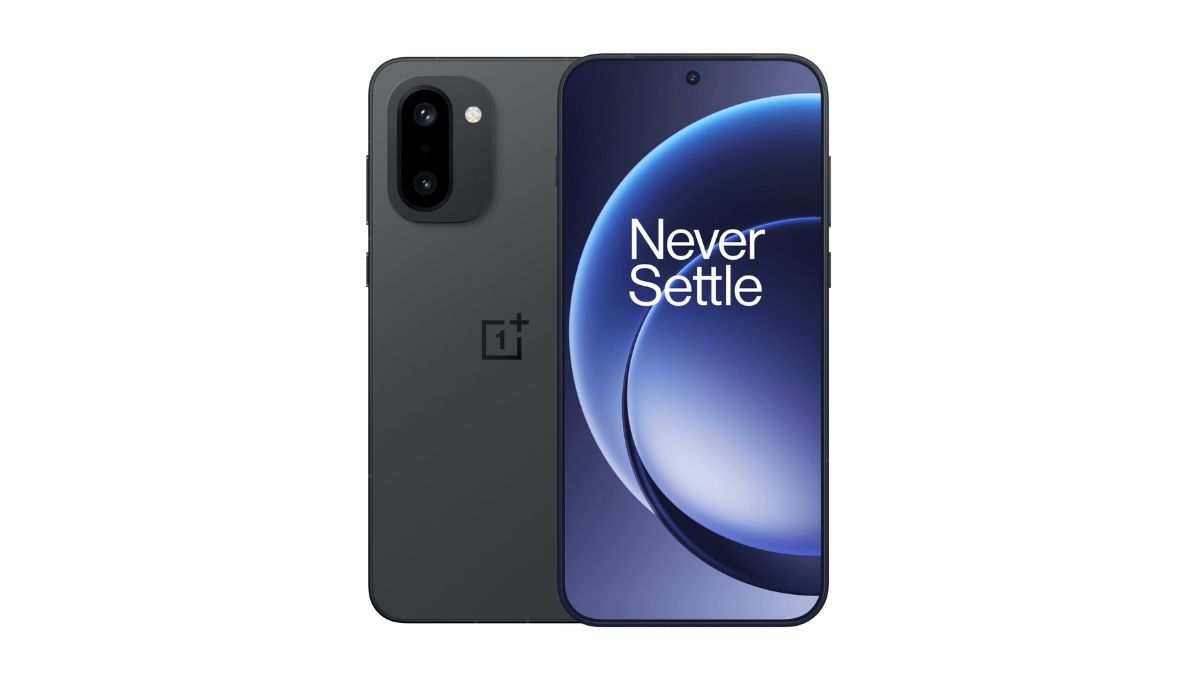
The OnePlus 15R focuses on the essentials, pairing flagship-level performance with exceptional battery life. By omitting a dedicated telephoto camera, it delivers one of the longest runtimes we’ve recorded in the XP Lab without compromising day-to-day performance.
Why We Picked It
The OnePlus 15R prioritises performance, battery life, and everyday usability over camera versatility. While the lack of a telephoto camera and an average ultra-wide sensor limit its photography credentials, it makes up for it with flagship-level performance, excellent thermals, outstanding battery life, a smooth high-refresh-rate display, and a polished OxygenOS experience.
OnePlus 15R Key Specifications
-
Price: ₹59,999 (Starting price in India for 256GB)
-
Processor: Qualcomm Snapdragon 8 Gen 5 (3 nm)
-
Display: 6.83-inch AMOLED (1272 x 2800 resolution, 165Hz refresh rate, 3600 nits peak brightness)
-
RAM: 12GB / 16GB (LPDDR5X)
-
Storage: 256GB / 512GB (UFS 4.1, Non-expandable)
-
Battery: 7,400 mAh
-
Charging: 80W SUPERVOOC Fast Wired
-
Rear Camera: 50 MP Main (ƒ/1.8, OIS) + 8 MP Ultrawide (ƒ/2.2, 112° FOV)
-
Front Camera: 32 MP Selfie (ƒ/2.0)
OnePlus 15R XP Lab Test Data & Benchmark Equivalents
-
Geekbench AI (NPU Quantized): 662
-
AnTuTu Overall Score: 2,960,721
-
Geekbench 6: 2,843 (Single-Core) / 9,526 (Multi-Core)
-
AnTuTu Storage Score: 157,379
-
Battery Life (PCMark): 28h 28min
Pros
Cons
The absence of a telephoto camera and an average ultra-wide sensor reduce its versatility for photography.
Who Should Buy It
Ideal for users who prioritise flagship-level performance, exceptional battery life, and a smooth software experience without paying flagship prices.
Who Shouldn’t Buy It
Not recommended for users who prioritise telephoto photography or a more capable ultra-wide camera.
Expert Verdict:The OnePlus 15R delivers flagship-level performance, class-leading battery life, and a refined software experience at a more accessible price point. Although its camera system lacks the versatility of some rivals, particularly with the absence of a telephoto lens, it remains an excellent choice for users who prioritise performance, endurance, and everyday usability.
Google Pixel 10a

The Google Pixel 10a offers an excellent balance of features and value, although its processor is better suited to everyday tasks than demanding AI workloads or sustained flagship-level performance.
Why We Didn’t Picked It
We didn’t recommend the Google Pixel 10a because its modest performance limits heavy AI workloads, while its camera falls short of the standard expected from a Pixel device. Although it offers a clean Android experience, a smooth display, reliable battery life, and wireless charging, it lacks the performance needed to compete with the best AI-focused smartphones in its segment.
Google Pixel 10a Key Specifications
-
Price: ₹49,999
-
Processor: Google Tensor G4 (4 nm)
-
Display: 6.1-inch OLED (1080 x 2400 resolution, 120Hz refresh rate, HDR)
-
RAM: 8GB (LPDDR5X)
-
Storage: 128GB / 256GB (UFS 3.1, Non-expandable)
-
Battery: 4,492 mAh
-
Charging: 18W Wired / 7.5W Wireless
-
Rear Camera: 64 MP Main (ƒ/1.9, OIS) + 13 MP Ultrawide (ƒ/2.2, 120° FOV)
-
Front Camera: 13 MP Selfie (ƒ/2.2)
Google Pixel 10a XP Lab Test Data & Benchmark Equivalents
-
Geekbench AI (NPU Quantized NNAPI): 8,854
-
AnTuTu Overall Score: 1,268,655
-
Geekbench 6: 1,587 (Single-Core) / 3,817 (Multi-Core)
-
AnTuTu Storage Score: 103,897
-
Battery Life (PCMark): 16h 40min
Pros
A smooth OLED display, a clean stock Android experience, reliable all-day battery life, and support for wireless charging.
Cons
Limited performance for demanding workloads, average camera performance by Pixel standards, and slow wired charging speeds.
Who Should Buy It
Ideal for users who want a clean Android experience, reliable everyday performance, and long software support at an affordable price.
Who Shouldn’t Buy It
Not recommended for power users, mobile gamers, or users who prioritise demanding AI workloads and flagship-level camera performance.
Expert Verdict: The Pixel 10a delivers a clean software experience, dependable battery life, and long-term software support, but its modest performance and average camera make it a less compelling choice for users seeking a capable AI-focused smartphone.
Samsung Galaxy A57
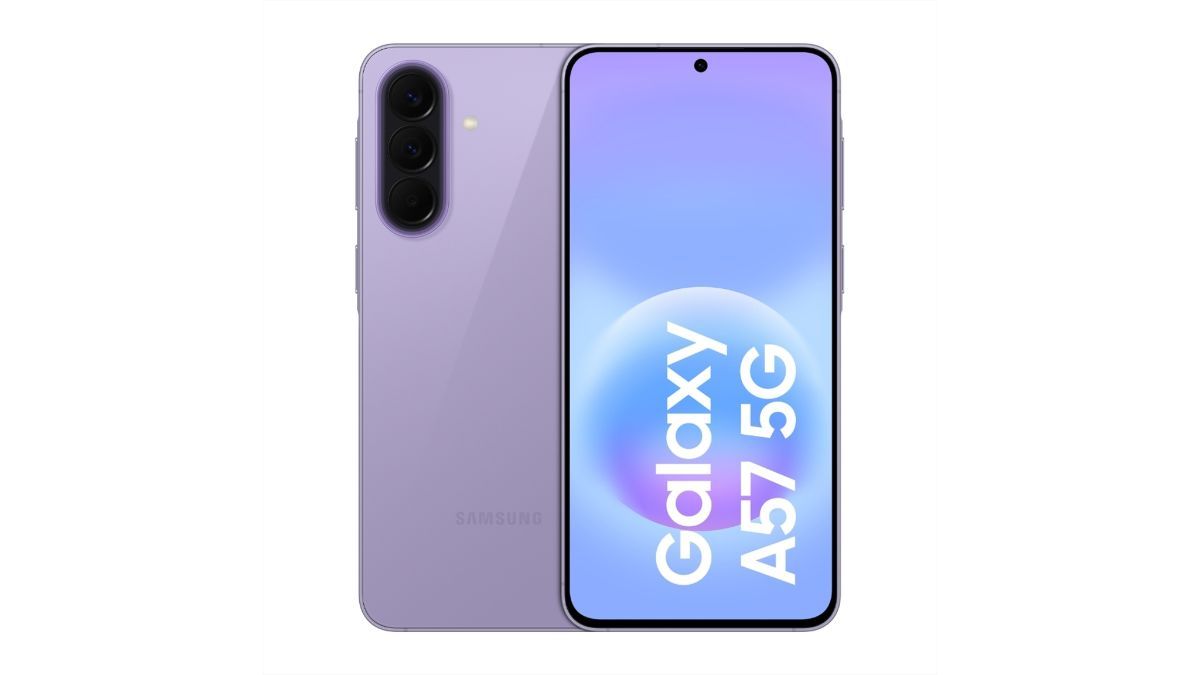
Samsung’s Galaxy A57 delivers a well-rounded mid-range experience, but its hardware lacks the performance needed to handle demanding AI features and sustained on-device workloads as effectively as flagship smartphones.
Why We Didn’t Pick It
We didn’t recommend this because its peak performance and battery efficiency lag noticeably behind competitors in this price bracket. While the Samsung Galaxy A57 does feature a slimmer, refined design, long-term software support, and natural-looking photo output in good lighting, its trade-offs are significant. A disappointing 14.5-hour PCMark battery endurance score, the omission of a telephoto lens, and low AI benchmark metrics mean it simply cannot compete as a top-tier AI companion.
Samsung Galaxy A57 Key Specifications
-
Price: ₹53,999
-
Processor: Exynos 1580 (4 nm)
-
Display: 6.6-inch Super AMOLED (1080 x 2340 resolution, 120Hz refresh rate, 1000 nits HBM)
-
RAM: 8GB / 12GB
-
Storage: 128GB / 256GB (UFS 3.1, Expandable via microSD)
-
Battery: 5,000 mAh
-
Charging: 25W Fast Wired
-
Rear Camera: 50 MP Main (ƒ/1.8, OIS) + 12 MP Ultrawide (ƒ/2.2) + 5 MP Macro (ƒ/2.4)
-
Front Camera: 32 MP Selfie (ƒ/2.2)
Samsung Galaxy A57 XP Lab Test Data & Benchmark Equivalents
-
Geekbench AI (NPU Quantized): 824
-
AnTuTu Overall Score: 1,377,937
-
Geekbench 6: 1,389 (Single-Core) / 4,453 (Multi-Core)
-
AnTuTu Storage Score: 80,755
-
Battery Life (PCMark): 14h 32min
Pros
Slimmer and refined design, natural-looking camera output, and industry-leading software support life cycle.
Cons
Peak performance heavily lags behind similarly priced rivals, no telephoto lens, and overall battery efficiency could be better.
Who Should Buy It
Brand loyalists looking for a durable, familiar Samsung phone with guaranteed long-term software updates and a refined aesthetic.
Who Shouldn’t Buy It
Performance enthusiasts, heavy multitaskers, and those who want advanced on-device AI features without noticeable lag or throttling.
Expert Verdict: The Galaxy A57 relies heavily on its brand name and software promises; however, its subpar processing power and lacking battery efficiency make it a poor investment for anyone prioritizing AI capabilities or gaming.
Frequently Asked Questions (FAQs)
Which phone has the most powerful on-device AI processor?
The Apple iPhone 17 Pro Max is the undeniable leader in raw computational headroom. In our lab testing, it scored an incredible 48,992 on the Geekbench AI Quantized NPU test, effectively quadrupling the localized processing power of its nearest Android competitors.
Which AI phone has the best battery life?
The OnePlus 15R absolutely dominates endurance testing. Despite being positioned as a budget-friendly powerhouse, it logged a jaw-dropping 28 hours and 28 minutes in the PCMark battery rundown test, making it the most reliable phone for multi-day use.
Are AI photo editing tools actually useful?
Yes, they have moved past the gimmick stage. The Google Pixel 10 Pro uses AI seamlessly through its Magic Editor and Pro Res Zoom, allowing you to salvage poorly lit photos, reposition subjects, and dramatically improve white balance directly from the native camera app.
Do I need an internet connection to use smartphone AI?
It depends on the device and the task. Phones like the iPhone 17 Pro Max and Samsung Galaxy S26 Ultra have powerful enough NPUs to process text summarization and live translation entirely on-device. However, heavy generative tasks (like creating an image from scratch) usually still require a ping to Google or Samsung’s cloud servers.
Why Trust XpertPick
At XpertPick, we don’t rely on manufacturer spec sheets, marketing claims, or superficial hands-on impressions. Every device that enters our database is subjected to a rigorous, standardized lab testing protocol designed to push the hardware to its absolute limits and reveal how it actually performs in the real world.
Here is how we ensure our recommendations are entirely data-driven and objective:
-
Standardised Synthetic Benchmarking: We run multiple passes of AnTuTu v10, Geekbench 6, and 3DMark under controlled ambient temperatures. This establishes a device’s true peak CPU and GPU horsepower before thermal constraints kick in.
-
Dedicated AI Telemetry: We utilize Geekbench AI to measure the exact computational bandwidth of a device’s NPU. This separates the phones that actually process machine learning locally from those that just offload the work to the cloud.
-
Custom Battery Efficiency Metrics: To separate pure silicon optimization from sheer battery size, we log exhaustive PCMark rundown times to see how long a phone can sustain a mixed workload with the screen on.
-
Zero Spec-Sheet Bias: From verifying the sustained stability of new silicon architectures to logging real-world thermal output, our rankings are dictated entirely by raw lab telemetry.
Our methodology ensures that when a phone is crowned the “Best Overall” or “Best Value,” it has earned that title through verifiable data, ensuring you get the exact premium experience you are paying for.