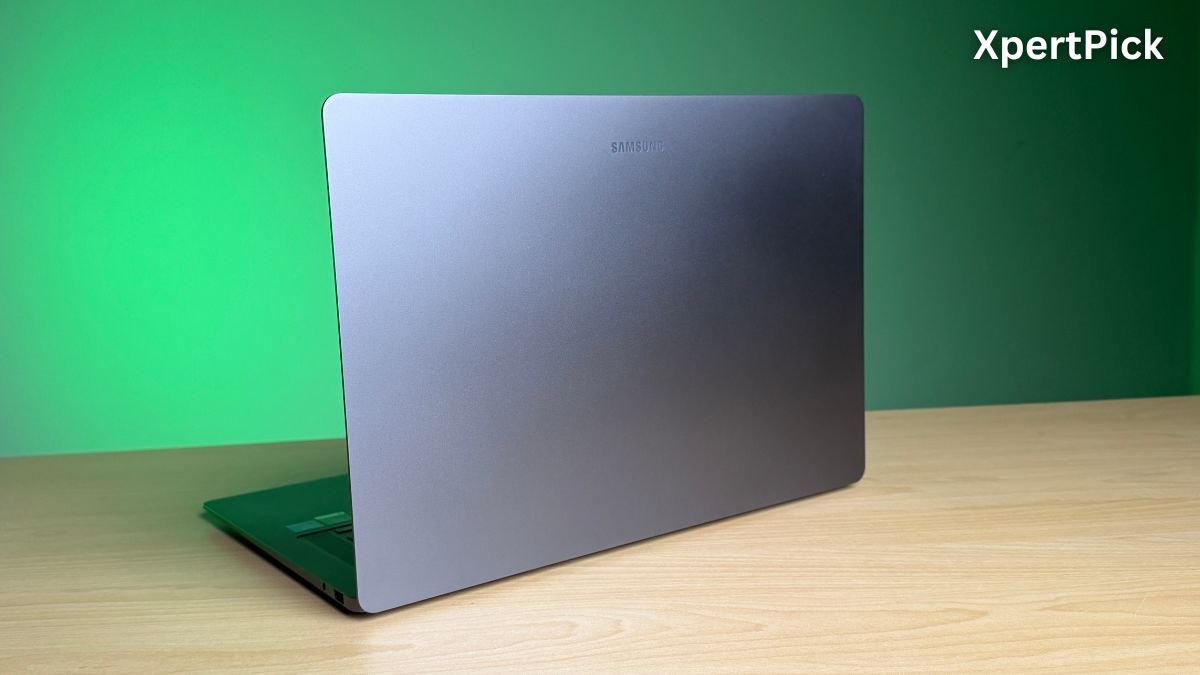
After spending a week with the Samsung Galaxy Book6 Pro, I am genuinely surprised at the upgrades the new iteration of the Galaxy Book series brings to the table. While the jump in features and performance between the Galaxy Book4 and Galaxy Book5 was incremental at best, the Galaxy Book6 Pro brings some long-requested changes along with some much-needed upgrades, and as a result, at least for now, this is shaping up to be one of the best Windows laptops of this year.
A New Yet Familiar Design
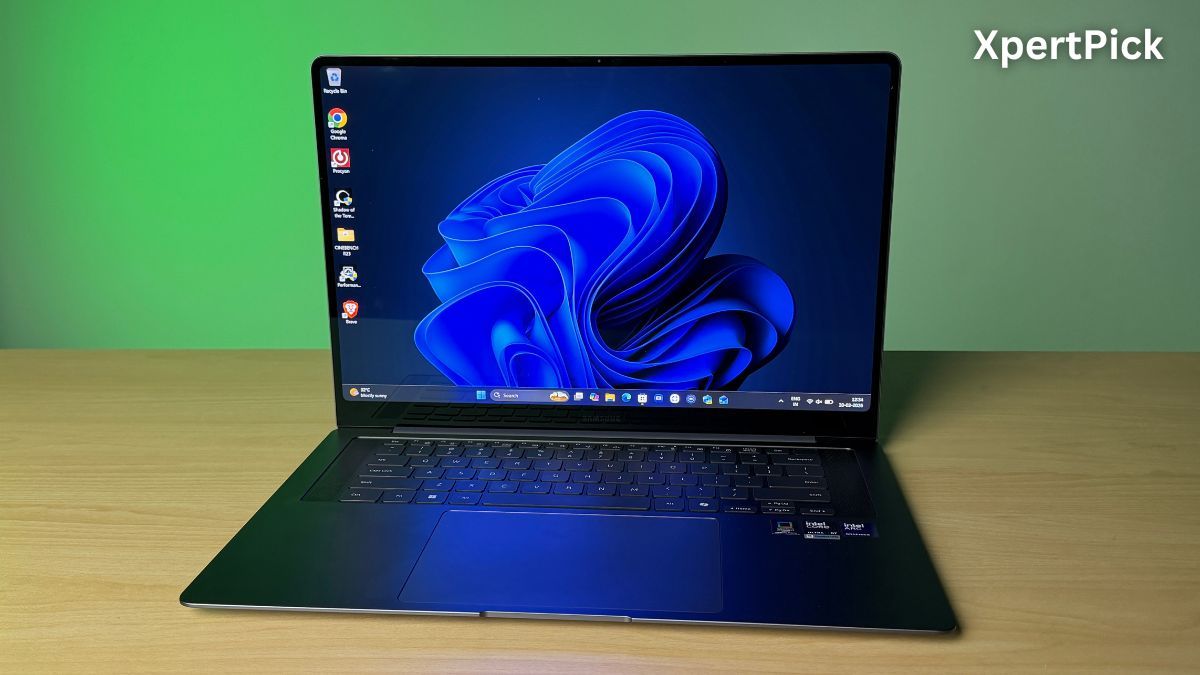
With the laptop closed, the 16-inch Samsung Galaxy Book6 Pro looks very similar to the previous generation, except for the “Samsung” logo placement, which has moved from the sides to the centre.
But when you lift the lid, you’ll notice a lot of new changes. Firstly, the keyboard now sits in a separate blacked-out section on the laptop deck, kind of similar to the MacBook Pro series. Alongside it, you’ll see top-firing speaker grilles on both sides, while another set of speaker grilles remains bottom-firing.
In terms of ports, it includes 2 × Thunderbolt 4 (USB-C), 1 × USB 3.2 (Type-A), 1 × HDMI 2.1 (supports up to 8K at 60Hz or 5K at 120Hz), and 1 × 3.5mm headphone/mic combo jack.
Moreover, Samsung has refined the footprint of the newer model. The 16-inch Galaxy Book6 Pro is 0.6 mm thinner and 2.4 mm less deep from front to back. However, it is slightly wider by 1.5 mm and has gained a very marginal amount of weight, around 0.02kg.
A New Haptic Touchpad Becomes Standard Across the Range
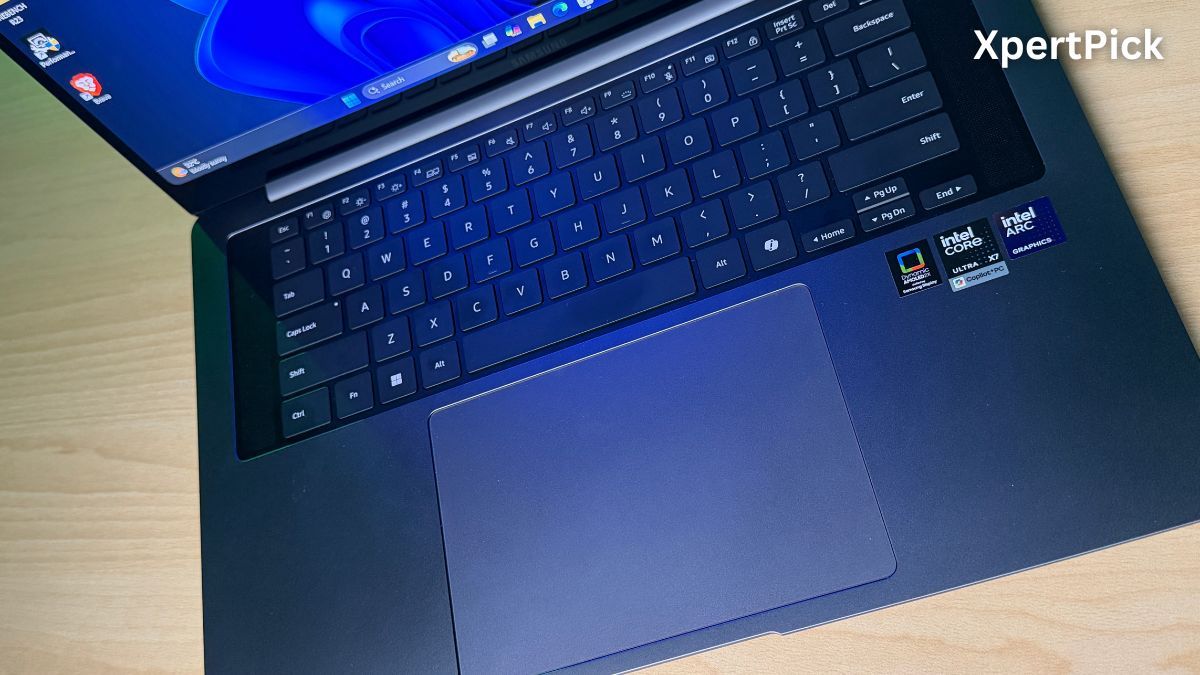
All the Galaxy Book6 series laptops now come with a haptic touchpad as standard, which is very good. Haptic touchpads, at least in my opinion, do a great job of improving productivity, especially if you don’t want to use an external mouse while working on your laptop.
As the name suggests, instead of physically clicking, the haptic touchpad gives the user haptic or vibrational feedback whenever a left or right click is registered. You can use the touchpad in both ways, either by simply tapping on it or by clicking it. A notable advantage of the haptic touchpad is that you get a consistent click no matter where you press on the surface.
On the Galaxy Book6 Pro, it measures 151 mm wide by 106 mm tall and is a major improvement compared to last year’s mechanical unit.
A Brand New, Smaller but Better Designed Keyboard
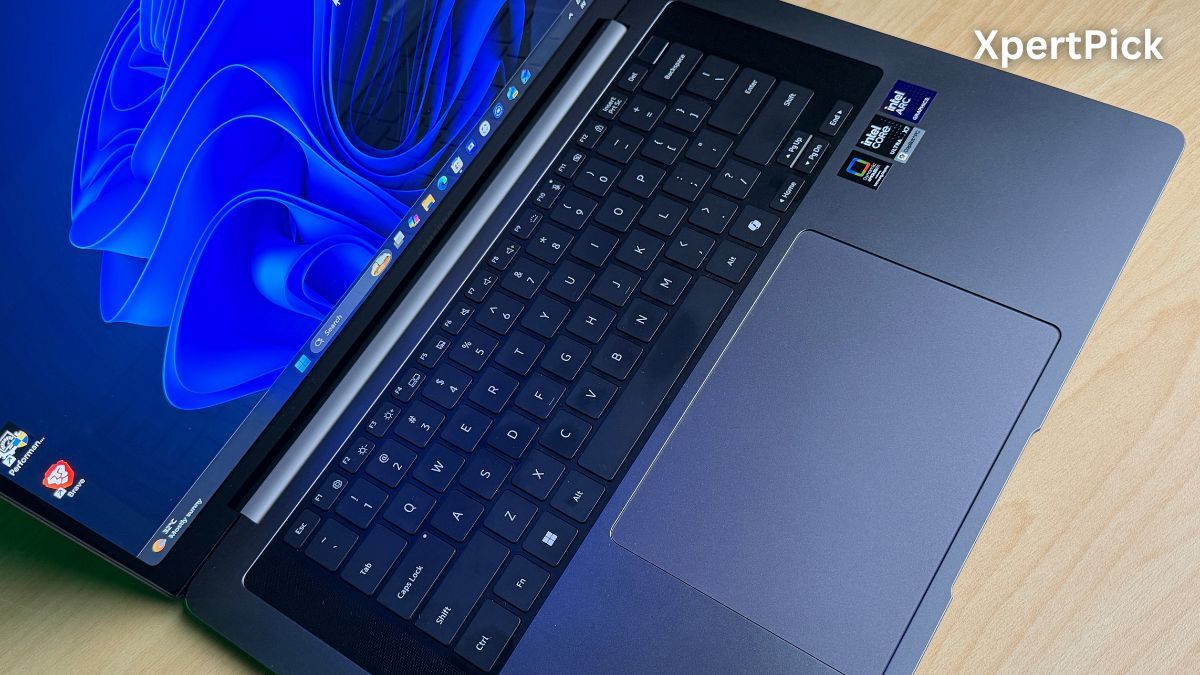
The shift in keyboard design is one of the most defining differences between the two generations, completely changing the ergonomics and aesthetics of the device.
The older Galaxy Book5 Pro 16-inch squeezed in a full numeric keypad, which forced the main QWERTY section and the trackpad to shift to the left. By ditching the numpad, the new Galaxy Book6 Pro 16-inch aligns the keyboard and trackpad perfectly with the center of the screen, greatly improving posture and comfort.
The older generation featured keys floating on a deck that matched the laptop’s body color. The new model places the keyboard in a distinct, blacked-out well, giving it a much more premium, high-contrast look that closely mirrors the MacBook Pro.
Despite the layout overhaul, the actual typing mechanism remains largely unchanged. Both generations offer shallow but tactile travel, multi-stage backlighting, and a dedicated Copilot key to trigger Windows AI features.
A New and Brighter AMOLED Display
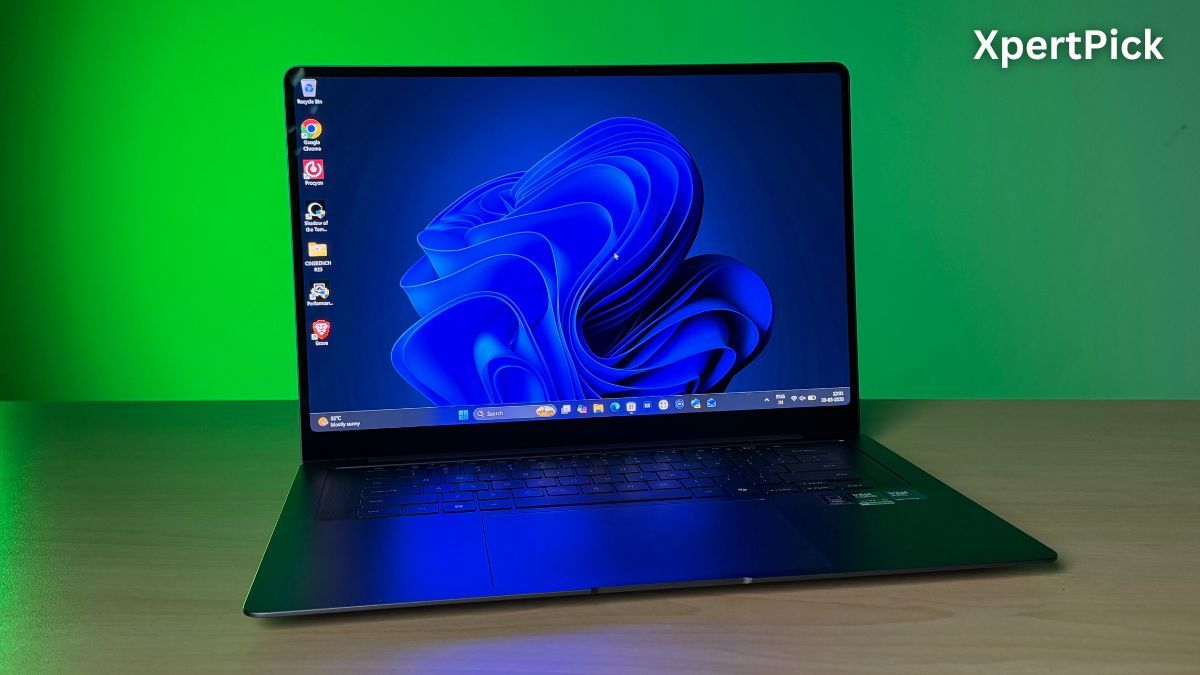
At a glance, both generations share the same gorgeous 16-inch WQXGA+ AMOLED touchscreen. However, Samsung has made significant under-the-hood upgrades for the newer generation, most notably in peak brightness and adaptive refresh rate floors.
The 16-inch Galaxy Book6 Pro’s screen brightness can now jump to 1000 nits for HDR content, and the new DXC glass significantly reduces glare and surface reflections. Moreover, the display now has an adaptive refresh rate range of 30Hz to 120Hz, which previously hovered between 48Hz and 120Hz. This could theoretically help improve battery life.
A More Powerful and Capable Intel Processor
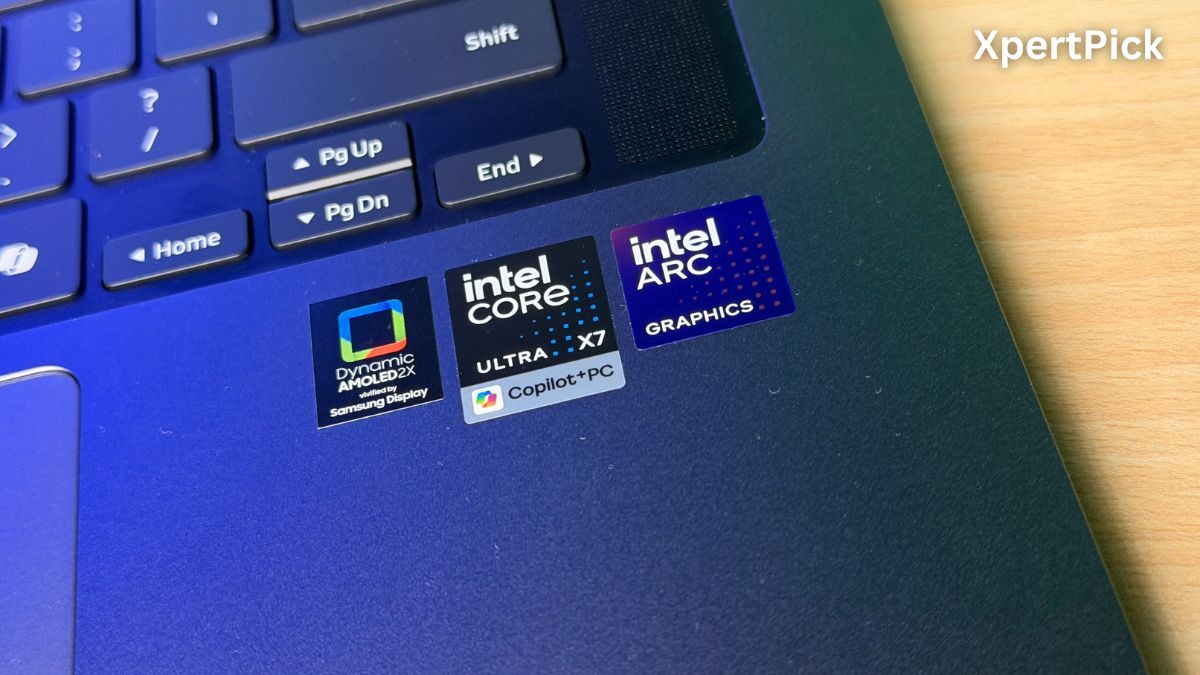
My review unit of the new Samsung Galaxy Book6 Pro is powered by the latest Intel Panther Lake chip, more specifically the Core Ultra X7 358H, featuring 16 cores, 16 threads, and, most importantly, the Intel Arc B390 GPU. For the uninitiated, the Intel Panther Lake processor powering this new Galaxy Book6 Pro is the successor to the Intel Lunar Lake processor, which powered the Galaxy Book5 Pro series.
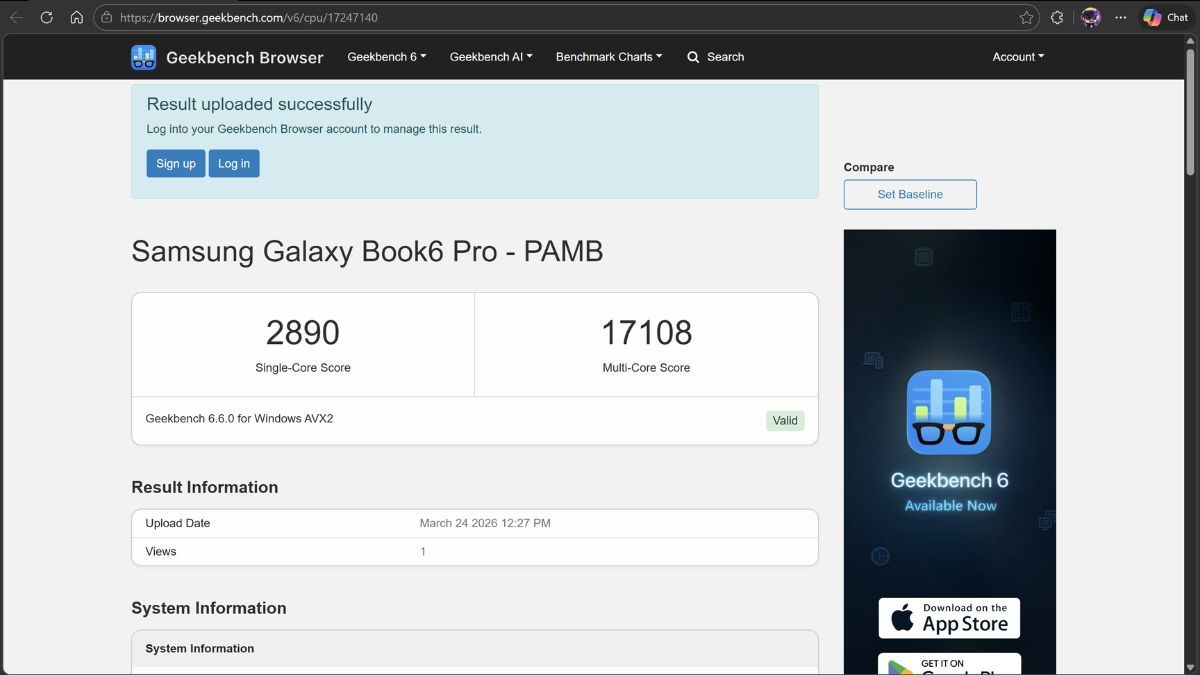
In my review, I noted that the chip delivers nearly double the performance of its predecessor, Lunar Lake, and I observed similar results when testing the laptop.
For example, in Geekbench 6, the Samsung Galaxy Book6 Pro scored 2,890 in the single-core test and 17,108 in the multi-core test, which is around an 11% increase in single-core and a massive 63.4% increase in multi-core performance.
| Benchmark |
Galaxy Book5 Pro 16″ (Core Ultra 7 256V) |
Galaxy Book6 Pro 16″ (Core Ultra X7 358H) |
Percentage Increase |
| Single-Core |
2,595 |
2,890 |
~11.4% Increase |
| Multi-Core |
10,473 |
17,108 |
~63.4% Increase |
Similarly, in gaming, the Samsung Galaxy Book6 Pro delivers impressive performance for an iGPU, even rivaling some entry-level GPUs, including the likes of the RTX 4050 and the RTX 3060.
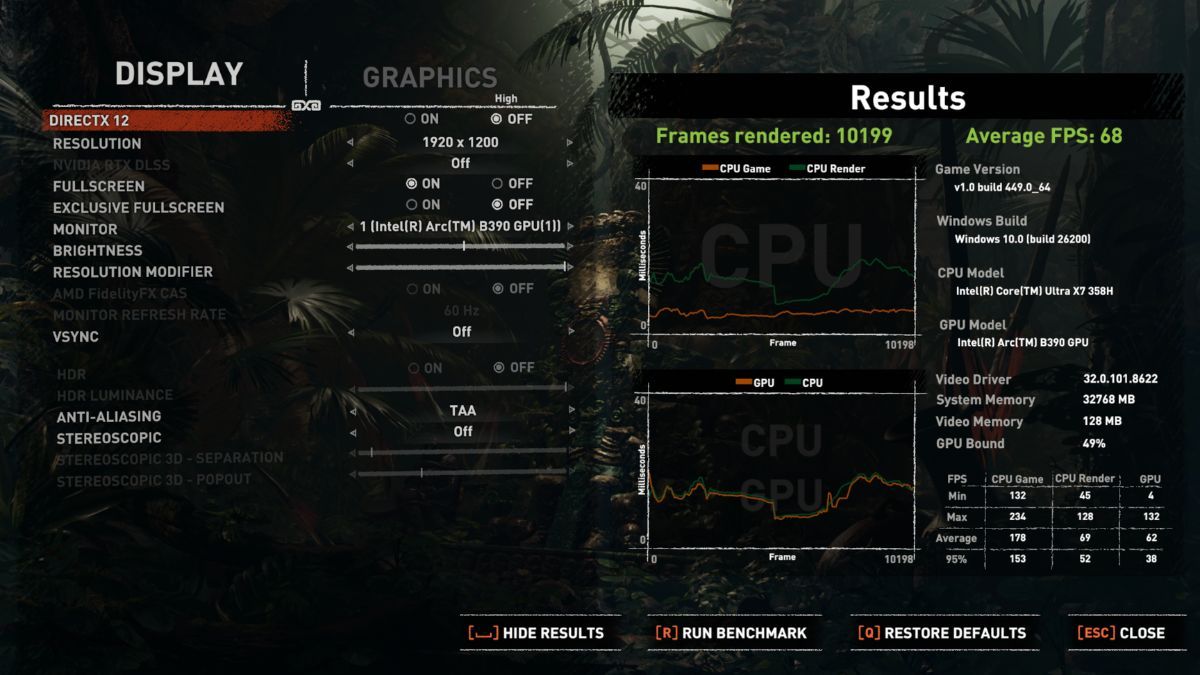
For instance, at 1200p high settings, the laptop scored 68 FPS in Shadow of the tomb raider, 70 FPS in Cyberpunk 2077 and 54 FPS in Borderlands 3.
| Game |
Settings |
Resolution |
Average FPS |
| Shadow of the Tomb Raider |
High |
1200p |
68 FPS |
| Cyberpunk 2077 |
High |
1200p |
70 FPS |
| Borderlands 3 |
High |
1200p |
54 FPS |
A Stronger Direction, but the Real Test Lies Ahead
After a week of using the Galaxy Book6 Pro, this feels less like a routine refresh and more like Samsung finally addressing the small but important gaps that held the previous generations back. The improvements aren’t loud, but they’re noticeable in everyday use, whether it’s the centered typing experience, the brighter display, or the jump in performance.
That said, this is still early days. Battery life, sustained performance, and long-term thermals will ultimately decide how well it holds up as a complete package. But based on these first impressions, the Galaxy Book6 Pro looks like a far more well-rounded machine than before, and definitely one worth keeping a close eye on as we move into a full review.