
In my experience testing smartphones, the ₹40,000 mark is where performance takes a significant leap. This is the price segment where brands begin equipping devices with genuinely high-end chipsets rather than processors designed solely for everyday tasks. However, buyers should look beyond the specifications listed on the retail box. A flagship-grade chipset may look impressive on paper, but poor thermal management and aggressive software tuning can severely limit real-world performance during extended gaming sessions or heavy multitasking.
Phones Considered
I put six popular smartphones priced under ₹40,000 through a comprehensive series of tests: the Realme GT 7T, Moto Edge 70 Pro, Nothing Phone 4a, POCO X8 Pro, Redmi Turbo 5, and OnePlus Nord CE6. Each device was evaluated using synthetic benchmarks, sustained stress tests, gaming workloads, and battery endurance measurements to assess how they perform in real-world scenarios.
Recommendations for the Best Performance Phones Under Rs. 40,000
| Category | My Pick | Price | Why We Picked It |
| Best Overall Performance | Realme GT 7T | ₹35,149 | Achieved an immense 2.1-million AnTuTu score with exceptionally smooth 96.5 FPS gaming in BGMI, backed by a large 7,000mAh battery. |
| Best Chipset / Benchmark | Moto Edge 70 Pro | ₹38,999 | Clocked the highest synthetic performance in this comparison with a staggering 2,163,322 AnTuTu score and class-leading single-core results. |
| Best Sustained Gaming Performance | Nothing Phone 4(a) | ₹31,999 | Traded raw burst metrics for a near-flawless 99.3% 3DMark stability rating and an ice-cool 34.3°C thermal profile over extended sessions. |
| Best for Heavy Multitasking (RAM) | POCO X8 Pro | ₹32,999 | Leverages a massive 6,705 Geekbench multi-core score and excellent background memory retention to prevent aggressive app-killing. |
| Best Thermals / Cooling | OnePlus Nord CE6 | ₹33,999 | Reaches near-perfect 99.2% graphical stability while capping peak chassis temperatures to a remarkably low 37.5°C to eliminate thermal throttling. |
| Best Value Performance Pick | Redmi Turbo 5 | ₹37,999 | Delivers flagship-tier Snapdragon 8s Gen 3 graphics power, driving BGMI at a blistering 116.5 FPS for maximum frame-per-rupee value. |
Performance Test Comparison Table With Benchmarks and Test Results
| Specification / Metric | Realme GT 7T | Moto Edge 70 Pro | Nothing Phone 4a | POCO X8 Pro | OnePlus Nord CE6 | Redmi Turbo 5 |
| Category Winner | Best overall performance 🏆 | Best chipset / benchmark 🏆 | Best for sustained gaming 🏆 | Best for heavy multitasking 🏆 | Best thermals / cooling 🏆 | Best value performance pick 🏆 |
| AnTuTu Overall | 2,127,058 | 2,163,322 🏆 | 1,435,113 | 2,083,072 | 116,270 | 2,002,211 |
| Geekbench (Single/Multi) | 1,595 / 6,248 | 1,722 / 6,688 | 1,378 / 4,313 | 1,740 / 6,705 🏆 | 1,072 / 3,171 | 1,523 / 6,526 |
| CPU Throttling Stability | 68% | 73% | 84% | 83% | 89% 🏆 | 70% |
| 3DMark Stress Stability | 73.3% | 47.6% | 99.3% 🏆 | 69.3% | 99.2% | 91.1% |
| Peak Stress Temperature | 42.8°C | 39.8°C | 34.3°C 🏆 | 42.1°C | 37.5°C | 42.5°C |
| BGMI (Avg / 5% Low FPS) | 96.5 / 81.2 | 111.4 / 8.2 | 105.8 / 82.4 | 96.6 / 58.5 | 89.6 / 83.6 | 116.5 / 92.5 🏆 |
To keep this guide streamlined and actionable, the primary comparison matrix focuses exclusively on the six standout handsets that earned a definitive recommendation. In total, eight different devices were put through their paces in our testing lab, but these select six distinguished themselves so clearly within their respective brackets that they warrant your immediate consideration. For those interested in the raw metrics and detailed breakdowns of the Google Pixel 9a and Redmi Note 15 Pro Plus, their standalone evaluations can be found in the dedicated analysis sections below.
How I Tested These Smartphones
When I test smartphones, I don’t rely solely on benchmark scores. Modern smartphones are heavily optimised, with some devices limiting performance to improve battery life, while others deliver maximum performance for a short benchmark run before throttling aggressively as temperatures rise. To get a complete picture, I evaluate every phone across three key areas: synthetic benchmarks to measure peak performance, sustained stress tests to assess thermal and long-term performance stability, and real-world gaming sessions to understand how the device actually feels during everyday use.
Test Conditions: All devices are checked using retail hardware variants running consumer-ready software packages inside a regulated 28°C testing environment. 12GB RAM versions are selected where available. No marketing performance numbers are utilised.
Peak Synthetic Benchmarks: AnTuTu v10 maps overall processing capacity and graphics module output. Geekbench 6 breaks down isolated single-core tasks and complex multi-threaded workloads to establish raw architectural ceilings.
Sustained Load Analysis: 3DMark Wild Life Extreme runs loop phases continuously for 20 minutes to document graphical stability degradation as the device warms up. A dedicated CPU throttling stress utility runs for 15 minutes to measure the exact computing floor a phone drops to when saturated with heat.
Gaming Logs: Popular gaming applications are evaluated over 20-minute operational spans. Real-time telemetry captures the average frames alongside the critical 5% low FPS metric. The 5% low threshold is highly vital, it reflects the underlying stutter or frame drop the user actually feels during heavy, volatile gameplay moments.
Updated for June 2026 with the latest devices, testing results, and pricing available at the time of publication.
Realme GT 7T: Best overall performance under ₹40k
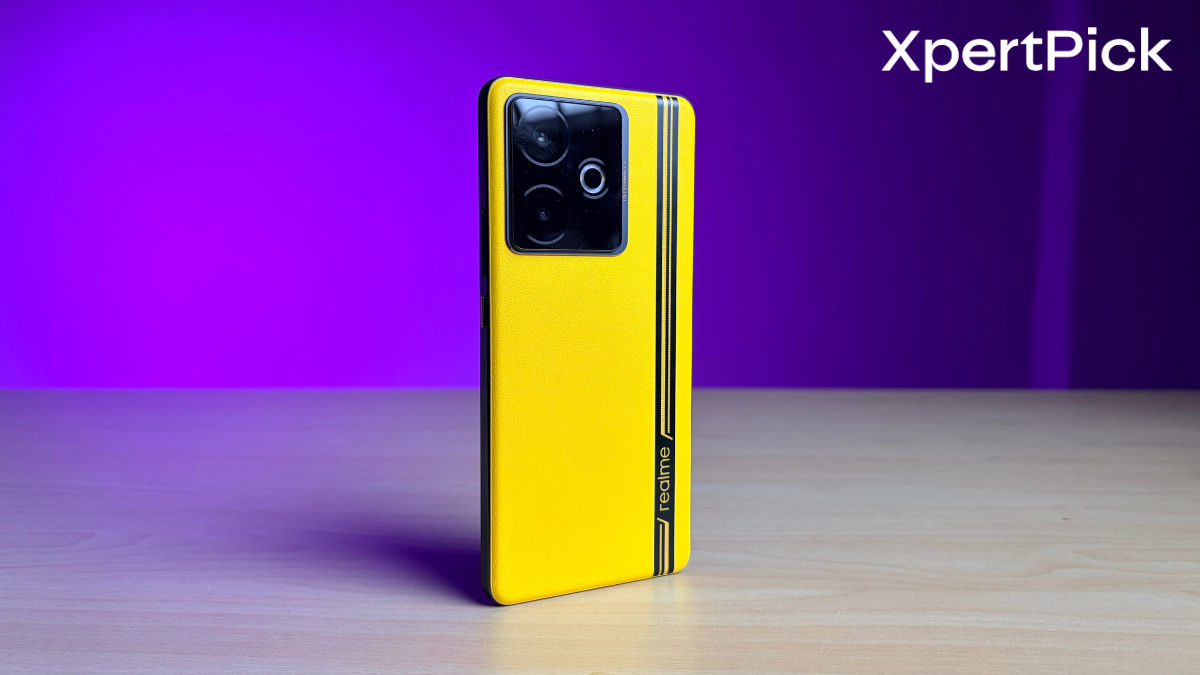
If gaming performance is your top priority, the Realme GT 7T is our strongest recommendation under ₹40,000. It pairs flagship-level performance with a 7,000 mAh battery, delivering a 2.1-million AnTuTu score and consistently smooth 96.5 FPS gameplay in BGMI.
Why We Picked It
Based on my testing, the Realme GT 7T stands out as the best overall performer in this segment. Throughout the testing process, I found that it consistently prioritised strong sustained performance rather than simply chasing burst benchmark numbers. The phone scored an impressive 2,127,058 points in AnTuTu, highlighting the sheer capability of its hardware. Although graphical performance drops to 73.3% during the demanding 3DMark stress test, its initial performance ceiling is so high that its sustained output remains comfortably ahead of most competitors in this price range. While playing BGMI, I recorded an average frame rate of 96.5 FPS, while the excellent 81.2 FPS 5% low result made sure that gameplay remained smooth and largely free from micro-stutters.
The powerful hardware is paired with a large 7,000mAh battery, which lasted 18 hours and 22 minutes in the PCMark Work 3.0 battery test. In day-to-day use, that translates to roughly a day and a half of moderate usage or more than a full day of heavy gaming, multitasking, and media consumption. If you are looking for the most well-rounded performance-focused smartphone under ₹40,000, the Realme GT 7T is the device I would recommend.
Realme GT 7T Key Specifications
• Starting Price: ₹35,149
• Processor: MediaTek Dimensity 8400-Max
• Display: 6.8-inch AMOLED (120Hz, 2800 × 1280 resolution)
• RAM: 12GB LPDDR5X
• Storage: 256GB / 512GB UFS 4.0
• Battery: 7,000mAh
• Charging: 120W SuperVOOC Fast Charging
• Camera: Main: 50MP, Ultra Wide: 8MP, Selfie: 32MP
• Durability: IP69 dust and water resistance
Realme GT 7T XP Lab Test Data
• AnTuTu Overall Score: 2,127,058
• Geekbench 6: 1,595 (Single-Core) | 6,248 (Multi-Core)
• 3DMark Stress Test Stability: 73.3%
• CPU Throttling Test Stability: 68%
• BGMI Performance: 96.5 Average FPS | 81.2 5% Low FPS
• Minecraft Performance: 58.1 Average FPS | 39.7 5% Low FPS
• Battery Life (PCMark Work 3.0): 18h 22min
Realme GT 7T Pros & Cons
-
Pros: Excellent sustained graphics performance and frame pacing ensure consistently smooth gameplay during demanding gaming workloads.
-
Cons: Peak temperatures of 42.8°C make it one of the warmer-running smartphones in this comparison under sustained workloads.
Who Should Buy It
The Realme GT 7T is ideal for power users and mobile gamers who want flagship-level performance without crossing the ₹40,000 mark. It excels at demanding games, heavy multitasking, and sustained workloads, while its 7,000 mAh battery ensures you can game for longer between charges.
Who Shouldn’t Buy It
If you prefer a phone that stays cool under heavy workloads, there are better options. The GT 7T runs noticeably warm during extended gaming sessions and relies on thermal throttling to manage heat. Buyers who prioritise cooler operation over outright speed may want to consider alternatives.
Expert Verdict: The Realme GT 7T is the strongest overall performance phone under ₹40,000. Its Dimensity 8400 Max chipset delivers outstanding gaming and benchmark results, backed by a large 7,000 mAh battery and fast 120W charging. Although it runs warmer than some rivals, its combination of speed, battery life, and charging makes it the easiest recommendation for performance-focused buyers.
Moto Edge 70 Pro: Best chipset / benchmark under ₹40k
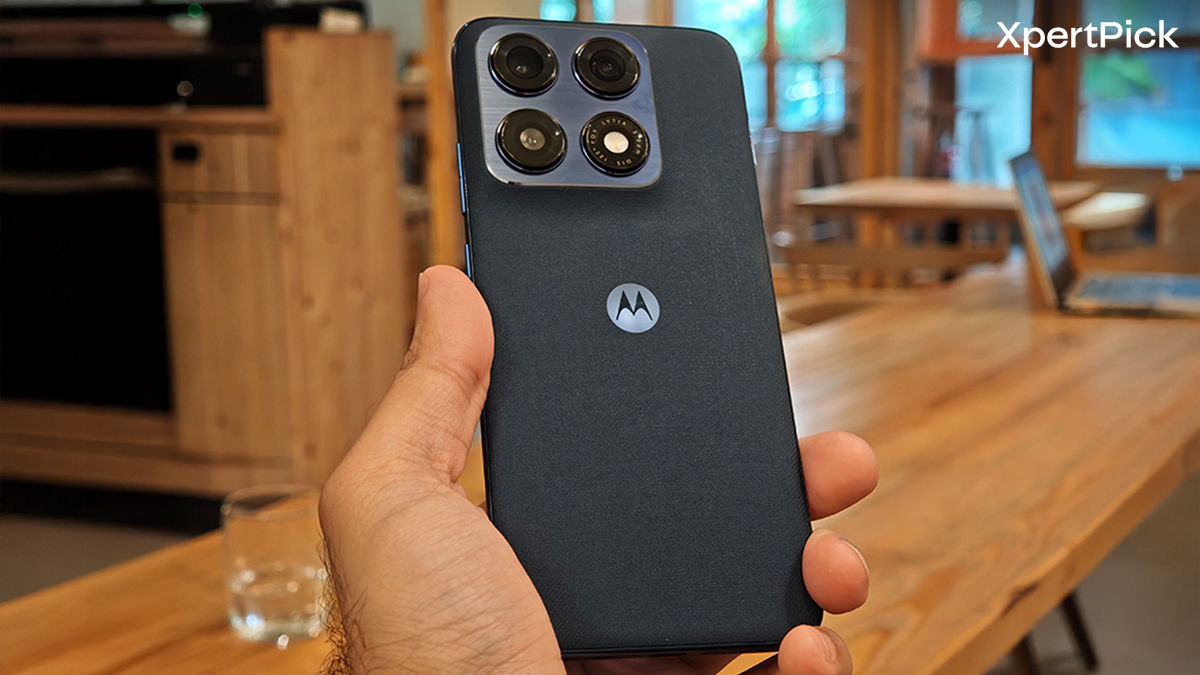
The Moto Edge 70 Pro delivers the highest benchmark performance in this price segment, making it our top pick for buyers who value raw processing power above all else.
Why We Picked It
As per my testing, the Moto Edge 70 Pro is the smartphone to pick if benchmark numbers are your top priority. It delivered the highest synthetic performance in this comparison, achieving an impressive AnTuTu score of 2,163,322. In day-to-day use, I found the phone to be exceptionally responsive, with fast app launches, smooth animations, and excellent overall fluidity. However, this raw performance comes with a trade-off, as the device throttles quite aggressively during prolonged workloads and intensive gaming sessions.
The phone’s 5,000mAh battery lasted 16 hours and 17 minutes in the PCMark Work 3.0 battery test, which is sufficient for a full day of regular use. If peak benchmark scores and smooth everyday performance matter more to you than long-term sustained gaming performance, the Moto Edge 70 Pro is the smartphone to go for.
Moto Edge 70 Pro Key Specifications
• Starting Price: ₹38,999
• Processor: MediaTek Dimensity 9300+
• Display: 6.7-inch pOLED (144Hz)
• RAM: 12GB
• Storage: 256GB
• Battery: 5,000mAh
• Charging: 125W TurboPower Fast Charging
• Camera: Main: 50MP, Telephoto: 10MP (3x Optical), Selfie: 50MP
• Durability: IP68 dust and water resistance
Moto Edge 70 Pro XP Lab Test Data
• AnTuTu Overall Score: 2,163,322
• Geekbench 6: 1,722 (Single-Core) | 6,688 (Multi-Core)
• 3DMark Stress Test Stability: 47.6%
• CPU Throttling Test Stability: 73%
• BGMI Performance: 111.4 Average FPS | 8.2 5% Low FPS
• Minecraft Performance: 62.9 Average FPS | 44.0 5% Low FPS
• Battery Life (PCMark Work 3.0): 16h 17min
Moto Edge 70 Pro Pros & Cons
-
Pros: Excellent peak processing performance with class-leading single-core results, ensuring fast app launches and highly responsive day-to-day usage.
-
Cons: Aggressive long-term throttling results in significant performance degradation during extended gaming sessions, with noticeable frame drops under sustained load.
Who Should Buy It
The Moto Edge 70 Pro is best suited to buyers who value peak performance and a responsive user experience. Its flagship-grade chipset makes everyday tasks, multitasking, and short gaming sessions feel exceptionally fast, making it a strong choice for benchmark enthusiasts.
Who Shouldn’t Buy It
Frequent gamers and users who regularly push their phones for extended periods should look elsewhere. Performance drops noticeably under sustained workloads as the phone throttles to manage heat, making rivals such as the Realme GT 7T better suited to long gaming sessions.
Expert Verdict: The Moto Edge 70 Pro delivers the strongest peak performance in this comparison, making it one of the fastest phones under ₹40,000 for everyday use. However, its aggressive thermal throttling limits sustained gaming performance. If your priority is a fast, responsive phone for daily use, it is an excellent option. For long gaming sessions, there are better choices.
Nothing Phone 4(a): Best for sustained gaming performance under ₹40k
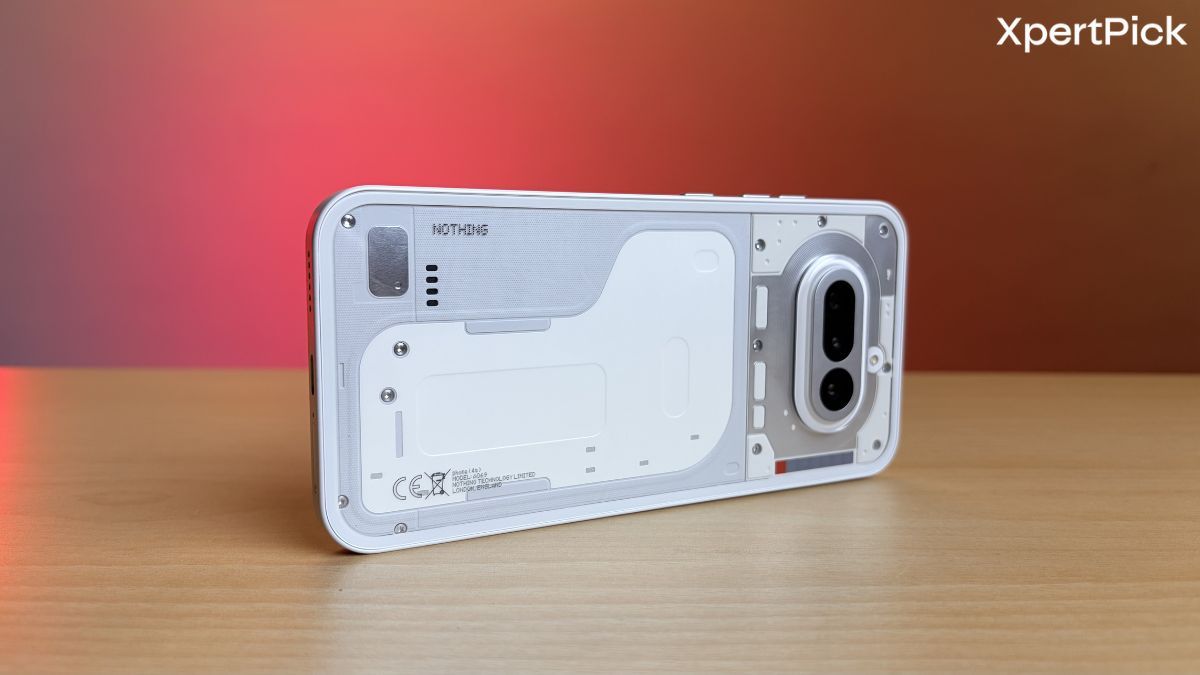
For buyers who value consistent gaming performance over headline benchmark scores, the Nothing Phone 4(a) is our top recommendation under ₹40,000. Its excellent thermal management and class-leading graphics stability make it ideal for extended gaming sessions.
Why We Picked It
Unlike some of its rivals, the Nothing Phone 4(a) places a greater emphasis on sustained performance and thermal efficiency. The phone recorded an AnTuTu score of 1,435,113, which is lower than some competitors in this comparison, but it maintained performance consistently under prolonged workloads. During my testing, it achieved an excellent 99.3% stability score in the 3DMark stress test, indicating minimal performance degradation during extended use. In BGMI, I recorded an average frame rate of 105.8 FPS, while the strong 82.4 FPS 5% low result helped maintain smooth gameplay with few noticeable stutters. Even during extended gaming sessions, the device remained relatively cool, reaching a peak temperature of just 34.3°C.
The 5,400mAh battery lasted 16 hours and 10 minutes in the PCMark Work 3.0 battery test, which is sufficient for a full day of heavy use. If stable frame rates, lower operating temperatures, and consistent gaming performance are priorities, the Nothing Phone 4(a) is a strong option to consider in this price segment.
Nothing Phone 4(a) Key Specifications
• Starting Price: ₹31,999
• Processor: MediaTek Dimensity 7350 Pro
• Display: 6.7-inch AMOLED (120Hz)
• RAM: 12GB
• Storage: 256GB
• Battery: 5,400mAh
• Charging: 50W PPS Fast Charging
• Camera: Main: 50MP, Ultra Wide: 50MP, Selfie: 50MP
• Durability: IP54 dust and splash resistance
Nothing Phone 4(a) XP Lab Test Data
• AnTuTu Overall Score: 1,435,113
• Geekbench 6: 1,378 (Single-Core) | 4,313 (Multi-Core)
• 3DMark Stress Test Stability: 99.3%
• CPU Throttling Test Stability: 84%
• BGMI Performance: 105.8 Average FPS | 82.4 5% Low FPS
• Minecraft Performance: 35.1 Average FPS | 19.2 5% Low FPS
• Battery Life (PCMark Work 3.0): 16h 10min
Nothing Phone 4(a) Pros & Cons
-
Pros: Excellent thermal management and near-perfect graphics stability ensure consistent performance during extended gaming sessions.
-
Cons: Overall processing performance falls short compared to other smartphones.
Who Should Buy It
The Nothing Phone 4(a) is best suited to mobile gamers who value consistent performance over peak benchmark numbers. Its excellent thermal management and stable frame rates make it a strong choice for long gaming sessions, while its ₹31,999 price makes it an attractive option for buyers seeking reliable gaming performance.
Who Shouldn’t Buy It
If your priority is maximum processing power or the highest possible frame rates, there are better options. The Phone 4(a) trails rivals such as the Realme GT 7T and Moto Edge 70 Pro in peak performance, particularly in demanding games and graphics-intensive workloads.
Expert Verdict: The Nothing Phone 4(a) takes a different approach to performance by prioritising consistency over outright speed. It stays remarkably cool under load and maintains stable gaming performance, making it one of the best choices for extended gaming sessions. Buyers looking for the highest benchmark scores should look elsewhere, but for dependable gaming performance, it is an easy recommendation.
POCO X8 Pro: Best for heavy multitasking (RAM) under ₹40k
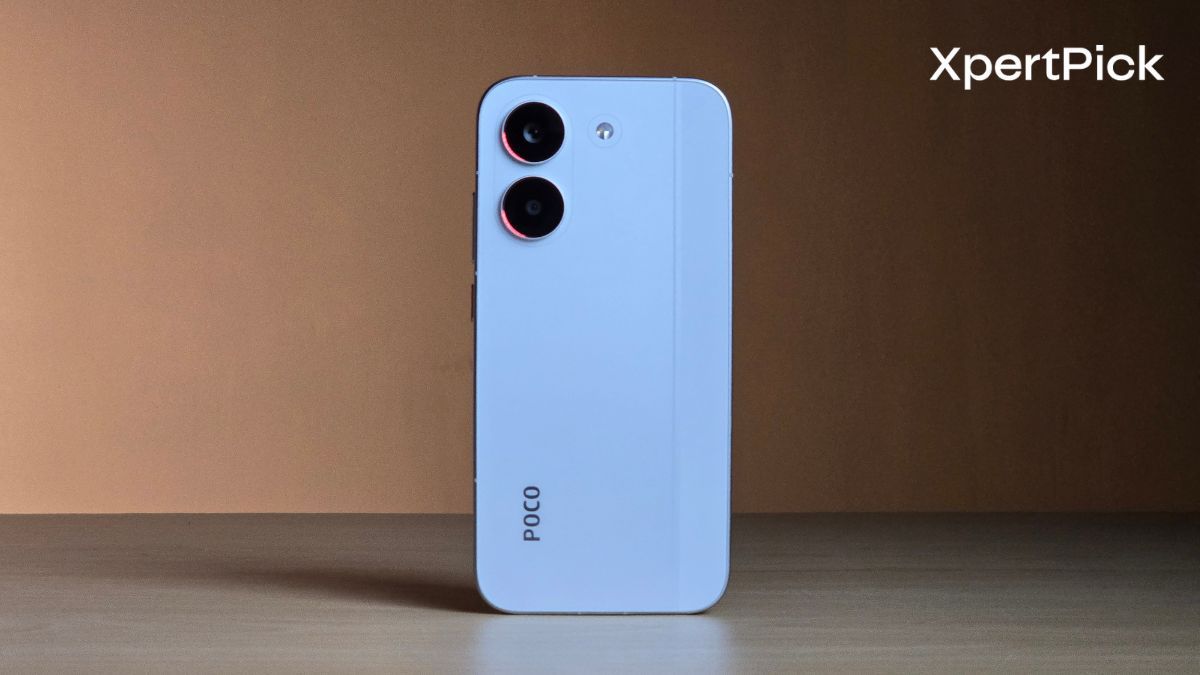
The POCO X8 Pro stands out as the best multitasking phone under ₹40,000. Its powerful chipset and excellent multi-core performance make it particularly well suited to demanding workloads and keeping multiple apps running smoothly.
Why We Picked It
For users who frequently juggle multiple applications, the POCO X8 Pro stands out as one of the strongest options in this segment. The phone delivered excellent multi-core performance, posting a Geekbench 6 multi-core score of 6,705. In practical terms, this translates into strong app retention and smooth switching between multiple resource-intensive applications. During my testing, the device also retained 83% of its peak CPU performance under sustained workloads, ensuring that day-to-day responsiveness remained consistently fast.
The 5,500mAh battery lasted 16 hours and 46 minutes in the PCMark Work 3.0 battery test, which is sufficient for a full day of heavy use. If multitasking performance and application management are your priorities, the POCO X8 Pro is one of the strongest options currently available in this price segment.
POCO X8 Pro Key Specifications
• Starting Price: ₹32,999
• Processor: MediaTek Dimensity 8300-Ultra
• Display: 6.67-inch AMOLED (120Hz)
• RAM: 12GB
• Storage: 256GB
• Battery: 5,500mAh
• Charging: 90W HyperCharge Fast Charging
• Camera: Main: 64MP, Ultra Wide: 8MP, Selfie: 16MP
• Durability: IP54 dust and splash resistance
POCO X8 Pro XP Lab Test Data
• AnTuTu Overall Score: 2,083,072
• Geekbench 6: 1,740 (Single-Core) | 6,705 (Multi-Core)
• 3DMark Stress Test Stability: 69.3%
• CPU Throttling Test Stability: 83%
• BGMI Performance: 96.6 Average FPS | 58.5 5% Low FPS
• Minecraft Performance: 58.7 Average FPS | 42.7 5% Low FPS
• Battery Life (PCMark Work 3.0): 16h 46min
POCO X8 Pro Pros & Cons
-
Pros: Excellent multi-core performance with strong memory management, allowing demanding applications to remain active in the background for longer.
-
Cons: Performance fluctuations under heavy graphical workloads can occasionally result in minor stuttering during demanding multiplayer gaming sessions.
Who Should Buy It
The POCO X8 Pro is ideal for power users who regularly juggle multiple apps, large documents, and demanding workloads. Its excellent multi-core performance and efficient memory management keep apps running smoothly in the background, making it one of the best productivity-focused phones under ₹35,000.
Who Shouldn’t Buy It
If you primarily play demanding games for extended periods, there are better choices. While the POCO X8 Pro delivers strong gaming performance, its graphics performance drops under sustained load, making the Nothing Phone 4(a) a better option for consistently stable frame rates.
Expert Verdict: The POCO X8 Pro excels as a productivity-focused smartphone. Its powerful chipset delivers excellent multitasking performance, while 90W fast charging and strong overall responsiveness add to its appeal. Sustained gaming performance is not class-leading, but at ₹32,999, it remains one of the best value-for-money performance phones in its segment.
OnePlus Nord CE6: Best thermals / cooling under ₹40k
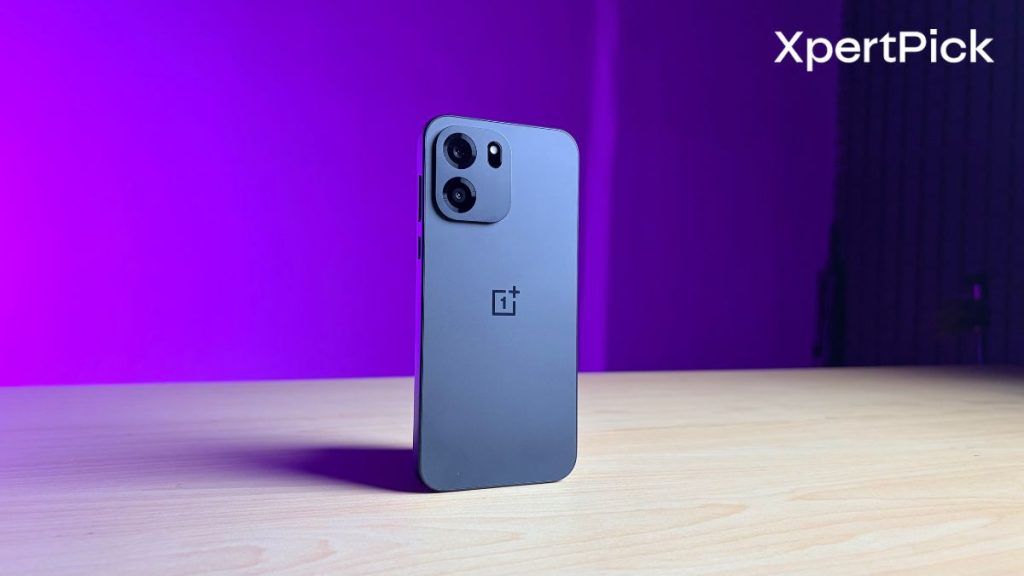
If keeping temperatures under control is your priority, the OnePlus Nord CE6 is the best choice under ₹40,000. It combines excellent thermal management with highly consistent performance under sustained workloads.
Why We Picked It
One aspect that stood out during my testing was the OnePlus Nord CE6’s focus on efficiency rather than outright benchmark performance. Instead of chasing peak scores, the phone is tuned to deliver stable performance over extended workloads. In the demanding 3DMark stress test, it achieved an excellent 99.2% stability score while maintaining a relatively low peak temperature of 37.5°C. The device also retained 89% of its peak CPU performance and delivered a smooth average of 89.6 FPS in BGMI, supported by an excellent 83.6 FPS 5% low result, ensuring consistently fluid gameplay during longer gaming sessions.
Battery life is another area where the phone performs particularly well. The large 8,000mAh battery lasted 24 hours and 36 minutes in the PCMark Work 3.0 battery test, translating to close to two days of moderate use or comfortably more than a full day of heavy gaming and media consumption. If battery endurance, thermal efficiency, and sustained performance are your priorities, the OnePlus Nord CE6 is one of the strongest options currently available in this segment.
OnePlus Nord CE6 Key Specifications
• Starting Price: ₹33,999
• Processor: MediaTek Dimensity 7300-Energy
• Display: 6.7-inch AMOLED (120Hz)
• RAM: 8GB
• Storage: 256GB
• Battery: 8,000mAh
• Charging: 80W SuperVOOC Fast Charging
• Camera: Main: 50MP, Ultra Wide: 8MP, Selfie: 16MP
• Durability: IP65 dust and water resistance
OnePlus Nord CE6 XP Lab Test Data
• AnTuTu Overall Score: 116,270
• Geekbench 6: 1,072 (Single-Core) | 3,171 (Multi-Core)
• 3DMark Stress Test Stability: 99.2%
• CPU Throttling Test Stability: 89%
• BGMI Performance: 89.6 Average FPS | 83.6 5% Low FPS
• Minecraft Performance: 42.2 Average FPS | 29.8 5% Low FPS
• Battery Life (PCMark Work 3.0): 24h 36min
OnePlus Nord CE6 Pros & Cons
-
Pros: Impeccable thermal management alongside the absolute longest battery life in the segment.
-
Cons: Synthetic benchmark numbers trail behind more aggressive performance alternatives in this tier.
Who Should Buy It
The OnePlus Nord CE6 is ideal for buyers who value consistent performance over peak benchmark numbers. Its excellent thermal management and stable frame rates make it a great choice for long gaming sessions, while the large 8,000 mAh battery ensures extended use between charges.
Who Shouldn’t Buy It
If your priority is the highest benchmark scores or maximum graphics performance, there are better options. The Nord CE6 favours efficiency over outright speed, so performance-focused rivals such as the Realme GT 7T offer higher peak gaming and benchmark results.
Expert Verdict: The OnePlus Nord CE6 is one of the most consistent performers in this comparison. It stays cool under sustained workloads, maintains stable gaming performance, and pairs this with class-leading battery life. It may not top the benchmark charts, but for buyers who value reliability and long gaming sessions, it is an easy recommendation under ₹40,000.
Redmi Turbo 5: Best value performance pick under ₹40k
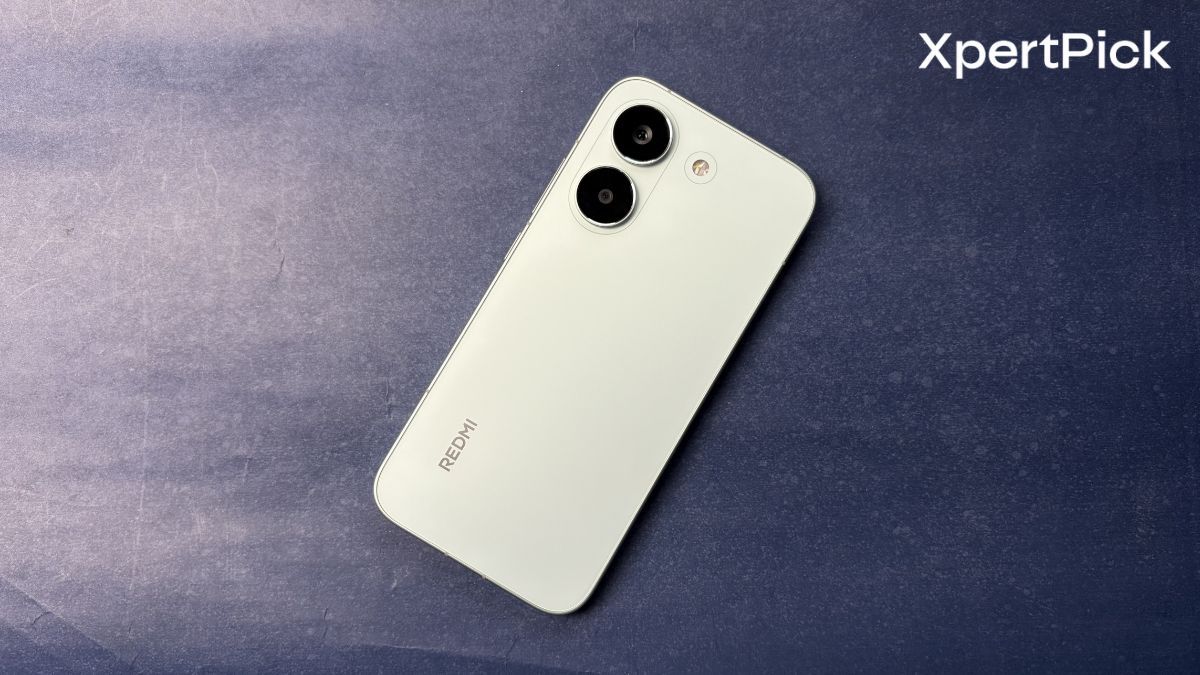
If you’re looking for the best blend of performance and value under ₹40,000, the Redmi Turbo 5 is hard to ignore. Its flagship-level chipset delivers excellent benchmark and gaming performance for the price.
Why We Picked It
At its current price, the Redmi Turbo 5 stands out as one of the most performance-focused smartphones in this segment. The phone achieved an impressive AnTuTu score of 2,002,211, placing it firmly in flagship territory despite costing considerably less than many premium alternatives. During my evaluation, I found its sustained performance to be equally impressive. The device achieved a strong 91.1% score in the 3DMark stress test, allowing it to maintain high performance levels during extended workloads. In BGMI, I recorded an exceptional average frame rate of 116.5 FPS, while the excellent 92.5 FPS 5% low result ensured consistently smooth gameplay with minimal frame drops.
The trade-off for this level of performance is heat. During prolonged gaming sessions and synthetic stress tests, the handset became noticeably warm and was uncomfortable to hold for extended periods. The 5,000mAh battery lasted 18 hours and 41 minutes in the PCMark Work 3.0 battery test, which is sufficient for a full day of heavy use. For users seeking the highest possible gaming performance and strong performance-per-rupee value, the Redmi Turbo 5 is one of the most compelling options currently available in this price segment.
Redmi Turbo 5 Key Specifications
• Starting Price: ₹37,999
• Processor: Snapdragon 8s Gen 3
• Display: 1.5K AMOLED (120Hz)
• RAM: 12GB
• Storage: 256GB
• Battery: 5,000mAh
• Charging: 90W Fast Charging
• Camera: Main: 50MP, Ultra Wide: 8MP, Selfie: 20MP
• Durability: IP64 dust and splash resistance
Redmi Turbo 5 XP Lab Test Data
• AnTuTu Overall Score: 2,002,211
• Geekbench 6: 1,523 (Single-Core) | 6,526 (Multi-Core)
• 3DMark Stress Test Stability: 91.1%
• CPU Throttling Test Stability: 70%
• BGMI Performance: 116.5 Average FPS | 92.5 5% Low FPS
• Minecraft Performance: 64.1 Average FPS | 47.9 5% Low FPS (Too Hot to Handle)
• Battery Life (PCMark Work 3.0): 18h 41min
Redmi Turbo 5 Pros & Cons
-
Pros: Class-leading sustained graphics performance with excellent frame pacing, making it particularly well-suited for competitive gaming.
-
Cons: Aggressive thermal tuning results in noticeably warm surface temperatures during prolonged gaming and stress-testing workloads.
Who Should Buy It
The Redmi Turbo 5 is ideal for buyers who want flagship-level gaming performance without paying flagship prices. Its powerful chipset delivers excellent frame rates in demanding games, making it a strong choice for competitive gamers and performance enthusiasts who prioritise speed above all else.
Who Shouldn’t Buy It
If you prefer a phone that stays cool during extended gaming sessions, there are better options. The Redmi Turbo 5 runs noticeably warm under sustained workloads, making efficiency-focused alternatives such as the OnePlus Nord CE6 and Nothing Phone 4(a) more suitable for long gaming sessions.
Expert Verdict: The Redmi Turbo 5 offers outstanding performance for its price. It combines flagship-grade gaming, excellent benchmark scores, and strong overall responsiveness, making it one of the best value-for-money performance phones under ₹40,000. Its higher operating temperatures remain its biggest drawback, but buyers willing to accept that trade-off will find very little to complain about.
Samsung Galaxy A37
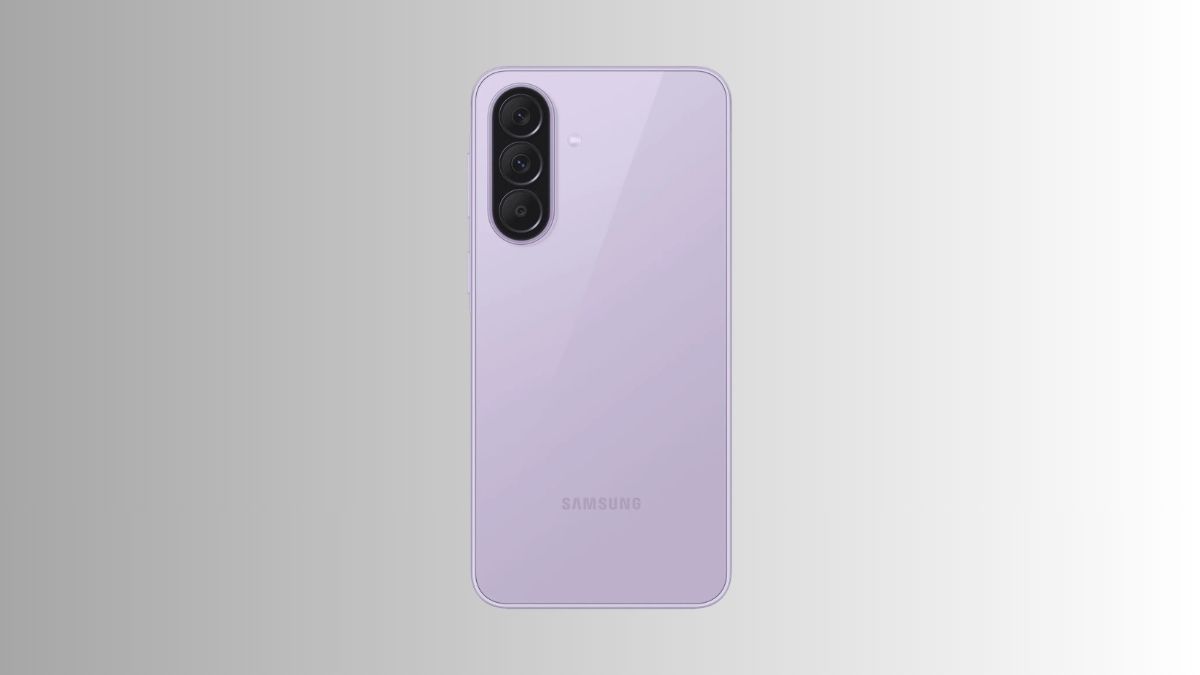
The Samsung Galaxy A37 is not one of our recommended performance phones under ₹40,000. While it offers excellent thermal management and premium build quality, its gaming performance and battery life fall short of the strongest performers in this comparison.
Why We Didn’t Picked It
After spending considerable time testing the Samsung Galaxy A37, I found that it falls just short of earning a place on my recommendation list. The phone offers respectable mid-range performance and impressed me with its excellent thermal management, achieving a strong 98.1% score in the 3DMark Wild Life Extreme Stress Test. It also delivered a stable 59.7 FPS average in BGMI and scored around 1.07 million in AnTuTu, making it perfectly capable for everyday tasks and casual gaming.
However, I found its graphics performance to be a limiting factor. With a relatively modest 3DMark Wild Life Extreme peak score of 999 and a Geekbench GPU score of 3,177, the phone struggled in more demanding titles. In Minecraft, I recorded an average frame rate of just 36.8 FPS, which makes it less suitable for heavy gaming. Battery life was another disappointment, with the phone lasting only 13 hours and 29 minutes in the PCMark battery test, making it the weakest performer in terms of endurance among the devices tested.
Samsung Galaxy A37 Key Specifications
• Starting Price: ₹34,999
• Processor: Exynos 1480
• Display: 6.6-inch Super AMOLED (120Hz)
• RAM: 8GB
• Storage: 128GB / 256GB
• Battery: 5,000mAh
• Charging: 25W Fast Charging
• Camera: Main: 50MP, Ultra Wide: 8MP, Macro: 5MP, Selfie: 13MP
• Durability: IP67 dust and water resistance, Gorilla Glass Victus
Samsung Galaxy A37 XP Lab Data
• AnTuTu Overall Score: 1,074,914
• Geekbench 6: 1,139 (Single-Core) | 3,506 (Multi-Core)
• 3DMark Stress Test Stability: 98.1%
• CPU Throttling Test Stability: 79%
• BGMI Performance: 59.7 Average FPS | 56.3 5% Low FPS
• Minecraft Performance: 36.8 Average FPS | 26.2 5% Low FPS
• Battery Life (PCMark Work 3.0): 13h 29min
Samsung Galaxy A37 Pros and Cons
-
Pros: Exceptional thermal management keeps performance degradation to an absolute minimum under load, resulting in an impressive 98.1% stability score in the 3DMark Wild Life Extreme Stress Test.
-
Cons: The hardware lacks the graphics power needed for demanding 3D games, with Minecraft highlighting these limitations by averaging just 36.8 FPS, compounded by poor battery endurance.
Who Should Buy It
The Samsung Galaxy A37 is best suited to buyers who value software support, premium build quality, and a polished everyday experience over raw performance. Its bright AMOLED display, IP67 rating, and cool operating temperatures make it a dependable choice for everyday tasks, media consumption, and casual gaming.
Who Shouldn’t Buy It
If gaming or heavy multitasking is a priority, there are far better options at this price. The Galaxy A37 trails rivals such as the POCO X8 Pro and Realme GT 7T in processing power, graphics performance, and battery life, making it difficult to recommend as a performance-focused phone.
Expert Verdict: The Galaxy A37 is a refined and dependable smartphone, but it is not one of our recommended performance phones under ₹40,000. While its efficient chipset keeps temperatures low during everyday use, it cannot match the speed, gaming performance, or endurance offered by similarly priced rivals. Buyers looking for maximum performance will get better value elsewhere.
Realme 16T
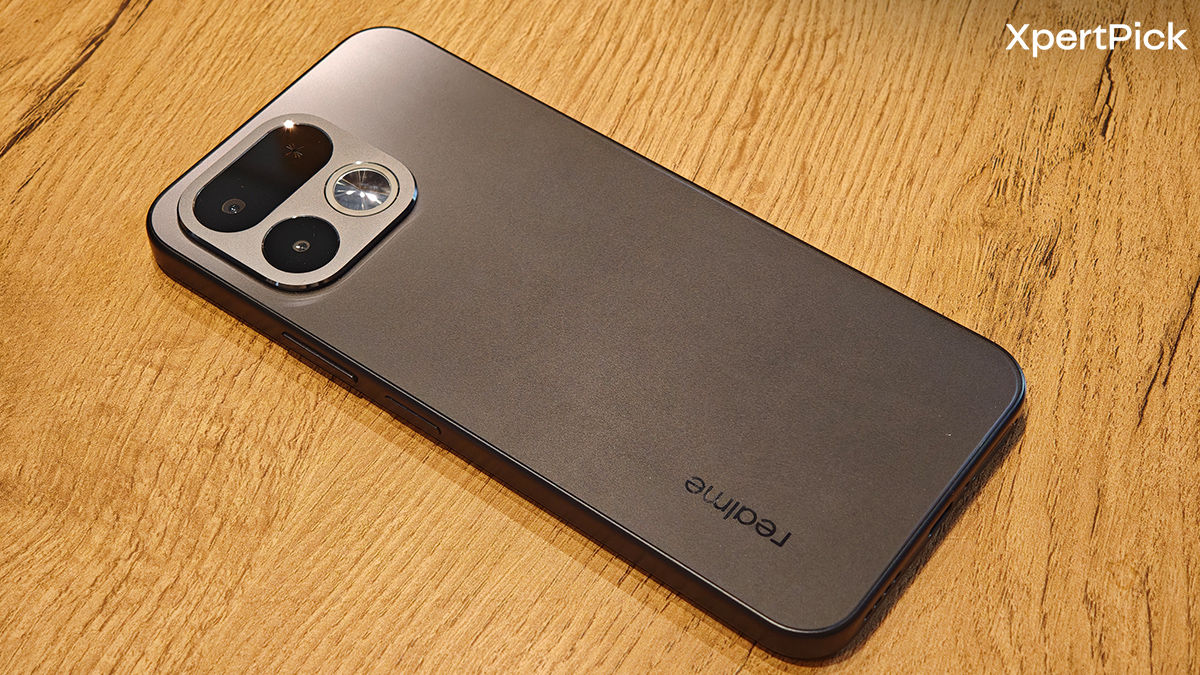
The Realme 16T is not one of our recommended performance phones under ₹40,000. Although it offers excellent battery life, impressive stability, and a rugged design, its limited processing power holds it back in demanding workloads.
Why We Didn’t Picked It
Compared to other smartphones in this comparison, the Realme 16T takes a noticeably different approach by prioritising efficiency and thermal stability over outright performance. The phone recorded an AnTuTu score of 614,835, which is considerably lower than most rivals in this segment. Even so, during my testing, I found that it handled lighter games reasonably well, delivering an average frame rate of 59.1 FPS in BGMI. The device also performed exceptionally well in sustained workloads, achieving an excellent 99.2% stability score in the 3DMark Wild Life Extreme Stress Test. Battery life was another strong point, with the phone lasting an impressive 21 hours and 26 minutes in the PCMark Work 3.0 battery test.
However, the Realme 16T falls short when faced with more demanding workloads. Its graphics hardware simply lacks the performance required for modern, graphically intensive games. The phone managed a Geekbench GPU score of just 1,395 and a relatively modest 3DMark Wild Life Extreme score of 386. These limitations became particularly evident in Minecraft, where I recorded an average frame rate of only 8 FPS, making the game effectively unplayable. As a result, the Realme 16T is difficult to recommend for users seeking strong gaming performance in this price segment.
Realme 16T Key Specifications
• Starting Price: ₹29,999
• Processor: MediaTek Dimensity 6300
• Display: 6.81-inch LCD (144Hz)
• RAM: 6GB / 8GB LPDDR4X
• Storage: 128GB / 256GB UFS 2.2
• Battery: 8,000mAh
• Charging: 45W SUPERVOOC
• Camera: Main: 50MP, Monochrome: 2MP, Selfie: 16MP
• Durability: IP68 and IP69K dust and water resistance, MIL-STD-810H compliant
Realme 16T XP Lab Data
• AnTuTu Overall Score: 614,835
• Geekbench 6: 784 (Single-Core) | 1,997 (Multi-Core)
• 3DMark Stress Test Stability: 99.2%
• CPU Throttling Test Stability: 91%
• BGMI Performance: 59.1 Average FPS | 51.3 5% Low FPS
• Minecraft Performance: ~8.0 Average FPS | ~8.0 5% Low FPS (Unplayable)
• Battery Life (PCMark Work 3.0): 21h 26min
Realme 16T Pros and Cons
-
Pros: Minimal heat build-up under load contributes to a 99.2% stress-test stability score, paired with a massive 8,000mAh battery for excellent endurance.
-
Cons: Graphically intensive games expose the severe limits of the entry-level hardware, with Minecraft delivering a completely unplayable average of just 8 FPS.
Who Should Buy It
The Realme 16T is best suited to buyers who prioritise durability and battery life over performance. Its rugged design, IP68/IP69K protection, MIL-STD-810H certification, and 8,000 mAh battery make it a practical choice for outdoor workers, frequent travellers, and anyone who needs a dependable phone in demanding environments.
Who Shouldn’t Buy It
If gaming, multitasking, or demanding applications are a priority, this is not the right phone. Its entry-level chipset, older LPDDR4X memory, UFS 2.2 storage, and LCD display cannot compete with performance-focused alternatives such as the POCO X8 Pro or Redmi Turbo 5.
Expert Verdict: The Realme 16T is built for endurance rather than speed. It offers excellent battery life, stable everyday performance, and one of the toughest designs in its class, but it is not a performance phone. Buyers looking for gaming performance or long-term processing power will find much better options in this price range.