OnePlus has already rolled out its top-tier OnePlus 15 and its value flagship sibling, the OnePlus 15R, in the Indian market, and now it’s slowly working through the rest of its lineup. The OnePlus Nord 6 is the first major refresh in the Nord family this year, and as expected, it brings a healthy set of upgrades over its predecessor.
With the Nord 6, OnePlus continues its 2026 habit of delivering stronger performance while sneaking in a few downgrades elsewhere. Some of those trade-offs look bigger on paper than they do in real life, but they’re still worth noting. Even then, the Nord 6 does make a fairly convincing case for itself. And for a starting price of Rs 35,999, here’s why it still feels like one of the stronger value mid-range phones around right now.
Design: Premium Look Meets Tougher Build
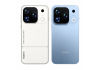
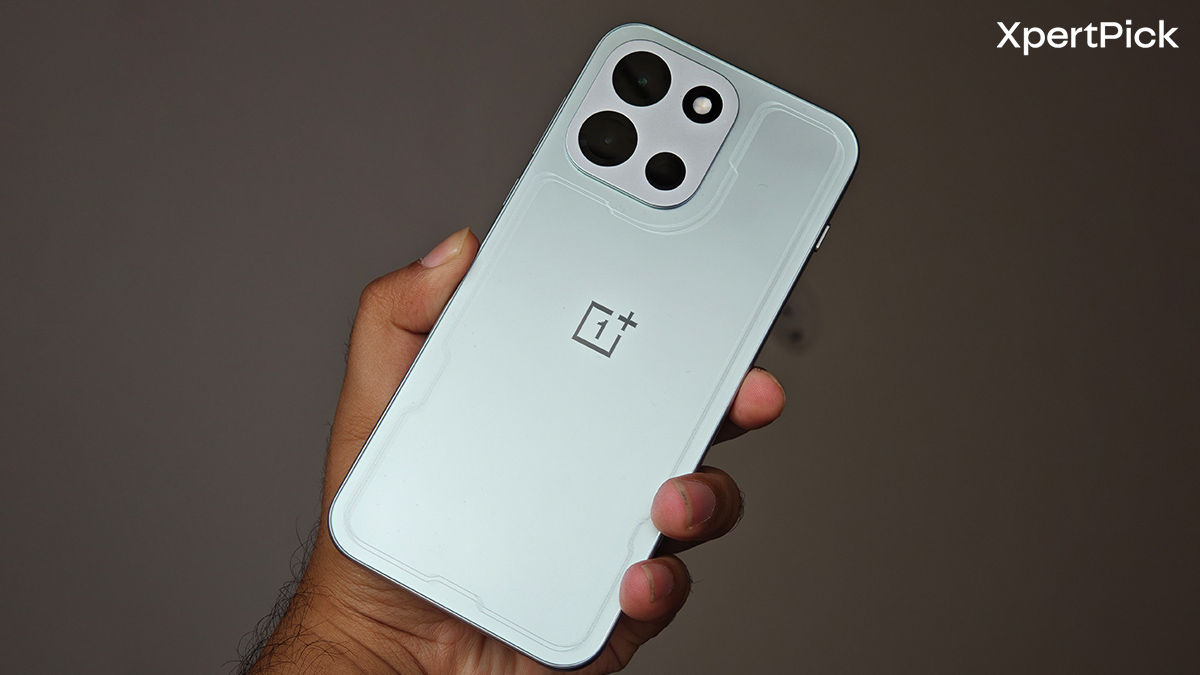
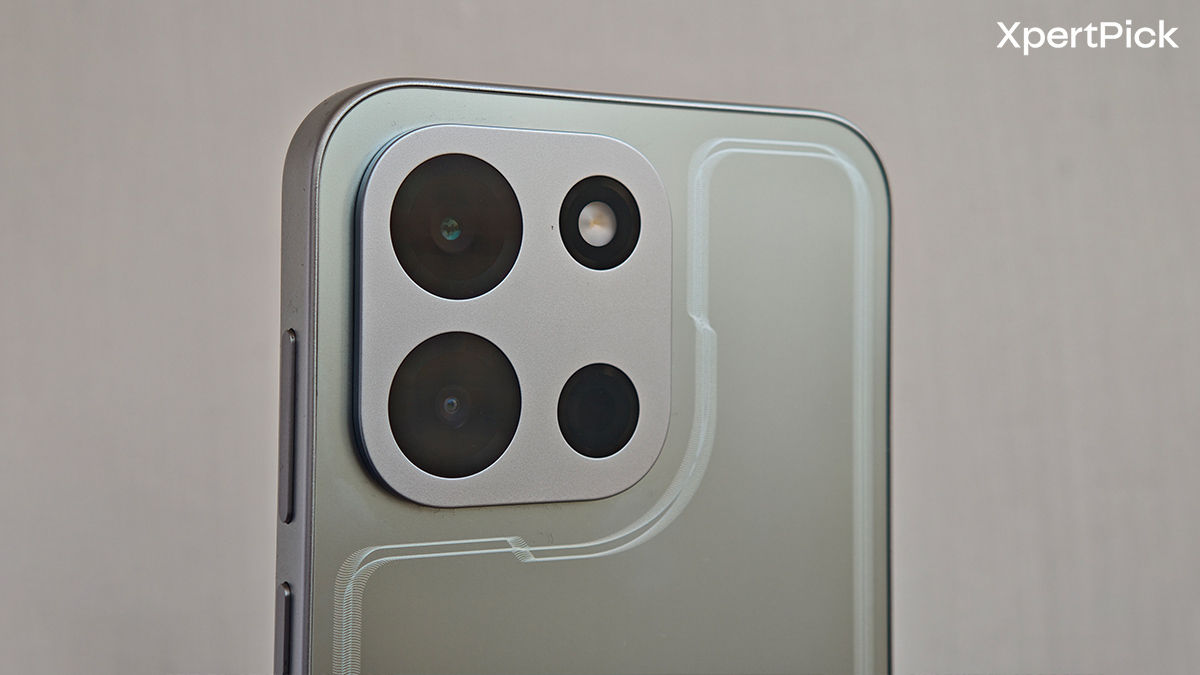
The Nord 6 looks quite different from the Nord 5, and that’s mostly a good thing. Gone is the old vertically stacked camera layout. In its place, you get something that feels much closer to the newer OnePlus 15 and 15R, with a flat back and that familiar metallic squircle camera island.
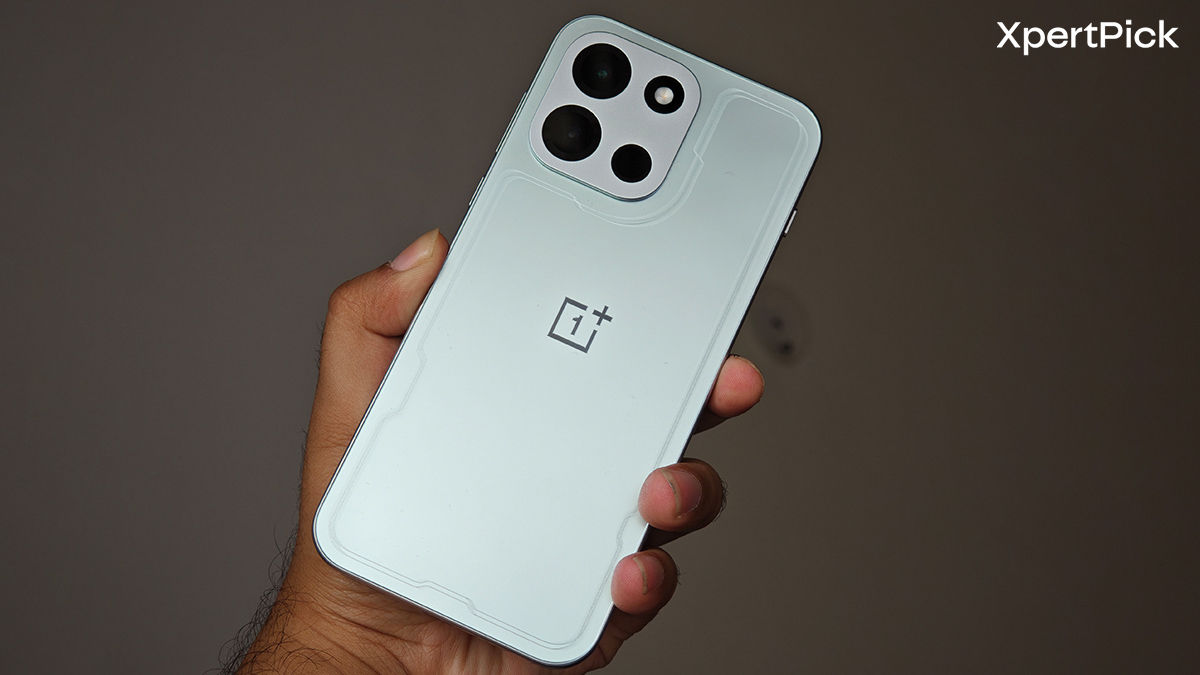
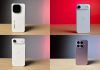
Aside from that, the only really flashy part of the design is the Holographic Quick Silver variant, which has these pattern shifts under light that make it look a bit more futuristic than it actually is. If you like your phones to have some visual drama without going full gamer nonsense, this one gets there.
Still, the Nord 6 isn’t doing anything especially daring. Compared to something like the Motorola Edge 70, which goes all in on that super-thin form factor, or even the Nothing Phone (4a) Pro, which at least tries to look like it came out of a sci-fi prop department, the Nord 6 is much more practical than expressive. It’s clearly trying to look like a more affordable OnePlus 15, and that strategy works, even if it isn’t very adventurous.
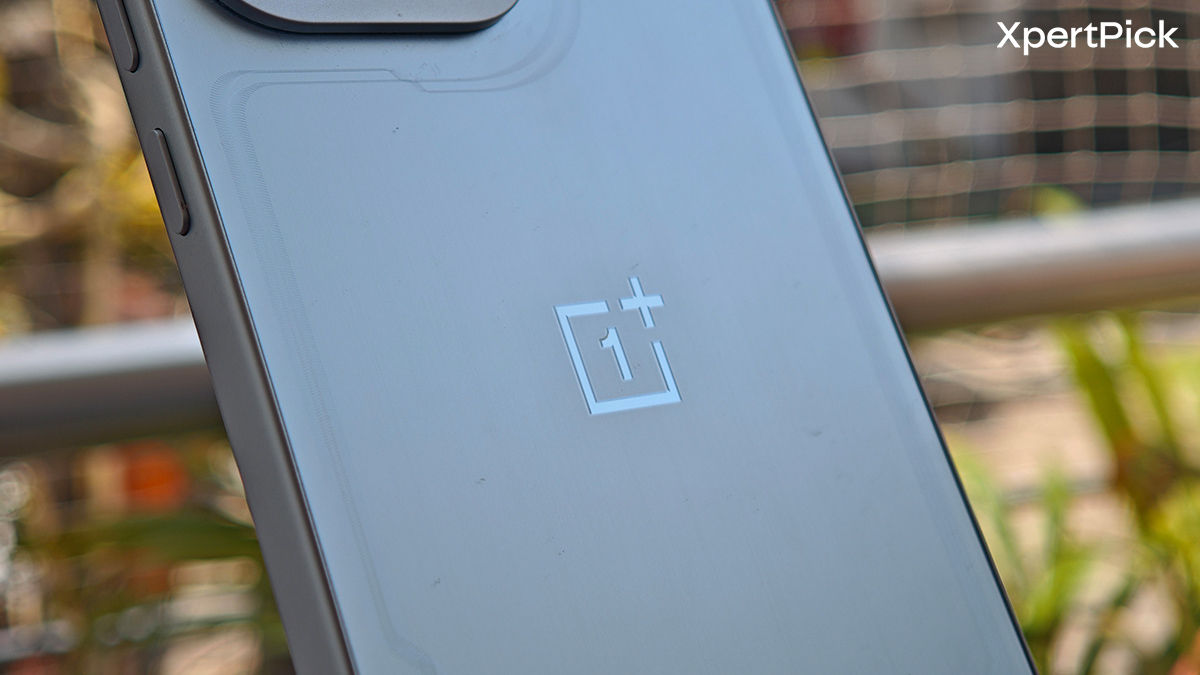
Pick it up, and the phone feels reassuringly hefty at around 210 grams. The frame and back are both plastic, which is how OnePlus has kept costs in check, but the weight gives it a more premium feel than the materials might suggest.
You also get a meaningful bump in durability. The Nord 6 now carries an IP66 + IP68 + IP69 + IP69K rating, which is a far more serious level of protection than the old IP65 on the Nord 5. Add the MIL-STD-810H certification, a pre-applied screen protector, and a case in the box.
Display: Super Smooth Screen with Solid Brightness
If there’s one thing OnePlus has remained consistent about across its 2026 lineup, it’s the display experience. The Nord 6 gets a 6.78-inch AMOLED panel with 1.5K resolution and, more importantly, support for up to 165Hz refresh rate. In reality, the phone mostly runs at 120Hz, with only some apps and supported games unlocking the full 165Hz. The panel feels exactly how a OnePlus screen should feel: fast, smooth, and instantly responsive.
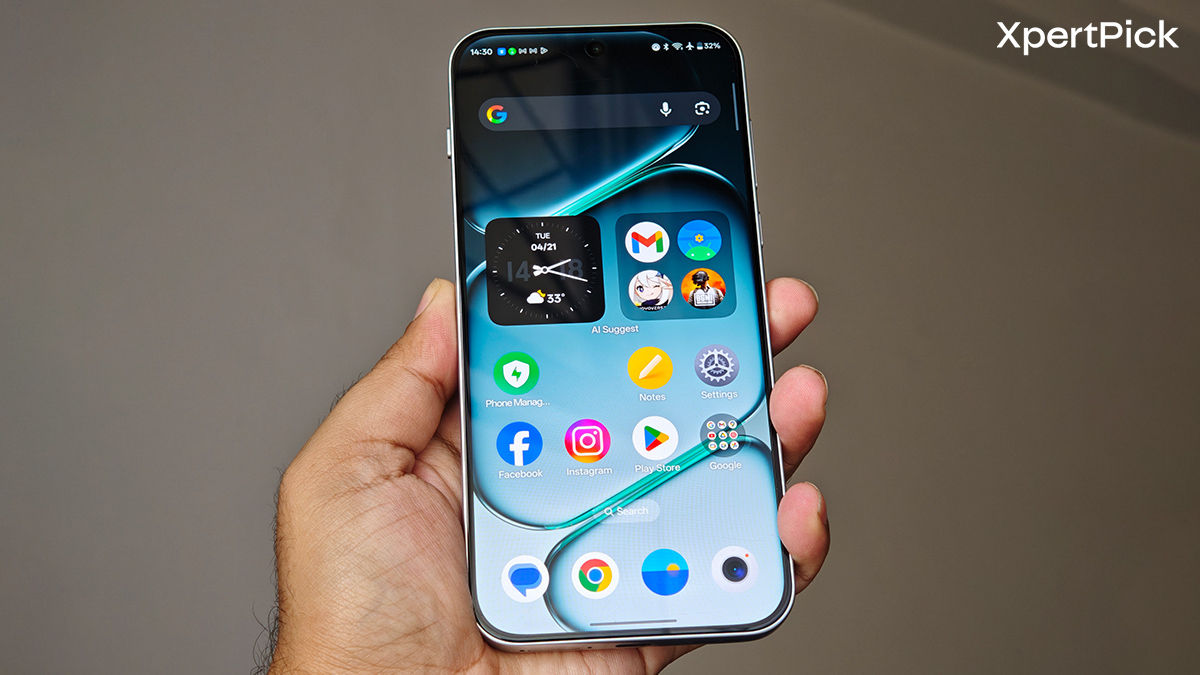
Brightness goes up to 3600 nits, which means readability is excellent even outdoors, and the 3840Hz PWM dimming helps make it a bit easier on the eyes in lower brightness conditions.
The Nord 6 feels very close to the more expensive OnePlus models from the front. You do lose out on the uniform bezels and LTPO tech that the OnePlus 15 enjoys, but those aren’t things you’ll miss unless you’re actively looking for them. For the most part, this is just a very good screen. The AMOLED panel helps too. Colours are vibrant, contrast is strong, videos look great, and gaming feels extra responsive. It’s easily one of the highlights of the phone.
Performance: Powerful Chip for its Class
With its latest generation of devices, OnePlus has fully leaned into being a performance-first smartphone brand. That shift felt a bit strange at first on the flagship 15 series, but it feels right at home on the Nord 6. The mid-range segment is where buyers actually care about squeezing more power for their money, so this direction makes a lot of sense.
The Nord 6 runs on the Snapdragon 8s Gen 4, which is a decent bump over the Snapdragon 8s Gen 3 in the Nord 5. It is coupled with up to 12GB of LPDDR5X RAM and UFS 4.1 storage.
Synthetic Benchmarks
- AnTuTu – 2,352,082
- AnTuTu (CPU) – 706,907
- AnTuTu (GPU) – 808,963
- Geekbench: 2,097 (single) / 6,569 (multi)
At this price, that makes the Nord 6 one of the most powerful phones in its class, at least in raw numbers. More importantly, the gains show up in daily use. App loading is quick, switching between apps feels snappy, the camera opens fast, and there are no annoying micro-stutters getting in the way.
Gaming is where the Nord 6 really flexes. BGMI on lower settings can push beyond 160fps on average, which is quite smooth for a phone at this price. This kind of frame rate also lowers latency in a way that you genuinely feel if you play competitive shooters seriously.
Even heavier games hold up well. Minecraft at max settings averaged around 58fps, while Asphalt 9 and Genshin Impact on high settings sat around 59fps. That’s genuinely impressive, especially when you remember that the Nord 6 costs roughly half as much as the OnePlus 15.
This is also where it pulls ahead of phones like the Nothing Phone (4a) Pro and Redmi Note 15 Pro+. Both of those are more balanced or camera-leaning devices, but neither comes close to this level of gaming performance or outright responsiveness. The Nothing feels more design- and software-driven, while the Redmi leans into battery life and display, but the Nord 6 is clearly the stronger phone if speed is a bigger priority.
Battery Life: Workhorse that Never Dies
There’s a very practical reason the Nord 6 is 211 grams and 8.5mm thick, and it’s sitting right underneath the chassis. This thing packs a 9,000mAh battery, which is about 2,200mAh larger than what powered the Nord 5. That’s an absurd number for a mainstream mid-range phone, and in daily use, it translates exactly the way you’d hope.
This is a genuine two-day phone. I threw games at it, watched a bunch of anime episodes, took a decent number of pictures and videos, and generally used it like I would use any phone I was reviewing seriously. By the end of the day, while my regular daily driver was hunting for a charger, the Nord 6 still had plenty of battery to spare. In fact, it often had around 50% left when most phones would be calling it quits.
In a battery benchmark, the Nord 6 lasted for an impressive 26 hours and 22 minutes, which lines up pretty well with real-world use. In practice, I was getting around 9 hours of screen-on time, which only falls behind monsters like the Realme P4 Power and its ridiculous 10,001mAh battery.
Charging is also handled well. You get 80W wired charging, which fills the phone in just over an hour, along with 27W reverse wired charging and Bypass charging, both of which are genuinely useful if you game a lot or occasionally need to top up another device.
Camera: OnePlus Camera Optimisations are Winning
This is the third time in 2026 that OnePlus has chosen to downgrade camera hardware on a newer phone. The OnePlus 15 got smaller sensors, the OnePlus 15R lost its telephoto camera entirely, and the Nord 6 continues the trend by using sensors you’ll often find on cheaper phones. So no, OnePlus is clearly not trying to turn the Nord 6 into a camera-first device. But the funny thing is—it still holds up better than expected.
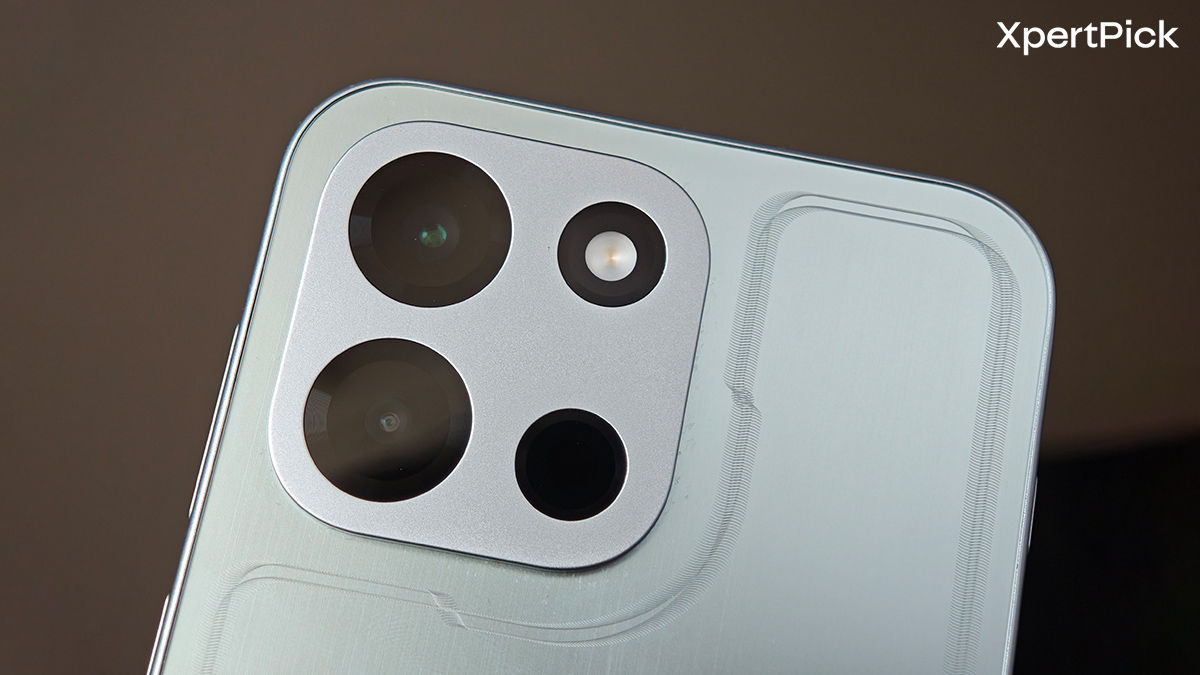
Camera Hardware
- 50MP 1/1.95″ Sony LYT600 main sensor (f/1.8 aperture, OIS)
- 8MP 1/4” OmniVision OV08F ultra wide angle lens (f/2.2)
- 32MP 1/3.1” Samsung selfie camera (f/2.0)
On paper, this setup looks dangerously close to what you’d find on phones like the Realme P4 Power, which costs over Rs 10,000 less. And compared to something like the Nothing Phone (4a) Pro, which offers a telephoto lens and a more versatile setup, the Nord 6 definitely lags behind. But processing is doing a lot of heavy lifting here.
In broad daylight, the Nord 6 produces surprisingly sharp images with good detail and mostly reliable HDR. The colours are well-balanced too, without leaning too hard into either warm or cool tones. That already gives it an advantage over some rivals, because it means the output looks cleaner and more predictable.
Portraits also come out well most of the time, though there are occasional issues around subject edges. The bigger miss, naturally, is the lack of a proper telephoto lens. You don’t get the compressed portrait look that phones like the Nothing Phone (4a) Pro or Vivo V70 can offer. And that matters more than it sounds if you really enjoy portrait shots or zoom photography.
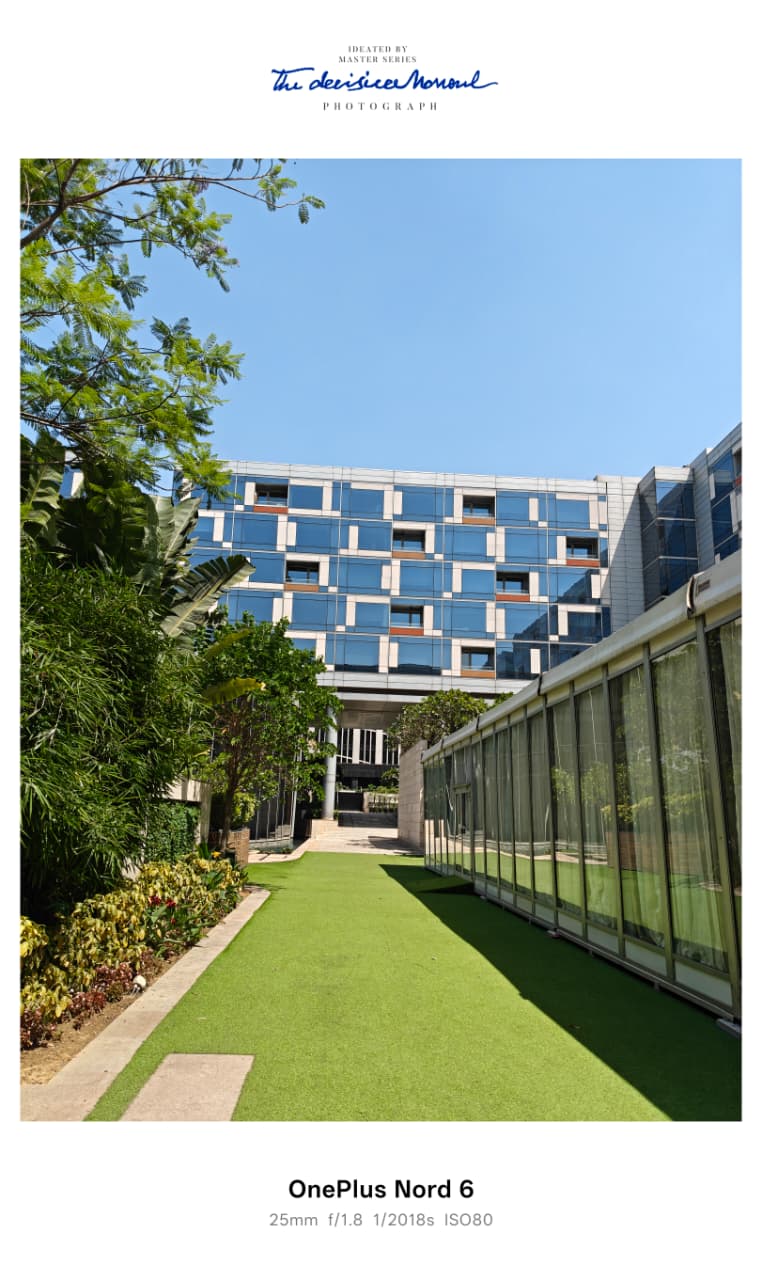
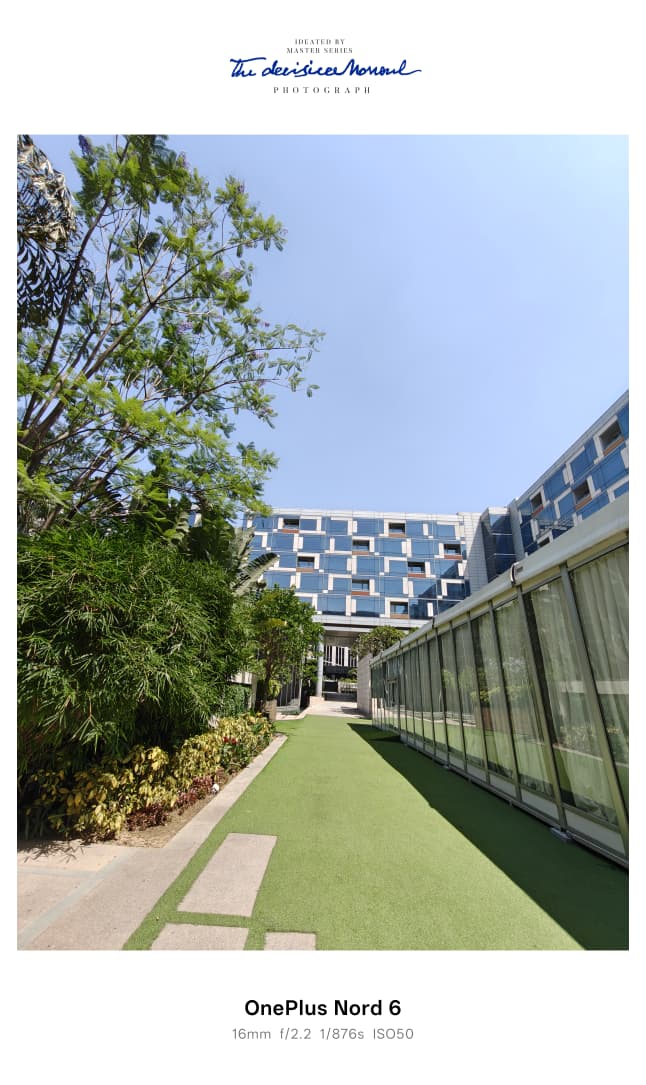
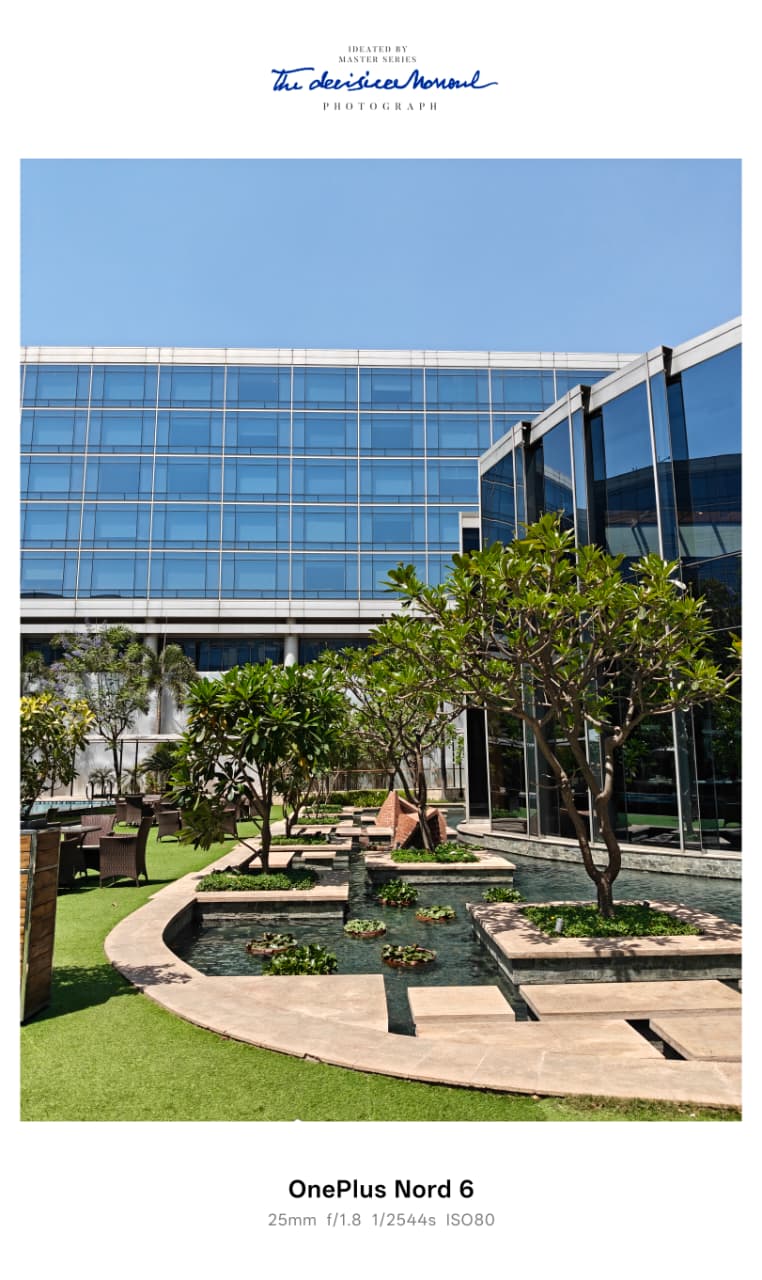
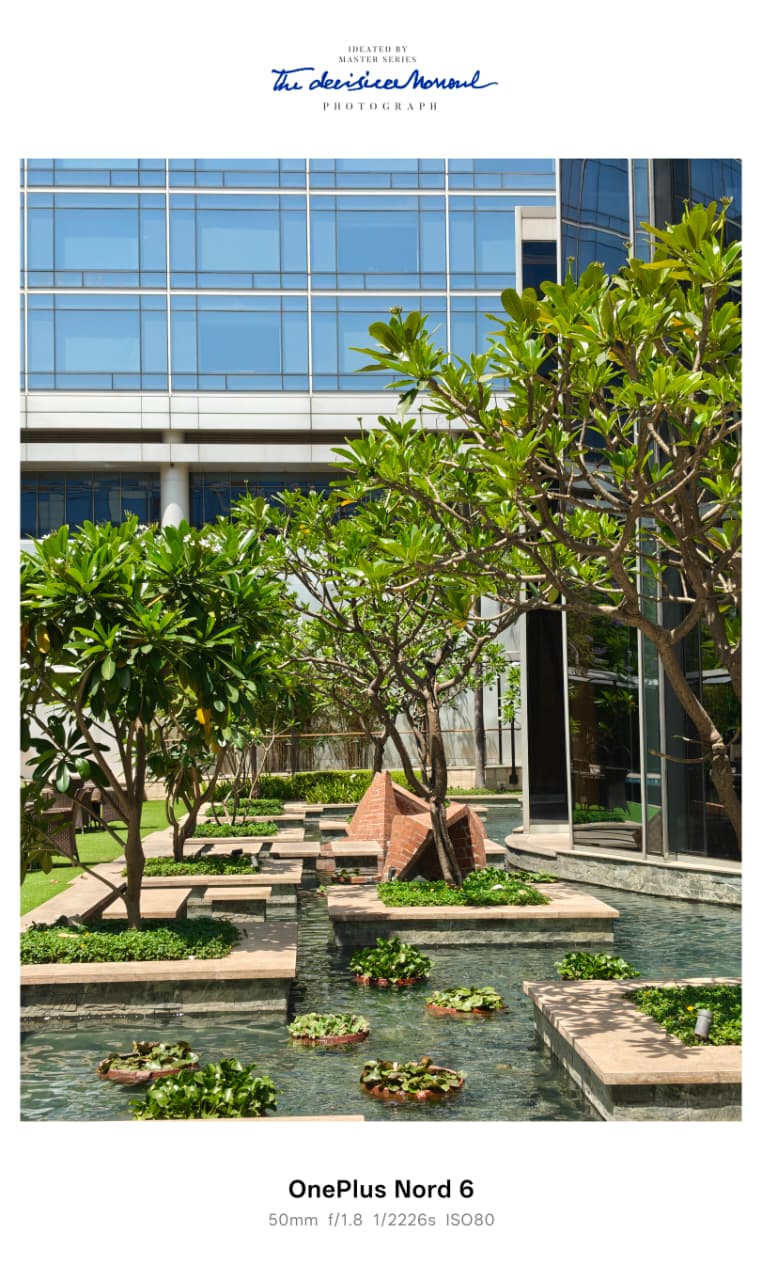
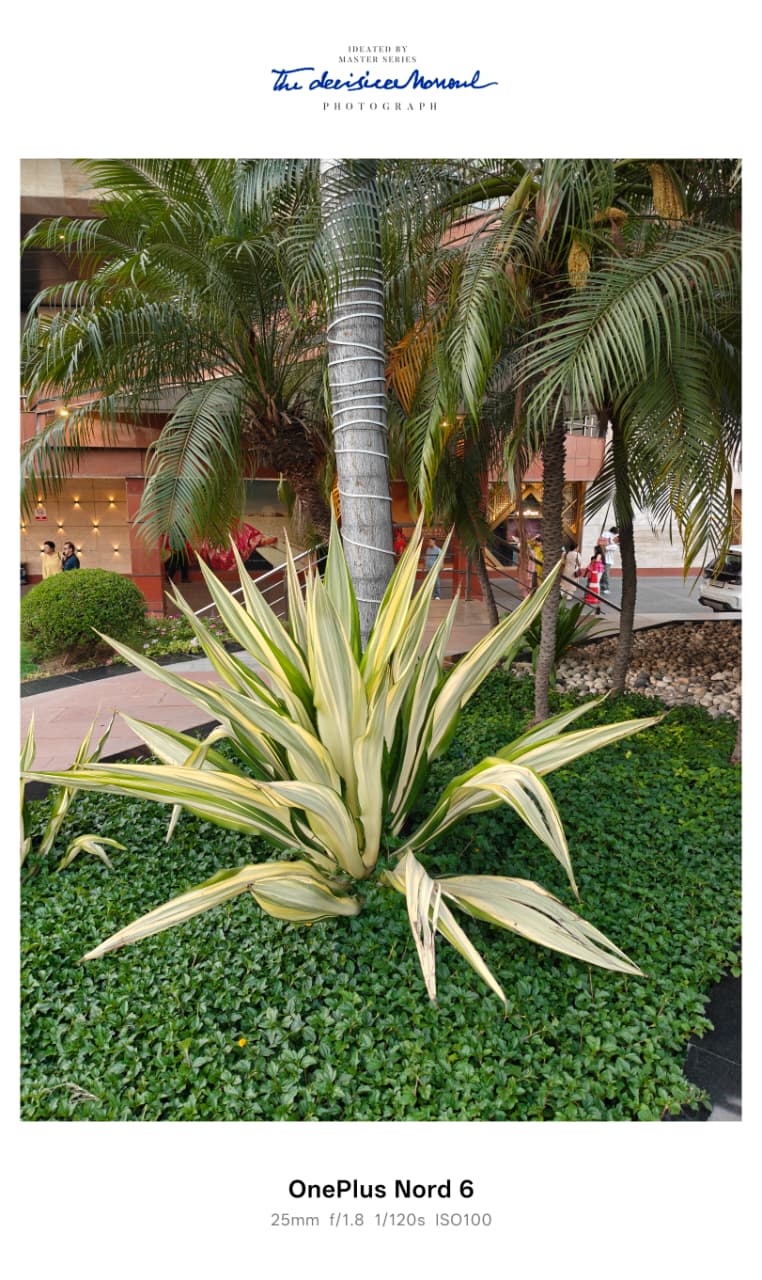







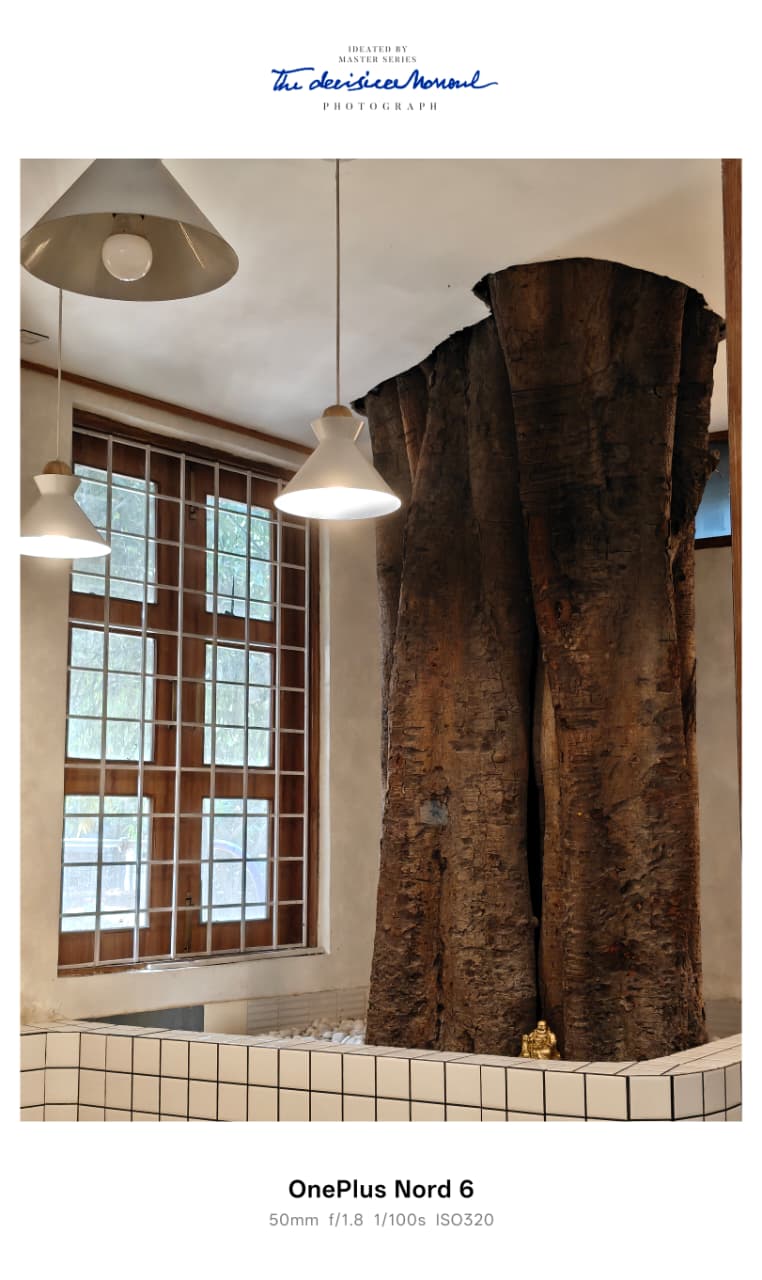








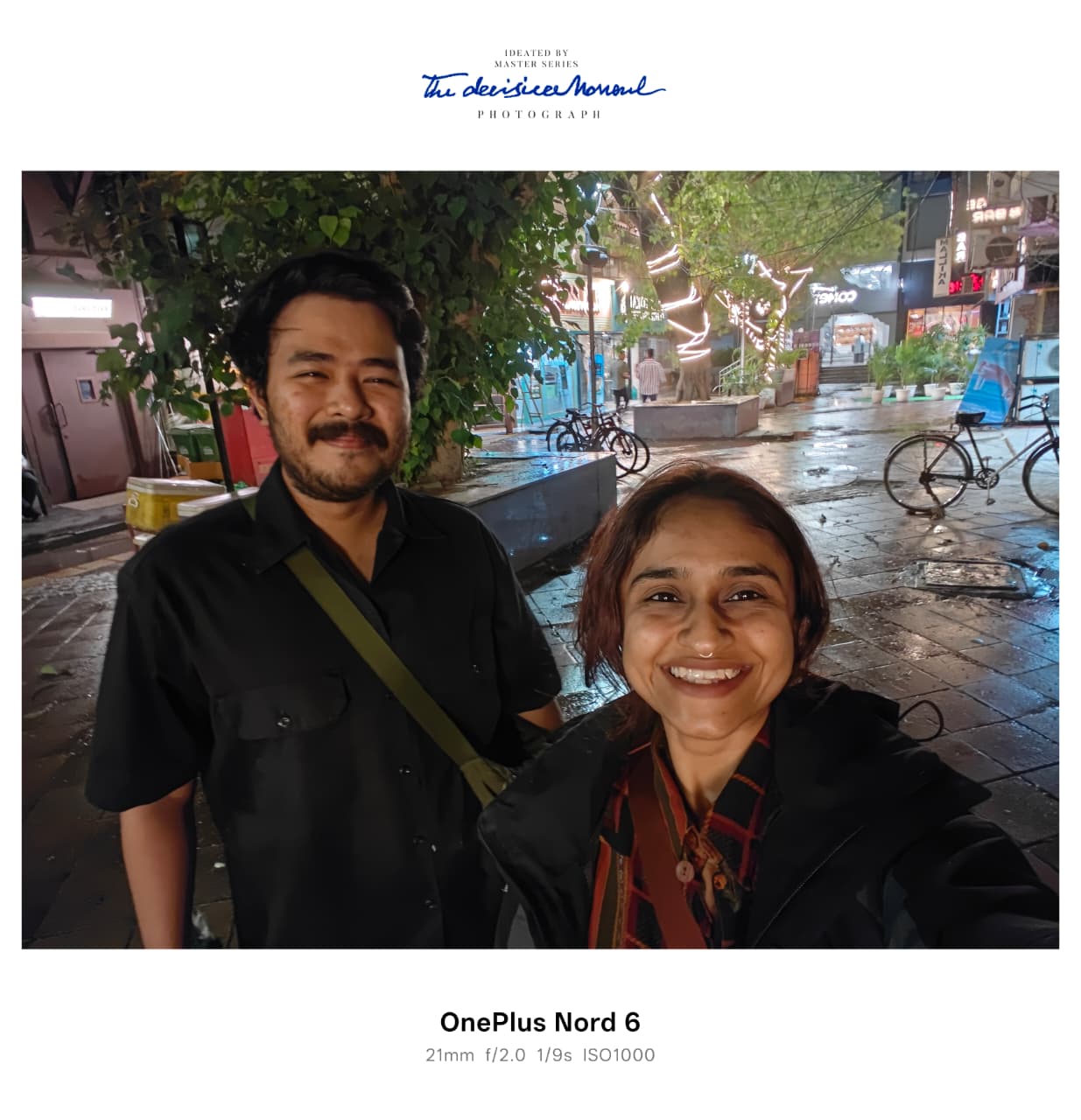

Even so, optimisation gives the Nord 6 a clear edge over the Realme P4 Power. Indoor lighting is handled better, colours stay more controlled, and exposure doesn’t fall apart as quickly.
Low-light performance is decent as well. Images can get a little soft, but they don’t become a smeary mess, and noise control is fairly respectable. Although larger sensors on devices like the Nothing Phone (4a) Pro and Motorola Edge 70 still give them a slight edge when the lighting gets worse.
Though the larger cameras on models like the Nothing Phone (4a) Pro and Motorola Edge 70 do give them an advantage in low light. Still, the Nord 6 holds up quite well. The images are slightly soft, but manage noise well and avoid looking too overprocessed. The ultra-wide angle is nothing special and seems mostly average for this price. It is a tiny sensor that has soft, distorted edges even in the day.
The ultra-wide camera is, predictably, just average. It’s a small sensor, and it behaves like one. Daylight shots are usable, but edge softness and distortion are obvious, and once the light drops, it quickly loses its usefulness. The selfie camera is actually one of the nicer surprises here. Skin tones are handled well, exposure is decent, and there’s a good amount of detail for the class.
Videos look sharp during the day, but once the sun goes down, you start seeing noticeable jitter, and the OIS has a harder time keeping things stable. So overall, the Nord 6’s camera system is better than the hardware suggests, but it’s still not one of the strongest reasons to buy the phone. It’s good enough, and sometimes surprisingly good, but not class-leading.
Software: OxygenOS Still Has the Magic
OxygenOS remains one of the best Android skins around. It still has that clean, fluid feel that makes even the cheaper OnePlus phones feel more premium than they technically are. Yes, I still have my issues with the increasingly iOS-inspired visual language, but the overall software experience is still polished. The customisation is excellent, and if you enjoy tinkering with your device, OxygenOS gives you a lot to play with.
You can tweak just about everything—charging animations, fingerprint unlock animations, the Always-On Display, themes, icon packs, lock screen style, and more. Just like the OnePlus 15 series, the Plus Key returns here too, bringing the Plus Mind / Mind Space experience with it.
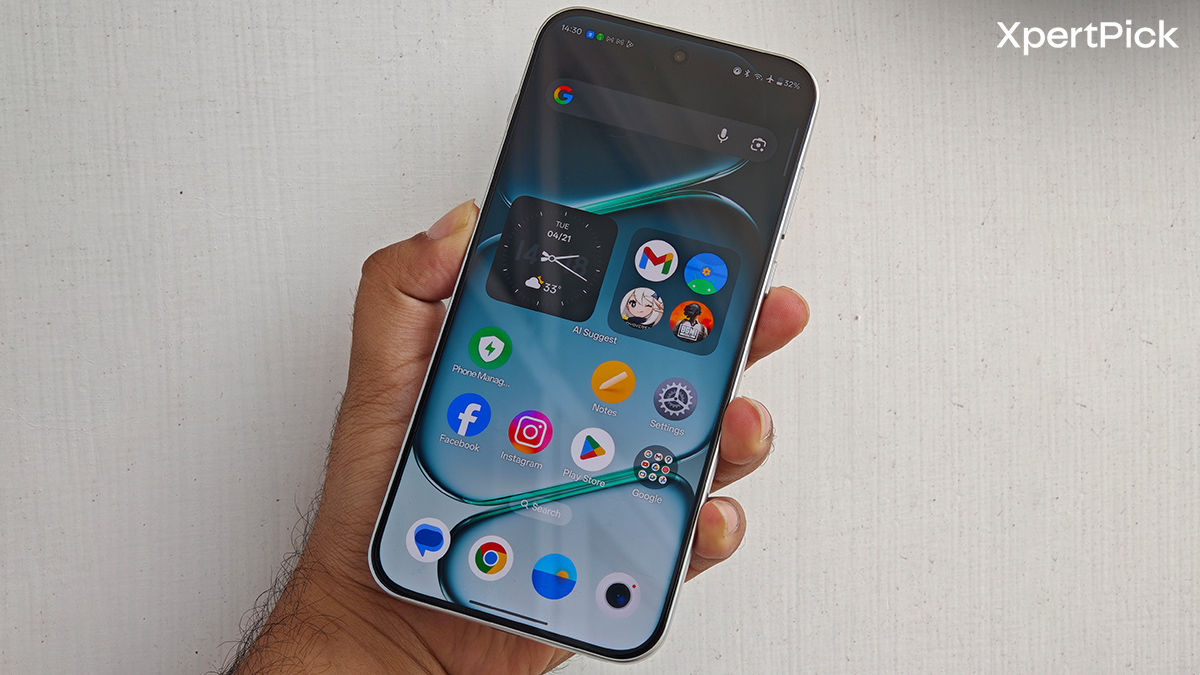
In theory, it acts like a second brain for your phone, helping organise captured on-screen content, generate summaries, and store useful bits for later. You’ll probably still end up assigning it to something simple like toggling Sound and Vibrate modes. But the option is there.
You also get access to OnePlus’ AI tools like AI VoiceScribe, AI Writer, and AI Translate, so the software here doesn’t feel stripped down just because the hardware sits lower in the lineup. That’s one of the better things about the Nord 6—it doesn’t feel like you’re getting a “lite” software experience.
Verdict
The OnePlus Nord 6 knows exactly what it wants to be, and that clarity really works in its favour. It’s a performance-first mid-ranger that doesn’t pretend to be a camera phone or a design statement. Instead, it delivers exactly where a lot of buyers in this segment actually care most: speed, gaming, battery life, and a polished day-to-day experience. The display is excellent, the battery life is absurdly good, and the chipset makes this one of the strongest performers you can get around this price.
However, the focus does come at a cost. Although the cameras are better than expected, they are still not as versatile or refined as what you’ll get on the Nothing Phone (4a) Pro or Vivo V70. The OnePlus 15R is also there if you want to stretch further for even better performance and endurance, while the Redmi Note 15 Pro+ feels more balanced in some ways despite being slower. So the Nord 6 isn’t the all-round king of the segment. But if your priorities are gaming, speed, battery life, and a clean software experience, it’s not hard to recommend this phone for power users.
Pros
- Excellent performance for the price
- Impressive battery life
- Great AMOLED display
- Polished OxygenOS experience
- Good protection and in-box extras
Cons
- Cameras still feel secondary
- No telephoto lens
- Haptics and build materials don’t feel especially premium
- Not the most balanced phone in the segment