POCO has spent years building a reputation around giving budget-conscious buyers more power than they’d normally expect. And with the POCO X8 Pro Max, that basic philosophy hasn’t changed. For the price of what most brands would now call an upper mid-range phone, POCO is once again chasing the crowd that wants raw performance, big battery life, and as little compromise in gaming as possible.
Of course, when a brand focuses this hard on one side of the phone, something else usually has to give. But on paper at least, the POCO X8 Pro Max tries to look more balanced than its marketing and gamer-flavoured identity suggests. Compared to POCO’s more affordable phones, this one is definitely not cheap. So is it worth your money?
Design: Basic Looks that Hide the Gaming DNA
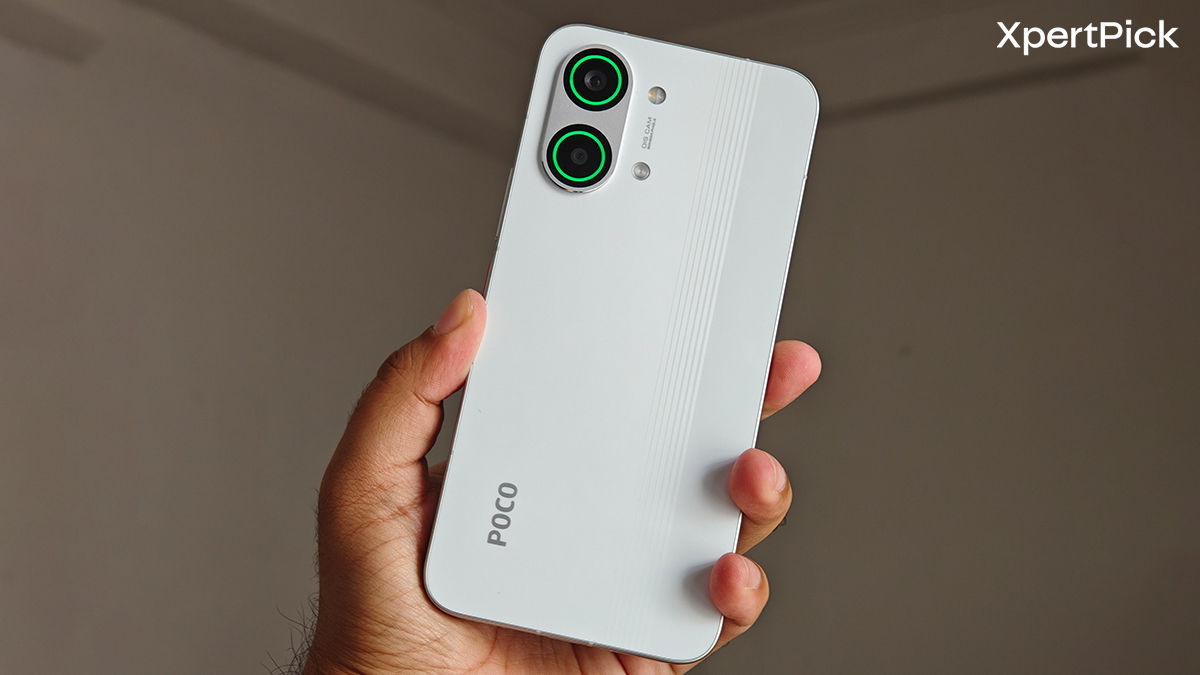
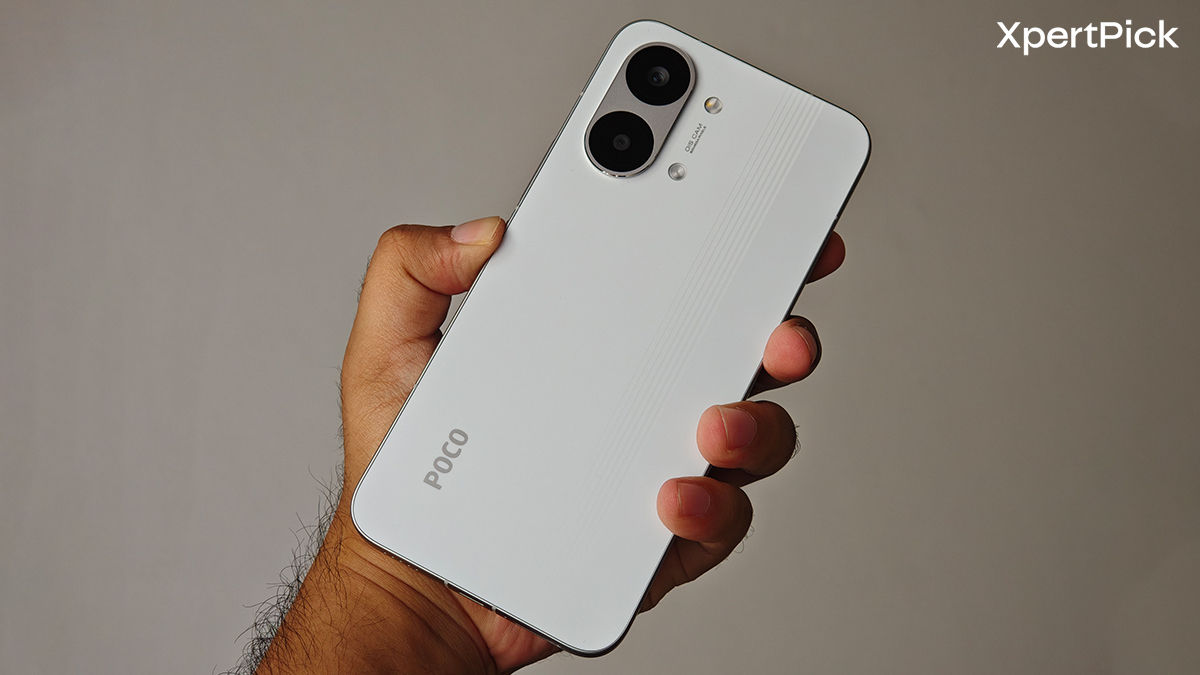
There really isn’t much to write home about when talking about the POCO X8 Pro Max’s design. This is a fairly standard slab phone with a flat back, flat sides, and a design language that doesn’t do much to stand apart at first glance. And honestly, that isn’t necessarily a bad thing. While I do appreciate phones that swing for the fences visually, like the Nothing Phone (4a) Pro, a more familiar, reliable look is still the safer bet for many buyers.
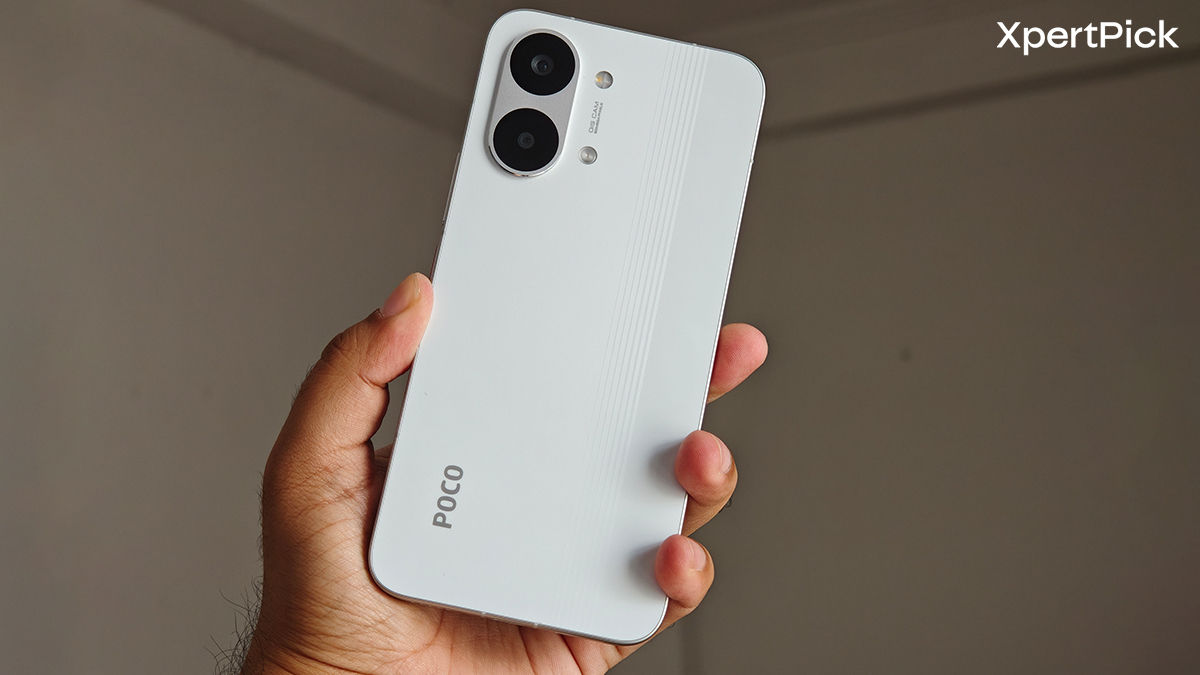
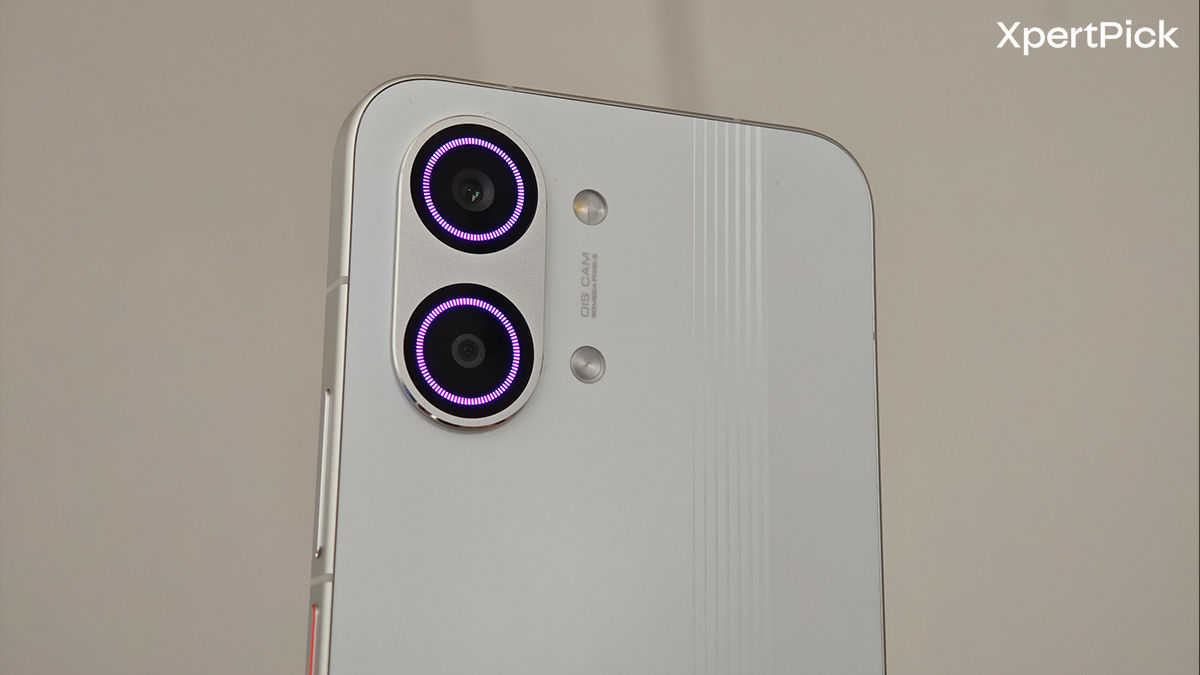
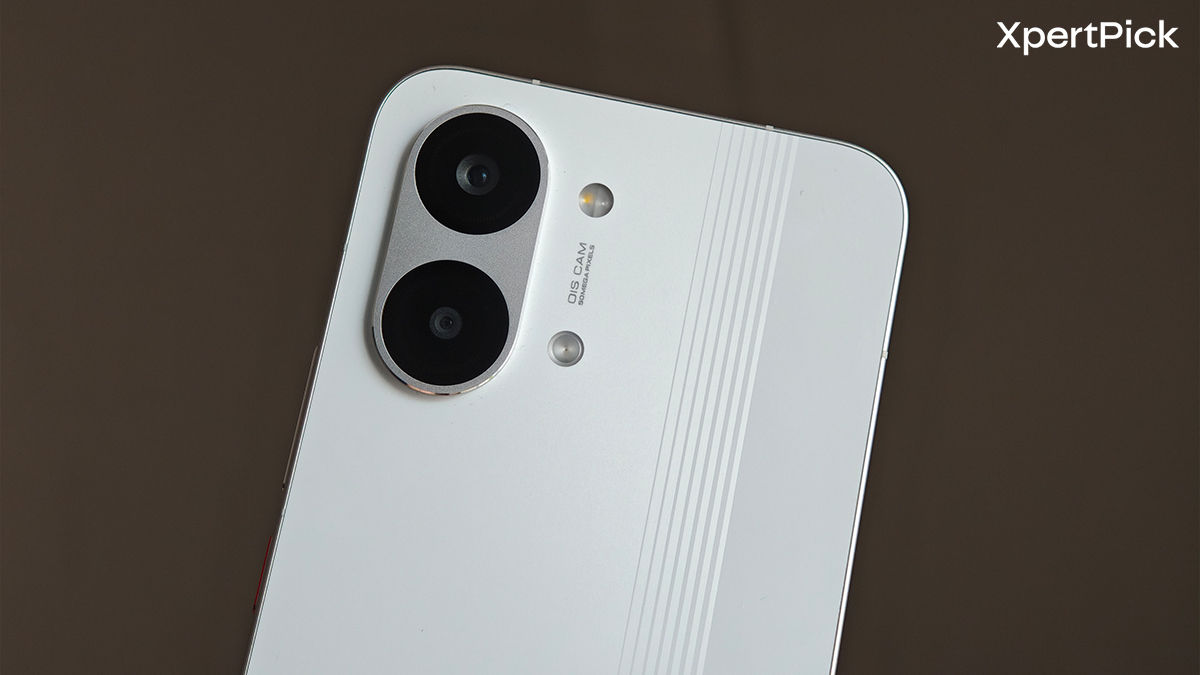
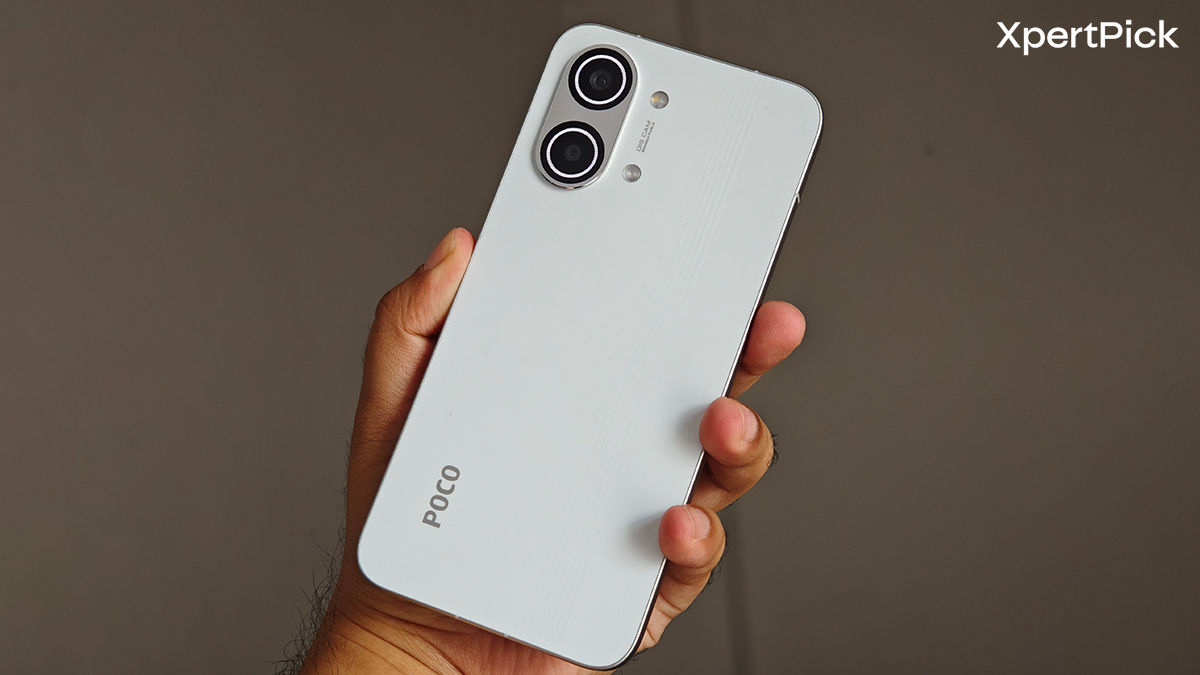
Although, the POCO does try to inject a bit of personality. The glowing rings around the two rear cameras are a clear reminder that this is still, at heart, a gaming phone. They’re a little flashy without going full RGB chaos, and they help break up what would otherwise be a pretty plain-looking back panel.
The rest of the build is solid. The phone gets a metal frame, which immediately helps it feel more premium, even though the rear panel is still plastic. It doesn’t feel flimsy at all, and the 218-gram weight adds to that robust feeling in the hand. Of course, that same heft also means it gets tiring during longer gaming sessions or extended one-handed use.
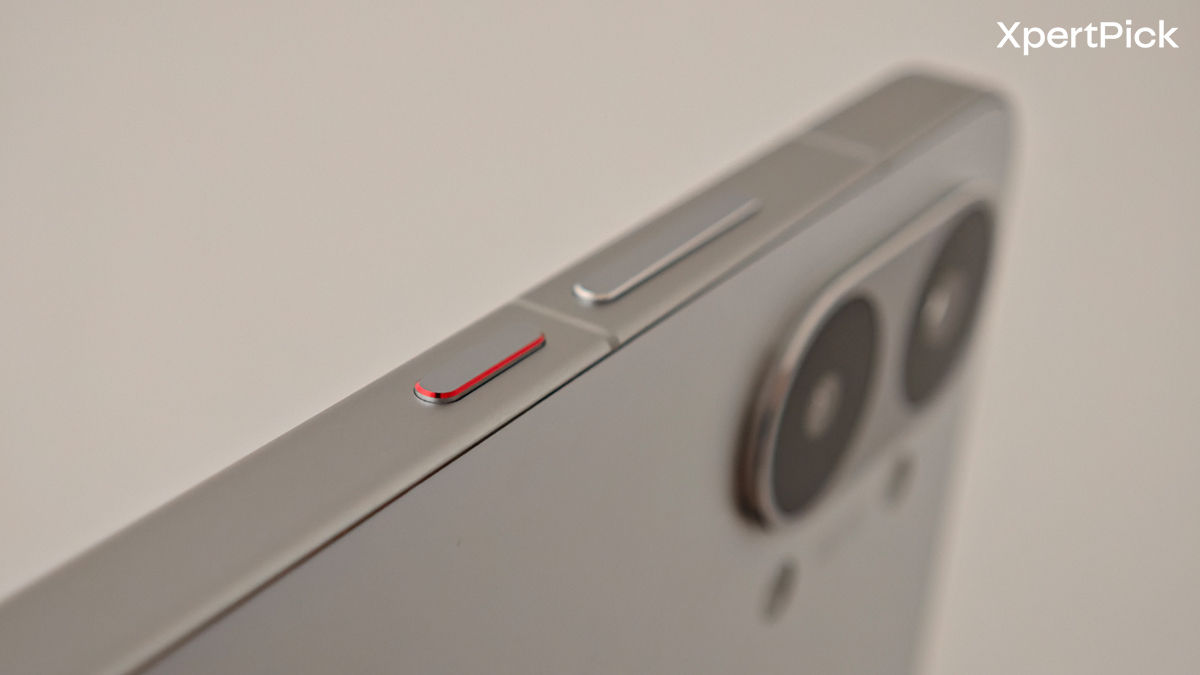
Protection is strong too. The POCO X8 Pro Max comes with IP66, IP68, IP69, and IP69K ratings, which is more or less the full durability flex at this point. The screen is protected by Gorilla Glass 7i, and there’s a pre-applied screen protector as well, which is always nice to have out of the box.
Display: A Bright Panel that’s Vibrant, Smooth, & More Secure
For a device clearly built with gaming in mind, POCO has made sure the screen is doing its part. You get a big 6.83-inch AMOLED panel with a 1.5K resolution and a 120Hz refresh rate, and it’s just a very good screen to use. Text and images look sharp, colours pop nicely, and whether you’re doomscrolling, watching something, or gaming, the overall feel is slick and responsive.
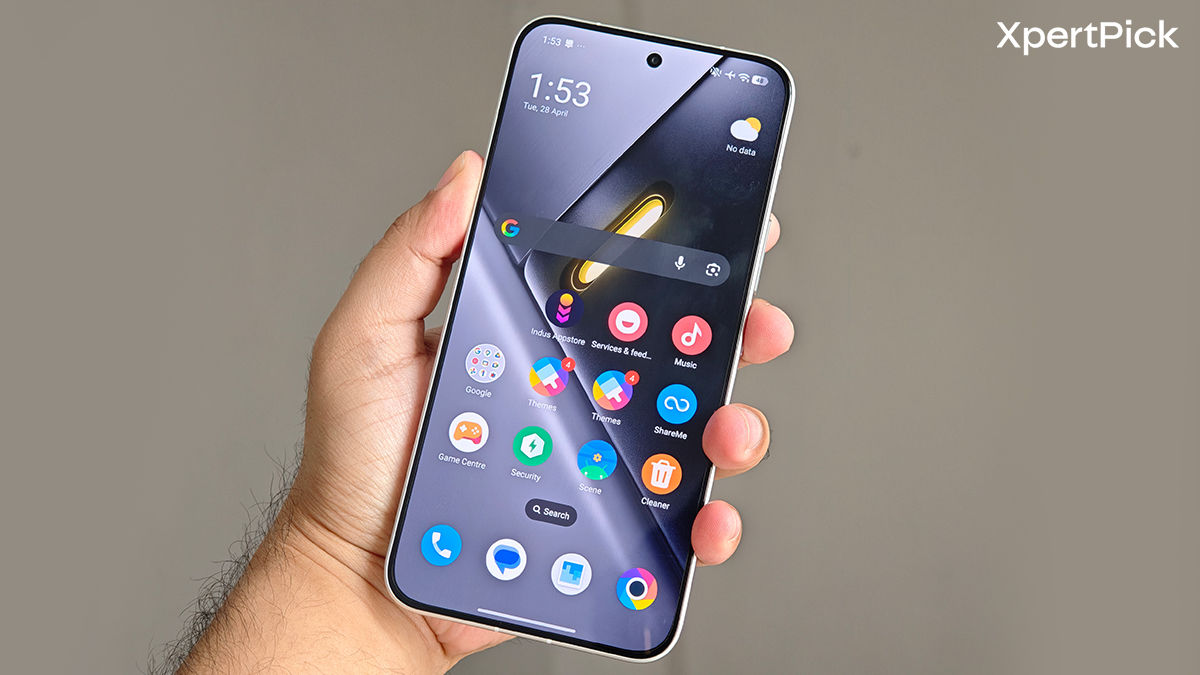
Sunlight visibility is also a non-issue here, thanks to the 3500 nits peak brightness and support for HDR10+, Dolby Vision, and a 12-bit panel, which help the screen look especially good on supported content. Add in the near-even bezels, strong contrast, and the viewing experience feels genuinely immersive.
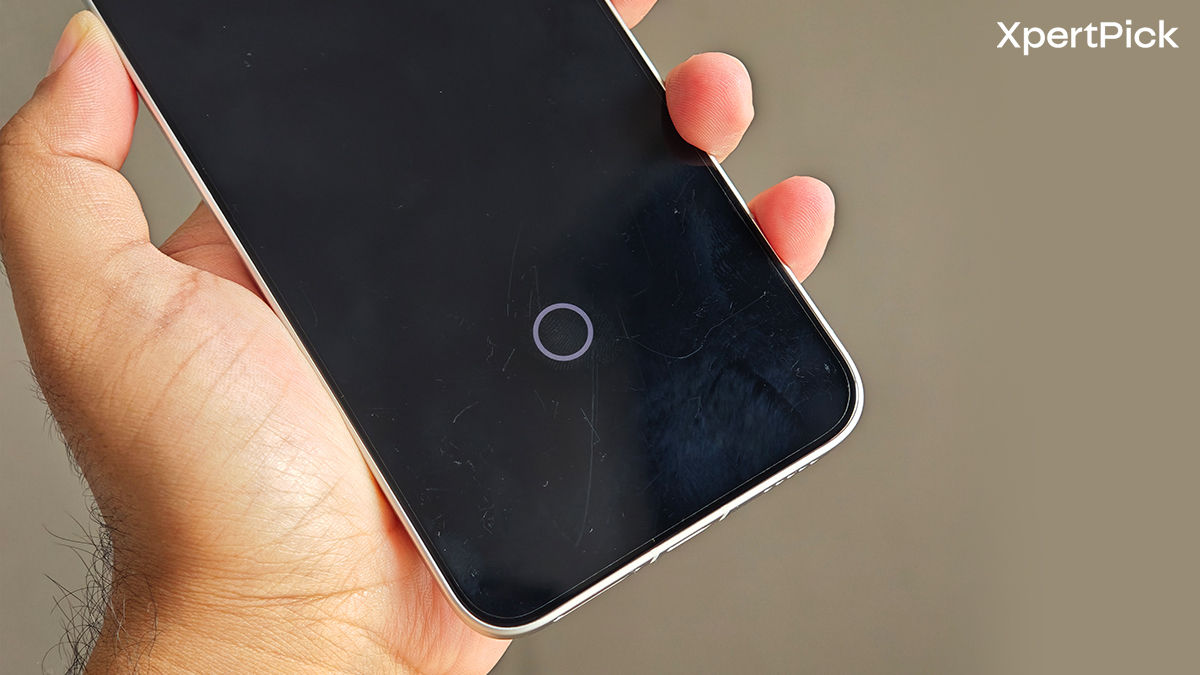
One of the nicer upgrades here is the ultrasonic fingerprint scanner. It sits higher on the display, making it more comfortable to reach, and it’s fast and reliable in a way that cheaper optical readers still don’t quite manage.
Performance: Power that Never Lets You Down.
This is the real reason to care about the POCO X8 Pro Max. The phone is powered by the Dimensity 9500s, and my review unit came with 12GB LPDDR5X Ultra RAM and 512GB UFS 4.1 storage. In other words, there is absolutely no pretending here–this phone is built to move.
Synthetic benchmarks:
- AnTuTu – 2,801,896
- AnTuTu (CPU) – 843,383
- AnTuTu (GPU) – 979,495
- Geekbench: 2,650 (single) / 8,458 (multi)
In regular use, that performance translates exactly the way you’d hope. App launches or switching feels smooth and frictionless. Apps open quickly, switching between them is instant, and there are no signs of lag or hesitation. But obviously, this is a phone you buy to push.
In BGMI, the POCO X8 Pro Max can average close to 120fps without thermal throttling becoming an issue. That’s with settings tuned for max frame rate, and the experience is as smooth as you’d want a gaming phone to be. Minecraft hovered around a stable 60fps, while Genshin Impact also held 60fps on high settings. Even Asphalt 9, which ended up being one of the tougher workloads here, averaged 84fps, even if the lows did dip quite a bit harder.
Yes, the Vivo V70 and Nothing Phone (4a) Pro are more balanced devices, and in some ways more refined, but they cannot keep up with the POCO X8 Pro Max once performance enters the conversation. Both are better-rounded or more camera-conscious phones, but this one is simply built to go faster.
The OnePlus 15R is the more serious comparison. That phone is also performance-first, along with stronger optimisation and a more polished overall feel. But the POCO undercuts it slightly in pricing while still delivering a very high-end gaming experience. So if you want something that rivals the 15R’s power without stretching quite that far, the X8 Pro Max makes a lot of sense.
Battery Life: Lasted So Long, I Almost Forgot Where I Kept the Charger
Battery life is another one of this phone’s biggest strengths. The POCO X8 Pro Max packs a 9,000mAh battery, which is pretty absurd in the best possible way. This is the kind of capacity that immediately changes how you use the phone, because you stop thinking about charging quite so much.
With lighter use, this is very much a near-two-day phone. But even once gaming, streaming, and heavier usage enter the picture, it still feels incredibly reassuring. During my time with it, I was regularly seeing 8+ hours of screen-on time, and even then, it never really felt stressed.
Interestingly, the OnePlus Nord 6, which has an identical battery capacity, managed to last a little longer in my experience. That likely comes down to chip differences and optimisation. But even with that in mind, the POCO’s endurance is still excellent.
Charging is also a highlight. You get 100W wired charging, which is enough to fully top up the phone in about an hour, and there’s 27W reverse charging if you need to help out another device in a pinch. Bypass charging is here too, which is genuinely useful if you game while plugged in and don’t want extra heat building up.
Camera: Falls Behind Its Rivals in Photography
Once you cross Rs 40,000, expectations around cameras change. You start hoping for either a genuinely strong main sensor or a more versatile setup with a telephoto lens. The POCO X8 Pro Max doesn’t really do either. To hit the rest of its ridiculous specs, POCO had to cut back pretty hard on camera hardware.
Camera hardware:
- 50MP 1/1.95″ Light Fusion 600 (f/1.5 aperture, OIS)
- 8MP 1/4” SmartSens SC821CS ultra wide angle lens (f/2.2)
- 20MP 1/4” OmniVision OV20B selfie camera (f/2.2)
At a glance, this looks a lot closer to a cheaper phone like the Realme P4 Power than something sitting near the upper mid-range. But, to POCO’s credit, the software does a lot of heavy lifting.
In daylight, the main camera actually performs surprisingly well. Images have nice contrast, good vibrant pop, and enough detail to look genuinely impressive at first glance. HDR is also handled better than expected. The biggest issue is that processing can sometimes go a bit overboard, with sharpening showing up more than it should.
Portraits are only decent, mostly because the sensor size doesn’t naturally give you that stronger background separation. The 2x zoom is okay in ideal conditions, but it’s clearly not a camera you’ll be pushing too hard if image quality matters.























At night, the phone holds up better than you’d expect, at least if you keep your expectations realistic. Colours don’t wash out badly, and shots remain usable. But zoom in, and the softness becomes obvious, while the sharpening gets even more aggressive.
At 2x, most of the details remain the same, but that’s only in the best lighting conditions. During the night, the phone holds up well for the most part. Colours aren’t washed out, though the details do get a bit blurry once you zoom in. But the sharpening effect becomes even stronger. This makes some shots look more unnatural.
The ultra-wide follows the usual script for small sensors like this one. The vibe of the image is similar enough to the main camera, but edge softness and lens distortion are obvious, and low-light performance drops off fast.
The selfie camera is surprisingly decent, with good enough colour reproduction and relatively realistic skin tones. It doesn’t capture extremely fine detail, but it’s reliable enough.
Video goes up to 4K60fps, but only on the main camera. The ultra-wide tops out at 1080p30fps, while the selfie gets 1080p60fps. For the best results, you’ll mostly just end up sticking to the main camera, which at least delivers good stabilisation and usable quality.
Compared to the Vivo V70, the gap becomes obvious. That phone has a far better and more versatile setup, especially thanks to its dedicated telephoto lens and more refined overall tuning. Even the OnePlus 15R, which isn’t a camera-first phone at all, still pulls ahead with its larger main sensor and stronger processing. So yes, the POCO X8 Pro Max’s cameras are competent enough, but they’re definitely the weakest part of the overall package.
Software: HyperOS 3 Right From the Get-Go is Great
Unlike Xiaomi’s own Redmi Note 15 series, which awkwardly launched behind on the software front, the POCO X8 Pro Max actually gets Android 16 with HyperOS 3 out of the box. This immediately gives it an edge, especially since Xiaomi is also promising four major OS updates and six years of security patches.
The software itself is classic HyperOS, which means it offers a feature-rich, heavily customisable, and packed with extras. Since even the more expensive Xiaomi 17 gets the same broad set of features, you aren’t really missing out on the fun stuff here. Super Island makes an appearance as Xiaomi’s answer to Dynamic Island, and the usual AI toolkit is all here too, including writing tools, translation, subtitles, and more.
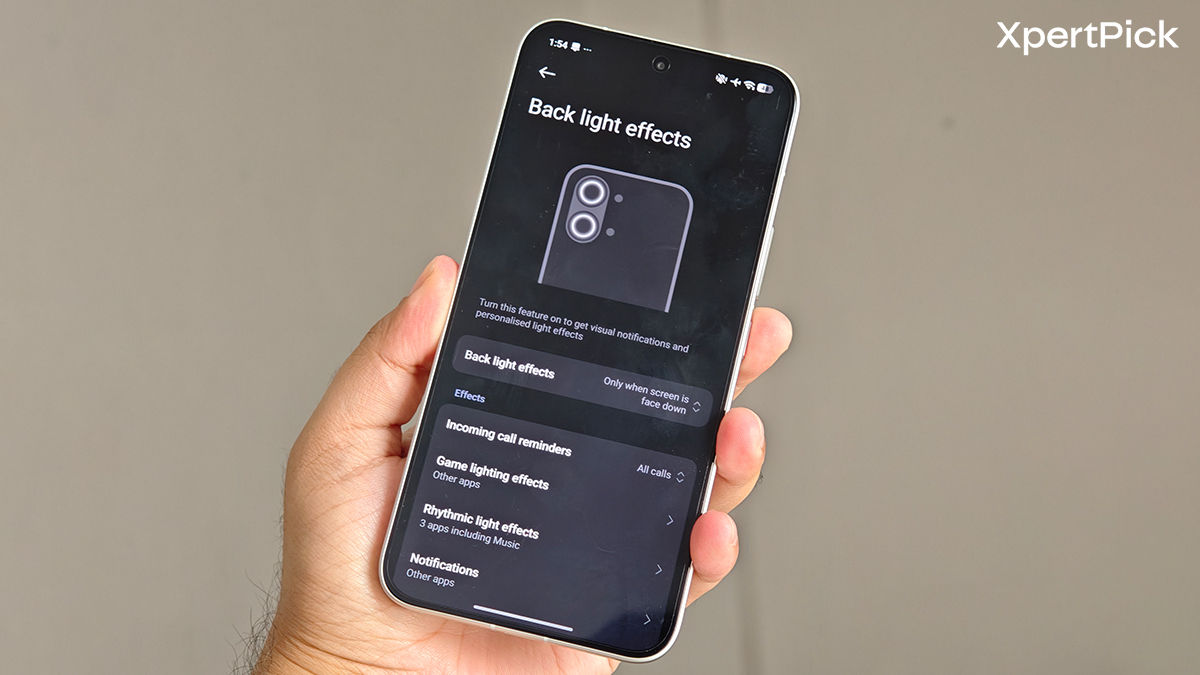
HyperOS is great if you like tinkering. You can tweak all kinds of things, from the fingerprint animation and Always-On Display to icons and theming. Among the extras, the POCO X8 Pro Max includes options to tweak RGB lighting. It brings both game lighting effects and rhythmic effects when you’re playing music.
But since this is also a pretty heavy skin, it can be a turn-off if you prefer cleaner software like what you get on the Motorola Edge 70 or Motorola Signature. And yes, the usual pile of pre-installed apps is here too. You can uninstall most of them, but it’s still annoying on first boot.
Verdict
The POCO X8 Pro Max feels like a phone that knows exactly what kind of buyer it is targeting, and thankfully, it delivers where that audience will care the most. At a starting price of Rs 42,999, it isn’t trying to be the most polished or the most camera-focused phone in its segment. But what you do get is a phone that goes all in on performance and battery life, without being too heavy on your wallet.
The display is excellent, the Dimensity 9500s is one of the strongest chips at this price, and the 9,000mAh battery gives it the kind of endurance that makes most phones look conservative.
So, should you buy the POCO X8 Pro Max? If your priorities are raw speed, gaming, thermals, and battery life, then yes, this is one of the strongest value picks in its class. But if you’re looking for something more balanced, the Vivo V70 for Rs 45,999 is the better pick if cameras matter more, especially with its telephoto lens and the more polished Zeiss experience.
The OnePlus 15R is slightly more expensive (Rs 47,999 ) but does bring a cleaner UI, similar performance, and strong optimisation overall. Even the Nothing Phone (4a) Pro, for Rs 39,999, looks attractive at this price range if you care more about design and software personality rather than brute force.
Pros
- Excellent gaming and everyday performance
- Solid battery life
- Great AMOLED display
- Fast charging and useful bypass charging
- Durable build and strong ingress protection
Cons
- Cameras clearly lag behind rivals
- Design feels plain outside the RGB accents
- HyperOS is still bloated out of the box