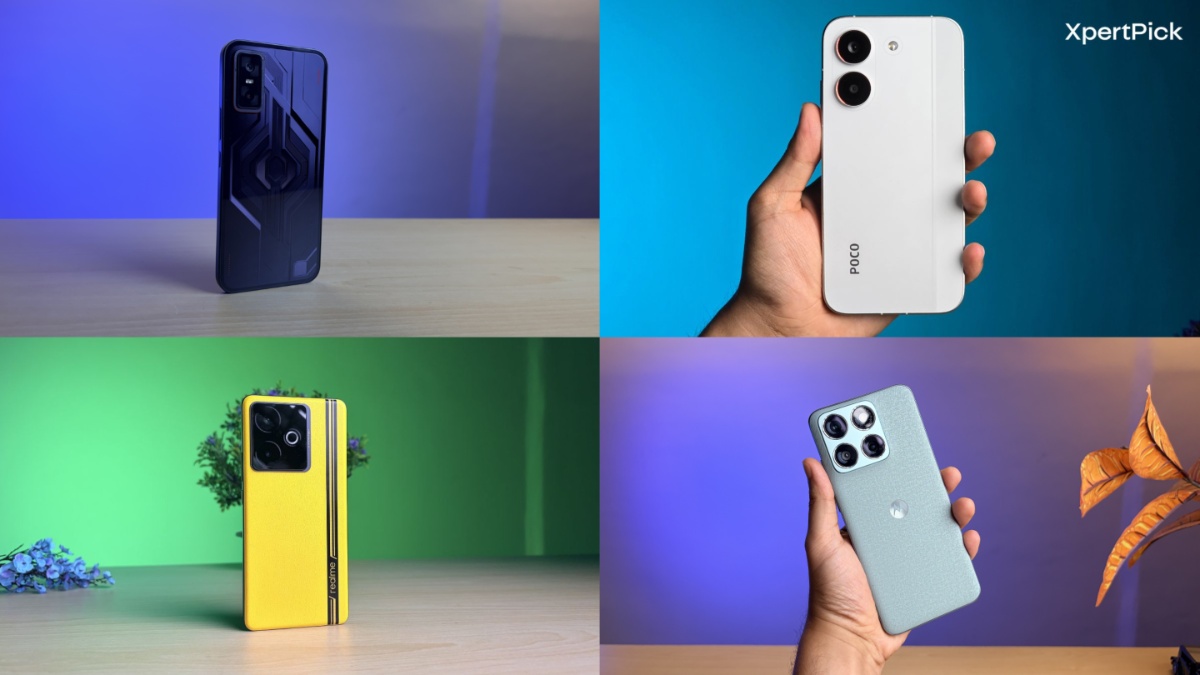
The search for the perfect mid-range smartphone often leads to a tough choice between high-speed performance and long-lasting battery life. In 2026, manufacturers are closing that gap more effectively than ever, delivering devices that can handle competitive gaming sessions and still have plenty of juice left for the next day. Today, we are putting four of the hottest new releases to the test to see which one truly reigns supreme.
We have the Motorola Edge 70 Fusion (₹26,899) powered by the Qualcomm Snapdragon 7s Gen 4, the Poco X8 Pro (₹32,999) featuring the MediaTek Dimensity 8500-Ultra, the Realme GT 7T (₹29,999) equipped with the Dimensity 8400-Max, and the Infinix GT 30 Pro 5G (₹27,999) running on the Dimensity 7400.
Our testing showed that the strongest gaming phone was not always the one with the biggest battery or highest benchmark score. Some phones delivered better frame stability, while others stood out for longer gaming sessions and better overall efficiency.
Standout Performers From Our Testing
| Category |
Winner |
| Best Benchmark Performance |
Poco X8 Pro |
| Best BGMI Performance |
Realme GT 7T |
| Best Battery Gaming Phone |
Realme GT 7T |
| Most Value-for-Money Gaming Phone With Long Battery Life |
Realme GT 7T |
Benchmark Performance: Realme GT 7T and Poco X8 Pro Dominate, While Infinix GT 30 Pro 5G Falls Behind
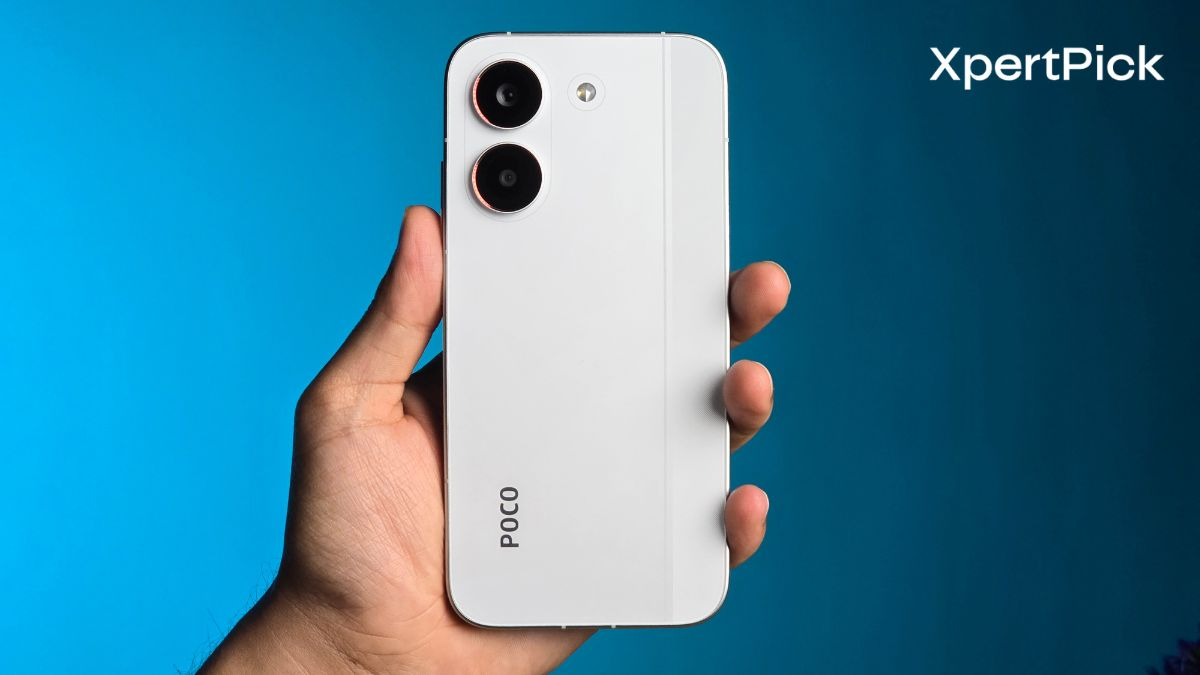
The Geekbench CPU results make the performance hierarchy very clear here. The Poco X8 Pro is comfortably ahead of the rest, with 1,740 in single-core and 6,705 in multi-core. That gives it the strongest raw CPU profile in this comparison, especially for heavier workloads like gaming, multitasking, app switching, photo processing, and longer sustained performance scenarios where multi-core strength matters.
| Smartphone |
Geekbench Single-Core |
Geekbench Multi-Core |
| Moto Edge 70 Fusion |
1,263 |
3,417 |
| Poco X8 Pro |
1,740 |
6,705 |
| Realme GT 7T |
1,595 |
6,248 |
| Infinix GT 30 Pro 5G |
1,069 |
3,159 |
The Realme GT 7T comes very close, though. With 1,595 single-core and 6,248 multi-core, it is not far behind the Poco X8 Pro. The gap is visible, but not massive. In everyday usage, both phones should feel fast, but the Poco X8 Pro has a cleaner lead on paper, especially in single-core performance, where quick app launches, UI responsiveness, and short bursts of processing depend more heavily on peak CPU speed.
The Moto Edge 70 Fusion sits in a different tier. Its 1,263 single-core score is respectable, but the 3,417 multi-core score shows that it is not built to compete directly with the Poco X8 Pro or Realme GT 7T in raw performance. It should still be fine for regular use, social media, browsing, streaming, and casual gaming, but it clearly lacks the heavier CPU muscle needed for sustained gaming or demanding workloads.
The Infinix GT 30 Pro 5G is the weakest in this Geekbench comparison, scoring 1,069 in single-core and 3,159 in multi-core. That is interesting because the GT branding suggests a gaming-first identity, but at least in CPU performance, it falls behind the Moto Edge 70 Fusion and sits far below the Poco and Realme options. It may still perform well in GPU-heavy gaming depending on its graphics performance and thermal tuning, but from a pure CPU standpoint, it is not the strongest choice here.
Overall, the Poco X8 Pro is the clear winner for CPU performance, followed closely by the Realme GT 7T. The Moto Edge 70 Fusion is more of a balanced everyday phone, while the Infinix GT 30 Pro 5G needs a stronger GPU or gaming-specific results to justify itself as a performance-focused option.
| Smartphone |
AnTuTu Overall Score |
| Realme GT 7T |
2,127,058 |
| Poco X8 Pro |
2,083,072 |
| Moto Edge 70 Fusion |
1,156,810 |
| Infinix GT 30 Pro 5G |
975,961 |
The AnTuTu results shift the picture slightly compared to Geekbench. While the Poco X8 Pro led in CPU-focused Geekbench scores, the Realme GT 7T takes the top spot in AnTuTu with an overall score of 2,127,058. That suggests the Realme has a stronger combined performance package across CPU, GPU, memory, and UX-related testing. In simpler terms, it is not just fast in one area; it appears better rounded across the full benchmark suite.
The Poco X8 Pro is still extremely close, scoring 2,083,072. The difference between the Realme GT 7T and Poco X8 Pro is only around 44,000 points, which is not large enough to call one dramatically faster in real-world usage. Both are clearly operating in the same high-performance tier, and users are unlikely to feel a major day-to-day difference between them unless gaming thermals, software optimisation, or sustained performance separate them later.
The Moto Edge 70 Fusion sits well behind the top two with 1,156,810. That is still a solid score, but it places the phone more in the upper mid-range performance category rather than the proper gaming/performance-first category. It should handle regular usage comfortably, but compared to the Realme GT 7T and Poco X8 Pro, the gap is too large to ignore.
The Infinix GT 30 Pro 5G finishes last with 975,961. For a GT-branded phone, that score feels underwhelming in this particular comparison. It is not a weak phone in isolation, but against devices crossing the 2-million mark, it clearly falls into a lower performance class. Unless it makes up ground through pricing, gaming features, cooling, or software tuning, it struggles to look competitive on raw benchmark numbers.
Overall, the Realme GT 7T leads the AnTuTu chart, with the Poco X8 Pro close enough to remain a serious performance rival. The Moto Edge 70 Fusion is a capable everyday performer, while the Infinix GT 30 Pro 5G appears to be the least powerful option in this benchmark set.
Battery Life: Realme GT 7T Lasts Longest, While Moto Edge 70 Fusion Also Impresses
| Smartphone |
PCMark Battery Life |
| Realme GT 7T |
18 hours 22 minutes |
| Poco X8 Pro |
16 hours 46 minutes |
| Infinix GT 30 Pro 5G |
12 hours 23 minutes |
| Moto Edge 70 Fusion |
17 hours 34 minutes |
| Smartphone |
Battery Capacity (mAh) |
| Moto Edge 70 Fusion |
7,000 |
| Poco X8 Pro |
6,500 |
| Realme GT 7T |
7,000 |
| Infinix GT 30 Pro 5G |
5,500 |
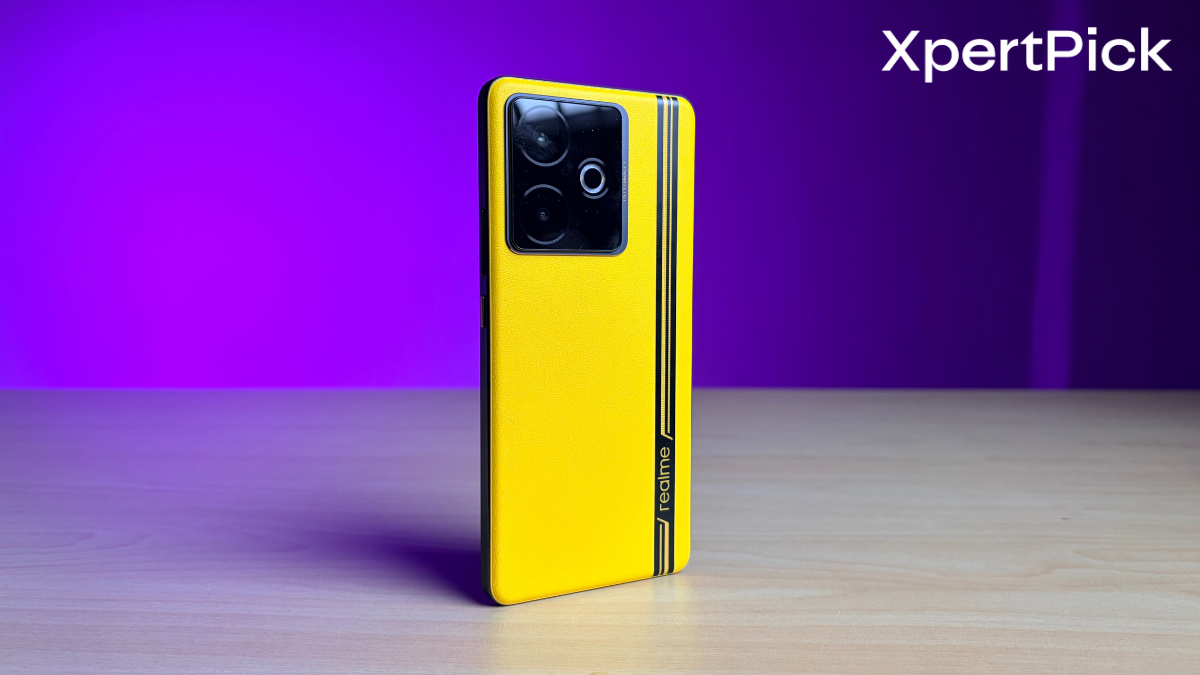
The battery results are interesting because they do not simply follow battery capacity. The Realme GT 7T and Moto Edge 70 Fusion both pack 7,000mAh batteries, but the Realme GT 7T clearly extracts more endurance from that capacity, lasting 18 hours and 22 minutes in the PCMark battery test. That makes it the strongest battery performer in this set, and also suggests better overall efficiency under sustained everyday workloads.
The Moto Edge 70 Fusion comes next with 17 hours and 34 minutes. That is still a very strong result, especially for a phone with the same 7,000mAh capacity as the Realme. However, the gap of nearly 50 minutes shows that capacity alone does not decide endurance. Display tuning, chipset efficiency, background management, and software optimisation are all likely playing a role here.
The Poco X8 Pro is also impressive. Despite having a slightly smaller 6,500mAh battery, it manages 16 hours and 46 minutes. That puts it behind the Realme and Moto, but not by a huge margin. Considering that the Poco X8 Pro also performed very strongly in CPU and AnTuTu benchmarks, this is a good sign. It is not only fast on paper, it also appears reasonably efficient for a performance-focused phone.
The Infinix GT 30 Pro 5G finishes last with 12 hours and 23 minutes, and the smaller 5,500mAh battery explains part of that gap. Still, the difference is large enough to matter in real-world use. Compared to the Realme GT 7T, it trails by almost six hours, which means heavier users will feel the difference much earlier in the day.
Overall, the Realme GT 7T delivers the best battery life here, followed by the Moto Edge 70 Fusion and Poco X8 Pro. The Infinix GT 30 Pro 5G is clearly the weakest in endurance, and unless its charging speed is significantly faster, it does not look as competitive in the battery department.
Gaming Performance: Realme GT 7T Feels Smoother in BGMI, Poco X8 Pro Leads in Heavier Games
| Smartphone testing BGMI |
Average FPS |
5% Low FPS |
| Poco X8 Pro |
96.6 |
58.5 |
| Realme GT 7T |
96.5 |
81.2 |
| Moto Edge 70 Fusion |
89.0 |
59.9 |
| Infinix GT 30 Pro 5G |
82.4 |
57.5 |
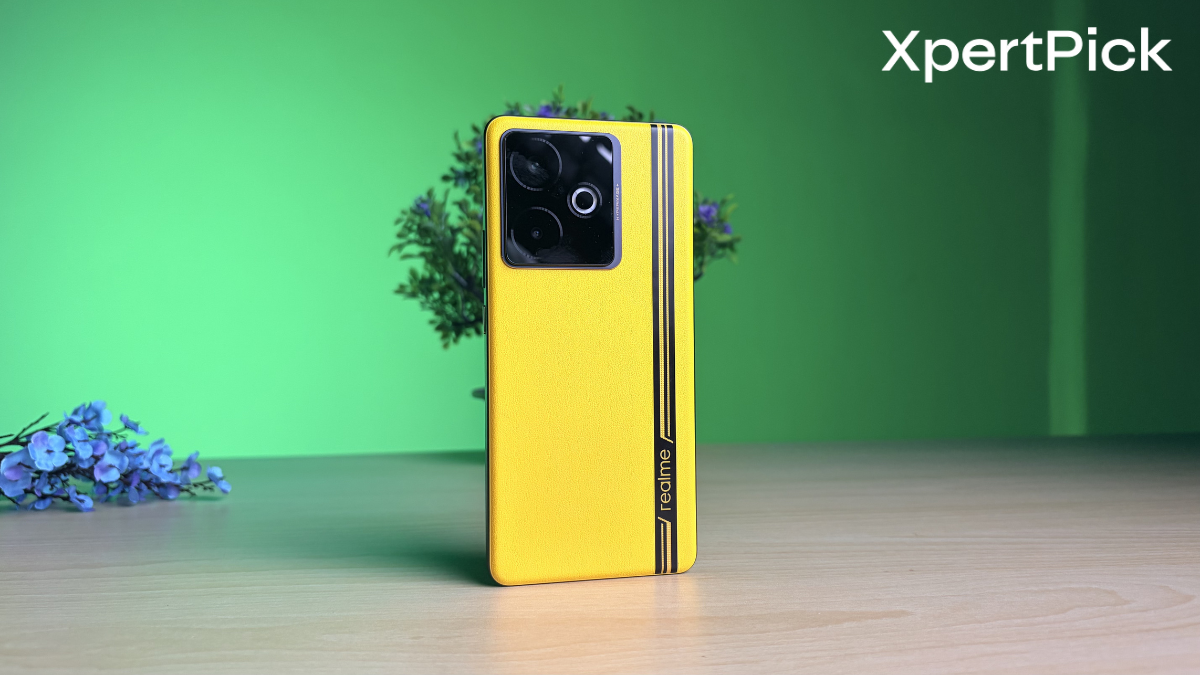
In BGMI, the Poco X8 Pro and Realme GT 7T are almost tied for average FPS, scoring 96.6 FPS and 96.5 FPS, respectively. However, the Realme GT 7T has a much stronger 5% low of 81.2 FPS, compared to 58.5 FPS on the Poco. This means the Realme should feel noticeably smoother during intense gameplay, even though the Poco technically has a slightly higher average FPS.
The Moto Edge 70 Fusion is also respectable, averaging 89 FPS with a 59.9 FPS low. It is good enough for high-FPS BGMI, but not as consistent as the Realme. The Infinix GT 30 Pro 5G finishes last with 82.4 FPS average and 57.5 FPS low, which is playable but clearly behind the others.
| Smartphone Minecraft |
Average FPS |
5% Low FPS |
| Poco X8 Pro |
58.7 |
42.7 |
| Realme GT 7T |
58.1 |
39.7 |
| Moto Edge 70 Fusion |
31.6 |
19.7 |
| Infinix GT 30 Pro 5G |
27.5 |
19.3 |
In Minecraft at highest settings, the Poco X8 Pro leads with 58.7 FPS average and 42.7 FPS low, narrowly ahead of the Realme GT 7T at 58.1 FPS and 39.7 FPS. Here, the Poco looks slightly better for heavier graphics loads.
The Moto Edge 70 Fusion and Infinix GT 30 Pro 5G fall far behind in Minecraft, averaging 31.6 FPS and 27.5 FPS, respectively. Both are better suited to reduced settings rather than maxed-out gameplay.
Overall, the Realme GT 7T looks stronger for smoother BGMI performance, while the Poco X8 Pro has a small edge in heavier GPU-bound gaming. The Moto is decent for casual gaming, and the Infinix trails the pack.
Most Value-for-Money Gaming Phone with Long Battery Life: Realme GT 7T
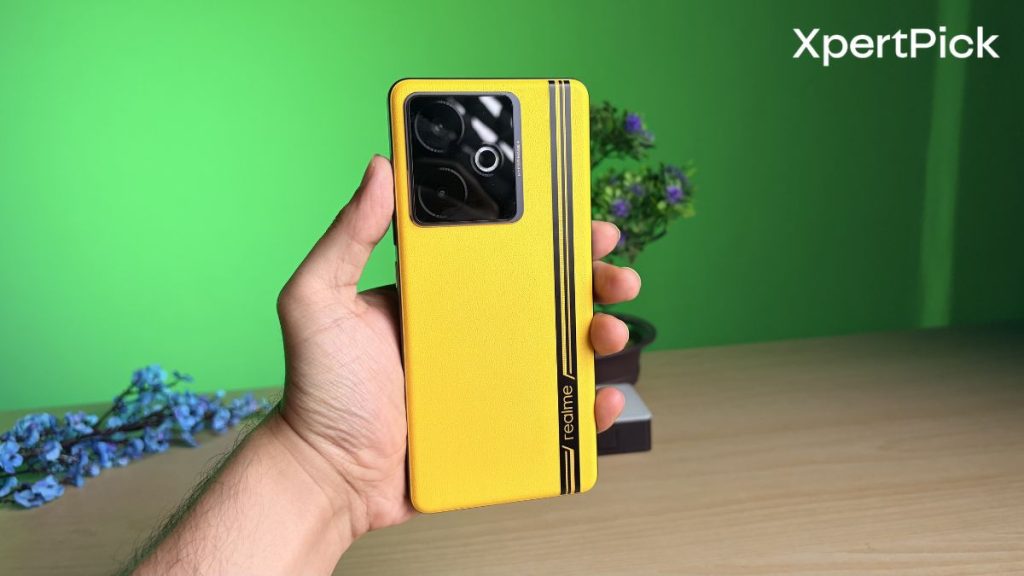
The Realme GT 7T is the definitive choice as the best long-lasting gaming phone. It perfectly balances extreme performance with industry-leading endurance, featuring a massive 7,000 mAh battery that recorded a class-leading 18 hours 22 minutes in the PCMark battery test.
For gaming, it dominates with an AnTuTu score of over 2.1 million and delivers a highly stable 96.5 FPS in BGMI. Most importantly, it offers the best gameplay stability in its class with 81.2 FPS in 5% lows, ensuring a smooth, stutter-free experience that lasts significantly longer than any other device in this group.
Overall Gaming Phone with Strong Battery Life: Realme GT 7T
The Realme GT 7T is the absolute best device among the group, bar none, as it dominates both the performance and endurance categories. It is the only phone in this list to successfully bridge the gap between a competitive gaming machine and a multi-day battery powerhouse. With an AnTuTu score exceeding 2.1 million and a massive 7,000 mAh battery, it provides the most powerful hardware package for its price.
In gaming, it delivers a high average of 96.5 FPS in BGMI with a class-leading 81.2 FPS in 5% lows, ensuring the smoothest and most stable experience even during intense combat. Furthermore, its efficiency is unmatched, recording a staggering 18 hours and 22 minutes in the PCMark battery test. For anyone seeking the ultimate balance of raw speed, gaming stability, and industry-leading battery life, the Realme GT 7T is the definitive winner.
FAQs
Which is the best gaming phone under Rs 30,000?
In our testing, the Realme GT 7T was the strongest contender as it offered the best balance of performance, frame stability, and battery efficiency, making it the safest recommendation for users who spend long hours gaming. In terms of value, this had also been picked by our team. The next best that came in our testing was the Poco X8 Pro. For more details, you can read our tests above and know which phone has the edge in every department.
How much RAM is enough for gaming under Rs 30,000?
For most users, 8GB RAM is enough for games like BGMI, COD Mobile, and Genshin Impact. However, users who keep phones for multiple years or frequently switch between games and apps should consider 12GB variants where available.
Should you choose a gaming phone based on processor or battery size?
A powerful processor alone does not guarantee the best gaming experience. The GPU, RAM configuration, storage speeds, cooling system, and battery optimisation all work together to decide how smoothly a phone can run games over longer sessions. A bigger battery helps with endurance, but efficient hardware and better thermal control are what allow a phone to maintain stable FPS without draining quickly. Even the display and refresh rate are also parameters to consider. Thus, for our testing, we consider all these factors to present you the best overall gaming phone.