Buyers who want a great camera under ₹40,000 have come to the right place. If you are upgrading your phone and want a trusted, tested guide instead of marketing claims, this article cuts through the noise. It helps you find exactly what you need, whether that is clear night photos, great zoom, or smooth videos.
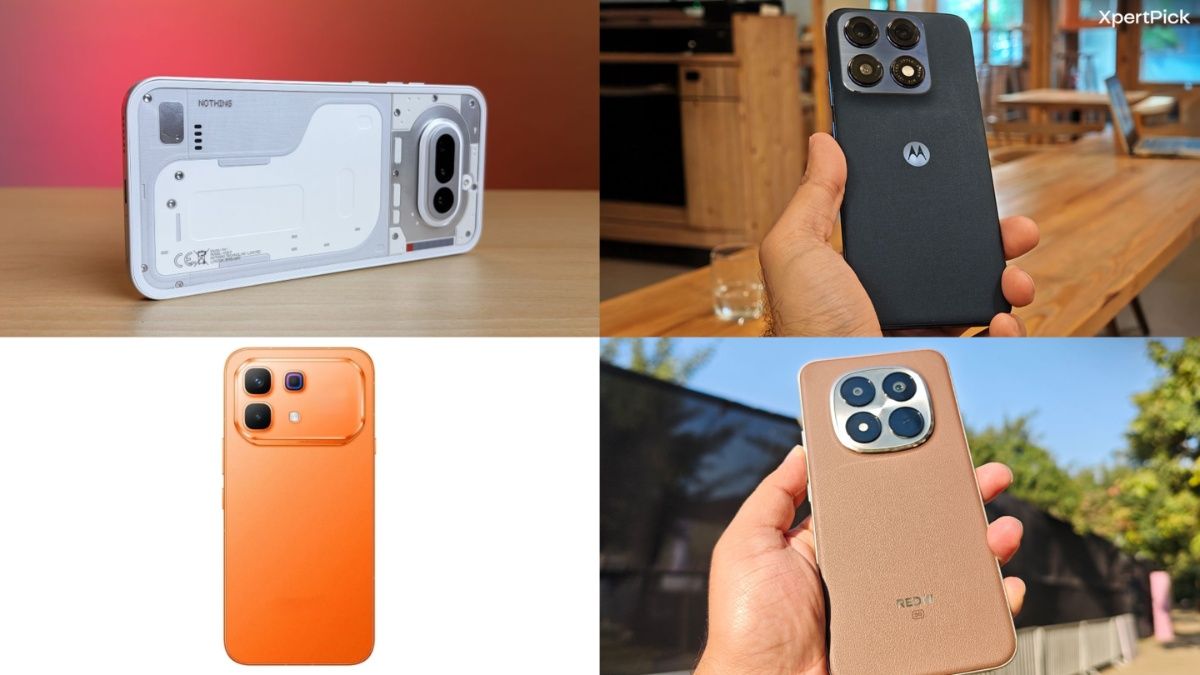
We tested every camera phone in this segment in our lab, comparing real-world performance across daylight photos, human portraits, telephoto zoom, video recording and low-light conditions. Five devices came out on top: the Motorola Edge 70 Pro, Tecno Camon 50 Ultra, Vivo V70 FE, Infinix Note 60 Pro and Nothing Phone 4(a).
Every rating below comes from our own XP Lab camera scoring sheet, where each device is scored out of 10 across daylight, low light, portrait, telephoto, front camera, ultrawide and video. Ratings move in steps of 0.5. Anything from 7 to 8 is good; 8.5 and above is excellent.
The Motorola Edge 70 Pro is our best overall camera phone, posting the strongest combined scorecard in the segment along with the best front camera and the best video rating. The Vivo V70 FE takes daylight detail on the back of a 200MP main sensor. The Infinix Note 60 Pro is the only phone here to clear 7.0 in low light. The Tecno Camon 50 Ultra wins portraits and selfies, and the Nothing Phone 4(a) takes both the zoom crown and the value award at ₹31,999.
Camera score comparison
Scores out of 10. A dash means the device does not have that camera. 🏆 marks the category winner.
| Motorola Edge 70 Pro | Tecno Camon 50 Ultra | Redmi Note 15 Pro+ | Infinix Note 60 Pro | Nothing Phone 4(a) | |
|---|---|---|---|---|---|
| Price | ₹38,999 | ₹39,999 | ₹37,999 | ₹31,999 | ₹31,999 |
| Daylight | 8.0 | 8.0 | 8.5 🏆 | 8.5 | 7.5 |
| Low light | 7.0 | 7.0 | 6.5 | 7.5 🏆 | 6.5 |
| Portrait | Not scored | 8.0 🏆 | 7.0 | 7.0 | 8.0 |
| Telephoto | – | 8.0 | – | – | 8.0 🏆 |
| Front camera | 8.5 | 7.5 | 7.0 | 7.0 | 7.5 |
| Ultrawide | 7.5 | 7.0 | 7.0 | 7.0 | 8.0 |
| Video | 8.5 🏆 | 8.0 | 7.0 | 7.0 | 8.0 |
| Average | 7.9 | 7.64 | 7.17 | 7.33 | 7.64 |
The Motorola’s average is calculated from six scores rather than seven, since its portrait cell is not yet filled. Its telephoto dash is correct, it has no zoom lens.
Key Specs and Hardware
| Specification | Motorola Edge 70 Pro | Tecno Camon 50 Ultra | Redmi Note 15 Pro+ | Infinix Note 60 Pro | Nothing Phone 4(a) |
|---|---|---|---|---|---|
| Price | ₹38,999 | ₹39,999 | ₹37,999 | ₹31,999 | ₹31,999 |
| Display | 6.8″ AMOLED, 144Hz | 6.78″ curved AMOLED, 144Hz | 6.83″ quad-curved AMOLED, 120Hz | 6.78″ AMOLED, 144Hz | 6.78″ AMOLED, 120Hz |
| Measured peak brightness | 1,875 nits | 1,460 nits | 2,410 nits | 2,400 nits | 2,160 nits |
| Processor | Dimensity 8500 Extreme | Dimensity 7400 Ultimate | Snapdragon 7s Gen 4 | Snapdragon 7s Gen 4 | Snapdragon 7s Gen 4 |
| Main camera | 50MP Sony LYT-710, OIS | 50MP Sony LYT-700C, f/1.8, OIS | 200MP Samsung ISOCELL HP3, 1/1.4″, OIS | 50MP, f/1.6, OIS | 50MP |
| Telephoto | None | 50MP, f/2.4, 3x optical | None | None | 50MP |
| Ultrawide | 50MP, 120°, macro | 8MP, f/2.2, 112° | 8MP | 8MP, f/2.2, 112° | 8MP |
| Front camera | 50MP, autofocus | 50MP, f/2.4, autofocus | 32MP | 13MP, f/2.2 | 32MP |
| Max video | 4K 60fps, all three cameras | 4K 30fps rear, 4K 60fps front | 4K | 4K 30fps | 4K 30fps rear |
| Battery / Charging | 6,500mAh / 90W | 6,500mAh / 45W | 6,500mAh / 100W | 6,500mAh / 90W | 5,400mAh |
| Storage | 256GB or 512GB | 256GB | 256GB or 512GB, UFS 2.2 | 256GB, UFS 2.2 | 256GB |
How I Tested These Camera Phones
I don’t judge cameras by megapixel counts or sensor names alone. I shoot every phone against identical scenes, back to back, in the same light, then compare results at full frame and 100% crop.
Test Conditions: All devices are retail units using consumer-ready software. Shots use the stock camera app, default settings, auto HDR and scene detection, with no pro mode, manual exposure or third-party apps. Testing is done in the same session, with samples verified via EXIF extraction. Marketing samples are never used.
Daylight and Detail: Tests cover detail retention, smoothing, colour accuracy and highlight control using fine textures, saturated subjects and bright scenes.
Portrait and Skin Tones: Human subjects test skin tones, smoothing, shadow detail and edge detection. Cluttered subjects test depth and separation, while intricate objects test fine-detail focus.
Front Camera: Selfies are assessed for colour, facial detail and autofocus behaviour, with fixed-focus limitations noted.
Low-Light: Bright, pale and shadowed subjects test shadow recovery, highlight control, noise reduction and sharpening.
Telephoto and Ultrawide: Telephoto lenses are tested at native optical focal lengths against equivalent main-camera crops. Ultrawide cameras are compared with the main sensor for detail, dynamic range, colour consistency and distortion.
Video: Each device is tested at its maximum supported resolution and frame rate, with hardware or software limitations noted. Front-camera video is tested separately where applicable.
Scoring: Cameras are rated out of 10 in 0.5-point steps across daylight, low light, portrait, telephoto, front camera, ultrawide and video. Scores of 1–5 are poor, 5.5–6.5 average, 7–8 good, and 8.5–9.5 excellent. Scores above 8.5 or below 6 require written justification.
Updated for September 2026 with the latest devices, testing results and pricing available at the time of publication.
Motorola Edge 70 Pro – Best Overall Camera and Best for Video
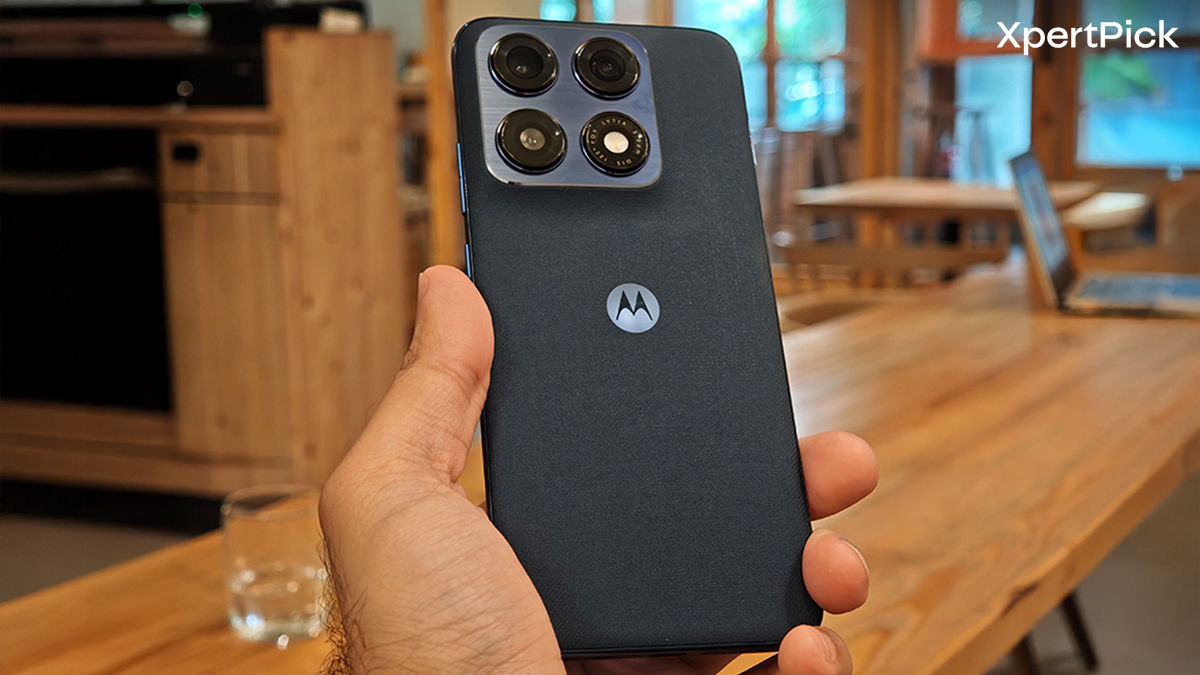
The Motorola Edge 70 Pro is my best overall camera pick under ₹40,000, posting a 7.9 average alongside the segment’s best front camera at 8.5 and its best video rating at 8.5, the only phone here that records 4K 60fps on all three of its cameras.





Why We Picked It
The Motorola performs well across the board rather than excelling in one area. Its 8.0 daylight, 7.5 ultrawide and 7.0 low-light scores are solid, while its two 8.5 scores give it an edge over the competition. No other phone in this group comes close to its front-camera and video scores.
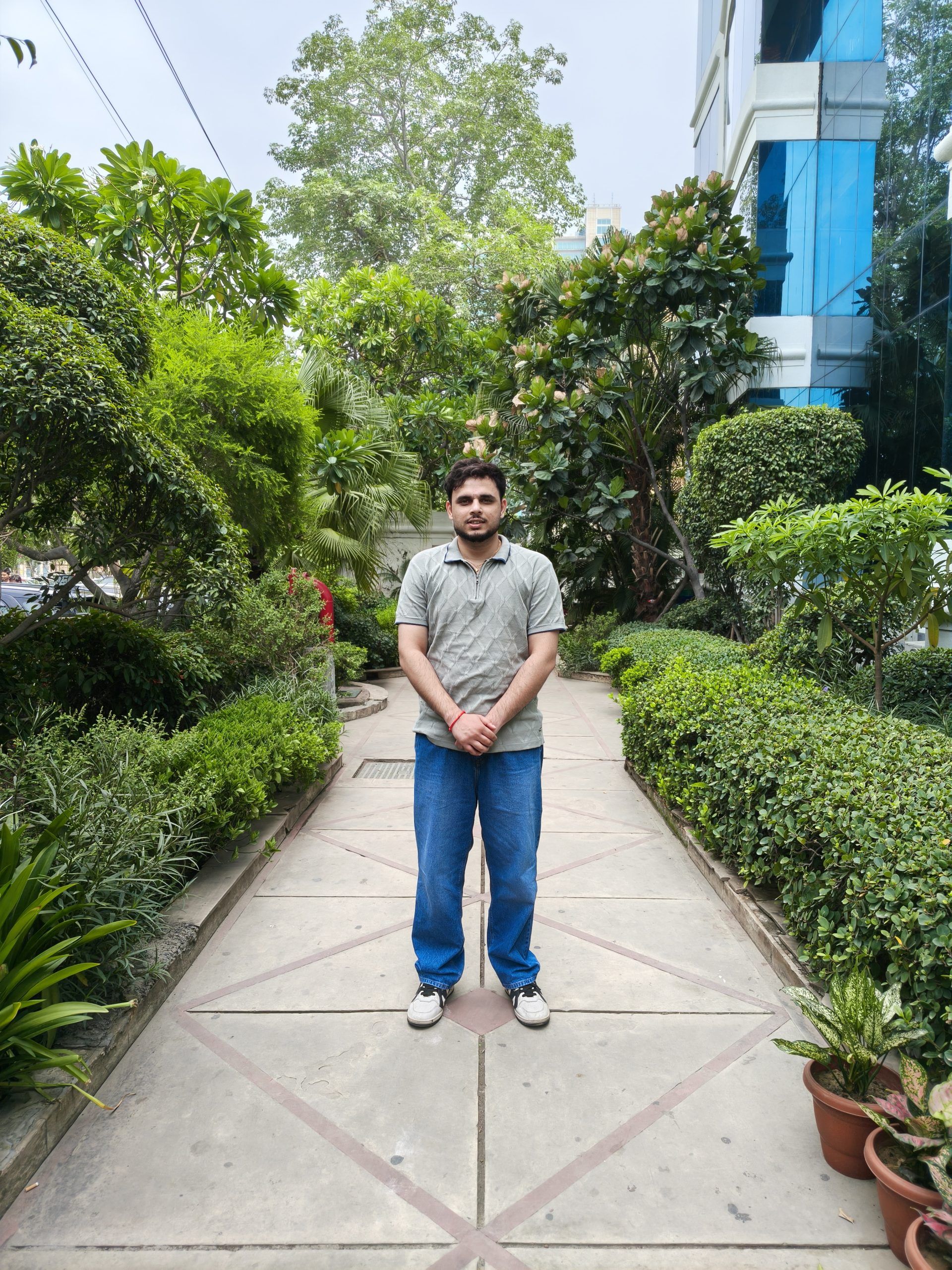
The front camera is the main highlight. In our testing, the Edge 70 Pro produced the most natural-looking selfies, with neutral colours and good detail. It avoids the strong colour boost seen on some rivals and also benefits from a 50MP autofocus sensor. Front-camera autofocus is still uncommon at this price.
The main camera captures plenty of light and produces warm colours, but it can smooth fine details. In our building shot, the company logo and façade texture were softened, while the same happened to paint splatters on a metal box. This keeps its daylight score at 8.0 rather than 8.5.
Low-light images strike a good balance between brightness and detail without adding much noise. Dark areas remain dark, although some background foliage loses fine detail. Colours and overall image quality remain natural.
Portrait mode also performed well. It handled branches at different depths and small objects with good separation. Human subjects retained hair strands, skin texture and natural facial details, although images were slightly bright and warm.
Video is the other major strength. The main, ultrawide and front cameras can all record at 4K 60fps, with HDR10+ support. This makes the Edge 70 Pro a particularly capable option for users who regularly switch between filming themselves and their surroundings.
Key Specifications
| Specification | Detail |
|---|---|
| Price | ₹38,999 |
| Processor | MediaTek Dimensity 8500 Extreme |
| Display | 6.8″ AMOLED, 144Hz (1,875 nits measured) |
| Main camera | 50MP Sony LYT-710, OIS |
| Ultrawide | 50MP, 120°, doubles as macro |
| Front camera | 50MP, autofocus |
| Max video | 4K 60fps on all three cameras, HDR10+ |
| Battery / Charging | 6,500mAh / 90W |
| RAM / Storage | 8GB or 12GB / 256GB or 512GB |
XP Lab Test Data
| Test / Metric | Result |
|---|---|
| Daylight | 8.0 |
| Low light | 7.0 |
| Portrait | Not yet scored |
| Telephoto | No telephoto camera |
| Front camera | 8.5 |
| Ultrawide | 7.5 |
| Video | 8.5 |
| Camera score average | 7.9 (highest in segment) |
| Measured peak brightness | 1,875 nits |
| Battery Life (PCMark) | 16h 17min |
Pros
The best front camera in the segment by a full point, with a 50MP autofocus sensor that delivers the most neutral selfie colour of any phone here. The highest video rating at 8.5, and the only device recording 4K 60fps across all three lenses. A 50MP ultrawide rather than the 8MP units most rivals use. Cleanest low-light output in the group, with no visible grain.
Cons
Applies noticeable texture smoothing in daylight, softening logos, façade detail and fine surface texture where sharper rivals hold them. Slightly warm colour cast and mildly bright exposure in portraits. No telephoto camera at all, so zoom is a digital crop. Battery life of 16h 17min is mid-pack.
Who Should Buy It
Anyone who wants one phone that does everything well rather than one thing brilliantly, and content creators in particular, the combination of a 50MP autofocus selfie camera and 4K 60fps on every lens is the most complete video package under ₹40,000. If you appear in your own footage, this is the one I’d point you to first.
Who Shouldn’t Buy It
Buyers chasing maximum fine detail in landscapes and architecture, where the smoothing is a real and visible cost, the Vivo V70 FE holds texture better. Also skip it if you need optical zoom, since there is none.
Expert Verdict: For me, this is the most complete camera package under ₹40,000. It leads the segment on the two things that are hardest to fix in software, front camera quality and video capability, while staying competitive everywhere else. Its daylight smoothing is a real weakness and the reason it does not also take the detail award, but no other phone here covers as much ground as well.
2. Infinix Note 60 Pro – Best Low-Light / Night Camera
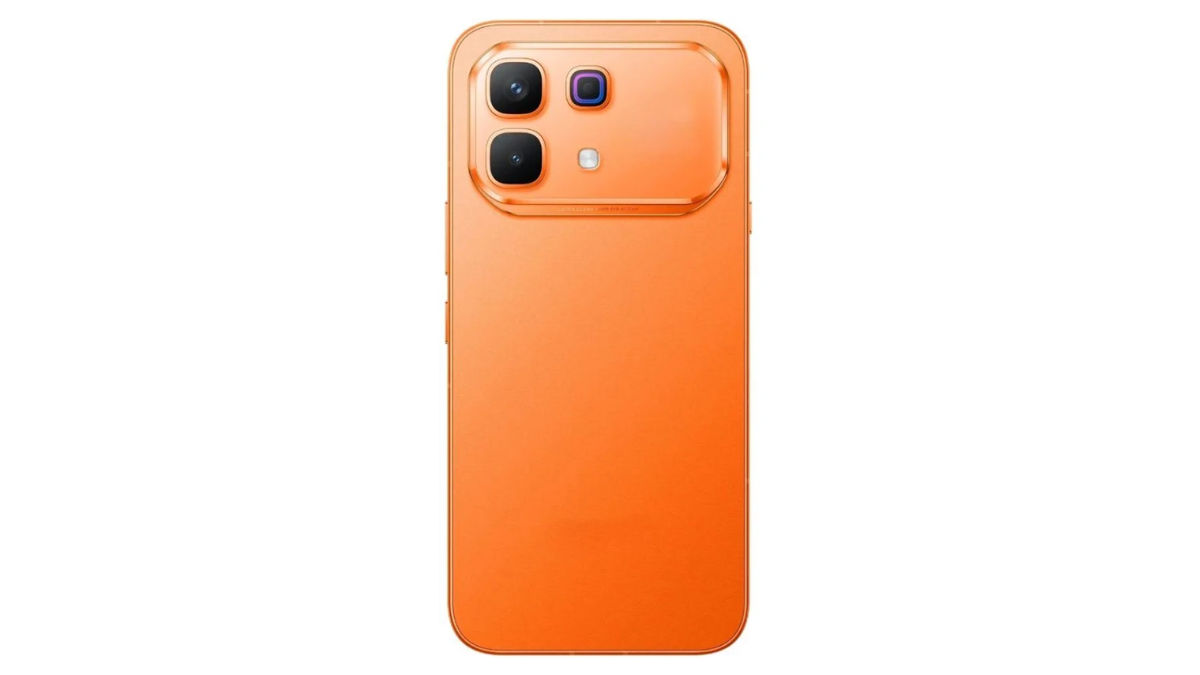
The Infinix Note 60 Pro is my low-light pick, rating 7.5 for night photography, the only score above 7.0 in that column across the entire under-₹40,000 bracket, while also matching the segment’s best daylight score at 8.5, for ₹31,999.





Why We Picked It
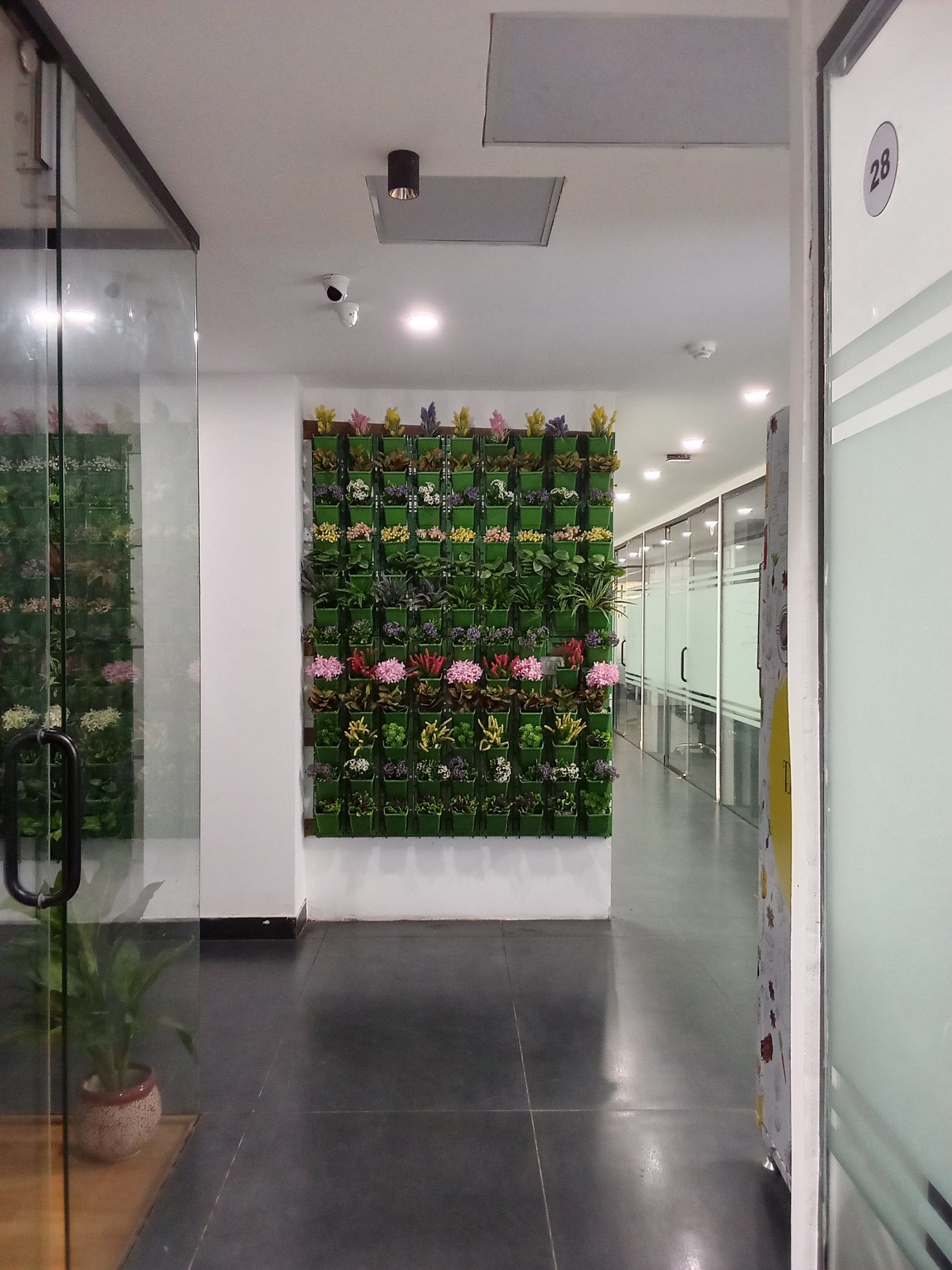
Low light is the hardest category to win at any price, and this is the only phone in the segment that clears the bar. Its 7.5 rating stands alone: the Motorola, Tecno and Vivo all sit at 7.0, and the Nothing Phone 4(a) drops to 6.5. In our scoring, that half-point gap is the difference between good and comfortably good.
The hardware supports the result. Its 50MP main sensor uses an f/1.6 aperture, the widest in this comparison, paired with optical image stabilisation. A wider aperture gathers more light before any processing happens, and OIS allows longer exposures handheld, which is the combination that produces clean night shots rather than bright, noisy ones.
It is not a single-category device either. Its 8.5 daylight rating ties the Vivo V70 FE for the best in the segment, which means it holds fine detail in good light as well as recovering it after dark, a pairing that usually costs considerably more than ₹31,999.
Its measured peak brightness of 2,400 nits is the highest of our five picks, which matters more for photography than it sounds: framing and reviewing shots outdoors is genuinely easier on a panel this bright.
The compromises are in the supporting cameras. The 13MP front camera is the lowest-resolution selfie unit among our picks and rates 7.0, and the 8MP ultrawide also rates 7.0, usable, but a clear step down from the main sensor. Video caps at 4K 30fps and rates 7.0, so this is a stills phone rather than a video one.
Key Specifications
| Specification | Detail |
|---|---|
| Price | ₹31,999 |
| Processor | Qualcomm Snapdragon 7s Gen 4 |
| Display | 6.78″ AMOLED, 144Hz (2,400 nits measured) |
| Main camera | 50MP, f/1.6, OIS |
| Ultrawide | 8MP, f/2.2, 112° |
| Front camera | 13MP, f/2.2 |
| Max video | 4K 30fps |
| Battery / Charging | 6,500mAh / 90W wired, 30W wireless |
| RAM / Storage | 8GB or 12GB / 256GB, UFS 2.2 |
XP Lab Test Data
| Test / Metric | Result |
|---|---|
| Daylight | 8.5 |
| Low light | 7.5 |
| Portrait | 7.0 |
| Telephoto | No telephoto camera |
| Front camera | 7.0 |
| Ultrawide | 7.0 |
| Video | 7.0 |
| Camera score average | 7.33 |
| Measured peak brightness | 2,400 nits |
| Battery Life (PCMark) | 16H 10 min |
Pros
The only low-light score above 7.0 in the segment, backed by the widest aperture here at f/1.6 plus OIS. Joint-best daylight rating at 8.5, so it is not a one-trick night camera. The brightest display among our picks at 2,400 nits measured, which makes composing outdoors easier. Joint-cheapest phone in this guide.
Cons
The 13MP front camera is the weakest selfie unit among our five picks. The 8MP ultrawide is a clear step down from the main sensor. Video caps at 4K 30fps and rates 7.0, the joint-lowest here. No telephoto camera.
Who Should Buy It
Anyone whose photography happens mainly after sunset — at events, indoors, or under mixed lighting — who does not want to spend ₹38,000 to get it. The 8.5 daylight score means you are not sacrificing anything in good light either, which makes this the most well-rounded stills camera at the bottom of this price bracket.
Who Shouldn’t Buy It
Buyers who take a lot of selfies or shoot video seriously. The 13MP front camera and the 4K 30fps ceiling both sit well behind the Motorola. Also skip it if you use ultrawide shots often.
Expert Verdict: This is the phone I’d recommend to someone who photographs at night and wants to spend ₹31,999 rather than ₹39,999. It wins the hardest category in this guide outright and does not give anything back in daylight to get there. The front camera and video ceiling are where the money was saved, and if neither matters to you, very little in this segment offers better value for stills.
Redmi Note 15 Pro+ – Best Daylight and Detail
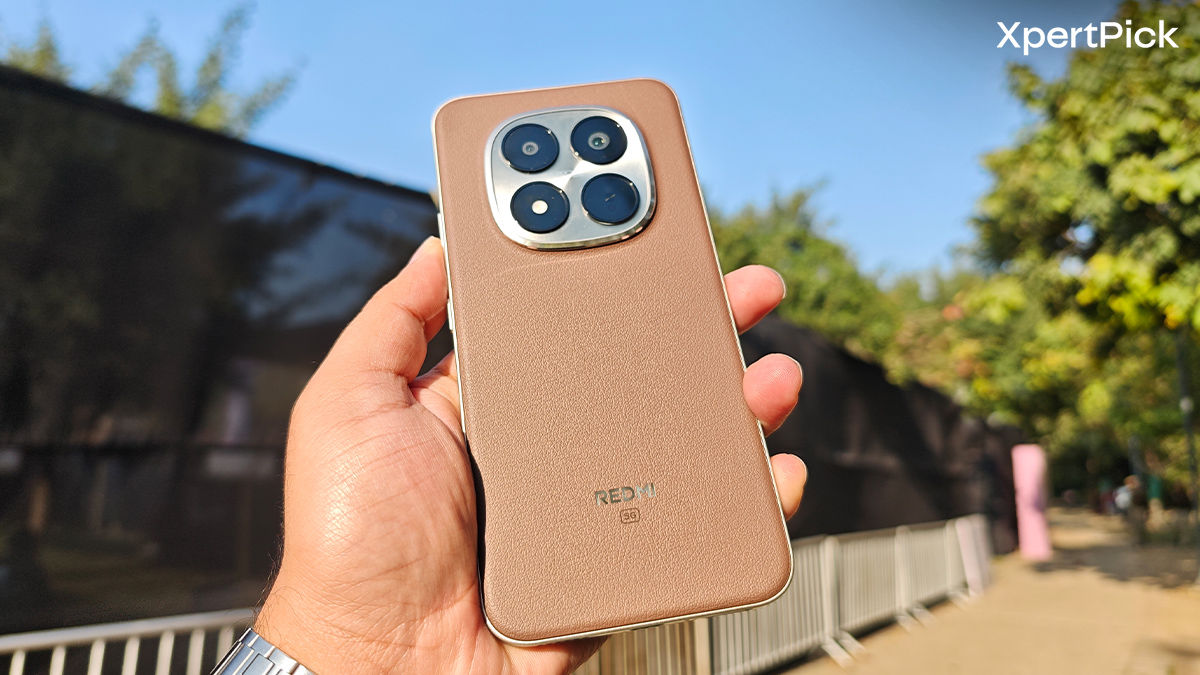
The Redmi Note 15 Pro+ takes the daylight and detail award on an 8.5 rating, driven by a 200MP Samsung ISOCELL HP3 sensor on a 1/1.4″ substrate with optical stabilisation, both the highest resolution and the physically largest sensor in this comparison.





Why We Picked It
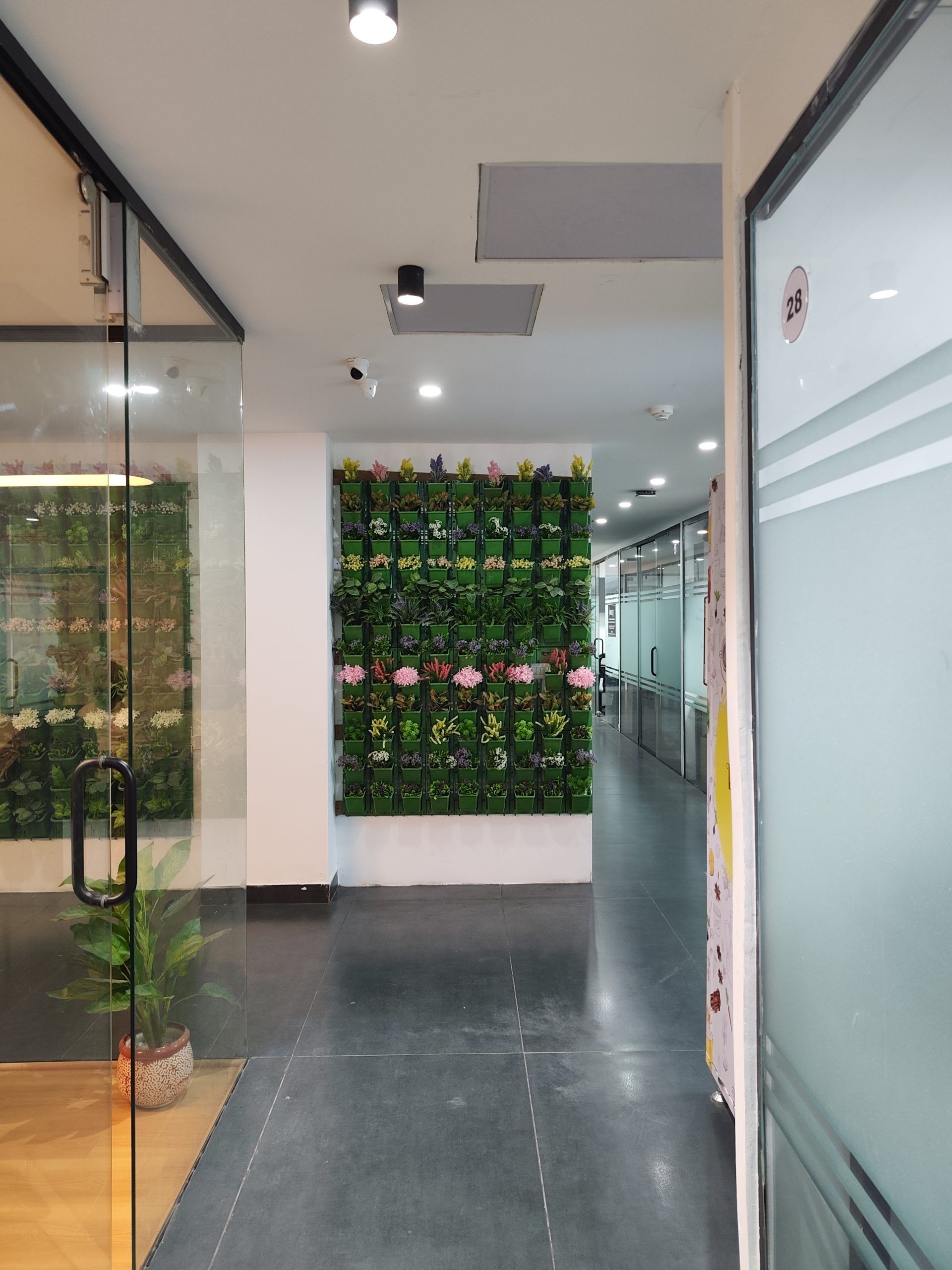
The 200MP sensor is the main story here, and it delivers a measurable result: an 8.5 daylight score, joint-best in the segment. At 1/1.4″, it is also the largest sensor in this guide, helping retain fine textures, distant signage and small details that rivals often smooth away.
It also offers the most useful digital zoom among our picks without a dedicated telephoto lens. Xiaomi uses the 200MP sensor for 2x and 4x crops, which retain more detail than equivalent crops from 50MP cameras. OIS also helps keep these shots usable handheld, making it a good choice for daylight shots of distant subjects.
Its 2,410-nit peak brightness is the highest among our five picks, making framing and reviewing photos outdoors easier.
The main weakness is the rest of the camera system. Its 6.5 low-light score is joint-lowest, while portrait, front camera, ultrawide and video all score 7.0. Its 7.17 overall average is also the lowest of our five picks. In short, this is a phone built around one excellent main camera, with more average supporting cameras.
Build quality is another strength, with IP66, IP68, IP69 and IP69K ratings, along with 100W charging and a 6,500mAh battery.
Key Specifications
| Specification | Detail |
|---|---|
| Price | ₹37,999 (8GB/256GB) |
| Processor | Qualcomm Snapdragon 7s Gen 4 |
| Display | 6.83″ quad-curved AMOLED, 120Hz, 1.5K (2,410 nits measured) |
| Main camera | 200MP Samsung ISOCELL HP3, 1/1.4″, OIS |
| Ultrawide | 8MP |
| Front camera | 32MP |
| Max video | 4K |
| Battery / Charging | 6,500mAh / 100W |
| RAM / Storage | 8GB or 12GB / 256GB or 512GB, LPDDR4X, UFS 2.2 |
| Durability | IP66 / IP68 / IP69 / IP69K |
XP Lab Test Data
| Test / Metric | Result |
|---|---|
| Daylight | 8.5 |
| Low light | 6.5 |
| Portrait | 7.0 |
| Telephoto | No telephoto camera |
| Front camera | 7.0 |
| Ultrawide | 7.0 |
| Video | 7.0 |
| Camera score average | 7.17 |
| Measured peak brightness | 2,410 nits |
| Battery Life (PCMark) | 16H 33Min |
Pros
Joint-best daylight rating at 8.5 from a 200MP stabilised sensor that is also the physically largest here at 1/1.4″. The most crop headroom for digital zoom in a segment where three of five picks have no telephoto lens. Brightest display among our picks at 2,410 nits measured, with a sunlight-visibility algorithm. The most comprehensive durability rating in this guide, plus 100W charging.
Cons
A 6.5 low-light rating, joint-lowest here, disappointing given the sensor size and a sign that the processing is holding it back. Portrait, front camera, ultrawide and video all sit at 7.0, making its 7.17 average the lowest of our five picks. UFS 2.2 storage is slow for the price. At ₹37,999 for the base variant, the 12GB configurations climb to ₹39,999 and ₹43,999, the latter outside this budget.
Who Should Buy It
Photographers who shoot landscapes, architecture, street scenes and objects in daylight and want the most detail available under ₹40,000. It is also the pick if you crop or digitally zoom often, since no other phone here leaves you as much to work with, and the bright sunlight-optimised display makes outdoor shooting easier than on any rival.
Who Shouldn’t Buy It
Anyone who shoots after dark. A 6.5 low-light score is the weakest here alongside the Nothing Phone 4(a), and the Infinix Note 60 Pro is ₹6,000 cheaper and a full point better at night while matching this phone’s daylight score. Also skip it if you want a balanced camera system rather than one standout sensor.
Expert Verdict: This is a specialist rather than an all-rounder, and its 200MP HP3 sensor delivers excellent daylight detail with useful crop headroom. However, the supporting cameras are ordinary and its low-light performance disappoints for a sensor this size. Buy it for daylight detail, rather than as a complete camera system.
4. Tecno Camon 50 Ultra – Best Portrait and Selfie
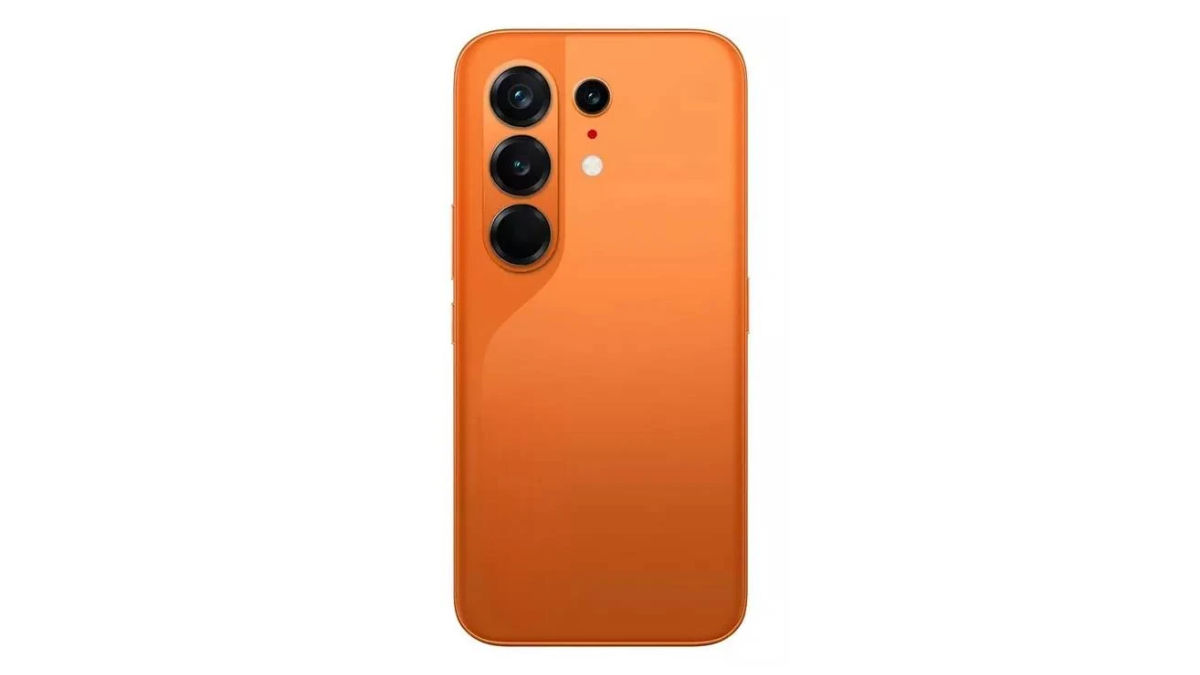
The Tecno Camon 50 Ultra takes portraits and selfies with an 8.0 portrait rating paired with a 7.5 front camera score, the best combination in the segment, from a phone carrying three 50MP cameras and a genuine 3x optical telephoto.
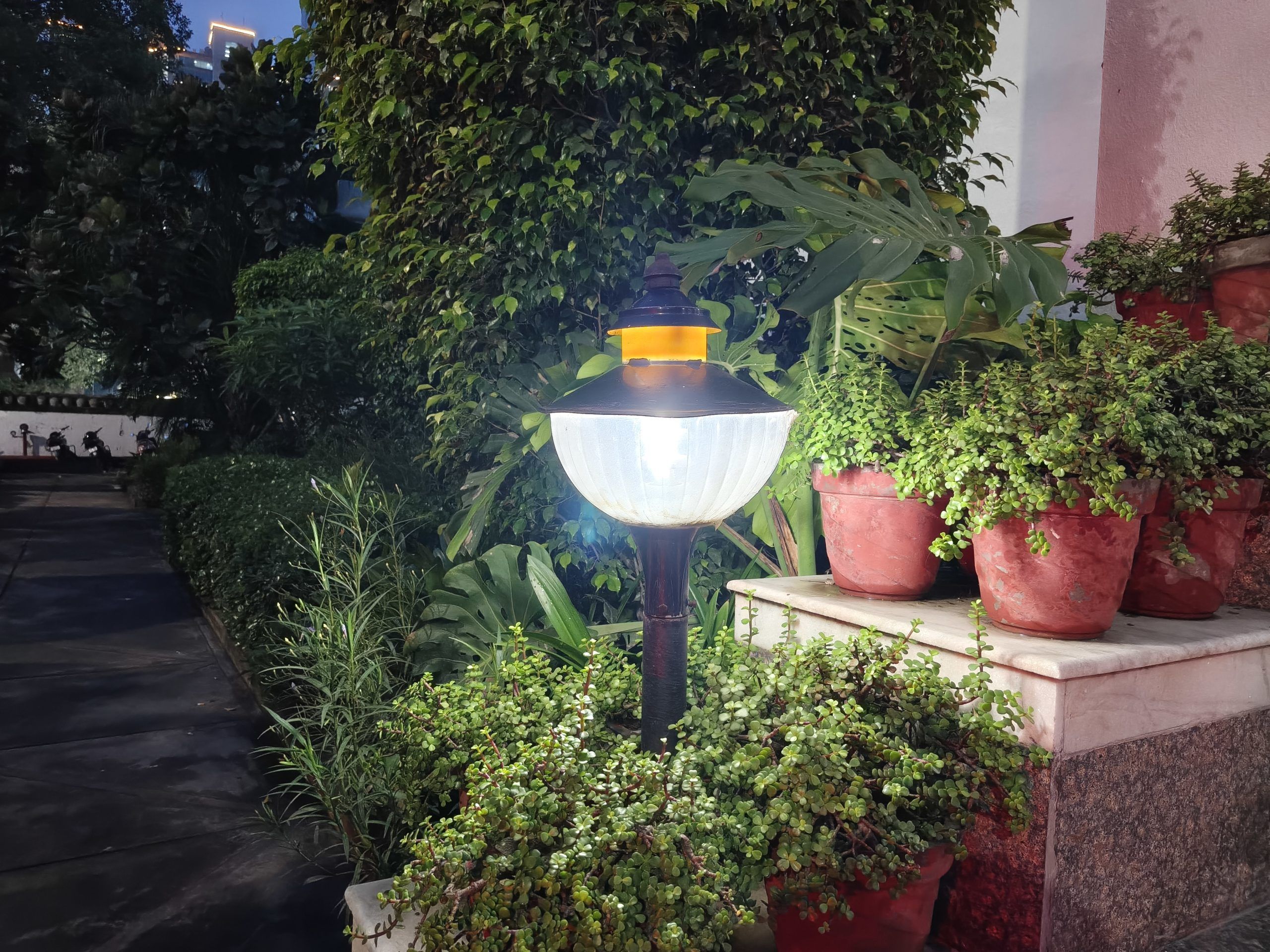




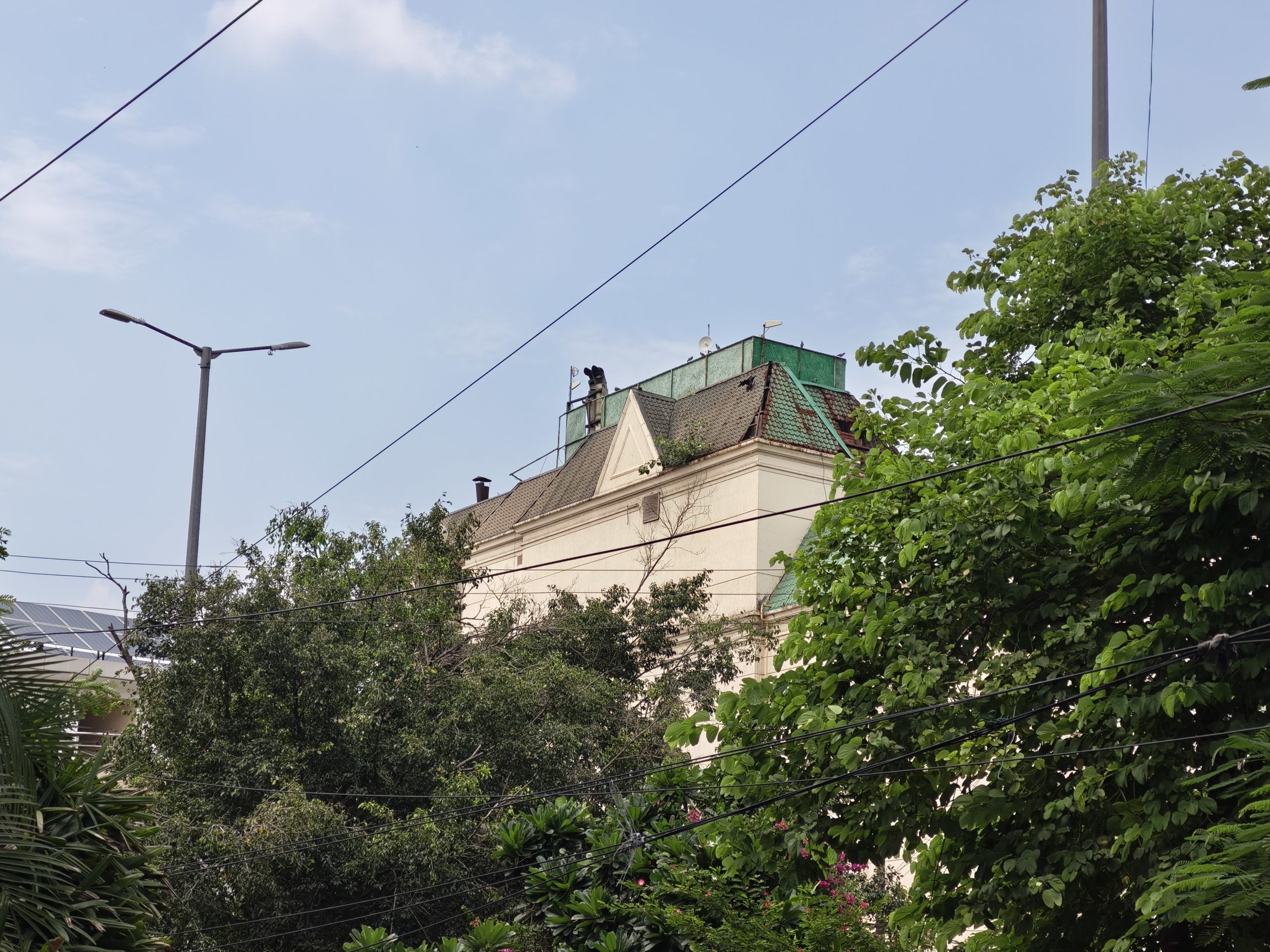
Why We Picked It
Portrait photography needs two things: accurate subject separation and a front camera good enough that the same qualities show up in selfies. The Camon 50 Ultra is the only phone here that scores well on both, at 8.0 and 7.5 respectively. The Vivo matches its portrait score but drops to 7.0 on the front camera; the Motorola beats it on selfies but has no portrait score recorded at all.
Its hardware is unusually complete for the price. The main camera is a 50MP Sony LYT-700C with a 1/1.56″ sensor and OIS, physically larger than most sensors in this bracket. The 50MP front camera uses a Samsung ISOCELL JN1 with phase-detect autofocus, and autofocus on a selfie camera is what keeps faces sharp when you are not holding the phone at a fixed distance.
The 50MP 3x optical telephoto is the second reason it earns this category rather than merely a zoom award. A true 70mm-equivalent lens is the correct focal length for portraiture, it compresses features more flatteringly than a wide lens does, and it produces background separation optically rather than relying entirely on software cutouts. Its 8.0 telephoto rating is joint-best in the segment.
Its 8.0 daylight and 8.0 video ratings are both strong, and its 7.64 average is joint second-highest here. The weak point is the 8MP ultrawide, which rates 7.0 and uses a budget fixed-focus sensor that sits well below the rest of the system.
One practical caveat from our testing: at 1,460 nits measured, its display is the dimmest among our five picks, which makes reviewing shots in bright sunlight harder than on the Infinix or Nothing.
Key Specifications
| Specification | Detail |
|---|---|
| Price | ₹39,999 |
| Processor | MediaTek Dimensity 7400 Ultimate |
| Display | 6.78″ curved AMOLED, 144Hz (1,460 nits measured) |
| Main camera | 50MP Sony LYT-700C, f/1.8, 1/1.56″, OIS |
| Telephoto | 50MP, f/2.4, 70mm, 3x optical zoom |
| Ultrawide | 8MP, f/2.2, 112° |
| Front camera | 50MP Samsung ISOCELL JN1, f/2.4, autofocus |
| Max video | 4K 30fps rear, 4K 60fps front |
| Battery / Charging | 6,500mAh / 45W |
| RAM / Storage | 8GB or 12GB / 256GB |
XP Lab Test Data
| Test / Metric | Result |
|---|---|
| Daylight | 8.0 |
| Low light | 7.0 |
| Portrait | 8.0 |
| Telephoto | 8.0 |
| Front camera | 7.5 |
| Ultrawide | 7.0 |
| Video | 8.0 |
| Camera score average | 7.64 |
| Measured peak brightness | 1,460 nits |
| Battery Life (PCMark) | 14H 48min |
Pros
The best portrait-and-selfie combination in the segment at 8.0 and 7.5. Three 50MP cameras including a genuine 3x optical telephoto at the ideal 70mm portrait focal length. A 50MP autofocus front camera that also shoots 4K 60fps, faster than its own rear cameras. The largest main sensor here at 1/1.56″. IP68/IP69/IP69K rating and MIL-STD-810H certification.
Cons
The 8MP fixed-focus ultrawide is a budget sensor that sits well below the rest of the system. Rear video caps at 4K 30fps while the front camera manages 60fps, which is an odd inversion. At 1,460 nits measured, the dimmest display among our picks. The joint most expensive phone in this guide.
Who Should Buy It
People who mostly photograph other people, and anyone who wants optical zoom and strong selfies in the same device. The 3x telephoto plus a 50MP autofocus front camera is a combination nothing else here offers, and it is the most versatile camera system in this guide even though it does not top the overall table.
Who Shouldn’t Buy It
Buyers who shoot ultrawide regularly, where the 8MP sensor is the clear weak link. Also skip it if you record a lot of rear-camera video, since 4K 30fps trails the Motorola’s 60fps, or if you need a bright screen for outdoor shooting.
Expert Verdict: This is the most interesting camera system under ₹40,000 and the one I’d hand to someone who photographs friends and family. Three 50MP cameras at this price is genuinely unusual, and the optical telephoto makes its portraits better in a way software cannot replicate. It asks the highest price in the guide and its ultrawide is an afterthought, but for its intended buyer it is the right phone.
5. Nothing Phone 4(a) – Best Zoom / Telephoto and Best Value
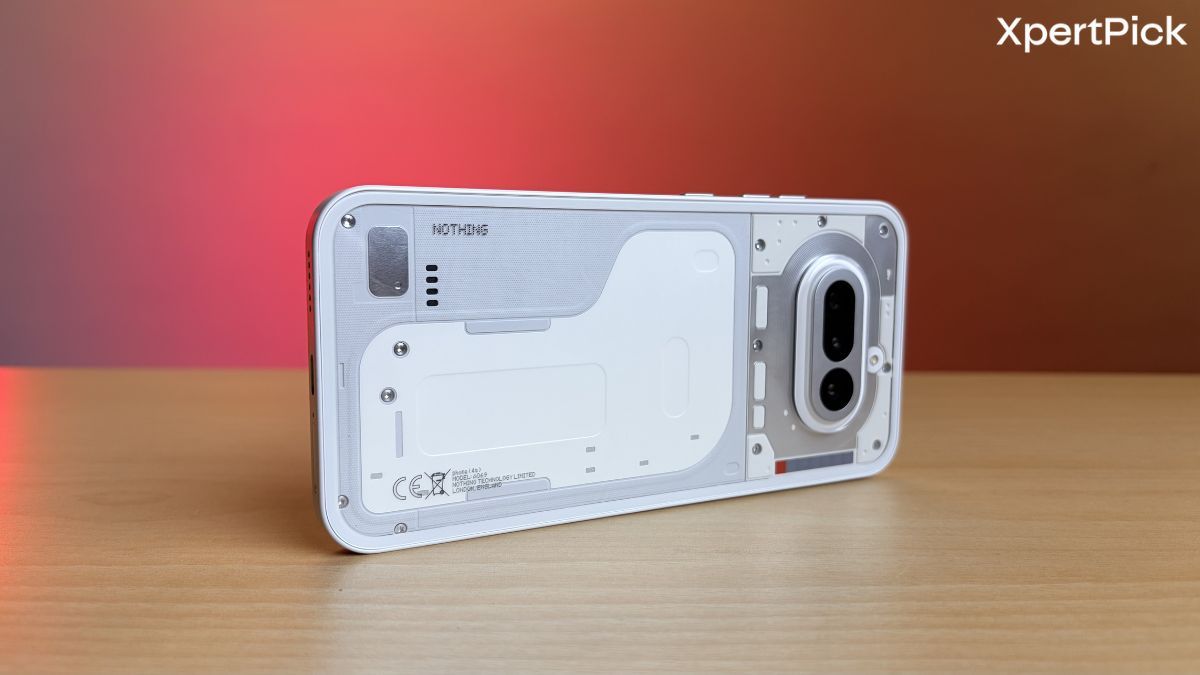
The Nothing Phone 4(a) takes two awards at ₹31,999, the joint-lowest price in this guide: an 8.0 telephoto rating from a genuine 50MP zoom lens, and a 7.64 average that ties it with a phone costing ₹8,000 more.





Why We Picked It
Only two phones in this entire segment have a real telephoto camera, and this is the cheaper of the two. Its 50MP zoom lens rates 8.0, level with the Tecno Camon 50 Ultra, at ₹8,000 less. That alone would earn the zoom category, but it also has the best ultrawide rating in the guide at 8.0, so it is the only phone here with three genuinely capable rear cameras rather than one strong sensor and two passengers.
The value argument follows from the same numbers. Its 7.64 average matches the Tecno’s while undercutting it substantially, and it beats both the Vivo V70 FE and the Infinix Note 60 Pro on overall scorecard despite sitting at the same price as the Infinix.
Its portrait rating of 8.0 is joint-best in the segment, though our testing found the results uneven. In complex scenes it struggles with depth detection, a plant with branches at multiple depths produced a visible halo where the camera could not separate subject from background — and on small intricate subjects it can miss individual elements while keeping the rest sharp. On human subjects, however, it delivers genuinely impressive results, applying a small amount of skin smoothing and facial brightening but retaining good facial detail, with a slightly warm and visually appealing colour profile. If you want social-media-ready portraits with a touch of enhancement, it strikes a good balance.
Where it gives ground is daylight detail and low light. Its 7.5 daylight rating is the lowest among our picks, in testing its main camera struggled to render building lettering sharply, and it smoothed a significant amount of facial texture on human subjects, making skin look artificially soft. Its 6.5 low-light score is also the lowest here. It brightens night scenes and captures reasonable detail, but adds a lot of noise doing it.
Video rates 8.0, but that is a scoring of image quality rather than capability: its rear camera is limited to 4K 30fps, with 60fps and 120fps requiring a drop to 1080p.
Key Specifications
| Specification | Detail |
|---|---|
| Price | ₹31,999 |
| Processor | Qualcomm Snapdragon 7s Gen 4 |
| Display | 6.78″ AMOLED, 120Hz (2,160 nits measured) |
| Main camera | 50MP |
| Telephoto | 50MP |
| Ultrawide | 8MP |
| Front camera | 32MP |
| Max video | 4K 30fps rear; 1080p for 60/120fps |
| Battery | 5,400mAh |
| RAM / Storage | 8GB or 12GB / 256GB |
XP Lab Test Data
| Test / Metric | Result |
|---|---|
| Daylight | 7.5 |
| Low light | 6.5 |
| Portrait | 8.0 |
| Telephoto | 8.0 |
| Front camera | 7.5 |
| Ultrawide | 8.0 |
| Video | 8.0 |
| Camera score average | 7.64 |
| Measured peak brightness | 2,160 nits |
| Battery Life (PCMark) | 16Hr 10min |
Pros
A genuine 50MP telephoto lens at the segment’s lowest price, rating 8.0, level with a phone costing ₹8,000 more. The best ultrawide rating in the guide at 8.0, making it the only pick with three strong rear cameras. Joint second-highest average overall. Joint-cheapest phone here.
Cons
The lowest daylight rating among our picks at 7.5, with visible smoothing of facial texture and soft rendering of fine detail such as signage. The lowest low-light score in the guide at 6.5, with significant noise. Portrait depth detection is unreliable in complex scenes, producing halo artefacts. Rear video caps at 4K 30fps.
Who Should Buy It
Anyone who wants optical zoom and a capable ultrawide without spending ₹40,000, and buyers who value a complete three-camera system over one outstanding sensor. It is also the pick for social-media portraits, where its slight enhancement suits the output most people actually post.
Who Shouldn’t Buy It
Buyers who prioritise fine detail in daylight, the Vivo V70 FE is a full point ahead for ₹6,000 more. Anyone who shoots at night should look at the Infinix Note 60 Pro instead, which is the same price and a full point better in low light.
Expert Verdict: This is the value pick of the guide and the cheapest route to real optical zoom under ₹40,000. Its scorecard is the most balanced here, no camera on it is weak, and its ultrawide is the best in the segment. What it lacks is a standout: its detail rendering and low-light work are the softest among our picks, and the processing leans towards pleasant rather than accurate. If that is how you shoot and share, it is a great deal.
Redmi Turbo 5
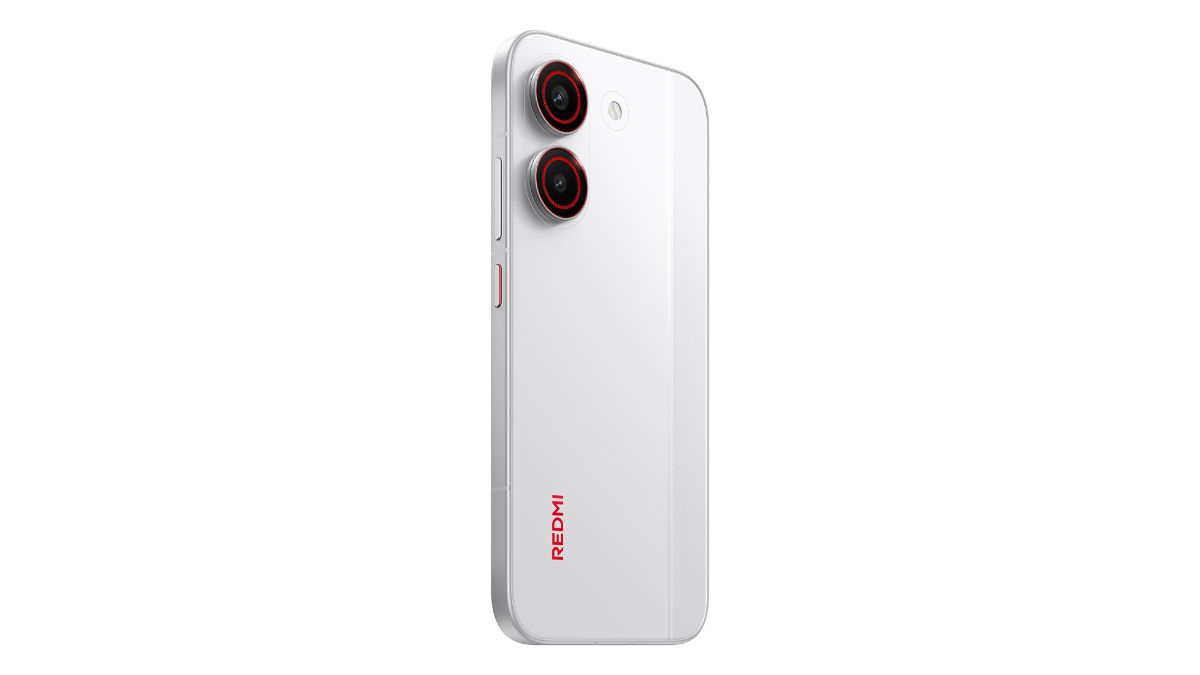
The Redmi Turbo 5 posts the weakest camera scorecard in this segment, averaging 6.5 across its valid scores, with 6.0 ratings for both portrait and ultrawide, the two lowest individual camera scores we recorded anywhere under ₹40,000. It asks ₹37,999.




Why We Didn’t Pick It
Two scores highlight this phone’s main weakness: its 6.0 portrait and ultrawide ratings are the lowest in our under-₹40,000 dataset. The front camera scores 6.5, while low light and video reach 7.0, its best results.
The hardware explains the gap. Xiaomi pairs a capable 50MP Sony IMX882 with an f/1.5 aperture and OIS, but the 8MP ultrawide and 20MP selfie cameras are much less impressive. The result is one good main camera supported by average secondary cameras.
Its daylight score is currently withheld because the sheet records 7.6, which does not fit our 0.5-point scoring system. Its 6.5 average therefore uses the five valid scores. Even at 7.5, it would still trail every recommended phone in this guide.
At ₹37,999, you do get strong performance. The Dimensity 8500-Ultra scored 2,002,211 in AnTuTu, while UFS 4.1 storage, a 7,540mAh battery with 100W charging and IP66/68/69/69K durability add to its appeal. This is essentially a gaming phone with a camera attached.
The phone reached 42.5°C during our stress test, with one gaming session becoming too hot to hold comfortably. Long shooting sessions outdoors in Indian summer conditions may therefore be uncomfortable.
Key Specifications
| Specification | Detail |
|---|---|
| Price | ₹37,999 (8GB/256GB) |
| Processor | MediaTek Dimensity 8500-Ultra |
| Display | 6.59″ AMOLED, 120Hz, 1.5K (2,430 nits measured) |
| Main camera | 50MP Sony IMX882, f/1.5, OIS |
| Ultrawide | 8MP |
| Front camera | 20MP OmniVision OV20B |
| Max video | 4K 30/60fps |
| Battery / Charging | 7,540mAh silicon-carbon / 100W, 27W reverse |
| RAM / Storage | 8GB or 12GB / 256GB, UFS 4.1 |
| Durability | IP66 / IP68 / IP69 / IP69K |
XP Lab Test Data
| Test / Metric | Result |
|---|---|
| Daylight | 6.0 |
| Low light | 7.0 |
| Portrait | 6.0 (lowest in segment) |
| Telephoto | No telephoto camera |
| Front camera | 6.5 |
| Ultrawide | 6.0 (lowest in segment) |
| Video | 7.0 |
| Camera score average | 6.5 |
| Measured peak brightness | 2,430 nits |
| Temperature after stress test | 42.5°C |
| Battery Life (PCMark) | 18H 41min |
Pros
Serious performance for the money, an AnTuTu score of 2,002,211 is second only to the Motorola Edge 70 Pro in this segment, and it beats every recommended phone here except that one. The fastest storage in the guide at UFS 4.1. A 7,540mAh silicon-carbon battery with 100W charging, comprehensive IP66/68/69/69K durability, and the second-brightest display we measured at 2,430 nits. Its 50MP IMX882 main sensor with f/1.5 and OIS is good hardware in isolation.
Cons
The lowest portrait and ultrawide scores anywhere in our under-₹40,000 data, both at 6.0. A 20MP front camera rating 6.5, a point and a half behind the segment leader. One competent main sensor supported by two clearly budget cameras. Runs hot at 42.5°C after stress testing. Its daylight score cannot currently be verified.
Who Should Buy It
Mobile gamers and power users who want the fastest phone available near ₹38,000 and treat the camera as secondary. If your usage is games, streaming and heavy multitasking, this is a legitimately strong device and the imaging weakness will rarely reach you.
Who Shouldn’t Buy It
Anyone reading a camera buying guide. If photography is any part of why you are spending ₹37,999, this is the wrong phone, the Infinix Note 60 Pro costs ₹6,000 less and beats it in every camera category we can compare. Portrait and ultrawide shooters should rule it out outright.
Expert Verdict: I would not recommend this phone for camera quality. It is an excellent performance device, but its camera system is the weakest in this price bracket, with two of the lowest scores in our entire dataset. Buy it for the chipset and battery life. If photos matter, the Infinix Note 60 Pro is ₹6,000 cheaper and offers a much stronger camera.
Oppo F33 Pro
The Oppo F33 Pro averages 7.1 across our camera tests at ₹37,999, and it is the only phone in this guide with no ultrawide camera at all and no 4K video recording. Its 50MP front camera is genuinely excellent at 8.0, the rest of the system is not.




Why We Didn’t Pick It
The F33 Pro’s biggest issue is what it lacks. Its 2MP secondary camera is not an ultrawide, while video is limited to 1080p. Every recommended phone here supports at least 4K 30fps, making the 1080p limit difficult to justify at ₹37,999.
Its actual camera scores are modest: 7.0 for daylight, portrait and video, and 6.5 for low light. The 50MP autofocus front camera is the exception, scoring 8.0 and offering a 100° field of view with automatic 0.6x framing for group selfies.
The display is another weakness. Our 883-nit peak brightness is the lowest in this comparison, making outdoor framing and photo reviews difficult. Performance is also the weakest, with its Dimensity 6360 Max scoring 634,603 in AnTuTu. Our overnight PCMark battery test returned an error, so endurance remains unmeasured.
Key Specifications
| Specification | Detail |
|---|---|
| Price | ₹37,999 (8GB/128GB) |
| Processor | MediaTek Dimensity 6360 Max (6nm) |
| Display | 6.57″ AMOLED, FHD+, 120Hz (883 nits measured) |
| Main camera | 50MP |
| Second rear camera | 2MP auxiliary (no ultrawide) |
| Front camera | 50MP, autofocus, 100° field of view |
| Max video | 1080p 30/60fps |
| Battery / Charging | 7,000mAh / 80W SuperVOOC |
| RAM / Storage | 8GB / 128GB or 256GB |
| Durability | IP66 / IP68 / IP69K, MIL-STD-810H |
XP Lab Test Data
| Test / Metric | Result |
|---|---|
| Daylight | 7.0 |
| Low light | 6.5 |
| Portrait | 7.0 |
| Telephoto | No telephoto camera |
| Front camera | 8.0 |
| Ultrawide | No ultrawide camera |
| Video | 7.0 |
| Camera score average | 7.1 |
| Measured peak brightness | 883 nits (dimmest in segment) |
| Battery Life (PCMark) | 17 hours 10 minutes |
Pros
An outstanding selfie camera, 8.0 is the second-best front-camera score in this segment, from a 50MP autofocus sensor with a 100° field of view that reframes automatically for group shots and corrects distortion across up to six faces. A 7,000mAh battery with 80W charging, IP66/68/69K protection and MIL-STD-810H certification in a 194g body.
Cons
No ultrawide camera at all, the second lens is a 2MP auxiliary unit. Video caps at 1080p, the only phone in this guide that cannot record 4K. At 883 nits measured, by far the dimmest display here, against a claimed 1,400. The weakest processor in the segment at 634,603 AnTuTu. Low light rates 6.5, joint-lowest in this guide.
Who Should Buy It
Buyers whose photography is overwhelmingly selfies and group shots, who value durability and battery over everything else, and who genuinely never record video. For that narrow buyer the front camera is class-leading and the rest of the phone is dependable.
Who Shouldn’t Buy It
Almost everyone else. Anyone who shoots video should rule it out over the 1080p limit alone. Anyone who uses ultrawide shots cannot, because there is no ultrawide camera. Anyone who shoots outdoors will fight the 883-nit display, and anyone who shoots at night will find 6.5 well behind the ₹31,999 Infinix Note 60 Pro’s 7.5.
Expert Verdict: This phone has one strong camera, but lacks the features and performance expected at ₹37,999. Its 50MP selfie camera is the second-best in this guide, but the lack of ultrawide and 4K video, plus its dim display and slow chip, hurt its overall appeal. For selfies, the Motorola Edge 70 Pro scores 8.5 and offers a better package for ₹1,000 more.
FAQ
Which phone under ₹40,000 has the best camera overall? The Motorola Edge 70 Pro, on a 7.9 average, the highest in our data. It also holds the segment’s best front camera at 8.5 and the best video rating at 8.5, and it is the only phone here recording 4K 60fps on all three of its cameras.
Do any phones under ₹40,000 have a real telephoto camera? Only two of our picks do: the Nothing Phone 4(a) and the Tecno Camon 50 Ultra, both with 50MP zoom lenses rated 8.0. The Nothing Phone 4(a) is ₹8,000 cheaper. Every other phone here zooms by cropping into the main sensor, and among those the Vivo V70 FE’s 200MP camera leaves the most to crop into.
Is a higher megapixel count better for photos? Not on its own. The Vivo V70 FE’s 200MP sensor does win our daylight detail category, but it rates 6.5 for ultrawide and 7.0 for video, the weakest results among our picks. The Motorola Edge 70 Pro takes the overall award with a 50MP main camera. Sensor size, lens quality and image processing all matter more than the headline number.
Which one should I buy for Instagram and Reels? The Motorola Edge 70 Pro. It records 4K 60fps on the main, ultrawide and front cameras, and its 50MP autofocus selfie camera rates 8.5, a full point ahead of anything else here. If you appear in your own footage, nothing else in this bracket is close.
What is the best camera phone under ₹35,000? The Nothing Phone 4(a) and the Infinix Note 60 Pro, both at ₹31,999, depending on what you shoot. The Nothing has the better all-round scorecard and a real telephoto lens; the Infinix is the only phone in the segment to clear 7.0 in low light and matches the best daylight score here.
Is the ultrawide camera worth caring about at this price? It varies more than you would expect. The Nothing Phone 4(a) rates 8.0 for ultrawide and the Motorola’s 50MP unit rates 7.5, but the Vivo V70 FE drops to 6.5 and the Tecno to 7.0 on budget 8MP sensors. If you shoot wide often, that spread should drive your choice.