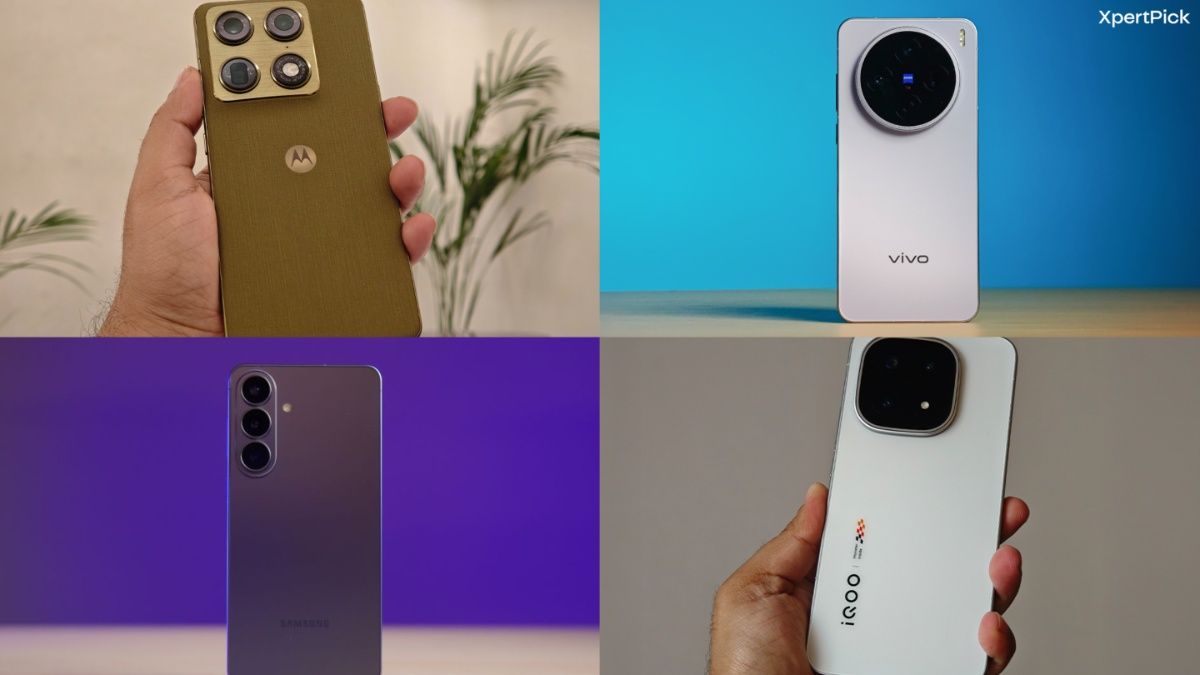
If you’re hunting for the ultimate gaming smartphone around the ₹80,000 price point, you’ve come to the right place. We’ve put the most competitive devices in this segment through a rigorous series of performance, thermal, and real-world gaming tests to find out which ones truly deserve your hard-earned money.
Phones Tested
To find the best gaming-focused smartphone under ₹80,000, we put eight devices through an extensive series of gaming, benchmark, thermal, battery and sustained performance tests. The comparison includes the iQOO 15, Oppo Find X9s, iPhone 17e, Pixel 10 Pro, Motorola Signature, Galaxy S26+, Vivo X200T, and Oppo Reno 15 Pro Mini. Rather than relying solely on specifications or synthetic benchmark scores, this roundup evaluates how each smartphone performs in demanding real-world gaming workloads to determine the strongest option in each category.
Our Winners at a Glance
| Category | My Pick | Price | Why We Picked It |
| Best Overall Gaming | iQOO 15 | ₹74,999 | Dominates with a massive 3.89M AnTuTu score, delivering a near-flawless 119.6 FPS average in BGMI alongside a class-leading 23h 45m battery life. |
| Best Chipset for High-FPS | Vivo X200T | ₹59,999 | The Dimensity 9400+ chip offers incredible value, matching top-tier flagships frame-for-frame while securing the group’s best thermal stability at 73.8%. |
| Best High-Refresh Display | Samsung Galaxy S26+ | ₹79,999 | Features a breathtaking 6.7-inch QHD+ Dynamic AMOLED 2X panel refreshing at 144Hz with 2,600 nits brightness for unmatched visual fidelity. |
| Best Cooling / Sustained Performance | iPhone 17e | ₹65,900 | The efficient A19 platform locks down an impeccable, industry-leading 93% CPU throttling stability for a perfectly consistent, stutter-free 60 FPS. |
| Best Battery for Long Sessions | Oppo Find X9s | ₹75,000 | Efficiency-first tuning stretches its battery to a monumental 22h 56m PCMark score, offering remarkably smooth, drama-free 90 FPS frame pacing. |
| Best Value Gaming Pick | Motorola Signature | ₹69,999 | Converts rupees into raw hardware flawlessly, undercutting rivals while serving up a 165Hz pOLED screen and blistering 125W charging. |
Gaming Benchmark Comparison: Test Results and Performance Analysis
| Test / Metric | iQOO 15 | iPhone 17e | Galaxy S26+ | Vivo X200T | Motorola Signature | Oppo Reno 15 Pro Mini |
|---|---|---|---|---|---|---|
| Recommendation | Best overall gaming + battery under ₹80k | Best GPU benchmark performance under ₹80k | Best display for gaming under ₹80k | Best cooling / sustained performance under ₹80k | Fastest display (165Hz) & charging under ₹80k | Best value compact gaming pick under ₹80k |
| Price | ₹74,999 | ₹65,900 | ₹79,999 | ₹59,999 | ₹69,999 | ₹49,999 |
| AnTuTu Overall | 3,891,344 🏆 | 1,901,019 | 2,942,306 | 2,893,015 | 3,044,435 | 2,115,138 |
| Geekbench (Single-Core) | 3,529 🏆 | 3,343 | 3,112 | 2,759 | 2,925 | 1,630 |
| Geekbench (Multi-Core) | 10,223 | 8,408 | 10,657 🏆 | 8,334 | 8,921 | 6,406 |
| Geekbench GPU Score | 23,573 | 31,096 🏆 | 25,744 | 20,823 | 17,723 | 11,824 |
| 3DMark Wild Life Extreme | 7,127 🏆 | 3,722 | 5,106 | 6,756 | 5,455 | 4,063 |
| 3DMark Stress Stability | 58.3% | 67.8% | 49.0% | 73.8% 🏆 | 67.0% | 46.5% |
| CPU Throttling Stability | 58% | N/A | 67% | 64% | 51% | 83% 🏆 |
| BGMI (Avg FPS) | 119.6 🏆 | 60.0 | 114.5 | 118.3 | 118.3 | 89.1 |
| BGMI (5% Low FPS) | 115.9 🏆 | 56.5 | 93.2 | 103.7 | 106.3 | 78.2 |
| Minecraft (Avg FPS) | 59.2 | 60.0 | 49.0 | 59.3 🏆 | 58.6 | 44.1 |
| Minecraft (5% Low FPS) | 51.4 | 52.5 | 46.1 | 51.5 🏆 | 44.4 | 21.5 |
| Battery Life | 23h 45min 🏆 | 22h 32min | 12h 57min | 22h 32min | 15h 30min | 10h 38min |
To keep the comparison focused, the main breakdown highlights only the six smartphones that earned a distinct recommendation during our lab testing. While eight devices were evaluated in total, the iQOO 15, Vivo X200T, Samsung Galaxy S26+, iPhone 17e, Oppo Find X9s, and Motorola Signature stood out in their respective categories and represent the strongest gaming picks under ₹80,000. The Google Pixel 10a and Oppo Reno 15 Pro Mini were also tested extensively, with their benchmark results and detailed analysis covered separately in their dedicated sections below.
How I Tested These Gaming Smartphones
After years of testing smartphones, one thing has become clear to me: specifications rarely tell the full story. A phone can post impressive benchmark numbers and still deliver a disappointing experience once temperatures rise. Some devices are tuned to maximise battery life, others are designed to achieve high benchmark scores for a few minutes, and some are simply held back by software optimisation. In fact, I have often seen phones with less powerful hardware outperform seemingly stronger rivals because they make better use of the resources available.
That is why I do not rely on benchmark scores alone. For every smartphone I test, I look at three key areas: peak performance, sustained performance, and real-world gaming. This approach helps reveal how a phone behaves after 20 minutes of gaming, during prolonged workloads, or when the battery starts to drain. In many cases, the results differ significantly from what the specifications suggest.
Test Conditions: All testing is conducted on retail units running publicly available software in a controlled environment with an ambient temperature of 28°C. Wherever possible, I use the highest-specification variant available. No manufacturer-supplied performance data is included in my analysis.
Performance Benchmarks: To measure peak performance, I use AnTuTu v10 and Geekbench 6. These benchmarks provide insight into overall system performance, CPU capabilities, GPU performance, and AI processing power, helping establish each device’s maximum performance potential.
Sustained Performance Testing: Peak performance only tells part of the story. To understand how a phone behaves under continuous load, I run the 3DMark Wild Life Extreme Stress Test for 20 loops and a dedicated 15-minute CPU throttling test. These tests reveal how much performance a device can maintain once temperatures begin to rise.
Gaming Tests: Gaming performance is evaluated using BGMI and Minecraft, each run for extended sessions while logging frame-time data. Alongside average FPS, I also record 5% low FPS figures, which provide a better indication of gameplay smoothness during demanding moments and help identify stutters that average frame rates often hide.
Battery Testing: Battery life is measured using PCMark Work 3.0 at a fixed 50% screen brightness. Unlike simple video playback tests, this benchmark simulates a realistic mix of productivity, browsing, and media workloads, offering a more accurate picture of day-to-day battery endurance.
This testing methodology reflects the latest smartphone launches, software updates, benchmark results, and Indian market pricing available as of July 2026. Prices are subject to change over time.
iQOO 15 – Best Overall Gaming and Best Battery Life Under ₹80k
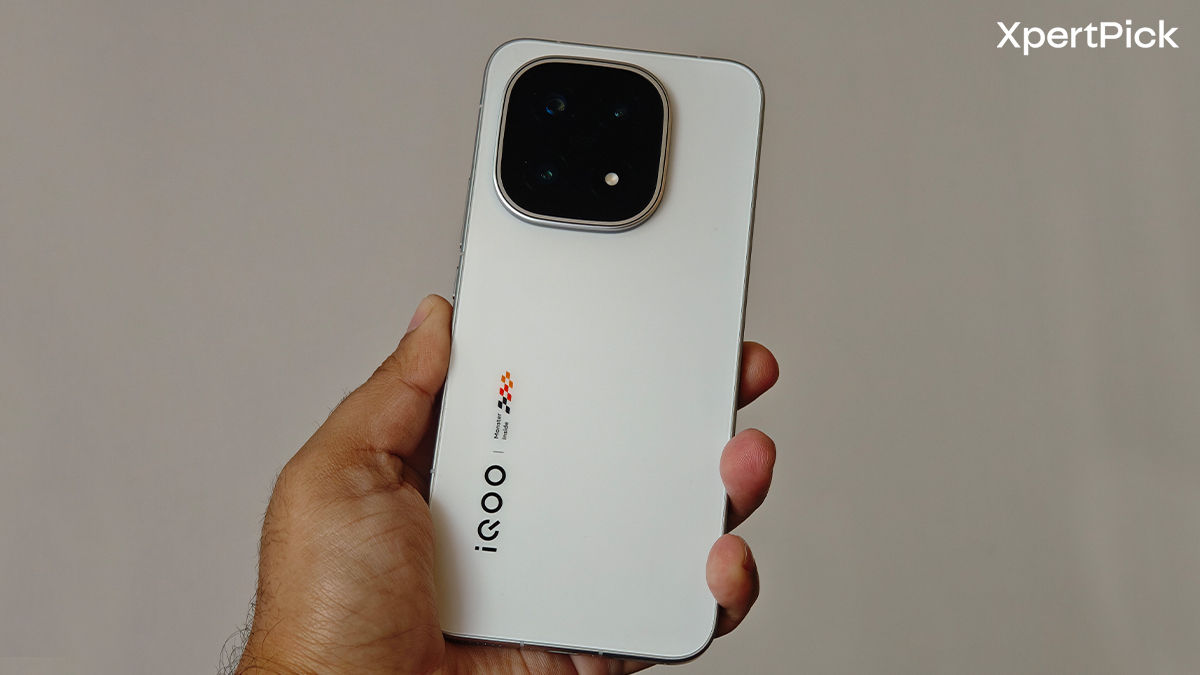
The iQOO 15 sets the benchmark for flagship performance under ₹80,000. Its class-leading gaming performance, exceptional battery life, and top-tier hardware earn it our strongest recommendation in this price segment.
Why We Picked It
When gaming performance takes priority over every other consideration, the iQOO 15 is the clear standout in the sub-₹80,000 segment. Equipped with the Snapdragon 8 Elite Gen 5, it achieved an exceptional AnTuTu score of 3,891,344, the highest of any phone in this comparison by a wide margin.
That performance advantage carries over into demanding games. In BGMI, the iQOO 15 delivered the highest frame rates of the group, averaging 119.6 FPS and maintaining an outstanding 115.9 FPS at the 5% Low mark, resulting in consistently smooth gameplay even during graphically intensive scenes. It was also the endurance champion of this comparison, lasting 23 hours and 45 minutes in the PCMark battery test on its large 7,000 mAh cell, the longest result of any phone we tested. One caveat: under the 20-loop 3DMark stress test the iQOO 15 retained 58.3% stability, with 58% CPU throttling stability, so its raw synthetic performance does taper under prolonged load, even though its in-game frame delivery remained rock solid throughout our sessions. For buyers seeking the highest possible, well-rounded gaming performance under ₹80,000, the iQOO 15 sets the standard.
iQOO 15 Key Specifications
iQOO 15 XP Lab Data
- AnTuTu Overall Score: 3,891,344
- Geekbench 6 Score: 3,529 (Single-Core) / 10,223 (Multi-Core)
- Geekbench GPU Score: 23,573
- 3DMark Wild Life Extreme Score: 7,127
- 3DMark Stress Test Stability: 58.3%
- CPU Throttling Test Stability: 58%
- BGMI Performance (Lowest Graphics): 119.6 Average FPS / 115.9 5% Low FPS
- Minecraft Performance (Highest Graphics): 59.2 Average FPS / 51.4 5% Low FPS
- Battery Life (PCMark): 23h 45min
iQOO 15 Pros & Cons
Pros: Dominant processing and graphical power with a 3.89M AnTuTu score. Delivers the most stable 120 FPS frame rates in the segment, maintaining a spectacular 115.9 5% Low in BGMI with virtually zero stutter, plus the longest PCMark battery life of the group at 23h 45min.
Cons: Sustained synthetic stability is middling (58.3% in the 3DMark stress test and 58% CPU throttling stability), and the aggressive “gamer” design aesthetic and heavily customized UI might not appeal to users looking for a clean, minimalist software experience.
Who Should Buy It
The iQOO 15 is ideal for gamers and power users who want flagship-level performance without compromise. Its powerful chipset, excellent gaming performance, long battery life, and 120W fast charging make it a great choice for extended gaming sessions, demanding workloads, and everyday multitasking.
Who Shouldn’t Buy It
If you prefer a cleaner software experience or a more understated flagship, there are better options. The gaming-focused software and feature set may not appeal to everyone, while buyers looking for the highest sustained benchmark stability may find more conservatively tuned alternatives.
Expert Verdict: The iQOO 15 delivers the most complete performance package in this comparison. It combines exceptional gaming performance, excellent battery life, and ultra-fast charging without any major compromises in everyday use. While benchmark stability dips under prolonged stress, real-world gaming performance remains outstanding, making it our top recommendation for performance-focused buyers under ₹80,000.
iPhone 17e – Best Cooling / Sustained Performance Under ₹80k
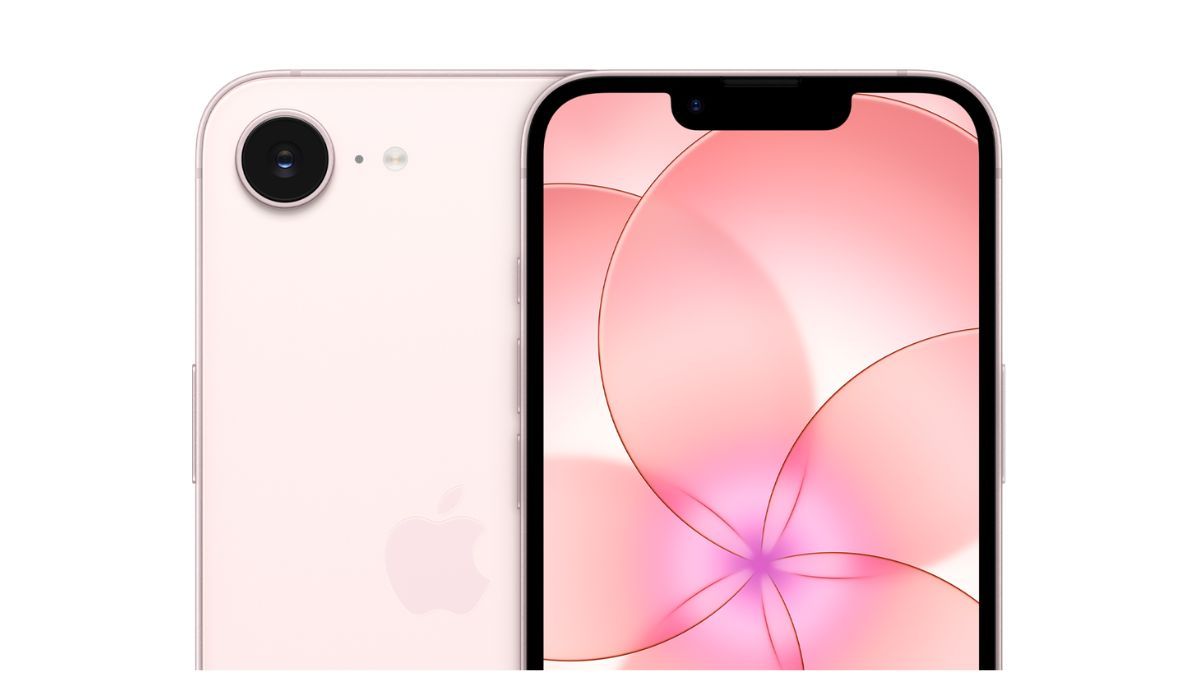
The iPhone 17e stands out for its remarkably consistent performance under sustained workloads. Its excellent thermal management and stable gaming performance make it our top choice for cooling and sustained performance under ₹80,000.
Why We Picked It
The iPhone 17e is the pick for gamers whose biggest frustration is a phone that turns into a pocket heater and sheds frames after twenty minutes, because sustained consistency is where Apple’s A19 platform is untouchable in this comparison. In independent stress testing by GSMArena, the 17e retained 93% of its CPU performance under prolonged load, comfortably the best throttling result of any phone in this roundup, alongside 66% GPU stress stability, which lines up almost exactly with the 67.8% we measured in our own 20-loop 3DMark Wild Life Extreme run. In practice, performance simply does not fall off a cliff, no matter how long the session runs.
The A19’s peak credentials are equally serious: the highest Geekbench GPU score of this entire comparison at 31,096 and strong single-core CPU performance at 3,343, second only to the iQOO 15. The essential caveat for gamers is the display: the 17e uses a 60Hz OLED panel, and BGMI’s 120 FPS mode is not supported on it, so all gaming is capped at 60 FPS. Within that ceiling, the combination of thermal headroom and a modest frame-rate target produces a locked, stutter-free 60 FPS that never dims, never dips, and never gets uncomfortably hot, exactly what the “sustained performance” buyer is shopping for. High-refresh chasers should look at our Android picks; everyone who values imperturbable consistency should look here.
iPhone 17e Key Specifications
- Starting Price: ₹65,900
- Processor: Apple A19 Bionic (4-core GPU)
- Display: 6.1-inch Super Retina XDR OLED, 60Hz
- RAM: 8GB
- Storage: 256GB / 512GB NVMe
- Battery: 4,005 mAh
- Charging: ~26W Wired (MagSafe Wireless)
- Rear Camera: 48MP Main (OIS)
- Front Camera: 12MP Selfie
iPhone 17e Lab & Verified Test Data
iPhone 17e Pros & Cons
Pros: The best sustained performance of any phone in this comparison, 93% CPU throttling stability with no screen dimming or frame drops over long sessions, plus the segment’s strongest GPU benchmark score (31,096) and Apple’s long software support.
Cons: The 60Hz display hard-caps all gaming at 60 FPS, half the frame-rate ceiling of every Android pick, and its system-wide AnTuTu (1.9M) and 3DMark Wild Life Extreme (3,722) results trail the group.
Who Should Buy It
The iPhone 17e is ideal for buyers who value consistent performance over headline benchmark numbers. Its excellent thermal management, stable gaming performance, and long software support make it a great choice for extended gaming sessions, content creation, and everyday use in a compact flagship.
Who Shouldn’t Buy It
If you want high-refresh-rate gaming, there are better options. The 60 Hz display limits gameplay to 60 FPS, putting it behind Android rivals that support 120 FPS gaming. Buyers focused on peak benchmark performance will also find stronger alternatives in this price range.
Expert Verdict: The iPhone 17e takes a different approach to flagship performance by prioritising consistency over peak numbers. It remains cool under load, maintains stable performance during extended workloads, and delivers one of the most reliable gaming experiences in this comparison. While the 60 Hz display limits its appeal for competitive gamers, it is an excellent choice for buyers who value sustained performance and long-term reliability.
Samsung Galaxy S26+ – Best High-Refresh Display for Gaming Under ₹80k
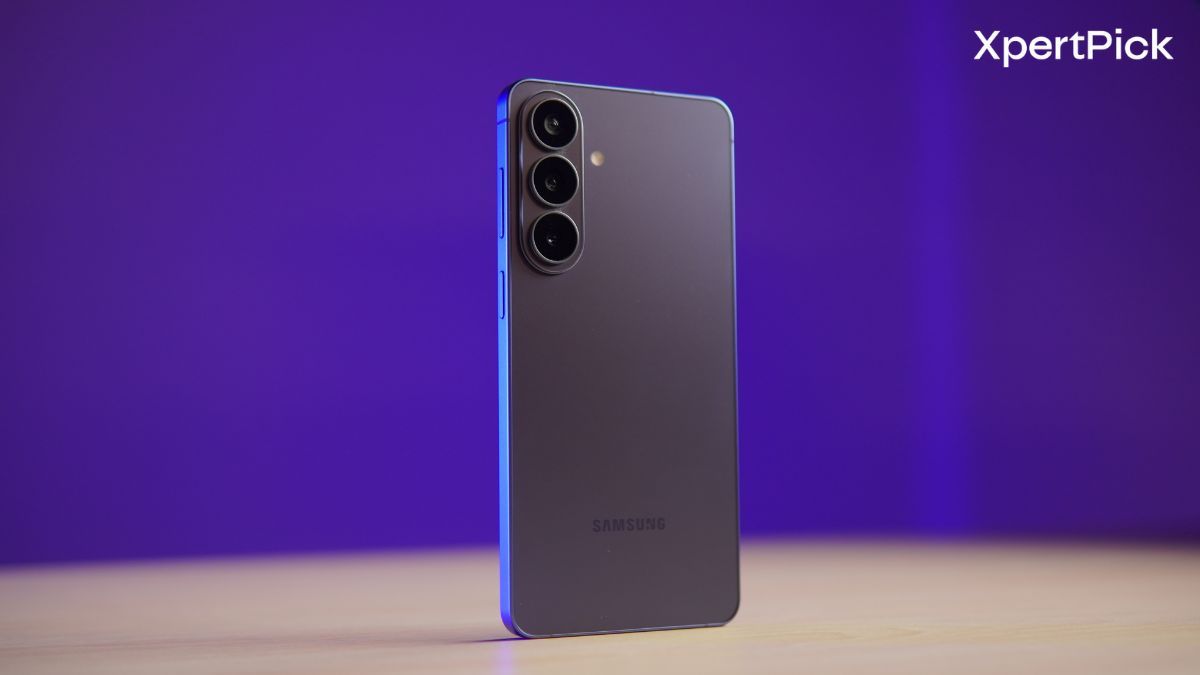
The Samsung Galaxy S26+ stands out as the best display-focused flagship under ₹80,000. Its superb QHD+ AMOLED panel, powerful hardware, and polished user experience make it our top recommendation for buyers who prioritise screen quality.
Why We Picked It
A high-refresh-rate display is only as good as the quality of the panel behind it, and the Samsung Galaxy S26+ delivers one of the most visually stunning gaming experiences in this price segment. Its 6.7-inch QHD+ Dynamic AMOLED 2X display refreshes at up to 144Hz and hits 2,600 nits of peak brightness, providing spectacular colors, deep contrasts, and fluid motion clarity across supported games, the best combination of resolution, brightness and refresh rate here.
The display is backed by genuinely fast hardware. The S26+ posted the highest Geekbench multi-core score of the group (10,657) and the highest Geekbench GPU score among our Android picks (25,744), achieving a respectable 114.5 FPS average in BGMI. Its weak spot is sustained load: 3DMark stress stability came in at 49.0%, the lowest of our six picks, and its BGMI 5% Low of 93.2 FPS shows noticeable dips during long sessions, with CPU throttling stability at 67%. For gamers who prioritize absolute visual fidelity, vibrant colors, media consumption, and premium haptics just as much as frame rates, the Galaxy S26+ is unmatched under ₹80k, just expect some throttling in marathon sessions.
Samsung Galaxy S26+ Key Specifications
Samsung Galaxy S26+ XP Lab Data
Samsung Galaxy S26+ Pros & Cons
Pros: The most gorgeous, responsive screen in the segment, ensuring you can see enemies even in heavy glare, plus the highest multi-core CPU and Android GPU benchmark scores of the group and excellent premium build, haptics, and stereo speakers.
Cons: Sits right at the very edge of the ₹80,000 budget, thermal stability is the weakest of our picks (49% in the 3DMark stress test), battery life is short at 12h 57min, and charging is slower at 45W compared to its Chinese rivals.
Who Should Buy It
The Samsung Galaxy S26+ is ideal for buyers who prioritise display quality, multimedia, and a polished flagship experience. Its excellent QHD+ AMOLED display, powerful hardware, premium build, and long software support make it a great choice for media consumption, everyday productivity, and gaming.
Who Shouldn’t Buy It
If you regularly play demanding games for extended periods or want the best battery life, there are stronger alternatives. The Galaxy S26+ throttles under sustained workloads, while its battery life and 45W charging lag behind several rivals in this price segment.
Expert Verdict: The Samsung Galaxy S26+ delivers one of the best display experiences available under ₹80,000. Combined with flagship performance, premium build quality, and refined software, it is an excellent all-round smartphone. However, buyers who prioritise sustained gaming performance or battery endurance will find better value elsewhere.
Vivo X200T – Best Chipset for High-FPS (BGMI / COD) Under ₹80k
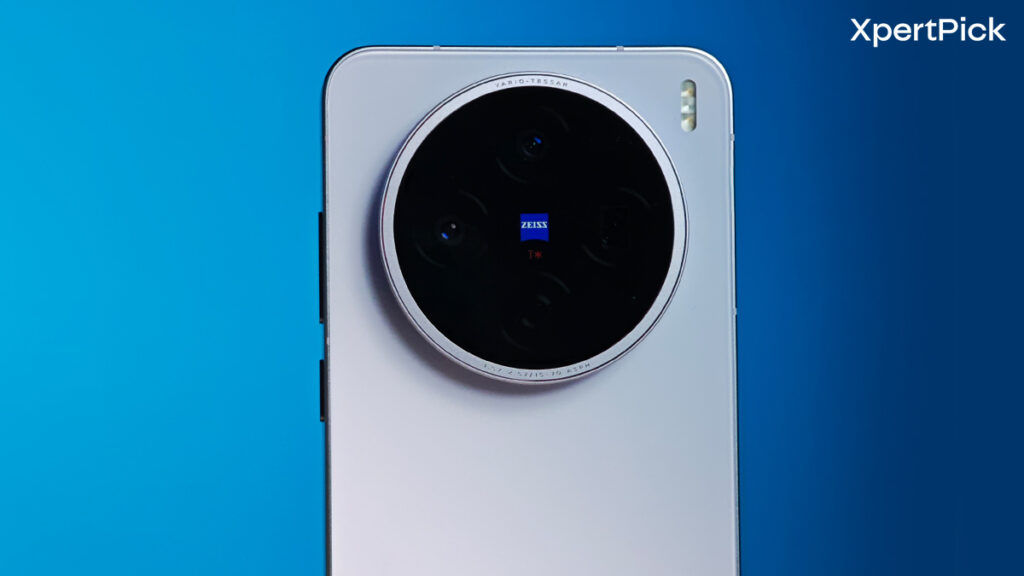
The vivo X200T stands out for delivering consistently high gaming performance rather than chasing headline benchmark numbers. Its efficient Dimensity 9400+ chipset and long battery life make it our top high-FPS recommendation under ₹80,000.
Why We Picked It
If your priority is a chipset that unlocks the highest frame-rate tiers in competitive shooters and then actually holds them, the Vivo X200T’s MediaTek Dimensity 9400+ makes the strongest case outside the iQOO 15. It averaged a full 118.3 FPS in BGMI with a 103.7 FPS 5% Low, matching the Snapdragon 8 Gen 5 flagships frame for frame, and it topped our Minecraft results outright (59.3 average / 51.5 5% Low), proof that the silicon copes just as well with sustained CPU-and-GPU-heavy titles as with optimised shooters.
What separates this chipset from equally fast rivals is how little it gives back over time. It posted the best 3DMark stress stability of all eight phones tested (73.8%), the third-best raw Wild Life Extreme score (6,756), and stayed the coolest of our picks at 42.4°C after the stress run, so the 118 FPS you get in match one is still there in match ten. Backed by a 6,200 mAh silicon-carbon battery that ran 22 hours and 32 minutes in PCMark, and priced at just ₹59,999, the X200T is the high-FPS chipset pick that doesn’t ask for compromises.
Vivo X200T Key Specifications
- Starting Price: ₹59,999
- Processor: MediaTek Dimensity 9400+
- Display: 6.67-inch AMOLED (120Hz)
- RAM: 12GB LPDDR5X
- Storage: 256GB / 512GB
- Battery: 6,200 mAh
- Charging: 90W Fast Charging
- Rear Camera: 50MP Main (OIS) + 50MP Ultra-Wide
- Front Camera: 32MP Selfie
Vivo X200T XP Lab Data
Vivo X200T Pros & Cons
Pros: The Dimensity 9400+ delivers full 118 FPS BGMI gameplay and the group’s best Minecraft results, with the best sustained stability of all eight phones tested (73.8%) and excellent 22h 32min battery life, at the lowest price of our six picks.
Cons: Peak CPU benchmark scores trail the Snapdragon 8 Elite Gen 5, and its BGMI 5% Lows (103.7 FPS), while very good, sit slightly behind the iQOO 15 and Motorola Signature.
Who Should Buy It
The vivo X200T is ideal for buyers who want consistently high gaming performance without spending flagship prices. Its excellent sustained performance, long battery life, and efficient thermal management make it a great choice for competitive gamers and power users who regularly play for extended periods.
Who Shouldn’t Buy It
If your priority is achieving the highest possible benchmark scores, there are better options. While the Dimensity 9400+ delivers excellent real-world performance, Snapdragon 8 Elite-powered rivals post higher peak synthetic results. Buyers seeking the most consistent 120 FPS experience should also consider the iQOO 15.
Expert Verdict: The vivo X200T offers one of the best balances of gaming performance, battery life, and value under ₹80,000. Its Dimensity 9400+ chipset delivers consistently smooth gameplay, while excellent thermal performance and long battery life make it a dependable choice for extended gaming sessions. At ₹59,999, it is one of the strongest value-for-money flagship phones in this category.
Oppo Find X9s – Best Battery for Long Sessions Under ₹80k
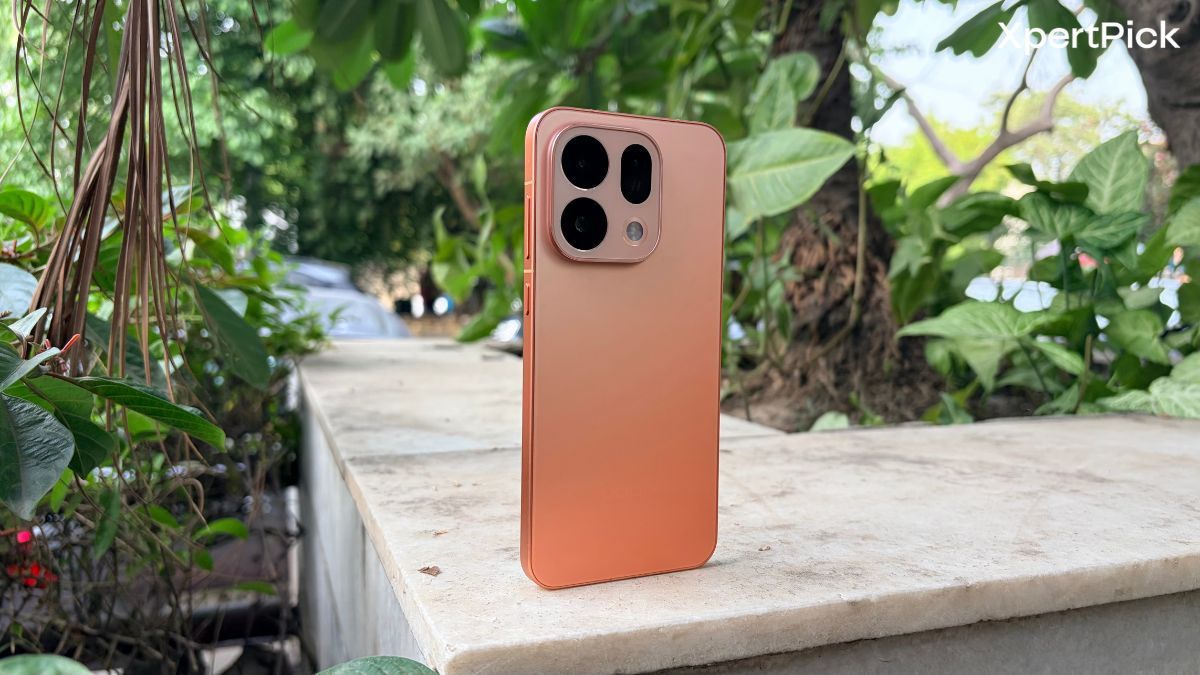
The Oppo Find X9s is built for buyers who spend hours gaming away from a charger. Its excellent battery life, efficient hardware, and stable performance earn it our recommendation for long gaming sessions under ₹80,000.
Why We Picked It
The Oppo Find X9s is designed for gamers who spend long stretches away from a charger. In our mixed-use PCMark battery test it ran for 22 hours and 56 minutes, the second-longest result of all eight phones tested, behind only the iQOO 15, and it pairs that endurance with a surprisingly potent platform: its AnTuTu score of 3,048,471 is the third-highest of the entire comparison.
Its gaming philosophy is efficiency-first. Rather than chasing the 120 FPS tier, it holds a steady 89.8 FPS average in BGMI with a tight 86.2 FPS 5% Low, a gap of under 4 FPS between average and lows, which translates to remarkably smooth, drama-free gameplay that sips power. Its 3DMark stress stability of 63.2% and 71% CPU throttling stability are solid mid-pack results. Add the exceptional triple 50MP camera system and premium design, and the Find X9s is the pick for travel gamers and commuters who want marathon endurance without carrying a power bank, provided they can live without 120 FPS.
Oppo Find X9s Key Specifications
Oppo Find X9s XP Lab Data
- AnTuTu Overall Score: 3,048,471
- Geekbench 6 Score: 2,247 (Single-Core) / 7,594 (Multi-Core)
- Geekbench GPU Score: 19,046
- 3DMark Wild Life Extreme Score: 6,127
- 3DMark Stress Test Stability: 63.2%
- CPU Throttling Test Stability: 71%
- BGMI Performance (Lowest Graphics): 89.8 Average FPS / 86.2 5% Low FPS
- Minecraft Performance (Highest Graphics): 57.2 Average FPS / 46.1 5% Low FPS
- Battery Life (PCMark): 22h 56min
Pros & Cons
Pros: Outstanding battery life with a 22-hour 56-minute PCMark runtime, consistently smooth 90 FPS gaming, and an excellent triple 50MP camera system.
Cons: Limited to 90 FPS gaming, missing the 120 FPS modes offered by rivals, while sustained thermal stability is good rather than class-leading.
Who Should Buy It
The Oppo Find X9s is ideal for buyers who value battery life as much as gaming performance. Its excellent endurance, premium design, capable cameras, and stable 90 FPS gaming make it a great choice for long gaming sessions, travel, and everyday flagship use.
Who Shouldn’t Buy It
If your priority is 120 FPS gaming or the highest possible benchmark scores, there are better options. The Find X9s is tuned for efficiency rather than peak performance, making the vivo X200T and iQOO 15 stronger choices for competitive gamers.
Expert Verdict: The Oppo Find X9s prioritises efficiency over outright speed, and the approach works. It delivers outstanding battery life, smooth gaming performance, and a polished flagship experience without unnecessary compromises in everyday use. While it is not the fastest gaming phone in this comparison, it is one of the best choices for buyers who want long battery life alongside dependable performance.
Motorola Signature – Best Value Gaming Pick Under ₹80k
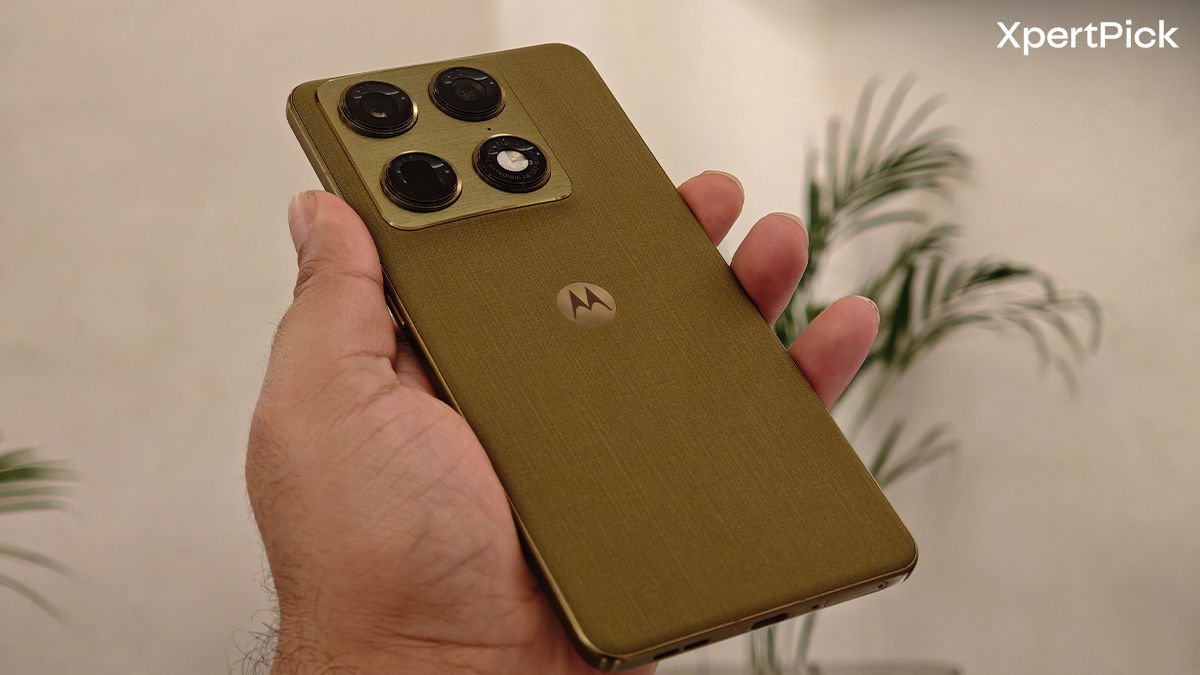
The Motorola Signature delivers flagship-level gaming performance at a highly competitive price, earning our recommendation as the best value gaming phone under ₹80,000.
Why We Picked It
The Motorola Signature is the phone that makes the rest of this list sweat on price. At ₹69,999, it delivers an AnTuTu score of 3,044,435, the second-highest of any Android in this comparison, within touching distance of the iQOO 15, while undercutting the Galaxy S26+ by ₹10,000 and the iQOO itself by ₹5,000. No other phone here converts rupees into flagship-tier gaming hardware as efficiently.
And it is flagship-tier where it counts. The Snapdragon 8 Gen 5 pushed BGMI to a 118.3 FPS average with a 106.3 FPS 5% Low, the second-best 5% Low of the entire group, on the fastest display of our picks, a 6.8-inch 165Hz pOLED. Its 125W charging (with 50W wireless) is also the quickest here, getting you back into the lobby in minutes. The compromises that keep its price down are real but livable: its 15-minute CPU throttling result of 51% was the lowest of our picks and it ran hottest after stress testing (44.7°C), so multi-hour marathon sessions will see it taper where the Vivo X200T holds firm, and its 15h 30min PCMark battery result is mid-pack. But for match-length competitive play, you are getting 90% of the iQOO 15 experience with a 165Hz screen for meaningfully less money, and that is exactly what a value pick should be.
Motorola Signature Key Specifications
Motorola Signature XP Lab Data
- AnTuTu Overall Score: 3,044,435
- Geekbench 6 Score: 2,925 (Single-Core) / 8,921 (Multi-Core)
- Geekbench GPU Score: 17,723
- 3DMark Wild Life Extreme Score: 5,455
- 3DMark Stress Test Stability: 67.0%
- CPU Throttling Test Stability: 51%
- Temperature After Stress Test: 44.7°C
- BGMI Performance (Lowest Graphics): 118.3 Average FPS / 106.3 5% Low FPS
- Minecraft Performance (Highest Graphics): 58.6 Average FPS / 44.4 5% Low FPS
- Battery Life (PCMark): 15h 30min
Motorola Signature Pros & Cons
Pros: Unbeatable flagship value, second-highest Android AnTuTu score (3.04M), 118.3 FPS BGMI with the group’s second-best 5% Low (106.3), the fastest 165Hz display and quickest 125W charging of our picks, all at ₹69,999.
Cons: Sustained performance is its Achilles’ heel, 51% CPU throttling stability is the weakest of our six picks and it ran hottest after stress testing (44.7°C). Camera software is also strictly average compared to rivals.
Who Should Buy It
The Motorola Signature is ideal for buyers who want flagship gaming performance without spending at the top of the premium segment. Its powerful chipset, smooth 165 Hz pOLED display, and exceptionally fast 125W charging make it an excellent choice for competitive gaming and everyday performance.
Who Shouldn’t Buy It
If you regularly play games for extended periods or place a high priority on camera performance, there are better options. The phone runs noticeably warm under sustained workloads and throttles more aggressively than its closest rivals, while its cameras are competent rather than class-leading.
Expert Verdict: The Motorola Signature delivers an impressive balance of price and performance. It offers flagship-grade gaming, a superb high-refresh display, and class-leading charging speeds at a lower price than many rivals. While sustained thermals remain its biggest weakness, it is one of the strongest value-focused gaming phones available under ₹80,000.
Oppo Reno 15 Pro Mini
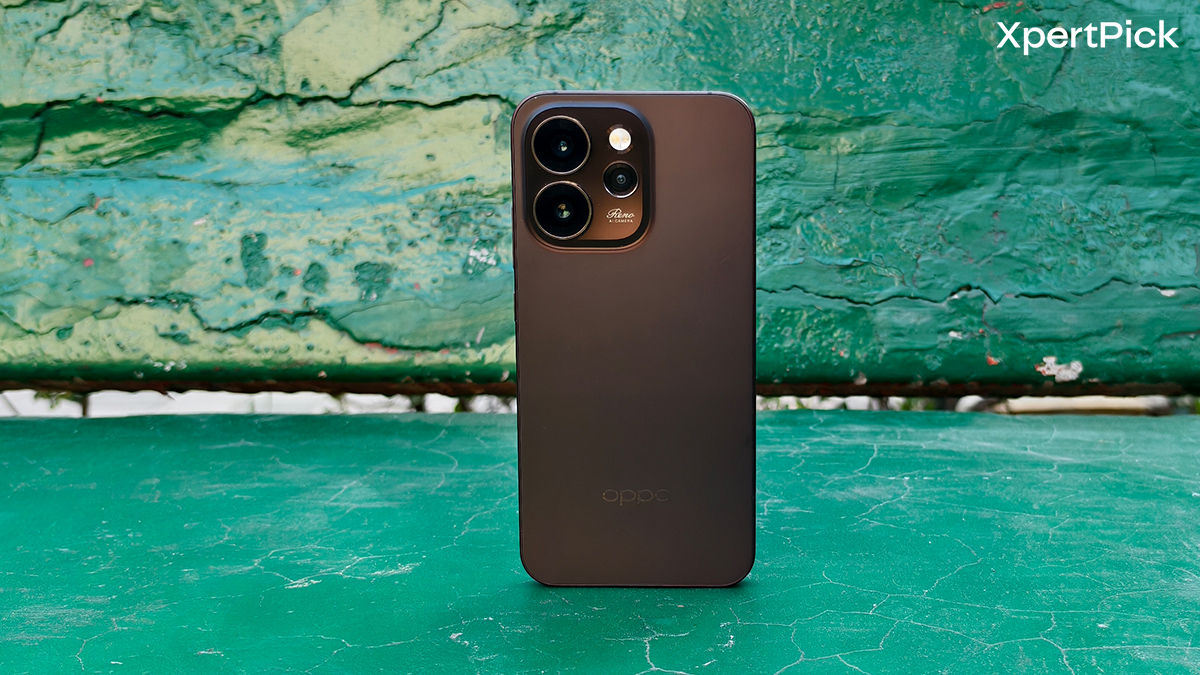
The Oppo Reno 15 Pro Mini is not one of our recommended gaming phones under ₹80,000. Although it delivers strong everyday performance in a compact form factor, its battery life and sustained graphics performance fall short of the category leaders.
Why We Didn’t Pick It
The Oppo Reno 15 Pro Mini narrowly missed our final six, but it deserves a serious look from budget-conscious buyers. At ₹49,999, ₹20,000 below our value pick, its MediaTek Dimensity 8450 scored 2,115,138 on AnTuTu and delivered an 89.1 FPS average in BGMI with a 78.2 FPS 5% Low, and it recorded the best CPU throttling stability of all eight phones on Android at 83%.
The reason it sits outside the picks is what you give up: it cannot reach the 120 FPS tier that the Motorola Signature unlocks for ₹20,000 more, its 3DMark GPU stress stability of 46.5% was the weakest we measured, its Minecraft 5% Lows (21.5 FPS) show it straining at maximum settings, and its 10h 38min PCMark battery result was the shortest of the group. If your budget is hard-capped at ₹50,000 and you love a compact 6.32-inch phone for claw-grip play, it remains a genuinely good buy, but if you can stretch to the Motorola Signature, the jump in gaming capability per rupee is decisively worth it.
Oppo Reno 15 Pro Mini Key Specifications
Oppo Reno 15 Pro Mini XP Lab Data
Oppo Reno 15 Pro Mini Pros & Cons
Pros: Excellent price-to-performance at ₹49,999 with the best Android CPU throttling stability of the group (83%) and a compact, ergonomic form factor ideal for claw-grip gamers.
Cons: Capped at ~90 FPS in BGMI, the weakest GPU stress stability we measured (46.5%), the shortest battery life of the group (10h 38min), and struggling Minecraft 5% Lows at maximum settings.
Who Should Buy It
The Oppo Reno 15 Pro Mini is ideal for buyers who want a compact flagship without sacrificing everyday performance. Its comfortable 6.32-inch form factor, stable CPU performance, and smooth 90 FPS gaming make it a strong choice for users who prefer smaller phones and have a budget of around ₹50,000.
Who Shouldn’t Buy It
If you want the best gaming performance or battery life, there are better options. The Reno 15 Pro Mini is limited to around 90 FPS in supported games, while its battery life and sustained graphics performance trail the other phones in this comparison. Buyers who can stretch their budget should consider the Motorola Signature or iQOO 15.
Expert Verdict: The Oppo Reno 15 Pro Mini delivers a well-balanced gaming experience in a compact form factor, but it falls short of the best gaming phones in this category. Its stable CPU performance and comfortable design make it easy to recommend for buyers who prefer smaller devices. However, those seeking the best battery life, sustained gaming performance, or long-term value will find stronger alternatives by spending a little more.
Pixel 10 Pro
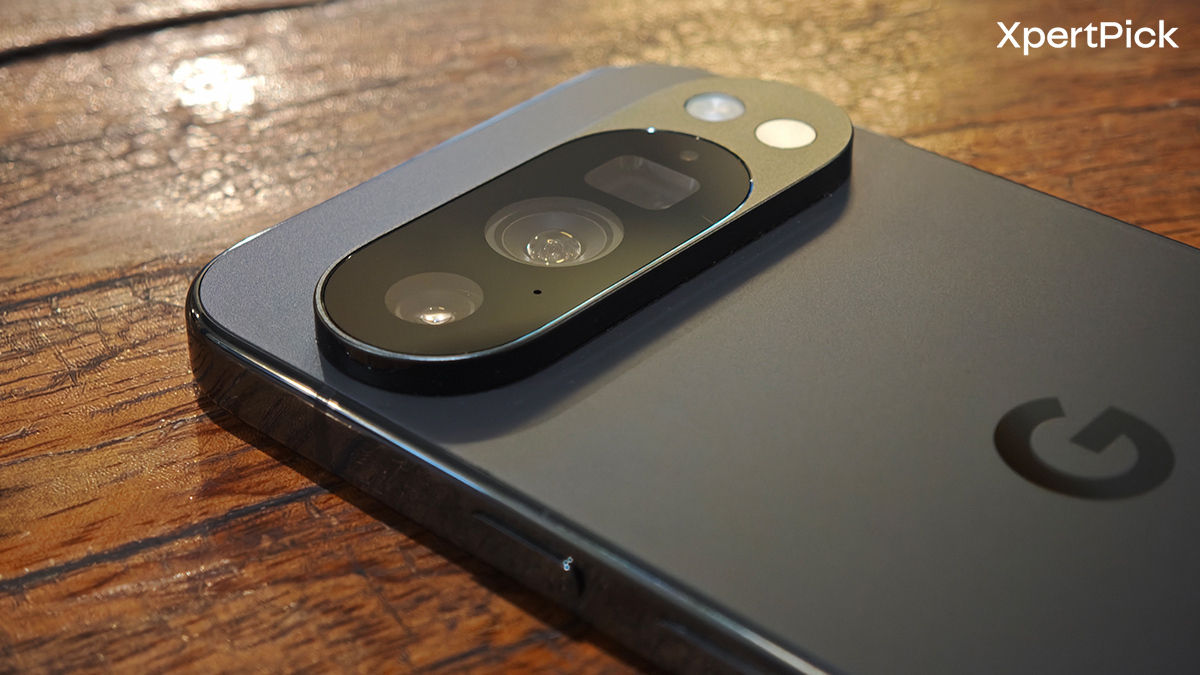
The Pixel 10 Pro is not one of our recommended performance phones under ₹80,000. While it excels in photography and software, its gaming performance falls well behind the strongest contenders in this comparison.
Why We Didn’t Pick It
The Pixel 10 Pro did not make my final recommendation list because its graphics performance falls well behind the other phones in this comparison. While it features an incredible camera and clean software, its Tensor G5 simply cannot keep pace in gaming workloads.
During our testing, it returned an AnTuTu score of 1,279,594 and a Geekbench GPU score of just 4,143, a fraction of what the Snapdragon and Dimensity flagships manage. In BGMI it averaged only 58.4 FPS, dropping to 40.9 FPS at the 5% Low mark. Its 3DMark stress stability of 68.4% is actually respectable, but stability matters little when the baseline frame rate is this low. If your gaming consists mainly of lighter titles and camera quality is your ultimate priority, the Pixel is wonderful. But for serious mobile gaming at this price, it simply does not clear the performance bar set by the top picks in this comparison.
Pixel 10 Pro Key Specifications
- Price: ₹72,999
- Processor: Google Tensor G5
- Display: 6.3-inch OLED (120Hz)
- Battery: 4,870 mAh
- Charging: 27W Fast Charging
- Camera: 50MP Main (OIS) + 12MP Ultra-Wide, 10.5MP Selfie
- RAM & Storage: 16GB / 256GB
Pixel 10 Pro XP Lab Test Data
Pixel 10 Pro Pros & Cons
Pros: Industry-leading camera software and a clean, bloat-free Android experience with long-term update support.
Cons: GPU performance is far below every recommended pick (4,143 Geekbench GPU; 58.4 FPS in BGMI), making it unsuitable for heavy, sustained 3D gaming.
Who Should Buy It
The Pixel 10 Pro is ideal for buyers who prioritise photography, software, and AI features over gaming performance. Its excellent cameras, clean Android experience, and long software support make it a great choice for everyday use, content creation, and casual gaming.
Who Shouldn’t Buy It
If gaming is your priority, there are much better options in this price range. The Pixel 10 Pro struggles to match the frame rates and graphics performance of rivals such as the iQOO 15 and vivo X200T, making it less suitable for demanding titles like BGMI and Minecraft.
Expert Verdict: The Pixel 10 Pro is an outstanding flagship for photography and everyday use, but it is not one of our recommended performance phones under ₹80,000. Google’s Tensor G5 excels at AI-driven tasks and image processing, but its graphics performance lags behind competing flagship chipsets. Buyers looking for the best gaming experience should look elsewhere.
Frequently Asked Questions (FAQs)
What Is the Best Gaming Smartphone Under ₹80,000? If gaming is your main priority, the iQOO 15 is the strongest overall option thanks to its massive 3.89M AnTuTu score, the highest BGMI frame rates we recorded (119.6 average / 115.9 5% Low), and the longest battery life of the group at 23h 45min in PCMark.
Which Phone Delivers the Highest FPS in BGMI Under ₹80,000? The iQOO 15 recorded the highest average frame rate (119.6 FPS) and the highest 5% Low (115.9 FPS) in BGMI among the phones tested. The Motorola Signature and Vivo X200T followed closely at 118.3 FPS each. (No BGMI data was recorded for the iPhone 17e in our testing.)
Which Gaming Phone Has the Best Thermal Performance? The Vivo X200T delivered the most consistent thermal performance in this comparison. It maintained 73.8% stability during 3DMark stress testing, the best result of all eight phones tested, while staying cooler than its rivals, making it the most reliable choice for marathon gaming sessions. For CPU-specific throttling, the Oppo Reno 15 Pro Mini led the group at 83%.
Which Performance-Focused Phone Has the Best Battery Life? The iQOO 15 delivered the longest battery life among the phones tested, lasting 23 hours and 45 minutes in the PCMark Work 3.0 battery test on its 7,000 mAh battery, with the Oppo Find X9s (22h 56min) and Vivo X200T (22h 32min) close behind.
What Is the Best Value Gaming Phone Under ₹50,000? The Oppo Reno 15 Pro Mini is a strong option for buyers on a tighter budget. Sitting right at ₹49,999, it offers reliable ~90 FPS BGMI performance, the best CPU throttling stability of the group (83%), and a highly ergonomic compact design.
Can the Pixel 10 Pro Handle Heavy Gaming? While the Pixel 10 Pro can run games like BGMI, it is not suited to demanding 3D titles, it averaged just 58.4 FPS in BGMI with 5% Lows of 40.9 FPS, and its Geekbench GPU score of 4,143 is a fraction of its rivals’. It is better suited to photography and casual use than heavy gaming workloads.